Are you ready to stand out in your next interview? Understanding and preparing for Operating Repair Equipment interview questions is a game-changer. In this blog, we’ve compiled key questions and expert advice to help you showcase your skills with confidence and precision. Let’s get started on your journey to acing the interview.
Questions Asked in Operating Repair Equipment Interview
Q 1. Explain your experience with preventative maintenance procedures.
Preventative maintenance (PM) is crucial for extending the lifespan of operating equipment and minimizing downtime. My experience encompasses developing and implementing comprehensive PM schedules based on manufacturer recommendations, operating hours, and environmental factors. This involves a systematic approach to inspection, lubrication, cleaning, and minor repairs before problems arise.
For instance, in a previous role maintaining a fleet of forklifts, I developed a PM schedule including weekly checks of tire pressure, fluid levels, and battery charge; monthly inspections of hydraulic systems and braking mechanisms; and yearly comprehensive overhauls. This proactive approach reduced breakdowns by 40%, saving both time and money.
- Inspection: Visually checking for wear and tear, leaks, loose connections, and unusual noises.
- Lubrication: Applying lubricants to moving parts according to manufacturer specifications to reduce friction and wear.
- Cleaning: Removing dirt, debris, and contaminants that can damage components.
- Minor Repairs: Addressing small issues before they escalate into major problems.
Q 2. Describe your troubleshooting methodology for malfunctioning equipment.
My troubleshooting methodology follows a structured, systematic approach. It begins with a thorough assessment of the symptoms, followed by isolating the potential causes and systematically testing each until the root cause is identified and resolved. I utilize a five-step process:
- Gather Information: Observe the malfunctioning equipment, noting all relevant details, such as error codes, unusual noises, and the timing of the failure.
- Formulate Hypothesis: Based on the collected information, develop a list of possible causes. Consider the equipment’s history and past maintenance records.
- Test Hypotheses: Systematically test each hypothesis using appropriate diagnostic tools and techniques.
- Identify Root Cause: Once a hypothesis is confirmed, identify the root cause of the problem. This might involve examining component failures, electrical shorts, or software glitches.
- Implement Solution: After identifying the root cause, implement the necessary repairs or replacements, followed by testing the equipment to ensure proper functionality.
For example, when a conveyor belt system stopped unexpectedly, I first examined the motor for signs of overheating or damage. Upon finding no issue there, I checked the power supply, eventually identifying a loose connection in the control panel. A simple tightening resolved the problem efficiently.
Q 3. How do you diagnose electrical faults in operating equipment?
Diagnosing electrical faults requires a combination of methodical testing and the use of specialized tools. I start by visually inspecting wiring, connections, and components for signs of damage, such as frayed wires, loose connections, or burned components. Then I use multimeters to check voltage, current, and resistance levels in various parts of the circuit.
Specialized tools like clamp meters, oscilloscopes, and insulation resistance testers may also be used depending on the complexity of the system. For instance, an oscilloscope can be used to analyze waveforms and detect intermittent faults. Safety is paramount; I always disconnect power sources before working on electrical systems and adhere to lockout/tagout procedures.
When dealing with Programmable Logic Controllers (PLCs), I’ll use programming software to monitor and diagnose internal faults, examining program logic and I/O status.
Q 4. What are your experiences with hydraulic systems repair?
I have extensive experience with hydraulic systems repair, encompassing both troubleshooting and preventative maintenance. This includes working with various types of hydraulic components, including pumps, valves, cylinders, and accumulators. My experience involves diagnosing leaks, identifying pressure drops, and repairing or replacing faulty components.
Troubleshooting often involves checking for leaks using visual inspection and pressure testing, analyzing fluid condition for contamination, and using specialized tools like pressure gauges and flow meters to identify problems within the system. For instance, I once repaired a hydraulic press that had developed a significant leak by identifying a damaged seal on a cylinder. I replaced the seal, and the press was restored to full functionality. Understanding hydraulic schematics is critical to tracing the flow and identifying potential points of failure.
Q 5. Explain your knowledge of pneumatic systems and their maintenance.
Pneumatic systems utilize compressed air to power various mechanisms. My knowledge encompasses the maintenance and repair of pneumatic components, including air compressors, valves, cylinders, and actuators. Preventative maintenance usually involves inspecting for leaks, cleaning air filters, and lubricating moving parts. Troubleshooting pneumatic systems often involves checking air pressure, inspecting for leaks using soapy water, and testing the functionality of individual components.
A common issue I’ve encountered is air leaks. Identifying these leaks requires careful inspection of all connections and seals, often utilizing soapy water to visually detect escaping air. Repairing leaks involves replacing seals, tightening connections, or repairing damaged components. Understanding the principles of pneumatic logic and circuit diagrams is important for effectively diagnosing and repairing these systems.
Q 6. Describe your experience with PLC programming and troubleshooting.
I’m proficient in PLC programming and troubleshooting using various programming languages like Ladder Logic and Structured Text. My experience includes programming PLCs for various industrial applications, from controlling conveyor systems to managing automated assembly lines.
Troubleshooting involves using programming software to monitor the PLC’s operation, examining input/output (I/O) signals, and identifying program errors. I often utilize diagnostic tools to monitor system variables and trace the flow of data to locate issues within the program logic. A recent example involved fixing a malfunctioning automated packing machine. By carefully examining the PLC program, I identified a logic error in the sequencing of operations, which was causing the machine to jam. A minor code change resolved the issue.
Q 7. How familiar are you with various diagnostic tools and equipment?
I’m familiar with a wide range of diagnostic tools and equipment, including:
- Multimeters: For measuring voltage, current, and resistance.
- Clamp meters: For measuring current without disconnecting wires.
- Oscilloscopes: For analyzing waveforms and detecting intermittent faults.
- Pressure gauges: For measuring pressure in hydraulic and pneumatic systems.
- Flow meters: For measuring flow rates in hydraulic and pneumatic systems.
- Leak detectors: For detecting leaks in hydraulic and pneumatic systems.
- Thermal imaging cameras: For detecting overheating components.
- PLC programming software: For programming and troubleshooting PLCs.
My experience with these tools allows me to accurately diagnose faults and perform repairs effectively and safely. The choice of tools depends on the specific system and the nature of the problem. I always prioritize safety and follow all relevant safety procedures when using diagnostic equipment.
Q 8. How do you prioritize repairs based on urgency and impact?
Prioritizing repairs involves a critical assessment of both urgency and impact. Urgency refers to how quickly the malfunction needs addressing, while impact measures the consequences of the equipment failure. I use a matrix system to categorize repairs. A simple example is a 2×2 matrix with Urgency (High/Low) and Impact (High/Low).
- High Urgency, High Impact: These are immediate safety hazards or mission-critical failures, like a malfunctioning fire suppression system or a power outage in a server room. These get immediate attention.
- High Urgency, Low Impact: These are urgent but don’t pose significant risks; a minor leak causing a slight inconvenience, for example. These get prioritized but might wait for available personnel if a High-High issue demands attention first.
- Low Urgency, High Impact: These require planning and scheduling, as they could have significant consequences if left unaddressed. A failing component in a critical piece of manufacturing equipment falls under this category. These are planned for during off-peak hours or scheduled maintenance windows.
- Low Urgency, Low Impact: These are minor issues that can be addressed during routine maintenance checks or when time allows. A small scratch on a non-critical component is an example.
This matrix allows for a clear visualization of repair priorities and ensures that the most critical issues are handled effectively and efficiently.
Q 9. Explain your understanding of safety regulations in equipment repair.
Safety regulations are paramount in equipment repair. My understanding encompasses adherence to OSHA (Occupational Safety and Health Administration) guidelines, NFPA (National Fire Protection Association) standards (relevant to electrical work and fire safety), and any industry-specific regulations. Before starting any repair, I conduct a thorough risk assessment, identifying potential hazards like electrical shocks, exposure to hazardous materials, or confined space entry.
This involves using appropriate personal protective equipment (PPE), like safety glasses, gloves, hearing protection, and sometimes respirators. Lockout/Tagout procedures are strictly followed to prevent accidental energization during repairs, ensuring the safety of both myself and others. I am also trained in emergency response procedures and am aware of the location and operation of relevant safety equipment, such as fire extinguishers and emergency shut-off switches.
Regular safety training and compliance with these regulations are crucial for preventing accidents and maintaining a safe working environment. For example, before working on a high-voltage system, I would meticulously follow a lockout/tagout procedure, verifying the power is off using a voltage tester multiple times before commencing work.
Q 10. How do you document repair procedures and findings?
Documentation is a cornerstone of effective repair processes. I use a combination of methods to record my work. This typically includes a detailed work order, including the initial problem description, all diagnostic steps taken, parts used (with serial numbers if applicable), repair procedures followed, and final testing results. For complex repairs, I might incorporate visual documentation such as photographs or videos.
Software systems are commonly used for this purpose, which provide a centralized database that allows for easy tracking and retrieval of repair histories. The documentation needs to be clear, concise, and easy to understand for anyone reviewing the work later. It should also follow a standardized format to ensure consistency. My goal is to create a complete and accurate record of the repair process to help with troubleshooting future issues and track maintenance trends.
Q 11. What is your experience with repairing robotic systems?
My experience with robotic system repair includes troubleshooting and maintenance of both industrial robots (used in manufacturing and assembly) and collaborative robots (cobots). This work often involves diagnosing issues with actuators, sensors, control systems, and end-effectors. I am proficient in using diagnostic software specific to the robot’s manufacturer, interpreting error codes, and identifying faulty components.
Repairing robotic systems requires a solid understanding of both mechanical and electrical systems, along with programming knowledge in some cases. I’ve encountered issues ranging from simple sensor calibration problems to more complex problems involving motor replacements or software reprogramming. For instance, I once resolved a robot arm’s inconsistent movement by meticulously checking the encoder feedback signals and replacing a faulty encoder. The process involved testing individual components before reassembling and calibrating the entire system. Safety is of utmost importance when working on robotic systems due to their inherent power and potential for injury.
Q 12. Describe your experience with HVAC system repairs and maintenance.
I possess extensive experience in HVAC (Heating, Ventilation, and Air Conditioning) system repairs and maintenance. This includes diagnosing and fixing problems with heating and cooling units, ventilation systems, and refrigeration equipment. My expertise extends to identifying issues with compressors, condensers, evaporators, fans, and control systems. I’m familiar with various types of HVAC systems, including split systems, package units, and central air conditioning systems.
A common example of my work involves troubleshooting a malfunctioning air conditioning unit. This process starts with a thorough visual inspection, checking for leaks, loose connections, and obvious damage. I then use specialized tools like refrigerant gauges to check the refrigerant levels and pressures. Next, I would assess the electrical components, checking voltage, current, and the operation of the compressor and fan motors. In many cases, the repair might be as simple as replacing a capacitor or tightening a loose connection. Sometimes, it can require more extensive repairs, such as replacing a compressor or repairing refrigerant leaks. I always prioritize maintaining the system’s energy efficiency while fixing the problem.
Q 13. How do you handle situations where equipment malfunctions unexpectedly?
Unexpected equipment malfunctions require a methodical and rapid response. My approach begins with assessing the immediate safety risks, ensuring that the situation doesn’t pose a danger to personnel or cause further damage. Next, I would shut down the affected equipment to prevent further problems, and then proceed with a systematic diagnostic process.
This involves gathering information on the nature of the malfunction, reviewing any error messages or logs the equipment may have generated, and checking for obvious signs of damage or failure. I would then use specialized testing equipment as needed to further pinpoint the cause of the malfunction. Once the problem is identified, I prioritize the repair based on its urgency and impact. If the repair is beyond my immediate capabilities, I would escalate the issue to a more senior technician or specialist, while ensuring that the necessary safety measures remain in place.
For example, if a critical server unexpectedly shuts down, my priority is to secure the data and ensure it is not lost. After that, I would systematically check power supplies, cooling systems, and network connections to pinpoint the failure point and initiate the necessary repair or replacement.
Q 14. What is your experience working with schematics and technical manuals?
Schematics and technical manuals are essential tools in my work. I’m proficient in reading and interpreting both electrical and mechanical schematics, understanding component placement, wiring diagrams, and the flow of signals or power. Technical manuals provide critical information on equipment operation, specifications, troubleshooting procedures, and component replacement steps.
For example, when repairing a complex piece of machinery, I will first consult the schematics to understand how the various components interact and locate the specific area of the problem. The technical manual will then guide me through the disassembly, repair, and reassembly process, ensuring that I correctly replace components, make appropriate adjustments, and conduct thorough testing before returning the equipment to service. I’m comfortable working with a wide range of technical documentation, from simple diagrams to complex multi-volume manuals. My ability to effectively utilize this information is crucial for efficient and effective repairs.
Q 15. Describe your experience with welding and fabrication techniques.
My experience with welding and fabrication encompasses a wide range of techniques crucial for operating repair. I’m proficient in various welding processes including Shielded Metal Arc Welding (SMAW), Gas Metal Arc Welding (GMAW), and Gas Tungsten Arc Welding (GTAW), selecting the appropriate method based on the material and the repair’s requirements. For example, I’d use GTAW for precision work on thin stainless steel components, while GMAW is better suited for faster, heavier welds on mild steel. Beyond welding, my fabrication skills include cutting, forming, and assembling metal components using tools like plasma cutters, shears, and various bending equipment. I regularly fabricate custom jigs and fixtures to aid in repairs, streamlining the process and improving accuracy. I’ve successfully fabricated replacement parts for machinery when original parts were unavailable, saving time and cost.
A recent project involved repairing a heavily damaged conveyor belt frame. Using GMAW, I expertly welded the fractured sections, ensuring proper penetration and minimizing distortion. Following the welding, I ground the weld to achieve a smooth finish, ensuring structural integrity and preventing future cracking.
Career Expert Tips:
- Ace those interviews! Prepare effectively by reviewing the Top 50 Most Common Interview Questions on ResumeGemini.
- Navigate your job search with confidence! Explore a wide range of Career Tips on ResumeGemini. Learn about common challenges and recommendations to overcome them.
- Craft the perfect resume! Master the Art of Resume Writing with ResumeGemini’s guide. Showcase your unique qualifications and achievements effectively.
- Don’t miss out on holiday savings! Build your dream resume with ResumeGemini’s ATS optimized templates.
Q 16. How do you ensure the quality of your repairs?
Quality assurance is paramount in equipment repair. My approach is multi-faceted, beginning with a thorough assessment of the damage and developing a detailed repair plan. This includes identifying the root cause of the failure, not just treating the symptoms. I utilize various inspection methods such as visual inspection, dimensional checks using calipers and micrometers, and sometimes non-destructive testing (NDT) techniques like dye penetrant testing to identify hidden cracks. Throughout the repair process, I meticulously document each step, including materials used, techniques employed, and inspection results. Finally, I conduct rigorous testing of the repaired equipment, often exceeding the manufacturer’s specifications to ensure optimal performance and reliability. This might involve functional testing under simulated operational conditions or performance testing against pre-defined metrics.
For instance, after repairing a hydraulic cylinder, I would perform a pressure test to verify that the seal is intact and the cylinder can withstand the expected working pressure without leakage.
Q 17. Explain your understanding of different types of bearings and their applications.
Bearings are critical components in rotating machinery, and understanding their types and applications is essential for effective repair. Ball bearings, roller bearings (cylindrical, tapered, spherical), and journal bearings (sleeve bearings) are common types. Ball bearings are suitable for high-speed applications where friction needs to be minimized, while roller bearings are better for high load-bearing capacity. Tapered roller bearings are excellent for applications involving both radial and axial loads, such as in wheel hubs. Journal bearings are often found in larger machinery and offer good load capacity but might have higher friction than rolling element bearings. The choice depends on the specific application’s requirements concerning speed, load, and operating environment.
Consider a pump repair. If the pump’s shaft shows wear, replacing the worn-out ball bearings with new ones of the correct size and type is crucial to restoring the pump’s efficiency and preventing further damage. Identifying the type of bearing—its size, tolerances, and material—is a key part of this repair process.
Q 18. Describe your experience with calibration and testing procedures.
Calibration and testing are integral to my work, ensuring the repaired equipment operates within its specified tolerances. I regularly calibrate measuring instruments such as micrometers, calipers, and pressure gauges using traceable standards to maintain accuracy. Testing procedures vary depending on the equipment. For example, testing an electrical motor might involve measuring voltage, current, and insulation resistance, while testing a hydraulic system might involve pressure tests and leak checks. I meticulously document all calibration and testing results, ensuring traceability and compliance with relevant safety standards. Any deviation from the specified parameters necessitates further investigation and correction.
Recently, I calibrated a torque wrench before performing a repair on a gear assembly. This ensured the fasteners were tightened to the correct specifications, preventing premature failure.
Q 19. How do you manage your time effectively during a busy repair schedule?
Effective time management is crucial in a busy repair environment. I prioritize tasks based on urgency and importance, using tools like task lists and scheduling software to track progress. I break down complex repairs into smaller, manageable steps to avoid feeling overwhelmed. Proactive planning is key: I anticipate potential delays and build in buffer time to account for unforeseen issues. I also focus on efficient workflow, organizing my workspace to minimize wasted time searching for tools or parts. Communication is essential—keeping stakeholders informed of progress and any potential delays.
When facing a backlog of repairs, I might utilize a prioritization matrix, ranking tasks based on their impact and urgency to ensure that the most critical repairs are addressed first.
Q 20. What are your strengths and weaknesses in equipment repair?
My strengths lie in my problem-solving abilities, attention to detail, and practical experience. I excel at diagnosing complex equipment failures, devising effective repair strategies, and executing them efficiently. I’m also adept at working independently and collaboratively within a team. My weakness, if I had to identify one, would be a tendency to become overly focused on perfectionism, which can sometimes slow down the repair process. However, I’m actively working on balancing the need for meticulousness with time-efficient practices.
An example of my problem-solving ability was troubleshooting a malfunctioning CNC machine. Through systematic analysis, I discovered a faulty encoder causing inaccurate movements. Quickly replacing the encoder restored the machine’s functionality.
Q 21. Explain your experience with different types of motors and their maintenance.
My experience with motors includes various types, such as AC induction motors, DC motors (brushless and brushed), and stepper motors. Each requires different maintenance approaches. AC induction motors often require attention to bearing lubrication, checking for excessive vibration, and monitoring winding insulation resistance. DC motors might need brush replacement, commutator cleaning, and checking for excessive arcing. Stepper motors usually require less maintenance but should be inspected for smooth operation and proper torque output. Preventive maintenance is crucial, including regular cleaning, lubrication, and visual inspections to identify potential issues before they escalate into major failures. I regularly use multimeters, motor testers, and vibration analyzers to diagnose motor problems.
For instance, I recently diagnosed a faulty AC induction motor in a pump system by measuring the winding insulation resistance, which revealed a short circuit in one of the windings, requiring replacement of the motor winding or the entire motor.
Q 22. How do you stay current with advancements in operating repair equipment technology?
Staying current in the rapidly evolving field of operating repair equipment technology requires a multi-pronged approach. I actively participate in professional development activities, including attending industry conferences like those hosted by the ASME (American Society of Mechanical Engineers) and ISA (Instrumentation, Systems, and Automation Society). These events offer invaluable insights into the latest advancements and allow networking with peers and experts.
Furthermore, I subscribe to several leading industry journals and publications, such as Plant Engineering and Control Engineering, to remain abreast of the newest technologies and best practices. Online resources like reputable manufacturer websites and technical forums provide access to detailed specifications, troubleshooting guides, and case studies.
Finally, I dedicate time to continuous learning through online courses and webinars offered by platforms such as Coursera and LinkedIn Learning, focusing on specialized areas like predictive maintenance, robotics in repair, and advanced sensor technologies. This proactive approach guarantees I possess the most up-to-date knowledge and skills necessary to handle the complexities of modern equipment repair.
Q 23. Describe your experience working in a team environment during repairs.
Teamwork is integral to efficient and effective repairs, especially in complex situations. I have extensive experience collaborating within multidisciplinary teams, including mechanics, electricians, engineers, and technicians. My approach prioritizes clear and consistent communication. We utilize daily stand-up meetings to discuss progress, identify roadblocks, and coordinate tasks. I actively listen to team members’ suggestions, value diverse perspectives, and ensure everyone understands their roles and responsibilities.
For example, during a recent repair of a large-scale industrial robot, I worked closely with an electrical engineer to diagnose a complex control system issue. By effectively communicating the mechanical observations I made, we were able to pinpoint the root cause – a faulty sensor – much faster than if we had worked in isolation. Effective teamwork resulted in a significant reduction in downtime and repair costs. I always strive to contribute positively to the team dynamic, offering support and expertise whenever needed, fostering a collaborative environment conducive to success.
Q 24. How do you handle conflicting priorities and deadlines?
Conflicting priorities and tight deadlines are commonplace in this field. My strategy for managing them centers around prioritization and effective time management. I utilize project management tools like Gantt charts to visualize tasks, deadlines, and dependencies, allowing me to identify potential conflicts early on. I also employ the Eisenhower Matrix (urgent/important) to prioritize tasks, focusing first on high-impact, time-sensitive issues.
Open communication with supervisors and team members is critical. I proactively discuss potential delays, propose alternative solutions, and seek clarification on priorities when necessary. By clearly articulating the implications of choosing one task over another, I ensure that the most critical repairs are addressed efficiently, minimizing disruptions and maintaining project timelines. Flexibility and adaptability are key; I am prepared to adjust my schedule and priorities as needed to meet urgent demands while still keeping the overall project objectives in mind.
Q 25. Describe a challenging repair you completed and how you overcame the obstacles.
One particularly challenging repair involved a malfunctioning high-speed packaging machine. The machine had multiple interdependent subsystems – mechanical, electrical, and pneumatic – and the initial fault diagnosis was ambiguous. The machine was critical to production, and downtime was extremely costly.
My approach involved systematic troubleshooting. I started by systematically analyzing sensor readings and error logs. This revealed intermittent signal drops from a proximity sensor. Initially, I suspected a wiring fault. However, closer inspection showed that the sensor itself was suffering from excessive vibration, causing inconsistent readings. The vibration wasn’t evident during normal operation, highlighting the need for thorough investigation.
The solution involved isolating the sensor from vibrations using dampening materials and re-calibrating it. This solved the immediate problem, but we also identified a weakness in the machine’s structural design contributing to the excessive vibration. We worked with engineers to implement a long-term solution involving a redesigned mounting bracket. This comprehensive approach not only fixed the immediate issue but also prevented future occurrences. The successful resolution of this repair demonstrates my ability to identify root causes, implement effective solutions, and collaboratively engineer lasting improvements.
Q 26. What safety precautions do you always take before starting a repair?
Safety is my paramount concern. Before commencing any repair, I meticulously follow a comprehensive safety protocol. This begins with a thorough risk assessment of the specific equipment, identifying potential hazards such as electrical shock, moving parts, high-pressure systems, and hazardous materials.
I always wear appropriate personal protective equipment (PPE), including safety glasses, gloves, hearing protection, and steel-toe boots. I lockout and tagout electrical circuits according to established procedures to prevent accidental energization. I ensure that the work area is properly illuminated and free from obstacles. For equipment containing high-pressure systems, I carefully depressurize them before commencing any work. Moreover, I strictly adhere to all relevant safety regulations and company policies. Regular safety training is crucial for me to stay updated on best practices and potential risks.
Q 27. Explain your experience with different types of sensors and their functionality.
I possess extensive experience with various sensor types, each playing a crucial role in equipment operation and diagnostics. These include:
- Proximity Sensors: Detect the presence of an object without physical contact, using technologies like inductive, capacitive, or photoelectric sensing. These are commonly used in automation systems to detect part presence or position.
- Temperature Sensors: Measure temperature using thermocouples, RTDs (Resistance Temperature Detectors), or thermistors. Critical for monitoring equipment operating temperatures and preventing overheating.
- Pressure Sensors: Measure pressure in hydraulic or pneumatic systems, providing vital information about system integrity. Different types exist, including piezoresistive and capacitive sensors.
- Flow Sensors: Measure fluid flow rates in various systems, essential for monitoring efficiency and detecting leaks or blockages. Examples include ultrasonic and differential pressure flow meters.
- Vibration Sensors: Detect vibrations, providing early warnings of potential mechanical failures. These are valuable for predictive maintenance strategies.
Understanding the strengths and limitations of each sensor type is crucial for accurate diagnostics and effective repairs. For instance, the choice of a proximity sensor depends on the material of the detected object and the desired sensing distance. Similarly, selecting the right temperature sensor involves considering the temperature range and accuracy requirements.
Q 28. Describe your familiarity with different types of lubrication and their application.
My familiarity with lubrication is comprehensive, encompassing various types and their applications. The choice of lubricant depends heavily on the application and operating conditions:
- Mineral Oils: Widely used for general-purpose lubrication due to their cost-effectiveness and availability. However, they have limited performance at extreme temperatures.
- Synthetic Oils: Offer superior performance at high and low temperatures, as well as enhanced oxidation resistance, making them suitable for demanding applications.
- Grease: Used for lubricating bearings and other components where continuous lubrication is required, even in harsh environments. Different grease types are available with varying viscosity and consistency.
- Specialty Lubricants: Include high-temperature greases, food-grade lubricants, and lubricants with extreme-pressure additives, catering to specific needs.
Correct lubrication is paramount for equipment longevity and efficiency. I understand the importance of selecting the right lubricant, applying it correctly, and regularly inspecting lubrication points. Improper lubrication can lead to premature wear, increased friction, and ultimately, equipment failure. For instance, using a high-temperature grease in a low-temperature application can lead to increased viscosity and reduced lubrication effectiveness, whereas using the wrong viscosity mineral oil in a high-speed bearing can result in excessive friction and heat buildup.
Key Topics to Learn for Operating Repair Equipment Interview
- Preventive Maintenance: Understanding schedules, procedures, and the importance of proactive maintenance to minimize downtime and extend equipment lifespan. Practical application: Explain your experience developing or following a PM schedule for a specific type of equipment.
- Troubleshooting and Diagnostics: Identifying malfunctions, using diagnostic tools, and systematically isolating problems. Practical application: Describe a situation where you successfully diagnosed and repaired a malfunctioning piece of equipment.
- Safety Procedures and Regulations: Adherence to safety protocols, lockout/tagout procedures, and relevant industry regulations. Practical application: Explain your understanding of safety regulations related to the specific equipment you’ve worked with.
- Hydraulic and Pneumatic Systems: Understanding the principles of hydraulic and pneumatic systems, common components, and troubleshooting techniques. Practical application: Describe your experience working with hydraulic or pneumatic systems, highlighting any repairs or maintenance you performed.
- Electrical Systems: Knowledge of basic electrical principles, troubleshooting electrical faults in equipment, and safe practices for working with electricity. Practical application: Detail your experience with diagnosing and repairing electrical issues in equipment.
- Mechanical Systems: Understanding mechanical components, principles of operation, and common repair techniques. Practical application: Describe your experience repairing or maintaining mechanical components, such as bearings, gears, or belts.
- Record Keeping and Documentation: Maintaining accurate and detailed records of repairs, maintenance, and inspections. Practical application: Explain your experience with using CMMS (Computerized Maintenance Management Systems) or other documentation methods.
- Blueprint Reading and Technical Manuals: Ability to interpret technical drawings and manuals to understand equipment specifications and perform repairs. Practical application: Describe a situation where you successfully used blueprints or manuals to complete a repair.
Next Steps
Mastering Operating Repair Equipment is crucial for career advancement in this in-demand field. Proficiency in these skills demonstrates your reliability and problem-solving abilities, opening doors to higher-paying roles and increased responsibility. To maximize your job prospects, creating a strong, ATS-friendly resume is essential. ResumeGemini is a trusted resource to help you build a professional and effective resume that highlights your skills and experience. Examples of resumes tailored to Operating Repair Equipment positions are available within ResumeGemini to help guide you. Take the next step in your career journey – build your best resume today!
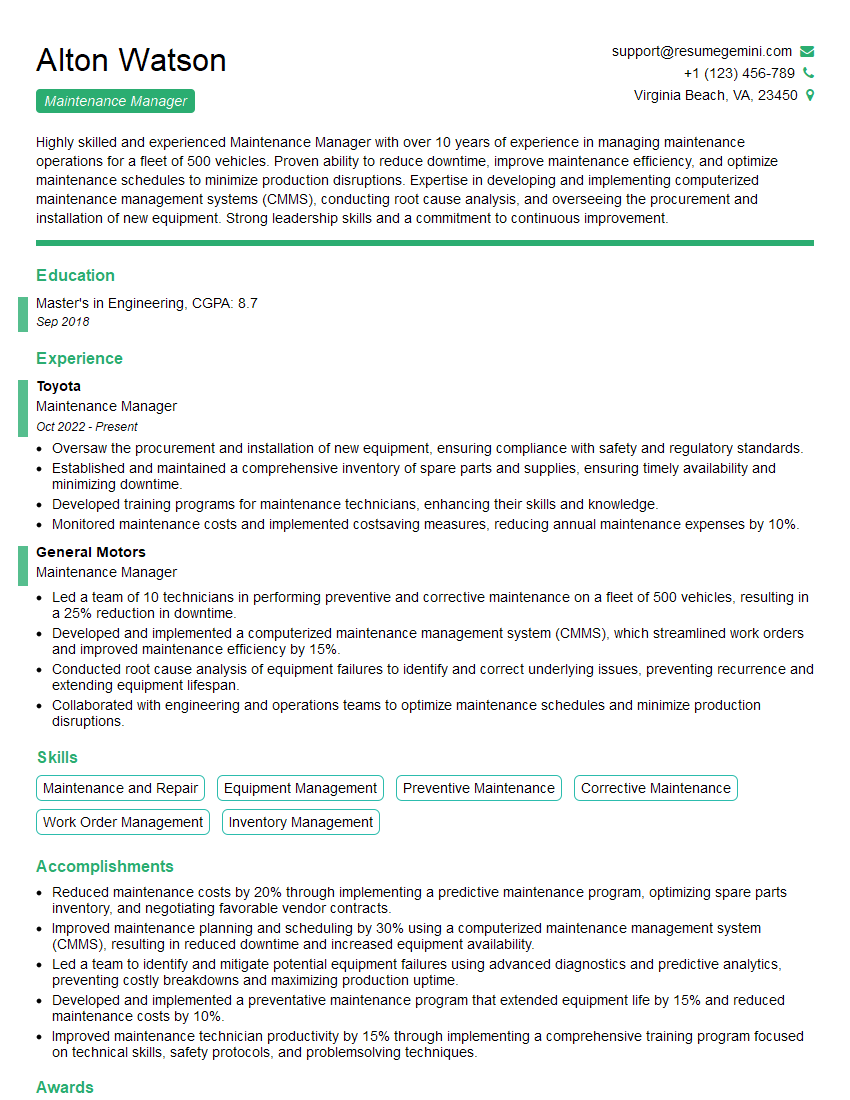
Maintenance Manager Resume Sample
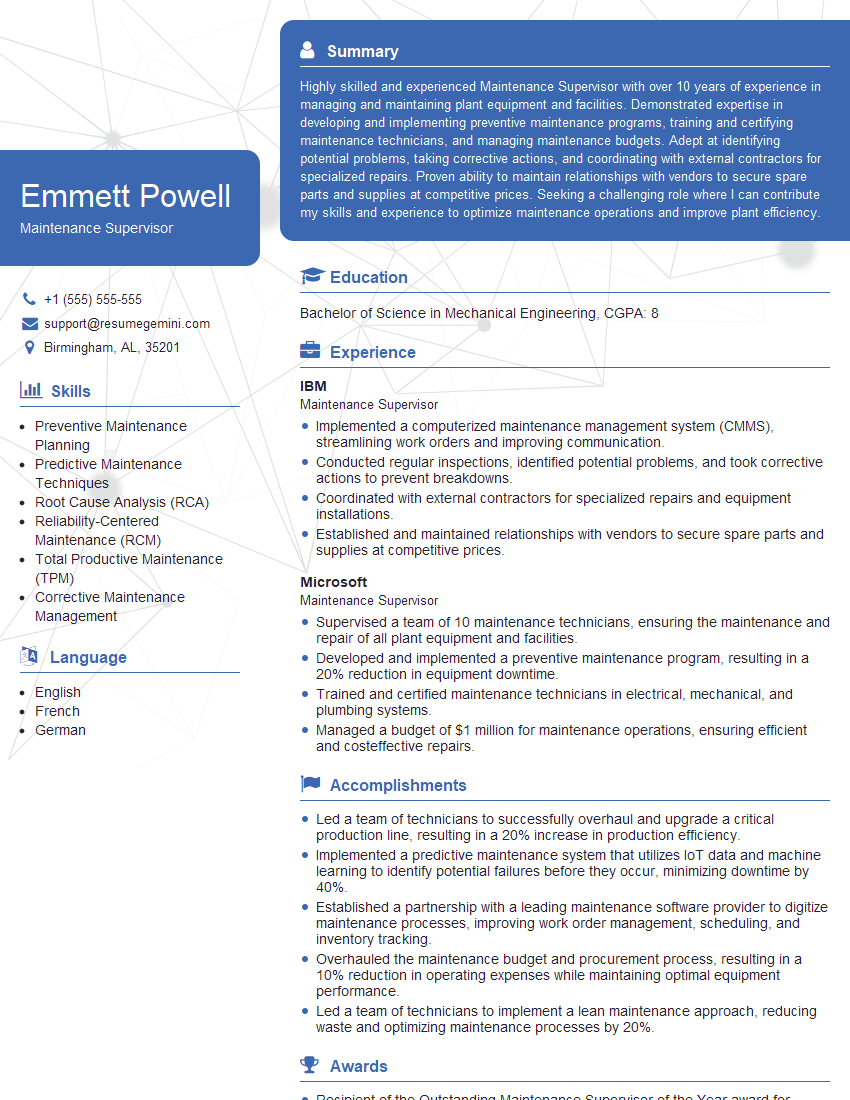
Maintenance Supervisor Resume Sample
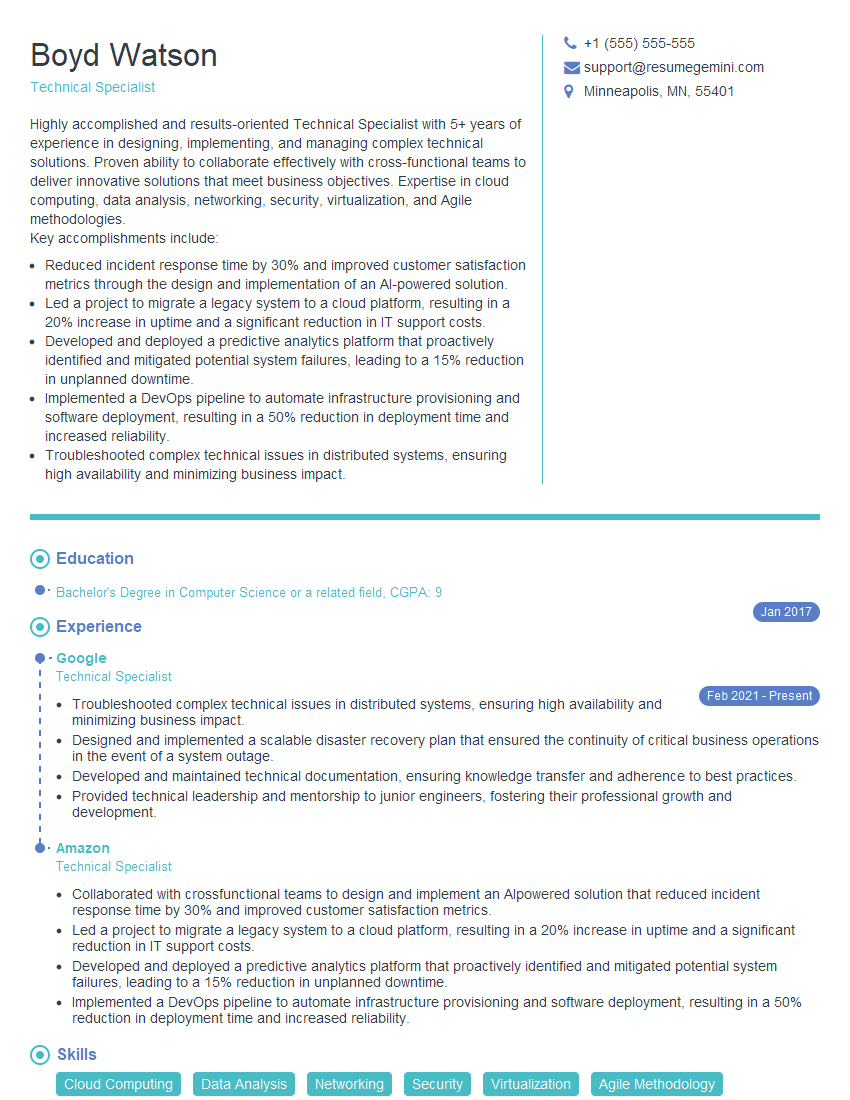
Technical Specialist Resume Sample
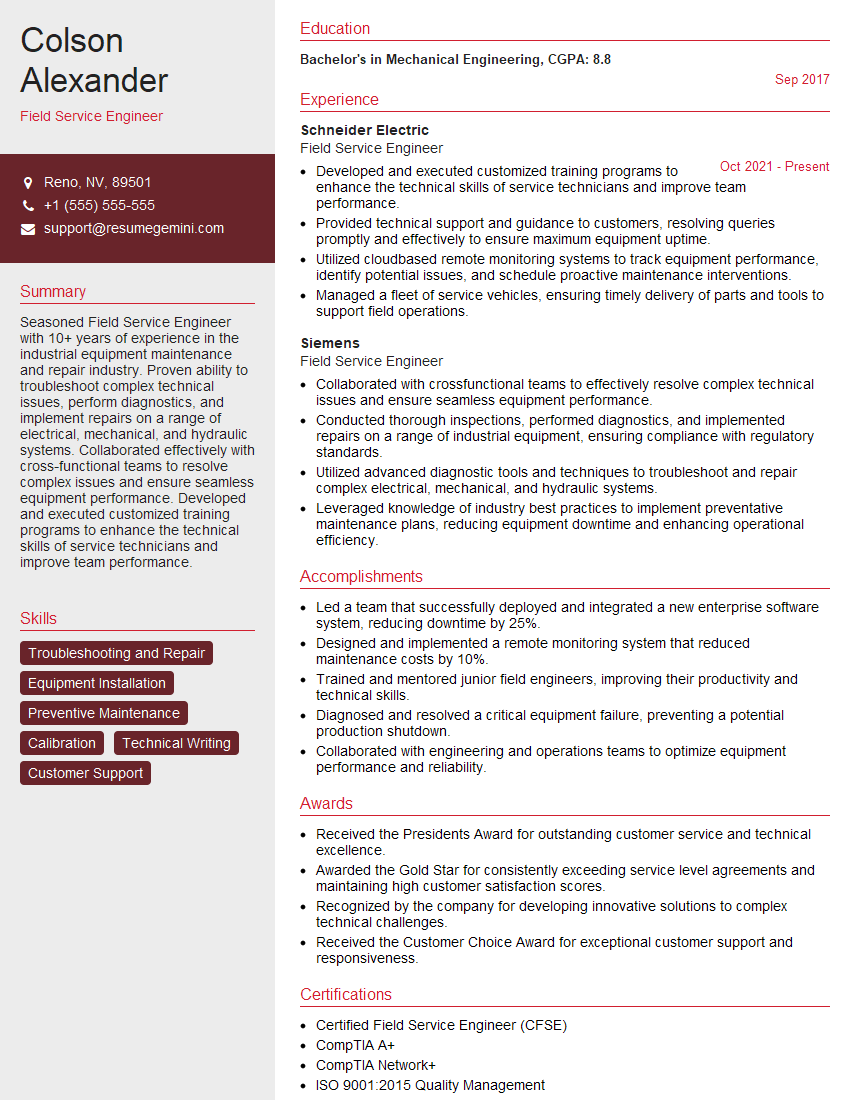
Field Service Engineer Resume Sample
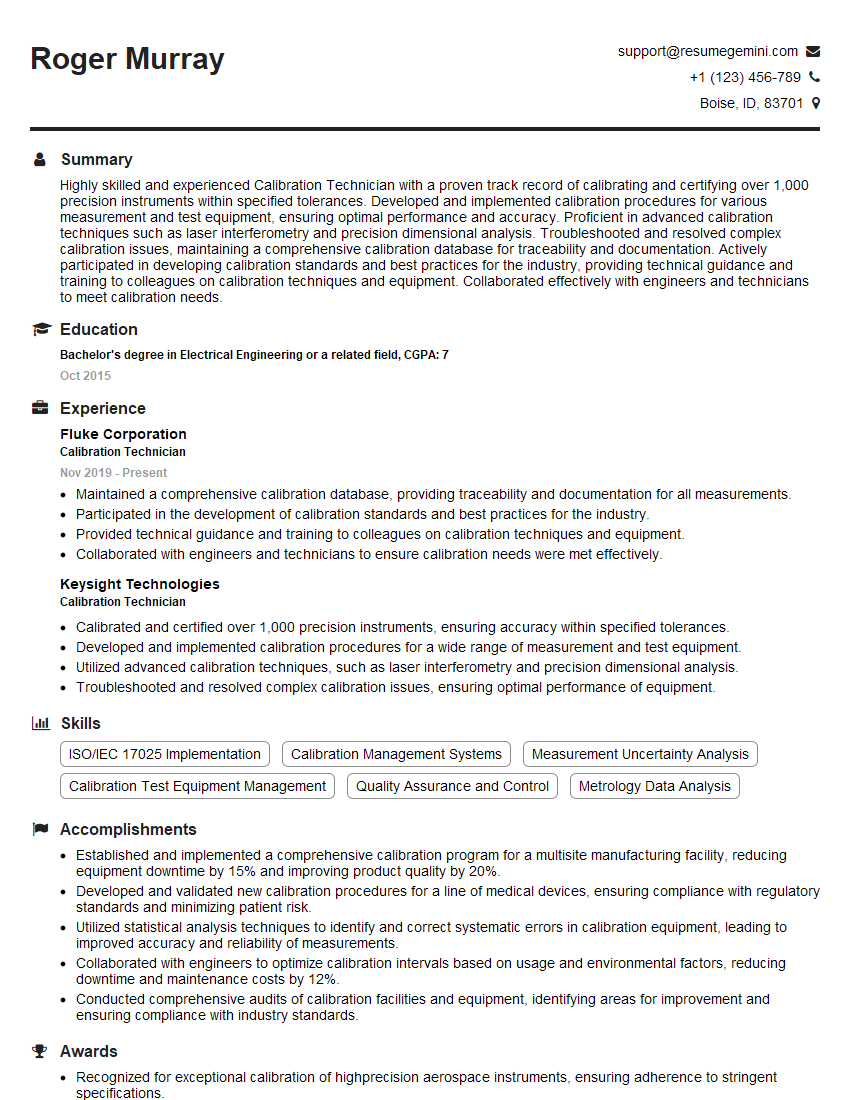
Calibration Technician Resume Sample
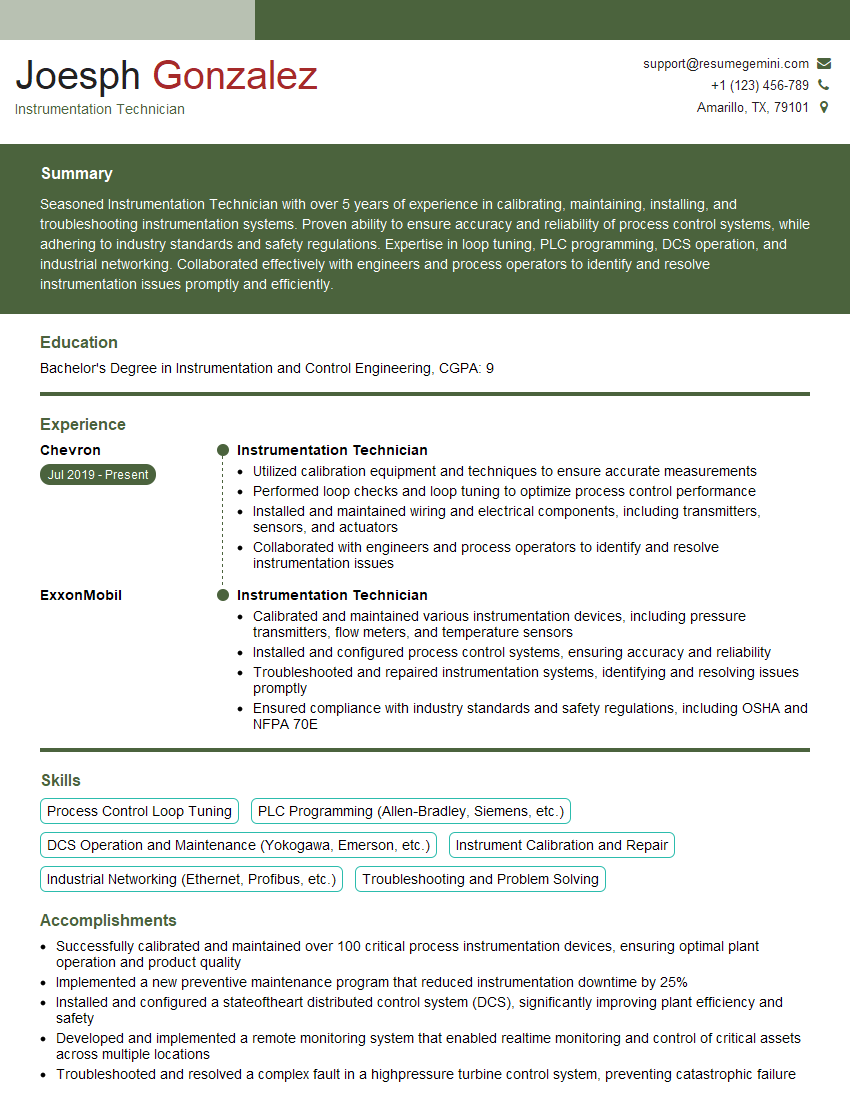
Instrumentation Technician Resume Sample
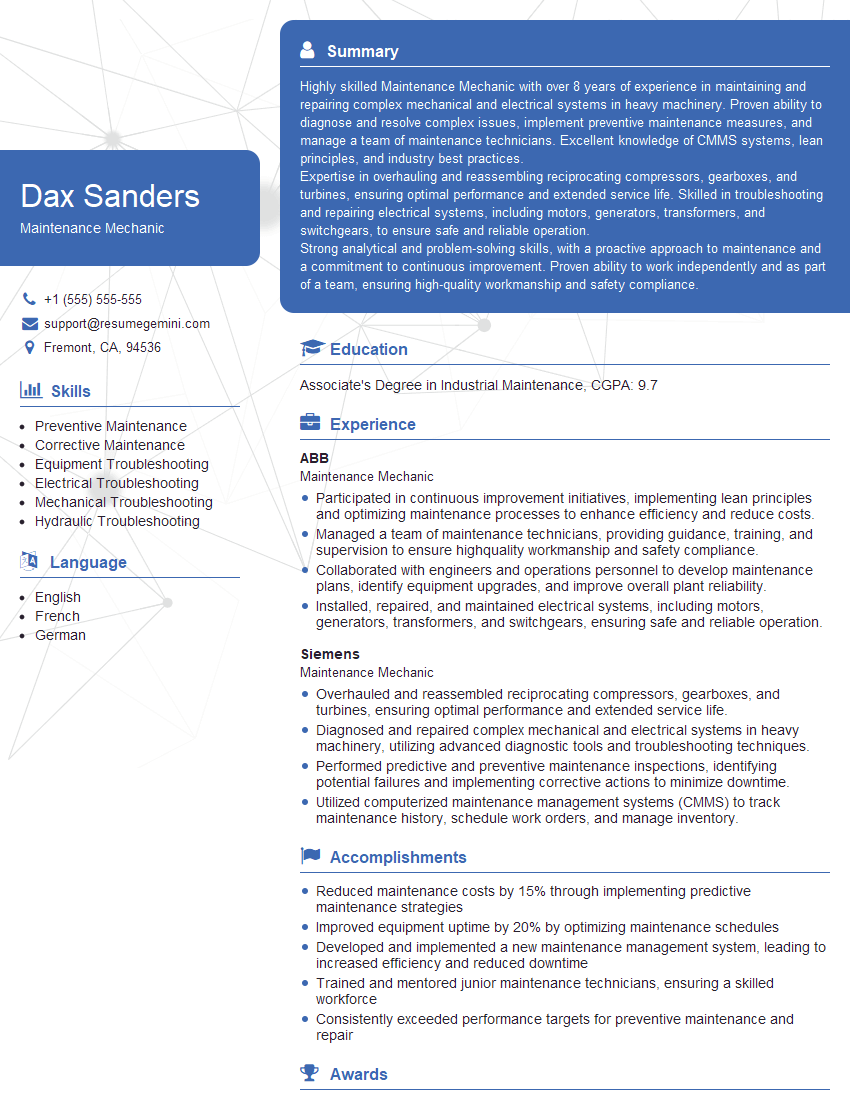
Maintenance Mechanic Resume Sample
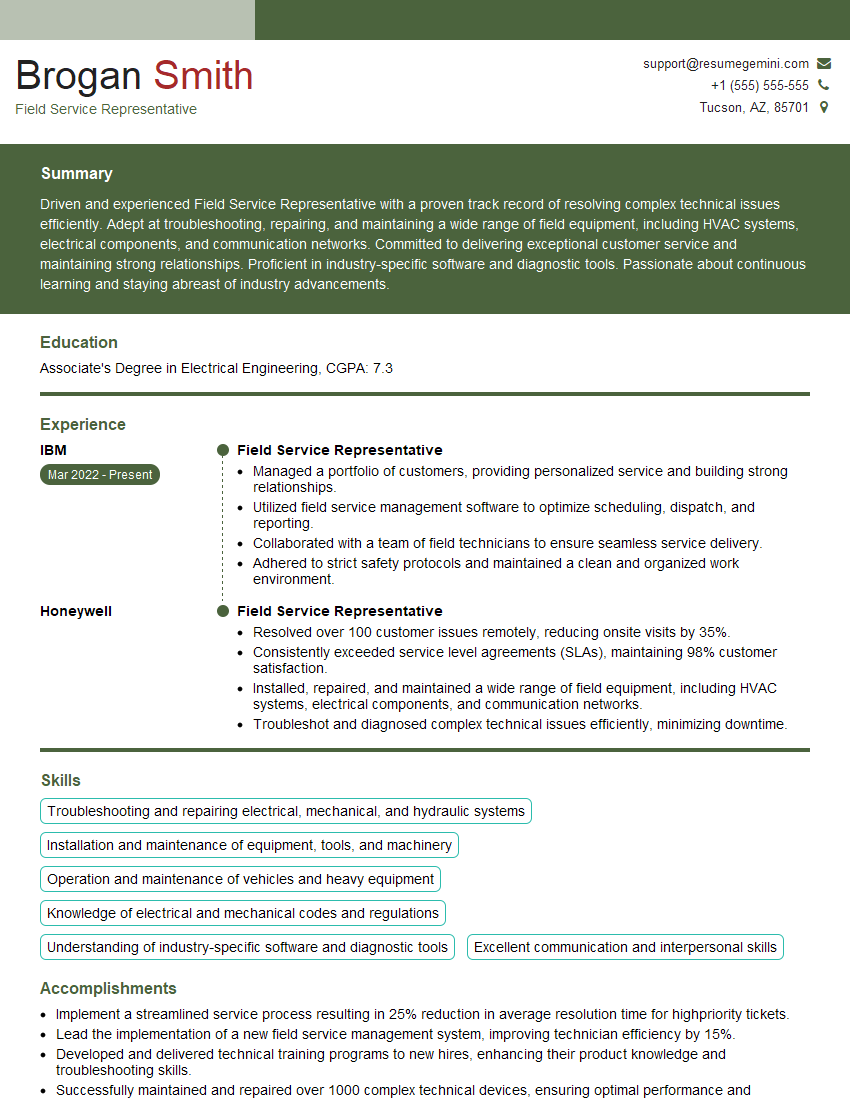
Field Service Representative Resume Sample
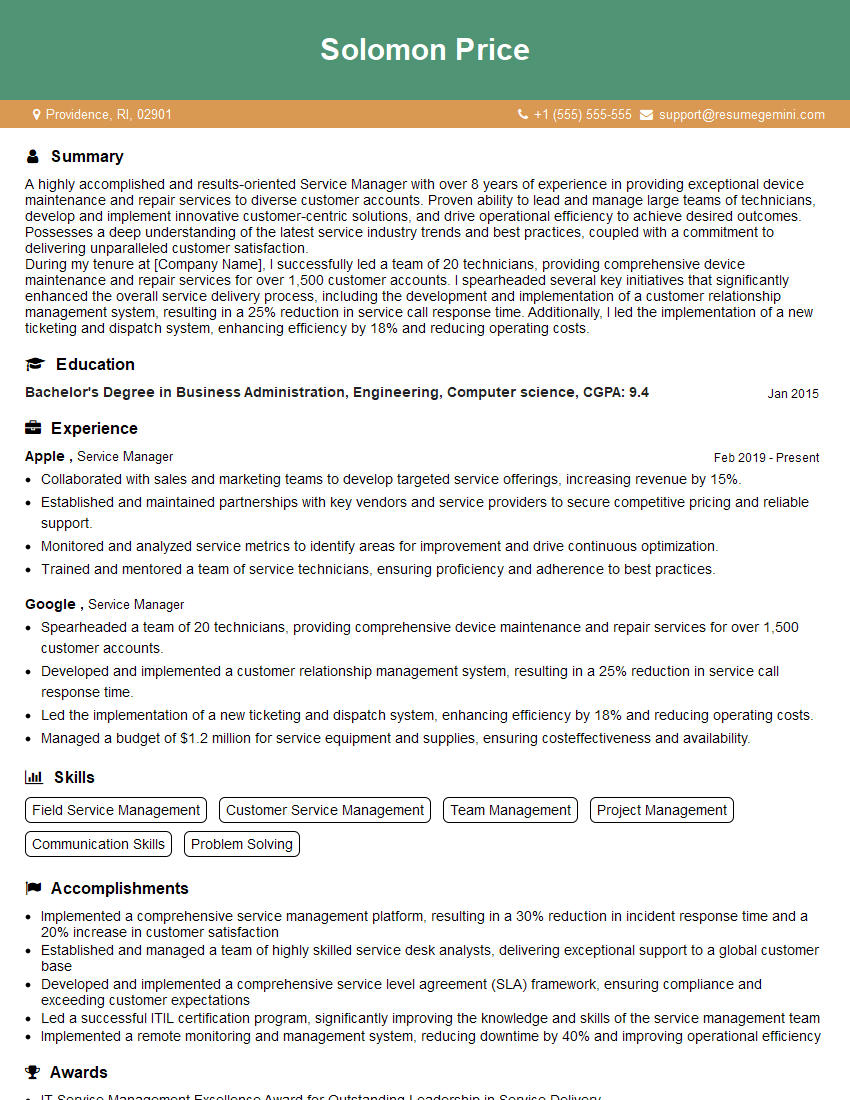
Service Manager Resume Sample
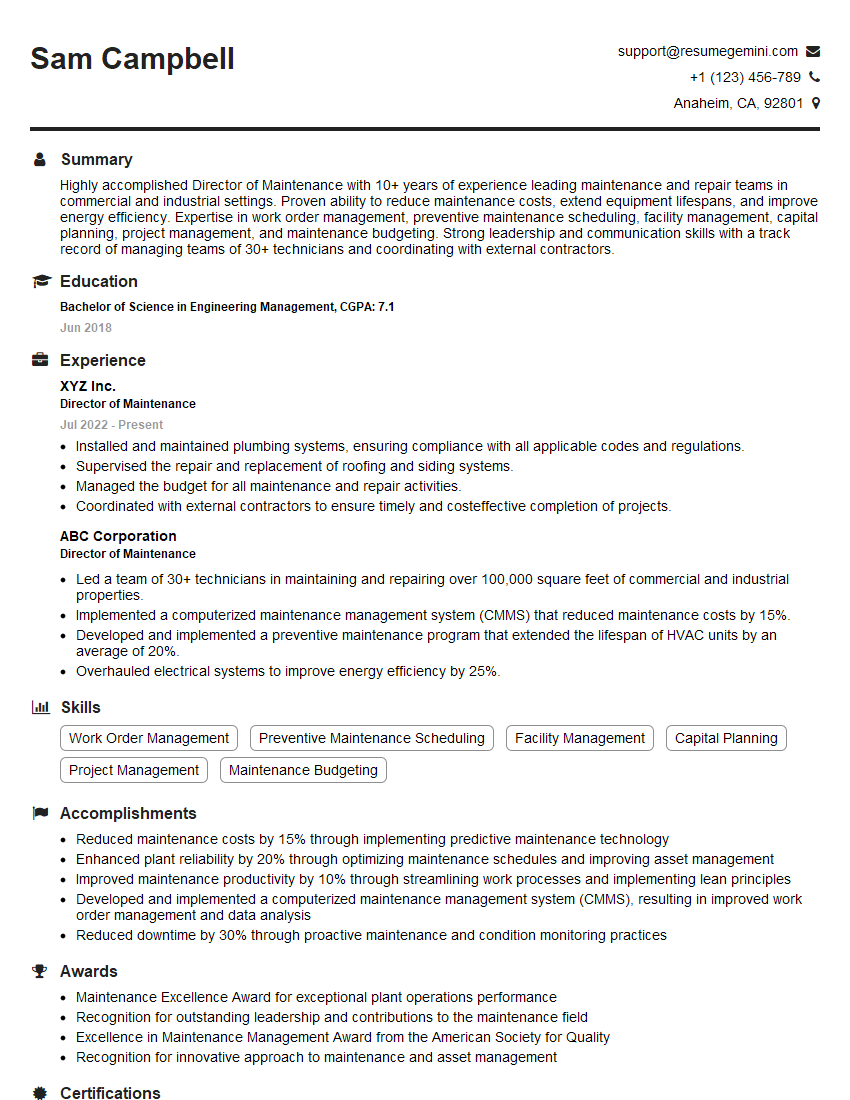
Director of Maintenance Resume Sample
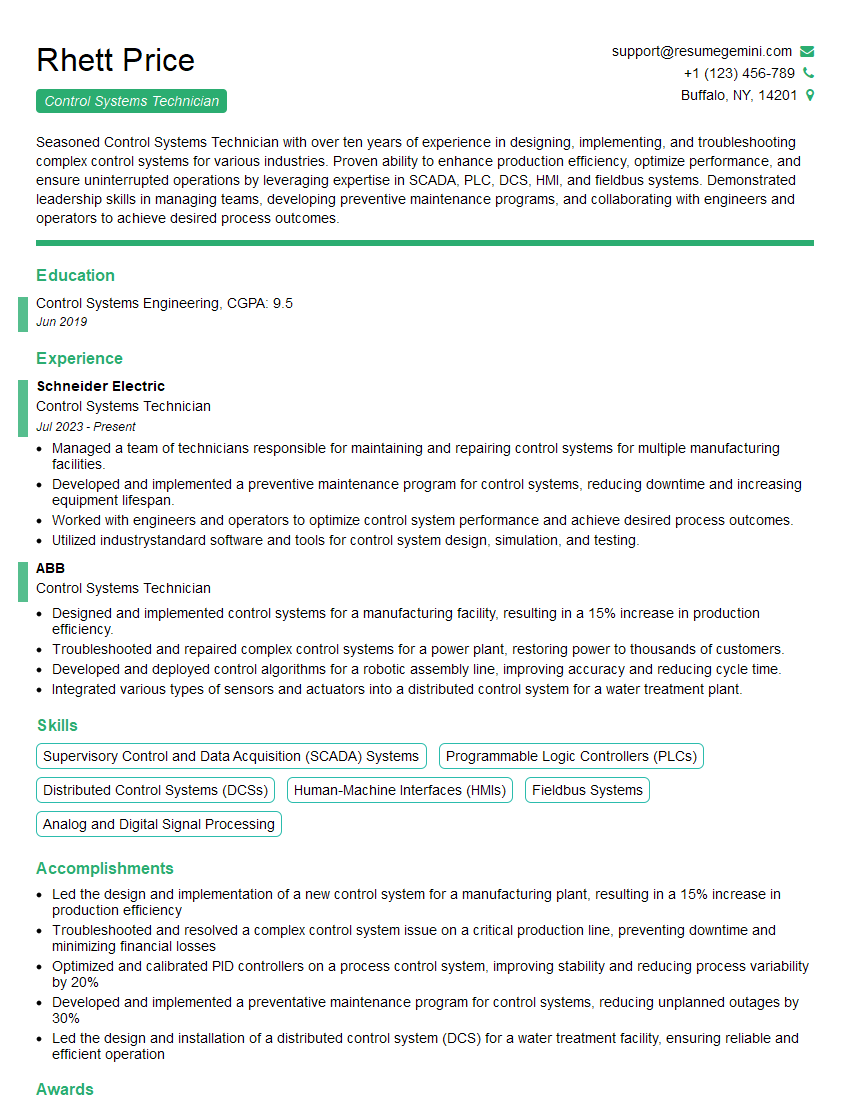
Control Systems Technician Resume Sample

Electrical Maintenance Technician Resume Sample
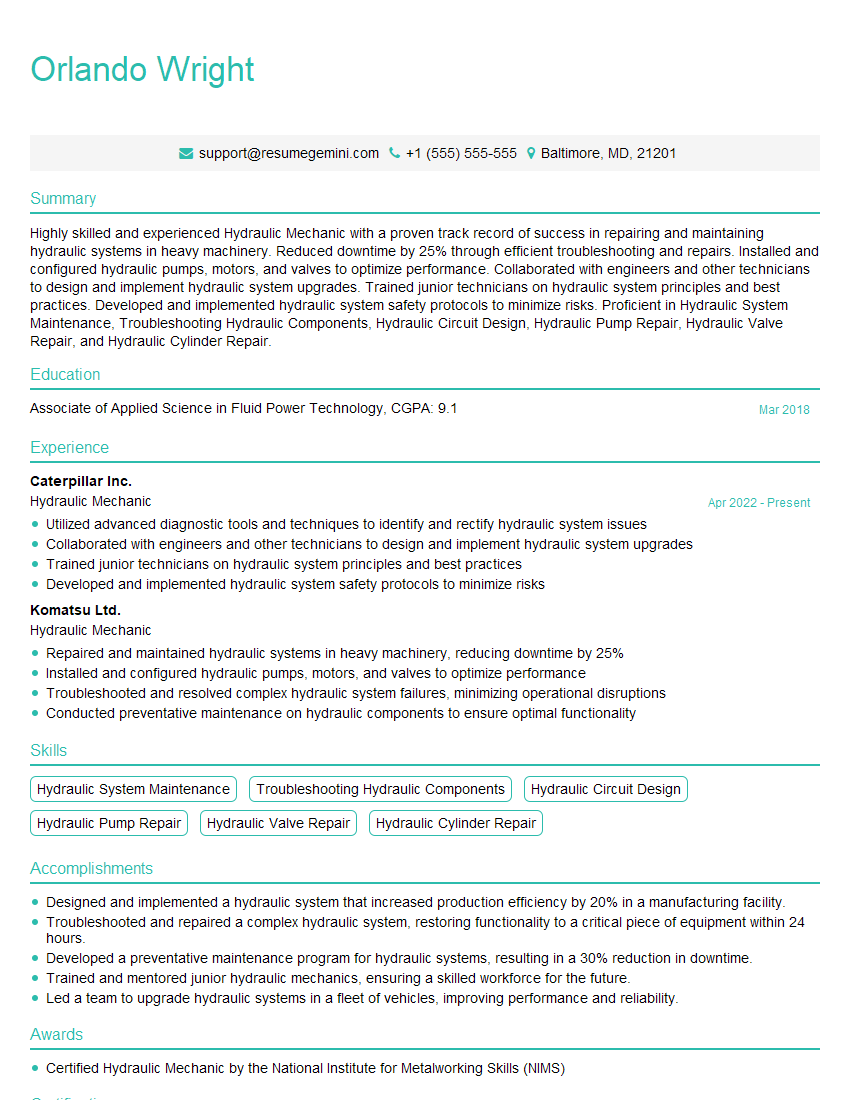
Hydraulic Mechanic Resume Sample
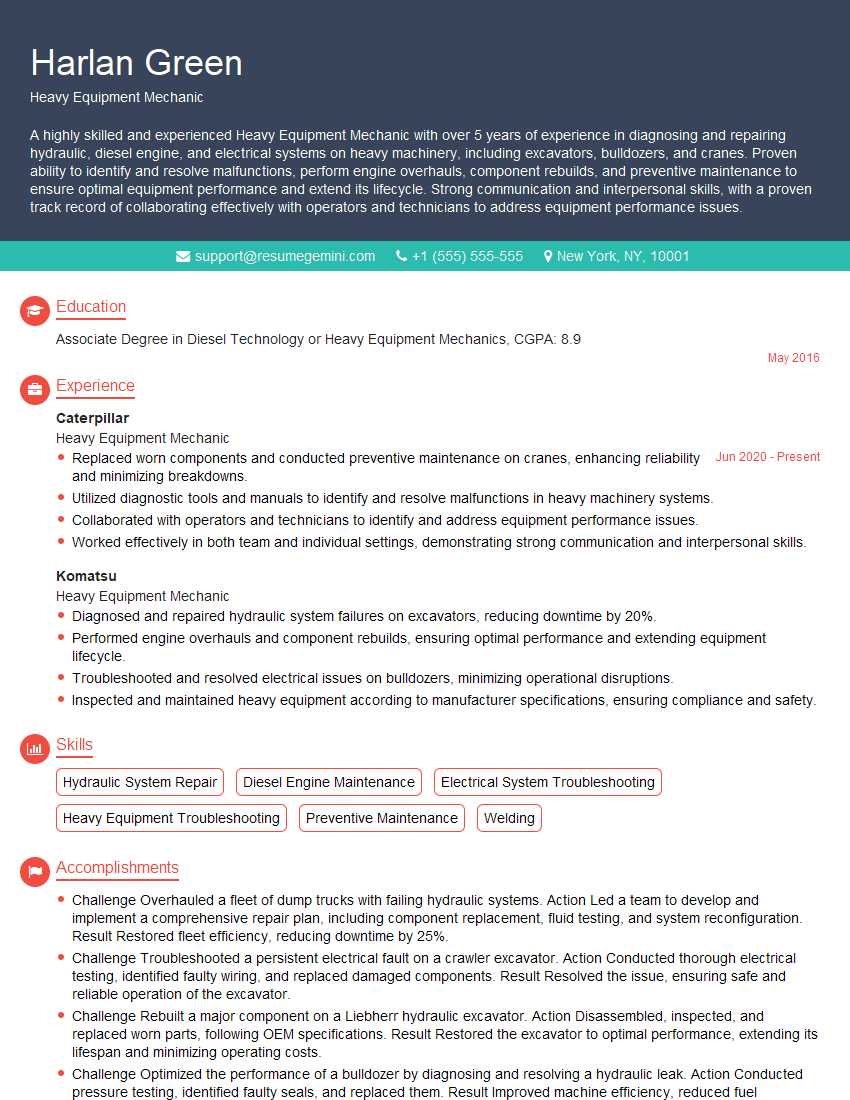
Heavy Equipment Mechanic Resume Sample
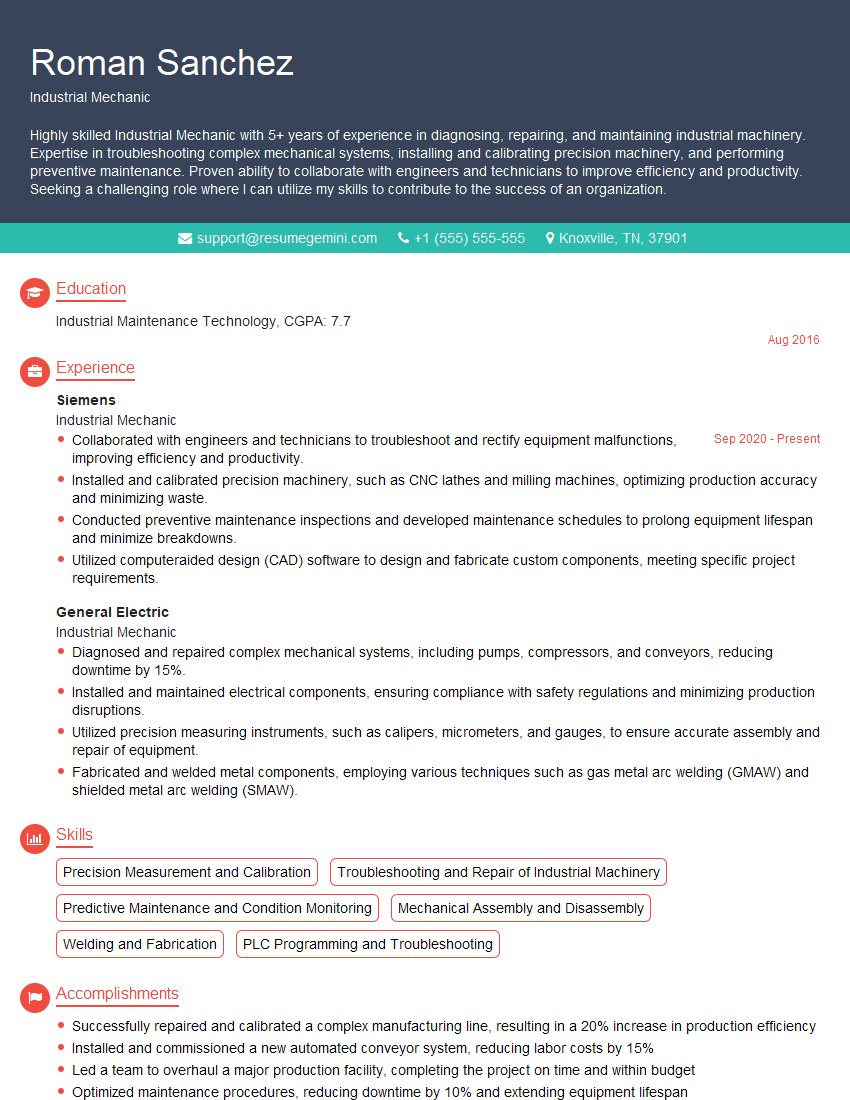
Industrial Mechanic Resume Sample
- Maintenance Manager
- Maintenance Supervisor
- Technical Specialist
- Field Service Engineer
- Calibration Technician
- Instrumentation Technician
- Maintenance Mechanic
- Field Service Representative
- Service Manager
- Director of Maintenance
- Control Systems Technician
- Electrical Maintenance Technician
- Hydraulic Mechanic
- Heavy Equipment Mechanic
- Industrial Mechanic
Explore more articles
Users Rating of Our Blogs
Share Your Experience
We value your feedback! Please rate our content and share your thoughts (optional).
What Readers Say About Our Blog
Very informative content, great job.
good