The thought of an interview can be nerve-wracking, but the right preparation can make all the difference. Explore this comprehensive guide to Organizing and Conducting Rehearsals interview questions and gain the confidence you need to showcase your abilities and secure the role.
Questions Asked in Organizing and Conducting Rehearsals Interview
Q 1. Describe your experience in scheduling and managing rehearsal calendars.
Scheduling and managing rehearsal calendars requires meticulous planning and efficient communication. I utilize project management software, like Google Calendar or Asana, to create a central, accessible calendar for all involved. This calendar includes not only rehearsal dates and times but also crucial information like specific scene focuses, costume fittings, technical rehearsals, and any other relevant events. I ensure that the calendar is shared with everyone via email and/or a dedicated online portal, allowing for easy updates and notifications. For example, in a recent production of ‘Hamlet,’ I created a color-coded calendar differentiating between actor rehearsals, technical rehearsals, and individual scene work, ensuring everyone had a clear picture of their schedule. I also build in buffer time for unforeseen issues and flexibility to accommodate individual needs, while ensuring the overall production timeline remains on track. This proactive approach minimizes scheduling conflicts and maintains momentum.
Q 2. How do you prioritize tasks and manage time effectively during rehearsals?
Prioritizing tasks during rehearsals hinges on a clear understanding of the production’s goals and deadlines. I typically use a tiered prioritization system: Firstly, I identify critical path tasks – those essential for the show to proceed. These usually encompass major scene work, crucial technical elements (lighting cues, sound effects), and essential choreography. Secondly, I address high-priority tasks that directly support the critical path, such as prop preparation or costume fitting. Finally, lower-priority tasks, such as minor scene adjustments or detailed set decoration, are tackled within the remaining time. I allocate time effectively by setting clear objectives for each rehearsal session, with specific scenes or sections assigned. This approach, for instance, meant that during rehearsals for a musical, we focused initially on perfecting complex dance routines before delving into minor musical details, keeping the entire team focused on the most important elements first. To manage my own time, I employ time-blocking techniques, dedicating specific blocks to specific tasks to ensure maximum efficiency and prevent feeling overwhelmed.
Q 3. Explain your method for resolving conflicts among cast or crew members during rehearsals.
Conflict resolution during rehearsals requires a calm, diplomatic, and fair approach. My first step is always private, one-on-one conversations with each individual involved. I aim to understand the root cause of the conflict, listening actively without judgment. I encourage open communication and foster a space for everyone to express their perspective. Once I understand the situation, I facilitate a mediated discussion between the parties, focusing on collaborative problem-solving. If the conflict involves professional misconduct, clear guidelines and disciplinary actions are communicated, aligned with production policies. In one instance, a disagreement arose between the set designer and the lighting director regarding the placement of a crucial lighting fixture. Through individual conversations, I understood the concerns of each party regarding sight lines and aesthetic design. Subsequently, a collaborative solution was found that satisfied both parties, showcasing the importance of proactive and impartial mediation to find solutions which benefit the overall production.
Q 4. How do you handle technical difficulties that arise during rehearsals?
Handling technical difficulties requires preparedness and adaptability. I always have a contingency plan in place; this includes having backup equipment, extra personnel who are knowledgeable in technical aspects, and a well-defined troubleshooting process. When a technical issue occurs, I calmly assess the situation, determining the severity and impact on the rehearsal. I delegate tasks to address the problem efficiently, utilizing the expertise of the technical crew. For instance, if a lighting fixture malfunctions, I’ll ask the lighting technician to investigate and coordinate a solution, while simultaneously ensuring that other aspects of the rehearsal continue smoothly if possible. Communication is vital; I keep the cast and crew informed about the progress and estimated resolution time to maintain morale and avoid panic. Regular pre-rehearsal technical checks help prevent many issues. Documenting the issues and their resolutions also helps prevent their recurrence in future rehearsals.
Q 5. What strategies do you use to maintain a positive and productive rehearsal environment?
Maintaining a positive and productive rehearsal environment is paramount. I foster a collaborative atmosphere by encouraging open communication, mutual respect, and constructive feedback. I prioritize clear and consistent communication of expectations and goals. This includes regular check-ins with individual actors and crew members to address concerns. I create a relaxed yet focused atmosphere where actors feel comfortable experimenting and taking risks. Positive reinforcement and celebration of successes, even small ones, are crucial in maintaining morale and motivation. I actively discourage negativity and address any instances of unprofessional behavior promptly and fairly. For example, I often start rehearsals with a brief team-building activity or a quick icebreaker to set a positive tone. In this way, a supportive and respectful environment is established, where creativity can flourish, ultimately producing better results.
Q 6. How do you ensure all participants are prepared for each rehearsal session?
Ensuring preparedness requires clear communication and proactive measures. Before each rehearsal, I distribute a detailed schedule outlining the day’s objectives and any specific preparation needed from the cast and crew. This includes sending reminders about scripts, costumes, props, or any other materials they should bring. I use email, online platforms, and even brief pre-rehearsal announcements to ensure everyone is informed. Regular pre-rehearsal meetings with key personnel like the stage manager, technical director, and costume designer, allows me to address any logistical challenges. For instance, before a fight scene rehearsal, I would ensure that the fight choreographer briefs the actors, that the safety equipment is in place and the stage manager briefs the crew. This proactive approach guarantees that all individuals are well-prepared, allowing for focused and productive rehearsal sessions.
Q 7. Describe your experience with creating and distributing rehearsal reports.
Rehearsal reports are essential for documenting progress, identifying challenges, and ensuring continuity. After each rehearsal, I create a concise report summarizing key achievements, outstanding issues, and planned actions for the next session. These reports typically include notes on individual performances, technical progress, and any unresolved conflicts. I use a standardized format, which may vary depending on the production, to ensure consistency and easy readability. I typically utilize a digital format, often a shared document, that can be easily accessed by all key personnel. For example, the report may include sections on ‘Actor Progress,’ ‘Technical Notes,’ and ‘Action Items.’ This approach offers a valuable record of the production process, allowing for easy reference throughout the production and, additionally, serves as a critical tool for efficient problem-solving and conflict resolution.
Q 8. How do you adapt your rehearsal approach to different types of productions?
My rehearsal approach is highly adaptable, depending on the production’s nature. For a large-scale musical, for instance, rehearsals will be segmented: individual vocal coaching, ensemble work, choreography, and scene integration. Each segment needs detailed planning and specific objectives. For a smaller, intimate play, the focus shifts to character development, scene work, and exploring subtext, requiring a more fluid and improvisational approach. I always begin by analyzing the script or score, identifying key scenes, challenging moments, and potential areas needing more attention. This informs my scheduling and rehearsal structure. For example, a production with complex fight choreography requires dedicated time for safety training and progressively building the fight sequences. Conversely, a visually driven play might prioritize blocking and stage movement early in the rehearsal process.
- Musical Theatre: Staggered rehearsals – vocals, dance, acting, tech – to build skillsets gradually.
- Plays: Focus on character exploration and scene work, often incorporating improvisational exercises.
- Experimental Theatre: Collaborative process with actors, emphasizing improvisation and discovering the piece organically.
Q 9. Explain your process for tracking rehearsal progress and identifying areas needing improvement.
Tracking rehearsal progress is crucial. I use a combination of methods. Firstly, a detailed rehearsal schedule outlines daily objectives. I maintain a log of achieved milestones and outstanding tasks, using a digital calendar and task management software. Secondly, I conduct regular check-ins with the cast and crew, actively seeking feedback on their progress and any obstacles they’re facing. Finally, I incorporate regular ‘progress reviews’ – informal meetings where we review recordings of rehearsals, assessing pacing, delivery, technical elements, and overall cohesion. Identifying areas needing improvement involves reviewing these logs, feedback sessions, and the review recordings. This helps pinpoint challenges such as pacing issues, unclear dialogue, or technical difficulties.
For example, if we consistently struggle with a particular scene’s transitions, I might introduce a specific exercise focusing on smoothing transitions, perhaps using physical activities to help define emotional shifts between scenes. This data-driven approach ensures continuous improvement.
Q 10. How do you provide constructive feedback to actors or performers during rehearsals?
Constructive feedback is key. I prioritize positive reinforcement, highlighting strengths before addressing areas needing improvement. My feedback is always specific, actionable, and focuses on the performance, not the performer’s inherent abilities. I use the ‘sandwich method’ – start with praise, followed by constructive criticism, and ending with more encouragement and affirmation. I avoid vague statements like ‘try harder’ and instead offer concrete suggestions, such as ‘Let’s try emphasizing the word “despair” in that line to better convey the character’s emotional state’. I also encourage dialogue and involve actors in finding solutions; a collaborative process is much more effective than simply dictating changes.
For instance, if an actor’s emotional range isn’t sufficient, I might suggest exercises such as exploring different physical approaches to the role or incorporating vocal techniques to enhance emotional expression.
Q 11. How do you manage rehearsal notes and documentation effectively?
Efficient note-taking and documentation is vital. I use a dedicated notebook or digital document for each rehearsal, noting key decisions, actor suggestions, technical issues, and areas needing further work. These notes are timestamped and detailed, clarifying specifics that might be easily forgotten. I also regularly back up these records and share relevant information (e.g., updated blocking diagrams, scene breakdowns) with the relevant production team members. This digital and physical approach helps maintain detailed, organized records throughout the production. For example, blocking notes can be sketched out directly in the notebook, and then digitally recreated for the actors’ access.
Q 12. Describe your experience working with various rehearsal technologies (e.g., video recording, online collaboration tools).
I’m proficient with various rehearsal technologies. Video recording allows for objective analysis of performances, highlighting pacing, blocking, and overall stage presence. This is invaluable for actors to self-assess and refine their performances. Online collaboration tools, like shared calendars, project management software, and video conferencing, streamline communication and coordination, especially when working with remote team members or dealing with scheduling conflicts. I regularly incorporate these technologies to enhance efficiency and communication within the rehearsal process, and I frequently adjust my techniques based on the specific needs of the production and its team members. For example, during the pandemic, utilizing video conferencing and recording software was integral in maintaining communication and conducting rehearsals remotely.
Q 13. How do you handle unexpected absences or changes in scheduling during rehearsals?
Unexpected absences or scheduling changes are inevitable. I have a robust contingency plan. The rehearsal schedule has built-in flexibility with buffer time, allowing for minor disruptions. For significant absences, I communicate promptly with the affected parties, exploring options such as rescheduling scenes, assigning coverage, or incorporating the absent performer’s work through video or voice recordings, depending on the nature of their role. I leverage my detailed rehearsal notes to pick up where we left off, minimizing time loss and ensuring continuity. Clear communication is key to ensuring everyone is informed and adapting efficiently.
Q 14. What are your strategies for motivating and engaging participants throughout the rehearsal process?
Maintaining motivation and engagement is crucial. I foster a collaborative and supportive environment, ensuring everyone feels valued and heard. I incorporate fun, engaging activities, and exercises – improvisation games, for instance – to break up the rehearsal process and prevent burnout. Regular positive feedback, clear goals, and opportunities for creative input help build confidence and increase motivation. Celebrating milestones and acknowledging achievements further strengthens the team’s spirit and enhances their overall commitment to the production. I believe in creating a positive and supportive atmosphere – a rehearsal space where actors feel comfortable taking risks and exploring their creativity. By fostering trust and camaraderie, I encourage a sense of shared ownership in the project, fostering active participation and commitment.
Q 15. How do you ensure the safety of actors and crew members during rehearsals?
Ensuring the safety of actors and crew during rehearsals is paramount. It’s not just about preventing accidents; it’s about fostering a collaborative environment where everyone feels secure and able to contribute their best work. My approach is multifaceted and begins even before the first rehearsal.
- Pre-rehearsal Risk Assessment: I conduct a thorough walkthrough of the rehearsal space, identifying potential hazards like trip hazards, unstable props, or inadequate lighting. This assessment informs the development of a safety plan.
- Clear Communication and Training: Before rehearsals commence, I conduct briefings to ensure everyone understands safety protocols, including proper handling of props and equipment, emergency procedures, and reporting mechanisms for any concerns.
- Safe Handling of Props and Equipment: I carefully supervise the use of all props and equipment, ensuring they are handled appropriately and stored safely when not in use. This includes clearly designating areas for storage and ensuring that heavy or potentially dangerous items are handled by multiple people or with appropriate equipment.
- First Aid and Emergency Procedures: A well-stocked first-aid kit is always on hand, and I ensure that at least one member of the crew is trained in basic first aid. Emergency contact information is readily available, and escape routes are clearly marked.
- Working Environment: I maintain a comfortable and well-ventilated rehearsal space to minimize risks of fatigue and injuries related to heat or poor air quality. Breaks are scheduled regularly to allow for rest and rehydration.
For example, during a recent production involving a sword fight, I implemented specific safety measures like using padded weapons, ensuring sufficient space for the fight, and having a designated safety person to monitor the action and intervene if necessary. This proactive approach minimized the risk of injury and contributed to a safe and productive rehearsal process.
Career Expert Tips:
- Ace those interviews! Prepare effectively by reviewing the Top 50 Most Common Interview Questions on ResumeGemini.
- Navigate your job search with confidence! Explore a wide range of Career Tips on ResumeGemini. Learn about common challenges and recommendations to overcome them.
- Craft the perfect resume! Master the Art of Resume Writing with ResumeGemini’s guide. Showcase your unique qualifications and achievements effectively.
- Don’t miss out on holiday savings! Build your dream resume with ResumeGemini’s ATS optimized templates.
Q 16. How do you manage the budget and resources allocated to rehearsals?
Budget management during rehearsals is crucial for ensuring a smooth and efficient production. It requires a blend of careful planning, resource allocation, and ongoing monitoring. My approach involves several key steps:
- Detailed Budget Creation: I work closely with the production manager to develop a comprehensive rehearsal budget, outlining all anticipated expenses, including venue rental, equipment hire, material costs, and potential overtime pay for the crew. This budget is regularly reviewed and updated as needed.
- Prioritization and Resource Allocation: I prioritize essential resources, focusing on those that directly impact the rehearsal process and the quality of the final performance. This may involve making strategic decisions about where to allocate resources, such as prioritizing high-quality equipment over less critical items.
- Tracking Expenses: Throughout the rehearsal period, I maintain meticulous records of all expenses, using spreadsheets or dedicated production management software to ensure transparency and accountability. This enables me to stay on track and identify potential overspending early on.
- Creative Problem-Solving: I actively seek creative solutions to minimize costs without compromising quality. For instance, instead of renting expensive equipment, I might explore alternative sources like borrowing from other productions or utilizing the resources of our own organization.
- Contingency Planning: A buffer is included in the budget to cover unexpected expenses or challenges that may arise. This proactive measure helps prevent cost overruns and keeps the production on track.
For instance, in a previous production with a limited budget, I negotiated a discounted rate for rehearsal space by offering flexible scheduling and committing to a longer rental period. This allowed us to allocate more resources to other crucial aspects of the production, like costume design or specialized props.
Q 17. How do you communicate effectively with directors, designers, and other production staff during rehearsals?
Effective communication is the cornerstone of successful rehearsals. I employ a multifaceted approach to ensure clear and consistent communication with the director, designers, and other production staff.
- Regular Meetings and Briefings: I schedule regular meetings with the director and key crew members to discuss progress, address concerns, and make necessary adjustments. These meetings provide a forum for open dialogue and collaborative problem-solving.
- Clear and Concise Documentation: I maintain detailed rehearsal notes and reports, documenting key decisions, changes to the script or staging, and any technical issues that arise. This detailed documentation provides a shared understanding of the rehearsal process and serves as a valuable reference for the production team.
- Open Communication Channels: I encourage open communication throughout the rehearsal process. This includes regular email updates, instant messaging for quick questions, and informal discussions to ensure that everyone is informed and involved.
- Active Listening: I actively listen to the input of all members of the production team, valuing their expertise and incorporating their feedback into the rehearsal process. This collaborative approach fosters a positive and productive working environment.
- Constructive Feedback: I deliver constructive criticism in a sensitive and supportive manner, focusing on positive reinforcement and providing specific suggestions for improvement. This helps actors and crew members to grow and develop their skills.
For example, during a challenging scene involving complex lighting cues, I worked closely with the lighting designer to refine the cues during rehearsals, providing immediate feedback and collaboratively adjusting the timing and intensity to perfectly match the actors’ performances.
Q 18. Explain your approach to troubleshooting technical issues during rehearsals.
Troubleshooting technical issues during rehearsals is a crucial aspect of my role. My approach is systematic and proactive, focused on minimizing disruption and ensuring a smooth workflow.
- Proactive Identification: I work closely with technical crew throughout the planning phase to identify potential issues before they arise. This includes reviewing technical specifications, checking equipment compatibility, and identifying potential points of failure.
- Documentation and Tracking: I maintain a detailed record of all technical equipment, their locations, and their condition. This helps in quickly identifying problematic equipment and speeds up troubleshooting.
- Testing and Prevention: I schedule regular equipment checks and tests to ensure everything is functioning correctly. This allows for addressing minor problems before they escalate into major disruptions.
- Step-by-Step Troubleshooting: When technical problems arise, I follow a systematic approach to troubleshooting, starting with the most likely causes and working my way through the possibilities. This includes consulting technical manuals and seeking assistance from experienced technicians when needed.
- Communication and Collaboration: I keep the director and other crew members informed of any technical issues and the steps being taken to resolve them. This maintains transparency and builds trust.
For instance, if a microphone malfunctions during a rehearsal, I immediately check its connections, replace the batteries, and if necessary, switch to a backup microphone. I document the issue, its resolution, and any lessons learned to prevent similar problems in the future.
Q 19. How do you ensure accuracy and consistency in the performance of actors or performers?
Maintaining accuracy and consistency in actors’ performances requires a careful and supportive approach. My strategy focuses on building a strong foundation, providing clear direction, and fostering a collaborative environment.
- Clear Direction and Notes: I work closely with the director to establish clear performance goals and expectations. I provide detailed notes and feedback to actors, focusing on specific aspects of their performance, such as line delivery, characterization, and physicality.
- Repetition and Refinement: Rehearsals incorporate ample opportunities for repetition and refinement. This allows actors to solidify their performances and address areas requiring improvement.
- Video Recording: Regular video recordings of rehearsals allow actors to review their performances, identify areas requiring attention, and compare their work against the director’s vision.
- Collaborative Feedback Sessions: Feedback sessions involving the director, actors, and sometimes the stage manager help to create a shared understanding of the performance goals and foster a supportive environment for improvement.
- Tracking Progress: I track each actor’s progress over time, noting improvements and identifying any persistent challenges. This structured approach ensures a consistent and effective rehearsal process.
For example, I might work with an actor struggling with a particular emotional beat by suggesting specific exercises to help them access the required emotions, and I’d encourage the use of subtext to enhance the depth of their performance. The process combines guidance, practice, and supportive feedback.
Q 20. Describe your experience with different rehearsal methodologies (e.g., blocking, run-throughs, scene work).
My experience encompasses a wide range of rehearsal methodologies, each suited for different purposes and stages of the rehearsal process.
- Blocking: Blocking involves choreographing the actors’ movements on stage. I work with the director to develop clear and effective stage pictures, ensuring smooth transitions and optimal use of the stage space. This is usually done early in the process and forms the basis of the overall staging.
- Run-throughs: Run-throughs involve performing the play from beginning to end without interruption. These provide an opportunity to identify pacing issues, identify potential technical challenges, and assess the overall flow of the play. Run-throughs become progressively more frequent as opening night approaches.
- Scene Work: Scene work focuses on specific scenes, allowing for detailed examination of character interaction, dialogue delivery, and emotional nuance. This method helps actors to develop a nuanced understanding of their characters and allows for in-depth work on specific challenges.
The effective use of these methodologies is crucial to a structured and successful rehearsal schedule. Often, I’ll start with blocking to establish a foundation and then progress through run-throughs to assess the overall pacing and flow. Scene work is then applied to refine specific areas identified as needing further attention during the run-throughs. Flexibility is key; I adapt my approach based on the specific needs of the production.
Q 21. How do you identify and address potential problems before they disrupt rehearsals?
Proactive problem identification is crucial for smooth rehearsals. My approach involves a multi-pronged strategy.
- Pre-Rehearsal Planning and Communication: I work closely with the director and designers during the pre-production phase to anticipate and address potential issues. This includes reviewing the script for potential challenges, discussing design elements that might impact rehearsals, and addressing any logistical concerns.
- Detailed Scheduling and Resource Allocation: A well-planned rehearsal schedule, allocating sufficient time for each stage of the rehearsal process, can prevent many problems. The appropriate allocation of resources and personnel is equally important.
- Regular Check-ins and Feedback: Throughout the rehearsal process, I conduct regular check-ins with actors, designers, and technicians to gather feedback and identify any emerging concerns. This proactive approach ensures any issues are addressed promptly.
- Contingency Planning: I always have a contingency plan in place to address unexpected issues, including alternative rehearsal spaces, backup equipment, and solutions for potential cast or crew problems.
- Risk Assessment and Mitigation: Performing a risk assessment before rehearsals identify potential problems and develop plans to mitigate those risks helps prevent interruptions.
For example, by identifying a potential conflict in scheduling during the pre-rehearsal planning phase, I arranged alternative rehearsal times to accommodate the conflict. This proactive approach ensured a smooth and uninterrupted rehearsal process.
Q 22. Describe a time you had to adapt your rehearsal plans due to unforeseen circumstances.
Adaptability is crucial in rehearsal planning. During a recent theatrical production, our lead actor fell ill a week before opening night. My initial plan, a meticulously crafted schedule focusing on intricate scene work, needed immediate revision.
My solution involved a three-pronged approach:
- Immediate Substitution and Reblocking: We quickly identified an understudy and rehearsed their key scenes, focusing on blocking and dialogue that could be smoothly integrated without major script changes. This involved adjusting camera angles and stage positions where applicable.
- Prioritization and Focus: We shifted the rehearsal focus from detailed scene refinement to ensuring the understudy felt confident and comfortable with the character’s emotional arc. This streamlined our work and reduced stress.
- Streamlined Rehearsal Schedule: We compressed some rehearsal blocks to focus on the most crucial scenes, and shifted other less-critical components to shorter prep sessions. We also employed video conferencing where possible for quick run-throughs and feedback.
The result was a successful opening night, proving that flexibility and quick thinking can overcome unforeseen challenges. We learned that having a strong understudy program and a willingness to adapt are critical components of a successful production.
Q 23. What methods do you use to maintain momentum and energy levels throughout long rehearsal periods?
Maintaining energy and momentum during long rehearsals is a balancing act between focused work and strategic breaks. My approach focuses on a combination of techniques:
- Structured Breaks: I incorporate regular, short breaks every hour. These aren’t just idle time; they involve physical movement – stretching, short walks – to combat fatigue and improve blood flow.
- Energy-Boosting Activities: Occasionally, I introduce fun, interactive exercises. This might include improvisation games to loosen up actors or a quick energizer to re-focus the team.
- Positive Reinforcement and Communication: Regular positive feedback and open communication are essential. Acknowledging accomplishments and addressing concerns head-on fosters a positive and productive atmosphere.
- Varied Rehearsal Techniques: Mixing up rehearsal types – table reads, scene work, technical rehearsals – keeps things engaging and prevents monotony. Focusing on different aspects of the production can also maintain enthusiasm.
- Clear Goals and Objectives: Setting clear daily and weekly goals ensures progress is evident, and helps maintain motivation. Regular check-ins about progress and challenges keep the team invested in their work.
These strategies, implemented consistently, ensure long rehearsal periods are productive and leave the team feeling energized rather than depleted.
Q 24. How do you ensure all rehearsal materials (scripts, props, costumes, etc.) are readily available?
Organization is paramount. I utilize a combination of digital and physical tools to ensure materials are readily available:
- Centralized Digital Hub: A cloud-based platform (e.g., Google Drive, Dropbox) stores all digital materials—scripts, schedules, call sheets, etc. Access is managed through permissions, ensuring the right people see the right information.
- Physical Organization: A designated physical space, clearly labeled with sections for costumes, props, set pieces, and scripts ensures easy access during rehearsals.
- Dedicated Production Assistant: A dedicated production assistant handles the distribution of materials and manages the physical organization, ensuring things run smoothly.
- Pre-Rehearsal Checklists: Daily checklists, created the night before, confirm all materials are available and confirm their locations. This ensures rehearsal time is not wasted searching for misplaced items.
This comprehensive approach minimizes disruption and keeps the focus on the creative process.
Q 25. How do you facilitate effective communication and collaboration among different departments during rehearsals?
Effective communication is the foundation of successful collaboration. I foster this through:
- Regular Department Meetings: Scheduled meetings involving all departments (acting, costumes, lighting, sound, etc.) allow for open dialogue, coordination, and problem-solving. A designated note-taker records decisions and action items.
- Clear Communication Channels: Utilizing a centralized communication system (e.g., a dedicated Slack channel or email group) streamlines information sharing and reduces confusion.
- Collaborative Tools: Utilizing collaborative tools like shared online calendars, project management software, and annotated scripts ensures transparency and keeps everyone informed.
- Open Door Policy: Encouraging open communication and a casual atmosphere where department heads and team members can easily interact and discuss issues proactively.
By establishing clear communication protocols and facilitating regular interaction, I ensure a smooth collaborative environment.
Q 26. How do you ensure all legal and contractual requirements are met during rehearsals?
Legal and contractual compliance is non-negotiable. My approach involves:
- Pre-Production Legal Review: All contracts with actors, crew, and any other relevant parties are reviewed by legal counsel before rehearsals begin to ensure compliance with labor laws and intellectual property rights.
- Insurance Verification: I ensure all necessary insurance policies (liability, worker’s compensation) are in place and up-to-date.
- Union Regulations: If working with unionized personnel, I meticulously follow all union rules and regulations regarding working hours, breaks, and payment.
- Safe Work Practices: I prioritize a safe working environment. This includes establishing clear safety guidelines, conducting regular safety checks, and providing training on the use of equipment.
- Copyright and Usage Rights: Verifying and acquiring necessary permissions for any copyrighted material (music, scripts, images) used in the production.
Proactive adherence to these guidelines prevents potential legal complications and protects all involved parties.
Q 27. Describe your experience with creating and maintaining a detailed rehearsal schedule.
Creating a detailed rehearsal schedule requires meticulous planning. My process starts with a thorough understanding of the production’s scope and objectives. I then break down the entire rehearsal process into manageable chunks, assigning specific objectives to each block. This typically involves:
- Detailed Breakdown: Identifying all scenes, songs, and technical elements.
- Prioritization: Ordering these elements based on complexity and dependencies.
- Time Allocation: Estimating time needed for each element, considering potential delays.
- Resource Allocation: Assigning crew members and resources to specific rehearsal blocks.
- Flexibility: Building in buffer time to accommodate unforeseen challenges.
- Version Control: Using a shared online calendar and detailed notes for adjustments.
Regular review and adjustments of the schedule are crucial to ensure its effectiveness. This ensures everyone is aware of the plan and can adequately prepare.
Q 28. What are your preferred methods for documenting rehearsal progress and achievements?
Documenting rehearsal progress is vital for tracking achievements and identifying areas for improvement. I use a multi-faceted approach:
- Detailed Rehearsal Notes: I maintain comprehensive notes for each rehearsal session. These notes document key decisions, challenges faced, and progress made.
- Video Recordings: Recording rehearsals (with permission) provides a valuable resource for reviewing performances and identifying areas needing attention. This is especially useful for complex staging or technical elements.
- Progress Reports: I regularly generate progress reports highlighting milestones reached and outlining outstanding tasks. These reports are shared with relevant stakeholders.
- Feedback Mechanisms: I incorporate regular feedback sessions with actors, crew, and other relevant individuals to gather input and track progress on specific goals.
- Post-Rehearsal Summaries: A concise summary highlighting key accomplishments, challenges and action items for the next rehearsal serves as a powerful tool for reflection and planning.
This combined approach offers a holistic view of the rehearsal process, allowing for continuous improvement and informed decision-making.
Key Topics to Learn for Organizing and Conducting Rehearsals Interview
- Scheduling and Logistics: Mastering efficient scheduling, venue booking, and resource allocation for rehearsals. Practical application includes creating realistic rehearsal calendars considering cast availability and technical needs.
- Communication and Collaboration: Effective communication with actors, directors, technical crew, and other stakeholders. This includes clear communication of expectations, feedback delivery, and conflict resolution.
- Technical Rehearsal Management: Understanding and coordinating technical elements like lighting, sound, set changes, and special effects during rehearsals. Practical application involves troubleshooting technical issues and ensuring smooth integration with the performance.
- Performance Note-Taking and Feedback: Developing effective methods for documenting rehearsal progress, identifying areas for improvement, and providing constructive feedback to the performers and technical teams.
- Problem-Solving and Adaptability: Addressing unforeseen challenges and adapting to changes in schedule, cast, or technical aspects during rehearsals. This involves proactive planning and resourcefulness.
- Legal and Ethical Considerations: Understanding copyright, usage rights, and performer contracts relevant to rehearsals and performances.
Next Steps
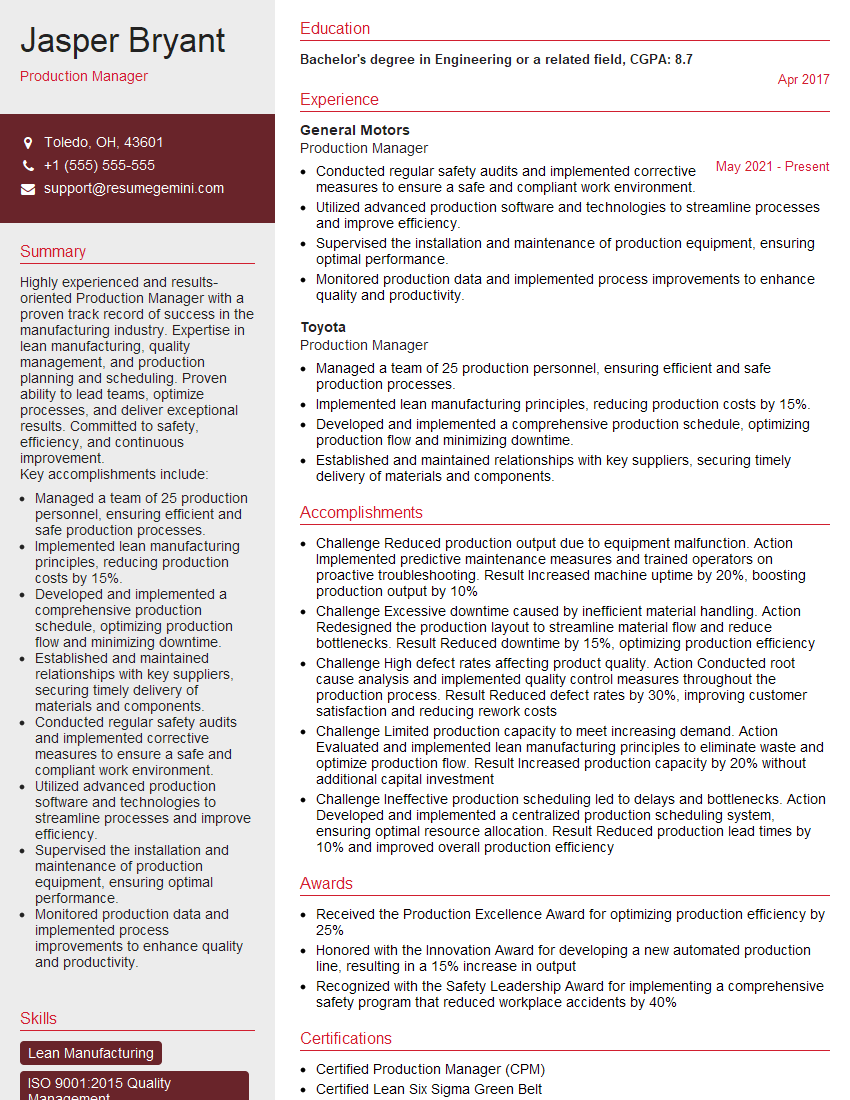
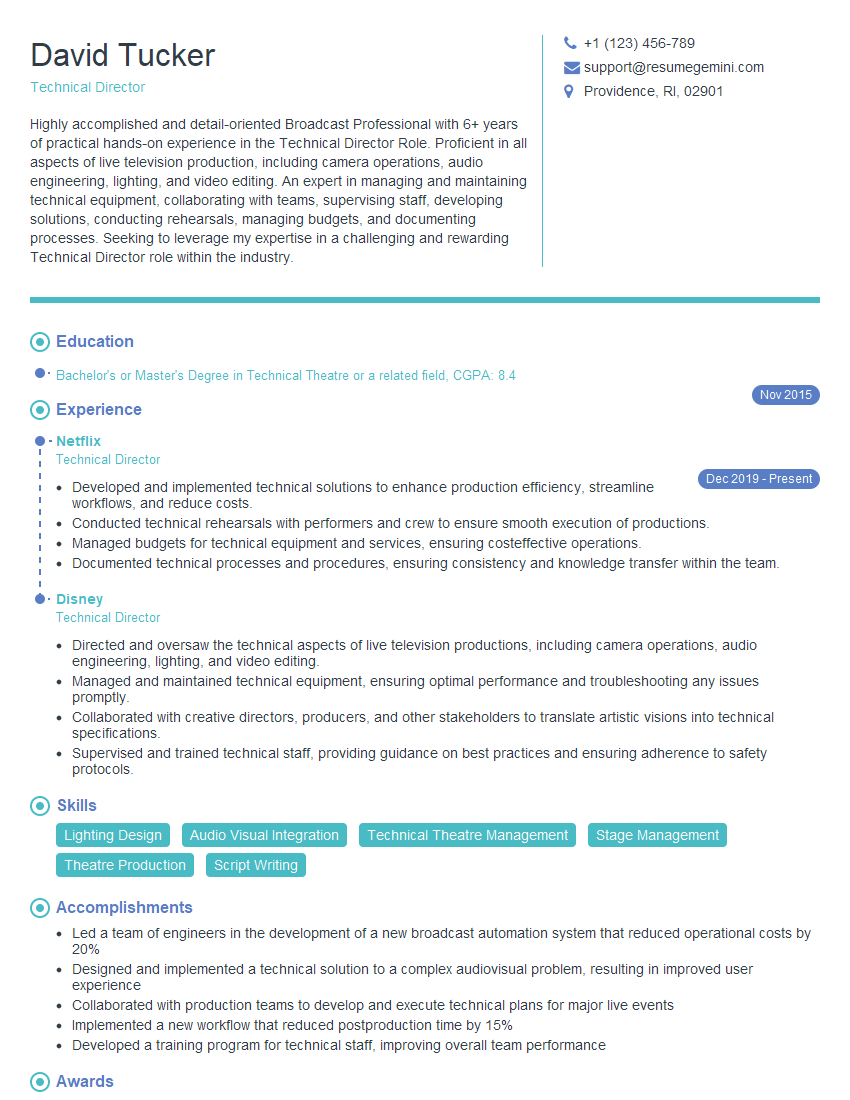
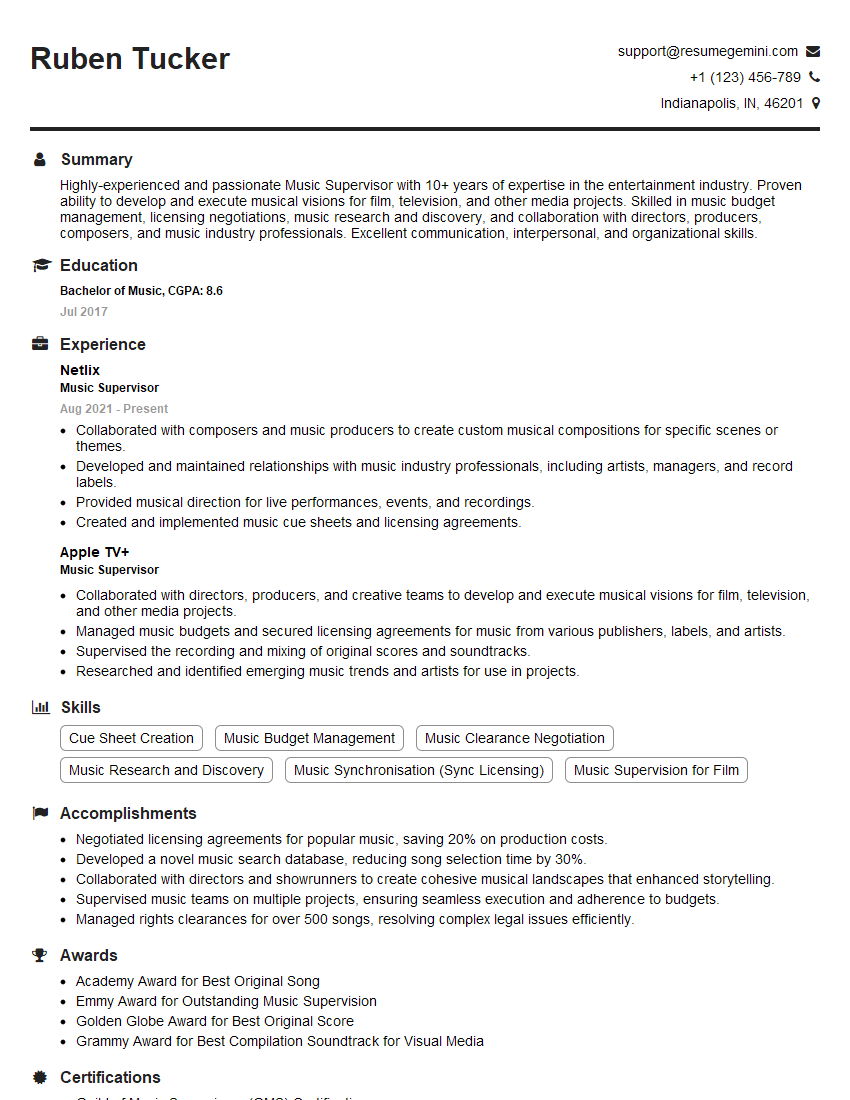
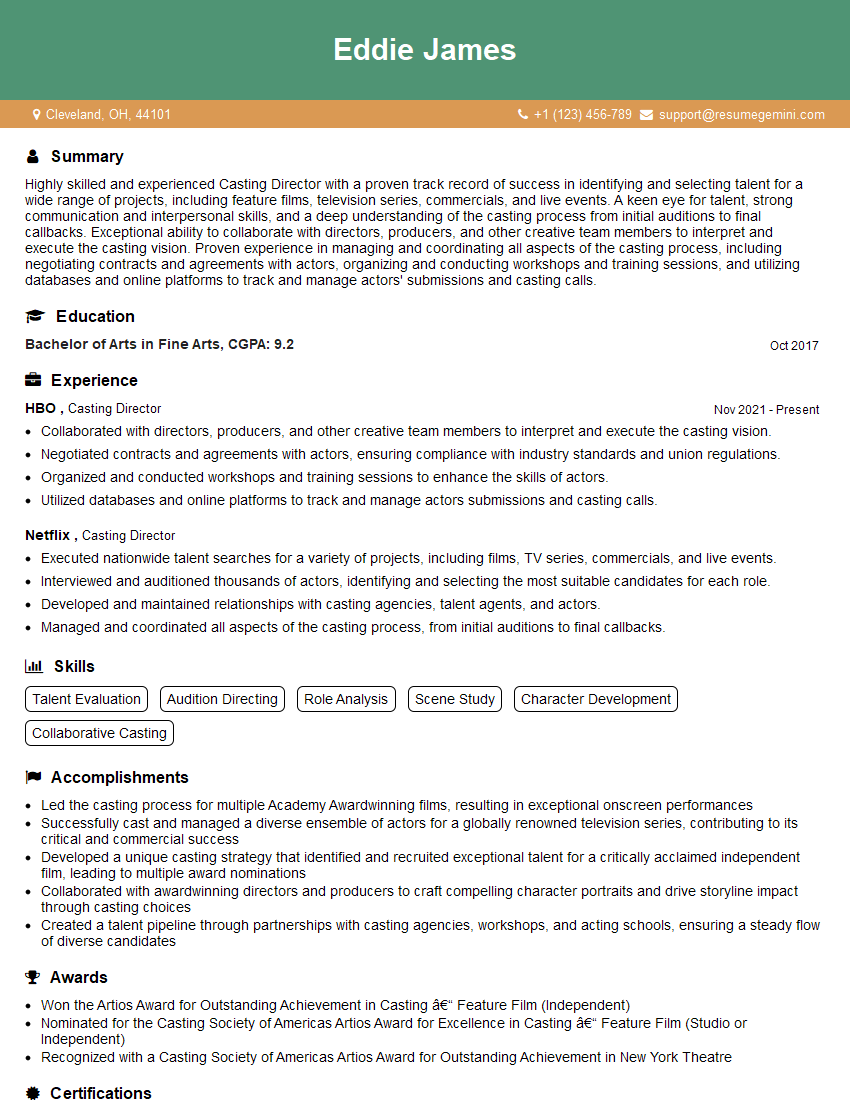
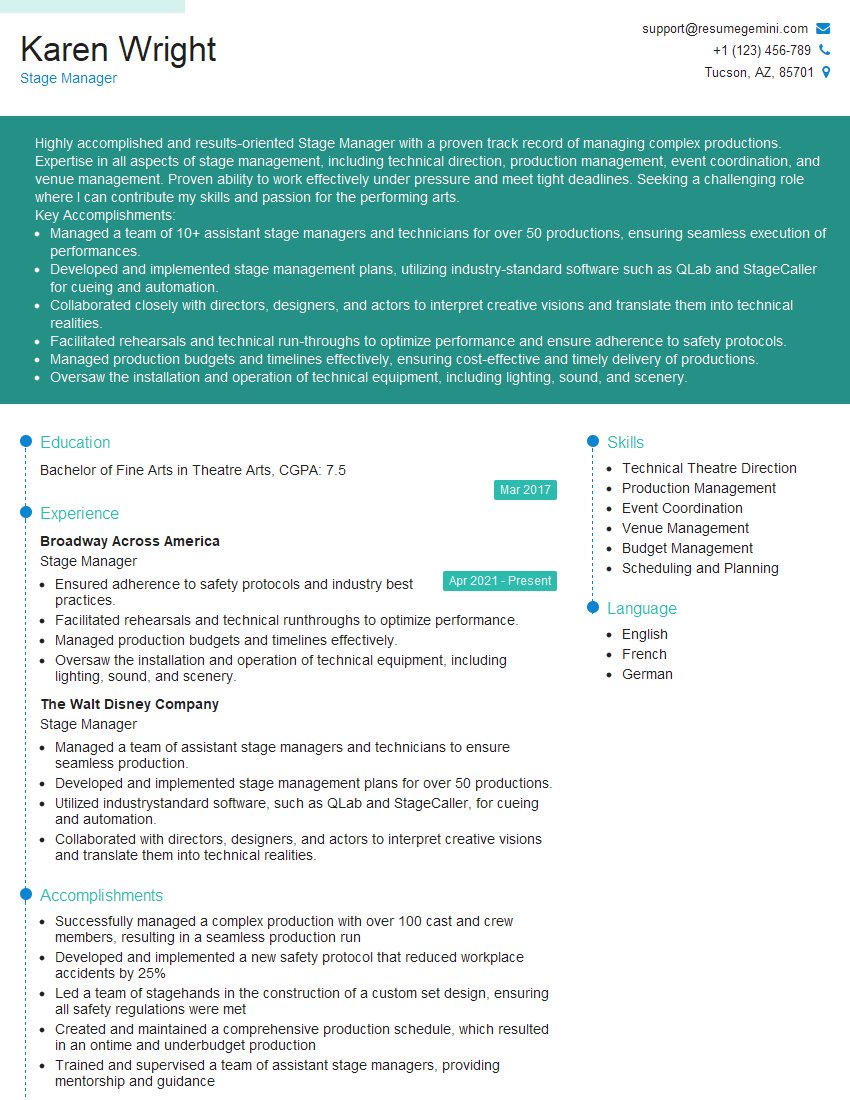
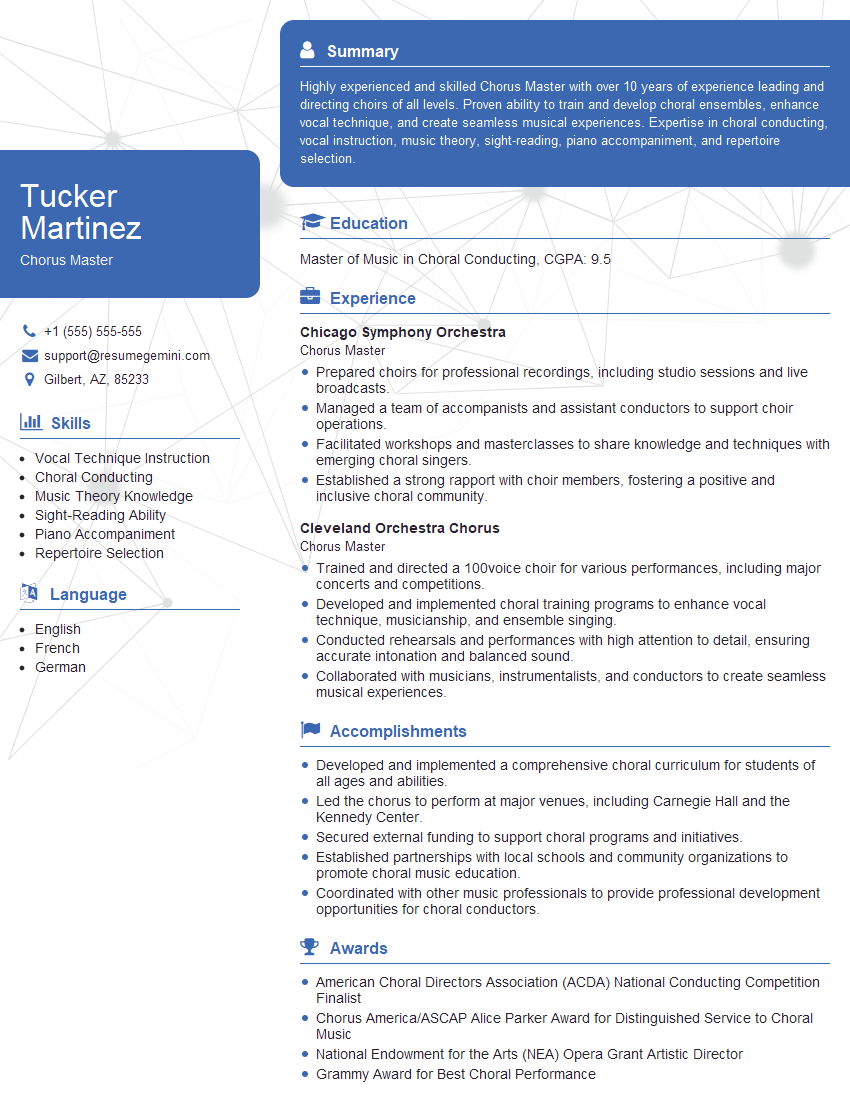
Mastering the art of organizing and conducting rehearsals is crucial for career advancement in the performing arts and event management industries. It demonstrates essential organizational, communication, and problem-solving skills highly valued by employers. To significantly boost your job prospects, crafting a strong, ATS-friendly resume is paramount. ResumeGemini is a trusted resource that can help you build a professional and impactful resume tailored to showcase your skills and experience in this area. We provide examples of resumes specifically designed for candidates specializing in Organizing and Conducting Rehearsals to help you get started. Invest the time in creating a compelling resume – it’s your first impression and a critical step towards landing your dream job.
Explore more articles
Users Rating of Our Blogs
Share Your Experience
We value your feedback! Please rate our content and share your thoughts (optional).
What Readers Say About Our Blog
Very informative content, great job.
good