Feeling uncertain about what to expect in your upcoming interview? We’ve got you covered! This blog highlights the most important OSHA 10-Hour interview questions and provides actionable advice to help you stand out as the ideal candidate. Let’s pave the way for your success.
Questions Asked in OSHA 10-Hour Interview
Q 1. What are the key elements of an OSHA compliant workplace?
An OSHA-compliant workplace prioritizes employee safety and health through a comprehensive safety and health program. Key elements include a strong safety culture fostered by management commitment, thorough hazard identification and risk assessment, implementation of effective controls, employee training and involvement, recordkeeping, and regular inspections and audits. Think of it like building a house: you wouldn’t build a house without a blueprint (hazard assessment) and strong foundations (safety culture). You need to ensure each element works together effectively.
- Management Commitment: Leaders visibly demonstrate their commitment to safety.
- Hazard Identification and Risk Assessment: Regularly identifying and evaluating potential hazards.
- Hazard Control: Implementing engineering controls, administrative controls, and PPE as needed.
- Employee Training: Equipping employees with the knowledge and skills to work safely.
- Recordkeeping: Maintaining accurate records of incidents, inspections, and training.
- Compliance with OSHA Standards: Adhering to all relevant OSHA regulations and guidelines.
Q 2. Explain the importance of Hazard Communication.
Hazard Communication is crucial for preventing workplace injuries and illnesses. It’s about ensuring that employees are informed about the hazards associated with the chemicals and other substances they handle. Imagine working with a chemical and not knowing if it’s flammable or toxic – incredibly dangerous! OSHA’s Hazard Communication Standard requires employers to provide information through Safety Data Sheets (SDSs) and labels.
- SDS (Safety Data Sheets): Detailed information about a hazardous chemical, including its physical and chemical properties, hazards, safe handling procedures, and emergency response information.
- Labels: Clearly indicate the hazards of a chemical, including pictograms, signal words (e.g., Danger, Warning), hazard statements, and precautionary statements.
- Employee Training: Employers must train employees on how to access and understand SDSs and labels and how to protect themselves from hazards.
Effective hazard communication prevents accidents, protects employee health, and fosters a safer working environment.
Q 3. Describe the process for reporting a workplace injury.
Reporting a workplace injury is a crucial step in ensuring employee well-being and preventing future incidents. The process typically involves these steps:
- First Aid: Provide immediate first aid if needed.
- Incident Report: Complete a detailed incident report, documenting the date, time, location, nature of the injury, witnesses, and contributing factors. Be as accurate and objective as possible.
- Medical Treatment: Seek medical attention for the injured employee.
- OSHA Reporting (if applicable): Report the incident to OSHA if it meets their recordable criteria (e.g., resulting in lost workdays, medical treatment beyond first aid, or death). There are specific deadlines for reporting.
- Investigation: Conduct a thorough investigation to determine the root cause of the injury and implement corrective actions to prevent recurrence. This might involve reviewing safety procedures and training.
Accurate and timely reporting ensures proper medical care for the injured employee and helps identify areas for safety improvement.
Q 4. What are the different types of Personal Protective Equipment (PPE) and when are they used?
Personal Protective Equipment (PPE) is used to reduce the risk of exposure to hazards. The type of PPE depends on the specific hazard. It’s the last line of defense after engineering and administrative controls have been implemented. Think of it as a safety net.
- Eye Protection: Safety glasses, goggles, face shields (protect against flying debris, chemicals, etc.)
- Hearing Protection: Earplugs, earmuffs (protect against excessive noise)
- Respiratory Protection: Respirators (protect against airborne hazards like dust, fumes, gases)
- Head Protection: Hard hats (protect against falling objects)
- Hand Protection: Gloves (protect against cuts, abrasions, chemicals, etc.)
- Foot Protection: Safety shoes or boots (protect against falling objects, punctures, etc.)
- Body Protection: Aprons, coveralls, and other protective clothing (protect against chemicals, heat, cuts, etc.)
Selecting the appropriate PPE requires a thorough hazard assessment. Improperly selected or used PPE can be ineffective and even dangerous.
Q 5. Explain the hierarchy of hazard controls.
The hierarchy of hazard controls prioritizes hazard prevention methods from most effective to least. It’s a systematic approach to controlling hazards, aiming for the most effective solutions first. Imagine a ladder of safety measures.
- Elimination: Removing the hazard entirely (e.g., replacing a hazardous chemical with a less hazardous one).
- Substitution: Replacing the hazard with a less hazardous alternative (e.g., using a less noisy machine).
- Engineering Controls: Isolating people from the hazard (e.g., installing machine guards, using ventilation systems).
- Administrative Controls: Changing the way work is done (e.g., implementing work rotation schedules, providing safety training).
- Personal Protective Equipment (PPE): Providing employees with protective equipment (last resort).
Following this hierarchy ensures the most effective and sustainable hazard control solutions.
Q 6. What are the requirements for Lockout/Tagout procedures?
Lockout/Tagout (LOTO) procedures are critical for preventing accidental energization of equipment during maintenance or repair. They ensure that equipment is de-energized and secured to prevent injuries. It is a step-by-step process to prevent accidental start-up.
- Energy Isolation: Identify all energy sources (electrical, mechanical, hydraulic, pneumatic, etc.) and completely isolate them.
- Lockout: Apply a lockout device (a lock) to the energy isolation device to prevent re-energization.
- Tagout: Attach a tag to the energy isolation device indicating that the equipment is locked out and who is working on it.
- Verification: Verify that the equipment is de-energized before starting work.
- Energy Control Program: Establish a comprehensive energy control program that outlines procedures, responsibilities, and training requirements.
- Periodic Inspections: Regularly inspect lockout devices and procedures to ensure effectiveness.
LOTO procedures are essential for preventing serious injuries and fatalities from unexpected equipment startup.
Q 7. How do you identify and assess workplace hazards?
Identifying and assessing workplace hazards involves a systematic process that often involves a multidisciplinary team approach. Think of it as a detective investigation, looking for clues that indicate potential dangers.
- Walkthrough Inspections: Conduct regular physical inspections of the workplace, observing work processes, and identifying potential hazards.
- Incident Investigations: Analyze past incidents to identify contributing factors and recurring hazards.
- Employee Input: Solicit input from employees, as they often have valuable insights into workplace hazards.
- Job Hazard Analysis (JHA): Systematically analyze each job task to identify potential hazards and control measures.
- Safety Data Sheets (SDS): Consult SDSs for information on hazardous chemicals and materials.
- OSHA Standards: Review relevant OSHA standards to identify specific hazards and control requirements.
By using a combination of these methods, you can gain a comprehensive understanding of the hazards present in your workplace and develop effective control measures.
Q 8. What is your understanding of OSHA’s General Duty Clause?
OSHA’s General Duty Clause, found in Section 5(a)(1) of the Occupational Safety and Health Act, is the cornerstone of workplace safety. It’s essentially a catch-all provision that mandates employers provide a workplace free from recognized hazards that are causing or are likely to cause death or serious physical harm to employees. It’s not limited to specific OSHA standards; instead, it holds employers accountable for proactively identifying and mitigating any hazard, even if there isn’t a specific regulation covering it. Think of it as the overarching principle that underlies all other OSHA standards. For example, if a new chemical is introduced to the workplace and presents a previously unknown hazard, the General Duty Clause requires the employer to implement appropriate control measures to protect employees, even before a new standard is developed. The key is that the hazard must be ‘recognized,’ meaning it’s known to be dangerous within the industry or by safety experts. OSHA can cite an employer under this clause if they fail to address a known hazard, regardless of the absence of a specific standard.
Q 9. Describe the process for conducting a job safety analysis (JSA).
A Job Safety Analysis (JSA) is a systematic process used to identify hazards and control measures for specific tasks. It’s a proactive approach to risk management. The process typically involves these steps:
- Select the job: Choose a specific task to analyze, breaking down complex jobs into smaller, manageable steps.
- List the steps: Document each step of the job in chronological order.
- Identify potential hazards: For each step, list all potential hazards, such as slips, trips, falls, exposure to chemicals, machinery hazards, or ergonomic issues.
- Identify existing controls: Note any existing safety measures or controls already in place to mitigate those hazards (e.g., PPE, machine guards, safety procedures).
- Recommend additional controls: If the existing controls are inadequate, suggest improved or additional safety measures to further minimize the risk.
- Document the JSA: All the findings should be meticulously documented and reviewed regularly, ideally by a team involving workers who actually perform the tasks. This ensures accuracy and buy-in.
For example, a JSA for operating a forklift might include steps like pre-shift inspection, maneuvering the forklift, loading and unloading, and securing the load. Hazards identified might include collisions, tipping, and falling objects. Controls might include training, regular maintenance, and following speed limits. A well-executed JSA is a living document, updated as the job changes or new hazards are identified.
Q 10. Explain the importance of employee training in workplace safety.
Employee training is paramount for workplace safety. It empowers workers to identify, avoid, and mitigate hazards. Without proper training, even the best safety programs are ineffective. Effective training equips employees with the knowledge and skills to perform their tasks safely, understand company safety policies and procedures, and recognize potential hazards. It fosters a safety-conscious culture. This also leads to fewer accidents, reducing costs associated with injuries, lost productivity, and legal liabilities. Think about a construction worker unaware of fall protection procedures – the consequences can be catastrophic. Training should be tailored to specific job roles and hazards. It should include both classroom instruction and hands-on practice, with regular refresher training to ensure that knowledge remains current and workers are aware of any new safety regulations or procedures.
Q 11. What are the common causes of workplace accidents?
Workplace accidents stem from a variety of causes, often involving a combination of factors. Some common causes include:
- Unsafe acts: These are actions by employees that violate safety rules or procedures, such as rushing, not using PPE, or ignoring warnings. Examples include improper lifting techniques causing back injuries, or not using lockout/tagout procedures before working on machinery.
- Unsafe conditions: These are hazards in the work environment that increase the risk of accidents, such as inadequate lighting, damaged equipment, or poorly designed workspaces. Examples could be a cluttered walkway leading to a trip and fall, or exposed wiring causing electrical shock.
- Lack of training: Inadequate or insufficient training leads to employees lacking the necessary skills and knowledge to perform their jobs safely.
- Poor housekeeping: A disorganized and cluttered workplace increases the risk of slips, trips, and falls.
- Human factors: Fatigue, stress, and lack of attention can contribute to accidents.
Understanding these root causes is crucial for developing effective preventative measures.
Q 12. How do you ensure compliance with OSHA regulations?
Ensuring OSHA compliance requires a multifaceted approach. It starts with a thorough understanding of applicable standards and regulations. This necessitates regular review of OSHA’s website and staying updated on any changes. Implementing a comprehensive safety program is crucial. This involves developing and implementing written safety policies and procedures, providing adequate employee training, conducting regular safety inspections, maintaining accurate records of safety incidents and training, and promptly investigating and correcting hazards. Regular safety meetings and communication with employees are essential to maintain a strong safety culture. Proactive hazard identification and control is paramount; using JSAs, risk assessments, and regular inspections are critical elements. Furthermore, maintaining open communication with OSHA and responding promptly to any citations or inspections is essential. Essentially, a commitment to proactive safety management and maintaining a culture of safety is vital for sustained compliance.
Q 13. What are your strategies for promoting a safety-conscious work environment?
Promoting a safety-conscious work environment involves more than just complying with regulations; it requires cultivating a culture where safety is a shared value. Key strategies include:
- Leadership commitment: Visible and unwavering support from leadership is fundamental. Safety must be a top priority, demonstrated through actions and resources.
- Employee involvement: Actively engaging employees in safety initiatives – through safety committees, suggestion boxes, and regular feedback mechanisms – ensures buy-in and ownership.
- Effective communication: Open and consistent communication about safety issues, policies, and procedures is crucial. This includes regular safety meetings, toolbox talks, and readily available information.
- Incentive programs: Rewards and recognition for safe work practices can reinforce positive behavior. However, punishments should focus on corrective actions rather than blame.
- Regular training and education: Ongoing training keeps safety top of mind and ensures everyone is aware of potential hazards and best practices.
- Regular inspections: Thorough and frequent inspections help identify and correct hazards promptly, preventing accidents.
Ultimately, a safety-conscious work environment is one where everyone feels responsible for their own safety and the safety of their coworkers. It’s a collaborative effort, not a top-down mandate.
Q 14. Describe your experience with incident investigation.
My experience with incident investigation is thorough and systematic. I follow a structured approach, typically starting with immediate actions to ensure safety and prevent further incidents. I then gather data through interviews with witnesses, review of records (e.g., training records, maintenance logs), photographs, and physical evidence. The goal is to identify the root causes, not just the immediate causes. This involves using techniques such as fault tree analysis or the ‘5 Whys’ to delve deeper and uncover underlying systemic issues. For example, if an employee suffered a fall, the immediate cause might be a missing step. However, a deeper investigation might reveal inadequate inspection procedures, lack of proper maintenance, or insufficient training on fall protection procedures. The investigation culminates in a report outlining the findings, root causes, and recommendations for corrective actions. This report is then used to prevent similar incidents from occurring in the future, improving safety procedures and addressing systemic issues. The entire process emphasizes objectivity and a focus on learning from past mistakes to create a safer work environment.
Q 15. How do you develop and implement a safety program?
Developing and implementing a safety program is a systematic process that requires a commitment from all levels of an organization. It begins with a thorough hazard assessment to identify potential risks. This involves walking through the workplace, observing tasks, and interviewing employees to understand potential dangers. Then, we prioritize these hazards based on their severity and likelihood of occurrence.
Next, we develop control measures. This could include engineering controls (e.g., installing machine guards), administrative controls (e.g., implementing a lockout/tagout procedure), and personal protective equipment (PPE) (e.g., providing safety glasses). Each control is documented, and training is provided to employees on the proper use of controls and PPE. We then establish a system for monitoring and auditing the effectiveness of our controls. Regular inspections, near-miss reporting, and incident investigations help identify areas needing improvement. Finally, the entire program must be reviewed and updated periodically to reflect changes in the workplace, regulations, and best practices. Think of it like building a house – you start with a strong foundation (hazard assessment), build the walls (control measures), add the roof (monitoring), and regularly maintain it to ensure its longevity (review and update).
- Hazard Assessment: Identifying potential hazards like slips, trips, falls, electrical hazards, etc.
- Control Measures: Implementing engineering, administrative, and PPE controls.
- Training: Educating employees on safe work practices.
- Monitoring & Auditing: Regular inspections and incident investigations.
- Review & Update: Regularly updating the program based on performance and changes.
Career Expert Tips:
- Ace those interviews! Prepare effectively by reviewing the Top 50 Most Common Interview Questions on ResumeGemini.
- Navigate your job search with confidence! Explore a wide range of Career Tips on ResumeGemini. Learn about common challenges and recommendations to overcome them.
- Craft the perfect resume! Master the Art of Resume Writing with ResumeGemini’s guide. Showcase your unique qualifications and achievements effectively.
- Don’t miss out on holiday savings! Build your dream resume with ResumeGemini’s ATS optimized templates.
Q 16. What are the elements of an effective emergency action plan?
An effective emergency action plan (EAP) is crucial for workplace safety. It outlines procedures for employees to follow during emergencies, minimizing injuries and property damage. A comprehensive EAP should include several key elements:
- Emergency escape procedures and routes: Clearly marked evacuation routes and assembly points.
- Procedures for employees who remain to operate critical equipment during an emergency: Detailed instructions for essential personnel.
- Procedures to account for all employees after evacuation: A roll call or similar system to ensure everyone’s safety.
- Rescue and medical duties for employees: Designation of trained personnel for first aid and rescue.
- Names or job titles of persons to contact for further information or instructions: Identifying key contact persons within the company or emergency services.
- The preferred means of reporting fires and other emergencies: Defining the communication methods, like alarm systems or designated phone numbers.
- Types of emergencies covered by the plan: Specifying which emergencies the plan addresses (fire, chemical spills, severe weather, etc.).
For example, a manufacturing plant might include specific procedures for shutting down machinery during a fire, while an office building would focus on evacuation routes and assembly points. Regular drills are essential to ensure employees are familiar with and can effectively execute the plan. The EAP should be easily accessible and prominently displayed.
Q 17. Explain the differences between leading and lagging indicators of safety performance.
Leading and lagging indicators help us understand and improve safety performance. Lagging indicators tell us what has already happened, while leading indicators predict what might happen.
- Lagging Indicators: These are historical data reflecting past performance. Examples include the number of accidents, injuries, illnesses, or lost workdays. While important for tracking progress, they only react to events after they occur, offering limited proactive value.
- Leading Indicators: These are proactive measures predicting future safety performance. They assess the current state of the safety system and identify potential problems before they lead to incidents. Examples include safety training completion rates, near-miss reporting frequency, the number of safety inspections conducted, and the effectiveness of safety controls. A high rate of near-miss reporting, for instance, is a positive leading indicator, signaling employees are actively identifying and reporting potential hazards.
Think of it like a car dashboard. Lagging indicators are like the odometer (miles driven), telling you how far you’ve gone. Leading indicators are like the fuel gauge (fuel level), warning you about potential problems before you run out of gas. Focusing on leading indicators allows for early intervention and prevents incidents from happening.
Q 18. What is your understanding of OSHA Form 300?
OSHA Form 300 is a log of work-related injuries and illnesses. Employers with 10 or more employees are required to keep this log annually. It’s a crucial record-keeping tool that helps track workplace safety performance and identify trends. The form records information such as the date of injury, nature of the injury, body part affected, and days away from work. This data is essential for identifying hazards, improving safety programs, and complying with OSHA regulations. It’s a critical component in demonstrating an organization’s commitment to workplace safety and can be used by OSHA inspectors during compliance evaluations. Accurate and complete record-keeping is paramount to avoid penalties.
The data from Form 300, along with Forms 300A (Summary of Work-Related Injuries and Illnesses) and 301 (Injury and Illness Incident Report), are used to create a comprehensive picture of the workplace safety landscape. Failing to properly maintain these forms can result in significant fines and legal repercussions.
Q 19. How do you handle conflicts between safety and productivity?
Conflicts between safety and productivity are common, but safety should always take precedence. It’s a misconception that prioritizing safety hinders productivity; in reality, a safe workplace is a more productive workplace. Addressing this conflict involves open communication, collaboration, and finding solutions that balance both concerns.
For example, if a new production process increases output but also raises safety risks, we need to evaluate the risk assessment and implement appropriate safety measures before proceeding. This might involve investing in new safety equipment, modifying the process to reduce hazards, or providing additional training. Sometimes, implementing safety measures may initially decrease productivity, but the long-term benefits in preventing accidents and injuries far outweigh the short-term losses. A strong safety culture prioritizes proactive problem-solving and finding creative solutions that ensure both safety and productivity are maintained.
Ultimately, a culture of safety reduces the likelihood of accidents and injuries, which can significantly disrupt productivity. Lost time due to injuries, investigations, and legal proceedings is costly, and the impact on employee morale can significantly affect productivity.
Q 20. Describe your experience with conducting safety inspections.
My experience in conducting safety inspections involves a systematic and thorough approach. I use checklists to ensure consistency and to cover all critical areas. The inspections are not just about finding violations; they’re also about identifying potential hazards and areas for improvement. I start by reviewing existing safety procedures and documentation. Then, I conduct a visual inspection of the workplace, looking for hazards such as trip hazards, electrical hazards, improper storage of materials, and lack of PPE. I document all findings with photographs and detailed descriptions, prioritizing critical hazards that need immediate attention. I also interview employees to get their perspective on safety concerns and identify any issues they might have encountered. Following the inspection, I prepare a report summarizing findings, recommendations, and corrective actions. This report is shared with management and employees, leading to a collaborative effort to address identified issues and improve workplace safety.
I’ve worked across various industrial settings, gaining diverse experience in construction, manufacturing, and office environments, allowing me to tailor my inspection techniques to the specific hazards and requirements of each setting.
Q 21. What are some common OSHA violations you have encountered?
During my inspections, I have encountered several common OSHA violations. These include:
- Lack of or inadequate personal protective equipment (PPE): Employees not wearing appropriate PPE, such as safety glasses, hard hats, or hearing protection, depending on the task.
- Improper lockout/tagout procedures: Failure to properly de-energize equipment before maintenance, leading to potential electrocution or injury.
- Unsafe working conditions: Hazards such as exposed wiring, trip hazards, and inadequate lighting.
- Inadequate training: Employees not properly trained on safe work practices or the use of equipment.
- Lack of hazard communication: Failure to properly label hazardous materials or provide safety data sheets (SDS).
- Insufficient emergency action plans (EAPs): Inadequate or nonexistent EAPs, leaving employees unprepared for emergencies.
These violations can lead to serious injuries or fatalities. Addressing them through proper training, hazard controls, and enforcement of safety regulations is crucial to preventing future incidents.
Q 22. How do you communicate safety information effectively to workers?
Effective safety communication is crucial for a safe workplace. It’s not just about posting signs; it’s about ensuring everyone understands and applies safety rules. My approach is multi-faceted:
- Tailored Communication: I adapt my communication style to the audience. For example, I use simpler language and more visual aids for workers who may not be fluent in English or have limited literacy skills. For skilled tradespeople, I might focus on the practical application and problem-solving aspects of safety.
- Multiple Channels: I utilize a variety of methods like toolbox talks, safety training sessions (including hands-on demonstrations), posters, emails, and even short videos to reinforce key messages. This ensures information reaches everyone, regardless of their learning style or preferred method of communication.
- Interactive Sessions: Instead of just lecturing, I encourage questions and feedback. I find that interactive sessions, where workers can participate actively, lead to better understanding and retention. Role-playing scenarios can also be particularly effective.
- Feedback Mechanisms: I establish clear channels for workers to report safety concerns or hazards without fear of retribution. This could be an anonymous suggestion box, regular safety surveys, or one-on-one meetings.
- Positive Reinforcement: Recognizing and rewarding safe work practices is vital. This could include a simple ‘thank you’, a small gift, or inclusion in the company safety newsletter. Public acknowledgment can also boost morale and encourage others to follow suit.
For instance, when explaining lockout/tagout procedures, I wouldn’t just read the steps from a manual. Instead, I’d use a real piece of equipment to demonstrate the process, encouraging workers to participate and ask questions. This interactive approach helps ensure everyone understands the critical steps involved.
Q 23. What is your understanding of confined space entry procedures?
Confined space entry procedures are critical due to the inherent dangers involved, such as oxygen deficiency, toxic atmospheres, and engulfment hazards. My understanding aligns with OSHA’s requirements and emphasizes a systematic approach:
- Permit-Required Confined Space Program: This is the cornerstone. It involves identifying confined spaces, developing procedures for safe entry, and assigning responsibilities to authorized entrants, attendants, and supervisors.
- Atmospheric Monitoring: Before entry, the atmosphere must be tested for oxygen levels, flammable gases, and toxic substances. This requires specialized equipment and trained personnel.
- Ventilation: Adequate ventilation may be necessary to remove hazardous atmospheres. This often involves mechanical ventilation systems.
- Personal Protective Equipment (PPE): Appropriate PPE, such as respirators, harnesses, and fall protection equipment, is mandatory. The type of PPE depends on the specific hazards identified.
- Entry Procedures: A detailed entry procedure must be followed, including lock-out/tag-out of energy sources and continuous monitoring by an attendant. Communication between the entrant and the attendant is critical.
- Emergency Response Plan: A comprehensive plan should be in place in case of an emergency, including rescue procedures and communication protocols.
- Post-Entry Procedures: After exiting the confined space, post-entry monitoring is done to ensure that the space remains safe. Documentation of all steps is crucial.
Ignoring any of these steps could result in serious injury or death. For example, I once witnessed a near-miss incident where a worker entered a confined space without proper atmospheric testing, nearly resulting in oxygen deficiency. This reinforced the importance of rigorous adherence to established procedures.
Q 24. Describe your experience with fall protection.
My experience with fall protection encompasses both theoretical knowledge and practical application. I understand that fall protection is not a ‘one-size-fits-all’ solution. The proper system must be chosen based on the specific work environment and hazards.
- Fall Arrest Systems: I am proficient in the selection and use of various fall arrest systems, including full-body harnesses, anchor points, shock-absorbing lanyards, and self-retracting lifelines (SRLs). I know how to inspect equipment regularly for damage and ensure it’s properly maintained and certified.
- Fall Restraint Systems: I understand the application of fall restraint systems, such as guardrails, safety nets, and personal fall arrest systems, to prevent falls from occurring in the first place.
- Competency Training: I’ve conducted and participated in numerous training sessions on fall protection, focusing on proper use, inspection, and rescue techniques. I’m familiar with OSHA’s standards concerning fall protection training.
- Site-Specific Assessments: Before starting any work at height, I emphasize the importance of conducting thorough site-specific fall hazard assessments. This involves identifying potential fall hazards, determining the appropriate fall protection system, and developing a written fall protection plan.
For example, I worked on a construction project where a worker almost fell from a roof. The incident highlighted the crucial need for frequent inspections of fall protection equipment and the implementation of a robust training program to ensure everyone used the equipment correctly. We subsequently implemented more rigorous inspection procedures and refresher training.
Q 25. What are the key elements of a successful safety meeting?
A successful safety meeting is more than just a compliance exercise; it’s an opportunity to engage workers, reinforce safety messages, and foster a culture of safety. Key elements include:
- Clear Objectives: Each meeting should have specific, achievable objectives, such as reviewing recent incidents, discussing new safety procedures, or addressing employee concerns.
- Relevant Topics: The topics discussed should be relevant to the workers’ tasks and the specific hazards they face. Avoid generic or irrelevant information.
- Interactive Participation: Encourage active participation through questions, discussions, and brainstorming. Make it a two-way conversation, not a one-way lecture.
- Real-World Examples: Use real-world examples, case studies, or near-miss incidents to illustrate the importance of safety procedures. Relatable examples are more impactful than abstract concepts.
- Visual Aids: Utilize visual aids like photos, videos, or diagrams to enhance understanding and retention. Visuals help to illustrate complex concepts in a more accessible way.
- Documentation and Follow-up: Document key points discussed and assign action items with clear deadlines. Follow up on the actions to ensure they’re completed.
For example, after a near miss involving a forklift, we held a safety meeting to review proper forklift operation procedures. We showed a video of the near-miss, discussed contributing factors, and reviewed the correct procedures for operating forklifts safely. We also assigned specific individuals to inspect and maintain the forklifts regularly. The follow-up and proactive approach significantly increased employee awareness and compliance.
Q 26. How do you stay current on OSHA regulations and updates?
Staying current with OSHA regulations and updates is an ongoing process. I employ several strategies:
- OSHA Website: I regularly review the OSHA website for updates, news alerts, and revised standards. I specifically focus on changes relevant to the industries I work in.
- Subscriptions and Alerts: I subscribe to newsletters and email alerts from reputable safety organizations that provide updates on OSHA changes and new regulations.
- Professional Development: I participate in ongoing professional development courses and training programs that cover the latest OSHA standards and best practices.
- Industry Publications: I read industry publications and journals that focus on occupational safety and health. This helps me stay informed about emerging trends and best practices.
- Networking: I network with other safety professionals to share information and learn from their experiences. Attending conferences and workshops provides valuable networking opportunities.
For example, when OSHA recently updated standards for fall protection, I immediately reviewed the changes and incorporated them into our fall protection training program and updated our company safety manuals accordingly.
Q 27. How do you handle situations where employees are not following safety protocols?
Addressing situations where employees are not following safety protocols requires a measured and constructive approach. My strategy is based on a progressive disciplinary approach:
- Initial Observation and Counseling: If I observe a minor infraction, I’ll approach the employee privately to discuss the issue, explain the safety regulations, and provide coaching on correct procedures.
- Formal Written Warning: For repeated infractions or more serious violations, I’ll issue a formal written warning, documenting the incident and outlining the consequences of further non-compliance.
- Disciplinary Action: For serious or repeated violations that pose significant safety risks, I’ll recommend further disciplinary action, which could range from suspension to termination depending on company policy and the severity of the violation.
- Root Cause Analysis: In all cases, I’ll conduct a root cause analysis to identify the underlying reasons for non-compliance. This may reveal training deficiencies, inadequate equipment, or unclear procedures, which need to be addressed proactively.
For instance, if an employee consistently fails to use safety glasses while operating machinery, I would first address the issue privately and explain the potential consequences. Repeated violations would lead to formal warnings and, if necessary, more severe disciplinary actions. Simultaneously, I’d review the training materials and consider providing refresher training or modifying the work environment to better support safety protocols.
Q 28. Explain your experience using OSHA resources and publications.
I regularly utilize OSHA resources and publications to stay informed and ensure compliance. My experience includes:
- OSHA Website: I frequently access the OSHA website to find specific standards, guidelines, and publications related to various safety topics. I find their search functionality to be quite helpful.
- OSHA Publications: I’ve utilized several OSHA publications, such as the OSHA 300 log, to track workplace injuries and illnesses and help identify areas for improvement in safety protocols.
- OSHA Training Materials: I’ve used various OSHA training materials, such as the OSHA 10-Hour training materials, to develop and deliver safety training programs for employees.
- OSHA Fact Sheets and QuickCards: I often utilize OSHA fact sheets and quick cards to quickly access concise information on specific safety hazards or regulations.
For example, when developing a new safety program for confined space entry, I extensively used OSHA’s publications and standards on confined space entry to ensure the program met all regulatory requirements. I also incorporated information from OSHA’s website and fact sheets into the training materials I created.
Key Topics to Learn for OSHA 10-Hour Interview
- Jobsite Hazards Identification & Control: Understanding common workplace hazards (electrical, fall protection, etc.) and the methods used to mitigate them. This includes practical application of hazard recognition techniques and implementing control measures.
- Personal Protective Equipment (PPE): Knowing the types of PPE required for different jobsites, their proper use, and limitations. Be prepared to discuss selecting the appropriate PPE for various scenarios.
- Hazard Communication: Understanding the importance of proper labeling, Safety Data Sheets (SDS), and employee training on chemical hazards. Practical application involves interpreting SDS information and communicating hazard information effectively.
- Emergency Action Plans: Familiarity with the components of a comprehensive emergency action plan, including evacuation procedures and emergency response protocols. This includes understanding your role in an emergency situation.
- Lockout/Tagout Procedures: Understanding the critical steps involved in controlling hazardous energy sources before maintenance or repair. This includes practical application of lockout/tagout procedures and the importance of safety over speed.
- Fall Protection: In-depth knowledge of fall protection systems, including anchor points, harnesses, and fall arrest systems. This includes practical application and limitations of different fall protection equipment.
- Excavation and Trenching: Understanding the hazards associated with excavations and the necessary precautions to prevent cave-ins. This includes practical application of safety regulations and the importance of proper inspection.
- Scaffolding Safety: Understanding the safe erection, use, and dismantling of scaffolding. This includes practical application and the recognition of unsafe scaffolding setups.
Next Steps
Mastering OSHA 10-Hour demonstrates your commitment to workplace safety, a highly valued attribute in many industries. This certification significantly enhances your job prospects and showcases your dedication to a safe work environment. To increase your chances of landing your dream job, it’s crucial to create a professional and ATS-friendly resume that highlights your new skills and experience. We strongly recommend using ResumeGemini, a trusted resource for building compelling resumes. ResumeGemini offers examples of resumes tailored specifically to OSHA 10-Hour certification holders, helping you present your qualifications effectively and stand out from the competition.
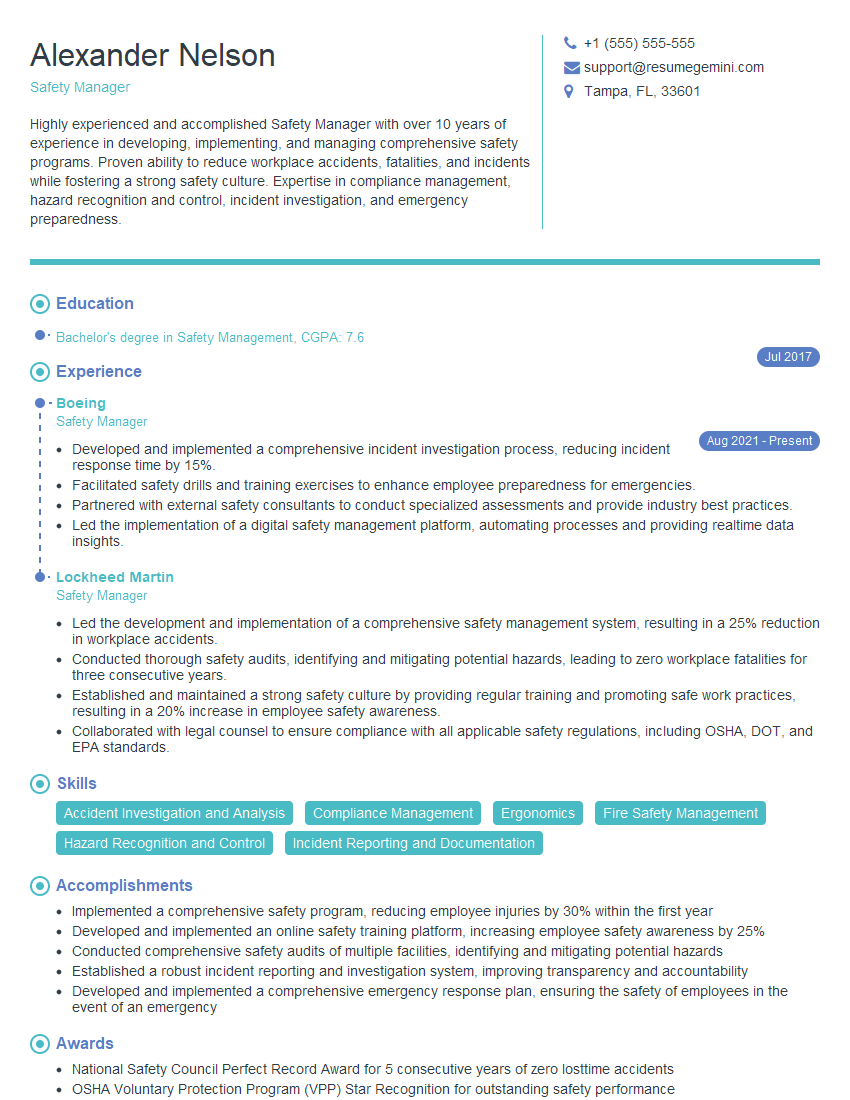
Safety Manager Resume Sample
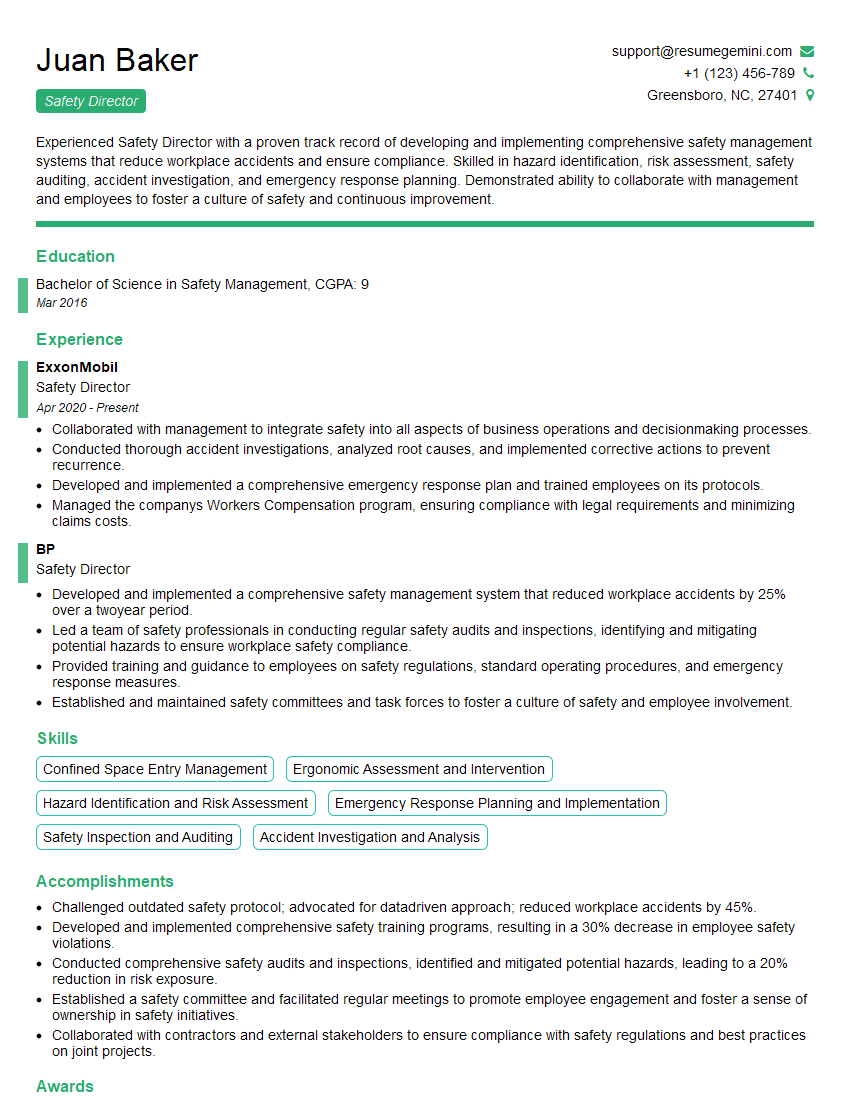
Safety Director Resume Sample
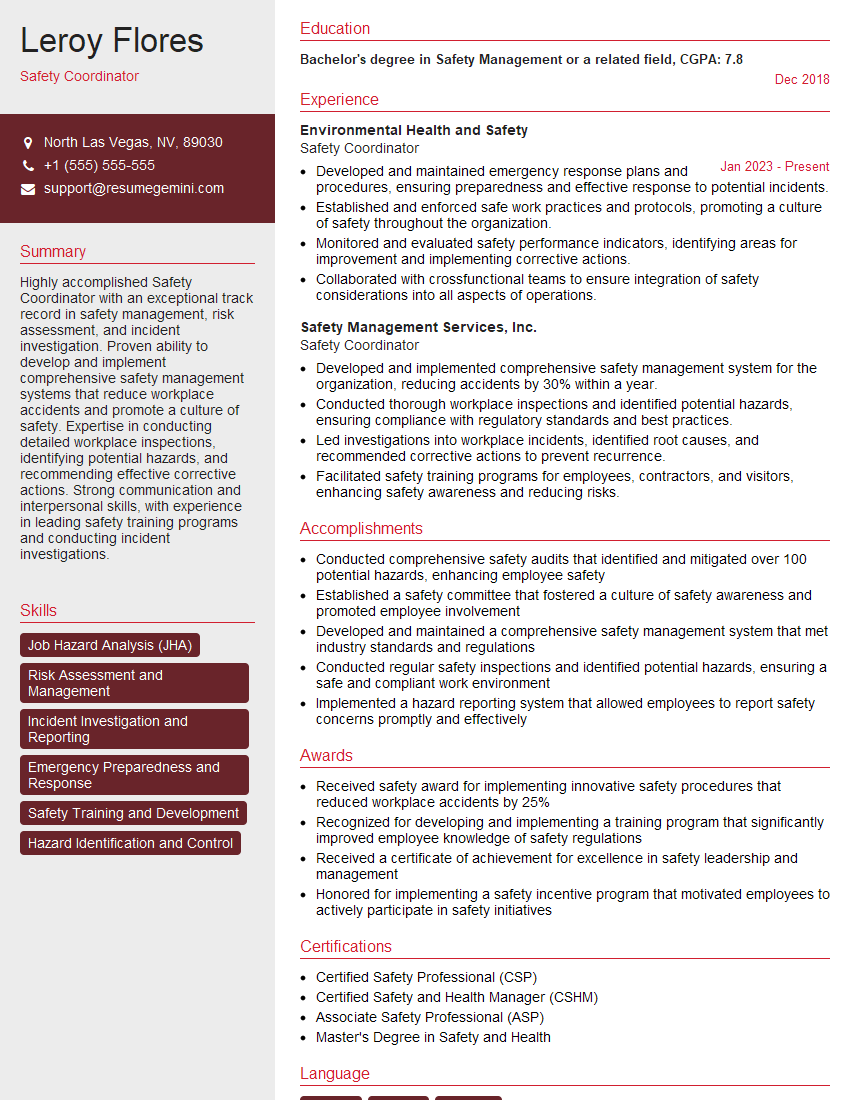
Safety Coordinator Resume Sample

Compliance Officer Resume Sample
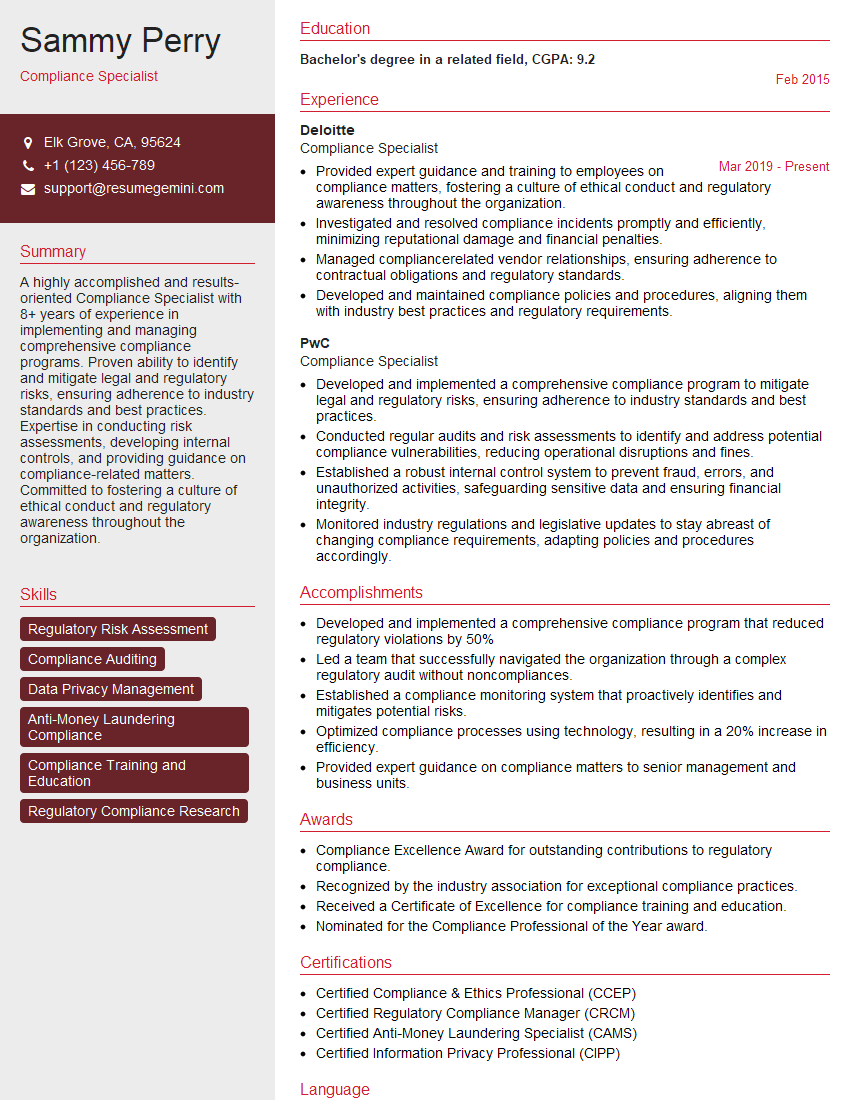
Compliance Specialist Resume Sample
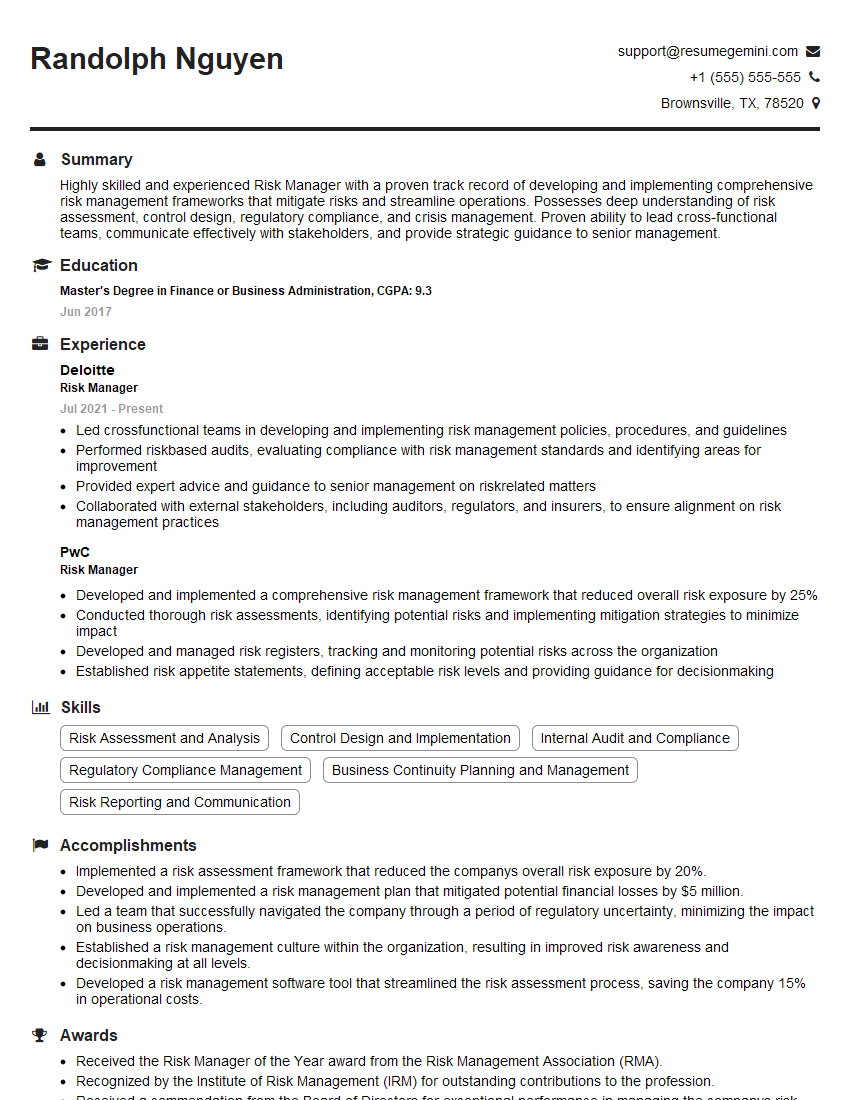
Risk Manager Resume Sample
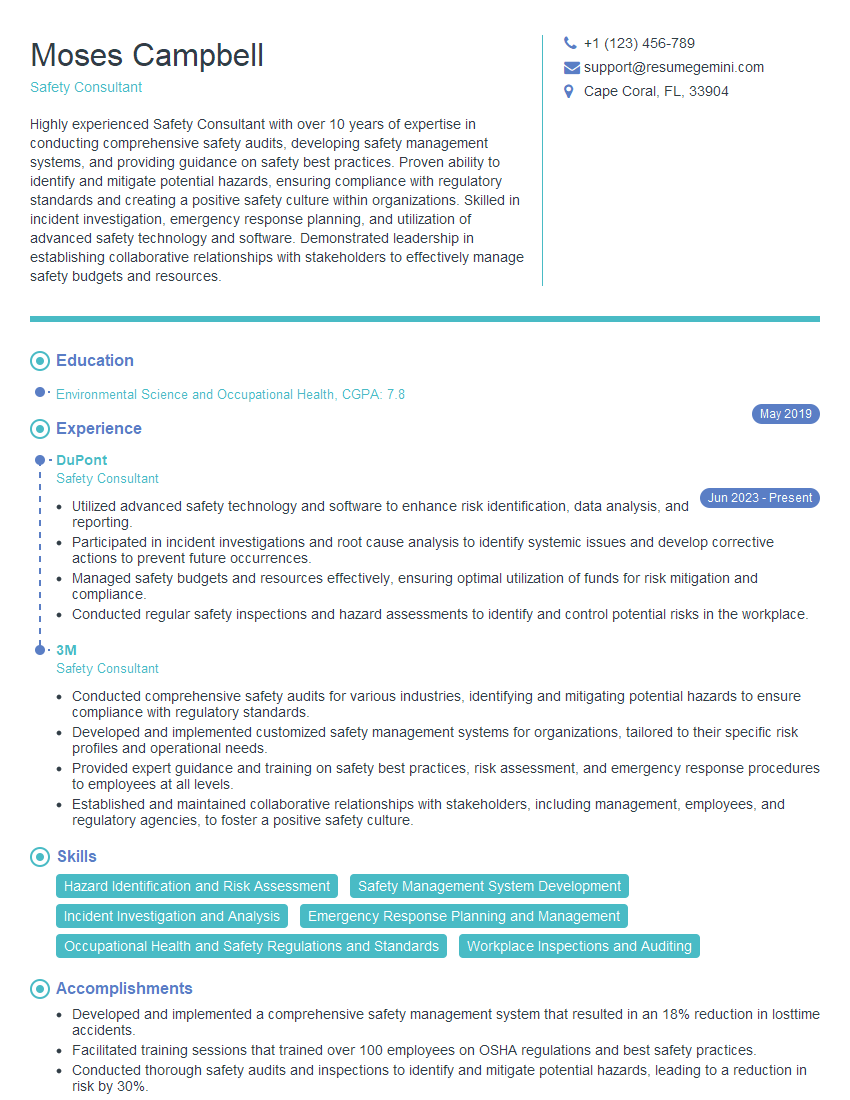
Safety Consultant Resume Sample

Safety Engineer Resume Sample
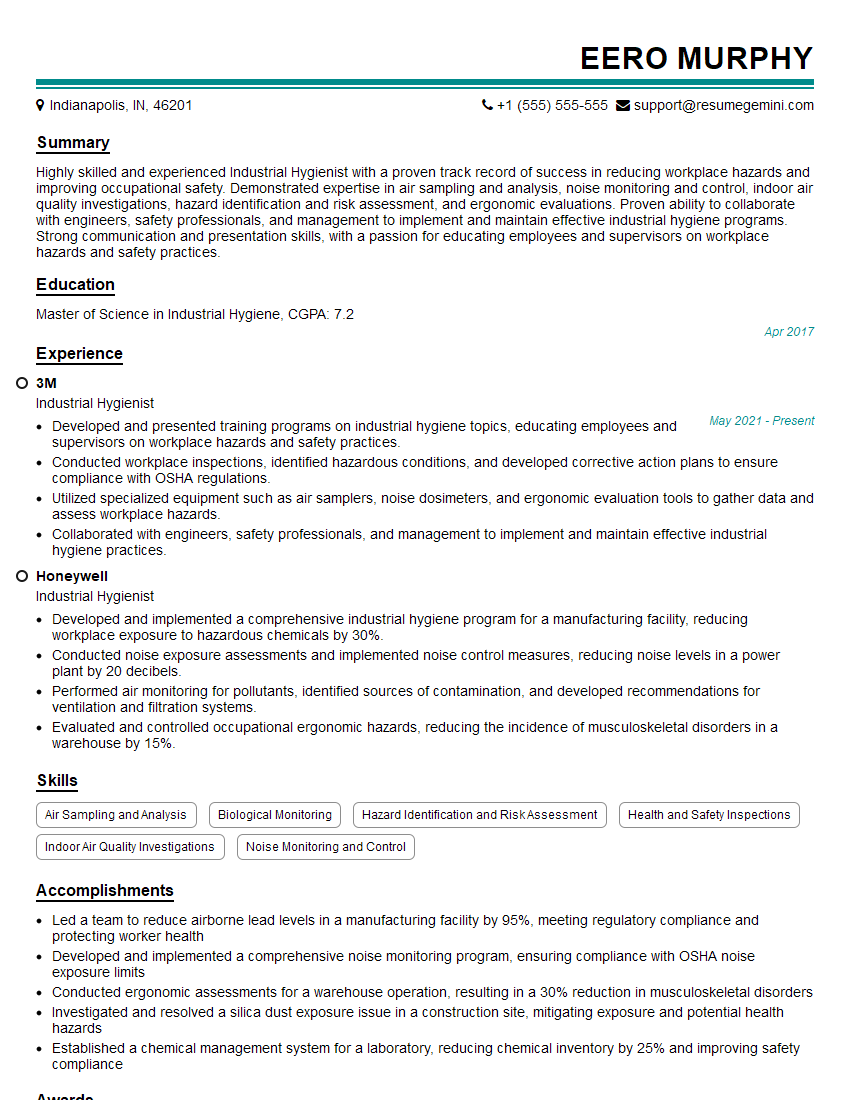
Industrial Hygienist Resume Sample
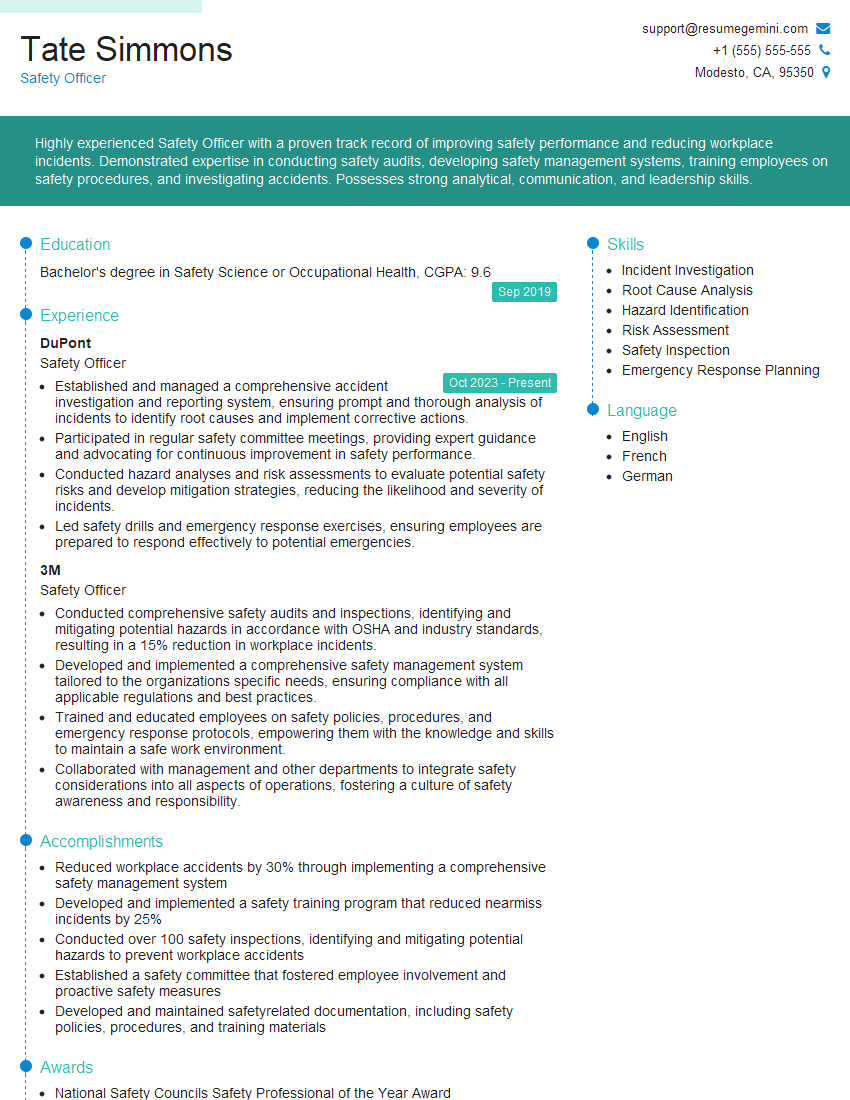
Safety Officer Resume Sample
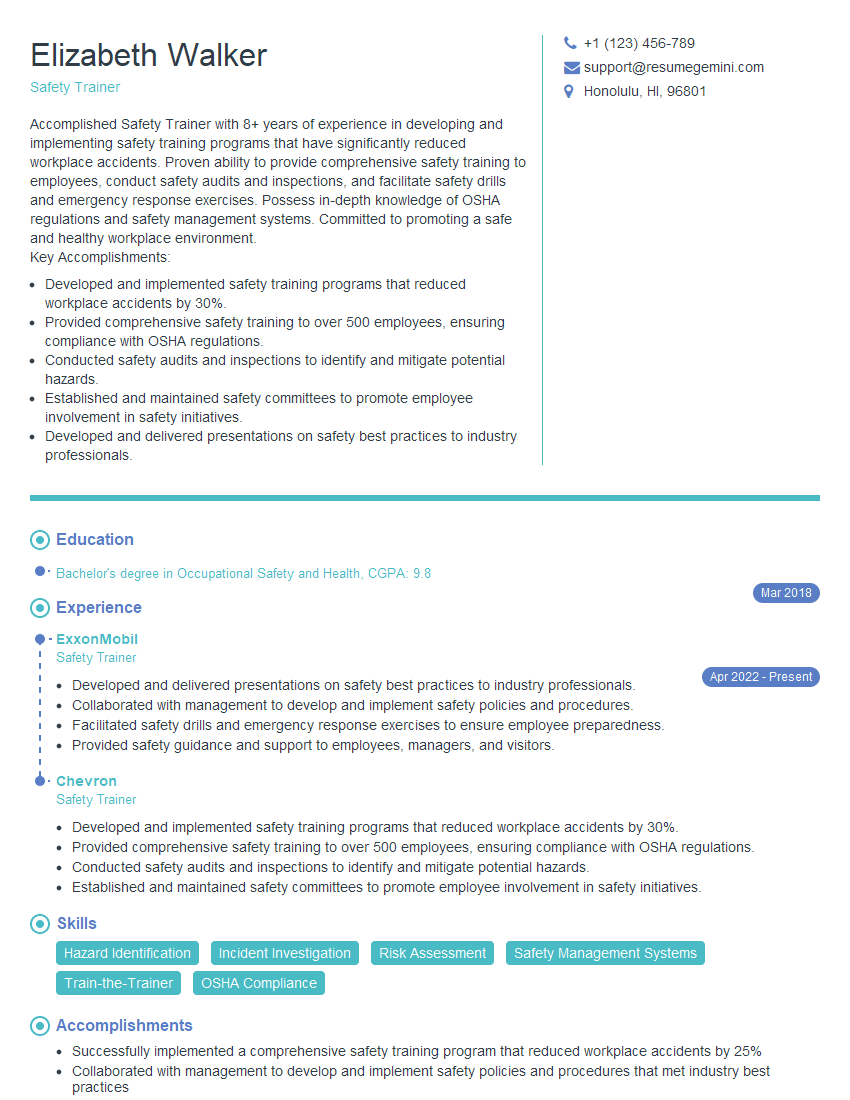
Safety Trainer Resume Sample
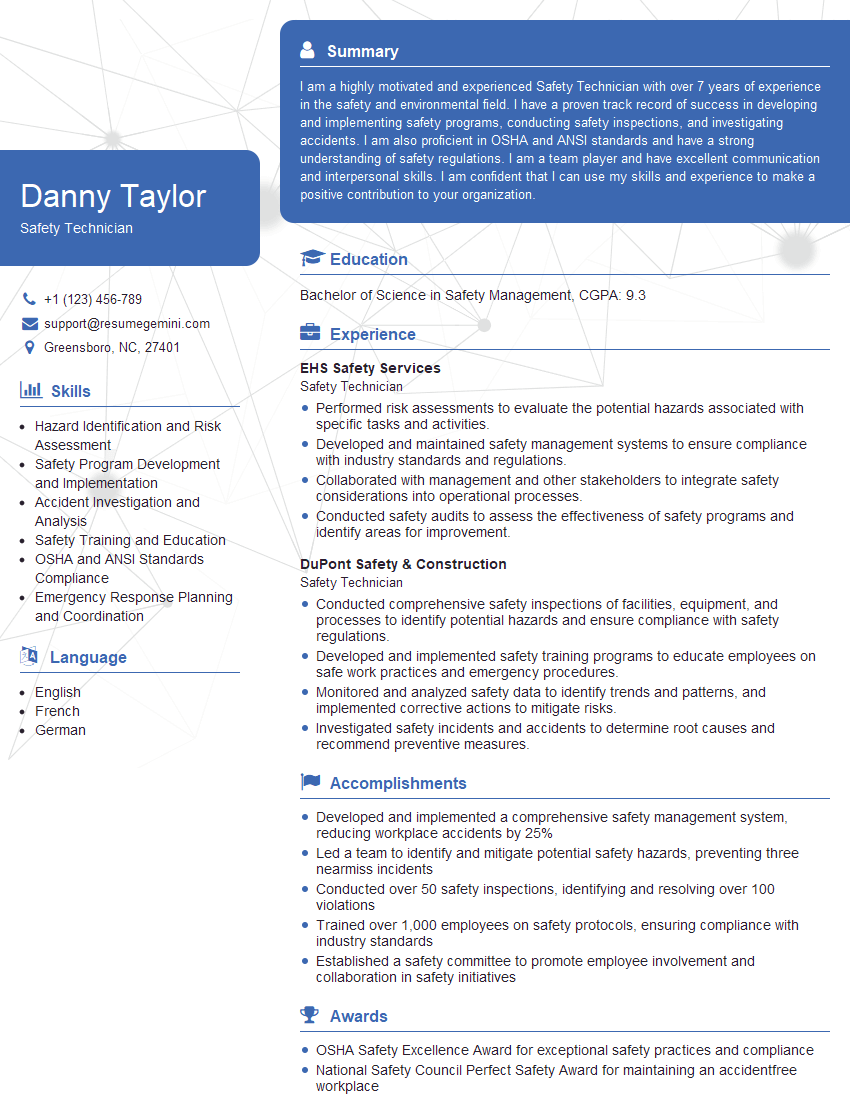
Safety Technician Resume Sample
Explore more articles
Users Rating of Our Blogs
Share Your Experience
We value your feedback! Please rate our content and share your thoughts (optional).
What Readers Say About Our Blog
Very informative content, great job.
good