Unlock your full potential by mastering the most common OSHA 1910.179 Powered Industrial Trucks interview questions. This blog offers a deep dive into the critical topics, ensuring you’re not only prepared to answer but to excel. With these insights, you’ll approach your interview with clarity and confidence.
Questions Asked in OSHA 1910.179 Powered Industrial Trucks Interview
Q 1. What are the main requirements of OSHA 1910.179 regarding powered industrial truck operator training?
OSHA 1910.179 mandates comprehensive training for all powered industrial truck operators. This isn’t just a quick demonstration; it’s a structured program covering both theoretical and practical aspects. Think of it like learning to drive a car – you need classroom instruction on rules and safety, followed by hands-on practice under supervision.
- Classroom instruction: This involves learning about truck operation, pre-operation checks, safe operating procedures, potential hazards, and emergency procedures. Imagine learning about the different controls, load capacity, and the importance of following traffic patterns within a warehouse.
- Practical training: This is where operators get behind the wheel under the guidance of a qualified trainer. They practice maneuvering the truck, loading and unloading cargo, and handling various situations like navigating tight spaces or uneven terrain. This is crucial for developing the necessary skills and muscle memory.
- Evaluation: The training culminates in an evaluation to assess the operator’s competency. This could involve written tests, practical demonstrations, and observation of their skills in a real-world setting. Only those who demonstrate proficiency are allowed to operate the equipment independently.
Failing to provide adequate training can lead to serious accidents and OSHA violations, resulting in penalties for the employer.
Q 2. Describe the different types of powered industrial trucks covered under OSHA 1910.179.
OSHA 1910.179 covers a wide array of powered industrial trucks. Think of it as a broad category encompassing various types of equipment used for material handling. Here are some key examples:
- Forklifts: These are probably the most common type, used for lifting and moving pallets and other materials. They come in various configurations, such as sit-down rider, stand-up rider, and counterbalanced.
- Walkie stackers: These are smaller, hand-operated trucks used for stacking and moving pallets in confined spaces. Think of them as a more compact and maneuverable option for smaller operations.
- Order pickers: These are designed for order fulfillment, allowing operators to reach high shelves and pick items efficiently. They are especially useful in large warehouses.
- Platform lift trucks: These raise and lower platforms for transporting personnel or materials vertically. They are like miniature elevators used for moving goods between floors.
- Tow tractors: These are used for towing trailers and other loads across large distances. Think of them as the heavy-duty movers of the warehousing world.
The specific requirements under 1910.179 vary slightly depending on the type of truck, but the general principles of safe operation and training apply to all.
Q 3. Explain the employer’s responsibilities under OSHA 1910.179 regarding powered industrial truck operation.
Employers have a significant responsibility under OSHA 1910.179 to ensure the safe operation of powered industrial trucks. This goes far beyond simply providing the equipment; it involves creating a culture of safety.
- Providing training: Employers must ensure all operators receive the required training and are evaluated for competency.
- Maintaining trucks: Regular inspection and maintenance are essential to prevent malfunctions and accidents. Think of it like regular car maintenance – it prevents breakdowns and ensures safety.
- Establishing safe operating procedures: Clear guidelines must be developed and implemented, covering everything from pre-operational checks to safe handling of loads.
- Providing PPE: Appropriate personal protective equipment (PPE), such as safety shoes and high-visibility vests, should be provided and used by operators.
- Ensuring compliance: Employers are responsible for monitoring compliance with OSHA regulations and addressing any violations promptly.
Failure to meet these responsibilities can result in serious penalties, including fines and legal action.
Q 4. What are the pre-operational inspection requirements for powered industrial trucks?
Before each use, a powered industrial truck must undergo a thorough pre-operational inspection. This is a crucial step to prevent accidents. Think of it as a pre-flight check for an airplane – it’s essential for safety.
- Tires: Check for proper inflation and damage.
- Brakes: Ensure they are functioning properly.
- Steering: Verify that steering is responsive and accurate.
- Lights and horn: Confirm that these safety features are working correctly.
- Hydraulic system: Check for leaks and proper functionality.
- Load backrest: Ensure it’s in good condition and properly secured.
- Chains and hooks: If applicable, check for wear and tear.
Any defects must be reported and repaired before the truck is operated. A simple checklist can be helpful to ensure all points are covered consistently.
Q 5. How often should powered industrial trucks undergo inspections?
The frequency of powered industrial truck inspections depends on factors such as the intensity of use and the type of truck. However, OSHA recommends a daily pre-operational inspection, followed by more comprehensive periodic inspections.
- Daily inspections: These are performed by the operator before each shift, focusing on the key safety aspects outlined in the previous question.
- Periodic inspections: These are more thorough inspections carried out by a qualified mechanic at intervals determined by the employer based on usage and maintenance needs. These could be monthly, quarterly, or annually depending on the truck’s age and use.
Detailed inspection records should be maintained, documenting any findings and repairs made. This provides a history of the truck’s maintenance and can be crucial in case of accidents or inspections by OSHA.
Q 6. What are the proper procedures for refueling a powered industrial truck?
Refueling a powered industrial truck requires careful adherence to safety procedures to prevent fire hazards. This is crucial due to the flammability of the fuels involved.
- Turn off the truck: Completely shut down the power and ensure the ignition is off.
- Ventilate the area: Ensure adequate ventilation to prevent the buildup of flammable vapors.
- Use proper equipment: Use only approved containers and dispensing equipment.
- No smoking: Smoking is strictly prohibited in the refueling area.
- Avoid sparks: Prevent any potential sources of ignition, such as static electricity.
- Spill control: Have absorbent material readily available to handle any spills.
Never attempt to refuel a truck that is still running or hot. Follow the manufacturer’s recommendations for refueling procedures to minimize risks.
Q 7. Describe the safe operating procedures for navigating inclines and declines with a forklift.
Navigating inclines and declines with a forklift requires extra caution and skill. The load’s weight and the grade of the incline/decline can significantly affect stability. Think of it like driving a car uphill or downhill with a heavy load—extra care is needed.
- Approach slowly: Avoid sudden movements or jerky acceleration.
- Reduce speed: Lower speed significantly when approaching inclines and declines.
- Maintain balance: Keep the load as low and close to the truck as possible.
- Avoid sharp turns: Make smooth, gradual turns to prevent tipping.
- Check your surroundings: Ensure the path is clear of obstacles before proceeding.
- Use lower gear: Use a lower gear when ascending inclines and a lower gear to control speed when descending.
- Never exceed the grade limits: Do not attempt to navigate inclines or declines that exceed the truck’s rated capacity.
Proper training and adherence to these procedures are crucial to prevent accidents related to load instability on inclines and declines.
Q 8. What are the restrictions on operating powered industrial trucks near loading docks or ramps?
Operating powered industrial trucks near loading docks or ramps presents significant hazards. OSHA 1910.179 emphasizes the need for extreme caution in these areas due to uneven surfaces, potential drops, and the presence of other workers and vehicles. The key is to maintain a safe speed, ensuring the load is stable and secure, and avoiding abrupt maneuvers.
- Ramps: Approach ramps slowly and steadily, avoiding sudden acceleration or braking. Never turn on a ramp unless absolutely necessary. Ensure the load is balanced and securely positioned to prevent tipping. If the ramp is steep or slippery, consider using an alternative route or method.
- Loading Docks: Before approaching a loading dock, check for obstructions and ensure the area is clear of personnel. Maintain a slow speed and use extreme caution when crossing the gap between the dock and the truck. Use dock boards correctly and ensure they are properly secured before driving over them. Never exceed the load capacity of the dock board.
- Visibility: Maintain good visibility at all times. Ensure that your view of the loading dock area isn’t obstructed by the load or other factors. Use spotters when necessary, especially in high-traffic or low-visibility situations. A spotter acts as extra eyes and ears, communicating potential hazards and guiding the operator.
Imagine this: You’re unloading a pallet of heavy boxes. A slight misjudgment on a ramp could result in a dangerous tip-over, injuring you or damaging the cargo. The precautions outlined above are crucial to prevent such incidents.
Q 9. Explain the proper procedures for loading and unloading materials using a forklift.
Safe loading and unloading with a forklift involves a structured process, prioritizing safety at every step. It’s not just about moving the goods; it’s about moving them safely.
- Pre-operation Checks: Begin by inspecting the forklift and ensuring its mechanical soundness. Check fluid levels, tires, and the condition of the forks. Only operate a forklift that’s in good working order.
- Load Stability: Carefully assess the load’s weight and distribution. Ensure it’s evenly balanced and secured to prevent shifting or tipping. Never overload the forklift beyond its rated capacity – this information is usually found on a label on the truck.
- Proper Lifting Technique: Position the forks correctly under the load’s center of gravity. Lift smoothly and slowly, avoiding sudden movements. Observe the load as it rises to ensure it stays secure.
- Transport and Positioning: Drive cautiously and avoid sudden braking or turning, especially with a raised load. Keep a safe distance from other equipment and personnel. Position the load precisely at its destination, gently lowering it without causing damage to the load or surrounding area.
- Post-operation Checks: After completing the unloading, lower the forks to the ground. Ensure the load is stable and the area is clear before exiting.
For instance, if you’re unloading fragile glassware, you’d use straps or other securing devices to keep the load from shifting, and you’d employ extra caution during maneuvering to avoid breakage. This careful attention to detail is crucial to both safety and efficient work.
Q 10. What are the rules regarding carrying loads that are too high or too wide?
Carrying loads that exceed the forklift’s height or width limits is a serious violation of OSHA regulations and greatly increases the risk of tipping or other accidents. These limits are crucial to maintaining stability and safety.
- Height Restrictions: Overly high loads raise the center of gravity, making the forklift more prone to tipping, particularly when turning or traveling over uneven terrain. Never stack loads so high that they impede visibility or compromise stability.
- Width Restrictions: Wide loads can cause the forklift to become unstable and increase the risk of sideways tipping, especially on turns. Ensure that the load’s width doesn’t exceed the forklift’s rated capacity and that the load remains centered on the forks.
- Load Security: Regardless of height or width, any load must be securely attached and balanced to prevent movement during transport. Appropriate straps, chains, or other securing devices should be used as needed.
Think of it like this: A tall, narrow stack of boxes is much easier to knock over than a short, wide one. The same principle applies to forklift operation. Adhering to height and width restrictions is essential for safe and efficient operations.
Q 11. How should a forklift operator respond to a mechanical malfunction?
A mechanical malfunction can quickly turn a routine operation into a dangerous situation. A forklift operator’s immediate response is crucial.
- Immediate Action: Stop operating the forklift immediately. Do not attempt to diagnose or repair the problem yourself. Turn off the ignition.
- Assessment of the Situation: Assess the severity of the malfunction and any immediate hazards. If the forklift is in a precarious position (e.g., on a slope or near an edge), take steps to ensure its stability.
- Warning Others: Warn nearby personnel of the malfunction and the potential hazard. Use appropriate safety signals or communication methods.
- Reporting the Malfunction: Report the malfunction to your supervisor or designated personnel, providing details about the nature of the problem and the location of the forklift.
- Do Not Attempt Repairs: Only trained and authorized personnel should attempt repairs. Improper repairs can worsen the problem and lead to further hazards.
Imagine a hydraulic leak: You would immediately stop, warn others, and report the issue. Attempting to continue operating with a malfunction could lead to a catastrophic failure.
Q 12. What are the emergency procedures in the event of a forklift accident?
Forklift accidents require immediate and coordinated emergency response. Speed and efficiency are paramount to minimizing injuries and damage.
- First Aid and Emergency Services: If there are injuries, provide immediate first aid and call emergency medical services (EMS). Follow established company procedures for handling workplace emergencies.
- Securing the Area: Secure the accident scene to prevent further incidents. This may involve cordoning off the area, turning off power, and directing personnel away from the scene.
- Incident Report: Prepare a thorough incident report, documenting the circumstances of the accident, including the time, location, any witnesses, and a detailed description of the events. Be accurate and detailed in your account.
- Investigation: An investigation is necessary to determine the root cause of the accident and implement corrective measures to prevent similar incidents from happening again. This investigation could involve reviewing operating procedures, equipment maintenance logs, and interviewing relevant parties.
Imagine a collision: The immediate priorities are tending to injuries and preventing further harm before the investigation and report can begin. Clear, thorough documentation is essential.
Q 13. Describe the proper use of seatbelts and other safety devices in a powered industrial truck.
Seatbelts and other safety devices are not optional extras; they’re critical safety equipment that should always be used properly. They provide crucial protection in the event of an accident or sudden maneuver.
- Seatbelts: Always wear the seatbelt when operating a powered industrial truck. It helps to keep the operator securely in place during sudden stops, turns, or accidents, preventing ejection or injury.
- Other Safety Devices: This includes backrests, overhead guards, horn, backup alarm, and other operational safeguards that the forklift is equipped with. Ensure that these devices are in good working order and are used as intended. For example, using the horn to warn pedestrians and other workers is a crucial part of safe operation.
- Proper Usage: Ensure seatbelts are properly fastened and adjusted for a snug, comfortable fit. Check other safety devices regularly for functionality and wear-and-tear.
Thinking of a sudden stop: The seatbelt will keep you from being thrown forward, preventing potential injuries to your head, neck, and torso. Always fasten your seatbelt – it’s your primary line of defense.
Q 14. What are the limitations on the use of powered industrial trucks in certain areas, such as pedestrian areas?
The use of powered industrial trucks in pedestrian areas is highly regulated due to the inherent risks. OSHA 1910.179 provides strict guidelines to minimize the potential for accidents.
- Restricted Areas: Powered industrial trucks are typically prohibited in areas where pedestrian traffic is heavy, such as hallways, doorways, and other areas where workers regularly walk. Exceptions may be allowed with appropriate safety controls in place (e.g., designated pedestrian walkways, speed restrictions, and additional safety personnel).
- Speed Restrictions: When operating in areas where pedestrians are present, even if allowed, the operator must reduce speed to a safe and controlled pace. This allows for quicker reactions to any unforeseen circumstances.
- Pedestrian Awareness: Operators should always remain alert to the presence of pedestrians. This involves using visual cues, horns, and other warning signals to enhance awareness and avoid collisions. Maintaining excellent visibility is especially critical in these situations.
- Designated Routes: Where possible, establish and maintain designated routes for the movement of powered industrial trucks to minimize conflicts with pedestrian traffic. These pathways can significantly reduce potential incidents.
Imagine a busy warehouse floor: Restricting forklift traffic to designated routes and slowing down in pedestrian areas are crucial to prevent accidents. Respecting pedestrian safety is paramount to a safe work environment.
Q 15. What are the requirements for maintaining the stability of powered industrial trucks?
Maintaining the stability of powered industrial trucks is paramount to preventing accidents. It involves several key aspects, all aimed at ensuring the truck doesn’t tip over, whether due to uneven loads, improper maneuvering, or exceeding its capacity.
- Proper Load Centering: The load must be centered on the forks to maintain balance. Imagine trying to carry a heavy box at arm’s length – it’s much easier when it’s close to your body. Similarly, an off-center load significantly increases the risk of tipping.
- Safe Load Capacity: Never exceed the truck’s rated load capacity, clearly displayed on a data plate. This capacity is determined by the truck’s design and varies depending on the type of truck and its attachments. Overloading is a major cause of instability.
- Appropriate Speed and Maneuvering: Speed should be adjusted based on the load, surface conditions, and visibility. Sharp turns should be avoided, particularly with heavy loads. Think of a boat – navigating slowly and steadily is crucial to avoid capsizing.
- Regular Inspection and Maintenance: Regular inspections of tires, brakes, steering, and other critical components ensure the truck is in optimal operating condition and reduces the risk of mechanical failures that could compromise stability.
- Proper Fork Positioning: Forks should be kept level to avoid uneven weight distribution. Unevenly positioned forks dramatically increase the chance of tipping, especially when navigating inclines.
For example, imagine a forklift carrying a pallet of bricks. If the pallet is unevenly loaded or the forklift operator makes a sharp turn at high speed, the risk of tipping significantly increases. Following these guidelines minimizes the chances of such incidents.
Career Expert Tips:
- Ace those interviews! Prepare effectively by reviewing the Top 50 Most Common Interview Questions on ResumeGemini.
- Navigate your job search with confidence! Explore a wide range of Career Tips on ResumeGemini. Learn about common challenges and recommendations to overcome them.
- Craft the perfect resume! Master the Art of Resume Writing with ResumeGemini’s guide. Showcase your unique qualifications and achievements effectively.
- Don’t miss out on holiday savings! Build your dream resume with ResumeGemini’s ATS optimized templates.
Q 16. What are the requirements for training forklift operators regarding different types of industrial trucks?
OSHA 1910.179 mandates comprehensive training for forklift operators. This training is not a one-size-fits-all approach; it must be tailored to the specific type of powered industrial truck the operator will be using.
- Type of Truck: Training must cover the specific operating characteristics of the particular truck—forklifts, order pickers, reach trucks, etc. each has unique controls, capabilities, and safety considerations. A reach truck operator, for example, needs training on the nuances of reaching and retrieving pallets at height, while a sit-down forklift operator focuses on different handling techniques.
- Pre-Operational Inspection: Operators must be trained on how to perform a thorough pre-operational inspection, identifying potential hazards like worn tires, faulty brakes, or leaking hydraulics. This ensures the truck is safe to operate.
- Safe Operating Procedures: Training should cover safe operating procedures, such as load handling, maneuvering in confined spaces, and recognizing and avoiding potential hazards like pedestrians and other vehicles.
- Emergency Procedures: Operators must understand emergency procedures, including how to shut down the truck safely, how to respond to a load shifting or tipping, and how to communicate effectively with other workers on the site.
- Refresher Training: Periodic refresher training is crucial to reinforce safe operating practices and address any changes in procedures or equipment.
For instance, a warehouse might have forklifts, order pickers, and pallet jacks. Each operator would receive training specific to the truck(s) they’re authorized to operate, ensuring they understand the unique safety considerations of each.
Q 17. Describe the importance of operator certification in compliance with OSHA 1910.179.
Operator certification is not explicitly mandated by OSHA 1910.179 itself, but the standard strongly implies it through its emphasis on training and competency. Certification provides a verifiable demonstration that an operator has received adequate training and possesses the necessary skills to operate a powered industrial truck safely.
Think of it as a driver’s license for forklifts. It ensures a minimum level of competency, reducing the risk of accidents. While OSHA doesn’t dictate a specific certification program, employers are responsible for ensuring their operators are competent. A well-structured certification program demonstrates this competence to OSHA inspectors.
Furthermore, certification provides a standardized method for evaluating operator skill and competence, enhancing consistency in safety practices across the facility. A good certification program includes written and practical tests to ensure operators understand both the theoretical and practical aspects of safe operation.
Q 18. What are the employer’s responsibilities in providing and maintaining safe operating conditions for powered industrial trucks?
Employers have a significant responsibility under OSHA 1910.179 to maintain safe operating conditions for powered industrial trucks. This goes beyond just providing training; it encompasses a multifaceted approach to safety.
- Proper Truck Selection: Employers must select the appropriate type of industrial truck for the specific task and work environment. Using the wrong truck for a job is a recipe for disaster.
- Maintenance and Inspection Program: A comprehensive maintenance program is vital to ensure trucks are in safe operating condition. This includes regular inspections and timely repairs.
- Safe Operating Procedures: Employers must establish and enforce safe operating procedures, covering aspects such as speed limits, load handling, and pedestrian safety.
- Workplace Design: The workplace itself must be designed to accommodate safe forklift operation. This includes clear traffic patterns, adequate aisle widths, proper lighting, and clearly marked pedestrian walkways.
- Environmental Conditions: Employers must assess and mitigate hazards posed by environmental factors, such as uneven surfaces, slippery floors, and poor visibility.
- Proper Personal Protective Equipment (PPE): Providing and ensuring the use of appropriate PPE, like safety glasses and hearing protection, is critical.
For example, an employer might implement a system of regular inspections, using checklists to ensure all aspects of the forklift are checked. They might also use floor markings to clearly define pedestrian and forklift traffic areas.
Q 19. How does OSHA 1910.179 address the issue of operator fatigue?
OSHA 1910.179 doesn’t explicitly address operator fatigue with specific rules, but it implicitly addresses it through its emphasis on safe operating practices and training. Fatigue is a significant contributing factor to accidents. A fatigued operator is more prone to making errors in judgment, leading to accidents.
The standard indirectly tackles fatigue by requiring operators to be properly trained and to operate equipment safely. Employers should implement strategies that mitigate fatigue, such as:
- Scheduled Breaks: Enforcing adequate rest breaks throughout the workday.
- Rotation of Tasks: Varying tasks to reduce monotony.
- Reasonable Work Hours: Avoiding excessively long work shifts.
- Proper Ergonomics: Ensuring comfortable and safe working conditions for the operator.
It’s crucial for employers to create a work environment that minimizes fatigue and promotes alertness to prevent accidents. For example, implementing a system of mandatory breaks every two hours and rotating employees between forklift operation and other warehouse tasks helps to address potential fatigue.
Q 20. What are the reporting requirements for forklift accidents or incidents?
OSHA 1910.179 doesn’t specify a particular reporting format for forklift accidents, but it strongly implies the need for reporting under the general duty clause (Section 5(a)(1)). This clause requires employers to provide a workplace free from recognized hazards. Therefore, any forklift accident or near miss should be promptly reported to the employer.
The details of the reporting process may vary depending on the severity of the incident and the company’s internal procedures. However, a typical report should include:
- Date, time, and location of the incident.
- Description of the incident.
- Names of individuals involved.
- Details of any injuries or damages.
- Witnesses’ statements.
- Corrective actions taken to prevent future incidents.
Furthermore, serious accidents must be reported to OSHA according to their specific reporting requirements. The key is that a comprehensive investigation should be conducted to determine the root cause and implement preventative measures.
Q 21. Explain the concept of load capacity and its importance in forklift operation.
Load capacity refers to the maximum weight a powered industrial truck can safely lift and carry. This information is critical for safe operation and is typically found on a data plate affixed to the truck. Exceeding the load capacity dramatically increases the risk of tipping, structural failure, and other accidents.
The load capacity isn’t just about the weight; it also considers the load center – the distance from the center of gravity of the load to the face of the forks. A load with an off-center distribution will reduce the safe load capacity.
Imagine a forklift with a data plate indicating a capacity of 5,000 lbs. This means the operator should never attempt to lift a load heavier than 5,000 lbs. Even if the load is slightly lighter, an off-center distribution could still lead to a tipping accident. Therefore, careful attention to both the weight and the load center is crucial for safe operation. Proper training emphasizes understanding the load capacity data plate and how to accurately assess load weight and distribution.
Q 22. Describe the different types of forklift attachments and their safe usage.
Forklifts are incredibly versatile, thanks to a wide array of attachments that expand their functionality beyond basic pallet handling. Choosing the right attachment and using it safely is crucial for efficiency and accident prevention. Here are some common types:
- Side Shifters: These allow for lateral movement of the forks, enabling precise placement of loads in tight spaces. Safe Usage: Ensure the load is stable and centered before shifting. Never shift while the load is raised.
- Clamps: Used for handling various materials like paper rolls, lumber, or steel coils. Safe Usage: Select clamps rated for the specific load weight and material. Secure the clamp firmly before lifting.
- Rotators: Rotate loads 90 or 180 degrees, useful for positioning items in specific orientations. Safe Usage: Ensure the load is evenly distributed and stable before rotation. Be mindful of the increased risk of tipping with rotated loads.
- Carriage Movers: Extend the fork carriage, increasing the reach of the forklift. Safe Usage: Ensure the extended carriage doesn’t exceed the forklift’s rated capacity. Understand the impact of extended reach on stability.
- Buckets: Used for moving bulk materials like sand, gravel, or debris. Safe Usage: Ensure the bucket is securely attached and the load is evenly distributed. Never overload the bucket.
Remember, always consult the manufacturer’s instructions for specific attachment operation and safety guidelines. Proper training on the use of each attachment is non-negotiable.
Q 23. What are the procedures for operating forklifts in different weather conditions?
Operating forklifts in adverse weather conditions requires extra caution and preparation. Visibility and traction are the primary concerns.
- Rain: Reduced visibility and slippery surfaces necessitate slower speeds, increased following distances, and careful maneuvering. Use windshield wipers and ensure adequate lighting.
- Snow/Ice: Extremely hazardous conditions. Operation should ideally be avoided unless absolutely necessary. If operation is unavoidable, use tire chains (if permitted and appropriate for the forklift type), travel at extremely slow speeds, and exercise extreme caution.
- Fog: Visibility limitations demand using headlights and fog lights and proceeding at a very slow speed. Horn usage is recommended frequently to alert others to your presence.
- Wind: High winds can affect the stability of the forklift and the load. Reduce speed and avoid operating in extreme wind conditions. Secure the load properly to prevent shifting or falling.
In all adverse weather conditions, prioritizing safety is paramount. If conditions are too hazardous, cease operation and wait for safer conditions.
Q 24. What are the appropriate actions to take when encountering pedestrians or other obstacles while operating a forklift?
Pedestrians and other obstacles pose significant risks when operating a forklift. The operator’s responsibility is to avoid collisions at all costs.
- Pedestrians: Always yield the right-of-way to pedestrians. Sound your horn to warn them of your approach. Maintain a safe distance and proceed slowly in their vicinity.
- Obstacles (e.g., equipment, vehicles): Assess the situation before proceeding. If necessary, stop and adjust your route to avoid the obstacle. Use caution when navigating narrow passages.
- Blind Spots: Be aware of your forklift’s blind spots and use mirrors and spotters as necessary. Never rely solely on mirrors; always physically check for obstructions before proceeding.
Think of it like driving a car – be aware, be cautious, and prioritize the safety of everyone around you.
Q 25. How does OSHA 1910.179 address the safe operation of forklifts near flammable materials?
OSHA 1910.179 doesn’t explicitly have a separate section for flammable materials, but its general safety requirements are crucial in this context. The standard emphasizes the importance of:
- Properly trained operators: Operators must understand the risks associated with operating near flammable materials and be trained on appropriate procedures.
- Preventing sparks: Spark-producing activities should be avoided near flammable materials. This includes proper maintenance of the forklift to prevent sparks from electrical components or the exhaust system.
- Non-sparking tools: If work needs to be done near flammable materials, use non-sparking tools.
- Proper ventilation: Adequate ventilation should be ensured to minimize the risk of flammable vapors or gases accumulating.
- Fire suppression equipment: Fire extinguishers appropriate for the type of flammable materials present must be readily available.
In essence, the standard mandates a comprehensive approach to safety, with the operator playing a key role in risk mitigation.
Q 26. Describe the importance of regular maintenance and repair of powered industrial trucks.
Regular maintenance and repair are not just good practice; they’re crucial for preventing accidents and ensuring the longevity of the forklift. Neglecting maintenance is a direct violation of OSHA 1910.179.
- Preventative Maintenance: Regular inspections (daily, weekly, monthly, etc.) should be conducted, and records kept. This includes checking tires, brakes, lights, steering, hydraulics, and the overall structural integrity of the forklift.
- Repairs: Any identified defects or malfunctions must be repaired immediately by qualified personnel. Using a damaged forklift is unsafe and illegal.
- Documentation: Detailed records of all inspections, maintenance, and repairs should be maintained to demonstrate compliance.
- Training: Maintenance personnel should be appropriately trained to perform their tasks safely and effectively.
Think of it like regular checkups for a car – preventative maintenance is far cheaper and safer than dealing with a major breakdown later.
Q 27. What are some common causes of forklift accidents and how can they be prevented?
Forklift accidents, sadly, are common. Understanding the causes is crucial for prevention.
- Improper Operator Training: Lack of proper training is a major contributor. Untrained operators lack the skills and awareness to handle the forklift safely.
- Unsafe Operating Practices: Speeding, improper loading, overloading, operating on uneven surfaces, and ignoring safety procedures all lead to accidents.
- Mechanical Failure: Malfunctioning brakes, steering issues, or hydraulic leaks can cause accidents. Regular maintenance is crucial here.
- Poor Visibility: Obstructed views, inadequate lighting, and poor awareness of surroundings are significant factors.
- Lack of Maintenance: Neglecting maintenance leads to mechanical failure and increases the risk of accidents.
Prevention relies on a multi-pronged approach: rigorous training, strict adherence to safety rules, regular maintenance, and a strong safety culture.
Q 28. How would you ensure that all operators in your facility are compliant with OSHA 1910.179?
Ensuring compliance with OSHA 1910.179 requires a comprehensive program:
- Initial Training: All operators must receive thorough training on safe operating procedures, pre-operation checks, load handling, and hazard awareness before they’re allowed to operate a forklift. This training must include both classroom instruction and hands-on practice.
- Certification: Operators should be certified upon successful completion of training. This certification should include a practical assessment to validate their skills.
- Refresher Training: Regular refresher training should be provided to reinforce safe practices and address any changes in regulations or procedures.
- Written Tests: Periodic written tests can assess knowledge retention and identify areas where further training might be needed.
- Practical Evaluations: Regular practical evaluations assess the operator’s ability to apply safe operating procedures and correct any unsafe practices.
- Record Keeping: Maintaining accurate records of training, certification, and evaluations is crucial for demonstrating compliance with OSHA regulations.
- Supervision and Enforcement: Regular supervision to ensure consistent compliance with established safety rules is vital. Enforcement of safety rules and disciplinary action for violations helps maintain safety standards.
A proactive, well-documented approach, focusing on continuous improvement, is vital for fostering a safe and compliant workplace.
Key Topics to Learn for OSHA 1910.179 Powered Industrial Trucks Interview
- Truck Selection and Application: Understanding the appropriate types of powered industrial trucks for various tasks and environments. Consider factors like load capacity, terrain, and operational needs.
- Operator Training and Certification: The importance of proper training, certification requirements, and ongoing competency evaluations for operators. Discuss practical scenarios requiring different levels of training.
- Pre-Operational Inspection Procedures: Detailing the crucial steps involved in conducting thorough pre-shift inspections, identifying potential hazards, and documenting findings. Think about how to troubleshoot common issues found during inspection.
- Safe Operating Procedures: Mastering safe operating practices, including speed limits, load handling, pedestrian safety, and navigating various work environments (e.g., ramps, intersections).
- Maintenance and Repair: Understanding the basics of preventative maintenance, recognizing signs of malfunction, and the importance of reporting and addressing maintenance needs promptly.
- Refueling and Battery Charging Procedures: Safe practices for refueling propane or gasoline trucks and charging electric batteries, including ventilation, grounding, and spark prevention.
- Accident Prevention and Response: Strategies for preventing accidents, responding to incidents involving powered industrial trucks, and reporting procedures. Consider real-world accident scenarios and their root causes.
- OSHA 1910.179 Specific Requirements: A thorough understanding of the specific regulations outlined in OSHA 1910.179, including the definitions, requirements, and potential penalties for non-compliance.
- Load Stability and Center of Gravity: Calculations and understanding of how load stability impacts safe operation and potential hazards.
Next Steps
Mastering OSHA 1910.179 Powered Industrial Trucks significantly enhances your safety awareness and expertise, making you a highly valuable asset in many industries. This knowledge translates directly into increased job opportunities and career advancement. To maximize your chances, create a strong, ATS-friendly resume that highlights your skills and experience. ResumeGemini is a trusted resource to help you build a professional resume that showcases your expertise effectively. Examples of resumes tailored to OSHA 1910.179 Powered Industrial Trucks are available to guide you through the process.
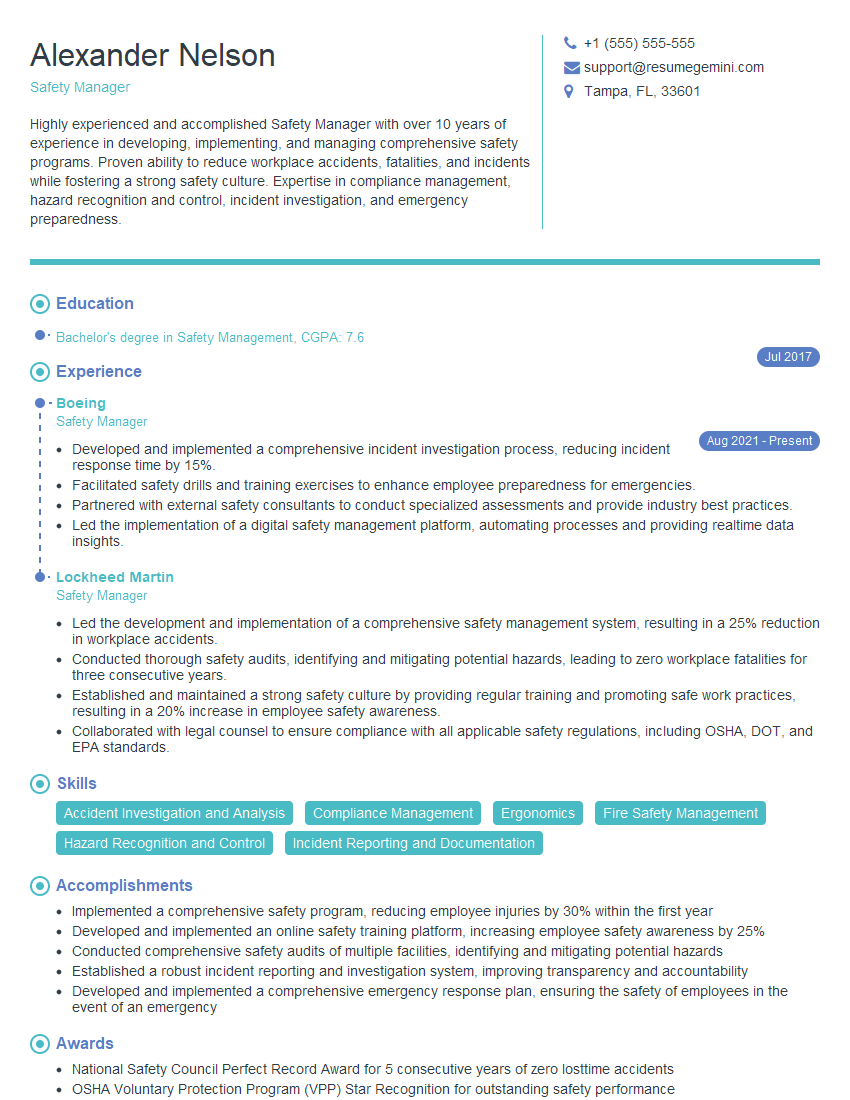
Safety Manager Resume Sample

Operations Manager Resume Sample
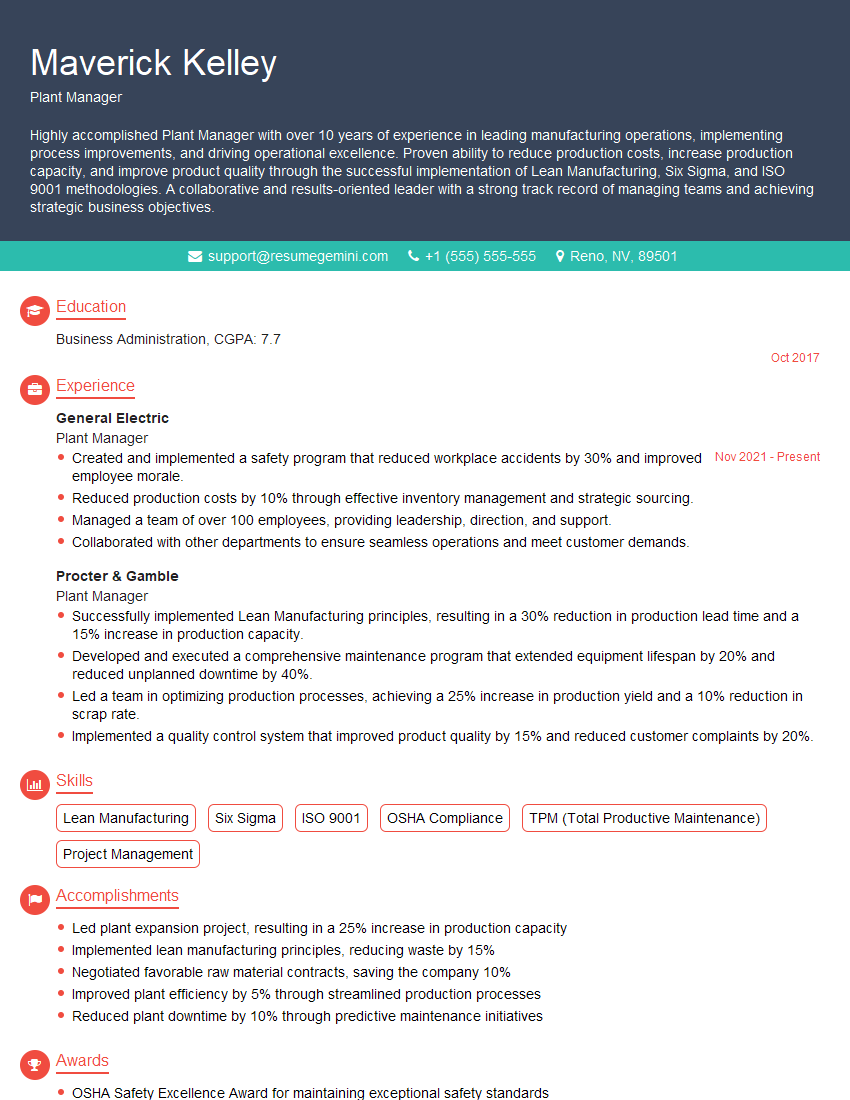
Plant Manager Resume Sample

Production Supervisor Resume Sample
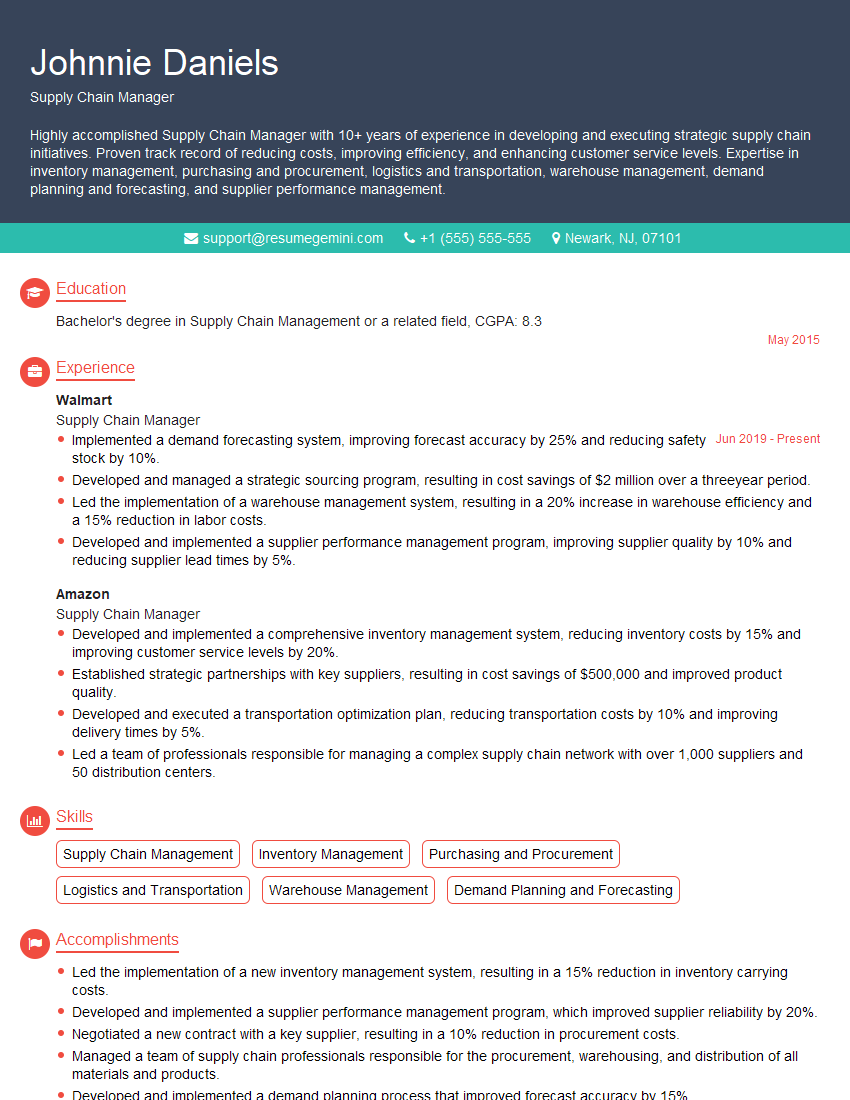
Supply Chain Manager Resume Sample

Logistics Manager Resume Sample
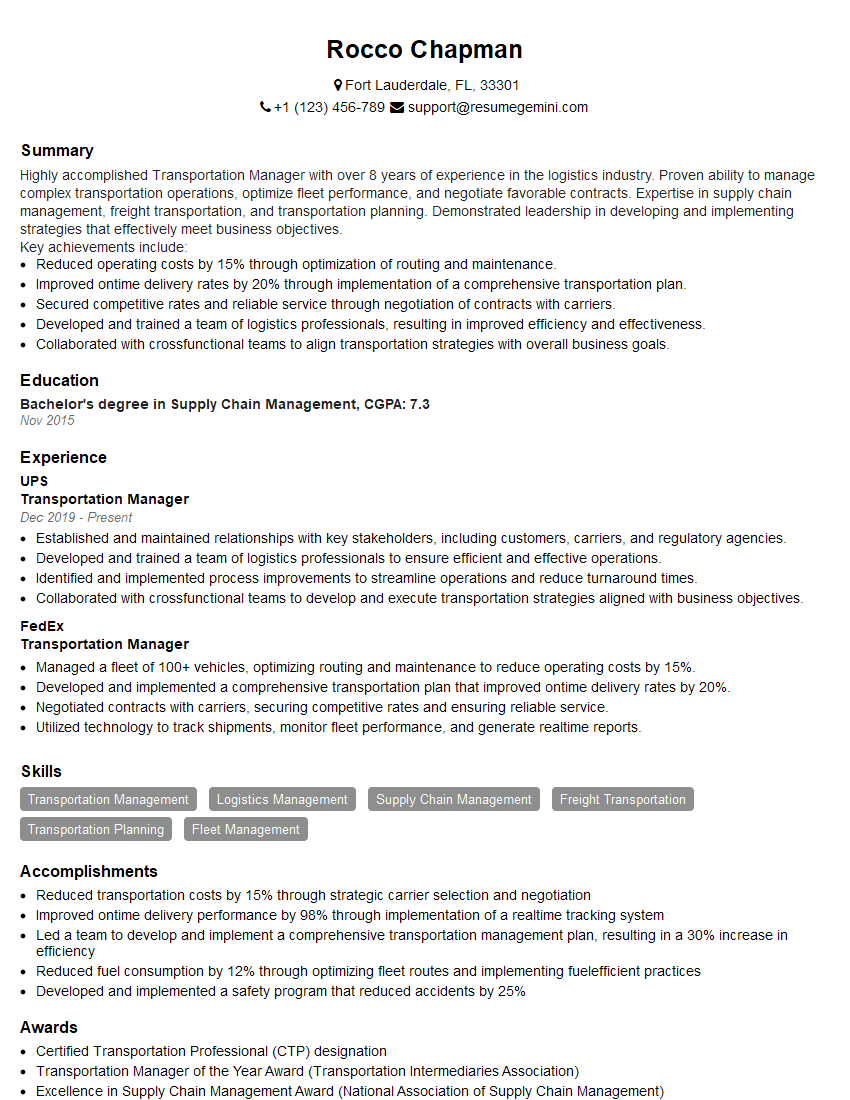
Transportation Manager Resume Sample

Warehouse Manager Resume Sample
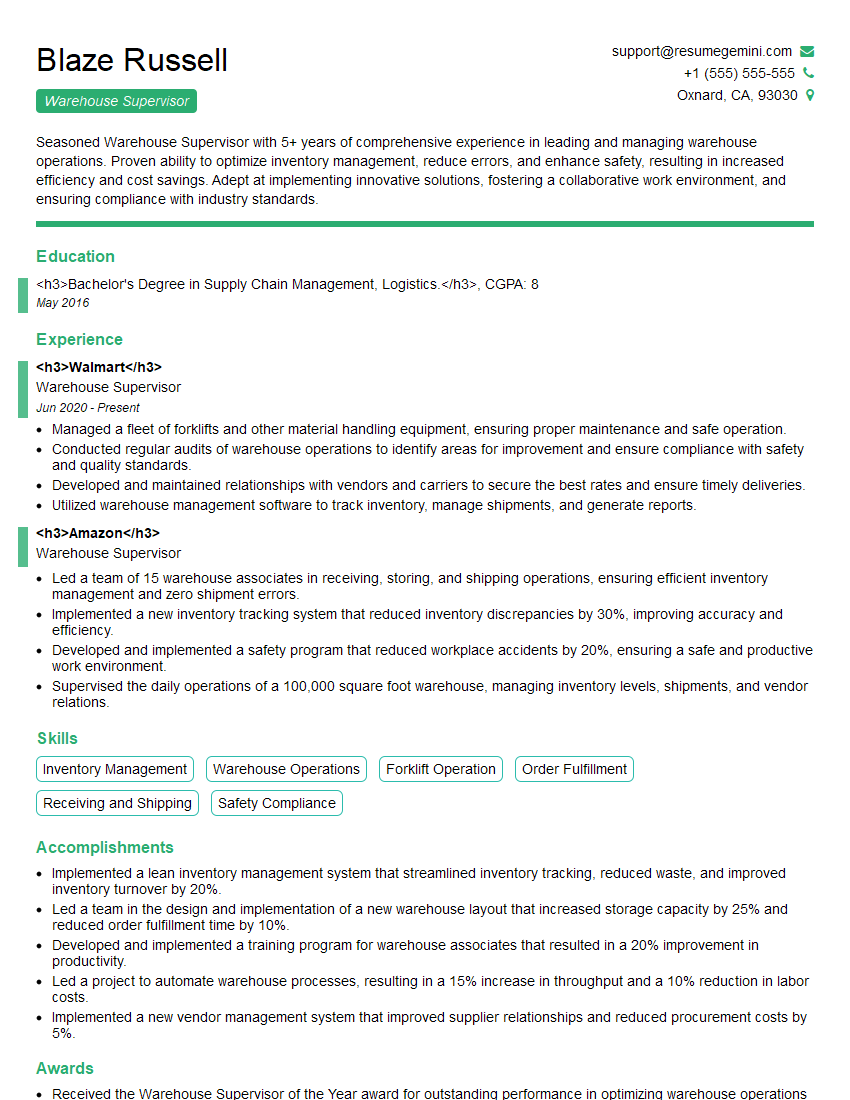
Warehouse Supervisor Resume Sample

Training Manager Resume Sample

Compliance Officer Resume Sample
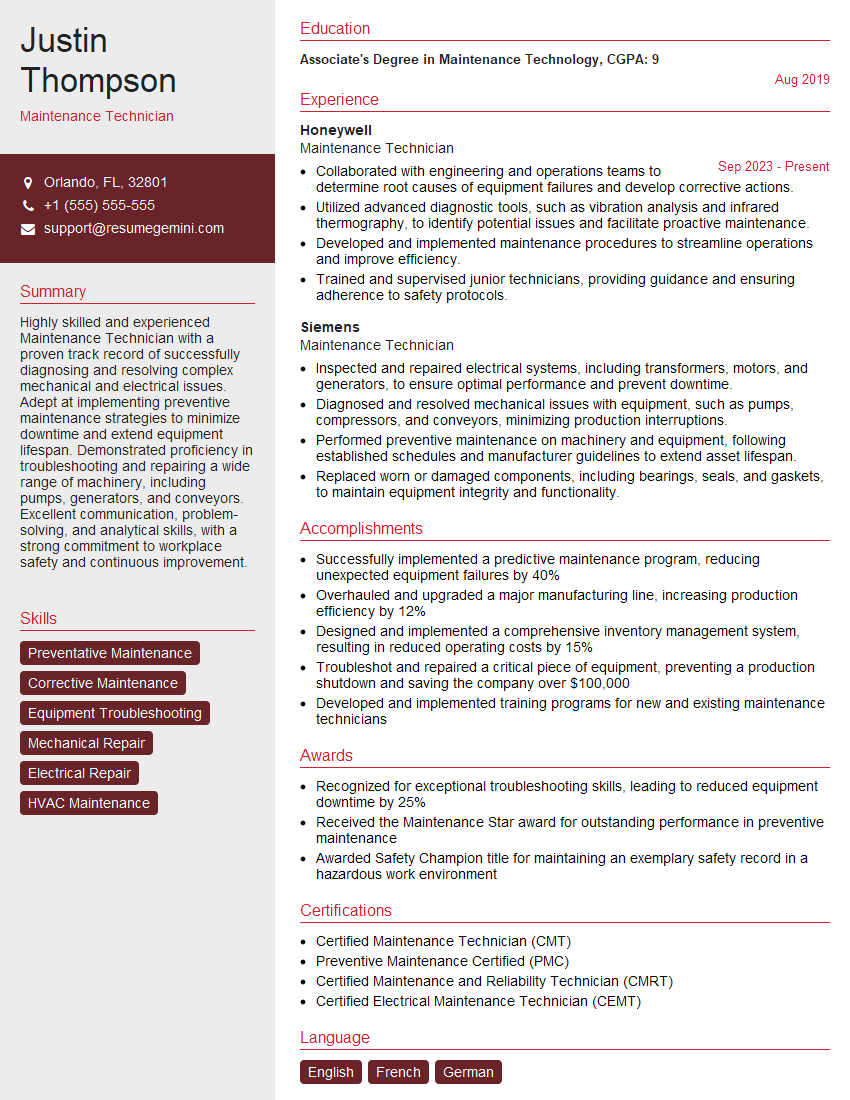
Maintenance Technician Resume Sample

Equipment Operator Resume Sample

Safety Officer Resume Sample

Inventory Control Specialist Resume Sample
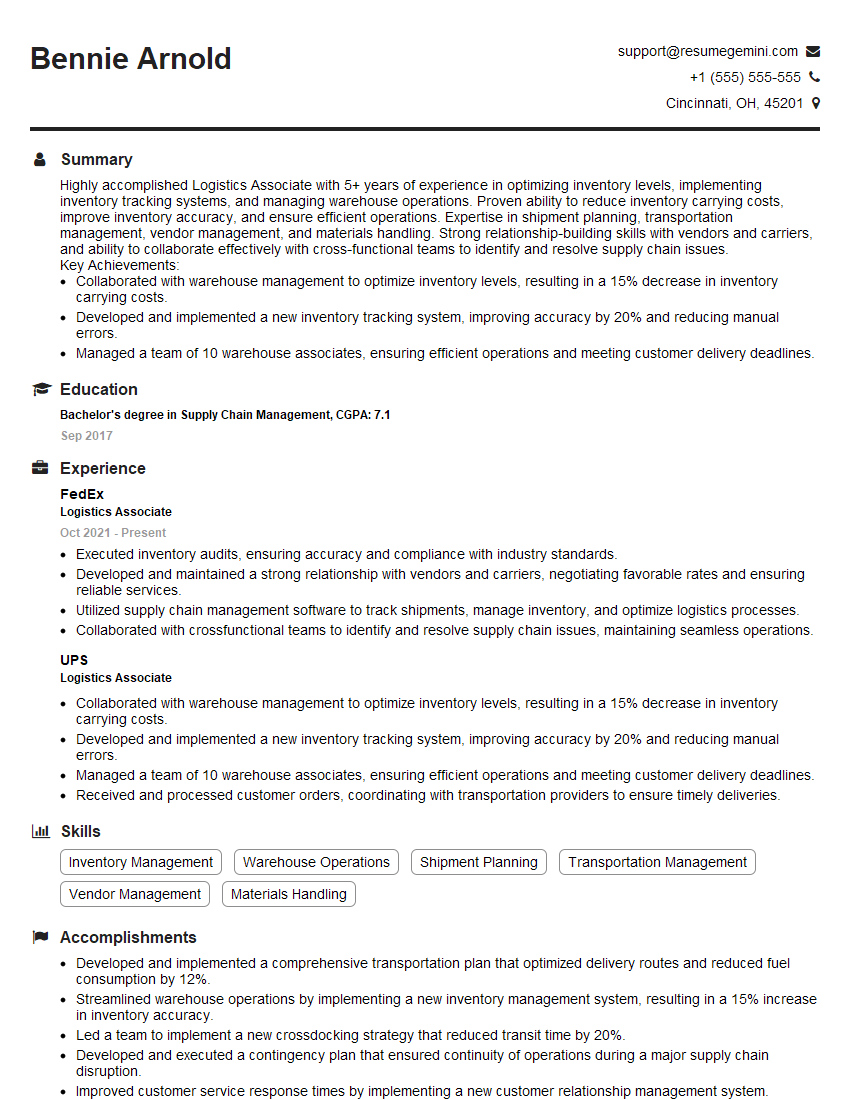
Logistics Associate Resume Sample
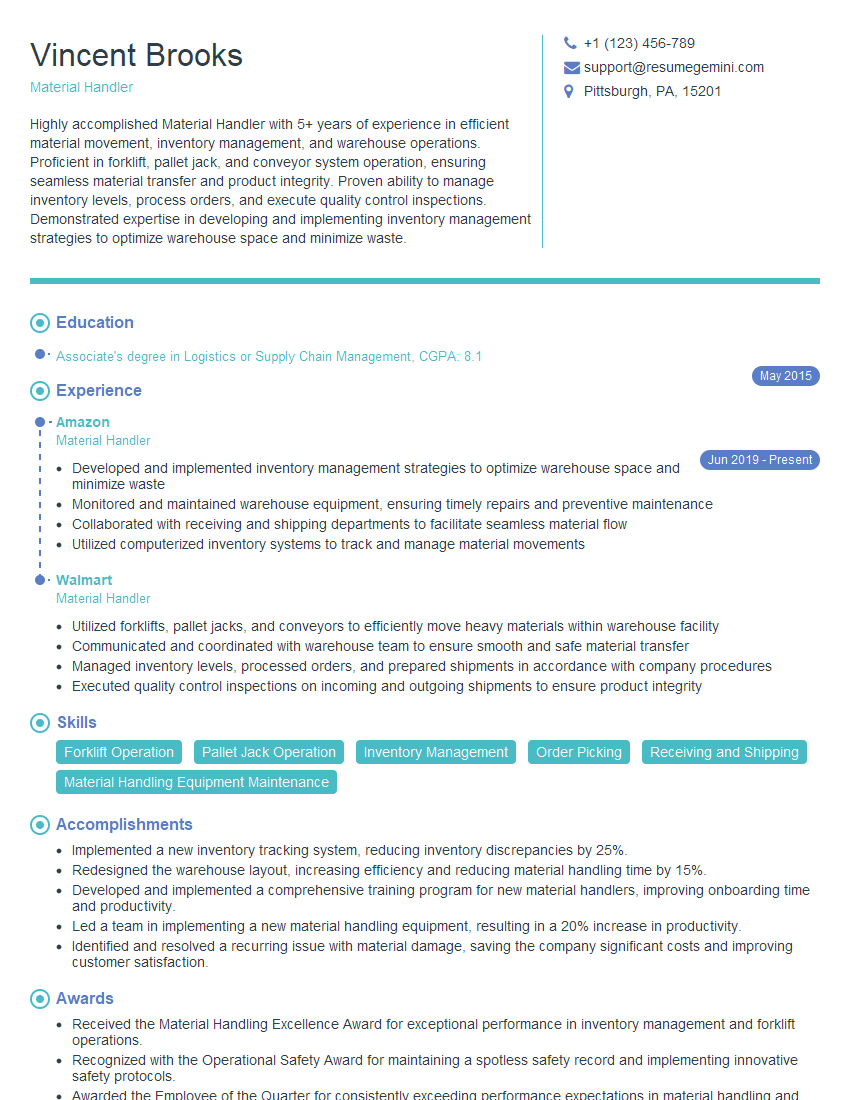
Material Handler Resume Sample

Order Picker Resume Sample

Heavy Equipment Operator Resume Sample
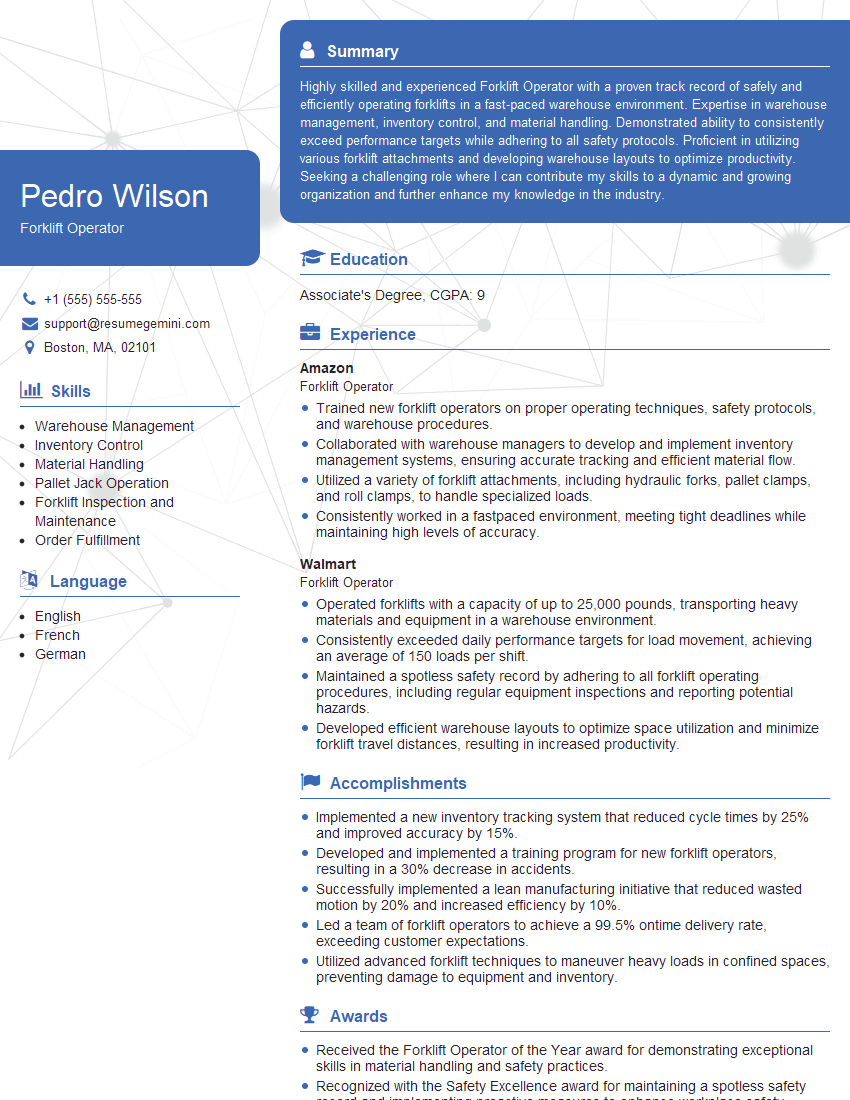
Forklift Operator Resume Sample
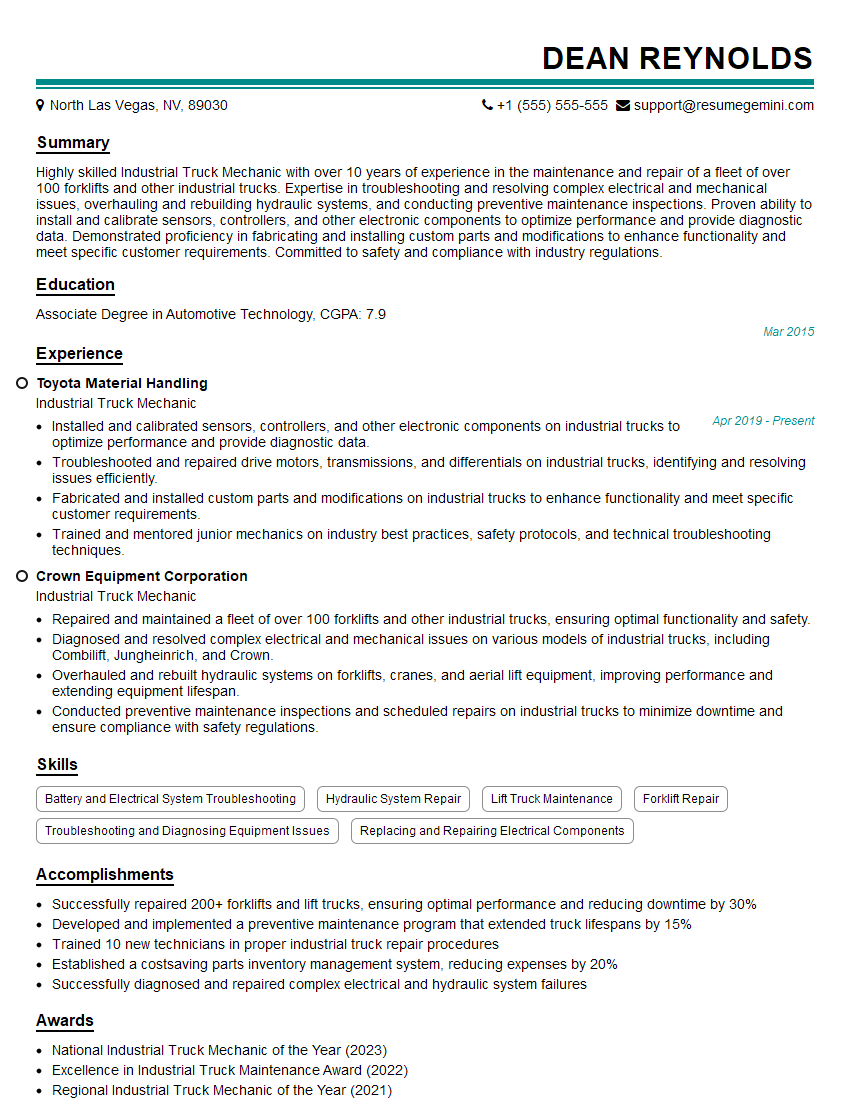
Industrial Truck Mechanic Resume Sample

Forklift Mechanic Resume Sample
- Safety Manager
- Operations Manager
- Plant Manager
- Production Supervisor
- Supply Chain Manager
- Logistics Manager
- Transportation Manager
- Warehouse Manager
- Warehouse Supervisor
- Training Manager
- Compliance Officer
- Maintenance Technician
- Equipment Operator
- Safety Officer
- Inventory Control Specialist
- Logistics Associate
- Material Handler
- Order Picker
- Heavy Equipment Operator
- Forklift Operator
- Industrial Truck Mechanic
- Forklift Mechanic
Explore more articles
Users Rating of Our Blogs
Share Your Experience
We value your feedback! Please rate our content and share your thoughts (optional).
What Readers Say About Our Blog
Very informative content, great job.
good