Feeling uncertain about what to expect in your upcoming interview? We’ve got you covered! This blog highlights the most important OSHA 1926.1430 Excavations interview questions and provides actionable advice to help you stand out as the ideal candidate. Let’s pave the way for your success.
Questions Asked in OSHA 1926.1430 Excavations Interview
Q 1. Define the requirements for protective systems in excavations under OSHA 1926.1430.
OSHA 1926.1430 mandates protective systems in excavations to prevent cave-ins. The specific requirements depend on the soil type and excavation depth. Essentially, you must protect workers from the hazards of collapsing soil or other materials. This is achieved through a combination of methods, the primary ones being shoring, sloping, benching, or the use of a protective system such as a trench box or shield. The choice depends on a thorough soil analysis and a competent person’s assessment of the site conditions.
For example, a deep excavation in unstable soil would absolutely require shoring or a trench box. A shallower excavation in stable soil might only need sloping. The regulation emphasizes that the protective system must be designed and installed by a competent person to ensure its effectiveness. The system needs to be regularly inspected for any signs of damage or instability.
- Shoring: Supports the sides of the excavation.
- Sloping: Cutting back the sides of the excavation at an angle to create a stable slope.
- Benching: Creating a series of horizontal steps along the sides of the excavation.
- Trench Boxes/Shields: Pre-fabricated protective structures that are placed in the trench.
Q 2. Explain the different types of soil classifications and their implications for excavation safety.
OSHA doesn’t explicitly define soil classifications in the way a geotechnical engineer would, but it relies on the understanding that different soils have varying stability. A competent person must determine the soil type through visual observation, and in some cases, laboratory testing. This is crucial because soil stability directly impacts the type of protective system needed.
- Type A soil: Stable, cohesive soil like clay. It can usually withstand steep slopes.
- Type B soil: Less stable than Type A, including angular gravel, sandy clay, and some silty soils. Requires less aggressive slopes or protective systems compared to Type C.
- Type C soil: Unstable, including granular soils like sand and gravel. It requires significant shoring or sloping at shallow angles to be safe.
Implications for Safety: Misclassifying soil can lead to catastrophic consequences. For example, assuming Type B soil is Type A could result in a cave-in because the slopes wouldn’t be adequately steep enough for the less stable soil. Always err on the side of caution – if there is any doubt, treat the soil as the most unstable type requiring more extensive protection.
Q 3. Describe the procedures for inspecting excavations before and during work.
Regular inspections are paramount to excavation safety. Before work begins, a competent person must visually inspect the area for potential hazards. This includes assessing soil type, the presence of underground utilities, water, and any signs of previous disturbances. During work, inspections must happen frequently, at least daily and after any event that could affect stability, like heavy rainfall.
Before Work: The competent person looks at the soil, identifies potential hazards, plans the protective system accordingly, and ensures proper permits and notices are in place. They should even consider environmental factors like groundwater.
During Work: Daily inspections check for signs of instability, such as cracks, bulges, or changes in soil moisture content. Any potential issues must be addressed immediately, stopping the work if necessary. After events like rain, inspections are critical as water can significantly reduce soil strength. Workers should be trained to report any concerns immediately to the supervisor.
Think of it like this: A daily inspection is like a medical checkup for the excavation. It catches small problems before they become major emergencies.
Q 4. What are the requirements for shoring, sloping, and benching in excavations?
Shoring, sloping, and benching are all methods to protect workers from cave-ins, but they have different requirements and applications.
- Shoring: Must be designed and installed by a competent person, using materials appropriate for the soil conditions and depth of the excavation. It needs to be strong enough to withstand the pressure of the soil and any additional loads. Regular inspection is mandatory.
- Sloping: The angle of the slope depends entirely on the soil type. Steeper slopes are permissible for more stable soils (Type A), while less stable soils (Type C) require much gentler slopes. The angle must be calculated to ensure stability and is often guided by engineering calculations or tables provided in OSHA resources.
- Benching: Involves creating a series of horizontal steps or benches along the excavation walls. Each bench needs to have a specific width and height, to create a self-supporting system. Benches provide support by reducing the height of exposed soil, similar to sloping.
It is important to remember that these methods are not interchangeable. The selection depends on the soil type, excavation depth, and site-specific conditions.
Q 5. How do you determine the appropriate type of protective system for a given excavation?
Determining the appropriate protective system involves a thorough assessment by a competent person. This process starts with a careful evaluation of the soil type. The next step involves considering the depth of the excavation and any other potential hazards, such as underground utilities or water. There’s no one-size-fits-all solution; it always involves an on-site assessment.
Step-by-Step Process:
- Soil Classification: Conduct a thorough soil classification using visual observation and possibly laboratory testing.
- Depth Assessment: Determine the depth of the excavation.
- Hazard Identification: Identify all potential hazards, including underground utilities, groundwater, and nearby structures.
- Protective System Selection: Based on the above assessments, select the appropriate protective system (shoring, sloping, benching, trench box, or other). Consult relevant OSHA guidelines and engineering standards.
- Competent Person Oversight: Ensure the system’s design, installation, and inspection are carried out under the supervision of a competent person.
For example, a deep excavation in Type C soil would necessitate a robust shoring system or the use of a trench box. Conversely, a shallow cut in Type A soil might only need sloping.
Q 6. What are the responsibilities of the competent person in an excavation?
The competent person plays a vital role in excavation safety. They are responsible for identifying existing and potential hazards, selecting appropriate protective systems, ensuring proper installation, and regularly inspecting the excavation site. They must be knowledgeable in soil mechanics, excavation practices, and OSHA regulations. They are essentially the safety manager for the excavation project. Their responsibilities include but aren’t limited to:
- Soil Classification: Accurately determining soil type.
- Protective System Design: Selecting and overseeing the installation of appropriate protective systems.
- Inspection: Regularly inspecting the excavation and protective systems for signs of failure.
- Training: Ensuring workers receive proper training on excavation safety.
- Emergency Planning: Developing and implementing emergency response plans.
Imagine them as the project’s ‘safety quarterback’, coordinating all aspects to ensure the well-being of the crew.
Q 7. Explain the requirements for hazard communication related to excavations.
Hazard communication in excavations covers several aspects. Workers must be informed about the hazards associated with the work, including the potential for cave-ins, struck-by hazards (from falling objects), and exposure to harmful substances (like hydrogen sulfide in confined spaces). This information should be communicated clearly and effectively, utilizing various methods.
- Training: Providing comprehensive training to all workers involved in the excavation. This training should cover hazard identification, protective system use, and emergency procedures.
- Signage: Posting warning signs at the excavation site to alert workers and others to potential hazards.
- Lockout/Tagout Procedures: When working near underground utilities, proper lockout/tagout procedures must be followed to prevent accidental energization.
- Safety Meetings: Holding regular safety meetings to address safety concerns, discuss near-miss incidents, and reinforce safe work practices.
- Material Safety Data Sheets (MSDS): Providing access to MSDS for any hazardous materials used in or near the excavation.
Effective hazard communication isn’t just about posting signs; it’s a culture of proactive safety communication.
Q 8. Describe the procedures for emergency rescue from an excavation.
Emergency rescue from an excavation requires a swift and coordinated response. It begins with a well-defined emergency action plan, including designated personnel and readily available rescue equipment. This plan should be practiced regularly.
The first step is securing the scene to prevent further hazards. This may involve shoring up unstable soil, shutting down equipment, and evacuating other workers. Next, assess the victim’s condition and the nature of the entrapment.
Rescue methods vary depending on the situation. Simple rescues might involve using ladders or ropes. More complex scenarios may necessitate specialized equipment like trench boxes or high-lift airbags to lift the collapsed soil. In situations involving buried workers, trained rescue personnel, possibly from specialized rescue teams, are often essential. Always prioritize the victim’s safety and well-being. Post-rescue medical attention is paramount.
Example: Imagine a worker trapped in a trench collapse. The first responders would immediately secure the area, summon emergency services, and then carefully begin removing the soil, potentially using shoring to stabilize the walls as they proceed. Simultaneously, communication with the trapped worker is vital to assess their condition and guide rescue efforts.
Q 9. What are the requirements for protecting workers from atmospheric hazards in excavations?
OSHA 1926.1430 mandates atmospheric monitoring and protection in excavations where hazardous atmospheres are likely. This includes testing for oxygen deficiency, toxic gases (like methane, hydrogen sulfide, carbon monoxide), and flammable gases.
Requirements include:
- Testing: Before any work begins and periodically throughout the excavation, the atmosphere must be tested. The frequency of testing depends on the risk assessment.
- Ventilation: If hazardous atmospheres are detected, adequate ventilation must be provided to dilute or remove them. This could involve mechanical ventilation systems, such as fans, or natural ventilation, using wind currents.
- Respiratory Protection: If atmospheric hazards persist despite ventilation, appropriate respiratory protection, such as self-contained breathing apparatus (SCBA) or supplied-air respirators, must be used. Proper training on the use and limitations of respiratory protection is crucial.
- Monitoring: Continuous monitoring is often necessary in areas with high risk of atmospheric hazards. This could involve continuous gas monitors.
Example: An excavation near a landfill might necessitate atmospheric testing for methane gas. If dangerous levels are found, mechanical ventilation would be implemented. If this is not sufficient to bring levels to safe limits, workers would need to use appropriate respiratory protection.
Q 10. How do you address potential cave-ins during an excavation?
Protecting against cave-ins is a paramount concern in excavation. The approach is multifaceted and depends on factors like soil type, excavation depth, and surrounding conditions.
Key strategies include:
- Soil Classification: Accurate soil classification is the first step. Different soils have different stability characteristics. Type A, B, and C classifications determine the required protective measures.
- Shoring: This involves installing support systems to prevent wall collapse. Options include timber shoring, aluminum hydraulic shoring, and other specialized systems appropriate for the soil type and excavation depth.
- Sloping/Benching: Cutting back the excavation walls at angles creates a more stable configuration. The slope angle is determined by the soil type.
- Trench Boxes (Shields): These are protective structures placed in trenches to prevent collapse. They must be correctly installed and sized for the trench depth and soil type.
- Other Protective Systems: Other systems, such as support systems, may be used depending on the specific excavation.
Example: A deep trench in unstable Type C soil would necessitate using trench boxes, which offer a significant level of protection compared to sloping or shoring in such soil conditions.
Q 11. Explain the requirements for employee training related to excavation safety.
OSHA mandates comprehensive training for all employees working in or near excavations. This training must cover the hazards of excavation work, and safe practices to mitigate those hazards.
Training should include:
- Recognition of hazards: Understanding the risks of cave-ins, atmospheric hazards, and equipment-related hazards.
- Protective systems: Knowledge of shoring, sloping, benching, and trench box systems, including their proper installation and limitations.
- Emergency procedures: Training on emergency action plans, rescue techniques, and communication protocols.
- Competent person responsibilities: Understanding the role of a competent person in assessing and managing excavation hazards.
- Soil types and classification: Ability to identify soil types and their associated stability characteristics.
Example: Before starting work on a trench, every worker must receive training on identifying unstable soil, understanding the correct use of a trench box, and knowing how to communicate effectively in an emergency. This is often delivered through a combination of classroom instruction, hands-on demonstrations, and site-specific training.
Q 12. What are the requirements for equipment operation near excavations?
Equipment operation near excavations requires caution and adherence to specific safety procedures. The goal is to prevent accidents caused by equipment striking the excavation walls or undermining the stability of the excavation.
Requirements include:
- Safe Distances: Equipment must maintain a safe distance from the edge of the excavation to avoid undermining. This distance is typically determined by the soil type and excavation depth and can be quite significant depending on the equipment size and weight.
- Equipment Operation Restrictions: Restrictions may exist on the types of equipment allowed near excavations, especially heavy equipment.
- Ground Protection: Measures to protect the ground near excavations, preventing equipment from damaging the ground, are necessary, For example, protecting the soil with mats or other material to prevent compaction.
- Safe Operation Procedures: Equipment operators require training on the safe operation of the equipment near excavations, including maintaining safe speeds and avoiding sharp turns near the edge.
Example: Operating a backhoe near a trench requires maintaining a significant distance from the trench edge to avoid collapse. The operator must also be aware of vibrations that could destabilize the soil.
Q 13. Describe the process for developing and implementing an excavation safety plan.
Developing and implementing an excavation safety plan is a crucial step for any excavation project. This plan serves as a roadmap for safe excavation practices and is a legal requirement.
The process involves:
- Site Assessment: A thorough assessment of the site’s conditions, including soil type, proximity to utilities, and potential hazards.
- Hazard Identification and Risk Assessment: Identifying potential hazards like cave-ins, atmospheric hazards, and equipment-related incidents, and assessing the risk level of each hazard.
- Control Measures Selection: Choosing appropriate control measures to mitigate the identified risks. This includes selecting the appropriate shoring, sloping, benching, or trench box system, along with protective measures for atmospheric hazards and equipment operation.
- Emergency Action Plan Development: Creating a detailed emergency action plan that outlines rescue procedures, communication protocols, and emergency contact information.
- Training: Implementing an appropriate employee training program covering the hazards, safe practices, and the emergency action plan.
- Inspections: Establishing a regular inspection program, conducted by a competent person, to ensure the ongoing safety of the excavation.
- Documentation: Maintaining complete documentation of the site assessment, risk assessment, control measures, emergency plan, training records, and inspection reports.
Example: A construction project might develop an excavation plan outlining the steps to safely excavate a trench for utility lines, including soil testing, trench box selection, and procedures for handling potential gas leaks. A detailed record of these steps would be maintained throughout the project.
Q 14. How do you handle unexpected soil conditions during an excavation?
Unexpected soil conditions during excavation present significant challenges to safety. The key is to immediately halt work and re-evaluate the situation.
Steps to take:
- Stop Work: Immediately cease all work in the affected area.
- Re-Assess Soil Conditions: Conduct a thorough re-assessment of the soil type and stability using appropriate testing methods. A geotechnical engineer may be needed.
- Modify Protective Measures: Adjust the protective system (shoring, sloping, benching, or trench box) based on the new information. This might involve adding additional support systems or changing the design entirely.
- Update Safety Plan: The excavation safety plan must be updated to reflect the changed conditions and the new control measures.
- Notify Competent Person: Inform the competent person responsible for excavation safety immediately.
- Consider Engineering Controls: Depending on the severity of the unexpected conditions, advanced soil stabilization techniques or soil remediation may be necessary. This might involve the use of specialized geotechnical engineering solutions.
Example: If an excavation unexpectedly encounters a layer of saturated clay, which is significantly less stable than previously assessed, work would stop immediately. A geotechnical engineer would likely be brought in. Based on their assessment, the excavation design and protective measures would need to be altered, potentially involving the use of more robust shoring systems. The safety plan would be updated, reflecting these changes.
Q 15. What are the requirements for access and egress in excavations?
OSHA 1926.1430 mandates safe and convenient access and egress from excavations. Think of it like providing a reliable stairway instead of a ladder for a multi-story building. These points of entry and exit must be readily available, and their design depends on the excavation’s depth and other site-specific factors.
- For excavations less than 4 feet deep: A means of egress may be a ramp, a ladder, or steps. However, the employer must still assess if the means are adequate considering the conditions and tasks.
- For excavations 4 feet or deeper: Proper ladders, ramps, or stairways must be provided. The spacing and number of these access points are crucial for safety and efficiency, determined by the size of the excavation. They must be positioned so that no worker has to travel more than 25 feet horizontally to reach a safe means of egress.
- Safe Access and Egress Criteria: These access points need to be maintained in good repair, free from obstructions, and adequately spaced to ensure easy movement. The angle of ladders is also regulated to avoid slips.
- Example: In a large excavation project, multiple stairways might be needed, and their placement must be carefully planned during the initial design phase to account for worker movement and potential hazards.
Career Expert Tips:
- Ace those interviews! Prepare effectively by reviewing the Top 50 Most Common Interview Questions on ResumeGemini.
- Navigate your job search with confidence! Explore a wide range of Career Tips on ResumeGemini. Learn about common challenges and recommendations to overcome them.
- Craft the perfect resume! Master the Art of Resume Writing with ResumeGemini’s guide. Showcase your unique qualifications and achievements effectively.
- Don’t miss out on holiday savings! Build your dream resume with ResumeGemini’s ATS optimized templates.
Q 16. Explain the use of soil analysis reports in excavation planning.
Soil analysis reports are the cornerstone of safe excavation planning. They provide critical information about the soil’s composition and stability, allowing contractors to choose the appropriate protective systems and techniques. Imagine building a house without knowing the strength of the foundation – disastrous! Similarly, neglecting soil analysis can lead to cave-ins.
- Identifying Soil Types: The report classifies the soil (e.g., Type A, B, or C) based on its cohesiveness and angle of repose. This is vital in determining the appropriate shoring, sloping, or benching methods.
- Predicting Stability: The report helps predict the soil’s behavior under different conditions, including water saturation. This allows for proactive measures to mitigate potential hazards.
- Informing Protective System Design: Based on the soil’s characteristics, engineers can design protective systems like trench boxes, shoring, or sloping that are suitable and prevent collapse.
- Example: If the report indicates unstable Type C soil, the excavation plan will prioritize the use of shoring systems to prevent cave-ins, unlike a Type A soil which may only require sloping.
Q 17. What are the specific requirements for excavations in proximity to utilities?
Excavations near utilities demand extreme caution. Hitting a gas line or power cable can have catastrophic consequences. OSHA requires a comprehensive approach to protect both workers and the public.
- Locate Utilities: Before any excavation begins, utility companies must be contacted to locate underground lines using methods like one-call systems. Marking the lines clearly is crucial.
- Safe Distances: Maintain safe distances from marked utilities based on their type and local regulations. These distances are often much greater than the physical size of the line to account for potential damage zones.
- Hand Excavation: Near utilities, hand excavation is often preferred to avoid accidental damage from heavy machinery. This provides more control and allows for visual inspection of the surrounding area.
- Protective Measures: Depending on the proximity of utilities, additional protective measures might be needed such as shoring, shielding, or trench shields, going beyond what’s required by the soil type.
- Example: When working near a high-voltage power line, a significantly larger safety zone than usual must be established, and specialized equipment might be needed to ensure safe excavation.
Q 18. Describe the process for inspecting and maintaining protective systems during an excavation.
Regular inspection and maintenance of protective systems are paramount to preventing cave-ins. A daily inspection is a non-negotiable aspect of excavation safety. Imagine a cracked dam – it needs immediate attention; likewise, a failing shoring system needs prompt action.
- Daily Inspections: Before any work begins in the excavation, a competent person must inspect the protective systems for any signs of damage, settlement, or instability. This inspection must be documented.
- Immediate Repairs: Any defects found during inspection must be repaired immediately before work resumes. The damaged sections should be thoroughly assessed to understand the extent of the damage.
- Weather Considerations: Inspections should be particularly thorough after heavy rains or storms as water can significantly weaken the soil and impact the integrity of protective systems.
- Competent Person: The inspection must be conducted by a competent person who has the knowledge and training to recognize potential hazards and ensure the protective systems’ efficacy.
- Example: If a crack appears in a trench box, it’s not just about patching it. The entire box needs to be inspected for further defects and possibly replaced to ensure worker safety.
Q 19. How do you manage water accumulation in an excavation?
Water accumulation in excavations is a major safety concern because saturated soil is far less stable than dry soil. Effective water management is crucial to preventing cave-ins and other hazards. Think of a sponge; when saturated, it becomes much weaker. The same is true for soil.
- Pumping Systems: Sumps and pumps are commonly used to remove accumulated water, especially in deeper excavations. The pump’s capacity must be sufficient to handle the inflow rate.
- Drainage Ditches: Diverting surface water away from the excavation using drainage ditches can significantly reduce water accumulation.
- De-watering: For larger sites or where extensive water inflow is anticipated, more sophisticated de-watering techniques might be necessary.
- Soil Stabilization: In some cases, treating the soil to reduce its permeability can help minimize water infiltration.
- Example: During a rainy season, continuous monitoring of water levels and adjustments to the pumping system are needed to prevent the excavation from becoming waterlogged.
Q 20. Explain the requirements for personal protective equipment (PPE) in excavations.
Personal Protective Equipment (PPE) is essential for protecting workers from excavation hazards. This is the first line of defense in preventing injuries. Every worker in the excavation area needs the right safety gear.
- Hard Hats: To protect against falling objects.
- High-Visibility Clothing: To enhance visibility and prevent accidents involving equipment or other workers.
- Safety Harness and Lifeline: For workers in deeper excavations or those working near edges.
- Gloves: To prevent cuts and abrasions.
- Safety Shoes: To protect against punctures and crushing hazards.
- Hearing Protection: When operating noisy machinery.
- Respiratory Protection: Where hazardous materials or dust are present.
- Example: A worker using a jackhammer in an excavation would need hard hats, hearing protection, safety glasses, and safety boots at a minimum.
Q 21. What are the penalties for non-compliance with OSHA 1926.1430?
Non-compliance with OSHA 1926.1430 can result in significant penalties. The severity of the penalties depends on the nature and extent of the violation. These penalties are not just fines; they also include reputational damage and potential legal action.
- Fines: OSHA can issue substantial fines for violations, ranging from a few thousand to hundreds of thousands of dollars, depending on the severity and history of the company.
- Citations: Businesses can receive citations for various levels of violations, with repeat offenders facing significantly stricter penalties.
- Shutdowns: In cases of serious or willful violations, OSHA can order the immediate shutdown of the excavation site until corrective measures are taken.
- Legal Action: In cases of fatalities or serious injuries, the employer could face criminal charges and lawsuits.
- Example: A contractor failing to provide proper shoring in a deep excavation leading to a worker injury could face substantial fines, citations, and potential legal ramifications, affecting the company’s reputation and future business.
Q 22. Describe the difference between a trench and an excavation.
The difference between a trench and an excavation lies primarily in their dimensions. A trench is a narrow excavation made below the ground surface, typically deeper than it is wide (generally less than 15 feet wide). Think of it like a long, deep ditch. An excavation, on the other hand, is any man-made cut, cavity, trench, or depression in an earth surface formed by earth removal, and includes its sides, walls, and any other features. So, a trench is a *type* of excavation, but not all excavations are trenches. A large pit for a building foundation, for instance, would be considered an excavation but not a trench.
Q 23. How do you ensure the stability of an excavation’s sides?
Ensuring excavation stability is paramount to worker safety. The methods employed depend heavily on the soil type and the depth of the excavation. Several techniques are used:
- Shoring: This involves installing a support system to prevent cave-ins. Common types include sheet piling, soldier piles and lagging, and hydraulic shoring. The specific type chosen depends on soil conditions, depth, and the presence of groundwater. For example, in loose sandy soil, a robust shoring system like soldier piles and lagging is essential.
- Sloping: This involves cutting back the sides of the excavation at an angle, creating a stable slope that reduces the pressure on the remaining soil. The angle of the slope (or ‘slope ratio’) depends heavily on the soil type and is usually determined by a competent geotechnical engineer. For example, a stable slope in clay might be 1:1 (a 45-degree angle), while in sandy soil it may need to be much shallower, like 1:2 or even 1:3.
- Benching: This method involves creating a series of horizontal steps (benches) along the excavation sides. Each bench provides a stable platform reducing the overall height of the unsupported soil. This method is best suited for stable soils and is often combined with other techniques.
- Support Systems: In some cases, trench boxes or other support systems are used. Trench boxes are especially useful in trenches, offering protection to workers within the trench from collapsing soil. They are designed for specific soil conditions and trench depths.
Before any excavation begins, a competent person must evaluate the soil conditions and determine the appropriate method for ensuring stability. This often requires a geotechnical assessment.
Q 24. Explain the importance of daily inspections in excavation safety.
Daily inspections are crucial for identifying and addressing potential hazards before they lead to accidents. Imagine a subtle shift in the soil overnight due to rain or vibration from nearby construction. A daily inspection can catch this before it becomes a major collapse risk. Inspections should be conducted by a competent person before work begins each day, and after any significant event (like a heavy rainfall or equipment movement).
These inspections should cover:
- Signs of instability: Cracks in the soil, bulging walls, unusual sounds.
- Proper functioning of shoring/sloping: Any damage or weakening needs to be addressed immediately.
- Equipment and worker safety: Ensure equipment is correctly positioned, and workers have appropriate PPE and safe access/egress points.
- Weather conditions: Heavy rains can significantly alter soil stability, necessitating additional precautions or halting work entirely.
Documentation of daily inspections is vital. This documentation forms a crucial part of a robust safety record, which can be invaluable in case of an accident investigation.
Q 25. Describe the procedures for handling spoils and disposal during excavation.
Spoils (excavated material) must be handled and disposed of safely and responsibly. This includes:
- Storage: Spoils should be stored a safe distance from the edge of the excavation to avoid overloading the sides and triggering a collapse. A minimum of two feet is usually recommended. They should not be piled higher than four feet, without engineering support.
- Stockpiling: Proper stockpiling techniques ensure stability and prevent erosion. Sloping the pile and using erosion control measures (like silt fences) can help.
- Disposal: Dispose of spoils according to local regulations. Hazardous materials require specialized handling and disposal procedures. Some spoils might require treatment before disposal to reduce environmental impact.
- Access and egress: Safe access and egress routes should be maintained throughout the excavation site for efficient and safe spoil handling.
Imagine a large excavation where spoils are carelessly piled near the edge. A small shift in the soil could cause a collapse, endangering workers.
Q 26. What are the key elements of an effective excavation safety program?
An effective excavation safety program goes beyond simply following regulations. It requires a proactive approach and a commitment to safety from everyone involved. Key elements include:
- Competent Person: A designated individual with the authority and knowledge to identify hazards and implement control measures.
- Pre-excavation planning: Thorough planning that includes a site-specific risk assessment, soil testing, and selection of appropriate protective systems.
- Training: Providing comprehensive training to all personnel involved in excavation work, covering hazard recognition, safety procedures, and emergency response.
- Inspections: Regular inspections (including daily inspections) by a competent person to identify and address potential hazards promptly.
- Emergency response plan: A detailed plan for handling emergencies such as cave-ins, which includes communication procedures, rescue equipment, and contact information for emergency services.
- Communication: Open communication between all personnel is vital. Effective communication can help prevent misunderstandings and errors that can lead to accidents.
- Record-keeping: Maintaining comprehensive records of inspections, training, and any incidents or near misses.
A successful program is a culture, not just a set of rules; it requires a dedicated approach from management and proactive participation from everyone on the project.
Q 27. How do you determine the appropriate size and type of shoring for a specific excavation?
Determining the appropriate shoring for a specific excavation requires a thorough understanding of several factors: soil type, depth of the excavation, groundwater conditions, and the presence of any underground utilities. This is best done by a competent professional who has experience assessing this type of job.
The process often involves:
- Soil classification: A geotechnical engineer will usually classify the soil to determine its stability and shear strength. Different soil types require different shoring systems.
- Depth calculation: The depth of the excavation directly impacts the required shoring capacity. Deeper excavations require stronger shoring systems.
- Groundwater conditions: The presence of groundwater can significantly reduce soil strength and requires special considerations in the shoring design.
- Shoring design: Based on the assessment, a shoring system is designed and engineered to meet the specific needs of the excavation.
- Inspection and maintenance: Regular inspections are essential to ensure the shoring system remains intact and functional.
Using improperly sized or designed shoring can lead to catastrophic failures. It is not something to guess on. Therefore, relying on a qualified professional is paramount.
Q 28. Explain how to recognize and mitigate the risk of ground collapse in an excavation.
Recognizing and mitigating the risk of ground collapse requires vigilance and proactive measures. Signs of potential collapse include:
- Visible cracks or fissures in the soil: This indicates soil movement and potential instability.
- Bulging or heaving of the soil: This is a clear indication of pressure building up within the soil mass.
- Changes in soil moisture content: Heavy rainfall or groundwater changes can significantly weaken soil, increasing the risk of collapse.
- Unusual sounds: Creaking or cracking sounds can indicate soil movement and impending failure.
- Vibration from nearby activities: Construction activities or heavy machinery can destabilize soil.
Mitigation strategies include:
- Proper shoring and sloping: As discussed earlier, these are primary methods for preventing collapses.
- Soil testing and analysis: This helps to determine the soil’s stability and identify potential hazards.
- Groundwater control: Dewatering or other groundwater control measures can help improve soil stability.
- Regular inspections: Daily inspections by a competent person are critical for identifying early warning signs.
- Emergency evacuation plan: A well-defined plan ensures swift evacuation in the event of a collapse.
Ignoring warning signs can have devastating consequences. A proactive approach, including regular inspections and adherence to OSHA standards, is crucial for preventing ground collapse incidents.
Key Topics to Learn for OSHA 1926.1430 Excavations Interview
- Soil Classification: Understanding different soil types (Type A, B, C) and their implications for excavation safety. Be prepared to discuss the practical challenges each presents.
- Slope Protection: Explain the methods used to protect excavations from collapse, including shoring, sloping, and benching. Be ready to describe scenarios where each method is most appropriate.
- Protective Systems: Discuss the various protective systems (e.g., trench boxes, shields) and their proper selection and installation based on soil conditions and excavation depth. Consider discussing inspection procedures.
- Inspection and Testing: Explain the importance of regular inspections and the role of competent persons in identifying hazards and ensuring compliance. Be ready to detail what constitutes a proper inspection.
- Emergency Action Plans: Describe the components of a comprehensive emergency action plan for excavations, including rescue procedures and communication protocols. Discuss practical examples.
- Hazardous Atmosphere Monitoring: Explain the risks associated with hazardous atmospheres in excavations (e.g., oxygen deficiency, toxic gases) and the necessary monitoring and control measures.
- Excavation Permits and Documentation: Understand the requirements for obtaining excavation permits and maintaining accurate records of inspections and protective systems. Discuss the legal ramifications of non-compliance.
- Safe Access and Egress: Detail the requirements for providing safe access and egress from excavations, including ladders, ramps, and stairways. Think through practical examples of ensuring safe access.
- Worker Training and Communication: Discuss the importance of effective worker training and communication regarding excavation hazards and safety procedures. Consider how to ensure everyone understands their role.
Next Steps
Mastering OSHA 1926.1430 Excavations demonstrates a crucial commitment to safety and significantly enhances your prospects in the construction and related fields. It showcases your understanding of critical safety protocols and your ability to apply them practically, making you a highly valuable asset to any team. To further boost your job search, focus on creating an ATS-friendly resume that highlights your skills and experience effectively. ResumeGemini is a trusted resource that can help you build a professional resume that gets noticed. Examples of resumes tailored to OSHA 1926.1430 Excavations expertise are provided to help you create a compelling application.

Superintendent Resume Sample

Construction Superintendent Resume Sample

Project Manager Resume Sample

Assistant Superintendent Resume Sample

Safety Director Resume Sample

Training Coordinator Resume Sample
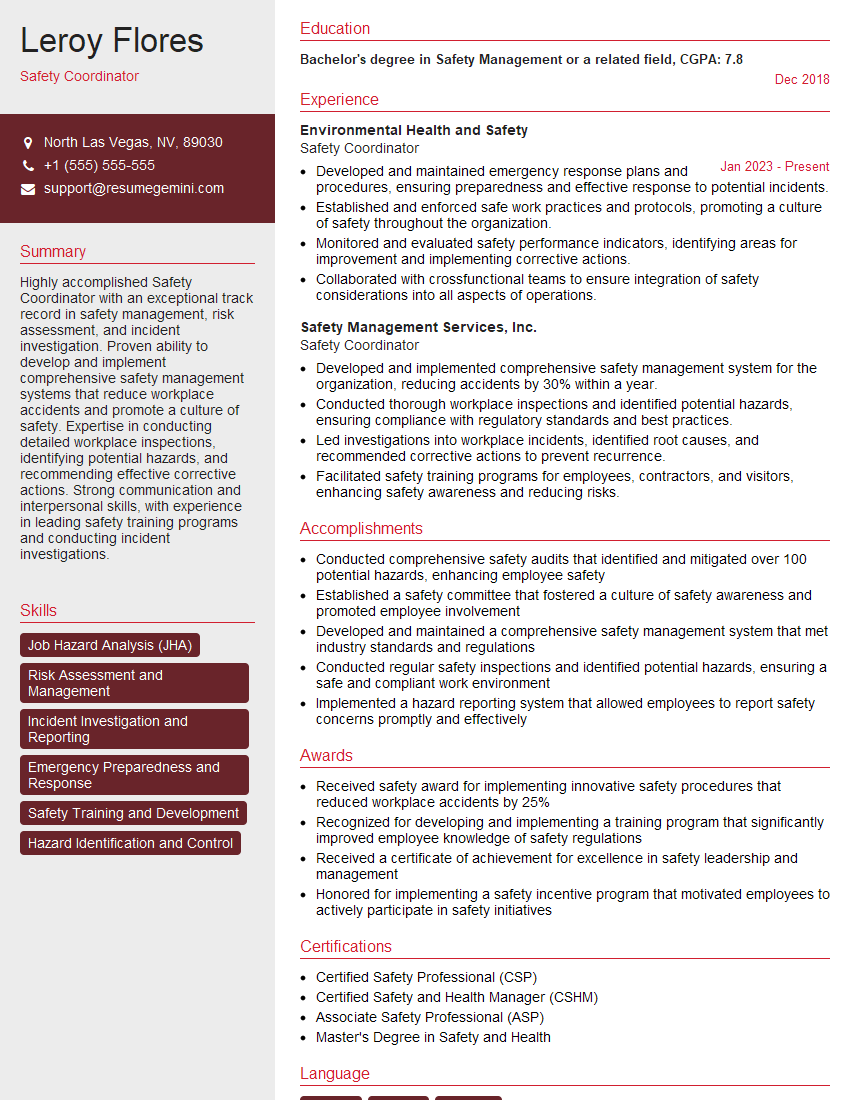
Safety Coordinator Resume Sample

Compliance Officer Resume Sample

Risk Manager Resume Sample
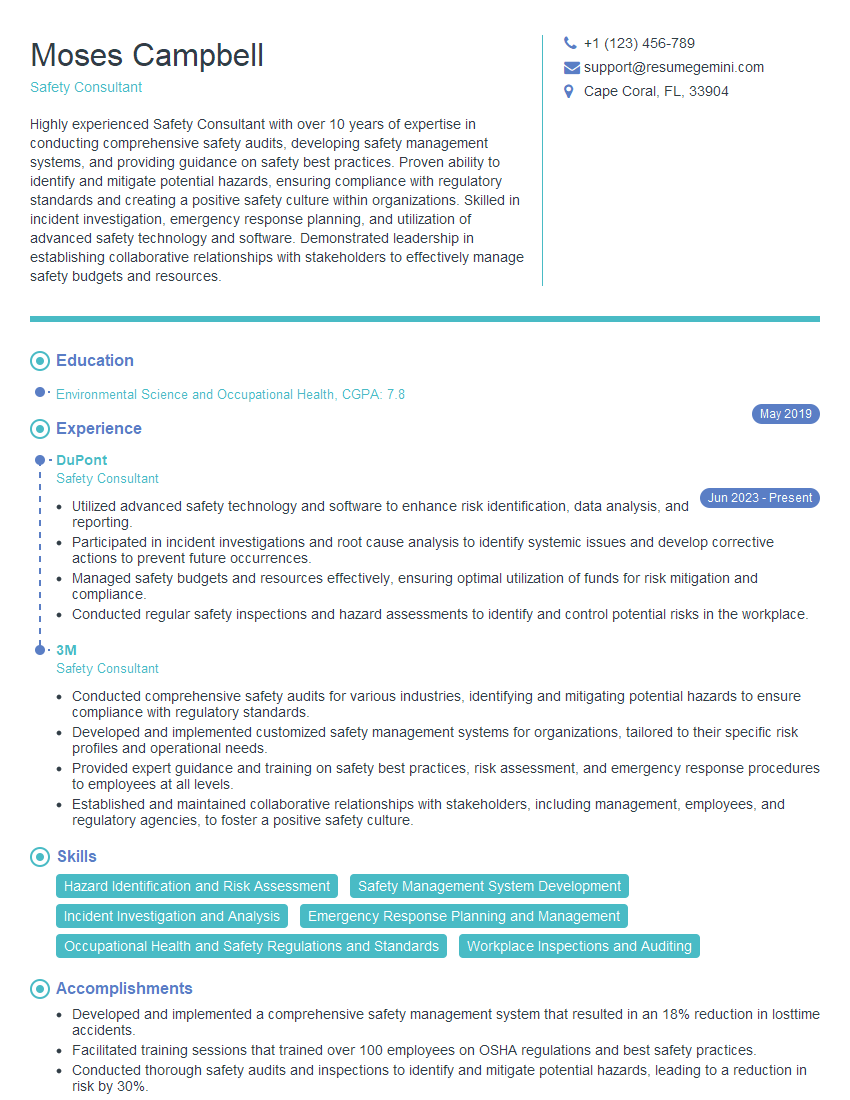
Safety Consultant Resume Sample

Safety Engineer Resume Sample

Construction Inspector Resume Sample

Safety Officer Resume Sample

Foreman Resume Sample

General Foreman Resume Sample
Explore more articles
Users Rating of Our Blogs
Share Your Experience
We value your feedback! Please rate our content and share your thoughts (optional).
What Readers Say About Our Blog
Very informative content, great job.
good