Every successful interview starts with knowing what to expect. In this blog, we’ll take you through the top Sample Manipulation interview questions, breaking them down with expert tips to help you deliver impactful answers. Step into your next interview fully prepared and ready to succeed.
Questions Asked in Sample Manipulation Interview
Q 1. Describe your experience with different sample preparation techniques, such as homogenization, extraction, and dilution.
Sample preparation is crucial for accurate and reliable analytical results. My experience encompasses a wide range of techniques, including homogenization, extraction, and dilution. Homogenization aims to create a uniform sample by reducing particle size, ensuring representative analysis. I’ve used various methods such as bead beating (for tissues) and ultrasonication (for liquids) depending on the sample’s properties. Extraction involves isolating the analyte of interest from a complex matrix. This might involve liquid-liquid extraction (LLE), solid-phase extraction (SPE), or supercritical fluid extraction (SFE), each chosen based on analyte polarity and matrix characteristics. For example, I’ve used SPE to extract pesticides from soil samples, leveraging the selective adsorption properties of the solid phase. Finally, dilution is necessary to bring the analyte concentration within the measurable range of the analytical instrument. Accurate dilution requires meticulous use of volumetric glassware and careful calculation to avoid errors that could skew results. I always verify calculations and prepare multiple dilutions to ensure reproducibility.
Q 2. Explain the importance of maintaining sample integrity during manipulation.
Maintaining sample integrity is paramount. Any alteration to the sample composition before analysis can lead to inaccurate and misleading conclusions. For example, degradation of analytes due to light exposure, temperature fluctuations, or microbial growth can significantly impact results. I meticulously follow established protocols to prevent contamination or alteration. This includes using clean glassware, appropriate storage conditions (e.g., refrigeration, freezing, or the use of inert atmospheres), and avoiding excessive handling. For sensitive samples, I utilize specialized containers and work in controlled environments to minimize the risk of degradation or contamination. Imagine analyzing a blood sample for a volatile compound – even brief exposure to air could drastically reduce the compound’s concentration and compromise the results.
Q 3. How do you ensure accurate and precise sample weighing and measurement?
Accurate weighing and measurement are foundational in sample manipulation. I consistently use calibrated analytical balances with appropriate readability and precision for the task. For instance, microbalances are employed for microgram quantities, while standard analytical balances are suitable for larger samples. I always perform a tare procedure to zero out the weight of the container before weighing the sample. For liquid measurements, I employ calibrated pipettes, volumetric flasks, and burettes, selected according to the required volume and precision. To ensure accuracy, I always perform multiple measurements and average them to minimize random error. Regular calibration of all equipment is a critical part of my process. A simple example is using a pipette to transfer a precisely measured volume of a solution – even minor inconsistencies can create substantial errors downstream.
Q 4. What are the common sources of error in sample manipulation, and how do you mitigate them?
Several factors can contribute to errors. Contamination (from the environment, reagents, or equipment) is a major concern. I mitigate this through the use of clean techniques, clean glassware, and appropriate personal protective equipment (PPE). Another source of error is incomplete homogenization or extraction, leading to non-representative samples. Careful optimization of homogenization and extraction techniques is vital, and performing quality checks on the homogenate is crucial to ensure uniform distribution. Evaporation or degradation of volatile analytes can also introduce errors. Maintaining proper storage conditions and using appropriate preservatives can minimize this risk. Finally, improper handling and measurement also contribute to errors. Meticulous attention to detail, using calibrated equipment and proper technique, are crucial to mitigate these sources of error. For example, improperly cleaned glassware can introduce contaminants that affect the results, potentially skewing experimental outcomes and potentially producing misleading conclusions.
Q 5. Describe your experience with different types of sampling equipment and instruments.
My experience includes a wide range of equipment. For homogenization, I’ve used high-speed homogenizers, tissue grinders, bead mills, and ultrasonic probes. For extraction, I’m proficient with solid-phase extraction (SPE) columns and cartridges, liquid-liquid extraction (LLE) apparatuses, and automated extraction systems. For weighing, I routinely use analytical balances with varying sensitivities. For volume measurements, I have experience using various pipettes (micropipettes, serological pipettes), volumetric flasks, and burettes. Beyond basic equipment, I’m also familiar with sophisticated instruments like microwave digestion systems, which speed up sample preparation, and automated liquid handling systems, which increase throughput and reduce manual errors. It is crucial to understand the limitations and capabilities of each piece of equipment to select the appropriate instrument for a given task.
Q 6. How do you select appropriate sample preparation techniques based on the sample matrix and analytical method?
Selecting appropriate techniques is crucial and highly dependent on the sample matrix and the intended analytical method. For example, analyzing trace metals in soil requires different preparation than analyzing proteins in blood. The sample matrix dictates which homogenization or extraction method is best suited. For a complex matrix like soil, harsh extraction methods might be necessary, while a gentler method may suffice for a biological sample. The analytical method itself also guides the choice. For instance, chromatography often requires a cleaner extract than other methods. My approach involves considering several factors – analyte properties (polarity, volatility, stability), sample properties (viscosity, heterogeneity), the sensitivity required, the available resources and the overall efficiency of the method.
Q 7. Explain your understanding of quality control measures in sample manipulation.
Quality control is integrated into every step. I use certified reference materials (CRMs) to validate my methods and check for accuracy and precision. Regular calibration and maintenance of all instruments are essential. I utilize control samples (blanks, spiked samples, and duplicates) throughout the process to monitor for contamination, procedural errors, and method performance. I keep detailed records, including all equipment used, reagents employed, and the procedures followed to ensure complete traceability. Data are carefully analyzed for outliers and systematic errors, and any deviations from established protocols or expected results are thoroughly investigated and documented. This approach allows for prompt identification and correction of any issues, leading to the generation of high-quality and reliable analytical data.
Q 8. How do you document and track sample handling procedures?
Documenting and tracking sample handling is paramount to maintaining data integrity and ensuring the reliability of any analytical results. We employ a robust system that combines both physical and electronic documentation. Physically, each sample is meticulously labeled with a unique identifier, including date, time of collection, and the sample’s origin. This label is then carefully affixed to the primary sample container and any subsequent containers.
Electronically, we utilize a Laboratory Information Management System (LIMS). This software allows us to create a comprehensive chain of custody, recording every step of the sample’s journey: from collection and transport to analysis and disposal. The LIMS tracks who handled the sample, when, and what actions were performed. This creates an auditable trail, allowing us to easily retrace any step in the process if needed. For example, if a discrepancy arises, we can immediately pinpoint the potential source of error by reviewing the LIMS records. Additionally, we use standard operating procedures (SOPs) for each step, ensuring consistency and accuracy across all processes. These SOPs are regularly reviewed and updated to reflect best practices and any regulatory changes.
Q 9. Describe your experience with sample storage and preservation techniques.
Sample storage and preservation are critical to preventing degradation and ensuring the accuracy of analytical results. The techniques used are highly dependent on the sample type and the analyses to be performed. For instance, biological samples might require freezing at -80°C to preserve cellular integrity, while environmental samples might be preserved using specific preservatives like formaldehyde or acid to prevent microbial growth. We use a variety of storage solutions, including ultra-low temperature freezers, refrigerators, and specialized cabinets designed for volatile or light-sensitive samples. Proper labeling is essential, ensuring consistent identification throughout the storage process, and we adhere to strict inventory management protocols to prevent mix-ups or sample loss. In one project involving soil samples for heavy metal analysis, we used acidification to stabilize the metals and prevent adsorption to the container walls, maintaining the integrity of the samples for months until analysis could be performed.
Q 10. How do you handle hazardous or potentially infectious samples?
Handling hazardous or potentially infectious samples demands strict adherence to safety protocols to protect personnel and the environment. These protocols are dictated by both internal policies and relevant regulations. We work within a designated biosafety cabinet (BSC) for infectious materials, ensuring proper containment and reducing the risk of exposure. For hazardous materials, we follow specific protocols for handling, disposal, and decontamination, which include the use of personal protective equipment (PPE), such as gloves, lab coats, and safety goggles. Detailed waste disposal plans are in place for all hazardous materials, ensuring compliance with local and national regulations. For example, when handling samples containing radioactive isotopes, we employ additional radiation safety measures, including specialized containers and radiation monitoring devices. Every step is meticulously documented, and staff receives regular training on safe handling practices and emergency procedures.
Q 11. What are the regulatory requirements for sample handling in your field?
Regulatory requirements for sample handling vary significantly depending on the industry and the type of sample. In many fields, including pharmaceuticals, environmental monitoring, and food safety, Good Laboratory Practices (GLP) are mandated. These guidelines establish standards for the conduct of non-clinical laboratory studies, including meticulous documentation, quality control, and sample integrity management. Other relevant regulations might include those specific to the handling of hazardous materials (OSHA), infectious substances (CDC), and environmental regulations (EPA). Each project starts with a thorough risk assessment to identify potential hazards and to ensure that appropriate safety and regulatory requirements are met throughout the entire sample handling process. We maintain detailed records to demonstrate compliance with all relevant regulations.
Q 12. Explain your understanding of Good Laboratory Practices (GLP) related to sample manipulation.
Good Laboratory Practices (GLP) are fundamental to ensuring the quality and reliability of analytical data. GLP emphasizes meticulous record-keeping, clearly defined Standard Operating Procedures (SOPs), and rigorous quality control measures throughout the entire sample handling process. This includes proper sample identification, storage, and handling techniques; meticulous documentation of all steps taken; using calibrated and validated equipment; and maintaining a chain of custody that tracks the sample from collection to disposal. For example, adhering to GLP principles ensures that any deviations from procedures are documented, investigated, and addressed, guaranteeing data integrity. Non-compliance with GLP guidelines can lead to invalidated results and legal repercussions. Therefore, thorough understanding and strict adherence to GLP principles are non-negotiable in our laboratory setting.
Q 13. How do you ensure the traceability of samples throughout the analytical process?
Ensuring sample traceability is achieved through a combination of physical and electronic tracking methods. Each sample is assigned a unique identification number, which is documented in the LIMS and clearly marked on all sample containers. This unique identifier travels with the sample throughout every stage of the process, from its initial collection to its final disposal. The LIMS system meticulously records the location, movement, and actions performed on each sample, thereby establishing a complete audit trail. Barcoding and RFID technology is frequently employed to enhance accuracy and automation in tracking, especially in high-throughput environments. By maintaining a comprehensive chain of custody, we can confidently demonstrate the integrity of the samples and the reliability of the analytical results obtained, preventing any possible ambiguity or dispute regarding sample origin and handling history.
Q 14. Describe your experience with automated sample preparation systems.
I have extensive experience with automated sample preparation systems, primarily liquid handling robots and automated extraction systems. These systems drastically increase throughput and reduce manual handling, minimizing the risk of human error and improving reproducibility. Automated systems typically integrate with LIMS to streamline sample tracking and data management. For example, in a recent project involving large volumes of blood samples for biomarker analysis, we employed a liquid handling robot to automate the process of sample dilution, aliquoting, and transfer to the analytical instruments. This automated process significantly reduced analysis time and human intervention, thereby improving the efficiency and reliability of the assay. Moreover, the reduction in manual steps minimized the risk of contamination and improved the consistency of results.
Q 15. How do you troubleshoot problems encountered during sample manipulation?
Troubleshooting sample manipulation problems involves a systematic approach. It starts with identifying the problem – is it a low recovery rate, inconsistent results, or contamination? Then, I meticulously trace back the process.
- Check the equipment: Are the balances calibrated? Are pipettes accurate and precise? Is the centrifuge functioning correctly? I’ve had instances where a faulty centrifuge led to inconsistent mixing, causing inaccurate results. I always perform regular equipment checks and calibrations to avoid this.
- Review the procedure: Is the protocol being followed correctly? Are there any steps that could be causing the issue? I’ve found that even minor variations in timing or temperature can significantly impact results. A detailed record-keeping system is crucial here.
- Assess the samples: Are there any inherent properties of the samples that might be affecting the results? I’ve worked with samples containing interfering substances which needed pre-treatment steps. Understanding the matrix is paramount.
- Investigate contamination: Is there evidence of contamination from reagents, glassware, or the environment? Using high-purity reagents, clean glassware, and working in a controlled environment is essential. I’ve employed techniques like blank analyses and using certified reference materials to help identify sources of contamination.
- Examine data: Analyze the data for trends or patterns. Are there outliers? Are the results within the acceptable range of variability? Statistical analysis, such as control charts, can help identify systematic errors.
Essentially, it’s a detective story. I methodically eliminate possible causes until I find the culprit. Documenting each step is vital for both troubleshooting and improving future procedures.
Career Expert Tips:
- Ace those interviews! Prepare effectively by reviewing the Top 50 Most Common Interview Questions on ResumeGemini.
- Navigate your job search with confidence! Explore a wide range of Career Tips on ResumeGemini. Learn about common challenges and recommendations to overcome them.
- Craft the perfect resume! Master the Art of Resume Writing with ResumeGemini’s guide. Showcase your unique qualifications and achievements effectively.
- Don’t miss out on holiday savings! Build your dream resume with ResumeGemini’s ATS optimized templates.
Q 16. How do you validate sample preparation methods?
Validating sample preparation methods ensures accuracy and reliability. This usually involves comparing my method to a reference method or analyzing certified reference materials (CRMs).
- Accuracy: How close are my results to the true value? I assess this using CRMs with known concentrations of the analyte. Significant deviation indicates a problem with the method.
- Precision: How reproducible are my results? I typically perform multiple analyses of the same sample to calculate the standard deviation. Low standard deviation indicates high precision.
- Recovery: What percentage of the analyte am I actually recovering from the sample? This is determined by spiking known amounts of the analyte into a sample and measuring the recovery. Ideally, the recovery should be close to 100%. I’ve found that using internal standards can improve recovery accuracy.
- Linearity: Does the method exhibit a linear response over the range of concentrations being measured? Creating a calibration curve is key; non-linearity could indicate problems with the method.
- Robustness: How sensitive is the method to small changes in parameters? This is often tested by deliberately varying conditions (e.g., temperature, pH) to see their effects on the results.
I document all validation experiments meticulously, including all calculations and error analyses. This forms the basis for demonstrating the reliability of my sample preparation methods and ensures compliance with quality standards.
Q 17. What statistical methods do you use to analyze sample data?
Statistical methods are vital for analyzing sample data and ensuring the reliability of results. The specific methods I use depend on the type of data and research question, but here are some examples:
- Descriptive Statistics: Calculating means, standard deviations, and ranges to summarize the data. This provides an initial overview of the data’s distribution.
- Hypothesis Testing: Using t-tests, ANOVA, or chi-squared tests to compare groups or test for significant differences between samples. For instance, I might use a t-test to compare the mean concentration of an analyte in two different sample groups.
- Regression Analysis: Fitting a line to data to identify relationships between variables. Linear regression is often used to create calibration curves in quantitative analysis.
- Principal Component Analysis (PCA): Reducing the dimensionality of complex datasets to identify patterns and outliers. This is particularly useful when dealing with large datasets with many variables.
- Quality Control Charts: Monitoring data over time to identify trends and potential issues. These charts help ensure that the analytical method is performing consistently.
I always use appropriate statistical software packages and interpret the results carefully, considering the limitations of each method. The use of statistics is critical for drawing meaningful conclusions from my data.
Q 18. How do you ensure the accuracy and precision of your sample preparation?
Accuracy and precision in sample preparation are paramount for reliable results. I employ several strategies to ensure this:
- Calibration and Maintenance: Regular calibration of balances, pipettes, and other instruments is crucial. I maintain meticulous records of these calibrations to ensure traceability.
- Standard Operating Procedures (SOPs): Detailed SOPs guide each step of the sample preparation, minimizing variability between analyses. These SOPs are regularly reviewed and updated.
- Quality Control Samples: Incorporating QC samples (blanks, duplicates, and spiked samples) throughout the analytical process allows for detection of systematic and random errors.
- Reagent Purity: Using high-purity reagents and solvents minimizes contamination. I often use certified reagents where appropriate.
- Blind Samples: Periodically introducing blind samples (samples with unknown analyte concentration) helps assess the accuracy and bias of the analyst.
- Automation: Where feasible, I use automated systems to reduce manual handling and improve precision. Automated liquid handlers significantly reduce pipetting errors.
By consistently implementing these practices, I significantly reduce errors and ensure the reliability of my sample preparation, leading to accurate and reproducible analytical results.
Q 19. Describe your experience with different sample matrices (e.g., solids, liquids, gases).
My experience encompasses a wide range of sample matrices. Each presents unique challenges:
- Solids: Requires careful homogenization and potentially digestion or extraction to release the analyte. For example, I’ve worked with soil samples requiring microwave digestion to break down the organic matter before analysis. I’m proficient in various extraction techniques like Soxhlet extraction and accelerated solvent extraction (ASE).
- Liquids: Often requires filtration or centrifugation to remove particulate matter before analysis. I’ve handled everything from water samples to complex biological fluids, each requiring specific filtration and preparation protocols to avoid contamination or analyte loss.
- Gases: Demands specialized sampling and handling techniques, often involving cryogenic trapping or absorption onto solid sorbents. I have experience in working with air samples for VOC analysis, including the use of canisters and thermal desorption systems.
Adapting to diverse sample matrices requires a strong understanding of chemistry and the ability to select appropriate sample preparation techniques for each specific situation. It’s about knowing the properties of each matrix and how they can influence the analytical process.
Q 20. How do you handle samples with low concentrations of the analyte?
Handling samples with low analyte concentrations requires strategies to increase sensitivity and reduce background noise:
- Preconcentration: Techniques such as solid-phase extraction (SPE), liquid-liquid extraction (LLE), or evaporation can concentrate the analyte, improving detection limits. I often use SPE cartridges tailored to the specific analyte and matrix.
- Instrumental Optimization: Optimizing instrumental parameters, such as injection volume and detector settings, can enhance sensitivity. I’ve utilized various techniques to optimize chromatographic separations and improve peak resolution, maximizing the signal-to-noise ratio.
- Clean-up Procedures: Removing interfering substances is crucial. Techniques like solid-phase extraction (SPE) can selectively remove interfering compounds while retaining the analyte of interest. The choice of sorbent is crucial here, depending on the interfering substances.
- Isotope Dilution: Adding a known amount of an isotopically labeled analyte can improve accuracy and precision by correcting for losses during sample preparation.
- High-Sensitivity Instrumentation: Employing techniques such as inductively coupled plasma mass spectrometry (ICP-MS) or highly sensitive gas chromatography-mass spectrometry (GC-MS) systems is essential. These allow for detection at very low concentrations.
These techniques are not mutually exclusive; often a combination is needed to achieve the necessary sensitivity for low-concentration analytes.
Q 21. Explain your experience with sample cleanup and purification techniques.
Sample cleanup and purification are critical steps to remove interfering substances that can negatively affect the accuracy and precision of analysis. The choice of technique depends on the sample matrix and the analyte of interest.
- Solid-Phase Extraction (SPE): I frequently use SPE for its versatility in selectively removing or retaining target analytes from a complex matrix. The choice of sorbent material (e.g., silica, polymeric) is crucial for optimal performance.
- Liquid-Liquid Extraction (LLE): This classic technique uses two immiscible solvents to separate compounds based on their solubility. It’s especially useful for separating organic compounds from aqueous samples.
- Solid-Phase Microextraction (SPME): A technique that utilizes a fiber coated with an adsorbent material to extract analytes directly from the sample matrix. It’s a miniaturized, solvent-free alternative to LLE and SPE.
- Membrane Filtration: Used to remove particulate matter and other large molecules from liquid samples. Different pore sizes of membranes are chosen based on the needs of the sample and analysis.
- Chromatographic Techniques: Techniques such as High-Performance Liquid Chromatography (HPLC) and Gas Chromatography (GC) can be used for both purification and separation of complex mixtures. I leverage these for both quantitative and qualitative sample analysis after appropriate purification steps.
I select the most appropriate cleanup technique based on factors such as the sample matrix, analyte properties, and the required level of purification. Efficient cleanup techniques often improve sensitivity and the reliability of the analytical results.
Q 22. How do you manage sample contamination?
Sample contamination is a major concern in any laboratory setting, as it can drastically affect the accuracy and reliability of experimental results. Managing contamination involves a multi-pronged approach focusing on prevention, detection, and remediation.
- Prevention: This is paramount and starts with maintaining a clean and organized workspace. We utilize techniques like sterile techniques (e.g., working in a laminar flow hood for sensitive samples), using appropriate personal protective equipment (PPE) such as gloves and lab coats, and regularly cleaning and disinfecting surfaces with suitable agents. We also carefully select high-quality, certified reagents and consumables to minimize the risk of introducing contaminants.
- Detection: Regular monitoring is crucial. This includes blank controls in assays to detect background contamination, and periodic checks of equipment and reagents for purity. Microbial contamination can be checked using sterility tests.
- Remediation: If contamination is detected, we identify the source (e.g., a contaminated reagent, cross-contamination from a previous sample) and take corrective actions. This could involve discarding affected samples, repeating the experiment, or thoroughly cleaning and sterilizing equipment. In case of persistent contamination, a thorough investigation of the laboratory environment might be required.
For example, in a recent project involving DNA extraction from soil samples, we identified a contamination issue with our extraction kits. By carefully reviewing the kit components and testing each independently, we pinpointed a specific reagent as the source of contamination and switched to a different supplier, resolving the problem.
Q 23. Describe your experience with different types of laboratory equipment used in sample manipulation.
My experience encompasses a wide range of laboratory equipment commonly used in sample manipulation. I’m proficient in using:
- Balances (analytical and top-loading): For precise weighing of samples and reagents.
- Centrifuges (microcentrifuges, high-speed centrifuges): For separating components of samples based on density.
- Spectrophotometers: For measuring the absorbance or transmission of light through a sample, enabling quantitative analysis.
- Liquid handling systems (pipettes, automated liquid handlers): For accurate and precise transfer of liquids.
- Incubators and ovens: For maintaining samples at specific temperatures.
- Autoclaves: For sterilizing equipment and reagents.
- pH meters: For measuring the acidity or alkalinity of samples.
- Homogenizers and grinders: For disrupting cells and tissues to release their contents.
- Chromatography systems (HPLC, GC): For separating and analyzing complex mixtures.
I also possess experience with specialized equipment such as mass spectrometers and real-time PCR machines, depending on the specific project requirements. My expertise extends to both manual and automated methods, enabling me to optimize workflows for efficiency and accuracy.
Q 24. How do you ensure the safety of yourself and others during sample manipulation?
Safety is my top priority. I strictly adhere to all laboratory safety protocols and regulations. This includes:
- Proper use of PPE: Always wearing appropriate gloves, lab coats, eye protection, and other safety gear as needed.
- Safe handling of hazardous materials: Following established procedures for handling chemicals, biological materials, and other hazardous substances. This includes using fume hoods for volatile chemicals and following proper disposal procedures.
- Awareness of potential hazards: Being cognizant of potential risks associated with specific samples or procedures and taking appropriate precautions.
- Emergency preparedness: Knowing the location and proper use of safety equipment such as eyewash stations and fire extinguishers.
- Following established safety guidelines: Adhering to all laboratory regulations and reporting any accidents or near misses immediately.
For instance, when working with infectious samples, I always follow biosafety level (BSL) protocols, ensuring the safety of myself and others. Safety isn’t just a checklist; it’s a continuous process of awareness and proactive measures.
Q 25. What software or systems do you use to manage and track samples?
Sample management and tracking are crucial for maintaining data integrity and traceability. I’ve used several software systems and LIMS (Laboratory Information Management Systems) throughout my career. These systems typically allow for:
- Sample registration and tracking: Assigning unique identifiers to each sample and tracking its location and status throughout the workflow.
- Data management: Storing associated experimental data, analysis results, and metadata.
- Audit trails: Recording all actions performed on a sample, maintaining a detailed history of its handling.
- Inventory management: Tracking the availability of reagents, consumables, and equipment.
Specific examples include using LabWare LIMS for large-scale projects and Excel spreadsheets with detailed sample tracking logs for smaller studies. The choice of system depends on the complexity of the project and the volume of samples involved. A robust system ensures data integrity and simplifies regulatory compliance.
Q 26. Describe a time you had to troubleshoot a problem during sample preparation. What was the issue, and how did you resolve it?
During a protein purification project, I encountered a significant decrease in protein yield during the final purification step. This was unexpected, given that the previous steps had proceeded as planned. I systematically investigated the problem by:
- Reviewing the protocol: Carefully examined the final purification step for any deviations from the established procedure.
- Testing individual reagents: Checked the quality and integrity of all reagents used in the final step.
- Testing equipment performance: Verified that the chromatography column was functioning properly.
- Analyzing the sample: Carefully examined the sample’s purity and concentration at each step using various analytical techniques like SDS-PAGE and spectrophotometry.
I discovered that the problem was caused by a degraded resin in the chromatography column. By replacing the column with a new one, the protein yield returned to normal levels. This troubleshooting process highlights the importance of meticulous attention to detail and a systematic approach to problem-solving in sample preparation.
Q 27. Explain your understanding of method validation as it relates to sample preparation.
Method validation in sample preparation is crucial for ensuring that the method is accurate, precise, reliable, and fit for its intended purpose. It’s about demonstrating that the chosen method produces consistent and accurate results. Key aspects include:
- Accuracy: How close the measured value is to the true value. This is often assessed using certified reference materials.
- Precision: How close repeated measurements are to each other. This is determined by performing replicate analyses.
- Specificity: The ability of the method to measure only the analyte of interest without interference from other components in the sample.
- Limit of detection (LOD) and limit of quantitation (LOQ): The lowest concentration of the analyte that can be reliably detected or quantified.
- Linearity: The ability of the method to produce results that are proportional to the concentration of the analyte over a defined range.
- Robustness: The ability of the method to remain unaffected by small variations in experimental conditions.
For example, when validating a new method for extracting pesticides from fruits, we would assess its accuracy by comparing results to certified reference materials, and its precision by performing multiple analyses of the same sample. This ensures that the method is fit for the purpose of reliably measuring pesticide residues.
Q 28. How do you stay current with advancements in sample manipulation techniques?
Staying current in the rapidly evolving field of sample manipulation requires a multi-faceted approach:
- Literature review: Regularly reading scientific journals and attending conferences to learn about new techniques and technologies.
- Professional networks: Participating in professional organizations and attending workshops to stay abreast of the latest advancements and share best practices.
- Online resources: Utilizing online databases, websites, and webinars that offer educational materials and training opportunities.
- Collaboration: Working with other scientists and experts in the field to learn from their experiences and share knowledge.
- Continuing education: Participating in short courses and workshops to expand my knowledge and skills.
For example, I recently attended a webinar on the latest advancements in microfluidic-based sample preparation, which exposed me to new possibilities for miniaturization and automation of laboratory procedures. Continuous learning is vital in this dynamic field.
Key Topics to Learn for Sample Manipulation Interview
- Data Preprocessing: Understanding techniques like cleaning, normalization, and transformation crucial for accurate analysis and model training.
- Sampling Methods: Mastering various sampling techniques (random, stratified, systematic) and their applications in different scenarios, considering bias and representativeness.
- Feature Engineering: Developing new features from existing data to improve model performance and understanding the trade-offs between different approaches.
- Dimensionality Reduction: Applying techniques like PCA and t-SNE to handle high-dimensional data and improve computational efficiency while preserving important information.
- Bias and Variance in Sampling: Understanding and mitigating the impact of sampling bias on model accuracy and generalization. Knowing how to evaluate and address variance in sample results.
- Practical Applications: Exploring real-world examples of sample manipulation in domains like image processing, natural language processing, and time series analysis.
- Overfitting and Underfitting: Recognizing the signs and implementing strategies to prevent these issues when working with manipulated samples.
- Data Augmentation: Learning effective strategies to artificially increase the size of your dataset through data manipulation, especially helpful with limited data.
- Ethical Considerations: Understanding potential biases introduced by sample manipulation and the importance of responsible data handling.
Next Steps
Mastering sample manipulation is vital for success in many data-driven roles, opening doors to exciting career opportunities and higher earning potential. A strong understanding of these techniques demonstrates valuable analytical skills and problem-solving abilities to prospective employers. To significantly improve your job prospects, create a compelling, ATS-friendly resume that highlights your skills and experience effectively. ResumeGemini is a trusted resource that can help you craft a professional and impactful resume tailored to your specific experience. Examples of resumes optimized for Sample Manipulation roles are available to help you get started.
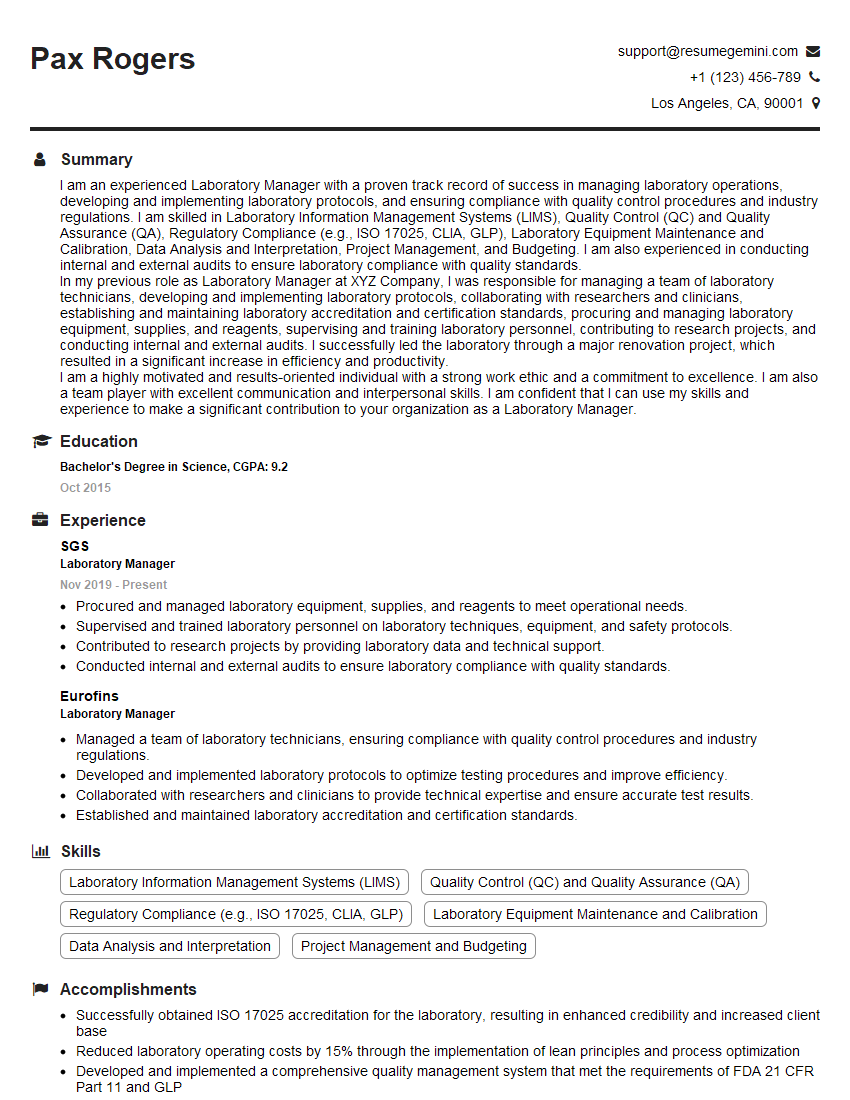
Laboratory Manager Resume Sample

Quality Assurance Manager Resume Sample
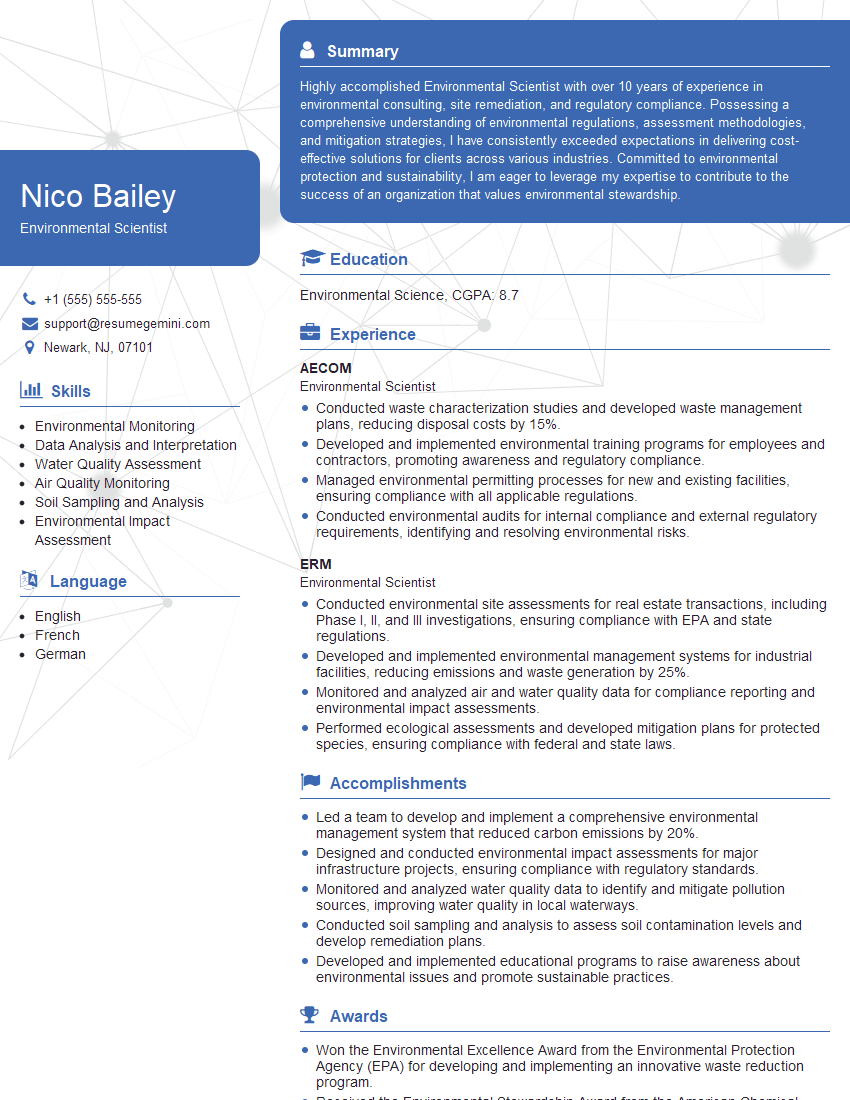
Environmental Scientist Resume Sample
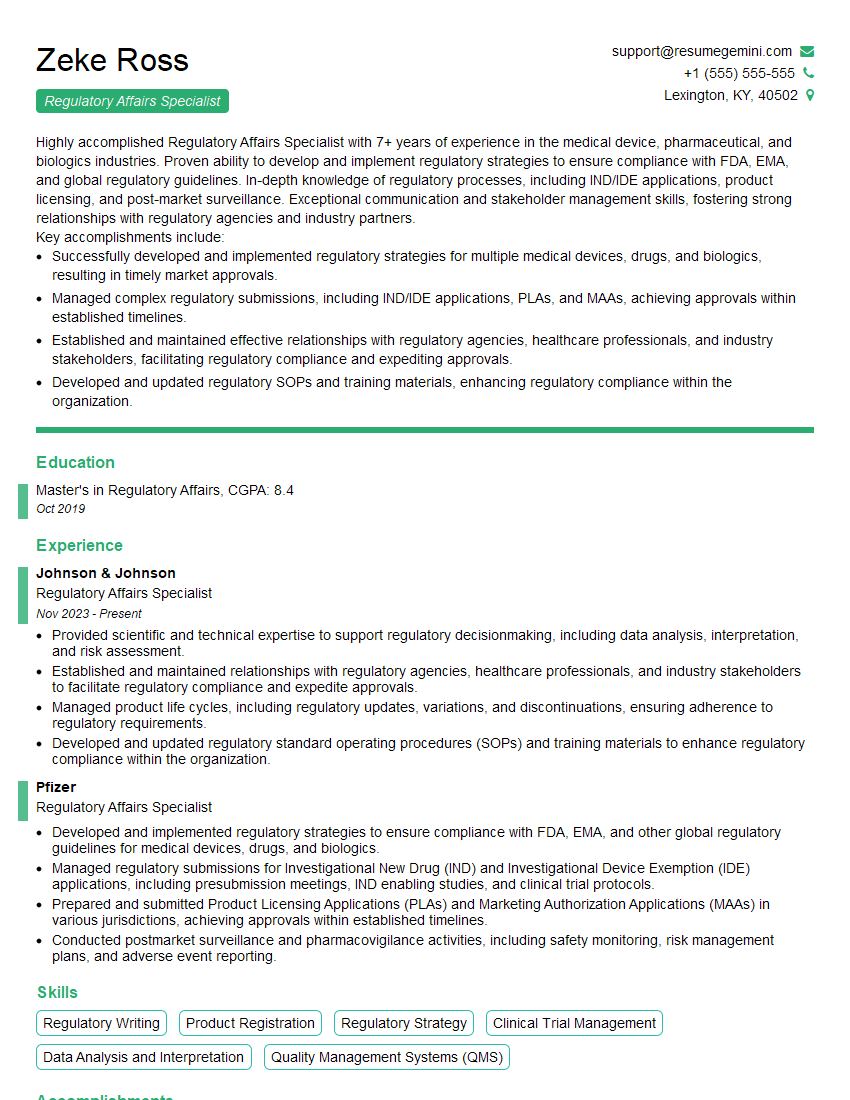
Regulatory Affairs Specialist Resume Sample
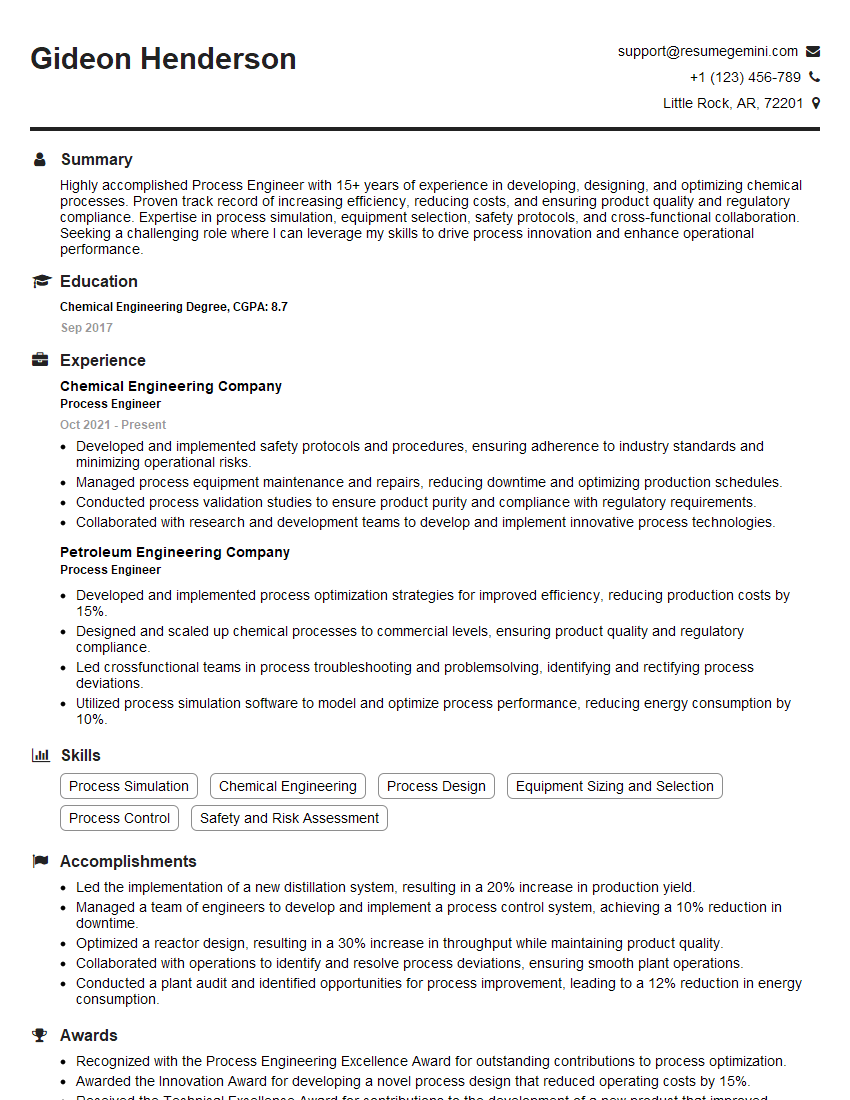
Process Engineer Resume Sample
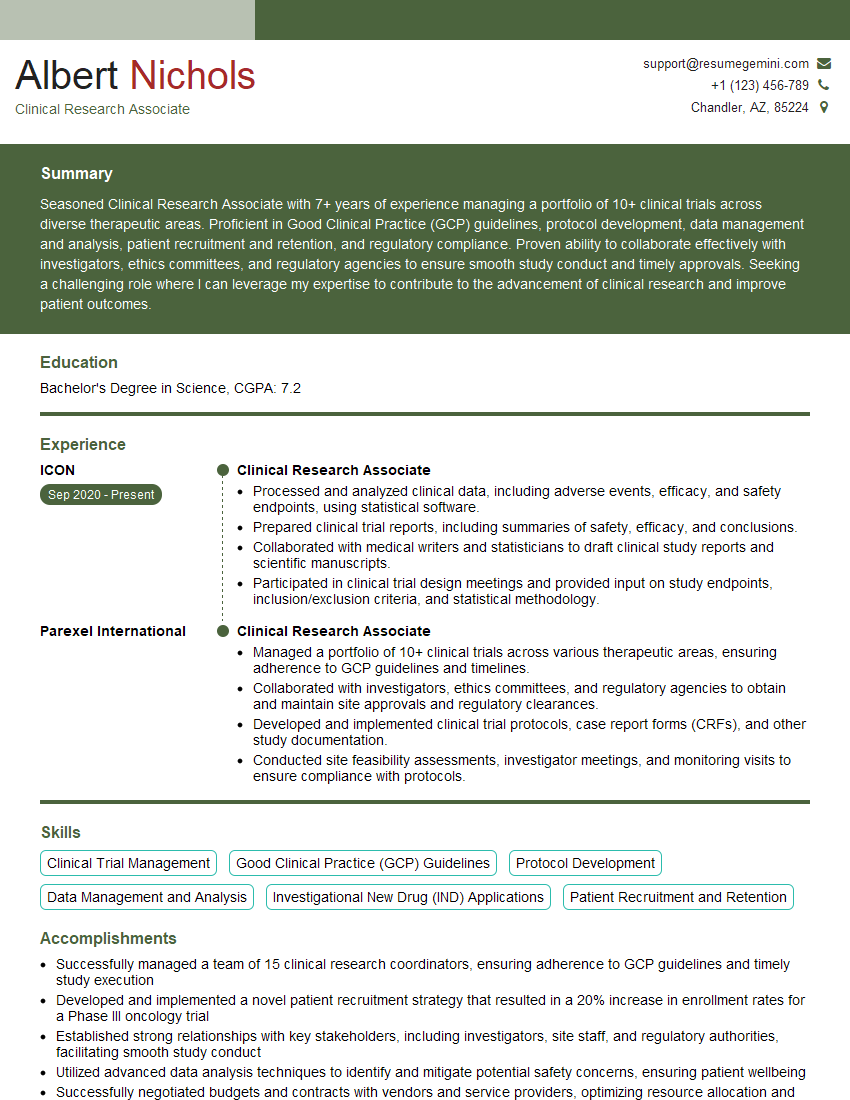
Clinical Research Associate Resume Sample
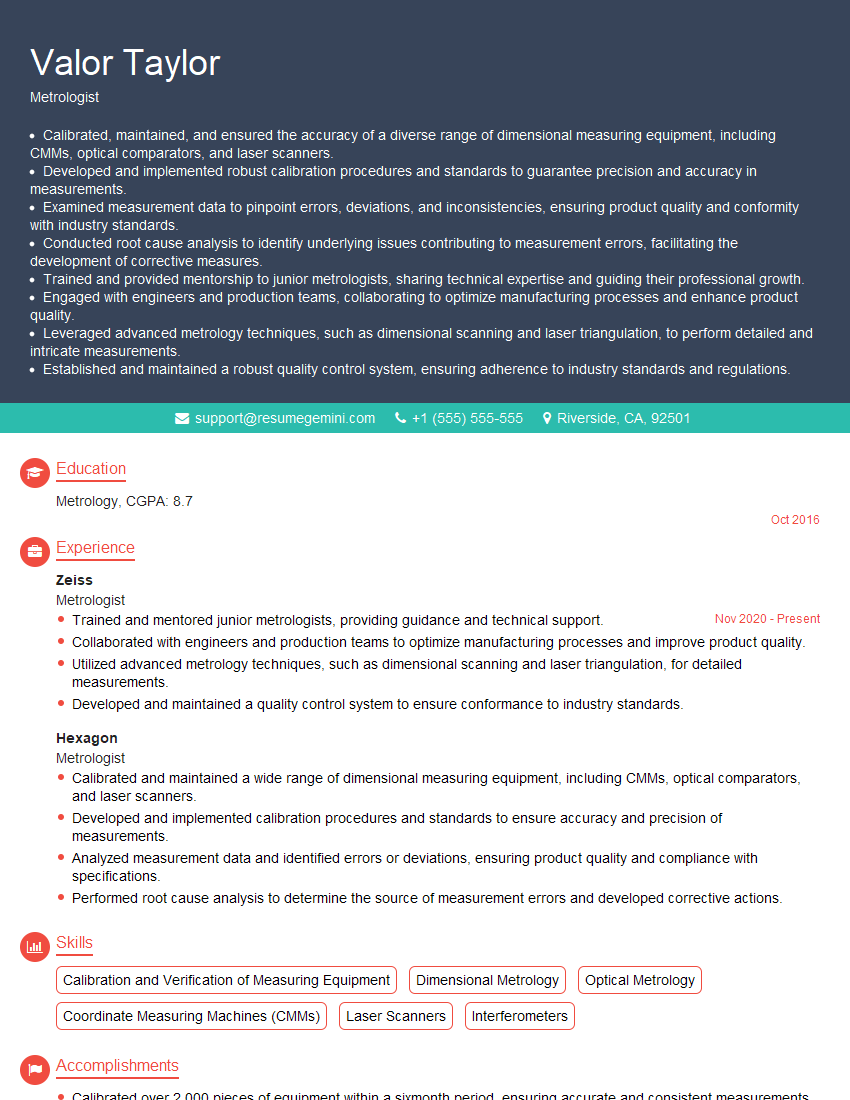
Metrologist Resume Sample
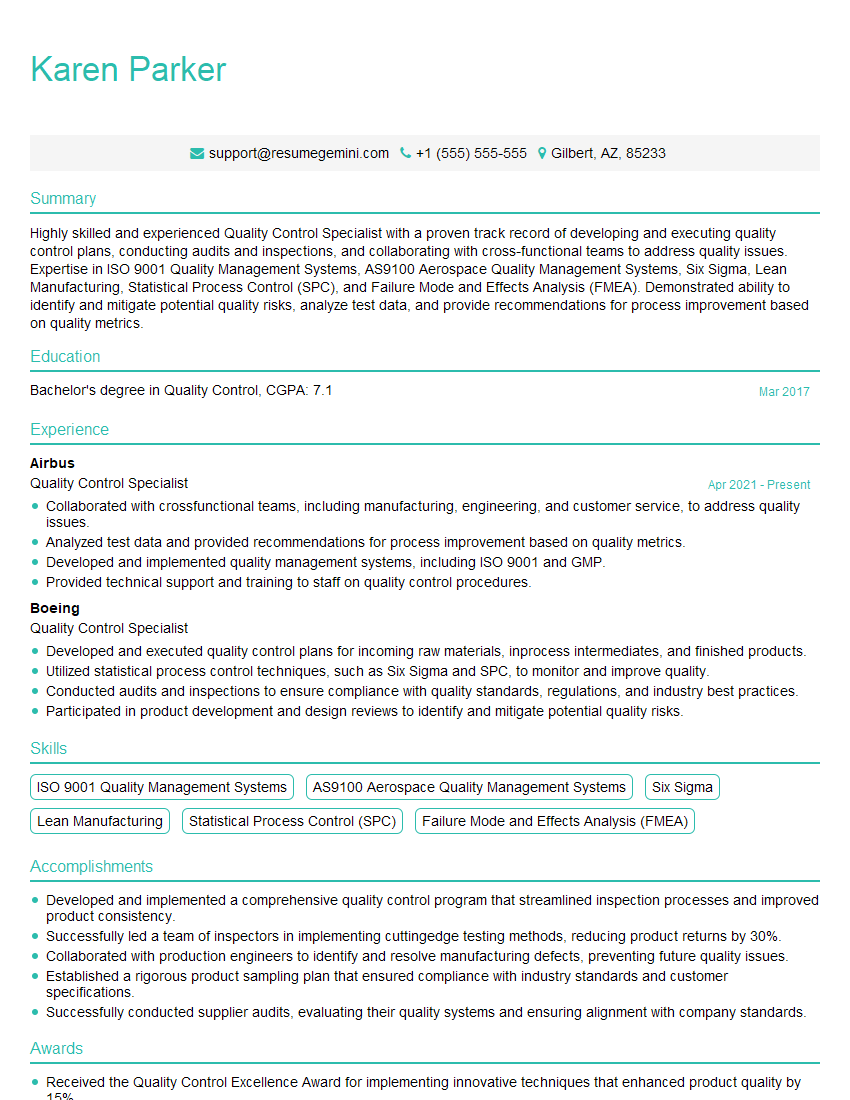
Quality Control Specialist Resume Sample
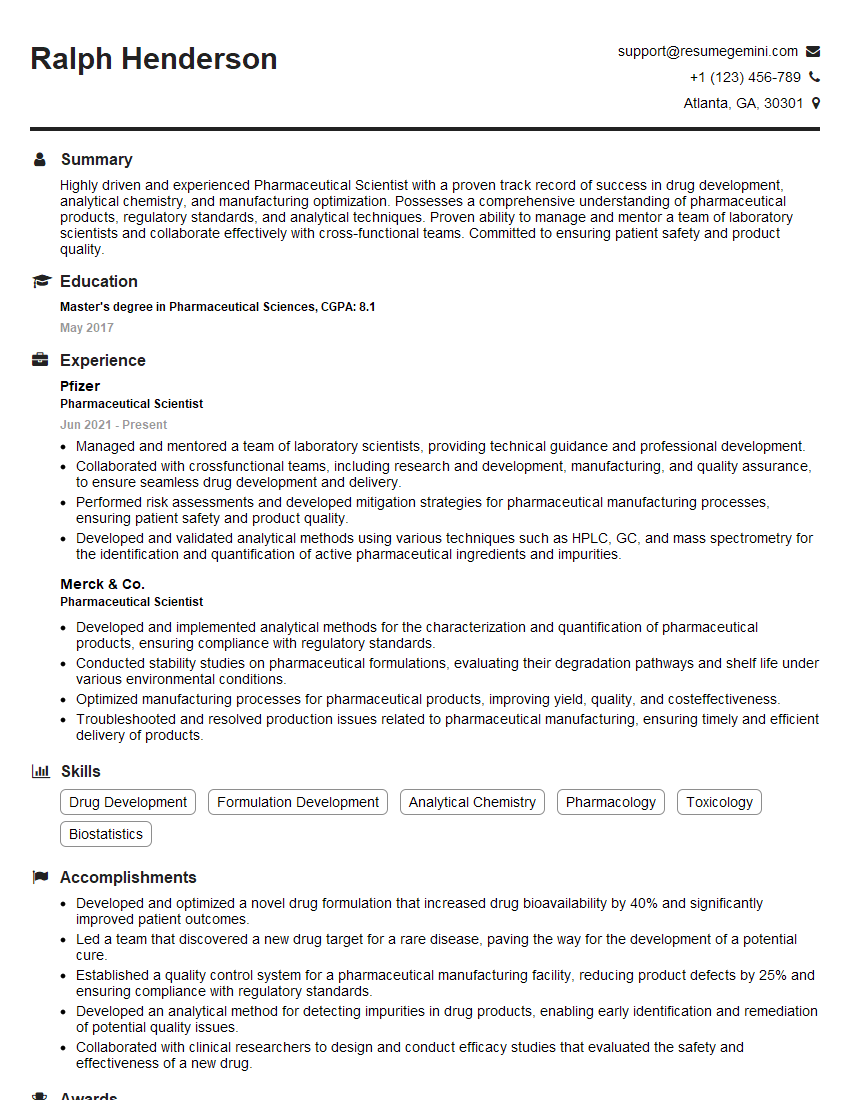
Pharmaceutical Scientist Resume Sample
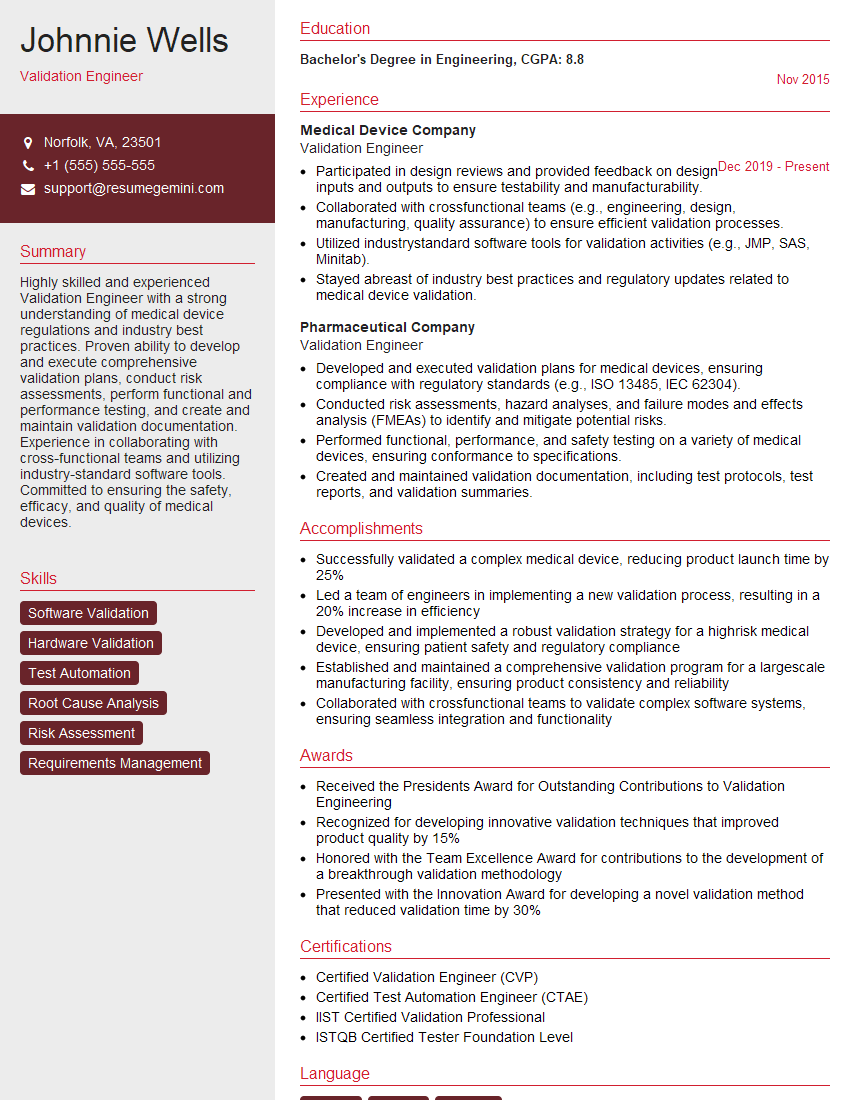
Validation Engineer Resume Sample
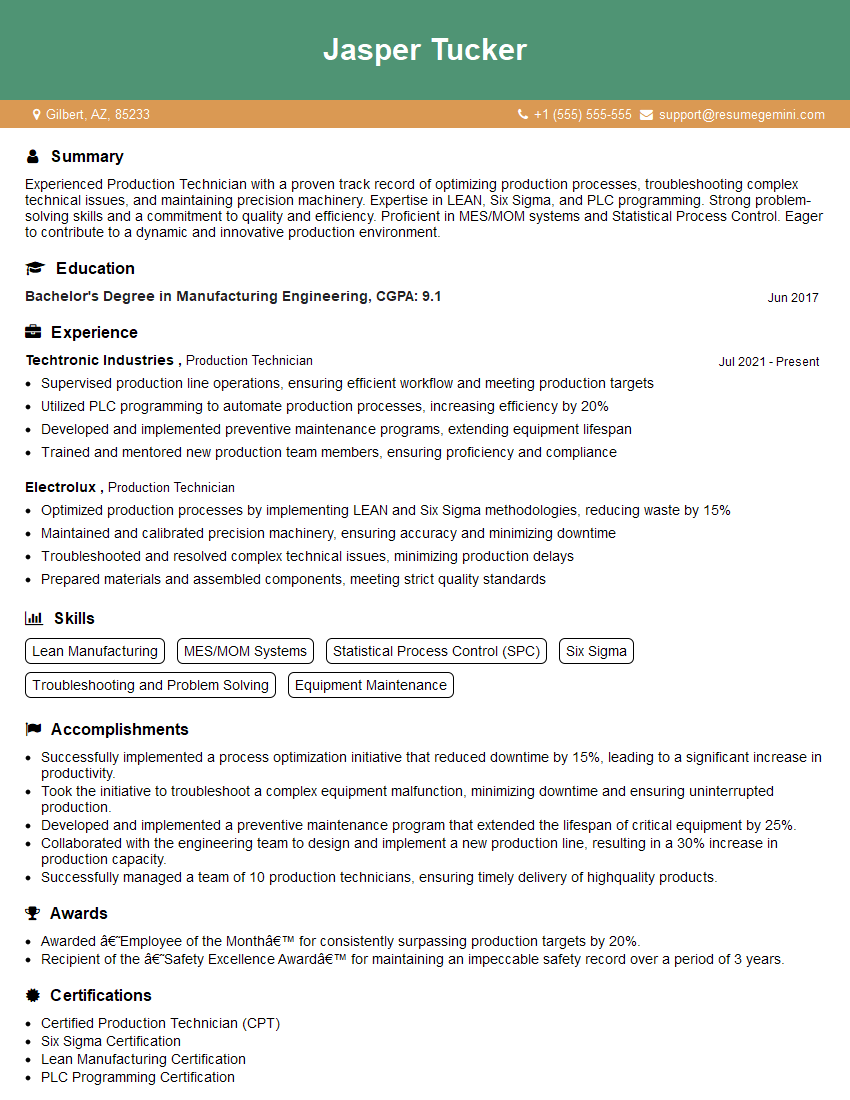
Production Technician Resume Sample

Food Scientist Resume Sample
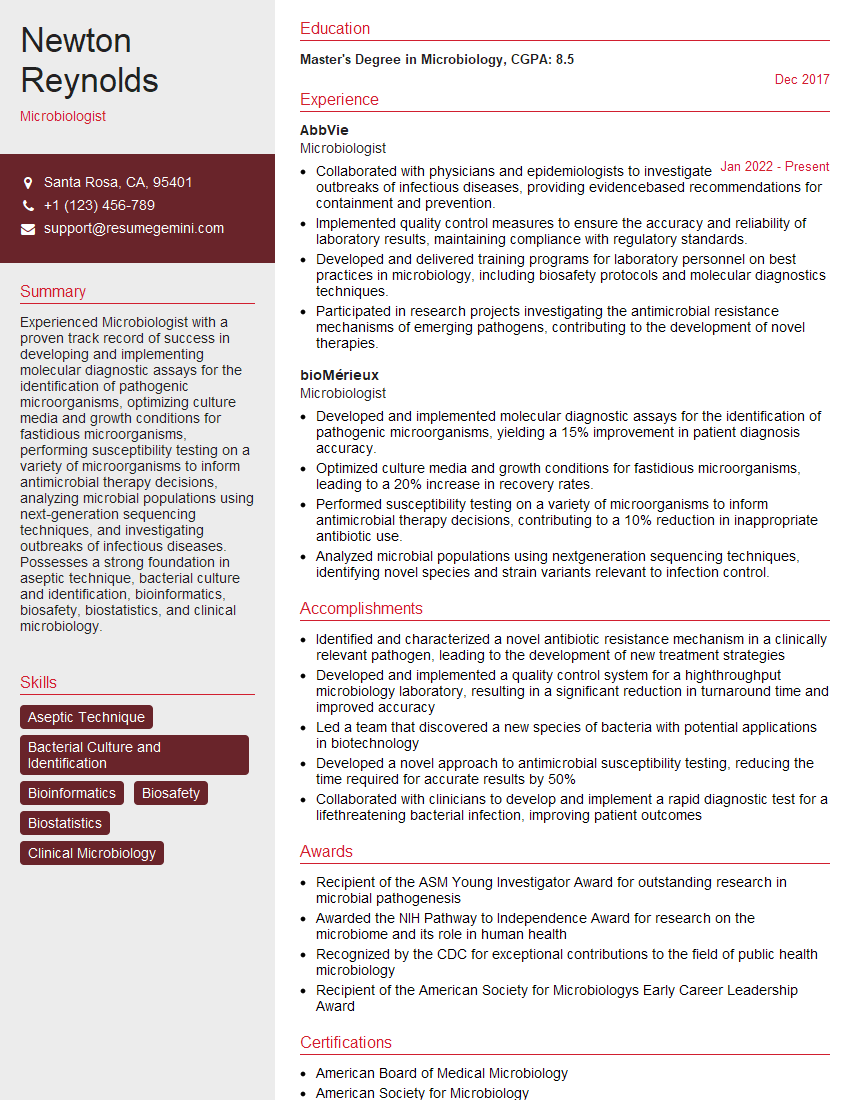
Microbiologist Resume Sample
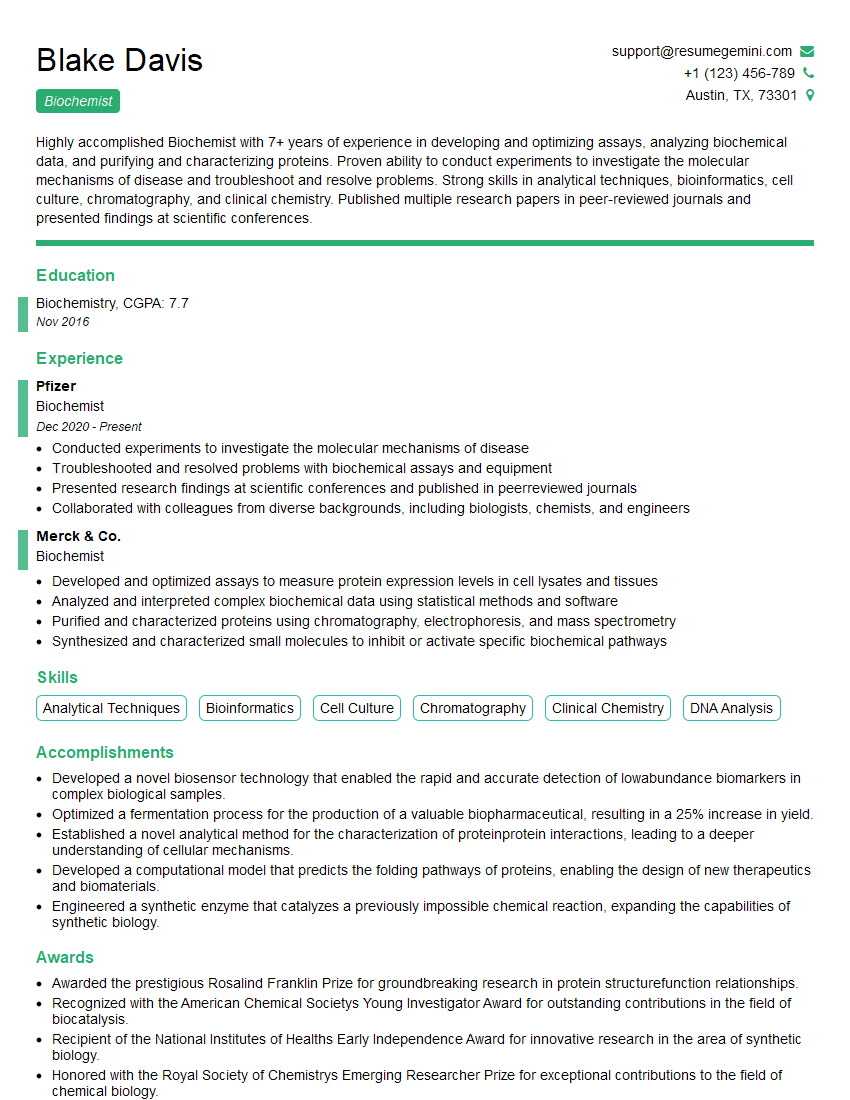
Biochemist Resume Sample
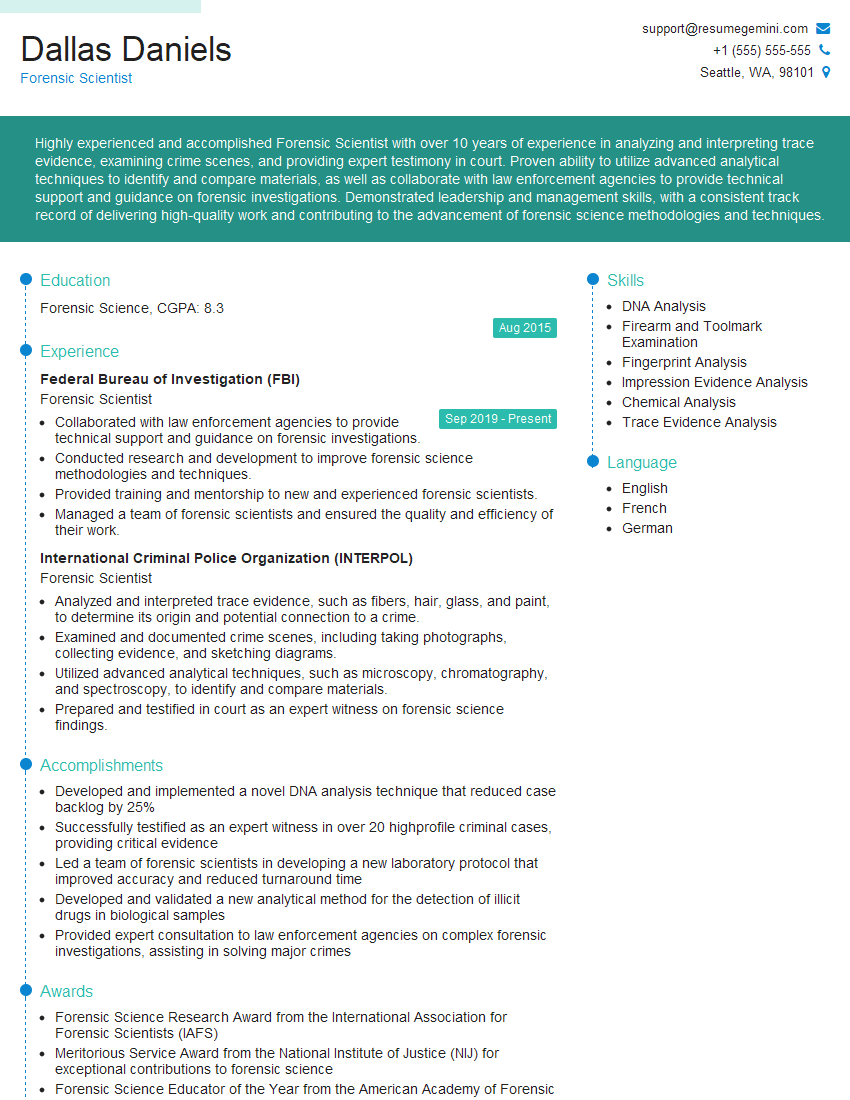
Forensic Scientist Resume Sample

Analytical Chemist Resume Sample
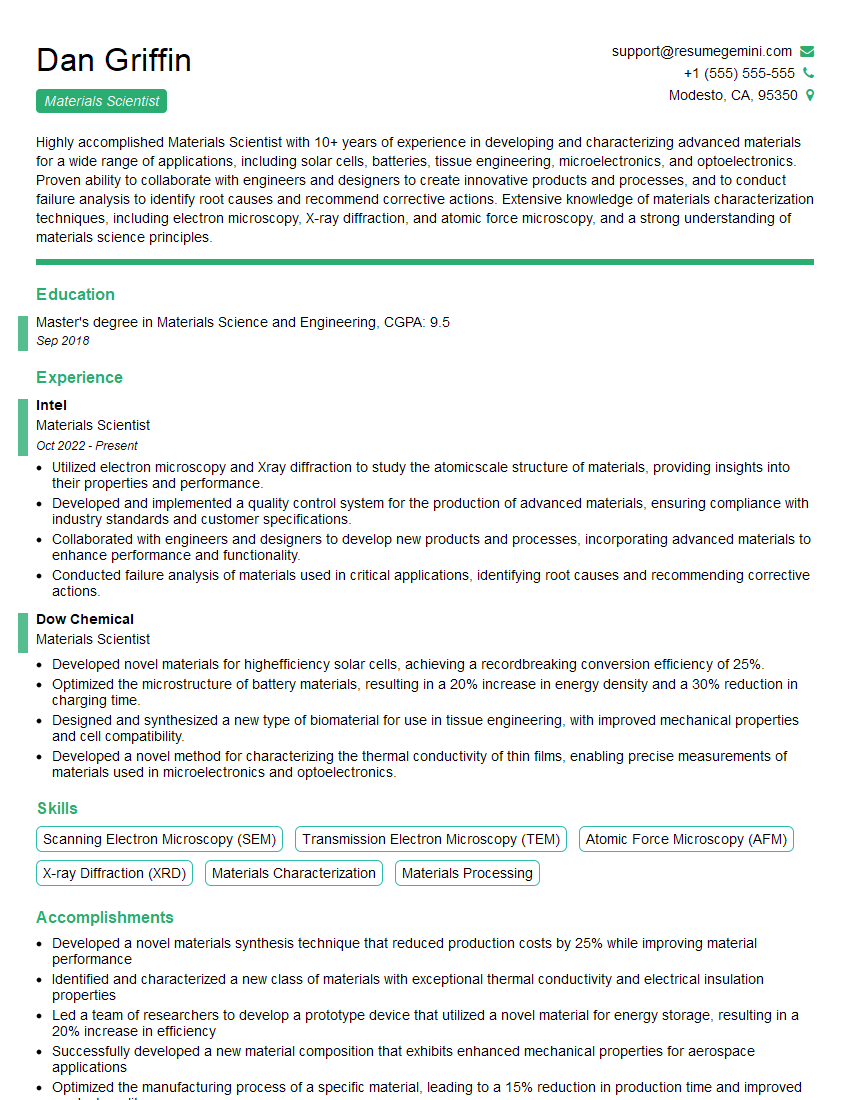
Materials Scientist Resume Sample
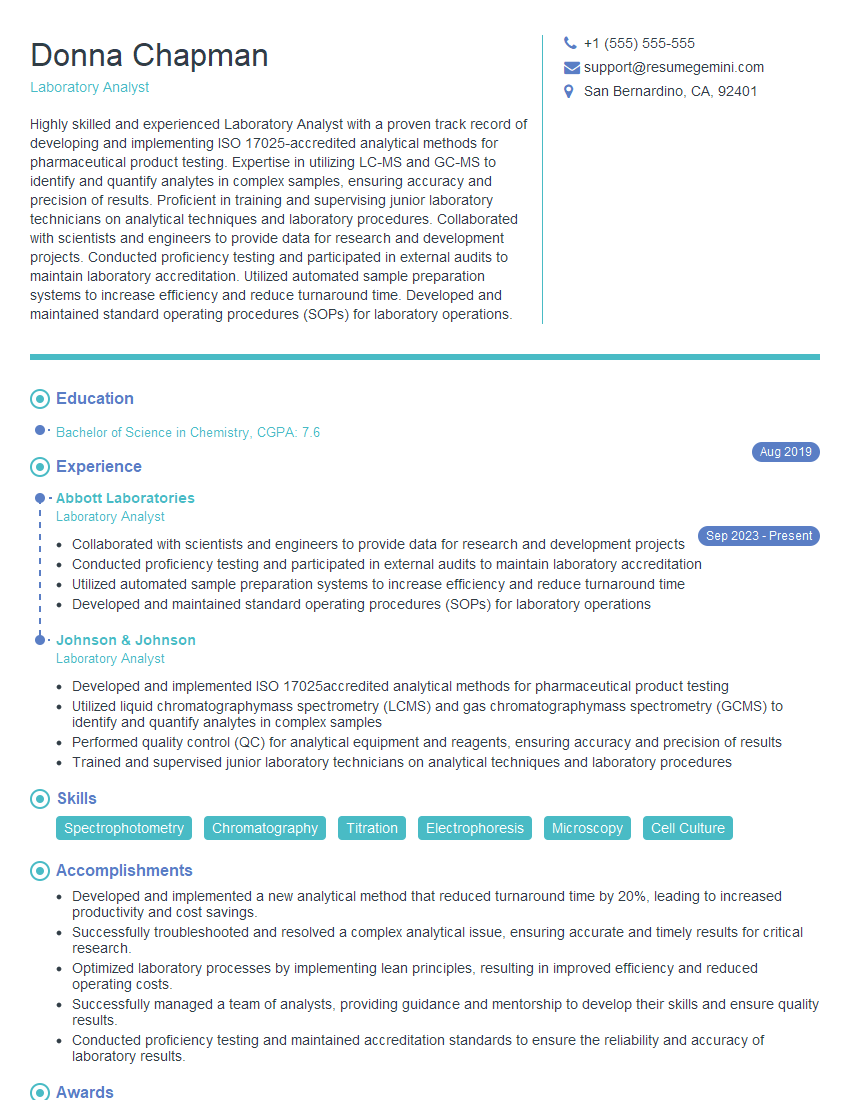
Laboratory Analyst Resume Sample
- Laboratory Manager
- Quality Assurance Manager
- Environmental Scientist
- Regulatory Affairs Specialist
- Process Engineer
- Clinical Research Associate
- Metrologist
- Quality Control Specialist
- Pharmaceutical Scientist
- Validation Engineer
- Production Technician
- Food Scientist
- Microbiologist
- Biochemist
- Forensic Scientist
- Analytical Chemist
- Materials Scientist
- Laboratory Analyst
Explore more articles
Users Rating of Our Blogs
Share Your Experience
We value your feedback! Please rate our content and share your thoughts (optional).
What Readers Say About Our Blog
Very informative content, great job.
good