The right preparation can turn an interview into an opportunity to showcase your expertise. This guide to OSHA and Environmental Regulations interview questions is your ultimate resource, providing key insights and tips to help you ace your responses and stand out as a top candidate.
Questions Asked in OSHA and Environmental Regulations Interview
Q 1. Describe your experience with OSHA’s General Duty Clause.
OSHA’s General Duty Clause, found in Section 5(a)(1) of the Occupational Safety and Health Act, is the cornerstone of workplace safety. It mandates that employers provide a workplace free from recognized hazards that are causing or are likely to cause death or serious physical harm to employees. It’s a catch-all provision, applying when a specific OSHA standard doesn’t address a particular hazard. Think of it as the ‘overall safety net’.
My experience involves applying this clause in various scenarios. For instance, I’ve worked with companies to identify and mitigate hazards like ergonomic issues not specifically covered by a standard, but nonetheless posing risks of musculoskeletal disorders. We’d conduct thorough job hazard analyses, identify the risk factors, and then implement controls, ranging from job rotation to workstation modifications. Another example is evaluating the adequacy of personal protective equipment (PPE) in situations where existing standards may not completely address the specific hazard. Ultimately, demonstrating that a ‘recognized hazard’ exists and the employer failed to take reasonable steps to abate it is crucial for enforcement under this clause.
Q 2. Explain the hierarchy of hazard controls.
The hierarchy of hazard controls prioritizes the most effective methods to eliminate or reduce workplace hazards, always striving for the most protective measure. It’s a sequential approach, starting with the most effective and moving down the list only if the preceding level is not feasible.
- Elimination: The best option – removing the hazard entirely. Example: Replacing a hazardous chemical with a safer alternative.
- Substitution: Replacing the hazard with something less hazardous. Example: Substituting a solvent with lower toxicity.
- Engineering Controls: Implementing physical changes to the work environment to minimize exposure. Example: Installing machine guards or ventilation systems.
- Administrative Controls: Changes to work practices, procedures, or schedules. Example: Job rotation to reduce repetitive movements or implementing a lockout/tagout procedure.
- Personal Protective Equipment (PPE): The last line of defense, protecting the worker. Example: Safety glasses, gloves, respirators. Crucially, PPE should only be used when other controls are insufficient.
Following this hierarchy ensures the most comprehensive and proactive approach to safety. Choosing PPE as the primary control method often signifies a failure to effectively implement earlier, more robust controls.
Q 3. How do you conduct a job hazard analysis?
A job hazard analysis (JHA) systematically identifies potential hazards and risks associated with a specific job task. It’s a crucial step in proactive safety management. My approach follows a structured process:
- Select the Job: Identify the specific job task to be analyzed.
- Identify Hazards: Brainstorm potential hazards associated with each step of the job. Involve workers performing the task for valuable insights.
- Identify Risks: Assess the severity and likelihood of each hazard resulting in injury or illness. Use a risk matrix to categorize risk levels (e.g., low, medium, high).
- Develop Control Measures: Determine appropriate control measures using the hierarchy of controls described earlier. This might involve engineering controls, administrative controls, or PPE.
- Document and Review: Document the findings and implement the control measures. Regularly review and update the JHA as jobs evolve or new hazards are identified.
For example, in analyzing a warehouse operation, we’d identify hazards like forklift traffic, manual lifting, and slips, trips, and falls. We’d then implement controls like designated walkways, forklift training, proper lifting techniques, and good housekeeping.
Q 4. What are the key elements of an effective safety program?
An effective safety program is multifaceted, going beyond simply adhering to regulations. Key elements include:
- Management Commitment and Leadership: Strong leadership visibly demonstrating a commitment to safety. This includes allocating resources and setting clear expectations.
- Hazard Identification and Control: Proactive identification and control of hazards through JHAs, inspections, and regular safety meetings.
- Employee Training and Education: Comprehensive training tailored to specific job tasks, including hazard awareness, safe work practices, and emergency procedures. Training should be ongoing and cover new or updated processes.
- Incident Investigation and Reporting: A thorough system for investigating incidents to identify root causes, preventing recurrence, and improving the safety program.
- Emergency Preparedness and Response: Developing and regularly practicing emergency plans for various scenarios, ensuring readily available emergency equipment.
- Communication: Open communication channels for reporting hazards, concerns, and incidents without fear of reprisal. This also includes sharing safety information effectively.
- Recordkeeping: Maintaining accurate records of incidents, training, and inspections for analysis and continuous improvement. This aids in demonstrating compliance.
A successful safety program fosters a culture of safety where employees feel empowered to identify and report hazards and actively participate in safety initiatives.
Q 5. Describe your experience with incident investigation and reporting.
Incident investigation and reporting are crucial for identifying the root causes of accidents and near misses, implementing corrective actions, and preventing future incidents. My experience involves conducting thorough investigations following a structured process:
- Secure the Scene: Ensure the safety of personnel and preserve evidence.
- Gather Information: Collect data from multiple sources including witness statements, incident reports, physical evidence, and records.
- Analyze the Data: Identify the contributing factors and root causes using various techniques (e.g., fault tree analysis, 5 Whys).
- Develop Corrective Actions: Implement effective measures to prevent recurrence, addressing both immediate and long-term issues.
- Report Findings: Document findings, corrective actions, and recommendations in a formal report.
- Follow-up and Monitoring: Verify the effectiveness of implemented corrective actions and monitor for similar incidents.
I’ve investigated various incidents, from minor injuries to more serious events, always focusing on identifying the underlying systemic issues, not just blaming individuals. For example, a repetitive strain injury led us to redesign a workstation, implementing engineering controls to reduce the physical demands of the job.
Q 6. How familiar are you with OSHA Form 300?
OSHA Form 300 is a key component of OSHA’s recordkeeping requirements for work-related injuries and illnesses. It’s a log of work-related injuries and illnesses that must be maintained by most employers. I am very familiar with its requirements. It’s crucial for tracking workplace incidents and identifying trends for preventive measures.
My experience includes assisting employers in completing Form 300 accurately and ensuring compliance with all related regulations. This includes understanding which types of injuries and illnesses are recordable, proper recordkeeping procedures, and the timing requirements for recording and reporting incidents.
Failure to maintain accurate Form 300 records can lead to significant OSHA penalties. Understanding the nuances of recordable cases and the specifics of the form is essential for compliance.
Q 7. Explain the process for implementing a safety training program.
Implementing a safety training program involves a systematic approach ensuring effectiveness and compliance:
- Needs Assessment: Identify the training needs based on job hazard analyses, incident reports, and regulatory requirements.
- Develop Training Materials: Create engaging and informative training materials tailored to the specific needs and learning styles of the employees. Use a variety of methods – presentations, videos, hands-on activities – to maximize comprehension.
- Deliver Training: Conduct training sessions using effective teaching methodologies. This could involve classroom instruction, online modules, or on-the-job training.
- Evaluate Training Effectiveness: Assess employee understanding and retention through tests, quizzes, or practical demonstrations. Gather feedback to improve future training.
- Maintain Records: Keep accurate records of employee participation, training completion dates, and evaluation results.
- Ongoing Training and Updates: Regularly update training materials to reflect changes in regulations, procedures, or technology. Provide refresher training as needed.
A well-designed training program is an investment, not an expense. It reduces workplace incidents, improves employee morale, and fosters a culture of safety, ultimately benefiting both the employees and the organization.
Q 8. How do you ensure compliance with air quality regulations?
Ensuring compliance with air quality regulations requires a multi-faceted approach. It begins with understanding the specific regulations applicable to your industry and location – this often involves the Clean Air Act (CAA) and its associated state and local regulations. Crucially, this means identifying the pollutants your operations might emit (e.g., particulate matter, volatile organic compounds (VOCs), nitrogen oxides).
Next, we conduct thorough emission inventories to determine the quantities of pollutants released. This often involves using monitoring equipment and record-keeping of operational data. Based on this inventory, we establish a baseline and set reduction targets. We implement control measures like installing scrubbers, using emission-reducing technologies, or implementing best management practices.
Regular monitoring and testing are essential to verify the effectiveness of the control measures. This includes ongoing air quality monitoring using specialized equipment and periodic environmental audits. Finally, meticulous record-keeping is critical. All monitoring data, maintenance logs, and regulatory compliance documentation must be meticulously maintained for potential audits and reporting requirements. For example, in a manufacturing facility, we might install a baghouse filter to reduce particulate emissions, and regularly monitor the filter’s efficiency to ensure it stays within compliance limits. Failure to comply could lead to significant fines and legal action.
Q 9. What is your experience with hazardous waste management?
My experience in hazardous waste management spans over ten years, encompassing all phases from cradle-to-grave. This includes identifying hazardous waste streams, proper segregation, labeling, and storage. I’m proficient in completing manifests and ensuring transportation complies with DOT regulations. I’ve managed the treatment, storage, and disposal of various hazardous materials, following stringent EPA guidelines and always maintaining detailed records.
I’ve personally overseen the implementation of Resource Conservation and Recovery Act (RCRA) compliant programs, including the development of contingency plans for accidental releases. I understand the complexities of different waste codes and the varying requirements for their management. For instance, I once managed the remediation of a site contaminated with PCBs, which required careful planning, specialized contractors, and rigorous monitoring to ensure environmental safety and regulatory compliance.
Q 10. Describe your understanding of the Clean Water Act.
The Clean Water Act (CWA) is a cornerstone of US environmental law, aiming to restore and maintain the chemical, physical, and biological integrity of the nation’s waters. It regulates point source pollution discharges into waterways through the National Pollutant Discharge Elimination System (NPDES) permit program. This means any facility discharging pollutants – from industrial plants to sewage treatment plants – needs a permit outlining acceptable discharge limits.
The CWA also addresses non-point source pollution, such as agricultural runoff and urban stormwater, though its regulation of these sources is less direct. It sets water quality standards for various designated uses (e.g., drinking water, recreation). Enforcement involves regular monitoring of water quality, inspections of permitted facilities, and potential penalties for non-compliance. The act also aims to prevent pollution before it occurs and restore impaired waters through various programs and initiatives. A failure to comply with the CWA’s provisions could result in significant penalties, including fines, and even criminal charges in serious cases.
Q 11. Explain the process for handling chemical spills.
Handling chemical spills requires a rapid and systematic response. The first priority is ensuring the safety of personnel involved. This means immediate evacuation of the affected area and the use of appropriate personal protective equipment (PPE). Next, we need to contain the spill to prevent further spread. This involves using absorbent materials, berms, or other containment methods appropriate to the chemical involved.
Then, we need to identify the spilled substance – its name, hazardous properties, and associated risks. This information is crucial for selecting the correct cleanup methods. The next step is the actual cleanup, which may involve neutralization, absorption, or other specialized techniques. Detailed records must be kept throughout the entire process, including the amount spilled, cleanup methods used, and waste generated. Finally, proper disposal of the contaminated materials in accordance with relevant regulations is critical. A failure to respond properly to a chemical spill could result in environmental damage, injury, or even death.
Q 12. How do you conduct a risk assessment?
A risk assessment is a systematic process to identify hazards and evaluate the associated risks. It involves four key steps: hazard identification, risk analysis, risk evaluation, and risk control. Hazard identification involves pinpointing potential dangers in the workplace, such as chemicals, machinery, or work processes. This often involves walk-throughs, job safety analyses, and reviewing incident reports.
Risk analysis involves evaluating the likelihood of each hazard occurring and the severity of the potential consequences. This might involve calculating probability and severity scores. Risk evaluation compares the level of risk against acceptable criteria, determining whether the risk is tolerable. Risk control involves implementing measures to eliminate, reduce, or control the identified risks. This might include engineering controls, administrative controls, and the use of PPE. For example, in a construction site, identifying the risk of falls from heights, analyzing the probability and severity of such a fall, evaluating the risk against company and industry standards, and finally implementing controls like fall protection systems.
Q 13. How familiar are you with the different types of PPE?
I am very familiar with various types of personal protective equipment (PPE). This includes respiratory protection (e.g., respirators for different types of airborne hazards), eye and face protection (e.g., safety glasses, face shields), hand protection (e.g., gloves for chemical resistance, cut resistance), and body protection (e.g., coveralls, aprons). I also have experience selecting appropriate PPE based on the identified hazards and the specific tasks being performed.
Proper selection considers factors such as chemical compatibility, durability, and comfort. Training employees on the proper use, maintenance, and limitations of PPE is vital. Regular inspections and replacement schedules ensure the continued effectiveness and safety of the PPE. The incorrect use or lack of appropriate PPE can lead to serious injuries, therefore selection and training is paramount.
Q 14. Describe your experience with lockout/tagout procedures.
Lockout/Tagout (LOTO) procedures are critical for preventing accidental energy release during maintenance or repair work. My experience involves developing and implementing LOTO programs, training employees on proper procedures, and conducting regular audits to ensure compliance. The process generally involves identifying energy sources, isolating them, applying locks and tags, verifying the isolation, and then releasing the LOTO once work is completed and the energy source is safe.
I understand the importance of using standardized procedures, clear communication between workers, and regular inspections of equipment to ensure LOTO devices are in good working condition. Failure to properly follow LOTO procedures can lead to serious injuries or even fatalities. We use a system where each worker has their individual lock and tag, ensuring accountability and preventing accidental release of energy. Regular audits ensure compliance and identify any shortcomings in the process.
Q 15. What is your experience with confined space entry procedures?
Confined space entry is a high-risk activity requiring meticulous adherence to OSHA’s stringent regulations (29 CFR 1910.146). My experience encompasses all phases, from pre-entry planning to post-entry assessment. This includes developing and implementing comprehensive permits detailing hazard identification, atmospheric monitoring procedures, rescue plans, and emergency communication protocols.
For example, at a previous project involving a large wastewater tank, I led the development of a permit-required confined space program. This involved a detailed hazard analysis identifying potential risks like oxygen deficiency, toxic gases, and engulfment. We established a robust atmospheric monitoring plan using gas detectors and implemented a comprehensive rescue plan involving standby personnel and readily available rescue equipment, including harnesses, winches, and SCBA (Self-Contained Breathing Apparatus). Every entry was meticulously documented, ensuring complete traceability and compliance. Following each entry, we conducted thorough post-entry assessments, cleaning the space and confirming the integrity of equipment.
- Hazard Identification: Identifying potential hazards like oxygen deficiency, toxic gases, and engulfment.
- Atmospheric Monitoring: Using gas detectors to measure oxygen levels, flammable gases, and toxic gases before and during entry.
- Permit System: Detailed permits outlining hazards, controls, and emergency procedures.
- Rescue Plan: Defining roles, responsibilities, and equipment for rescue operations.
- Post-entry Assessment: Thorough inspection and documentation after each entry.
Career Expert Tips:
- Ace those interviews! Prepare effectively by reviewing the Top 50 Most Common Interview Questions on ResumeGemini.
- Navigate your job search with confidence! Explore a wide range of Career Tips on ResumeGemini. Learn about common challenges and recommendations to overcome them.
- Craft the perfect resume! Master the Art of Resume Writing with ResumeGemini’s guide. Showcase your unique qualifications and achievements effectively.
- Don’t miss out on holiday savings! Build your dream resume with ResumeGemini’s ATS optimized templates.
Q 16. How do you manage emergency response situations?
Emergency response management is a critical skill honed through extensive training and practical experience. My approach follows a structured framework: Preparation, Response, Recovery, and Lessons Learned. Preparation involves proactively identifying potential hazards, developing comprehensive emergency response plans, and ensuring adequate training for personnel. The response phase focuses on swift and efficient action, prioritizing personnel safety and environmental protection. Recovery focuses on containment and cleanup, and the ‘lessons learned’ phase provides invaluable input for improving future responses.
For instance, during an accidental chemical spill at a manufacturing facility, I immediately activated the emergency response plan, coordinating with emergency services and implementing containment measures to prevent further environmental damage. We followed established procedures for handling hazardous materials, including proper personal protective equipment (PPE), and implemented air monitoring to evaluate potential health risks. After the immediate response, we initiated a comprehensive cleanup, disposing of contaminated materials responsibly and thoroughly documenting the entire event for future reference and regulatory reporting.
Q 17. Explain your experience with environmental audits.
My experience with environmental audits spans various sectors, including manufacturing, waste management, and chemical processing. I’ve conducted both internal audits to ensure compliance with our own environmental policies and external audits to verify compliance with regulatory requirements. These audits involved a detailed review of environmental management systems, including permits, operational procedures, monitoring data, and waste management practices. The process entails meticulous record-keeping, sampling, and data analysis, and I’m proficient in using various software programs to organize and analyze this information.
For example, during an audit of a manufacturing plant, I reviewed their waste discharge permits, examined their wastewater treatment records, and conducted site inspections to verify the proper functioning of their pollution control equipment. I identified several non-compliances related to record-keeping deficiencies and made specific recommendations for improvement, including implementing a more robust record-management system and upgrading their pollution control technology. A follow-up audit confirmed the successful implementation of the corrective actions.
Q 18. What is your experience with environmental monitoring and sampling?
Environmental monitoring and sampling are essential for evaluating environmental impact and ensuring regulatory compliance. My expertise involves various sampling techniques for air, water, and soil, including the use of specialized equipment and adherence to strict quality control procedures. This includes chain of custody documentation, sample preservation, and laboratory analysis interpretation. I am proficient in using various field instruments, such as gas chromatographs, spectrophotometers, and pH meters, and understand the significance of proper sample handling to obtain accurate and reliable results.
For instance, while assessing the impact of a landfill on groundwater quality, I oversaw the collection of groundwater samples from various monitoring wells. We strictly followed established sampling protocols to avoid cross-contamination and ensure sample integrity. The samples were then sent to a certified laboratory for analysis, and I interpreted the results to assess the potential for groundwater contamination and recommend further actions as needed.
Q 19. How do you ensure compliance with environmental permits?
Ensuring compliance with environmental permits is crucial to avoid penalties and protect the environment. My approach involves a proactive strategy that includes regular monitoring of permit conditions, maintaining accurate records, and promptly addressing any deviations. This requires a deep understanding of the specific permit requirements, including discharge limits, reporting frequencies, and operational restrictions. I am adept at interpreting complex permit language and applying it to day-to-day operations.
For example, a manufacturing facility I worked with had a permit limiting its wastewater discharge of a specific pollutant. We implemented a rigorous monitoring program that included daily measurements of the pollutant in the wastewater stream. When the measured levels approached the permit limit, I immediately initiated a root cause analysis, identified the source of the increased pollutant concentration, and implemented corrective actions to bring the discharge back into compliance, documenting every step of the process.
Q 20. How do you communicate effectively about safety and environmental concerns?
Effective communication is paramount in safety and environmental management. I employ a multi-faceted approach: clear and concise reporting, regular training sessions, and open dialogue with employees and stakeholders. This includes presenting complex technical information in an accessible manner, using visual aids and real-world examples. I believe in fostering a culture of open communication where safety concerns and environmental issues can be addressed proactively without fear of reprisal.
For example, during a safety training session, I used interactive exercises and realistic scenarios to demonstrate the importance of proper lockout/tagout procedures and the consequences of non-compliance. I also emphasized the importance of reporting near misses to prevent future accidents. This approach fostered a more engaged and safer work environment. I regularly communicate with stakeholders (regulators, community members) using clear, accurate, and transparent language.
Q 21. Describe your experience with environmental remediation.
Environmental remediation involves the cleanup of contaminated sites to mitigate environmental risks. My experience includes site assessments, remediation planning, and project management. This encompasses the investigation of contaminated media (soil, groundwater), the selection and implementation of appropriate remediation technologies, and the monitoring of cleanup progress. I am knowledgeable in various remediation methods, including excavation, pump and treat, bioremediation, and phytoremediation. Each site requires a tailored approach, considering the specific contaminants, site conditions, and regulatory requirements.
For instance, I was involved in the remediation of a site contaminated with petroleum hydrocarbons. We conducted a thorough site investigation to determine the extent of contamination, then developed a remediation plan that involved soil excavation and treatment using bioremediation techniques. The project was carefully monitored to ensure that the cleanup was effective and met all regulatory requirements. Post-remediation monitoring confirmed the success of the remediation efforts.
Q 22. How do you stay current with changes in OSHA and environmental regulations?
Staying current in the dynamic landscape of OSHA and environmental regulations requires a multi-pronged approach. It’s not a one-time effort but rather an ongoing commitment to continuous learning.
- Subscription to Regulatory Updates: I subscribe to newsletters and alerts from OSHA, EPA, and relevant state agencies. These services provide timely notifications of changes in standards, interpretations, and enforcement priorities.
- Professional Organizations: Active membership in organizations like the American Society of Safety Professionals (ASSP) or the National Safety Council (NSC) offers access to educational resources, conferences, and networking opportunities, exposing me to the latest developments and best practices.
- Industry Publications and Journals: I regularly read industry-specific publications and journals that discuss regulatory changes and their practical implications. These publications often provide expert analysis and interpretation.
- Webinars and Training Courses: I actively participate in webinars and training courses offered by regulatory bodies and professional organizations. These provide in-depth knowledge and updates on specific areas.
- Networking: I maintain a professional network of colleagues and experts in the field, facilitating the exchange of information and insights. Informal discussions often reveal practical challenges and solutions related to compliance.
This comprehensive approach ensures that I remain informed about the evolving regulatory landscape and can adapt our safety and environmental management systems proactively.
Q 23. Explain your experience with developing and implementing safety policies.
Developing and implementing safety policies requires a systematic approach that balances regulatory compliance with practical workplace considerations. My experience involves a five-step process:
- Needs Assessment: I start by conducting a thorough assessment of workplace hazards, identifying potential risks through job hazard analyses (JHAs), safety audits, and incident investigations. This helps pinpoint specific areas needing policy attention.
- Policy Development: Based on the assessment, I draft clear, concise, and comprehensive safety policies that address identified hazards and align with relevant OSHA and environmental regulations. I ensure policies are easily accessible and understandable to all employees.
- Communication and Training: Effective communication is crucial. I develop and deliver training programs to educate employees on the policies, procedures, and their responsibilities. This ensures everyone understands the ‘why’ behind the policies, fostering buy-in and compliance.
- Implementation and Monitoring: Once policies are implemented, I establish a system for monitoring compliance. This involves regular inspections, audits, and review of incident reports to identify areas for improvement.
- Review and Update: Safety policies are not static documents. I regularly review and update policies to reflect changes in regulations, technology, and workplace practices, ensuring they remain relevant and effective.
For example, in a previous role, I developed a comprehensive lockout/tagout (LOTO) policy that significantly reduced the risk of injuries from accidental equipment startup. This involved training sessions with detailed demonstrations and regular audits to ensure consistent adherence.
Q 24. Describe your experience with employee safety training.
Employee safety training is not a one-off event but a continuous process. My approach emphasizes practical application and engagement.
- Needs Analysis: Before designing training, I assess the specific needs of the workforce, identifying skill gaps and knowledge deficiencies related to safety procedures and regulations.
- Modular Training: I develop training modules tailored to different job roles and hazard exposures. This ensures employees receive relevant and targeted instruction, improving comprehension and retention.
- Interactive Methods: I utilize a variety of interactive training methods, including hands-on simulations, role-playing, and case studies, to enhance engagement and knowledge retention. For example, using virtual reality simulations for confined space entry training offers a safe environment to practice emergency procedures.
- Regular Refreshers: I schedule regular refresher training to reinforce learned knowledge and keep employees up-to-date on changes in regulations and best practices. This proactive approach helps maintain a high level of safety awareness.
- Documentation and Assessment: I meticulously document all training activities, including attendance records, assessment results, and training materials. This ensures accountability and provides evidence of compliance.
In a previous role, I implemented a comprehensive safety training program that resulted in a 30% reduction in workplace incidents within a year. This success stemmed from our focus on practical, engaging, and regularly updated training.
Q 25. How do you manage safety-related conflicts among employees?
Managing safety-related conflicts requires a fair, consistent, and proactive approach. My strategy involves:
- Open Communication: I encourage open communication among employees to foster a culture of transparency and mutual respect. This helps identify potential conflicts early on.
- Mediation and Facilitation: When conflicts arise, I act as a mediator, facilitating discussions between involved parties to understand their perspectives and find mutually acceptable solutions. This often involves active listening and finding common ground.
- Fair and Consistent Enforcement: I consistently enforce safety rules and regulations, treating all employees equally. This fosters fairness and prevents the perception of preferential treatment.
- Documentation: I maintain detailed records of all incidents and conflict resolutions. This provides a transparent account of events and ensures consistency in handling similar situations.
- Training on Conflict Resolution: I incorporate conflict resolution strategies into employee safety training programs. This empowers employees to proactively address disagreements and promotes a more harmonious work environment.
For example, I once resolved a conflict between two employees regarding the proper use of safety equipment by facilitating a discussion, clarifying expectations, and providing additional training. The result was improved teamwork and reduced safety risks.
Q 26. What is your experience with implementing safety improvements?
Implementing safety improvements involves a structured process aimed at reducing risks and enhancing workplace safety.
- Hazard Identification and Risk Assessment: I start by identifying potential hazards through methods such as job safety analysis (JSA), incident investigation, and safety audits. A thorough risk assessment determines the severity and likelihood of each hazard.
- Development of Control Measures: Based on the risk assessment, I develop appropriate control measures using the hierarchy of controls (elimination, substitution, engineering controls, administrative controls, PPE). This involves selecting the most effective and feasible strategies.
- Implementation and Monitoring: I oversee the implementation of control measures, ensuring that they are properly installed, maintained, and used correctly. Regular monitoring and inspections help assess their effectiveness.
- Employee Involvement: I actively involve employees in the improvement process, seeking their input and suggestions. This improves buy-in and fosters a culture of safety.
- Evaluation and Refinement: I regularly evaluate the effectiveness of implemented improvements and make adjustments as needed. This iterative approach ensures continuous enhancement of workplace safety.
For example, in a previous role, we implemented a new ergonomic workstation design to reduce the risk of musculoskeletal disorders. This involved consulting with employees, selecting appropriate equipment, and providing training on proper posture and workstation setup. The result was a significant decrease in reported musculoskeletal injuries.
Q 27. How do you prioritize safety and environmental concerns within a budget?
Prioritizing safety and environmental concerns within a budget requires a strategic approach that balances cost-effectiveness with risk mitigation.
- Cost-Benefit Analysis: I conduct a cost-benefit analysis for each proposed safety and environmental improvement, weighing the cost of implementation against the potential savings from reduced incidents, fines, and environmental damages. This helps justify investments.
- Phased Implementation: Instead of implementing all improvements simultaneously, I prioritize based on risk assessment and budget constraints. I focus on high-impact, cost-effective measures first, then gradually implement others as resources allow.
- Innovative Solutions: I explore innovative and cost-effective solutions, such as leveraging technology, implementing preventative maintenance programs, and utilizing reusable safety equipment. This helps optimize resource allocation.
- Collaboration and Negotiation: I collaborate with stakeholders to negotiate favorable terms with vendors and suppliers, and explore grant opportunities and funding sources that support safety and environmental initiatives.
- Return on Investment (ROI): I track the ROI of safety and environmental improvements. This data helps justify future investments and demonstrate the value of safety programs to management.
For instance, instead of immediately replacing all outdated equipment, we may opt for a phased replacement plan, prioritizing equipment with the highest risk profile. This allows us to maximize the use of our budget and address the most critical safety concerns first.
Q 28. Describe your approach to continuous improvement in safety and environmental compliance.
Continuous improvement in safety and environmental compliance is a journey, not a destination. My approach involves:
- Regular Audits and Inspections: I conduct regular safety audits and inspections to identify areas needing improvement. This provides a baseline for evaluating progress.
- Incident Investigation: I thoroughly investigate all safety incidents to identify root causes and prevent recurrence. This is crucial for learning from mistakes.
- Data Analysis: I collect and analyze safety and environmental data to identify trends, patterns, and areas of concern. This helps pinpoint areas needing focused attention.
- Benchmarking: I benchmark our performance against industry best practices and competitors to identify areas for improvement and innovation.
- Employee Feedback: I actively solicit feedback from employees to identify potential hazards and areas where safety could be improved. This ensures that the program remains relevant and effective.
- Management Review: I present regular reports to management on safety and environmental performance, highlighting progress, challenges, and recommendations for future improvement. This keeps management informed and fosters commitment.
Continuous improvement is a cycle of planning, implementation, evaluation, and refinement. By embracing this iterative approach, we can constantly strive for enhanced safety and environmental protection.
Key Topics to Learn for Your OSHA and Environmental Regulations Interview
- OSHA Standards: Understand the core OSHA Act, its purpose, and the general duty clause. Explore specific standards relevant to your target role (e.g., hazard communication, personal protective equipment (PPE), lockout/tagout, confined space entry). Practice applying these standards to hypothetical workplace scenarios.
- Environmental Regulations (e.g., Clean Air Act, Clean Water Act): Familiarize yourself with key environmental legislation and regulations applicable to your industry. Understand permit requirements, compliance monitoring, and reporting procedures. Consider the practical implications of non-compliance.
- Hazard Identification and Risk Assessment: Master the process of identifying potential hazards in a workplace setting, assessing associated risks, and implementing appropriate control measures. Practice using different risk assessment methodologies.
- Incident Investigation and Reporting: Understand the importance of thorough incident investigation, root cause analysis, and accurate reporting procedures. Be prepared to discuss best practices for preventing future incidents.
- Emergency Response Planning: Know the elements of a comprehensive emergency response plan, including emergency procedures, evacuation plans, and communication protocols. Be prepared to discuss your experience with emergency response and safety training.
- Compliance Auditing and Inspections: Familiarize yourself with the process of conducting compliance audits, interpreting regulatory requirements, and preparing for potential inspections by regulatory agencies. Understand corrective action plans.
- Environmental Impact Assessments (EIAs): If applicable to your role, understand the process of conducting EIAs, including identifying potential environmental impacts, mitigating measures, and regulatory reporting.
- Sustainability and Corporate Social Responsibility: Demonstrate an understanding of the growing importance of environmental sustainability and corporate social responsibility within organizations. Be prepared to discuss how these concepts integrate with OSHA and environmental regulations.
Next Steps
Mastering OSHA and Environmental Regulations is crucial for career advancement in many fields, demonstrating your commitment to safety and compliance. A strong understanding of these regulations positions you as a valuable asset to any organization. To maximize your job prospects, it’s vital to have an ATS-friendly resume that highlights your relevant skills and experience. ResumeGemini is a trusted resource to help you build a professional and impactful resume. They offer examples of resumes tailored to OSHA and Environmental Regulations, providing a template for showcasing your qualifications effectively. Take the next step towards your dream career today!
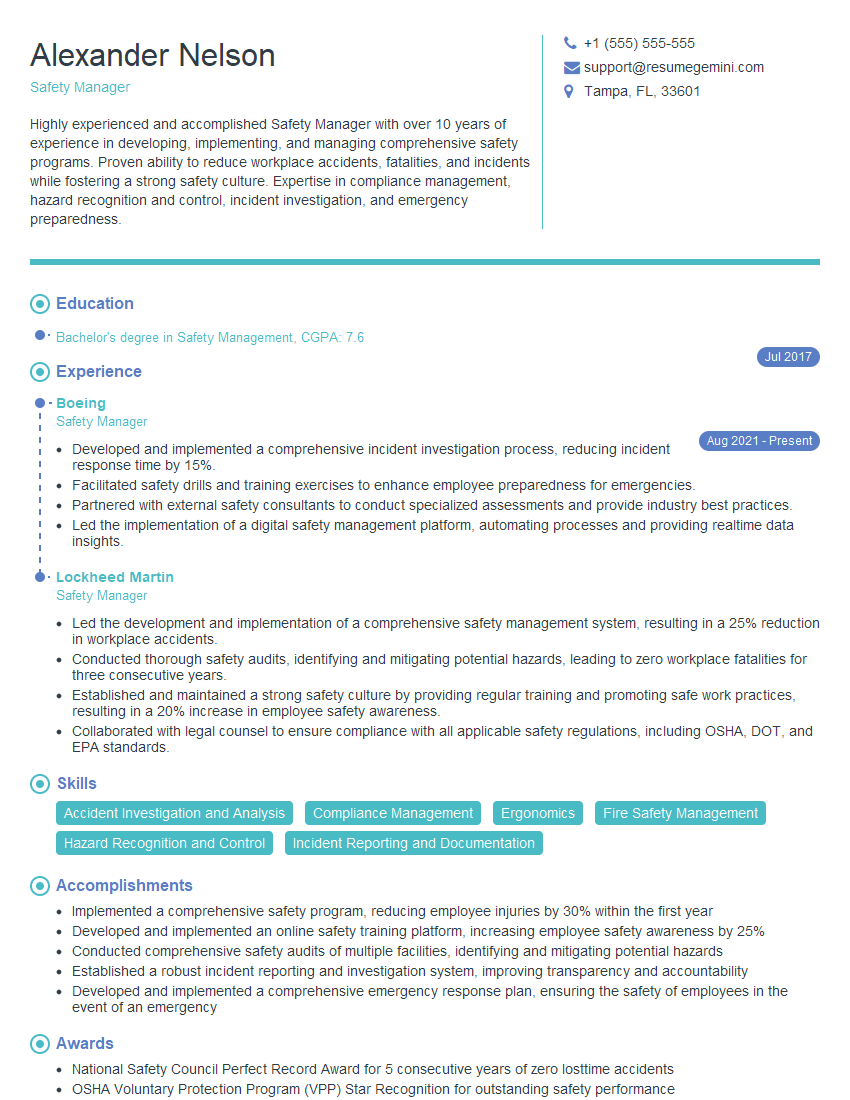
Safety Manager Resume Sample
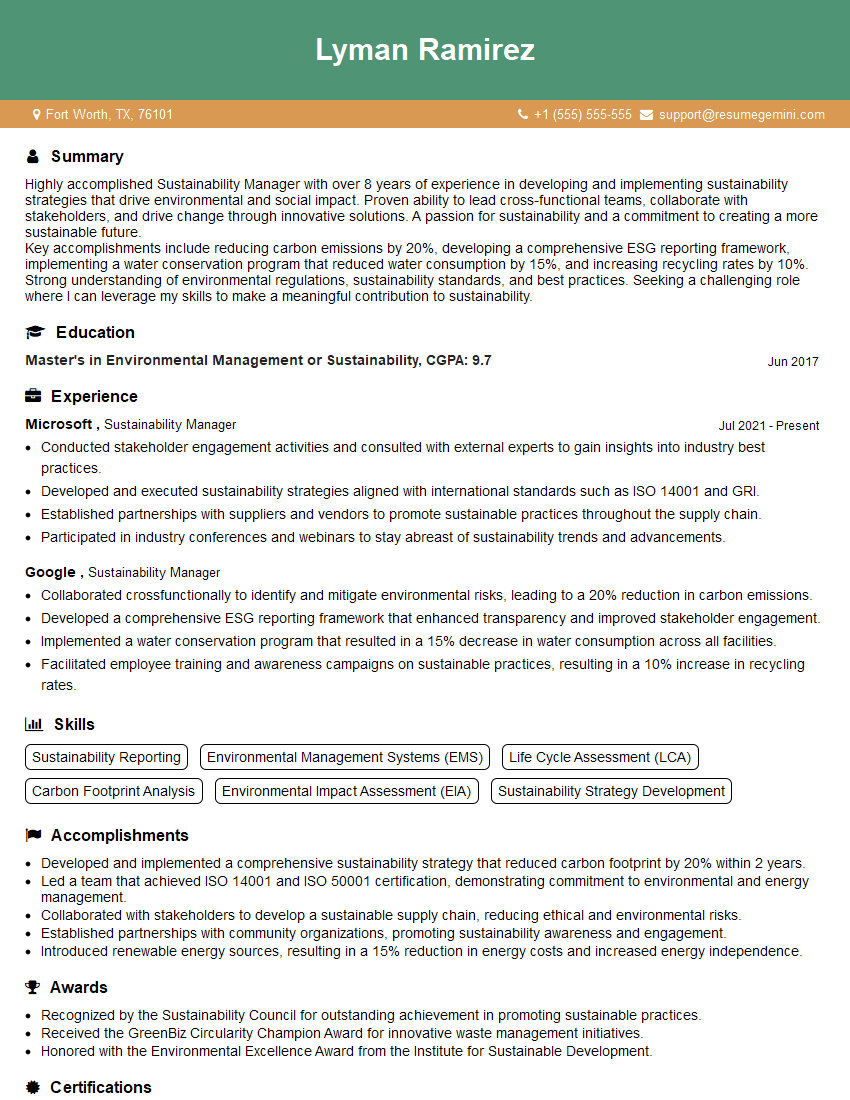
Sustainability Manager Resume Sample
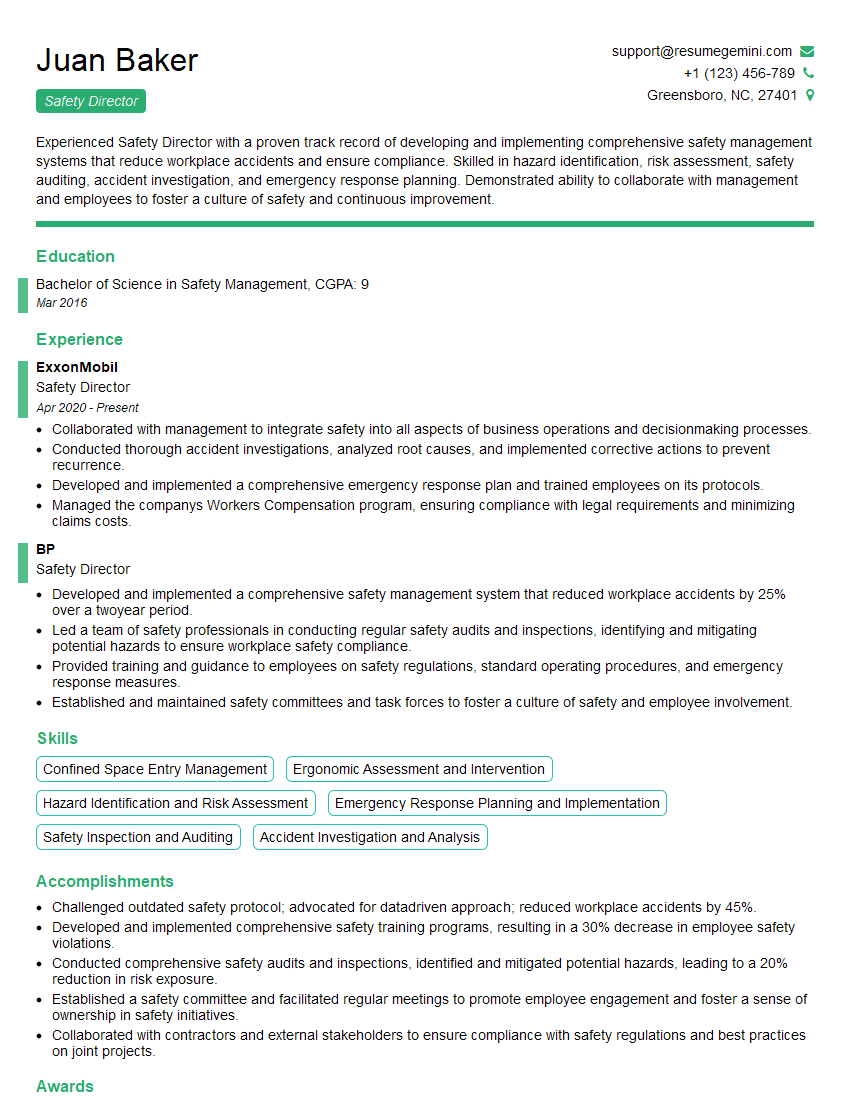
Safety Director Resume Sample
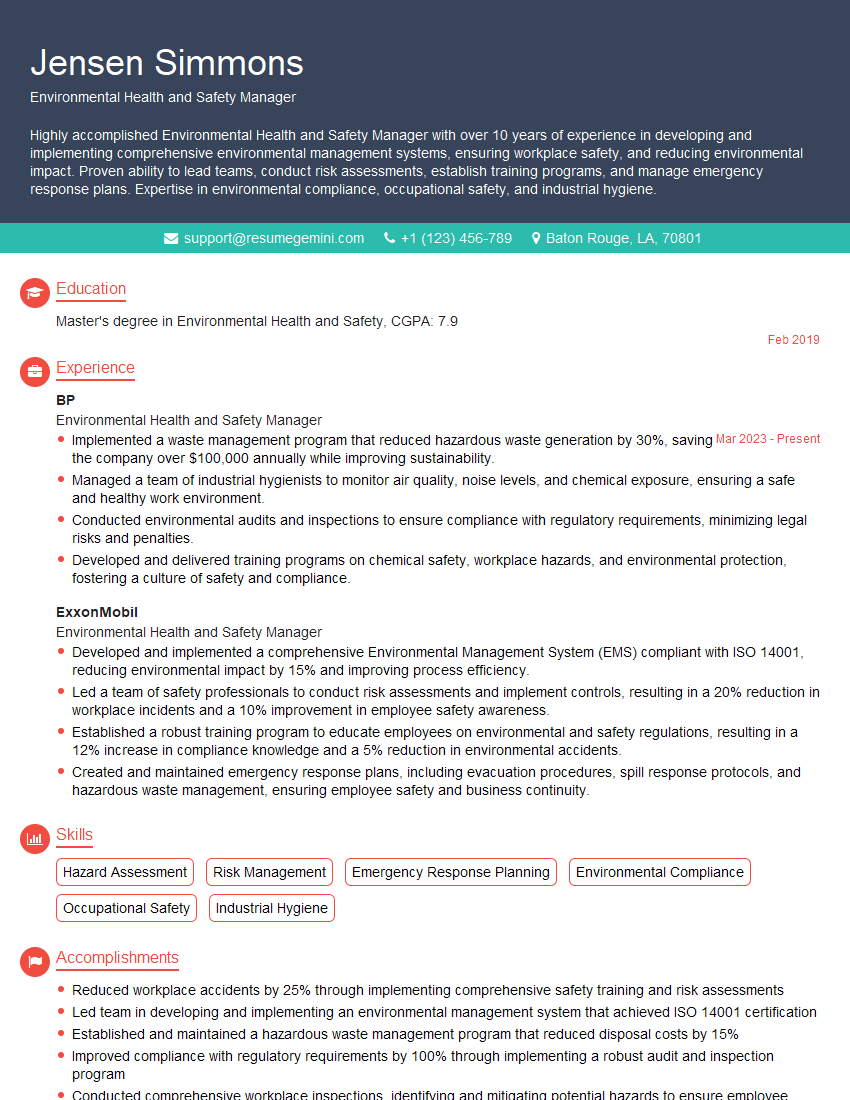
Environmental Health and Safety Manager Resume Sample
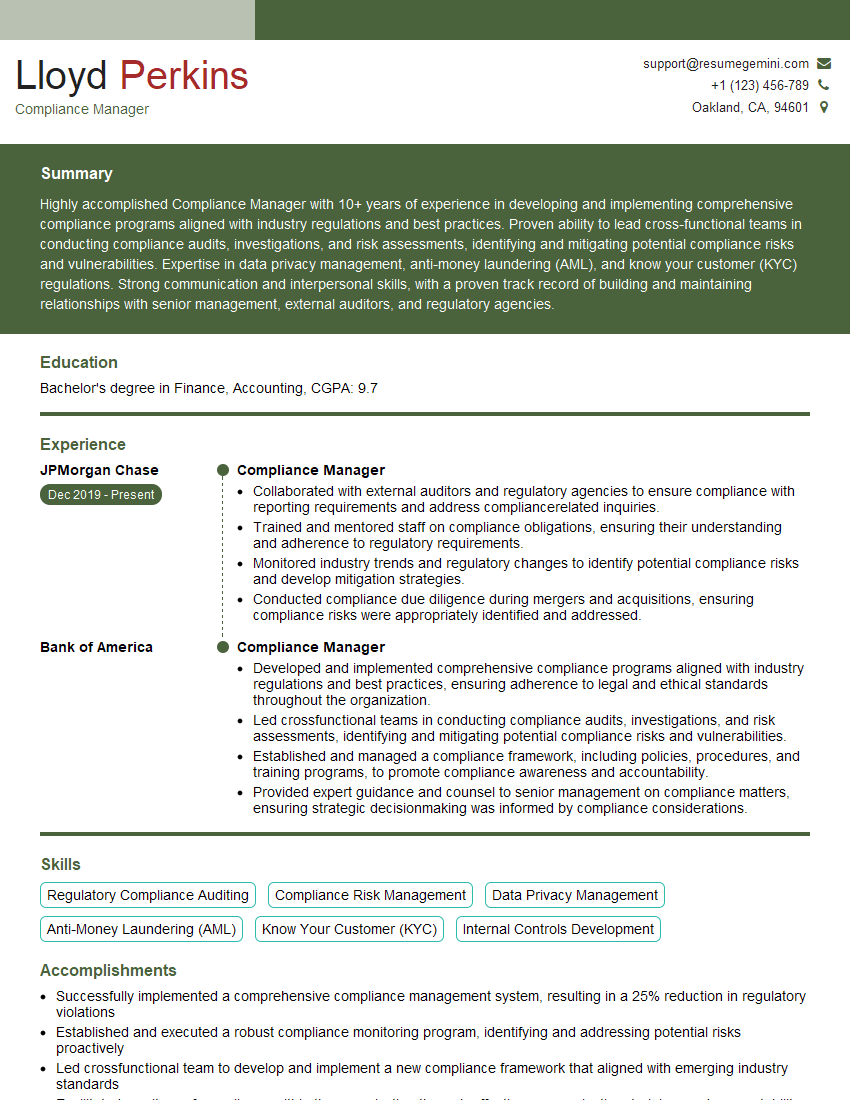
Compliance Manager Resume Sample
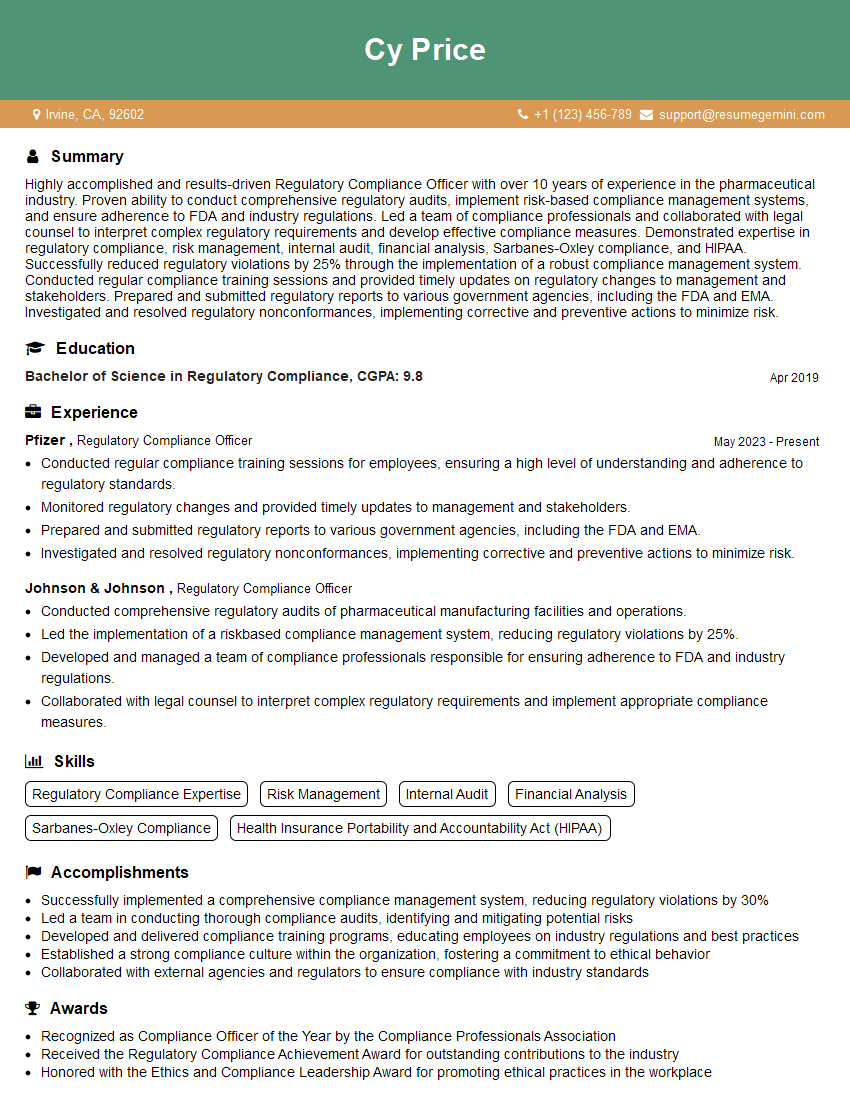
Regulatory Compliance Officer Resume Sample
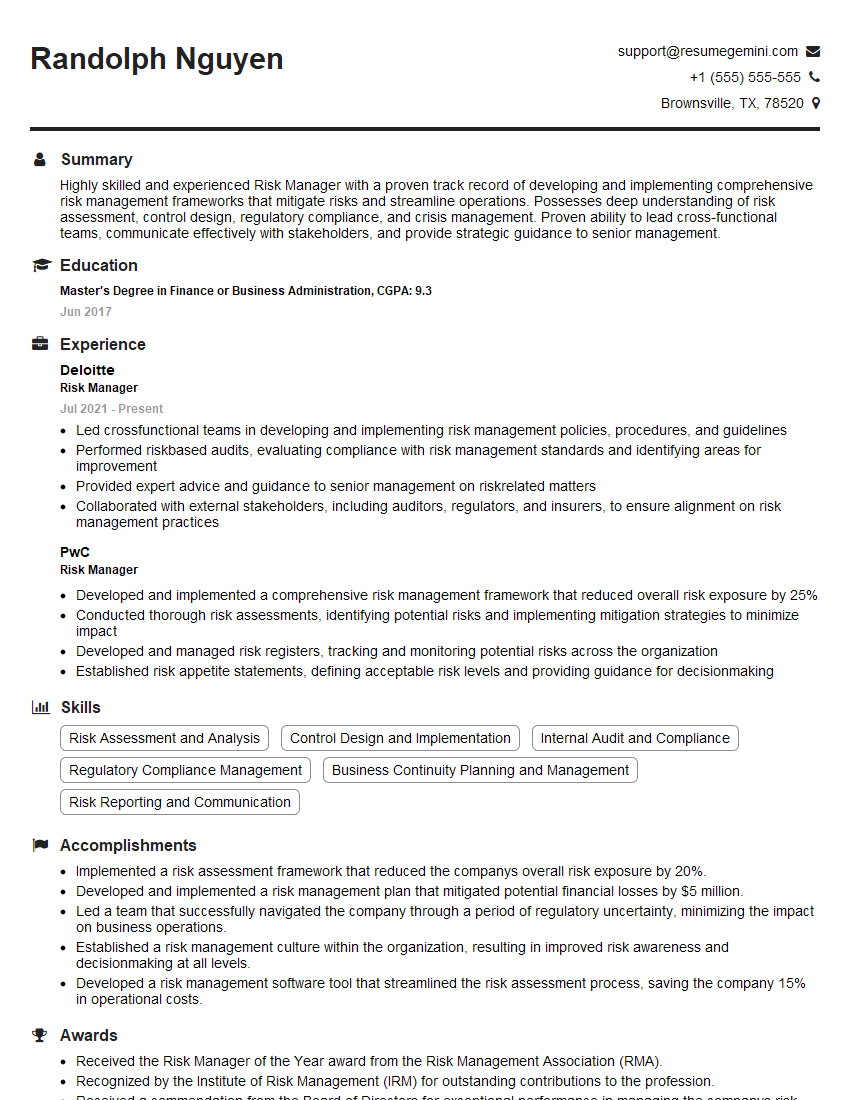
Risk Manager Resume Sample
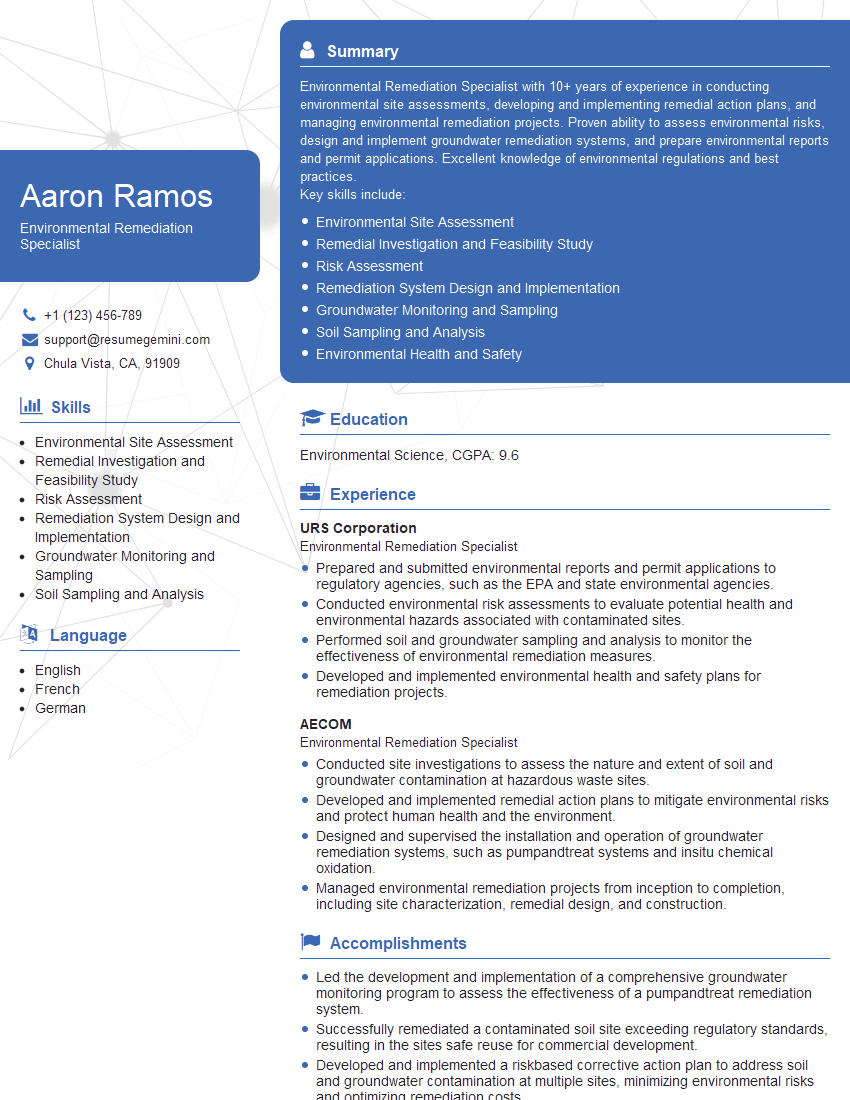
Environmental Remediation Specialist Resume Sample
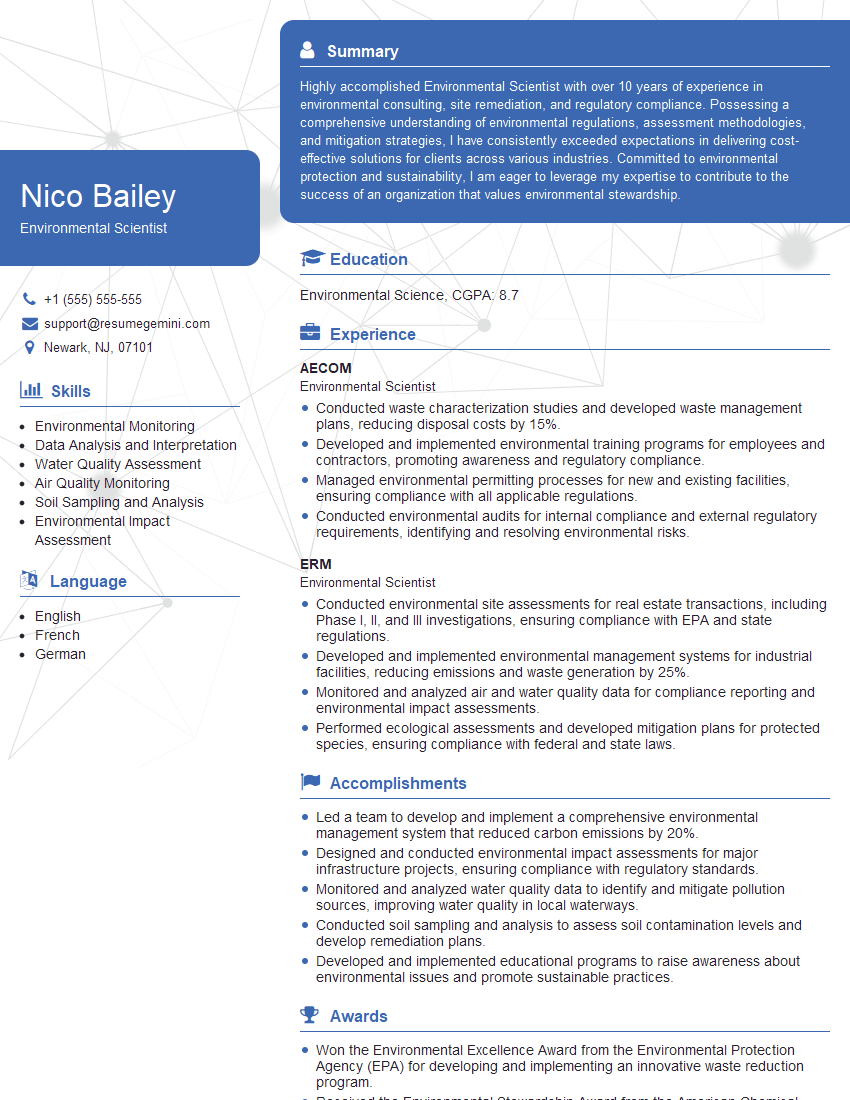
Environmental Scientist Resume Sample
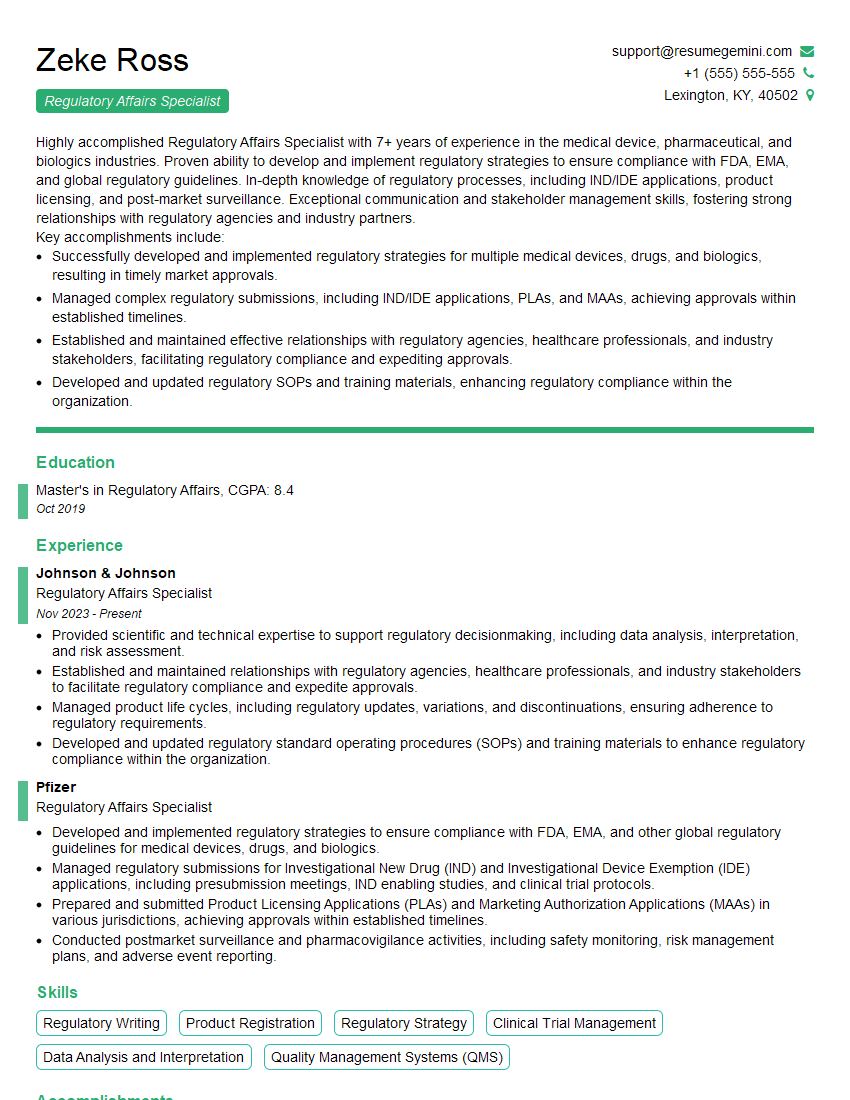
Regulatory Affairs Specialist Resume Sample
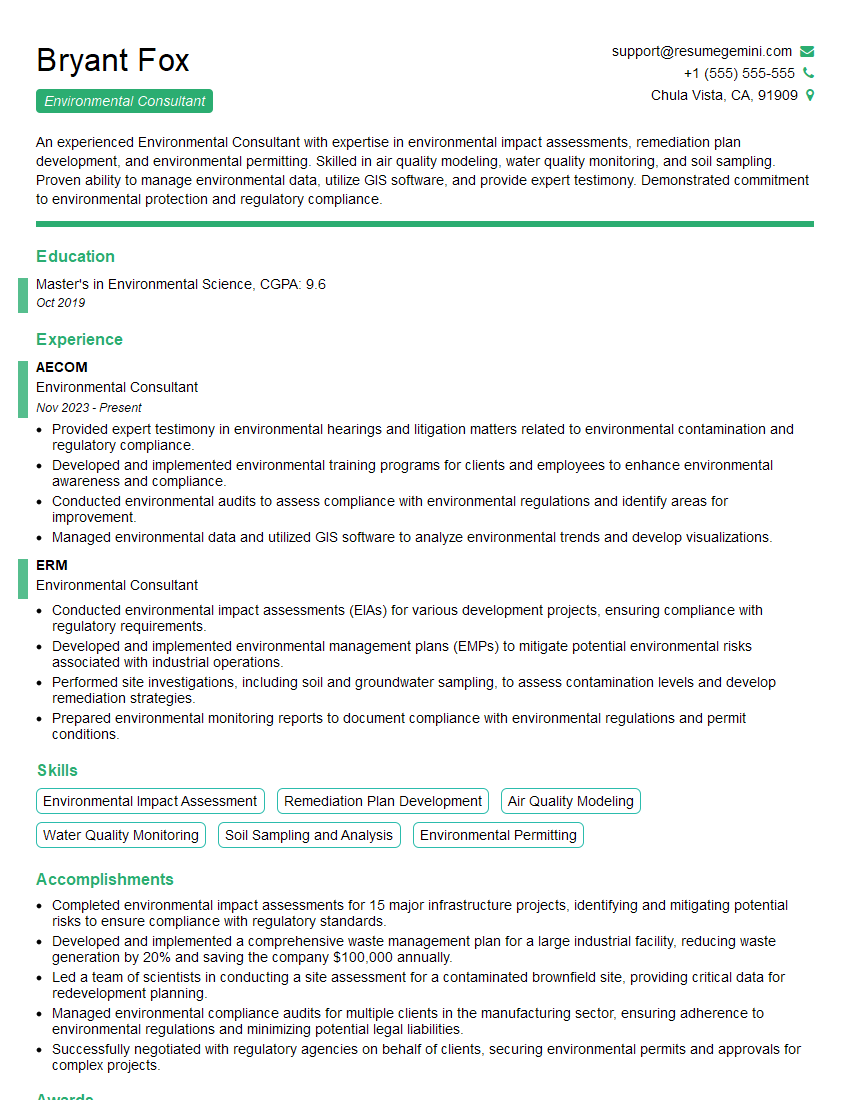
Environmental Consultant Resume Sample
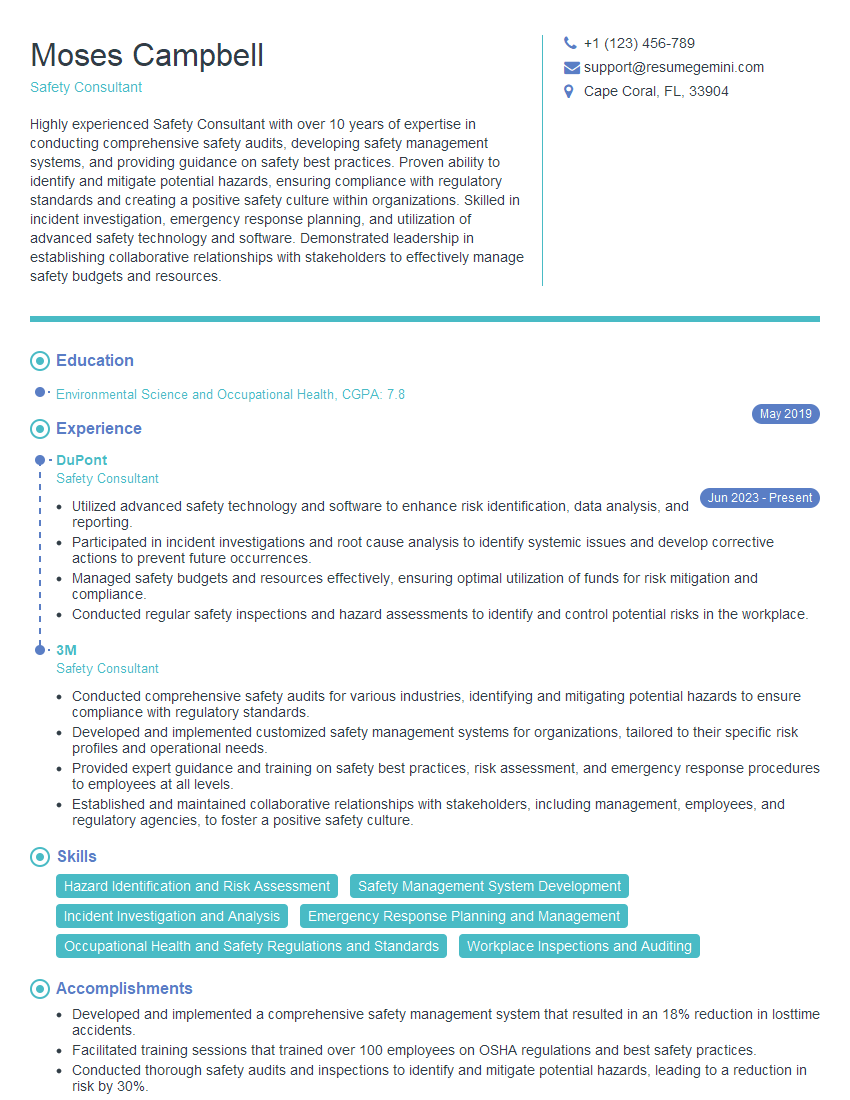
Safety Consultant Resume Sample
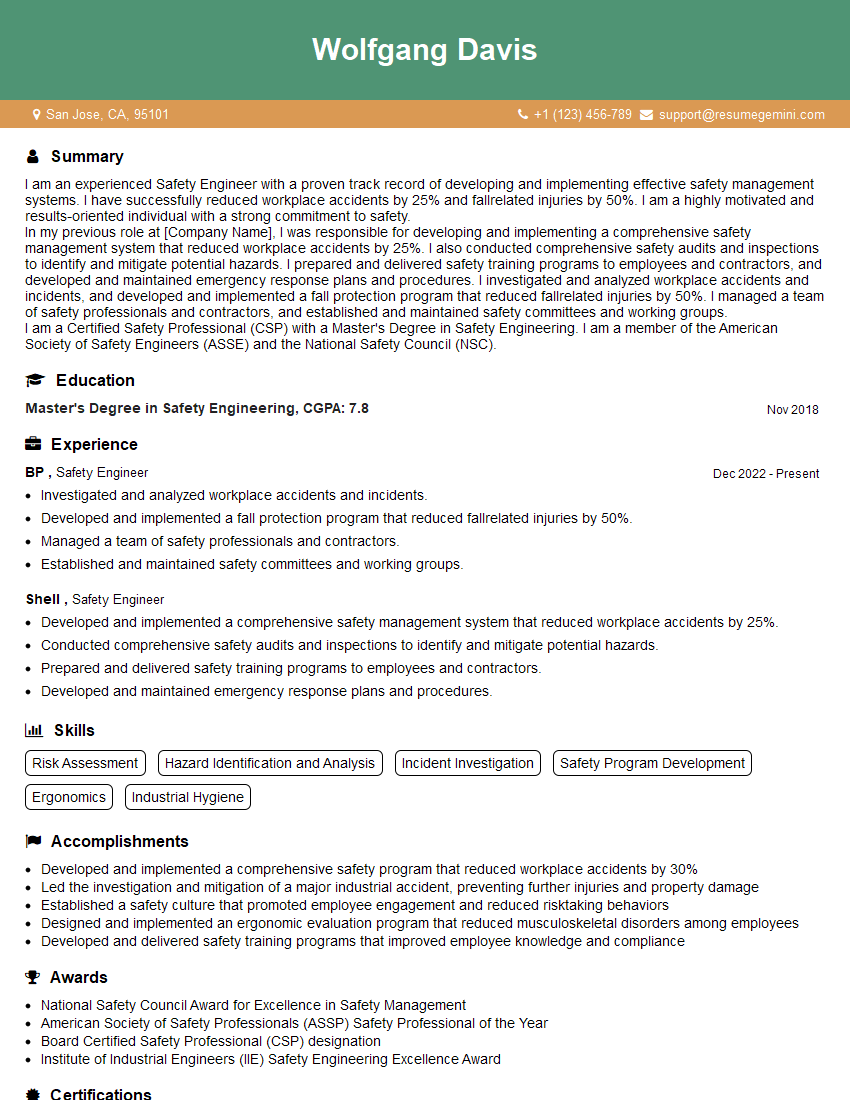
Safety Engineer Resume Sample
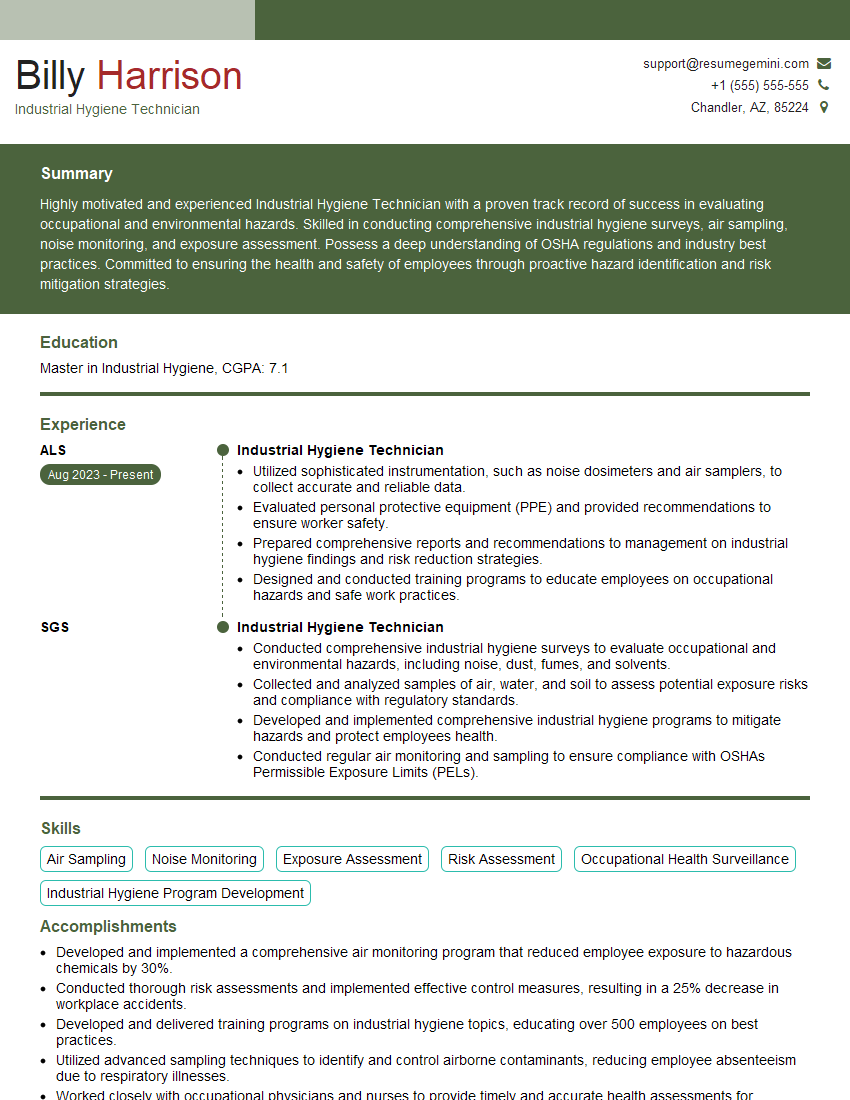
Industrial Hygiene Technician Resume Sample
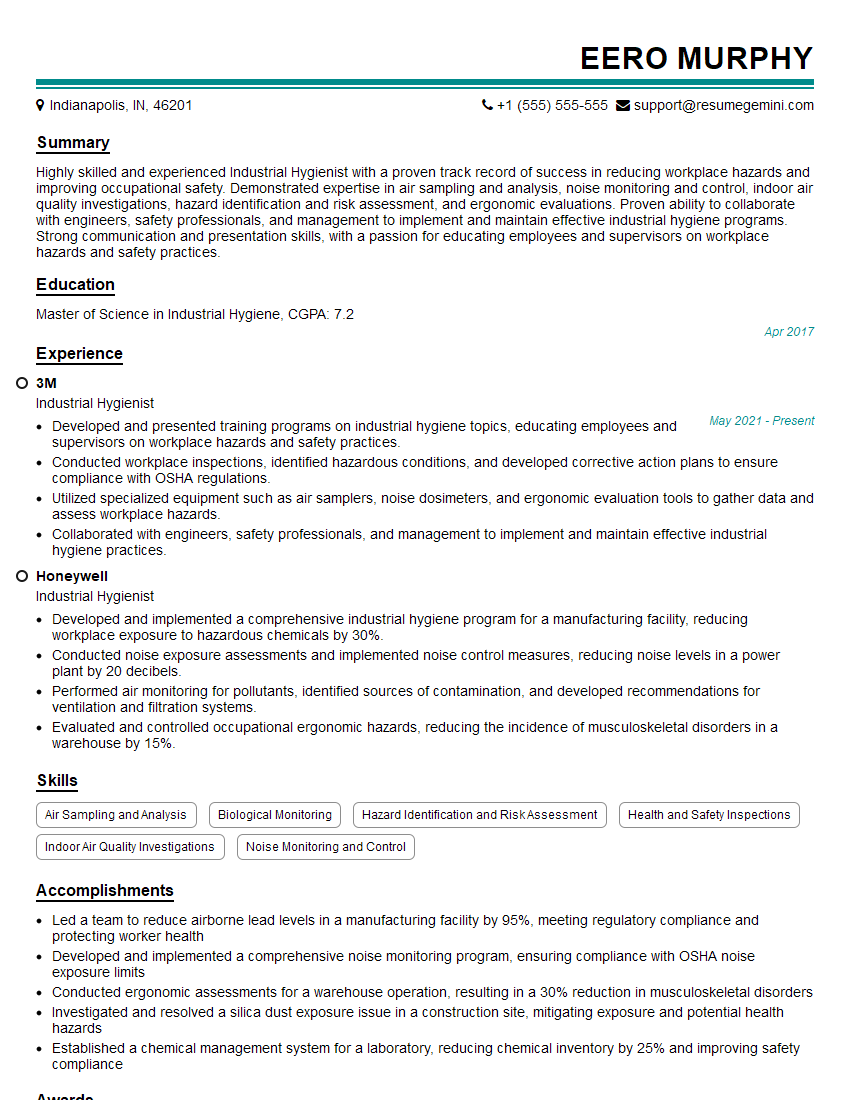
Industrial Hygienist Resume Sample
- Safety Manager
- Sustainability Manager
- Safety Director
- Environmental Health and Safety Manager
- Compliance Manager
- Regulatory Compliance Officer
- Risk Manager
- Environmental Remediation Specialist
- Environmental Scientist
- Regulatory Affairs Specialist
- Environmental Consultant
- Safety Consultant
- Safety Engineer
- Industrial Hygiene Technician
- Industrial Hygienist
Explore more articles
Users Rating of Our Blogs
Share Your Experience
We value your feedback! Please rate our content and share your thoughts (optional).
What Readers Say About Our Blog
Very informative content, great job.
good