Every successful interview starts with knowing what to expect. In this blog, we’ll take you through the top Oyster Filtration System Maintenance interview questions, breaking them down with expert tips to help you deliver impactful answers. Step into your next interview fully prepared and ready to succeed.
Questions Asked in Oyster Filtration System Maintenance Interview
Q 1. Describe the different types of filtration systems used in oyster farming.
Oyster farming filtration systems vary depending on scale and specific needs, but generally fall into a few categories. Sand filtration is a common, cost-effective method using layers of sand to physically remove suspended solids. Think of it like a giant, natural water purifier. Biofiltration systems, which I’ll explain in more detail in the next answer, utilize beneficial bacteria to break down waste products. This is a more sophisticated, environmentally friendly approach. Mechanical filtration uses screens or other physical barriers to remove larger debris. This is often a pre-treatment step to protect more delicate systems. Finally, some farms incorporate UV sterilization to kill harmful bacteria and viruses, ensuring a higher level of water quality. The choice of system depends on factors such as budget, water quality, and the desired level of biosecurity.
Q 2. Explain the principles of biofiltration in oyster aquaculture.
Biofiltration in oyster aquaculture is crucial for maintaining water quality. It relies on naturally occurring bacteria within a filter bed (often composed of gravel, shells, or specialized media) to convert harmful ammonia (a byproduct of oyster waste and uneaten food) into less toxic nitrites, and then into nitrates. Imagine these bacteria as tiny cleanup crews, working tirelessly to keep the water healthy. This process is called nitrification and is essential for preventing the buildup of harmful compounds that could stress or kill the oysters. Effective biofiltration requires careful control of factors like oxygen levels, flow rate, and the appropriate type and density of filter media. A properly functioning biofilter will maintain a healthy balance of beneficial bacteria and will reduce the need for chemical treatments.
Q 3. What are the common causes of filter failure in oyster filtration systems?
Filter failure in oyster filtration systems can stem from several issues. Clogging is a major problem, often caused by an excessive amount of suspended solids in the incoming water or the accumulation of organic matter within the filter media. Think of it like a clogged drain – the water can’t flow properly. Pump malfunctions can also lead to filter failure. A faulty pump will reduce flow rate and allow the filter to become clogged. Biological imbalances, such as a die-off of beneficial bacteria in a biofilter, can impair its function, leading to an increase in ammonia and other harmful compounds. Finally, poor design or inadequate maintenance can contribute to premature failure. This is where careful planning and regular inspections become essential.
Q 4. How do you troubleshoot a malfunctioning oyster filtration system?
Troubleshooting a malfunctioning system starts with observation. Check the pump – is it running? Is there sufficient flow? Then, inspect the filter media for clogging. If it’s clogged, backwashing (reversing the flow of water to flush out debris) might solve the problem. If the issue persists, check water quality parameters like dissolved oxygen, ammonia, and nitrite levels. High ammonia or nitrite could indicate a problem with the biofilter. A sudden drop in dissolved oxygen might point to a problem with aeration or pump function. It’s often helpful to systematically check each component and record the data. Documentation allows for identifying patterns and effectively preventing future occurrences. Remember to always follow safety precautions when working with water pumps and electrical equipment.
Q 5. Describe your experience with maintaining various types of pumps used in aquaculture filtration.
My experience encompasses a wide range of aquaculture pumps, including centrifugal pumps (for high-volume, low-pressure applications), submersible pumps (for direct placement in tanks or sumps), and peristaltic pumps (for precise flow control of chemicals). I’m proficient in their maintenance, which involves regular inspection of seals, bearings, and impellers for wear and tear. I also know how to troubleshoot common issues like leaks, cavitation (formation of vapor bubbles), and motor failures. For instance, during my work at a large-scale oyster farm, we were experiencing issues with a centrifugal pump consistently losing prime. Through systematic checks, we discovered a leak in the suction line, resulting in insufficient water intake. The timely identification of this small leak prevented significant damage and costly downtime.
Q 6. What are the key parameters you monitor to ensure optimal water quality for oyster growth?
Optimal water quality for oyster growth hinges on several key parameters. Temperature plays a significant role, as oysters are sensitive to temperature fluctuations. Salinity is critical, needing to be carefully controlled depending on the species of oyster. Dissolved oxygen (DO) levels must be sufficient to support aerobic respiration; low DO can lead to stress and mortality. Ammonia and nitrite concentrations must be closely monitored, as these are toxic byproducts of oyster waste and uneaten food. pH should be within an appropriate range for the oysters to thrive. Regular monitoring using appropriate tools and equipment is vital, allowing for timely intervention to prevent any adverse effects on oyster health and growth. In my experience, automated monitoring systems are becoming increasingly important in larger farms, as they provide real-time data and alerts.
Q 7. How do you perform regular maintenance on an oyster filtration system?
Regular maintenance is key to preventing filter failures. This includes daily visual inspections to check for leaks, unusual noises, and signs of clogging. Weekly maintenance might involve cleaning filter screens or pre-filters to remove accumulated debris. Monthly maintenance could include backwashing filters and checking pump performance. Depending on the type of filter, more extensive maintenance, such as replacing filter media, may be necessary every few months or annually. Keeping detailed records of maintenance activities is essential for tracking performance and identifying potential problems before they escalate. Following a strict and well documented schedule improves efficiency and maintains the overall health of the oysters.
Q 8. Explain the importance of backwashing in oyster filtration systems.
Backwashing is crucial for maintaining the efficiency of oyster filtration systems. Think of it like rinsing a coffee filter – you need to remove the accumulated solids to keep the water flowing cleanly. In oyster filtration, backwashing reverses the flow of water through the filter media, dislodging accumulated particulate matter, algae, and other debris that would otherwise clog the system and reduce filtration efficiency. This ensures the continued removal of harmful contaminants from the water, promoting healthy oyster growth and preventing disease outbreaks.
The process typically involves temporarily reversing the flow direction of the water, using high-pressure water to flush out the accumulated material. The frequency of backwashing depends on several factors including water quality, the type of filter media used, and the flow rate. Regular backwashing prevents premature filter replacement, minimizes pressure drops across the filter, and extends the operational life of the entire system. Ignoring this step leads to decreased filtration performance, increased energy consumption, and ultimately, compromised oyster health.
Q 9. What are the safety precautions you follow when working with oyster filtration systems?
Safety is paramount when working with oyster filtration systems. We always begin with a thorough risk assessment, identifying potential hazards such as high-pressure water lines, electrical components, and moving parts. Personal protective equipment (PPE) is mandatory, including safety glasses, gloves, and sturdy closed-toe shoes. We also follow lockout/tagout procedures when performing maintenance or repairs on electrical or mechanical components to prevent accidental energization or startup. In addition to standard safety measures, we’re aware of the potential for exposure to pathogens in the water, and thus ensure proper hygiene and handwashing protocols are strictly followed. We regularly inspect the system for leaks, corrosion, or other signs of damage before initiating any work.
Furthermore, we receive regular safety training, familiarizing ourselves with emergency response procedures and the location of safety equipment. The health and safety of the team and the environment are our top priorities, making adherence to safety protocols non-negotiable.
Q 10. How do you identify and address biofouling in oyster filtration systems?
Biofouling, the accumulation of unwanted organisms on filter surfaces, is a significant challenge in oyster filtration systems. It reduces filtration efficiency and can harbor harmful pathogens. We identify biofouling through regular visual inspections, checking for slime layers, algae growth, or the presence of other organisms on the filter media. We also monitor pressure drop across the filter; a significant increase often indicates biofouling. Regular water quality analysis can reveal the presence of indicator organisms that suggest biofouling.
Addressing biofouling involves a multi-pronged approach. Regular backwashing helps remove loose material. For stubborn biofilms, chemical cleaning using approved algaecides or disinfectants may be necessary. It’s crucial to follow the manufacturer’s instructions precisely and to select appropriate chemicals to avoid harming the filter media or introducing harmful substances to the oyster environment. In extreme cases, filter media replacement might be needed. Preventive measures include optimizing water quality parameters like dissolved oxygen and nutrient levels to minimize biofouling development.
Q 11. Describe your experience with different types of filter media.
My experience encompasses several filter media types, each with its own advantages and disadvantages. Sand filters are cost-effective and widely used, but they require regular backwashing and have a limited lifespan. Anthracite filters offer better filtration performance than sand and are resistant to clogging. However, they are more expensive. Other options include granular activated carbon (GAC) filters, which excel at removing organic compounds and improve water clarity, and membrane filters (like microfiltration or ultrafiltration) which provide superior filtration precision but can be more complex and expensive to maintain. The choice of filter media depends on various factors, including budget, desired water quality, and the specific contaminants to be removed. For instance, in situations where high levels of organic matter are present, GAC would be preferable. When dealing with pathogens, membrane filtration might be essential.
Q 12. How do you calculate the flow rate in an oyster filtration system?
Calculating the flow rate in an oyster filtration system is essential for optimizing performance and ensuring proper filtration. We typically use flow meters installed in the system’s pipelines to directly measure the flow rate. These meters provide real-time data on water volume passing through the system per unit of time, usually expressed in gallons per minute (GPM) or liters per minute (LPM). For example, a flow meter may show 100 GPM, indicating that 100 gallons of water are processed each minute. Alternatively, if no flow meter is present, we can use indirect methods. This can involve measuring the time it takes to fill a container of known volume, allowing us to calculate the flow rate. Accurate flow rate determination allows for efficient backwashing, ensures adequate water turnover for the oyster population and prevents overloading the system which could cause decreased filtration quality.
Q 13. What are the common water quality issues encountered in oyster farming, and how do you address them?
Oyster farming faces various water quality challenges. Low dissolved oxygen (DO) levels can lead to oyster mortality. We address this by improving aeration in the system, potentially using oxygen injection or efficient water circulation. High nutrient loads (nitrates and phosphates) can cause harmful algal blooms, leading to poor water quality and oxygen depletion. We mitigate this by implementing water quality monitoring, possibly using biofilters or implementing strategies to reduce nutrient inputs. High turbidity (cloudiness) reduces light penetration and affects phytoplankton growth, crucial for oyster food. We tackle this by using appropriate filtration methods, optimizing backwashing, and potentially considering pre-filtration options. Pathogens are a major threat; effective filtration systems and appropriate disinfection techniques play a vital role in their control. Maintaining optimal water quality is critical for preventing disease and ensuring healthy oyster growth. We conduct regular water quality testing and adjust system operations accordingly.
Q 14. How do you interpret water quality data to make decisions about filtration system maintenance?
Water quality data is the cornerstone of informed decision-making in oyster filtration system maintenance. Regular monitoring of parameters like DO, pH, turbidity, nutrient levels, and the presence of pathogens helps us understand the system’s performance and identify potential issues. For example, a consistent drop in DO levels could signal the need for more frequent backwashing or improved aeration. High turbidity might indicate a need for adjustments to the pre-filtration stage or a more rigorous filter cleaning schedule. Detecting elevated levels of harmful pathogens would trigger immediate actions, such as increased disinfection or even a system shutdown for thorough cleaning. We analyze the trends in water quality data, correlate this with system performance metrics (e.g., pressure drop, flow rate), and make informed adjustments to backwashing frequency, chemical treatments, or system upgrades, prioritizing the optimal health of the oysters.
Q 15. Explain your understanding of dissolved oxygen levels and their impact on oysters.
Dissolved oxygen (DO) is crucial for oyster health and survival. Oysters, like all aquatic animals, require oxygen to respire – the process of converting food into energy. Insufficient DO levels lead to stress, reduced growth, and ultimately, mortality. Think of it like us needing air to breathe; oysters need dissolved oxygen in the water.
Optimal DO levels for oysters generally range from 5 to 8 milligrams per liter (mg/L), although some species can tolerate slightly lower levels. Factors affecting DO include water temperature (warmer water holds less DO), salinity, and biological activity (high levels of algae consumption can deplete DO). Monitoring DO is a key aspect of oyster farming, and we often use probes to measure it regularly. If levels drop below the optimal range, we may need to increase water circulation or aeration to improve oxygenation.
For example, during a particularly hot summer, we experienced a sudden drop in DO in one of our tanks. By quickly implementing aeration and increasing water flow, we were able to prevent significant oyster losses. Continuous monitoring and proactive management are essential for maintaining healthy DO levels.
Career Expert Tips:
- Ace those interviews! Prepare effectively by reviewing the Top 50 Most Common Interview Questions on ResumeGemini.
- Navigate your job search with confidence! Explore a wide range of Career Tips on ResumeGemini. Learn about common challenges and recommendations to overcome them.
- Craft the perfect resume! Master the Art of Resume Writing with ResumeGemini’s guide. Showcase your unique qualifications and achievements effectively.
- Don’t miss out on holiday savings! Build your dream resume with ResumeGemini’s ATS optimized templates.
Q 16. Describe your experience with UV sterilization in aquaculture systems.
UV sterilization is a valuable tool in aquaculture for disinfecting water and eliminating harmful pathogens like bacteria and viruses that can affect oyster health. In my experience, we use low-pressure UV systems, where water is passed through a chamber containing UV lamps. The UV radiation disrupts the DNA of microorganisms, rendering them harmless. It’s a non-chemical method, which is beneficial for the environment and the final product.
We strategically place UV sterilizers within the filtration system, typically after mechanical filtration, to ensure that the water already free of large debris receives the most effective UV treatment. The effectiveness of UV sterilization depends on several factors including the UV lamp’s intensity, water flow rate, and water turbidity (cloudiness). Regular monitoring and replacement of UV lamps are crucial for maintaining its efficacy. We keep detailed records on lamp usage and performance to ensure optimal disinfection.
Q 17. How do you manage and dispose of filter waste responsibly?
Responsible waste management is paramount in oyster farming. Filter waste, which primarily consists of organic matter like algae, detritus, and uneaten feed, can contribute to water pollution if not handled properly. Our approach involves a combination of methods.
- Solid-Liquid Separation: We use efficient filtration systems to separate solids from the water. The solids are then collected in designated containers.
- Composting: A significant portion of the filter waste is composted. This reduces waste volume and creates a nutrient-rich material that can be used as soil amendment in a controlled environment, minimizing environmental impact.
- Land Application (with caution): In some instances, after proper testing to ensure absence of pathogens, a small portion of the composted material may be used for land application in accordance with local regulations. This is a very controlled and monitored process.
We meticulously document all waste disposal procedures to ensure compliance with environmental regulations. We regularly audit our processes and explore innovative solutions to minimize waste generation and improve sustainability.
Q 18. Explain your understanding of the different types of pumps and their applications in oyster farming.
Several types of pumps are employed in oyster farming, each suited to specific tasks. The choice depends on factors like flow rate, head pressure (the height the water needs to be pumped), and the type of water being handled.
- Centrifugal Pumps: These are the workhorses of most systems, used for moving large volumes of water at moderate pressures. They are relatively inexpensive and efficient for general circulation and water transfer.
- Diaphragm Pumps: Suitable for handling thicker slurries or water containing larger solids, these pumps are more robust and can handle higher pressures, useful for sludge removal.
- Submersible Pumps: These are ideal for pumping water directly from a reservoir or tank. They are convenient and require less space.
For example, we use centrifugal pumps for general water circulation within our tanks, while diaphragm pumps are employed for cleaning and removing accumulated sludge from the bottom of the tanks. Understanding the strengths and limitations of each pump type is crucial for efficient system design and operation.
Q 19. What are the signs of a failing pump and how would you diagnose the problem?
Identifying a failing pump early can prevent costly damage and production losses. Several warning signs indicate potential problems:
- Reduced Flow Rate: If the water flow is noticeably lower than usual, it could indicate a pump problem, blockage, or impeller wear.
- Unusual Noises: Grinding, humming, or high-pitched squealing noises indicate possible mechanical issues within the pump.
- Vibrations: Excessive vibration suggests misalignment or bearing problems within the pump.
- Leaks: Any visible leaks around the pump seals or connections require immediate attention.
- Overheating: A pump running hotter than usual points towards problems like restricted flow or bearing failure.
Diagnosis usually begins with a visual inspection, checking for obvious leaks or damage. We then measure the flow rate and pressure using appropriate gauges. If problems are identified, we’ll need to assess if a simple repair (e.g., replacing a seal) or a full pump replacement is necessary.
Q 20. Describe your experience with automated control systems in aquaculture filtration.
Automated control systems are increasingly important in modern oyster farming, allowing for precise and efficient management of filtration processes. My experience includes working with systems that monitor and control key parameters like water flow, DO levels, temperature, and UV intensity.
These systems use sensors to collect data, which is then processed by a programmable logic controller (PLC) or a similar system. The PLC makes adjustments based on pre-programmed setpoints. For instance, if the DO level falls below a threshold, the system automatically increases aeration or water circulation. This automation optimizes the filtration process, reduces manual labor, and ensures consistent water quality for optimal oyster growth. We use data logging software to track system performance and to help anticipate and prevent issues.
The transition to automated systems was initially a learning curve, but the increased efficiency and reduced human error have significantly improved the health and productivity of our oyster operations. The data collected provides valuable insights, helping us refine our processes and optimize our systems over time.
Q 21. What are the key performance indicators (KPIs) you monitor to measure the effectiveness of the filtration system?
Several key performance indicators (KPIs) are monitored to assess the effectiveness of the filtration system. These include:
- Dissolved Oxygen (DO) levels: Maintaining optimal DO is critical for oyster health. We track DO levels continuously to ensure they remain within the acceptable range.
- Water Clarity/Turbidity: Clear water indicates effective removal of suspended solids. High turbidity suggests the filters require cleaning or replacement.
- Filter Backwash Frequency: Frequent backwashing indicates potential filter clogging and may require adjustments to the system or preventative maintenance.
- Pump Efficiency: Monitoring energy consumption and flow rate helps identify pump inefficiencies and potential problems.
- Pathogen Levels (if testing is done): Regular testing for harmful bacteria and viruses helps assess the effectiveness of the disinfection system (e.g., UV sterilization).
- Oyster Growth Rates: Ultimately, the success of the filtration system is reflected in healthy oyster growth rates. Regular monitoring of oyster size and condition provides a valuable measure of overall system effectiveness.
Regularly reviewing these KPIs allows us to make data-driven decisions to optimize the filtration system and ensure the health and productivity of our oyster operation. We use spreadsheets and specialized aquaculture management software to track and analyze this data effectively.
Q 22. How do you ensure compliance with environmental regulations in your work?
Ensuring compliance with environmental regulations is paramount in oyster farming. We meticulously follow all local, state, and federal guidelines concerning water quality, waste disposal, and the overall impact of our operations on the surrounding ecosystem. This involves regularly monitoring water parameters like pH, dissolved oxygen, ammonia, and nitrite levels, ensuring they stay within acceptable limits. We maintain detailed records of all these measurements, along with any maintenance performed on the filtration systems. These records are essential for audits and demonstrate our commitment to responsible aquaculture. For example, we’re currently certified under the [Insert relevant certification e.g., Sustainable Seafood Initiative] which demands rigorous adherence to stringent environmental standards.
Furthermore, we employ best practices to minimize our environmental footprint. This includes responsible use of chemicals and proper disposal of waste materials, always ensuring safe and environmentally sound procedures. We also actively participate in local environmental initiatives and collaborate with regulatory agencies to stay abreast of any changes or updates in environmental regulations.
Q 23. Explain your experience with preventative maintenance programs for filtration systems.
Preventative maintenance is the cornerstone of efficient and reliable oyster filtration systems. Our program is built around a meticulous schedule of regular inspections and cleaning. This includes daily checks of flow rates, pressure gauges, and visual inspections for leaks or blockages. We also conduct more thorough monthly maintenance, which involves disassembling and cleaning crucial components like filter media, pumps, and UV sterilizers. This prevents biofouling – the buildup of organisms on the filter surfaces – which significantly reduces filtration efficiency and increases the risk of system failure. Think of it like regular servicing your car; it prevents major problems down the line.
We utilize a computerized maintenance management system (CMMS) to track all maintenance activities, including scheduled tasks, completed work orders, and spare parts inventory. This allows us to proactively identify potential issues before they escalate into major problems, reducing downtime and optimizing the overall performance of our filtration systems. For example, our CMMS alerts us when a filter needs replacing based on its operational hours and historical data, ensuring timely replacements and preventing unexpected system failures.
Q 24. Describe a situation where you had to troubleshoot a complex filtration system problem.
In one instance, we experienced a significant drop in dissolved oxygen levels in our oyster tanks. Initial troubleshooting pointed to a malfunction in the aeration system, but further investigation revealed the problem was deeper. The primary biological filter, which relied on a specific type of beneficial bacteria for ammonia removal, had experienced a sudden die-off. This was likely due to a sudden spike in salinity caused by a prolonged period of dry weather and reduced freshwater inflow.
Our team systematically worked through the problem: We first confirmed the salinity issue through testing. Then, we immediately began a process of restoring the beneficial bacterial population by introducing fresh cultures and adjusting the salinity levels gradually. We also thoroughly cleaned and disinfected the filter media to remove any residual contaminants and encourage the growth of the new bacteria. Parallel to this, we augmented aeration to compensate for the lower dissolved oxygen. It took approximately a week to fully restore the filter’s functionality and stabilize the oxygen levels in the tanks, and careful monitoring was crucial to the success of this intervention. This situation highlighted the interconnectedness of various components in the system and the importance of swift, systematic troubleshooting.
Q 25. How do you stay up-to-date with the latest advancements in oyster filtration technology?
Staying current in the dynamic field of oyster filtration requires continuous learning. I regularly attend industry conferences and workshops, where I network with other professionals and learn about the latest advancements. I also subscribe to relevant scientific journals and online publications, which keep me informed about breakthroughs in filtration technology. I also actively participate in online forums and discussion groups centered around aquaculture and water filtration. This allows me to engage directly with experts in the field and benefit from their collective knowledge and experiences.
Furthermore, I maintain close relationships with equipment suppliers, attending product demonstrations and training sessions to stay informed about new products and improved system designs. This ensures I’m always aware of efficient and sustainable filtration techniques and incorporate them into our practices, improving the overall performance and longevity of our oyster filtration systems.
Q 26. Describe your experience with different types of biological filters used in aquaculture.
My experience encompasses various biological filter types commonly used in oyster aquaculture. These include:
- Trickling filters: These use a bed of media (like gravel or plastic) over which water trickles, allowing bacteria to colonize the surface and break down waste products. They’re relatively simple but can require large space.
- Fluidized bed filters: These use a bed of media suspended in the water flow, providing greater surface area for bacterial colonization and more efficient waste removal. However, they are more complex to operate and maintain.
- Moving bed bioreactors (MBBR): These use plastic media that moves freely within a tank, enhancing bacterial growth and waste removal. They’re efficient but require careful control of the media movement.
- Rotating biological contactors (RBC): These consist of rotating discs that partially submerge in the water, allowing biofilm growth and effective waste processing. They offer a good balance between efficiency and maintenance needs.
The choice of filter depends on factors such as scale of operation, budget, available space, and the specific water quality challenges. For example, in a large-scale operation, a MBBR might be more efficient due to its higher surface area, while a smaller farm might opt for a trickling filter for its simplicity and lower cost.
Q 27. What are the pros and cons of different filtration system designs?
Different filtration system designs offer various advantages and disadvantages. For instance:
- Gravity-fed systems: These are simple and reliable, but they rely on elevation differences and may not be suitable for all locations.
- Pump-driven systems: These offer greater flexibility in placement but require electricity and regular pump maintenance.
- Single-stage systems: These are cost-effective but may not provide the highest level of water purification.
- Multi-stage systems: These offer better water quality but are more complex and expensive.
The ideal design depends on specific needs. A smaller oyster farm might opt for a simple gravity-fed system with a single-stage filter, while a larger, more intensive operation would likely benefit from a multi-stage system with pump-driven components for higher water quality and flow control. Each decision involves a careful evaluation of cost, effectiveness, and maintenance requirements.
Q 28. How do you balance cost-effectiveness with optimal water quality in oyster farming?
Balancing cost-effectiveness with optimal water quality is crucial for sustainable oyster farming. We achieve this through a combination of strategies:
- Careful selection of equipment: We prioritize energy-efficient pumps and filters with a proven track record of reliability and longevity. This minimizes running costs and reduces the frequency of costly repairs.
- Regular maintenance: As mentioned earlier, our preventative maintenance program significantly reduces the risk of breakdowns and extends the lifespan of our equipment, preventing costly replacements.
- Optimization of filtration processes: We regularly monitor water parameters and adjust filtration processes to ensure optimal efficiency without overspending on energy or consumables. This involves careful monitoring of flow rates, filter media performance, and backwashing cycles.
- Strategic investments: While we prioritize cost-effectiveness, we understand the importance of investing in high-quality equipment when necessary. This ensures long-term operational efficiency and minimizes the risk of failures that could compromise water quality and oyster health.
The goal is to find the sweet spot where we maintain exceptional water quality for healthy oyster growth without incurring excessive costs. It’s a continuous process of monitoring, adjustment, and optimization.
Key Topics to Learn for Oyster Filtration System Maintenance Interview
- Understanding Oyster Biology and Physiology: Knowledge of oyster growth, health indicators, and susceptibility to disease is crucial for effective filtration system management.
- Filtration System Components and Operation: Thorough understanding of pumps, filters (various types), UV sterilization units, and water quality monitoring equipment is essential. This includes knowing their individual functions and how they interact within the system.
- Water Quality Parameters and Monitoring: Mastering the interpretation of key parameters like salinity, temperature, dissolved oxygen, ammonia, and nitrite levels is critical for maintaining optimal oyster health and system efficiency. Knowing how to troubleshoot deviations from ideal ranges is equally important.
- Preventive Maintenance Procedures: Familiarity with scheduled cleaning, filter replacement, pump inspections, and other routine maintenance tasks will demonstrate your practical skills and proactive approach to system upkeep.
- Troubleshooting and Repair: Understanding common system malfunctions, their causes, and effective troubleshooting techniques – including the use of diagnostic tools – is vital. The ability to identify and resolve problems efficiently minimizes downtime and ensures optimal system performance.
- Biofouling Control Strategies: Understanding the causes and consequences of biofouling (the accumulation of unwanted organisms) and implementing effective control measures, such as backwashing and chemical treatments, is crucial for long-term system efficiency and oyster health.
- Safety Procedures and Regulations: Demonstrate awareness of relevant safety protocols, handling of chemicals, and adherence to environmental regulations for responsible and safe system maintenance.
- Data Analysis and Reporting: Ability to collect, analyze, and interpret data from monitoring systems to identify trends, optimize system performance, and generate reports is highly valued.
Next Steps
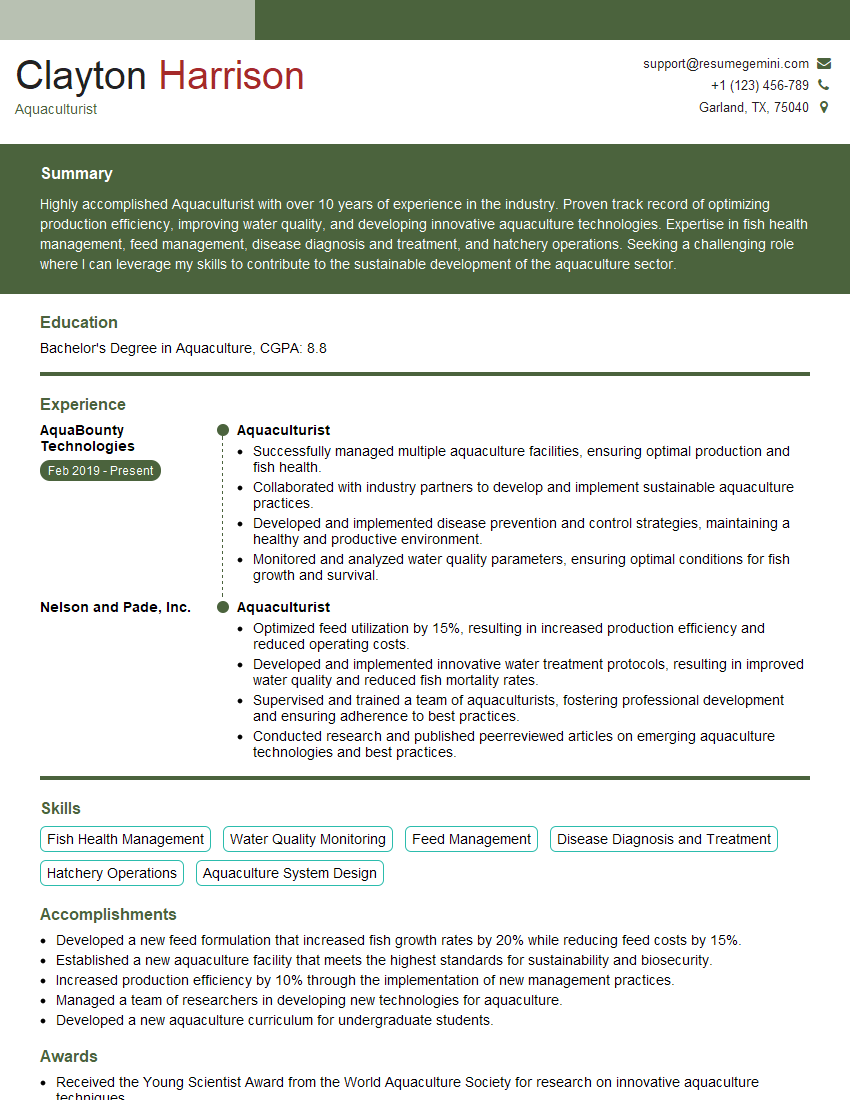
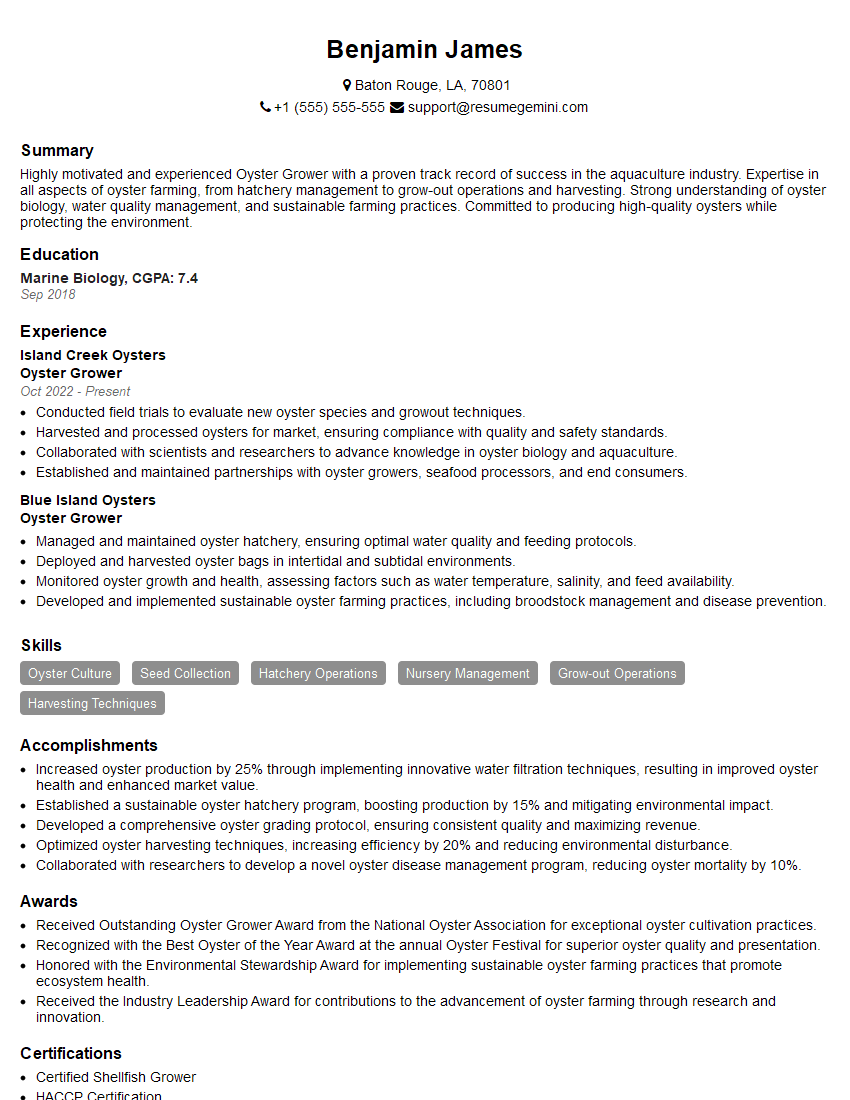
Mastering Oyster Filtration System Maintenance opens doors to exciting career opportunities within aquaculture and environmental management, offering rewarding challenges and excellent growth potential. To maximize your job prospects, crafting a strong, ATS-friendly resume is key. ResumeGemini is a trusted resource to help you build a professional and impactful resume that highlights your skills and experience. Examples of resumes tailored to Oyster Filtration System Maintenance are available to help you get started, ensuring your application stands out from the competition.
Explore more articles
Users Rating of Our Blogs
Share Your Experience
We value your feedback! Please rate our content and share your thoughts (optional).
What Readers Say About Our Blog
Very informative content, great job.
good