Every successful interview starts with knowing what to expect. In this blog, we’ll take you through the top Paper Bundling interview questions, breaking them down with expert tips to help you deliver impactful answers. Step into your next interview fully prepared and ready to succeed.
Questions Asked in Paper Bundling Interview
Q 1. What types of paper bundling equipment are you familiar with?
My experience encompasses a wide range of paper bundling equipment, from simple manual strapping tools to fully automated robotic systems. Let’s break down some key categories:
- Manual Bundlers: These include hand-held strapping tools, twine tying devices, and simple rubber band applicators. They’re cost-effective for smaller operations or infrequent bundling tasks. Think of a small print shop bundling brochures.
- Semi-automatic Bundlers: These machines often require manual feeding of the paper stacks but automate the strapping or banding process. This increases efficiency and consistency compared to manual methods. An example would be a machine that automatically applies bands to pre-stacked reams of paper.
- Fully Automatic Bundlers: These high-speed systems automatically feed, stack, bundle, and often even palletize the finished product. They’re essential for high-volume operations like large printing houses or paper converting facilities. Imagine a system that takes individual sheets from a conveyor belt, forms them into stacks, then applies straps to create bundles and places them onto pallets.
- Specialized Equipment: This could include equipment for specific types of paper or packaging, such as high-speed banding machines for magazines or automated wrapping systems for large rolls of paper.
My expertise covers operation, maintenance, and troubleshooting for each of these types of equipment.
Q 2. Describe your experience with different bundling techniques.
My experience with bundling techniques is extensive and covers a range of methods, each chosen based on the paper type, desired bundle size, and production scale. Here are a few examples:
- Strapping: This involves using plastic or steel straps to secure the bundles. It’s highly effective for heavier or more irregularly shaped bundles and provides excellent strength and security. I’ve extensively used both manual and automated strapping systems.
- Banding: This utilizes paper or plastic bands to hold the bundle together. It’s commonly used for lighter weight bundles and offers a cleaner, less bulky appearance. I’ve worked with various banding materials and automated banding machines designed for high-speed operation.
- Wrapping: This technique wraps the bundle in paper, film, or other materials to protect it from damage and moisture. I have experience with both manual and automated wrapping systems, selecting the appropriate film or paper based on the contents’ sensitivity.
- Tying: While less common in large-scale operations, twine tying is still used for certain applications, particularly when a more rustic or traditional aesthetic is required.
Choosing the right technique often requires considering factors like cost, speed, security, and the final appearance of the bundle.
Q 3. How do you ensure the safety and security of bundled products?
Safety and security are paramount in paper bundling. Several measures ensure this:
- Proper Equipment Maintenance: Regularly scheduled maintenance prevents malfunctions that could cause injuries or damage. This includes checking for worn parts, lubricating moving components, and ensuring safety guards are in place and functioning.
- Safe Operating Procedures: All personnel are trained on safe operating procedures for all equipment, including proper handling techniques to prevent cuts or strains. This training covers everything from machine operation to the safe handling of sharp tools.
- Secure Bundling Techniques: Selecting the appropriate bundling method ensures the integrity of the bundle during transportation and handling. This involves using sufficient strapping or banding to prevent the bundle from coming apart.
- Protective Packaging: In addition to bundling, additional layers of protection like shrink wrap or corrugated cardboard can be added, especially for fragile items or those needing protection from environmental factors.
- Environmental Considerations: Ensuring proper disposal of used banding, strapping, and other packaging materials to minimize environmental impact is also a key aspect of safety and security.
A comprehensive safety program, including regular audits and employee training, is vital.
Q 4. What are the common challenges in paper bundling, and how do you address them?
Common challenges in paper bundling include:
- Jamming: Paper misfeeds or jams can halt production. This is often addressed by ensuring proper paper alignment, using high-quality paper, and regular machine maintenance.
- Bundle Instability: Poorly formed bundles can lead to damage during transit. This is solved by optimizing bundling parameters (e.g., strap tension, banding tightness) and ensuring consistent paper stack height.
- Material Waste: Inefficient use of strapping, banding, or wrapping material increases costs. This can be addressed through proper training, optimization of equipment settings, and the use of recycled materials where possible.
- Equipment Malfunctions: Unexpected breakdowns disrupt production. Regular maintenance, preventative measures, and a quick response to equipment issues can greatly minimize downtime.
- Quality inconsistencies: Variation in bundle size, tightness, and appearance can impact customer satisfaction. Implementing strict quality control measures and regular operator training helps maintain consistency.
Addressing these challenges requires a proactive approach, focusing on preventative maintenance, training, and process optimization.
Q 5. How do you maintain the efficiency and productivity of the bundling process?
Maintaining efficiency and productivity requires a multi-faceted approach:
- Optimized Equipment Settings: Properly configuring bundling machines to match the specific paper type and bundle size is crucial. This often involves fine-tuning settings for speed, tension, and other parameters.
- Preventative Maintenance: Regular maintenance minimizes downtime and ensures consistent performance. A scheduled maintenance plan is key.
- Efficient Workflow: Optimizing the flow of materials and minimizing bottlenecks through efficient layout and operator training is critical.
- Employee Training: Well-trained operators are essential for efficient and safe operation of the equipment. Regular training updates on safe practices and equipment operations is necessary.
- Data-driven Improvement: Tracking key performance indicators (KPIs) enables identification of areas for improvement. Continuous monitoring and analysis of production data are essential for ongoing optimization.
A focus on continuous improvement is vital for maximizing efficiency.
Q 6. Explain your experience with quality control in paper bundling.
Quality control is a critical aspect of my role. It involves:
- Visual Inspection: Regular visual checks of bundled products for defects like loose straps, misaligned bundles, or damaged packaging.
- Dimensional Measurements: Ensuring bundle dimensions conform to specifications, using measuring tools to check height, width, and length.
- Strength Testing: Periodically testing bundle strength to ensure they can withstand handling and transportation.
- Statistical Process Control (SPC): Employing SPC techniques to monitor key parameters and identify trends that could indicate quality issues.
- Random Sampling: Regularly sampling bundles for thorough inspection, to verify that quality standards are consistently met.
A robust quality control system helps maintain consistent product quality and meet customer expectations.
Q 7. What are the key performance indicators (KPIs) you monitor in paper bundling?
Key performance indicators (KPIs) I monitor include:
- Bundles per Hour (BPH): Measures the speed of the bundling process.
- Production Efficiency (%): The ratio of actual output to planned output.
- Downtime (%): The percentage of time the equipment is not producing.
- Waste (%): The amount of wasted materials (strapping, banding, etc.).
- Defect Rate (%): The percentage of bundles with defects.
- Operator Efficiency (%): Measures the effectiveness of the operators.
Monitoring these KPIs helps to identify areas of improvement and optimize the bundling process for maximum efficiency and quality.
Q 8. How do you handle variations in paper size and weight during bundling?
Handling variations in paper size and weight during bundling requires a flexible approach and the right equipment. We adjust the bundling machine settings based on the specific dimensions and weight of the paper. For instance, larger sheets require wider straps and potentially a different stacking configuration to maintain stability. Heavier paper necessitates stronger straps and potentially a lower bundle height to prevent damage or collapse.
Think of it like building a tower with LEGOs – smaller, lighter bricks allow for taller structures, while larger, heavier ones require a wider, more stable base. We use a combination of manual adjustments and automated settings to ensure optimal bundling for every job, minimizing waste and maximizing efficiency.
- Size Adjustment: We might need to change the length and width settings on our automatic strapping machine to accommodate different paper formats (A4, A3, custom sizes, etc.).
- Weight Adjustment: Heavier paper stocks might require tighter strapping tension or the use of thicker strapping material to ensure secure bundles. We monitor the tension to prevent over-tightening that could lead to paper damage, or under-tightening that can compromise bundle integrity.
Q 9. Describe your experience with troubleshooting bundling equipment malfunctions.
Troubleshooting bundling equipment is a critical part of my role. I approach malfunctions systematically, starting with a visual inspection to identify any obvious problems like jammed straps, misaligned sensors, or loose connections. I’m familiar with common issues like sensor failures, motor malfunctions, and strapping mechanism jams. I have a deep understanding of the electrical and mechanical components of our equipment.
For example, when a sensor malfunctions leading to inconsistent strap placement, I first check the sensor’s alignment and cleanliness, then test its connection. If the issue persists, I may need to consult the machine’s manual or contact technical support. I also maintain detailed logs of all malfunctions and repairs to identify patterns and prevent future issues. This proactive approach ensures minimal downtime and continuous operation.
My experience includes working with various brands of bundling equipment, allowing me to adapt quickly to different machinery and troubleshoot a wider range of problems.
Q 10. How do you ensure the proper labeling and identification of bundled products?
Proper labeling and identification are crucial for efficient inventory management and order fulfillment. We use clear, durable labels that include key information such as the paper type, quantity, size, date, and any special handling instructions. These labels are strategically placed on the bundles for easy visibility and are designed to withstand the rigors of handling and transportation. Barcodes or RFID tags are sometimes incorporated for automated tracking systems.
For instance, a bundle of high-quality photo paper might have a label indicating ‘Photo Paper, Glossy, 8.5×11, 500 sheets, 2023-10-27, Handle with care.’ This ensures clear identification and avoids potential mix-ups. We also utilize a standardized labeling system, ensuring consistency across all bundled products. Accuracy in this area is paramount to avoid errors and streamline logistics.
Q 11. What is your experience with different types of packaging materials used in conjunction with bundling?
My experience encompasses a wide range of packaging materials used in conjunction with paper bundling. This includes various types of strapping materials such as polypropylene, PET, and steel, each with its own strengths and weaknesses. Polypropylene is versatile and cost-effective, while PET offers greater tensile strength, and steel is the most robust option for very heavy bundles. We also use corner boards, edge protectors, and pallet wraps to enhance bundle protection during storage and transit.
The choice of material depends on several factors: the weight and size of the paper, the distance it needs to travel, and the environmental considerations. For example, lighter paper might only need polypropylene strapping, whereas heavier rolls might require reinforced banding and corner protection. We also consider sustainable packaging options, prioritizing recycled or biodegradable materials whenever possible.
Q 12. How do you prioritize tasks in a fast-paced bundling environment?
Prioritizing tasks in a fast-paced environment requires a well-defined workflow and effective time management. I utilize a combination of techniques including order prioritization (based on urgency and delivery deadlines), task delegation where appropriate, and continuous monitoring of progress. I use visual tools such as Kanban boards or simple to-do lists to keep track of pending tasks and adjust priorities based on changing demands.
For example, urgent orders with tight deadlines will always take precedence over less time-sensitive tasks. We communicate effectively within the team to ensure everyone is aware of the priorities and any potential bottlenecks. This proactive approach ensures efficient operation and timely delivery of bundled products.
Q 13. Describe your experience working within a team in a paper bundling setting.
Teamwork is essential in a paper bundling setting. I’ve worked in teams of varying sizes, collaborating effectively with colleagues to achieve shared goals. My approach is to communicate clearly, share responsibilities fairly, and actively contribute to a positive and productive work environment. We regularly hold team meetings to discuss challenges, share best practices, and improve our overall efficiency.
One instance where teamwork was critical involved a large, urgent order with a tight deadline. By assigning tasks based on individual strengths and collaboratively troubleshooting a minor equipment malfunction, we were able to successfully complete the order on time and to the client’s satisfaction. I believe a strong team dynamic is crucial for success in any fast-paced, high-volume environment.
Q 14. How do you maintain a clean and organized workspace during paper bundling?
Maintaining a clean and organized workspace is crucial for safety and efficiency. This involves regular cleanup of any paper scraps, debris, and discarded packaging materials. We have designated areas for different materials and tools. A systematic approach is used to organize and store supplies. This reduces clutter, minimizes the risk of accidents, and enhances overall productivity.
For example, we have specific bins for different types of waste (paper scraps, plastic strapping, cardboard) and regularly empty them to prevent build-up. Tools are kept in designated places after use, and work areas are swept and cleaned at the end of each shift. A clean and organized space is not only safer but also contributes to a more efficient and pleasant work environment.
Q 15. What safety procedures do you follow while operating bundling equipment?
Safety is paramount in paper bundling. Before operating any equipment, I always conduct a thorough pre-operational inspection, checking for loose parts, damaged components, and ensuring all safety guards are in place. This includes visually inspecting the strapping machine, checking the tension settings, and verifying the proper functioning of emergency stop mechanisms.
During operation, I strictly adhere to the manufacturer’s safety guidelines, wearing appropriate personal protective equipment (PPE) such as safety glasses, gloves, and steel-toe boots to protect against potential hazards like falling objects or sharp edges. I maintain a clear workspace, ensuring no obstructions impede movement or safe operation. If I encounter any malfunction or unsafe condition, I immediately stop the equipment, report the issue, and wait for a qualified technician to resolve it before resuming work. Think of it like flying a plane – checklists and consistent safety procedures are vital.
Furthermore, I’m always mindful of potential pinch points and moving parts during the bundling process. I avoid reaching into active machinery and ensure colleagues maintain a safe distance. Regular safety training keeps my skills sharp and ensures I remain up-to-date on best practices.
Career Expert Tips:
- Ace those interviews! Prepare effectively by reviewing the Top 50 Most Common Interview Questions on ResumeGemini.
- Navigate your job search with confidence! Explore a wide range of Career Tips on ResumeGemini. Learn about common challenges and recommendations to overcome them.
- Craft the perfect resume! Master the Art of Resume Writing with ResumeGemini’s guide. Showcase your unique qualifications and achievements effectively.
- Don’t miss out on holiday savings! Build your dream resume with ResumeGemini’s ATS optimized templates.
Q 16. How do you manage inventory related to paper bundling supplies?
Efficient inventory management is critical for smooth paper bundling operations. I use a combination of methods to manage supplies. This typically involves regularly monitoring stock levels of wrapping materials, such as stretch film, strapping bands, and corner boards. I maintain a detailed inventory log, either physically or using a digital system, to track consumption and predict future needs. This allows for timely replenishment orders, avoiding production delays due to shortages.
I also implement a system of FIFO (First-In, First-Out) to ensure that older supplies are used before newer ones to minimize spoilage or expiration. Regular stocktakes are crucial for verifying the accuracy of inventory records. For example, I might conduct a physical count of stretch film rolls at the end of each week, comparing it against my inventory log and adjusting for any discrepancies. Using an inventory management system (IMS), if available, streamlines this process considerably.
Q 17. What is your understanding of ergonomics and its importance in paper bundling?
Ergonomics plays a crucial role in preventing workplace injuries in paper bundling. It’s about designing the workplace and tasks to fit the worker, not the other way around. Poor ergonomics can lead to musculoskeletal disorders like back pain, carpal tunnel syndrome, and repetitive strain injuries. In paper bundling, this means paying close attention to the proper lifting techniques, avoiding awkward postures, and ensuring workstations are designed to minimize strain.
For instance, I always use proper lifting techniques when handling heavy bundles of paper. Instead of bending at the waist, I use my legs to lift and ensure the weight is distributed evenly. The bundling equipment itself should be at a comfortable height to reduce strain on my back and shoulders. Regular breaks and stretching exercises are also important to prevent fatigue and muscle strain. Imagine a marathon runner – pacing and proper form are just as critical to completing the race as stamina.
Q 18. How familiar are you with the relevant health and safety regulations pertaining to paper bundling?
I’m very familiar with relevant health and safety regulations regarding paper bundling. This includes understanding and adhering to OSHA (Occupational Safety and Health Administration) guidelines in the United States, or equivalent regulations in other jurisdictions. These regulations cover aspects like machine guarding, personal protective equipment requirements, proper handling of materials, and emergency procedures.
I understand the importance of regular safety training and the need to report any accidents or near misses immediately. My familiarity extends to understanding regulations regarding hazardous materials, waste disposal, and noise levels in the workplace. Compliance is not just a legal requirement; it’s an ethical responsibility to ensure a safe and healthy work environment for myself and my colleagues. I regularly review these regulations and attend refresher courses to maintain my understanding.
Q 19. Describe your experience with different types of wrapping materials used in bundling.
My experience encompasses various wrapping materials used in paper bundling. I’ve worked extensively with stretch film, which offers versatility and cost-effectiveness. I understand the different gauges and types of stretch film available, selecting the appropriate one based on the weight and size of the paper bundle. I’m also proficient in using strapping bands, both polypropylene and steel, which provide superior strength and security, particularly for heavy or large bundles. The choice depends on the fragility of the paper and the required strength of the bundle.
Furthermore, I’ve used corner boards to protect the edges of paper bundles during transportation and storage. My experience includes working with different types of adhesives and sealants to ensure secure bundling and prevent damage during transit. I’ve also used specialized wrapping materials for delicate papers or those requiring particular protection from moisture or damage. Knowing the properties of each material and its applications is key to choosing the right one for the job. It’s like choosing the right tool for a job – a hammer is great for nails, but not for screws.
Q 20. How do you adapt to changes in production schedules and requirements in paper bundling?
Adapting to changing production schedules and requirements is a routine aspect of paper bundling. I remain flexible and proactive in responding to unexpected changes. I closely monitor production schedules and communicate effectively with supervisors and colleagues to ensure I’m aware of any adjustments. If a rush order arises, I prioritize tasks accordingly, optimizing the bundling process to meet the new deadlines without compromising quality or safety.
I’m adept at adjusting machine settings and selecting the appropriate wrapping materials to handle variations in paper size, weight, and quantity. For example, I can swiftly change the strapping tension or stretch film settings to accommodate different bundle sizes. This flexibility also includes collaborating with other team members to redistribute workload and ensure overall production goals are met. It’s like being a conductor of an orchestra, adjusting and coordinating various sections to achieve a cohesive and harmonious performance.
Q 21. What is your experience with using inventory management systems related to bundling?
I have experience using several inventory management systems (IMS) in the context of paper bundling. This ranges from simple spreadsheet-based systems to more sophisticated software solutions. My proficiency includes data entry, stock level monitoring, generating reports, and analyzing consumption patterns to optimize inventory levels. I understand how to use IMS to track the cost of supplies, identify potential waste, and ensure timely reordering.
For instance, I’ve used systems that track usage in real-time, sending alerts when stock levels reach pre-determined thresholds. This allows for proactive ordering and prevents unexpected production stoppages. My experience includes using IMS to generate reports showing consumption trends, helping to identify potential savings by switching suppliers or optimizing bundling techniques. A well-utilized IMS is essential for cost control and maintaining a steady supply of materials.
Q 22. How do you ensure the integrity of the bundle throughout the handling process?
Maintaining bundle integrity throughout handling is crucial for preventing damage and ensuring product quality. This involves a multi-pronged approach starting from the bundling process itself.
- Proper Wrapping and Strapping: Using high-quality wrapping materials like kraft paper or stretch film, applied with the correct tension, is fundamental. The number and placement of straps depend on the bundle’s size and weight, and the type of paper (e.g., heavier paper might require more straps). We employ automated strapping machines for consistency.
- Pallet Stability: Bundles are carefully arranged on pallets to optimize weight distribution and prevent shifting during transport. This often involves interleaving with cardboard or using corner boards for extra protection.
- Safe Handling Procedures: Training employees on proper lifting techniques, using appropriate material handling equipment (e.g., forklifts, pallet jacks), and implementing clear guidelines for stacking and moving pallets are essential. We use standardized pallet sizes and clear labeling to facilitate efficient handling.
- Environmental Control: Storage conditions play a significant role. Humidity and temperature variations can affect paper quality. Bundles should be stored in a dry, climate-controlled environment to prevent warping, tearing or moisture damage.
For example, in one instance, we implemented a new strapping method reducing damage during transit by 15%, resulting in significant cost savings due to reduced waste and damage claims.
Q 23. What are your strategies for minimizing waste during the paper bundling process?
Minimizing waste in paper bundling is achieved through a combination of careful planning and efficient execution. Our strategies focus on three key areas:
- Optimized Bundle Sizes: We precisely calculate bundle sizes to match customer orders and minimize leftover paper. This involves sophisticated software that optimizes cutting and stacking procedures.
- Efficient Material Use: We use just-in-time inventory management to avoid excess material and employ precise cutting techniques to reduce trim waste. Regular maintenance of cutting equipment is crucial for minimizing inaccuracies.
- Waste Recycling and Repurposing: Any unavoidable waste material is channeled into recycling programs, or where possible, repurposed within the operation (e.g., using trim pieces as filler material in other bundles).
Imagine it like baking a cake: using only the necessary ingredients minimizes waste and maximizes efficiency. Similarly, our approach to paper bundling strives for precision and optimization at every stage.
Q 24. How do you identify and report quality issues in the bundled products?
Quality control is a continuous process. We identify and report quality issues through a structured system incorporating visual inspection, automated checks, and customer feedback.
- Visual Inspection: Trained personnel inspect bundles for defects such as tears, creases, misalignment, or incorrect labeling at various stages of the process.
- Automated Quality Checks: Where feasible, we integrate automated systems such as sensors and scanners to detect deviations from quality standards during the bundling and strapping processes.
- Customer Feedback: We actively seek feedback from customers and incorporate this into our continuous improvement process, addressing and resolving any reported issues promptly.
- Detailed Reporting: A comprehensive reporting system documents all quality issues, their root causes, and corrective actions taken. This data is analyzed to identify trends and implement preventative measures.
For example, we recently implemented a new scanner that automatically flags bundles with inconsistent strap tension, significantly reducing the number of damaged bundles reaching customers.
Q 25. Explain your experience with maintaining records and documentation related to paper bundling.
Record-keeping and documentation are paramount for maintaining accountability, traceability, and continuous improvement. Our system integrates several key aspects:
- Production Logs: Detailed production logs track the quantity of paper bundled, the time taken, the equipment used, and any deviations from standard procedures.
- Quality Control Records: These records meticulously document identified quality issues, the corrective actions implemented, and the outcomes.
- Material Tracking: We maintain detailed records of paper stock usage, waste generation, and recycling efforts.
- Inventory Management: Our inventory system provides real-time tracking of finished goods, allowing us to manage stock levels efficiently and prevent obsolescence.
- Digital Documentation: We utilize digital tools and software for efficient data management and reporting, ensuring easy access to critical information and facilitating data analysis.
This data allows us to assess productivity, identify areas for improvement, and meet compliance requirements. We routinely audit our records to maintain their integrity and accuracy.
Q 26. What is your understanding of Lean Manufacturing principles and how they apply to paper bundling?
Lean Manufacturing principles, focused on eliminating waste and maximizing efficiency, are highly applicable to paper bundling. Key concepts include:
- Value Stream Mapping: Identifying and analyzing all steps in the paper bundling process to pinpoint areas of waste (e.g., excess motion, waiting time, overproduction).
- 5S Methodology: Organizing the workspace (Sort, Set in Order, Shine, Standardize, Sustain) to ensure efficient workflow and minimize delays.
- Kaizen (Continuous Improvement): Regularly evaluating the process to identify and implement small, incremental improvements.
- Just-in-Time (JIT) Inventory: Minimizing inventory levels to reduce storage costs and waste by only procuring materials as needed.
Applying these principles reduces lead times, lowers operating costs, and enhances product quality. For example, by implementing a Kanban system to manage paper stock, we significantly reduced inventory holding costs and minimized waste.
Q 27. How do you calculate the efficiency of the paper bundling process?
Calculating the efficiency of the paper bundling process involves several metrics.
- Units Produced per Hour (or per Shift): This measures the number of bundles produced within a given timeframe, providing a basic indication of productivity.
- Throughput Time: This assesses the total time it takes for paper to move through the entire bundling process, from initial processing to final packaging.
- Waste Reduction Percentage: This quantifies the reduction in waste material compared to previous periods or established targets.
- Overall Equipment Effectiveness (OEE): A comprehensive metric considering availability, performance, and quality rate of the equipment involved in the bundling process.
- Labor Efficiency: Measuring the ratio of output to labor hours invested helps to optimize staffing levels and processes.
We use a combination of these metrics to get a holistic view of efficiency and identify areas requiring improvement. We also track these metrics over time to measure the effectiveness of improvements implemented.
Q 28. Describe a time you had to solve a challenging problem related to paper bundling.
We experienced a significant challenge when a new type of paper, with different characteristics, was introduced. The existing bundling process was not optimized for this new material, resulting in a high rate of bundle damage during transit.
To address this, we followed a systematic problem-solving approach:
- Problem Definition: Clearly defined the increased damage rate and its impact on production efficiency and customer satisfaction.
- Root Cause Analysis: Investigated several factors including material properties (increased slippage), existing strapping methods, and handling procedures.
- Solution Development: Tested different strapping techniques, evaluated new types of strapping material, and adjusted our handling procedures to minimize stress on the bundles.
- Implementation and Monitoring: Implemented the most effective solution and continuously monitored the damage rate, making further adjustments as needed.
- Documentation and Communication: Documented the entire process and shared the learnings with the team, making it part of our standard operating procedures.
Ultimately, by adopting a new high-grip strapping material and modifying the strapping pattern, we reduced the damage rate by 80% within two months, minimizing costs and enhancing our operational efficiency.
Key Topics to Learn for Paper Bundling Interview
- Understanding Paper Properties: Learn about different paper types, their weights, sizes, and how these properties affect bundling methods and equipment.
- Bundling Techniques: Master various bundling techniques, including manual and automated methods. Understand the advantages and disadvantages of each.
- Equipment Operation and Maintenance: Familiarize yourself with common paper bundling machinery, including their functionalities, safety procedures, and basic troubleshooting.
- Quality Control and Efficiency: Understand the importance of maintaining consistent bundle size, weight, and appearance. Explore methods for optimizing bundling speed and minimizing waste.
- Safety Regulations and Procedures: Learn about workplace safety protocols specific to paper bundling, including proper lifting techniques and machine safety guidelines.
- Problem-Solving and Troubleshooting: Develop your ability to identify and resolve common issues encountered during the paper bundling process, such as jams, misaligned bundles, or equipment malfunctions.
- Production Planning and Optimization: Understand how paper bundling fits into the larger production process and how to optimize workflows for efficiency.
- Material Handling and Storage: Learn best practices for handling and storing bundled paper to prevent damage and maintain quality.
Next Steps
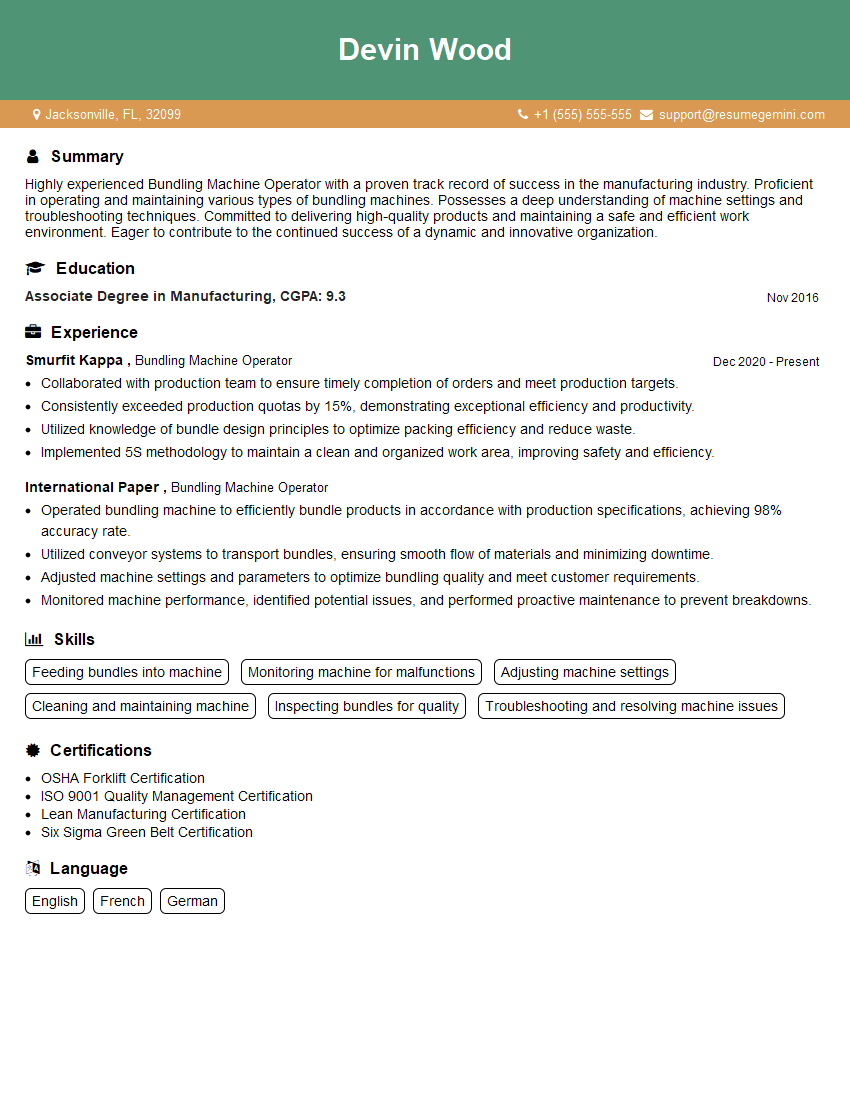
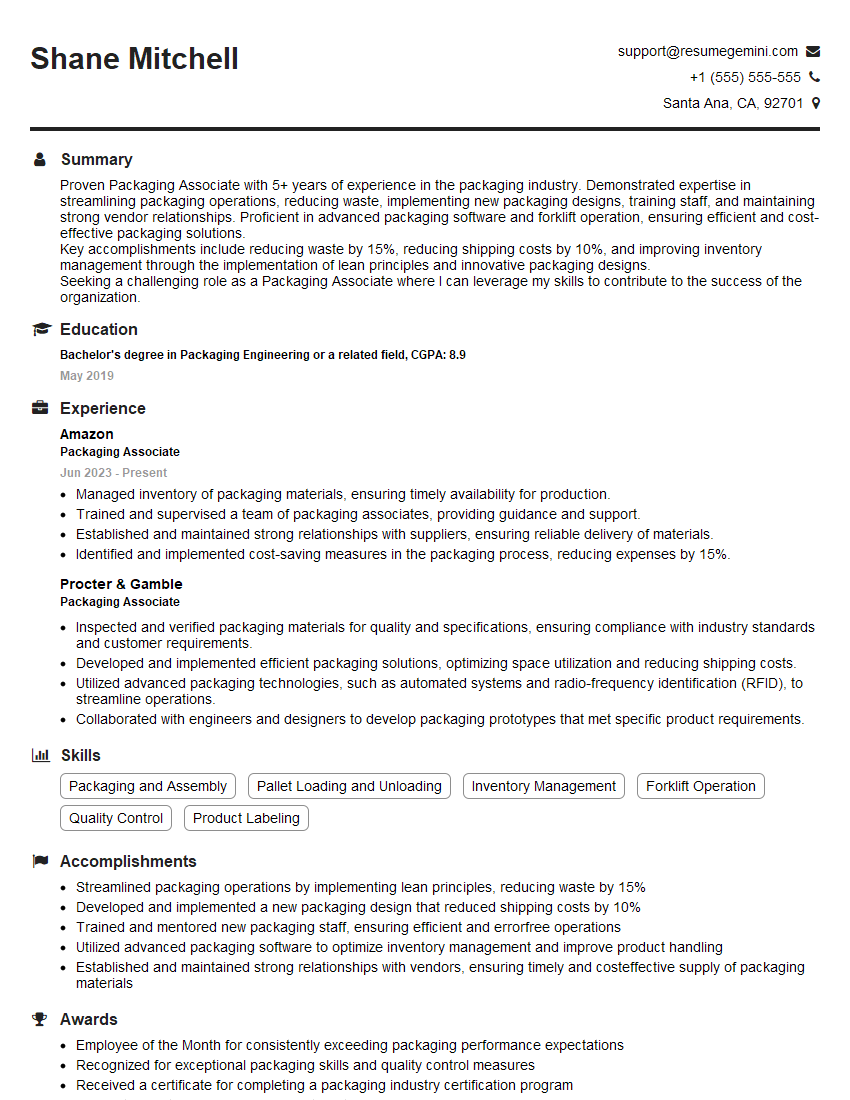
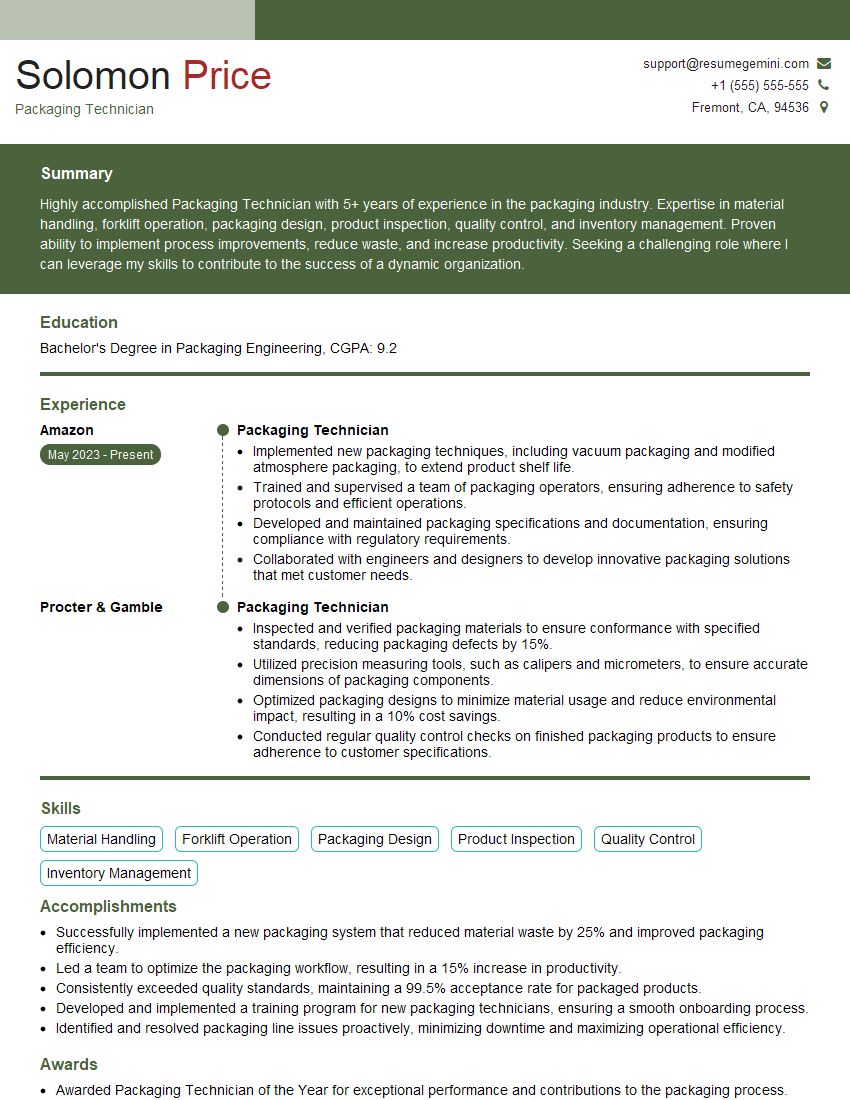
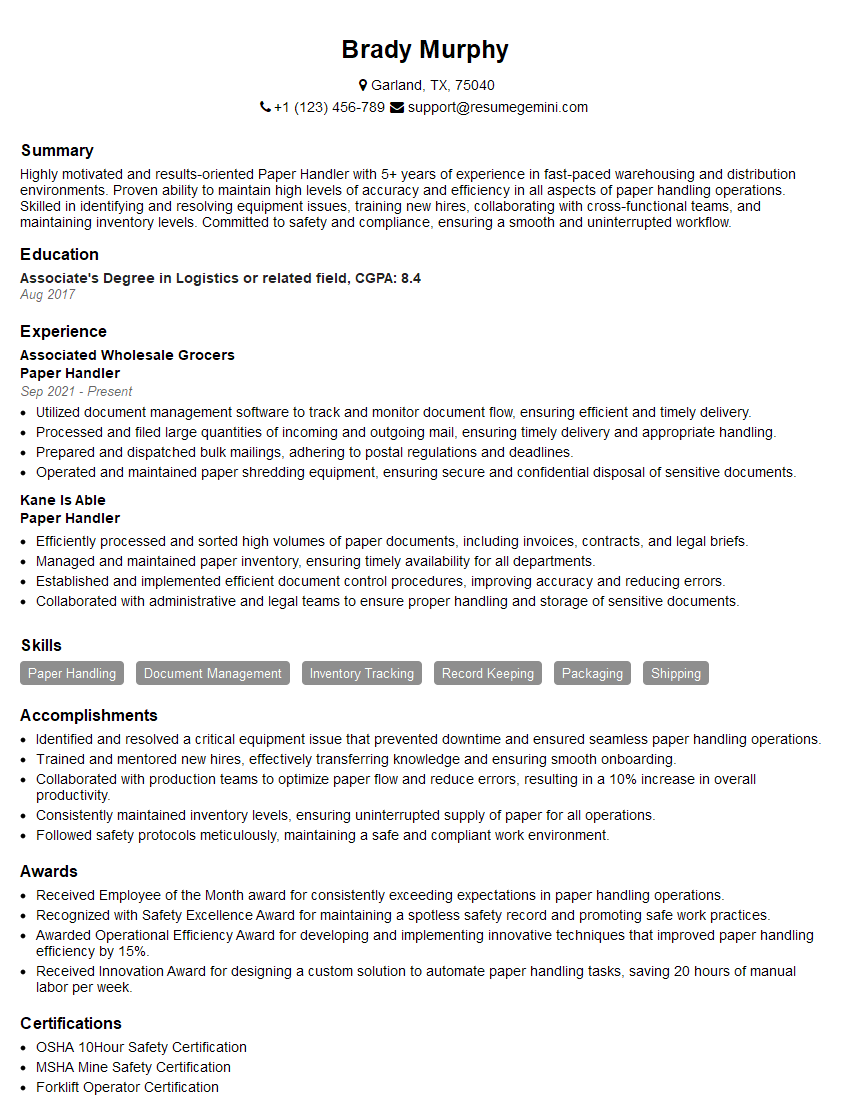
Mastering paper bundling opens doors to a stable and rewarding career in manufacturing and logistics. Proficiency in this area demonstrates valuable skills in efficiency, precision, and problem-solving – all highly sought-after attributes in today’s job market. To significantly increase your chances of landing your dream role, focus on creating an ATS-friendly resume that showcases your abilities effectively. ResumeGemini is a trusted resource to help you build a professional and impactful resume, ensuring your application stands out. We provide examples of resumes tailored specifically to the paper bundling industry to help guide you.
Explore more articles
Users Rating of Our Blogs
Share Your Experience
We value your feedback! Please rate our content and share your thoughts (optional).
What Readers Say About Our Blog
Very informative content, great job.
good