Interviews are more than just a Q&A session—they’re a chance to prove your worth. This blog dives into essential Passionate about Live Entertainment and Touring Industry interview questions and expert tips to help you align your answers with what hiring managers are looking for. Start preparing to shine!
Questions Asked in Passionate about Live Entertainment and Touring Industry Interview
Q 1. Describe your experience with tour routing and scheduling.
Tour routing and scheduling is the backbone of any successful live music tour. It involves meticulously planning the tour’s geographical path, considering factors like travel time, venue availability, and optimal show frequency to maximize efficiency and minimize costs. It’s like a complex jigsaw puzzle where every piece – the show dates, travel logistics, and venue capacities – needs to fit perfectly.
My process typically starts with a close examination of the artist’s target markets and potential audience reach. I utilize mapping software and analyze historical data on past tour performances to identify high-demand areas. Next, I consult with venue managers to secure dates and confirm technical specifications. This involves negotiating contracts and securing favorable terms. Finally, I create a detailed schedule, factoring in travel time between venues, load-in and load-out times, and any potential conflicts. For example, I might avoid scheduling consecutive shows in cities far apart to prevent exhaustion and delays. I use specialized software to optimize routes and visually represent the tour schedule, ensuring everything flows smoothly.
Q 2. Explain your process for managing artist rider requests.
Managing artist rider requests is a crucial aspect of tour management that requires meticulous attention to detail and proactive communication. A rider is a document detailing the artist’s technical and hospitality requirements for each performance. These can range from specific equipment (instruments, microphones, lighting) to catering preferences and backstage amenities.
My approach involves a three-step process: Firstly, I obtain the rider from the artist’s management as early as possible. Secondly, I meticulously review the requests, verifying availability and feasibility. This often involves coordinating with venue technicians and catering companies. Sometimes, riders include unusual or extravagant requests; in such situations, I negotiate with the artist’s management to find reasonable alternatives without compromising the artist’s satisfaction. For instance, if a rider specifies a specific type of rare bottled water, I might explore readily available, high-quality alternatives. Thirdly, I confirm all arrangements with the relevant parties and ensure all requirements are met before the show.
Q 3. How do you handle unexpected technical issues during a live performance?
Handling unexpected technical issues during a live performance demands quick thinking, resourcefulness, and a cool head under pressure. Think of it as being the captain of a ship navigating a storm. My approach prioritizes immediate problem identification and solution implementation.
My first step is always to assess the severity of the issue and its potential impact on the performance. If it’s a minor problem, such as a faulty microphone, the on-site technicians can often swiftly address it. For more significant issues, like power outages, I have pre-arranged contingency plans, including backup generators and emergency protocols. Clear communication with the artist, stage manager, and technical crew is paramount. I ensure everyone is informed of the situation and their respective roles in resolving it. If necessary, I’m prepared to make adjustments to the show’s setlist to minimize disruption. Most importantly, I aim to maintain a positive atmosphere and ensure that the audience experiences as little disruption as possible. For instance, during a power outage in the middle of a concert, we might use the time to engage the audience by playing a video montage or having a brief Q&A session.
Q 4. What software are you proficient in for production scheduling and budgeting?
Proficiency in production scheduling and budgeting software is essential for efficient tour management. I’m highly proficient in several key programs.
- QuickBooks: For managing finances, tracking expenses, and generating financial reports.
- Microsoft Excel/Google Sheets: For creating detailed budgets, tracking expenses, and generating reports.
- TourWriter: Excellent for route optimization, scheduling, and overall tour management.
- ShowFlow: Powerful software for managing show logistics and production details.
These tools allow me to accurately forecast costs, manage budgets, and streamline the scheduling process, ultimately contributing to a successful and financially sound tour.
Q 5. Describe your experience with venue logistics and contract negotiation.
Venue logistics and contract negotiation are inextricably linked in tour management. Securing suitable venues and negotiating favorable contracts are critical to the success of any tour.
My experience encompasses all aspects, from initial venue scouting and site visits to final contract signing. I consider factors such as venue capacity, technical capabilities, accessibility, and local regulations when selecting venues. Negotiating contracts involves securing favorable terms related to rental fees, load-in/load-out times, catering, security, and insurance. I have successfully negotiated reduced rental fees in exchange for guaranteed audience sizes or promotional commitments. For instance, I once negotiated a substantial discount for a venue by securing a commitment for an extended residency, securing mutually beneficial terms for the artist and the venue.
Q 6. How do you maintain positive relationships with artists and crew members?
Maintaining positive relationships with artists and crew members is crucial for a successful and harmonious tour experience. It’s all about building trust and mutual respect.
I prioritize open and honest communication. I keep everyone informed about the tour schedule, logistics, and any potential challenges. I also actively seek feedback from the artist and crew and address concerns promptly. Regular team meetings are vital for fostering a collaborative environment and ensuring everyone feels valued and heard. Beyond the professional aspects, I strive to create a positive and supportive atmosphere. This can involve organizing social gatherings or team-building activities during downtime. For example, I once arranged a surprise team dinner at a local restaurant, creating a memorable moment and boosting team morale. Building strong relationships helps build trust, leading to more efficient workflow, fewer conflicts, and a more enjoyable experience for all involved.
Q 7. What is your experience with health and safety regulations in live events?
Health and safety regulations in live events are paramount. My experience includes a deep understanding and strict adherence to all relevant regulations, ensuring compliance to prevent accidents and injuries.
This includes working closely with venue management to ensure compliance with fire safety codes, emergency exit procedures, and crowd management plans. I also ensure the crew and performers are aware of and comply with workplace safety rules, including proper equipment handling and risk assessments. I’m knowledgeable in all aspects of crowd control, working with security personnel to create a safe environment for the audience. Prior to each show, I conduct thorough risk assessments that identify potential hazards and implement mitigating measures. For instance, I might ensure appropriate barriers are in place for stage access or secure appropriate medical personnel for larger events. Protecting the wellbeing of everyone involved is not merely a legal obligation, it’s a moral imperative.
Q 8. Explain your approach to risk assessment and mitigation in live entertainment.
Risk assessment and mitigation in live entertainment is a crucial, multifaceted process. It’s about identifying potential hazards – everything from stage collapses and power outages to crowd surges and artist injuries – and developing strategies to minimize their likelihood and impact. My approach is proactive and systematic, using a combination of established methodologies and my years of experience.
Hazard Identification: This begins with brainstorming sessions involving the entire production team. We consider venue specifics, past incident reports, artist requirements, and weather forecasts. For instance, if we’re setting up outdoors, we’d meticulously assess wind load capacity and have a contingency plan for high winds.
Risk Analysis: We evaluate each identified hazard based on its likelihood and potential severity. A simple matrix helps visualize this: high likelihood and high severity risks (like a potential stage collapse) demand immediate attention and robust mitigation.
Mitigation Strategies: For each significant risk, we develop detailed mitigation strategies. This could range from structural engineering assessments for stage stability to emergency evacuation plans and crowd management protocols. Regular safety checks and having readily available first aid are always part of the plan.
Contingency Planning: What happens if the power goes out mid-show? Having a backup generator and a clear plan for communicating with the audience and performers is non-negotiable. We also run thorough rehearsals to address unforeseen circumstances.
Documentation and Reporting: We maintain comprehensive records of our risk assessments, mitigation strategies, and any incidents that occur. This allows us to continuously improve our safety procedures and learn from past experiences.
Q 9. How do you manage a diverse team of individuals during a fast-paced event?
Managing a diverse team in a fast-paced environment requires strong communication, clear roles, and a collaborative spirit. It’s less about micromanagement and more about fostering a culture of trust and mutual respect. Think of it like conducting an orchestra – each musician plays a critical role, and the conductor ensures everyone is in sync.
Pre-Event Briefing: A thorough briefing outlining individual responsibilities, communication protocols, and emergency procedures is key. I find visual aids, like flowcharts, are particularly helpful.
Clear Communication Channels: We utilize various communication methods, such as walkie-talkies for quick updates, a shared online document for information updates, and regular team meetings for problem-solving and collaboration.
Delegation and Empowerment: I delegate tasks based on individual expertise and strengths. Empowering team members fosters ownership and accountability, reducing stress and boosting morale. Giving constructive feedback consistently reinforces this approach.
Conflict Resolution: Inevitably, disagreements arise. I proactively address conflicts through open communication, aiming to find mutually agreeable solutions. A positive and respectful environment is crucial to resolving conflict constructively.
Post-Event Debrief: After each event, we hold a debriefing session to discuss what worked well, what could be improved, and learn from any challenges encountered. This continuous improvement process is vital for team cohesion and future success.
Q 10. Describe your experience with budgeting and financial reporting in a tour setting.
Budgeting and financial reporting in touring are critical for profitability and sustainability. It involves meticulous tracking of income and expenses across various aspects of the tour, from venue rental and artist fees to transportation and marketing. My experience includes using various budgeting software and working with accounting teams to ensure accuracy and transparency.
Developing a Detailed Budget: This involves forecasting all potential income streams (ticket sales, merchandise, sponsorships) and meticulously estimating all expenses (venue rentals, transportation, crew fees, marketing, etc.). It is crucial to include contingency funds for unforeseen circumstances.
Tracking Expenses: We use a combination of accounting software and spreadsheets to record all expenses. Detailed receipts are essential for auditing and reconciliation. Regular reviews ensure expenses align with the budget.
Reconciliation and Reporting: Monthly reconciliation ensures expenses align with forecasts, identifying discrepancies early on. Regular financial reports are provided to stakeholders, giving them a clear picture of the tour’s financial health.
Variance Analysis: We conduct variance analysis to understand differences between budgeted and actual figures. This analysis helps to identify areas for cost savings or adjustments to revenue projections for future tours.
Financial Forecasting: Accurate financial forecasting allows us to make informed decisions and proactively address potential challenges. It’s an iterative process, refined based on data and market conditions.
Q 11. What are your strategies for optimizing sound and lighting design for various venues?
Optimizing sound and lighting design requires a deep understanding of acoustics, lighting technology, and the specific characteristics of each venue. It’s about creating an immersive experience that complements the performance and enhances the audience’s enjoyment. My approach combines technical expertise with artistic sensitivity.
Venue Assessment: Before any design work begins, a thorough assessment of the venue’s acoustics, dimensions, and available rigging points is essential. This includes considering sightlines and potential obstructions.
Sound System Design: This involves selecting the appropriate speakers, amplifiers, and processing equipment to ensure even sound coverage throughout the venue. Acoustic modeling software can be used to predict sound levels and identify potential problem areas. We often employ sound checks to fine-tune settings.
Lighting Design: This is about crafting the visual atmosphere. We consider the mood, style, and overall aesthetic of the performance, and select fixtures appropriate for the venue and budget. We always account for safety regulations regarding lighting equipment.
Integration and Collaboration: Sound and lighting design must be integrated seamlessly. This requires close collaboration between the sound engineer, lighting designer, and production manager to ensure a harmonious experience.
Testing and Refinement: Thorough testing and refinement are critical. We use sound and light cues during rehearsals to fine-tune the settings and ensure optimal performance.
Q 12. How do you ensure efficient and timely load-in and load-out procedures?
Efficient load-in and load-out procedures are crucial for minimizing downtime and maximizing efficiency. It’s all about meticulous planning, clear communication, and a well-trained crew. Think of it like a well-oiled machine – each part works together seamlessly.
Pre-planning and Staging Diagrams: Detailed staging diagrams and load-in/load-out schedules are essential. These documents clearly define the placement of equipment, responsibilities of crew members, and timelines.
Crew Briefing: A pre-load briefing clarifies roles, procedures, and safety protocols. Clear communication minimizes confusion and ensures everyone understands their responsibilities.
Equipment Checklists: Comprehensive checklists ensure all equipment is accounted for, in good working condition, and loaded/unloaded correctly. This reduces the risk of missing vital items or equipment damage.
Optimized Loading Procedures: Strategically planning the loading order minimizes movement and maximizes space utilization. We often use specialized equipment like forklifts and dollies to streamline the process.
Post-Load Inspection: After load-out, a final inspection ensures the venue is left in its original condition, and all equipment is safely secured for transport.
Q 13. What are your preferred methods for communication and coordination within a production team?
Effective communication and coordination are the cornerstones of a successful production. In a live entertainment setting, clear, consistent communication minimizes errors and keeps everything running smoothly. My preferred methods combine technology with face-to-face interaction.
Pre-Production Meetings: Regular meetings before the event are essential to discuss the plan, address concerns, and clarify roles and responsibilities.
Walkie-Talkies and Two-Way Radios: These are indispensable for real-time communication during the event, particularly for quick updates and addressing emergencies.
Project Management Software: Tools like Asana or Trello can be used for task management, assigning responsibilities, and tracking progress. This allows everyone to remain informed and on the same page.
Shared Online Documents: Using shared Google Docs or similar platforms for information sharing allows the team to access essential documents like schedules and contact lists from anywhere, anytime.
Post-Event Debriefing: A final debriefing session after each event is essential for gathering feedback, identifying areas for improvement, and reinforcing best practices for future productions.
Q 14. How do you prioritize tasks and manage competing deadlines in a high-pressure environment?
Prioritizing tasks and managing competing deadlines in a high-pressure environment demands a structured approach. It’s about using effective time management techniques and staying organized. Think of it like a skilled juggler – keeping multiple tasks in the air simultaneously requires focus and skill.
Task Prioritization Matrices: I utilize prioritization matrices (like Eisenhower Matrix) to categorize tasks based on urgency and importance. This ensures that critical tasks are addressed first.
Detailed Schedules and Timelines: We develop detailed schedules and timelines for all aspects of the production, identifying key milestones and deadlines. This provides a clear roadmap for the entire team.
Regular Progress Meetings: Regular check-in meetings keep the team informed of progress and allow for early identification of potential bottlenecks or delays. This prevents minor issues from escalating into significant problems.
Flexibility and Adaptability: In the live entertainment industry, flexibility is key. Unexpected challenges occur – accepting this and adapting plans is vital for success.
Delegation and Teamwork: Effectively delegating tasks based on team members’ strengths, fosters collaboration and reduces the burden on any one individual. This is vital in high-pressure scenarios.
Q 15. What is your experience with international touring regulations and logistics?
International touring involves navigating a complex web of regulations and logistics. My experience encompasses understanding and adhering to visa requirements for artists and crew across various countries, coordinating international freight and customs clearance for equipment, and ensuring compliance with local health and safety standards. This includes meticulous planning for carnet usage (ATA Carnets) for temporary import of goods, which streamlines the process significantly. I’ve also managed the complexities of different currency exchange rates, payment processing in various currencies, and local tax regulations, ensuring all financial aspects are handled smoothly and transparently. For example, on a recent tour to Southeast Asia, we successfully navigated the varying import regulations for lighting equipment across five countries by proactively preparing all necessary documentation and working closely with customs brokers in each location. This proactive approach prevented delays and ensured a seamless tour.
Career Expert Tips:
- Ace those interviews! Prepare effectively by reviewing the Top 50 Most Common Interview Questions on ResumeGemini.
- Navigate your job search with confidence! Explore a wide range of Career Tips on ResumeGemini. Learn about common challenges and recommendations to overcome them.
- Craft the perfect resume! Master the Art of Resume Writing with ResumeGemini’s guide. Showcase your unique qualifications and achievements effectively.
- Don’t miss out on holiday savings! Build your dream resume with ResumeGemini’s ATS optimized templates.
Q 16. Describe a challenging production scenario and how you overcame it.
During a European festival tour, a severe thunderstorm damaged a significant portion of our lighting rig halfway through the set. The primary lighting console was offline, and several fixtures were inoperable. The initial reaction was panic, but I immediately implemented our pre-planned contingency plan. Our team had already pre-programmed a significantly scaled-down lighting show into a secondary console. We switched over within minutes, minimizing the disruption to the artist’s performance. Simultaneously, our lighting technicians worked tirelessly to repair the damaged equipment while the show continued using the backup. Effective communication with the artist’s management and the festival’s technical team was critical in managing expectations and ensuring a smooth resolution. Post-show, a thorough assessment of the damaged equipment and the contingency plan was undertaken, leading to improvements in our emergency procedures for future tours. This experience highlighted the importance of redundancy and clear communication in high-pressure situations.
Q 17. How familiar are you with various audio and lighting equipment brands and models?
My familiarity with audio and lighting equipment extends across many leading brands and models. In audio, I have extensive experience with consoles such as Yamaha CL series, DiGiCo SD series, and Avid Venue series, understanding their unique functionalities and workflows. I’m also proficient with various microphone models from Shure, Sennheiser, and Neumann, and I understand the nuances of different loudspeaker systems from L-Acoustics, d&b audiotechnik, and Meyer Sound. For lighting, I’m experienced with fixtures from Robe, Martin, Clay Paky, and ETC, and have worked with various lighting control systems like grandMA2 and ETC EOS. I regularly stay updated on the latest technological advancements through industry publications, trade shows, and ongoing training. This ensures that I remain at the forefront of the technological landscape.
Q 18. Explain your understanding of different audio mixing consoles and their functionalities.
Different audio mixing consoles offer varying functionalities catering to diverse needs. Analog consoles, while classic, provide a hands-on tactile experience, offering direct control over signal flow. Digital consoles, like those from Yamaha or DiGiCo, offer advanced features including scene recall, automation, and extensive processing capabilities, along with more flexible routing and powerful onboard effects. For example, a Yamaha CL5 offers extensive processing capabilities, scene recall for quick show changes, and robust digital networking features. A DiGiCo SD10 provides a powerful and versatile platform suitable for larger scale productions demanding precise control and advanced routing. The choice of console depends greatly on the scale and complexity of the production, the artist’s requirements, and the budget available. Understanding the strengths and limitations of each type allows for informed decision-making.
Q 19. How do you troubleshoot common audio or lighting problems during a show?
Troubleshooting involves a systematic approach. For audio issues, I start by identifying the source of the problem – is it a microphone, speaker, cable, or the console itself? I would then check signal flow, using test signals and visual inspection of connections. A faulty cable is often the culprit. For lighting problems, a similar process is employed. I would check the power supply, DMX connections, and the functionality of individual fixtures. If a fixture fails, we’d have backup fixtures readily available. Careful documentation of equipment and regular maintenance checks greatly reduce the likelihood of technical issues during a show. Clear communication with the technicians and stage manager is essential for rapid problem-solving, ensuring minimal interruption to the performance.
Q 20. Describe your experience with different types of stage setups and configurations.
My experience includes various stage setups, ranging from intimate in-the-round configurations ideal for smaller venues to large, complex proscenium stages for arena shows. I’ve worked with thrust stages, which extend into the audience, and runway stages, creating dynamic audience interaction. I’m familiar with the challenges of adapting setups to different venue sizes and architectural limitations. Understanding stage dimensions, weight limitations, and load-in procedures is critical for safe and efficient set-up. I’ve also managed various aspects of rigging, including lighting and sound hangs, adhering strictly to safety regulations. For example, I’ve overseen the transformation of a standard proscenium stage into a completely immersive 360° stage for a specific artist’s requirement, including detailed planning for stage elements, lighting rigging and structural integrity.
Q 21. What is your experience with managing artist merchandise sales and inventory?
Managing artist merchandise sales and inventory involves careful planning and execution. This includes coordinating with merchandise suppliers, managing inventory levels, setting up point-of-sale systems, and tracking sales data. I’ve worked with various e-commerce platforms to integrate online merchandise sales with physical sales at the venue. Accurate inventory management is essential to avoid stockouts or overstocking. Data analysis of sales trends helps to optimize product selection and pricing strategies for future tours. For example, by tracking merchandise sales data from previous tours, we were able to identify high-demand items and adjust our inventory accordingly, leading to increased revenue and reduced waste.
Q 22. How do you ensure the safety and security of artists, equipment and audiences?
Ensuring the safety and security of artists, equipment, and audiences is paramount in live entertainment. It’s a multifaceted process requiring meticulous planning and execution across several key areas.
- Artist Safety: This includes comprehensive rider management (a document specifying artist requirements), secure transportation, backstage access control, and dedicated security personnel. For example, we’d coordinate with local law enforcement for high-profile acts to ensure safe passage to and from venues and manage potential crowd surges. We also prioritize mental health resources and a safe, respectful work environment backstage.
- Equipment Safety: Rigorous pre-show checks are crucial. This involves inspecting staging, lighting, sound equipment, and pyrotechnics to ensure they meet safety standards and are correctly assembled and operated by qualified technicians. Regular maintenance schedules and certifications are also vital. Imagine a complex lighting rig – each component needs to be checked to prevent malfunctions or accidents.
- Audience Safety: This involves careful venue selection, thorough crowd management plans, clear signage, emergency exits, well-trained security personnel, and effective communication strategies. We’d consider things like crowd density calculations, evacuation routes, and first-aid stations readily accessible. In case of emergencies, we have robust communication systems and established protocols for quick responses.
A layered approach combining meticulous planning, robust protocols, and regular training is crucial for creating a safe and secure environment for everyone involved.
Q 23. What are your methods for tracking and reporting production expenses?
Tracking and reporting production expenses requires a robust system to ensure accuracy, transparency, and efficient budgeting. I typically utilize a combination of project management software and specialized accounting tools.
- Detailed Budgeting: We begin with meticulous budgeting, categorizing expenses (travel, accommodation, venue rental, equipment hire, crew salaries, marketing, etc.). This allows for precise cost tracking throughout the production lifecycle.
- Software Integration: Software like
QuickBooksorXerois used for expense tracking, invoice management, and financial reporting. We’d often integrate this with project management tools to link expenses to specific tasks or line items in the budget. - Regular Reporting: I generate regular reports, summarizing expenditures against the budget. These reports help identify potential overspending and allow for timely adjustments. This might include weekly or monthly summaries, along with detailed breakdowns of individual cost centers.
- Reconciliation: Reconciling bank statements and credit card transactions against the recorded expenses ensures financial accuracy. This is a crucial step for catching any discrepancies and maintaining a clean audit trail.
My goal is to create a system that provides a clear financial picture of each production, enabling informed decision-making and minimizing financial risks.
Q 24. Describe your experience with ticketing systems and box office management.
My experience with ticketing systems and box office management spans various platforms, from traditional systems to sophisticated online solutions.
- Ticketing Platforms: I’m proficient in using platforms like
Ticketmaster,Eventbrite, andSee Tickets. This includes setting up events, managing ticket inventory, implementing dynamic pricing strategies, and integrating with CRM systems. - Box Office Operations: I understand the complexities of box office management, from staff training and scheduling to handling customer inquiries, managing refunds and exchanges, and ensuring secure transaction processing. This includes managing will-call lists and providing efficient customer service at the venue’s box office.
- Data Analysis: I leverage data analytics to understand sales trends, identify peak demand periods, and optimize ticket pricing. This involves using reporting features within the ticketing platform to analyze key metrics like sales conversions, average order value, and customer demographics.
- CRM Integration: I’m experienced in integrating ticketing systems with CRM (Customer Relationship Management) software to build customer databases, personalize marketing campaigns, and enhance customer relationships.
Effective box office management is essential for maximizing revenue and delivering a positive experience for ticket buyers. I strive to ensure seamless ticketing processes for both the organizers and the audience.
Q 25. How do you handle complaints or issues from audience members or artists?
Handling complaints or issues from audience members or artists requires a calm, empathetic, and efficient approach.
- Active Listening: The first step is to actively listen to the complaint, understanding the issue from their perspective. This involves showing empathy and acknowledging their concerns.
- Documentation: Thoroughly documenting the complaint, including details of the issue, the individual involved, and the date and time, is essential. This creates a record for future reference.
- Investigation: Conduct a thorough investigation, gathering information from all relevant parties to understand the circumstances and identify the root cause of the problem.
- Resolution: Depending on the issue, this could involve offering a refund, providing a replacement ticket, issuing an apology, or taking appropriate corrective action to prevent similar issues in the future. For artist issues, this might involve addressing their concerns with the relevant personnel.
- Follow-up: Following up with the individual to ensure they are satisfied with the resolution is critical for building positive relationships and maintaining reputation.
Effective complaint handling demonstrates professionalism and commitment to providing a positive experience for everyone involved.
Q 26. How do you stay up-to-date on the latest technologies and trends in live entertainment?
Staying current in the live entertainment industry requires a proactive and multi-faceted approach.
- Industry Publications: I regularly read industry publications like Pollstar, VenuesNow, and Billboard to stay informed on the latest trends, technologies, and best practices.
- Conferences and Trade Shows: Attending industry conferences and trade shows like SXSW, PLASA, and various music festival industry events provides valuable networking opportunities and insights into emerging technologies.
- Online Resources: I utilize online resources like industry blogs, podcasts, and webinars to access up-to-date information. This also includes following influential industry leaders and organizations on social media.
- Networking: Building and maintaining a strong network within the industry is crucial. This involves actively engaging with colleagues, attending industry events, and participating in online forums.
Continuous learning is essential for staying competitive in this dynamic field.
Q 27. What are your salary expectations for this role?
My salary expectations are commensurate with my experience and skills, and are in line with industry standards for a similar role. I’m open to discussing this further based on the specifics of the position and the company’s compensation package.
Q 28. What are your long-term career goals within the live entertainment industry?
My long-term career goals include taking on increasing responsibility and leadership within the live entertainment industry. I aspire to contribute to the strategic growth and development of a leading organization, leveraging my expertise to enhance operational efficiency, improve audience experiences, and expand the reach of live events. This might involve managing larger-scale productions, overseeing multiple venues, or even contributing to the development of new technologies within the industry.
Key Topics to Learn for a Live Entertainment & Touring Industry Interview
- Venue Operations & Management: Understanding event logistics, including scheduling, staffing, budgeting, and risk management. Practical application: Describe your experience managing resources or solving logistical challenges in a fast-paced environment.
- Touring & Production: Knowledge of the technical aspects of live shows, including sound, lighting, staging, and transportation. Practical application: Discuss your understanding of the complexities of coordinating a large-scale event or tour.
- Artist Management & Relations: Skills in communication, negotiation, and conflict resolution within the artist-management-venue ecosystem. Practical application: Explain how you would handle a conflict between an artist’s demands and venue capabilities.
- Marketing & Promotion: Strategies for effective ticket sales, advertising, and audience engagement. Practical application: Describe your experience with marketing campaigns or social media engagement in the entertainment industry.
- Legal & Contractual Aspects: Familiarity with relevant contracts, licensing, and intellectual property rights. Practical application: Discuss your understanding of the legal framework governing live events.
- Financial Management: Budgeting, forecasting, revenue generation, and expense control within the context of live entertainment. Practical application: Explain how you would analyze financial data to inform strategic decisions.
- Safety & Security: Implementing and enforcing safety protocols for both audiences and personnel. Practical application: Discuss your experience with crowd management or emergency response procedures.
Next Steps
Mastering the intricacies of the live entertainment and touring industry is crucial for career advancement. A strong understanding of these areas will significantly improve your interview performance and open doors to exciting opportunities. To maximize your chances, create a compelling and ATS-friendly resume that highlights your relevant skills and experience. ResumeGemini is a trusted resource that can help you craft a professional and impactful resume, ensuring your application stands out. Examples of resumes tailored to the live entertainment and touring industry are available to guide you.
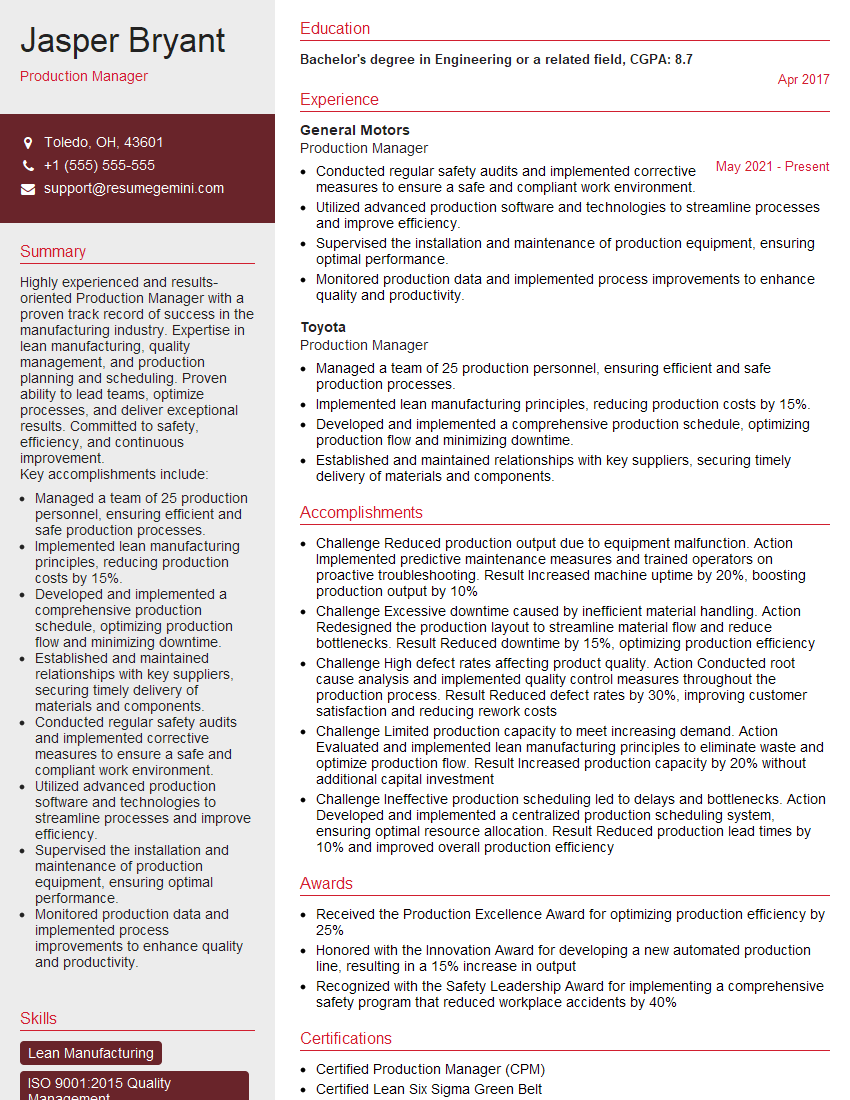
Production Manager Resume Sample
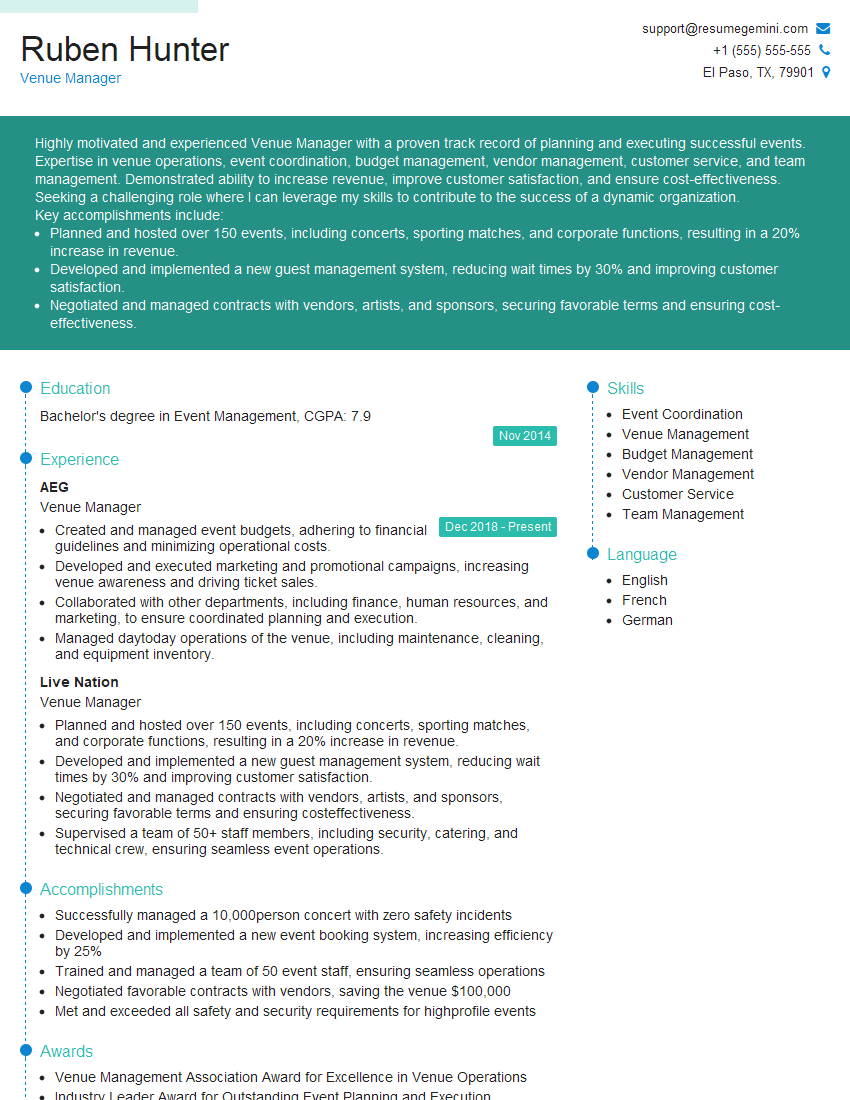
Venue Manager Resume Sample
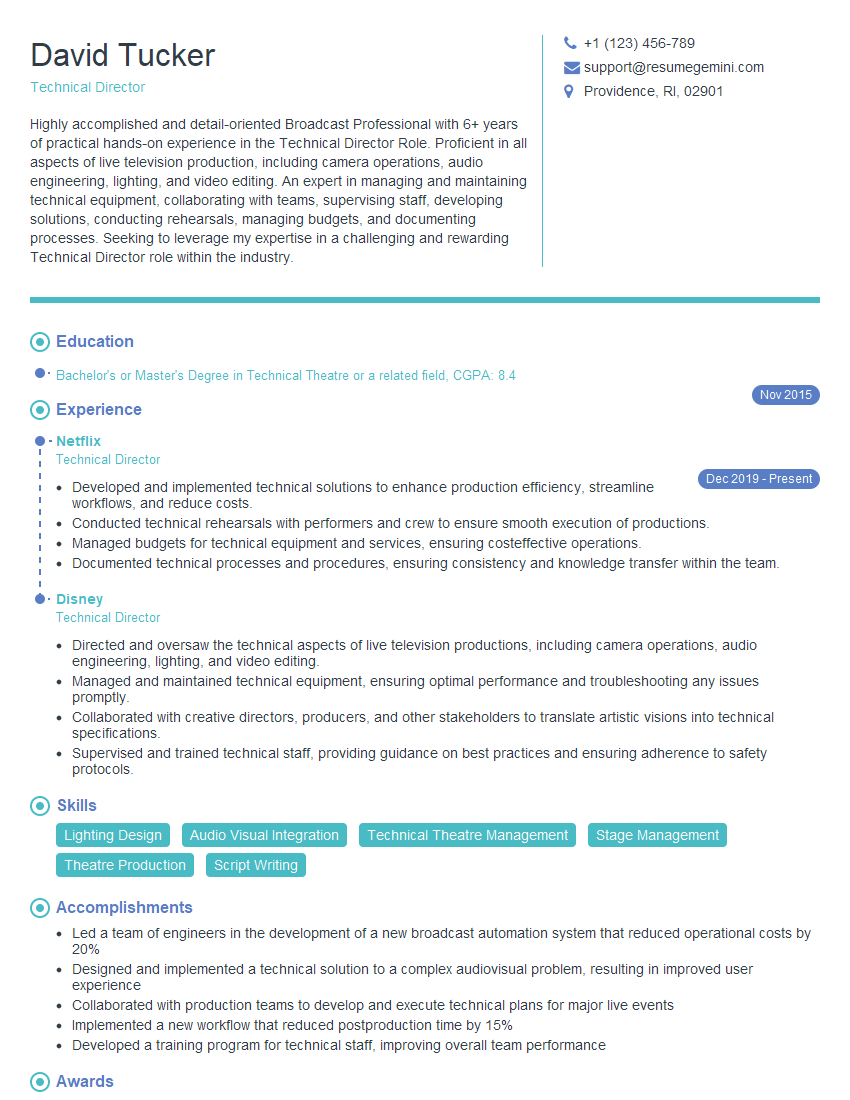
Technical Director Resume Sample
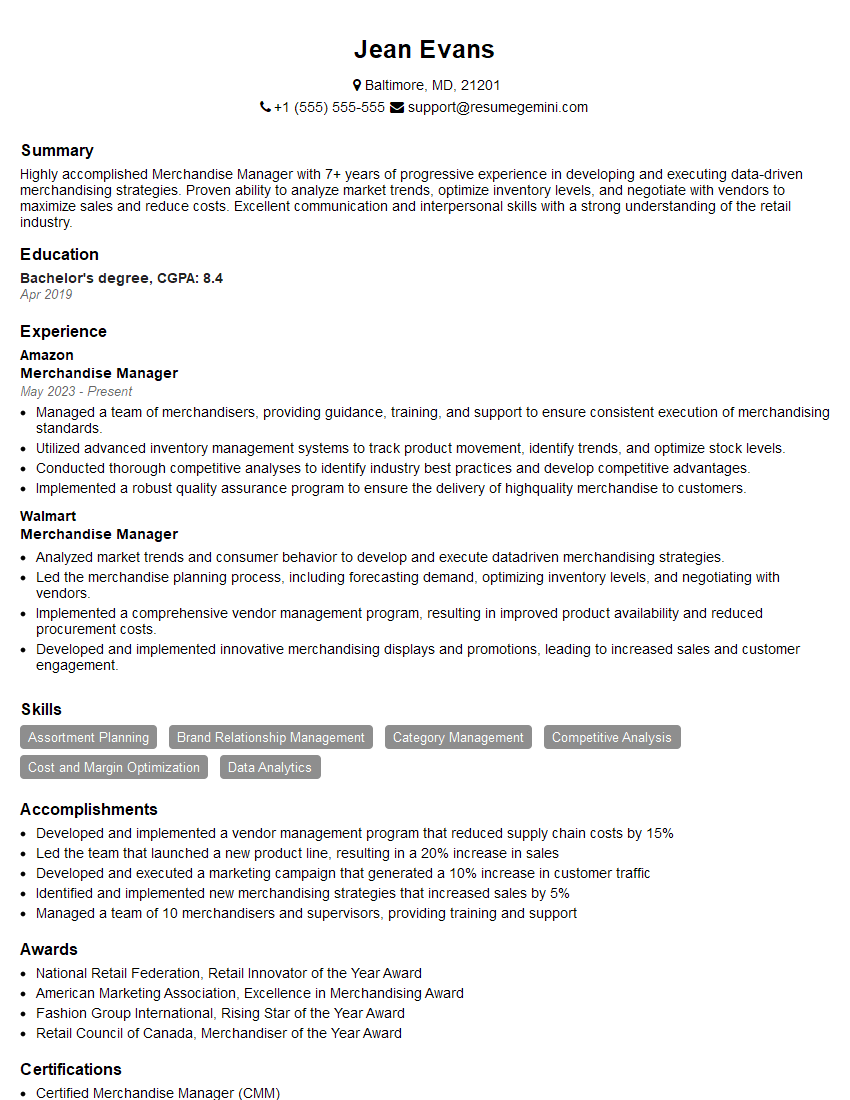
Merchandise Manager Resume Sample
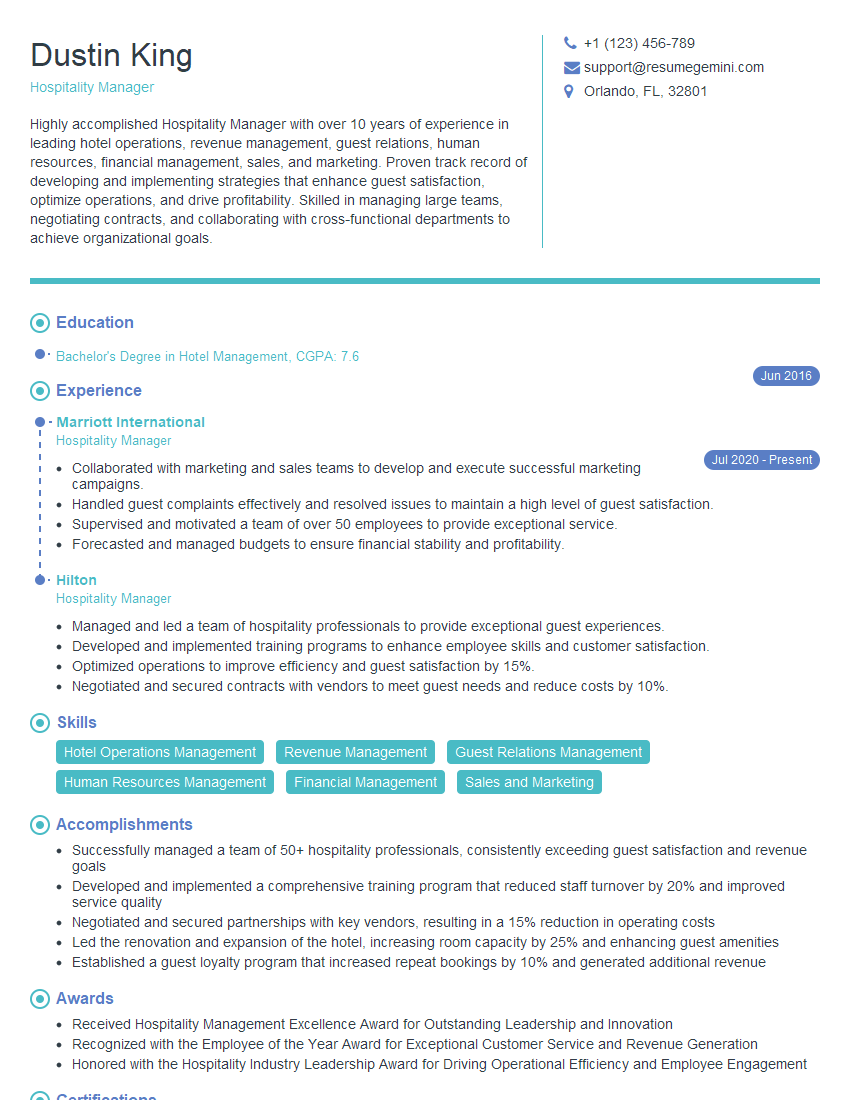
Hospitality Manager Resume Sample
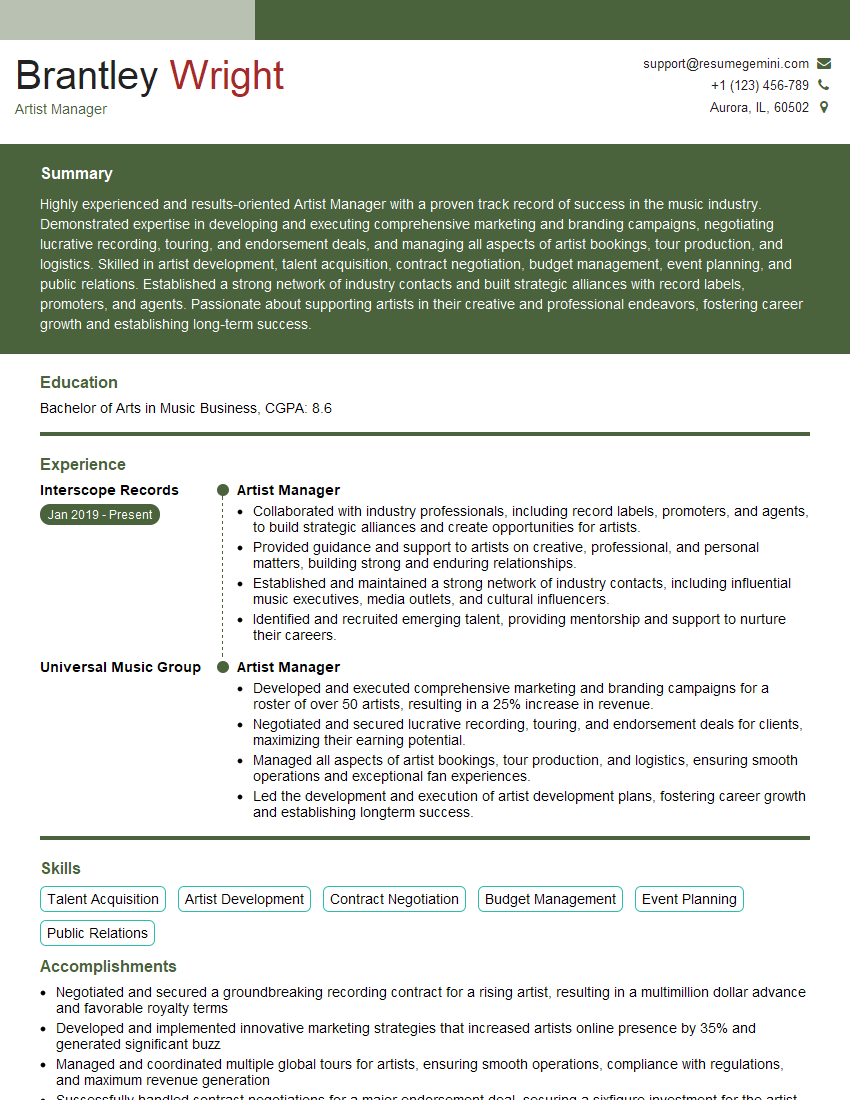
Artist Manager Resume Sample
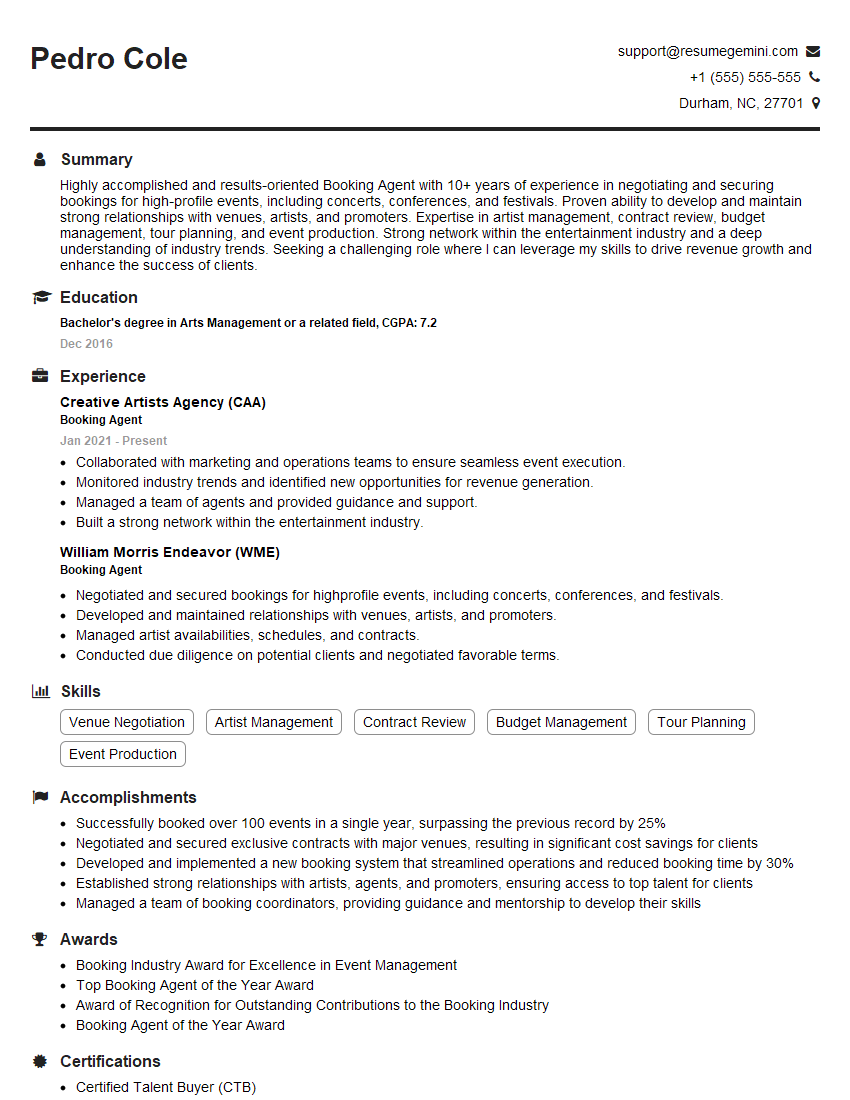
Booking Agent Resume Sample
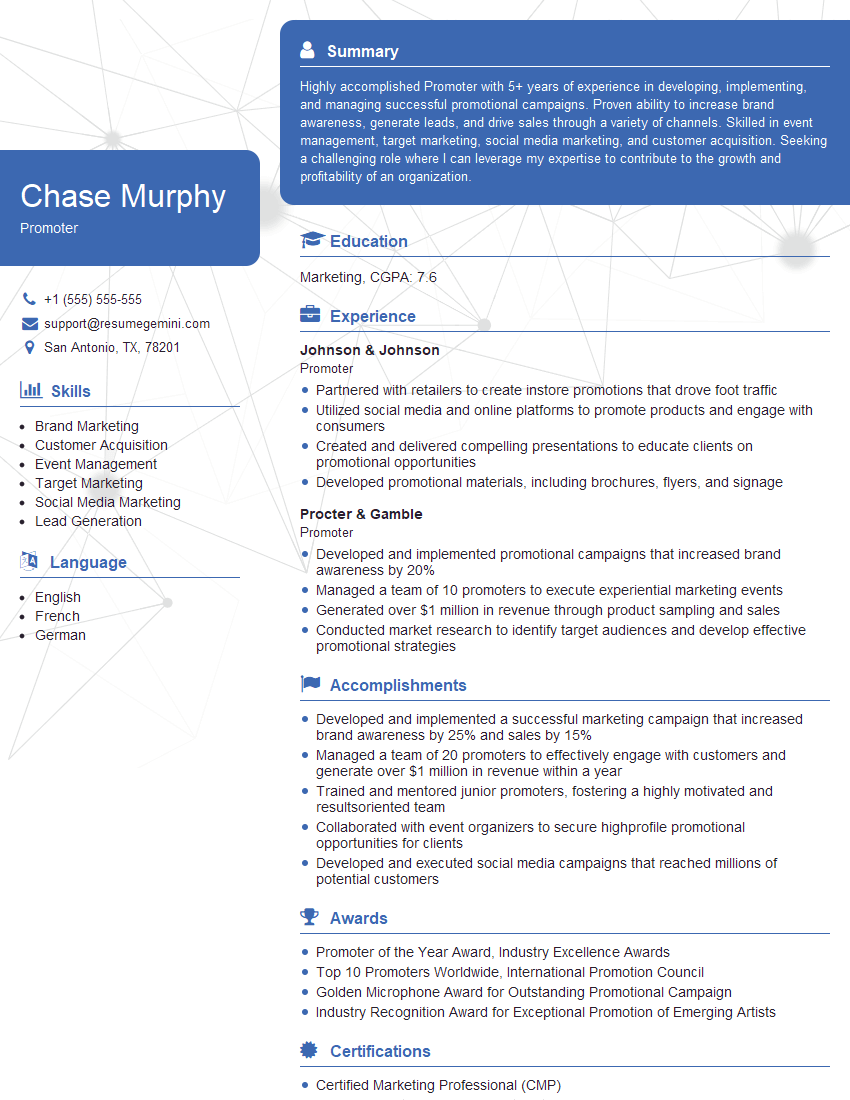
Promoter Resume Sample
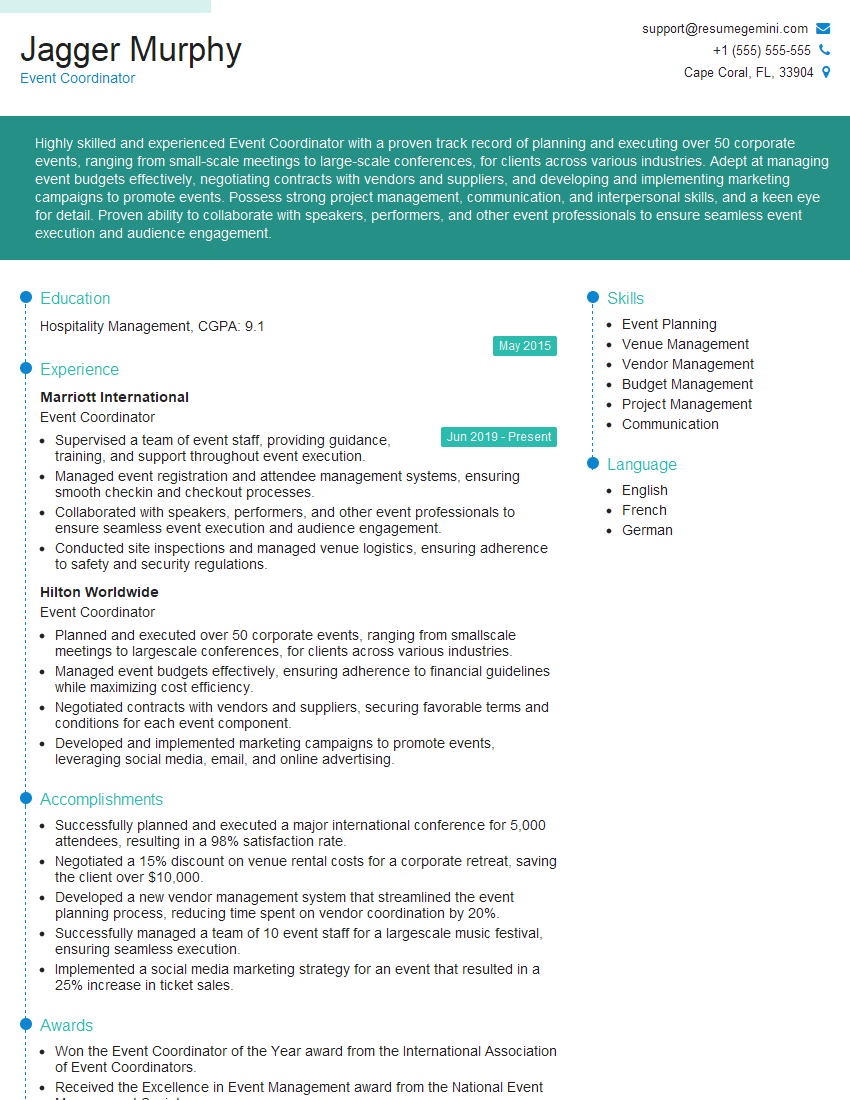
Event Coordinator Resume Sample
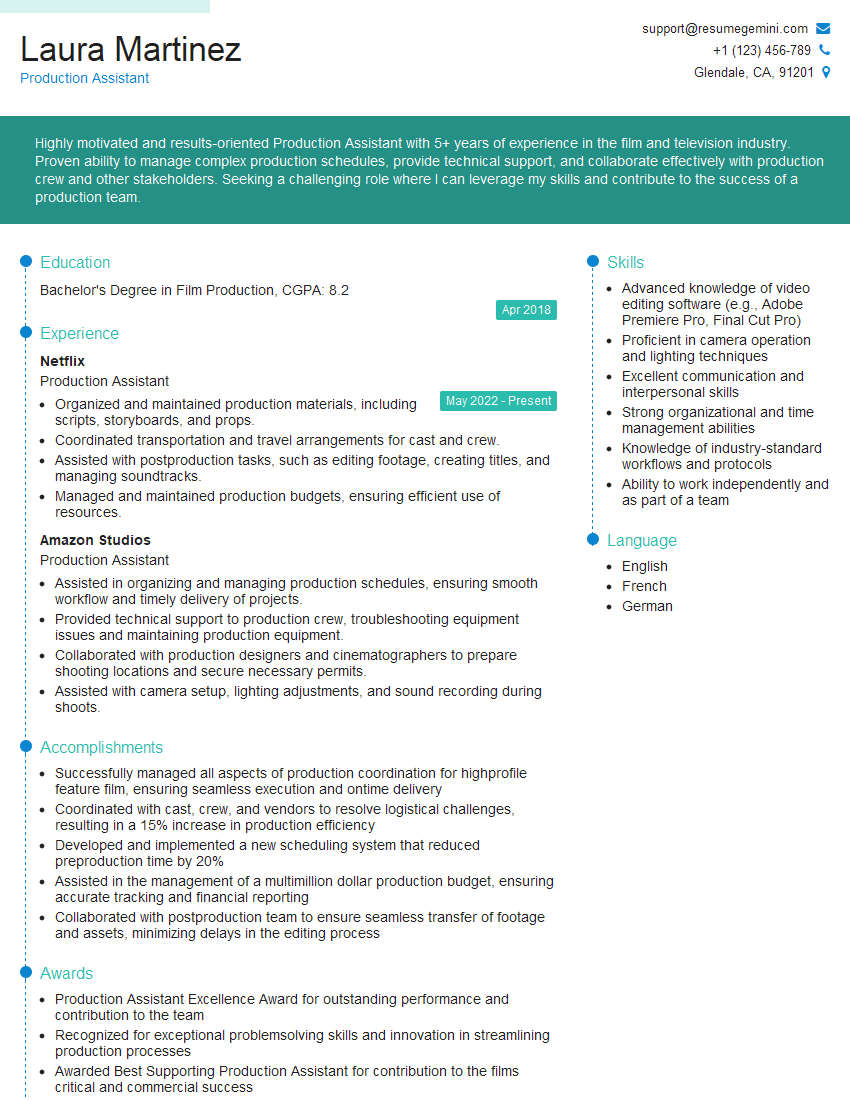
Production Assistant Resume Sample
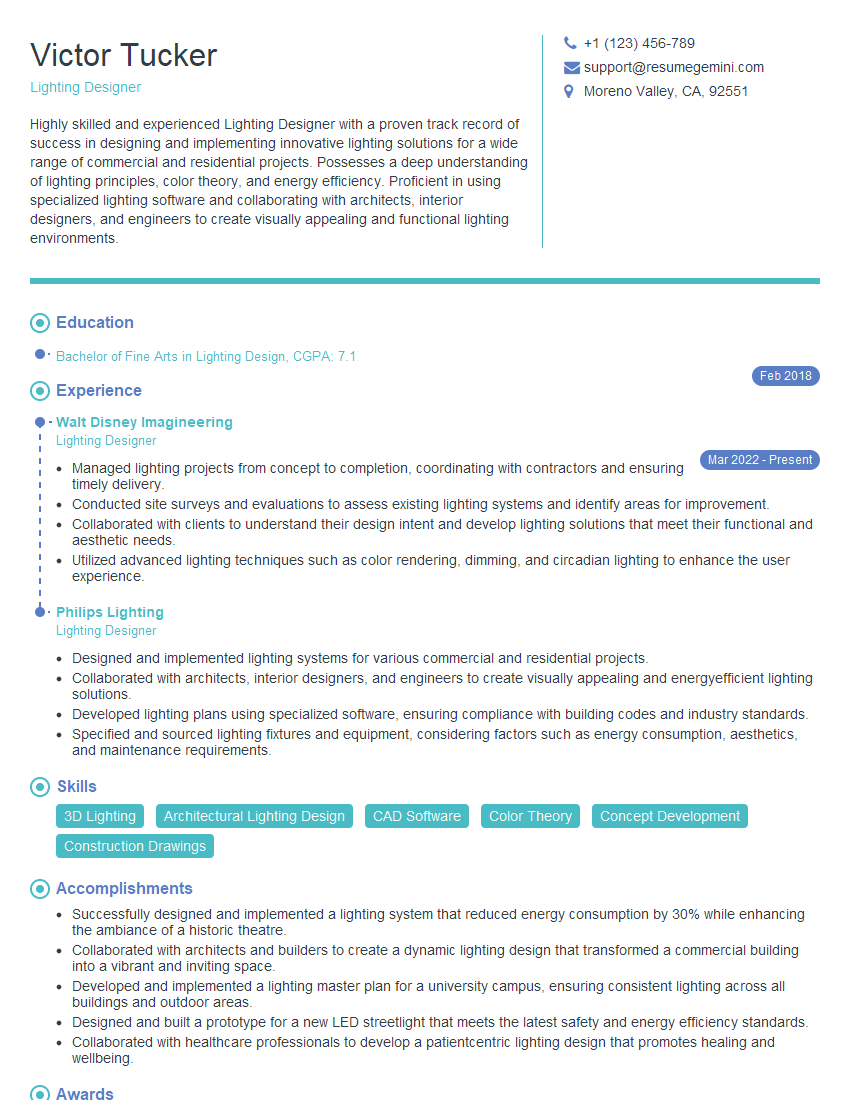
Lighting Designer Resume Sample
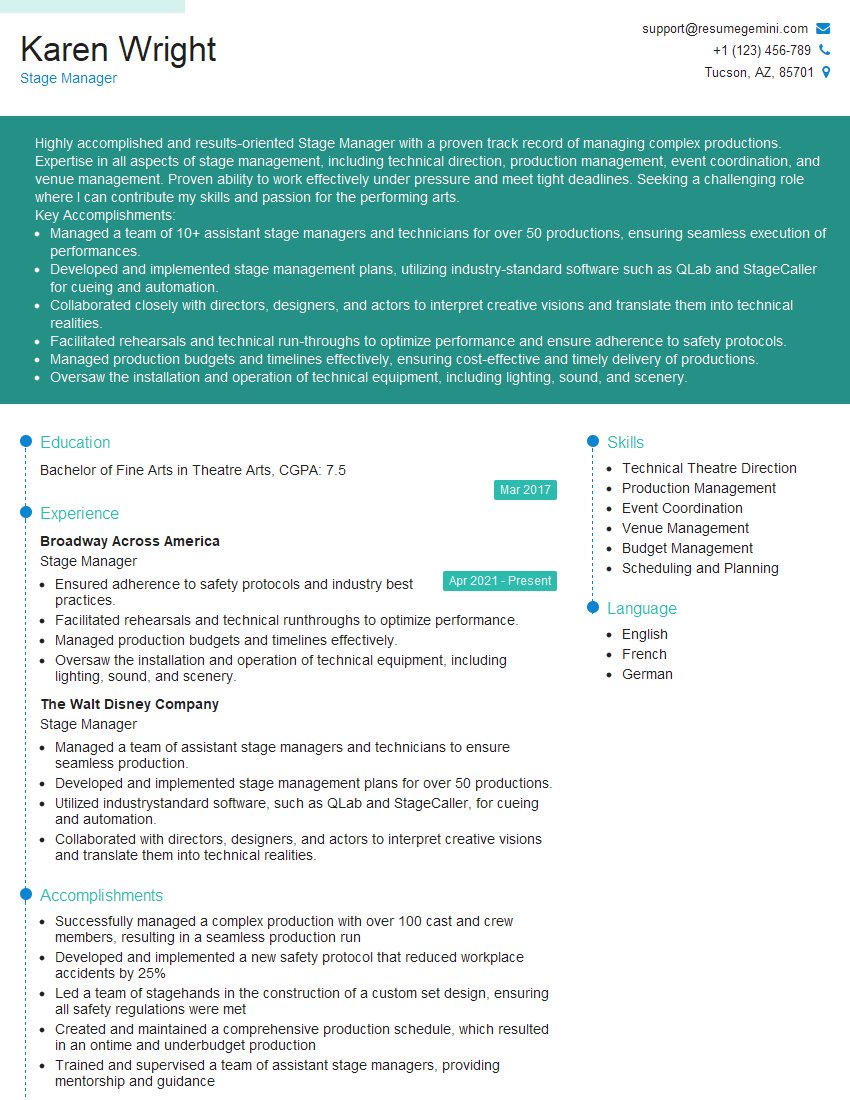
Stage Manager Resume Sample
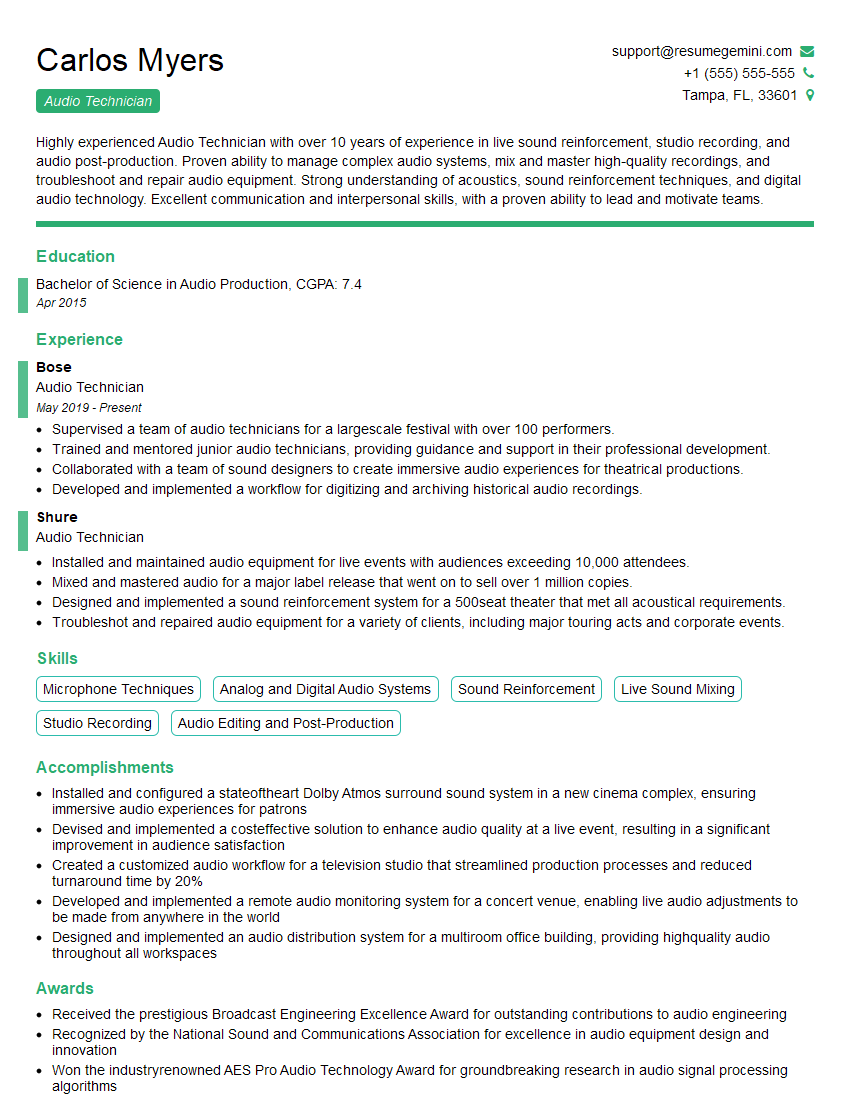
Audio Technician Resume Sample
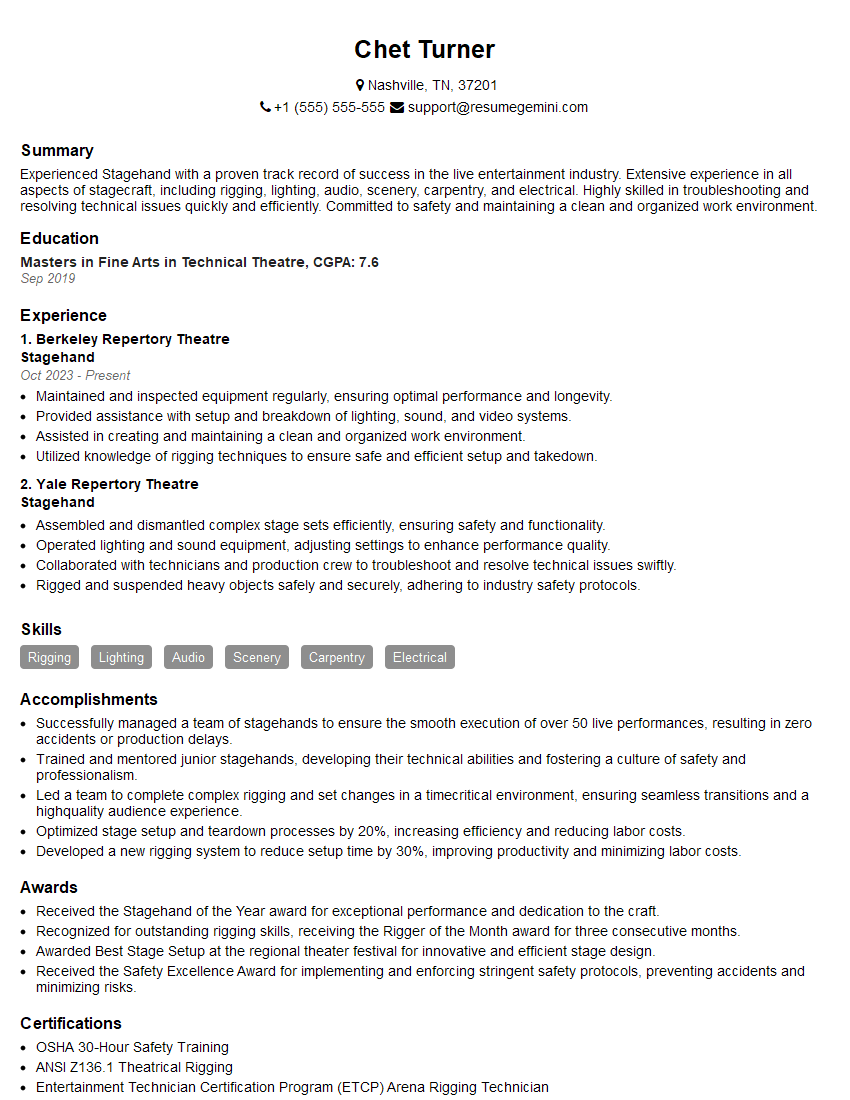
Stagehand Resume Sample
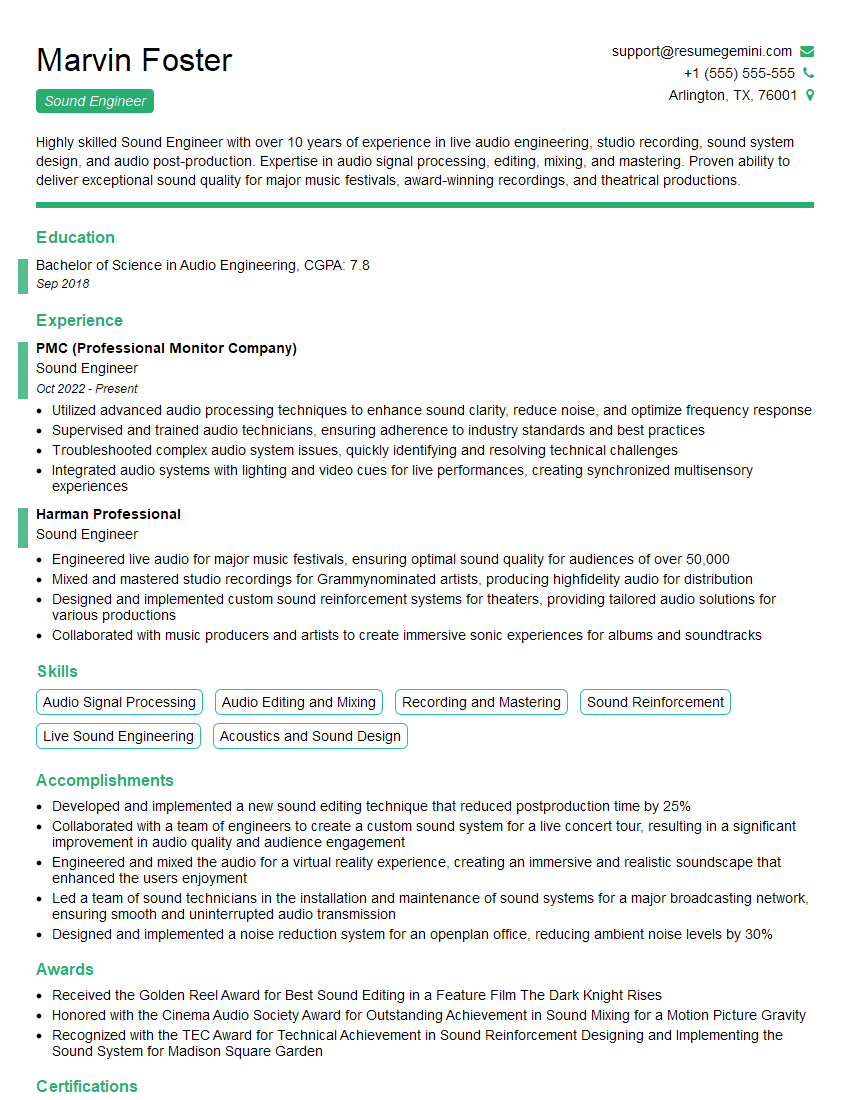
Sound Engineer Resume Sample
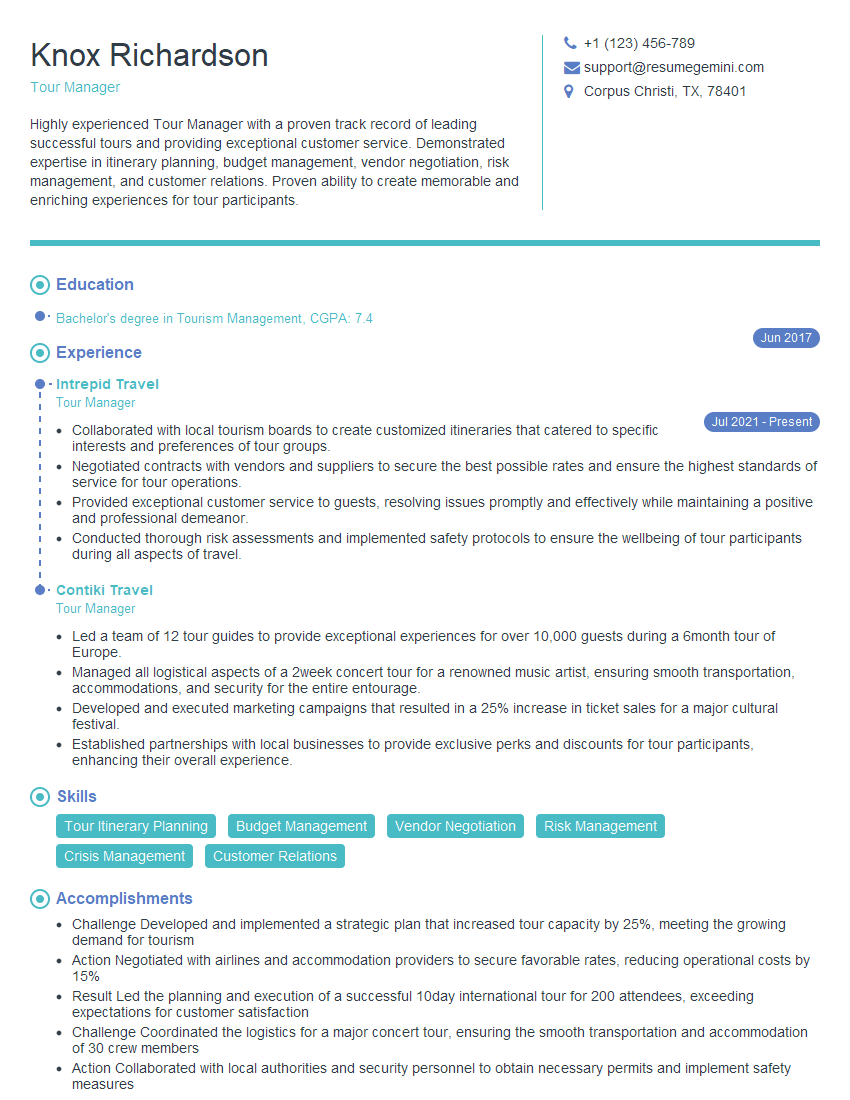
Tour Manager Resume Sample
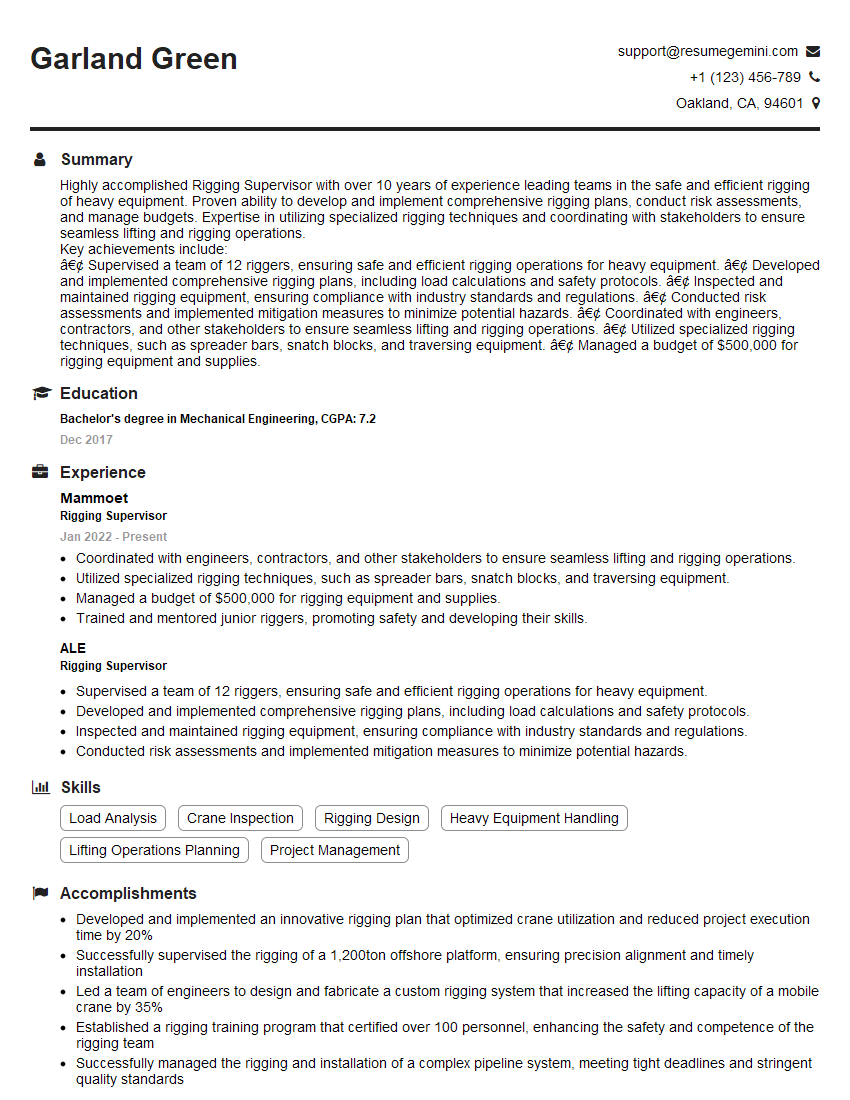
Rigging Supervisor Resume Sample
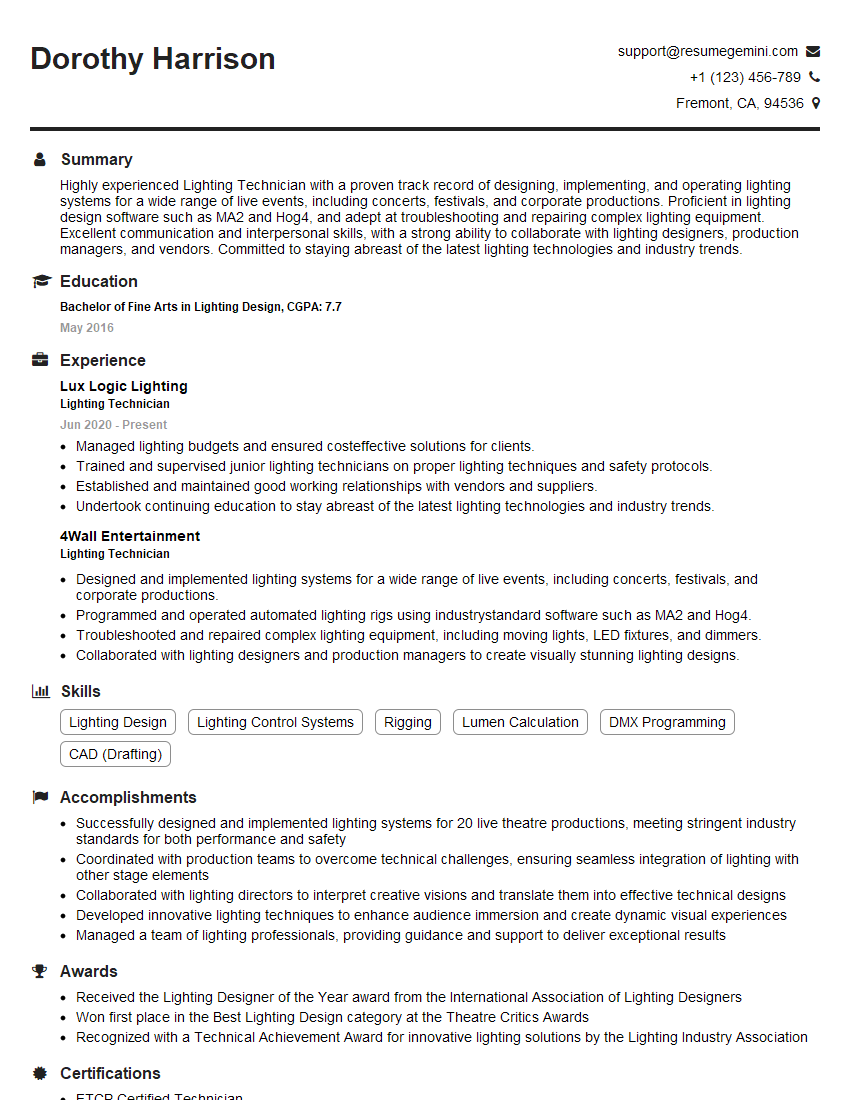
Lighting Technician Resume Sample
Explore more articles
Users Rating of Our Blogs
Share Your Experience
We value your feedback! Please rate our content and share your thoughts (optional).
What Readers Say About Our Blog
Very informative content, great job.
good