Feeling uncertain about what to expect in your upcoming interview? We’ve got you covered! This blog highlights the most important Pasture and Barn Management interview questions and provides actionable advice to help you stand out as the ideal candidate. Let’s pave the way for your success.
Questions Asked in Pasture and Barn Management Interview
Q 1. Describe your experience with pasture rotation and its benefits.
Pasture rotation is a grazing management technique where livestock are moved systematically between different paddocks or sections of pasture. This prevents overgrazing in any one area and allows for rest and regrowth. Think of it like crop rotation for your livestock’s ‘crops’ – the pasture itself.
- Increased Productivity: By allowing pastures to rest, we get more vigorous growth and higher yields of better quality forage.
- Improved Soil Health: Reduced soil compaction and erosion due to less continuous grazing. The rest periods allow the soil to recover and improve its structure.
- Weed Control: Strategic grazing can suppress weed growth, as desirable grasses are given the competitive advantage.
- Pest and Disease Management: Rotation reduces the build-up of parasites and diseases within a single pasture. For instance, parasites often accumulate in continuously grazed areas.
In my experience, a well-planned rotation system, for example a 7-paddock system with a 28-day rotation, has significantly increased our overall forage production and improved the health of our pastures. We’ve seen a noticeable reduction in weed pressure and parasite loads.
Q 2. How do you manage weed control in pastures?
Weed control in pastures requires a multi-pronged approach, integrating preventative and reactive strategies. Ignoring weeds leads to reduced forage production and potentially harmful impacts on livestock health.
- Preventative Measures: This includes selecting appropriate pasture species suited to the climate and soil conditions, ensuring proper fertilization, and managing grazing pressure to avoid bare patches where weeds can thrive. Regular mowing of pastures before weed seeds can mature significantly reduces the weed seed bank.
- Reactive Measures: This can involve herbicides (used responsibly and judiciously according to label instructions), hand-weeding, and targeted grazing management using livestock that prefer certain weeds over desirable grasses. For instance, goats are excellent at controlling certain woody weeds.
For example, on one farm, we successfully controlled an invasive weed species by implementing a rotational grazing system with sheep and goats. The sheep controlled the softer weeds while the goats targeted the woody plants, significantly improving pasture quality without relying solely on herbicides.
Q 3. Explain your approach to pasture fertilization and soil testing.
Soil testing is fundamental to effective pasture fertilization. Without it, you’re essentially fertilizing blindly, potentially wasting money and harming the environment.
I always start with a comprehensive soil test to determine the nutrient levels (nitrogen, phosphorus, potassium, etc.) and soil pH. This test provides a baseline against which to tailor a fertilization plan. The test results dictate which nutrients are deficient and how much fertilizer is needed. Different soil types and pasture species have specific nutrient requirements.
After the soil test, we develop a fertilization plan, applying the appropriate fertilizer type and amount. It’s crucial to follow the recommendations provided by the soil testing lab to avoid over-fertilizing, which can lead to environmental pollution and nutrient runoff.
For instance, a soil test might reveal a deficiency in phosphorus. In that case, we would amend the soil with a phosphorus-based fertilizer according to the lab’s recommendations to optimize pasture growth.
Q 4. What are the key indicators of healthy pasture growth?
Healthy pasture growth is indicated by several key factors. It’s not just about abundant growth, but also the quality and species composition of the plants.
- Vigorous Growth: The pasture should be dense and actively growing, showing signs of rapid leaf expansion and a rich green color. Stunted growth or bare patches suggest underlying issues.
- Species Diversity: A healthy pasture contains a variety of plant species, providing nutritional diversity for livestock. A monoculture is generally less resilient.
- Deep Root System: Healthy pastures have deep and extensive root systems, indicated by good soil structure and reduced erosion. Shallow roots often indicate nutrient deficiency or compaction.
- Absence of Weeds and Pests: A significant infestation of weeds or pests generally indicates poor pasture management.
For example, if a pasture shows slow growth, yellowing leaves, and a predominance of weeds, it may indicate a deficiency in nitrogen or phosphorus, requiring a soil test and fertilization adjustment.
Q 5. How do you assess pasture carrying capacity?
Pasture carrying capacity refers to the maximum number of livestock a pasture can sustainably support over a specific period, without degrading the pasture’s long-term productivity. It’s a critical factor in pasture management, preventing overgrazing and ensuring sustainable livestock production.
Assessing carrying capacity requires considering multiple factors:
- Forage Production: Estimating the total amount of usable forage produced per unit area over a grazing season is crucial.
- Forage Quality: The nutritional value of the forage affects how many animals it can sustain. Higher-quality forage allows for more animals.
- Livestock Type and Size: Different animals have different foraging needs and consumption rates. Larger animals require more forage.
- Grazing System: Rotational grazing systems generally allow for higher carrying capacities than continuous grazing due to improved pasture productivity.
Methods for assessment often involve measuring pasture yield, analyzing forage quality, and considering historical grazing data. Experienced pasture managers often use a combination of these methods to make informed decisions about stocking rates.
Q 6. Describe your experience with different grazing systems (e.g., rotational, continuous).
I have extensive experience with both continuous and rotational grazing systems. Each system has its advantages and disadvantages, and the optimal choice depends on various factors, including pasture size, topography, livestock type, and management resources.
- Continuous Grazing: Livestock graze the pasture continuously throughout the grazing season. This system is simpler to manage, but often leads to overgrazing in preferred areas and undergrazing in less desirable areas. It also results in lower pasture productivity.
- Rotational Grazing: Livestock are moved systematically between different paddocks, allowing each paddock to rest and recover. This system significantly improves pasture productivity, soil health, and weed control, leading to higher-quality forage and enhanced animal performance. However, it requires more planning and management.
In my experience, rotational grazing systems consistently deliver higher returns, despite requiring more upfront planning. The increased forage productivity far outweighs the additional management effort. However, continuous grazing can be suitable for smaller operations with limited resources or specific pasture characteristics.
Q 7. How do you manage overgrazing and its consequences?
Overgrazing occurs when livestock consume forage faster than it can regrow, leading to several negative consequences.
- Reduced Forage Productivity: Overgrazing damages pasture plants, reducing their ability to regrow and produce forage in subsequent seasons.
- Soil Degradation: Bare soil becomes susceptible to erosion, compaction, and nutrient loss.
- Weed Infestation: Overgrazed pastures are prone to weed invasion as desirable grasses struggle to compete.
- Livestock Performance Decline: Animals on overgrazed pastures receive insufficient high-quality feed, resulting in reduced weight gain, milk production, or reproductive performance.
Managing overgrazing involves reducing stocking rates (number of animals per unit area), implementing rotational grazing, allowing adequate rest periods for pastures, and potentially employing supplemental feeding during periods of low forage availability. Early identification of overgrazing is critical. Regular monitoring of pasture condition and appropriate adjustments in stocking density are essential.
For instance, if we observe significant bare patches, reduced forage density, or a decline in animal performance, we immediately reduce stocking rates or adjust the grazing rotation to allow the pasture to recover.
Q 8. What are the common pasture pests and diseases, and how do you control them?
Pasture pests and diseases significantly impact forage quality and animal health. Effective management requires a multi-pronged approach combining preventative measures with targeted interventions.
- Common Pests: These include insects like armyworms, grasshoppers, and aphids, which directly consume plant material, reducing yield and quality. Weeds, such as thistles and bindweed, compete with desirable forage species for nutrients and space. Rodents can damage plants and spread disease.
- Common Diseases: Fungal diseases like rust and leaf spot can significantly reduce forage yield and nutritional value. These often thrive in moist conditions. Other issues include nematode infestations that damage roots, impacting plant health and water uptake.
- Control Strategies: A crucial first step is proper pasture management—ensuring adequate fertilization, appropriate grazing rotation, and weed control. This promotes healthy plant growth, making them more resistant to pests and diseases. Integrated pest management (IPM) is key, minimizing pesticide use and utilizing biological controls whenever feasible. This might involve introducing beneficial insects that prey on pests or utilizing specific herbicides for weed control. Regular pasture monitoring is critical for early detection and prompt intervention.
- Example: In my experience, rotating grazing pastures has proven highly effective in preventing overgrazing, reducing pest pressure, and minimizing the spread of diseases. We also employ spot treatment with organic pesticides only when necessary, after careful monitoring and identification of the issue.
Q 9. Explain your experience with hay production and storage.
Hay production and storage are critical for ensuring sufficient high-quality feed throughout the year, especially during winter months when pasture is limited.
- Production: Successful hay production begins with selecting the right forage species adapted to the local climate and soil conditions. Timing of harvest is crucial—too early and nutritional value is lower, too late and the hay becomes less digestible. Proper mowing, conditioning (to accelerate drying), and curing techniques are essential for optimal nutrient retention and reduced spoilage. The hay is then baled, using either round or square bales depending on equipment and preference. The goal is to achieve a moisture content of around 15% to prevent mold growth during storage.
- Storage: Appropriate storage protects the hay’s quality and prevents spoilage. Bales should be stored in a dry, well-ventilated area, ideally under cover to protect them from rain and excessive sunlight. Proper stacking techniques are crucial to prevent compaction and ensure good airflow. Regular inspection is essential to identify any signs of mold, spoilage, or pest infestation. We use plastic bale covers in our operation to further protect against moisture damage.
- Example: In one instance, we had to adjust our harvest timing due to unusually wet weather. Quick action in using a combination of field drying and forced air drying in a barn allowed us to salvage a significant portion of the hay crop, avoiding significant losses.
Q 10. Describe your barn maintenance procedures.
Barn maintenance is crucial for animal health, safety, and the longevity of the structure itself. Our routine includes several key aspects.
- Regular Cleaning: This involves removing manure regularly to prevent the build-up of ammonia and harmful bacteria. We typically use mechanical means like skid steers, complemented by manual cleaning in tight spaces. Regular washing and disinfection of surfaces are also essential to control pathogens.
- Structural Integrity: We routinely inspect the roof, walls, and foundation for any signs of damage, such as cracks or rot. We address these promptly to prevent further deterioration and potential safety hazards. This often includes painting or sealing exposed wood surfaces to protect against moisture damage.
- Equipment Maintenance: All barn equipment, including ventilation systems, feeders, and watering systems, requires regular maintenance checks and repairs to ensure smooth operation and minimize breakdowns.
- Pest and Rodent Control: Regular inspections and use of traps or other deterrents are essential to prevent pest infestations that can damage structures and contaminate feed.
Q 11. How do you ensure proper ventilation and temperature control in a barn?
Proper ventilation and temperature control are critical for maintaining a healthy and comfortable environment for livestock.
- Ventilation: We utilize a combination of natural and forced ventilation systems. Natural ventilation relies on strategically placed openings to create airflow, taking advantage of temperature gradients. Forced ventilation involves fans that circulate air, removing moisture, ammonia, and other harmful gases. The design of our ventilation system considers wind direction and prevailing weather patterns to maximize effectiveness.
- Temperature Control: Maintaining optimal temperatures is particularly critical during extreme weather conditions. We might use fans to cool the barn in summer or utilize supplemental heating systems like heaters or radiant floor systems in winter, depending on the animal and climate.
- Monitoring: Continuous monitoring of temperature and humidity levels is essential to fine-tune the ventilation and heating systems. We employ sensors and data loggers to track these parameters and ensure optimal conditions are maintained.
Q 12. What are your strategies for animal health and biosecurity in the barn?
Animal health and biosecurity are paramount in preventing disease outbreaks and maintaining a productive herd. Our approach is multifaceted.
- Vaccination Programs: We follow a strict vaccination schedule for our animals based on veterinary recommendations and local disease prevalence. This includes core vaccines and those specific to the region and species.
- Quarantine Procedures: Any new animals brought onto the farm undergo a strict quarantine period to prevent the introduction of infectious agents. This involves isolation and observation for signs of illness.
- Hygiene and Sanitation: Strict hygiene protocols are implemented to minimize pathogen transmission. This involves regular disinfection, proper waste disposal, and the use of protective clothing by personnel.
- Pest Control: Regular pest control measures are employed to reduce the risk of vector-borne diseases. This often includes measures to control rodents and insects.
- Record Keeping: Detailed record-keeping of animal health, treatments, and preventative measures is crucial for identifying potential outbreaks and tracking the effectiveness of interventions.
Q 13. Explain your experience with manure management and its environmental impact.
Manure management is critical for environmental sustainability and minimizing negative impacts.
- Storage and Handling: We use covered storage areas to contain manure, preventing runoff and reducing odor emissions. This often includes liquid manure storage pits or solid manure composting areas. Effective containment prevents groundwater contamination and surface water pollution.
- Utilization: We explore opportunities to utilize manure as a valuable fertilizer resource. Proper composting breaks down organic matter, producing nutrient-rich compost that can be applied to fields, enhancing soil fertility and reducing the need for synthetic fertilizers. This contributes to a more sustainable agricultural cycle.
- Environmental Impact: Manure contains nutrients (nitrogen, phosphorus, potassium) that can be beneficial for plant growth. However, if not managed correctly, these nutrients can leach into water bodies, causing eutrophication (excessive algal growth) and harming aquatic life. Likewise, improperly managed manure can contribute to greenhouse gas emissions (methane).
- Regulations: We adhere strictly to local and national regulations regarding manure storage, handling, and disposal, ensuring responsible environmental stewardship.
Q 14. How do you handle barn safety and emergency procedures?
Barn safety and emergency preparedness are crucial for minimizing risks and protecting both animals and personnel.
- Safety Procedures: We have clear procedures for handling animals safely, including proper restraint techniques and handling equipment. All personnel receive regular safety training, covering emergency response and hazard identification.
- Emergency Plan: Our emergency plan addresses various scenarios, including fire, injury, or disease outbreaks. It includes contact information for emergency services, detailed procedures for evacuating animals or personnel, and strategies for containing emergencies. Regular drills ensure everyone is familiar with these procedures.
- Equipment and Supplies: We maintain adequate supplies of safety equipment, including fire extinguishers, first-aid kits, and emergency lighting, ensuring they are readily accessible and in good working order.
- Hazard Mitigation: We regularly assess potential hazards, such as electrical hazards or slips and falls, and implement measures to minimize the risk. This includes keeping pathways clear, ensuring proper electrical wiring, and providing non-slip flooring.
Q 15. Describe your experience with different types of livestock housing.
My experience encompasses a wide range of livestock housing, from traditional barns to modern, climate-controlled facilities. I’ve worked with various designs optimized for different species and climates. For example, I’ve managed free-stall barns for dairy cows, requiring meticulous cleaning and ventilation to maintain hygiene and prevent respiratory issues. I’ve also overseen the operation of hoop barns for beef cattle, focusing on efficient space utilization and protection from the elements. Furthermore, I’m familiar with pasture-based systems incorporating temporary shelters for rotational grazing, emphasizing animal comfort and pasture management. Each system demands a unique approach to maintaining optimal environmental conditions, minimizing disease risk, and ensuring animal welfare.
- Free-stall barns: Prioritize individual cow comfort with bedded stalls, clean water sources, and effective manure management.
- Hoop barns: Focus on structural integrity, weather protection, and adequate space for animal movement and feed distribution.
- Pasture-based shelters: Emphasize mobility, ease of cleaning, and protection from extreme weather.
Career Expert Tips:
- Ace those interviews! Prepare effectively by reviewing the Top 50 Most Common Interview Questions on ResumeGemini.
- Navigate your job search with confidence! Explore a wide range of Career Tips on ResumeGemini. Learn about common challenges and recommendations to overcome them.
- Craft the perfect resume! Master the Art of Resume Writing with ResumeGemini’s guide. Showcase your unique qualifications and achievements effectively.
- Don’t miss out on holiday savings! Build your dream resume with ResumeGemini’s ATS optimized templates.
Q 16. What are your strategies for minimizing stress on animals during handling?
Minimizing stress during handling is crucial for animal welfare and operational efficiency. My strategies center around understanding animal behavior and implementing calm, predictable routines. This involves using slow movements, quiet voices, and avoiding sudden changes. We utilize proper handling equipment, such as curved chutes and low-stress gates, designed to encourage smooth movement. Training staff on humane handling techniques is paramount. We emphasize positive reinforcement, rewarding calm behavior with treats or gentle praise. We also ensure adequate space and minimize overcrowding in holding areas. For example, before moving cattle, we’ll often lead them slowly, using visual cues and gentle guidance rather than prodding. This approach reduces fear and minimizes the risk of injury.
Q 17. Explain your understanding of animal welfare best practices.
Animal welfare best practices are fundamental to my approach. They encompass providing clean and comfortable housing, access to fresh water and nutritious feed, and regular health checks. Minimizing stress through proper handling and reducing exposure to harsh weather are also key. This involves following established guidelines for animal density, ensuring adequate ventilation, and implementing appropriate biosecurity measures to prevent disease. Regular assessment of animal behavior, including alertness, appetite, and social interactions, is crucial to identifying potential problems early. Compliance with all relevant regulations and ethical considerations is non-negotiable. For instance, we regularly inspect our facilities to ensure compliance with animal welfare regulations and make necessary improvements based on our observations and any identified deficiencies.
Q 18. How do you manage feed storage and distribution?
Efficient feed storage and distribution are crucial for maintaining animal health and minimizing waste. I utilize proper storage facilities, ensuring feed is protected from moisture, pests, and contamination. We employ a First-In, First-Out (FIFO) system to prevent spoilage. Distribution methods are tailored to the specific animal type and feeding strategy. For example, dairy cows may receive feed through automated systems for precision feeding, while beef cattle might be fed in bunks or troughs. Regular monitoring of feed inventory and quality control are part of the process. We maintain detailed records of feed purchases, storage locations, and consumption rates to optimize feeding strategies and minimize costs. This includes implementing a system to track feed efficiency and adjust rations as needed based on animal performance and production goals.
Q 19. Describe your experience with record-keeping and data management in pasture and barn operations.
Record-keeping and data management are integral to efficient and profitable pasture and barn operations. I utilize software to track various parameters, including animal health records, production data (milk yield, weight gain), feed intake, breeding information, and veterinary treatments. This data is used to monitor animal performance, identify trends, and make informed management decisions. For example, we might track individual cow milk production to identify animals requiring additional attention or changes in their feed ration. Regular data analysis helps identify areas for improvement, like refining feeding strategies or optimizing herd health management protocols. We use this data to assess overall farm efficiency and to make informed decisions that improve profitability and animal welfare. All records are meticulously maintained and regularly backed up to ensure data integrity and compliance with regulations.
Q 20. How do you monitor animal health and identify potential problems?
Animal health monitoring is a continuous process. Daily observation of animal behavior, body condition, and appetite is critical. Regular weighing and physical examinations are conducted, supplemented by periodic fecal and blood tests to identify potential health issues. We maintain a close working relationship with our veterinarian, promptly reporting any signs of illness or injury. Prompt treatment is crucial to prevent the spread of disease and ensure the health of the herd. For example, a noticeable decrease in milk production in a dairy cow might prompt further investigation, including blood tests to rule out various diseases. We also implement preventive health measures, such as vaccination and parasite control programs, to mitigate risks and maintain optimal herd health.
Q 21. Explain your experience with equipment maintenance and repair.
Equipment maintenance is vital for operational efficiency and safety. We establish a regular maintenance schedule for all equipment, including tractors, feeding systems, and milking machines. This involves regular inspections, lubrication, and replacement of worn parts. We keep detailed maintenance records to track repairs and anticipate potential issues. Preventive maintenance helps avoid costly breakdowns and minimizes downtime. For example, we regularly inspect the milking equipment to ensure proper function and hygiene. Minor repairs are often handled in-house, while major repairs or overhauls are outsourced to qualified professionals. Our maintenance procedures adhere to all safety regulations to protect both our staff and the animals.
Q 22. How do you manage water resources for livestock and pastures?
Efficient water resource management is crucial for both livestock health and pasture productivity. It involves a multifaceted approach focusing on both quantity and quality.
- Water Source Assessment: We begin by evaluating the available water sources – be it a well, river, or stored rainwater – assessing their capacity, quality (testing for contaminants), and accessibility for both animals and irrigation. For example, I once worked on a farm where the well water was high in minerals, affecting animal health. We implemented a water softening system and saw an immediate improvement.
- Water Distribution: Implementing a reliable water distribution system is key. This might include a network of troughs strategically placed throughout the pasture, ensuring animals always have access to fresh, clean water, minimizing travel distances, especially during hot weather. Automated systems that regulate water flow are also beneficial for large herds and reduce waste.
- Pasture Irrigation: Depending on the climate and pasture type, irrigation may be necessary. This could involve drip irrigation for targeted watering, sprinkler systems for wider coverage, or even more traditional methods like flood irrigation. Careful planning is crucial to avoid overwatering, leading to waterlogging and nutrient runoff.
- Water Conservation: Implementing water-saving practices is paramount, especially in drier regions. This might involve using water troughs with reduced evaporation rates, fixing leaks promptly, and utilizing moisture-monitoring sensors to optimize irrigation schedules.
Regular maintenance of the entire water system is vital to prevent breakdowns and contamination, ensuring a consistent supply of clean water for the animals and optimal pasture growth.
Q 23. Describe your experience with budget management in a pasture and barn setting.
Budget management in pasture and barn operations requires a detailed understanding of all costs, both fixed and variable. I use a combination of spreadsheets and farm management software to meticulously track expenses and income.
- Fixed Costs: These include land rent or mortgage payments, property taxes, insurance, equipment depreciation, and barn maintenance. A thorough assessment of these upfront helps in long-term financial planning.
- Variable Costs: These are more dynamic and include feed costs (which fluctuate based on market prices and animal needs), fertilizer and pesticide costs, labor costs (seasonal workers, veterinarian bills), fuel, and veterinary care. Careful budgeting and forecasting are critical to manage these effectively.
- Revenue Projections: Accurate income projections based on livestock production, sales prices, and market demand are essential. I typically factor in potential fluctuations in market prices and livestock health to avoid unrealistic projections.
- Financial Forecasting: Regularly analyzing income and expenses helps identify areas for cost reduction or increased efficiency. This might involve comparing different feed sources, negotiating better deals with suppliers, or implementing labor-saving technologies. For instance, I once switched to a bulk feed supplier, reducing transportation costs significantly.
By consistently monitoring these aspects, we can create a realistic budget, identify potential risks, and make informed decisions to ensure the farm’s financial stability and profitability.
Q 24. How do you implement and comply with relevant regulations and standards?
Compliance with regulations and standards is not just a legal requirement; it’s crucial for maintaining animal welfare, environmental protection, and public health. My experience involves a multi-step process:
- Identifying Relevant Regulations: This involves thoroughly researching and understanding all applicable local, state, and federal regulations related to livestock management, pastureland use, water quality, waste disposal, and worker safety. Different regions have different regulations, so understanding the specifics of your location is paramount.
- Record Keeping: Meticulous record keeping is essential for demonstrating compliance. This includes detailed records of animal health treatments, feed usage, pesticide applications, fertilizer use, and waste management practices. These records must be readily accessible for audits.
- Regular Inspections: We ensure regular self-inspections to identify potential areas of non-compliance and take proactive steps to address them. We also cooperate fully with any regulatory inspections and provide all necessary documentation.
- Training and Education: Keeping abreast of any changes in regulations and best practices requires ongoing training for the farm staff. This ensures everyone understands their responsibilities and contributes to consistent compliance.
Proactive compliance not only prevents penalties but also demonstrates a commitment to responsible and ethical farm management practices.
Q 25. Explain your experience with sustainable agricultural practices.
Sustainable agricultural practices are essential for long-term farm viability and environmental stewardship. My experience incorporates various techniques:
- Integrated Pest Management (IPM): Instead of relying solely on chemical pesticides, we utilize IPM strategies that integrate biological control agents, crop rotation, and other methods to minimize pesticide use and promote biodiversity. For example, we planted hedgerows to attract beneficial insects that prey on crop pests.
- Rotational Grazing: We implement rotational grazing systems to improve pasture health and reduce soil erosion. By regularly rotating livestock between different pasture sections, we allow each section to recover and prevent overgrazing. This promotes healthy grass growth and improves soil fertility.
- Manure Management: Proper manure management is crucial for reducing nutrient runoff and protecting water quality. We utilize composting techniques to recycle manure nutrients and return them to the soil as a natural fertilizer.
- Soil Health: We prioritize soil health through cover cropping, no-till farming, and other practices that promote soil biodiversity and improve soil structure. Healthy soils are more resilient to drought and improve water retention.
- Water Conservation: As discussed previously, water conservation measures are central to sustainable agriculture. Efficient irrigation systems and responsible water usage practices help conserve water resources.
Adopting these sustainable practices not only reduces environmental impact but also contributes to improved profitability by decreasing reliance on costly inputs and promoting long-term land productivity.
Q 26. How do you adapt your management practices to changing weather conditions?
Adapting to changing weather conditions is crucial for successful pasture and barn management. Flexibility and proactive planning are key.
- Weather Monitoring: Regularly monitoring weather forecasts allows for proactive adjustments. This includes anticipating extreme heat, cold snaps, droughts, or heavy rainfall events.
- Supplemental Feeding: During droughts, supplemental feeding may be necessary to ensure livestock have enough to eat. This might involve providing hay or other feed sources to compensate for limited pasture availability.
- Water Management: During periods of drought, careful water management becomes paramount. This includes implementing water-saving techniques and potentially supplementing water sources if needed.
- Shelter Provision: Providing adequate shelter is crucial during extreme weather events. Ensuring animals have access to barns or windbreaks during storms or cold snaps protects their health and wellbeing.
- Pasture Management: Adjusting grazing practices based on rainfall and pasture growth is important. In wet conditions, grazing may need to be restricted to prevent overgrazing and soil compaction. During dry periods, reducing stocking density helps prevent overgrazing and allows pastures to recover.
By actively monitoring weather patterns and implementing appropriate strategies, we can mitigate the negative impacts of unpredictable weather on livestock and pasture health.
Q 27. Describe a time you had to solve a significant problem related to pasture or barn management.
One significant problem I encountered involved a sudden outbreak of a highly contagious respiratory disease among the cattle. It was a challenging situation that required immediate and decisive action.
- Rapid Assessment: I quickly assessed the situation, isolating the affected animals to prevent further spread. I consulted with a veterinarian immediately to determine the cause and appropriate treatment.
- Treatment and Containment: Following the veterinarian’s recommendations, we implemented a rigorous treatment plan for the affected cattle, including medication and supportive care. We also implemented strict biosecurity measures to prevent the disease from spreading further within the herd or to other farms.
- Notification and Collaboration: We promptly notified the relevant authorities about the outbreak and collaborated with them to contain the situation. This involved implementing stringent movement restrictions and working with other nearby farms to prevent the spread of the disease.
- Post-Outbreak Analysis: After the crisis, we conducted a thorough review of our management practices, identifying any shortcomings that might have contributed to the outbreak. This analysis led to improved biosecurity protocols and a more robust disease prevention plan.
This experience underscored the importance of proactive disease prevention, rapid response, and close collaboration with veterinary professionals and regulatory authorities.
Q 28. How do you prioritize tasks in a fast-paced farm environment?
Prioritizing tasks in a fast-paced farm environment requires a structured approach. I use a combination of methods to effectively manage my workload.
- Task Listing: I start by creating a comprehensive list of all tasks, breaking them down into smaller, manageable units. This provides a clear overview of everything that needs to be done.
- Prioritization Matrix: I utilize a prioritization matrix (like the Eisenhower Matrix) to categorize tasks based on urgency and importance. This helps me focus on high-priority tasks first, ensuring critical activities are completed promptly.
- Time Blocking: Allocating specific time slots for different tasks improves efficiency and minimizes distractions. This allows for focused work and prevents task-switching, leading to better productivity.
- Delegation: I effectively delegate tasks where possible, empowering my team to take ownership of their responsibilities. This frees up time for me to focus on higher-level strategic tasks.
- Regular Review: Regularly reviewing the task list and adjusting priorities based on changing circumstances is essential. This ensures flexibility and adaptability to the dynamic nature of farm operations.
By combining these strategies, I maintain a clear and manageable workflow, ensuring all essential tasks are addressed effectively and efficiently, even during periods of high activity on the farm.
Key Topics to Learn for Pasture and Barn Management Interview
- Pasture Management: Understanding pasture establishment, species selection, rotational grazing techniques, and pasture renovation. Consider the practical application of these techniques in different climates and soil types.
- Forage Production and Quality: Knowledge of forage harvesting methods, silage production, haymaking, and the factors influencing forage nutritional value. Be prepared to discuss strategies for maximizing forage quality and yield.
- Livestock Health and Welfare: Familiarize yourself with common livestock diseases, preventative health measures, parasite control, and best practices for animal handling and welfare. Consider how to troubleshoot common health issues.
- Barn Management and Infrastructure: Understanding barn design, ventilation systems, manure management, and the maintenance of essential barn equipment. Be ready to discuss solutions to common barn maintenance challenges.
- Financial Management: Budgeting, record-keeping, and cost analysis related to pasture and barn operations. Be prepared to discuss strategies for optimizing profitability.
- Safety and Regulations: Knowledge of relevant safety regulations, hazard identification, and risk mitigation strategies in pasture and barn environments. Discuss practical examples of safety protocols.
- Sustainable Practices: Understanding and implementing sustainable farming practices, including water conservation, soil health improvement, and minimizing environmental impact.
Next Steps
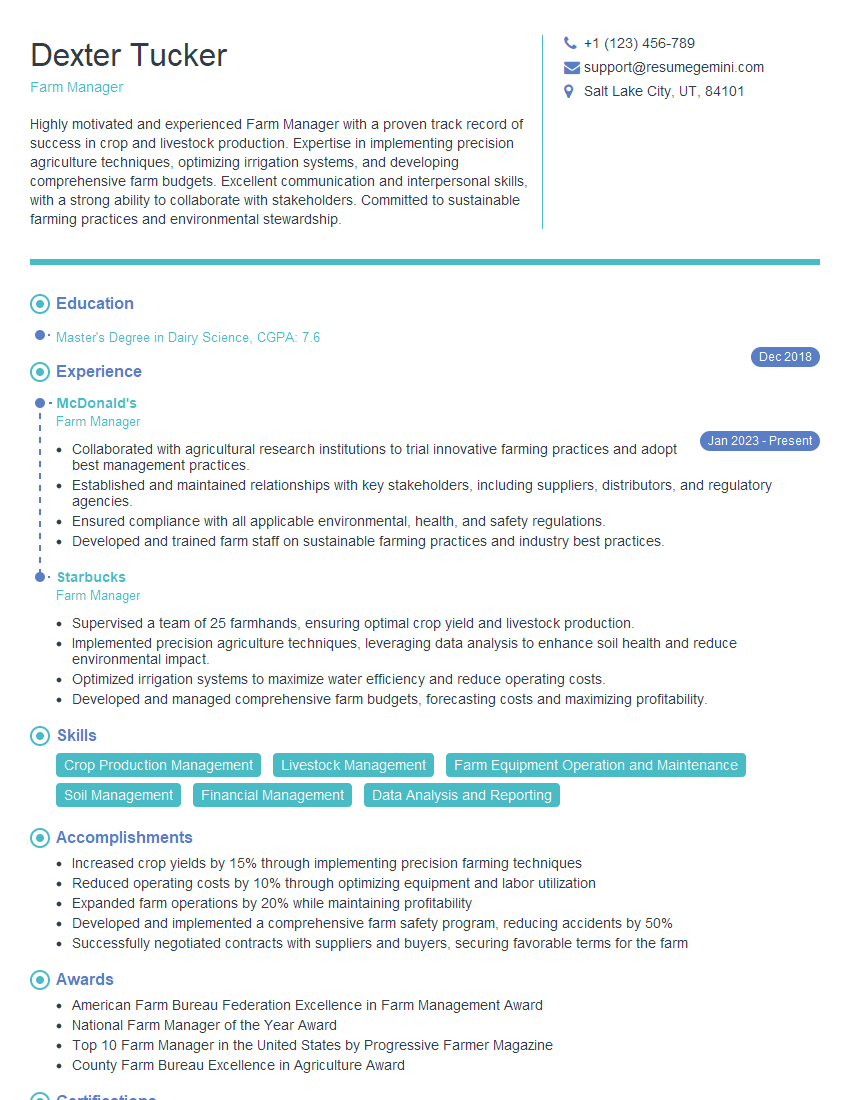
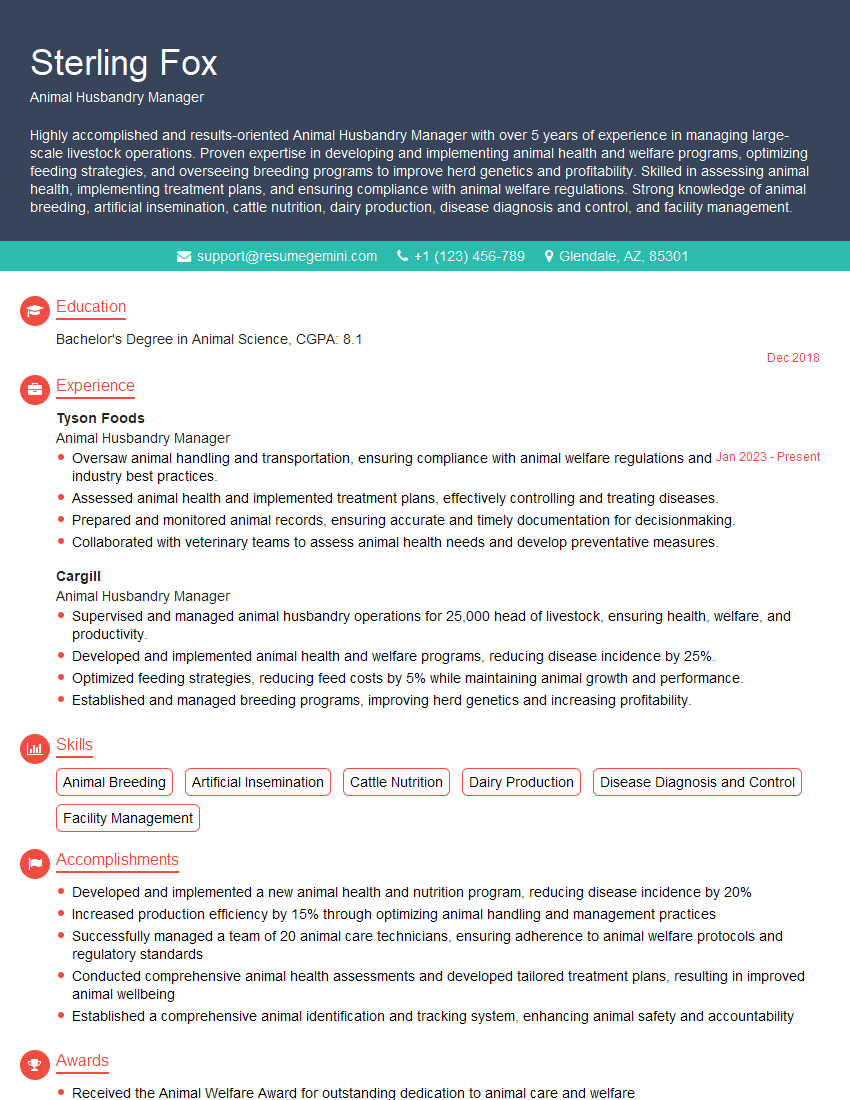
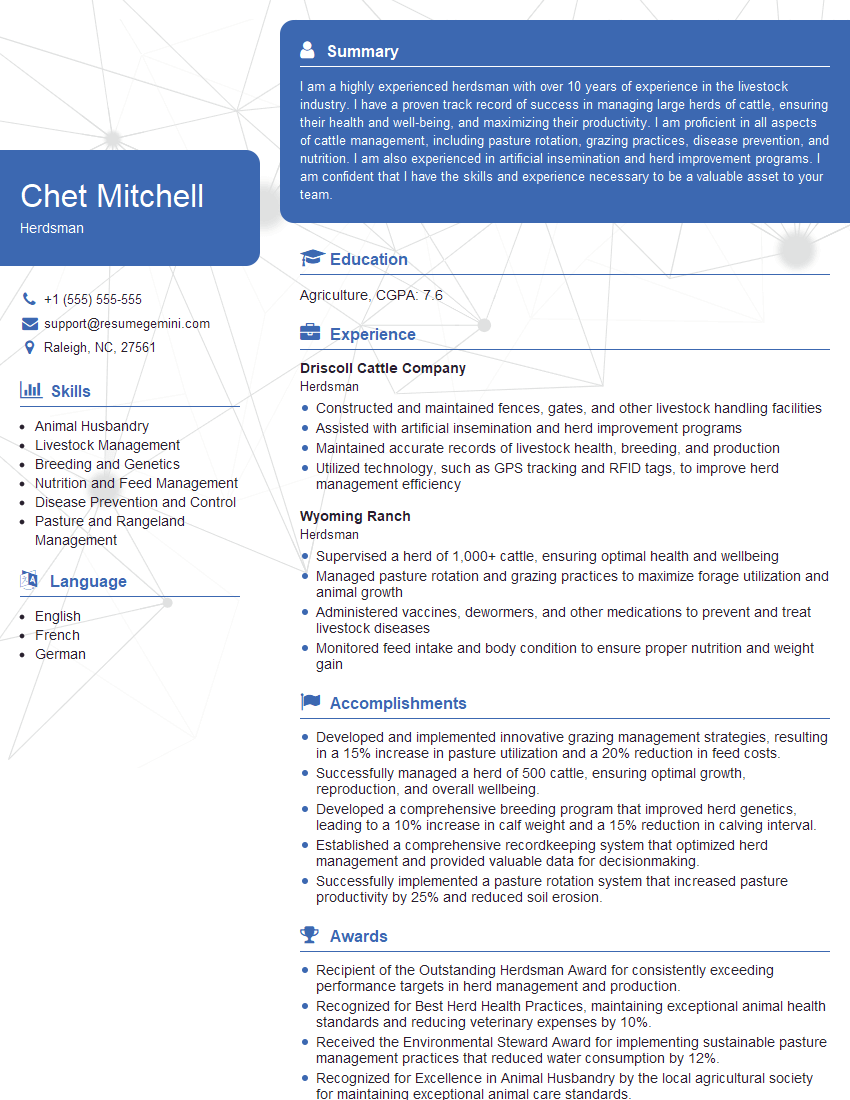
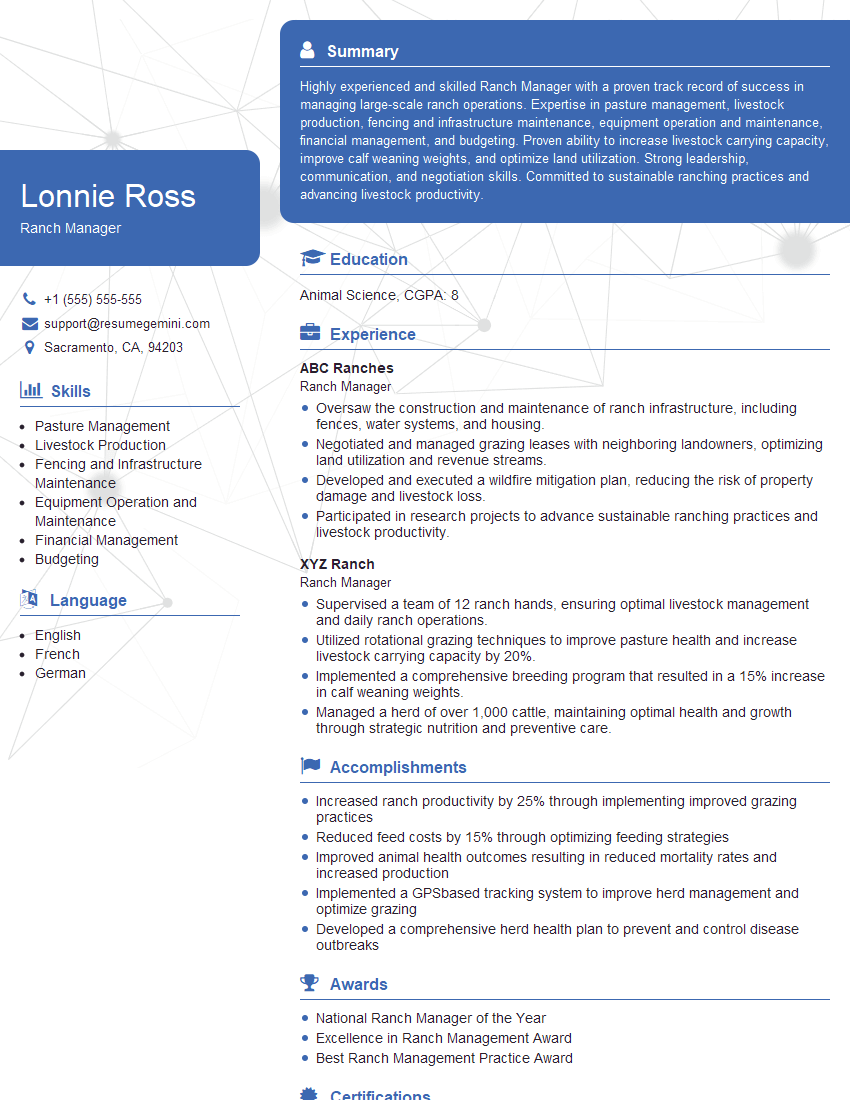
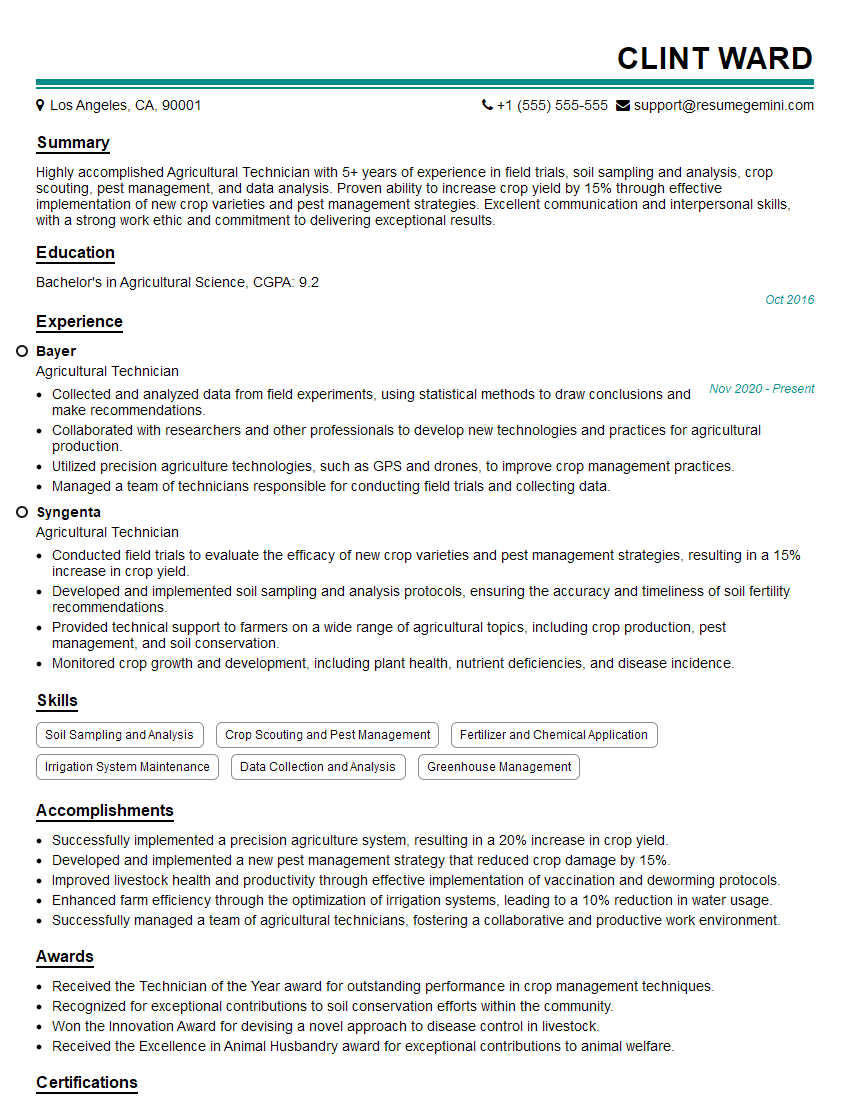
Mastering Pasture and Barn Management opens doors to rewarding careers offering growth potential and a positive impact on the agricultural industry. A strong resume is your key to unlocking these opportunities. Creating an ATS-friendly resume is crucial for getting your application noticed by potential employers. We highly recommend using ResumeGemini to build a professional and effective resume that showcases your skills and experience. ResumeGemini provides examples of resumes tailored to Pasture and Barn Management to help you craft a winning application. Take the next step in your career journey today!


Explore more articles
Users Rating of Our Blogs
Share Your Experience
We value your feedback! Please rate our content and share your thoughts (optional).
What Readers Say About Our Blog
Very informative content, great job.
good