Every successful interview starts with knowing what to expect. In this blog, we’ll take you through the top Patient Transfer Procedures interview questions, breaking them down with expert tips to help you deliver impactful answers. Step into your next interview fully prepared and ready to succeed.
Questions Asked in Patient Transfer Procedures Interview
Q 1. Describe the different methods used for patient transfer.
Patient transfer methods vary depending on the patient’s condition, the distance of the transfer, and available resources. They range from simple, bedside movements to complex, inter-facility transports.
- Bed-to-bed transfers: This involves moving a patient from one bed to another, often within the same room or unit. This might involve a simple repositioning or the use of a slide board for patients with limited mobility.
- Wheelchair transfers: Patients with sufficient mobility can be transferred to and from wheelchairs. This requires assessment of the patient’s strength and balance.
- Stretcher transfers: For patients with limited or no mobility, stretchers are used for moving them within a facility or between facilities. This may involve specialized equipment like hydraulic stretchers for easier lifting.
- Ambulance transfers: These are used for inter-facility transfers, often involving longer distances and more complex patient monitoring during transport.
- Specialized transport teams: Critical care transport teams handle transfers of unstable patients requiring advanced life support during transit, often utilizing specialized ambulances equipped with ventilators and other life-sustaining equipment.
Choosing the right method depends on a thorough assessment of the patient’s physical and mental status, considering factors like weight, medical conditions, and level of cooperation.
Q 2. What are the safety precautions involved in transferring a patient?
Safety is paramount during patient transfers. Precautions must be implemented to prevent falls, injuries, and complications.
- Proper Body Mechanics: Using correct posture and lifting techniques to avoid strain on the back and other muscles is crucial. This involves bending at the knees, keeping the back straight, and lifting with leg muscles.
- Adequate Assistance: Never attempt to transfer a patient alone if they are heavy or uncooperative. Always have sufficient assistance to ensure a safe transfer.
- Safe Environment: Clear the pathway of obstacles, ensure adequate lighting, and use non-slip surfaces to prevent falls. Consider using bed rails or other safety measures.
- Patient Assessment: Thoroughly assess the patient’s ability to assist with the transfer and their overall physical condition. Consider their pain levels and any potential medical equipment or lines.
- Use of Transfer Aids: Employing appropriate transfer devices, like slide boards, gait belts, or transfer slings, significantly reduces the risk of injury to both the patient and the healthcare provider.
- Communication: Clear and concise communication between the healthcare team members is vital. The patient should also be involved in the process as much as possible, to ensure they feel safe and secure.
Following these precautions creates a safer environment and reduces the likelihood of accidents during patient transfers.
Q 3. How do you assess a patient’s condition before and during transfer?
Patient assessment is a crucial step before, during, and after any transfer. This ensures that the transfer is performed safely and effectively.
Before transfer: This includes reviewing the patient’s chart to identify any medical conditions or limitations (e.g., fragility, recent surgery, use of medical devices), checking vital signs (heart rate, blood pressure, oxygen saturation, respiratory rate), and assessing the patient’s level of consciousness and mobility. A comprehensive assessment helps to anticipate potential challenges during the transfer.
During transfer: Continuous monitoring of vital signs is essential. Observe for any signs of distress or changes in the patient’s condition, such as changes in breathing, skin color, or level of consciousness. Regular communication with the patient about their comfort level is crucial. Address any pain or discomfort promptly.
Example: A patient with a history of heart failure might require careful monitoring of oxygen saturation levels during a transfer to prevent desaturation. A patient recovering from hip surgery would require a specialized transfer technique to protect the surgical site.
Q 4. Explain the importance of proper documentation during patient transfer.
Proper documentation during patient transfers is essential for legal, clinical, and administrative reasons. It provides a clear record of events and facilitates continuity of care.
- Time of transfer: Precise recording of the start and end times of the transfer.
- Method of transfer: Specify the equipment and techniques used (e.g., stretcher, wheelchair, slide board).
- Patient condition before, during, and after transfer: Document vital signs, level of consciousness, and any observed changes.
- Personnel involved: List the names and roles of all healthcare professionals participating in the transfer.
- Any complications or incidents: Detailed account of any unexpected events, such as falls or changes in patient status.
- Destination and receiving personnel: Clearly state where the patient was transferred to and who received them.
This documentation protects both the patient and the healthcare providers, ensuring accountability and providing a valuable record for future reference. Incomplete or inaccurate documentation can lead to legal issues and negatively impact patient care.
Q 5. What are the legal and ethical considerations in patient transfer?
Patient transfer involves significant legal and ethical considerations. These considerations center on patient safety, informed consent, and adherence to regulations.
- Informed Consent: The patient or their legal guardian must provide informed consent for the transfer. This means they must understand the risks and benefits involved in the transfer process.
- Confidentiality: Maintaining patient confidentiality throughout the transfer is paramount. Protecting sensitive medical information is crucial.
- Patient Rights: The patient’s rights to dignity, respect, and autonomy must be honored. The transfer should be conducted in a compassionate and respectful manner.
- Compliance with Regulations: Adherence to all relevant regulations, policies, and procedures is mandatory. This might include compliance with HIPAA and other relevant laws.
- Liability: Healthcare providers involved in patient transfers bear a responsibility for ensuring the safety and well-being of the patient. Negligence during transfer can result in legal repercussions.
Understanding and adhering to these legal and ethical considerations are crucial to providing safe, responsible patient care.
Q 6. How do you handle a patient who becomes unstable during transfer?
If a patient becomes unstable during transfer, immediate action is critical. The priority is to stabilize the patient and address the underlying cause of instability.
- Stop the transfer immediately: Halt the transfer process and ensure the patient’s safety.
- Assess the patient: Quickly evaluate the patient’s vital signs and identify the cause of instability (e.g., cardiac arrest, respiratory distress, sudden drop in blood pressure).
- Initiate appropriate life support: If necessary, implement CPR, oxygen therapy, or other life-saving measures.
- Alert the appropriate medical team: Immediately notify the medical team, including physicians and nurses, about the situation.
- Document the event: Meticulously document the incident, including the time, the events leading to the instability, the interventions implemented, and the patient’s response.
- Continue monitoring and support: Closely monitor the patient’s condition until stable and ensure appropriate ongoing support.
Effective teamwork, quick assessment, and rapid response are crucial in these high-pressure situations. Regular training and drills are important to prepare for such eventualities.
Q 7. Describe your experience with different types of patient transfer equipment.
My experience encompasses a wide range of patient transfer equipment, from basic to highly specialized.
- Slide boards: Frequently used for transferring patients from bed to stretcher, reducing friction and strain. I’m proficient in using different types of slide boards, adapting techniques to suit individual patient needs.
- Gait belts: These are useful for assisting patients with ambulation and transfers, providing a secure grip to prevent falls. I’ve used them extensively to assist patients with varying degrees of mobility.
- Hydraulic lift systems: These are essential for transferring heavier or immobile patients, minimizing manual lifting and reducing the risk of injury for healthcare providers. My experience includes using both ceiling-mounted and mobile hydraulic lifts.
- Stretchers: I’m skilled in using various stretcher types, including wheeled stretchers, bariatric stretchers, and specialized stretchers for trauma patients. Securely fastening patients to the stretcher is a crucial aspect of my technique.
- Patient transfer slings: I’ve experience with different types of slings, including those designed for specific patient conditions, such as slings for patients with spinal injuries or those who are very fragile.
This diverse experience ensures I can adapt my techniques and equipment selection to safely and efficiently transfer patients with a wide spectrum of physical capabilities and clinical needs.
Q 8. What is your experience with bariatric patient transfers?
Bariatric patient transfers require specialized techniques and equipment due to the patient’s increased weight and potential for complications. My experience encompasses the safe and efficient transfer of patients weighing over 300 pounds, often requiring the use of specialized equipment like bariatric stretchers, hoists, and slide boards. I’m proficient in assessing the patient’s specific needs, including any mobility limitations or co-morbidities, to develop a customized transfer plan that minimizes risk of injury to both the patient and the healthcare team. For instance, I’ve successfully managed the transfer of a morbidly obese patient with respiratory issues from a hospital bed to an ambulance using a hydraulic lift, ensuring continuous monitoring of vital signs throughout the process.
This includes careful consideration of the patient’s weight distribution to prevent pressure sores and the use of appropriate lifting techniques to avoid strain on the transfer team. Pre-transfer assessments, detailed communication with receiving facilities regarding equipment availability, and post-transfer follow-up are all integral to my approach.
Q 9. How do you manage a transfer involving multiple healthcare providers?
Managing transfers involving multiple healthcare providers requires meticulous coordination and clear communication. I utilize a structured approach, beginning with a pre-transfer meeting to assign roles and responsibilities. This ensures everyone understands the patient’s condition, the transfer plan, and their specific tasks. For example, one provider might be responsible for monitoring vital signs, another for operating the transfer equipment, and a third for documenting the transfer process. Clear communication channels, such as two-way radios or mobile communication devices, are used to maintain constant contact throughout the transfer.
Regular updates and debriefs, both during and after the transfer, help to identify and address any potential issues promptly. I actively promote a collaborative environment where all providers feel comfortable voicing concerns or suggesting alternative approaches. This collaborative approach ensures patient safety and a smooth transfer process.
Q 10. How do you communicate effectively with patients and their families during transfer?
Effective communication with patients and their families during transfers is crucial for building trust and alleviating anxiety. I approach this by employing active listening, using clear and concise language, and explaining the transfer process in a way that’s easy to understand. I always address the patient and family directly, answering their questions honestly and patiently, even if those questions are repetitive.
For example, if a patient is apprehensive about the transfer, I’ll take time to explain the safety precautions in detail, demonstrating the equipment and outlining the steps involved. I also ensure family members are included in the communication process, keeping them informed every step of the way. Providing written instructions or a contact person for follow-up questions reinforces the communication and promotes peace of mind.
Q 11. How do you ensure patient privacy and confidentiality during transfer?
Protecting patient privacy and confidentiality during transfers is paramount and adheres strictly to HIPAA regulations. I ensure all conversations about the patient are conducted in private settings and that only authorized personnel have access to the patient’s information. Patient identification is carefully verified throughout the entire process, using multiple identifiers as needed. Any paperwork related to the transfer, including medical records, is handled with extreme care and is securely transported and stored.
Electronic health records are accessed and transmitted according to established security protocols, and all electronic devices used during the transfer are appropriately secured after use. I am vigilant in adhering to all privacy policies and protocols to ensure the patient’s information remains confidential and protected. This includes disposing of any sensitive documents properly to prevent unauthorized access.
Q 12. Describe your experience with electronic health records (EHR) related to patient transfers.
My experience with electronic health records (EHRs) in patient transfers is extensive. I’m proficient in using EHR systems to access, update, and transmit patient information securely during transfers. This involves using the EHR system to create and review transfer summaries, including pertinent medical information, medications, allergies, and ongoing treatments. I ensure that the receiving facility has access to the relevant information prior to the patient’s arrival, facilitating a seamless transition of care.
For example, I utilize secure messaging within the EHR system to communicate with the receiving facility team about the patient’s status and any special needs. I am also familiar with various EHR systems, ensuring compatibility and interoperability across different healthcare settings, reducing potential delays and information gaps. This streamlined use of EHRs ensures continuity of care and minimizes the risk of errors during transitions.
Q 13. How do you handle emergencies that arise during a patient transfer?
Handling emergencies during patient transfers requires quick thinking, decisive action, and a strong understanding of emergency procedures. My training includes advanced cardiac life support (ACLS) and basic life support (BLS), equipping me to effectively respond to various critical situations. If an emergency arises, I immediately assess the patient’s condition, stabilize the situation, and promptly alert the appropriate personnel, including emergency medical services (EMS) if needed.
For example, if a patient experiences cardiac arrest during transfer, I would immediately initiate CPR and utilize the available equipment (e.g., defibrillator) to resuscitate the patient while simultaneously contacting the emergency response team. Thorough documentation of the emergency and subsequent actions is crucial for incident reporting and quality improvement. Following established protocols is key to a safe and effective response.
Q 14. What is your experience with transferring patients with specific medical conditions (e.g., cardiac, respiratory)?
Transferring patients with specific medical conditions such as cardiac or respiratory issues requires specialized knowledge and careful planning. My experience includes managing transfers for patients with unstable angina, acute respiratory distress syndrome (ARDS), and other critical conditions. This necessitates careful monitoring of vital signs, maintaining appropriate oxygenation, and administering medications as prescribed.
For example, during the transfer of a patient with unstable angina, I would ensure continuous ECG monitoring, have oxygen readily available, and maintain open communication with the receiving facility’s cardiac care team to anticipate their needs. For patients with respiratory conditions, I would pay close attention to respiratory rate, oxygen saturation, and the need for mechanical ventilation, adapting the transfer strategy accordingly. Prioritization of patient needs and meticulous planning are crucial to avoid any deterioration in the patient’s condition.
Q 15. How do you deal with challenging patient behaviors during a transfer?
Challenging patient behaviors during transfers are unfortunately common. My approach is multifaceted, prioritizing patient safety and de-escalation. First, I assess the situation – is the patient anxious, in pain, confused, or combative? Understanding the root cause informs my response. For example, anxiety might be addressed with calm reassurance and a clear explanation of the process. Pain requires pain management strategies, potentially collaborating with medical staff for medication or alternative pain relief. If confusion is the issue, I’ll use simple, clear language and orient the patient to their surroundings.
For combative behaviors, I prioritize safety, both for the patient and the transfer team. We may need additional staff for assistance, and we’ll ensure the environment is as safe as possible – moving obstacles, securing equipment. If de-escalation techniques are unsuccessful, we may need to seek help from security or behavioral health professionals. Patient advocacy is key; we document everything, making sure to record the behaviors observed, interventions used, and the patient’s response. The goal is always to create a safe and respectful transfer experience, even when the patient is presenting challenging behaviors.
Career Expert Tips:
- Ace those interviews! Prepare effectively by reviewing the Top 50 Most Common Interview Questions on ResumeGemini.
- Navigate your job search with confidence! Explore a wide range of Career Tips on ResumeGemini. Learn about common challenges and recommendations to overcome them.
- Craft the perfect resume! Master the Art of Resume Writing with ResumeGemini’s guide. Showcase your unique qualifications and achievements effectively.
- Don’t miss out on holiday savings! Build your dream resume with ResumeGemini’s ATS optimized templates.
Q 16. What are the common complications associated with patient transfers?
Patient transfer complications can range from minor to severe. Common complications include:
- Injury: Falls, pressure sores, or musculoskeletal injuries are frequent concerns during transfers. This is often due to improper lifting techniques or inadequate patient assessment.
- Cardiopulmonary distress: Patients with underlying cardiac or respiratory issues might experience exacerbation of their conditions due to the stress of the transfer.
- Medication errors: Incorrect administration or omission of medications can occur during the transition between facilities.
- Delayed treatment: Transfer delays can negatively impact a patient’s health outcome, especially in emergency situations.
- Equipment malfunction: Failures with transfer equipment, such as gurneys or lifts, can result in injuries.
- Communication breakdowns: Poor communication between transferring and receiving teams can lead to misunderstandings and errors.
Preventing these complications relies heavily on meticulous planning, accurate documentation, thorough patient assessment, and robust communication.
Q 17. Describe your experience with interfacility transfers.
I have extensive experience coordinating interfacility transfers, from routine transfers to emergency situations. One memorable case involved transferring a critically ill patient requiring continuous mechanical ventilation from a smaller rural hospital to a tertiary care center with specialized expertise. We meticulously prepared the patient, ensuring all necessary equipment (ventilator, monitors, medications) was functioning and documented. We maintained constant communication with the receiving facility, providing real-time updates on the patient’s status and estimated time of arrival. This proactive approach ensured a smooth transfer, allowing the patient to receive timely, specialized care. Another experience involved coordinating the transfer of a patient requiring specialized neonatal care to another hospital equipped with a Level IV Neonatal Intensive Care Unit (NICU). This involved intricate communication with medical teams, ensuring the safe transport of a vulnerable infant with specialized equipment.
These experiences highlight the importance of teamwork, communication, and pre-transfer planning. Every transfer is unique and requires a tailored approach based on the patient’s condition and the available resources.
Q 18. How do you coordinate with receiving facilities during a patient transfer?
Coordination with receiving facilities is paramount. This begins well before the actual transfer. I initiate contact early to confirm bed availability, confirm the patient’s acceptance, and discuss the patient’s medical history and current status. We verify the receiving facility’s capabilities and preferences – e.g., specific transfer equipment required.
During the transfer process, continuous updates are crucial. I provide regular updates on the patient’s condition, estimated time of arrival (ETA), and any changes or challenges encountered en route. Upon arrival, I conduct a thorough handover to the receiving staff, providing a detailed summary of the patient’s care, medications, and any pertinent information. This ensures a seamless transition and minimizes any potential confusion or delays in treatment.
Q 19. What are your strategies for preventing injuries during patient transfers?
Preventing injuries during patient transfers is a top priority. My strategies include:
- Thorough assessment: I always assess the patient’s weight, mobility, cognitive status, and any pre-existing conditions that could impact the transfer.
- Appropriate equipment: We utilize equipment that suits the patient’s size and mobility limitations; this may include slide boards, hoyer lifts, or other specialized equipment.
- Body mechanics: I rigorously employ proper body mechanics to minimize strain on myself and the transfer team. We use assistive devices and follow safe lifting techniques.
- Teamwork and communication: Clear communication with the transfer team is vital to ensure synchronized movements and prevent accidents.
- Environmental safety: We ensure the transfer pathway is clear, adequately lit, and free of obstacles.
- Regular training: Continuous training on safe patient handling techniques is crucial to maintain proficiency and reduce the risk of injury.
Thinking of a transfer as a coordinated dance—every team member must be in sync to prevent slips, falls, or injury.
Q 20. How do you adapt your techniques to transfer patients of varying weights and mobility levels?
Adaptability is crucial. For patients with varying weights, I select appropriate equipment and team members to ensure safe handling. For heavier patients, we might use specialized lifts or multiple staff members. For patients with limited mobility, we utilize slide boards, transfer belts, or other assistive devices tailored to their specific needs. Patients with cognitive impairments might require additional reassurance and clear instructions.
I’ve used a variety of techniques from simple assisted transfers to mechanical lifts and specialized equipment depending on the patient’s condition and resources. This includes understanding the use of appropriate slings, ensuring proper body alignment during the transfer, and employing the help of skilled colleagues as needed.
Q 21. Explain your understanding of HIPAA regulations regarding patient transfers.
HIPAA compliance is paramount in patient transfers. I understand that all patient information, including medical records, test results, and treatment plans, must be protected and handled confidentially. Only authorized personnel have access to this information. During transfers, I ensure all communication, both verbal and written, adheres to HIPAA guidelines.
I use secure communication channels to transmit sensitive information. Paper records are handled securely, and electronic records follow established protocols for access control. All team members involved in the transfer are trained on HIPAA regulations and their responsibilities in maintaining patient confidentiality. Protecting patient privacy is not merely a policy; it’s an ethical responsibility.
Q 22. How do you prioritize patient safety and comfort during the transfer process?
Prioritizing patient safety and comfort during transfers is paramount. It’s not just about moving a body; it’s about moving a person with unique needs and vulnerabilities. My approach is multifaceted:
- Comprehensive Assessment: Before any transfer, I meticulously assess the patient’s physical condition, including mobility limitations, pain levels, cognitive status, and any medical devices. This informs the choice of transfer method and the level of assistance required.
- Safe Transfer Techniques: I utilize evidence-based techniques like proper body mechanics to minimize strain on both myself and the patient. This includes using gait belts, slide boards, and appropriate lifting equipment as needed. For instance, if a patient has a weak side, I would ensure support is provided on that side throughout the transfer.
- Pain Management: Pre-emptive pain medication, if prescribed, is administered before the transfer to minimize discomfort. I also communicate frequently with the patient, asking about pain levels and adjusting the process as needed. For instance, if a patient reports increasing pain, I might slow the process or adjust the positioning.
- Emotional Support: I understand that transfers can be anxiety-provoking. I offer reassurance and explain the process clearly, answering any questions and addressing concerns. A calm and empathetic approach makes a huge difference in the patient’s experience.
- Post-Transfer Monitoring: After the transfer, I closely monitor the patient for any signs of distress or complications, such as changes in vital signs or pain levels. This ensures early detection and intervention if necessary.
Q 23. Describe a time you had to adapt a patient transfer procedure due to unexpected circumstances.
During a transfer of a patient with severe respiratory distress, the elevator unexpectedly malfunctioned. Our initial plan involved using the elevator for a quicker transfer between floors. The immediate adaptation involved contacting the Rapid Response Team and requesting a stretcher with a stair-climbing capability. This ensured the patient’s safety, comfort, and prompt movement while minimizing further respiratory compromise. We also alerted the receiving department to delay preparations, giving ourselves extra time and a more seamless transition. The team’s collaborative effort and swift adaptation averted a potential crisis.
Q 24. How do you ensure the accuracy and completeness of patient information during transfer?
Accuracy and completeness of patient information are vital for seamless and safe transfers. My approach includes:
- Using Standardized Forms: I strictly adhere to standardized transfer forms, ensuring all essential information—medical history, medications, allergies, diagnoses, vital signs—is accurately documented before, during, and after the transfer. Missing information can lead to serious complications.
- Verification with the Healthcare Team: I verify all documented information with the sending and receiving healthcare teams to minimize errors and ensure consistency. This cross-checking process ensures a proper hand-off.
- Electronic Health Records (EHRs): I use EHR systems to access and update patient information electronically, reducing paperwork and ensuring real-time updates. This is especially crucial for complex cases requiring numerous specialists.
- Clear Communication: Verbal communication is paramount. I verbally confirm key details with all involved parties, especially regarding allergies, critical lab values, and ongoing treatments.
Think of it like a relay race – each team member needs the baton (patient information) to be accurate and complete for a successful transfer.
Q 25. What are your strategies for managing time effectively during patient transfers?
Effective time management in patient transfers is crucial, as delays can impact patient care and hospital workflow. My strategy is based on:
- Prioritization: I prioritize urgent transfers over routine ones. This ensures that patients who require immediate attention receive timely care.
- Preparation: I gather all necessary equipment and documentation before initiating the transfer, minimizing delays. This ‘pre-flight’ checklist is vital for streamlining the process.
- Communication: I maintain open communication with the sending and receiving units throughout the transfer, ensuring a coordinated effort and minimizing any wait times. I inform receiving teams of the estimated arrival time and any special needs.
- Delegation: I delegate appropriate tasks to team members as needed, optimizing the use of available resources. For example, one person can prepare the patient while another prepares the equipment.
- Contingency Planning: I anticipate potential delays and have alternative plans in place. This proactive approach helps navigate unexpected obstacles and maintain a smooth workflow.
Q 26. How do you work as part of a team to efficiently transfer patients?
Efficient patient transfers are a team effort. My approach emphasizes collaboration and clear communication:
- Pre-Transfer Briefing: Before initiating the transfer, I brief the team on the patient’s condition, the transfer plan, and any potential challenges. This ensures everyone is on the same page.
- Role Assignment: I clearly define roles and responsibilities for each team member, ensuring every step is coordinated. For instance, one member may be responsible for monitoring the patient’s vital signs, while another handles equipment.
- Open Communication: I encourage open and respectful communication among team members. This allows for immediate feedback and adaptation as needed. This includes non-verbal cues like hand signals in busy or noisy situations.
- Post-Transfer Debrief: After the transfer, we conduct a brief debrief to discuss what worked well, what could be improved, and to address any unforeseen issues. Continuous learning is key.
It’s akin to a well-oiled machine—each part working in sync to achieve a common goal.
Q 27. What resources do you utilize to stay updated on best practices for patient transfers?
Staying updated on best practices is crucial in this dynamic field. My approach involves:
- Professional Organizations: I actively participate in professional organizations like the American Association for Respiratory Care (AARC) and the Society of Critical Care Medicine (SCCM), attending conferences and accessing their resources.
- Continuing Education: I regularly participate in continuing education courses and workshops focused on patient transfer techniques, safety protocols, and infection control.
- Peer Learning: I participate in interprofessional educational sessions with nurses, physicians, and other healthcare professionals. This collaborative approach shares knowledge and improves processes.
- Journal Articles and Research: I regularly review peer-reviewed journal articles and research studies related to patient transfer best practices. Evidence-based medicine ensures we are using the safest and most effective methods.
- Hospital Policies and Procedures: I meticulously follow and stay updated with our hospital’s policies and procedures for patient transfer.
Q 28. Describe your experience with infection control protocols during patient transfers.
Infection control is a non-negotiable aspect of patient transfers. My approach adheres to strict protocols:
- Hand Hygiene: I consistently practice hand hygiene before, during, and after the transfer, utilizing alcohol-based hand rub or soap and water as appropriate. This is the cornerstone of infection prevention.
- Personal Protective Equipment (PPE): I use appropriate PPE based on the patient’s condition and the potential for exposure. This can include gloves, gowns, masks, and eye protection depending on the situation (e.g., suspected infectious disease).
- Environmental Cleaning: After transferring a patient, I ensure that any surfaces or equipment that may have been contaminated are properly disinfected. This minimizes the spread of microorganisms.
- Waste Disposal: I follow proper procedures for the disposal of contaminated materials, such as used PPE and linen, to prevent the spread of infection.
- Isolation Precautions: I strictly adhere to isolation precautions for patients with infectious diseases, using appropriate PPE and adhering to infection control guidelines.
Adherence to these protocols minimizes the risk of cross-contamination and protects both the patient and healthcare providers.
Key Topics to Learn for Patient Transfer Procedures Interview
- Safety Protocols and Risk Management: Understanding and applying safety protocols during all phases of patient transfer, including risk assessment and mitigation strategies for various patient conditions and environments.
- Equipment and Technology: Proficiency in using and maintaining transfer equipment (e.g., stretchers, lifts, wheelchairs) and any relevant technological aids for efficient and safe transfers. This includes understanding limitations and appropriate selection based on patient needs.
- Patient Assessment and Handling Techniques: Accurately assessing a patient’s physical capabilities, medical condition, and potential risks before initiating a transfer. Applying appropriate lifting and transfer techniques to minimize strain on both the patient and the healthcare provider.
- Communication and Collaboration: Effectively communicating transfer plans and any potential challenges to the healthcare team, including nurses, doctors, and other support staff. This also involves clear and concise communication with the patient and their family.
- Documentation and Reporting: Meticulously documenting all aspects of the transfer process, including patient information, transfer methods used, any complications encountered, and post-transfer observations. Accurate documentation is crucial for maintaining patient records and ensuring legal compliance.
- Emergency Procedures: Responding effectively to unexpected situations or emergencies during patient transfer, such as sudden changes in patient condition or equipment malfunction. Understanding and implementing emergency protocols to ensure patient safety.
- Legal and Ethical Considerations: Adhering to all relevant legal and ethical guidelines related to patient privacy, confidentiality, and consent during patient transfer processes.
Next Steps
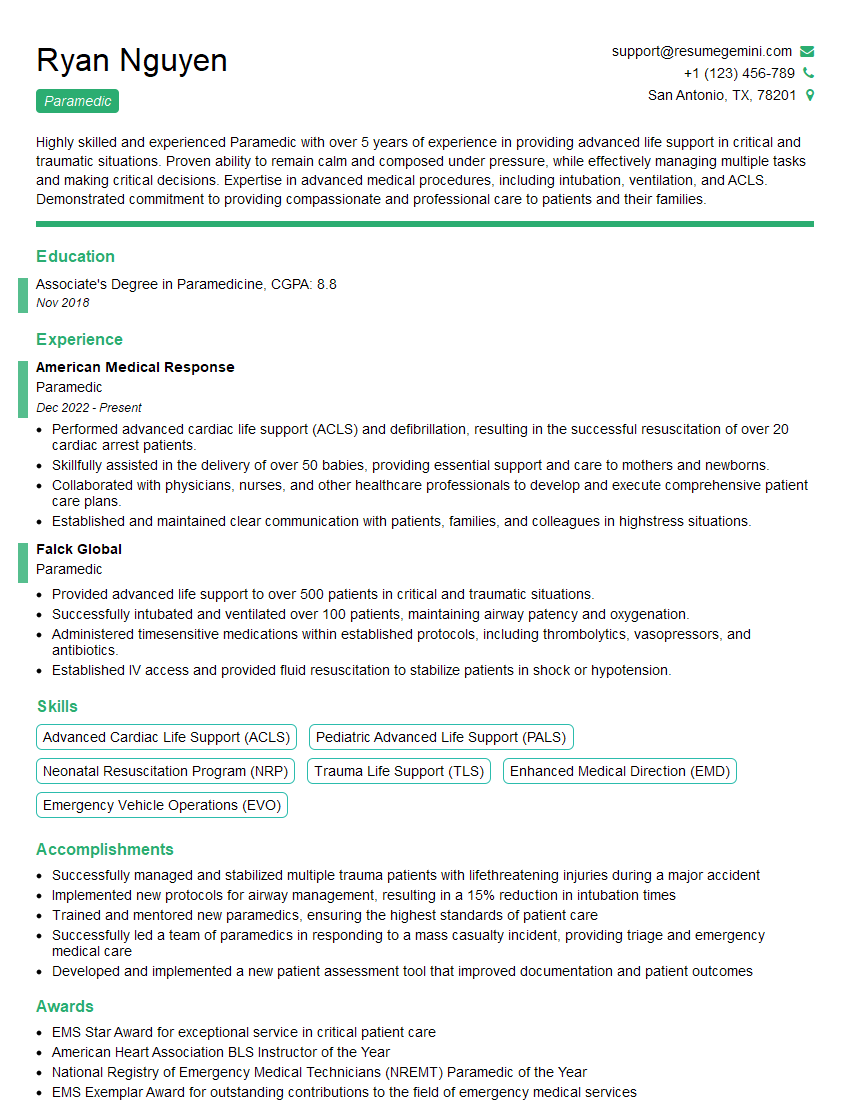
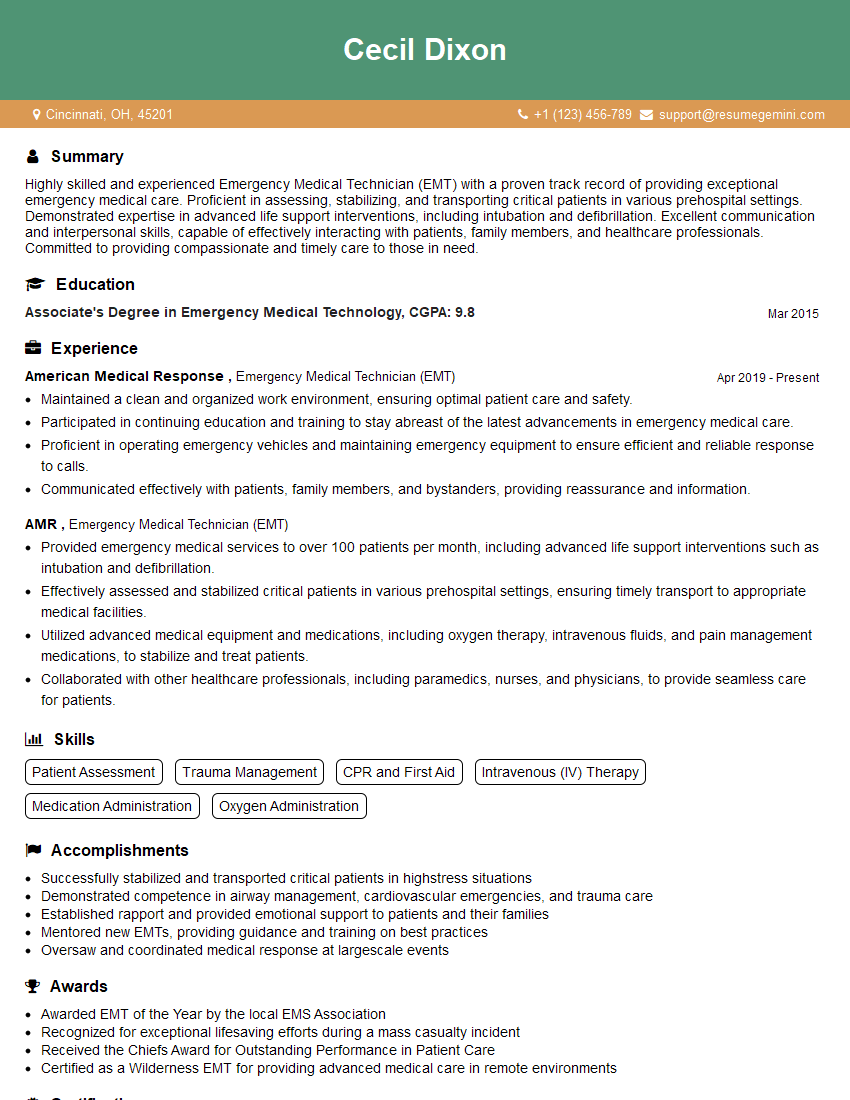
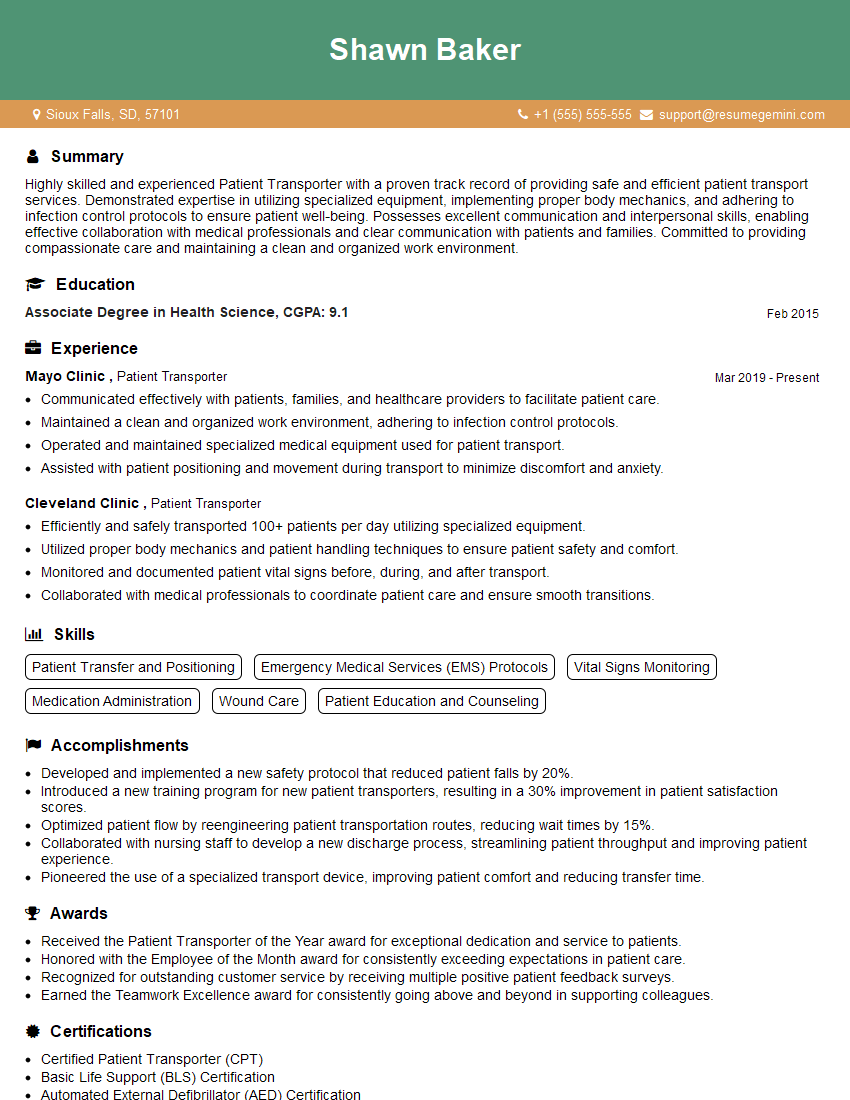
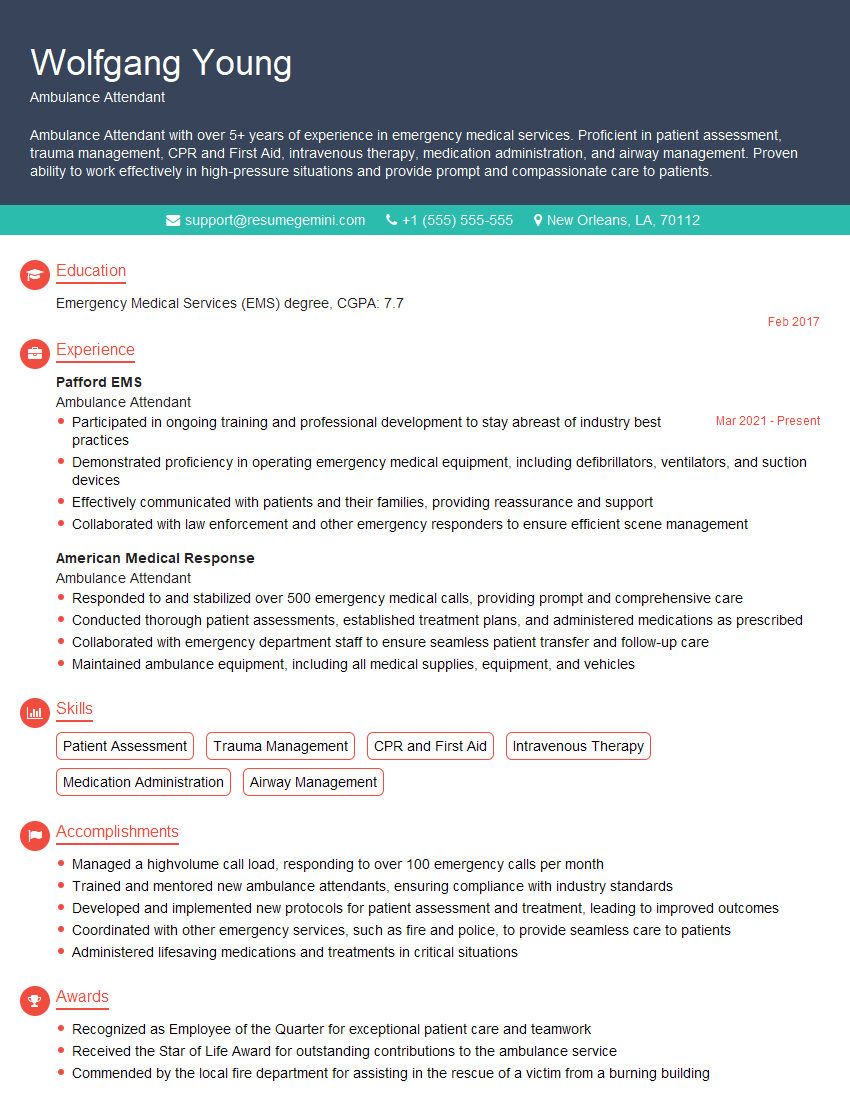
Mastering Patient Transfer Procedures is crucial for career advancement in healthcare, showcasing your commitment to patient safety and efficiency. A strong resume is your key to unlocking these opportunities. Creating an ATS-friendly resume increases your chances of getting noticed by recruiters and landing interviews. To enhance your resume and present your skills effectively, we recommend using ResumeGemini. ResumeGemini offers a user-friendly platform and provides examples of resumes tailored to Patient Transfer Procedures, giving you a head start in creating a compelling document that highlights your expertise.
Explore more articles
Users Rating of Our Blogs
Share Your Experience
We value your feedback! Please rate our content and share your thoughts (optional).
What Readers Say About Our Blog
Very informative content, great job.
good