Cracking a skill-specific interview, like one for Pattern Changing, requires understanding the nuances of the role. In this blog, we present the questions you’re most likely to encounter, along with insights into how to answer them effectively. Let’s ensure you’re ready to make a strong impression.
Questions Asked in Pattern Changing Interview
Q 1. Describe your experience implementing a new process or system.
Implementing a new process or system requires a structured approach. It’s not just about technical implementation, but also about people and culture. My experience spans several projects, including the implementation of a new CRM system at my previous company and the overhaul of our project management methodology using Agile principles in my current role. In both cases, I followed a phased approach.
- Phase 1: Planning and Analysis: This involved thorough needs assessment, stakeholder mapping, defining success metrics, and developing a detailed implementation plan with clear timelines and responsibilities. For the CRM system, this included extensive data migration planning and user training curriculum development.
- Phase 2: Design and Development: This phase focused on system configuration, customization, and testing. For the Agile implementation, this meant training teams in Agile methodologies, setting up the necessary tools (e.g., Jira), and establishing clear workflows.
- Phase 3: Deployment and Rollout: This stage involved a phased rollout to minimize disruption. User training was critical here, along with ongoing support and feedback mechanisms. We used a pilot program for both initiatives to identify and address issues before full deployment.
- Phase 4: Monitoring and Optimization: Post-implementation, ongoing monitoring is crucial to identify areas for improvement. Regular reviews and feedback sessions are critical to optimizing the new process or system.
Successful implementation requires constant communication, collaboration, and adaptation. For example, during the CRM rollout, we encountered unexpected data inconsistencies which required us to adjust our migration plan and extend the timeline. This highlighted the importance of flexibility and proactive problem-solving.
Q 2. How do you identify patterns and predict potential roadblocks in change initiatives?
Identifying patterns and predicting roadblocks requires a combination of data analysis, stakeholder engagement, and experience. I use a multi-pronged approach:
- Data Analysis: Reviewing historical data on similar change initiatives, identifying common success factors and failure points. This might involve analyzing project timelines, budget overruns, and stakeholder feedback.
- Stakeholder Mapping & Interviews: Understanding the perspectives and potential concerns of all stakeholders is vital. This is done through interviews, surveys, and workshops to identify potential resistance or conflicts early on.
- SWOT Analysis: Conducting a thorough SWOT (Strengths, Weaknesses, Opportunities, Threats) analysis helps identify potential risks and leverage opportunities related to the change initiative.
- Scenario Planning: Developing different scenarios to anticipate potential challenges and develop contingency plans. This could involve considering various levels of stakeholder resistance or unforeseen technical issues.
For example, in a previous project, analyzing historical data revealed that insufficient user training consistently led to project failures. This insight allowed us to prioritize comprehensive user training in our subsequent initiatives, reducing implementation roadblocks.
Q 3. Explain your approach to managing resistance to change.
Managing resistance to change requires a proactive and empathetic approach. It’s not about forcing change but about understanding concerns and addressing them effectively.
- Open Communication: Transparency and proactive communication are essential. Keep stakeholders informed throughout the process, addressing their concerns directly and honestly.
- Active Listening and Empathy: Listen carefully to concerns and validate feelings. Understanding the root causes of resistance is key to addressing them.
- Collaboration and Involvement: Involving stakeholders in the change process increases their buy-in. Seek their input and suggestions to make the process more inclusive.
- Addressing Concerns Directly: Directly address concerns through one-on-one discussions, Q&A sessions, or training programs. Providing evidence of benefits can be effective in alleviating anxieties.
- Incentivization and Recognition: Recognizing contributions and providing incentives can encourage adoption and reduce resistance.
For instance, during the Agile implementation, we faced resistance from some team members accustomed to the old waterfall methodology. We addressed this by offering tailored training, pairing experienced Agile practitioners with resistant team members, and showcasing early successes to demonstrate the benefits of the new approach.
Q 4. How do you measure the success of a pattern change initiative?
Measuring the success of a pattern change initiative requires a multi-faceted approach, going beyond just achieving the initial goals. We use a combination of quantitative and qualitative metrics:
- Quantitative Metrics: These might include things like project timelines, budget adherence, process efficiency gains (e.g., reduction in cycle times), error rates, customer satisfaction scores, and key performance indicators (KPIs) specific to the change.
- Qualitative Metrics: Qualitative data is just as important and can be gathered through surveys, interviews, and focus groups. This includes employee feedback on the new process, satisfaction levels, and perceived improvements in work-life balance.
For example, in the CRM system implementation, we tracked metrics such as customer response times, sales conversion rates, and user satisfaction scores. We also conducted post-implementation surveys to gather qualitative feedback on the system’s usability and impact on workflows. Comparing these metrics before and after implementation provided a clear measure of success.
Q 5. What methodologies (e.g., Lean, Agile, Six Sigma) are you proficient in?
My experience encompasses several methodologies, each with its strengths for different contexts:
- Lean: I’m proficient in applying Lean principles to eliminate waste and improve efficiency. This involves identifying and removing non-value-added activities in processes. I’ve used Lean tools like Value Stream Mapping to analyze existing processes and identify areas for improvement.
- Agile: I’m experienced in using Agile methodologies (Scrum, Kanban) for iterative development and project management. This involves breaking down large projects into smaller, manageable tasks, and using frequent feedback loops to adapt to changing requirements. I have extensive experience using Agile tools like Jira and Trello.
- Six Sigma: I’ve applied Six Sigma principles to reduce process variation and improve quality. This involves using statistical methods to identify and eliminate defects in processes. I’ve used Six Sigma tools like DMAIC (Define, Measure, Analyze, Improve, Control) for process improvement projects.
The choice of methodology depends heavily on the specific project and organizational context. Often, a hybrid approach combining elements from multiple methodologies is the most effective strategy.
Q 6. Describe a time you had to adapt your approach to a pattern change due to unexpected circumstances.
During the CRM system implementation, we encountered a significant unexpected challenge: a major data breach at a third-party vendor providing crucial data integration services. This disrupted our planned data migration process. Our initial approach relied heavily on this vendor’s services.
We adapted our approach by:
- Emergency Response: Implementing immediate security measures to contain the damage and prevent further data loss.
- Contingency Planning: Quickly developing a backup plan using alternative data integration methods and exploring different vendors. This involved significant re-evaluation of timelines and budget.
- Communication: Keeping all stakeholders updated transparently on the situation and the revised plan. This involved frequent communication and addressing concerns about data security and project delays.
While the incident caused delays, our ability to adapt quickly and effectively mitigated the potential impact. The experience reinforced the importance of building resilience and flexibility into change management plans.
Q 7. How do you communicate the benefits of pattern change to stakeholders?
Communicating the benefits of pattern change effectively is critical for securing buy-in and minimizing resistance. My approach is to tailor the message to the specific audience and focus on what matters most to them.
- Data-Driven Storytelling: Using data to showcase the potential benefits, including quantifiable improvements in efficiency, cost savings, improved quality, and enhanced customer satisfaction. Visualizations like charts and graphs are helpful for presenting data effectively.
- Focus on Individual Impact: Highlighting how the change will benefit individual stakeholders, such as improved work-life balance, increased job satisfaction, or enhanced skill development. This personalizes the message and makes it more relatable.
- Addressing Concerns Proactively: Addressing potential concerns openly and transparently, offering solutions and providing reassurance. This builds trust and facilitates open dialogue.
- Multiple Communication Channels: Using a variety of communication channels to ensure the message reaches all stakeholders, such as town hall meetings, email updates, intranet articles, and one-on-one conversations.
For example, when communicating about the Agile implementation, we emphasized the benefits of increased team autonomy, faster project delivery, and improved product quality. We also addressed concerns about the learning curve by offering extensive training and mentoring programs.
Q 8. How do you identify and mitigate risks associated with pattern change?
Identifying and mitigating risks associated with pattern change requires a proactive and systematic approach. It’s not enough to simply implement a new pattern; you must anticipate potential problems and develop strategies to address them before they derail the initiative.
My process begins with a thorough risk assessment. This involves identifying potential points of failure across different aspects of the change, including:
- Technical risks: Will the new pattern integrate smoothly with existing systems? Are there compatibility issues?
- Operational risks: Will the new pattern disrupt existing workflows? Are there sufficient resources and training to support the transition?
- Human risks: Will employees resist the change? Do they have the necessary skills and motivation? Are there communication gaps leading to misunderstandings?
- Financial risks: What is the cost of implementation, and what is the return on investment? Are there contingency plans for unexpected expenses?
Once risks are identified, I prioritize them based on their likelihood and potential impact. For high-priority risks, I develop mitigation strategies – specific actions to reduce or eliminate the risk. This might involve creating detailed implementation plans, providing extensive training, establishing clear communication channels, or building in redundancy to minimize disruptions. Regular monitoring and adjustment are crucial; a risk mitigation plan is a living document that adapts to evolving circumstances.
For example, in a recent project involving a change to our software development process (Agile to Kanban), we anticipated resistance from team members accustomed to the old system. Our mitigation strategy included interactive workshops, personalized coaching, and the establishment of an open feedback loop to address concerns and refine the implementation.
Q 9. What is your experience with change management frameworks (e.g., ADKAR)?
I have extensive experience with various change management frameworks, including ADKAR. ADKAR, which stands for Awareness, Desire, Knowledge, Ability, and Reinforcement, provides a structured approach to guiding individuals through the change process. I find its focus on individual behavior change particularly effective.
Awareness: This stage focuses on clearly communicating the need for change and its potential impact. I leverage various communication channels to ensure that everyone understands the ‘why’ behind the change.
Desire: This is where I focus on building a compelling case for change, showcasing the benefits and addressing potential concerns. It’s about connecting the change to individual and organizational goals.
Knowledge: This stage involves equipping individuals with the necessary knowledge and skills to successfully adopt the new pattern. This can include training, mentoring, and access to relevant resources.
Ability: This addresses the practical aspects of implementation; providing support, resources, and opportunities for practice to build competence in the new pattern.
Reinforcement: Sustaining the change requires ongoing reinforcement, which includes recognition, rewards, and feedback mechanisms to maintain momentum.
While ADKAR is a valuable framework, I adapt its application based on the specific context of the change initiative. Sometimes a more agile approach is necessary, particularly in rapidly changing environments.
Q 10. Explain your process for identifying and resolving conflict during a change initiative.
Conflict during a change initiative is inevitable. My approach to conflict resolution prioritizes open communication, collaboration, and mutual understanding. I don’t see conflict as inherently negative; rather, it presents an opportunity for improvement and clarification.
My process typically involves:
- Active listening: I take the time to understand the perspectives of all parties involved, seeking to identify the root causes of the conflict.
- Facilitation: I create a safe space for open dialogue, encouraging individuals to express their concerns and ideas without judgment.
- Collaboration: I work with conflicting parties to find mutually acceptable solutions. This might involve compromise, negotiation, or mediation.
- Documentation: I maintain clear records of the conflict, the resolutions reached, and any outstanding issues.
In situations with significant disagreement, I might facilitate a structured meeting using techniques like the ‘ladder of inference’ to clarify assumptions and misunderstandings. I always strive to find solutions that address the underlying needs and concerns of all stakeholders.
For instance, in a recent project involving the introduction of a new project management tool, a team expressed concerns about the learning curve. By actively listening and acknowledging their fears, we collaboratively developed a phased rollout plan with additional training resources, thereby mitigating resistance and ensuring a smoother transition.
Q 11. Describe a time you had to influence stakeholders to adopt a new pattern or process.
In a previous role, we needed to transition from a waterfall to an agile software development methodology. This was a significant change, and many team members, particularly senior developers accustomed to the predictability of the waterfall method, were resistant. Influencing stakeholders required a multi-pronged approach.
First, I presented a compelling business case, highlighting the benefits of agility, such as increased responsiveness to changing requirements and faster time to market. I used data to support my claims, demonstrating the inefficiencies of the waterfall approach in our specific context.
Second, I addressed concerns directly. I organized workshops and presentations to explain agile principles and practices, dispelling myths and misconceptions. I also actively listened to concerns and incorporated feedback into the implementation plan.
Third, I built trust and credibility by actively participating in the change process, demonstrating a commitment to its success. I served as a coach and mentor, supporting the team during the transition.
Finally, I celebrated successes along the way, creating a positive reinforcement loop and demonstrating the tangible benefits of the new methodology. This combination of data-driven arguments, open communication, active participation, and positive reinforcement led to a successful transition and widespread adoption of agile practices.
Q 12. How do you build consensus around change?
Building consensus around change requires more than simply informing stakeholders; it requires active engagement and collaboration. My approach involves several key steps:
- Early and frequent communication: I ensure transparency throughout the change process, keeping stakeholders informed of progress, challenges, and decisions.
- Active listening and feedback: I create opportunities for stakeholders to share their perspectives and concerns, ensuring that their voices are heard.
- Collaboration and co-creation: I actively involve stakeholders in the design and implementation of the change, fostering a sense of ownership.
- Addressing concerns and resolving conflicts: I proactively identify and address potential points of resistance, using the conflict resolution strategies described earlier.
- Incremental implementation: Where feasible, I implement change in phases, allowing for feedback and adjustments along the way. This reduces the risk of overwhelming stakeholders with a large-scale change all at once.
For instance, in a recent organizational restructuring, we established a steering committee composed of representatives from various departments. This committee actively participated in decision-making, ensuring that all voices were heard and that the final plan reflected a broad consensus. This collaborative approach significantly reduced resistance and fostered a sense of shared ownership.
Q 13. How do you prioritize competing demands during a pattern change initiative?
Prioritizing competing demands during a pattern change initiative requires a structured approach. I typically use a combination of techniques:
- Prioritization matrix: I create a matrix to assess each demand based on its urgency and importance. This helps to visually identify high-priority items.
- Cost-benefit analysis: For each demand, I assess the potential benefits and costs associated with its implementation, helping to make informed decisions about resource allocation.
- Stakeholder analysis: I identify key stakeholders for each demand and assess their influence and interests. This helps ensure alignment and buy-in.
- Dependencies: I identify any dependencies between demands to ensure that they are implemented in a logical order.
This multi-faceted approach allows for a balanced consideration of different factors when making prioritization decisions, ensuring that the most critical demands are addressed first while minimizing conflicts and resource constraints. Transparency is also vital – ensuring stakeholders understand the rationale behind prioritization decisions.
Q 14. What’s your experience with data analysis in identifying patterns for improvement?
Data analysis plays a crucial role in identifying patterns for improvement, forming the foundation for effective pattern changes. My experience encompasses several data-driven techniques:
- Descriptive analytics: This involves summarizing and visualizing data to identify trends and patterns. For example, analyzing historical performance data might reveal bottlenecks or inefficiencies in existing processes.
- Diagnostic analytics: This delves deeper into the ‘why’ behind observed patterns, identifying root causes of problems. Techniques like regression analysis can be used to uncover relationships between variables.
- Predictive analytics: By identifying patterns and trends in historical data, predictive models can forecast future performance and anticipate potential challenges. This can be particularly useful in simulating the impact of proposed pattern changes.
- Prescriptive analytics: This involves using data to recommend optimal solutions and actions. For example, data analysis could be used to determine the most efficient allocation of resources or the optimal timing for implementation of a new pattern.
I frequently use tools like SQL, R, and Python to analyze data and generate insights. Visualizing data using dashboards and reports is crucial for communicating findings to stakeholders and facilitating informed decision-making. A recent project leveraged data analysis to identify an underperforming sales channel, allowing us to allocate resources more effectively and improve overall sales performance. The data-driven insights guided our strategy for change, ensuring a more impactful and efficient outcome.
Q 15. Explain your understanding of root cause analysis and its role in pattern change.
Root cause analysis (RCA) is a systematic process for identifying the underlying causes of problems, rather than just addressing symptoms. In pattern change, RCA is crucial because it helps us understand why certain patterns exist and what needs to be changed fundamentally to achieve lasting improvement. For instance, if we’re seeing a pattern of low employee morale, simply implementing a team-building exercise might be a temporary fix. RCA would delve deeper, exploring factors like workload, management styles, compensation, or lack of recognition to identify the root cause and develop targeted solutions.
I typically use methods like the ‘5 Whys’ technique, fishbone diagrams, or fault tree analysis to conduct RCA. The 5 Whys involves repeatedly asking ‘why’ to peel back layers of explanation until the root cause is uncovered. For example: Problem: Low sales. Why? Poor marketing. Why? Lack of budget. Why? Inefficient resource allocation. Why? Poor financial planning. The root cause is revealed as poor financial planning.
By understanding the root cause, we can design interventions that address the fundamental issue and prevent the pattern from recurring. Addressing only the symptoms leads to short-term gains and potential future problems.
Career Expert Tips:
- Ace those interviews! Prepare effectively by reviewing the Top 50 Most Common Interview Questions on ResumeGemini.
- Navigate your job search with confidence! Explore a wide range of Career Tips on ResumeGemini. Learn about common challenges and recommendations to overcome them.
- Craft the perfect resume! Master the Art of Resume Writing with ResumeGemini’s guide. Showcase your unique qualifications and achievements effectively.
- Don’t miss out on holiday savings! Build your dream resume with ResumeGemini’s ATS optimized templates.
Q 16. How do you ensure that pattern changes are sustainable?
Sustainability in pattern change relies on several key factors. First, it requires buy-in from all stakeholders. This means ensuring that everyone understands the need for change, the benefits it will bring, and their role in making it happen. Second, clear metrics and monitoring are essential to track progress and make adjustments as needed. Finally, change needs to be integrated into existing systems and processes rather than existing as a separate, isolated initiative.
I ensure sustainability by:
- Involving employees actively in the design and implementation of changes. This fosters a sense of ownership and commitment.
- Building change into existing workflows and systems. Integrating changes rather than adding them as an afterthought makes them more seamless and lasting.
- Developing robust measurement systems that track both leading and lagging indicators. This allows for proactive adjustments.
- Providing ongoing support and training. Change often requires new skills and knowledge. Continuous reinforcement is critical.
- Celebrating successes along the way. Positive reinforcement keeps the momentum going and reinforces positive behavior.
For example, if we’re changing a project management process, instead of simply introducing new software, we would train the team, integrate it into their daily workflow, and establish clear metrics for success, like project completion time and budget adherence. Regular reviews and adjustments keep the process fine-tuned and ensure its long-term effectiveness.
Q 17. Describe your experience with training and development in relation to pattern change.
Training and development is an integral part of successful pattern change. It equips employees with the skills and knowledge they need to adopt and sustain the new patterns. In my experience, training isn’t a one-off event; it’s an ongoing process that evolves as the change initiative progresses.
I’ve designed and delivered various training programs, ranging from workshops and online modules to coaching and mentoring. I tailor the training approach to the specific needs of the employees and the nature of the change. For instance, if the change involves the implementation of new software, I would focus on hands-on training and provide ongoing support. If it’s a change in organizational culture, I would use a more experiential approach, focusing on team-building activities and leadership development.
I always assess training effectiveness using metrics like post-training assessments, employee feedback, and changes in behavior. This helps to identify areas where adjustments are needed and ensure that the training is meeting its objectives. For example, if post-training assessments show a lack of understanding, I would revisit the training materials and delivery method.
Q 18. How do you measure and monitor the effectiveness of a change initiative over time?
Measuring and monitoring change initiatives is crucial to assess their effectiveness and identify areas for improvement. I use a multi-faceted approach that combines quantitative and qualitative data.
Quantitative data includes metrics like:
- Key Performance Indicators (KPIs): These are specific, measurable, achievable, relevant, and time-bound (SMART) goals that track progress towards desired outcomes. For example, if we’re changing a sales process, KPIs could include sales revenue, conversion rates, and customer satisfaction.
- Process metrics: These track the efficiency and effectiveness of processes, such as cycle time, error rates, and throughput.
Qualitative data is gathered through:
- Employee surveys and feedback: This provides insights into employee perceptions of the change and identifies areas where support or adjustments are needed.
- Focus groups and interviews: These provide more in-depth understanding of employee experiences and challenges.
- Observations of workflows and processes: This provides a direct look at how the changes are actually being implemented.
I regularly review this data and adjust our strategies as needed. For example, if we see that a KPI isn’t improving despite interventions, we’d re-examine our strategy and make necessary adjustments.
Q 19. How do you utilize technology to support pattern change initiatives?
Technology plays a significant role in supporting pattern change initiatives. It can streamline communication, automate processes, and provide data-driven insights. I’ve utilized a range of technologies to support change efforts, including:
- Collaboration platforms (e.g., Microsoft Teams, Slack): These facilitate communication and collaboration among team members, irrespective of their location.
- Project management software (e.g., Asana, Jira): These help track progress, manage tasks, and ensure accountability.
- Data analytics tools (e.g., Tableau, Power BI): These provide data-driven insights into the effectiveness of change initiatives and identify areas for improvement.
- Learning management systems (LMS): These deliver training materials and track employee progress.
For instance, in a recent project involving process optimization, we used project management software to track progress, data analytics tools to monitor key metrics, and a collaboration platform to keep team members informed and engaged throughout the process. This technology enabled us to work efficiently, make data-driven decisions, and ensure the successful implementation of the change.
Q 20. What is your experience with change communication planning and execution?
Effective change communication is critical for successful pattern change. It ensures that everyone understands the need for change, their role in it, and how it will impact them. My approach to change communication planning and execution involves the following steps:
- Assess the audience: Understand the needs and concerns of different groups to tailor the message accordingly.
- Develop a communication plan: Outline the key messages, channels, and timelines for communication.
- Choose appropriate channels: Use a mix of channels to reach all stakeholders, such as emails, newsletters, town hall meetings, and one-on-one conversations.
- Deliver the message consistently: Repeat key messages frequently to ensure they are well-understood.
- Address concerns and feedback: Provide opportunities for stakeholders to ask questions and express their concerns.
- Monitor and evaluate communication effectiveness: Track how well the message is being received and adjust the strategy as needed.
For example, when implementing a new performance management system, I would start with high-level communication to leadership, then follow with detailed explanations and training to employees, and finish with regular updates and feedback channels to address any concerns. The goal is transparency and open communication to build trust and encourage buy-in.
Q 21. How do you involve employees in the pattern change process?
Employee involvement is vital for successful pattern change. When employees are actively engaged, they are more likely to embrace the change and contribute to its success. I utilize several strategies to involve employees:
- Participatory decision-making: Involving employees in the design and implementation of changes fosters a sense of ownership and commitment.
- Feedback mechanisms: Regularly soliciting employee feedback allows for adjustments and improvements throughout the process.
- Open communication: Keeping employees informed about the progress of the change initiative promotes transparency and trust.
- Recognition and rewards: Acknowledging and rewarding employee contributions reinforces positive behaviors and motivates continued involvement.
- Change champions: Identifying and empowering employees who are passionate about the change can help drive adoption and influence their colleagues.
For example, in a recent initiative to improve customer service, we formed a cross-functional team of employees to brainstorm ideas, design new processes, and develop training materials. This ensured that the changes reflected the needs and perspectives of the employees who would be implementing them. The result was a more effective and sustainable improvement in customer service.
Q 22. Describe your experience with project management tools in pattern change projects.
My experience with project management tools in pattern change projects is extensive. I’ve successfully utilized a variety of tools, tailoring my selection to the specific needs of each project. For example, in a recent project aimed at changing the pattern of communication within a large corporation, we used Jira to track tasks, Asana to manage workflows, and Microsoft Teams for real-time collaboration. Jira allowed us to break down the large-scale change into smaller, manageable tasks, enabling better tracking of progress and identification of roadblocks. Asana facilitated a smoother workflow by clearly defining responsibilities and deadlines for each stage of the pattern change. Finally, Microsoft Teams proved invaluable for maintaining constant communication and fostering a sense of team cohesion, crucial for navigating the complexities of such a project.
For smaller, less complex pattern changes, I’ve effectively used simpler tools like Trello or even spreadsheets. The key is to choose tools that enhance collaboration, track progress effectively, and ultimately facilitate the smooth implementation of the desired pattern change, minimizing disruption and maximizing efficiency. The choice of tool is always highly dependent on the scale and complexity of the project, and the technological proficiency of the team.
Q 23. How do you handle setbacks and failures in a pattern change process?
Setbacks and failures are inevitable in any pattern change initiative. Instead of viewing them as catastrophic events, I see them as opportunities for learning and improvement. My approach involves a structured process:
- Immediate Assessment: The first step is a thorough analysis of the setback, identifying its root cause. This often involves gathering data, conducting interviews, and analyzing performance metrics.
- Corrective Action: Based on the root cause analysis, we develop and implement corrective actions. This might involve adjusting timelines, reallocating resources, refining strategies, or even reconsidering specific aspects of the change process.
- Communication: Open and transparent communication with all stakeholders is paramount. This ensures everyone understands the setback, the corrective actions being taken, and the revised timeline (if necessary). This helps maintain trust and buy-in.
- Adaptive Planning: Finally, we integrate lessons learned into the overall project plan. This might involve adjusting our approach, refining our methods, or strengthening our risk management strategies. This iterative process ensures future resilience and minimizes the likelihood of repeating past mistakes.
For example, in one project, a key stakeholder’s unexpected departure caused a significant delay. We swiftly assessed the situation, identified the knowledge gaps left by their absence, reshuffled responsibilities, and provided additional training to other team members. Though the project experienced a temporary delay, this proactive approach mitigated potential longer-term issues.
Q 24. What are the key indicators of a successful pattern change implementation?
The key indicators of a successful pattern change implementation are multifaceted and can be assessed both quantitatively and qualitatively.
- Quantitative Indicators: These involve measurable data points, such as improved efficiency metrics (e.g., reduced cycle time, increased productivity), cost savings, enhanced customer satisfaction scores, or improved compliance rates. For example, if the pattern change was aimed at streamlining a production process, a quantifiable success would be a demonstrable reduction in production time or an increase in units produced.
- Qualitative Indicators: These are more subjective and often require careful observation and feedback gathering. They include increased employee engagement, improved team morale, stronger organizational culture alignment, increased adoption of the new pattern, and positive feedback from stakeholders. Qualitative success might manifest as employees expressing greater ease and efficiency in their work or positive feedback from clients regarding the improvement in service quality.
Ultimately, a successful pattern change is one that results in sustainable improvements in organizational performance, employee satisfaction, and the achievement of the initial strategic goals. Continuous monitoring and evaluation of these indicators are crucial for assessing the long-term impact of the change.
Q 25. How do you adapt your approach to pattern changing based on organizational culture?
Adapting my approach to pattern changing based on organizational culture is essential for success. Understanding the existing culture—its values, beliefs, communication styles, and power dynamics—allows me to tailor my strategy for optimal acceptance and implementation.
For example, in a highly hierarchical organization, I might employ a top-down approach, gaining buy-in from leadership first before cascading the change down the organizational structure. In contrast, in a more decentralized, collaborative environment, a bottom-up approach, involving employees at all levels in the design and implementation of the change, might be more effective. I leverage various tools to adapt to differing organizational cultures, including surveys, focus groups, and observations to gauge the prevailing culture and tailor the communication and implementation strategies accordingly. This also involves considering the employees’ level of risk aversion and their preference for change.
Ultimately, a successful pattern change requires carefully navigating the organization’s unique culture to build consensus, foster collaboration, and ensure smooth transition.
Q 26. Explain your understanding of organizational change models.
My understanding of organizational change models is extensive. I’m familiar with several key models, including Lewin’s Three-Step Model (Unfreeze, Change, Refreeze), Kotter’s 8-Step Process, and the ADKAR model (Awareness, Desire, Knowledge, Ability, Reinforcement). Each model provides a valuable framework, but the best choice depends on the specific context and the nature of the change.
Lewin’s model provides a simple yet effective framework, highlighting the importance of preparing the organization for change (unfreeze), implementing the change (change), and solidifying the new pattern (refreeze). Kotter’s 8-step model expands on this by providing more detailed steps, emphasizing the importance of creating a sense of urgency, building a guiding coalition, and securing short-term wins. The ADKAR model focuses on individual-level change, ensuring that each individual involved understands the need for change, is motivated to adopt it, and possesses the knowledge, skills, and support to succeed.
I often integrate elements from multiple models to create a tailored approach for each project. Selecting the most appropriate model and adapting it to the specific situation is crucial for effective organizational change management.
Q 27. Describe your experience with change impact assessment.
Change impact assessment is a crucial process in pattern changing. It’s a systematic approach to identifying, analyzing, and evaluating the potential consequences of a proposed change on various aspects of the organization. This involves considering the impact on people, processes, technology, and the overall organizational structure.
My experience includes using both qualitative and quantitative methods for change impact assessment. Qualitative methods involve stakeholder interviews, focus groups, and workshops to capture perspectives and concerns. Quantitative methods utilize data analysis, surveys, and simulations to estimate the impact on key performance indicators (KPIs).
A recent project involved implementing a new software system. The change impact assessment identified potential disruptions to workflows, the need for employee training, and possible resistance to adoption. Based on this assessment, we developed a comprehensive communication plan, created detailed training materials, and established a support system to address employee concerns. This proactive approach significantly minimized disruption and ensured a smoother transition.
Q 28. How do you maintain momentum throughout a long-term pattern change initiative?
Maintaining momentum throughout a long-term pattern change initiative requires a multi-pronged strategy focusing on communication, recognition, and consistent progress.
- Regular Communication: Consistent and transparent updates on progress, challenges, and successes are crucial. This can involve regular meetings, newsletters, or online forums to keep everyone informed and engaged.
- Recognition and Celebration: Acknowledging and celebrating milestones, no matter how small, is essential for maintaining morale and motivation. This reinforces the positive aspects of the change and demonstrates the value of the effort.
- Adaptive Planning: Long-term initiatives often encounter unexpected challenges. Regularly reviewing the project plan and making necessary adjustments is important for maintaining focus and momentum. This also demonstrates responsiveness to feedback and flexibility in the face of obstacles.
- Short-Term Wins: Breaking down the large-scale change into smaller, achievable goals allows for the celebration of regular successes, providing a sense of accomplishment and motivation to continue.
- Leadership Support: Consistent and visible support from leadership is paramount in sustaining momentum throughout the initiative.
Think of it like a marathon, not a sprint. Consistent effort, strategic planning, and regular reinforcement are key to achieving the ultimate goal.
Key Topics to Learn for Pattern Changing Interview
- Identifying Patterns: Understanding different types of patterns (seasonal, cyclical, trend-based) and their underlying drivers. This includes developing a strong intuition for recognizing recurring phenomena.
- Pattern Analysis Techniques: Mastering statistical methods (e.g., time series analysis, regression) and visualization tools to identify significant patterns within data sets. Practice applying these techniques to real-world scenarios.
- Predictive Modeling: Building models to forecast future patterns based on historical data. Explore different modeling approaches and understand their limitations. Focus on model selection and evaluation.
- Data Cleaning and Preprocessing: Learn to handle missing data, outliers, and inconsistencies to ensure the accuracy and reliability of pattern analysis. This is crucial for obtaining meaningful results.
- Change Management Strategies: Understanding how to adapt strategies in response to identified changes in patterns. This includes risk assessment and mitigation related to pattern shifts.
- Communication of Findings: Effectively conveying complex patterns and insights to both technical and non-technical audiences through clear visualizations and concise explanations.
- Case Studies and Examples: Review case studies demonstrating successful pattern changing strategies across various industries. Analyze these examples to learn best practices and potential pitfalls.
Next Steps
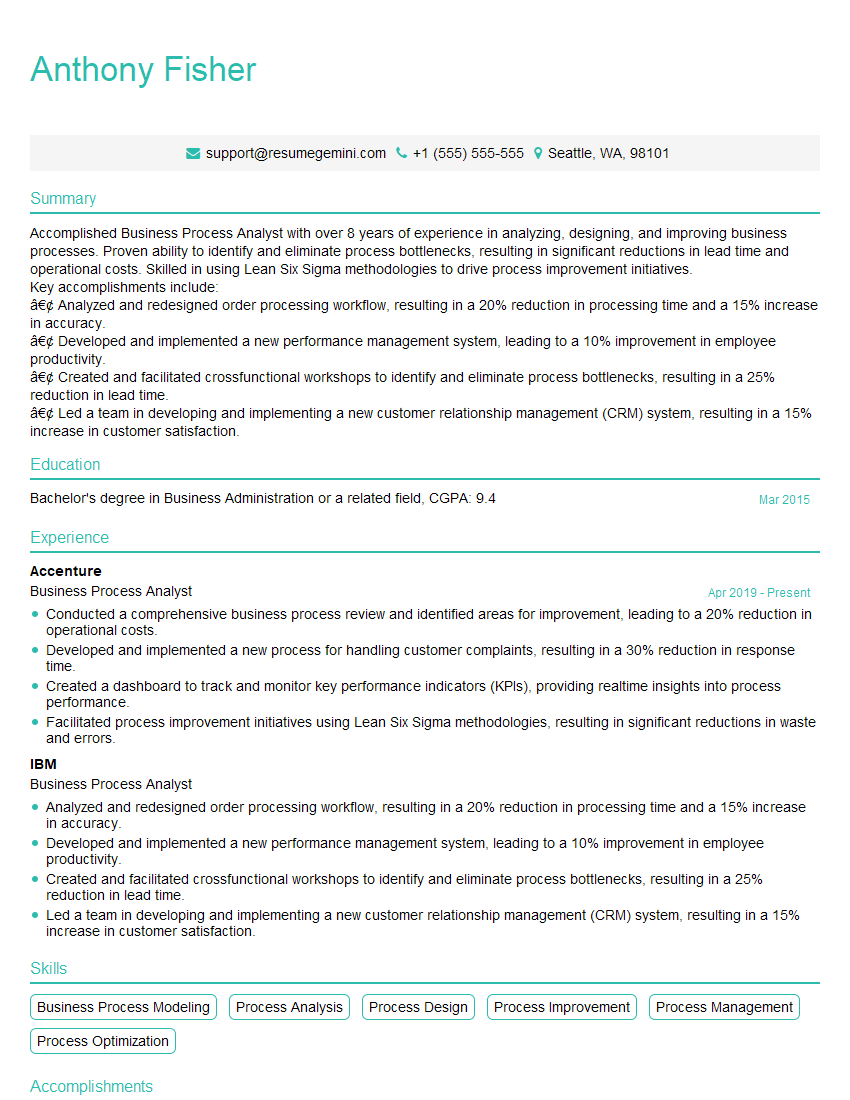
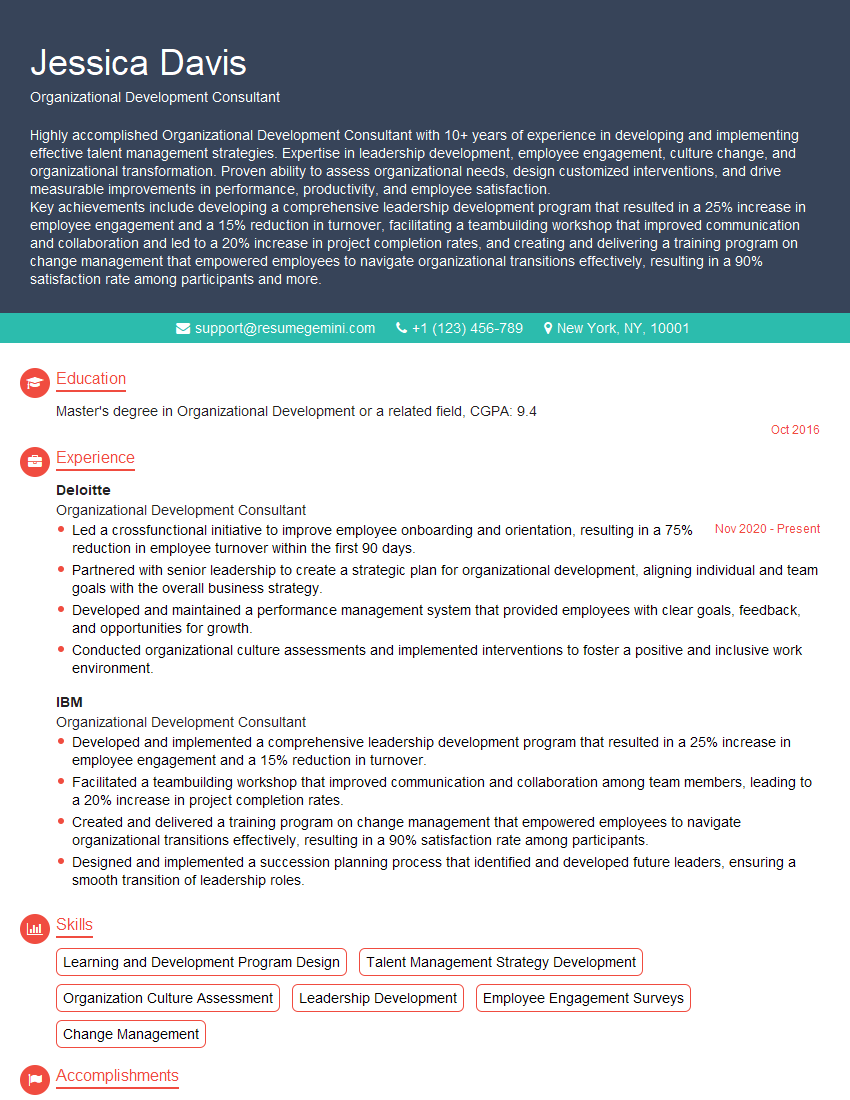
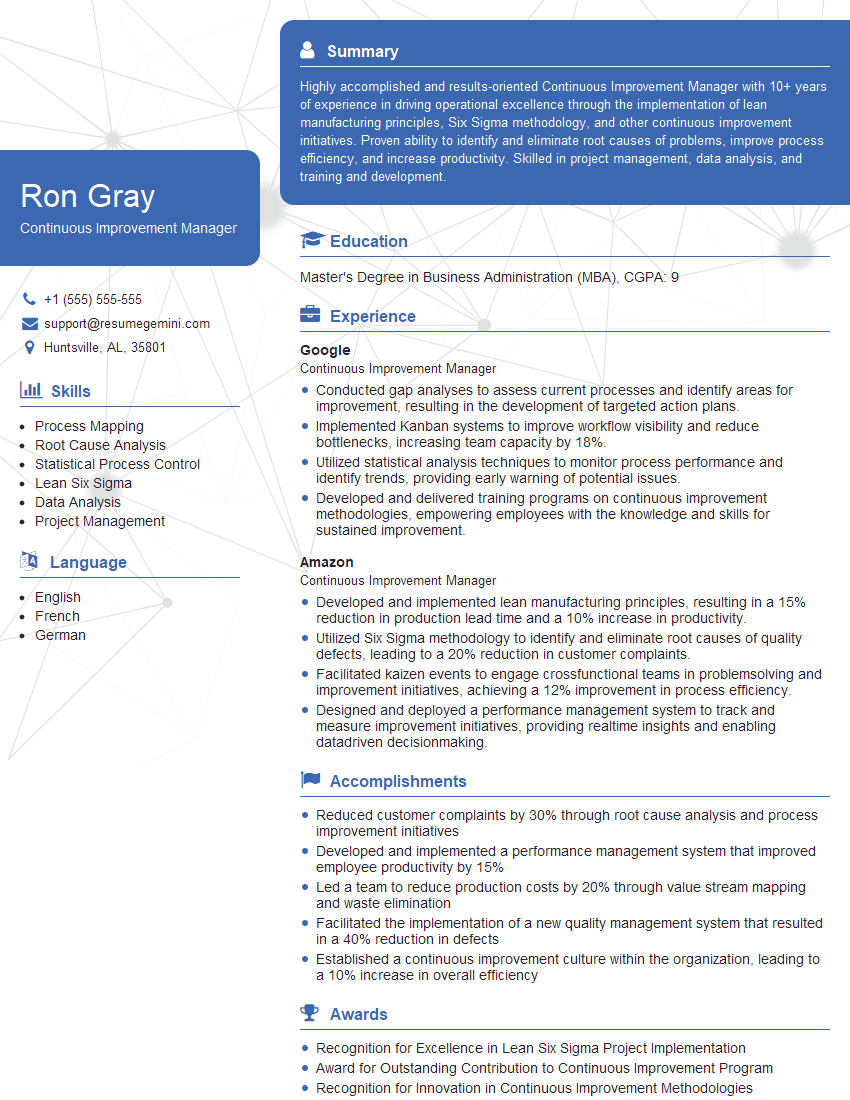
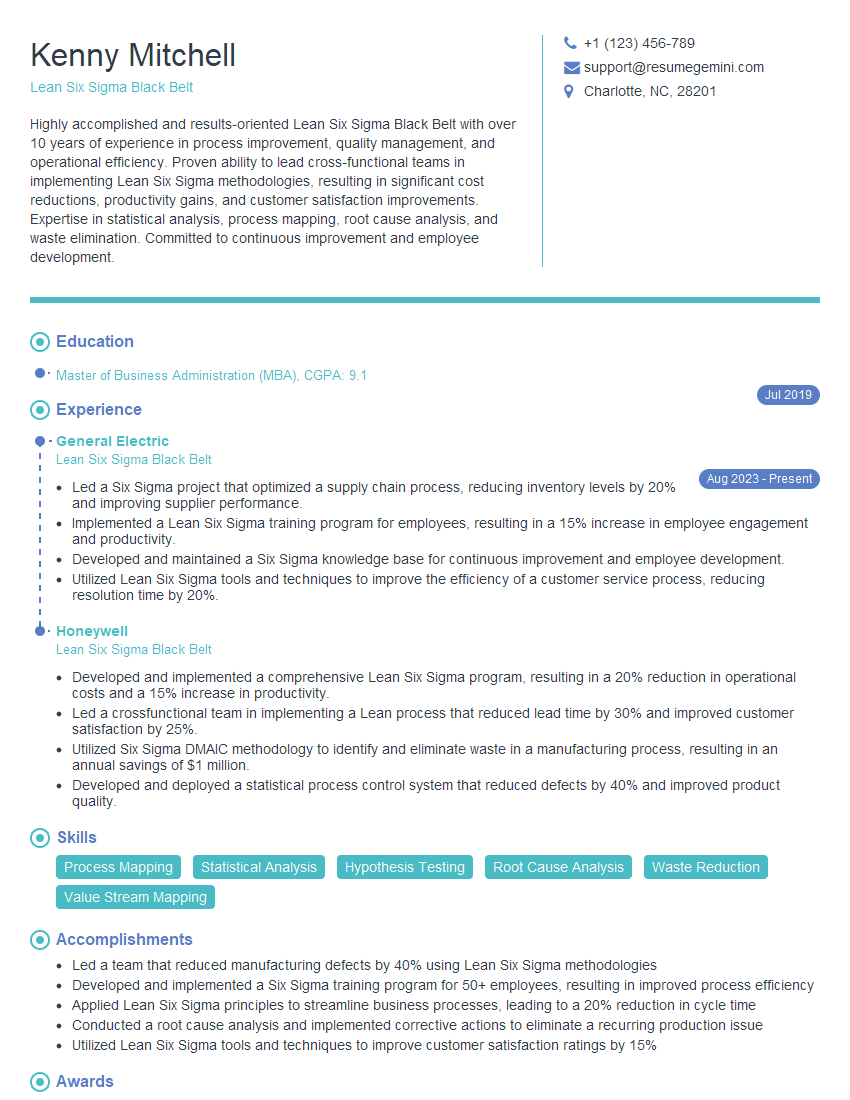
Mastering Pattern Changing is crucial for career advancement in many fields, enabling you to anticipate market shifts, optimize processes, and drive strategic decision-making. To significantly boost your job prospects, crafting an ATS-friendly resume is essential. ResumeGemini can help you create a professional and impactful resume that highlights your skills and experience in Pattern Changing. Examples of resumes tailored to this field are available to help guide you. Take the next step in your career journey by leveraging the power of a well-crafted resume—start building yours with ResumeGemini today!
Explore more articles
Users Rating of Our Blogs
Share Your Experience
We value your feedback! Please rate our content and share your thoughts (optional).
What Readers Say About Our Blog
Very informative content, great job.
good