Interviews are opportunities to demonstrate your expertise, and this guide is here to help you shine. Explore the essential Peanut Conflict Resolution Skills interview questions that employers frequently ask, paired with strategies for crafting responses that set you apart from the competition.
Questions Asked in Peanut Conflict Resolution Skills Interview
Q 1. Describe your experience mediating disagreements involving sensitive issues.
Mediating disagreements involving sensitive issues requires a high degree of empathy, active listening, and a strong understanding of confidentiality. My approach prioritizes creating a safe and neutral space where individuals feel comfortable expressing themselves without fear of judgment. This involves establishing clear ground rules at the outset, ensuring all parties understand the process and the importance of respecting each other’s perspectives.
For example, in a conflict involving allegations of harassment, I would focus on validating each individual’s experience, ensuring all voices are heard without interruption or bias. I would employ active listening techniques, such as paraphrasing and reflecting, to ensure accurate understanding and build trust. The process would always prioritize the well-being of all involved, adhering to company policies and legal requirements related to such sensitive matters. Confidentiality is paramount; all discussions remain strictly private unless legally obligated to disclose.
Another example would be resolving a conflict related to religious or cultural differences. In such cases, I would emphasize the importance of cultural sensitivity and respectful communication. I would encourage both parties to educate each other on their beliefs and practices, fostering mutual understanding and appreciation. The goal is to find common ground and solutions that respect everyone’s values.
Q 2. How would you approach a conflict between two employees with vastly different communication styles?
Addressing conflicts between employees with contrasting communication styles requires a tailored approach. I begin by identifying the specific communication styles involved—for instance, one individual might be direct and assertive, while the other is indirect and passive. Understanding these styles is crucial to fostering effective communication.
My strategy involves creating a structured environment that accommodates both styles. For example, I might encourage the direct communicator to articulate their points clearly and concisely, while prompting the indirect communicator to express their needs and concerns in a structured format. I might also facilitate written communication as a way to bridge the gap, offering time for reflection and considered responses.
I also strive to find common ground between the individuals involved, focusing on shared goals and objectives. By emphasizing their shared purpose, I help redirect the conversation towards collaborative problem-solving, shifting the focus from personal differences to the mutual task at hand.
Q 3. Explain your process for identifying the root cause of a conflict.
Identifying the root cause of a conflict is a multi-step process that requires careful observation and questioning. It’s rarely a simple matter of identifying a single event; rather, it’s often a complex interplay of underlying issues.
My process starts with active listening, gathering information from each party involved. I ask open-ended questions to understand their perspectives, focusing on not only what happened but also the underlying emotions and motivations. I also utilize tools like conflict maps or diagrams to visually represent the chain of events and the interplay of contributing factors.
Once I have a comprehensive understanding of each individual’s perspective, I use a structured approach to probe deeper:
- Identify the events: What specific events led to the conflict?
- Explore underlying interests: What are the unmet needs or desires of each party?
- Uncover assumptions and beliefs: What underlying assumptions or beliefs are driving the conflict?
- Examine power dynamics: Are there power imbalances that are influencing the conflict?
By systematically exploring these aspects, I can work toward identifying the root cause(s) of the conflict, which paves the way for effective and lasting solutions.
Q 4. What techniques do you use to de-escalate tense situations?
De-escalating tense situations requires a calm and measured approach. My primary techniques involve active listening, empathy, and validation. I begin by acknowledging the emotions involved without judgment. I use phrases like, “I understand this is frustrating,” or “It sounds like you’re feeling very upset.”
I also employ several other techniques:
- Create a safe space: Ensuring a private and comfortable environment helps reduce anxiety and allows individuals to feel more secure.
- Reframe the situation: Helping parties see the conflict from different perspectives can promote understanding and reduce defensiveness.
- Use calming language: Avoiding accusatory or judgmental language helps maintain a calm atmosphere.
- Take breaks if needed: If emotions are too intense, suggesting a short break can provide time for everyone to calm down.
- Focus on solutions: Shifting the focus from blame to problem-solving can help facilitate progress.
A successful de-escalation leads to an environment where respectful dialogue is possible, enabling a path towards resolution.
Q 5. How do you ensure fairness and impartiality in conflict resolution?
Ensuring fairness and impartiality is crucial in conflict resolution. This involves maintaining neutrality and avoiding bias throughout the process. I achieve this through several key strategies:
Firstly, I actively listen to all parties without interrupting or expressing personal opinions. I aim to understand each person’s perspective fully before suggesting solutions. Secondly, I consistently apply the same rules and procedures to everyone involved, regardless of their status or position. I treat everyone with respect and dignity, fostering an atmosphere of equal consideration. This ensures all individuals feel valued and heard.
Thirdly, I avoid making judgments or taking sides. My role is to facilitate a constructive conversation, not to decide who is right or wrong. Instead, I help the parties involved reach their own mutually acceptable agreement. If necessary, I might suggest mediation techniques that promote balanced decision-making, ensuring everyone’s concerns are addressed fairly.
Q 6. Describe a time you had to manage a conflict involving a high-stakes situation.
In a high-stakes situation involving a significant project deadline and conflicting priorities between two departments, I facilitated a successful resolution. The conflict arose because of resource allocation disagreements—one team claimed the other was hindering their progress by monopolizing key personnel. Tensions were high, and project completion was jeopardized.
My approach involved scheduling a series of meetings involving key personnel from both departments. I started by establishing clear ground rules for respectful communication. Then, I guided the teams through a structured problem-solving process. We identified the root causes, which included unclear communication about resource allocation and differing interpretations of project priorities. We then collectively created a revised timeline, ensuring fairness in resource allocation while acknowledging and accommodating the concerns of both sides.
This involved carefully analyzing workload, identifying bottlenecks, and reassigning tasks to optimize efficiency. Open communication and collaboration were essential throughout the process. The final outcome involved a revised project plan acceptable to both teams, successfully mitigating the conflict and ensuring project completion on time.
Q 7. How do you handle situations where emotions are running high?
Handling situations where emotions are running high requires patience, empathy, and a calm demeanor. I begin by validating each individual’s emotions, acknowledging their feelings without judgment. This creates a safe space where people feel understood and respected. I might use phrases like, “I understand you are feeling angry/frustrated/hurt.”
Next, I would focus on helping them to express their emotions constructively. This might involve encouraging them to take deep breaths, to express their feelings in a calm and measured tone, or to write down their thoughts and feelings. The goal is to defuse the immediate tension and create an environment conducive to productive conversation.
Once emotions have calmed, I can then facilitate a constructive dialogue, helping the parties involved to identify the issues at hand and explore possible solutions. I would focus on facilitating mutual understanding and collaborative problem-solving. Sometimes, a brief separation may be beneficial to allow individuals to cool down and regain perspective before resuming the discussion. The key is to create a supportive environment for emotional expression and then skillfully guide the parties towards a resolution.
Q 8. What strategies do you use to facilitate communication between conflicting parties?
Facilitating communication between conflicting parties requires a multi-pronged approach focused on creating a safe and structured environment. I begin by establishing clear ground rules for respectful dialogue, emphasizing active listening and avoiding interruptions. This often involves a carefully planned meeting where each party has the opportunity to express their perspective without judgment.
- Active Listening Techniques: I use paraphrasing and summarization to ensure understanding, confirming with each party that I’ve accurately captured their points. For example, I might say, “So, if I understand correctly, your main concern is…”
- Neutral Facilitation: I strive to remain impartial, focusing on the issues rather than taking sides. This prevents the escalation of emotions and allows for objective problem-solving.
- Structured Communication: I might use techniques like role-playing or structured discussions to allow parties to explore different perspectives and develop empathy.
For instance, in a conflict between two team members over project responsibility, I would guide them through a structured discussion focusing on individual contributions, project goals, and potential solutions that balance workload and expertise.
Q 9. How do you ensure all parties feel heard and understood during a conflict?
Ensuring all parties feel heard and understood is paramount. I achieve this through empathetic listening, demonstrating genuine interest in each person’s perspective. This goes beyond simply hearing their words; it involves understanding their emotions and motivations.
- Empathy and Validation: I acknowledge their feelings, even if I don’t necessarily agree with their perspective. Phrases like, “I can understand why you feel that way,” or “That sounds incredibly frustrating,” can go a long way.
- Summarization and Reflection: I regularly summarize each party’s statements, ensuring everyone feels their points have been accurately grasped. This also helps identify areas of misunderstanding.
- Creating a Safe Space: A crucial aspect is creating a psychologically safe environment where parties feel comfortable expressing their thoughts and feelings without fear of judgment or retribution. This often means setting ground rules that promote respectful communication.
For example, if one party is feeling unheard, I might say, “I understand you feel your concerns haven’t been adequately addressed. Let’s take a moment to revisit your points and ensure we’re all on the same page.”
Q 10. How do you maintain confidentiality when dealing with sensitive conflict information?
Confidentiality is a cornerstone of effective conflict resolution. I maintain confidentiality by adhering to strict ethical guidelines and using appropriate data protection measures. This includes:
- Informed Consent: Before the process begins, I clearly explain what information will be shared, with whom, and how it will be protected. I obtain explicit consent from all parties.
- Data Anonymization: Where possible, I anonymize information to protect individuals’ identities. I only use specific details when absolutely necessary for resolving the conflict.
- Secure Record Keeping: All documentation related to the conflict resolution process is stored securely, adhering to relevant data protection regulations. This includes the use of password-protected files and secure storage methods.
- Professional Boundaries: I am careful to maintain professional boundaries and avoid discussing sensitive information outside of the formal conflict resolution context.
If I am legally obligated to disclose information, I will inform all parties of this obligation beforehand, explaining the specific legal requirements.
Q 11. How do you adapt your approach to conflict resolution depending on the personalities involved?
Adapting my approach is essential. Different personalities react to conflict in unique ways. I assess the personalities involved early in the process, observing their communication styles, emotional responses, and preferred conflict management strategies.
- Direct vs. Indirect Communication: I adjust my communication style accordingly. For individuals who prefer direct communication, I offer clear, concise statements. For those who prefer a more indirect approach, I use softer language and more nuanced communication.
- Emotional Regulation: I am mindful of the emotional responses of each party. For individuals who tend to be highly emotional, I allow for more time for expression and emotional processing. For those who are more reserved, I create a space for comfortable and gradual sharing.
- Conflict Management Styles: I adjust my approach based on the conflict management styles (e.g., avoiding, accommodating, competing, compromising, collaborating) of the parties. I might encourage collaboration in some situations and compromise in others, always aiming for a mutually agreeable outcome.
For example, with a highly assertive individual and a more passive one, I might need to carefully balance their input, ensuring the quieter party feels empowered to voice their concerns without being overwhelmed.
Q 12. What are your preferred methods for documenting conflict resolution processes?
My preferred methods for documenting conflict resolution processes emphasize clarity, accuracy, and confidentiality. I use a combination of techniques:
- Detailed Meeting Minutes: I create concise yet detailed meeting minutes that accurately record the key discussions, agreements, and action items. These minutes are shared with all participants for verification and feedback.
- Action Plans: I develop a clear action plan outlining specific steps, responsibilities, and timelines for addressing the conflict. This document ensures accountability and fosters collaboration.
- Confidential Files: All documentation is stored in secure, password-protected files, and access is limited to authorized individuals only. I adhere to all applicable data protection regulations.
- Digital Platforms: Depending on the circumstances, I might use secure digital platforms for documenting and sharing information.
The goal is to have a comprehensive record of the entire process, ensuring clarity and facilitating future reference if necessary.
Q 13. Describe a time you successfully resolved a conflict that seemed impossible to resolve.
In a previous role, I was involved in resolving a seemingly intractable conflict between two departments within a company. One department (Sales) felt that the other (Marketing) wasn’t adequately supporting their sales efforts, leading to missed targets and significant tension. Initially, blame and accusations dominated discussions.
My approach involved a series of facilitated meetings, using active listening to understand each department’s perspective. I identified the root cause: a lack of clear communication and misaligned expectations regarding campaign deliverables. I then guided them through collaborative problem-solving, facilitating a brainstorming session focused on generating solutions rather than finding fault. We established a joint task force with representatives from both departments to develop a clearer communication plan and more aligned marketing materials. This approach shifted the focus from blame to collaboration, resulting in improved communication and ultimately, a significant increase in sales targets within the following quarter. The successful resolution came from fostering trust and open communication, focusing on a shared goal rather than past grievances.
Q 14. How do you measure the success of a conflict resolution process?
Measuring the success of a conflict resolution process is a multifaceted endeavor. I use a combination of quantitative and qualitative measures:
- Reduced Conflict Frequency: A decrease in reported conflicts or complaints between the involved parties is a key indicator of success.
- Improved Communication: Assessing improvements in communication patterns, collaboration, and willingness to engage in constructive dialogue is crucial.
- Increased Satisfaction: Gathering feedback from all parties about their level of satisfaction with the resolution process and the outcome is important. This can be done through surveys or informal discussions.
- Sustainable Solutions: The most important measure is the long-term impact. A truly successful resolution leads to sustainable solutions that prevent similar conflicts from arising in the future.
- Objective Metrics: Depending on the context of the conflict, objective metrics such as sales figures, project completion rates, or employee satisfaction scores can provide quantifiable evidence of success.
The ultimate success is determined not just by immediate resolution but by the long-term positive impact on relationships and organizational effectiveness. Follow-up meetings and ongoing monitoring are often essential to ensure the resolution remains effective over time.
Q 15. How do you handle situations where one party is unwilling to cooperate?
Handling uncooperative parties requires a delicate balance of persistence and understanding. It’s crucial to first understand *why* they’re unwilling to cooperate. Are they feeling unheard? Do they distrust the process? Do they have underlying concerns that haven’t been addressed?
My approach involves active listening, empathy, and a focus on building rapport. I’d start by creating a safe space for them to express their concerns without interruption. I’d then try to reframe the situation, highlighting mutual benefits of cooperation. For instance, I might say, “I understand your hesitation, but working together will allow us to achieve a solution that benefits us both more effectively.” If necessary, I might involve a neutral third party to mediate. Ultimately, if cooperation remains impossible, I would document the situation and the attempts made to resolve it, ensuring all parties are aware of the impasse and its potential consequences.
For example, I once worked with a team where one member consistently refused to participate in conflict resolution meetings. After several attempts at direct communication failed, I organized an informal one-on-one meeting in a relaxed setting. During that meeting, it became clear that he felt his contributions were undervalued. Addressing this perception directly and outlining the value of his participation resolved the issue.
Career Expert Tips:
- Ace those interviews! Prepare effectively by reviewing the Top 50 Most Common Interview Questions on ResumeGemini.
- Navigate your job search with confidence! Explore a wide range of Career Tips on ResumeGemini. Learn about common challenges and recommendations to overcome them.
- Craft the perfect resume! Master the Art of Resume Writing with ResumeGemini’s guide. Showcase your unique qualifications and achievements effectively.
- Don’t miss out on holiday savings! Build your dream resume with ResumeGemini’s ATS optimized templates.
Q 16. What steps would you take if a conflict escalates despite your best efforts?
Escalation is a serious concern, indicating that the initial conflict resolution strategies have been unsuccessful. My immediate response involves de-escalation techniques such as taking a break, speaking calmly and using ‘I’ statements to avoid blame, and actively listening to understand the other party’s perspective. I might suggest a change of environment to reduce tension.
If the conflict persists, I would consider involving a more senior mediator or a neutral third party trained in conflict resolution. This person can provide an objective perspective and guide the parties toward a resolution. In certain cases, formal mediation or arbitration might be necessary. The key is to identify and leverage appropriate escalation procedures while keeping everyone’s safety and well-being in mind.
For example, in a workplace dispute involving shouting and personal attacks, I immediately called for a pause, suggesting a cooling-off period. Subsequently, I facilitated a structured discussion where each party had a chance to articulate their concerns without interruption. By emphasizing shared goals and promoting compromise, we eventually reached a workable agreement.
Q 17. Describe your understanding of different conflict resolution styles (collaborative, compromising, etc.).
Different conflict resolution styles offer various approaches to addressing disagreements. Understanding these styles helps choose the most effective method for a given situation.
- Collaborating: This style focuses on finding a win-win solution where everyone feels heard and their needs are met. It requires open communication, compromise, and a willingness to work together to find a creative solution.
- Compromising: This involves each party giving up something to reach a mutually acceptable solution. It’s a practical approach but might not fully address the underlying concerns of all parties.
- Accommodating: This approach prioritizes the other party’s needs over one’s own, often sacrificing one’s own interests for the sake of harmony. While helpful in certain situations, it can lead to resentment if consistently applied.
- Avoiding: This involves withdrawing from the conflict, hoping it will resolve itself. While useful for minor conflicts or when emotions are running high, it’s not suitable for serious issues that require direct attention.
- Competing: This is a forceful style where one party tries to win at the expense of the other. It can be effective in emergency situations but often damages relationships.
Choosing the right style depends on the context, the relationship between the parties involved, and the severity of the conflict. A skilled mediator adapts their style based on the situation.
Q 18. How do you identify and address power imbalances in conflict situations?
Power imbalances can significantly affect conflict resolution. Identifying them is crucial for ensuring fairness and a just outcome. I look for indicators like unequal access to resources, differing levels of authority, or social or economic disparities between the parties.
Addressing power imbalances involves creating a level playing field. This might involve empowering the less powerful party by providing them with information, support, or access to resources. I might also challenge assumptions and biases related to power dynamics, promoting equitable participation. In some cases, it might require adjustments to the process itself to ensure everyone has an equal opportunity to be heard and influence the outcome. Ultimately, the goal is to create a space where all parties feel safe and respected and their voices are equally valued.
For instance, I once mediated a conflict between a senior manager and a junior employee. To address the power imbalance, I ensured the employee had access to information and support, and I carefully structured the conversation to give the employee ample opportunities to express their concerns without feeling intimidated.
Q 19. How do you build trust with individuals involved in a conflict?
Building trust is fundamental to effective conflict resolution. It allows individuals to feel safe enough to share their perspectives openly and honestly. I build trust by being consistent, reliable, and respectful. I actively listen without judgment, demonstrate empathy, and ensure confidentiality whenever appropriate.
Transparency is key – I clearly explain the process, answer questions honestly, and keep all parties informed of progress. I also maintain neutrality and avoid taking sides, fostering a sense of fairness and impartiality. Demonstrating competence and expertise in conflict resolution also builds confidence in my ability to facilitate a positive outcome.
For example, I build trust by explicitly stating at the outset that all conversations will be kept confidential unless legally obligated to disclose information. This transparency puts people at ease, and assures them that their vulnerability won’t be exploited.
Q 20. How do you deal with conflicts that involve cultural or language barriers?
Cultural and language barriers significantly complicate conflict resolution. My approach focuses on bridging these gaps to ensure all parties feel understood and respected. This begins with acknowledging and appreciating the diverse perspectives and communication styles involved.
I would utilize interpreters or translators when necessary, ensuring accurate and sensitive communication. I would also research and educate myself on cultural norms and communication styles to avoid misunderstandings. For example, understanding the importance of indirect communication in some cultures might influence my approach. Patience, flexibility, and cultural sensitivity are essential. Building rapport and trust may take longer but is crucial for successful resolution.
Consider a situation involving a conflict between colleagues from different cultural backgrounds. To bridge communication gaps, I might use visuals to explain complex information, provide written summaries of discussions, and allow for ample time to respond and translate information.
Q 21. What are the ethical considerations involved in conflict resolution?
Ethical considerations are paramount in conflict resolution. Maintaining impartiality and neutrality is crucial; I avoid taking sides or showing favoritism. Confidentiality is another key aspect – I only share information with the necessary parties and only with their explicit consent, unless legally obligated to do otherwise.
I ensure all parties have equal opportunities to express their perspectives and participate in the process. I also act in a way that promotes fairness and justice, ensuring the outcome is equitable and addresses the underlying issues of the conflict. My goal is to empower individuals to resolve their conflicts constructively and respectfully, leaving them feeling heard, understood, and empowered to move forward.
For instance, a common ethical dilemma is when one party reveals sensitive or confidential information that could harm another. In such a case, I maintain neutrality while ensuring all parties’ rights and safety are protected. This may involve seeking legal advice or referring the parties to appropriate authorities.
Q 22. Explain your approach to handling conflicts that involve harassment or discrimination.
My approach to harassment or discrimination conflicts prioritizes the safety and well-being of the victim. I begin by ensuring a confidential and supportive space where the individual feels comfortable sharing their experience without fear of retaliation. This involves active listening, validating their feelings, and emphasizing that their experience is serious and unacceptable. Then, I thoroughly document the details of the incident, including dates, times, witnesses, and any evidence provided.
Next, I follow established organizational procedures for handling such complaints, which typically include a formal investigation and potentially disciplinary actions. This process may involve interviewing involved parties, reviewing relevant documentation, and applying relevant policies to determine appropriate consequences. Throughout, I maintain neutrality, ensuring fairness to all parties while prioritizing the victim’s safety and the prevention of future incidents. My goal is not just to resolve the immediate conflict but also to implement preventative measures to create a more inclusive and respectful environment.
For example, in a past situation involving workplace bullying, I worked with HR to implement a new anti-bullying policy, including regular training sessions and clearer reporting channels. This proactive approach prevented similar incidents from recurring.
Q 23. How do you use active listening skills in conflict resolution?
Active listening is crucial in conflict resolution. It goes beyond simply hearing words; it involves fully understanding the other person’s perspective, emotions, and needs. I employ several techniques to achieve this: I maintain consistent eye contact, show attentiveness through nonverbal cues like nodding, and use verbal affirmations like ‘I understand’ or ‘Tell me more’ to encourage them to continue. I avoid interrupting and actively paraphrase their statements to ensure I comprehend their message accurately.
Furthermore, I focus on empathetic listening. I try to step into their shoes and understand their feelings even if I don’t necessarily agree with their perspective. This helps build rapport and trust, essential elements for finding a mutually agreeable solution. For instance, if someone expresses frustration, I might say, ‘It sounds like you’re feeling frustrated because…’. This demonstrates that I’m paying attention to both their words and their underlying emotions.
Q 24. How do you navigate situations with multiple stakeholders in a conflict?
Navigating conflicts with multiple stakeholders requires a structured and organized approach. I begin by identifying all involved parties and their individual interests. Then, I schedule a meeting where everyone feels comfortable participating and expressing their perspectives. I utilize techniques like round-robin discussions to ensure that each party has an equal opportunity to voice their concerns and opinions. I carefully document each contribution to prevent misunderstandings.
It’s essential to find common ground. I focus on shared goals and objectives to build consensus. I may use mediation or negotiation techniques to help the parties work towards a compromise that meets everyone’s needs, as much as possible. This can involve brainstorming solutions collaboratively, finding compromises that balance the different interests, or creating a decision-making process that allows for a fair outcome. Compromise isn’t always possible, but the aim is always to make progress towards a resolution.
Consider a project conflict involving the design, marketing, and sales teams. Each team may have different priorities, leading to conflict. By systematically gathering each team’s concerns, identifying shared project goals, and facilitating discussions for compromises, I can guide them towards a mutually acceptable solution that keeps the project on track.
Q 25. Describe how you create a safe and respectful environment for conflict resolution.
Creating a safe and respectful environment is fundamental. This starts by establishing clear ground rules for the discussion at the outset. These rules might include respecting speaking time, avoiding interrupting, and keeping the conversation focused on the issue at hand. I emphasize the importance of treating each other with respect, even when disagreements arise. Physical space also matters – ensuring a private and comfortable setting free from distractions promotes openness.
Furthermore, I actively monitor the conversation to ensure that the rules are followed. If anyone violates the rules, I gently remind them of the agreed-upon guidelines. My role is to facilitate a constructive dialogue, not to judge or take sides. My neutrality helps create a safe space where everyone feels comfortable expressing their thoughts and feelings without fear of judgment or reprisal. Using inclusive language and actively acknowledging all perspectives also help create a positive and welcoming atmosphere. Building trust is a process; it involves patience, respect, and consistency in upholding the established rules and values.
Q 26. How do you ensure a mutually agreeable solution is reached?
Reaching a mutually agreeable solution often involves collaborative problem-solving. I guide the parties through a process of identifying the root causes of the conflict, brainstorming possible solutions, and evaluating their feasibility. This requires a balance between empathy and objectivity. I’m empathetic enough to understand each party’s needs and desires, yet objective enough to evaluate the solutions based on their practicality and fairness. Compromise is often key; it may involve making concessions and finding common ground that satisfies everyone’s essential needs to a certain extent.
I also emphasize the importance of documenting the agreement in writing. This ensures that everyone is clear on the terms and prevents future misunderstandings. Follow-up is crucial. I may schedule a follow-up meeting to ensure the agreement is being implemented effectively and address any emerging concerns. This process builds confidence and ensures that the resolution is sustainable.
For example, in a landlord-tenant dispute, the agreement might involve repairs to the property in exchange for the tenant agreeing to pay overdue rent in installments. A written agreement would detail these specifics.
Q 27. What are the limitations of your conflict resolution skills?
While I possess extensive conflict resolution skills, there are limitations. My effectiveness can be hampered by power imbalances between parties. For instance, if one party has significantly more authority or influence, it can be challenging to ensure a fair and equitable outcome. Similarly, if parties are unwilling to participate constructively or are entrenched in their positions, progress can be difficult. Highly emotional situations, particularly those involving trauma or significant personal loss, might require specialized intervention beyond my skillset. I would need to know when to refer the matter to a trained professional, such as a therapist or counselor.
My skills are also limited by cultural differences and linguistic barriers. Nuances in communication styles can impact my ability to fully understand the situation, and translating complex emotions across linguistic and cultural divides presents additional challenges. In these situations, I rely on cultural sensitivity training and, where necessary, seek assistance from interpreters or cultural mediators.
Q 28. How do you continuously improve your conflict resolution skills?
I continuously improve my conflict resolution skills through a variety of methods. Regular professional development workshops and training courses help me stay updated on best practices and new techniques in conflict management. I actively seek feedback from colleagues and supervisors, reviewing my performance in conflict resolution situations to identify areas for improvement. I reflect on successful and unsuccessful interventions, analyzing what contributed to positive or negative outcomes. Self-reflection is crucial in pinpointing areas that require additional attention, such as effective communication techniques or better methods for active listening.
Furthermore, I actively read relevant literature and research on conflict resolution, mediation, and negotiation. Staying abreast of current methodologies ensures I maintain a high level of expertise. Networking with other professionals in my field allows me to share experiences and learn from others’ approaches. This ongoing commitment to learning ensures I can adapt my skills to meet the evolving demands of complex conflict resolution situations.
Key Topics to Learn for Peanut Conflict Resolution Skills Interview
- Understanding Conflict Dynamics: Identifying the root causes of conflict, recognizing different conflict styles (e.g., avoiding, accommodating, competing, compromising, collaborating), and analyzing the impact of communication styles on conflict escalation.
- Active Listening and Empathy: Developing skills in active listening to understand perspectives, demonstrating empathy to connect with individuals involved, and practicing techniques for paraphrasing and reflecting feelings.
- Effective Communication Strategies: Mastering non-violent communication techniques, learning how to clearly articulate needs and concerns, and practicing assertive communication without aggression.
- Negotiation and Mediation Skills: Understanding different negotiation strategies (e.g., integrative, distributive), learning how to facilitate productive conversations, and applying mediation techniques to reach mutually acceptable solutions.
- Conflict Prevention and De-escalation: Proactively identifying potential conflict triggers, implementing preventative measures, and employing de-escalation techniques to manage tense situations effectively.
- Problem-Solving and Decision-Making: Utilizing structured problem-solving frameworks to analyze conflict situations, collaboratively developing solutions, and making informed decisions that address the needs of all parties involved.
- Cultural Sensitivity and Inclusivity: Recognizing the influence of cultural differences on conflict resolution approaches, ensuring inclusivity in communication and problem-solving processes, and adapting strategies to diverse contexts.
Next Steps
Mastering Peanut Conflict Resolution Skills is crucial for career advancement, enabling you to navigate challenging interpersonal situations with grace and efficiency. Employers highly value individuals who can effectively resolve conflicts and foster positive working relationships. To significantly improve your job prospects, it’s essential to create an ATS-friendly resume that highlights your relevant skills and experience. We strongly recommend using ResumeGemini to build a professional and impactful resume. ResumeGemini provides a user-friendly platform and offers examples of resumes tailored to Peanut Conflict Resolution Skills to help you showcase your capabilities effectively.
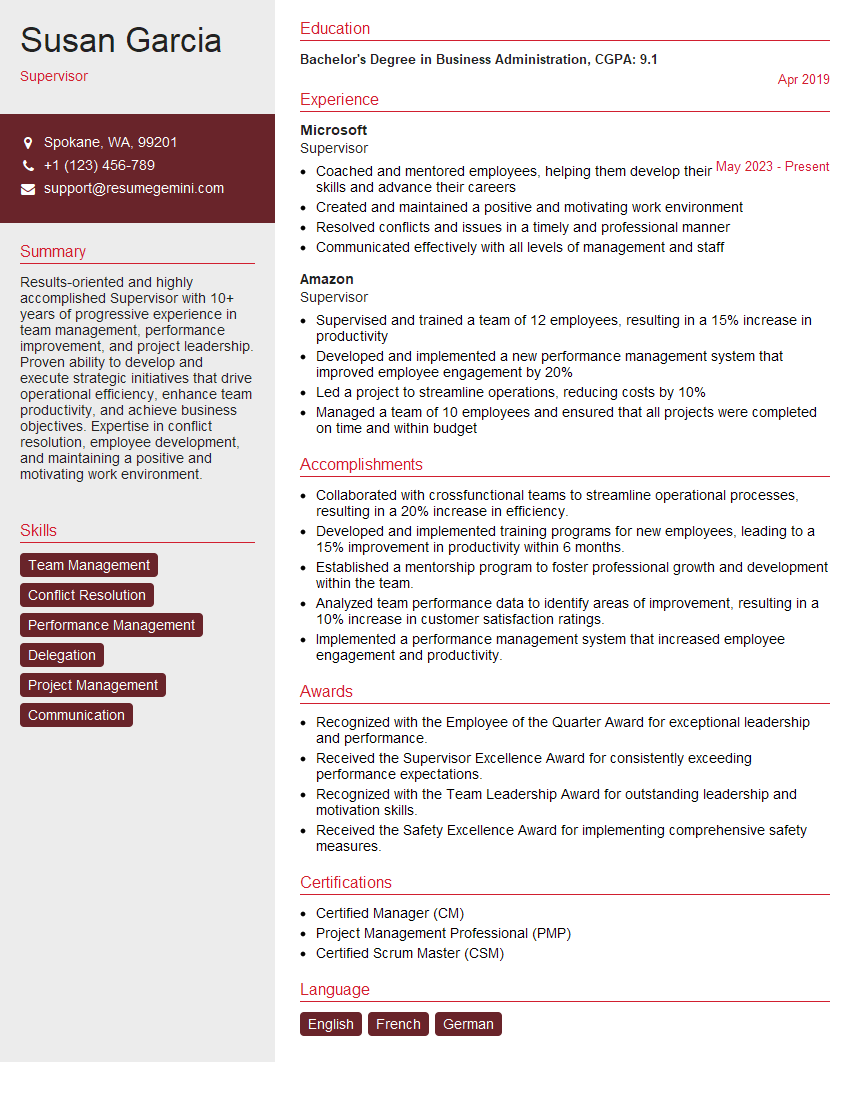
Supervisor Resume Sample

Customer Service Manager Resume Sample
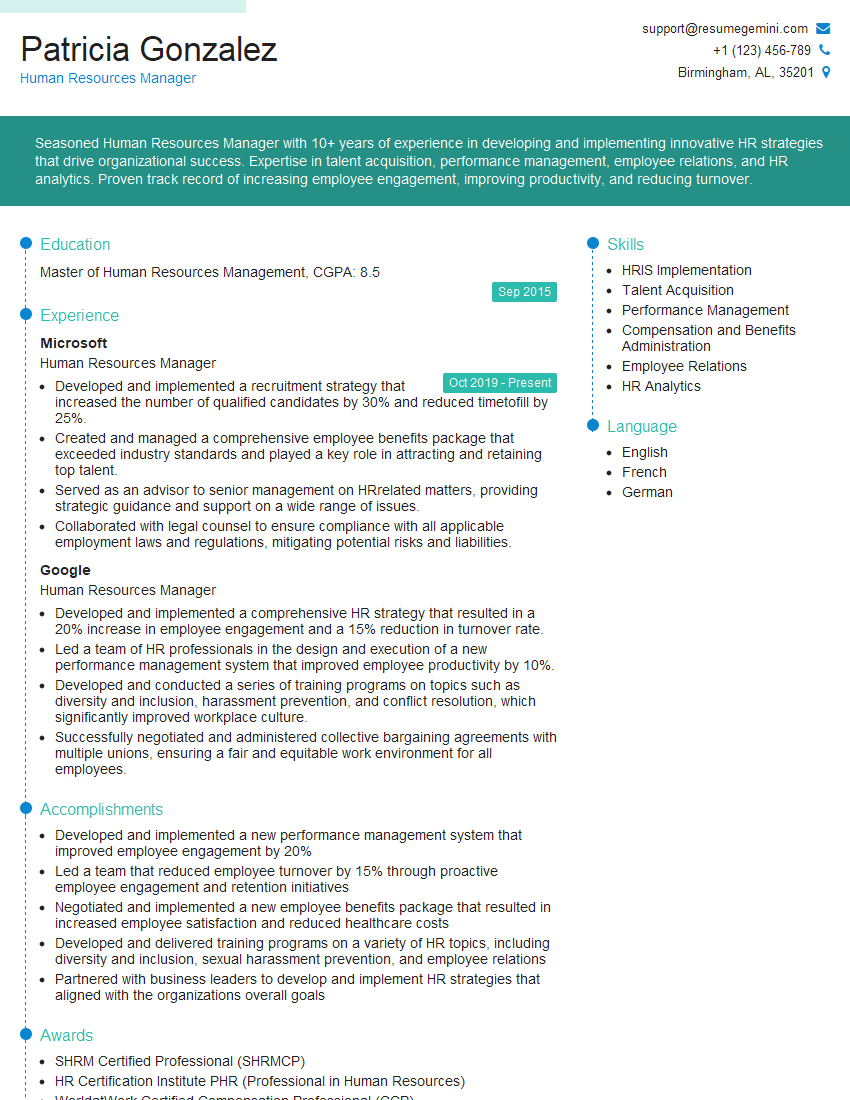
Human Resources Manager Resume Sample

Project Manager Resume Sample
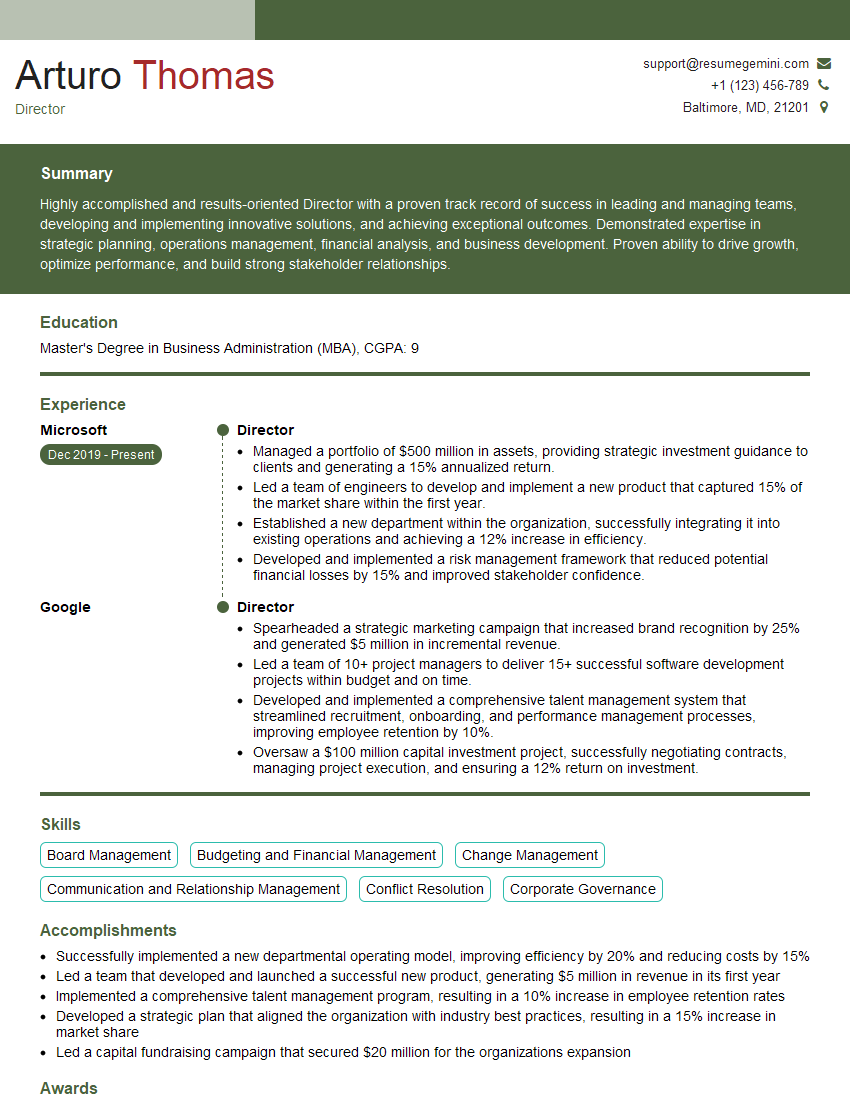
Director Resume Sample
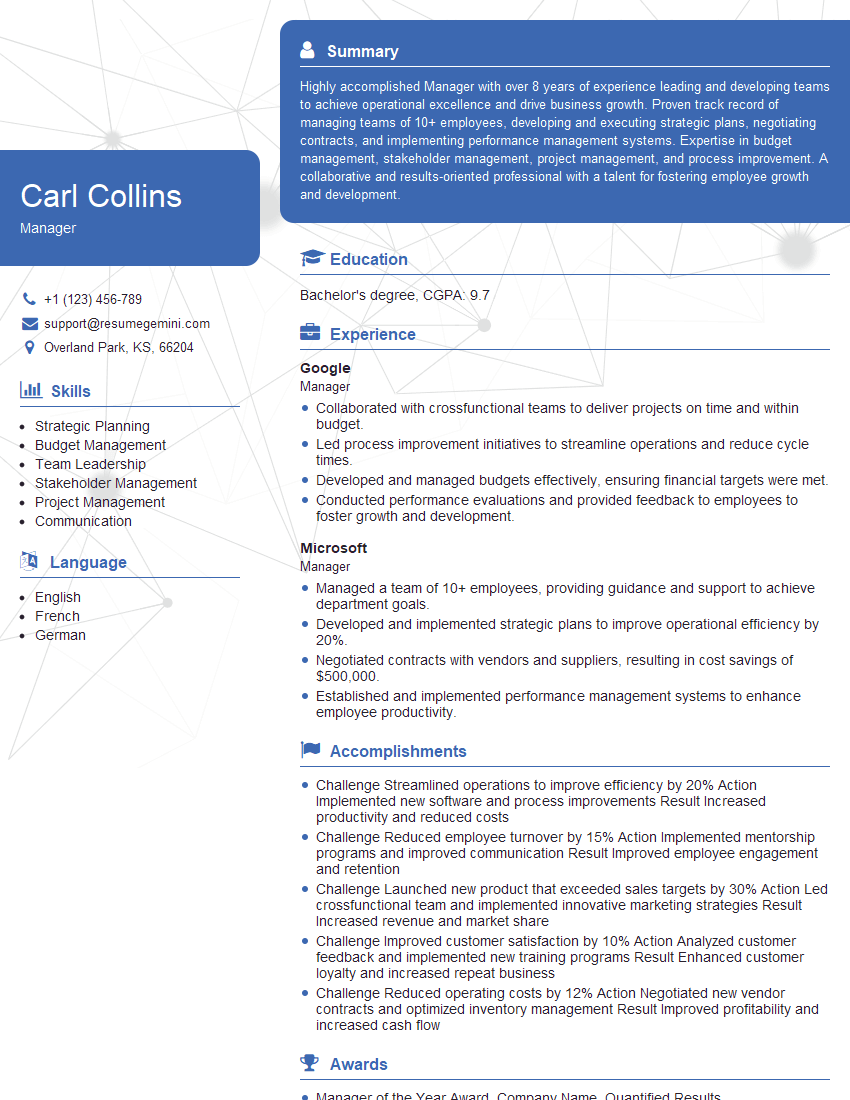
Manager Resume Sample
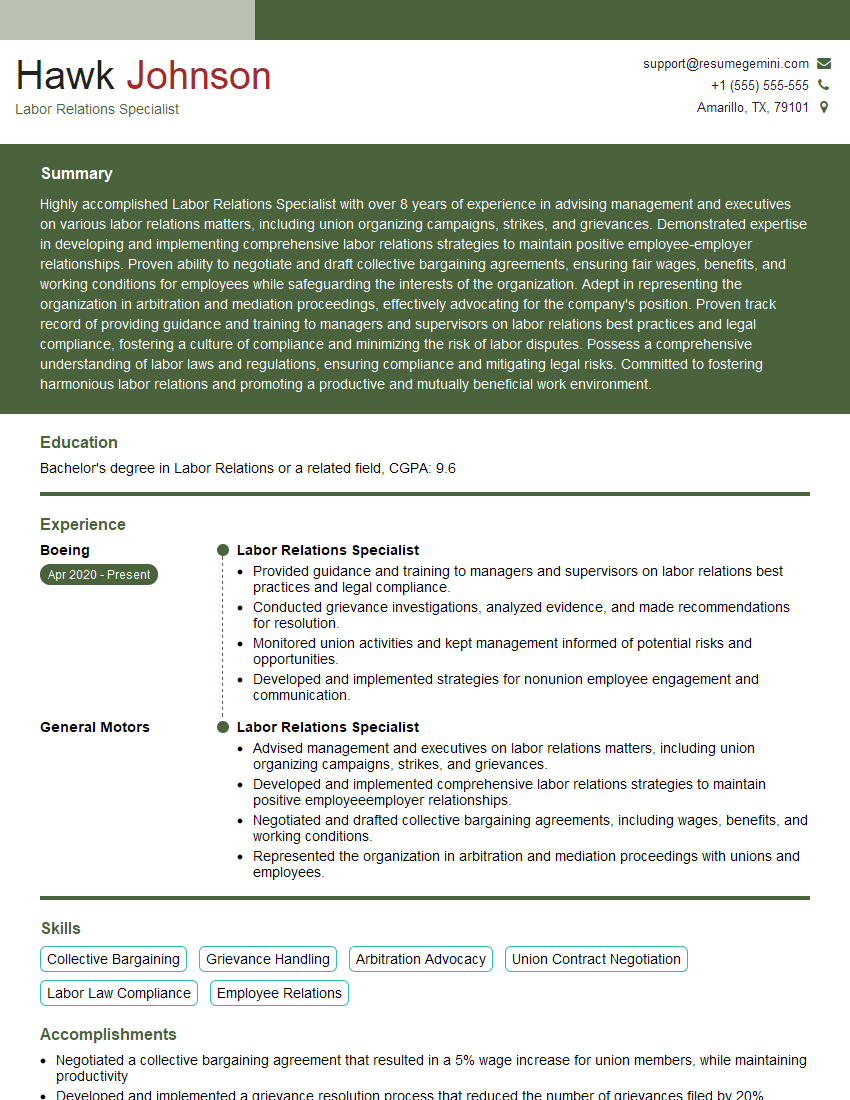
Labor Relations Specialist Resume Sample
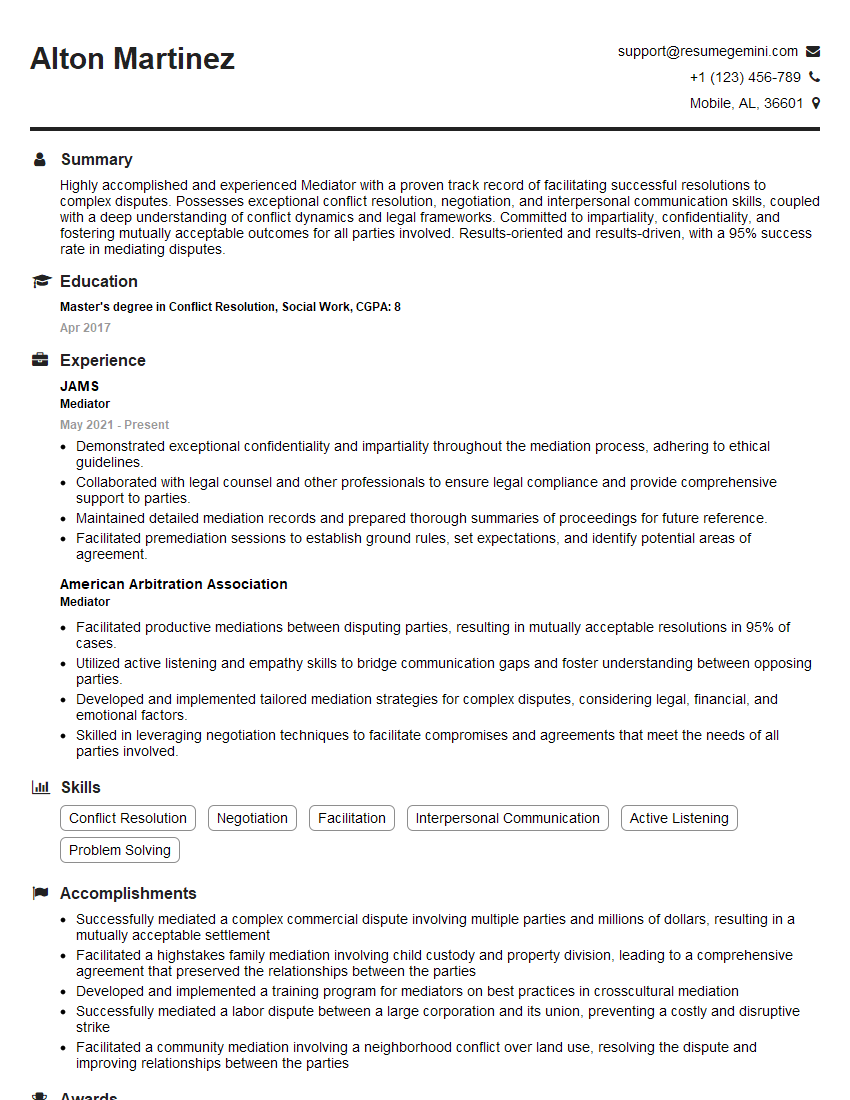
Mediator Resume Sample
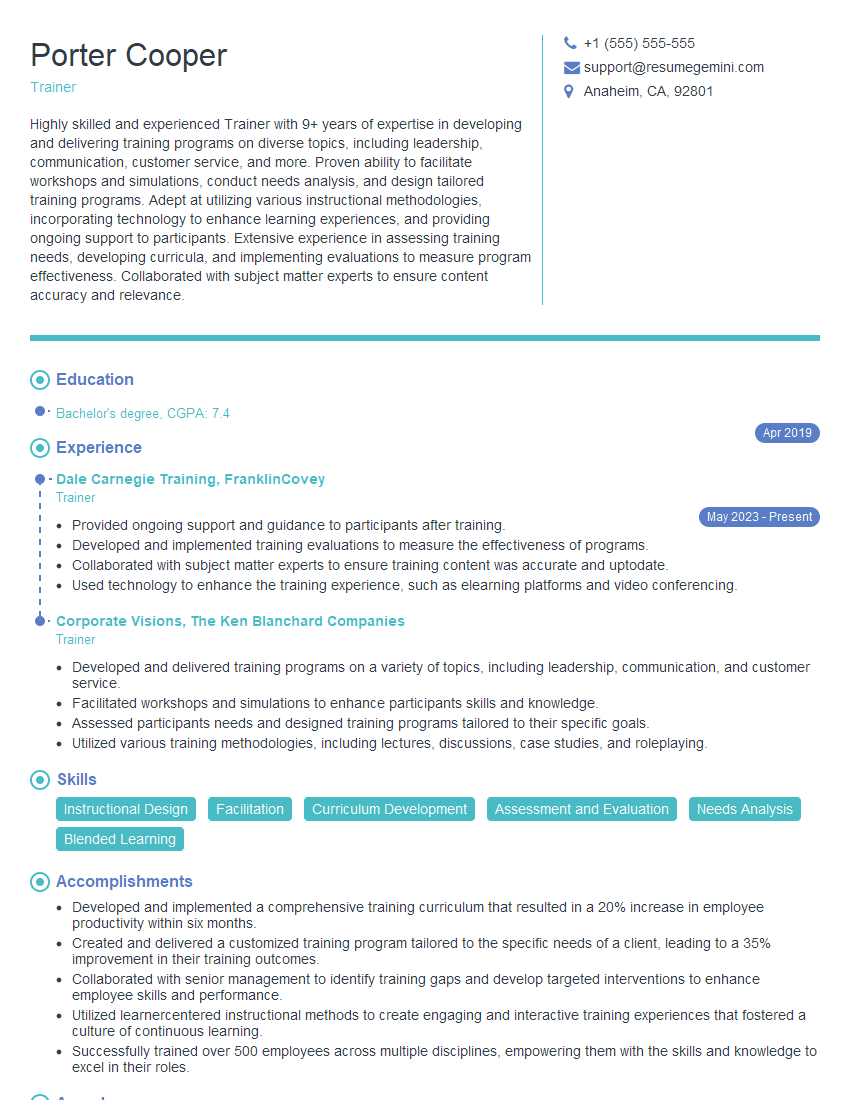
Trainer Resume Sample
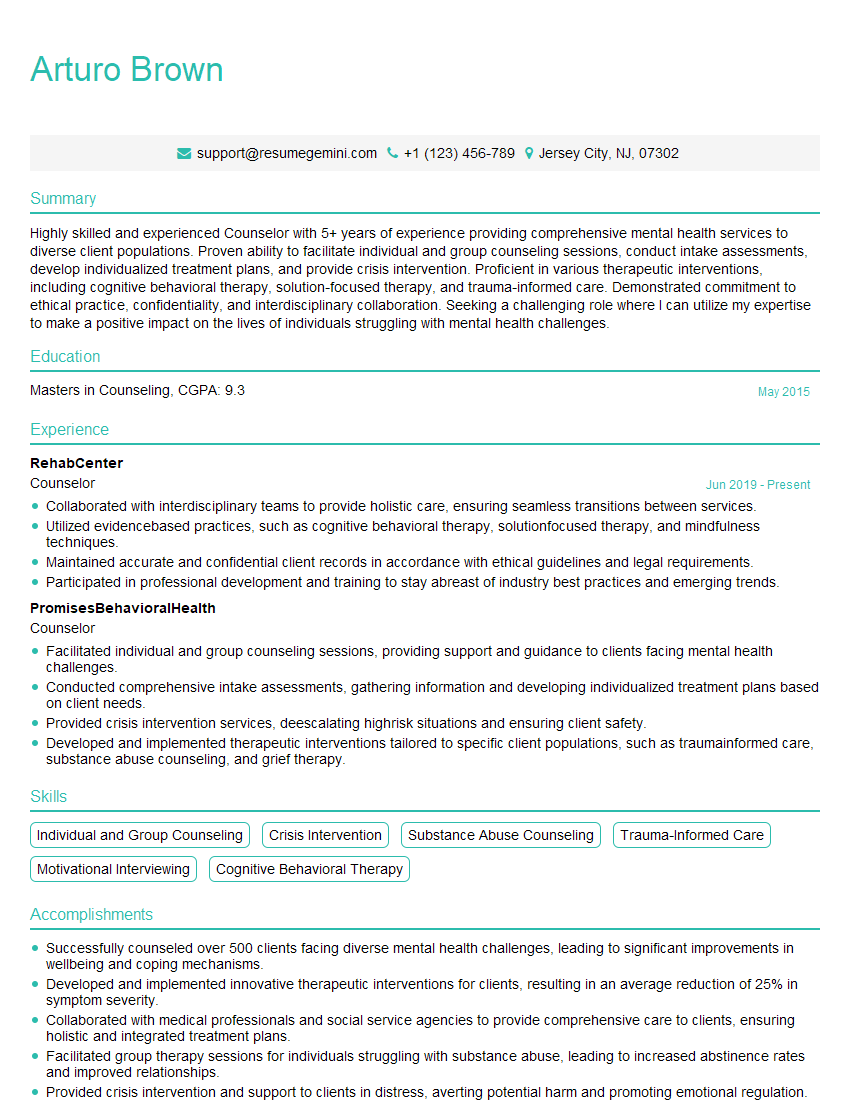
Counselor Resume Sample
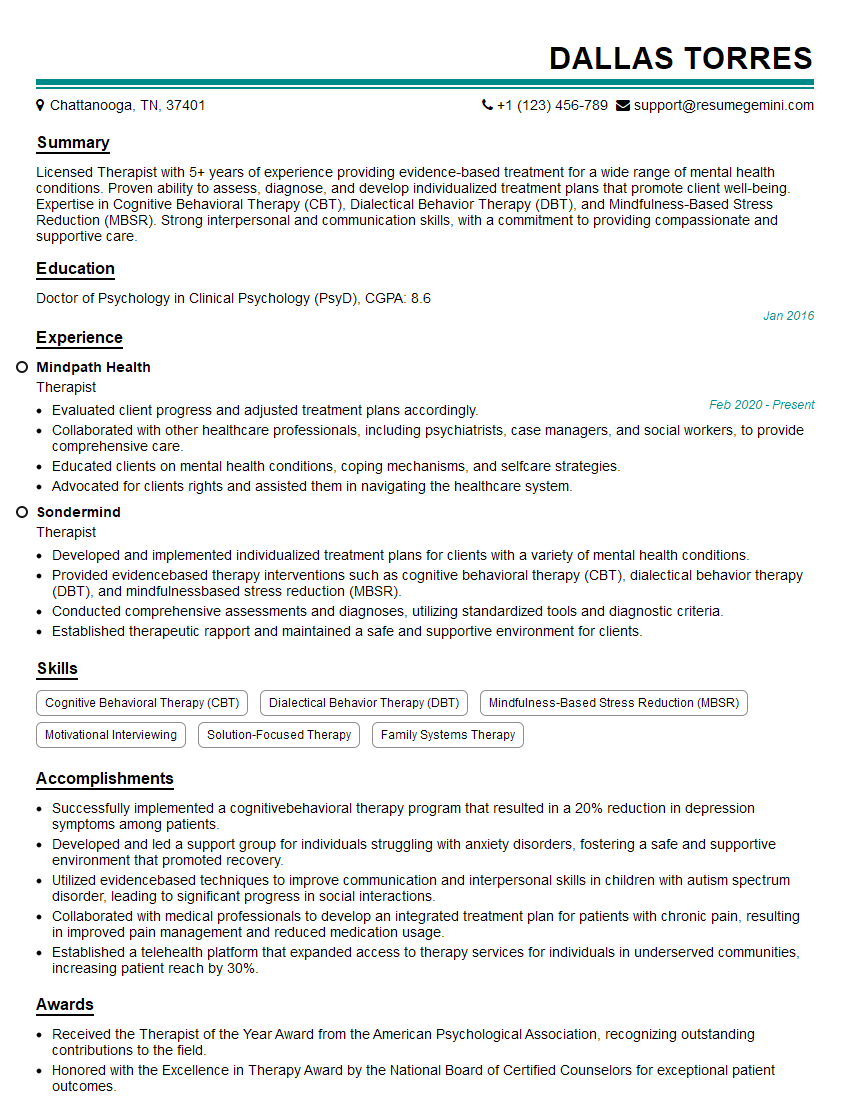
Therapist Resume Sample
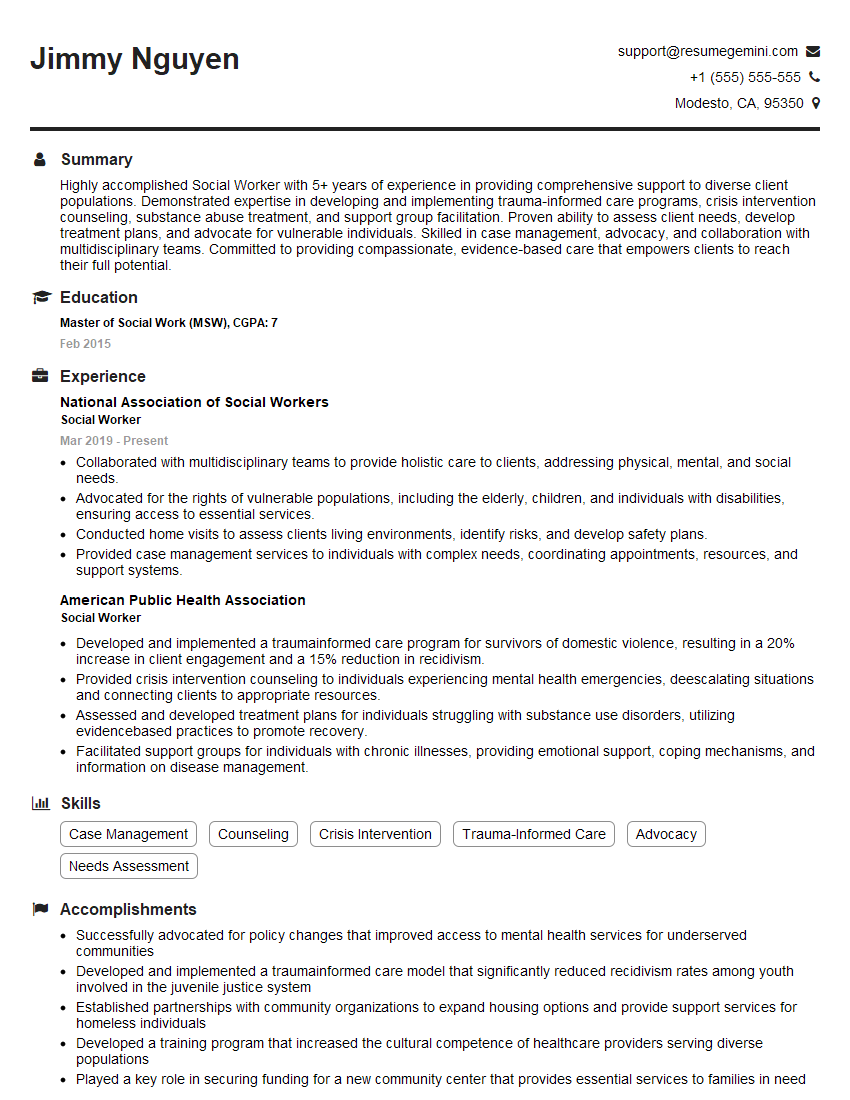
Social Worker Resume Sample
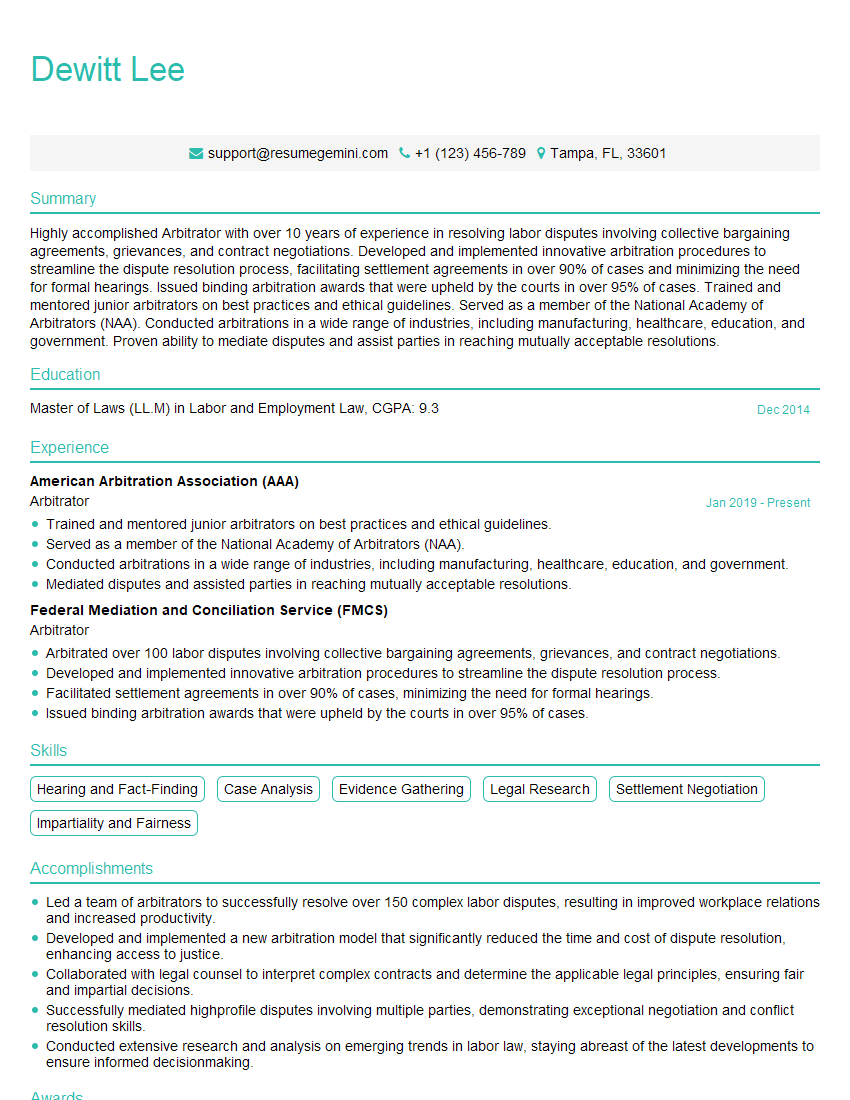
Arbitrator Resume Sample
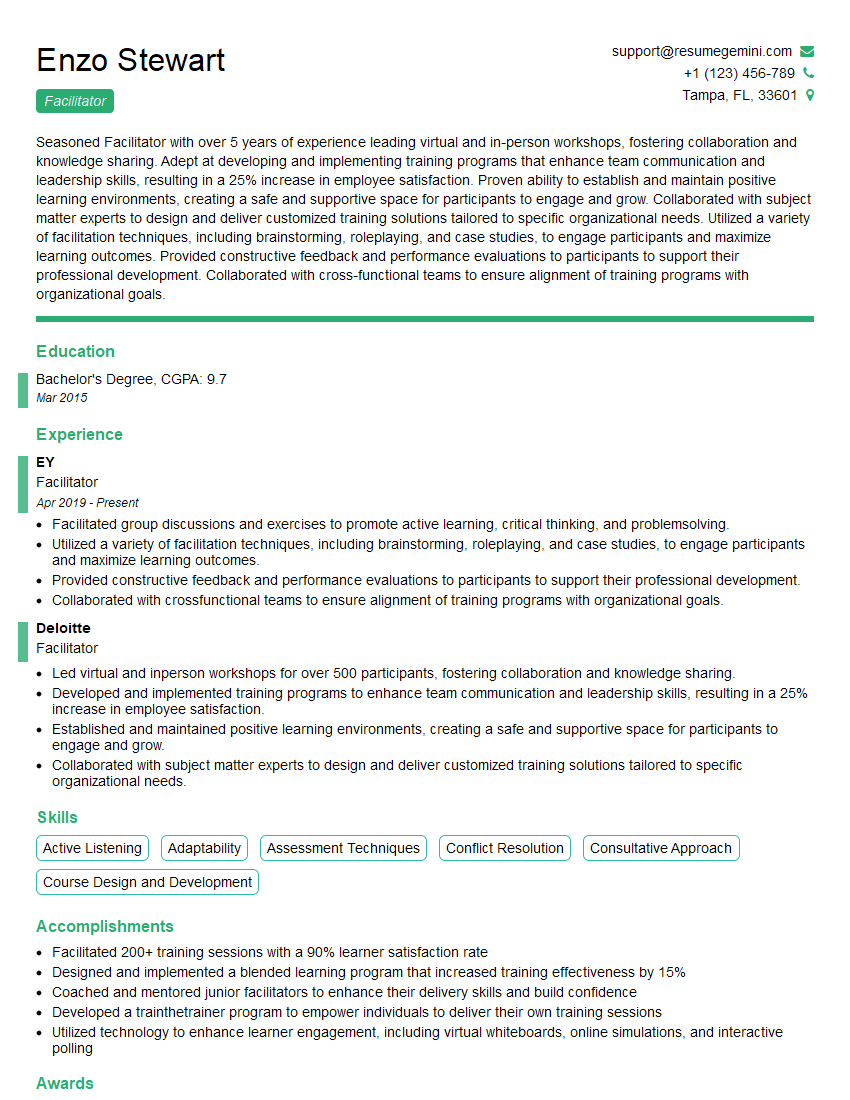
Facilitator Resume Sample
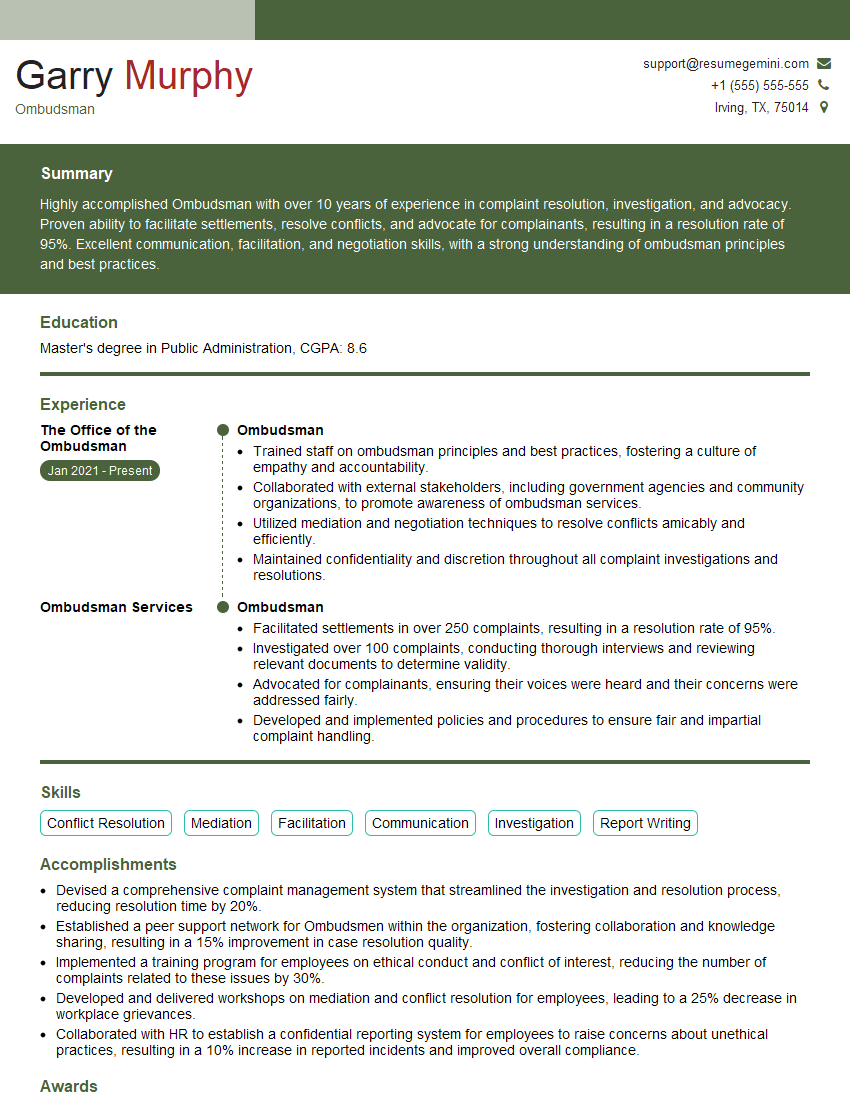
Ombudsman Resume Sample
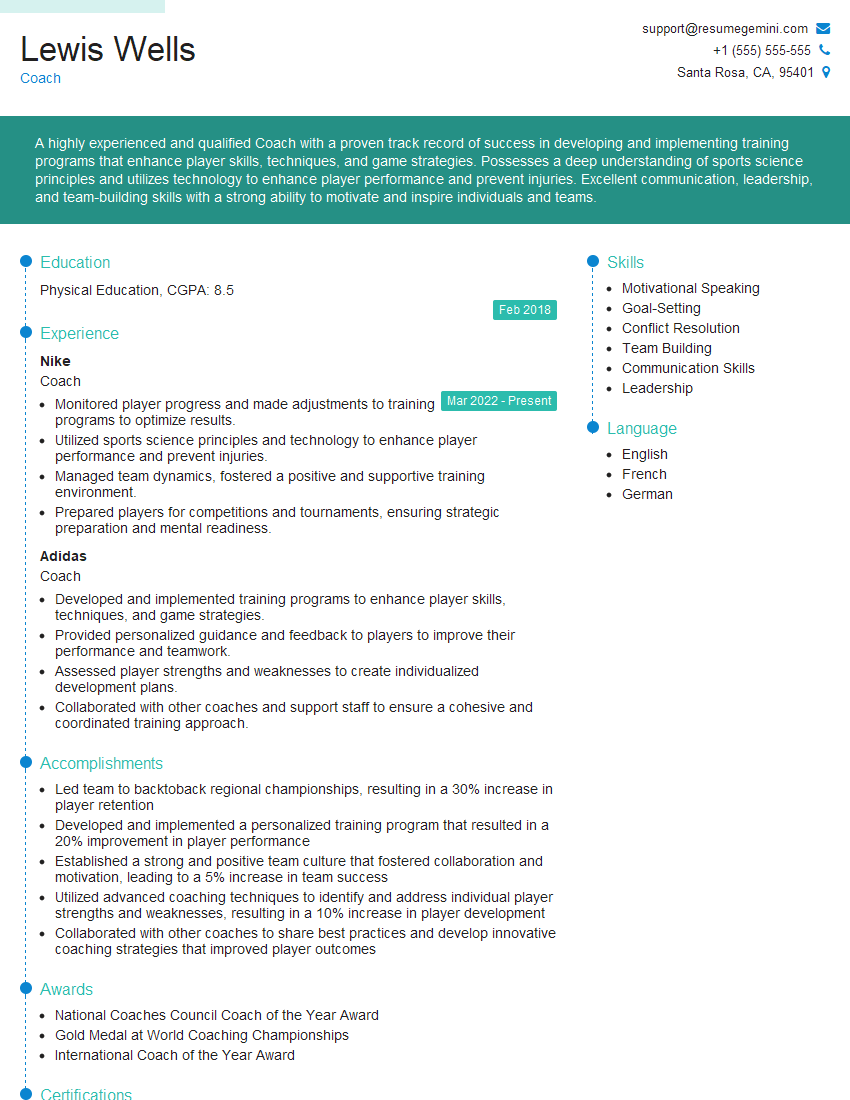
Coach Resume Sample
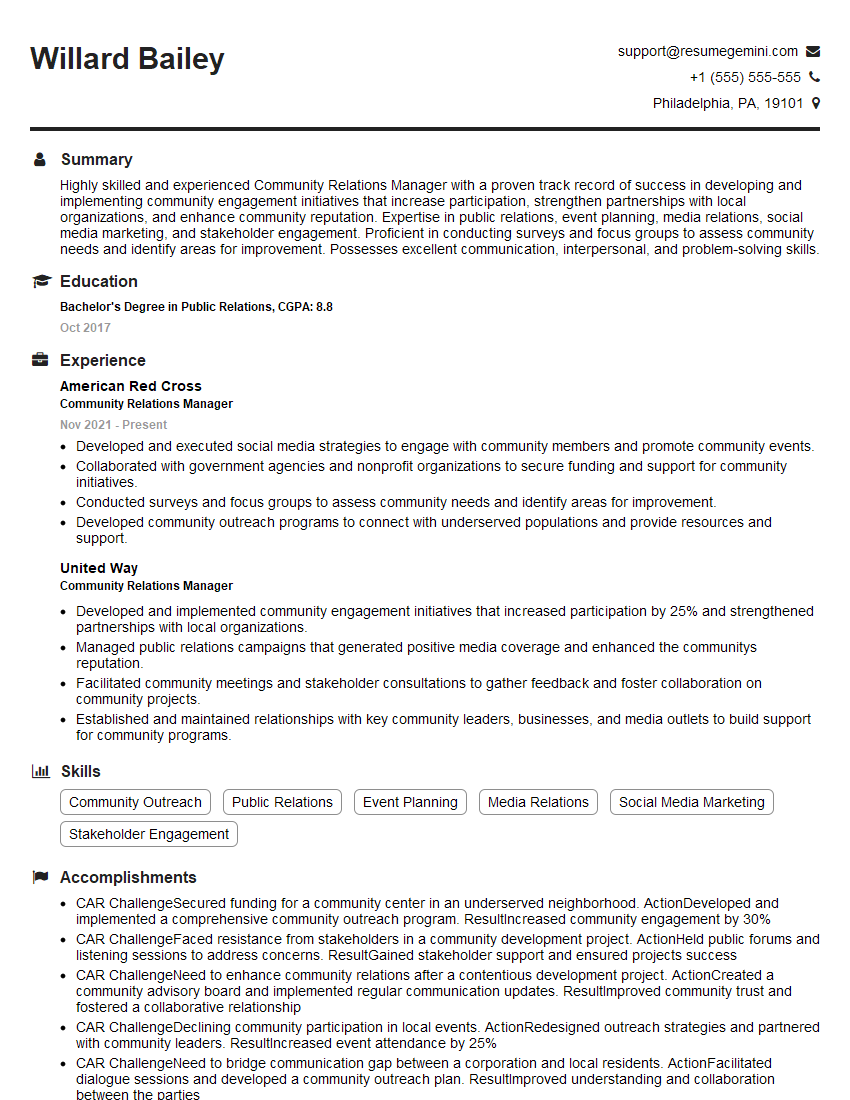
Community Relations Manager Resume Sample
Explore more articles
Users Rating of Our Blogs
Share Your Experience
We value your feedback! Please rate our content and share your thoughts (optional).
What Readers Say About Our Blog
Very informative content, great job.
good