Every successful interview starts with knowing what to expect. In this blog, we’ll take you through the top Knowledge of Print Sizes interview questions, breaking them down with expert tips to help you deliver impactful answers. Step into your next interview fully prepared and ready to succeed.
Questions Asked in Knowledge of Print Sizes Interview
Q 1. What are the standard print sizes for business cards?
The standard size for business cards is 3.5 inches by 2 inches. This is a widely accepted industry standard, ensuring compatibility with most card holders and printing equipment. While slight variations might exist (like 3.75 x 2.25 inches for slightly larger cards), sticking to the standard 3.5 x 2 is crucial for optimal functionality and avoiding issues with automated cutting machines.
Think of it like a standardized screw – you wouldn’t use a larger screw for a smaller hole, right? Similarly, deviating too much from the standard business card size can lead to compatibility problems.
Q 2. Explain the difference between bleed and trim.
In print production, ‘bleed’ and ‘trim’ are critical terms related to the final dimensions of a printed piece. Bleed refers to the area of your design that extends beyond the final trim line. This extra area is crucial because the printing process may cause slight shifting or inaccuracies during cutting. If your design element ends right at the trim line, you risk it being partially cut off.
Trim, on the other hand, represents the final size of your printed product after it’s cut. Imagine you’re creating a flyer: the design might extend slightly beyond the intended 8.5 x 11 inches (bleed), but after it’s cut, the flyer will measure exactly 8.5 x 11 inches (trim).
For example, if you design a business card, the artwork might extend 0.125 inches beyond the 3.5 x 2 inch trim area to accommodate for bleed. This guarantees your design elements are not cut off during the trimming process, resulting in a clean, professionally printed card.
Q 3. What is the significance of DPI (dots per inch) in print production?
DPI, or dots per inch, is a crucial specification in print production that determines the resolution of your printed image. It represents the number of ink dots printed per inch. A higher DPI results in a sharper, more detailed image, while a lower DPI can lead to a blurry, pixelated output.
For high-quality print projects, a minimum DPI of 300 is generally recommended. Anything below this may look acceptable on screen, but when printed, the image will likely appear grainy or pixelated. Think of it like building with LEGOs: more tiny LEGO bricks (higher DPI) will create a smoother, more detailed model than fewer, larger ones (lower DPI).
For instance, using a 72 DPI image intended for a website, in a print project will result in an unacceptable quality print. Always ensure your images have adequate DPI before sending them to print.
Q 4. How do you calculate the correct print size for a given design?
Calculating the correct print size involves considering both the design’s dimensions and the required bleed. Begin by determining your desired final print size (the trim size). Then, add the bleed allowance to each dimension. Most printers require a bleed of 0.125 inches (1/8 inch) on all sides.
Example: Let’s say you need an 8.5 x 11 inch poster. Add 0.125 inches bleed on each side. Your final file dimensions for the printer should be 8.75 x 11.25 inches.
Step-by-step Calculation:
- Determine Trim Size: 8.5 x 11 inches
- Add Bleed (each side): +0.125 inches
- Final File Size: (8.5 + 0.125 + 0.125) x (11 + 0.125 + 0.125) = 8.75 x 11.25 inches
Always double-check with your printer’s specifications, as bleed requirements may vary slightly.
Q 5. What are common paper sizes used in print (e.g., US Letter, A4)?
Common paper sizes used in print vary depending on region. In the United States, US Letter (8.5 x 11 inches) is the standard for everyday documents, letters, and flyers. Legal (8.5 x 14 inches) is used for longer documents.
Internationally, the A-series is more prevalent. A4 (210 x 297 mm or approximately 8.3 x 11.7 inches) is the most common, equivalent to US Letter in terms of use. Other A-sizes (A3, A5, etc.) follow a standardized proportional system where each size is half the area of the previous size.
Understanding these standard sizes is fundamental for proper design layout and avoiding issues with printer compatibility and paper waste. Choosing the right paper size ensures your print projects fit seamlessly within their intended applications and look professional.
Q 6. Describe the process of preparing artwork for different print sizes.
Preparing artwork for different print sizes involves careful planning and attention to detail. The process generally includes:
- Designing to the Correct Dimensions: Create your design with the final trim size in mind, ensuring your important elements are not too close to the edges.
- Adding Bleed: Extend your design beyond the trim size to accommodate for bleed (usually 0.125 inches). This prevents white edges on the final product after trimming.
- Resolution: Use images with sufficient DPI (at least 300 DPI) for crisp, high-quality printing. Low-resolution images will appear pixelated when enlarged.
- Color Profile: Use the correct color profile (e.g., CMYK) for print. Avoid using RGB, which is designed for screens, as colors may differ significantly in print.
- File Format: Save your artwork in a suitable file format, like PDF (preferably a press-ready PDF), to prevent compatibility issues with your printer.
Adapting your artwork to different print sizes involves scaling the design proportionately, ensuring the aspect ratio remains consistent to prevent distortion.
Q 7. How do you handle image resolution issues when scaling artwork for print?
Image resolution is paramount when scaling artwork for print. Scaling a low-resolution image will significantly reduce the print quality, leading to pixelation and blurriness. To handle these issues:
- Use High-Resolution Images: Start with high-resolution images (at least 300 DPI at the final print size). If you need to scale an image, make sure you scale it from a significantly larger high resolution image to maintain quality.
- Vector Graphics: For logos and illustrations that need to be scaled without losing quality, use vector graphics (like AI or EPS files). These are resolution-independent, allowing for scaling to any size without pixelation.
- Avoid Excessive Scaling: If you must scale a raster image (JPEG, PNG), try to minimize the scaling factor. Significant upscaling will inevitably degrade the image quality.
- Resampling: If scaling is necessary, use image editing software to resample the image using a good quality algorithm (like bicubic resampling) to improve the result, although it is not perfect.
Always review your artwork at 100% zoom before sending it to print to ensure the image quality is acceptable.
Q 8. What are the implications of using incorrect print dimensions?
Using incorrect print dimensions can lead to a range of problems, significantly impacting the final product’s quality and potentially causing costly reprints. Imagine ordering business cards that are too small to fit the necessary information, or a poster with crucial details cut off due to incorrect sizing. This is more than just an aesthetic issue; it can affect readability, brand consistency, and ultimately, your client’s satisfaction.
- Cropped Images/Text: The most common issue. Important elements might be lost if the design isn’t scaled correctly to the final print size.
- Poor Resolution: Scaling an image up too much without sufficient resolution results in a pixelated, blurry mess. Conversely, scaling down can lead to unnecessary file size and slower printing.
- Wasted Materials: Incorrect dimensions lead to wasted paper and ink, increasing production costs.
- Missed Deadlines: Reprints due to sizing errors inevitably delay projects and can disrupt schedules.
- Brand Damage: A poorly printed product reflects negatively on your brand and professionalism.
To avoid these problems, always double-check your dimensions against the print specifications provided by your printer, meticulously confirming bleed, trim, and safe zone areas.
Q 9. Explain the concept of ‘safe zone’ in print design.
The ‘safe zone’ in print design is the area within the final print dimensions where you should place all crucial design elements – text, logos, and important images. Think of it as a buffer zone protecting your content from being accidentally trimmed during the printing process. Printing presses aren’t perfectly precise; there’s always a tiny margin for error in cutting. The safe zone ensures that even with minor inconsistencies, nothing vital gets cut off.
For example, if you’re designing a business card that’s 3.5 inches x 2 inches, the safe zone might be 0.125 inches from the edge of the final print. Any text or images placed within this 0.125-inch border are guaranteed to remain visible after trimming. Failing to use a safe zone can result in vital information, such as contact details, being lost. Many design software programs will allow you to create and visually display your safe zone guidelines to ensure compliance.
Q 10. How do you ensure accurate color reproduction across different print sizes?
Achieving accurate color reproduction across different print sizes requires careful attention to color profiles, calibration, and communication with your printer. The size itself doesn’t directly affect color, but the process of scaling can introduce subtle variations if not managed correctly. The goal is to ensure that the colors printed on a small postcard look the same as the colors on a large poster.
- Color Profiles (ICC Profiles): Using consistent color profiles (like sRGB for web, or Adobe RGB for print) throughout the design process is crucial. These profiles tell the software and printer how to interpret and reproduce colors accurately.
- Proofs: Always request color proofs from your printer before mass production. These are test prints that show you exactly how the final product will look, allowing for adjustments if needed.
- Printer Calibration: Ensure your printer is calibrated regularly to guarantee accuracy in color reproduction. Inconsistent calibration can lead to color shifts and variations between prints, regardless of size.
- Communication: Clear communication with your printer regarding your color expectations is vital. They have expertise in their specific equipment and can advise on the best approach for color consistency.
Q 11. What file formats are suitable for high-quality print production?
For high-quality print production, you generally want to avoid compressed formats like JPEG and opt for formats that preserve all the data in your image.
- PDF (Portable Document Format): The industry standard. PDFs preserve vector information (lines and shapes) and high-resolution raster images (photos), ensuring crisp and clean prints regardless of size.
- TIFF (Tagged Image File Format): A lossless format, ideal for images that require maximum quality and detail, such as high-resolution photographs.
- EPS (Encapsulated PostScript): Used for vector-based graphics and illustrations, particularly in larger-scale printing.
While some printers might accept other formats, sticking to these guarantees the best possible results and minimizes the risk of image degradation during the printing process.
Q 12. What are some common printing challenges related to size and scaling?
Several challenges can arise when dealing with print size and scaling. Some common issues include:
- Resolution Issues: Enlarging low-resolution images results in pixelation. Conversely, reducing high-resolution images can lead to unnecessarily large file sizes and slower processing.
- Bleed and Trim Errors: Inconsistent application of bleed (the extra area that extends beyond the final trim size) can result in unsightly white borders or cropped images.
- Color Shifting: As discussed previously, slight color variations can occur depending on the printer and its calibration, particularly when scaling images.
- Font Size and Readability: Reducing text size too much can make it illegible, especially in smaller print sizes. Conversely, overly large text on smaller prints might look bulky and awkward.
- Scaling Vector vs. Raster Graphics: Scaling vector graphics (logos, illustrations) maintains quality. Scaling raster images (photos) can compromise quality, particularly when enlarged.
Careful planning and attention to detail are essential in mitigating these challenges.
Q 13. How do you handle client requests for non-standard print sizes?
Handling non-standard print sizes requires a collaborative approach with the client and the printer. Firstly, ensure clear communication with the client to understand their precise requirements and the purpose of the non-standard dimensions. Then, work with the printer to confirm feasibility and any associated costs.
- Client Consultation: Discuss the reasons for the non-standard size, potential design implications, and whether alternatives might be more practical or cost-effective.
- Printer Consultation: Confirm the printer’s capabilities to handle the specified dimensions, potential limitations, and any additional costs associated with custom sizes.
- Design Adaptation: Adapt the design to accommodate the non-standard size, ensuring it remains aesthetically pleasing and functional. This may involve adjusting layouts, image resolution, and font sizes.
- Proofing and Testing: Always request a proof print to ensure the final product meets expectations before committing to a large print run.
The key is to be proactive and transparent, keeping both the client and the printer fully informed throughout the process.
Q 14. What are the considerations for print sizes when designing for different media (e.g., posters, brochures)?
Print size considerations vary significantly depending on the medium. For instance, a poster requires larger print sizes for maximum visual impact, while a brochure needs a size that is convenient to handle and read.
- Posters: Common sizes are based on standard display formats, often involving larger dimensions to accommodate visuals from afar. Think about the viewing distance and the need for large, easily readable text.
- Brochures: Often designed in tri-fold or bi-fold formats, brochures need sizes that balance visual appeal with portability. Standard sizes make production easier and reduce costs.
- Business Cards: These follow strict standard sizes for compatibility with business card holders and wallets. Deviation from standard sizes can create practical issues.
- Flyers: The design is dictated by their purpose and distribution method. Sizes will be chosen to balance readability with cost-effectiveness.
It’s vital to understand the intended purpose and distribution method of your design to select the most appropriate and effective print size.
Q 15. What are the common print size limitations for various printing methods (offset, digital, etc.)?
Print size limitations vary significantly depending on the printing method. Offset printing, known for its high-volume capabilities, typically involves larger minimum print sizes due to the setup and plate-making process. Think of it like baking a cake – setting up the oven and preparing the ingredients takes time, so baking one tiny cupcake is inefficient. Common minimums are around 500 pieces, and the maximum is largely determined by the press size, often reaching sizes suitable for large posters or banners. Digital printing, on the other hand, is much more flexible. You can print single copies or small runs with ease. However, even digital printing has limits: the maximum size depends on the printer’s capabilities, usually constrained by the width of the printing media. Large-format digital printing is increasingly common, but you’ll still encounter size constraints.
For example, a typical offset press might have a maximum sheet size of 40” x 60”, while a common digital printer might max out at 13” x 19”. Consider the format you’re using: brochures, books, posters, all have different implications regarding sheet size and total print area.
- Offset Printing: Larger minimum print runs, maximum size limited by press capabilities.
- Digital Printing: Smaller minimum print runs, maximum size limited by printer capabilities and media size.
- Large Format Printing: Highly variable based on the printing system used, generally much larger than standard sheet-fed print.
Career Expert Tips:
- Ace those interviews! Prepare effectively by reviewing the Top 50 Most Common Interview Questions on ResumeGemini.
- Navigate your job search with confidence! Explore a wide range of Career Tips on ResumeGemini. Learn about common challenges and recommendations to overcome them.
- Craft the perfect resume! Master the Art of Resume Writing with ResumeGemini’s guide. Showcase your unique qualifications and achievements effectively.
- Don’t miss out on holiday savings! Build your dream resume with ResumeGemini’s ATS optimized templates.
Q 16. How do different print sizes affect printing costs?
Print size directly impacts printing costs in several ways. Larger prints generally cost more, regardless of the method. This is because of material usage: more paper or other media is needed. Setup costs, such as those associated with offset printing plates, are also spread across fewer prints for smaller sizes, resulting in higher per-unit costs. Digital printing, however, tends to have a lower per-unit cost for small runs, as the setup is relatively minimal. The cost per sheet remains relatively constant, making larger runs more cost-effective.
Think of it like buying fabric: you pay more for more fabric, but the cost per inch is less if you buy a larger amount. The same logic applies to printing, with setup costs added as an additional layer.
Another factor influencing cost is the complexity of the design; intricate designs can lead to more time and resources required, irrespective of the overall print size.
Q 17. Explain the concept of ‘up the sheet’ and its importance in print production.
‘Up the sheet’ refers to the arrangement of multiple smaller prints onto a single larger sheet of printing material before cutting. It’s a crucial concept in maximizing efficiency and minimizing waste during print production. It’s like arranging puzzle pieces—the goal is to fit as many pieces (individual prints) onto a single sheet (the printing substrate) as possible, to reduce the number of sheets needed for a print job. This strategic placement significantly impacts the overall cost-effectiveness of the print job.
For instance, if you’re printing 100 business cards, you wouldn’t print each one on a separate sheet of paper. Instead, you’d design a sheet that allows for multiple business cards to be printed at once. This reduces material cost, and labor cost as less handling is involved. The optimal ‘up the sheet’ configuration depends on factors such as the print size, sheet dimensions, and the print’s orientation (portrait or landscape). Software programs are commonly used to plan the most efficient ‘up the sheet’ layout.
Q 18. What software are you proficient in for managing print sizes and layouts?
I’m proficient in several software packages for managing print sizes and layouts, including Adobe InDesign, Adobe Illustrator, and QuarkXPress. InDesign is particularly powerful for managing complex layouts across multiple pages, especially for things like books or brochures. Illustrator excels at creating and modifying vector graphics for logo and design work that will be printed. QuarkXPress offers a strong alternative for page layout, often used in professional publishing. These programs allow precise control over print sizes, bleeds (the extra area beyond the trim size), and the arrangement of elements to maximize sheet utilization.
I also have experience with prepress software like imposition software that allows for very precise control over the layout of multiple jobs onto printing sheets or rolls. This includes automatically calculating the cuts and creating press-ready files.
Q 19. How do you manage multiple print jobs with varying sizes and deadlines?
Managing multiple print jobs with varying sizes and deadlines requires a structured approach. I typically use project management tools such as Asana or Trello to track progress, deadlines, and the status of each job. I prioritize jobs based on deadlines and urgency, ensuring that time-sensitive projects receive immediate attention. I communicate with clients regularly to update them on progress and address any potential issues.
A crucial step is detailed job breakdown: carefully assessing file requirements, print sizes, and material specifications for each job before initiating production. This approach minimizes the risk of errors and allows for efficient resource allocation. A clear workflow, combined with effective communication and project management, is essential for handling diverse projects simultaneously without compromising quality or punctuality.
Q 20. How do you verify the accuracy of print sizes before sending to print?
Verifying print size accuracy is crucial before sending files to print. I employ several strategies to ensure precision. Firstly, I carefully check the dimensions in my design software, ensuring they match the intended print size, including bleeds and margins. Secondly, I create proof documents at the intended scale; either a soft proof within the design application, or a hard copy test print if critical. This helps to visualize how the print will appear and catch any discrepancies early.
Thirdly, I’ll often create a print-ready PDF file with the appropriate settings for the target printer, checking that the dimensions are correct in the file information and verifying there are no clipping or other issues. This detailed approach ensures that there are no surprises when the final print arrives.
Q 21. Describe your experience with different color profiles and how they relate to print sizes.
Color profiles are crucial for ensuring accurate color reproduction in print. They define the relationship between the colors in a digital file and the colors that the printer will output. Different printers and printing methods require different color profiles, and choosing the incorrect profile can lead to significant color shifts. I have extensive experience working with various color profiles, including those used for offset printing (such as SWOP or FOGRA) and digital printing (such as sRGB or Adobe RGB).
While color profiles primarily affect the color accuracy of the output, they’re implicitly linked to print sizes because the size of the print can sometimes influence the color density or saturation. For instance, a very large print may require minor adjustments to the color profile to compensate for potential ink spreading or dot gain, ensuring the intended colors remain accurate even at large scale.
My experience encompasses working with ICC profiles in design software, proofing software and press management systems to ensure a precise match between the digital file and the final print regardless of size.
Q 22. How would you troubleshoot a print job with incorrect dimensions?
Troubleshooting incorrect print dimensions starts with identifying the source of the error. It could be a mistake in the design software, incorrect settings in the print driver, or even a problem with the printer itself.
- Check the Design File: First, meticulously review your design file. Verify that the dimensions in your design software (InDesign, Photoshop, Illustrator, etc.) precisely match the intended final print size. Look for any accidental scaling or resizing that might have occurred.
- Print Driver Settings: Next, examine your printer’s driver settings. Ensure that the paper size selected in the driver aligns perfectly with your design’s dimensions. Incorrect scaling options within the driver are a common culprit.
- Printer Calibration: If the problem persists, consider printer calibration. A misaligned or poorly calibrated printer can lead to inaccurate prints. Check your printer’s manual for calibration instructions, which often involve printing a test page.
- Test Prints: Always do test prints, especially for important projects. A small test print can reveal dimensional errors early on, avoiding costly reprints.
- Software Glitches: Occasionally, software glitches can introduce unexpected scaling. Try restarting your computer and design software to rule this out.
For example, if your design is 8.5 x 11 inches, ensure this is reflected consistently in your design software, the print driver, and the chosen paper size. If discrepancies exist, adjust accordingly before proceeding.
Q 23. What are the considerations for print sizes when designing for web-to-print solutions?
Designing for web-to-print solutions requires careful consideration of print sizes and their digital counterparts. The key is to understand that the digital representation on a screen and the final printed output might not have a one-to-one correspondence due to differences in resolution and color spaces.
- Bleed and Trim: Account for bleed (extra area extending beyond the trim line) to prevent white edges on the final printed piece. Specify bleed areas accurately in your design.
- Resolution: Use high-resolution images (at least 300 DPI) to avoid pixelation or blurriness in the printed output. Web images are typically lower resolution (72 DPI), unsuitable for print.
- Color Profiles: Convert your design to the appropriate color profile for print (e.g., CMYK) to accurately represent colors. Web designs often use RGB, which can lead to color shifts when printed.
- File Formats: Choose file formats suitable for print, such as PDF/X-1a, which preserves color information and settings to ensure consistency.
- Pre-flighting: Utilize pre-flighting tools in design software to catch potential errors like missing fonts, embedded images, and incorrect color spaces *before* sending to the printer.
Imagine designing a postcard. You’d need to consider the final print size (e.g., 4×6 inches), add bleed (maybe 0.25 inches on each side), and ensure your images have a resolution of at least 300 DPI to produce a crisp result.
Q 24. Explain your experience with large format printing and size considerations.
My experience with large format printing emphasizes the critical role of precise size specifications and high-resolution imagery. Large format projects, such as billboards, posters, or banners, magnify any inconsistencies, making even slight errors highly visible.
- Scale and Proportion: Maintaining accurate proportions is paramount. A small error can be dramatically amplified at larger scales, making it essential to double-check all measurements.
- Image Resolution: High resolution (often exceeding 300 DPI) is crucial to avoid pixelization. The larger the print, the higher the resolution needs to be.
- File Size: Large format files are often extremely large, requiring powerful computers and efficient workflow management.
- Material Selection: The choice of printing material (vinyl, canvas, paper) impacts the final appearance and durability. This choice must be factored into the sizing process.
- Mounting and Finishing: Consider how the printed piece will be mounted or finished (lamination, grommets) and adjust dimensions accordingly to accommodate these processes.
For instance, working on a billboard design requires meticulous attention to detail. A slight miscalculation in the design could result in a blurry or distorted image that’s visible from a great distance.
Q 25. How do you communicate print size specifications effectively to clients and printers?
Effective communication of print size specifications involves clarity and precision. I use a multi-pronged approach to ensure everyone is on the same page.
- Clear Units: Always specify units (inches, millimeters, pixels) explicitly to avoid ambiguity. For example, ‘8.5 x 11 inches’ is clearer than ‘8.5 x 11’.
- Visual Aids: Providing mockups or visual representations (e.g., diagrams showing bleed areas, trim lines) helps clients visualize the final dimensions and avoid misunderstandings.
- Detailed Specifications: Supply comprehensive specifications in a document, including dimensions, resolution requirements, color profile, and file formats.
- Confirmation Process: Confirm all specifications with the client and printer *before* proceeding with printing. This reduces the risk of errors and costly reprints.
- Clear Communication Channels: Choose appropriate communication channels (email, phone, project management software) that allow for easy tracking and confirmation of details.
For example, when working with a client on business cards, I’d provide a detailed document specifying the size (e.g., 3.5 x 2 inches), bleed area (0.125 inches), and the required resolution (300 DPI).
Q 26. How do you handle inconsistencies between the digital design and the final printed piece in terms of size?
Inconsistencies between the digital design and the final printed piece in terms of size are often due to errors in the design process or the printing process. A systematic approach is necessary.
- Compare the files: Carefully compare the dimensions of the original design file with the print file to identify differences.
- Check for scaling issues: Verify that the design hasn’t been inadvertently scaled in the design software or during the printing process.
- Inspect the printer settings: Ensure the print settings (page size, scaling) match the dimensions of the design file.
- Examine the print driver: Some print drivers introduce unexpected scaling or resizing. Try using a different driver or printing from a different computer.
- Review the print proof: If possible, review a physical print proof before committing to the final print run to catch any dimensional inconsistencies.
- Communicate with the printer: If you suspect an error on the printer’s end, communicate with them directly to diagnose the problem and find a solution.
For instance, if the printed piece is smaller than expected, I’d first check the design file for accidental scaling and then examine the print driver settings to ensure that no unexpected scaling is being applied.
Q 27. What are the implications of using low-resolution images for large print sizes?
Using low-resolution images for large print sizes results in a significant loss of quality, leading to a blurry, pixelated, and unprofessional final product. The larger the print, the more noticeable the pixelation becomes.
- Pixelation: Low-resolution images appear pixelated when enlarged, resulting in a grainy and unattractive appearance.
- Loss of Detail: Fine details are lost, causing the image to look indistinct and lacking in sharpness.
- Blurriness: The overall image becomes blurry and lacks clarity, especially in areas with fine details or sharp lines.
- Unprofessional Appearance: The reduced quality makes the final print appear unprofessional and detracts from the overall impact.
Think of it like enlarging a small photo on your phone. If the original photo is low resolution, the enlarged version will be blurry and pixelated. The same applies to printing; high-resolution images are essential for large format prints.
Q 28. Describe a situation where you had to solve a problem related to print size discrepancies.
I once worked on a large-scale banner for a conference. The design was completed and sent to the print shop, but the final banner arrived with significant size discrepancies. The width was accurate, but the height was noticeably shorter.
My troubleshooting involved a step-by-step approach:
- Verifying the design file: I confirmed the original design file’s dimensions were correct.
- Checking the print shop’s specifications: I contacted the print shop to check if they had used the correct settings.
- Reviewing the print proof (if available): Unfortunately, a proof wasn’t provided in this case, highlighting the importance of always getting one for larger jobs.
- Analyzing the print settings: I learned they’d accidentally used a smaller paper size setting in their printer. Their software hadn’t flagged this error.
- Reprinting: The issue was resolved by correcting the printer settings and reprinting the banner, emphasizing clear communication for future projects.
This experience reinforced the importance of thorough communication, verification of print settings, and the critical role of print proofs in avoiding costly and time-consuming errors.
Key Topics to Learn for Knowledge of Print Sizes Interview
- Understanding Print Units: Mastering points, picas, inches, millimeters, and their conversions. This includes practical application in different design software.
- Common Print Sizes and Their Applications: Familiarize yourself with standard paper sizes (e.g., letter, legal, A4, A3), poster sizes, and their suitability for various print projects (brochures, flyers, business cards, etc.). Be prepared to discuss the implications of choosing a specific size for a given project.
- Bleed and Margins: Understanding the concepts of bleed area, safe zone, and margins is crucial. Be ready to explain how these impact the final printed piece and how to prepare files correctly.
- Resolution and DPI: Know the importance of resolution (DPI) for print and its impact on image quality. Be able to explain the difference between screen resolution and print resolution and the implications of using unsuitable images.
- Color Profiles and Color Management: Grasp the basics of color profiles (CMYK vs. RGB) and their importance in ensuring accurate color reproduction in print. Understanding color management workflows is beneficial.
- Pre-press Preparation: Familiarity with file preparation for print, including file formats (PDF, TIFF, etc.), color modes, and appropriate resolution, will demonstrate your practical understanding.
- Troubleshooting Print Issues: Be prepared to discuss common print problems and potential solutions, such as banding, misregistration, or color inconsistencies.
Next Steps
A strong understanding of print sizes is essential for success in many design and print-related roles, showcasing your attention to detail and practical skills. To boost your job prospects, create an ATS-friendly resume that highlights your knowledge and experience. ResumeGemini is a trusted resource to help you build a professional and effective resume. Examples of resumes tailored to highlight expertise in Knowledge of Print Sizes are available to help you craft a compelling application.

Print Production Manager Resume Sample

Print Buyer Resume Sample
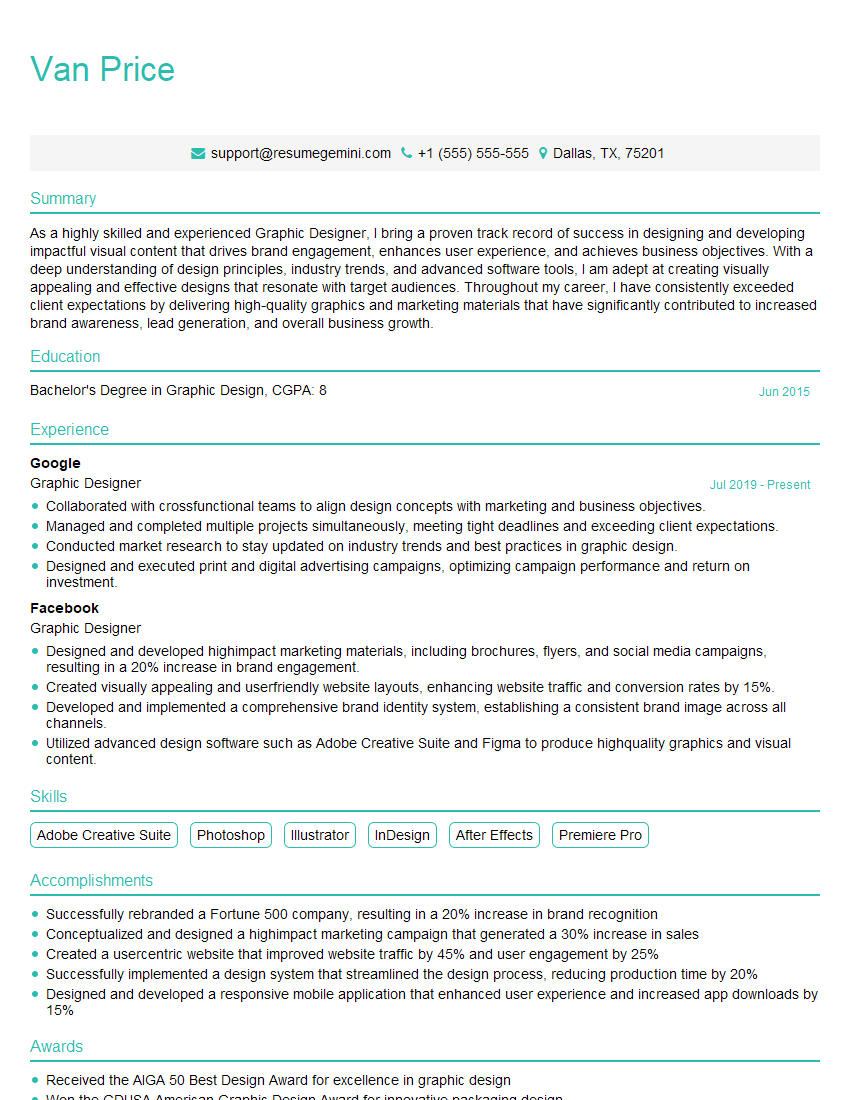
Graphic Designer Resume Sample
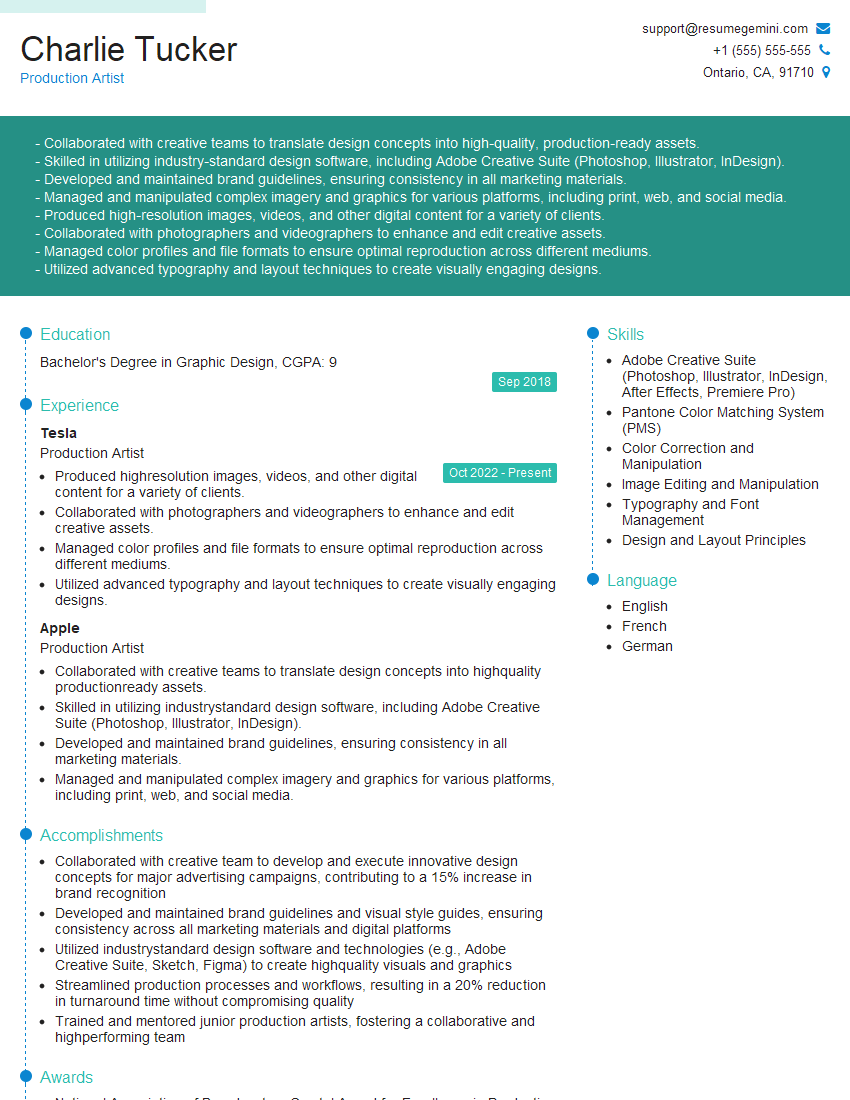
Production Artist Resume Sample
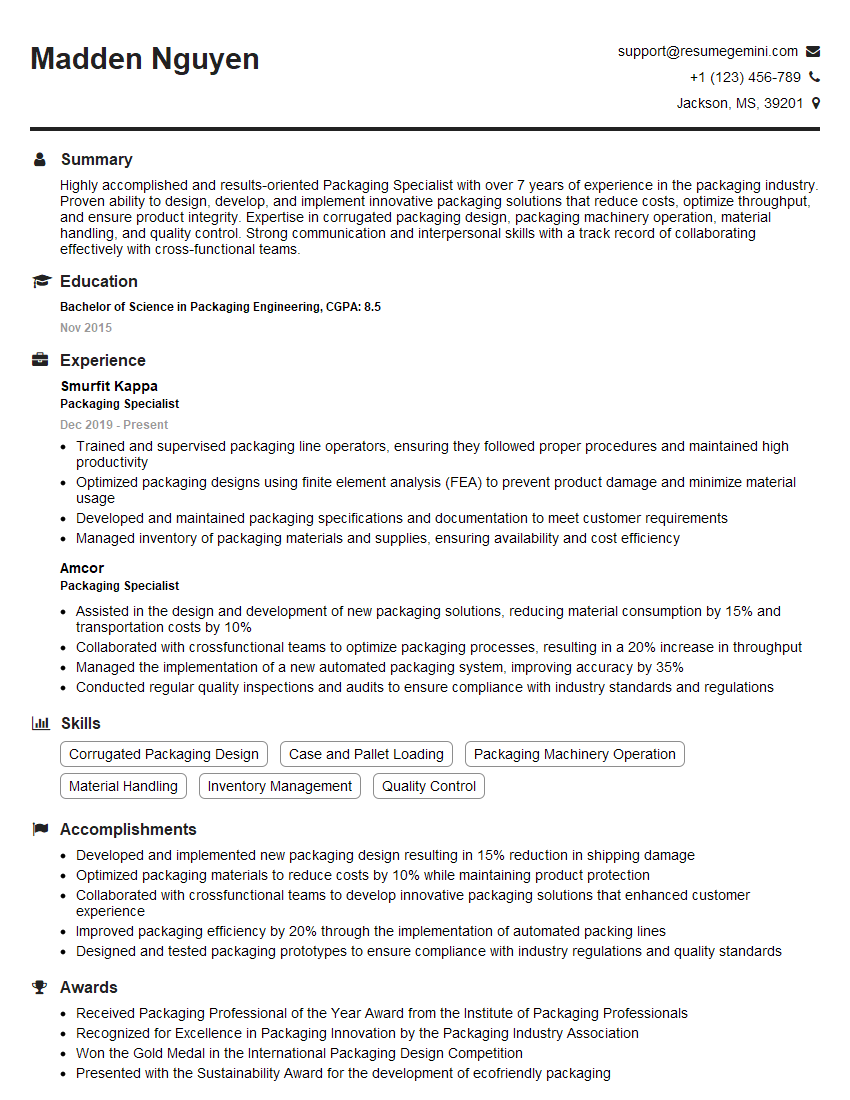
Packaging Specialist Resume Sample
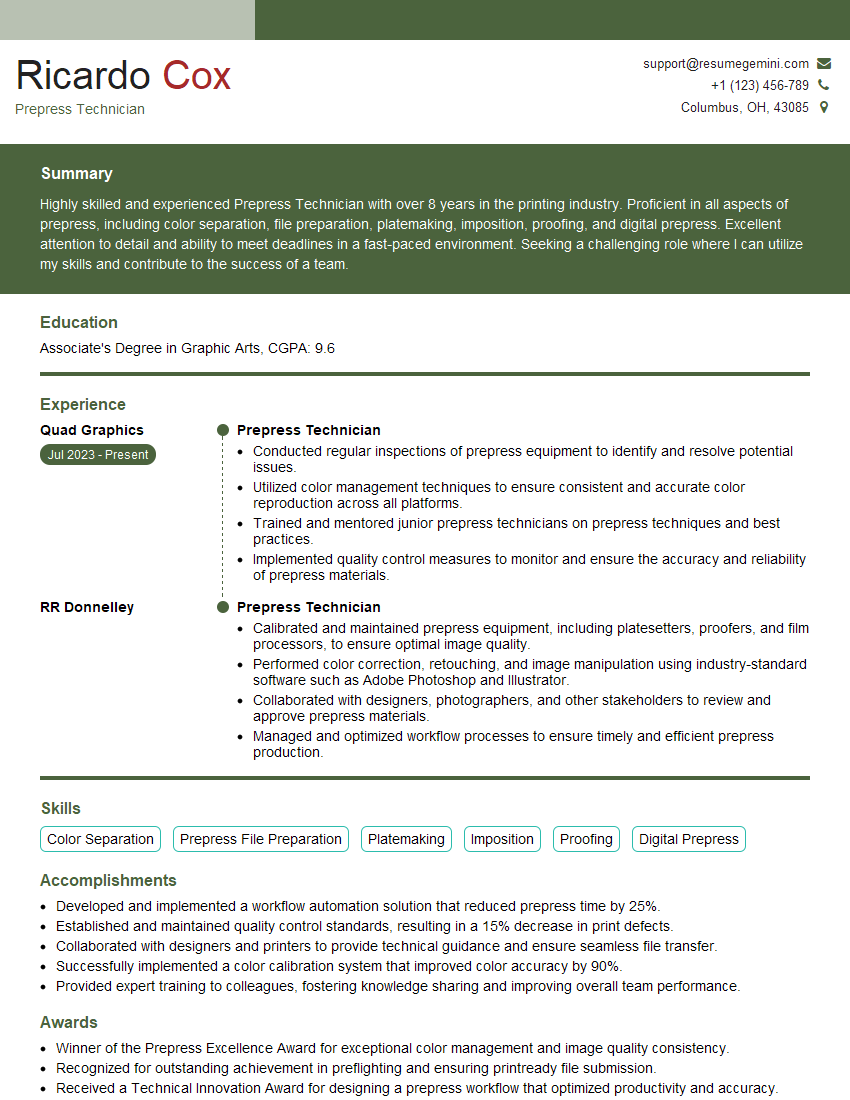
Prepress Technician Resume Sample
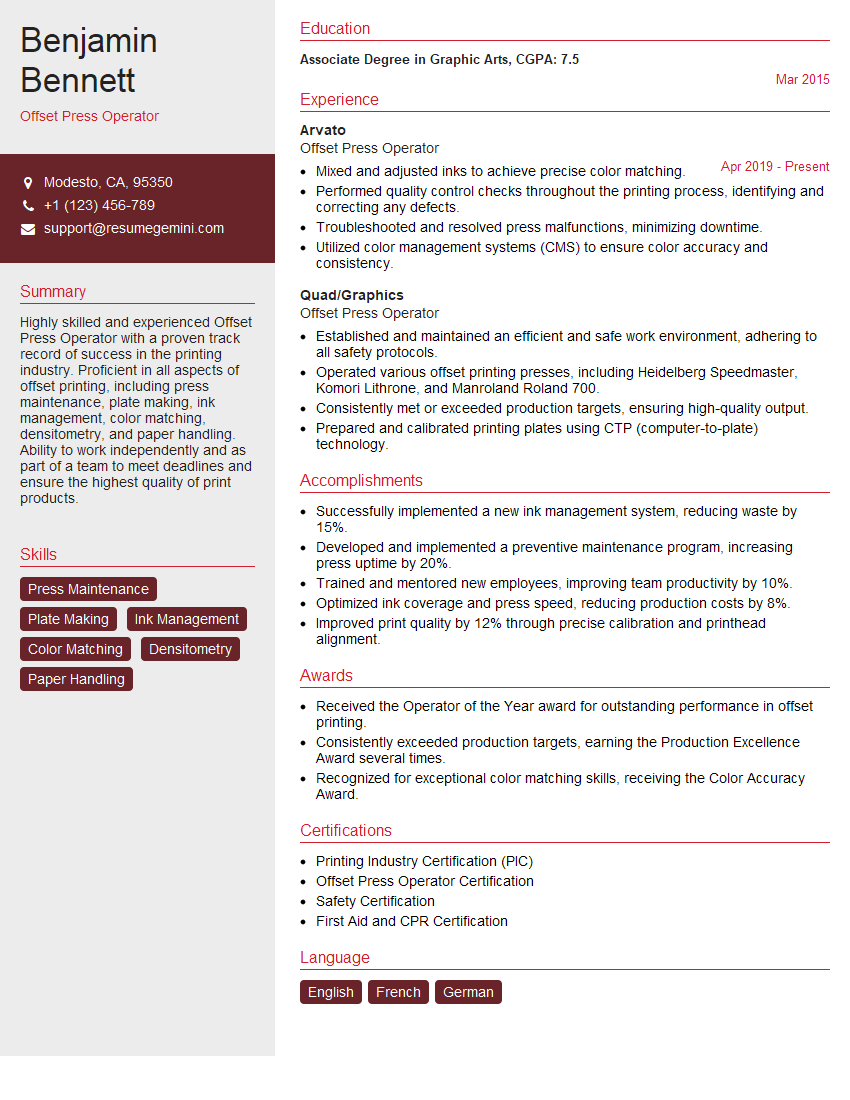
Offset Press Operator Resume Sample
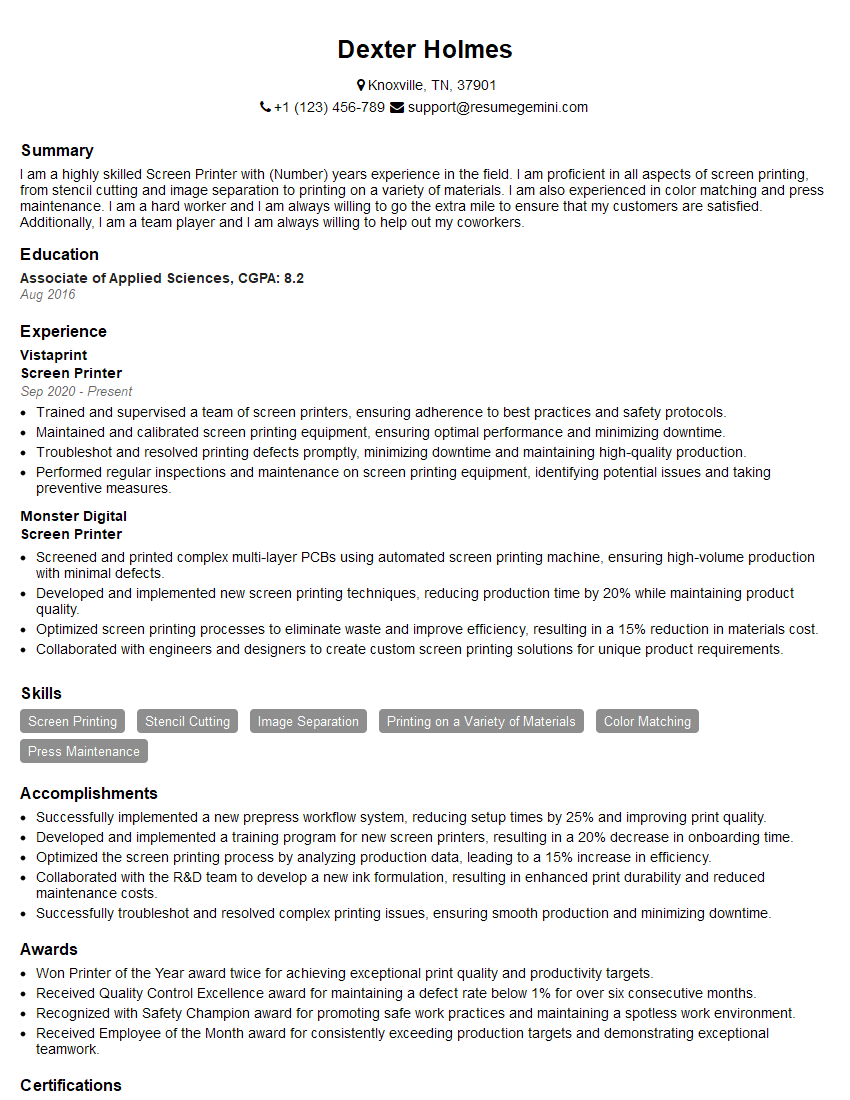
Screen Printer Resume Sample
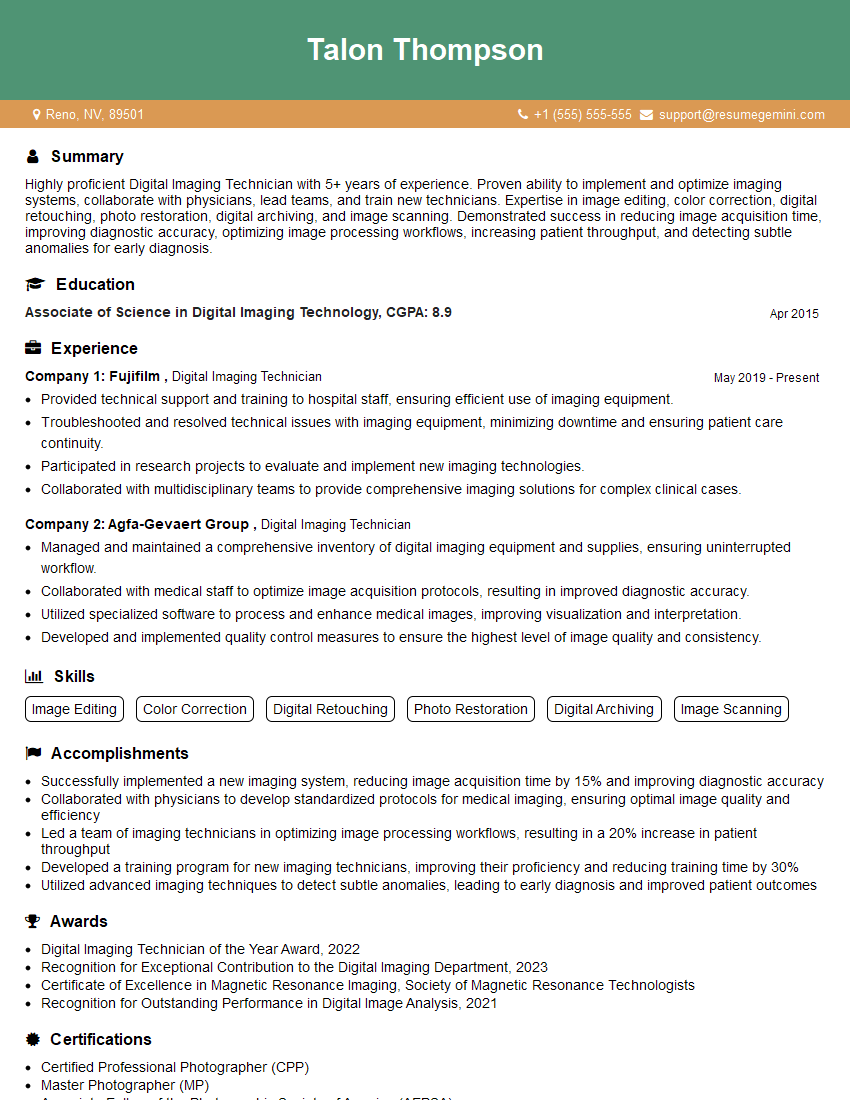
Digital Imaging Technician Resume Sample
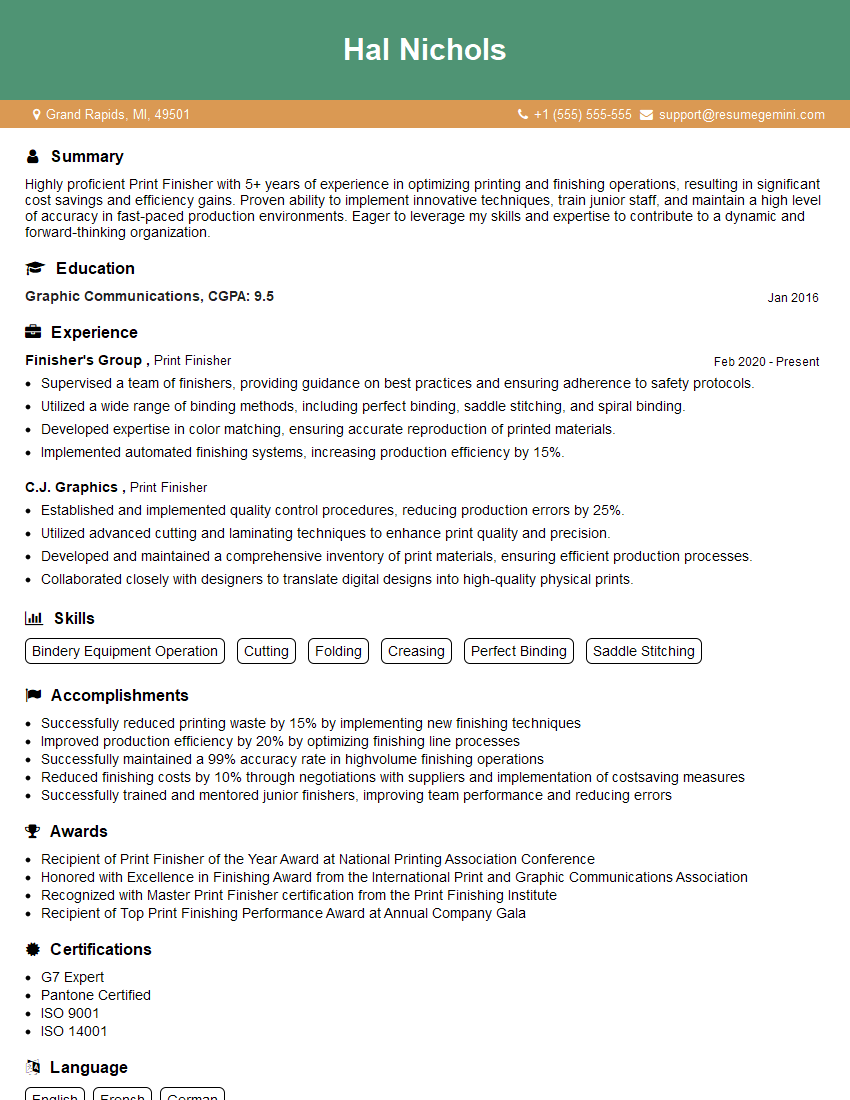
Print Finisher Resume Sample
Explore more articles
Users Rating of Our Blogs
Share Your Experience
We value your feedback! Please rate our content and share your thoughts (optional).
What Readers Say About Our Blog
Very informative content, great job.
good