The right preparation can turn an interview into an opportunity to showcase your expertise. This guide to Pedagogy and Teaching Methods interview questions is your ultimate resource, providing key insights and tips to help you ace your responses and stand out as a top candidate.
Questions Asked in Pedagogy and Teaching Methods Interview
Q 1. Explain your understanding of constructivist learning theory.
Constructivist learning theory posits that learners actively construct their own knowledge and understanding, rather than passively receiving information. It emphasizes the learner’s prior knowledge, experiences, and social interactions as crucial factors in the learning process. Think of it like building with LEGOs – students aren’t just given a finished model; they actively assemble it, using their existing knowledge (the individual bricks) to create something new and meaningful.
Key principles include:
- Prior Knowledge: New learning builds upon what students already know. A teacher wouldn’t start teaching calculus without assessing students’ understanding of algebra.
- Active Learning: Learners are actively involved in the learning process through exploration, experimentation, and problem-solving. Instead of lectures, this might involve hands-on projects or collaborative group work.
- Social Interaction: Learning is enhanced through collaboration and discussion with peers and teachers. Think of peer tutoring or group brainstorming sessions.
- Scaffolding: Teachers provide support and guidance to help students build their understanding, gradually reducing support as they become more competent. This could involve providing hints, breaking down complex tasks, or offering examples.
- Authentic Assessment: Assessment focuses on real-world application of knowledge and skills. This might include projects that simulate real-life problems or portfolios demonstrating student growth over time.
In my classroom, I apply constructivist principles by designing lessons that encourage active participation, collaboration, and problem-solving. For example, when teaching about ecosystems, students might create their own miniature ecosystems in terrariums, observing and analyzing the interactions between different organisms. This hands-on approach allows them to build their understanding through direct experience and collaborative learning.
Q 2. Describe different types of assessments and their purposes.
Assessments are crucial tools for understanding student learning and informing instruction. Different types serve different purposes:
- Formative Assessments: These are ongoing assessments used to monitor student learning during the instructional process. Examples include quizzes, exit tickets, class discussions, and observations. Their purpose is to identify areas where students need more support and adjust teaching accordingly. Think of them as ‘check-ins’ along the way.
- Summative Assessments: These are used to evaluate student learning at the end of a unit or course. Examples include unit tests, final exams, and projects. They summarize student understanding and provide a measure of overall achievement.
- Diagnostic Assessments: These are administered before instruction begins to identify students’ prior knowledge and skills. This information helps teachers tailor instruction to meet individual needs. A pretest on a new topic is a good example.
- Authentic Assessments: These require students to apply their knowledge and skills in real-world contexts. Examples include presentations, portfolios, and performance tasks. They assess higher-order thinking skills and demonstrate real-world application.
I use a variety of assessment types to get a comprehensive picture of student understanding. For instance, I might use formative assessments like quick quizzes throughout a unit to check for comprehension and adjust my teaching accordingly. At the end of the unit, I might use a summative assessment like a project to evaluate overall understanding and application of the concepts.
Q 3. How do you differentiate instruction to meet diverse learners’ needs?
Differentiation is crucial for meeting the diverse needs of learners. It means adjusting instruction to meet students where they are, considering their varying learning styles, readiness levels, and interests. This isn’t about lowering standards, but about providing access to the same high-quality learning in different ways.
I differentiate instruction by considering:
- Content: I adjust the complexity and amount of information presented. For example, I might provide tiered assignments, where different groups work on tasks of varying difficulty.
- Process: I offer students choices in how they demonstrate their learning. Some students might prefer writing essays, while others might prefer creating presentations or completing hands-on projects.
- Product: I allow students to choose how they demonstrate their understanding. This might involve a presentation, a written report, a model, or a performance.
- Learning Environment: I create a flexible learning environment that caters to different learning styles. This might involve providing quiet workspaces for some students and collaborative areas for others.
For example, when teaching about the American Revolution, I might offer students choices in their projects. Some might write a research paper, some might create a dramatic presentation, and others might design a board game illustrating key events. This allows each student to engage with the material in a way that suits their learning preferences and strengths.
Q 4. What strategies do you use to manage classroom behavior effectively?
Classroom management is about creating a positive and productive learning environment where students feel safe, respected, and engaged. It’s proactive, not reactive. My approach is based on building relationships, establishing clear expectations, and using positive reinforcement.
Key strategies I employ include:
- Establishing Clear Expectations: From day one, I clearly communicate classroom rules and procedures. These rules are collaboratively created whenever possible, giving students a sense of ownership.
- Positive Reinforcement: I focus on praising positive behavior and rewarding students for their efforts and achievements. This can include verbal praise, stickers, small prizes, or privileges.
- Relationship Building: I make an effort to get to know my students individually, understanding their strengths, weaknesses, and learning styles. This helps me build rapport and address individual needs effectively.
- Proactive Strategies: I anticipate potential problems and implement strategies to prevent them. This might involve structuring lessons engagingly, providing clear directions, and ensuring that all students have access to necessary materials.
- Restorative Practices: When misbehavior occurs, I focus on repairing harm and restoring relationships, rather than simply punishing students. This might involve a class meeting to discuss the impact of the behavior.
For example, if a student is constantly off-task, I might proactively check in with them, find out what’s causing the distraction, and provide individualized support, rather than simply reprimanding them. If there’s a larger classroom disruption, a class meeting can help address the root cause and develop solutions collaboratively.
Q 5. Explain your approach to creating a positive learning environment.
Creating a positive learning environment is fundamental to successful teaching. It’s about fostering a sense of community, respect, and inclusivity where all students feel safe, valued, and empowered to learn. It’s a place where risk-taking and mistakes are seen as opportunities for growth.
My approach involves:
- Building Relationships: Getting to know students individually helps me understand their needs and tailor my instruction accordingly.
- Establishing Clear Expectations: Collaborative rule-making empowers students and builds a sense of shared responsibility.
- Creating a Physically Comfortable Space: A well-organized, clean, and aesthetically pleasing classroom can positively impact learning.
- Promoting Collaboration and Teamwork: Collaborative activities foster communication skills and a sense of community.
- Celebrating Successes: Recognizing and rewarding students’ achievements boosts morale and encourages continued effort.
- Encouraging Risk-Taking and Mistakes as Learning Opportunities: A growth mindset encourages students to embrace challenges and learn from their errors.
For example, I start each day with a brief class meeting where students can share what they are looking forward to, or any challenges they might be facing. This fosters a sense of community and builds trust.
Q 6. How do you incorporate technology into your teaching?
Technology can be a powerful tool for enhancing teaching and learning, but it’s crucial to use it strategically and purposefully. It shouldn’t replace effective teaching methods but rather augment and supplement them.
I incorporate technology in several ways:
- Interactive Whiteboards/Projectors: To present engaging visuals, interactive simulations, and multimedia resources.
- Learning Management Systems (LMS): To organize and deliver course materials, facilitate communication, and track student progress (e.g., Google Classroom, Canvas).
- Educational Apps and Software: To provide interactive learning experiences, personalized practice, and assessment tools.
- Online Collaboration Tools: To facilitate group projects, discussions, and peer feedback (e.g., Google Docs, Padlet).
- Research and Information Access: To provide students with access to a wide range of resources and information.
For example, when teaching about the solar system, I might use interactive simulations to allow students to explore the planets and their orbits virtually. I might also use online collaboration tools to have students create a presentation together, sharing their findings and collaborating on the final product.
Q 7. Describe your experience with developing and implementing curriculum.
Curriculum development and implementation is a continuous process that requires careful planning, collaboration, and ongoing evaluation. It involves aligning teaching practices with learning objectives and assessing their effectiveness.
My experience includes:
- Needs Assessment: Identifying the specific knowledge and skills students need to acquire.
- Goal Setting: Establishing clear, measurable, achievable, relevant, and time-bound (SMART) learning objectives.
- Content Selection: Choosing relevant and engaging materials and resources.
- Instructional Design: Designing lessons and activities that effectively address the learning objectives.
- Assessment Development: Creating assessments that accurately measure student learning.
- Implementation and Monitoring: Delivering the curriculum and continuously monitoring student progress and making adjustments as needed.
- Evaluation and Revision: Evaluating the effectiveness of the curriculum and revising it as needed based on student performance and feedback.
In a previous role, I was involved in developing a new science curriculum for elementary school students. This involved conducting a needs assessment, selecting appropriate learning resources, designing engaging hands-on activities, and developing assessments to measure students’ understanding of key scientific concepts. The curriculum was then implemented, and its effectiveness was continuously monitored and evaluated, leading to revisions and improvements over time.
Q 8. How do you assess student learning and provide feedback?
Assessing student learning and providing feedback is a crucial aspect of effective teaching. It’s a continuous process, not a single event. I employ a multifaceted approach, combining formative and summative assessments.
Formative assessments, like quizzes, in-class activities, and informal observations, provide ongoing feedback during the learning process. This allows me to identify areas where students are struggling and adjust my teaching accordingly. For example, if a majority of students miss a specific question on a quiz, I know to revisit that concept in a different way.
Summative assessments, such as tests and projects, evaluate student learning at the end of a unit or course. These provide a comprehensive overview of student understanding. I design these assessments to align with the learning objectives, ensuring they accurately measure what students have learned.
Feedback is just as vital as assessment. I strive to provide feedback that is timely, specific, and actionable. Instead of simply saying ‘good job,’ I provide detailed comments, pointing out both strengths and areas for improvement. For instance, on a written assignment, I might comment on the clarity of the argument, the use of evidence, and suggest areas where the writing could be more concise or engaging. I also offer opportunities for students to revise their work based on the feedback.
Q 9. What are your strengths and weaknesses as a teacher?
My greatest strength lies in my ability to connect with students on an individual level and create a supportive learning environment. I believe in building rapport with my students, understanding their learning styles and needs, and adapting my teaching methods accordingly. This fosters a classroom where students feel comfortable taking risks and participating actively.
One area I’m continuously working on is integrating more technology effectively into my lessons. While I’m proficient in using various educational technologies, I aim to become more adept at leveraging them to create interactive and engaging learning experiences. I am currently participating in professional development workshops focused on integrating technology into curriculum design.
Q 10. How do you handle challenging students or parents?
Handling challenging students or parents requires patience, empathy, and a proactive approach. With students, I focus on understanding the root cause of the challenging behavior. Is it a learning disability? A lack of motivation? A personal issue? Once I understand the underlying issue, I can tailor my approach. This might involve collaborating with special education staff, adjusting my teaching strategies, or providing additional support. Open communication is key, and I always strive to involve the student in finding solutions.
When dealing with parents, I emphasize clear and consistent communication. I keep parents informed about their child’s progress, both positive and negative, and encourage open dialogue. I focus on building a collaborative relationship, where we work together to support the student’s learning. If a conflict arises, I address it with respect and professionalism, focusing on finding mutually agreeable solutions that benefit the child.
Q 11. Describe a time you had to adapt your teaching methods.
During a unit on Shakespeare, I initially planned a traditional lecture-based approach. However, I quickly realized that my students were struggling to engage with the text. Many found the language archaic and the plots complex. To adapt, I incorporated interactive activities, such as role-playing scenes, creating modern-day adaptations of the plays, and using multimedia resources like film clips and online resources. This more engaging approach significantly improved student understanding and participation. The shift to a more active and student-centered approach highlighted the importance of flexibility and responsiveness to student needs.
Q 12. What is your philosophy of education?
My philosophy of education is centered around student-centered learning, emphasizing critical thinking, creativity, and collaboration. I believe that education should empower students to become lifelong learners, equipped with the skills and knowledge necessary to thrive in a rapidly changing world. My classroom is a place where students are encouraged to ask questions, explore their ideas, and take ownership of their learning. I strive to create a positive and inclusive learning environment where every student feels valued and respected.
Q 13. How do you foster critical thinking skills in your students?
Fostering critical thinking skills involves more than just memorization; it requires students to analyze information, evaluate arguments, and form their own conclusions. I incorporate various strategies to achieve this. For example, I use open-ended questions that require students to go beyond simple recall. I encourage debate and discussion, prompting students to defend their positions with evidence and reasoning. I also design projects and assignments that require students to solve problems, make decisions, and evaluate different perspectives.
Case studies, for example, are a fantastic tool. Presenting a complex scenario allows students to analyze the situation from different angles, weigh various factors, and develop solutions. This active engagement promotes deeper understanding and sharpens their critical thinking skills.
Q 14. Explain your understanding of Bloom’s Taxonomy.
Bloom’s Taxonomy is a hierarchical model that categorizes cognitive skills into six levels, ranging from basic recall to higher-order thinking. These levels are:
- Remembering: Retrieving, recognizing, and recalling relevant knowledge.
- Understanding: Explaining ideas or concepts.
- Applying: Using knowledge and skills in new situations.
- Analyzing: Breaking down information into components and identifying relationships.
- Evaluating: Making judgments based on criteria and standards.
- Creating: Generating new ideas, products, or solutions.
Understanding Bloom’s Taxonomy helps me design learning activities and assessments that target different cognitive levels. For example, a simple multiple-choice question might assess remembering, while an essay requiring analysis and evaluation would target higher-order thinking skills. By incorporating activities that span all levels of the taxonomy, I ensure that students develop a well-rounded understanding of the subject matter.
Q 15. How do you use formative and summative assessment?
Formative and summative assessments are two crucial components of effective teaching. Formative assessment is ongoing, informal evaluation designed to monitor student learning during the instructional process. It helps teachers adjust their teaching strategies and provide timely feedback to students. Summative assessment, on the other hand, is a formal evaluation that takes place after instruction to measure student learning and achievement against established standards.
Formative Assessment Examples: Quick quizzes, exit tickets, class discussions, observations of student work in progress, informal writing assignments.
Summative Assessment Examples: Midterm exams, final exams, major projects, research papers, standardized tests.
In my practice, I use a blend of both. For example, I might use short, formative quizzes throughout a unit on fractions to gauge student understanding of concepts like simplifying fractions and performing addition/subtraction. Then, a summative exam at the end of the unit would test their mastery of all the concepts covered. The formative assessments inform my instruction, allowing me to address any misconceptions before they become major obstacles. I use the summative assessment to evaluate overall learning outcomes and make adjustments to my curriculum for future courses.
Career Expert Tips:
- Ace those interviews! Prepare effectively by reviewing the Top 50 Most Common Interview Questions on ResumeGemini.
- Navigate your job search with confidence! Explore a wide range of Career Tips on ResumeGemini. Learn about common challenges and recommendations to overcome them.
- Craft the perfect resume! Master the Art of Resume Writing with ResumeGemini’s guide. Showcase your unique qualifications and achievements effectively.
- Don’t miss out on holiday savings! Build your dream resume with ResumeGemini’s ATS optimized templates.
Q 16. Describe your experience with collaborative learning strategies.
Collaborative learning is a cornerstone of my teaching philosophy. I’ve extensively used various strategies like Think-Pair-Share, Jigsaw activities, and group projects. Think-Pair-Share, for instance, involves students thinking individually about a question, discussing their thoughts with a partner, and then sharing with the larger class. This fosters active participation and allows students to learn from each other. Jigsaw activities divide a larger topic into smaller sections, assigning each section to a group. Students then become experts on their section and teach it to their peers. This promotes deeper understanding and teamwork.
In a recent project on Shakespeare’s Macbeth, students worked in groups to create short films interpreting different scenes. This fostered creativity, collaboration, and a deeper appreciation for the play. The process of planning, filming, editing, and presenting gave students invaluable experience in teamwork, communication, and problem-solving. I regularly observe student interactions and provide constructive feedback, guiding them towards effective collaboration and accountability within their groups. I also utilize peer assessment strategies to help students evaluate each other’s contributions.
Q 17. How do you promote student engagement in your classroom?
Student engagement is paramount. I employ a variety of methods to keep students actively involved in the learning process. This includes:
Varied Instructional Methods: I integrate lectures, discussions, hands-on activities, games, and technology to cater to diverse learning styles and preferences. Monotony is the enemy of engagement!
Real-World Connections: I consistently connect classroom content to real-world applications, showing students the relevance of what they are learning. For example, when teaching about quadratic equations, I’ll show them how these equations are used in architecture or trajectory calculations.
Student Choice and Voice: Whenever possible, I incorporate student choice in assignments and projects, allowing them to explore topics that genuinely interest them. This gives them ownership of their learning.
Positive and Supportive Classroom Environment: Creating a safe and respectful space where students feel comfortable taking risks and asking questions is critical for engagement.
For example, in a history class, students chose a historical event to research and present, using a format of their choice (presentation, podcast, video, etc.). This approach significantly boosted their engagement and investment in the learning process.
Q 18. What are some effective classroom management techniques?
Effective classroom management is proactive, not reactive. It’s about establishing clear expectations and building positive relationships with students from day one. My approach includes:
Establishing Clear Rules and Procedures: Students need to understand classroom expectations regarding behavior, participation, and assignments. These should be collaboratively developed whenever possible.
Positive Reinforcement: I focus on rewarding positive behavior rather than solely punishing negative actions. This fosters a positive classroom culture.
Proactive Strategies: I design lessons that are engaging and keep students actively involved, minimizing opportunities for disruptive behavior. Transitions between activities are well planned and efficiently managed.
Building Relationships: Getting to know students individually and showing genuine interest in their lives creates a sense of community and respect.
Consistent Application of Rules: Fairness and consistency are crucial. All students should be treated equally and fairly, regardless of their background or abilities.
For instance, I use a simple color-coded system to signal the level of classroom noise. Green means quiet work, yellow is for group discussion, and red means complete silence. This simple visual cue effectively manages noise levels without resorting to constant verbal reminders.
Q 19. How do you address students’ learning styles?
Addressing diverse learning styles is essential for inclusive teaching. I utilize a differentiated instruction approach, modifying my teaching methods and materials to cater to different learning preferences. This includes:
Visual Learners: Using diagrams, charts, videos, and other visual aids to present information.
Auditory Learners: Incorporating lectures, discussions, and audio recordings into lessons.
Kinesthetic Learners: Using hands-on activities, experiments, and movement-based learning strategies.
I also offer various assessment options, allowing students to demonstrate their learning in ways that align with their strengths. For example, in a science class, students could choose to present their findings through a written report, a poster, or a presentation. This allows students to showcase their understanding in a manner most comfortable and effective for them.
Q 20. Describe your experience using different instructional materials.
My experience encompasses a wide range of instructional materials, including textbooks, workbooks, online resources, manipulatives, and technology. I choose materials based on their alignment with curriculum standards, their accessibility to students, and their ability to engage learners. Textbooks provide a structured foundation, while workbooks offer practice opportunities. Online resources offer access to diverse and up-to-date information, and manipulatives such as blocks or counters are especially valuable for kinesthetic learners. Technology, as discussed later, plays an important role too.
For example, in a math class, I might use a textbook to introduce new concepts, then use manipulatives to allow students to explore the concepts hands-on, followed by online practice exercises for reinforcement. The selection of materials is not just about the content but also about creating a diverse learning environment that caters to different needs and preferences.
Q 21. How do you integrate technology to enhance learning?
Technology is a powerful tool for enhancing learning. I integrate technology in several ways, ensuring it complements rather than replaces effective teaching practices:
Interactive Whiteboards: For engaging presentations and collaborative activities.
Educational Software and Apps: To provide supplemental learning opportunities and individualized practice.
Online Learning Platforms: For sharing resources, providing feedback, and facilitating communication with students.
Research Tools: To empower students to access and evaluate information from credible sources.
Multimedia Resources: Such as videos, simulations, and virtual field trips, to enrich the learning experience.
For instance, I use online simulations to allow students to conduct virtual experiments, which are often cost-prohibitive or unsafe to perform in a traditional classroom setting. I also incorporate educational games and apps to make learning fun and engaging, particularly for concepts that can be challenging for some students. The key is to use technology thoughtfully and strategically to support and enhance the learning process.
Q 22. How do you stay current with educational trends and research?
Staying current in education requires a multifaceted approach. It’s not enough to simply rely on professional development offered by my school; I actively seek out new information through various channels.
- Professional Journals and Publications: I regularly read journals like the Journal of Educational Psychology and Educational Researcher to stay abreast of the latest research findings and pedagogical approaches. This allows me to critically evaluate existing practices and incorporate evidence-based strategies into my teaching.
- Educational Conferences and Workshops: Attending conferences and workshops provides invaluable opportunities for networking and learning from leading experts in the field. I actively seek out sessions focused on areas I want to improve, such as technology integration or differentiated instruction. For example, last year, a workshop on project-based learning completely transformed how I approach curriculum design.
- Online Courses and Professional Learning Networks (PLNs): Online platforms like Coursera and edX offer high-quality courses on various educational topics. Furthermore, engaging with PLNs through Twitter or educational forums allows me to connect with other educators, share resources, and participate in discussions on current trends.
- Educational Blogs and Podcasts: I follow influential educational bloggers and podcasts to stay informed about innovative teaching practices and emerging technologies in education. This provides a more informal, yet insightful, perspective on current issues and trends.
This combination of formal and informal learning keeps my teaching methods fresh, relevant, and grounded in research.
Q 23. Describe your experience with inclusive teaching practices.
Inclusive teaching is fundamental to my philosophy. I believe every student deserves access to a high-quality education, regardless of their background, learning style, or ability. My experience includes creating a welcoming and supportive classroom environment where all students feel valued and respected.
- Differentiated Instruction: I differentiate instruction by providing various learning materials and activities to cater to different learning styles and needs. This might involve offering graphic organizers for visual learners, hands-on activities for kinesthetic learners, and audiobooks for auditory learners.
- Universal Design for Learning (UDL): I incorporate UDL principles into my lesson planning, ensuring multiple means of representation, action and expression, and engagement. For example, I provide choice in assignments, allowing students to demonstrate their understanding in ways that best suit their strengths.
- Collaboration with Support Staff: I work closely with special education teachers, counselors, and other support staff to develop individualized learning plans (ILPs) for students with disabilities and learning differences. This collaborative approach ensures that all students receive the support they need to succeed.
- Culturally Responsive Teaching: I strive to create a culturally responsive classroom by incorporating diverse perspectives and materials into my curriculum. This helps students from all backgrounds feel seen and valued.
I view inclusive teaching not as a separate set of strategies, but as a fundamental aspect of effective teaching. It’s about building a classroom where every student can thrive.
Q 24. How do you design lessons that cater to different learning levels?
Catering to different learning levels requires careful planning and a flexible approach. I employ several strategies to ensure all students are challenged and supported appropriately.
- Tiered Assignments: I often design tiered assignments, providing different versions of the same task at varying levels of complexity. This allows students to work at their own pace and level of understanding.
- Small Group Instruction: I frequently utilize small group instruction to provide targeted support and enrichment to students with varying needs. This allows me to address individual learning gaps and provide customized support.
- Flexible Grouping: I use flexible grouping strategies, sometimes forming groups based on ability, other times based on learning styles or social dynamics. This keeps the learning environment dynamic and engaging.
- Use of Technology: Technology can be a powerful tool for differentiation. Online platforms allow students to access resources at their own pace, and adaptive learning programs can provide personalized support based on individual student needs. For example, I use Khan Academy to provide extra practice and support to students who need it, while simultaneously using more advanced online platforms for enrichment activities for my high-achieving students.
By using these methods, I ensure that every student has an opportunity to grow and succeed, regardless of their current skill level.
Q 25. What is your approach to professional development?
My approach to professional development is proactive and reflective. I view it as an ongoing process, not just a series of isolated events.
- Goal Setting: I begin each year by identifying areas where I want to improve my teaching. These goals are specific, measurable, achievable, relevant, and time-bound (SMART goals).
- Seeking Mentorship: I actively seek mentorship from experienced educators. Their guidance and insights are invaluable in refining my practice.
- Self-Reflection: I regularly reflect on my teaching, analyzing what worked well and what could be improved. I use various tools for reflection, such as journals, student feedback, and lesson study.
- Action Research: I sometimes conduct action research to investigate specific teaching challenges or explore new strategies. This allows me to gather data and evidence to inform my practice.
Through this continuous cycle of learning and reflection, I strive to become a more effective and impactful educator.
Q 26. How do you build positive relationships with students and parents?
Building strong relationships with students and parents is crucial for creating a supportive and successful learning environment. I use several strategies to foster these connections.
- Open Communication: I maintain open and honest communication with both students and parents. I regularly communicate student progress, celebrate successes, and address concerns promptly and directly.
- Building Rapport with Students: I take the time to get to know my students individually, learning about their interests, strengths, and challenges. Showing genuine interest in their lives helps build trust and rapport.
- Parent Involvement: I actively involve parents in their child’s education. I communicate regularly through newsletters, emails, and parent-teacher conferences. I also encourage parent participation in classroom activities when possible.
- Creating a Positive Classroom Environment: A positive classroom climate is essential for fostering strong relationships. I strive to create a safe, respectful, and inclusive environment where students feel comfortable taking risks and expressing themselves.
By prioritizing relationships, I create a learning community where everyone feels valued and supported.
Q 27. Describe a time you had to resolve a conflict in the classroom.
One time, two students got into a heated argument during a group project. It was disruptive and clearly upsetting for them and other students.
- Separate and Calm: First, I separated the two students and allowed them time to calm down. I spoke to each student individually, listening to their perspective without judgment. I focused on understanding the root cause of the conflict.
- Facilitate Discussion: Once they were calmer, I brought them back together in a mediated discussion. I encouraged them to express their feelings and concerns in a respectful way, emphasizing active listening and empathy.
- Collaborative Solution: Together, we worked to find a solution that was mutually acceptable. This involved redefining roles within the group project and establishing clearer communication guidelines.
- Follow Up: I followed up with each student individually to check on their well-being and ensure the conflict was fully resolved. I also reinforced positive behaviors in the classroom.
This experience highlighted the importance of active listening, empathy, and conflict resolution skills in managing classroom dynamics. It also emphasized the value of focusing on the underlying cause of conflict rather than just the immediate symptoms.
Q 28. How do you use data to inform your teaching practices?
Data plays a critical role in informing my teaching practices. I utilize various forms of data to assess student learning, identify areas for improvement, and adapt my instruction accordingly.
- Formative Assessment: I regularly use formative assessments, such as quizzes, exit tickets, and informal observations, to monitor student understanding during the learning process. This allows me to adjust my instruction in real time, addressing misconceptions and misconceptions immediately.
- Summative Assessment: Summative assessments, like tests and projects, provide a comprehensive overview of student learning at the end of a unit or course. This data helps me evaluate the effectiveness of my teaching and identify areas where students need further support.
- Student Work Samples: Analyzing student work samples helps me identify patterns in student thinking and common errors. This informs my future lesson planning and provides insights into individual student needs.
- Data Analysis and Reflection: I regularly analyze assessment data to identify trends and patterns. This information guides my instructional decisions and allows me to refine my teaching strategies for improved outcomes. For example, if I notice a significant number of students struggling with a particular concept, I will re-teach the concept using a different approach.
Data-driven instruction is not about simply collecting data; it’s about using that data to improve student learning. It’s a cyclical process of assessment, analysis, reflection, and refinement.
Key Topics to Learn for Pedagogy and Teaching Methods Interview
- Learning Theories: Understand foundational theories like constructivism, behaviorism, and cognitivism. Be prepared to discuss how these theories inform your teaching practices and classroom management strategies.
- Curriculum Design and Development: Explore the principles of curriculum development, including backward design, aligning assessments with learning objectives, and differentiating instruction to meet diverse learner needs. Consider examples of how you’ve designed or adapted curriculum in the past.
- Instructional Strategies and Methods: Familiarize yourself with various teaching methods (e.g., inquiry-based learning, project-based learning, collaborative learning) and be ready to explain when and why you would choose a specific approach. Think about how you would adapt your teaching to different learning styles and contexts.
- Assessment and Evaluation: Master different assessment types (formative and summative) and their purposes. Discuss strategies for providing effective feedback and using assessment data to inform instruction. Be prepared to discuss your philosophy on grading and its role in student learning.
- Classroom Management and Organization: Review effective classroom management techniques, including strategies for creating a positive learning environment, fostering student engagement, and addressing challenging behaviors. Consider how you build relationships with students and parents.
- Differentiated Instruction: Understand the principles of differentiated instruction and how to adapt teaching to meet the diverse needs of learners, including students with learning disabilities or gifted learners. Be prepared to provide specific examples of how you have differentiated your instruction.
- Technology Integration in Education: Discuss your familiarity with educational technology and how you integrate technology effectively into your teaching to enhance student learning and engagement. Consider examples of specific tools and technologies you’ve used.
- Reflective Practice: Demonstrate an understanding of the importance of reflection in teaching. Be prepared to discuss how you reflect on your teaching practices and use this reflection to improve your instruction.
Next Steps
Mastering Pedagogy and Teaching Methods is crucial for career advancement in education. A strong understanding of these concepts will showcase your expertise and dedication to effective teaching. To maximize your job prospects, create an ATS-friendly resume that highlights your skills and experience effectively. ResumeGemini is a trusted resource to help you build a professional and impactful resume. They provide examples of resumes tailored to Pedagogy and Teaching Methods to guide you in crafting your own compelling application. Invest time in crafting a strong resume – it’s your first impression on potential employers.
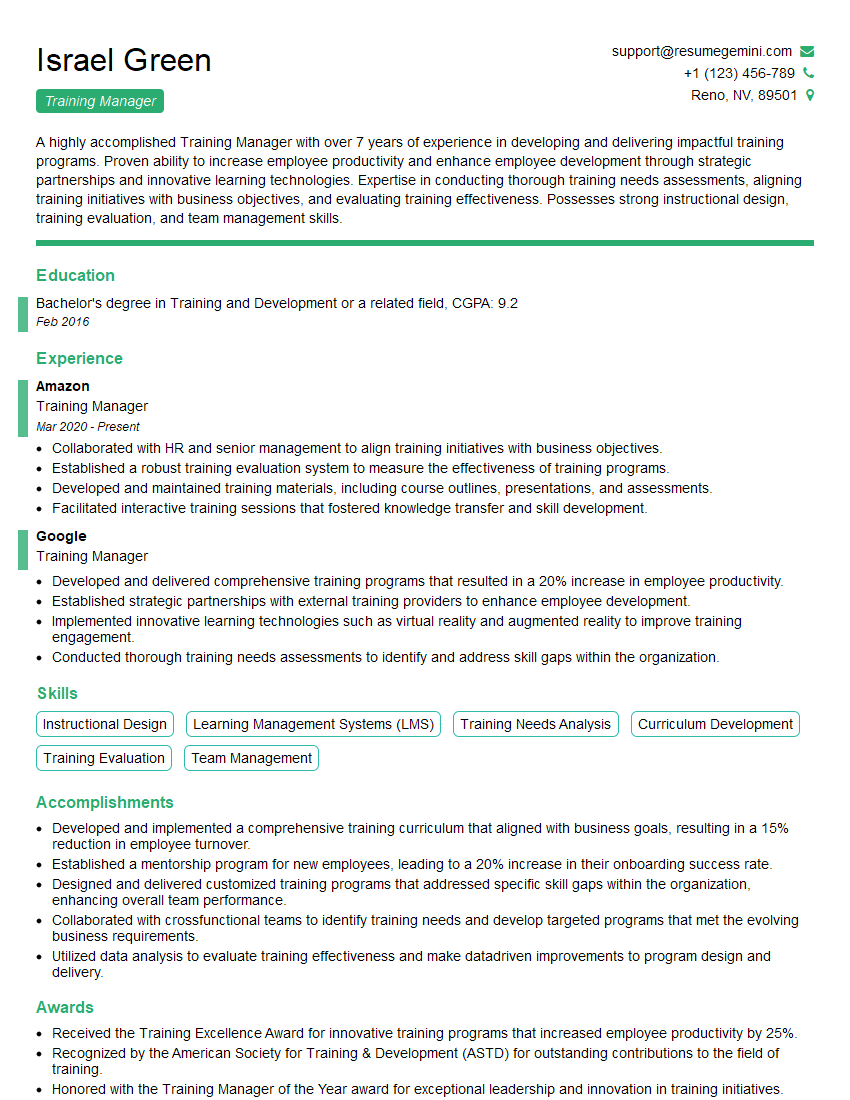
Training Manager Resume Sample
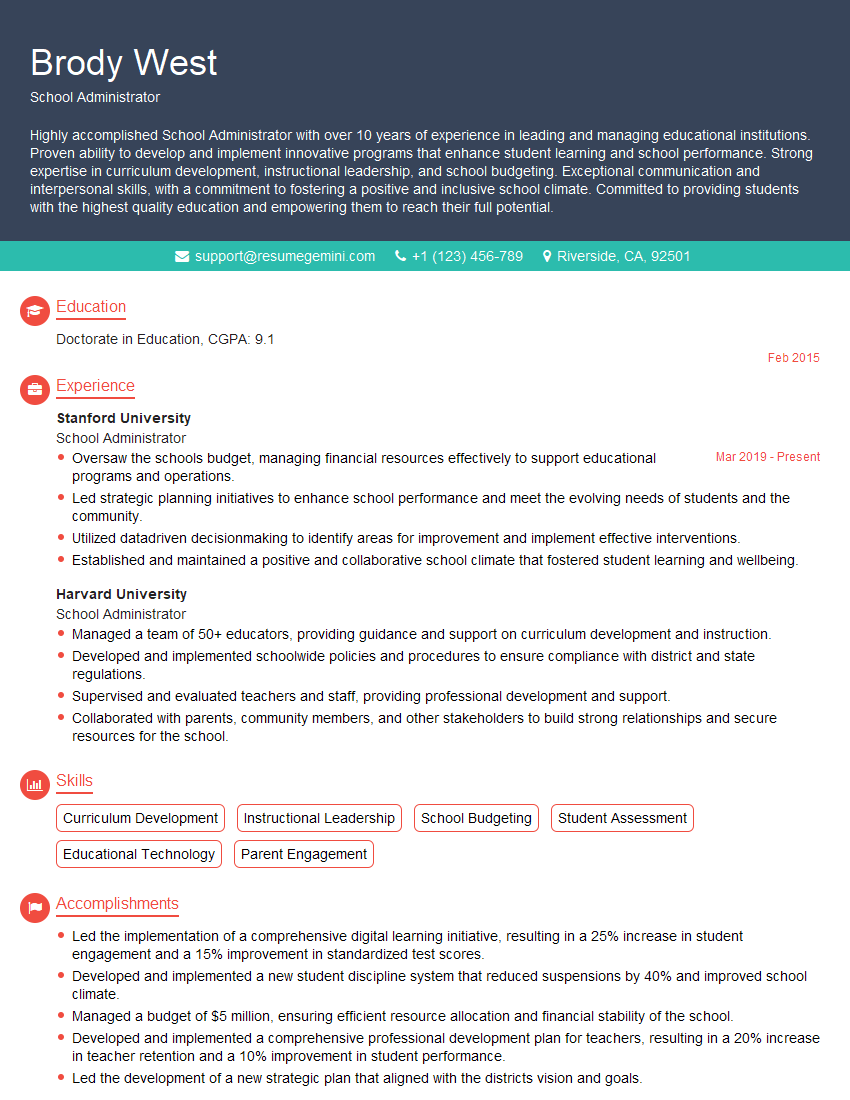
School Administrator Resume Sample
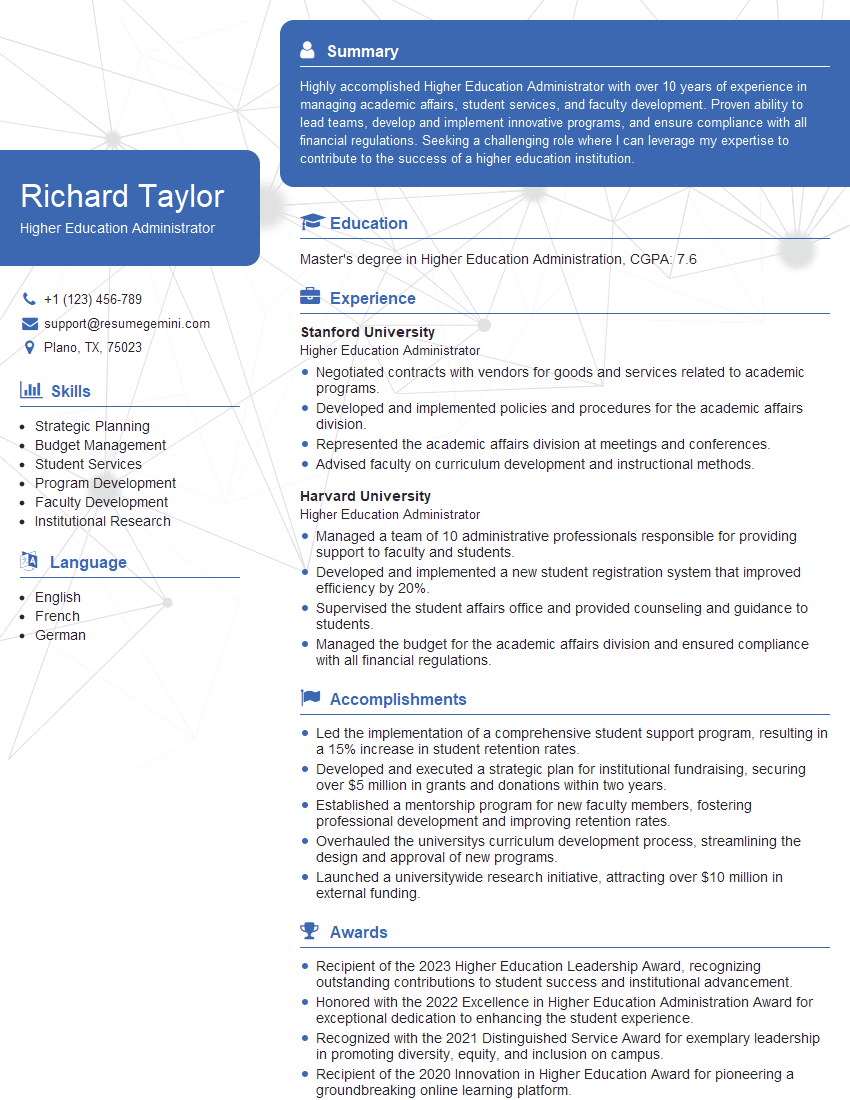
Higher Education Administrator Resume Sample

Professor Resume Sample

Curriculum Developer Resume Sample
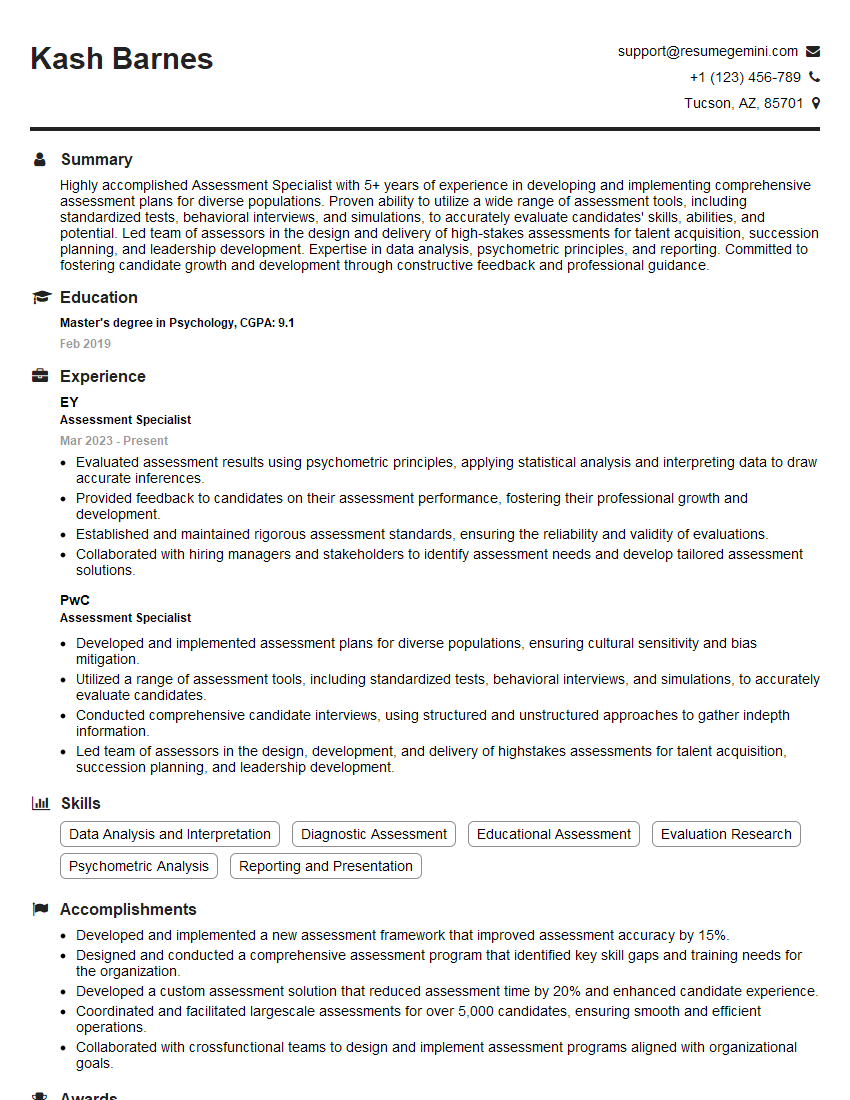
Assessment Specialist Resume Sample

Lecturer Resume Sample

Adjunct Professor Resume Sample
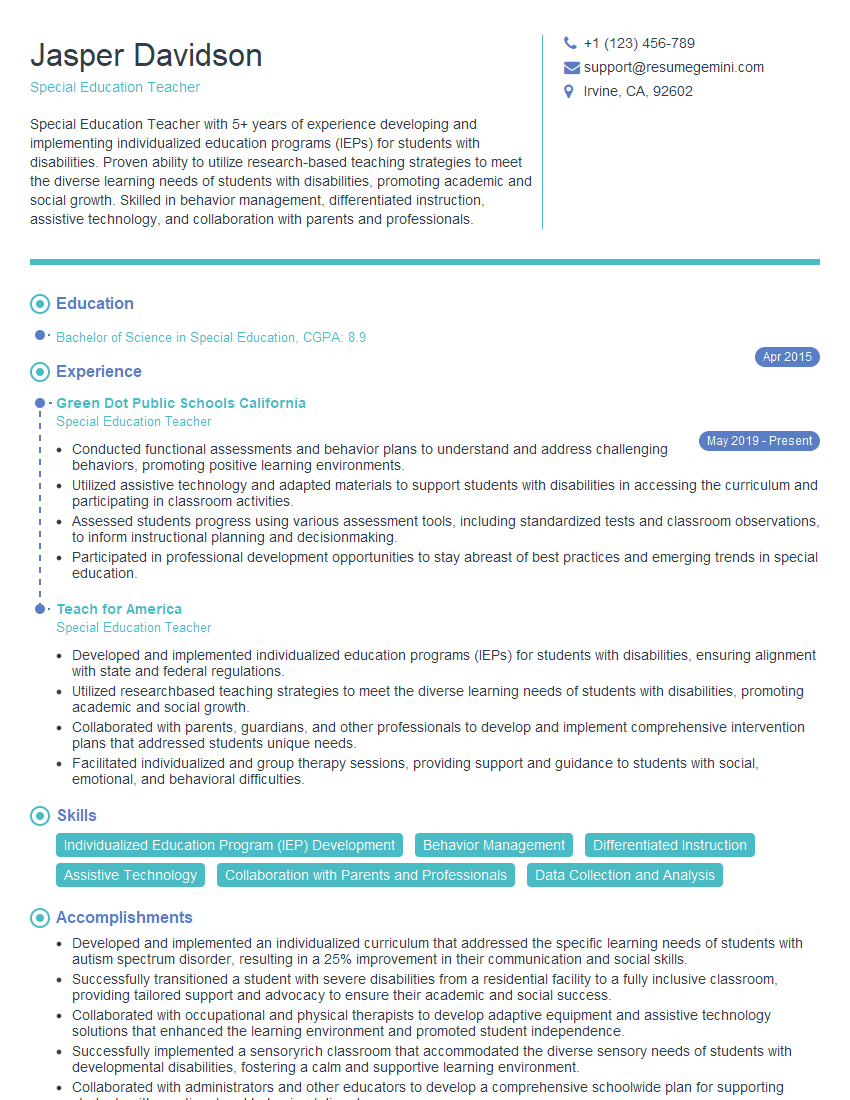
Special Education Teacher Resume Sample

Tutor Resume Sample
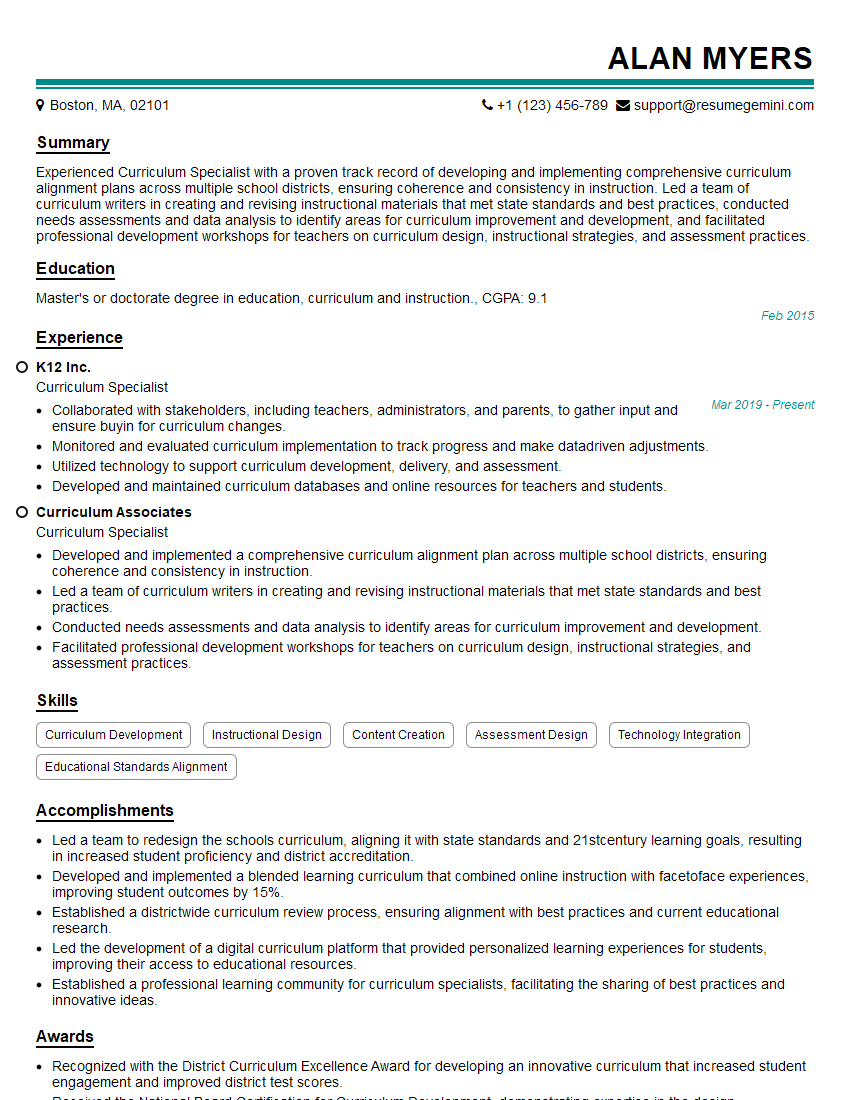
Curriculum Specialist Resume Sample
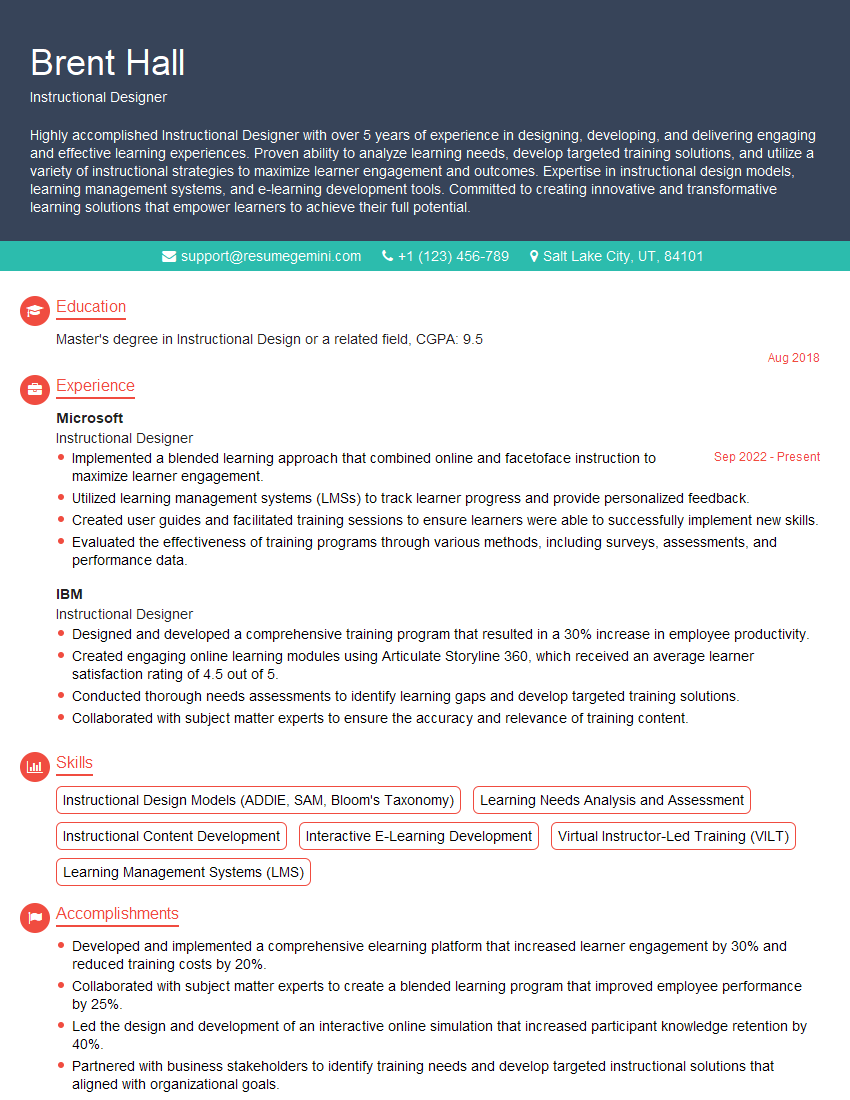
Instructional Designer Resume Sample

Educational Technologist Resume Sample

Teaching Assistant Resume Sample
Explore more articles
Users Rating of Our Blogs
Share Your Experience
We value your feedback! Please rate our content and share your thoughts (optional).
What Readers Say About Our Blog
Very informative content, great job.
good