Preparation is the key to success in any interview. In this post, we’ll explore crucial Perform safety checks interview questions and equip you with strategies to craft impactful answers. Whether you’re a beginner or a pro, these tips will elevate your preparation.
Questions Asked in Perform safety checks Interview
Q 1. Describe your experience conducting pre-operational safety checks.
Pre-operational safety checks are crucial for ensuring equipment and workplaces are safe before commencing operations. My experience involves systematically inspecting machinery, tools, and the work environment to identify and mitigate potential hazards. This includes verifying that all safety devices are functioning correctly (e.g., emergency stops, guards, lockout/tagout devices), checking for any damage or wear and tear, ensuring proper ventilation and lighting, and confirming that the work area is free from obstructions. For example, before operating a forklift, I would check the tires for wear, ensure the horn and lights are working, inspect the hydraulics for leaks, and verify the operator has been properly trained and certified. Similarly, before starting a construction project, I’d inspect scaffolding for stability, ensure proper fall protection is in place, and check that all tools are in good working condition. My methodical approach ensures that all safety protocols are followed, reducing the risk of accidents.
Q 2. Explain the difference between a hazard and a risk.
A hazard is something with the potential to cause harm, while a risk is the likelihood of that harm occurring. Think of it this way: a hazard is the potential for a problem (e.g., a loose wire), and the risk is the chance of that problem actually causing harm (e.g., the loose wire causing a fire, depending on its location and the presence of flammable materials). A hazard always exists, but the risk can be managed and reduced through control measures. For instance, a knife is a hazard; the risk is higher if it’s left on a table where children can reach it than if it’s stored in a locked drawer.
Q 3. How do you identify and assess potential hazards in a workplace?
Identifying and assessing hazards requires a proactive and systematic approach. I typically use a combination of methods:
- Workplace Inspections: Regularly walking through the workplace, observing tasks, and looking for potential hazards (e.g., unsafe equipment, cluttered walkways, exposed wires).
- Job Hazard Analysis (JHA): Breaking down tasks into steps and identifying potential hazards at each stage. This involves considering various scenarios and potential consequences.
- Checklists and Forms: Utilizing pre-defined checklists tailored to specific tasks or areas to ensure consistent hazard identification.
- Worker Input: Encouraging employees to report hazards they observe. A culture of safety is vital – employees are often closest to the work and best positioned to spot potential problems.
- Near-Miss Reporting: Analyzing near misses to understand contributing factors and prevent future occurrences.
Q 4. What are the key elements of a comprehensive safety inspection report?
A comprehensive safety inspection report should include:
- Date and Time of Inspection: Ensures traceability and allows for tracking changes over time.
- Inspector’s Name and Qualifications: Provides accountability and transparency.
- Area Inspected: Clearly defines the scope of the inspection.
- Hazards Identified: A detailed list of all potential hazards found, including descriptions, locations, and severity ratings.
- Risk Assessment: An analysis of the likelihood and severity of each identified hazard.
- Recommended Corrective Actions: Specific, actionable steps to mitigate or eliminate each hazard, including deadlines for completion.
- Photographs or Diagrams: Visual aids to better illustrate identified hazards and their locations.
- Signatures and Approvals: Confirmation from the inspector and relevant personnel (e.g., managers) acknowledging the report.
- Follow-up Actions: Documentation of corrective actions taken and their effectiveness.
Q 5. Describe your experience with different types of safety inspections (e.g., fire safety, electrical safety).
My experience encompasses various types of safety inspections, including:
- Fire Safety: Inspecting fire suppression systems (sprinklers, fire extinguishers), emergency exits, fire alarm systems, and evaluating fire evacuation plans. This includes checking the functionality of equipment and ensuring compliance with local fire codes.
- Electrical Safety: Assessing electrical installations, wiring, equipment grounding, and the use of personal protective equipment (PPE) during electrical work. This involves verifying that electrical equipment meets safety standards and is properly maintained to prevent shocks or fires.
- Lockout/Tagout (LOTO): Verifying the procedures are properly followed when performing maintenance on machinery to prevent accidental start-ups and injuries. This ensures that energy sources are isolated and locked out before any work is performed.
- Machine Safety: Inspecting machinery guards, emergency stops, and other safety devices to ensure they are functioning correctly and are in place to prevent accidents during operation.
Q 6. How do you prioritize safety risks based on severity and likelihood?
Prioritizing safety risks involves a risk matrix that considers both the likelihood and severity of each hazard. A common method uses a numerical scale for both likelihood (e.g., 1-5, with 1 being unlikely and 5 being almost certain) and severity (e.g., 1-5, with 1 being minor injury and 5 being fatality). The risk level is calculated by multiplying the likelihood and severity scores. Higher risk scores (e.g., those above a predefined threshold) are prioritized for immediate attention. For example, a hazard with a high likelihood (score 4) and high severity (score 5) would have a risk score of 20 and require immediate corrective action. Conversely, a hazard with a low likelihood (score 1) and low severity (score 2) would only score 2 and might be addressed later, as resources allow.
Q 7. What safety regulations and standards are you familiar with?
I am familiar with a range of safety regulations and standards, including OSHA (Occupational Safety and Health Administration) guidelines in the US, and equivalent regulations in other regions. Specific examples include:
- OSHA 1910: General Industry Standards covering various aspects of workplace safety.
- NFPA (National Fire Protection Association) standards: Relevant to fire safety and prevention.
- NEC (National Electrical Code): Standards for safe electrical installations and practices.
- ANSI (American National Standards Institute) standards: Various standards covering safety in different industries.
Q 8. Explain your understanding of lockout/tagout procedures.
Lockout/Tagout (LOTO) procedures are critical safety protocols designed to prevent the unexpected energization or startup of machinery and equipment during maintenance or repair. Think of it as a system to ensure that nobody gets hurt by accidentally turning on a machine while someone is working on it. The process involves several key steps:
- Identify the energy sources: This involves pinpointing all potential sources of energy, including electrical, mechanical, hydraulic, pneumatic, chemical, and thermal energy.
- Isolate the energy sources: This means disconnecting the energy sources from the equipment, using appropriate methods such as turning off breakers, closing valves, or removing belts.
- Lockout the energy sources: Using a padlock or other approved device, secure the energy isolating device to prevent re-energization. This lock should be uniquely identified with your name or ID.
- Tagout the energy sources: In addition to the lockout, affix a tag clearly indicating that the equipment is locked out, who performed the lockout, and the date and time. This provides additional visual warning.
- Verify the isolation: Before starting work, verify that the energy source is truly isolated and the equipment is de-energized. This might involve testing for residual energy.
- Release the lockout/tagout: Only the person who applied the lockout can remove it, after confirming that all work is complete and the equipment is safe for re-energization. This process is carefully documented.
For example, before working on a conveyor belt, we’d identify the motor’s power supply, lock the breaker, and tag it clearly. After verification, we’d proceed with maintenance. Failing to follow LOTO procedures can lead to severe injury or death.
Q 9. How do you handle safety violations or non-compliance issues?
Handling safety violations requires a multi-pronged approach focused on correction, prevention, and education. First, I would assess the severity of the violation. Minor infractions might warrant a verbal warning and retraining, while serious breaches require immediate corrective action and potentially disciplinary measures, depending on company policy. For example, if I saw someone operating machinery without proper PPE, I’d immediately intervene, explaining the risks and ensuring they don the appropriate equipment.
For repeated or serious violations, I would document the incident thoroughly, including details, witnesses, and corrective actions taken. A formal report may be required. I’d also investigate the root cause of the violation, examining factors like inadequate training, insufficient supervision, or unclear safety procedures. This investigation helps prevent future occurrences. The goal is not punishment but rather a systematic improvement of safety culture and practices.
Q 10. Describe a situation where you identified a critical safety hazard. What actions did you take?
During a routine inspection of a chemical processing plant, I noticed a corroded pipe near a high-pressure valve. This posed a significant risk of a leak and potential explosion. My immediate actions were:
- Isolate the area: I cordoned off the area to prevent unauthorized access.
- Report the hazard: I immediately reported the issue to my supervisor and the plant safety officer, providing detailed information and photographs.
- Implement temporary mitigation: While awaiting a permanent solution, I suggested using a temporary pressure-reducing valve to lower the pressure in the affected section of the pipe, minimizing the risk of a catastrophic failure.
- Monitor the situation: I continued to monitor the situation closely, checking for signs of leakage or further deterioration.
The problem was promptly addressed with the damaged pipe being replaced. This incident highlighted the importance of regular inspections and the need for swift action when critical safety hazards are identified.
Q 11. How do you communicate safety concerns effectively to different audiences?
Effective communication is crucial for ensuring safety. I adapt my communication style to the audience. For example, when speaking to highly technical personnel, I use precise terminology and detailed explanations. When addressing less technically experienced workers, I use simpler language, visuals, and real-world examples to make safety concepts clear and memorable. I also use different methods to reach diverse audiences; presentations for large groups, one-on-one discussions for personal feedback, and written materials for reinforcement. I believe clear, consistent, and accessible communication is the backbone of a strong safety program.
Q 12. What methods do you use to ensure consistent implementation of safety procedures?
Ensuring consistent implementation of safety procedures involves a combination of strategies:
- Regular audits and inspections: Conducting routine inspections and audits helps identify deviations from established procedures and enables prompt corrective actions.
- Training and competency assessments: Providing regular training and evaluating employees’ competency ensures they understand and follow safety protocols.
- Clear documentation and communication: Maintaining comprehensive documentation of safety procedures and disseminating them effectively makes it easier for everyone to understand and follow them.
- Incentive and reward programs: Recognizing and rewarding employees who consistently demonstrate safe work practices motivates others to do the same.
- Management commitment and leadership: Strong leadership and visible management commitment to safety demonstrate its importance and encourage employees to prioritize safety.
A strong safety culture is vital. Regular feedback, clear expectations, and a supportive environment encourage consistent safety practices.
Q 13. How do you stay current with changes in safety regulations and best practices?
Staying current with safety regulations and best practices is ongoing. I regularly review relevant publications from OSHA, other regulatory bodies, and industry associations. I attend safety conferences and workshops, participate in online training modules, and actively engage with professional networks. By subscribing to industry newsletters and participating in professional development opportunities, I ensure my knowledge remains up-to-date and relevant. Staying informed is not just beneficial but essential for ensuring worker safety in a constantly evolving landscape.
Q 14. Describe your experience with safety training and education programs.
I have extensive experience developing and delivering safety training programs. I have designed and presented numerous sessions covering topics such as LOTO procedures, hazard identification, risk assessment, personal protective equipment (PPE) usage, and emergency response. I employ a variety of training methods, including interactive presentations, hands-on simulations, and case studies, to ensure engagement and knowledge retention. I also incorporate feedback mechanisms, such as quizzes and practical assessments, to gauge participant understanding and identify areas for improvement. My training approach focuses on fostering a culture of safety by empowering employees to actively participate in maintaining a safe work environment.
Q 15. How do you use safety data to inform your inspections and risk assessments?
Safety data is the bedrock of effective inspections and risk assessments. It provides the context – the historical record of incidents, near misses, and existing hazards – allowing us to identify patterns and prioritize our efforts. For example, a high incidence of slips and falls in a particular area might prompt a more thorough inspection of flooring, lighting, and employee training in that specific location. We analyze data on equipment failures, worker injuries, and environmental factors to pinpoint areas needing improvement. This data-driven approach ensures we’re not just reacting to problems but proactively mitigating future risks. We use this data to inform our inspections by focusing on high-risk areas, checking for specific hazards, and verifying the effectiveness of implemented control measures.
Specifically, we might use data on past incidents to update our risk assessments, identifying new or previously underestimated hazards. For instance, if we had three near misses involving a specific piece of machinery, we’d increase the frequency of inspections and consider implementing new safeguards.
Career Expert Tips:
- Ace those interviews! Prepare effectively by reviewing the Top 50 Most Common Interview Questions on ResumeGemini.
- Navigate your job search with confidence! Explore a wide range of Career Tips on ResumeGemini. Learn about common challenges and recommendations to overcome them.
- Craft the perfect resume! Master the Art of Resume Writing with ResumeGemini’s guide. Showcase your unique qualifications and achievements effectively.
- Don’t miss out on holiday savings! Build your dream resume with ResumeGemini’s ATS optimized templates.
Q 16. Explain your understanding of different risk assessment methodologies (e.g., HAZOP, FTA).
Several methodologies help systematically identify and analyze risks. HAZOP (Hazard and Operability Study) is a qualitative technique involving a team brainstorming potential deviations from intended operation and their consequences. It’s excellent for complex processes. For example, in a chemical plant, a HAZOP might explore what happens if the temperature in a reactor deviates from the setpoint – considering the potential for overheating, runaway reactions, or equipment failure.
FTA (Fault Tree Analysis) is a quantitative method that works backward from an undesired event (like a fire) to identify the initiating causes (faulty wiring, lack of fire suppression). It uses Boolean logic to calculate probabilities, helping prioritize mitigation efforts. Imagine a power outage leading to a shutdown of safety systems – FTA would help map the contributing factors and their likelihood.
Other methodologies include What-If analysis, which uses brainstorming to consider potential failure modes, and bow-tie analysis, which visualizes hazards, initiating events, consequences, and control measures.
Q 17. Describe your experience with incident investigation and root cause analysis.
Incident investigation is crucial for learning from mistakes and preventing recurrence. My approach involves a systematic process: first securing the scene (if necessary), then collecting evidence (witness statements, photos, equipment data). I then meticulously reconstruct the sequence of events leading to the incident. Root cause analysis digs deeper, moving beyond immediate causes to identify the underlying systemic issues. I frequently use techniques like the ‘5 Whys’ to drill down to the root cause. For instance, if a worker suffered a hand injury, asking ‘why’ repeatedly might reveal a lack of adequate safety training, poor machine guarding, and insufficient supervision, all contributing to the incident.
I document the findings thoroughly in a comprehensive report, outlining contributing factors, recommendations for corrective action, and preventative measures. This report helps improve safety procedures and informs future risk assessments, ensuring that the lessons learned prevent similar incidents.
Q 18. How do you ensure the accuracy and reliability of safety inspection data?
Ensuring data accuracy and reliability is paramount. We use calibrated equipment for measurements and implement stringent data collection protocols. This includes using checklists, standardized forms, and digital recording tools to minimize human error. Data is double-checked and reviewed for consistency. We use clear definitions and classifications for each data point. For example, for equipment inspections, a clear definition of ‘good,’ ‘fair,’ and ‘poor’ condition is essential to ensure consistency across inspectors. Regular audits of the data collection process itself are also conducted to identify and address any systemic biases or inaccuracies.
We also incorporate quality control checks at every stage, from initial data gathering to final reporting. This often involves comparing the data against expected values, industry benchmarks, or previous inspection records.
Q 19. What are the key performance indicators (KPIs) you use to measure safety performance?
Several KPIs track safety performance. The most common include the Total Recordable Incident Rate (TRIR), Lost Time Incident Rate (LTIR), and the number of near misses reported. TRIR is the number of recordable injuries per 200,000 hours worked, while LTIR measures the number of lost-time incidents per 200,000 hours worked. Near miss reporting rates are vital because they provide early warnings of potential hazards.
Beyond these, we also monitor compliance rates with safety regulations, the effectiveness of implemented control measures, and employee training completion rates. These KPIs are regularly reviewed and used to identify trends, areas for improvement, and the overall effectiveness of our safety program.
Q 20. How do you use technology to support safety inspections (e.g., mobile apps, software)?
Technology significantly enhances safety inspections. Mobile apps allow for real-time data capture, photographic evidence, and immediate reporting of hazards. Software platforms consolidate inspection data, generate reports, and provide trend analysis. For instance, a mobile app can facilitate a checklist-based inspection, capturing observations, photos, and GPS location data directly onto a central database. This data is then automatically compiled into reports that identify trends and areas needing attention.
Digital documentation reduces paperwork, improves accuracy, and ensures timely communication. These tools allow for quicker response to identified hazards and support data-driven decision-making for future safety improvements. We also utilize software for risk assessment modeling and simulations, enhancing the accuracy of our risk evaluations.
Q 21. Explain your experience with safety management systems (SMS).
Safety Management Systems (SMS) are a structured approach to managing safety risks. My experience encompasses the full lifecycle of SMS implementation, from initial hazard identification and risk assessment to the development and implementation of safety policies, procedures, and training programs. I’m familiar with industry best practices, such as ISO 45001, and skilled in auditing and monitoring SMS effectiveness. This involves reviewing safety procedures, inspecting equipment, observing employee behaviors, and evaluating the overall effectiveness of the system in preventing accidents and incidents.
A robust SMS includes regular reviews and updates to adapt to changing operational needs and technological advancements. For example, after a significant incident, the SMS would be reviewed to identify vulnerabilities and implement corrective and preventive actions to prevent recurrence. Continuous improvement is a cornerstone of a successful SMS.
Q 22. How do you manage safety documentation and records?
Managing safety documentation and records is crucial for maintaining a safe and compliant workplace. My approach involves a multi-faceted system ensuring accessibility, accuracy, and traceability. First, I utilize a digital document management system (DMS) to store all safety-related documents, including permits, training records, inspection reports, and incident investigations. This system allows for easy searching, version control, and audit trails. Secondly, I establish a clear filing structure within the DMS, categorized by document type, date, and location, for efficient retrieval. For example, all incident reports for a specific project are stored in a dedicated folder. Thirdly, regular audits are conducted to ensure data integrity and compliance. We verify the completeness of records, confirm that all required information is accurately captured, and check for any missing documents. Finally, access control is strictly implemented to protect sensitive data, limiting access to authorized personnel only. This comprehensive system guarantees the reliable management and preservation of vital safety information, enabling proactive risk mitigation and compliance adherence.
Q 23. Describe your experience with emergency response procedures.
My experience with emergency response procedures is extensive. I’ve participated in numerous emergency drills and real-world emergency responses, spanning various scenarios, from minor equipment malfunctions to major incidents. I’m proficient in emergency communication protocols, including the use of two-way radios and emergency alert systems. For instance, during a recent chemical spill, I immediately activated the emergency response plan, coordinating evacuation procedures, securing the affected area, and contacting emergency services. This included relaying critical information such as the nature of the spill, the location, and the potential hazards involved. My role also includes post-incident investigation, analyzing the event to identify contributing factors and implement corrective actions to prevent recurrence. Training is crucial, and I regularly participate in refresher courses and advanced training to stay abreast of the latest emergency response techniques and best practices. This ensures that I remain equipped to handle various emergencies efficiently and effectively, minimizing risks and protecting personnel.
Q 24. How do you work effectively with teams to maintain a safe work environment?
Effective teamwork is paramount to maintaining a safe work environment. My approach involves fostering open communication, collaboration, and mutual respect. I encourage team members to proactively identify and report potential hazards. This includes regular toolbox talks to discuss safety concerns, share near-miss experiences, and reinforce safety procedures. For example, I’ve implemented a system where workers can submit safety suggestions anonymously through a dedicated online platform. These suggestions are reviewed, and where feasible, implemented. Furthermore, I believe in empowering team members by providing them with the necessary training and resources to perform their tasks safely. This includes ensuring that each team member understands their role in maintaining safety and is adequately equipped with the appropriate personal protective equipment (PPE). Building trust is essential; team members must feel comfortable raising concerns without fear of reprisal. This proactive, collaborative approach ensures a safe and productive work environment, where everyone feels valued and empowered to contribute to safety.
Q 25. How do you handle situations where there is pressure to compromise safety?
Pressure to compromise safety is unacceptable. My unwavering stance is that safety is non-negotiable. When faced with such pressure, I calmly and firmly explain the potential consequences of compromising safety standards, referencing relevant regulations and industry best practices. I leverage data and facts to demonstrate the risks involved and the potential for serious injury or even fatality. For instance, if there is pressure to rush a job, I would present data showing the correlation between rushed work and increased accident rates. If persuasion fails, I escalate the issue to my supervisor, documenting the situation and the pressure exerted. Maintaining a detailed record of these events protects both me and the company. Ethical considerations are my primary guide; I prioritize safety and uphold the highest professional standards, regardless of external pressures. My actions are always guided by the principle of safeguarding human life and well-being above any other consideration.
Q 26. Describe your approach to conducting a safety audit.
My approach to conducting a safety audit is systematic and thorough. I begin by defining the scope of the audit, identifying the specific areas and processes to be reviewed. Then, I develop a detailed checklist based on relevant regulations, industry best practices, and the specific hazards associated with the work environment. This checklist encompasses all aspects of the safety management system, including hazard identification, risk assessment, control measures, emergency preparedness, and training records. During the audit, I conduct a comprehensive review of documentation and conduct on-site observations to verify compliance. I interview personnel at all levels to obtain their perspectives and identify potential blind spots. My audit report includes findings, observations, and recommendations for improvement. These recommendations are prioritized based on their severity and potential impact. Follow-up actions are tracked to ensure that corrective actions are implemented effectively. This rigorous approach ensures the identification of potential hazards, facilitates the implementation of preventative measures, and enhances overall workplace safety.
Q 27. What are some common causes of workplace accidents and how can they be prevented?
Common causes of workplace accidents include slips, trips, and falls, improper use of equipment, lack of training, inadequate personal protective equipment (PPE), and unsafe working conditions. These can be prevented through a multi-pronged approach. Slips, trips, and falls can be mitigated through good housekeeping, proper lighting, and the provision of non-slip surfaces. Equipment-related accidents are reduced by ensuring that equipment is regularly inspected and maintained, providing adequate training on proper use, and implementing lockout/tagout procedures. Lack of training is addressed through comprehensive safety training programs covering all aspects of the job, including hazard identification and risk assessment. Providing and enforcing the use of appropriate PPE significantly reduces the risk of injuries. Finally, regular safety inspections, risk assessments, and the implementation of appropriate control measures contribute to a safer work environment.
Q 28. How do you ensure that safety checks are effective and comprehensive?
Ensuring effective and comprehensive safety checks involves a combination of proactive and reactive measures. Proactive measures include regular safety inspections, conducting thorough risk assessments, and implementing preventative controls. For example, regular inspections of machinery and equipment ensure early detection and correction of potential hazards. Risk assessments help identify potential hazards and evaluate the level of risk. Preventative controls reduce the likelihood of accidents by addressing identified hazards. Reactive measures focus on investigating incidents and near misses to identify underlying causes and implement corrective actions. This includes documenting all incidents, conducting thorough investigations, and implementing corrective actions to prevent recurrence. A robust safety management system is crucial, including clearly defined roles and responsibilities, ongoing training, and a strong safety culture. Regular audits and reviews of the safety management system ensure its ongoing effectiveness. Through this combination of proactive and reactive measures, we can ensure that our safety checks are both comprehensive and effective in minimizing workplace risks.
Key Topics to Learn for Perform Safety Checks Interview
- Hazard Identification and Risk Assessment: Understanding methods for identifying potential hazards in various work environments and assessing the associated risks. This includes learning about different risk assessment methodologies and their practical application.
- Safety Procedures and Regulations: Familiarity with relevant safety regulations, industry best practices, and company-specific safety procedures. Be prepared to discuss your experience applying these regulations in practical scenarios.
- Personal Protective Equipment (PPE): Knowledge of different types of PPE, their proper selection and use, and the limitations of each. Think about how you’d explain the importance of PPE to a team and ensure compliance.
- Emergency Response Procedures: Understanding and demonstrating knowledge of emergency procedures, including evacuation plans, first aid response, and reporting mechanisms. Prepare to discuss your experience handling emergency situations, both real and hypothetical.
- Incident Reporting and Investigation: Knowledge of the proper procedures for reporting incidents, conducting thorough investigations, and implementing corrective actions to prevent future occurrences. This includes analyzing incident reports and identifying root causes.
- Safety Audits and Inspections: Understanding the process of conducting safety audits and inspections, identifying deficiencies, and recommending corrective actions. Consider how you would approach a safety audit in a specific work environment.
- Communication and Teamwork in Safety: Effective communication strategies for promoting safety awareness and fostering a culture of safety within a team. Be ready to discuss how you would communicate safety concerns to colleagues and supervisors.
Next Steps
Mastering the skills related to performing safety checks is crucial for career advancement in any industry prioritizing safety. A strong understanding of these concepts demonstrates your commitment to workplace safety and your ability to contribute to a safer and more productive environment. To enhance your job prospects, focus on building an ATS-friendly resume that effectively highlights your relevant skills and experience. ResumeGemini is a trusted resource that can help you create a professional and impactful resume. Examples of resumes tailored to showcasing expertise in performing safety checks are available to further guide your resume building process.
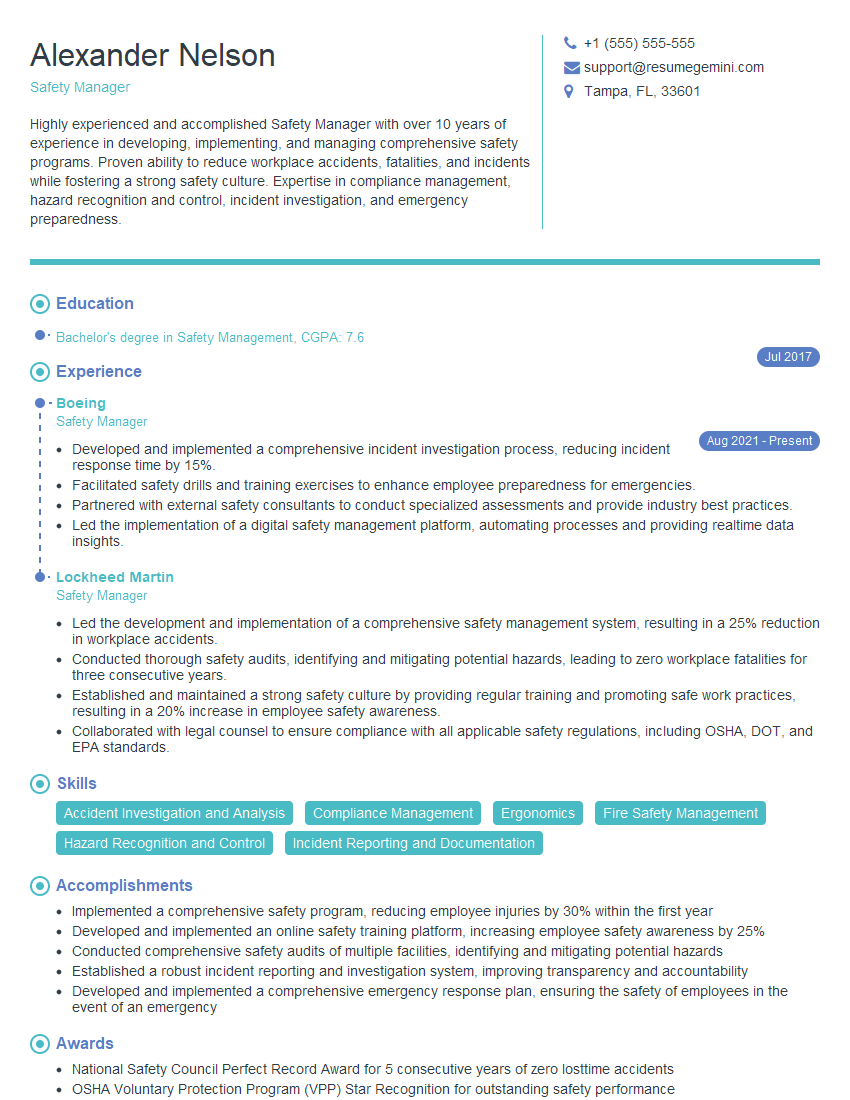
Safety Manager Resume Sample
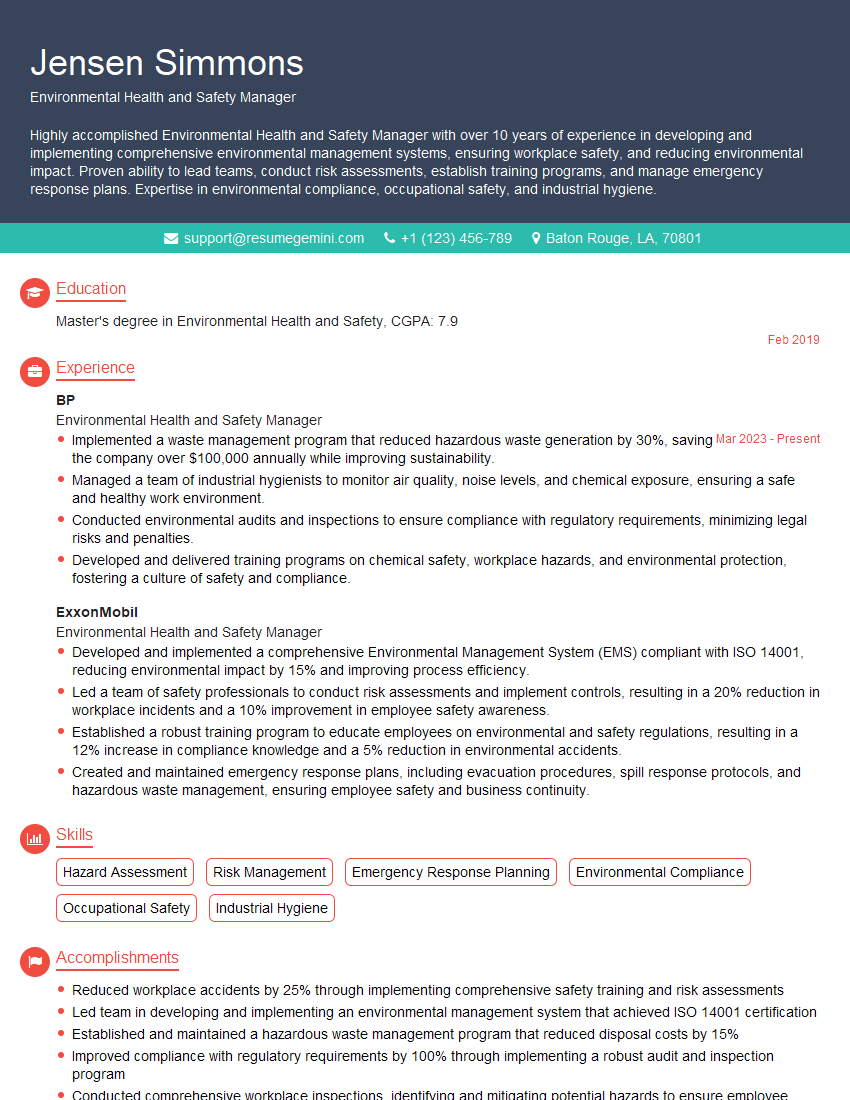
Environmental Health and Safety Manager Resume Sample

Compliance Officer Resume Sample
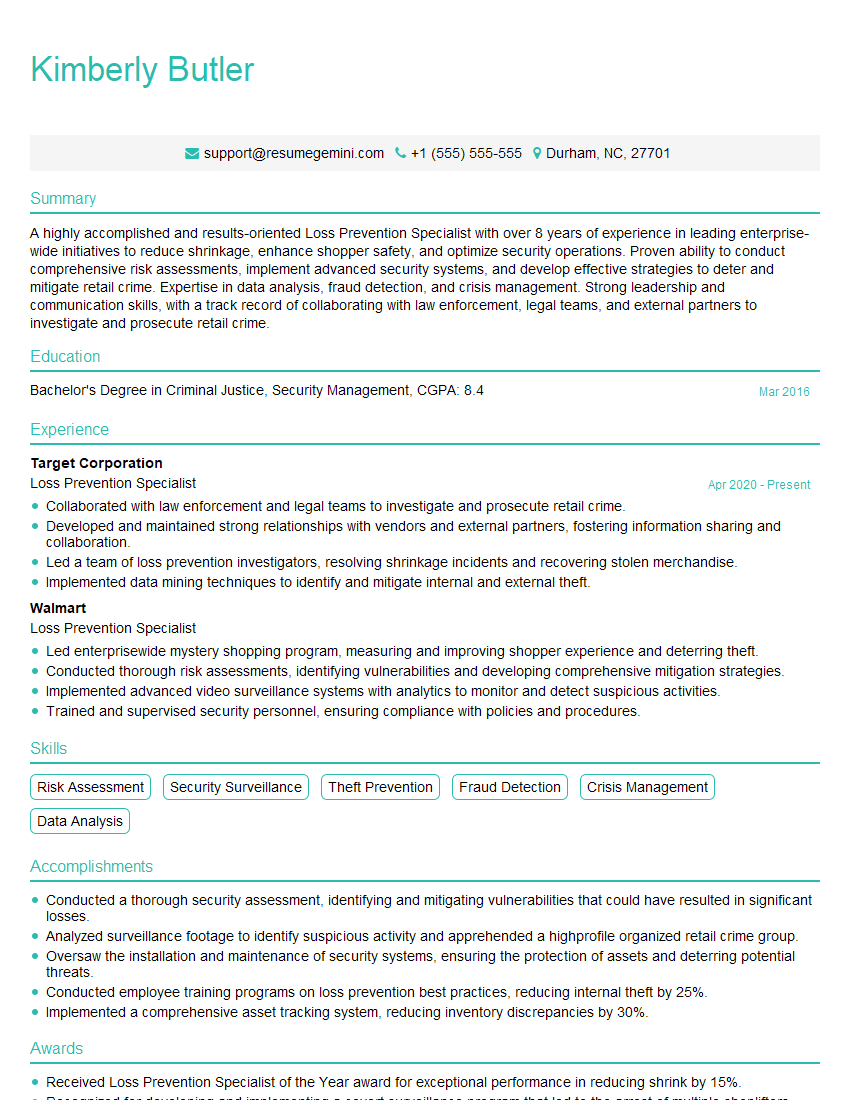
Loss Prevention Specialist Resume Sample
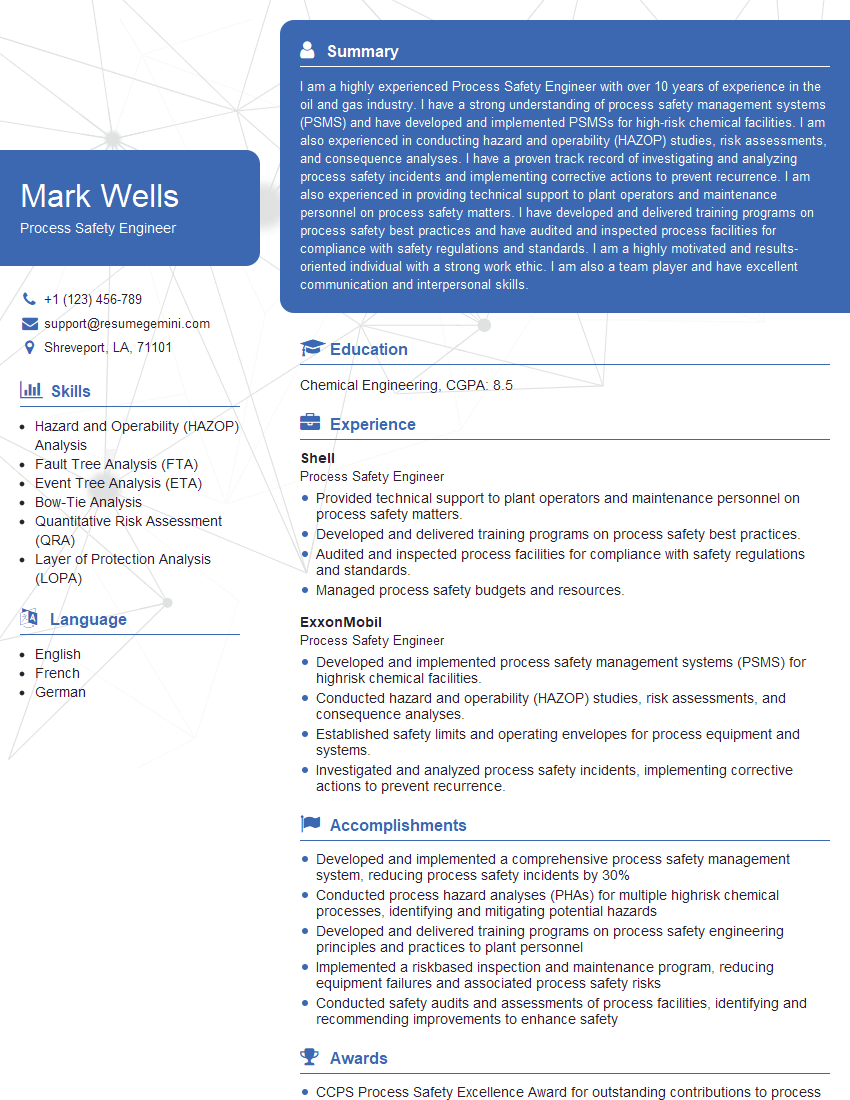
Process Safety Engineer Resume Sample
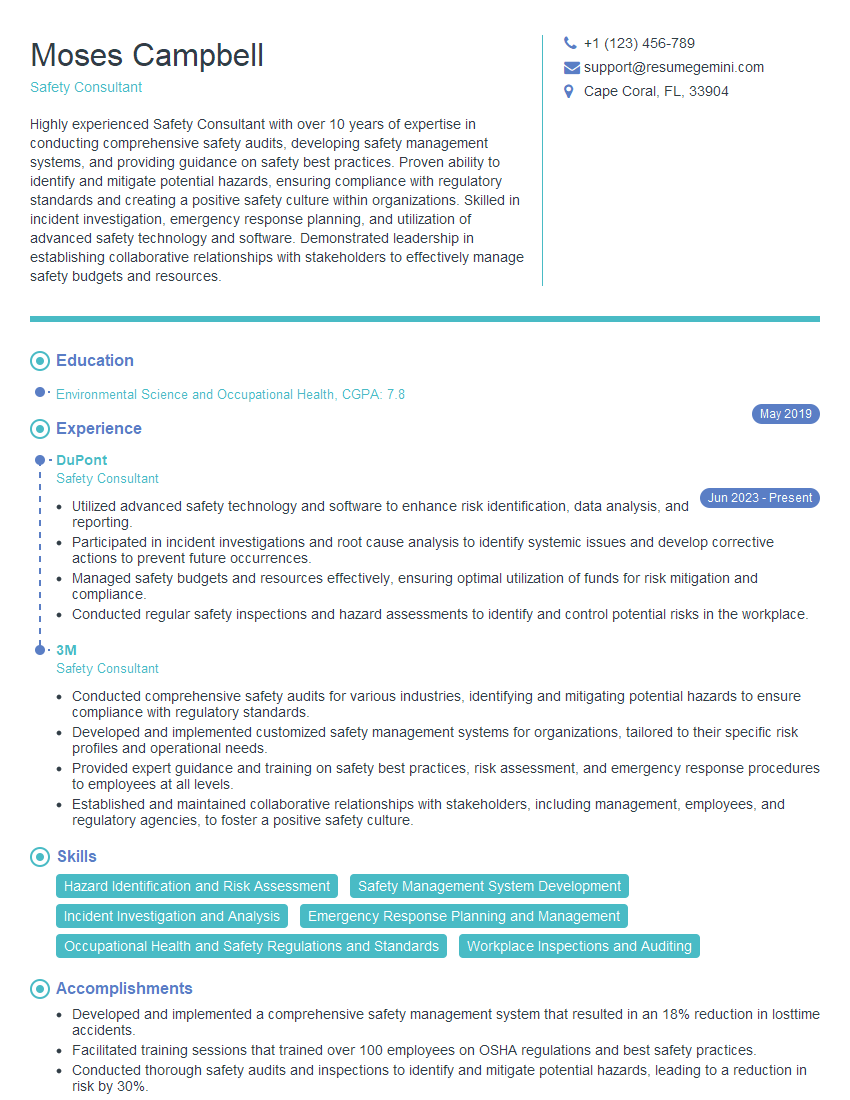
Safety Consultant Resume Sample
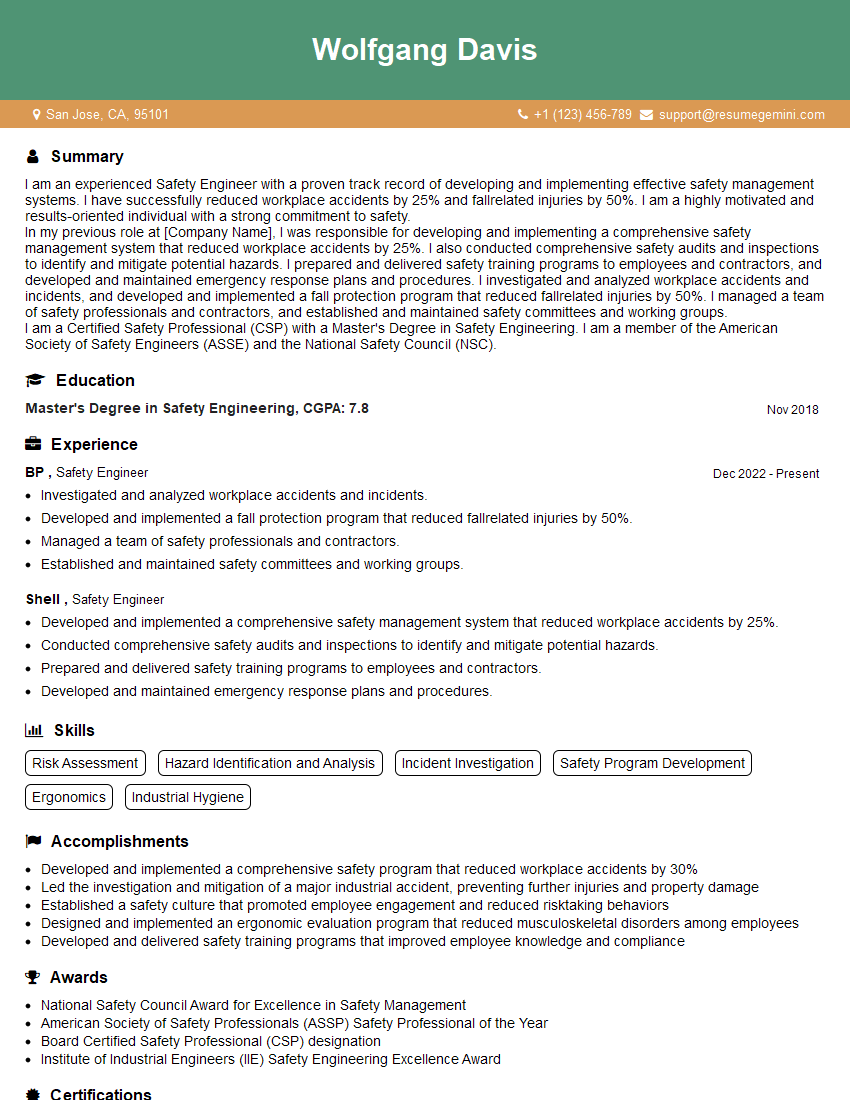
Safety Engineer Resume Sample

Safety Inspector Resume Sample
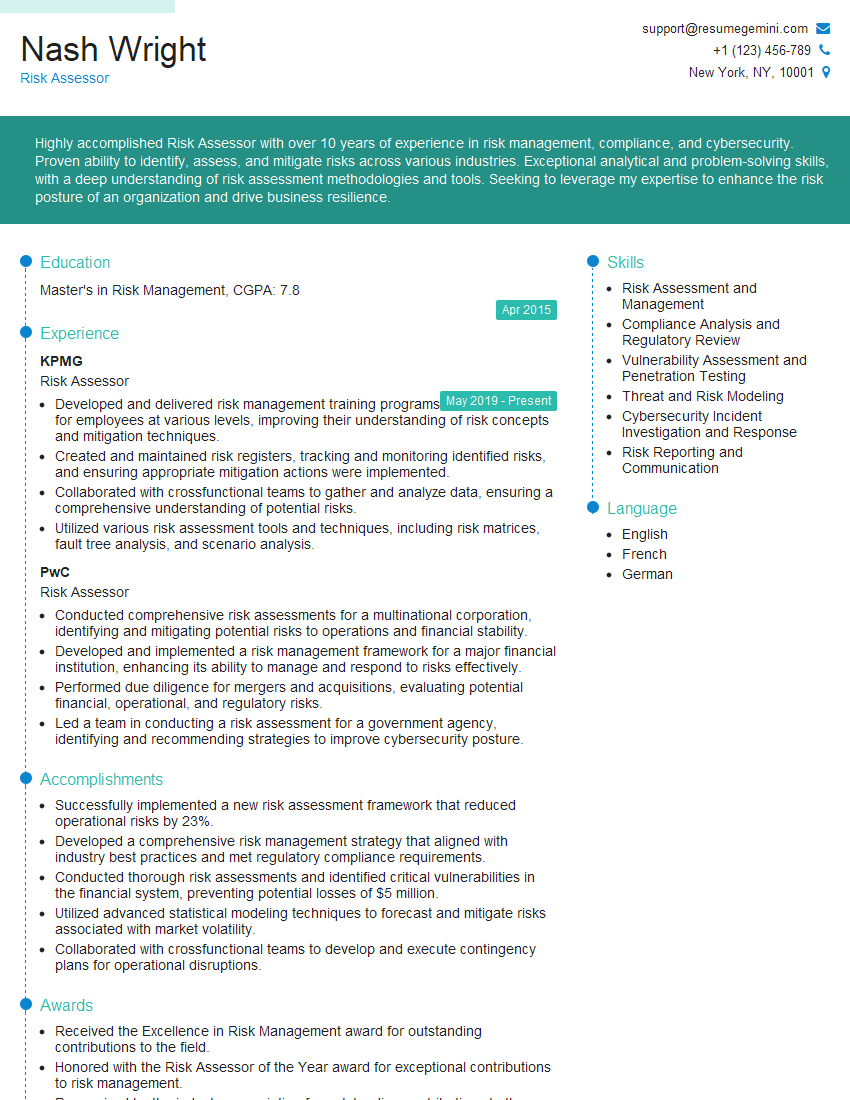
Risk Assessor Resume Sample
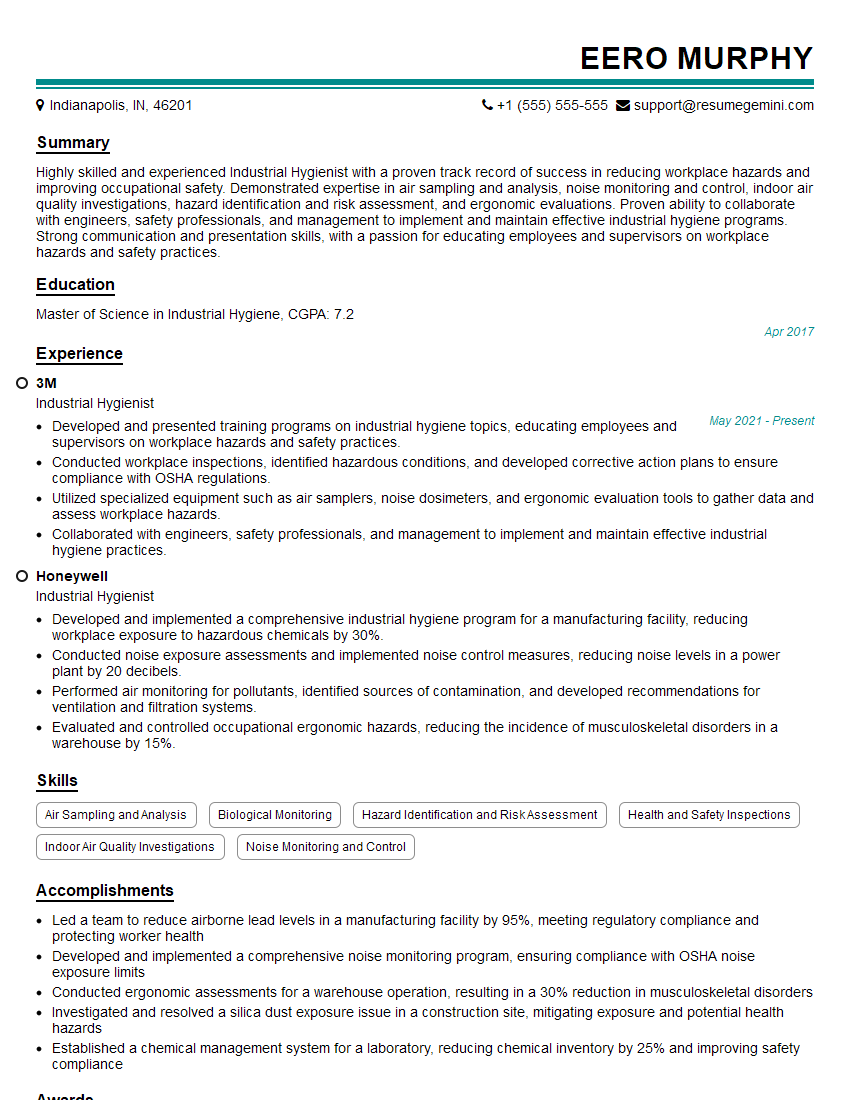
Industrial Hygienist Resume Sample
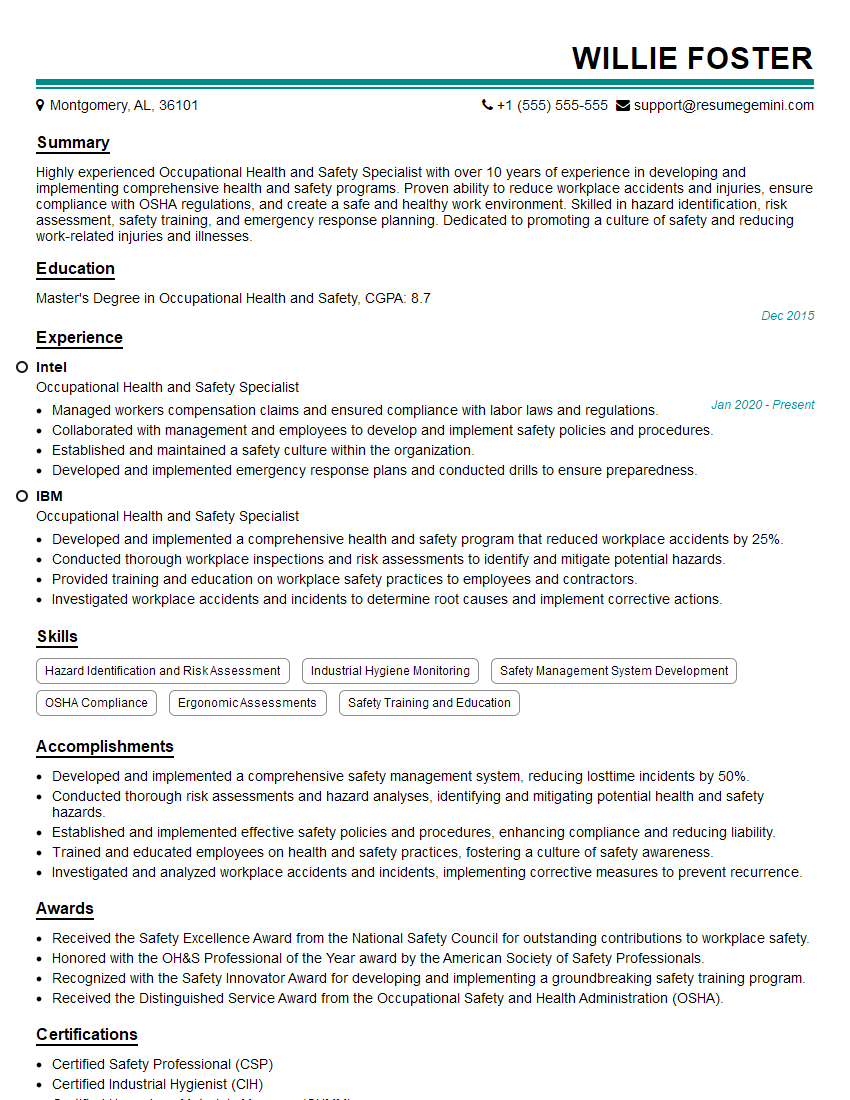
Occupational Health and Safety Specialist Resume Sample
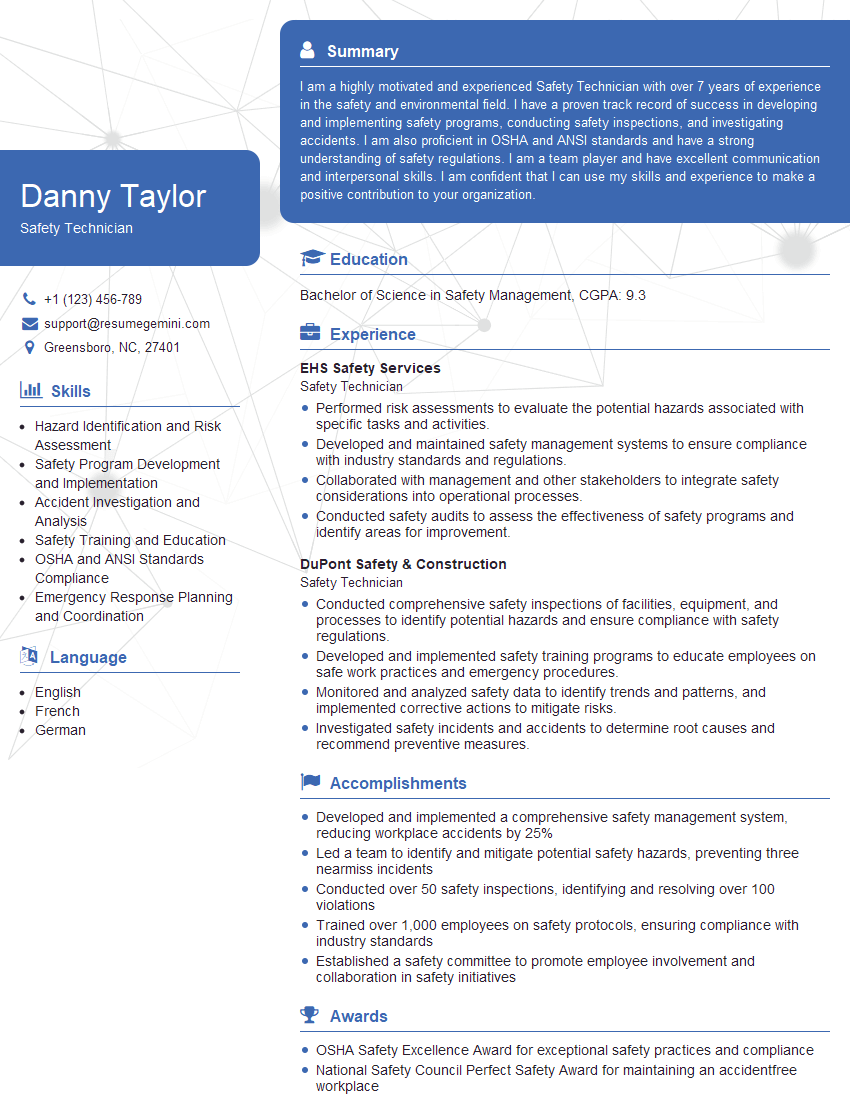
Safety Technician Resume Sample
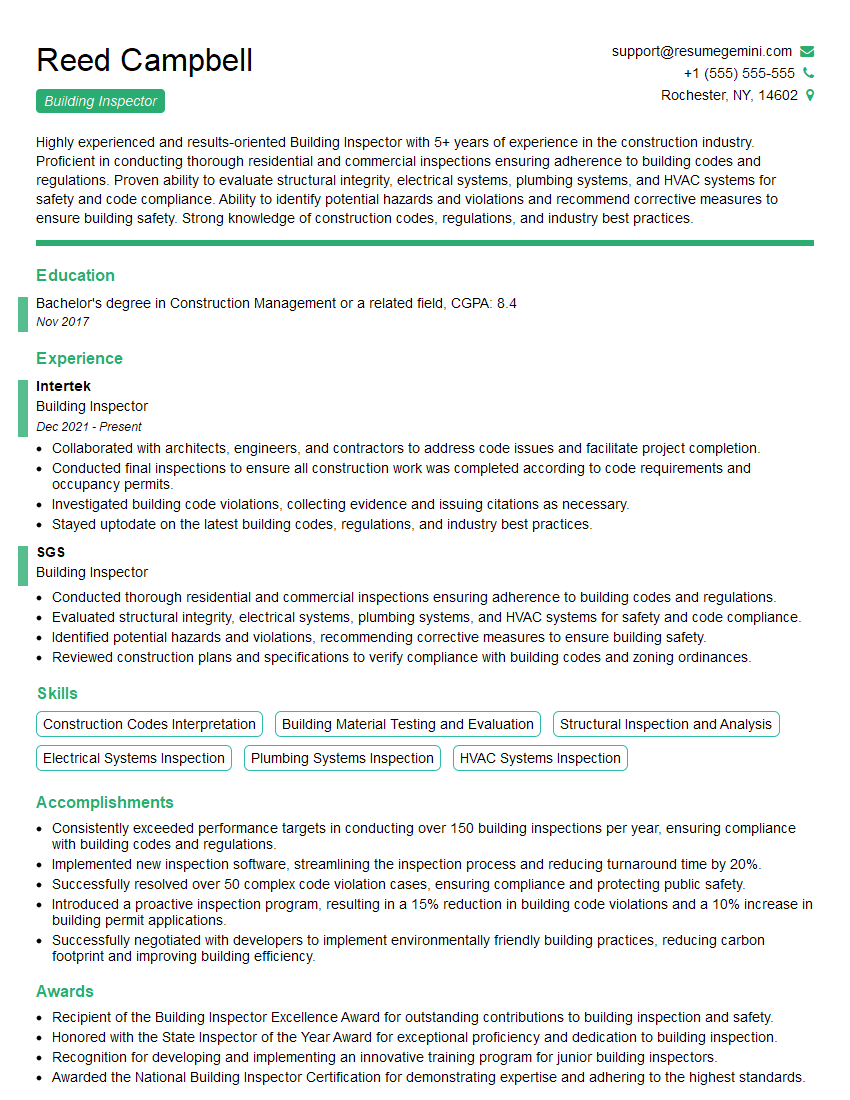
Building Inspector Resume Sample
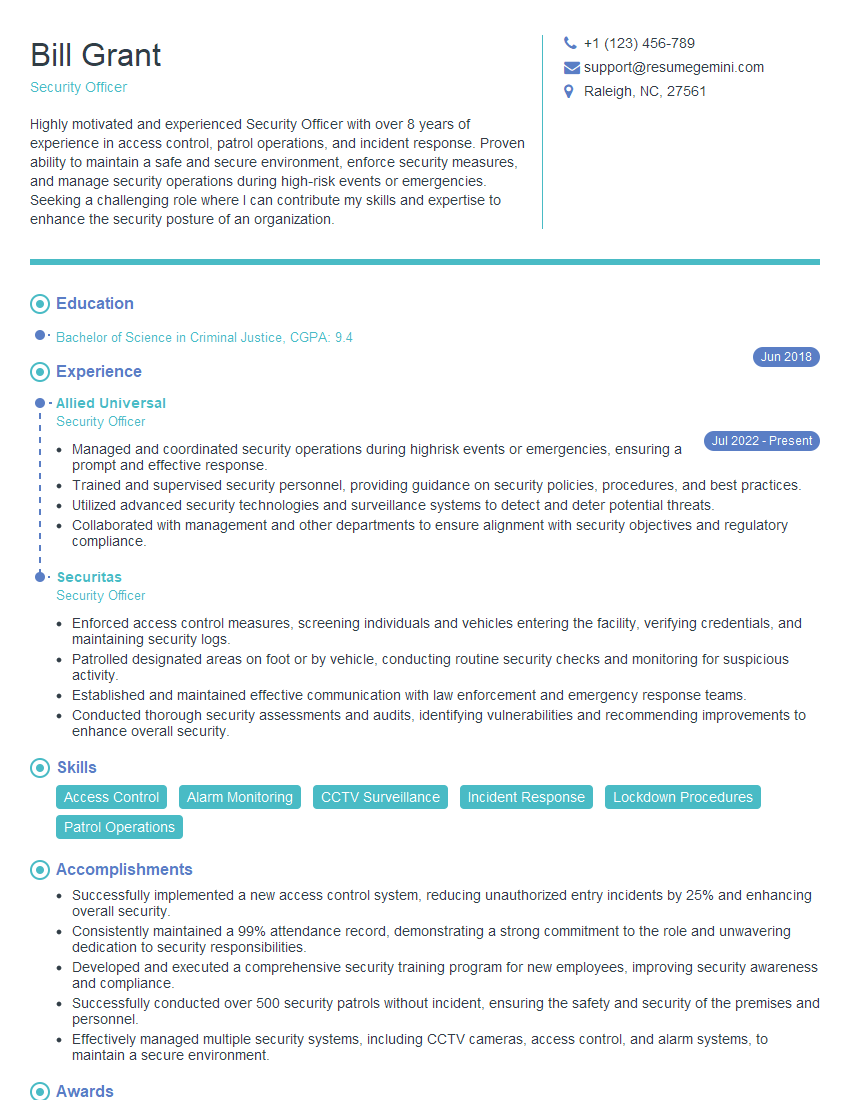
Security Officer Resume Sample
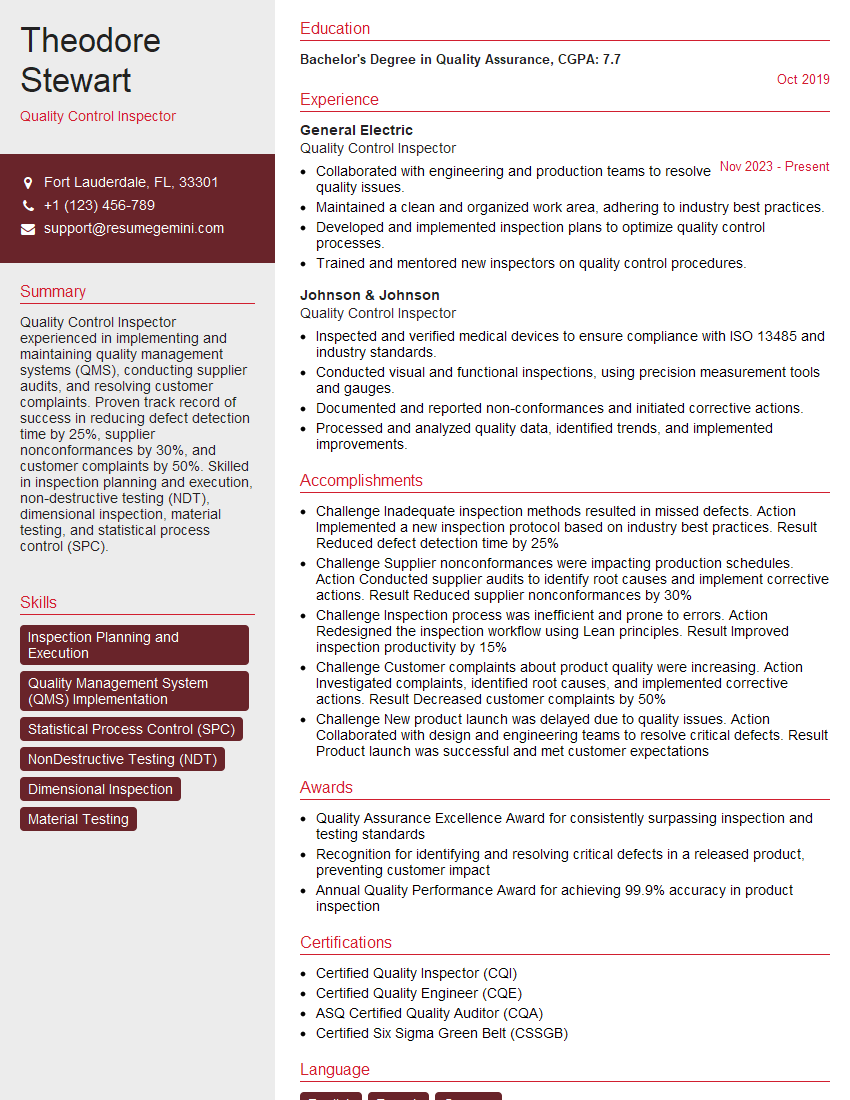
Quality Control Inspector Resume Sample
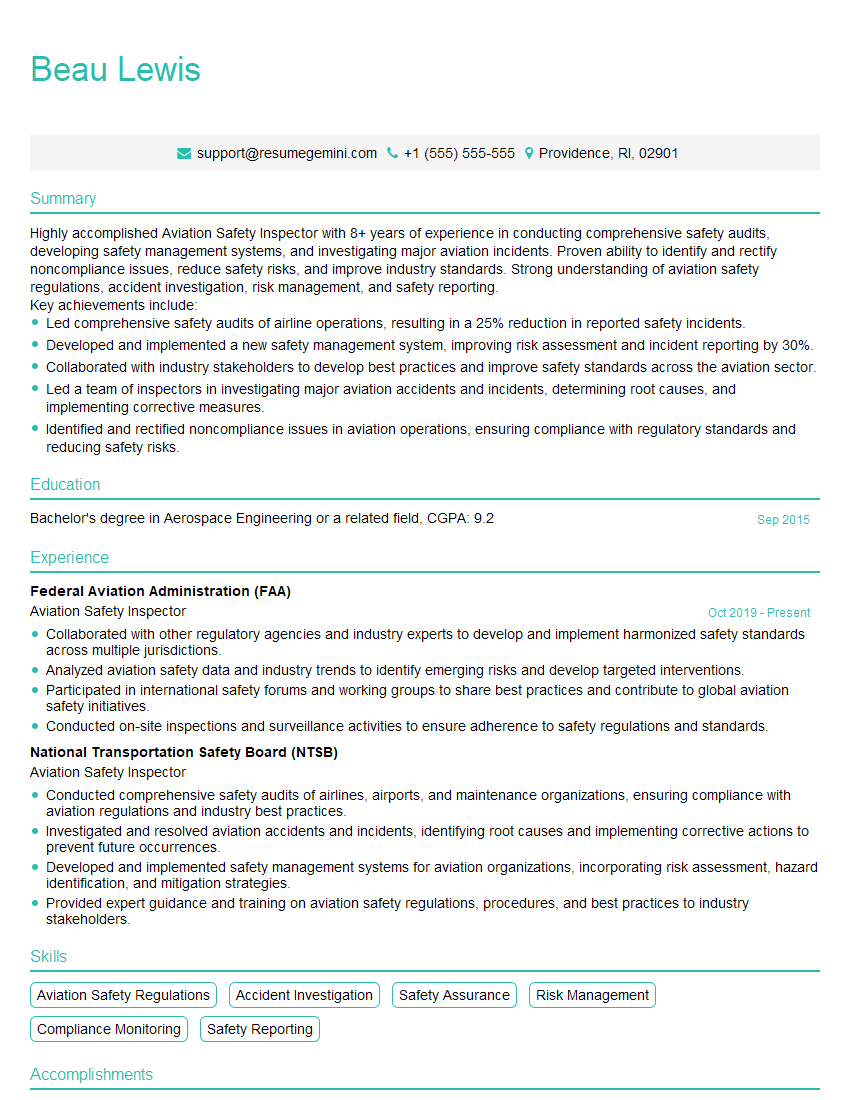
Aviation Safety Inspector Resume Sample
- Safety Manager
- Environmental Health and Safety Manager
- Compliance Officer
- Loss Prevention Specialist
- Process Safety Engineer
- Safety Consultant
- Safety Engineer
- Safety Inspector
- Risk Assessor
- Industrial Hygienist
- Occupational Health and Safety Specialist
- Safety Technician
- Building Inspector
- Security Officer
- Quality Control Inspector
- Aviation Safety Inspector
Explore more articles
Users Rating of Our Blogs
Share Your Experience
We value your feedback! Please rate our content and share your thoughts (optional).
What Readers Say About Our Blog
Very informative content, great job.
good