Cracking a skill-specific interview, like one for Managing Parents and Guardians, requires understanding the nuances of the role. In this blog, we present the questions you’re most likely to encounter, along with insights into how to answer them effectively. Let’s ensure you’re ready to make a strong impression.
Questions Asked in Managing Parents and Guardians Interview
Q 1. Describe your experience managing communication between parents and school staff.
Effective communication is the cornerstone of a strong parent-school relationship. My approach centers around establishing multiple channels for communication and ensuring clear, consistent messaging. This includes regular newsletters, school websites with updated calendars and announcements, parent-teacher conferences, email updates, and even utilizing platforms like ClassDojo or Remind to share quick updates and reminders. I believe in proactive communication; for example, sharing successes and challenges early rather than waiting for problems to escalate. I also focus on actively listening to parents’ concerns and providing timely and informative responses.
For instance, at my previous school, we implemented a weekly email digest summarizing key events and announcements. This significantly reduced the number of individual queries and ensured all parents received essential information consistently. We also created a dedicated FAQ section on our school website to address commonly asked questions.
Q 2. How do you handle conflicts between parents and teachers?
Handling conflicts requires a calm, empathetic, and solution-oriented approach. My strategy involves acting as a neutral mediator, facilitating open dialogue between parents and teachers. I start by actively listening to each perspective without judgment, ensuring both sides feel heard and understood. Then, I work collaboratively to identify the root cause of the conflict. This often involves clarifying misunderstandings or identifying unmet needs. The goal is to reach a mutually agreeable solution that benefits the child’s well-being and learning experience. Compromise and collaboration are crucial. Sometimes, I might suggest further professional development for teachers or offer strategies for parents to support their child’s learning at home.
For example, if a parent feels their child is being unfairly graded, I would facilitate a meeting where the teacher explains their grading criteria and shows examples of the student’s work. We’d work together to identify strategies to support the student’s academic progress, perhaps suggesting tutoring or extra help from the teacher.
Q 3. Explain your approach to resolving parent concerns regarding their child’s academic performance.
Addressing parent concerns about their child’s academic performance requires a multi-faceted approach that combines empathy, data, and collaboration. I begin by actively listening to the parent’s concerns and validating their feelings. Then, I present a balanced view of the child’s performance using data such as grades, test scores, and teacher observations. We discuss the strengths and weaknesses of the child’s learning, aiming for a shared understanding of the situation. We collaboratively develop a support plan, which might include adjusting teaching methods, providing tutoring, implementing behavior modification strategies, or exploring alternative learning approaches. Regular follow-up meetings and transparent communication are crucial for monitoring progress and adjusting the plan as needed.
For instance, if a parent expresses concern about their child’s low grades in math, I’d first listen to their concerns, then share the child’s test scores and assignments. We’d collaboratively look at what might be contributing to the low grades (e.g., lack of study time, difficulty with specific concepts, learning differences). Then, we’d collaboratively develop a plan, perhaps including extra help from a tutor or teacher, a modified study schedule, and regular check-ins to monitor progress.
Q 4. How do you build rapport with parents from diverse backgrounds and cultures?
Building rapport with diverse families necessitates cultural sensitivity and a genuine interest in understanding their unique perspectives. I prioritize learning about different cultures and communication styles. This includes researching common cultural norms and practices, seeking out training on cultural competence, and seeking input from community leaders or cultural organizations. I strive to create a welcoming and inclusive environment where all families feel comfortable expressing their concerns and participating in school activities. I utilize translators when necessary and tailor my communication methods to suit different preferences, whether it’s written communication, phone calls, or in-person meetings. Building trust through consistent and respectful interactions is crucial, demonstrating that I value their input and concerns.
For example, I might provide translated materials for important school events or utilize interpreters during parent-teacher conferences. I also make an effort to learn a few basic phrases in the languages spoken by the families in my school community, showing respect and creating a more welcoming atmosphere.
Q 5. Describe a situation where you had to mediate a disagreement between parents and school administration.
In one instance, a parent disagreed with the school administration’s decision regarding their child’s placement in a special education program. The parents felt the assessment was flawed and their child didn’t require special education services. The situation was highly emotional and fraught with tension. My role involved facilitating a series of meetings between the parents, the school administration (including the special education director and the principal), and the child’s teacher. I actively listened to all parties involved, ensuring everyone felt heard and their concerns validated. I helped them to identify common ground—namely, the shared desire for their child to succeed. We then explored alternative solutions, such as further assessments and different support services within a regular education setting. Ultimately, we reached a compromise where the child received additional support in the regular classroom, avoiding the need for special education placement while addressing the parents’ concerns. The key to success was active listening, collaborative problem-solving, and emphasizing the child’s best interests.
Q 6. What strategies do you employ to promote effective parent participation in school activities?
Promoting effective parent participation requires a multifaceted strategy focusing on accessibility, engagement, and relevance. This includes offering a variety of volunteer opportunities that cater to diverse skills and time constraints. For example, some parents might prefer classroom assistance, while others might be better suited for fundraising or administrative support. We regularly solicit parent input on school policies and programs through surveys and focus groups. Offering workshops and training sessions to equip parents with the skills and knowledge to support their child’s learning enhances their engagement. Communicating regularly through newsletters and updates keeps parents informed and involved. Finally, celebrating parent contributions through school events and recognition programs demonstrates appreciation and encourages continued participation. Making participation convenient and flexible is also key—offering events at various times and formats (e.g., daytime and evening meetings, virtual options) allows for broader participation.
Q 7. How do you ensure confidentiality when dealing with sensitive parental information?
Maintaining confidentiality is paramount. I adhere to strict ethical guidelines and school policies regarding the handling of sensitive parental information. This includes only accessing information on a need-to-know basis and utilizing secure systems for storing and transmitting data. I never share information with unauthorized individuals and am meticulous in protecting student privacy. When discussing sensitive information, I always obtain explicit consent from parents before sharing details with other parties, unless legally obligated. All communications are conducted in a private and secure manner. In case of legal requests for information, I follow proper procedures and ensure adherence to all relevant privacy laws. I also ensure all staff involved in handling parental information receives regular training on data protection and confidentiality protocols.
Q 8. Describe your experience working with parents of children with special needs.
Working with parents of children with special needs requires a highly empathetic and collaborative approach. It’s about building trust and understanding their unique concerns and aspirations for their child. My experience involves a multifaceted approach, including:
- Individualized Support Plans: I collaborate closely with parents to develop and implement individualized education programs (IEPs) or 504 plans, ensuring their active participation and input every step of the way.
- Regular Communication: Frequent updates, both formal and informal, through phone calls, emails, and meetings, are crucial to maintain transparency and build a strong parent-professional relationship. I always make sure to use clear, non-jargon language.
- Resource Navigation: I assist parents in accessing community resources, such as therapy services, support groups, and financial assistance programs, relevant to their child’s needs.
- Advocacy: I work as an advocate for the child and their family, navigating complex systems and ensuring they receive the services and support they deserve.
For example, I worked with the parents of a child diagnosed with autism. We collaboratively developed an IEP that incorporated their suggestions for strategies that worked best at home and ensured a seamless transition between school and home environments. This collaboration led to significant improvements in the child’s academic and social skills.
Q 9. How do you support parents through challenging transitions (e.g., divorce, illness)?
Challenging transitions, like divorce or illness, significantly impact families. My approach focuses on providing emotional support and practical assistance. This includes:
- Active Listening and Empathy: Creating a safe space for parents to express their feelings and concerns is paramount. I validate their emotions and acknowledge the stress they are experiencing.
- Connecting with Resources: I connect families with relevant resources, such as therapists, support groups for divorced parents, or medical social workers, depending on the situation. I might suggest parent-education workshops on coping with stress.
- Collaborative Problem-Solving: I work with parents to develop strategies for managing the transition and ensuring the child’s well-being. For example, a shared parenting calendar during a divorce helps maintain consistency for the child.
- Advocacy and Coordination: I advocate for the family within the educational system, ensuring appropriate accommodations and support are provided.
In one case, I helped a family navigate a parent’s serious illness. We worked together to establish a consistent communication plan between the school and the hospital, ensuring the child continued to receive support academically and emotionally.
Q 10. How do you identify and address parents’ needs for support and resources?
Identifying parents’ needs is an ongoing process. I use a variety of strategies, including:
- Open Communication: Regular check-ins, both formal and informal, provide opportunities for parents to express concerns or request assistance.
- Parent Surveys and Feedback Forms: These tools offer valuable insights into parents’ experiences and areas where they need more support.
- Observations: Observing parent-child interactions during school events or meetings can help identify challenges or unmet needs.
- Home Visits (when appropriate): Home visits can provide a better understanding of the home environment and support systems available.
For example, parent surveys revealed a need for workshops on effective communication strategies. In response, we organized a series of workshops led by professionals, addressing the identified needs directly.
Q 11. How do you navigate situations where a parent is resistant to your recommendations?
When a parent is resistant to recommendations, I approach the situation with respect and understanding. My strategy is built on:
- Active Listening and Understanding: I strive to understand the parent’s perspective and concerns. Why are they resistant? What are their priorities and fears?
- Collaboration and Partnership: I emphasize that I am a partner in the child’s education and well-being, not an authority figure imposing solutions.
- Presenting Information Clearly and Respectfully: I ensure that information is presented in a clear, non-judgmental way, using language that is easily understood.
- Compromise and Negotiation: Sometimes, finding common ground requires compromise. I work with parents to find solutions that address their concerns while still supporting the child’s educational needs.
- Involving Other Professionals: In complex cases, I may consult with other professionals, such as therapists or specialists, to provide additional support and perspective.
For instance, a parent was hesitant about a suggested intervention for their child. By listening to their concerns and collaboratively adjusting the approach, we found a solution that addressed the parent’s worries and ultimately benefited the child.
Q 12. What techniques do you use to empower parents to actively participate in their child’s education?
Empowering parents involves fostering a sense of ownership and agency in their child’s education. I use several techniques:
- Providing Information and Training: Equipping parents with the knowledge and skills to support their child’s learning at home is critical. This includes information about learning styles, effective strategies, and available resources.
- Encouraging Participation in Decision-Making: Parents should have a voice in shaping their child’s education. I actively involve them in developing and reviewing IEPs or 504 plans.
- Promoting Communication and Collaboration: Regular communication is vital. I create opportunities for parents to share their insights and contribute their expertise.
- Celebrating Successes: Recognizing and celebrating both big and small achievements builds confidence and reinforces positive behaviors.
For instance, I created a parent education workshop series on how to use specific learning strategies at home. These workshops empowered parents to understand their child’s learning challenges and helped create a collaborative learning environment both at home and school.
Q 13. Describe your experience with parent-teacher conferences; what makes them effective?
Effective parent-teacher conferences are collaborative discussions focused on the student’s progress and well-being. Key elements include:
- Preparation: Gathering relevant data, including student work samples, assessments, and anecdotal notes, is crucial. I also prepare a concise summary of the student’s strengths and areas for improvement.
- Positive and Collaborative Tone: Creating a welcoming and supportive atmosphere promotes open communication. I start by highlighting the student’s strengths and achievements.
- Two-way Communication: The conference should be a conversation, not a lecture. I encourage parents to share their observations and perspectives.
- Goal Setting: Collaboratively setting goals for the student’s academic and social-emotional growth ensures a shared vision and commitment.
- Follow-up: I send a written summary of the meeting, outlining key discussion points and agreed-upon actions.
For example, in a particularly effective conference, we reviewed the student’s portfolio together, collaboratively identifying areas of strengths and areas that needed improvement. This approach allowed for a more dynamic and engaging discussion.
Q 14. How do you use technology to facilitate parent communication and engagement?
Technology plays a vital role in facilitating parent communication and engagement. I utilize various tools including:
- Class Websites or Learning Management Systems (LMS): These platforms provide a central hub for sharing announcements, assignments, grades, and other important information.
- Email and Text Messaging: These are efficient ways to send quick updates or reminders.
- Video Conferencing: This technology allows for virtual meetings, convenient for busy parents.
- Parent Portals: Many schools offer online portals where parents can access student information, including attendance, grades, and behavior reports.
- Educational Apps: Some apps can help parents track their child’s progress and provide additional learning support at home.
For example, during remote learning, we used a video conferencing platform for regular class meetings, ensuring active parent participation and creating a sense of community. We also created a class website with resources and assignments accessible to both parents and students.
Q 15. Explain your knowledge of relevant laws and regulations protecting children and families.
My understanding of child protection laws is comprehensive, encompassing federal and state legislation. I’m familiar with laws related to child abuse and neglect reporting (like mandatory reporting laws), child custody and visitation rights, educational rights, and the rights of children with disabilities. I also stay updated on changes and amendments to these regulations. For example, I know the specifics of the Child Abuse Prevention and Treatment Act (CAPTA) in the US, which defines child abuse and neglect and sets standards for reporting, and I’m aware of the nuances of family law concerning parental responsibilities and decision-making in different jurisdictions. This includes understanding concepts like parental rights, the best interests of the child standard, and the various legal avenues for intervention when a child’s well-being is at risk.
Understanding these laws is crucial for responsible and ethical practice. It allows me to identify situations needing intervention, understand the appropriate reporting procedures, and advocate effectively for both parents and children within the legal framework. Failure to comply with mandatory reporting laws, for example, can have serious legal consequences.
Career Expert Tips:
- Ace those interviews! Prepare effectively by reviewing the Top 50 Most Common Interview Questions on ResumeGemini.
- Navigate your job search with confidence! Explore a wide range of Career Tips on ResumeGemini. Learn about common challenges and recommendations to overcome them.
- Craft the perfect resume! Master the Art of Resume Writing with ResumeGemini’s guide. Showcase your unique qualifications and achievements effectively.
- Don’t miss out on holiday savings! Build your dream resume with ResumeGemini’s ATS optimized templates.
Q 16. How do you handle situations involving parental neglect or abuse?
Suspected parental neglect or abuse requires immediate and decisive action. My first step is to assess the situation thoroughly, ensuring child safety is the paramount concern. This might involve observation, interviews with the child and parents, and review of any available documentation. I will then carefully document all findings, following established protocol for reporting suspected abuse or neglect to the relevant child protective services agency. This reporting process is dictated by law and involves providing detailed information about the situation to allow them to conduct a thorough investigation. If the situation appears to be immediately dangerous to the child, I will take steps to ensure their immediate safety, which might include contacting emergency services.
Throughout the process, I maintain careful documentation of all actions taken, including dates, times, individuals involved, and specific observations. Collaboration with child protective services and other relevant agencies is paramount to ensure the child receives appropriate support and protection. The goal is to ensure the child’s safety while also supporting the family with appropriate resources and guidance when possible.
Q 17. Describe a time when you needed to advocate for a parent or guardian.
I once advocated for a single mother facing eviction due to unforeseen financial hardship. She was struggling to manage both work and childcare, causing her to fall behind on rent. This jeopardized her children’s stability and well-being. I first helped her understand the resources available, such as rental assistance programs and food banks. Then, I worked with her to create a realistic budget and connected her with financial counseling services. I also directly contacted the landlord to explain the situation and negotiate a payment plan, emphasizing the impact of eviction on the children. The landlord, understanding the circumstances, agreed to a modified payment schedule, preventing the family from becoming homeless.
This experience highlighted the importance of not just identifying problems but actively working with parents to find solutions. My advocacy wasn’t simply about securing resources; it was about empowering the mother to take control of her situation and improve her family’s circumstances. It emphasized the crucial role of collaboration and communication in supporting families.
Q 18. How do you prioritize your tasks when faced with multiple parental requests and urgent issues?
Prioritizing tasks with multiple parental requests and urgent issues requires a structured approach. I utilize a system combining urgency and importance. I employ a matrix where tasks are categorized as urgent and important, important but not urgent, urgent but not important, and neither urgent nor important. Urgent and important tasks, such as a child’s immediate medical need, take precedence. Important but not urgent tasks, like scheduling a parent-teacher conference, are scheduled strategically. Urgent but not important tasks, such as responding to a non-critical email, are delegated or temporarily postponed. Tasks that are neither urgent nor important are deferred until later.
I also use a task management system, such as a digital calendar or to-do list, to keep track of deadlines and assignments. Open communication with parents about potential delays or adjustments to the timeline is key to maintain transparency and manage expectations effectively. Flexibility and adaptability are vital when dealing with constantly shifting priorities.
Q 19. Describe your approach to documenting interactions and communications with parents.
I maintain meticulous records of all interactions and communications with parents. This includes written notes from meetings or phone calls, emails, and any other form of documented communication. My approach emphasizes accuracy, objectivity, and completeness. I record the date, time, participants involved, key discussion points, decisions made, and any action items agreed upon. For sensitive issues, I obtain parental consent before recording conversations, following appropriate privacy guidelines. This comprehensive documentation serves as a valuable resource for tracking progress, resolving disputes, and ensuring accountability.
I store these records securely, using both digital and physical methods, following established data privacy and confidentiality guidelines. The format allows for easy retrieval and review whenever needed, ensuring a complete history of interaction is available for all parties involved.
Q 20. How do you ensure accuracy and completeness of information shared with parents?
Ensuring accuracy and completeness in information shared with parents is paramount. I use multiple methods to achieve this, starting with verifying information from multiple sources when possible. I utilize clear and concise language in all communications, avoiding jargon and technical terms that might cause confusion. Before sending official communications, such as reports or assessments, I double-check the information for accuracy and completeness. If there are any uncertainties, I clarify the information before dissemination. I always welcome parent questions and provide opportunities for clarification and feedback.
For complex information, I often use multiple formats to convey the information more effectively, such as a written report supplemented with a verbal explanation or a visual representation. The goal is to ensure parents fully understand the information presented, and are able to participate fully in their child’s educational and well-being journey.
Q 21. How do you handle situations where there are differing parenting styles or approaches?
Differing parenting styles can sometimes present challenges, but my approach focuses on collaboration and mutual respect. I believe parents have the right to raise their children according to their values and beliefs, provided it doesn’t jeopardize the child’s well-being. My role is to facilitate communication and understanding between parents, ensuring a consistent and supportive environment for the child. I encourage parents to share their perspectives and parenting approaches, and I help them find common ground where possible. When conflicts arise, I facilitate constructive dialogue, focusing on the child’s best interests as a common goal.
If concerns arise regarding a child’s well-being due to significantly disparate approaches, I will work with the parents to identify potential solutions. This might involve recommending mediation, parenting classes, or referring them to family counseling services. My goal is to create a cooperative environment where parents can work together effectively for their child’s benefit.
Q 22. What is your understanding of the role of a parent in a child’s development?
A parent’s role in a child’s development is multifaceted and profoundly impactful. It extends far beyond basic needs provision and encompasses shaping a child’s emotional, social, cognitive, and physical well-being. Parents act as primary caregivers, educators, and role models, significantly influencing their child’s self-esteem, resilience, and future success. This involves creating a secure and nurturing environment, providing consistent discipline and guidance, fostering open communication, and actively participating in their child’s education and social life. For example, a parent who consistently reads to their child fosters a love of learning and improves literacy skills, while a parent who actively listens and validates their child’s feelings builds emotional intelligence and self-confidence. Ultimately, the parent’s role is to equip the child with the tools and support necessary to thrive in all aspects of life.
Q 23. How do you maintain professional boundaries while building strong parent relationships?
Maintaining professional boundaries while building strong parent relationships is crucial for effective collaboration and avoiding potential conflicts of interest. This involves clearly defining roles and responsibilities, respecting parental autonomy, and ensuring all communication remains professional and objective. For instance, while empathy and understanding are vital, it’s crucial to avoid crossing into personal friendships. Sharing personal information about my own family or offering unsolicited advice outside my professional capacity is avoided. I also ensure all communication, whether written or verbal, is documented appropriately and professionally, adhering to confidentiality guidelines and data protection policies. Transparency about decision-making processes and providing parents with clear explanations ensures mutual respect and trust. Regularly reflecting on interactions helps identify any potential boundary issues.
Q 24. What resources are you familiar with that support parents and families?
I’m familiar with a wide range of resources designed to support parents and families. These include governmental agencies offering family support services, such as childcare subsidies or parenting education programs. Non-profit organizations often provide crucial resources, including parenting classes, support groups for specific challenges (e.g., parenting children with special needs), and access to mental health services for families. Online platforms offer vast information on child development, parenting techniques, and family resources. Local libraries and community centers also frequently offer workshops and support groups. Finally, educational institutions often provide resources on child development and family engagement strategies. Understanding the available options allows me to tailor recommendations to parents’ specific needs and circumstances.
Q 25. How do you adapt your communication style to meet the needs of different parents?
Adapting my communication style to meet the needs of different parents is paramount for effective engagement. I recognize that parents have diverse backgrounds, communication preferences, and levels of understanding. This necessitates employing a flexible and empathetic approach. For example, I adjust the level of technical jargon based on their understanding, ensuring clarity. Some parents may prefer email communication, while others may prefer phone calls or face-to-face meetings. I always actively listen to understand their perspectives, asking clarifying questions and validating their feelings. Furthermore, I consider cultural sensitivities and potential language barriers and make use of interpreters or culturally appropriate materials when needed. Using clear, concise language and providing opportunities for questions and feedback ensures effective communication across diverse populations.
Q 26. Describe a successful outcome you achieved through effective parent engagement.
In one instance, a parent expressed significant concerns about their child’s social skills and integration within the classroom. Through ongoing communication and collaboration, we identified the root cause as the child’s shyness and limited opportunities for social interaction. We developed a plan involving structured social activities within the classroom, collaborative projects, and peer-mentoring programs. Regular check-ins with both the parent and the child allowed us to monitor progress and make necessary adjustments. The result was a remarkable improvement in the child’s confidence and social engagement within the classroom. The parent felt empowered, actively participating in the process, and expressed deep gratitude for the support and collaboration. This demonstrated the effectiveness of a collaborative approach centered on open communication and tailored solutions.
Q 27. Explain your understanding of the ethical considerations of managing parental information.
Ethical considerations regarding parental information management are paramount. Confidentiality is central, ensuring all information is treated with the utmost respect and privacy. This adheres to relevant data protection laws and regulations. Information should only be shared with authorized personnel on a need-to-know basis, always obtaining explicit consent when appropriate. Maintaining accurate and up-to-date records is vital, and all data storage and handling must meet stringent security standards to prevent unauthorized access. Transparency with parents regarding how their information is used and stored is essential. Any instance of potential conflict of interest must be managed carefully and appropriately. Ethical conduct necessitates a constant awareness of these principles, safeguarding the trust parents place in our ability to handle their information responsibly.
Q 28. How do you evaluate the effectiveness of your parent engagement strategies?
Evaluating the effectiveness of parent engagement strategies involves employing both qualitative and quantitative methods. Quantitative methods could involve tracking metrics like attendance rates at parent-teacher meetings, participation in school events, and feedback surveys measuring parental satisfaction. Qualitative methods entail gathering feedback through focus groups, individual interviews, and ongoing observations of parent-child interactions. Analyzing this data allows for identifying successful strategies and areas needing improvement. For example, low attendance at meetings may indicate a need for scheduling adjustments or alternative communication methods. Negative feedback on specific aspects may lead to revisions in our approach. Regular review of these findings enables ongoing refinement of our strategies to maximize effectiveness and promote continued parent engagement.
Key Topics to Learn for Managing Parents and Guardians Interview
- Communication and Collaboration: Understanding diverse communication styles and building strong relationships with parents and guardians. Practical application: Role-playing scenarios involving conflict resolution and sensitive conversations.
- Legal and Ethical Considerations: Navigating legal frameworks surrounding parental rights, confidentiality, and reporting procedures. Practical application: Analyzing case studies involving ethical dilemmas and legal compliance.
- Advocacy and Support: Effectively advocating for the needs of students and their families within the school system or relevant organization. Practical application: Developing strategies for connecting families with necessary resources and support services.
- Conflict Resolution and Mediation: Developing skills in mediating disagreements between parents, guardians, and school staff. Practical application: Designing conflict resolution strategies and practicing active listening techniques.
- Cultural Sensitivity and Inclusivity: Demonstrating awareness and sensitivity to diverse cultural backgrounds and family structures. Practical application: Identifying and addressing potential cultural barriers in communication and collaboration.
- Data Management and Record Keeping: Maintaining accurate and confidential records related to parent/guardian interactions and student progress. Practical application: Designing efficient record-keeping systems and understanding data privacy regulations.
- Crisis Management and Intervention: Responding effectively to crisis situations involving students and their families. Practical application: Developing crisis management plans and practicing appropriate intervention strategies.
Next Steps
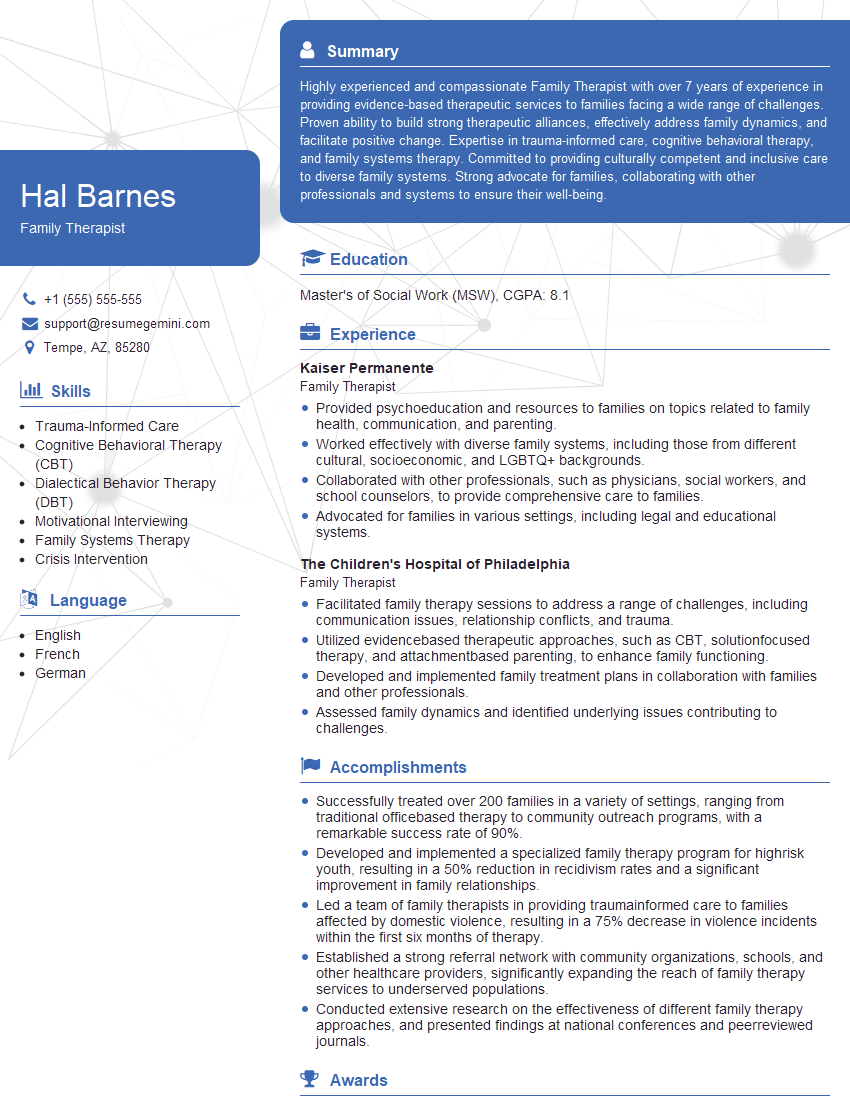
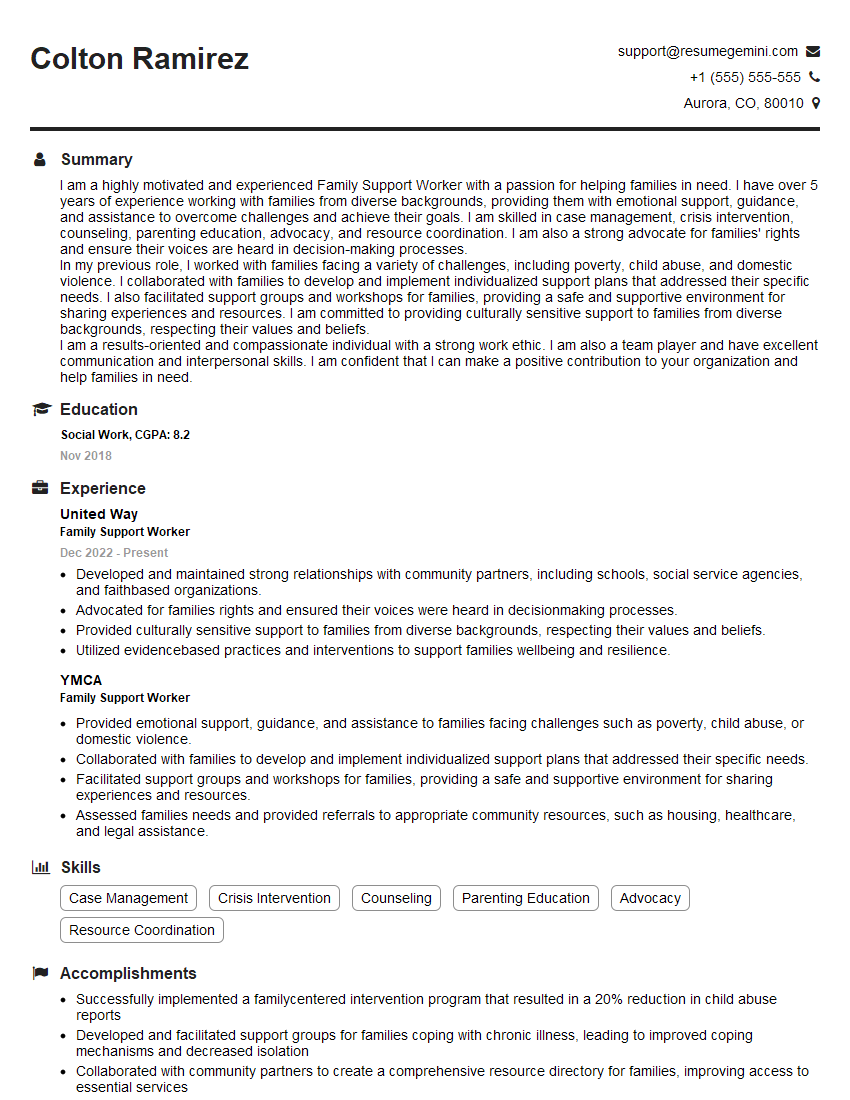
Mastering the art of Managing Parents and Guardians is crucial for career advancement in many fields, enhancing your ability to build strong relationships, resolve conflicts effectively, and contribute positively to a student’s overall well-being. To increase your job prospects, creating an ATS-friendly resume is paramount. ResumeGemini is a trusted resource to help you build a professional and impactful resume that highlights your skills and experience in this critical area. Examples of resumes tailored to Managing Parents and Guardians are available to guide you.
Explore more articles
Users Rating of Our Blogs
Share Your Experience
We value your feedback! Please rate our content and share your thoughts (optional).
What Readers Say About Our Blog
Very informative content, great job.
good