The thought of an interview can be nerve-wracking, but the right preparation can make all the difference. Explore this comprehensive guide to Personal Shopper interview questions and gain the confidence you need to showcase your abilities and secure the role.
Questions Asked in Personal Shopper Interview
Q 1. Describe your experience with different styling techniques for various body types.
Understanding different body types and applying appropriate styling techniques is fundamental to my work. I don’t believe in a ‘one-size-fits-all’ approach. My experience encompasses a wide range of body types, and I tailor my strategies accordingly. For example, I might use A-line skirts or empire waistlines to flatter an apple body shape, emphasizing the waist and balancing the proportions. For a pear shape, I’d focus on balancing the bottom half with details on top – perhaps a statement necklace or a structured top. For rectangular body types, I’d create curves using belts, ruffles, or peplums. Similarly, for an hourglass figure, I’d accentuate the waist with fitted garments and avoid anything too baggy or shapeless. I also consider height and overall proportions when selecting clothing and accessories. Ultimately, it’s about understanding the individual’s unique features and enhancing them rather than masking them.
For instance, I worked with a client who was self-conscious about her broader shoulders. Instead of hiding them, we embraced them by choosing structured jackets with strong shoulders that made her appear confident and powerful. We balanced this by incorporating flowy skirts or wide-leg trousers to create an overall harmonious silhouette. This is what I mean by personalized styling; it’s not just about following trends but about creating a look that makes the client feel good and confident.
Q 2. How do you manage client budgets effectively while delivering exceptional style solutions?
Budget management is crucial. Before starting any project, I have a detailed conversation with the client to establish a clear budget. This involves discussing their spending limits for different items (e.g., a maximum amount for a dress, a set budget for accessories). I then use this information to develop a shopping strategy, prioritizing essential pieces that align with their style and budget. I often suggest prioritizing investment pieces (classic items that last longer) over trend-driven, fast fashion items. I explore both high-street and luxury options, suggesting affordable alternatives when necessary without compromising on style or quality. Transparency is key; I provide regular updates on spending and always seek client approval before making any purchases.
For example, a client with a tight budget might want a completely new wardrobe. Instead of suggesting expensive designer brands, I might source similar styles from more affordable retailers. I’ll guide them toward versatile pieces that can be mixed and matched to create numerous outfits, maximizing the value of their investment. I might also advise them on ways to update their existing wardrobe by adding a few key accessories or tailoring some items to achieve a more polished look.
Q 3. Explain your process for understanding a client’s personal style and preferences.
Understanding a client’s personal style is a collaborative process. I begin with an in-depth consultation that goes beyond simply discussing favorite colors or brands. It’s about getting to know them: their lifestyle, their work environment, their social activities, and their aspirations. I use mood boards, style questionnaires, and discussions around their current wardrobe to uncover hidden preferences and identify any style gaps. I look for recurring patterns and themes in their responses. We explore different style eras and aesthetics, and I present them with various inspiration images to refine their vision. This process ensures that the final style is truly reflective of their individuality and not just a trend-driven imposition.
For example, a client may say they like ‘casual chic’. But through further discussion, I may discover they love specific decades, prefer minimalist lines, and are inspired by Scandinavian style. This detailed understanding allows me to present them with curated choices within that very specific niche, resulting in a more targeted and effective shopping experience.
Q 4. How familiar are you with current fashion trends and how do you incorporate them into client styling?
Staying updated on current fashion trends is an ongoing process. I subscribe to fashion magazines, follow key influencers and designers on social media, attend industry events, and browse trend forecasting websites. However, incorporating trends into client styling requires careful consideration. It’s not about blindly following every trend; it’s about selecting trends that align with the client’s personal style, body type, and lifestyle. I typically introduce trends subtly, perhaps through a single statement piece that can easily be integrated into their existing wardrobe. It’s about creating a stylish yet cohesive look, not just a collection of fleeting fashion statements.
For instance, if oversized blazers are trending, but a client prefers a more classic style, I might choose a blazer in a neutral color with a flattering, tailored fit. It allows them to be on trend without sacrificing their personal style preferences. The goal isn’t radical transformation but carefully curated evolution.
Q 5. What software or tools do you use to manage client information, orders, and appointments?
I rely on a combination of software and tools for efficient client management. I utilize a Customer Relationship Management (CRM) system like Asana or Monday.com to manage client information, track appointments, and monitor project progress. This allows me to store client style preferences, purchase history, and project notes in a central, easily accessible location. For order management, I use spreadsheet software like Google Sheets or Microsoft Excel to keep track of orders, delivery dates, and payment details. I also utilize online platforms for scheduling appointments, such as Calendly or Acuity Scheduling. This integrated system helps me maintain a seamless and organized workflow.
Q 6. Describe your experience with sourcing and purchasing items from various retailers.
My experience with sourcing and purchasing from various retailers is extensive. I have established relationships with a wide range of retailers, from high-street brands to luxury boutiques and online marketplaces. I understand the nuances of each retailer’s inventory, pricing strategies, and return policies. My approach is strategic; I select retailers based on client budgets, desired brands, and product availability. I leverage my network to access exclusive sales or pre-orders when possible. I’m equally comfortable with in-store shopping, online browsing, and working with personal shoppers at luxury brands.
For example, I might source a designer dress from a luxury boutique for a special occasion, while finding more affordable alternatives for everyday wear at high-street retailers. I constantly research new brands and platforms to ensure I’m offering my clients the most diverse and up-to-date options. I’m proficient in navigating online shopping platforms, making comparisons, and ensuring the best possible deals while always keeping the client’s preferences and quality in mind.
Q 7. How do you handle challenging clients or difficult situations?
Handling challenging clients or difficult situations requires empathy, patience, and clear communication. My approach is to listen carefully to their concerns, acknowledge their perspective, and work collaboratively to find solutions. I might re-evaluate their style preferences, refine my suggestions, or propose alternative options. I always maintain professionalism, even when faced with difficult situations. Open communication and a willingness to compromise are essential. Sometimes, a challenging situation might reveal underlying issues that need addressing; for example, a client might be stressed about a specific event, causing tension during the styling process. Addressing the root cause often resolves the surface-level conflict.
For instance, if a client is unhappy with a particular item, I would explain the rationale behind my choice, listen to their concerns, and then offer alternative solutions, perhaps an exchange or a refund. The goal is to maintain a positive client relationship, even when faced with setbacks. A clear, structured approach and transparent communication are crucial to navigating challenging situations effectively.
Q 8. What is your approach to styling clients for specific events (e.g., weddings, job interviews)?
Styling clients for specific events requires a deep understanding of the event’s formality, dress code, and the client’s personal style. I begin by having a thorough consultation, discussing the event details, desired look and feel, and any existing wardrobe items they might want to incorporate. For a wedding, for instance, this might involve exploring options ranging from a classic floor-length gown to a chic jumpsuit, depending on the wedding’s formality and the client’s comfort level. For a job interview, the focus shifts towards professional attire that reflects the company culture and the specific role. This could involve tailored suits, sophisticated separates, or power outfits depending on the industry. I always present a curated selection of options, considering the client’s body type, skin tone and personal preferences, offering styling advice and adjustments (e.g., alterations, accessories) to ensure a perfect fit and polished appearance.
Example: For a client attending a black-tie wedding, I might present options including a classic A-line gown in a rich jewel tone, a sleek column dress with intricate beading, or a sophisticated jumpsuit with statement jewelry. For a job interview at a tech startup, I’d lean towards more modern and less formal options like a well-tailored blazer with stylish trousers or a crisp blouse with a sophisticated skirt.
Q 9. How do you maintain professional relationships with vendors and retail staff?
Maintaining strong relationships with vendors and retail staff is crucial for a personal shopper. I cultivate these relationships by being respectful, professional, and reliable. This includes prompt communication, timely payments, and consistent support. I make an effort to learn the staff’s names and remember their preferences, showing appreciation for their time and expertise. I also strive to be a valuable client, providing them with referrals and positive feedback whenever possible. By building trust and rapport, I ensure access to exclusive opportunities, new arrivals, and personalized assistance, which directly benefits my clients.
Example: I regularly check in with my contacts at various boutiques to stay informed about upcoming collections and sales. I also always express my gratitude for their help and recommendations, creating a mutually beneficial relationship.
Q 10. How do you stay updated on the latest fashion trends and industry news?
Staying updated on fashion trends is an ongoing process. I subscribe to fashion magazines (both print and digital), follow influential designers and stylists on social media, and attend industry events and fashion shows whenever possible. I also utilize online resources such as style blogs, trend forecasting websites, and industry publications to remain abreast of emerging styles and current market trends. Analyzing street style photography and attending relevant conferences helps me understand how trends translate from the runway to real-world wearability.
Example: I regularly scan publications like Vogue, Harper’s Bazaar and WWD, and follow key designers and stylists on Instagram and Pinterest to understand current and emerging trends. I then analyze which trends are likely to resonate with my client base.
Q 11. What strategies do you use to build rapport with clients and establish trust?
Building rapport and trust with clients is paramount. I begin by actively listening to their needs, preferences, and concerns during our initial consultation. I ask open-ended questions to understand their lifestyle, personality, and aspirations, allowing them to feel heard and understood. I also emphasize transparency and honesty in my communication, providing realistic expectations and managing their expectations throughout the process. I personalize my service by remembering details about their lives, preferences, and past purchases to show I value our relationship.
Example: I always take detailed notes during our first meeting, noting not only their style preferences but also personal details like upcoming events or travel plans that might influence their shopping needs.
Q 12. Describe your approach to providing honest and constructive feedback to clients.
Providing constructive feedback requires sensitivity and tact. I always phrase my comments positively, focusing on solutions rather than criticisms. I use “I” statements to avoid sounding judgmental and frame my feedback as suggestions rather than directives. For instance, instead of saying “That dress doesn’t suit you,” I might say, “I think this other dress style would flatter your figure more and better complement your complexion.” I also emphasize the client’s personal preferences, only offering suggestions that align with their style goals and comfort levels. Honesty and direct communication is important, but should always be balanced with respect and empathy.
Example: If a client chooses an outfit that clashes with their skin tone, I might say, “While I appreciate your choice, I noticed that this shade might not be the most flattering on your skin tone. Have you considered a slightly different color palette that might bring out the best in your features?”
Q 13. How do you handle returns or exchanges for clients?
Handling returns and exchanges smoothly is crucial for client satisfaction. I ensure all return and exchange processes are carried out efficiently and according to store policies. I proactively communicate with the client, the store, and any involved shipping carriers to streamline the process. I always keep detailed records of the items purchased, their condition, and any relevant transaction numbers to handle any issues promptly and fairly. I strive to minimize any inconvenience to the client and resolve any problems swiftly and discreetly.
Example: If a client needs to return an item, I manage the entire process, from contacting the store to arranging shipping, ensuring the client receives a full refund or exchange without any hassle.
Q 14. How would you handle a client who is indecisive or unsure of their style?
Working with indecisive clients requires patience and a strategic approach. I start by creating a visual mood board or style profile to explore different aesthetic directions. I introduce them to various styles and trends, gently guiding them towards options that align with their features and personality. I also incorporate interactive elements, like virtual try-ons or online style quizzes, to make the process more engaging and help them visualize different looks. I use positive reinforcement, highlighting what they like about their current style and building upon those aspects, and gradually help them explore new options. The goal is to empower them to discover their personal style through a collaborative and supportive process.
Example: For an indecisive client, I might begin by creating a mood board with various images representing different style aesthetics. We discuss each image and identify what resonates with the client, helping them define their preferences and identify common threads within their preferred styles.
Q 15. How familiar are you with different fabric types, and how do you advise clients on choosing appropriate materials?
Understanding fabric types is fundamental to successful personal shopping. It’s not just about aesthetics; it’s about ensuring the client’s garments are comfortable, durable, and appropriate for their lifestyle and the climate they live in. I advise clients by considering several factors:
- Fiber Content: I explain the differences between natural fibers (cotton, linen, silk, wool) and synthetics (polyester, nylon, rayon). For example, I’d advise a client with sensitive skin to opt for natural fibers like cotton or silk for their underwear and shirts, while recommending performance fabrics like polyester for athletic wear.
- Fabric Weight: This dictates how a garment drapes and feels. Heavier fabrics are suitable for colder months, while lighter fabrics are ideal for warmer weather. I’ll guide them toward appropriate weight based on their climate and planned activities.
- Texture: The feel of the fabric is crucial. Some clients prefer smooth, silky textures, while others prefer rougher, more textured materials. I’ll consider this preference to help them find pieces they’ll truly enjoy wearing.
- Care Instructions: I emphasize the importance of understanding care instructions before purchasing. Some fabrics require dry cleaning, others can be machine-washed. This informs practical choices that suit the client’s lifestyle.
For instance, I recently helped a client choose a travel wardrobe. For her, I selected wrinkle-resistant fabrics like linen blends and polyester, to minimize ironing and maximize packing efficiency. Conversely, for a client attending a formal event, I’d guide them towards luxurious fabrics like silk or cashmere, understanding their need for a high-quality, special-occasion look.
Career Expert Tips:
- Ace those interviews! Prepare effectively by reviewing the Top 50 Most Common Interview Questions on ResumeGemini.
- Navigate your job search with confidence! Explore a wide range of Career Tips on ResumeGemini. Learn about common challenges and recommendations to overcome them.
- Craft the perfect resume! Master the Art of Resume Writing with ResumeGemini’s guide. Showcase your unique qualifications and achievements effectively.
- Don’t miss out on holiday savings! Build your dream resume with ResumeGemini’s ATS optimized templates.
Q 16. Describe your experience working with different age groups and styles.
I’ve had the pleasure of working with clients spanning a wide range of ages and styles. My approach is always personalized, recognizing that style preferences evolve significantly throughout life and are shaped by individual experiences and personality.
- Young Adults (18-25): With this age group, I focus on building a versatile wardrobe that is both stylish and budget-friendly. We explore different trends while emphasizing core pieces that can be mixed and matched. This might involve incorporating elements of current trends such as streetwear or boho styles, but always keeping practicality in mind.
- Professionals (25-45): This age group often needs professional attire and outfits suitable for business meetings, networking events, and client interactions. The emphasis is on creating a sophisticated, polished look that projects confidence and competence. I’d work to help them establish a professional wardrobe that aligns with their company culture and personal style.
- Mature Adults (45+): Comfort and classic style are often prioritized. I focus on helping them curate a timeless wardrobe that reflects their wisdom and experience, emphasizing high-quality materials and well-tailored garments. This may involve incorporating classic styles with modern touches for a fresh, age-appropriate look.
Regardless of age, I always aim to help clients discover and enhance their unique style, creating a wardrobe that boosts confidence and self-expression.
Q 17. What is your approach to personal branding, and how does it translate to your work as a personal shopper?
My personal brand is built around providing a highly personalized and professional shopping experience that empowers clients to feel confident and express their individuality through clothing. This translates directly to my work as a personal shopper in several ways:
- Exceptional Customer Service: I am responsive, attentive, and always put my clients’ needs first. This includes proactive communication, careful listening, and adapting my approach to their individual preferences.
- Deep Product Knowledge: My understanding of fabrics, trends, and brands allows me to offer informed and insightful recommendations. I stay updated on the latest trends and styles, to ensure my recommendations remain relevant and fresh.
- Strategic Styling: I focus on building a versatile and functional wardrobe that reflects each client’s unique personality and lifestyle. I go beyond surface-level style, understanding their everyday routines and goals to suggest appropriate clothing.
- Confidentiality and Trust: Client trust is paramount. I handle all information with utmost discretion and build relationships based on transparency and honesty.
My personal brand reflects my commitment to excellence and my dedication to helping my clients look and feel their absolute best.
Q 18. How do you ensure that the client’s personality is reflected in their wardrobe choices?
Reflecting a client’s personality in their wardrobe is a crucial aspect of my work. It’s not just about choosing stylish clothes; it’s about understanding their values, aspirations, and lifestyle to translate those into their clothing choices.
My approach involves a thorough consultation process, where I engage in open-ended conversations to understand their:
- Personality: Are they outgoing and extroverted, or introspective and reserved? This influences the boldness and vibrancy of their wardrobe.
- Lifestyle: What are their daily activities, professional demands, and social engagements? Their clothing should seamlessly fit their lifestyle.
- Values: Do they prioritize sustainability, ethical fashion, or specific designers? This informs my selection of brands and materials.
- Aspirations: How do they want to be perceived by others? The desired image affects clothing styles and choices.
For example, a client who identifies as adventurous and outgoing might appreciate a wardrobe with vibrant colours, bold patterns, and diverse textures. In contrast, a client who values minimalism and functionality might prefer a more subdued palette and simpler silhouettes.
Q 19. Describe a situation where you had to resolve a conflict or disagreement with a client.
I once had a client who strongly disagreed with my suggestion of a particular dress for an upcoming formal event. She felt it was too ‘conservative’ for her personality. Instead of pushing my opinion, I actively listened to her concerns and acknowledged her preference for something more daring and modern.
Together, we explored alternative options that reflected both her desired style and the formality of the event. We looked at dresses with similar silhouettes but different embellishments or colours, eventually finding one she loved that maintained an appropriate level of formality while still expressing her personality. The experience taught me the importance of collaboration and flexibility in resolving style disagreements.
Q 20. How do you prioritize multiple clients and meet their individual needs and deadlines?
Managing multiple clients effectively requires a structured approach. I use a project management system that combines digital tools and a well-organized physical filing system. This approach helps me effectively track each client’s preferences, deadlines, and shopping progress.
- Calendar Management: I utilize a shared calendar with my clients, making scheduling appointments and tracking progress easy. This shared calendar ensures transparency and effective communication.
- Detailed Client Profiles: I maintain detailed profiles for each client, documenting their style preferences, measurements, sizes, brand preferences, and any relevant information. This ensures I can consistently meet their individual needs.
- Prioritization Matrix: When dealing with competing deadlines, I use a prioritization matrix to ensure that time-sensitive tasks and important clients are addressed first. This involves careful assessment of project urgency and importance.
- Regular Communication: I communicate proactively with clients to provide updates, address concerns, and solicit feedback. This helps prevent misunderstandings and ensure everyone is on the same page.
This systematic approach ensures all clients receive the personalized attention and high-quality service they deserve, regardless of workload demands.
Q 21. Explain your understanding of color theory and its application to wardrobe styling.
Color theory is a critical element in wardrobe styling. It’s about understanding how different colors interact and impact a person’s appearance and mood. Effective application can dramatically enhance a client’s style and overall image.
- Color Wheel: I use the color wheel to understand color relationships (complementary, analogous, triadic). For instance, using complementary colors (like blue and orange) can create a vibrant contrast, while analogous colors (like blue, green, and teal) create a harmonious and cohesive look.
- Seasonal Color Analysis: I incorporate seasonal color analysis to determine the colors that best flatter a client’s skin tone, hair color, and eye color. This ensures they always look their best.
- Color Psychology: Different colors evoke different emotions. Understanding this helps me guide clients in choosing colors that align with their desired image and overall mood. For example, using warmer colors like red or orange can project energy and confidence, whereas cooler colors like blue or green can communicate calm and tranquility.
- Personal Style and Color Preferences: Of course, I always take into account the client’s personal preferences and comfort level with specific colors. My goal is not to impose colors, but to guide them in choices that complement their features and resonate with their style.
By strategically using color theory, I help my clients create outfits that are not only visually appealing but also reflect their personality and create the desired impression.
Q 22. What is your approach to working with clients with specific accessibility needs?
Working with clients who have accessibility needs is paramount to providing inclusive and personalized service. My approach begins with open communication. I initiate a conversation early on to understand their specific needs, whether it’s visual impairments, mobility challenges, or other accessibility requirements. This could involve asking about preferred communication methods, shopping preferences (e.g., online vs. in-store), and any physical limitations that might impact the shopping experience.
For clients with visual impairments, I would utilize descriptive language when presenting options, providing detailed information about textures, colors, and sizes. I might also offer to send them images with detailed captions or even short videos showcasing the items. For clients with mobility issues, I would ensure that I select stores with accessible entrances, wide aisles, and readily available assistance. I would also be flexible in scheduling and happy to shop at multiple locations to ensure convenience.
Ultimately, my goal is to adapt my services to meet each client’s unique needs, ensuring they feel comfortable, respected, and empowered throughout the shopping process. I consider it a privilege to help them achieve their style goals without unnecessary obstacles.
Q 23. How do you handle time constraints and ensure timely delivery of services?
Time management is crucial in personal shopping. I use a project management approach, starting with clear timelines and milestones agreed upon with the client. This includes setting deadlines for each stage, from initial consultations and research to final delivery and feedback. I utilize digital tools like project management software or even simple calendar applications to track progress and set reminders.
Prioritization is key. I assess the urgency of each task and allocate my time efficiently, focusing on high-priority items first. I also proactively communicate with clients about any potential delays or unforeseen circumstances that might affect the timeline. Transparency and open communication are vital in managing expectations.
For instance, if a specific item is unexpectedly out of stock, I would immediately inform the client, offering alternative options or suggesting a revised timeline. My aim is not just to meet deadlines but to exceed client expectations through proactive communication and efficient workflow management.
Q 24. How do you maintain confidentiality and respect client privacy?
Confidentiality and client privacy are paramount. I handle all client information with the utmost discretion, never sharing details with unauthorized individuals or entities. I would only discuss a client’s preferences or purchases with them directly or with those explicitly authorized by them.
I utilize secure methods of communication, avoiding public Wi-Fi or insecure platforms for sensitive information. All client data, including purchase information and personal preferences, is stored securely and in compliance with data protection regulations. I adhere to a strict code of ethics regarding client information, viewing the trust placed in me as a responsibility to be upheld at all times. Think of it like doctor-patient confidentiality; trust is fundamental to the relationship.
Q 25. What are your strengths and weaknesses as a personal shopper?
My strengths lie in my keen eye for detail, my ability to understand and interpret different style preferences, and my excellent communication and interpersonal skills. I’m organized, efficient, and adept at finding creative solutions. I also possess a strong understanding of current fashion trends and an extensive knowledge of various brands and retailers. I thrive in fast-paced environments and am adept at managing multiple clients simultaneously.
A potential weakness might be my occasional tendency to be overly meticulous in my work, sometimes leading to slightly longer turnaround times than initially projected. However, I’m actively working on refining my time management skills to balance thoroughness with efficiency. I also believe continuous learning is essential; I actively attend industry events and stay updated on fashion trends to mitigate any potential knowledge gaps.
Q 26. What are your salary expectations?
My salary expectations are commensurate with my experience and the demands of the role. I am open to discussing a competitive compensation package based on industry standards and the specific details of the position. I’m confident that my skills and experience will bring significant value to your team.
Q 27. Why are you interested in this specific position?
I’m highly interested in this specific position because of [Company Name]’s reputation for [mention company’s values, e.g., excellent client service, innovative approach to fashion, commitment to ethical practices]. The opportunity to work within a team that shares my passion for [mention specific area like sustainable fashion, luxury goods, or a particular style] is particularly appealing. I believe my skills and experience align perfectly with the requirements of the role, and I’m confident I can make a valuable contribution to your team’s success.
Q 28. Where do you see yourself in 5 years in this field?
In five years, I envision myself as a highly valued and experienced personal shopper within [Company Name], possibly leading a team or mentoring junior members. I aim to further develop my expertise in [mention specific area, e.g., sustainable fashion sourcing, styling for diverse body types, digital personal shopping strategies], and to expand my network within the industry. Ultimately, my goal is to become a recognized leader in the field, known for providing exceptional service and helping clients achieve their personal style goals.
Key Topics to Learn for Your Personal Shopper Interview
- Understanding Client Needs: Learn to effectively assess client style preferences, body type, lifestyle, and budget through active listening and insightful questioning. Consider how you’d handle diverse client personalities and needs.
- Styling and Trend Awareness: Demonstrate a strong understanding of current fashion trends, classic styles, and the ability to adapt them to individual client needs. Be ready to discuss your knowledge of different clothing brands, fabrics, and silhouettes.
- Product Knowledge: Showcase your familiarity with various clothing items, accessories, and brands. Prepare examples of how you would advise clients on selecting high-quality and appropriate items within their budget.
- Shopping Strategies and Budgeting: Explain your approach to efficient shopping, including finding the best deals, managing client budgets, and optimizing time spent shopping. Discuss how you would navigate different retail environments, both online and in-store.
- Customer Service and Communication: Highlight your excellent communication and interpersonal skills. Be prepared to share examples of how you build rapport with clients, handle difficult situations, and provide exceptional customer service. This includes email and phone etiquette.
- Visual Merchandising and Styling Techniques: Discuss your understanding of visual merchandising principles and how you would utilize these skills to create appealing outfits and presentations for clients. Consider how you would use color theory and other design elements effectively.
- Personal Branding and Professionalism: Showcase your understanding of the importance of maintaining a professional image and representing yourself effectively as a Personal Shopper. Be prepared to discuss your strengths and how they align with the demands of the role.
Next Steps
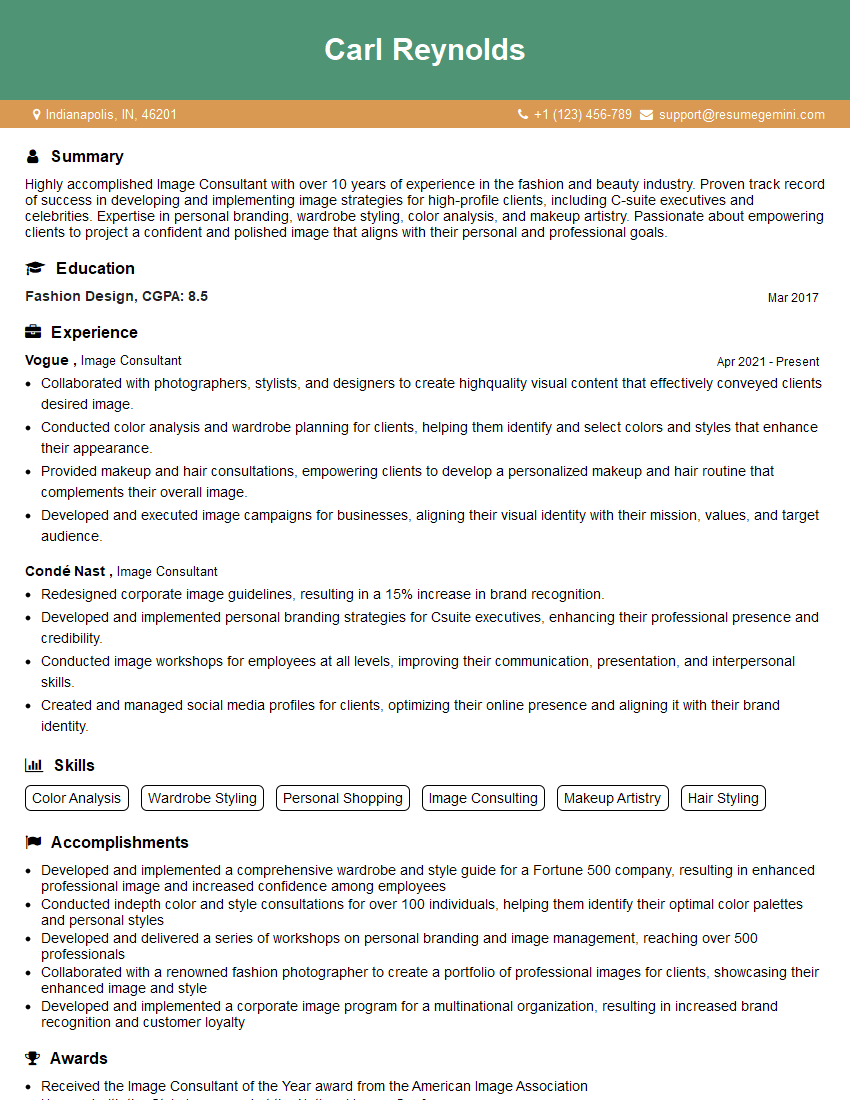
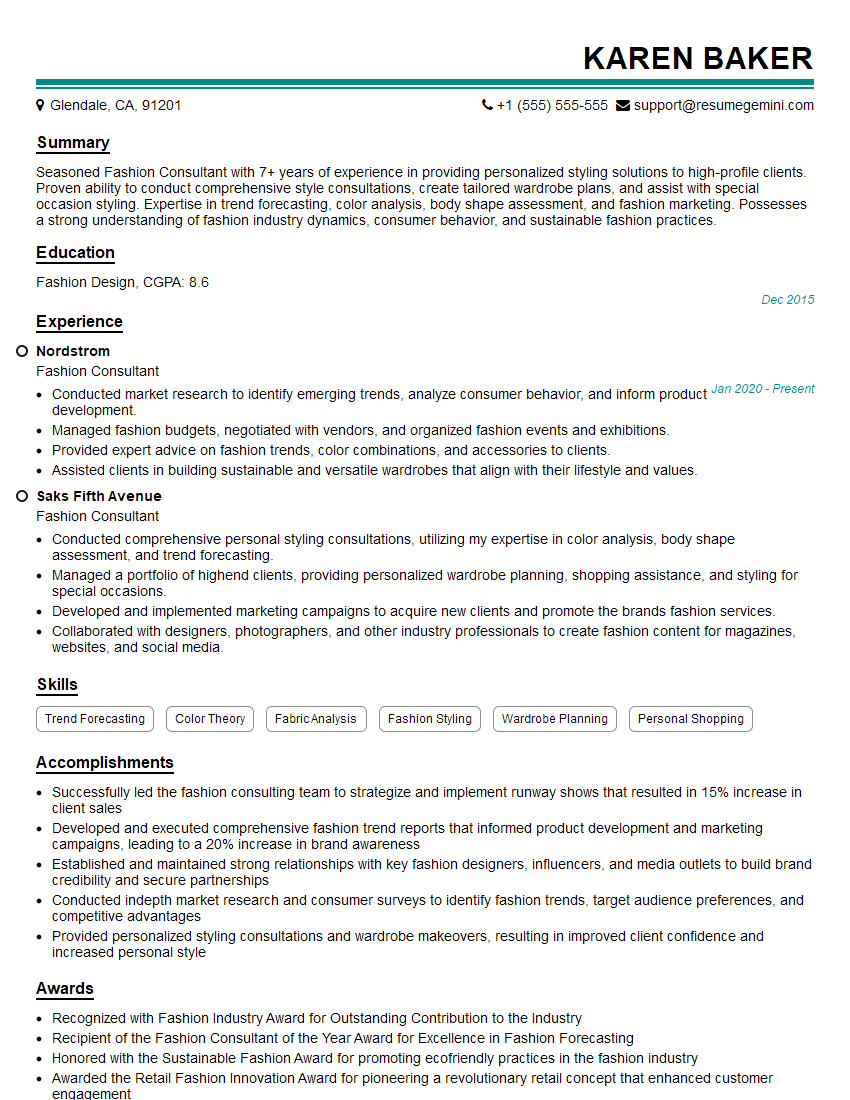
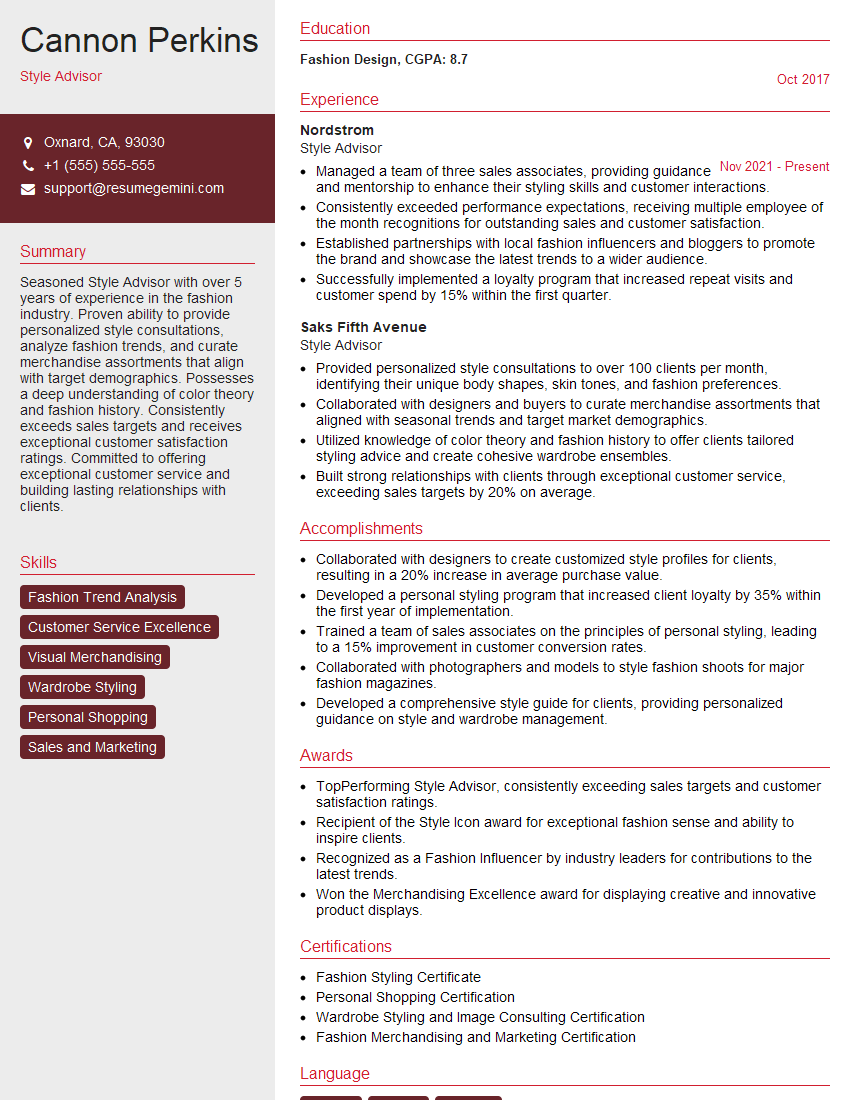
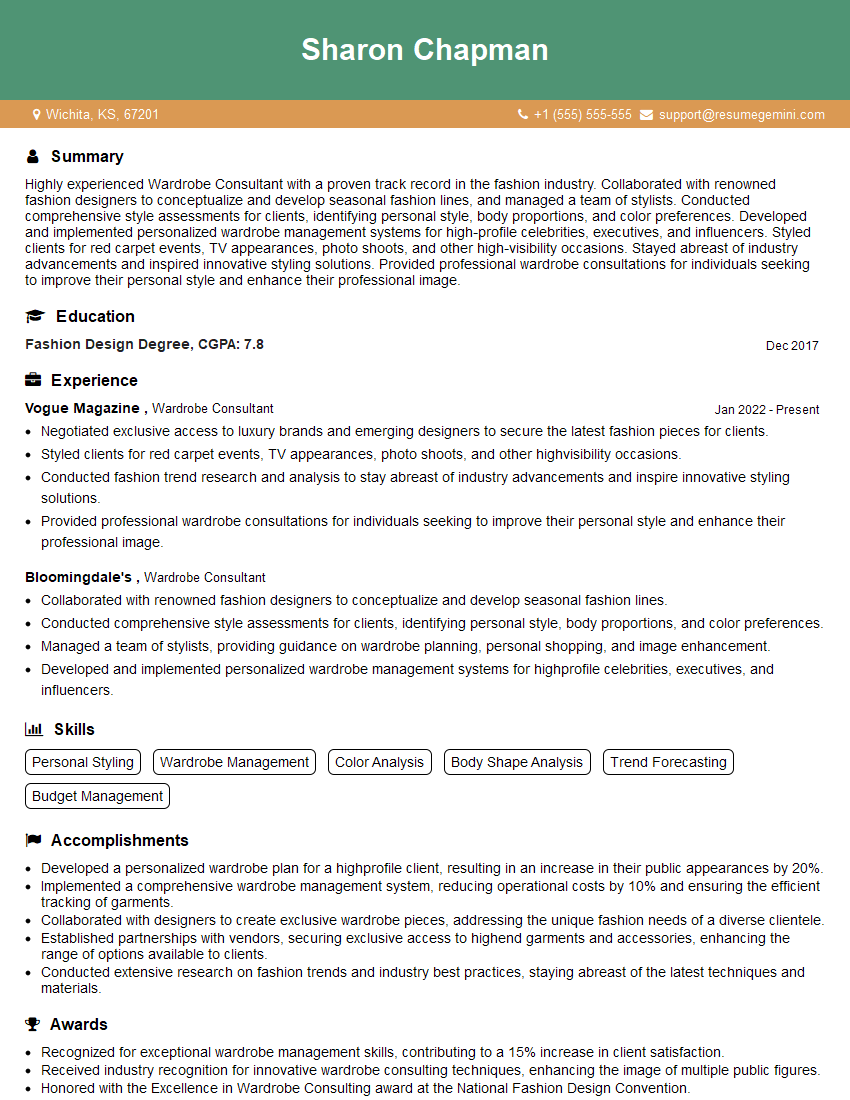
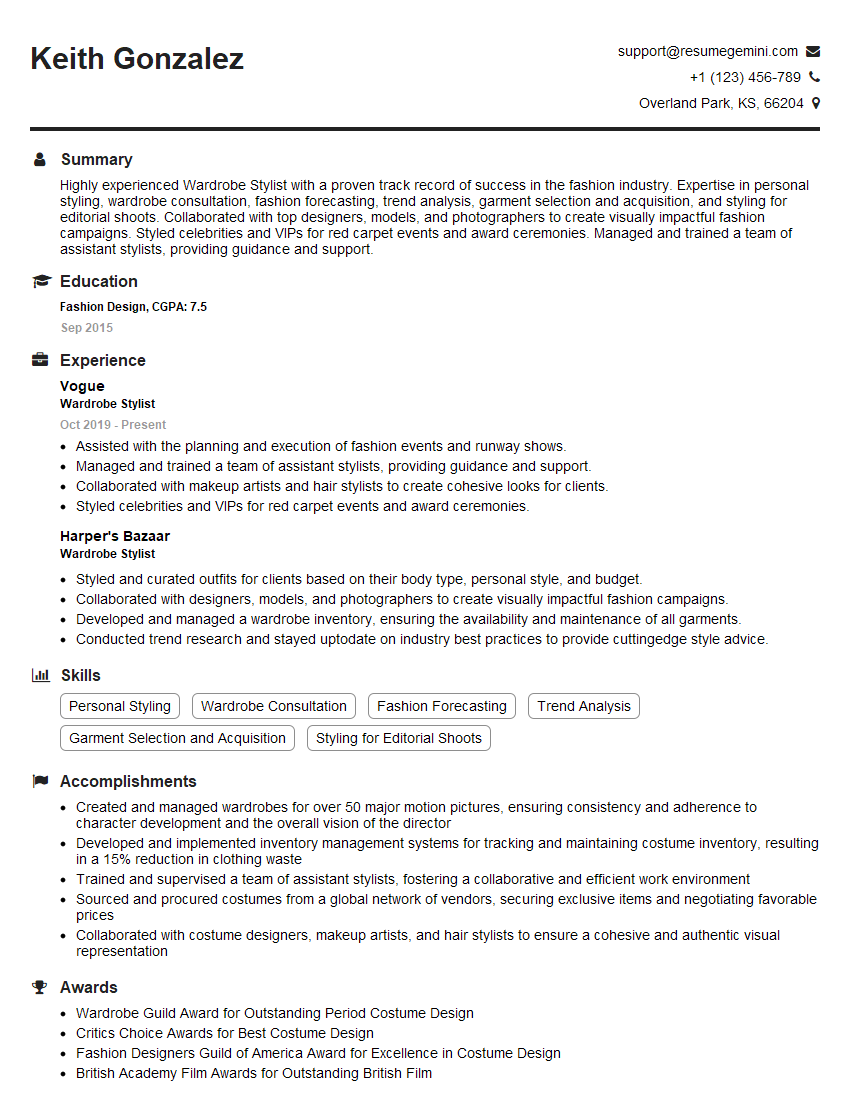
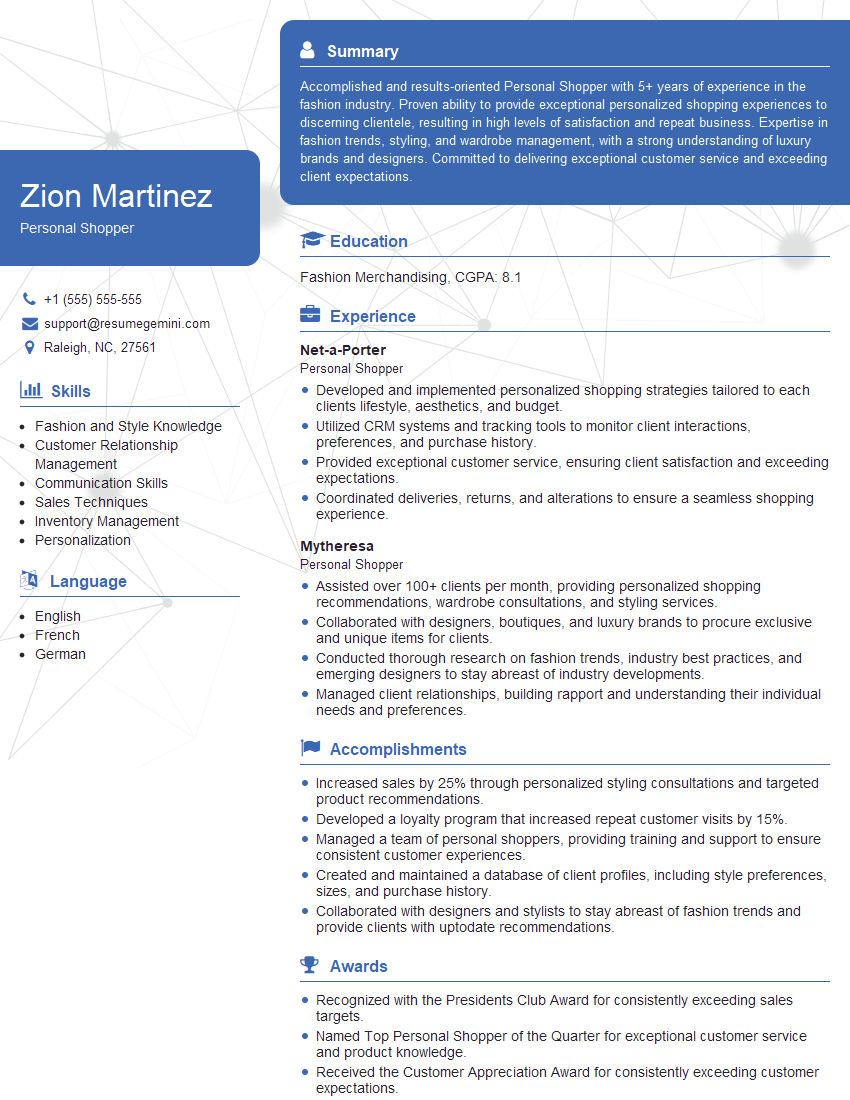
Mastering the art of Personal Shopping opens doors to a rewarding career path offering creative freedom, client interaction, and excellent earning potential. To maximize your job prospects, it’s crucial to create an ATS-friendly resume that highlights your skills and experience effectively. We strongly recommend using ResumeGemini to build a professional and impactful resume that grabs recruiters’ attention. ResumeGemini provides examples of resumes tailored specifically to Personal Shopper roles, giving you a head start in crafting a winning application.

Explore more articles
Users Rating of Our Blogs
Share Your Experience
We value your feedback! Please rate our content and share your thoughts (optional).
What Readers Say About Our Blog
Very informative content, great job.
good