Interviews are more than just a Q&A session—they’re a chance to prove your worth. This blog dives into essential Personalized Fitness Programs interview questions and expert tips to help you align your answers with what hiring managers are looking for. Start preparing to shine!
Questions Asked in Personalized Fitness Programs Interview
Q 1. Describe your experience designing personalized fitness programs.
Designing personalized fitness programs is a holistic process that goes beyond simply assigning exercises. It requires a deep understanding of individual needs, goals, limitations, and preferences. My approach centers around building a strong rapport with each client to create a tailored plan that’s both effective and enjoyable. This involves a thorough initial consultation, ongoing monitoring, and regular adjustments based on progress and feedback. For example, I recently worked with a client recovering from a knee injury. Instead of focusing solely on intense lower body workouts, we incorporated low-impact exercises like swimming and cycling, gradually increasing intensity and resistance as her strength improved.
I utilize various tools and techniques, including fitness assessments, goal setting frameworks (SMART goals), and progress tracking software to ensure the program aligns perfectly with their needs and aspirations. The program also addresses their lifestyle constraints, available equipment, and personal preferences regarding exercise modalities.
Q 2. How do you assess a client’s fitness level and goals?
Assessing a client’s fitness level and goals is crucial for designing an effective and safe program. I begin with a comprehensive intake process including a detailed health history questionnaire, followed by a physical assessment. This assessment may include:
- Resting heart rate and blood pressure: To establish a baseline cardiovascular health status.
- Body composition analysis: Using methods such as skinfold calipers or bioelectrical impedance analysis (BIA) to measure body fat percentage and lean muscle mass.
- Functional movement screens: To identify any movement limitations or imbalances that could pose a risk of injury.
- Cardiovascular fitness tests: Such as a graded exercise test (GXT) or a submaximal test, depending on the client’s fitness level.
- Strength assessments: Testing 1-rep max (1RM) for key lifts or utilizing submaximal testing for less experienced individuals.
Concurrently, I conduct a thorough discussion to understand their fitness goals, whether it’s weight loss, muscle gain, improved endurance, or simply increased overall fitness. This collaborative goal-setting process ensures the program aligns with their aspirations, promoting long-term adherence and motivation.
Q 3. What methods do you use to motivate clients and ensure adherence?
Motivation and adherence are paramount for achieving fitness goals. My strategies focus on building a strong client-trainer relationship based on trust and understanding. I employ a multifaceted approach:
- Setting realistic and achievable goals: Using the SMART goal framework (Specific, Measurable, Achievable, Relevant, Time-bound) helps clients track progress and feel a sense of accomplishment.
- Regular check-ins and feedback: Providing consistent support, answering questions, and adjusting the program based on feedback ensures clients stay engaged.
- Varied workout routines: Preventing boredom by incorporating different exercise modalities, equipment, and training styles keeps clients motivated.
- Positive reinforcement and encouragement: Celebrating milestones and acknowledging effort fosters a positive training experience.
- Utilizing technology: Fitness tracking apps and wearable devices provide objective data that can help reinforce progress and motivate clients.
- Accountability partnerships: Encouraging clients to find a workout buddy or joining group fitness classes can enhance motivation and adherence.
For instance, I had a client who initially struggled with motivation. By introducing a friendly competition with another client (with their consent, of course) and using a fitness tracking app to visually showcase their progress, we significantly improved their adherence and results.
Q 4. Explain your approach to program progression and periodization.
Program progression and periodization are essential for maximizing results and preventing plateaus. Periodization involves systematically varying training volume, intensity, and exercises over time. This cyclical approach allows for periods of high-intensity training followed by recovery periods, optimizing gains and reducing the risk of overtraining. Progression is carefully planned, ensuring that exercises and intensity are gradually increased as the client adapts and strengthens.
For example, a strength training program might start with a foundational phase focusing on proper form and building a base level of strength. This phase would progress to a hypertrophy phase focusing on muscle growth, followed by a strength phase focused on increasing maximum strength, and potentially a power phase before a deload. Each phase would have its own specific training volume and intensity targets. The entire cycle would then repeat.
I also utilize principles of progressive overload—gradually increasing the demands placed on the body—by manipulating variables such as weight, reps, sets, rest periods, and exercise selection. This continuous challenge ensures that the client’s body is constantly adapting and improving.
Q 5. How do you incorporate different training methods (e.g., strength training, cardio) into a personalized plan?
Incorporating various training methods is critical for balanced fitness. I customize the ratio of strength training, cardio, and flexibility exercises based on each client’s goals and physical capabilities.
- Strength training: Builds muscle mass, increases metabolism, and improves bone density. I incorporate a variety of exercises targeting different muscle groups, using free weights, resistance bands, and machines.
- Cardiovascular training: Improves cardiovascular health, burns calories, and enhances endurance. I prescribe activities like running, swimming, cycling, or HIIT (High-Intensity Interval Training), based on the client’s preference and fitness level.
- Flexibility and mobility exercises: Enhance range of motion, reduce injury risk, and improve posture. I incorporate stretching, yoga, and Pilates into the program.
For example, a client aiming for weight loss might have a program combining 3 days of strength training, 2 days of high-intensity interval training (HIIT), and 2 days of active recovery activities like yoga. A client focused on endurance training will have a different proportion of each of these components. The mix of training methods keeps the program varied, preventing boredom, and targeting various fitness components for overall health and well-being.
Q 6. How do you address client plateaus and setbacks?
Plateaus and setbacks are inevitable in any fitness journey. My approach involves identifying the underlying causes and adjusting the program accordingly.
- Assess the plateau: Is it due to a lack of progressive overload, insufficient recovery, nutritional deficiencies, or psychological factors?
- Adjust the program: This might involve changing the exercises, altering the training intensity or volume, incorporating deload weeks, or modifying the nutritional plan.
- Address psychological factors: Motivational strategies, goal re-evaluation, and stress management techniques may be necessary to overcome mental barriers.
- Seek professional input: If the plateau persists, consulting a physician or other specialists (dietitian, physical therapist) might be necessary to rule out any underlying health issues.
For example, if a client hits a strength plateau, we might try different rep ranges, incorporate drop sets or supersets, or change the exercise selection to target the same muscle group using different angles or movement patterns. If a setback occurs due to injury, I collaborate with physical therapists to design a modified program that allows for continued progress without further injury. Open communication and a willingness to adapt are key to overcoming these challenges.
Q 7. Describe your experience working with clients with specific health conditions (e.g., diabetes, hypertension).
Working with clients with specific health conditions requires specialized knowledge and collaboration with healthcare professionals. I have experience working with clients with diabetes, hypertension, and other chronic conditions. My approach centers on safety and effectiveness while working within the limitations imposed by their conditions.
Before designing a program, I always obtain clearance from their physicians and collaborate closely with their healthcare providers. The program is specifically tailored to their medical needs and limitations, ensuring the exercises and intensity levels are appropriate for their condition. Regular monitoring of their vitals and progress is crucial. For example, for clients with diabetes, I focus on exercises that improve insulin sensitivity and help regulate blood sugar levels. For clients with hypertension, I focus on exercises that promote cardiovascular health without significantly raising blood pressure. In both cases, close monitoring of vital signs is crucial and modification of the program may be necessary to optimize safety and success.
I am acutely aware of the importance of proper exercise prescription and close collaboration with medical professionals to ensure the safety and effectiveness of the program and would never begin a program without appropriate consultation and medical clearance.
Q 8. How do you handle client dietary needs and considerations?
Dietary considerations are paramount in personalized fitness. I begin by having an in-depth conversation with each client to understand their current eating habits, preferences, any allergies or intolerances, and any specific dietary restrictions or goals (e.g., weight loss, muscle gain, vegetarianism). This involves asking about their current food intake, including portion sizes and frequency of meals. I use this information to create a nutrition plan that’s both achievable and effective.
For example, if a client has a gluten intolerance, I would ensure their meal plan is completely gluten-free. If a client is a vegetarian, I ensure the plan incorporates sufficient protein sources from plant-based options like legumes, tofu, and nuts. I often work with registered dietitians for complex cases or clients with specific medical conditions requiring stricter dietary management. The plan is tailored, flexible and designed to support their fitness goals while fitting seamlessly into their lifestyle. I emphasize sustainable changes rather than restrictive diets, focusing on balance and mindful eating.
Q 9. What software or tools do you use to track client progress and communicate with them?
I utilize a combination of software and tools to ensure effective progress tracking and communication. For progress tracking, I use a client management system like Trainerize or TrueCoach. These platforms allow me to input client data (weight, measurements, exercise logs), track their progress visually through charts and graphs, and send personalized messages and workout plans. They also facilitate secure communication and scheduling. To capture client data like body composition, I use tools like InBody scanners or calipers.
For communication, I also leverage email and video conferencing (Zoom or similar) for regular check-ins. The goal is to stay connected, address concerns, and keep clients motivated throughout their journey. The platform choice depends on the client’s preferences and the specific needs of the program. The key is seamless integration to provide a holistic and client-centered experience.
Q 10. How do you maintain client confidentiality and adhere to ethical guidelines?
Maintaining client confidentiality is a cornerstone of my practice. I adhere to strict ethical guidelines, including those set by professional organizations like the American College of Sports Medicine (ACSM). This involves protecting personal information through secure data storage, limiting access to client files only to authorized personnel, and obtaining informed consent before sharing any data. All client information is treated with the utmost discretion. I never discuss client information with anyone outside of my professional practice unless legally required to do so. I also make sure to have clear terms and conditions with clients outlining how their information will be used and stored, further reinforcing trust and ethical conduct.
Q 11. Explain your understanding of exercise physiology and its application in program design.
Exercise physiology is the study of how the body responds to physical activity. A strong understanding is fundamental to designing effective and safe personalized fitness programs. It informs my choices regarding exercise selection, intensity, volume, and frequency. For instance, I consider principles of progressive overload (gradually increasing the demands on the body) and specificity (training the specific muscles and energy systems relevant to the client’s goals). Understanding cardiorespiratory fitness, muscular strength and endurance, flexibility, and body composition allows me to create balanced programs that address multiple fitness components.
For example, for a client aiming to improve cardiovascular health, I might incorporate interval training based on understanding VO2 max (maximum oxygen uptake) and heart rate zones. For a client focused on building muscle mass, I’d incorporate resistance training principles based on muscle hypertrophy and recovery. Essentially, my knowledge of exercise physiology acts as a framework, ensuring the program is scientifically sound and maximises the client’s potential whilst minimizing risk of injury.
Q 12. Describe your experience with different types of fitness assessments (e.g., body composition analysis, functional movement screens).
Fitness assessments are crucial for creating truly personalized programs. My experience encompasses a variety of assessments. Body composition analysis, using methods like DEXA scans, skinfold calipers, or bioelectrical impedance analysis (BIA), helps determine body fat percentage and lean mass. Functional movement screens, such as the FMS (Functional Movement Screen) or overhead squat assessment, evaluate movement patterns and identify potential muscle imbalances or limitations that could increase injury risk. I also conduct cardiovascular assessments (e.g., resting heart rate, submaximal exercise tests) to gauge the client’s cardiorespiratory fitness levels. I incorporate other assessments as needed, such as strength tests (e.g., 1-rep max), flexibility assessments, and postural analyses, to get a complete picture of a client’s current fitness level.
This comprehensive assessment ensures that the exercise plan matches the individual’s capabilities and goals while mitigating injury risk. I discuss the results with each client, clearly explaining what they indicate, and involve them in setting realistic and achievable goals. This collaborative approach builds trust and motivation.
Q 13. How do you modify exercises to accommodate different fitness levels and physical limitations?
Exercise modification is key to ensuring program safety and effectiveness for all fitness levels. I adjust exercises based on several factors, such as age, fitness level, and any physical limitations or injuries. For beginners, I start with simpler movements and lower intensity, gradually increasing the challenge as they progress. For clients with limitations, I might modify exercises by adjusting the range of motion, using resistance bands instead of free weights, changing the exercise position, or providing alternative exercises altogether. For example, if a client has knee problems, I might replace squats with lunges or seated leg press. If a client has limited mobility in their shoulders, I’d opt for alternative chest exercises that don’t require overhead movements. The goal is always to challenge the client appropriately while minimizing the risk of injury and ensuring they can perform the exercise correctly with good form. I provide clear instructions and demonstrations for each exercise variation to avoid confusion and maintain safety.
Q 14. What are the key components of a well-designed warm-up and cool-down?
Proper warm-up and cool-down are crucial for injury prevention, performance enhancement, and overall workout effectiveness. A well-designed warm-up typically consists of two phases: a general warm-up and a specific warm-up. The general warm-up involves light cardiovascular activity, such as jogging or cycling, to increase heart rate and blood flow. The specific warm-up involves dynamic stretches (movements that mimic the exercise) targeting the muscles that will be used in the workout. This prepares the body both mentally and physically for the upcoming activity.
The cool-down focuses on static stretching (holding a stretch for a period of time), which helps improve flexibility, reduce muscle soreness, and promote relaxation. It gradually reduces the heart rate and helps the body transition back to a resting state. For example, a warm-up for a weight training session might include 5 minutes of light cardio followed by dynamic stretches such as arm circles, leg swings, and torso twists. The cool-down could involve holding static stretches like hamstring stretches, quad stretches, and chest stretches for 30 seconds each. Both warm-up and cool-down are customized based on the intensity and nature of the workout and the client’s individual needs.
Q 15. How do you educate clients about proper exercise form and technique?
Educating clients on proper exercise form and technique is paramount to prevent injuries and maximize results. My approach is multi-faceted and focuses on visual demonstration, verbal instruction, and personalized feedback.
Visual Demonstration: I begin by demonstrating the exercise correctly, emphasizing key muscle activation and movement patterns. I use mirrors strategically so clients can see their own form alongside mine.
Verbal Instruction: I break down each exercise into smaller, manageable steps, providing clear and concise instructions. For example, when teaching a squat, I’ll guide them through foot placement, core engagement, and the proper range of motion, using cues like ‘chest up,’ ‘knees out,’ and ‘back straight’.
Personalized Feedback: I utilize real-time feedback, observing clients during each repetition and providing immediate corrections. This might involve adjusting their posture, reminding them to breathe correctly, or suggesting modifications based on their individual limitations. I also record clients performing exercises using smartphones to allow them to review their form independently and track progress.
Educational Resources: I supplement these methods with videos, handouts, and links to reliable online resources showing proper techniques. This reinforces learning and allows clients to revisit the instructions whenever needed.
For example, a client struggling with a push-up might benefit from starting with incline push-ups, gradually decreasing the incline as their strength improves. This progressive approach ensures safety and builds confidence.
Career Expert Tips:
- Ace those interviews! Prepare effectively by reviewing the Top 50 Most Common Interview Questions on ResumeGemini.
- Navigate your job search with confidence! Explore a wide range of Career Tips on ResumeGemini. Learn about common challenges and recommendations to overcome them.
- Craft the perfect resume! Master the Art of Resume Writing with ResumeGemini’s guide. Showcase your unique qualifications and achievements effectively.
- Don’t miss out on holiday savings! Build your dream resume with ResumeGemini’s ATS optimized templates.
Q 16. Describe your experience in creating and implementing a client’s nutrition plan.
Creating and implementing a client’s nutrition plan is a collaborative process. It begins with a thorough assessment of their current eating habits, dietary restrictions, lifestyle, and fitness goals. I don’t believe in ‘one-size-fits-all’ diets; instead, I focus on creating sustainable and enjoyable eating patterns tailored to individual needs.
Assessment and Goal Setting: This includes a detailed review of their current diet, identifying potential areas for improvement. We establish realistic, achievable goals, whether it’s weight loss, muscle gain, or improved energy levels. I use food journaling as a tool to understand their current calorie intake and macronutrient balance.
Personalized Plan Creation: Based on the assessment, I create a personalized meal plan that considers their dietary preferences, allergies, and lifestyle. The plan focuses on whole, unprocessed foods, emphasizing nutrient density. I also focus on portion control and healthy snack options.
Education and Support: I educate clients about macronutrients (protein, carbohydrates, and fats) and their roles in achieving their goals. I provide guidance on reading food labels and making healthy choices while dining out. I also help them develop strategies for managing cravings and dealing with potential setbacks.
Monitoring and Adjustments: We regularly monitor progress and make adjustments to the plan as needed. Regular check-ins and open communication are crucial to ensure the plan remains effective and sustainable.
For instance, a client aiming for weight loss might need a calorie deficit, achieved through a combination of dietary changes and increased physical activity. I will help them determine a safe and effective calorie target, while still ensuring they are consuming enough nutrients to support their workouts and overall well-being.
Q 17. How do you integrate technology into your fitness programs?
Technology plays a significant role in enhancing the effectiveness and convenience of my fitness programs. I utilize various tools to track progress, deliver personalized feedback, and maintain client engagement.
Fitness Tracking Apps: I often recommend and integrate apps like MyFitnessPal, Fitbit, or Apple Watch to monitor activity levels, calorie intake, sleep patterns, and other relevant health metrics. This data provides valuable insights into a client’s progress and helps me make informed adjustments to their plan.
Video Conferencing: For clients who prefer remote training, I conduct sessions via video conferencing platforms like Zoom. This allows for real-time feedback and personalized coaching, regardless of geographical location.
Online Training Platforms: I use platforms that offer workout scheduling, progress tracking, communication tools, and personalized program design capabilities. These platforms streamline the training process and enhance communication with clients.
Personalized Workout Apps: Some clients benefit from customized workout apps that provide guided exercises tailored to their fitness level and goals. I may recommend or even help create a customized workout app using available tools.
For example, a client tracking their steps with a Fitbit can see their improvement over time, which helps maintain motivation. Using video conferencing allows me to correct their form during a remote session, preventing injuries and ensuring correct technique.
Q 18. How do you measure the effectiveness of your fitness programs?
Measuring the effectiveness of my fitness programs involves a multi-pronged approach, combining objective and subjective data. The goal is not just about weight loss but also improved fitness, strength, and overall well-being.
Objective Measurements: I use objective data like weight, body fat percentage (using calipers or bioelectrical impedance analysis), strength tests (1RM), and cardiovascular fitness tests (e.g., VO2 max). These provide quantifiable evidence of progress.
Subjective Measures: Subjective measures include client feedback, self-reported assessments (e.g., perceived exertion), and questionnaires that evaluate their quality of life, energy levels, and overall satisfaction with the program. These provide a holistic understanding of their progress.
Progress Photos: Visual progress can be motivating, so I may ask clients to take photos at regular intervals to see changes in body composition. This is particularly helpful for clients focused on aesthetics.
Regular Check-ins: Frequent check-ins and detailed conversations allow me to monitor progress, address any challenges, and make necessary adjustments to the program.
For instance, a client aiming to increase strength will see improvements in their 1RM measurements, while subjective feedback will reflect improvements in their confidence and ability to perform everyday activities.
Q 19. How do you stay updated on the latest trends and research in fitness?
Staying updated on the latest trends and research in fitness is crucial for providing effective and safe programs. I employ several strategies to maintain my professional knowledge.
Professional Development: I regularly attend workshops, conferences, and seminars related to exercise science, nutrition, and fitness programming. This allows me to stay abreast of new techniques and methodologies.
Scientific Literature: I read peer-reviewed research articles in journals like the Journal of Strength and Conditioning Research and Medicine & Science in Sports & Exercise. This ensures my practice is evidence-based.
Professional Organizations: I maintain memberships in relevant professional organizations like the American College of Sports Medicine (ACSM) or the National Strength and Conditioning Association (NSCA). These provide access to resources, continuing education opportunities, and networking with other professionals.
Online Courses and Webinars: I regularly participate in online courses and webinars offered by reputable organizations and experts in the field.
Networking: I network with other fitness professionals, exchanging ideas and staying informed about the latest developments and trends.
For example, staying current on research on periodization helps me design programs that are effective and prevent overtraining. Following updates on nutritional guidelines ensures I provide advice consistent with the latest scientific findings.
Q 20. How do you handle difficult or unmotivated clients?
Handling difficult or unmotivated clients requires patience, understanding, and a tailored approach. It’s crucial to identify the root cause of the difficulty and address it effectively.
Understanding the Root Cause: I begin by having an open and honest conversation with the client to understand their challenges. Are they facing personal issues? Are they struggling with the program’s intensity? Do they lack clarity about their goals?
Goal Re-evaluation: Sometimes, unrealistic or poorly defined goals lead to discouragement. We revisit their goals, adjusting them to be more attainable and motivating. This can revitalize their enthusiasm.
Program Modification: If the program is too challenging or monotonous, we adjust it to better suit their fitness level and preferences. This might involve modifying exercises, reducing the intensity, or introducing new and engaging activities.
Building Rapport and Motivation: I foster a strong client-trainer relationship built on trust and mutual respect. I provide consistent support, encouragement, and celebrate their successes, no matter how small. Positive reinforcement is key.
Accountability and Support System: I help clients establish an accountability system, perhaps involving a friend or family member. This provides external support and encourages them to stay on track.
Referrals: If needed, I don’t hesitate to refer clients to other professionals, such as therapists or dieticians, to address underlying issues that may be affecting their motivation and progress.
For example, a client struggling with lack of motivation might benefit from setting smaller, more frequent goals, celebrating each milestone achieved. This gradual approach fosters confidence and increases motivation.
Q 21. Explain your understanding of the principles of exercise programming (e.g., overload, progression, specificity).
Exercise programming relies on key principles to ensure safety, effectiveness, and progress. Understanding these principles is crucial for designing personalized and results-driven programs.
Progressive Overload: This principle emphasizes gradually increasing the demands placed on the body over time. It can involve increasing weight, repetitions, sets, or exercise difficulty. This constant challenge prevents plateaus and promotes continuous adaptation.
Specificity: Training should be specific to the desired outcome. If a client wants to improve their marathon time, the program should focus on endurance training. If they want to build muscle, it needs to incorporate resistance training. The exercises and training intensity should directly target their goals.
Individualization: Programs must be tailored to the individual’s unique needs, goals, and limitations. This involves considering their fitness level, medical history, preferences, and any physical limitations.
Variation: Introducing variety into training prevents boredom and plateaus. This involves changing exercises, training methods, and workout routines periodically to keep the body challenged and prevent adaptation.
Recovery: Adequate rest and recovery are crucial for muscle growth and preventing overtraining. This includes sufficient sleep, proper nutrition, and planned rest days.
For example, a client starting a strength training program might begin with lighter weights and fewer repetitions, gradually increasing both as they get stronger, demonstrating progressive overload. A runner aiming to improve speed would focus on interval training and speed drills to meet the principle of specificity.
Q 22. How do you tailor fitness programs for different age groups and populations?
Tailoring fitness programs requires a deep understanding of age-related physiological changes and individual needs. For example, a program for a 25-year-old will differ significantly from one designed for a 65-year-old.
- Younger adults (18-35): These individuals often have higher energy levels and faster recovery times, allowing for more intense workouts with higher volume and frequency. We can incorporate advanced training techniques like plyometrics and high-intensity interval training (HIIT).
- Middle-aged adults (35-55): This age group might prioritize strength maintenance and injury prevention. Programs focus on functional fitness, incorporating exercises that improve balance, coordination, and flexibility, alongside moderate-intensity cardio and strength training.
- Older adults (55+): Emphasis shifts towards maintaining functional independence and improving quality of life. We prioritize low-impact exercises like walking, swimming, and cycling, combined with resistance training adapted to their physical capabilities. Flexibility and balance exercises are crucial to reduce fall risk.
- Specific populations (e.g., pregnant women, individuals with pre-existing conditions): Programs are modified based on medical advice and individual limitations. For pregnant women, exercises are modified to accommodate the growing belly and changes in center of gravity. Individuals with conditions like arthritis or heart disease need tailored programs that prioritize safety and gradual progression.
Ultimately, a thorough health assessment and ongoing communication are vital to adapt the program to the client’s specific needs and progress.
Q 23. Describe your experience with different types of training equipment.
My experience encompasses a wide range of training equipment, from traditional weight machines and free weights to more specialized equipment like kettlebells, resistance bands, stability balls, and functional training tools.
- Weight Machines: I utilize weight machines for isolating specific muscle groups and providing controlled movements, particularly beneficial for beginners or those rehabilitating from injuries. I’m proficient in adjusting settings to suit individual strength levels and body mechanics.
- Free Weights: Free weights (dumbbells, barbells) allow for greater freedom of movement and improve core stability and functional strength. Proper form and safety instruction are paramount when using free weights.
- Functional Training Tools: Tools like TRX suspension trainers, battle ropes, and medicine balls add variety and challenge, improving balance, coordination, and overall fitness. They are excellent for improving real-world movement patterns.
- Cardio Equipment: I’m experienced with treadmills, elliptical trainers, stationary bikes, and rowing machines, understanding how to tailor cardio intensity and duration based on individual fitness levels and goals.
My approach involves selecting the most appropriate equipment for each individual client based on their goals, fitness level, and any physical limitations. Safety is always my top priority.
Q 24. How do you ensure the safety of your clients during exercise sessions?
Client safety is my utmost priority. I achieve this through several key strategies:
- Thorough Health Screenings: Before starting any program, I conduct a detailed health screening to identify potential risks and limitations. This includes reviewing medical history, assessing current fitness levels, and discussing any existing injuries or conditions.
- Proper Form and Technique Instruction: I provide clear and detailed instruction on proper exercise form and technique, emphasizing the importance of controlled movements to prevent injuries. I demonstrate each exercise and provide individual feedback to ensure correct execution.
- Progressive Overload: I gradually increase the intensity and volume of workouts to prevent overtraining and injuries. Progress is monitored closely to adjust the program as needed.
- Warm-up and Cool-down Routines: Every session begins with a dynamic warm-up to prepare the body for exercise and ends with a cool-down and stretching to promote flexibility and recovery.
- Emergency Preparedness: I’m trained in basic first aid and CPR and have a plan in place for handling any emergencies that may arise during a training session.
- Regular Communication: I maintain open communication with my clients, encouraging them to report any pain or discomfort immediately. I am always receptive to their feedback and adjust the program accordingly.
By implementing these measures, I create a safe and effective training environment that minimizes the risk of injuries and maximizes the benefits of exercise.
Q 25. What are your strategies for marketing your services and attracting new clients?
My marketing strategy combines online and offline approaches to reach a diverse client base.
- Online Presence: I maintain a professional website and utilize social media platforms (Instagram, Facebook) to share fitness tips, client testimonials, and updates on services. High-quality photos and videos showcasing my work are crucial for attracting potential clients.
- Local Networking: I actively network with other health professionals (doctors, physiotherapists) and community organizations to build referral networks. This includes attending relevant events and workshops.
- Referral Programs: I offer incentives to existing clients who refer new clients, fostering word-of-mouth marketing.
- Content Marketing: I create valuable content such as blog posts and articles on fitness topics to establish myself as a knowledgeable expert and attract potential clients organically through search engines.
- Targeted Advertising: I utilize targeted advertising campaigns on social media and search engines to reach individuals interested in personalized fitness programs within my geographic area.
Ultimately, my goal is to build a strong reputation based on trust and results, driving organic growth alongside strategic marketing initiatives.
Q 26. What are your long-term career goals in the fitness industry?
My long-term career goals involve establishing a thriving personalized fitness practice and becoming a recognized leader in the field. This includes:
- Expanding Services: I plan to expand my service offerings to include specialized programs, workshops, and potentially online coaching to reach a wider audience.
- Continuing Education: I am committed to continuous learning and professional development, staying up-to-date with the latest research and advancements in fitness and health.
- Mentorship and Training: I aspire to mentor other fitness professionals and contribute to the advancement of the field through education and training.
- Research and Publication: I aim to conduct research and contribute to the body of knowledge surrounding personalized fitness programs, potentially through publication in professional journals.
My ultimate aim is to make a positive impact on the health and well-being of individuals in my community and beyond.
Q 27. Describe a time when you had to adapt a fitness program due to unforeseen circumstances.
One client, a marathon runner, experienced a sudden onset of plantar fasciitis. Her training plan, which involved high-impact running, had to be immediately adjusted.
The Adaptation: I collaborated with her physiotherapist to develop a modified plan that focused on:
- Rest and Recovery: We temporarily reduced her running volume and intensity, prioritizing rest to allow the plantar fascia to heal.
- Cross-Training: We incorporated low-impact activities like swimming and cycling to maintain cardiovascular fitness without stressing the injured foot.
- Strengthening and Stretching: We incorporated specific exercises to strengthen the muscles supporting the foot and improve flexibility in the plantar fascia.
- Gradual Progression: Once her pain subsided, we gradually reintroduced running, starting with short distances and low intensity, and progressively increasing volume and intensity as tolerated.
This situation highlighted the importance of flexibility and adaptability in fitness programming. By collaborating with her physiotherapist and closely monitoring her progress, we successfully navigated the unexpected setback and ensured she could safely return to her marathon training goals.
Q 28. What is your approach to building rapport and trust with clients?
Building rapport and trust is fundamental to a successful client-trainer relationship. My approach involves:
- Active Listening: I actively listen to my clients’ concerns, goals, and limitations. I ask open-ended questions to understand their individual needs and preferences.
- Empathy and Support: I provide empathy and encouragement throughout the process, recognizing that fitness journeys can be challenging and require perseverance.
- Personalized Approach: I design programs that are tailored to their individual needs, preferences, and abilities. This demonstrates that I am invested in their success.
- Regular Check-ins: I regularly check in with my clients to monitor their progress, address concerns, and make necessary adjustments to the program.
- Celebrating Successes: I celebrate milestones and achievements with my clients, reinforcing their progress and motivating them to continue their fitness journey. This might involve setting smaller, achievable goals along the way to build momentum and confidence.
By fostering a supportive and collaborative relationship, I build trust and encourage my clients to invest fully in their fitness goals.
Key Topics to Learn for Personalized Fitness Programs Interview
- Needs Assessment & Goal Setting: Understanding client needs, fitness levels, and health history to establish realistic and achievable fitness goals. Practical application: Designing questionnaires, conducting initial consultations, interpreting assessment results.
- Program Design & Exercise Prescription: Creating individualized exercise programs tailored to client goals, considering factors like age, experience, and limitations. Practical application: Selecting appropriate exercises, adjusting intensity and volume, programming for different training phases (e.g., strength, endurance).
- Nutrition & Lifestyle Coaching: Integrating nutritional guidance and lifestyle modifications into fitness programs for optimal results. Practical application: Providing basic nutritional advice, promoting healthy habits, educating clients on the relationship between diet and exercise.
- Program Monitoring & Evaluation: Tracking client progress, making necessary adjustments to the program, and providing ongoing support and motivation. Practical application: Utilizing fitness trackers, analyzing client data, conducting regular check-ins.
- Client Communication & Motivation: Building rapport with clients, providing clear and concise instructions, and addressing concerns effectively. Practical application: Active listening skills, motivational interviewing techniques, effective feedback methods.
- Safety & Risk Management: Identifying potential risks associated with exercise and implementing safety protocols to prevent injuries. Practical application: Proper exercise technique instruction, understanding contraindications to specific exercises, recognizing signs of overtraining.
- Legal and Ethical Considerations: Understanding professional boundaries, maintaining client confidentiality, and adhering to relevant regulations and guidelines. Practical application: Obtaining informed consent, maintaining accurate records, understanding liability issues.
Next Steps
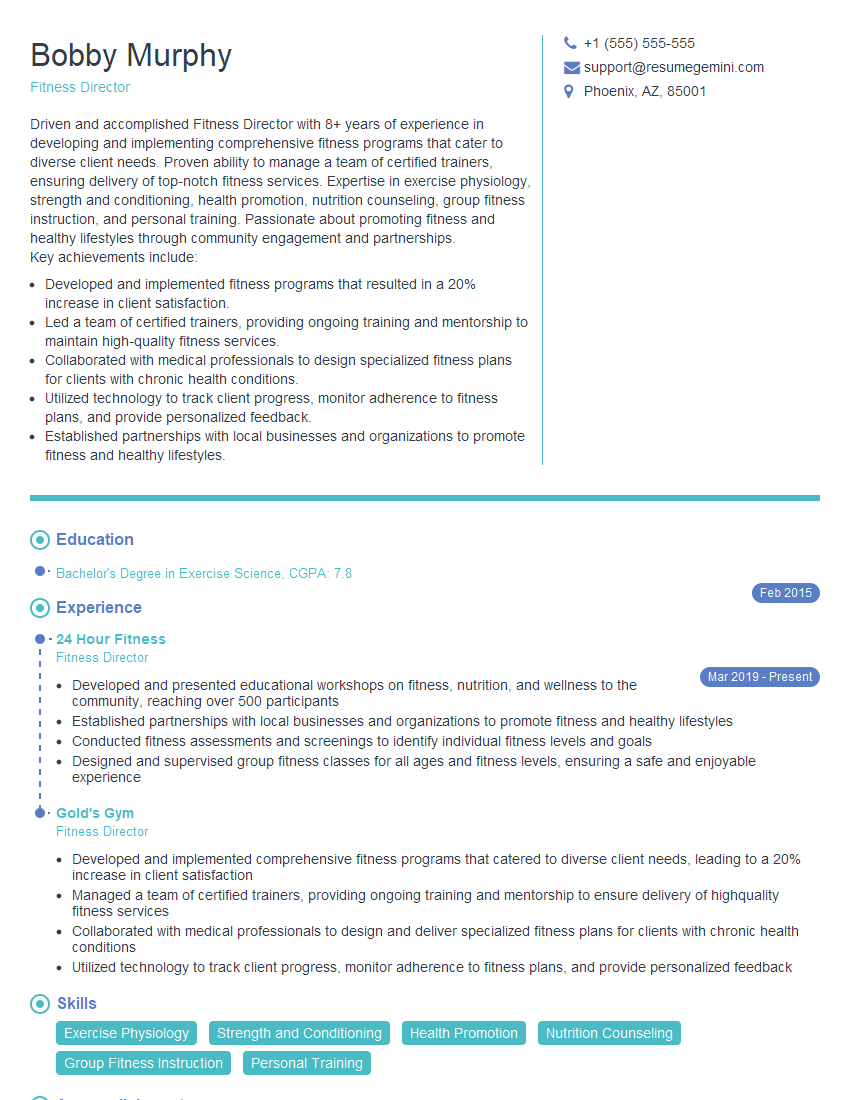
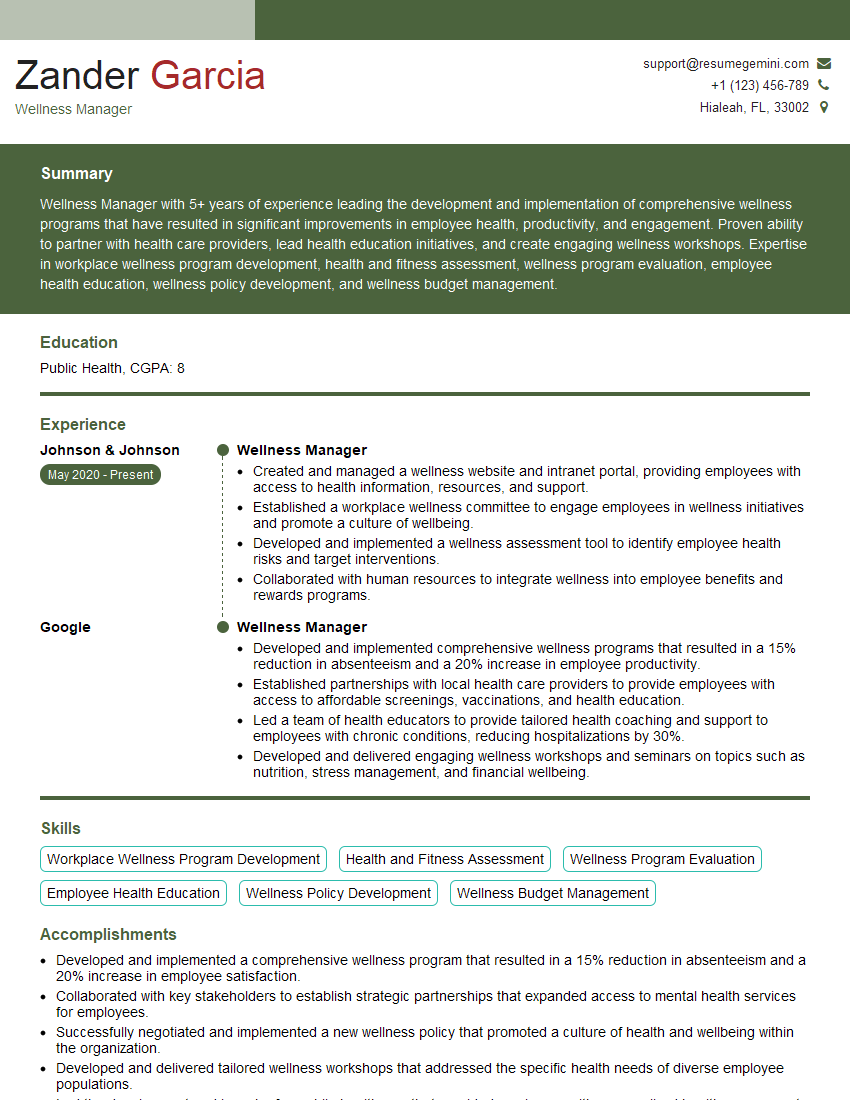
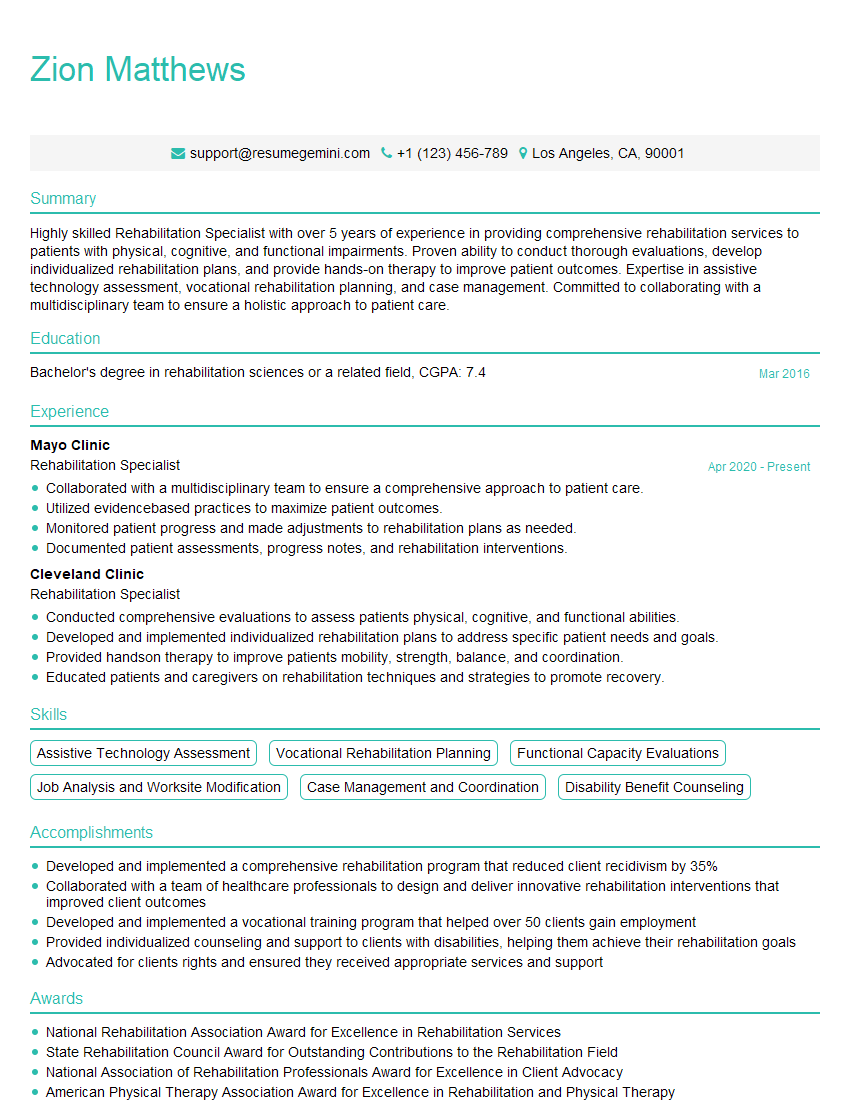
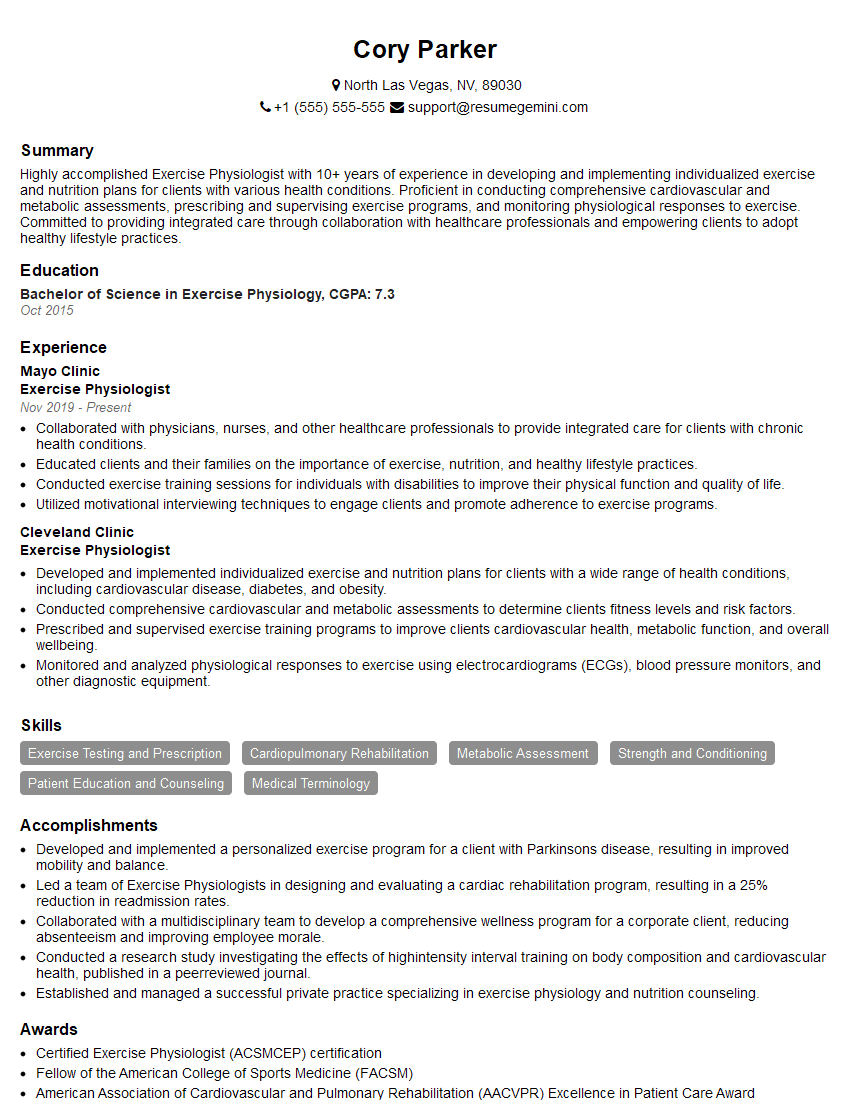
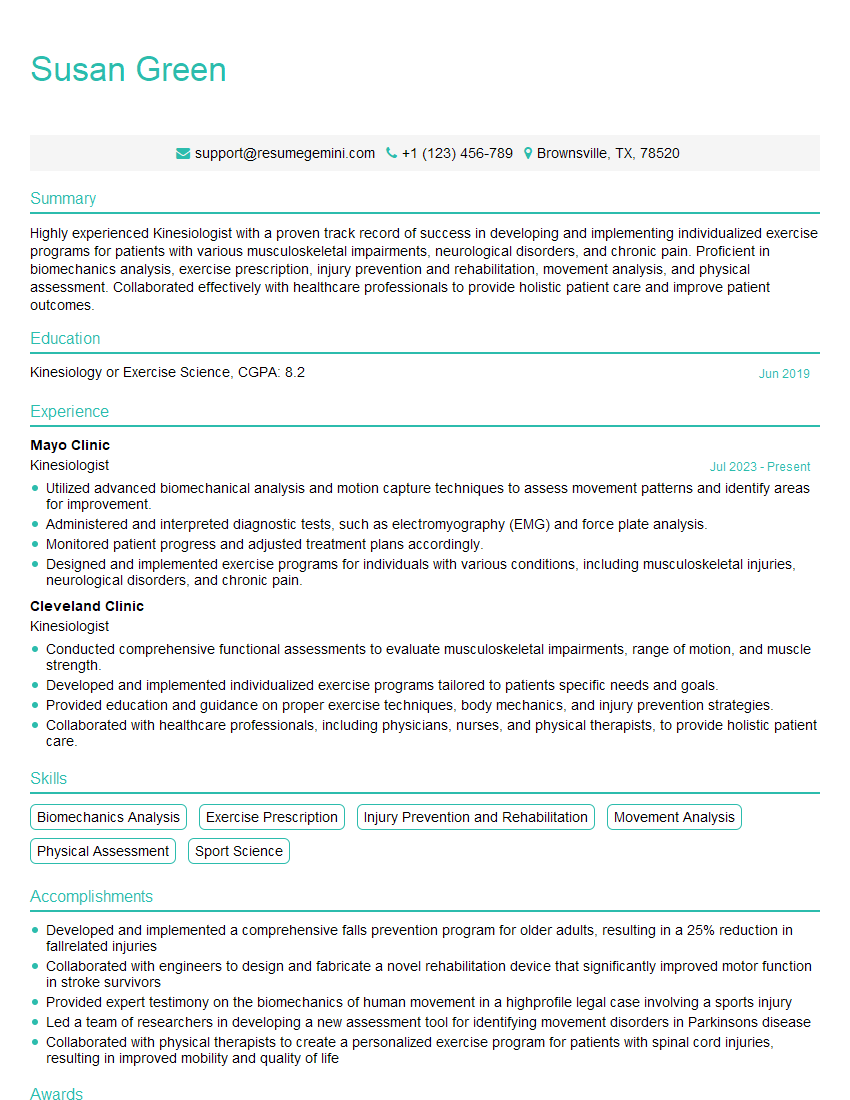
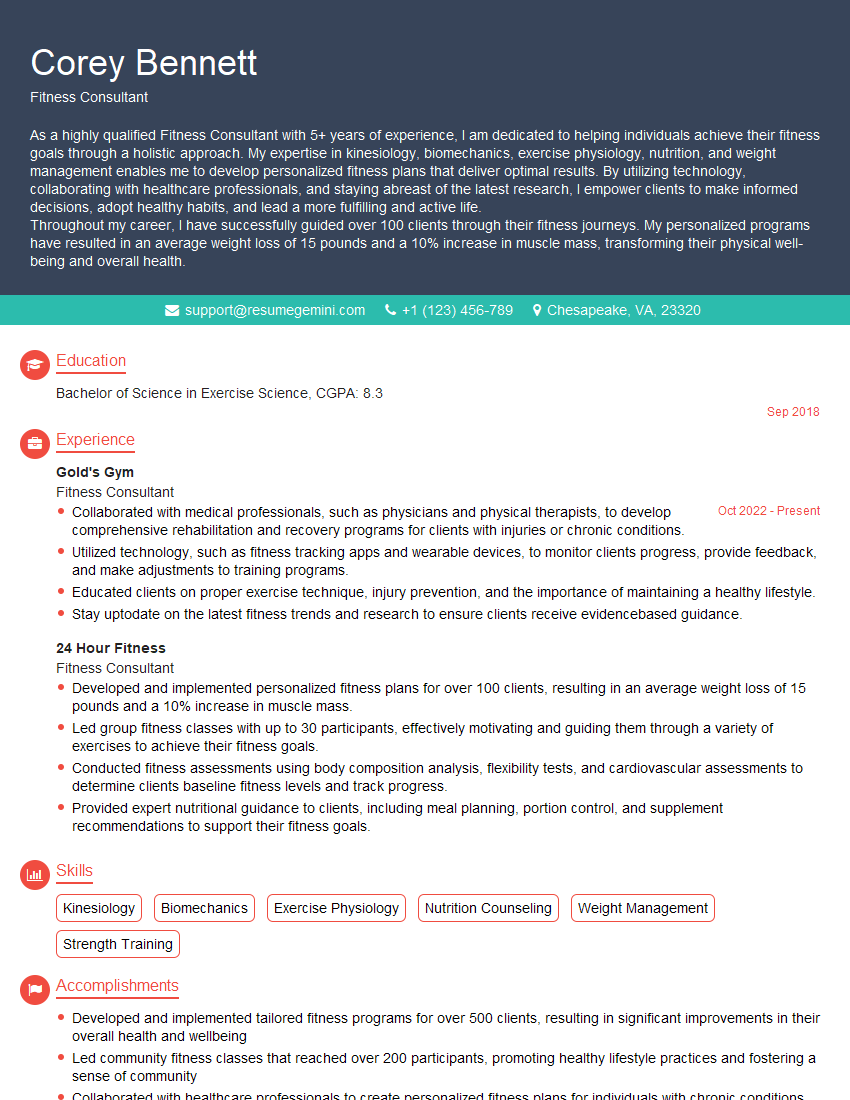
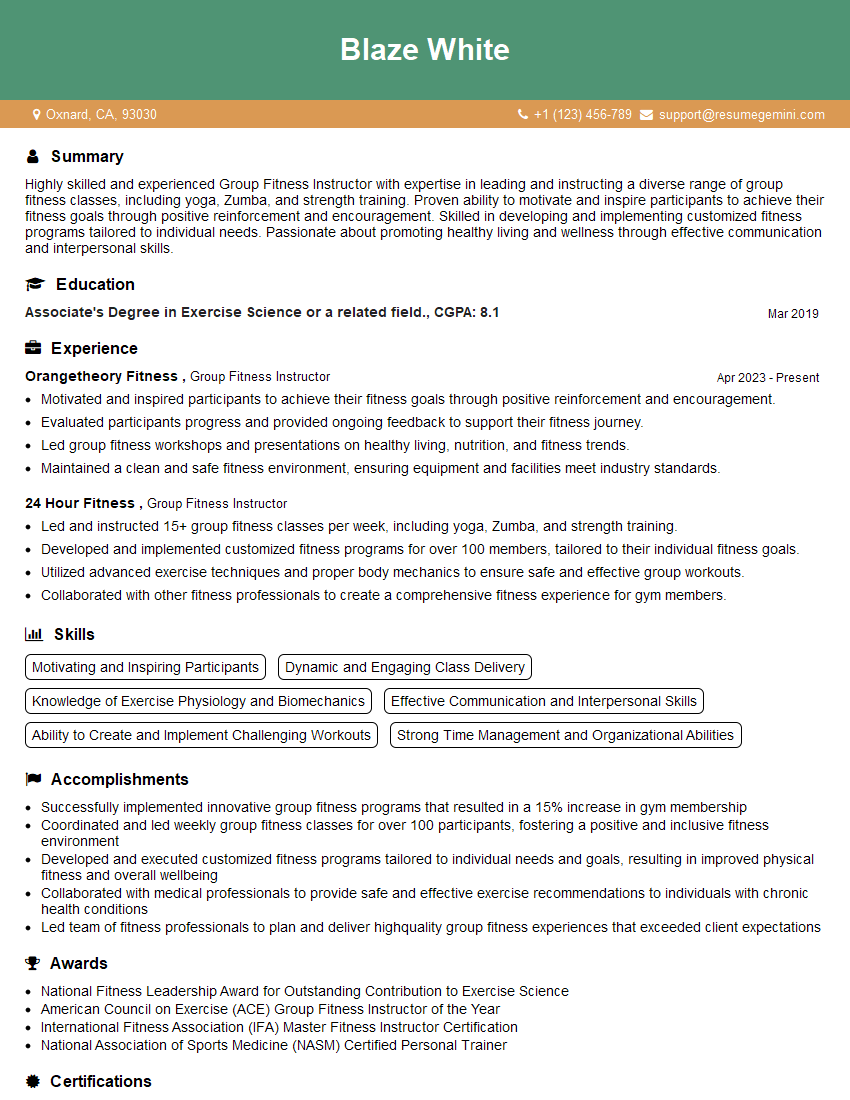
Mastering personalized fitness programming is crucial for career advancement in the fitness industry. It demonstrates a commitment to client well-being and showcases your ability to design effective and safe training plans. To significantly increase your job prospects, create an ATS-friendly resume that highlights your skills and experience. We strongly recommend using ResumeGemini to build a professional and impactful resume. ResumeGemini offers a user-friendly platform and provides examples of resumes tailored to Personalized Fitness Programs to guide you through the process.

Explore more articles
Users Rating of Our Blogs
Share Your Experience
We value your feedback! Please rate our content and share your thoughts (optional).
What Readers Say About Our Blog
Very informative content, great job.
good