Every successful interview starts with knowing what to expect. In this blog, we’ll take you through the top Pesticide and Herbicide Use interview questions, breaking them down with expert tips to help you deliver impactful answers. Step into your next interview fully prepared and ready to succeed.
Questions Asked in Pesticide and Herbicide Use Interview
Q 1. What are the different modes of action for herbicides?
Herbicides work through various modes of action, targeting different aspects of plant physiology. These modes can be broadly categorized, but often a herbicide will have multiple modes of action to enhance effectiveness and reduce the likelihood of herbicide resistance.
- Inhibition of photosynthesis: These herbicides block the plant’s ability to produce energy through photosynthesis, leading to its death. Examples include triazines (e.g., atrazine) and ureas (e.g., diuron).
- Disruption of amino acid synthesis: Some herbicides interfere with the production of essential amino acids, vital for plant growth and development. Examples include glyphosate (Roundup) and sulfonylureas.
- Inhibition of lipid biosynthesis: These herbicides disrupt the synthesis of fatty acids and lipids, essential components of plant cell membranes. Examples include the acetolactate synthase (ALS) inhibitors.
- Auxin mimics: These herbicides mimic the plant hormone auxin, causing uncontrolled plant growth and ultimately death. Examples include 2,4-D and dicamba.
- Inhibition of cell division: These herbicides interfere with the process of cell division, preventing plant growth. Examples include dinitroanilines.
Understanding the mode of action is crucial for choosing the right herbicide and managing herbicide resistance. If a farmer uses a herbicide with the same mode of action repeatedly, weeds can develop resistance, rendering the herbicide ineffective.
Q 2. Explain the difference between selective and non-selective herbicides.
The key difference lies in their target specificity. Selective herbicides target specific plant species while leaving others unharmed. This is often achieved by exploiting differences in plant metabolism or physiology. A classic example is 2,4-D, which effectively controls broadleaf weeds in a grassy lawn without harming the grass itself. This is because grasses have different metabolic pathways that are less sensitive to 2,4-D.
Non-selective herbicides, on the other hand, kill virtually all plant life they come into contact with. Glyphosate (Roundup) is a prime example. It’s used to clear entire fields before planting or to control unwanted vegetation in various settings. Imagine preparing a field for planting – a non-selective herbicide is ideal to remove all existing vegetation.
The choice between a selective and non-selective herbicide depends entirely on the desired outcome and the specific environment. Selective herbicides are ideal for weed control in lawns, gardens, or agricultural fields where you want to protect specific crops. Non-selective herbicides are used for total vegetation control.
Q 3. Describe the process of calibrating a pesticide sprayer.
Calibrating a pesticide sprayer ensures the correct amount of pesticide is applied per unit area, preventing under-application (ineffective pest control) or over-application (environmental damage and potential harm). The process typically involves these steps:
- Measure the sprayer’s output: Spray a known area (e.g., 100 sq ft) for a set time and collect the sprayed solution. Measure the volume collected in liters or gallons.
- Calculate the application rate: Determine the desired application rate in liters or gallons per hectare (or acre). This rate is determined by the pesticide label instructions.
- Adjust the sprayer settings: Based on the measured output and the desired application rate, adjust the sprayer’s settings (pressure, nozzle size, speed) to achieve the correct amount of solution delivered per unit area. This might involve changing nozzle tips or adjusting the tractor’s speed.
- Verify calibration: Repeat the measurement process to confirm the adjustments have resulted in the desired application rate.
Accurate calibration is essential for effective pest control and responsible pesticide use. Inaccurate calibration can lead to wasted product, ineffective control, or environmental contamination. Imagine applying too little herbicide – the weeds might survive, requiring a second application and adding costs. Applying too much can contaminate the soil or nearby water sources.
Q 4. What are the safety precautions for handling and applying pesticides?
Safety is paramount when handling and applying pesticides. Always adhere to these precautions:
- Read and understand the label: This contains crucial information about handling, application, safety precautions, and first aid instructions. The label is the law.
- Wear appropriate personal protective equipment (PPE): This includes gloves, eye protection, respiratory protection (mask or respirator), and protective clothing, depending on the specific pesticide and application method.
- Apply pesticides according to label instructions: Follow the instructions precisely regarding application rate, timing, and environmental conditions.
- Avoid drift and runoff: Choose appropriate application methods and timing to minimize the risk of pesticide drift to non-target areas or runoff into water bodies. Weather conditions are critical here – avoid spraying on windy days.
- Proper storage and disposal: Store pesticides in a secure, locked location, away from children, pets, and food. Dispose of empty containers and excess pesticides according to local regulations.
- Emergency preparedness: Know the location of the nearest medical facility and have readily available information about the pesticide in case of an emergency.
Imagine the consequences of neglecting these precautions – skin irritation, respiratory problems, environmental pollution, and even accidental poisoning. Safety is not just about following rules, it’s about protecting yourself, others, and the environment.
Q 5. How do you choose the appropriate pesticide for a specific pest?
Choosing the appropriate pesticide involves careful consideration of several factors:
- Identify the pest: Accurate pest identification is the first step. This might require expert assistance, especially for less common pests. Knowing the pest’s lifecycle is also essential.
- Consider the site: The environment where the pest is found influences pesticide choice. Factors include the type of plant, the surrounding ecosystem, and the potential for drift or runoff.
- Check the pesticide label: The label specifies the target pests, application rates, and precautions. Only use pesticides registered for the specific pest and location.
- Evaluate the pesticide’s toxicity: Choose the least toxic pesticide that provides effective control. This reduces the risk to humans, wildlife, and the environment. Biopesticides (naturally derived) are often preferred over synthetic options when appropriate.
- Consider resistance management: Avoid repeated use of the same pesticide to prevent the development of resistance in the pest population. Use a different mode of action in subsequent applications.
Imagine choosing a wrong pesticide: it could be ineffective, harmful to beneficial insects (like pollinators), or cause environmental damage. Careful selection is paramount.
Q 6. What are the common methods of pesticide application?
Pesticide application methods vary depending on the target pest, the environment, and the type of pesticide. Common methods include:
- Spraying: This is a widely used method for applying liquid pesticides, utilizing various sprayers from hand-held to aerial applications. Different nozzle types allow for customized application.
- Dusting: Powdered pesticides are applied using dusters, often for soil treatment or control of insects.
- Granular application: Granules are applied by hand or using spreaders, commonly for soil treatment or slow-release formulations.
- Foliar application: The pesticide is applied directly to the foliage of plants, targeting insects or diseases on the plant’s surface.
- Soil application: The pesticide is incorporated into the soil to control soilborne pests or diseases.
- Seed treatment: Pesticide is applied to seeds before planting to protect seedlings from pests and diseases.
Each method has its advantages and disadvantages regarding effectiveness, cost, and environmental impact. Consider factors such as the target pest’s behavior and the environment when choosing an application method.
Q 7. Explain the concept of Integrated Pest Management (IPM).
Integrated Pest Management (IPM) is a holistic approach to pest control that emphasizes preventing pest problems before they arise and using multiple strategies to minimize the reliance on chemical pesticides. It’s a systematic approach that involves careful monitoring of pest populations and environmental conditions, using a combination of strategies for pest control. IPM focuses on long-term sustainability.
- Monitoring: Regular monitoring of pest populations and plant health identifies pest problems early on. This allows for timely intervention before significant damage occurs.
- Cultural control: Practices such as crop rotation, proper sanitation, and maintaining healthy plant vigor can prevent or reduce pest problems. A healthy plant is more resistant to pest attacks.
- Biological control: Introducing natural enemies of the pest, such as beneficial insects, predatory mites, or nematodes, can help control pest populations.
- Mechanical control: This includes physical removal of pests, using traps, or barriers to prevent pests from accessing crops.
- Chemical control: Chemical pesticides are used only as a last resort and only when necessary to prevent economic or health damage. The most selective and least toxic pesticides are chosen.
IPM aims for long-term sustainability by reducing reliance on chemical pesticides, minimizing environmental damage, and promoting biodiversity. Imagine a farm utilizing IPM – fewer pesticides, healthier crops, and a more balanced ecosystem.
Q 8. What are the environmental concerns associated with pesticide use?
Pesticide use, while crucial for agriculture and public health, presents significant environmental concerns. These concerns stem from the potential for pesticides to harm non-target organisms, contaminate water sources, and disrupt ecosystems.
- Non-target effects: Pesticides aren’t selective; they can affect beneficial insects like bees crucial for pollination, birds, fish, and other wildlife. For example, broad-spectrum insecticides can decimate beneficial insect populations, leading to imbalances in the food web.
- Water contamination: Runoff from treated fields can carry pesticides into rivers, lakes, and groundwater, contaminating drinking water supplies and harming aquatic life. This is a particularly serious concern in areas with intensive agriculture.
- Soil degradation: Some pesticides can harm soil microorganisms essential for nutrient cycling, reducing soil fertility and impacting plant health. Long-term use can lead to soil degradation and reduced productivity.
- Air pollution: Pesticide spraying can release volatile compounds into the air, potentially affecting human and environmental health. Some pesticides can contribute to smog formation.
- Bioaccumulation and biomagnification: Certain pesticides accumulate in organisms’ tissues and can become increasingly concentrated as they move up the food chain (biomagnification). This can lead to harmful effects on top predators, including humans.
Minimizing these risks requires integrated pest management (IPM) strategies that emphasize prevention, monitoring, and the use of less harmful pesticides only when absolutely necessary.
Q 9. How do you handle pesticide spills and leaks?
Handling pesticide spills and leaks requires immediate action and adherence to strict safety protocols. The first step is always to ensure personal safety by wearing appropriate personal protective equipment (PPE), including gloves, goggles, and respirators.
- Containment: Prevent further spread by using absorbent materials like diatomaceous earth or vermiculite to soak up the spill. Create a dam around the spill to prevent runoff.
- Notification: Report the spill immediately to the appropriate authorities, such as the Environmental Protection Agency (EPA) or local emergency services, according to your region’s regulations.
- Cleanup: Follow the manufacturer’s instructions for cleanup, which may involve specialized equipment and trained personnel. Never mix different pesticides or use household cleaners during cleanup.
- Disposal: Dispose of contaminated materials according to regulations, usually through designated hazardous waste disposal facilities.
- Documentation: Thoroughly document the spill, including the date, time, location, amount spilled, cleanup methods used, and disposal procedures.
Think of it like this: a pesticide spill is similar to a chemical spill – swift, safe, and regulated action is key to minimizing its environmental impact.
Q 10. What are the legal requirements for pesticide use and storage?
Legal requirements for pesticide use and storage vary by location but generally involve licensing, registration, and adherence to specific label instructions.
- Licensing and Certification: Many jurisdictions require applicators to obtain licenses or certifications demonstrating their knowledge of pesticide use and safety.
- Registration: Pesticides must be registered with relevant authorities before they can be legally sold and used. This ensures the pesticide meets safety and efficacy standards.
- Labeling and Usage Instructions: Pesticide labels contain crucial information about safe handling, application rates, target pests, and precautions. Following label instructions is legally mandatory.
- Storage Requirements: Pesticides must be stored in secure, well-ventilated areas, away from food, water, and children. Storage facilities must be properly labeled and meet specific safety standards.
- Record Keeping: Accurate records of pesticide purchases, applications, and disposal must be maintained for a certain period.
- Worker Protection Standards: Regulations aim to protect pesticide applicators and other workers from exposure to hazardous chemicals.
Ignoring these regulations can lead to severe penalties, including fines and legal action. Compliance is not just a matter of legal obligation but also a matter of environmental and public health responsibility.
Q 11. Describe the different types of pesticide formulations.
Pesticide formulations refer to the different ways active ingredients are combined with other materials to create a product suitable for application. The formulation affects how the pesticide is applied, its effectiveness, and its environmental impact.
- Liquids: Solutions, emulsions, and flowables are common liquid formulations. Solutions are a simple mixture of active ingredients and solvents; emulsions combine water-insoluble pesticides with water; flowables are concentrated suspensions of active ingredients.
- Dusts: Fine powders containing active ingredients mixed with inert carriers. Dusts are easy to apply but can drift easily in the wind.
- Granules: Pellets or granules containing active ingredients. Granules are less prone to drift and are usually applied to the soil.
- Wettable Powders (WP): Powders that can be mixed with water to create a sprayable suspension.
- Water-dispersible granules (WDG): Granules that dissolve or disperse in water for spraying.
- Aerosols: Fine sprays that deliver pesticides through pressurized containers. Aerosols are convenient for smaller applications but have environmental concerns due to drift.
Choosing the appropriate formulation is crucial for effective pest control and minimizing environmental impact. Factors like target pest, application method, and environmental conditions are critical considerations.
Q 12. How do you identify different types of weeds?
Identifying weeds relies on a combination of visual observation and knowledge of their characteristics. Key features to examine include:
- Leaf shape and arrangement: Note the shape, size, margins (edges), and how leaves are arranged on the stem (alternate, opposite, whorled).
- Stem characteristics: Observe the stem’s thickness, hairiness (pubescence), branching pattern, and whether it is erect, prostrate, or climbing.
- Flower structure: Examine the flower’s color, shape, size, and arrangement. Flowering time is also a crucial identifier.
- Seed heads: The shape and structure of the seed heads can be distinctive.
- Root system: The type of root system (tap root, fibrous root) can help identify the weed.
- Growth habit: Observe whether the weed is annual (completes its life cycle in one year), biennial (two years), or perennial (lives for more than two years).
Field guides, online resources, and herbaria are helpful resources for accurate weed identification. Sometimes, more than one characteristic needs to be considered to differentiate between similar-looking weeds.
Q 13. Explain the concept of herbicide resistance.
Herbicide resistance occurs when a weed population evolves the ability to survive herbicide application that would normally kill it. This is a serious concern in agriculture, leading to reduced crop yields and increased herbicide use.
The primary mechanism behind herbicide resistance is natural selection. Weed populations contain genetic diversity; some individuals may possess genes that confer resistance. When herbicides are applied, susceptible weeds are killed, leaving only the resistant individuals to reproduce and pass on their resistance genes. This leads to a resistant population over time.
Several factors contribute to herbicide resistance development, including:
- Overuse of the same herbicide: Repeated application of the same herbicide provides strong selective pressure for resistant weeds.
- Lack of herbicide rotation: Using a variety of herbicides with different modes of action can slow down resistance development.
- Poor application techniques: Inconsistent application can leave some weeds unexposed to the herbicide, allowing them to survive and reproduce.
- Weed seed banks: Resistant weeds may persist in the soil seed bank for many years, leading to resurgence after herbicide application.
Managing herbicide resistance requires integrated approaches including herbicide rotation, alternative weed control methods (e.g., crop rotation, cultural practices), and improved weed management strategies.
Q 14. How do you monitor the effectiveness of pesticide application?
Monitoring the effectiveness of pesticide application is crucial to ensure pest control and minimize environmental impact. Several methods can be employed:
- Visual inspections: Regularly inspect treated areas to assess the impact on the target pest population. Count the number of pests before and after treatment to determine efficacy.
- Sampling techniques: Collect samples of insects, weeds, or other pests to analyze their populations. This provides more quantitative data on pesticide effectiveness.
- Bioassays: Laboratory tests can measure the susceptibility of pests to specific pesticides, helping to determine if resistance has developed.
- Yield assessments: Measuring crop yields after treatment can indirectly assess the effectiveness of the pesticide in controlling pests that reduce yield.
- Residue analysis: Analyze plant tissue or soil samples to measure pesticide residues. This helps determine the persistence of the pesticide and its potential impact on the environment.
Effective monitoring should be part of an integrated pest management (IPM) program. This allows for adjustments to pesticide use based on the assessment of treatment effectiveness. This also helps prevent the development of resistance and reduces the potential for environmental damage.
Q 15. What are the common pests affecting various crops?
Common pests affecting crops are incredibly diverse, varying significantly depending on the specific crop, geographic location, and climate. Think of it like this: each crop has its own set of enemies. For example, a cornfield might face infestations of corn borers (larvae that tunnel into stalks), aphids (small insects that suck plant sap), and weeds competing for resources. A cotton field might be battling boll weevils (damaging cotton bolls), spider mites (causing leaf damage), and various weed species like johnsongrass. Fruit trees often fall victim to pests like codling moths (damaging fruit), scale insects (sucking plant sap), and aphids. Vegetable crops have their own unique set of challenges, with pests like tomato hornworms (devouring tomato leaves and fruit), cabbage worms (damaging cabbage leaves), and Colorado potato beetles (feeding on potato leaves).
- Insects: Aphids, beetles, caterpillars, weevils, grasshoppers.
- Mites: Spider mites, two-spotted spider mites.
- Diseases (caused by pathogens): Fungi, bacteria, viruses.
- Weeds: Competing plants that steal resources from crops.
- Nematodes: Microscopic worms that damage roots.
- Birds and rodents: Causing direct damage to plants and produce.
Accurate identification of the pest is crucial for effective pest management. This often requires a combination of visual inspection, trapping, and potentially laboratory analysis.
Career Expert Tips:
- Ace those interviews! Prepare effectively by reviewing the Top 50 Most Common Interview Questions on ResumeGemini.
- Navigate your job search with confidence! Explore a wide range of Career Tips on ResumeGemini. Learn about common challenges and recommendations to overcome them.
- Craft the perfect resume! Master the Art of Resume Writing with ResumeGemini’s guide. Showcase your unique qualifications and achievements effectively.
- Don’t miss out on holiday savings! Build your dream resume with ResumeGemini’s ATS optimized templates.
Q 16. What are the symptoms of pesticide poisoning?
Symptoms of pesticide poisoning vary greatly depending on the type of pesticide, the route of exposure (inhalation, skin contact, ingestion), and the amount of exposure. However, some common signs include:
- Mild symptoms: Headaches, dizziness, nausea, vomiting, skin irritation, eye irritation.
- Moderate symptoms: Difficulty breathing, chest tightness, muscle weakness, tremors, excessive sweating, blurred vision.
- Severe symptoms: Seizures, respiratory failure, coma, organ damage (liver, kidneys, nervous system).
It’s important to note that some pesticides are more acutely toxic than others. Organophosphates and carbamates, for example, can cause severe cholinergic effects, leading to excessive salivation, muscle weakness, and breathing difficulties. Other pesticides might have longer-term health effects, impacting the nervous system or causing cancer.
If you suspect pesticide poisoning, immediate medical attention is crucial. The quicker treatment begins, the better the outcome.
Q 17. What are the first aid measures for pesticide exposure?
First aid for pesticide exposure depends heavily on the route of exposure and the severity of symptoms. Never attempt to treat yourself or others without professional medical guidance. Here’s a general overview:
- Remove the source of exposure: If clothing is contaminated, remove it immediately. If pesticide is on skin, wash thoroughly with soap and water for at least 15-20 minutes. If it’s in the eyes, flush with water for at least 15 minutes.
- Call for emergency medical assistance: Contact poison control or emergency services immediately. Have the pesticide label or container available to provide information to the medical professionals.
- Maintain open airways: If breathing is difficult, assist with rescue breathing or CPR if necessary (provided you are trained to do so).
- Monitor vital signs: Observe the person’s breathing, heart rate, and level of consciousness.
- Do NOT induce vomiting unless specifically instructed by medical professionals: This can cause further damage.
Remember, proper training in first aid and the use of pesticides is essential. Always follow safety protocols, and know the location of emergency contacts and emergency equipment.
Q 18. How do you dispose of pesticide containers properly?
Proper disposal of pesticide containers is critical to protecting human health and the environment. Never throw pesticide containers into the regular trash or recycle bin. Here are some key steps:
- Triple rinse: Thoroughly rinse the empty container three times with water. Add the rinse water to the spray tank.
- Puncture or crush: To prevent reuse, puncture or crush the container to render it unusable.
- Dispose properly: Check local regulations. Many areas have designated hazardous waste collection sites or programs for pesticide container disposal. Some may offer specialized container take-back programs.
- Follow label instructions: Always read the pesticide label for specific disposal instructions; these may vary based on the pesticide.
Improper disposal of pesticide containers can lead to soil and water contamination, posing risks to human health and the environment. Always prioritize safe and responsible disposal practices.
Q 19. What are the different types of personal protective equipment (PPE) used in pesticide application?
Personal Protective Equipment (PPE) is essential for anyone working with pesticides. The specific PPE required will vary depending on the toxicity of the pesticide and the method of application. Common PPE items include:
- Gloves: Chemical-resistant gloves are crucial to prevent skin contact. The type of glove depends on the specific pesticide.
- Eye protection: Safety glasses or chemical goggles are needed to protect the eyes from splashes or fumes.
- Respiratory protection: Depending on the pesticide and application method, a respirator (such as a dust mask, half-mask respirator, or full-face respirator) may be required to protect against inhalation.
- Protective clothing: This could include long-sleeved shirts, long pants, and coveralls made of a material resistant to the pesticide being used.
- Footwear: Rubber boots or other chemical-resistant footwear should be worn to prevent pesticide contact.
- Aprons: Chemical-resistant aprons can provide additional protection.
Remember, PPE is only effective if used correctly and maintained in good condition. Regularly inspect and replace damaged or worn-out PPE.
Q 20. Explain the importance of maintaining accurate pesticide records.
Maintaining accurate pesticide records is essential for several reasons:
- Compliance with regulations: Most jurisdictions have laws and regulations requiring record-keeping for pesticide use. These records often include the pesticide used, the application date, the amount applied, the location of application, and the target pest. Non-compliance can result in significant penalties.
- Pest management efficacy: Accurate records provide valuable information for tracking pest populations, assessing the effectiveness of pesticide applications, and making informed decisions about future pest management strategies.
- Environmental monitoring: Records help monitor pesticide drift and potential environmental impacts. This information can be critical in assessing potential risks to non-target organisms and the environment.
- Worker safety: Records of pesticide use can be crucial in emergency situations or if worker health issues arise. They help determine the specific pesticide involved and allow for appropriate medical attention.
- Traceability: Accurate records can help trace the source of any pesticide-related contamination or health issues.
Good record-keeping ensures accountability, allows for effective pest management, promotes environmental stewardship, and safeguards worker health and safety.
Q 21. What are the different types of spray nozzles and their applications?
Spray nozzles are crucial for effective and efficient pesticide application. Different nozzles deliver the pesticide in varying patterns and droplet sizes, impacting the coverage and penetration of the spray.
- Flat Fan Nozzles: Produce a wide, flat spray pattern, ideal for broadleaf weed control or applications where uniform coverage is needed. Variations exist in spray angle and droplet size.
- Cone Nozzles: Create a hollow cone spray pattern, often used for applications requiring penetration into dense vegetation or for treating tall crops.
- Flood Jet Nozzles: Deliver a high-volume, low-pressure spray, effective for wetting surfaces and foliar applications.
- Air Induction Nozzles: Incorporate air into the spray stream, resulting in finer droplets and increased drift potential. Used when larger areas need treatment but with smaller droplet sizes for better coverage.
- Extended Range Nozzles: Designed to deliver the spray further distances, useful for treating large areas or hard-to-reach spots.
Choosing the right nozzle is critical for effective pesticide application. The selection depends on factors such as the target pest, crop type, wind conditions, and environmental concerns. Incorrect nozzle selection can lead to pesticide waste, ineffective pest control, and environmental pollution.
Q 22. How do you determine the appropriate application rate for a pesticide?
Determining the appropriate application rate for a pesticide is crucial for effective pest control while minimizing environmental impact. It’s not a one-size-fits-all approach; it’s a careful balancing act. The process involves several key steps:
- Identify the target pest: Different pests have different sensitivities to various pesticides. Knowing the specific pest allows you to choose the right pesticide and its optimal concentration.
- Consider the pesticide label: The label is your bible. It provides the recommended application rate per unit area (e.g., acres, hectares) for the specific crop and pest. This rate is usually expressed in weight (e.g., pounds or kilograms of active ingredient) or volume (e.g., gallons or liters) per unit area.
- Assess environmental factors: Weather conditions (temperature, wind speed, rainfall) significantly affect pesticide efficacy and drift. High temperatures can accelerate degradation, while rain can wash it away. Wind can cause drift, leading to off-target exposure. Soil type also matters; sandy soils may require higher application rates due to faster pesticide leaching.
- Account for pest population density: A higher pest population necessitates a higher application rate, within the label’s recommendations. Scouting and monitoring pest populations are therefore essential.
- Calibrate application equipment: Ensuring your sprayer or other application equipment is calibrated accurately is critical for delivering the precise amount of pesticide. Inaccurate calibration can lead to either ineffective control or overuse and potential environmental harm. This usually involves measuring the output of the equipment over a known area.
- Safety considerations: Always prioritize safety by wearing appropriate personal protective equipment (PPE) and following all safety guidelines on the pesticide label.
Example: Let’s say the pesticide label recommends 2 pounds of active ingredient per acre for controlling aphids on apple trees. If your orchard is 10 acres, you would need 20 pounds of active ingredient. However, if there’s a high aphid infestation, you might consult with an expert before considering an increase within the label’s allowed range (often expressed as a maximum application rate).
Q 23. What are the factors that affect the efficacy of herbicides?
Herbicide efficacy, meaning how well it controls weeds, depends on a complex interplay of factors. Think of it like trying to grow a specific type of flower; several conditions need to be right.
- Herbicide properties: Different herbicides have varying modes of action (how they kill weeds), persistence (how long they remain active in the soil), and selectivity (their ability to target specific weeds without harming desirable plants). For example, glyphosate is a non-selective herbicide affecting many plants, whereas 2,4-D is more selective.
- Weed species: Herbicides are effective only against certain weed species. Some weeds are resistant to specific herbicides due to natural selection or previous exposure.
- Environmental factors: Temperature, rainfall, sunlight, and soil type all affect how effectively the herbicide works. For instance, high temperatures can accelerate herbicide degradation, while excessive rainfall can wash it away before it can be absorbed by the weeds. Soil type also impacts herbicide absorption and movement.
- Application method: The way the herbicide is applied (spraying, granular application) is crucial. Spraying requires proper nozzle selection and pressure to ensure uniform coverage. Incorrect application can significantly reduce efficacy.
- Weed growth stage: Herbicides generally work most effectively on weeds at specific growth stages. Applying herbicide to mature weeds might be less effective than treating them when they are young and actively growing.
- Soil conditions: Soil pH, organic matter content, and moisture level significantly affect herbicide activity. For example, high organic matter content can reduce herbicide effectiveness by binding to the herbicide molecules, making them less available to the weeds.
Example: Applying a pre-emergence herbicide (applied before weed emergence) to a dry, compacted soil might be less effective than applying it to a moist, well-tilled soil. Similarly, using the incorrect herbicide formulation (e.g., applying a water-soluble herbicide in an oil-based formulation) reduces effectiveness and may harm non-target plants.
Q 24. Describe the concept of pesticide synergism and antagonism.
Pesticide synergism and antagonism describe how the combined effect of two or more pesticides differs from the sum of their individual effects.
Synergism: This occurs when the combined effect of two or more pesticides is greater than the sum of their individual effects. It’s like having two people lift a heavy object; together, they can lift much more than either could individually. Imagine mixing two pesticides, A and B. If A provides 50% control and B provides 50% control, synergism would result in >100% control (perhaps 80% from A, 70% from B and 10% synergistic effect).
Antagonism: This is the opposite. The combined effect is less than the sum of the individual effects. This is like two people tugging on a rope in opposite directions; the net effect is less than if either pulled alone. In this case, mixing pesticide A and B might yield only 40% control, even though separately they were 50% effective each.
Understanding synergism and antagonism is critical for designing effective pesticide mixtures. Synergistic mixtures can reduce the amount of pesticide needed, minimizing environmental impact. Antagonistic mixtures, however, can render the pesticides ineffective.
Example: Some insecticides are synergistic when combined with certain adjuvants (additive to improve pesticide performance). Mixing pyrethroids (one type of insecticide) with organophosphates (another type) can be antagonistic, reducing their overall effectiveness.
Q 25. How do you prevent drift during pesticide application?
Preventing pesticide drift, which is the unintentional movement of pesticides away from the target area, is paramount for protecting human health, the environment, and adjacent crops or properties.
- Choose the right application method: Techniques like low-pressure spraying, air-assisted sprayers, or directed spraying minimize drift. Avoid high-pressure applications, especially in windy conditions.
- Select appropriate nozzles: Different nozzles produce different spray patterns. Nozzles designed for reduced drift have larger droplet sizes, reducing the risk of airborne movement. Always use nozzles recommended for the pesticide and application conditions.
- Consider weather conditions: Avoid spraying when winds are high or when temperature inversions occur. Temperature inversions trap the pesticides near the ground, increasing drift potential. Ideally, spray on calm days with light breezes.
- Maintain equipment properly: Regularly check and maintain your application equipment. Worn or damaged nozzles can increase drift by producing smaller droplets. Calibration is also critical to ensure even distribution and prevent over-application.
- Use buffer zones: Establish buffer zones—areas around the target application—to minimize pesticide drift onto non-target areas. The size of the buffer zone depends on factors like the pesticide’s volatility, wind speed, and proximity to sensitive areas.
- Follow label instructions: Pesticide labels always include recommendations for safe application, including information on drift prevention.
Example: A farmer intending to spray herbicides in a field close to a river would use low-drift nozzles, select a calm day, and establish a buffer zone along the riverbank to minimize herbicide drift into the water.
Q 26. What are the effects of pesticides on non-target organisms?
Pesticides can affect non-target organisms – plants, animals, and microorganisms that are not the intended target – through direct exposure or indirect effects on their food sources or habitats.
- Direct effects: Non-target organisms can be killed or injured through direct contact with pesticides. This is particularly true for insects, birds, and other wildlife that feed on treated plants or live in treated areas.
- Indirect effects: Pesticides can harm non-target organisms indirectly by disrupting their food webs. For instance, if a pesticide kills a particular insect, it can affect predators that rely on that insect as a food source. The loss of insects can affect pollination, which subsequently affects plant growth.
- Water contamination: Pesticides can contaminate water bodies through runoff, leading to adverse effects on aquatic organisms like fish and invertebrates. This can affect the whole ecosystem.
- Soil contamination: Pesticides can accumulate in the soil, impacting soil microorganisms and earthworms that play critical roles in soil health and nutrient cycling. This leads to a degradation of soil structure.
- Human health: While not always considered ‘non-target’, human health is impacted by pesticide exposure through direct contact during application, consumption of contaminated food or water, or inhalation of pesticide residues.
Example: The widespread use of certain insecticides has led to the decline of bee populations, which are essential pollinators. Herbicide use can reduce biodiversity by removing non-target plants that provide habitats and food sources for insects and other wildlife. Improper disposal of pesticide containers can also cause problems for the environment.
Q 27. Explain the importance of proper pre-application site assessment.
A proper pre-application site assessment is crucial for safe and effective pesticide use. It’s essentially a detailed reconnaissance mission before you begin. It prevents costly mistakes and minimizes risks.
- Identify the target pest: Accurately identifying the pest and its life cycle is essential for choosing the right pesticide and determining the best time for application. Improper identification can lead to ineffective control or harm to non-target organisms.
- Assess the area: Evaluate the size of the area to be treated, the type of vegetation present, the presence of sensitive areas (e.g., water bodies, residential areas), and potential obstacles.
- Check weather conditions: Check the weather forecast to ensure conditions are suitable for spraying. High winds, rain, or extreme temperatures can reduce efficacy and increase the risk of drift.
- Identify non-target organisms: Determine what other plants or animals might be present in the area. This helps you select pesticides with minimal impact on beneficial insects or other organisms.
- Evaluate environmental factors: Consider soil type, drainage, and potential runoff areas. This helps predict how the pesticide might move in the environment and its potential impact.
- Review pesticide labels: Consult the labels of any pesticides you intend to use. The label provides critical information on application rates, safety precautions, and environmental impact.
Example: Before applying a herbicide to a field, a thorough site assessment would involve checking the types of weeds present, identifying sensitive areas such as nearby waterways or residential properties, and reviewing the herbicide label to determine appropriate application methods and safety precautions.
Q 28. What is your experience with different pesticide application technologies?
My experience encompasses a wide range of pesticide application technologies, both ground and aerial. This includes:
- Ground application: I’m proficient in using various sprayers, including hand-held sprayers for smaller areas, boom sprayers for larger fields, and backpack sprayers for targeted applications. I’m familiar with calibrating these sprayers to ensure accurate application rates and uniform coverage.
- Aerial application: I have experience with aerial application methods, although mainly through oversight and coordination rather than piloting the aircraft. This involves coordinating with pilots to ensure proper application techniques, flight patterns, and weather conditions for optimal results and minimal drift. I’m familiar with the limitations and benefits of this method, acknowledging the higher application costs and potentially higher drift risk, but also the time and cost savings in very large areas.
- Other methods: I’m familiar with granular application, which involves spreading pesticides in granular form, usually more effective for pre-emergent weed control. This method also has drift considerations, depending on wind and application techniques.
I’m well-versed in the strengths and weaknesses of each technology. Choosing the right technology depends on various factors such as the size of the area, the target pest, terrain characteristics, and environmental concerns. For example, ground application is suitable for precise application in smaller areas, while aerial application is more appropriate for vast fields.
Key Topics to Learn for Pesticide and Herbicide Use Interview
- Pesticide Classification and Modes of Action: Understand the different chemical classes of pesticides, their target pests, and how they work at a molecular level. Consider the impact of different formulation types.
- Herbicide Selectivity and Application Methods: Explore the principles behind herbicide selectivity (targeting weeds without harming crops) and the various application techniques (e.g., broadcast, spot spraying, aerial application). Analyze the factors influencing herbicide effectiveness.
- Integrated Pest Management (IPM): Master the concepts and practical application of IPM strategies, including preventative measures, biological control, and judicious pesticide use. Discuss the economic and environmental benefits of IPM.
- Environmental Fate and Toxicology: Learn about the environmental impact of pesticides and herbicides, including soil degradation, water contamination, and effects on non-target organisms. Understand the principles of pesticide toxicology and risk assessment.
- Regulatory Compliance and Safety Procedures: Familiarize yourself with relevant regulations and safety protocols related to pesticide and herbicide handling, storage, application, and disposal. Understand the importance of personal protective equipment (PPE).
- Pest Resistance Management: Understand the development of resistance in pests and weeds and strategies to mitigate it, such as rotating pesticides and using integrated approaches.
- Data Analysis and Interpretation: Be prepared to interpret data from field trials, including yield data, pest population counts, and herbicide efficacy assessments. Discuss statistical methods used in analyzing this data.
Next Steps
Mastering pesticide and herbicide use is crucial for advancing your career in agriculture, landscaping, or related fields. A strong understanding of these principles demonstrates your commitment to responsible and effective pest and weed management. To significantly increase your job prospects, it’s essential to create an ATS-friendly resume that highlights your skills and experience effectively. ResumeGemini is a trusted resource that can help you build a professional and impactful resume. They provide examples of resumes tailored to the Pesticide and Herbicide Use field, ensuring your application stands out from the competition.

Farm Manager Resume Sample
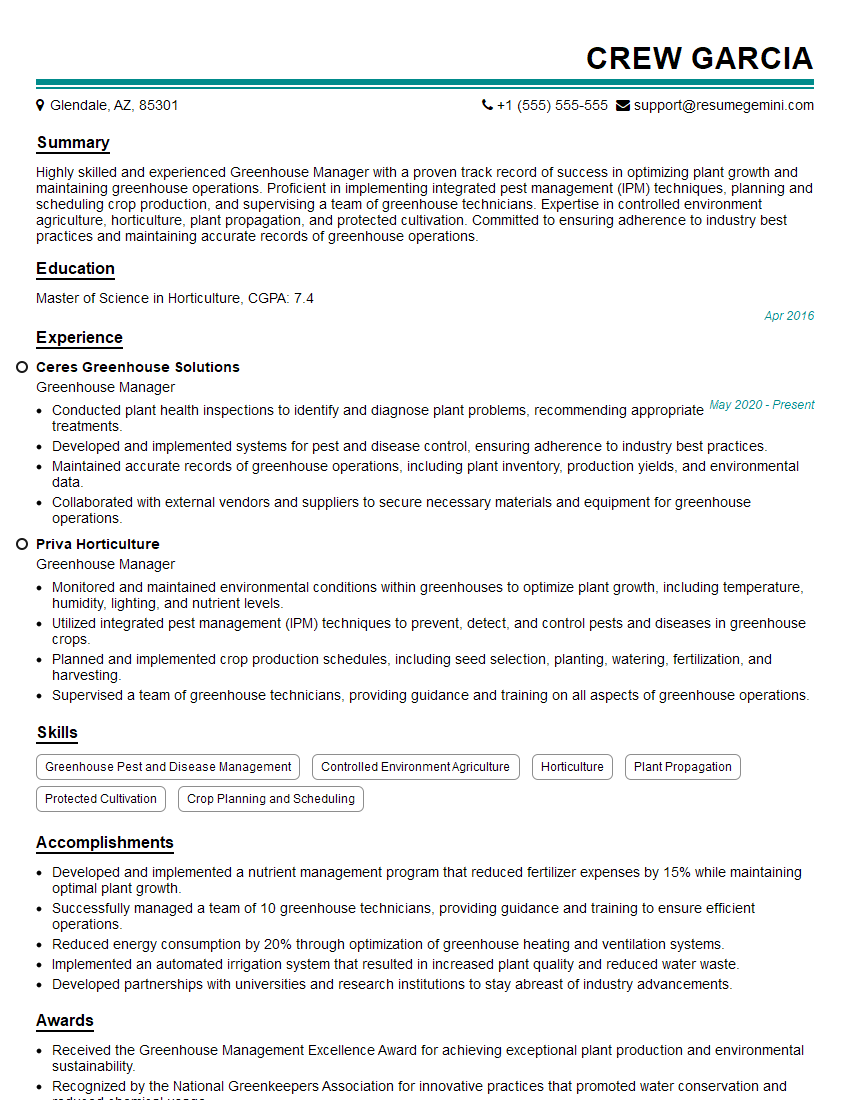
Greenhouse Manager Resume Sample
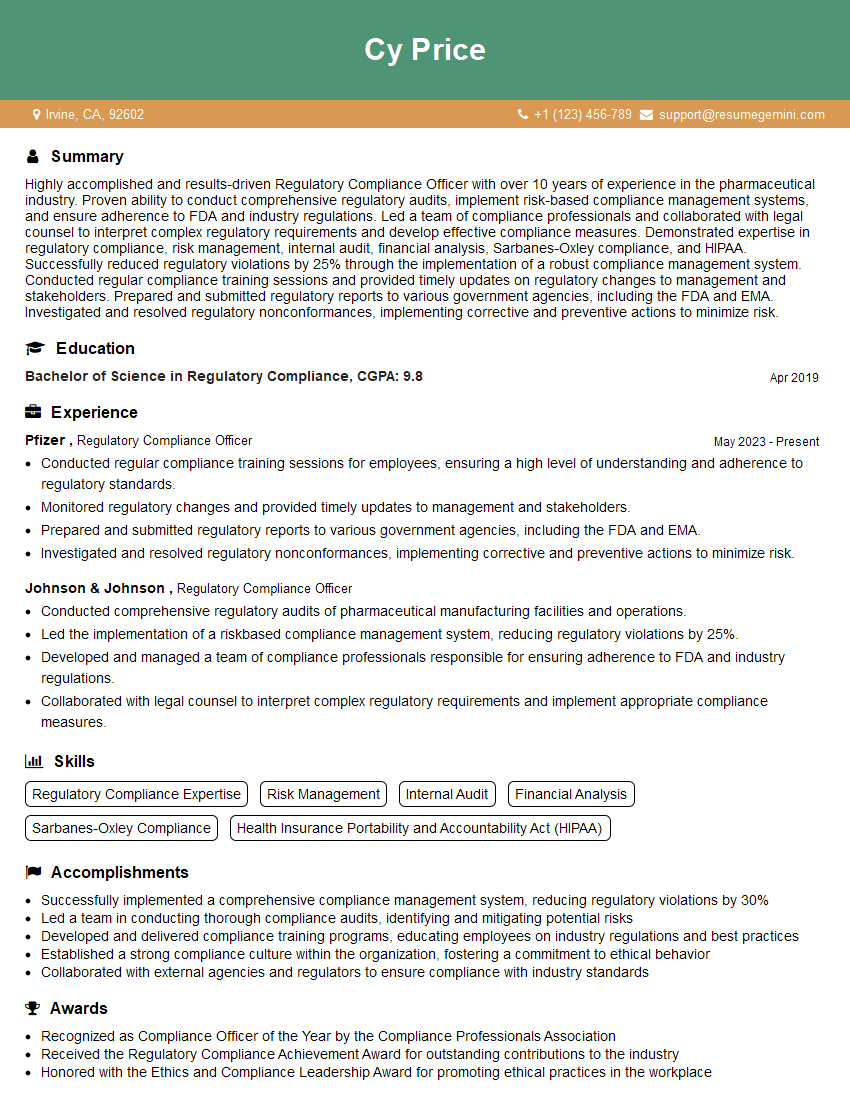
Regulatory Compliance Officer Resume Sample

Quality Control Specialist Resume Sample

Field Technician Resume Sample
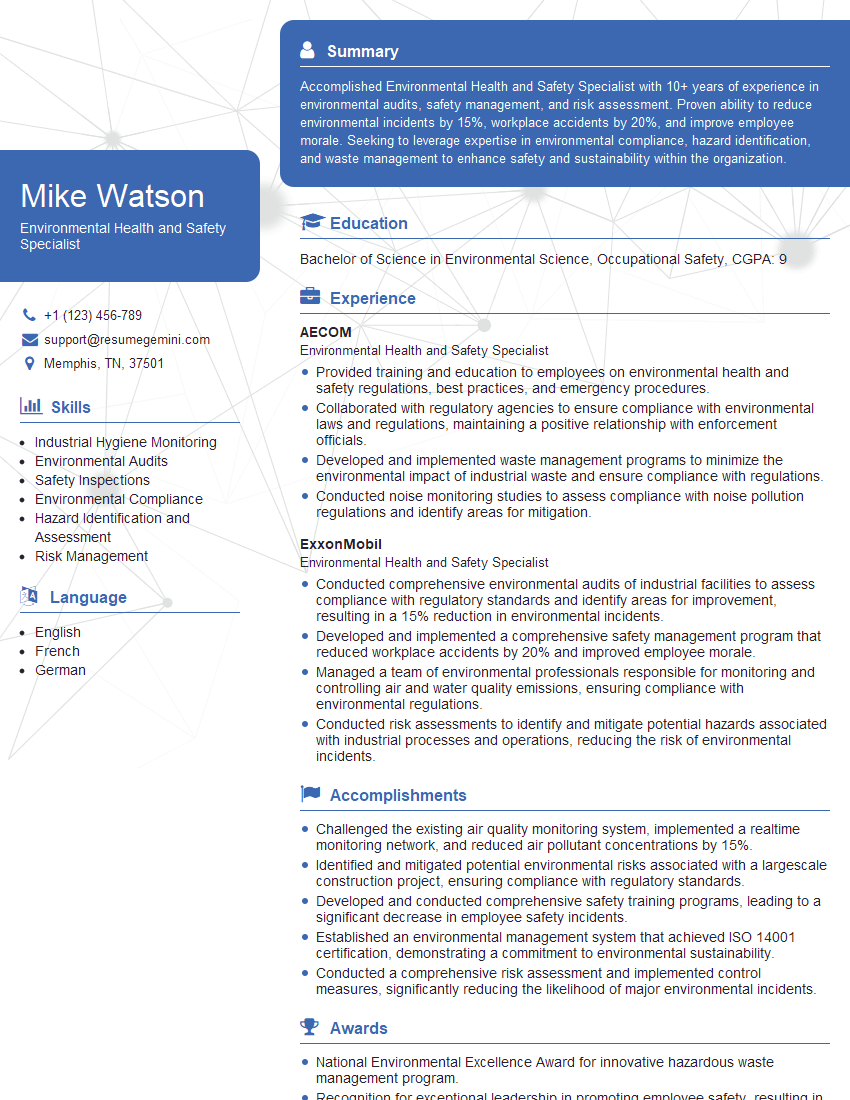
Environmental Health and Safety Specialist Resume Sample
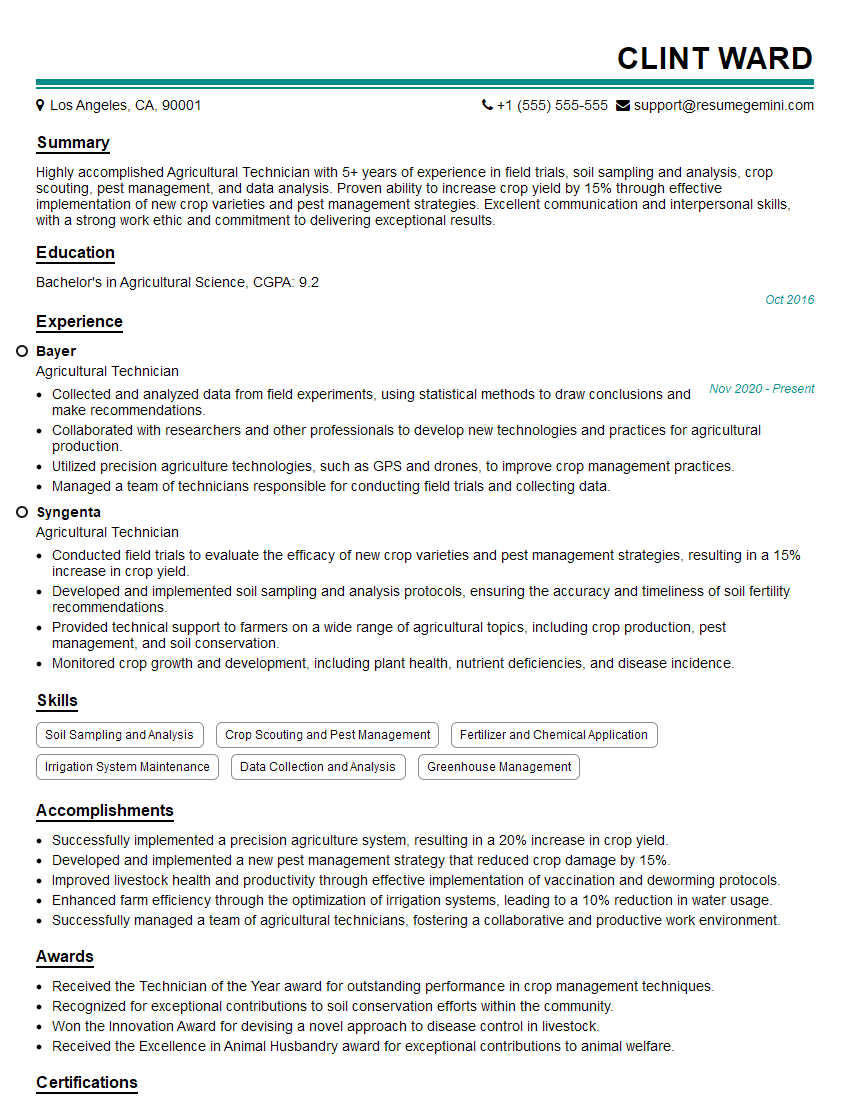
Agricultural Technician Resume Sample

Precision Agriculture Technician Resume Sample

Golf Course Superintendent Resume Sample

Landscape Manager Resume Sample
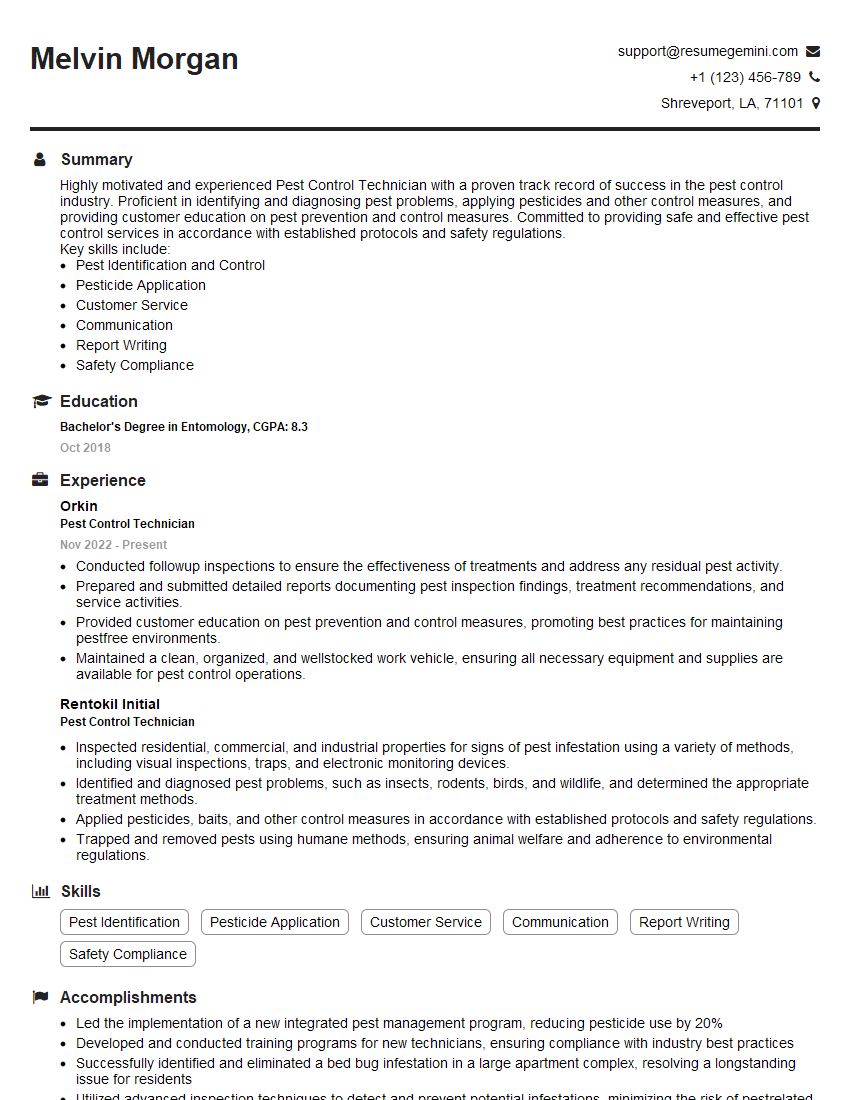
Pest Control Technician Resume Sample
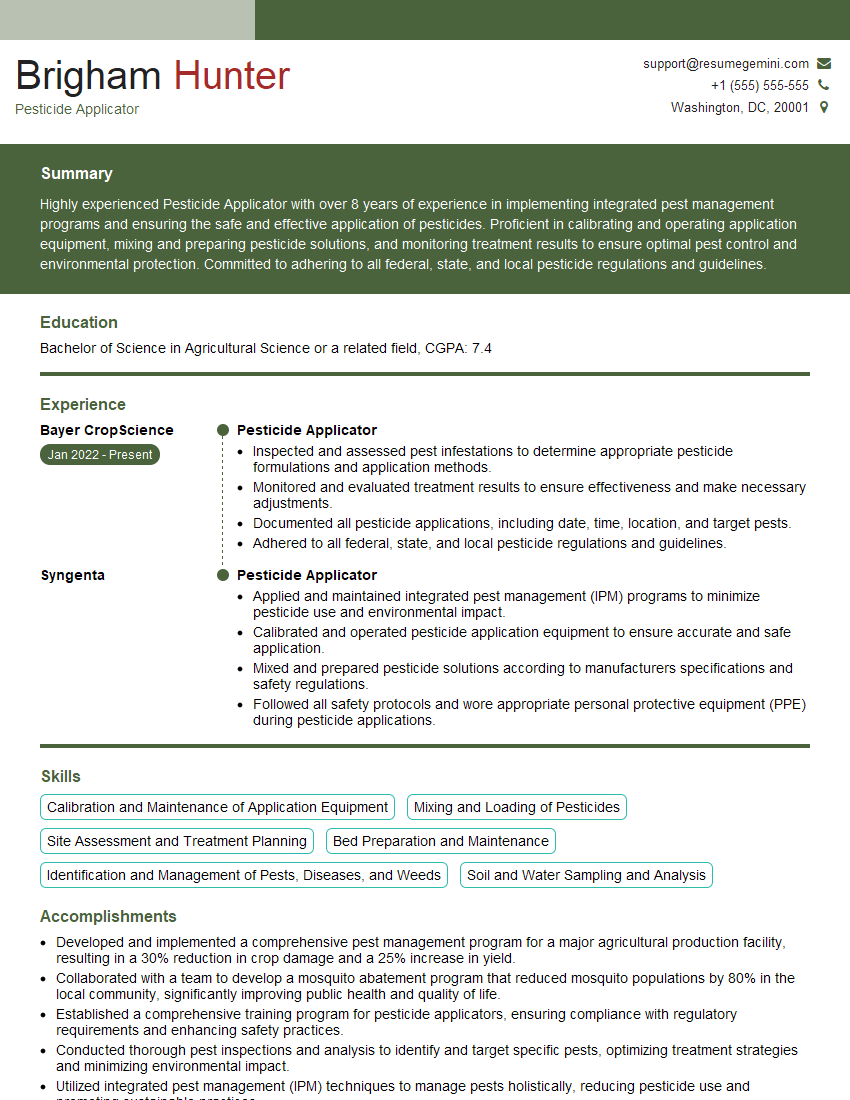
Pesticide Applicator Resume Sample
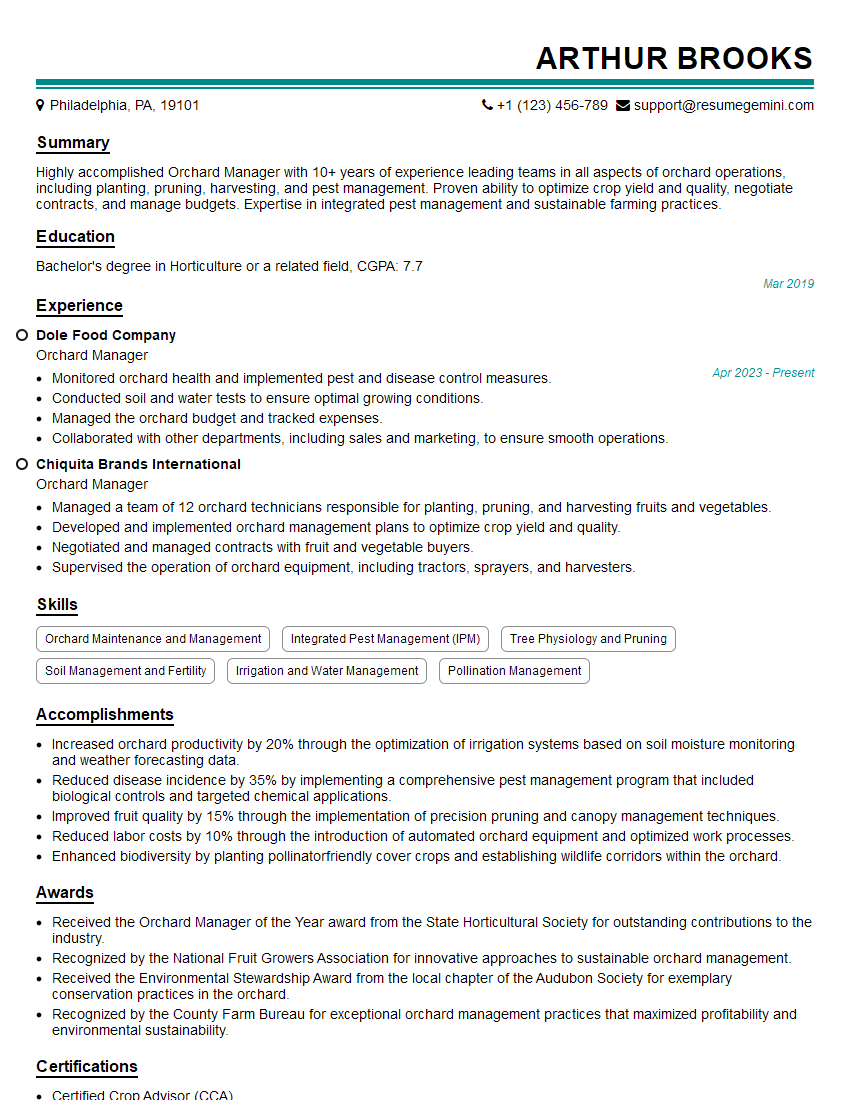
Orchard Manager Resume Sample
- Farm Manager
- Greenhouse Manager
- Regulatory Compliance Officer
- Quality Control Specialist
- Field Technician
- Environmental Health and Safety Specialist
- Agricultural Technician
- Precision Agriculture Technician
- Golf Course Superintendent
- Landscape Manager
- Pest Control Technician
- Pesticide Applicator
- Orchard Manager
Explore more articles
Users Rating of Our Blogs
Share Your Experience
We value your feedback! Please rate our content and share your thoughts (optional).
What Readers Say About Our Blog
Very informative content, great job.
good