Preparation is the key to success in any interview. In this post, we’ll explore crucial Pharmaceutical Production interview questions and equip you with strategies to craft impactful answers. Whether you’re a beginner or a pro, these tips will elevate your preparation.
Questions Asked in Pharmaceutical Production Interview
Q 1. Describe your experience with Good Manufacturing Practices (GMP).
Good Manufacturing Practices (GMP) are a set of guidelines that ensure the consistent production of high-quality pharmaceutical products. My experience spans over 10 years, encompassing all aspects of GMP implementation and compliance across various pharmaceutical manufacturing facilities. This includes developing and maintaining GMP documentation, conducting internal audits, ensuring compliance with regulatory requirements like those set by the FDA and EMA, and leading corrective and preventive action (CAPA) investigations.
For instance, in a previous role, I led a successful GMP audit where we identified and corrected a critical deviation related to cleaning validation procedures, preventing potential contamination and ensuring product safety. This involved meticulous documentation, root cause analysis, and the implementation of new SOPs to prevent recurrence. Another example includes my participation in the successful implementation of a new ERP system, ensuring that all manufacturing and quality control processes were integrated seamlessly, enabling real-time data monitoring and enhanced traceability.
- Developed and implemented GMP training programs for production staff.
- Conducted internal audits, identifying and mitigating GMP deviations.
- Led CAPA investigations to prevent recurrence of quality issues.
- Successfully navigated regulatory inspections and audits.
Q 2. Explain the process of drug formulation.
Drug formulation is the process of converting a drug substance into a finished dosage form suitable for administration to a patient. This is a multi-stage process, starting with the selection of appropriate excipients (inactive ingredients) that enhance drug delivery and stability. Then comes the actual formulation process, which may include granulation, mixing, compression (for tablets), encapsulation, or sterile filtration (for injectables). The process concludes with quality control testing to ensure the final product meets pre-defined specifications.
For example, formulating a tablet involves mixing the active pharmaceutical ingredient (API) with diluents (to achieve the desired weight and volume), binders (to hold the tablet together), lubricants (to ease tablet ejection from the press), and disintegrants (to ensure the tablet dissolves properly in the body). These components are carefully weighed and mixed, then granulated (often using wet or dry granulation techniques) before being compressed into tablets. This intricate process requires specialized equipment and precise control over parameters like compression force and granulation time.
Q 3. How do you ensure the quality and consistency of pharmaceutical products?
Ensuring the quality and consistency of pharmaceutical products is paramount. This is achieved through a robust Quality Management System (QMS) which incorporates stringent quality control testing at every stage of the manufacturing process, starting from raw material inspection and continuing through to the final product release. In addition, rigorous validation of manufacturing processes, equipment, and analytical methods is critical. Statistical Process Control (SPC) techniques are used to monitor variations and identify potential problems early. Traceability systems are crucial for tracking materials and products throughout the entire lifecycle.
For example, we utilize High-Performance Liquid Chromatography (HPLC) to determine the potency and purity of the active ingredient and other analytical techniques to ensure compliance with regulatory requirements such as USP, EP or JP standards. Out-of-specification results trigger immediate investigations and corrective actions, which are documented in a systematic and auditable way. In my experience, proactive monitoring through SPC charts and regular equipment calibration and maintenance have been key to preventing quality issues and ensuring consistent product output.
Q 4. What are the critical control points in pharmaceutical manufacturing?
Critical control points (CCPs) are stages in the pharmaceutical manufacturing process where control is essential to prevent, eliminate, or reduce hazards that can lead to product failure or risks to patient safety. These points vary depending on the specific product and process but commonly include:
- Raw material receiving and inspection: Ensuring the quality of incoming materials.
- Weighing and mixing of ingredients: Maintaining accurate proportions.
- Granulation and compression (for tablets): Achieving the desired tablet properties.
- Sterilization and aseptic processing (for injectables): Preventing microbial contamination.
- Filling and sealing of containers: Maintaining product integrity and sterility.
- Final product testing: Verifying compliance with specifications.
Identifying and controlling these CCPs is crucial to ensuring the safety and efficacy of the final product. This is done through the implementation of process parameters and controls, which are documented in the manufacturing process instructions (MPIs).
Q 5. Describe your experience with validation processes in pharmaceutical manufacturing.
My experience with validation processes encompasses all aspects of establishing and maintaining the validated state of equipment, processes and analytical methods in pharmaceutical manufacturing. This includes developing validation protocols, executing validation studies (like process validation, cleaning validation, equipment qualification, and analytical method validation), analyzing results, and writing comprehensive validation reports. We follow a risk-based approach, focusing on the critical aspects of each process.
For instance, I’ve led the validation of a new high-speed tablet press, including installation qualification (IQ), operational qualification (OQ), and performance qualification (PQ). This involved detailed documentation, meticulous data collection, and thorough analysis to demonstrate the consistent performance of the equipment within pre-defined parameters. Similarly, I’ve participated in cleaning validation studies for various manufacturing equipment, utilizing appropriate analytical techniques to ensure that the cleaning procedures effectively remove residual product and prevent cross-contamination.
Q 6. What is your experience with different types of pharmaceutical dosage forms (tablets, capsules, injectables)?
I possess extensive experience with various pharmaceutical dosage forms, including tablets, capsules, and injectables. Each form presents unique challenges and requires specific manufacturing processes and quality control measures.
Tablets: I’m proficient in different tablet manufacturing techniques, such as direct compression, wet granulation, and dry granulation. I understand the importance of factors like compression force, tablet hardness, and disintegration time.
Capsules: My experience includes both hard-shell and soft-shell capsules, and I’m familiar with the encapsulation processes and the various excipients used to improve capsule characteristics.
Injectables: This area requires stringent aseptic processing techniques to prevent contamination. My knowledge extends to various filling and sterilization methods, ensuring the sterility and purity of the final product. I have hands-on experience with the manufacturing of both small and large volume parenterals.
Q 7. How do you handle deviations and out-of-specification results in manufacturing?
Deviations and out-of-specification (OOS) results are addressed immediately through a well-defined investigation process. The first step involves securing the affected materials and products. Then, a thorough investigation is conducted to determine the root cause of the deviation or OOS result. This involves reviewing batch records, analyzing data, interviewing personnel, and identifying potential contributing factors. Once the root cause is identified, a corrective action plan is implemented to prevent recurrence. This plan is carefully documented and reviewed by appropriate personnel. This process often requires implementing CAPA (Corrective and Preventive Action) measures.
For example, if an OOS result is observed in a potency assay, we would immediately investigate the raw materials, the manufacturing process, the testing methodology and the equipment to pin-point the root cause of the discrepancy. If a problem with the raw materials is identified, we would quarantine the affected batch, potentially use alternative, validated sources and implement stronger incoming QC procedures to prevent this happening again. All actions are documented thoroughly and reported to relevant authorities if required.
Q 8. Explain your understanding of process analytical technology (PAT).
Process Analytical Technology (PAT) is a system for designing, analyzing, and controlling manufacturing processes through timely measurements of critical quality and performance attributes of raw and in-process materials and processes with the goal of ensuring final product quality.
Think of it like this: instead of only testing the final product, PAT allows us to monitor the entire manufacturing process in real-time. This gives us a much better understanding of what’s happening and allows us to make adjustments on the fly to ensure the highest quality product. This proactive approach reduces waste, improves efficiency, and enhances product quality.
For instance, in the manufacturing of tablets, PAT might involve using near-infrared (NIR) spectroscopy to continuously monitor the blend uniformity of the raw materials during mixing. Any deviations are identified immediately, preventing the production of substandard tablets. Another example is using in-line particle size analyzers during granulation to ensure consistent particle size distribution, leading to improved tablet properties like dissolution rate and bioavailability.
- Real-time monitoring: PAT uses sensors and analytical tools to monitor critical parameters throughout the process.
- Process understanding: Data collected provides deeper insights into the process, enabling optimization and control.
- Improved product quality: By proactively addressing deviations, PAT ensures consistent product quality and reduces defects.
Q 9. Describe your experience with different types of manufacturing equipment.
My experience encompasses a wide range of pharmaceutical manufacturing equipment, including:
- Fluid bed dryers and granulators: I’m proficient in operating and maintaining these machines for producing granules and powders of consistent quality.
- High-shear mixers: I’ve used these for creating homogenous mixtures, critical for consistent drug delivery.
- Tableting presses: I have extensive experience in operating, troubleshooting, and maintaining various types of tablet presses, ensuring efficient tablet production with minimal defects.
- Capsule filling machines: I’m familiar with automated and semi-automated capsule filling machines, understanding their operation and maintenance requirements.
- Sterile filling lines: I’ve worked with aseptic filling lines for sterile injectable products, adhering to strict regulatory requirements.
- Clean-in-place (CIP) and sterilize-in-place (SIP) systems: I understand the operation and validation of these systems crucial for maintaining hygiene in pharmaceutical manufacturing.
I’m adept at understanding the capabilities and limitations of different equipment types and selecting the most appropriate equipment for a particular formulation and production scale.
Q 10. How do you ensure the safety and hygiene of the manufacturing environment?
Ensuring safety and hygiene is paramount in pharmaceutical manufacturing. It begins with a robust environmental monitoring program and a stringent adherence to Good Manufacturing Practices (GMP).
- Environmental monitoring: Regular monitoring of air quality, surface contamination, and personnel hygiene to identify potential sources of contamination.
- Personnel training: Thorough training programs for all personnel on GMP guidelines, aseptic techniques, and safe handling of materials and equipment.
- Cleaning and sanitization protocols: Implementing rigorous cleaning and sanitization procedures, validated to remove all traces of previous batches.
- Personal protective equipment (PPE): Requiring appropriate PPE, such as gowns, gloves, masks, and safety glasses, to prevent contamination.
- Facility design and maintenance: Maintaining a well-designed facility with proper ventilation, air filtration, and controlled access.
- Pest control: Regular pest control measures to prevent infestation.
In addition, maintaining detailed records of all cleaning and sanitation procedures and environmental monitoring data is crucial for demonstrating compliance with regulatory requirements. A proactive approach, rather than a reactive one, significantly reduces risks.
Q 11. What is your experience with cleaning validation in pharmaceutical manufacturing?
Cleaning validation is a critical aspect of pharmaceutical manufacturing, ensuring that equipment is thoroughly cleaned to prevent cross-contamination between batches and avoid residual product impacting the quality of subsequent batches. This process involves developing and validating cleaning procedures to demonstrate that the cleaning process effectively removes residues to acceptable limits.
My experience includes:
- Developing cleaning procedures: Creating detailed, documented procedures that outline the steps for cleaning equipment, including the cleaning agents, contact time, and rinsing procedures.
- Sampling and analysis: Collecting samples from equipment surfaces to determine the presence and levels of residual product or cleaning agents using appropriate analytical techniques such as HPLC or swab testing.
- Validation studies: Conducting cleaning validation studies, typically involving three consecutive cleaning cycles, to demonstrate the effectiveness of the cleaning procedure.
- Documentation and reporting: Preparing comprehensive documentation, including validation reports, to demonstrate compliance with regulatory requirements.
I understand the importance of selecting appropriate cleaning agents and validation methods based on the specific equipment and product characteristics. A well-validated cleaning procedure minimizes the risk of cross-contamination and ensures consistent product quality.
Q 12. How do you manage inventory and materials in a pharmaceutical production setting?
Inventory and material management in pharmaceutical production is crucial for ensuring timely production, preventing shortages, and minimizing waste. This involves several key aspects:
- Inventory control system: Implementing a robust inventory control system, often using a computerized system, to track the quantity and location of all raw materials, packaging materials, and finished goods.
- Supplier management: Establishing strong relationships with reliable suppliers to ensure timely delivery of high-quality materials.
- FIFO (First-In, First-Out) system: Utilizing FIFO to minimize the risk of expiration and maintain product freshness.
- Quality control: Rigorous quality control measures for all incoming materials to ensure compliance with specifications.
- Storage conditions: Maintaining appropriate storage conditions (temperature, humidity, etc.) for all materials.
- Waste management: Implementing a responsible waste management system for proper disposal of expired or unusable materials.
Efficient inventory management directly impacts production efficiency and overall cost effectiveness. By leveraging technology and implementing best practices, we can minimize stock-outs, reduce waste, and ensure uninterrupted production.
Q 13. Explain your understanding of scale-up and technology transfer in pharmaceutical manufacturing.
Scale-up refers to the process of increasing the production volume of a pharmaceutical product from the laboratory or pilot plant scale to the commercial scale. Technology transfer involves the systematic process of transferring manufacturing processes and knowledge between different locations or organizations.
Both are critical aspects of drug development and commercialization. Successful scale-up requires careful consideration of various factors, including:
- Process parameters: Ensuring that critical process parameters (CPPs) remain consistent across different scales. This often requires adjustments to mixing times, temperatures, and other variables to achieve the desired product quality.
- Equipment selection: Choosing appropriate equipment that can handle the increased production volume while maintaining the product quality.
- Validation: Conducting thorough validation studies to demonstrate the consistency of the process at the commercial scale.
Technology transfer necessitates a detailed documentation of the manufacturing process, including equipment specifications, operating procedures, and quality control parameters. This ensures that the process is consistently replicated in a different location or organization while maintaining product quality and regulatory compliance. This often involves training personnel and providing ongoing support.
Q 14. How do you troubleshoot manufacturing problems?
Troubleshooting manufacturing problems requires a systematic and logical approach. My approach typically involves:
- Identifying the problem: Clearly define the problem and gather data to understand its scope and impact. This may involve reviewing batch records, investigating deviations, and analyzing the product quality.
- Root cause analysis: Conduct a root cause analysis to identify the underlying cause of the problem. Techniques like the ‘5 Whys’ or fishbone diagrams can be useful here.
- Developing corrective actions: Based on the root cause analysis, develop and implement corrective actions to address the problem. This may involve adjusting process parameters, modifying equipment, or improving training protocols.
- Verification: Verify the effectiveness of the corrective actions by monitoring the process and assessing the product quality. This often involves repeat runs and checks.
- Preventive measures: Implement preventative measures to prevent the problem from recurring in the future. This may involve improving process controls, updating SOPs or conducting further training.
Effective troubleshooting combines technical expertise, problem-solving skills, and attention to detail. Maintaining detailed records throughout the process is crucial for continuous improvement and regulatory compliance.
Q 15. Describe your experience with root cause analysis.
Root cause analysis (RCA) is a systematic process for identifying the underlying causes of problems, not just the symptoms. In pharmaceutical manufacturing, where even minor deviations can have significant consequences, RCA is crucial for preventing recurrence and ensuring product quality and patient safety.
My approach typically involves using a combination of techniques, such as the 5 Whys, fishbone diagrams (Ishikawa diagrams), and fault tree analysis. For example, if we experience a batch failure due to contamination, I wouldn’t simply stop at identifying the contamination. I’d systematically ask ‘why’ five times to uncover the root cause: Why was there contamination? Because of a faulty seal. Why was the seal faulty? Because of improper cleaning. Why was the cleaning improper? Because of inadequate training. Why was the training inadequate? Because of insufficient resources. This process helps us address the fundamental issue, leading to effective corrective actions.
Another example involves using a fishbone diagram to visually map out potential causes categorized by factors like machinery, materials, methods, and manpower. This aids in brainstorming and identifying potential root causes systematically. I also leverage data analysis to support my findings, ensuring a data-driven approach to RCA.
Career Expert Tips:
- Ace those interviews! Prepare effectively by reviewing the Top 50 Most Common Interview Questions on ResumeGemini.
- Navigate your job search with confidence! Explore a wide range of Career Tips on ResumeGemini. Learn about common challenges and recommendations to overcome them.
- Craft the perfect resume! Master the Art of Resume Writing with ResumeGemini’s guide. Showcase your unique qualifications and achievements effectively.
- Don’t miss out on holiday savings! Build your dream resume with ResumeGemini’s ATS optimized templates.
Q 16. How do you ensure compliance with regulatory requirements (e.g., FDA, EMA)?
Compliance with regulatory requirements like those from the FDA (Food and Drug Administration) and EMA (European Medicines Agency) is paramount in pharmaceutical manufacturing. It’s not just about adhering to rules; it’s about building a culture of quality and patient safety.
We ensure compliance through a multifaceted approach. First, we establish robust Standard Operating Procedures (SOPs) that align with the latest GMP (Good Manufacturing Practices) guidelines. These SOPs cover every aspect of production, from raw material handling to finished product release. Regular audits – both internal and external – are conducted to assess our compliance with these SOPs and relevant regulations. Any deviations or non-conformances are thoroughly investigated, and corrective and preventative actions (CAPAs) are implemented and documented.
We also invest heavily in training our personnel. Everyone, from the production operators to the management team, receives comprehensive training on GMP, regulatory requirements, and our internal SOPs. Continuous education and updates ensure everyone stays current with the evolving regulatory landscape. Finally, we maintain meticulous documentation, ensuring that every step of the manufacturing process is thoroughly recorded and traceable, providing a complete audit trail for regulatory inspections.
Q 17. What is your experience with change control processes?
Change control is a critical process for managing modifications to our manufacturing processes, equipment, or procedures. It’s designed to minimize risks and ensure that any changes don’t negatively impact product quality, safety, or compliance.
Our change control process involves a formal request, review, and approval system. Any proposed change, no matter how seemingly minor, must go through a rigorous evaluation. This includes risk assessment to determine the potential impact of the change. A change control board, consisting of representatives from various departments, reviews the proposal and approves or rejects it based on the risk assessment and its alignment with GMP guidelines and regulatory requirements. Once approved, the change is implemented under strict control, with careful monitoring and documentation throughout the process. Post-implementation reviews are conducted to ensure the change achieved its intended outcome without introducing any unintended consequences. This systematic approach minimizes disruption and ensures that changes are implemented safely and effectively.
For example, if we were upgrading a piece of equipment, the change control process would involve a detailed description of the upgrade, a risk assessment, a validation plan for the upgraded equipment, and a thorough documentation trail for audit purposes.
Q 18. Explain your understanding of process capability and statistical process control (SPC).
Process capability and statistical process control (SPC) are integral to ensuring consistent product quality in pharmaceutical manufacturing. Process capability refers to the ability of a process to meet pre-defined specifications consistently. SPC uses statistical methods to monitor and control the manufacturing process, identifying deviations and preventing defects.
Process capability is usually expressed as a Cp or Cpk index. A Cp of 1 indicates that the process is capable of meeting the specifications with a certain level of variation. Cpk takes into account the process mean and offers a more precise measure of capability. For example, a Cpk of 1.33 suggests a highly capable process with a low defect rate. We utilize statistical software and control charts (e.g., X-bar and R charts, individuals and moving range charts) to monitor key process parameters. These charts visually represent the process data, allowing us to identify trends, shifts, or outliers that may indicate problems. If a control chart indicates a process is out of control, we investigate the causes and implement corrective actions, potentially leading back to a Root Cause Analysis.
SPC isn’t just about reacting to problems; it’s about proactively monitoring the process to prevent them. By consistently tracking key parameters and using statistical methods, we can identify potential issues early and take corrective actions before they affect product quality or compliance.
Q 19. How do you manage and motivate a team in a manufacturing environment?
Managing and motivating a team in a manufacturing environment requires a blend of leadership styles and strong communication skills. In a pharmaceutical setting, where precision and compliance are paramount, teamwork and clear expectations are essential.
I lead by example, fostering a culture of open communication and mutual respect. I encourage collaboration and team problem-solving, involving team members in decision-making processes whenever possible. Regular feedback and recognition are crucial; I strive to acknowledge and reward both individual and team accomplishments. Providing opportunities for professional development and growth keeps team members engaged and motivated. I also understand the importance of fair workload distribution and creating a safe and supportive working environment.
One example: during a challenging production period, I implemented a system for daily briefings, providing updates on production targets and challenges and actively sought input from the team on solving problems. This not only improved productivity but also strengthened team morale and increased their sense of ownership.
Q 20. Describe your experience with production scheduling and planning.
Production scheduling and planning are crucial for optimizing resource utilization and ensuring timely delivery of products. In pharmaceutical manufacturing, this involves careful consideration of factors like batch sizes, production capacity, material availability, and regulatory requirements.
My experience involves utilizing both short-term and long-term planning strategies. Short-term scheduling focuses on daily or weekly production assignments, taking into account factors like equipment availability, personnel shifts, and material availability. Long-term planning involves forecasting demand, determining optimal production volumes, and managing inventory levels. We utilize specialized software systems to create and manage production schedules, optimizing for efficiency and minimizing downtime. These systems enable us to track production progress, identify potential bottlenecks, and adjust the schedule as needed. Effective communication between departments is crucial in the scheduling process to coordinate activities smoothly.
For example, we use MRP (Material Requirements Planning) systems to ensure that the necessary raw materials are available on time. We also utilize capacity planning techniques to ensure that our production facilities have the capacity to handle the projected workload.
Q 21. How do you prioritize tasks in a fast-paced manufacturing environment?
Prioritizing tasks in a fast-paced manufacturing environment requires a structured approach, typically using a combination of techniques. The most critical factor is understanding the impact of each task on overall production goals and compliance requirements.
I utilize several strategies. First, I employ a risk-based prioritization approach, focusing on tasks that pose the greatest risk to product quality, patient safety, or regulatory compliance. Tasks impacting compliance always take precedence. Second, I consider urgency and deadlines. Tasks with imminent deadlines are given priority. I use tools like Kanban boards or project management software to visualize tasks, track progress, and identify bottlenecks. This visual representation enhances team communication and aids in effective prioritization. Finally, I prioritize tasks based on their impact on production efficiency and throughput, ensuring that bottlenecks are addressed promptly.
In practice, this might mean prioritizing a critical equipment repair over a less urgent documentation task to avoid significant production delays, or prioritizing a quality control check before product release to prevent potential product recalls.
Q 22. What is your understanding of different sterilization methods?
Sterilization is crucial in pharmaceutical production to eliminate all viable microorganisms, ensuring product safety and efficacy. Several methods exist, each with its strengths and weaknesses.
- Steam Sterilization (Autoclaving): This is the most common method, using saturated steam under pressure to achieve high temperatures (typically 121°C or 134°C) that denature microbial proteins. It’s effective for heat-stable materials but unsuitable for heat-sensitive products. For example, a batch of glass vials for injectable medications would be steam sterilized.
- Dry Heat Sterilization: This method utilizes high temperatures (160-180°C) in a dry air oven. It’s suitable for materials that can’t withstand steam, like oils or powders, but requires longer exposure times. This method might be used for sterilizing glassware that isn’t directly contacting the final pharmaceutical product.
- Ethylene Oxide (EtO) Sterilization: EtO gas is effective for sterilizing heat-sensitive and moisture-sensitive materials like medical devices and certain packaging. However, it’s a toxic gas requiring specialized equipment and careful handling, with residues needing careful monitoring to ensure patient safety. Many disposable syringes undergo EtO sterilization.
- Gamma Irradiation: This method uses ionizing radiation to kill microorganisms. It’s suitable for a wide range of materials, including pre-filled syringes and disposable medical devices, but requires specialized facilities and is not suitable for all products as it can impact chemical stability.
- Filtration Sterilization: This method uses membrane filters with pore sizes small enough to retain microorganisms (typically 0.22 µm or 0.45 µm). It’s suitable for sterilizing heat-sensitive liquids like certain parenteral solutions, but it only removes microorganisms and doesn’t eliminate endotoxins.
The choice of sterilization method depends on the product’s characteristics (heat sensitivity, moisture sensitivity, material type), the manufacturing process, and regulatory requirements. Validation studies are always essential to ensure the chosen method effectively sterilizes the product while maintaining its quality and safety.
Q 23. Explain your experience with quality control testing and analysis.
Quality control (QC) is paramount in pharmaceutical manufacturing. My experience encompasses various stages, from raw material testing to finished product release. I’m proficient in performing and interpreting numerous analytical tests, ensuring materials and products meet the required specifications and quality standards.
For raw materials, this includes identity testing (confirming the correct material), purity assays (measuring levels of impurities), and quantitative analysis (determining the exact amount of active ingredient). For example, I have experience in High-Performance Liquid Chromatography (HPLC) for assaying active pharmaceutical ingredients (APIs).
In finished product testing, the work expands to encompass tests for sterility, potency, stability (assessing the product’s shelf life under various conditions), dissolution (measuring the drug’s release rate), and other critical quality attributes. I’m familiar with various techniques, such as spectrophotometry, titrations, and microbiology assays, and proficient in using and maintaining analytical instruments.
Beyond the technical aspects, I meticulously document all test results, deviations, and corrective actions. Maintaining comprehensive, accurate, and auditable records is critical for meeting Good Manufacturing Practices (GMP) guidelines and regulatory compliance. I’ve also participated in investigations of out-of-specification (OOS) results, implementing corrective and preventative actions (CAPA) to prevent recurrence and ensure process improvement.
Q 24. Describe your understanding of different types of packaging materials and methods.
Packaging in pharmaceutical manufacturing is crucial for protecting product integrity and ensuring patient safety. The selection of materials and methods depends heavily on the drug product’s characteristics and intended use.
- Materials: Common materials include glass (ampoules, vials, bottles), plastic (bottles, blister packs, pouches), and aluminum (blister packs, pouches). The choice considers factors such as barrier properties (protection against moisture, oxygen, light), compatibility with the drug product, and ease of use. For example, light-sensitive drugs require packaging that blocks UV light.
- Methods: Packaging methods range from simple filling and sealing to complex processes like blister packaging, which offers individual dose packaging and tamper evidence. Aseptic filling is essential for sterile products, preventing microbial contamination during filling. Automated packaging lines are often used to increase efficiency and maintain quality.
Beyond material and methods, packaging design plays a vital role. It must be appropriate for the product, robust enough to withstand transportation, and easy for patients to use. Proper labeling, including clear instructions and warnings, is also critical. I have worked with various packaging technologies and materials, selecting the most suitable options depending on the drug’s specific needs and regulatory compliance requirements. Furthermore, I have experience with validation procedures, ensuring packaging methods protect product quality and integrity during its shelf life.
Q 25. How do you ensure the integrity of the pharmaceutical supply chain?
Ensuring pharmaceutical supply chain integrity is paramount to prevent counterfeiting, maintain product quality, and safeguard patient safety. This requires a multi-faceted approach.
- Supplier Qualification: Rigorous qualification of suppliers, including audits of their facilities and quality systems, is crucial. This ensures that raw materials and packaging components meet the required quality standards.
- Product Traceability: Implementing robust tracking and tracing systems allows for identification and monitoring of products at every stage of the supply chain. Serialization technologies, such as unique product identifiers, are often employed.
- Transportation and Storage: Proper handling, storage, and transportation conditions (temperature, humidity) are crucial for maintaining product stability and quality. Temperature-sensitive products, for instance, require cold chain management.
- Security Measures: Security measures to prevent counterfeiting and diversion include tamper-evident packaging and authentication technologies. This could involve using unique holograms or RFID tags.
- Monitoring and Surveillance: Regular monitoring and surveillance of the supply chain, including real-time tracking of shipments and detection of anomalies, help mitigate risks and identify potential issues early.
In my experience, proactive risk assessment and mitigation strategies are crucial. I’ve been involved in designing and implementing supply chain management systems based on industry best practices and regulatory requirements, prioritizing data integrity and transparency at each stage.
Q 26. What experience do you have with automated manufacturing systems?
I have extensive experience working with automated manufacturing systems in pharmaceutical production. These systems offer significant advantages in terms of increased efficiency, improved product quality, and reduced manufacturing costs.
My experience includes working with various types of automated equipment, such as automated filling and sealing machines, robotic systems for material handling, and automated quality control systems. I’m familiar with the operation and maintenance of these systems, including troubleshooting, process optimization, and validation.
For example, I’ve been involved in the implementation of a fully automated aseptic filling line for sterile injectables. This involved working with cross-functional teams, including engineering, validation, and quality control, to ensure the system was properly validated, and that the automated processes met stringent GMP requirements. I understand the importance of proper system design, validation, and ongoing maintenance to maintain system functionality and data integrity.
Moreover, I have experience in utilizing Manufacturing Execution Systems (MES) to monitor and control production processes, collect data, and generate reports. This is critical for real-time process monitoring, quality data management, and compliance with regulatory requirements. Automation isn’t simply about machines; it’s about integrating people, processes, and technology effectively to enhance overall efficiency and quality.
Q 27. Explain your understanding of risk assessment and mitigation in pharmaceutical manufacturing.
Risk assessment and mitigation are fundamental to pharmaceutical manufacturing. It’s a systematic process to identify potential hazards that could compromise product quality, safety, or regulatory compliance.
A common framework is the Failure Mode and Effects Analysis (FMEA). This involves identifying potential failures in processes or equipment, assessing their likelihood of occurrence and potential impact on product quality or patient safety, and determining appropriate mitigation strategies. For example, an FMEA might be performed to identify potential contamination risks in an aseptic filling process.
Mitigation strategies vary depending on the identified risk. They can range from implementing process improvements to adding redundant equipment or implementing enhanced cleaning and sanitization procedures. Risk assessments need to be regularly reviewed and updated, especially when process changes are implemented or new information becomes available. My experience includes leading risk assessments using various methodologies, developing effective mitigation strategies, and documenting the entire process in accordance with GMP requirements.
It is crucial to prioritize risks based on their likelihood and potential impact. A robust risk management system is dynamic, regularly reviewing and updating assessments based on new information, trends, and process improvements. The goal is not to eliminate all risk, which is impossible, but to manage it proactively, minimizing the probability of significant impact.
Q 28. Describe your experience with data integrity and record keeping in a GMP environment.
Data integrity is paramount in a GMP environment. This means ensuring that all data generated during the manufacturing process is complete, consistent, accurate, reliable, attributable, legible, original, and enduring (ALCOA+). This is essential for demonstrating regulatory compliance and ensuring product quality.
My experience involves working within systems designed to support data integrity. This includes using electronic batch records (EBRs), computerized systems for data capture and analysis (e.g., LIMS, MES), and adhering to strict data handling procedures. All data entry, changes, and deletions are fully documented and auditable. Regular audits and inspections are conducted to ensure data integrity compliance.
In the event of discrepancies or deviations from expected values, a robust investigation process is essential. This involves thorough documentation, root-cause analysis, and implementation of corrective and preventative actions (CAPA). I have directly participated in data integrity audits and investigations, working collaboratively with cross-functional teams to ensure compliance and to resolve any identified issues swiftly and efficiently.
Data integrity is not simply about adhering to regulations, but about ensuring the quality and safety of our products. It’s a critical element of our commitment to patient safety and regulatory compliance.
Key Topics to Learn for Pharmaceutical Production Interview
- Good Manufacturing Practices (GMP): Understanding and applying GMP principles in all aspects of pharmaceutical production, including documentation, cleaning validation, and quality control.
- Aseptic Processing: Knowledge of techniques and technologies used to maintain sterility during drug manufacturing, encompassing cleanroom environments, equipment sterilization, and personnel training.
- Manufacturing Processes: Familiarity with various drug manufacturing methods (e.g., tablet compression, capsule filling, liquid filling, lyophilization) and their respective challenges.
- Quality Control (QC) and Quality Assurance (QA): Understanding the role of QC and QA in ensuring product quality, including testing methodologies, regulatory compliance, and deviation management.
- Process Validation: Knowledge of the process validation lifecycle, including design, execution, and documentation, to ensure consistent product quality and regulatory compliance.
- Equipment Operation and Maintenance: Practical experience operating and maintaining pharmaceutical manufacturing equipment, including troubleshooting common issues and performing preventative maintenance.
- Regulatory Compliance: Understanding relevant regulations (e.g., FDA, EMA guidelines) and their impact on pharmaceutical production processes and documentation.
- Problem-Solving and Troubleshooting: Ability to identify, analyze, and resolve issues arising during pharmaceutical production, applying critical thinking and technical expertise.
- Safety and Hygiene: Understanding and adherence to safety protocols and hygiene standards in a pharmaceutical manufacturing environment.
- Supply Chain Management: Basic understanding of the pharmaceutical supply chain, from raw material sourcing to finished product distribution.
Next Steps
Mastering Pharmaceutical Production principles opens doors to exciting career advancements, offering opportunities for specialization and leadership within this crucial industry. To maximize your job prospects, crafting an ATS-friendly resume is essential. ResumeGemini is a trusted resource that can help you build a compelling and effective resume tailored to highlight your skills and experience in Pharmaceutical Production. Examples of resumes specifically designed for this field are available to guide you through the process. Invest time in creating a strong resume; it’s your first impression on potential employers.
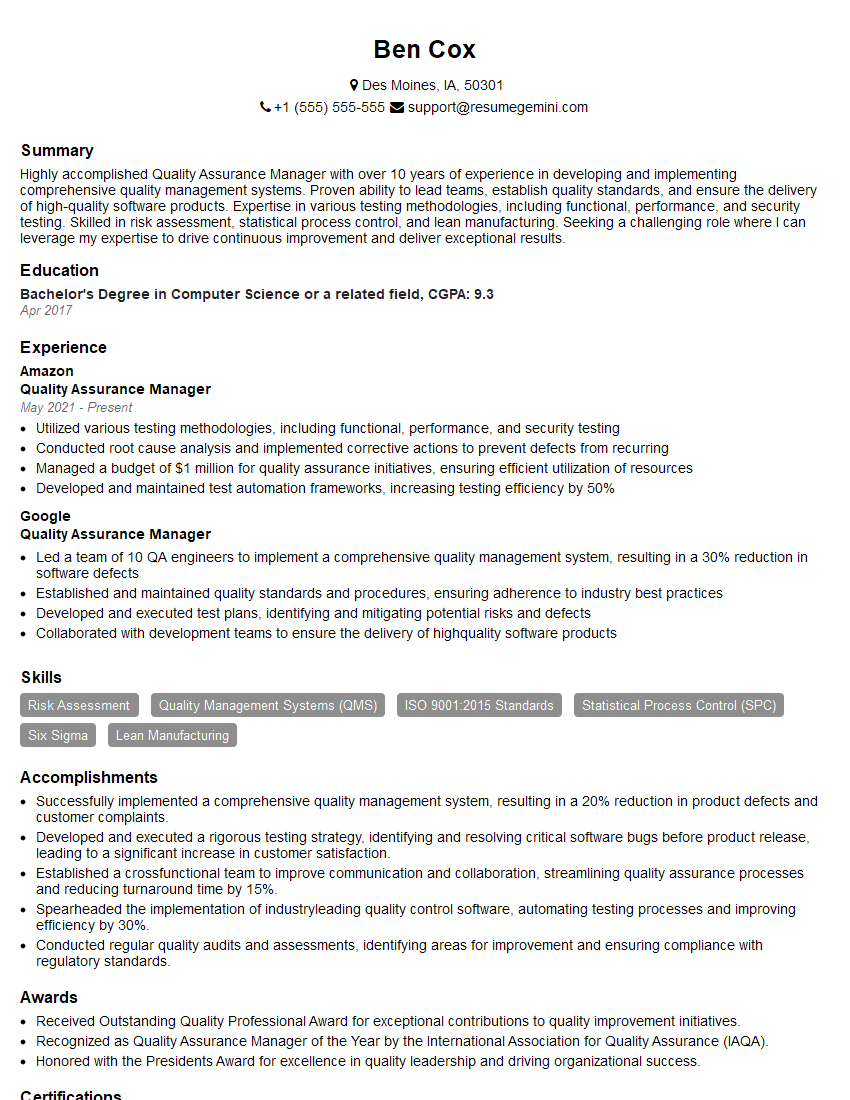
Quality Assurance Manager Resume Sample
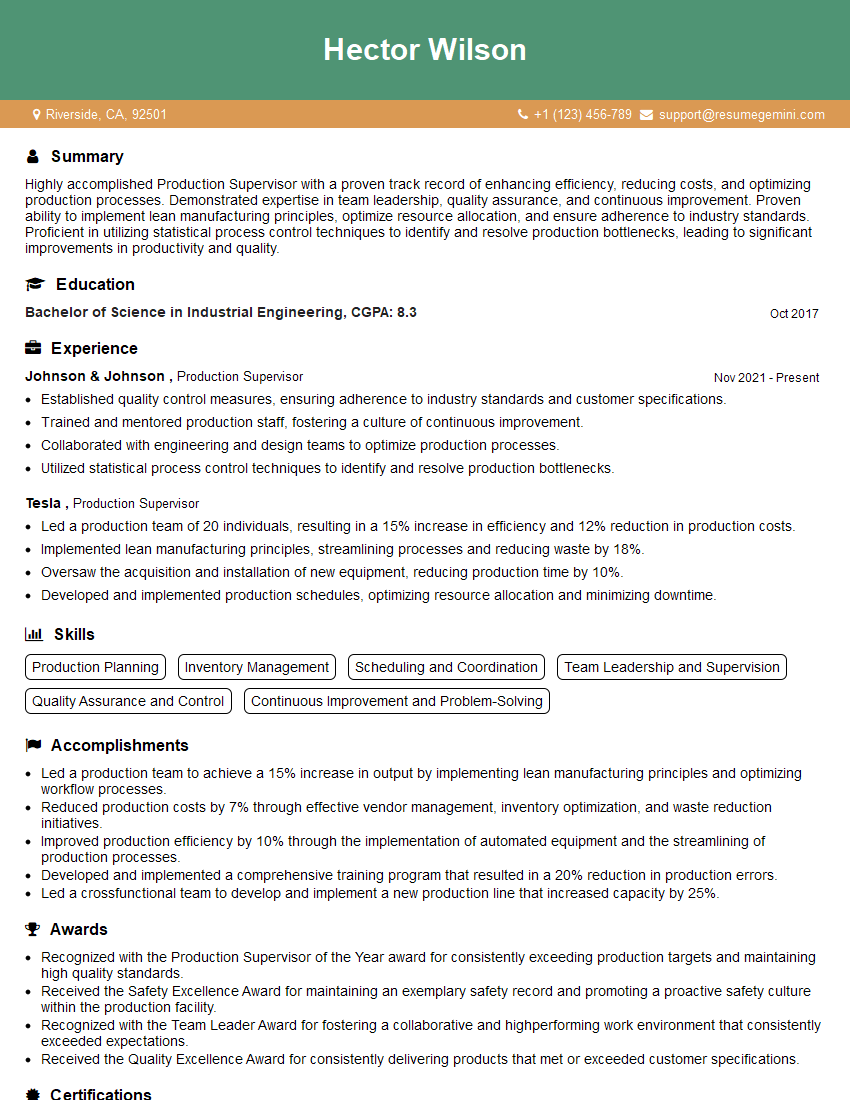
Production Supervisor Resume Sample
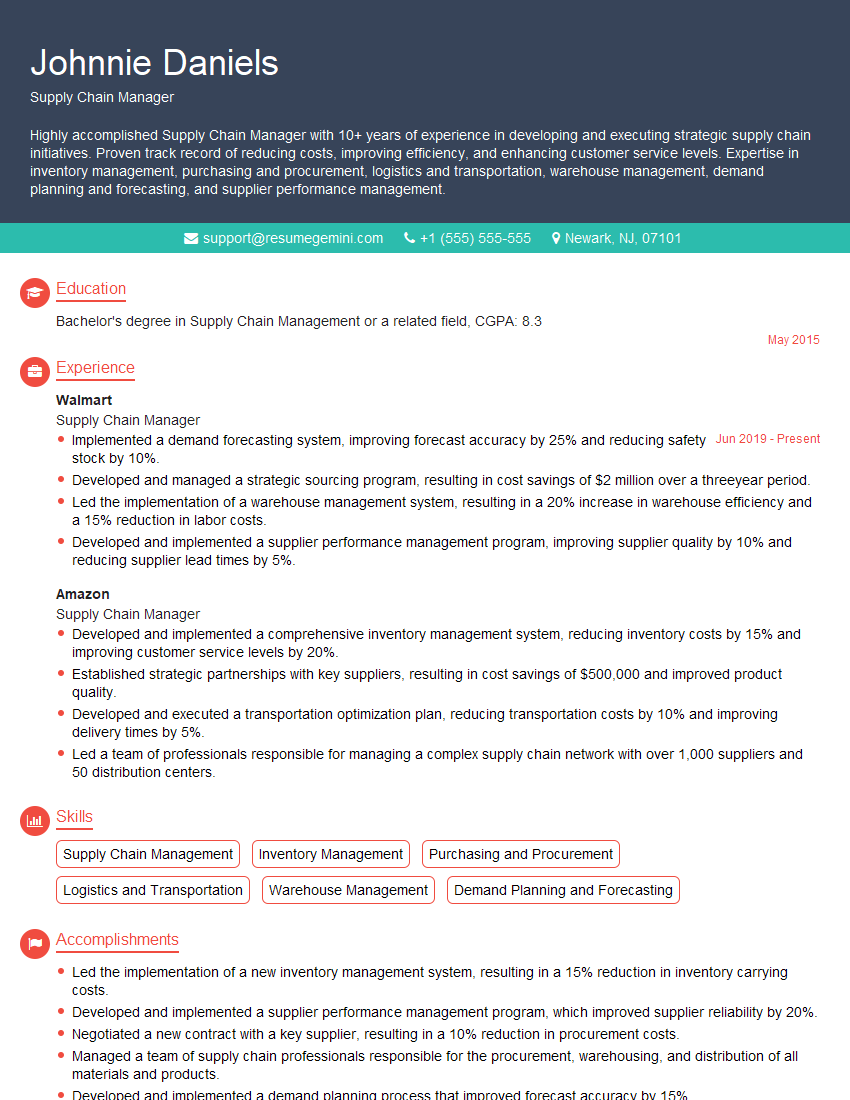
Supply Chain Manager Resume Sample
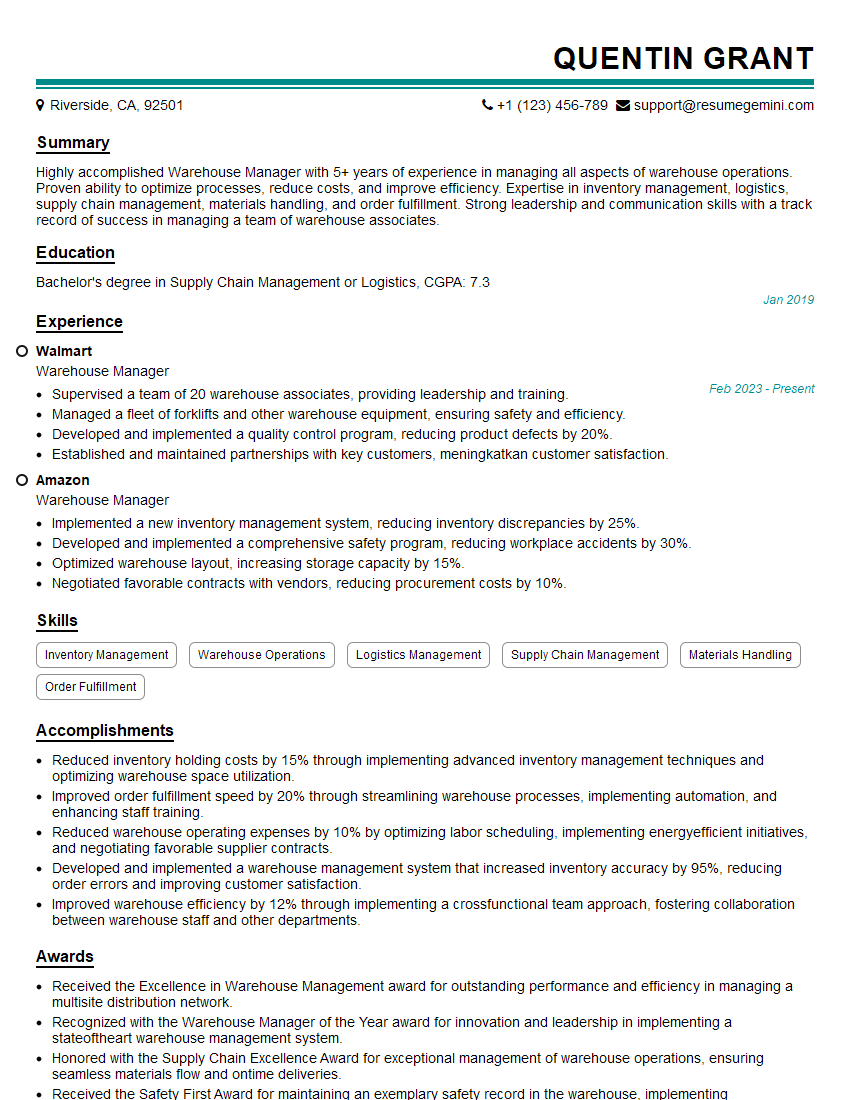
Warehouse Manager Resume Sample
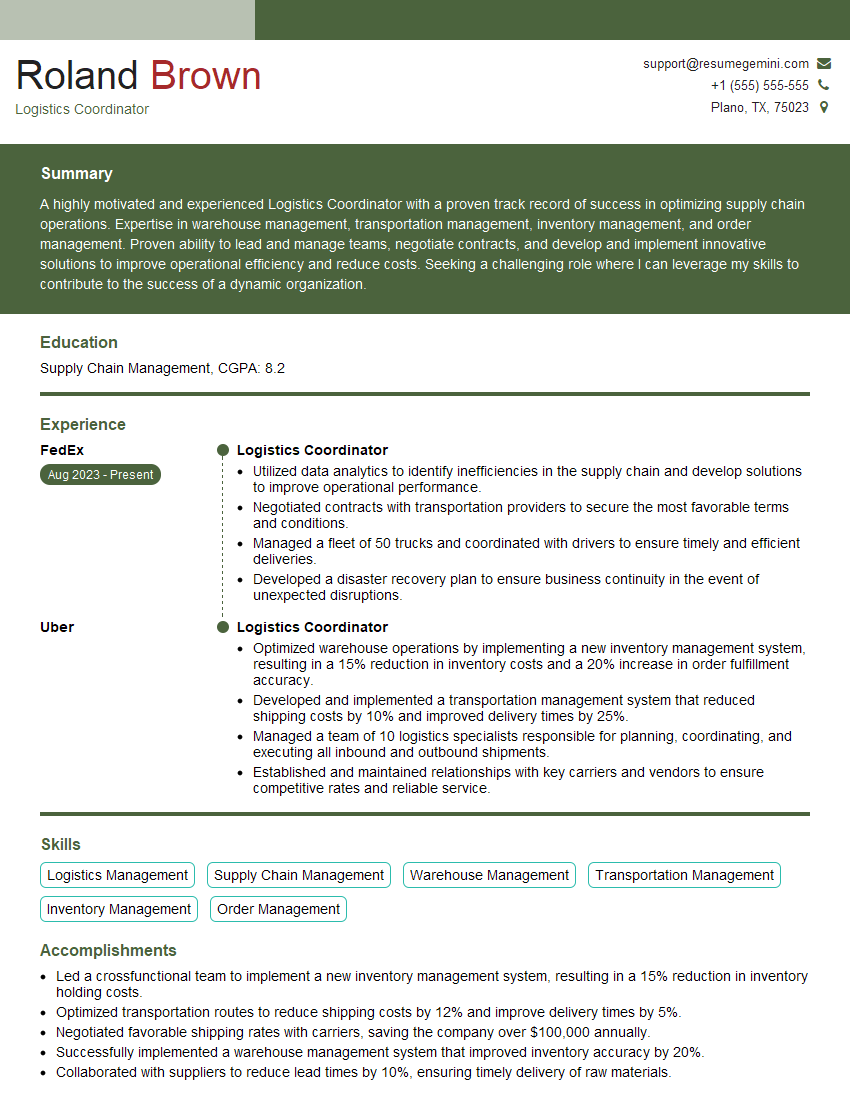
Logistics Coordinator Resume Sample

Senior Scientist Resume Sample
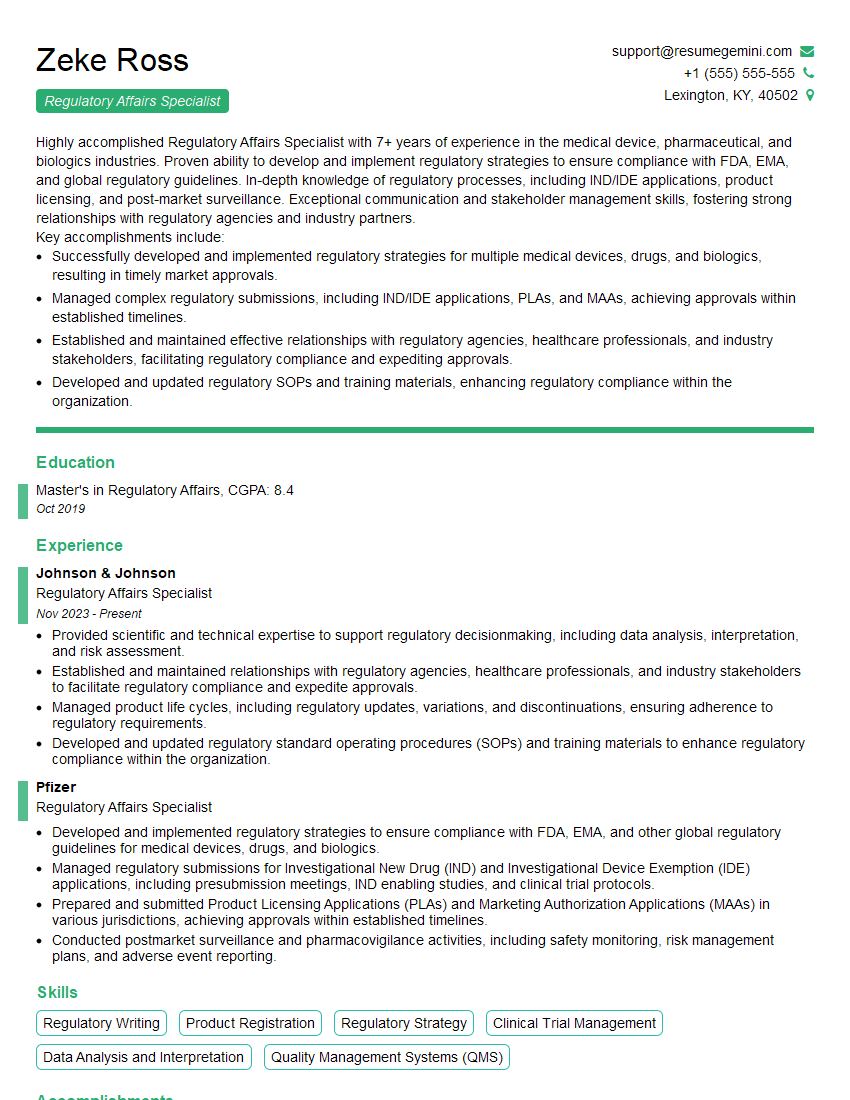
Regulatory Affairs Specialist Resume Sample
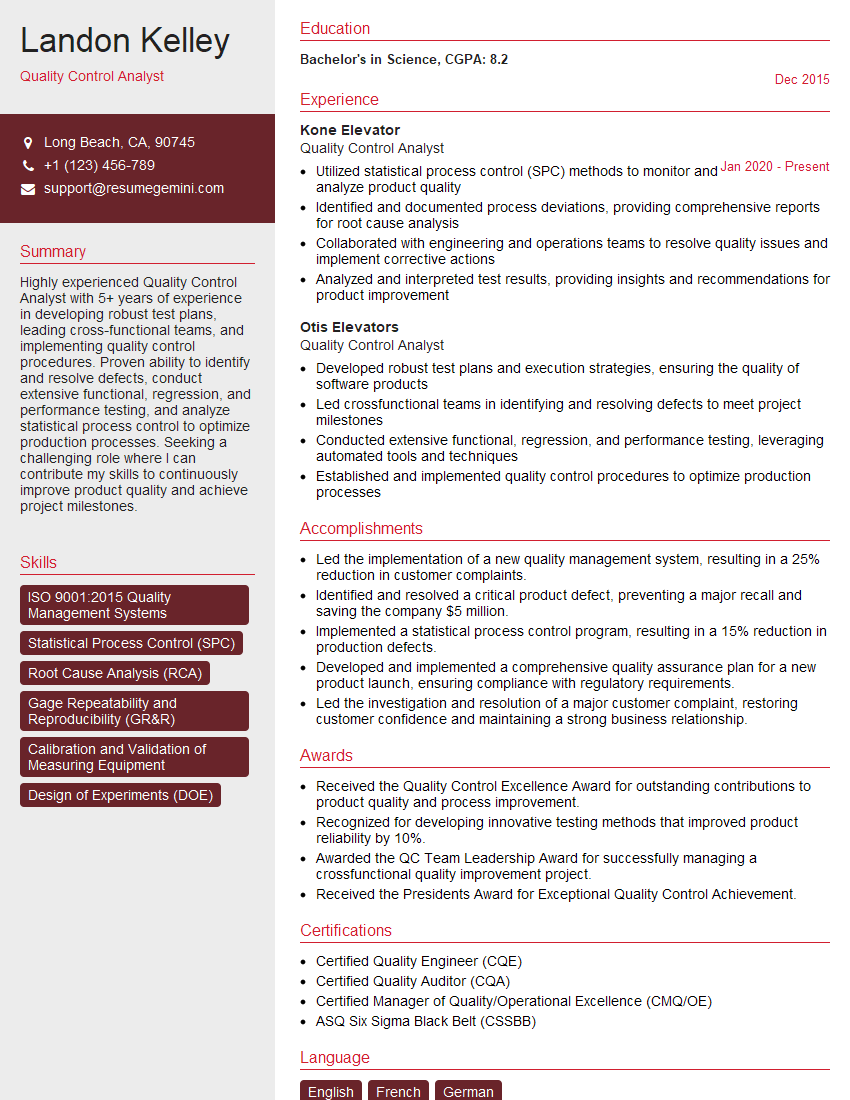
Quality Control Analyst Resume Sample
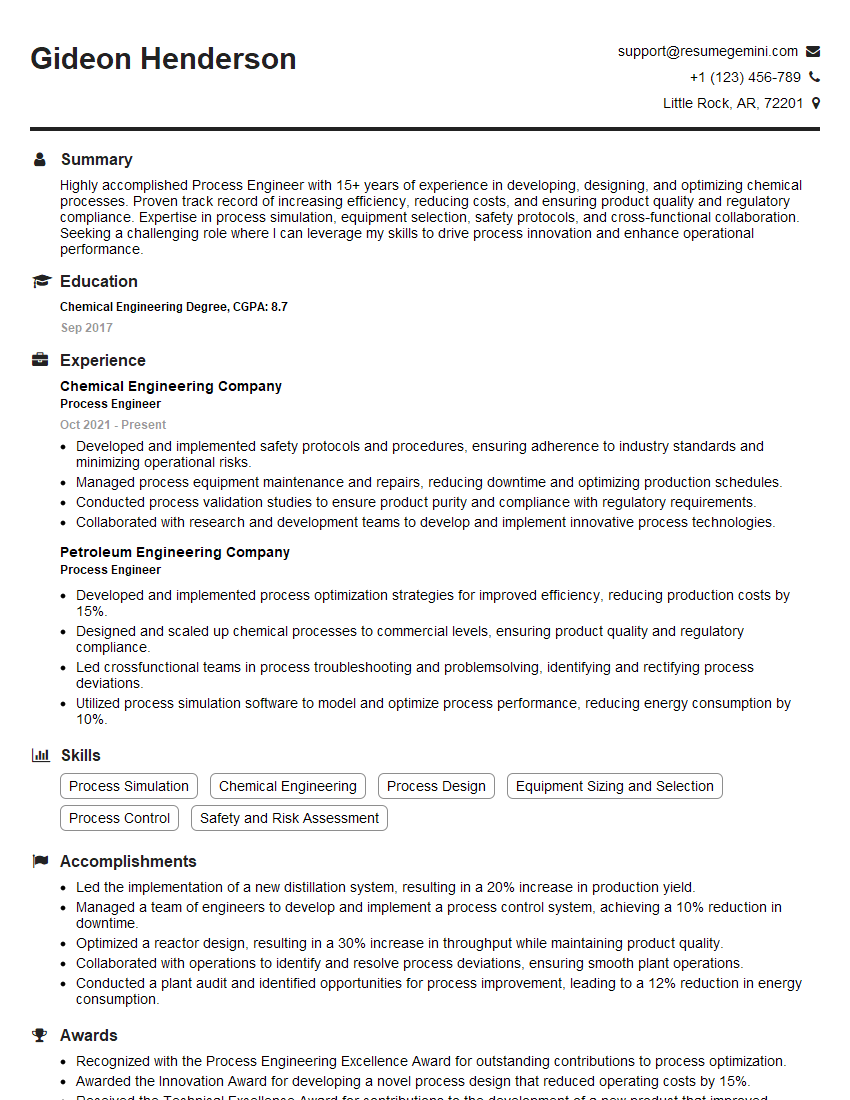
Process Engineer Resume Sample
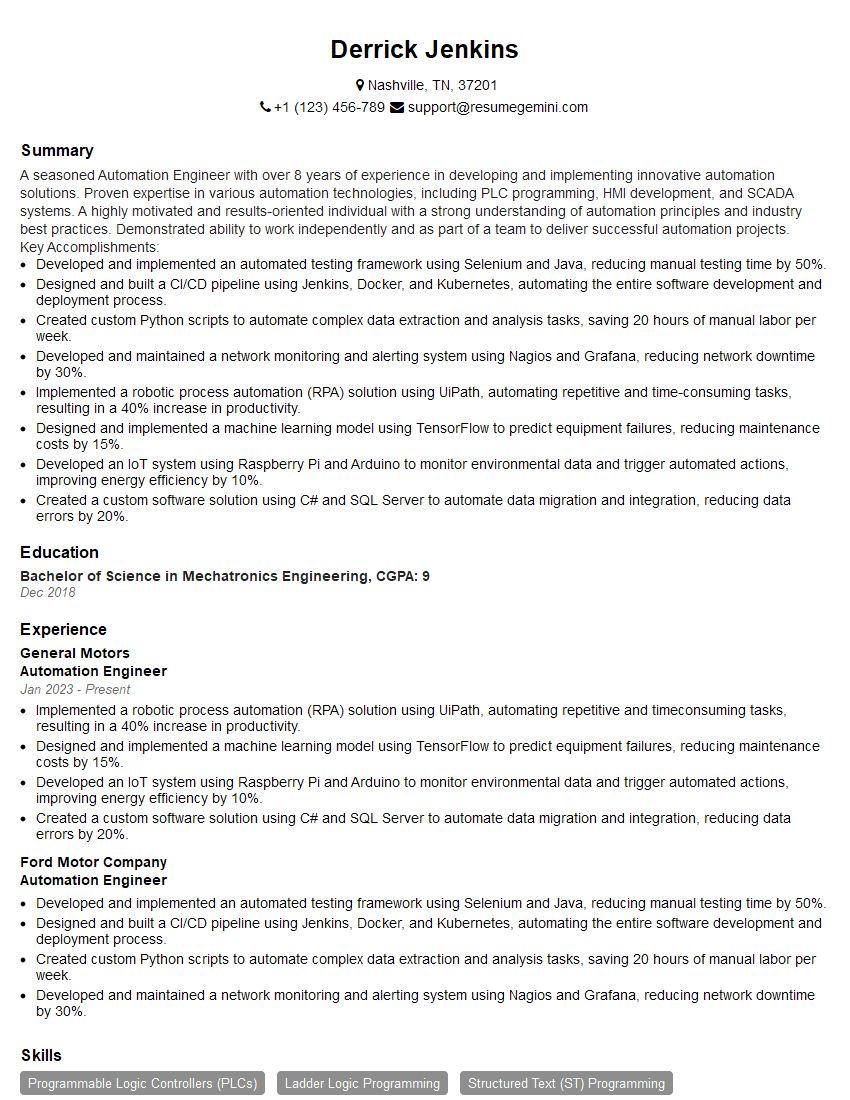
Automation Engineer Resume Sample
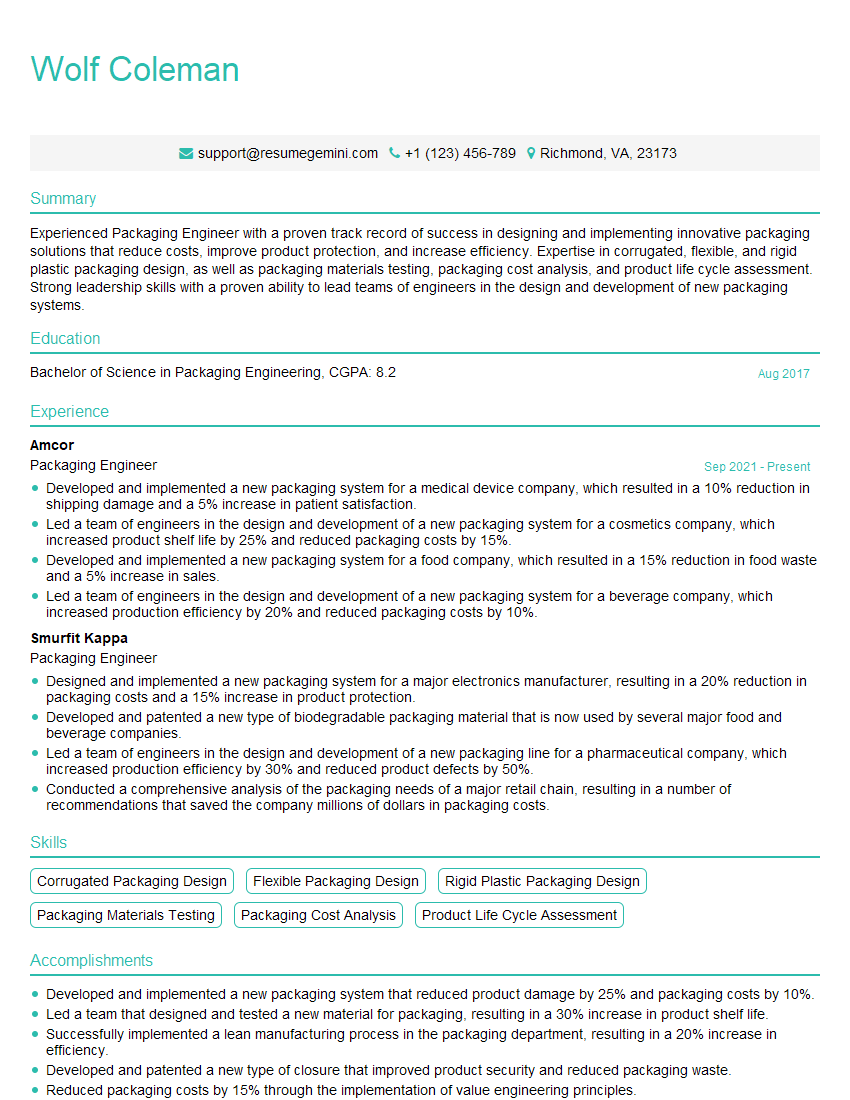
Packaging Engineer Resume Sample
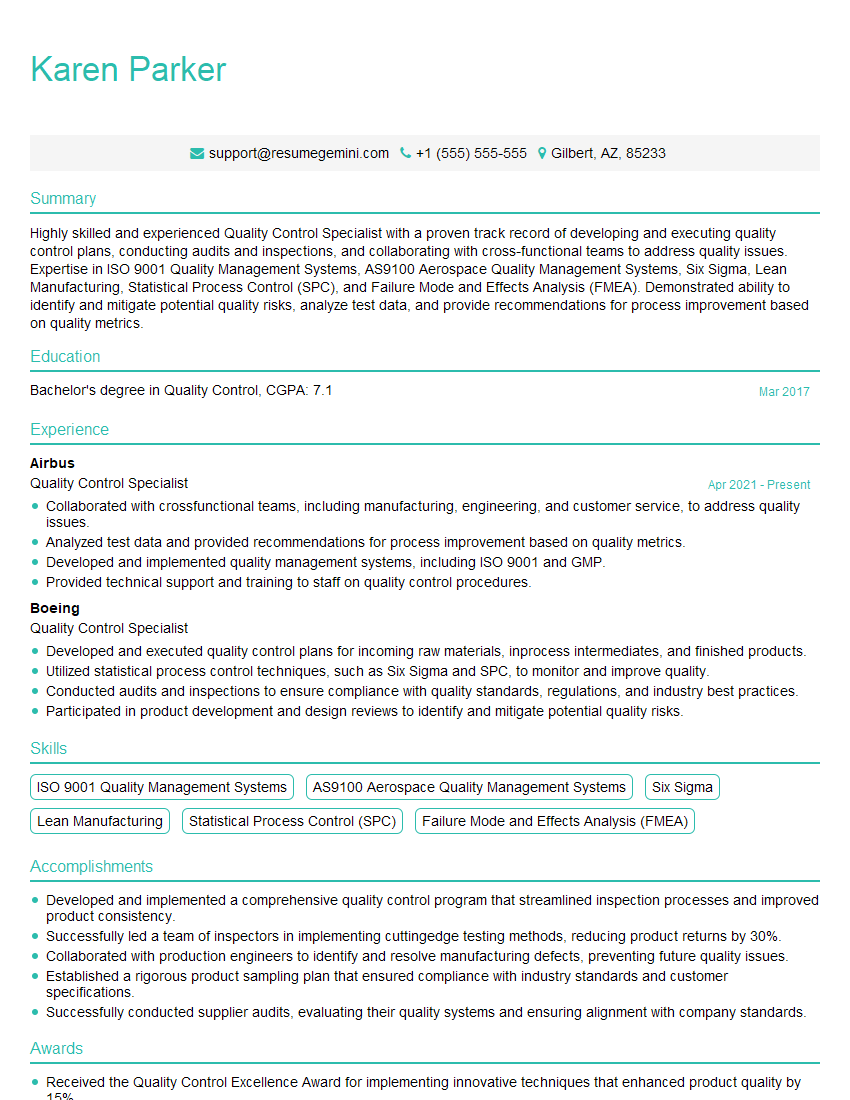
Quality Control Specialist Resume Sample
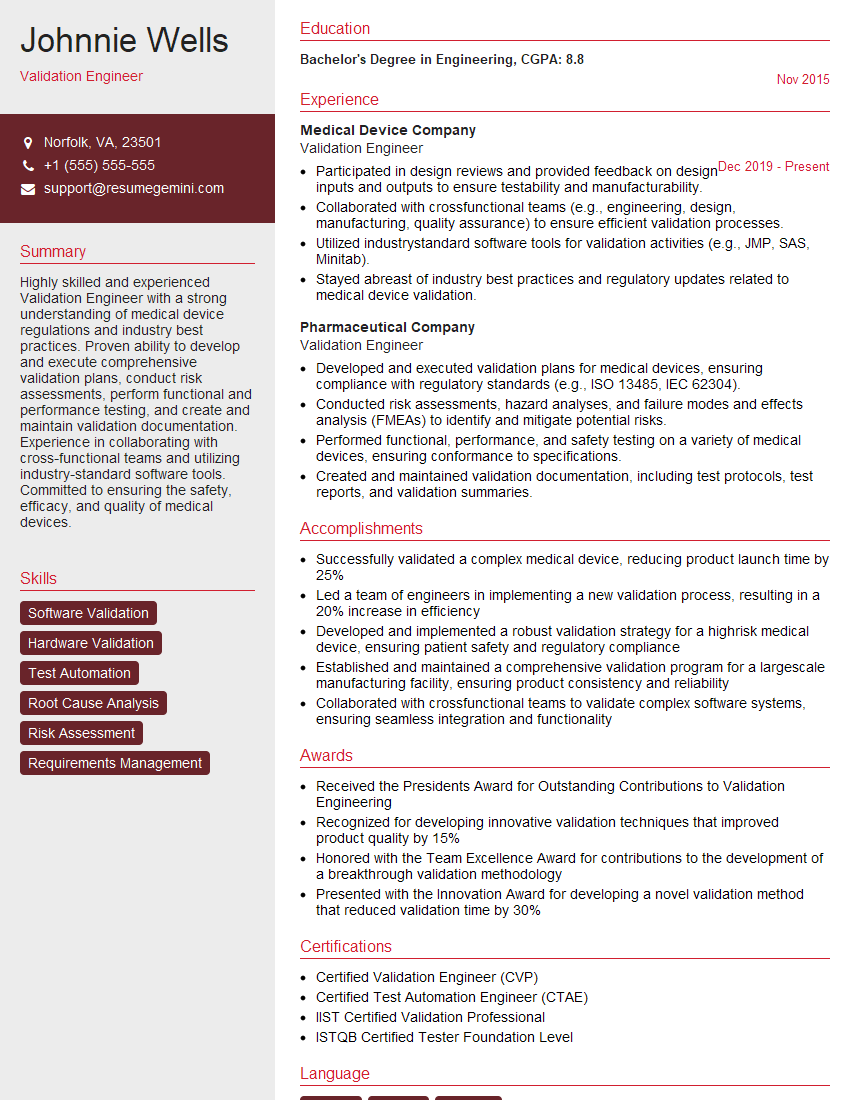
Validation Engineer Resume Sample
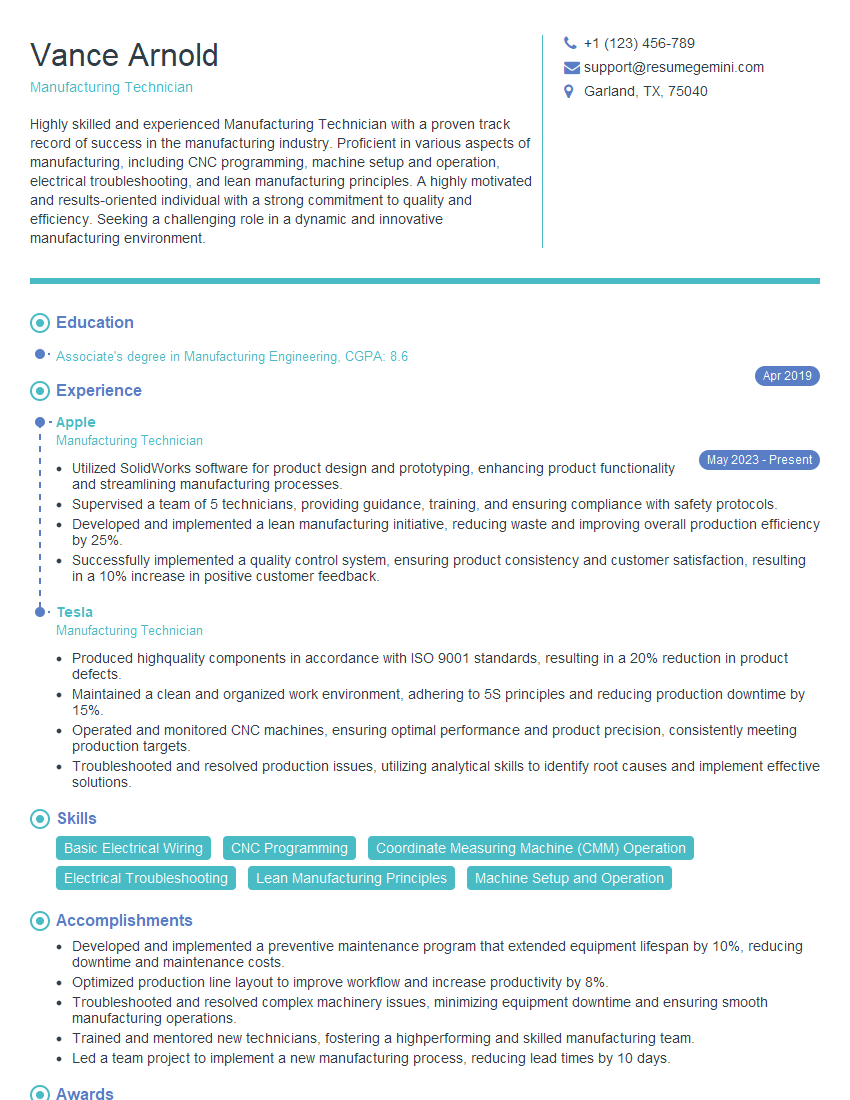
Manufacturing Technician Resume Sample
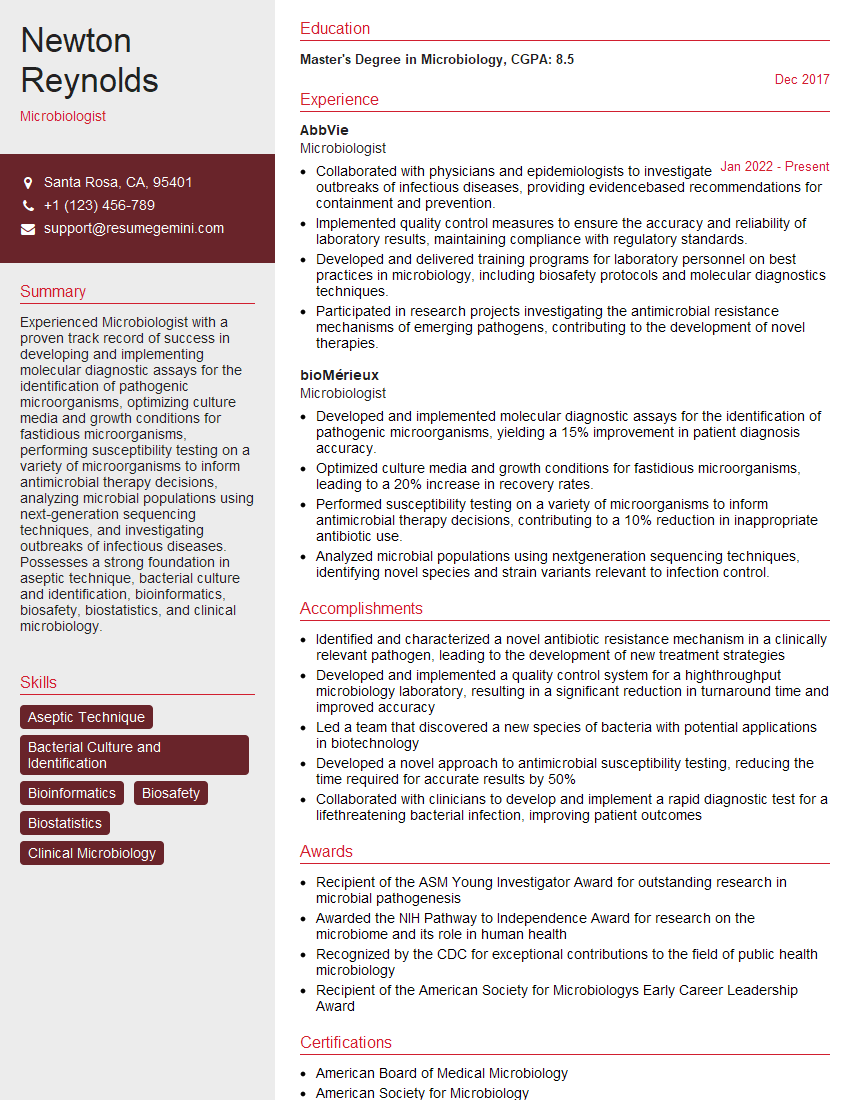
Microbiologist Resume Sample

Analytical Chemist Resume Sample
- Quality Assurance Manager
- Production Supervisor
- Supply Chain Manager
- Warehouse Manager
- Logistics Coordinator
- Senior Scientist
- Regulatory Affairs Specialist
- Quality Control Analyst
- Process Engineer
- Automation Engineer
- Packaging Engineer
- Quality Control Specialist
- Validation Engineer
- Manufacturing Technician
- Microbiologist
- Analytical Chemist
Explore more articles
Users Rating of Our Blogs
Share Your Experience
We value your feedback! Please rate our content and share your thoughts (optional).
What Readers Say About Our Blog
Very informative content, great job.
good