Interviews are opportunities to demonstrate your expertise, and this guide is here to help you shine. Explore the essential Physical Education and Sports Science Knowledge interview questions that employers frequently ask, paired with strategies for crafting responses that set you apart from the competition.
Questions Asked in Physical Education and Sports Science Knowledge Interview
Q 1. Explain the principles of training specificity and overload.
The principles of training specificity and overload are fundamental to effective exercise programming. Specificity refers to the idea that training adaptations are highly specific to the type of training undertaken. In other words, your body adapts to the precise demands placed upon it. If you want to improve your marathon running time, you need to train primarily with endurance running, not weightlifting. Overload, on the other hand, means consistently challenging your body by progressively increasing the intensity, duration, or frequency of your workouts. This pushes your body beyond its comfort zone, forcing it to adapt and improve.
Example: A weightlifter aiming to increase their bench press will focus on exercises that directly target the chest muscles (specificity) and will gradually increase the weight lifted or the number of repetitions over time (overload). Without overload, the body reaches a plateau and stops adapting.
Practical Application: When designing a training program, consider the specific needs and goals of the individual. A sprinter needs different training than a marathon runner; a powerlifter needs different training than a gymnast. Carefully planned progressions of overload ensure the athlete continuously improves.
Q 2. Describe the energy systems used during different types of exercise.
The body utilizes three primary energy systems during exercise: the ATP-PCr system, the glycolytic system, and the oxidative system. These systems work in conjunction, but their dominance varies depending on the intensity and duration of the exercise.
- ATP-PCr (phosphagen) system: This system provides immediate energy for short bursts of high-intensity activity, lasting up to about 10 seconds. Think of a 100-meter sprint. It uses stored ATP (adenosine triphosphate) and creatine phosphate (PCr) for fuel.
- Glycolytic system: This system kicks in when exercise intensity is high but duration is longer (around 10 seconds to 2 minutes). It breaks down carbohydrates (glycogen) to produce ATP. Examples include a 400-meter race or a short, intense cycling interval. This system produces lactic acid as a byproduct, leading to muscle fatigue.
- Oxidative system: This is the primary energy system for endurance activities lasting more than 2 minutes. It uses oxygen to break down carbohydrates and fats to produce ATP. Examples include long-distance running, cycling, and swimming. This system is more efficient than the glycolytic system but requires a constant supply of oxygen.
Practical Application: Understanding these energy systems allows coaches to tailor training to specific energy system demands. For example, a training program for a marathon runner would emphasize oxidative system training, while a training program for a sprinter would focus on ATP-PCr and glycolytic system training.
Q 3. What are the key components of a comprehensive fitness assessment?
A comprehensive fitness assessment should include several key components to provide a holistic picture of an individual’s fitness level. This allows for the creation of a safe and effective training program tailored to their needs and goals.
- Resting Heart Rate and Blood Pressure: Provides baseline cardiovascular health information.
- Body Composition: Determines the proportion of fat mass to lean body mass, often using methods like skinfold calipers, bioelectrical impedance analysis (BIA), or underwater weighing.
- Cardiorespiratory Fitness: Assessed through tests like the VO2 max test, a graded exercise test, or submaximal tests like the 1.5-mile run or step test.
- Muscular Strength and Endurance: Assessed through tests like one-repetition maximum (1RM) lifts, push-up tests, sit-up tests, or other muscular endurance assessments.
- Flexibility: Assessed through range of motion tests such as the sit-and-reach test, shoulder flexibility tests, or other joint specific flexibility tests.
- Balance and Coordination: Assessed through tests involving static and dynamic balance, and tests requiring hand-eye coordination.
Practical Application: The results of a comprehensive fitness assessment inform the design of a personalized training program, ensuring that the program is safe and effective for the individual and addresses their specific strengths and weaknesses.
Q 4. How do you design a training program to improve cardiovascular fitness?
Designing a training program to improve cardiovascular fitness involves applying the principles of training specificity, overload, and progression. The program should incorporate regular aerobic exercise, gradually increasing intensity and duration over time.
Step-by-step approach:
- Assessment: Begin with a fitness assessment to determine the individual’s current fitness level and identify any potential limitations.
- Goal Setting: Establish specific, measurable, achievable, relevant, and time-bound (SMART) goals for cardiovascular fitness improvement. For instance, improving run time or increasing distance covered.
- Exercise Selection: Choose aerobic activities that the individual enjoys and can sustain. Examples include running, swimming, cycling, or brisk walking.
- Frequency: Aim for at least 150 minutes of moderate-intensity or 75 minutes of vigorous-intensity aerobic activity per week, spread throughout the week.
- Intensity: This should be gradually increased over time, monitored using heart rate, perceived exertion, or talk test. Intensity should be challenging but not so intense that it leads to injury.
- Time/Duration: Gradually increase the duration of exercise sessions as fitness improves. Begin with shorter sessions and gradually increase them over weeks and months.
- Type: Incorporate variety into the program to prevent boredom and maintain motivation. Mix different activities to work different muscle groups.
- Progression: The program should progressively overload the cardiovascular system to elicit continued improvement. This can be done by increasing intensity, duration, or frequency gradually.
- Rest and Recovery: Include adequate rest and recovery to allow the body to adapt and prevent injury. Overtraining can negatively impact progress.
Example: A beginner might start with 30 minutes of brisk walking three times a week, gradually increasing the duration and intensity to reach their goal.
Q 5. Explain the difference between aerobic and anaerobic exercise.
Aerobic and anaerobic exercise differ primarily in their reliance on oxygen.
- Aerobic exercise (also known as cardio) is sustained physical activity that uses oxygen to produce energy. It involves activities that can be performed for a relatively long duration, such as running, swimming, cycling, or brisk walking. It improves cardiovascular fitness, burns fat, and enhances overall health.
- Anaerobic exercise is intense physical activity performed without sufficient oxygen. This leads to the production of lactic acid. It involves short bursts of high-intensity activity, such as weightlifting, sprinting, or plyometrics. It improves muscular strength, power, and speed.
Key Differences Summarized:
| Feature | Aerobic Exercise | Anaerobic Exercise |
|---|---|---|
| Oxygen Use | Uses oxygen | Does not use sufficient oxygen |
| Intensity | Moderate to low | High |
| Duration | Longer duration (minutes to hours) | Short duration (seconds to minutes) |
| Energy System | Oxidative system | ATP-PCr and glycolytic systems |
| Examples | Running, swimming, cycling | Weightlifting, sprinting |
Practical Application: Both aerobic and anaerobic exercise are important components of a well-rounded fitness program. The optimal balance depends on individual goals and fitness levels. Endurance athletes would focus more on aerobic exercise, while power athletes would emphasize anaerobic training.
Q 6. What are the benefits and risks of using performance-enhancing drugs?
Performance-enhancing drugs (PEDs) offer potential benefits in terms of increased strength, speed, endurance, and muscle mass. However, the risks significantly outweigh any potential gains.
Benefits (illusory and unethical):
- Increased muscle mass and strength
- Enhanced endurance and stamina
- Improved recovery time
- Increased aggression and competitiveness (psychological effects)
Risks:
- Health Risks: Cardiovascular disease, liver damage, kidney damage, hormonal imbalances, sterility, cancer, and even death.
- Ethical Concerns: Unfair advantage over other athletes, violation of sporting regulations, damage to the integrity of sport.
- Legal Consequences: Bans from competition, fines, and criminal charges.
- Addiction: Physical and psychological dependence on the drugs.
- Side Effects: Acne, hair loss, mood swings, aggression, depression, and other adverse effects.
Practical Application: The use of PEDs is strictly prohibited in most competitive sports. Athletes should focus on ethical and safe training methods to achieve their goals. Education on the dangers of PEDs is crucial for maintaining the integrity of sport and protecting athletes’ health.
Q 7. How do you assess and address the nutritional needs of athletes?
Assessing and addressing the nutritional needs of athletes requires a holistic approach considering their sport, training load, energy expenditure, and individual metabolic characteristics.
Assessment:
- Dietary History: Detailed assessment of current eating habits, including food intake, frequency, portion sizes, and nutrient composition.
- Anthropometric Measurements: Body weight, height, body mass index (BMI), body composition analysis to assess current nutritional status.
- Biochemical Analysis: Blood tests to evaluate levels of key nutrients, such as iron, vitamin D, and electrolytes.
- Training Log: Review of training schedule, intensity, and duration to determine energy expenditure and macronutrient needs.
- Individual Needs: Consider individual factors like age, gender, genetics, and any existing health conditions.
Addressing Nutritional Needs:
- Macronutrient Balance: Determining the optimal balance of carbohydrates, proteins, and fats based on training demands. Endurance athletes may need a higher carbohydrate intake, while strength athletes require more protein.
- Micronutrient Intake: Ensuring adequate intake of vitamins and minerals essential for performance and overall health.
- Hydration: Maintaining adequate hydration through regular fluid intake, especially during and after training sessions.
- Meal Timing: Strategic meal timing before, during, and after training to optimize energy availability and recovery.
- Supplementation: In some cases, supplementation may be necessary to address specific nutrient deficiencies, but this should be done under the guidance of a registered dietitian or sports nutritionist.
Practical Application: A registered dietitian or sports nutritionist can help athletes develop individualized nutrition plans that support their training goals, optimize performance, and maintain overall health. Collaboration between coaches, athletes, and nutrition professionals is key to successful nutritional management.
Q 8. Discuss the biomechanics of running and how to improve running efficiency.
Running, at its core, is a complex interplay of biomechanical factors aimed at propelling the body forward efficiently. It involves a cyclical pattern of phases: stance and swing. The stance phase focuses on shock absorption and energy return, while the swing phase prepares for the next stride. Optimal running efficiency hinges on minimizing energy expenditure while maximizing speed and distance covered.
Improving Running Efficiency involves several key strategies:
- Proper Foot Strike: Landing midfoot to reduce impact forces. A heel strike increases impact and can lead to injuries.
- Cadence: Increasing step frequency (steps per minute) to around 170-180 steps per minute. This shorter stride length reduces impact and improves efficiency.
- Posture: Maintaining an upright posture with a slight forward lean from the ankles. Avoid slouching or excessive leaning.
- Arm Swing: Keeping arms bent at approximately 90 degrees and swinging them forward and backward, not across the body. This counterbalances the leg movement.
- Strength and Conditioning: Focusing on exercises that strengthen the core, glutes, and legs. Stronger muscles translate to more efficient movement.
- Flexibility and Mobility: Ensuring adequate flexibility in the hips, ankles, and hamstrings enhances stride length and reduces injury risk.
For example, a runner experiencing knee pain might benefit from analyzing their foot strike. Switching to a midfoot strike, combined with strengthening exercises for the hip abductors and core, can significantly improve their running form and reduce pain.
Q 9. Describe the role of flexibility and mobility in athletic performance.
Flexibility and mobility are crucial for athletic performance, impacting power, speed, agility, and injury prevention. Flexibility refers to the range of motion at a joint, while mobility encompasses the ability to move through that range of motion efficiently. Both contribute to optimal movement patterns.
- Improved Range of Motion: Greater flexibility allows athletes to achieve a fuller range of motion during movements, leading to increased power output (e.g., a wider range of motion in a golf swing).
- Enhanced Power and Speed: Proper mobility allows for efficient transfer of force, leading to faster acceleration and greater power generation (e.g., a flexible hamstring aids in sprinting).
- Reduced Injury Risk: Good flexibility and mobility decrease the stress on muscles, tendons, and ligaments, reducing the likelihood of strains, sprains, and tears. Tight muscles are more susceptible to injury.
- Improved Posture and Balance: Adequate flexibility and mobility contribute to better body alignment, improving balance and reducing the risk of falls.
Think of a gymnast: their incredible flexibility and mobility are essential for executing complex maneuvers safely and effectively. Conversely, a lack of flexibility in the hamstrings can restrict a runner’s stride length, reducing speed and increasing injury risk.
Q 10. Explain the principles of motor learning and skill acquisition.
Motor learning is the process of acquiring and refining motor skills through practice and experience. Skill acquisition involves several stages and principles:
- Stages of Learning: Cognitive (understanding the skill), Associative (refining the skill), and Autonomous (automatic performance).
- Practice: Repetitive practice is crucial, with variations in practice conditions enhancing skill transfer to different contexts (e.g., practicing free throws in different environments).
- Feedback: Knowledge of performance (KP) and knowledge of results (KR) are essential. KP informs the athlete about how they executed the movement, while KR focuses on the outcome.
- Transfer of Learning: Skills learned in one context can transfer to other similar activities (e.g., practicing dribbling a basketball improves dribbling a soccer ball).
- Motivation: Intrinsic motivation—enjoyment of the activity—is critical for sustained learning and improvement.
For instance, a basketball player learning a jump shot will initially focus on the cognitive stage (understanding the technique). Through practice and feedback from a coach, they’ll move into the associative stage (refining their form) and eventually the autonomous stage (consistently hitting shots without conscious effort).
Q 11. How do you adapt physical activity programs for individuals with disabilities?
Adapting physical activity programs for individuals with disabilities requires a personalized approach, considering their specific needs, abilities, and limitations. The focus is on inclusive participation and promoting physical fitness and well-being.
- Needs Assessment: A thorough evaluation of the individual’s physical capabilities, medical history, and goals is crucial. This might include physical assessments, consultations with therapists, and input from the individual.
- Adaptive Equipment: Modifying or using specialized equipment (e.g., wheelchairs, adaptive bikes, modified weights) can help individuals participate in activities that might otherwise be inaccessible.
- Modified Activities: Adapting rules, modifying exercises, or changing activity formats allows participation for diverse abilities (e.g., lowering basketball hoops, using larger balls, modifying exercise intensity).
- Individualized Programs: Programs must be tailored to the individual’s abilities and goals. A standardized program may not be suitable for everyone.
- Safety Precautions: Prioritizing safety is paramount. Careful consideration of the environment, equipment, and supervision is essential to prevent injury.
For example, an individual with visual impairment might participate in a modified track and field program using auditory cues instead of visual ones, and a wheelchair basketball team requires adaptive rules and equipment to ensure fair and safe play.
Q 12. What are the common injuries in specific sports, and their prevention strategies?
Common sports injuries vary greatly depending on the sport’s demands. Prevention strategies involve a multi-faceted approach.
- Running: Common injuries include runner’s knee (patellofemoral pain syndrome), plantar fasciitis, and Achilles tendinitis. Prevention includes proper footwear, strength training (glutes and core), stretching, and gradual increase in mileage.
- Basketball: Ankle sprains, ACL tears, and shoulder injuries are frequent. Prevention focuses on proper landing techniques, agility training, and core strengthening to enhance stability.
- Football: Concussions, knee injuries (ACL, MCL), and hamstring strains are common. Prevention involves proper tackling techniques, strength and conditioning, and appropriate protective equipment.
- Tennis: Tennis elbow (lateral epicondylitis), rotator cuff injuries, and wrist injuries are frequent. Prevention strategies focus on proper technique, adequate warm-up, and strengthening exercises.
General Prevention Strategies: Proper warm-up and cool-down routines, appropriate training loads, adequate nutrition and hydration, sufficient rest and recovery, and the use of appropriate protective equipment are crucial across all sports.
Q 13. Describe different methods for measuring body composition.
Body composition refers to the proportion of fat mass and fat-free mass (muscle, bone, water) in the body. Several methods are used for measurement:
- Hydrostatic Weighing (Underwater Weighing): This gold-standard method measures body density by comparing weight on land to weight underwater. Fat tissue is less dense than fat-free tissue.
- Air Displacement Plethysmography (Bod Pod): This method measures body volume using air displacement, allowing for the calculation of body density and body composition.
- Dual-Energy X-ray Absorptiometry (DEXA): This technique uses low-dose X-rays to measure bone mineral density, lean mass, and fat mass. It is considered very accurate but expensive.
- Bioelectrical Impedance Analysis (BIA): This method passes a weak electrical current through the body to estimate body composition. It’s relatively inexpensive and easy to use, but accuracy can be affected by hydration levels.
- Skinfold Calipers: This method measures subcutaneous fat thickness at multiple sites. It is relatively simple and inexpensive but can be less accurate if not performed properly by a trained technician.
The choice of method depends on factors like accuracy needed, cost, and availability of equipment. DEXA is highly accurate but often not readily available, while BIA is common but susceptible to hydration-related errors.
Q 14. Explain the role of plyometrics in strength and conditioning.
Plyometrics, also known as jump training, focuses on explosive movements that utilize the stretch-shortening cycle. This cycle involves a rapid eccentric (lengthening) phase followed by a concentric (shortening) phase, resulting in increased power output.
- Enhanced Power and Strength: Plyometrics significantly improve power and strength by stimulating fast-twitch muscle fibers, responsible for explosive movements.
- Improved Speed and Agility: Increased power translates to improvements in speed and agility, essential for many sports.
- Improved Muscle Activation: Plyometrics enhances the neuromuscular coordination and efficiency of muscles.
- Increased Vertical Jump Height: A classic example of plyometric training’s benefits is the increase in vertical jump height observed in athletes.
Examples of plyometric exercises include box jumps, depth jumps, and medicine ball throws. Proper technique is crucial to prevent injuries. Plyometrics should be incorporated progressively into a strength and conditioning program to maximize benefits and minimize the risk of overuse injuries. It’s important to consider the athlete’s current training level and physical condition before starting a plyometrics program.
Q 15. How do you assess an athlete’s cardiovascular fitness?
Assessing an athlete’s cardiovascular fitness involves evaluating their heart and lungs’ ability to deliver oxygen to working muscles during prolonged physical activity. We employ several methods, each offering a unique perspective on different aspects of cardiovascular health.
Resting Heart Rate (RHR): A low RHR indicates a strong, efficient heart. We measure it using a simple heart rate monitor, either manually by counting pulses or using a device. A lower RHR generally suggests better cardiovascular fitness.
Maximum Heart Rate (MHR): This represents the highest heart rate achievable during maximal exertion. While direct measurement requires a graded exercise test (GXT) in a controlled environment, we can estimate it using formulas like 220 minus age. This provides a benchmark for designing exercise programs.
VO2 Max Test: This gold standard test measures the maximum amount of oxygen your body can utilize during intense exercise. It’s conducted in a laboratory setting and provides a highly accurate assessment of aerobic capacity. Higher VO2 max values indicate superior cardiovascular fitness.
Submaximal Exercise Tests: These tests, such as the beep test or cycle ergometer tests, estimate VO2 max through submaximal exertion. They are less resource-intensive than VO2 max tests, making them suitable for field assessments. However, they are less precise.
Recovery Heart Rate: This measures how quickly the heart rate returns to resting levels after exercise. A faster recovery indicates a more efficient cardiovascular system. We monitor this after a standard exercise protocol.
The choice of assessment method depends on the athlete’s individual needs, available resources, and the specific goals of the assessment. For example, a marathon runner might require a VO2 max test, while a recreational athlete might benefit more from a submaximal test.
Career Expert Tips:
- Ace those interviews! Prepare effectively by reviewing the Top 50 Most Common Interview Questions on ResumeGemini.
- Navigate your job search with confidence! Explore a wide range of Career Tips on ResumeGemini. Learn about common challenges and recommendations to overcome them.
- Craft the perfect resume! Master the Art of Resume Writing with ResumeGemini’s guide. Showcase your unique qualifications and achievements effectively.
- Don’t miss out on holiday savings! Build your dream resume with ResumeGemini’s ATS optimized templates.
Q 16. Discuss the importance of warm-up and cool-down in exercise.
Warm-up and cool-down are crucial components of any exercise program, preparing the body for activity and facilitating recovery afterward. Think of it like starting and stopping a car – you wouldn’t just jump in and floor it, nor would you abruptly turn off the engine after a long drive.
Warm-up (5-10 minutes): This gradually increases heart rate and blood flow, preparing muscles for physical demands. It involves light cardio, such as jogging or cycling, followed by dynamic stretching (movements like arm circles and leg swings), which increases range of motion and reduces the risk of injury.
Cool-down (5-10 minutes): This gradually reduces heart rate and blood flow, allowing the body to recover and prevent blood pooling in the muscles. It typically involves light cardio, followed by static stretching (holding stretches for 15-30 seconds), improving flexibility and reducing muscle soreness.
Importance:
Injury Prevention: Warming up increases blood flow and muscle temperature, enhancing elasticity and reducing the risk of muscle strains and tears. Cooling down helps prevent muscle stiffness and soreness.
Improved Performance: A proper warm-up enhances muscle performance by optimizing enzyme activity and increasing blood flow to muscles, allowing for better oxygen delivery.
Reduced Risk of Cardiac Issues: A gradual increase and decrease in heart rate during warm-up and cool-down helps to prevent cardiac issues.
Ignoring warm-up and cool-down can lead to injuries, reduced performance, and increased muscle soreness. For example, a sprinter who skips a warm-up is at a higher risk of hamstring injury, while a long-distance runner who neglects a cool-down might experience significant muscle stiffness.
Q 17. Explain the concept of periodization in training.
Periodization is a systematic approach to training that involves dividing a training program into distinct periods or phases, each with specific goals and training methods. It prevents overtraining and maximizes performance gains over time. Imagine building a house – you wouldn’t just throw all the materials together at once; you follow a plan with different stages (foundation, framing, etc.).
Macrocycle: This is the longest phase, often lasting a year, encompassing the entire training plan, leading to a peak performance at a specific event (e.g., a championship).
Mesocycle: These are shorter phases within the macrocycle, typically lasting several weeks or months. Each mesocycle focuses on developing specific fitness components, such as strength, power, or endurance. For example, one mesocycle might focus on building strength, another on improving speed.
Microcycle: These are the shortest phases, usually lasting a week. They focus on the daily or weekly training schedule within a mesocycle. This might involve specific workout plans, rest days and repetitions.
Different periodization models exist, such as linear periodization (gradually increasing training volume and intensity), and undulating periodization (varying volume and intensity within a week or mesocycle). The choice depends on the athlete’s training level, the sport’s demands and the competition schedule. Proper periodization is vital for preventing overtraining, avoiding injuries, and achieving optimal performance.
Q 18. What are the key elements of a successful rehabilitation program?
A successful rehabilitation program aims to restore an athlete’s functional ability after an injury. It’s a multi-stage process requiring a collaborative approach between the athlete, medical professionals, and support staff.
Immediate Care: This initial phase focuses on controlling inflammation, pain management (RICE protocol: Rest, Ice, Compression, Elevation), and stabilizing the injured area.
Early Rehabilitation: This stage involves restoring range of motion and muscle function. It includes gentle exercises, manual therapy, and modalities like ultrasound or electrical stimulation.
Advanced Rehabilitation: This phase emphasizes strengthening, improving neuromuscular control, and gradually increasing the intensity and duration of activity to regain pre-injury fitness levels. This often involves plyometrics and sport-specific training.
Return to Play: This final stage involves a gradual reintegration into the athlete’s sport, monitoring progress closely to ensure a smooth transition and prevent recurrence of injury. Functional testing often plays a vital role.
Key elements include:
Individualized Plan: The program must be tailored to the athlete’s specific injury, needs, and goals.
Gradual Progression: Exercises should be progressively challenging to avoid re-injury.
Regular Monitoring: Progress should be monitored through regular assessments and adjustments made as needed.
Patient Education: Educating the athlete about their injury and the rehabilitation process is crucial for adherence and successful outcomes.
For instance, a rehabilitation program for a knee injury might start with range-of-motion exercises, progress to strengthening exercises using resistance bands, and eventually involve plyometric exercises to improve jumping ability before returning to running or sport-specific activities.
Q 19. How do you motivate individuals to adopt a healthy lifestyle?
Motivating individuals to adopt a healthy lifestyle is a multifaceted process requiring a personalized approach that addresses individual needs and preferences.
Set Realistic Goals: Start with small, achievable goals to build confidence and momentum. For example, instead of aiming for a drastic diet change, focus on incorporating one or two healthy meals per week.
Find Enjoyable Activities: Encourage participation in activities that individuals genuinely enjoy, increasing adherence and making it sustainable. If someone dislikes running, suggest swimming or cycling.
Focus on Benefits: Highlight the positive aspects of a healthy lifestyle, such as increased energy, improved sleep, and reduced risk of chronic diseases. Personal stories can often be more persuasive.
Provide Support and Accountability: Create a supportive environment through group fitness classes, peer support groups, or working with a personal trainer for motivation and accountability.
Address Barriers: Identify and address potential barriers to healthy living, such as time constraints, financial limitations, or lack of access to resources. Offer practical solutions.
Celebrate Successes: Acknowledge and celebrate milestones along the way, reinforcing positive behaviors and maintaining motivation.
For example, working with someone who wants to lose weight might involve setting a goal of losing 1-2 pounds per week, finding an enjoyable exercise like dancing or hiking, and focusing on the improved energy levels and increased confidence that will come with reaching their goals.
Q 20. Explain the effects of exercise on various body systems.
Exercise has profound and multifaceted effects on various body systems. It’s not just about aesthetics; it’s about optimizing the body’s functioning and improving overall health.
Cardiovascular System: Exercise strengthens the heart muscle, improves blood flow, lowers resting heart rate, and reduces blood pressure. It also increases the efficiency of oxygen uptake and delivery to working muscles.
Respiratory System: Exercise enhances lung capacity and improves oxygen uptake. It also strengthens respiratory muscles, making breathing more efficient.
Musculoskeletal System: Exercise builds stronger bones, increases muscle mass and strength, improves joint flexibility and range of motion, and enhances balance and coordination.
Metabolic System: Exercise helps regulate blood sugar levels, improves insulin sensitivity, and reduces the risk of type 2 diabetes. It also aids in weight management by burning calories and increasing metabolism.
Nervous System: Exercise improves cognitive function, enhances mood, and reduces stress and anxiety. It also stimulates the production of neurotrophic factors, promoting brain health.
Endocrine System: Exercise influences hormone production, affecting growth, metabolism, and reproductive function. It can also improve sleep quality.
Understanding these effects is crucial for designing effective exercise programs that address specific health needs and goals. For example, a program for an elderly individual would focus on exercises that improve balance and bone density to reduce the risk of falls, whereas a program for a young athlete might emphasize strength and power training to improve performance.
Q 21. What are the different types of muscle contractions and their roles in movement?
Muscle contractions are the basis of all movement. Different types of contractions serve distinct functional roles.
Isometric Contraction: Muscle length remains constant while tension increases. Think of holding a heavy weight in place – the muscle is activated, but there’s no visible shortening or lengthening. This is important for maintaining posture and stabilizing joints.
Isotonic Contraction: Muscle length changes while tension remains relatively constant. This is further subdivided into:
Concentric Contraction: The muscle shortens while generating force, like the upward phase of a bicep curl.
Eccentric Contraction: The muscle lengthens while generating force, like the downward phase of a bicep curl. Eccentric contractions are crucial for controlling movement and absorbing shock.
Isokinetic Contraction: Muscle contraction occurs at a constant speed. This type of contraction requires specialized equipment and is often used in rehabilitation settings to maximize muscle strength and power through the entire range of motion.
Understanding the roles of these different contractions is crucial for designing effective exercise programs. For instance, a weightlifting program might incorporate both concentric and eccentric movements to maximize muscle growth and strength, while a rehabilitation program after a joint injury might emphasize isometric contractions to improve stability and prevent re-injury.
Q 22. Discuss the importance of proper posture and body mechanics.
Proper posture and body mechanics are fundamental to overall health, athletic performance, and injury prevention. Maintaining good posture involves aligning your body segments – head, shoulders, spine, hips, knees, and ankles – in a way that minimizes strain on muscles and joints. Optimal body mechanics, on the other hand, refers to the efficient and effective use of your body during movement. Think of it like this: good posture is the foundation, while good body mechanics are the skilled execution of movement on that foundation.
Importance:
- Injury Prevention: Poor posture and mechanics increase stress on joints and muscles, leading to injuries like back pain, knee problems, and tendinitis. Imagine carrying a heavy backpack – if you slouch, the weight strains your back more than if you stand tall and distribute the weight evenly.
- Enhanced Performance: Efficient body mechanics allow for greater power, speed, and agility in athletic activities. A proper golf swing, for instance, relies on precise body mechanics to generate optimal clubhead speed and accuracy.
- Reduced Pain and Discomfort: Good posture and mechanics reduce unnecessary strain, leading to less muscle fatigue and pain. This translates to improved comfort in everyday activities and prolonged physical activity.
- Improved Breathing and Circulation: Correct posture promotes efficient breathing by allowing for optimal lung expansion. It also aids in better blood circulation, supplying the body with adequate oxygen and nutrients.
Practical Application: Coaches can educate athletes on proper posture through visual demonstrations, postural assessments, and corrective exercises. In a physical therapy setting, clinicians use posture analysis tools and customized exercises to address posture-related issues.
Q 23. Describe the principles of resistance training.
Resistance training, also known as strength training, involves exercises that work your muscles against a resistance force, causing them to contract and become stronger. The key principles guiding effective resistance training programs are:
- Progressive Overload: Gradually increasing the demands placed on the muscles over time. This can be achieved by increasing weight, repetitions, sets, or the difficulty of the exercise. For example, starting with 5kg dumbbells and progressing to 7.5kg over several weeks.
- Specificity: Training movements specific to the desired outcome. If you want to improve your vertical jump, you should focus on exercises that directly target the muscles involved in jumping, like squats and plyometrics.
- Variation: Changing exercises and training methods regularly to prevent plateaus and promote overall muscle development. Switching between different types of squats (front, back, goblet) or incorporating different training methods like plyometrics or circuit training.
- Individualization: Tailoring the program to an individual’s fitness level, goals, and potential limitations. A beginner’s program will be very different from that of a seasoned athlete.
- Recovery: Allowing sufficient time for rest and recovery between workouts. This allows muscles to rebuild and grow stronger. Adequate sleep and nutrition are crucial components of recovery.
- Proper Technique: Maintaining correct form throughout each exercise to maximize effectiveness and minimize the risk of injury. A spotter or coach can be invaluable in ensuring proper form.
Example: A well-structured resistance training program for a basketball player might include exercises like squats, lunges, plyometrics, and core work, tailored to improve their lower body strength, power, and agility.
Q 24. How do you identify and manage heat exhaustion and heat stroke?
Heat exhaustion and heat stroke are serious conditions resulting from prolonged exposure to heat. Heat exhaustion is less severe, a warning sign, while heat stroke is a life-threatening emergency.
Heat Exhaustion: Symptoms include heavy sweating, weakness, dizziness, headache, nausea, and muscle cramps.
Heat Stroke: Symptoms are much more severe and include high body temperature (above 103°F or 39.4°C), confusion, seizures, loss of consciousness, and rapid heartbeat.
Identifying and Managing Heat Exhaustion:
- Immediate Action: Move the person to a cool place, remove excess clothing, and have them lie down with elevated legs.
- Hydration: Provide cool water or sports drinks (electrolyte replenishment).
- Cooling: Apply cool, wet cloths to the skin, fan the person, or use ice packs in the armpits and groin.
- Monitoring: Continue monitoring vital signs and seek medical attention if symptoms worsen or do not improve.
Identifying and Managing Heat Stroke:
- Emergency Response: Heat stroke is a medical emergency requiring immediate medical attention. Call emergency services (911 or your local equivalent).
- Rapid Cooling: While waiting for medical assistance, attempt rapid cooling methods such as immersing the person in a cool bath, applying ice packs to the neck, armpits, and groin, or using cool water sprays.
- Do Not Give Fluids: Avoid giving fluids to an unconscious person.
Prevention: The best approach is prevention. This includes staying hydrated, wearing appropriate clothing, avoiding strenuous activity during the hottest parts of the day, and acclimatizing gradually to heat.
Q 25. Explain the role of technology in sports science and performance analysis.
Technology has revolutionized sports science and performance analysis. It provides tools for objective measurement, detailed analysis, and personalized training programs. Examples include:
- Wearable Sensors: Devices like GPS trackers, heart rate monitors, and accelerometers provide real-time data on athlete movement, physiological responses, and exertion levels. This data can be used to optimize training loads and monitor recovery.
- Video Analysis: High-speed cameras and motion capture systems allow for detailed analysis of technique, identifying areas for improvement and preventing injuries. Coaches can review game footage frame-by-frame to analyze player strategies and identify weaknesses.
- Force Plates: These platforms measure ground reaction forces, providing insights into an athlete’s power output, jump height, and running mechanics. This data is particularly useful in evaluating the effectiveness of plyometric training.
- Data Analytics and Machine Learning: Sophisticated software analyzes vast amounts of data to identify patterns, predict injuries, and personalize training plans. This helps coaches make data-driven decisions about training schedules and player selection.
- Virtual Reality (VR) and Simulation: VR technology creates realistic training environments, allowing athletes to practice skills in a safe and controlled setting. For example, a golfer can practice their swing in a virtual environment, receiving immediate feedback on their technique.
Practical Application: In professional sports, technology plays a significant role in talent scouting, injury prevention, and performance optimization. Data from wearable sensors informs training intensity and recovery strategies, leading to improved performance and reduced risk of injury. In rehabilitation, technology helps monitor progress and personalize treatment plans.
Q 26. What are the ethical considerations in sports science and coaching?
Ethical considerations in sports science and coaching are paramount. The integrity of the sport and the well-being of the athletes must be prioritized. Key ethical concerns include:
- Doping: The use of performance-enhancing drugs is strictly prohibited in most sports and poses significant health risks to athletes. Sports scientists and coaches have a responsibility to promote fair play and discourage the use of prohibited substances.
- Athlete Confidentiality: Information about an athlete’s health, performance, or personal details must be kept confidential and protected. This is essential for maintaining trust and fostering a supportive coaching relationship.
- Pressure and Exploitation: Coaches and sports scientists must avoid putting undue pressure on athletes, particularly young ones. They should focus on holistic development and respect the athlete’s physical and emotional well-being. Exploitation for financial gain or personal glory is unethical.
- Objectivity and Bias: In performance analysis and talent selection, it’s vital to maintain objectivity and avoid bias based on factors such as gender, race, or socioeconomic background. Fair evaluation is essential.
- Informed Consent: Athletes must give informed consent before participating in any testing, training, or treatment programs. They should have a complete understanding of the procedures and potential risks involved.
Example: A coach who pressures an injured athlete to compete despite their pain is acting unethically. Similarly, a scientist who shares confidential medical information about an athlete is violating ethical standards.
Q 27. Describe different assessment tools for measuring athletic performance.
Various assessment tools are used to measure athletic performance, depending on the sport and specific aspects being assessed. These tools can be categorized as:
- Physiological Tests: These measure the athlete’s physiological capabilities, such as:
- VO2 Max: Measures the maximum amount of oxygen an athlete can utilize during exercise.
- Lactate Threshold: Indicates the exercise intensity at which lactate production exceeds clearance.
- Muscle Strength and Power Tests: 1RM (one-repetition maximum), vertical jump, and other power tests assess muscular strength and power.
- Flexibility and Range of Motion Tests: Sit-and-reach, shoulder flexibility tests, etc., evaluate joint flexibility.
- Performance Tests: These assess specific skills and capabilities relevant to the sport, such as:
- Speed Tests: 40-yard dash, sprint tests.
- Agility Tests: T-test, cone drills.
- Endurance Tests: Time trials, distance runs.
- Skill Tests: Sport-specific skill assessments (e.g., free throw percentage in basketball, serve speed in tennis).
- Anthropometric Measurements: These measure physical characteristics like height, weight, body composition (BMI, body fat percentage), and limb lengths.
- Subjective Assessments: These involve questionnaires, interviews, and rating scales to measure factors like perceived exertion, motivation, and recovery.
Example: Assessing a basketball player might involve measuring their VO2 max, vertical jump height, sprint speed, agility, and free throw accuracy. This comprehensive approach provides a detailed picture of their overall athletic capabilities.
Q 28. How do you adapt training programs based on individual needs and goals?
Adapting training programs to individual needs and goals is crucial for maximizing effectiveness and preventing injuries. The process involves:
- Needs Assessment: This involves gathering information about the athlete’s current fitness level, training history, goals, and any limitations or injuries. This might include physiological tests, performance assessments, interviews, and medical evaluations.
- Goal Setting: Collaboratively setting realistic and achievable goals with the athlete. These goals should be specific, measurable, attainable, relevant, and time-bound (SMART goals).
- Program Design: Developing a training program that addresses the athlete’s specific needs and goals. This includes selecting appropriate exercises, setting training volumes and intensities, and scheduling rest and recovery periods. The principles of progressive overload, specificity, and variation should be incorporated.
- Monitoring and Evaluation: Regularly monitoring the athlete’s progress through various assessments and providing feedback. Modifications to the program are made as needed based on the athlete’s response to training. This is a cyclical process of assessment, adaptation, and reassessment.
- Individualization: This is a continuous process of adjusting the program to accommodate individual differences in physiology, training responsiveness, and personal circumstances. This might include adjustments in exercise selection, training intensity, or rest periods.
Example: A marathon runner might require a different training program than a weightlifter. The runner’s program will emphasize endurance training, while the weightlifter’s program will prioritize strength training. Within each category, adjustments are made based on the individual’s fitness level, goals, and any specific limitations they might have. This ensures that the training is safe, effective, and enjoyable for each athlete.
Key Topics to Learn for Physical Education and Sports Science Knowledge Interview
- Biomechanics: Understanding movement principles, analyzing athletic performance, and designing effective training programs. Practical application includes injury prevention strategies and optimizing sports techniques.
- Exercise Physiology: Knowledge of the body’s response to exercise, including cardiovascular, respiratory, and muscular adaptations. Practical application includes designing personalized exercise plans based on individual needs and goals.
- Motor Learning and Control: Understanding how skills are acquired and refined, including feedback mechanisms and practice strategies. Practical application includes coaching techniques and skill development programs.
- Sports Psychology: Knowledge of mental skills training, motivation, and the psychological aspects of performance. Practical application includes strategies to enhance athlete confidence and manage stress.
- Exercise Prescription and Programming: Designing safe and effective exercise programs for diverse populations, considering individual needs, fitness levels, and health conditions. Practical application includes creating workout plans and monitoring progress.
- Health and Wellness: Understanding the role of physical activity in promoting overall health and well-being, addressing nutrition, lifestyle factors, and disease prevention. Practical application includes promoting healthy habits and designing wellness programs.
- Assessment and Evaluation: Utilizing various methods to assess physical fitness, skills, and performance. Practical application includes designing and administering fitness tests and interpreting results.
- Pedagogy and Curriculum Design: Designing and delivering effective physical education lessons and programs. Practical application includes adapting teaching methods to different age groups and learning styles.
Next Steps
Mastering Physical Education and Sports Science knowledge is crucial for career advancement in this dynamic field. A strong understanding of these concepts demonstrates expertise and opens doors to exciting opportunities. To significantly boost your job prospects, focus on creating an ATS-friendly resume that highlights your skills and accomplishments effectively. ResumeGemini is a trusted resource to help you build a professional and impactful resume. We provide examples of resumes tailored specifically to Physical Education and Sports Science roles to guide you through the process, ensuring your application stands out.

Wellness Coach Resume Sample

Sports Psychologist Resume Sample

Rehabilitation Specialist Resume Sample

Athletic Trainer Resume Sample
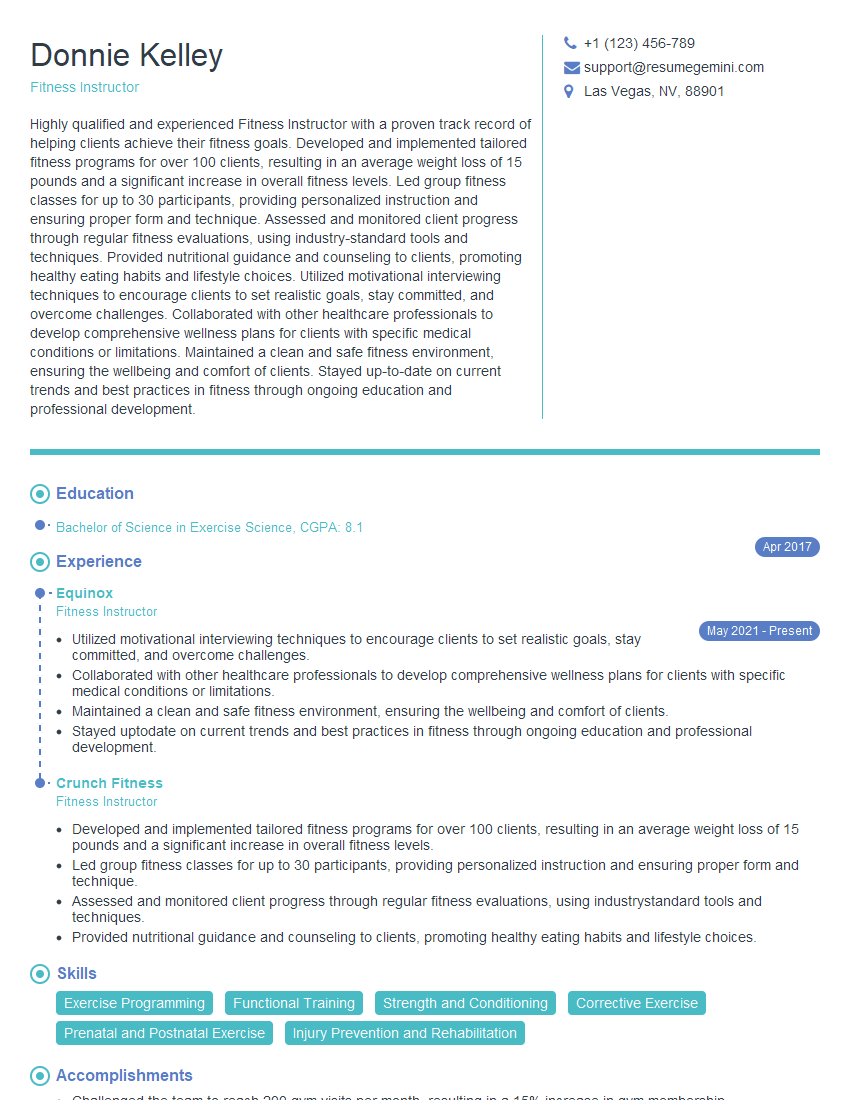
Fitness Instructor Resume Sample

Physical Education Teacher Resume Sample
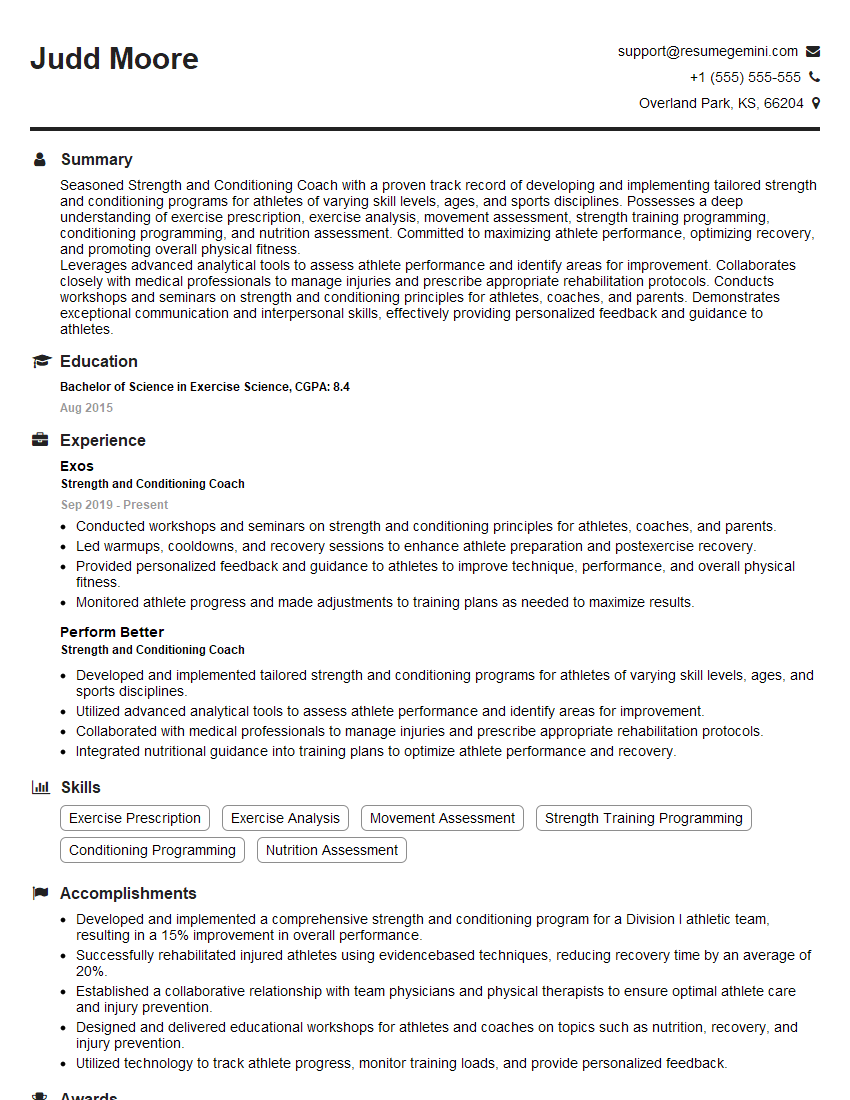
Strength and Conditioning Coach Resume Sample
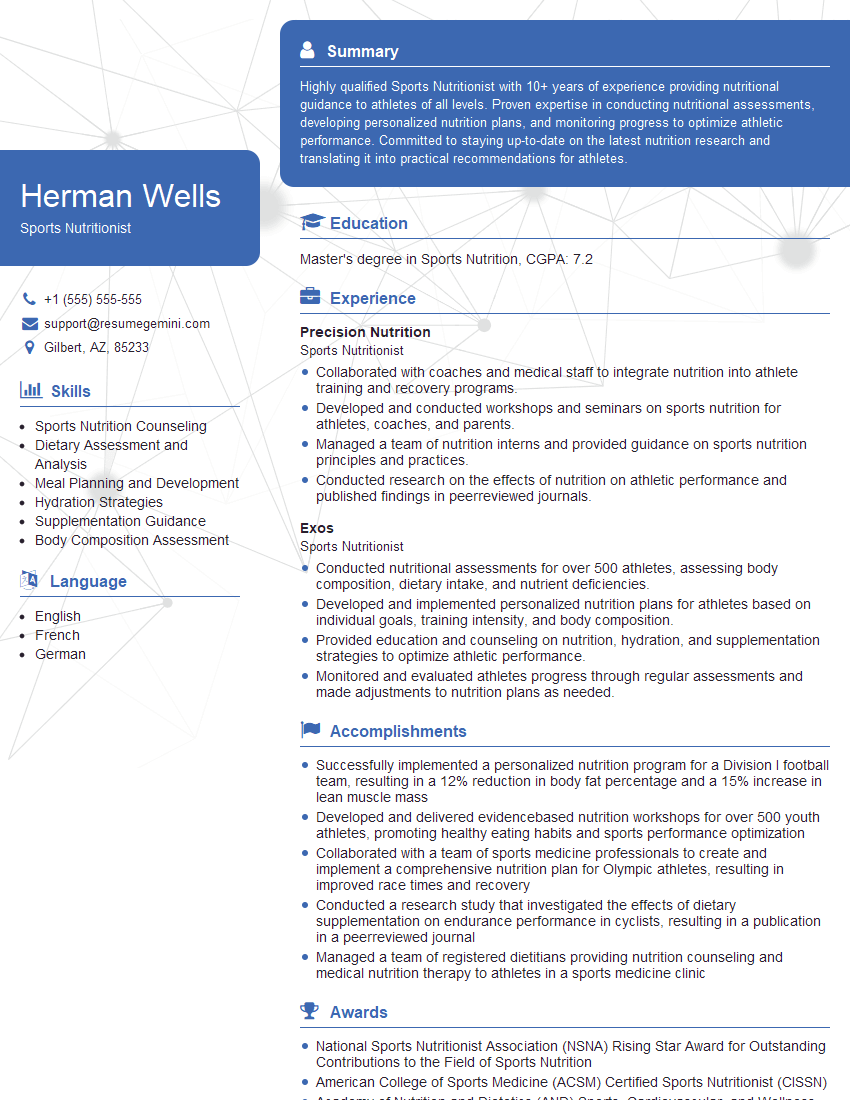
Sports Nutritionist Resume Sample

Sports Medicine Physician Resume Sample

Exercise Physiologist Resume Sample
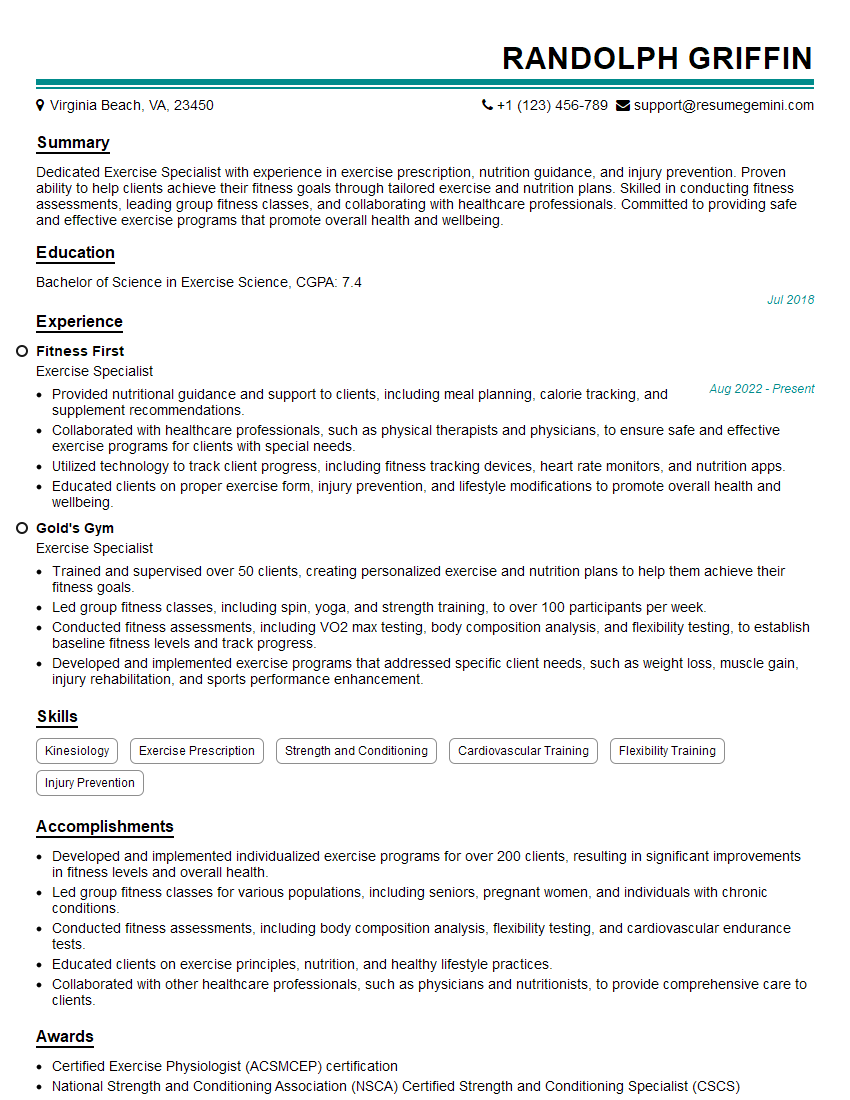
Exercise Specialist Resume Sample

Kinesiologist Resume Sample

Occupational Therapist Resume Sample
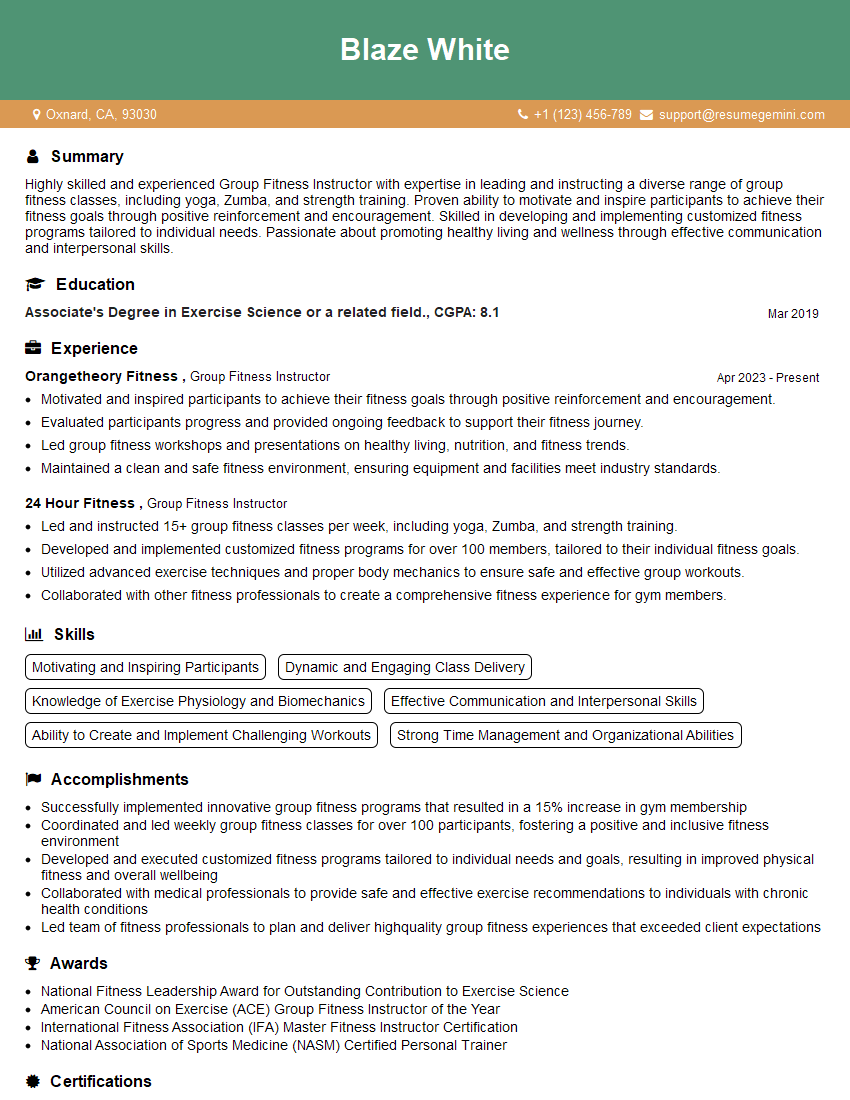
Group Fitness Instructor Resume Sample
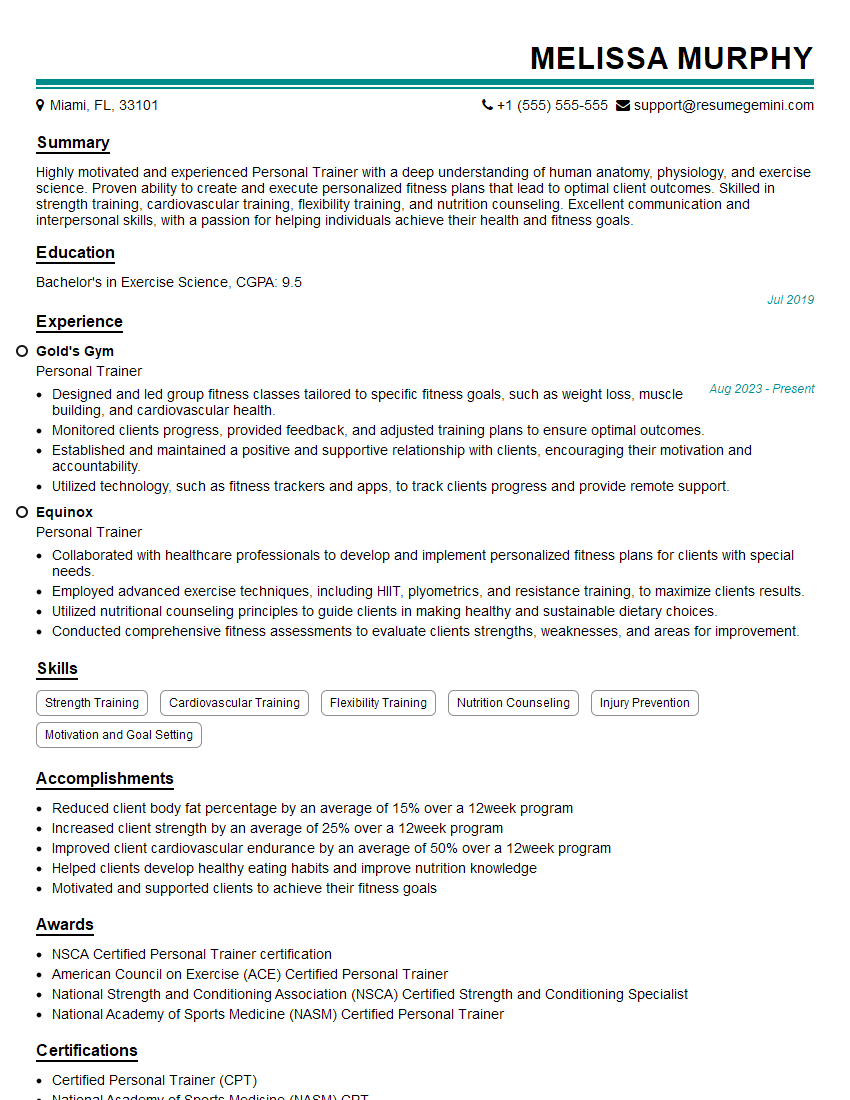
Personal Trainer Resume Sample
- Wellness Coach
- Sports Psychologist
- Rehabilitation Specialist
- Athletic Trainer
- Fitness Instructor
- Physical Education Teacher
- Strength and Conditioning Coach
- Sports Nutritionist
- Sports Medicine Physician
- Exercise Physiologist
- Exercise Specialist
- Kinesiologist
- Occupational Therapist
- Group Fitness Instructor
- Personal Trainer
Explore more articles
Users Rating of Our Blogs
Share Your Experience
We value your feedback! Please rate our content and share your thoughts (optional).
What Readers Say About Our Blog
Very informative content, great job.
good