Unlock your full potential by mastering the most common Physical Labor and Endurance interview questions. This blog offers a deep dive into the critical topics, ensuring you’re not only prepared to answer but to excel. With these insights, you’ll approach your interview with clarity and confidence.
Questions Asked in Physical Labor and Endurance Interview
Q 1. Describe your experience with heavy lifting (weight limits, techniques).
My experience with heavy lifting encompasses a wide range of weights and techniques, honed over many years. I’ve comfortably handled loads up to 150 pounds consistently, and with assistance, have moved much heavier objects. Proper technique is paramount, and I adhere strictly to safe lifting practices. This includes maintaining a stable base, keeping the load close to my body, bending at the knees and hips (not the waist), and utilizing leg strength to lift. For exceptionally heavy items, I always employ mechanical assistance like forklifts or pallet jacks whenever possible. For example, moving large pieces of industrial machinery required employing a combination of forklifts, straps and teamwork. This ensures both efficiency and the prevention of injury. Knowing my limitations and the proper use of equipment is key to both productivity and safety.
Q 2. Explain your approach to maintaining physical stamina throughout a long workday.
Maintaining stamina throughout a long workday involves a multi-pronged approach. Firstly, hydration is critical. I consistently drink water throughout the day, avoiding sugary drinks that lead to energy crashes. Secondly, proper nutrition is essential. I focus on consuming a balanced diet rich in protein and complex carbohydrates for sustained energy release. Thirdly, I prioritize short breaks to avoid fatigue. These aren’t just about rest; I utilize them for light stretches and mobility exercises, preventing stiffness and keeping my muscles loose. Fourthly, getting enough sleep is non-negotiable. Consistent sleep helps in both physical and mental recovery. Finally, I listen to my body and adapt my work pace when needed. Pushing through extreme fatigue can lead to injury; understanding my limits is part of effective work habits.
Q 3. How do you handle working in extreme weather conditions (heat, cold)?
Working in extreme weather demands extra vigilance. In hot conditions, I prioritize hydration and regularly take breaks in shaded areas. I also wear light-colored, loose-fitting clothing to minimize heat absorption. In cold weather, layering clothing is crucial to trap heat, and I utilize appropriate protective gear like gloves and hats. Regular movement also helps combat hypothermia. Understanding the dangers of both heatstroke and hypothermia is essential, and I’m always mindful of warning signs such as dizziness, shivering or profuse sweating.
Q 4. What safety measures do you prioritize when performing physically demanding tasks?
Safety is my top priority. This starts with proper risk assessment before beginning any task. I always ensure that I’m using the correct personal protective equipment (PPE), such as safety glasses, gloves, steel-toe boots, and hard hats when necessary. I also maintain awareness of my surroundings, keeping a clear path and avoiding hazards. When using machinery, I always follow safety protocols and ensure it is correctly maintained. Furthermore, I prioritize teamwork and communication, never hesitate to ask for assistance if needed, and always report any safety concerns immediately.
Q 5. Describe a time you had to adapt your physical work approach due to unforeseen circumstances.
During a large-scale warehouse relocation, a critical piece of equipment malfunctioned unexpectedly. Instead of waiting for repairs, which would have significantly delayed the project, I coordinated with my team to devise an alternative manual handling plan. This involved modifying our lifting techniques and carefully distributing the weight among the team. We managed to safely complete the task, though it required substantially more time and effort than planned. This experience highlighted the importance of adaptability and collaborative problem-solving in physically demanding work.
Q 6. How do you manage pain or discomfort during strenuous physical activity?
Managing pain or discomfort involves a combination of preventative and reactive measures. Prevention starts with proper warm-up and cool-down routines, and maintaining correct posture. During strenuous activity, I listen to my body and take breaks when needed. If pain persists, I use over-the-counter pain relievers according to instructions, but will always seek medical advice for persistent or severe pain. Rest and ice are effective treatments for minor muscle aches. In the event of an injury, I immediately cease the activity and seek appropriate medical attention.
Q 7. What is your experience with using specific tools and equipment (e.g., hand tools, machinery)?
My experience with tools and equipment is extensive. I’m proficient with a wide range of hand tools, including hammers, saws, wrenches, and screwdrivers. I’m also experienced in operating various types of machinery, including forklifts, pallet jacks, and chain hoists, always adhering to safety regulations. For example, I am certified to operate a forklift, possessing the required training and licensing to safely and efficiently operate the machinery. Regular maintenance and proper handling are essential to prevent accidents and maximize efficiency. I am comfortable with both manual and mechanized processes and understand the limitations and capabilities of the tools I use.
Q 8. How do you ensure accuracy and efficiency while performing physically demanding tasks?
Accuracy and efficiency in physically demanding tasks hinge on a combination of proper technique, planning, and physical conditioning. Think of it like building a house – you wouldn’t start laying bricks without a blueprint and the right tools. Similarly, understanding the task at hand, having the correct equipment, and possessing the necessary physical strength and endurance are crucial.
- Proper Technique: Mastering the correct movements minimizes wasted energy and reduces the risk of injury. For example, when lifting heavy objects, using proper lifting mechanics – bending at the knees, keeping the back straight, and lifting with the legs – is vital. Improper technique leads to fatigue and potential injury.
- Planning & Prioritization: Before commencing a task, I always take the time to plan the sequence of actions to optimize workflow. This involves breaking down complex tasks into smaller, more manageable steps. This systematic approach increases efficiency by reducing unnecessary movements and wasted effort.
- Physical Conditioning: Maintaining a good level of physical fitness is essential. This includes strength training, cardiovascular fitness, and flexibility exercises. A physically fit individual will naturally perform tasks with greater endurance and accuracy.
For instance, during a recent landscaping project, careful planning of the plant placement before digging significantly reduced unnecessary trips and movements, saving both time and energy.
Q 9. Describe your experience working as part of a team on physically demanding projects.
Teamwork is paramount in physically demanding projects. It’s not just about strength, it’s about coordination and communication. Think of a construction crew – each member has a specific role, and seamless collaboration is key to success.
In my experience on a large-scale demolition project, we had a clear chain of command, with designated team leaders responsible for coordinating tasks and ensuring safety protocols were followed. Open communication was key. Before each phase, we’d hold briefings to discuss the plan, assigning roles and responsibilities. We also established clear communication channels for reporting potential hazards or difficulties encountered during the work. This collaborative approach ensured smooth execution, safety, and timely completion.
Effective teamwork also involves mutual respect and support. We helped each other when needed, ensuring that no one was overburdened. This created a positive work environment that boosted morale and efficiency.
Q 10. How do you stay organized and manage your time effectively in a physically demanding job?
Time management and organization are critical for maintaining efficiency and avoiding burnout in physically demanding jobs. It’s about working smarter, not just harder. A structured approach is crucial.
- Prioritization: I always prioritize tasks based on urgency and importance. This involves identifying the most crucial tasks and tackling them first.
- Task Breakdown: Breaking down large tasks into smaller, manageable chunks makes them less daunting and allows for regular breaks. This is especially important in physically demanding work to avoid fatigue and injury.
- Regular Breaks: Scheduled breaks are not a luxury but a necessity. Short, frequent breaks help prevent fatigue and maintain productivity. During these breaks, I focus on stretching and light movement to improve circulation and prevent stiffness.
- Tools & Equipment: Keeping tools organized and readily available minimizes wasted time searching for equipment.
For example, during a long-distance trail clearing project, we organized the work into segments with designated teams. This allowed for efficient task management, ensuring breaks were taken regularly, and reducing the risk of exhaustion.
Q 11. What is your understanding of workplace safety regulations related to physical labor?
Workplace safety regulations related to physical labor are crucial for preventing injuries and ensuring a healthy work environment. These regulations are designed to protect workers from hazards specific to physically demanding jobs. Key areas include:
- Personal Protective Equipment (PPE): This includes safety helmets, gloves, safety glasses, high-visibility clothing, and appropriate footwear. The type of PPE required depends on the specific task.
- Lifting Techniques: Regulations often mandate training in proper lifting techniques to minimize the risk of back injuries and other musculoskeletal disorders (MSDs).
- Ergonomics: Regulations address workplace ergonomics, which involve designing workstations and work processes to minimize physical strain.
- Hazard Communication: Employers must clearly communicate potential hazards and provide training on safe work practices.
- Emergency Procedures: Clear emergency procedures should be in place, including access to first aid and emergency response.
Failure to comply with these regulations can lead to serious injuries, fines, and legal repercussions for employers.
Q 12. Describe a time you had to overcome a physical challenge at work.
During a large-scale tree removal project, we encountered an unexpected challenge: a particularly large and stubborn oak tree that resisted our initial attempts at felling. Its roots were deeply entangled, making it difficult to remove safely and efficiently.
To overcome this, we adopted a phased approach. First, we carefully assessed the situation, considering the potential hazards. We then modified our strategy, utilizing specialized equipment and different cutting techniques to progressively weaken the tree’s structure. Teamwork was vital here, with each member performing their designated role flawlessly. We prioritized safety at every step, ensuring everyone maintained a safe distance. Through careful planning, collaboration, and a willingness to adapt our approach, we successfully removed the tree without incident. This experience reinforced the importance of problem-solving, adaptability, and teamwork in physically challenging situations.
Q 13. How do you prioritize your safety and the safety of others in a physically demanding environment?
Prioritizing safety is not merely a policy; it’s a mindset. In physically demanding environments, safety is paramount, both for oneself and for others. This involves a multi-pronged approach:
- Risk Assessment: Before starting any task, I always conduct a thorough risk assessment to identify potential hazards. This involves carefully considering the environment, tools, and the specific task itself.
- Following Safety Regulations: Strict adherence to all safety regulations and company policies is essential. This includes wearing appropriate PPE and following established procedures.
- Communication: Open communication with team members is crucial to address potential hazards and ensure everyone is aware of the risks involved.
- Proper Equipment: Using only well-maintained and appropriate equipment is non-negotiable. Faulty equipment increases the risk of accidents.
- Seeking Assistance: Never hesitate to ask for assistance if a task feels unsafe or beyond one’s capabilities.
For instance, during a heavy lifting operation, I would always ensure that the load is balanced and use appropriate lifting techniques. If the load is too heavy or unsafe to lift manually, I would immediately seek assistance or utilize mechanical lifting equipment.
Q 14. Explain your experience with repetitive movements and potential risks associated.
Repetitive movements are a significant concern in many physically demanding jobs. These repetitive actions, if not managed properly, can lead to musculoskeletal disorders (MSDs), such as carpal tunnel syndrome, tendinitis, and back pain. These conditions can cause significant discomfort, reduced productivity, and even long-term disability.
My experience includes working on projects involving significant repetitive movements, such as assembling components on a production line. To mitigate the risks, several strategies were employed:
- Ergonomic Workstations: Properly designed workstations, adjusted to individual needs, can significantly reduce strain. This includes the correct chair height, keyboard placement, and monitor positioning.
- Micro-breaks: Frequent short breaks during tasks involving repetitive movements are crucial. These breaks allow for stretching and movement to reduce muscle fatigue.
- Rotation of Tasks: When possible, rotating between different tasks to vary the movements can help prevent repetitive strain injuries.
- Proper Posture: Maintaining good posture during repetitive movements is critical to reduce strain on the back and joints.
Ignoring the risks associated with repetitive movements can lead to serious long-term health issues. Proactive measures, as outlined above, are crucial for preventing injuries and maintaining a healthy work environment.
Q 15. Describe your experience with different types of physical exertion (e.g., lifting, carrying, pushing, pulling).
My experience encompasses a wide range of physical exertions, all crucial in various physical labor settings. Lifting, for example, requires understanding proper lifting techniques to avoid injury. This involves keeping the load close to the body, bending at the knees, and using leg muscles to lift. I have experience lifting everything from relatively light boxes to heavier equipment, always prioritizing safety and proper form. Carrying involves similar principles, but also considers factors like distance and terrain. Pushing and pulling tasks demand different muscle groups and techniques; pushing, for example, often utilizes the legs and core more heavily than the arms, whilst pulling needs careful consideration of grip and leverage. I’ve worked on tasks ranging from pushing heavy carts to pulling cables and equipment across varied surfaces. Each type of exertion demands a specific approach optimized for efficiency and injury prevention.
For instance, during a construction project, I successfully moved several hundred-pound concrete slabs using a combination of specialized equipment and manual lifting techniques, prioritizing the safety of my team and myself. Similarly, in a warehouse setting, I consistently met daily targets while carrying boxes throughout the day by employing optimized carrying techniques.
Career Expert Tips:
- Ace those interviews! Prepare effectively by reviewing the Top 50 Most Common Interview Questions on ResumeGemini.
- Navigate your job search with confidence! Explore a wide range of Career Tips on ResumeGemini. Learn about common challenges and recommendations to overcome them.
- Craft the perfect resume! Master the Art of Resume Writing with ResumeGemini’s guide. Showcase your unique qualifications and achievements effectively.
- Don’t miss out on holiday savings! Build your dream resume with ResumeGemini’s ATS optimized templates.
Q 16. How do you handle working at heights or in confined spaces?
Working at heights and in confined spaces demands rigorous adherence to safety protocols. For heights, I’m proficient in using safety harnesses, fall arrest systems, and other protective equipment. I always inspect equipment before use and ensure proper anchoring. I also understand the importance of situational awareness, avoiding distractions and maintaining three points of contact whenever possible. In confined spaces, the focus shifts to oxygen levels, potential hazards, and the risk of entrapment. I’m trained in confined space entry procedures, including using air monitoring equipment and having a designated attendant. Teamwork and clear communication are paramount in both situations. Before beginning any task, I rigorously assess the risks involved and take necessary precautions.
For instance, while working on a scaffolding project, I ensured that every member of the crew had their harnesses properly secured and inspected the scaffolding for structural integrity before commencing work at heights. In a confined space entry scenario involving a pipeline inspection, I worked with a team that followed all safety protocols to the letter, using air monitoring equipment and maintaining constant communication with the outside team.
Q 17. What is your understanding of ergonomics and its role in preventing injuries?
Ergonomics is the science of designing the workplace to fit the worker, minimizing the risk of musculoskeletal disorders. It involves considering factors such as posture, repetitive movements, and the design of tools and equipment. Understanding ergonomics is crucial to preventing injuries and promoting long-term health. It helps optimize the way we interact with our work environment to reduce strain and fatigue. This could involve using ergonomic chairs, adjusting workstation height, and implementing proper lifting techniques.
For example, if I’m working on an assembly line, I would make sure my workstation is ergonomically designed to reduce strain on my wrists and back, using proper posture and taking regular breaks. I also know that lifting heavy objects incorrectly can lead to back injuries, so I always adhere to proper lifting techniques to avoid strain and injury.
Q 18. Explain your process for planning and executing a physically demanding task.
Planning and executing a physically demanding task involves a structured approach. It begins with a thorough assessment of the task itself, including the materials needed, the equipment required, and the potential challenges. I then break down the task into smaller, more manageable steps, creating a detailed plan outlining each step, the necessary precautions, and the expected timeframe. I consider the physical demands of each step and identify any potential hazards. Then, I gather all necessary tools and equipment, ensuring they are in good working condition. Communication with the team is crucial; clarifying roles and responsibilities ensures everyone works efficiently and safely. Finally, I execute the plan, consistently monitoring the progress, adapting as necessary, and ensuring safety precautions are followed. Post-task, I review the process, looking for areas of improvement for future projects.
For example, when demolishing a small building, I would start by obtaining all necessary permits and then break down the demolition into stages: removal of hazardous materials, structural dismantling, and debris removal. I’d ensure every stage has clear procedures and safety checks. This systematic approach minimizes risks and ensures the work is completed effectively.
Q 19. How do you assess the risks involved before undertaking a physically demanding task?
Risk assessment is a critical first step before any physically demanding task. I use a structured approach, identifying potential hazards such as slips, trips, falls, heavy lifting, repetitive movements, and exposure to environmental factors. I consider the likelihood and severity of each hazard, using a risk matrix to prioritize those that pose the greatest threat. I then develop control measures to mitigate these risks, such as using personal protective equipment (PPE), implementing safe work practices, and using appropriate tools and equipment. I document the assessment and the control measures implemented, ensuring all team members are informed and agree on the safety plan.
For example, before moving heavy machinery, I would assess the ground conditions to prevent slips, check the machinery’s stability to prevent tipping, and ensure all personnel are a safe distance away. This systematic approach to risk assessment ensures that all potential hazards are identified and addressed, resulting in a much safer work environment.
Q 20. How do you communicate effectively with your team during physically demanding tasks?
Effective communication is paramount during physically demanding tasks. I ensure clear instructions are given before the task begins, clarifying roles, responsibilities, and safety procedures. I use a combination of verbal communication and non-verbal cues to ensure everyone understands the plan. During the task, I maintain regular communication, checking in on team members, monitoring progress, and addressing any concerns or issues promptly. Open communication allows for immediate problem-solving, helping to maintain safety and efficiency. I use clear and concise language, avoiding jargon, and make sure everyone feels comfortable raising concerns.
During a particularly challenging lift, I used hand signals to coordinate the team’s efforts, enabling us to complete the task safely and efficiently, avoiding miscommunication and accidents.
Q 21. Describe your experience with using Personal Protective Equipment (PPE).
I have extensive experience using Personal Protective Equipment (PPE). This includes hard hats for head protection, safety glasses or goggles for eye protection, hearing protection in noisy environments, gloves for hand protection against cuts, abrasions, and chemicals, and steel-toe boots to protect feet from falling objects or heavy impacts. I always inspect PPE before use to ensure it’s in good condition and fits properly. I understand that the effectiveness of PPE depends on proper use and maintenance; I consistently adhere to guidelines for wearing, cleaning, and storing PPE appropriately. I also know that PPE is not a substitute for safe work practices, but rather a crucial addition to a comprehensive safety program.
For example, I always wear a hard hat when working on construction sites, even if the risk of falling objects seems minimal, because a head injury can have severe consequences. Similarly, I use appropriate gloves for handling different materials to protect my hands from potential hazards.
Q 22. What is your experience with various lifting techniques (e.g., proper lifting, team lifts)?
Proper lifting techniques are paramount to preventing injury. My experience encompasses a wide range, from individual lifts to coordinated team lifts involving heavy objects. I’m proficient in the NIOSH lifting equation, which helps determine the safe limits for lifting tasks by considering factors like load weight, lifting distance, and posture. For individual lifts, this means always keeping the load close to my body, bending at the knees and hips, and avoiding twisting movements. Think of it like this: imagine lifting a heavy box – you wouldn’t try to lift it with your back straight, arms outstretched. Instead, you’d get close, bend your knees, and lift with your legs.
Team lifts require even more coordination and communication. We use standardized hand signals and verbal cues to ensure everyone is synchronized and lifts simultaneously, preventing strain and potential injury. For instance, I’ve worked on projects requiring moving large equipment or heavy materials where precise communication and teamwork were crucial. We always pre-plan the lift, assign roles, and use appropriate lifting aids, like dollies or lifting straps, whenever possible. Proper technique, clear communication, and the use of assistive devices are vital for efficient and safe team lifts.
Q 23. How have you improved your physical fitness and endurance for work?
Maintaining peak physical fitness and endurance is crucial in my profession. My approach is multi-faceted, combining cardiovascular training, strength training, and flexibility exercises. Cardiovascular exercises like running, cycling, or swimming build stamina, enabling me to sustain physical exertion throughout the workday. I incorporate high-intensity interval training (HIIT) for short bursts of intense activity followed by brief recovery periods, which enhances both strength and endurance efficiently.
Strength training, focusing on compound exercises like squats, deadlifts, and presses, builds muscle strength and power, vital for handling heavy loads. I also incorporate core strengthening exercises to improve stability and prevent back injuries. Finally, regular stretching and flexibility exercises maintain range of motion, preventing muscle stiffness and injury. I tailor my workout routine based on the specific demands of my job and adjust it as needed. For example, if a project requires significant lifting, I’ll increase my weight training intensity; if there’s a lot of walking or carrying, I’ll focus on cardiovascular endurance. Consistent and mindful training has resulted in a significant improvement in my ability to manage physically demanding tasks, minimizing fatigue and maximizing productivity.
Q 24. Describe your understanding of different types of physical injuries and first aid procedures.
My understanding of physical injuries common in physical labor includes strains, sprains, fractures, lacerations, and more serious injuries like concussions. Knowing the signs and symptoms of each is essential for early intervention. For example, a sprain (ligament injury) is characterized by swelling, pain, and limited range of motion. A strain (muscle injury) involves muscle pain, tenderness, and sometimes swelling.
I’m trained in basic first aid procedures, including how to manage bleeding, wounds, and sprains. This includes cleaning and bandaging wounds, applying cold compresses to reduce swelling, and using proper splinting techniques for suspected fractures. I know the importance of immediate care, contacting emergency medical services (EMS) when necessary, and documenting injuries appropriately. Recognizing the severity of an injury and taking the appropriate action, whether it’s providing immediate first aid or calling for professional help, is vital for minimizing long-term effects. Staying updated on first aid protocols is part of my ongoing professional development.
Q 25. What is your experience working with heavy machinery and maintaining safety protocols?
I have extensive experience operating various types of heavy machinery, always adhering to strict safety protocols. This includes forklifts, excavators, and loaders. Before operating any machine, I always perform a pre-operational inspection, checking for any mechanical faults or safety hazards. I am fully licensed and certified for the equipment I operate, and I ensure that I have received appropriate training and safety briefings.
Safety is paramount. I strictly follow all safety guidelines, including wearing appropriate personal protective equipment (PPE) such as hard hats, safety glasses, and high-visibility clothing. I maintain awareness of my surroundings, especially when working near other personnel or equipment. For example, when operating a forklift, I always use caution when maneuvering in tight spaces and maintain a safe distance from other workers. Regular maintenance and inspections of equipment also play a significant role in preventing accidents. Reporting any malfunction or hazard promptly is crucial to maintain a safe work environment.
Q 26. How do you prioritize tasks when faced with multiple physically demanding requests?
When faced with multiple physically demanding requests, I prioritize tasks based on urgency, importance, and potential impact. I use a method that incorporates time management principles and considers the overall goals of the project. I start by identifying the deadlines for each task, understanding which tasks are critical to the project’s success, and assessing the potential risks of delay. This prioritization is not just about completing tasks quickly but rather optimizing effort to achieve the greatest overall progress.
For instance, if I have to load a truck, prepare materials for a job site, and conduct equipment maintenance, I’d likely prioritize the truck loading if it has an imminent deadline and its delay would cause significant disruption to the project. Then I’d tackle the material preparation and finally the maintenance (if time permits on the same day), unless there’s a compelling reason to prioritize otherwise. I’ll frequently use a checklist to track progress and ensure nothing is missed, allowing for a balanced and efficient approach to tackling multiple demands.
Q 27. Explain your experience with working independently or collaboratively on physically demanding tasks.
I am comfortable working both independently and collaboratively on physically demanding tasks. Working independently often requires strong self-discipline and the ability to manage my time and energy effectively. This involves proper planning, setting realistic goals, and regularly checking progress to ensure I am staying on schedule. For example, when tasked with setting up scaffolding, I work methodically, following safety guidelines, and ensuring the structure’s stability throughout the process.
Collaborative work requires excellent communication and teamwork. This involves actively listening to instructions, understanding the roles of my teammates, and contributing effectively to the overall objective. A recent project involved constructing a large structure where teamwork was crucial. We coordinated our actions, communicated challenges, and supported each other. Effective collaboration resulted in enhanced efficiency and a safer working environment, ultimately leading to a successful project completion. My approach is always to adapt my work style to the demands of the situation, prioritizing safety and efficient task completion.
Key Topics to Learn for Physical Labor and Endurance Interview
- Understanding Work Capacity: Learn about factors influencing physical work capacity, including stamina, strength, and flexibility. Consider how to assess your own capacity honestly and effectively communicate it.
- Safe Work Practices: Explore common workplace hazards and safe handling techniques for various equipment and materials. Practice describing your understanding of safety protocols and how you apply them.
- Ergonomics and Injury Prevention: Discuss the principles of ergonomics and their application to minimizing risk of injury. Be prepared to explain how you adapt your work techniques to prevent strain and maintain efficiency.
- Teamwork and Communication: Physical labor often requires collaboration. Prepare examples demonstrating your ability to effectively communicate needs and concerns within a team environment, ensuring safety and productivity.
- Problem-Solving in Challenging Conditions: Discuss your approach to problem-solving when faced with unexpected physical challenges, equipment malfunctions, or adverse weather conditions. Emphasize adaptability and resourcefulness.
- Physical Conditioning and Recovery: Explain your understanding of the importance of physical fitness and recovery for sustained performance. Be ready to discuss your personal approach to maintaining physical fitness relevant to the job.
- Adaptability and Resilience: Highlight your ability to adapt to changing work demands, varied physical tasks, and challenging weather conditions. Showcase your resilience in overcoming obstacles and maintaining positive work ethic.
Next Steps
Mastering physical labor and endurance skills opens doors to numerous rewarding career opportunities, offering both personal and professional growth. A strong resume is crucial for showcasing your abilities to potential employers. Building an ATS-friendly resume significantly increases your chances of getting noticed. ResumeGemini is a trusted resource to help you create a professional and impactful resume that highlights your skills and experience effectively. Examples of resumes tailored to Physical Labor and Endurance roles are available within ResumeGemini to help guide you. Invest time in crafting a compelling resume – it’s your first impression!
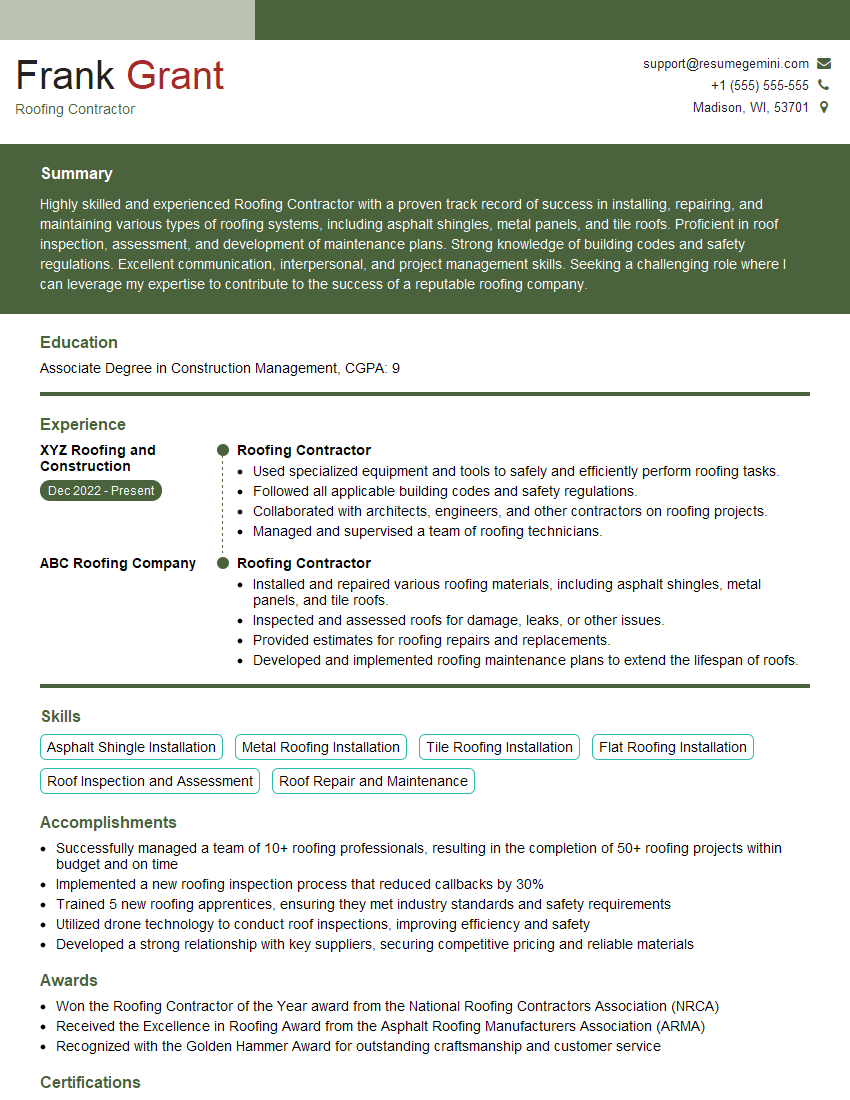
Roofing Contractor Resume Sample
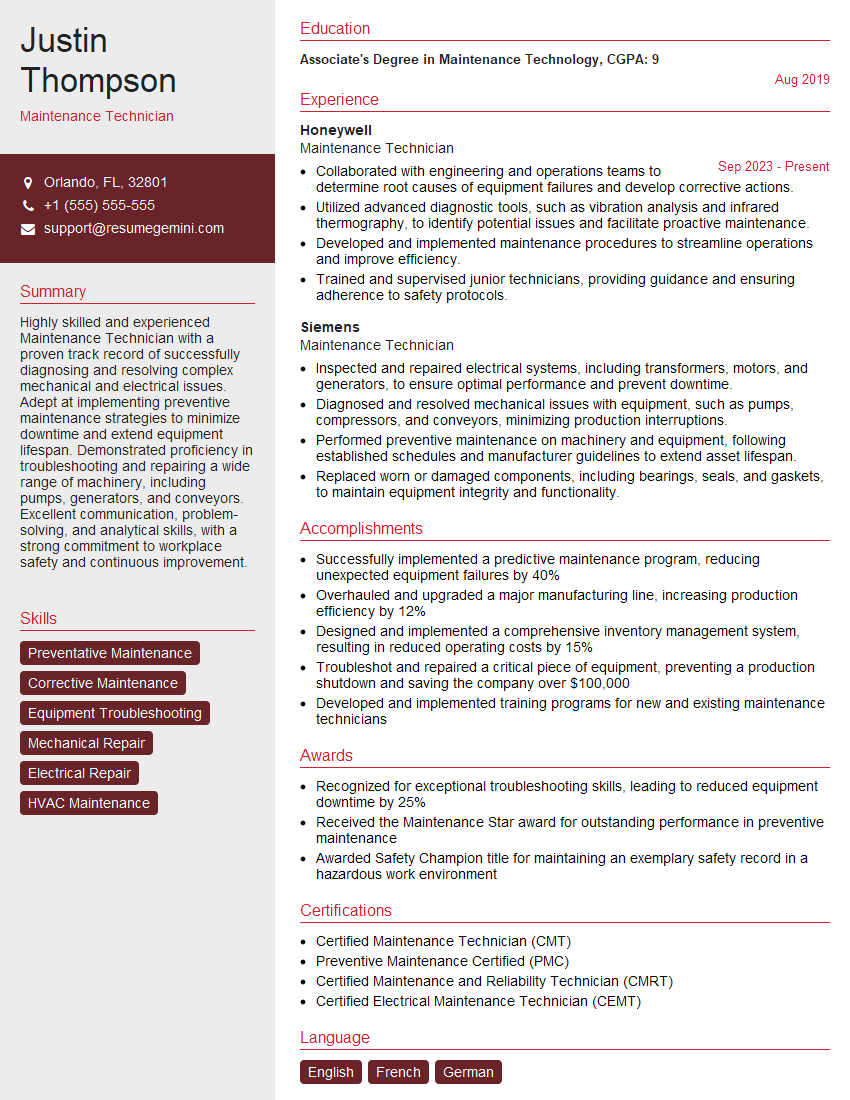
Maintenance Technician Resume Sample
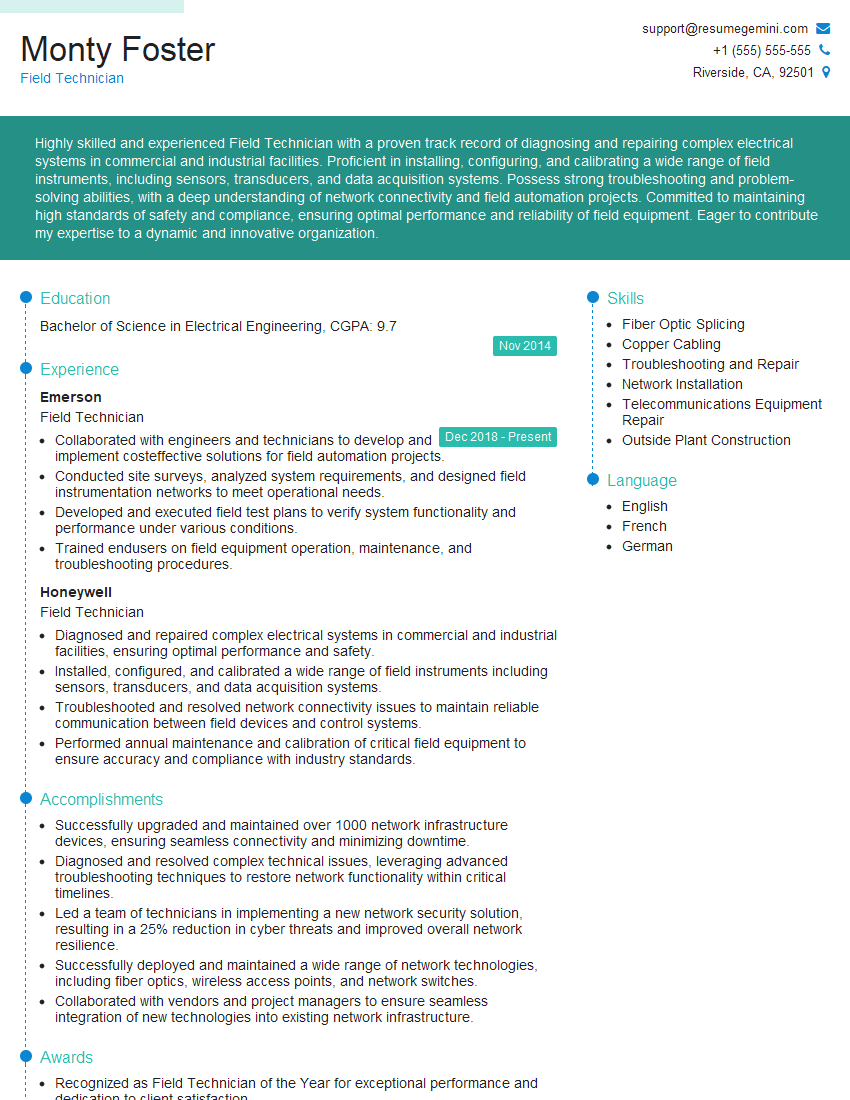
Field Technician Resume Sample
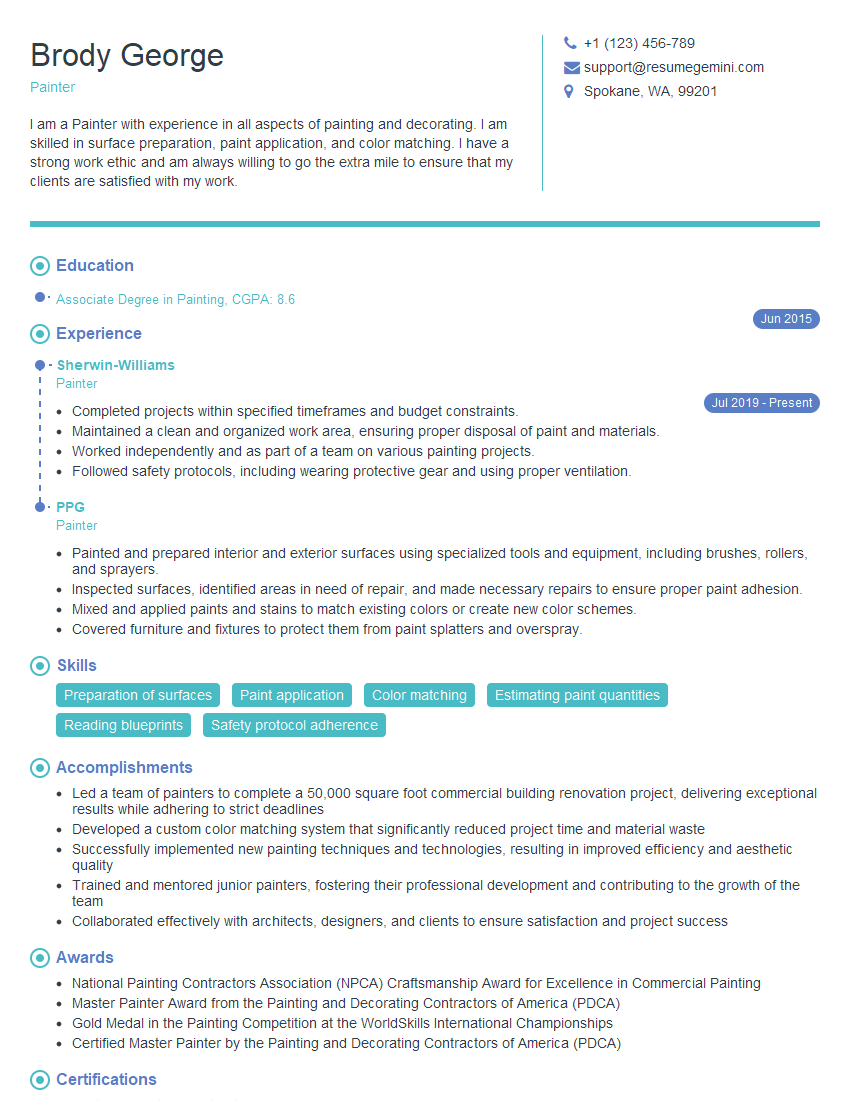
Painter Resume Sample
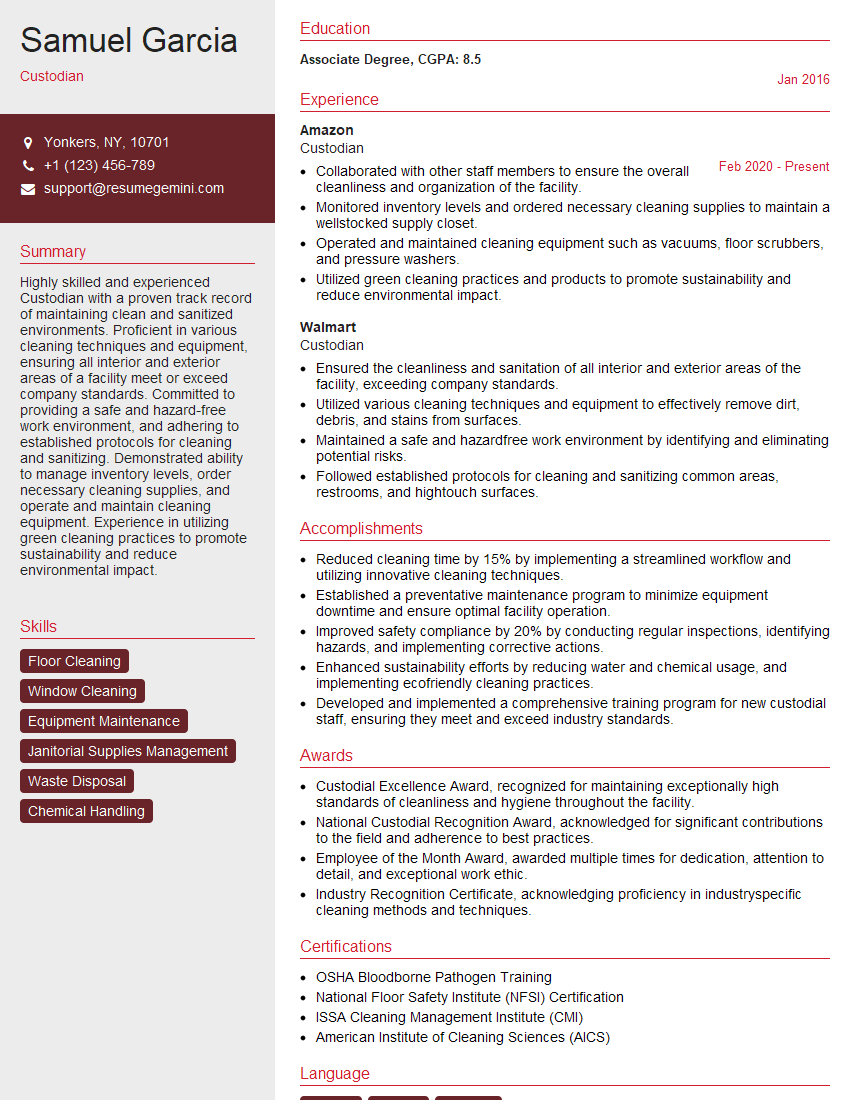
Custodian Resume Sample
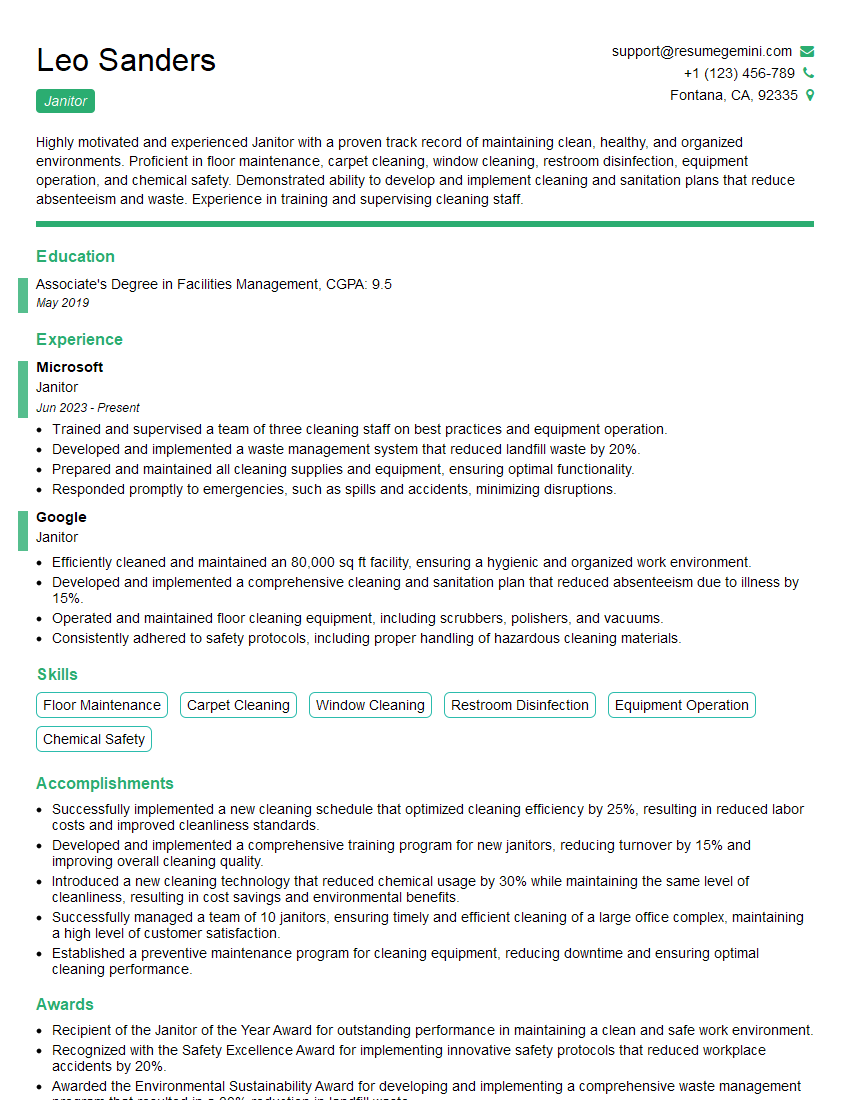
Janitor Resume Sample
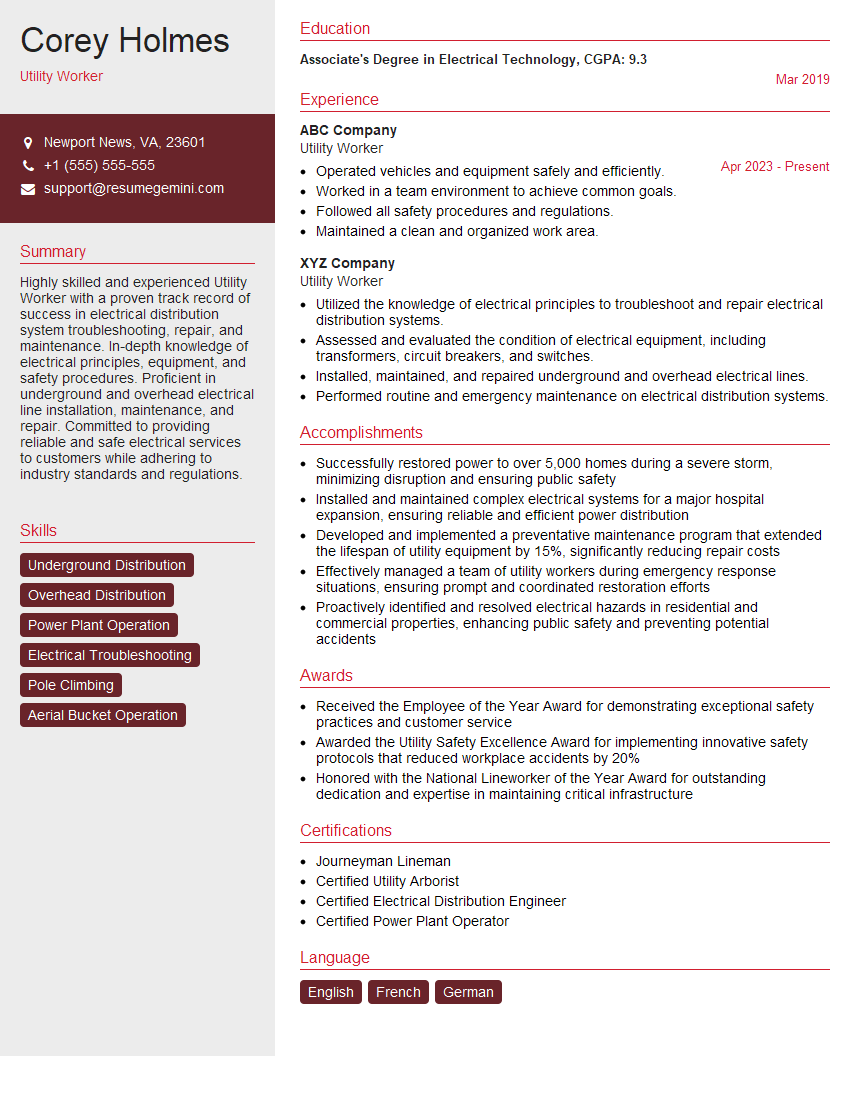
Utility Worker Resume Sample
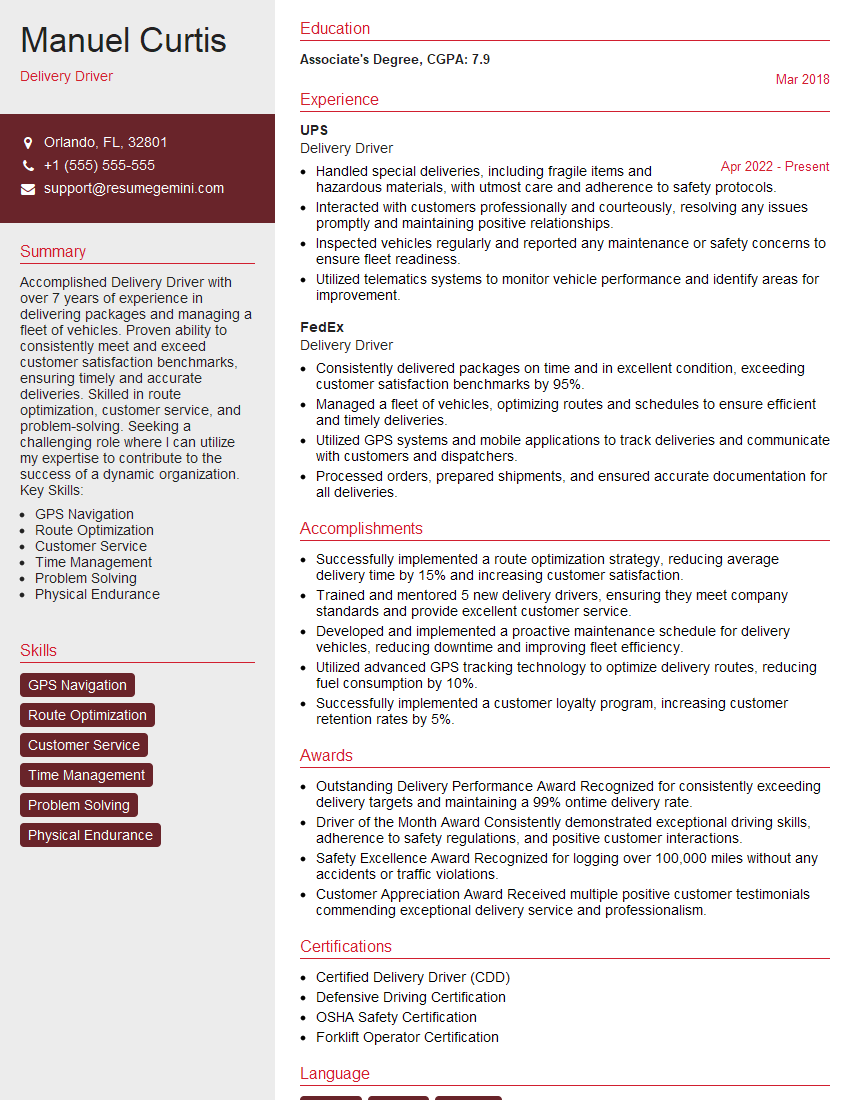
Delivery Driver Resume Sample

Shipping and Receiving Clerk Resume Sample
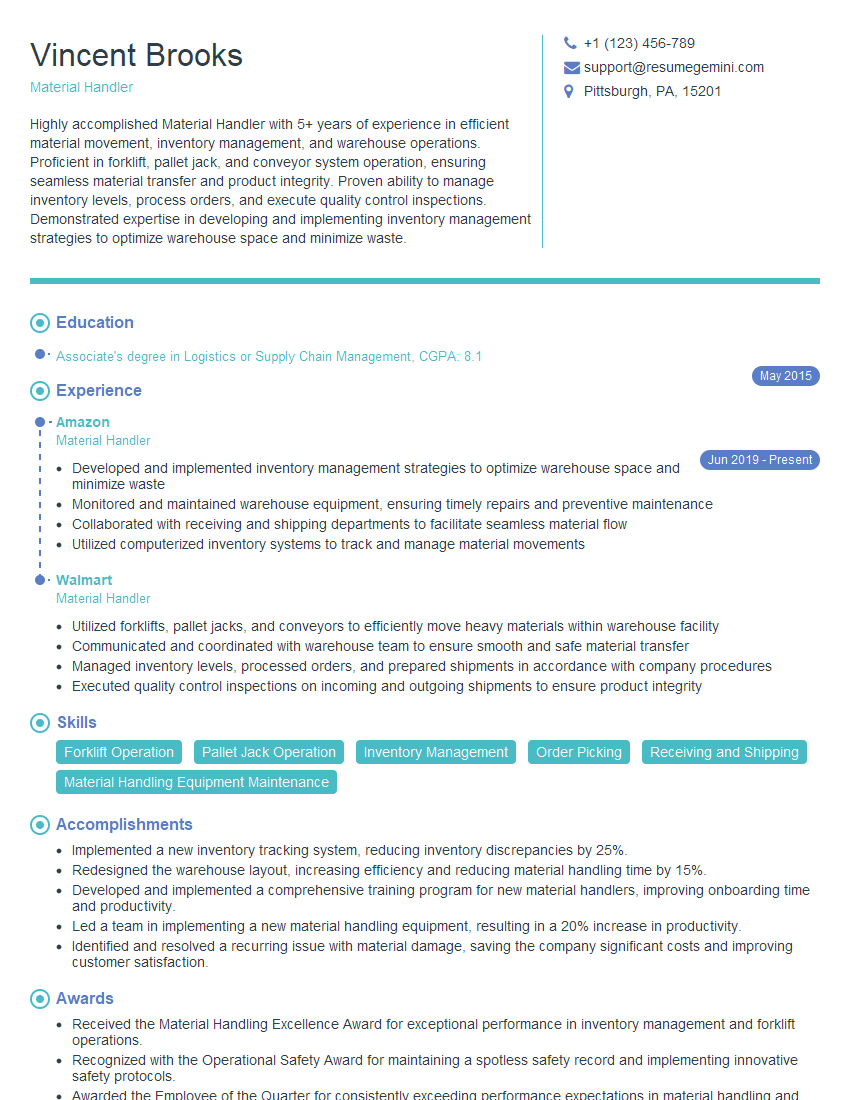
Material Handler Resume Sample
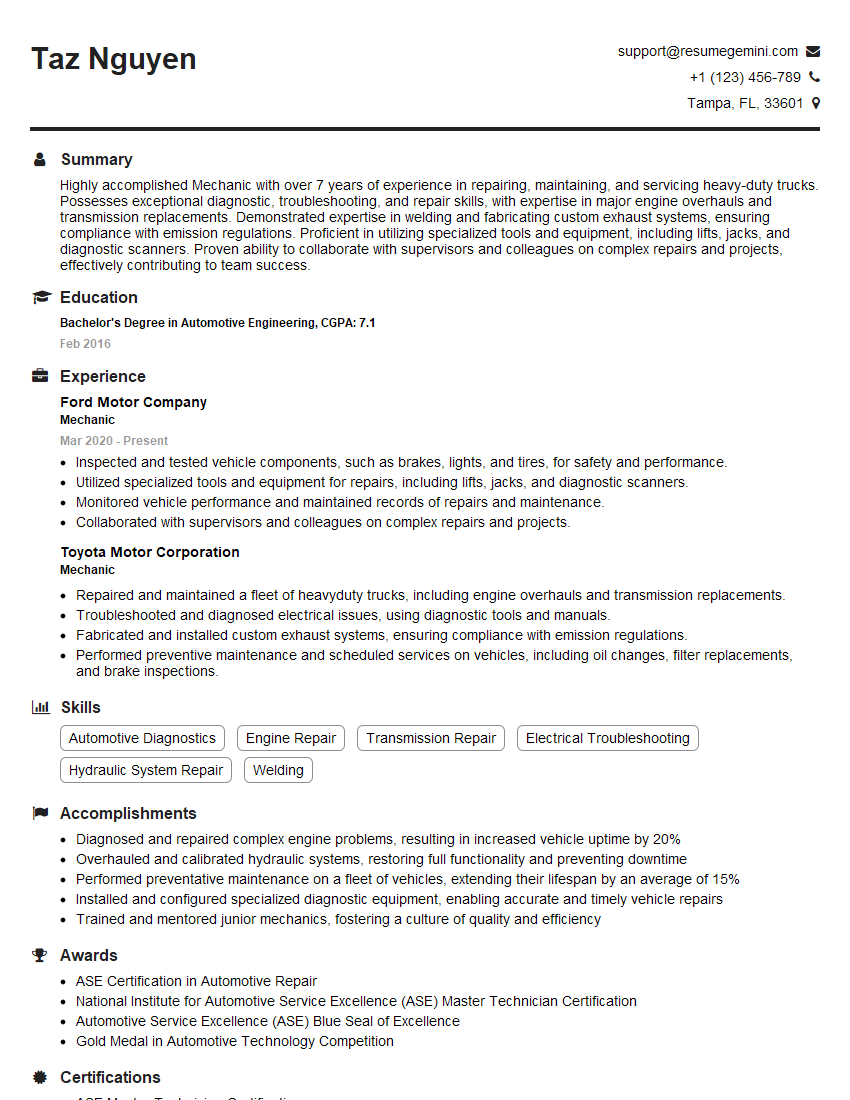
Mechanic Resume Sample
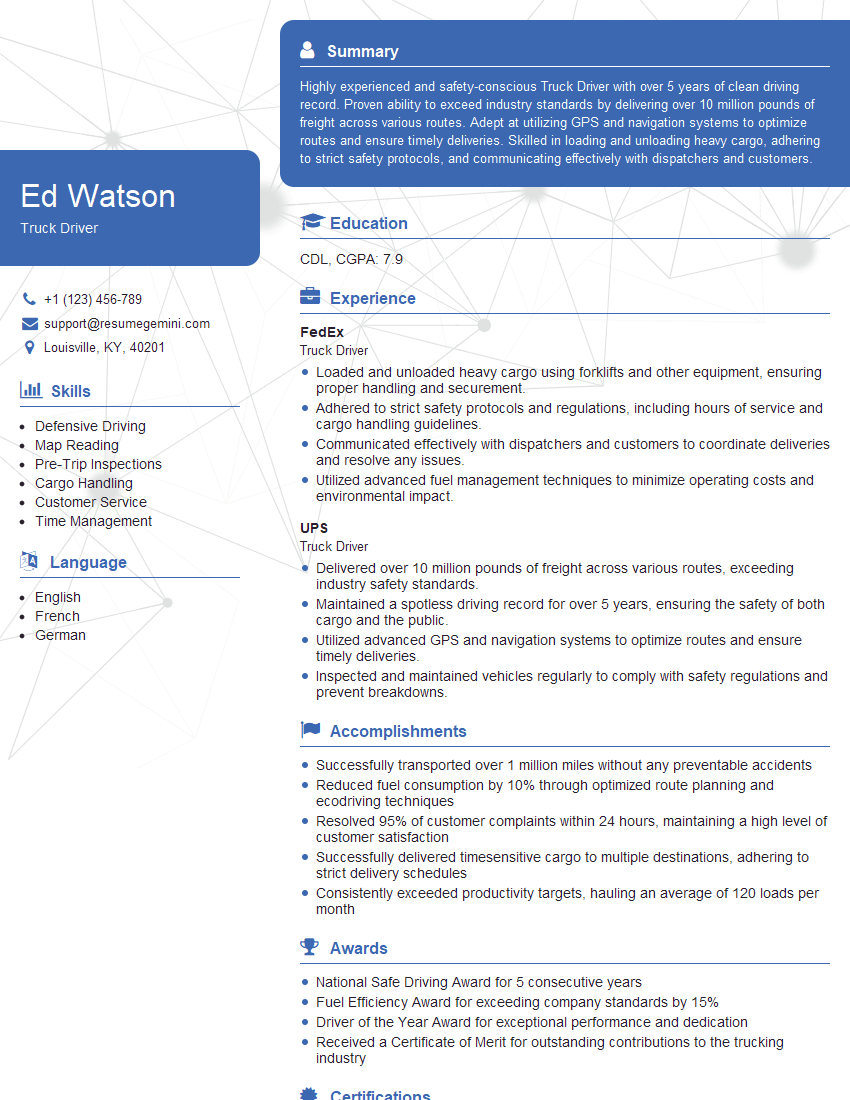
Truck Driver Resume Sample
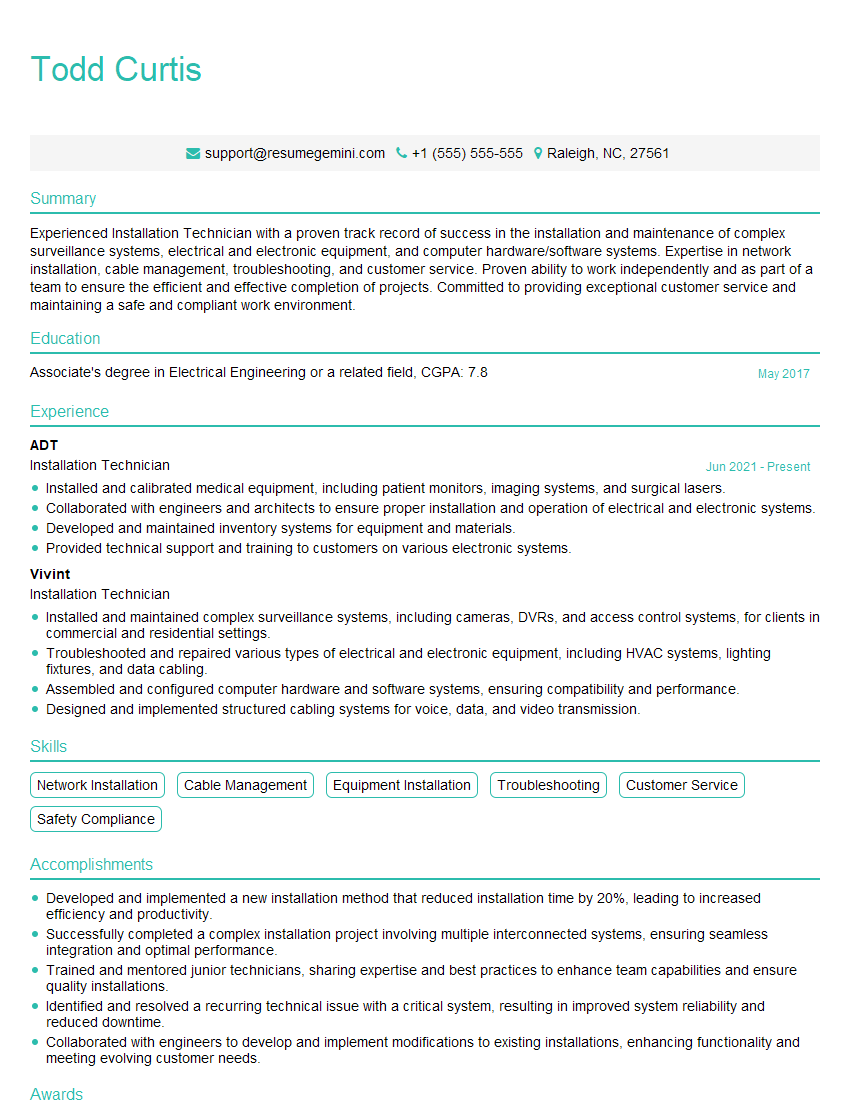
Installation Technician Resume Sample
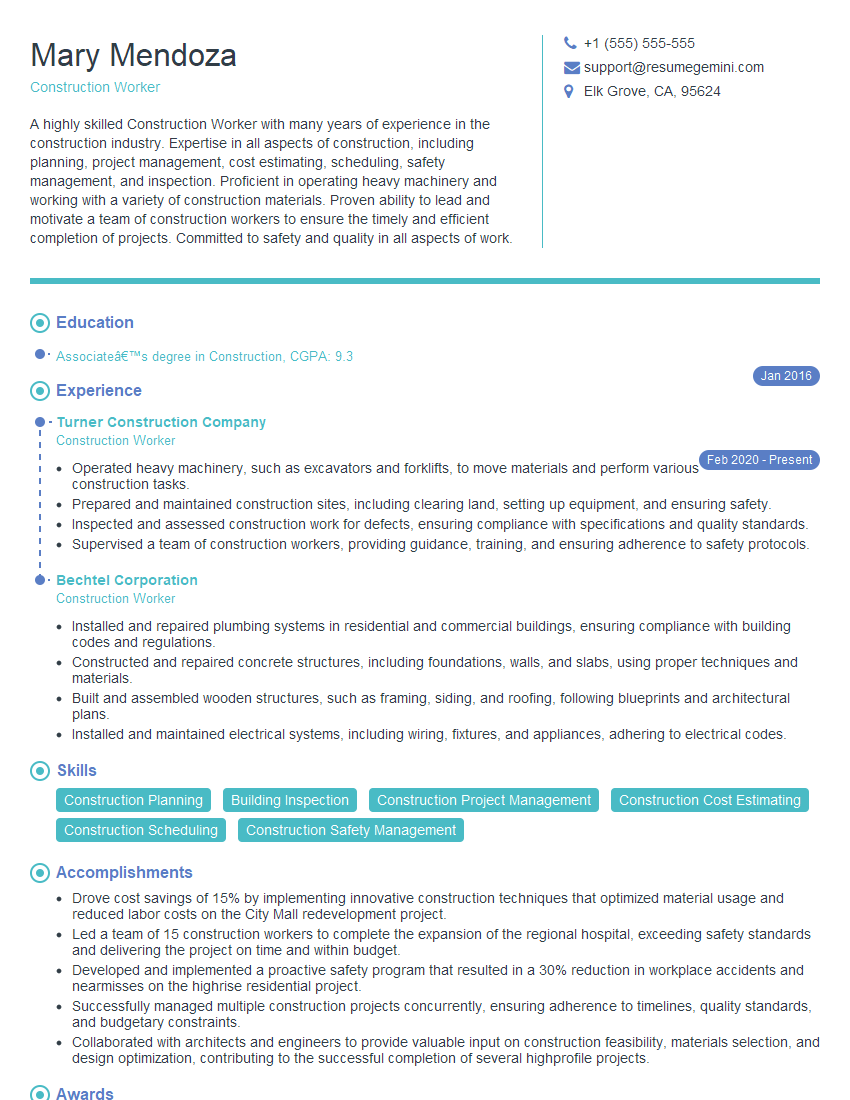
Construction Worker Resume Sample
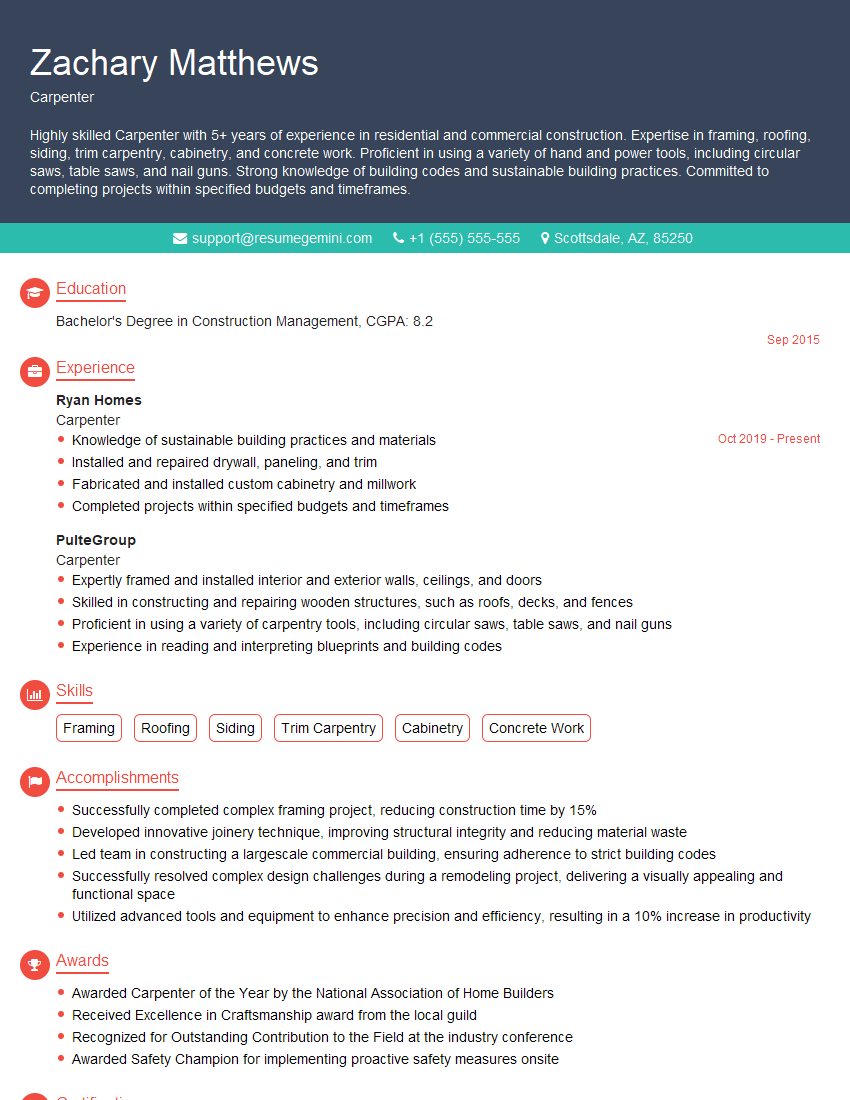
Carpenter Resume Sample
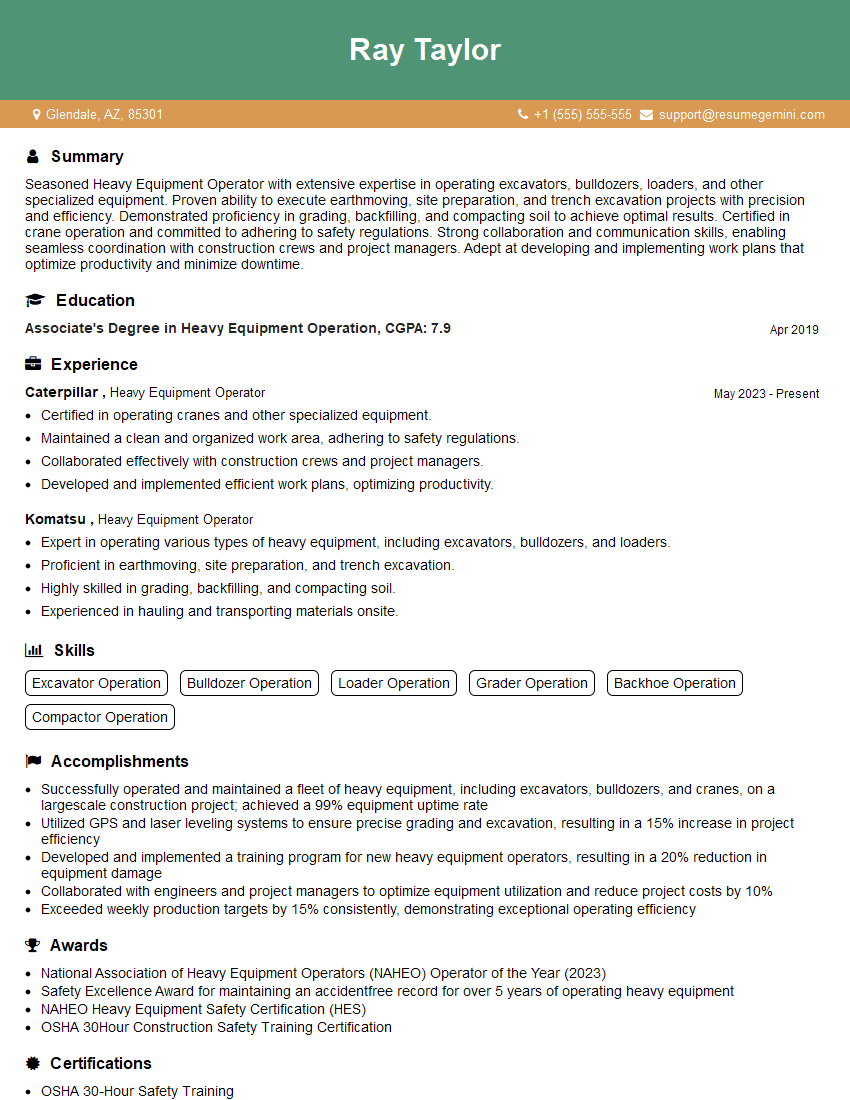
Heavy Equipment Operator Resume Sample
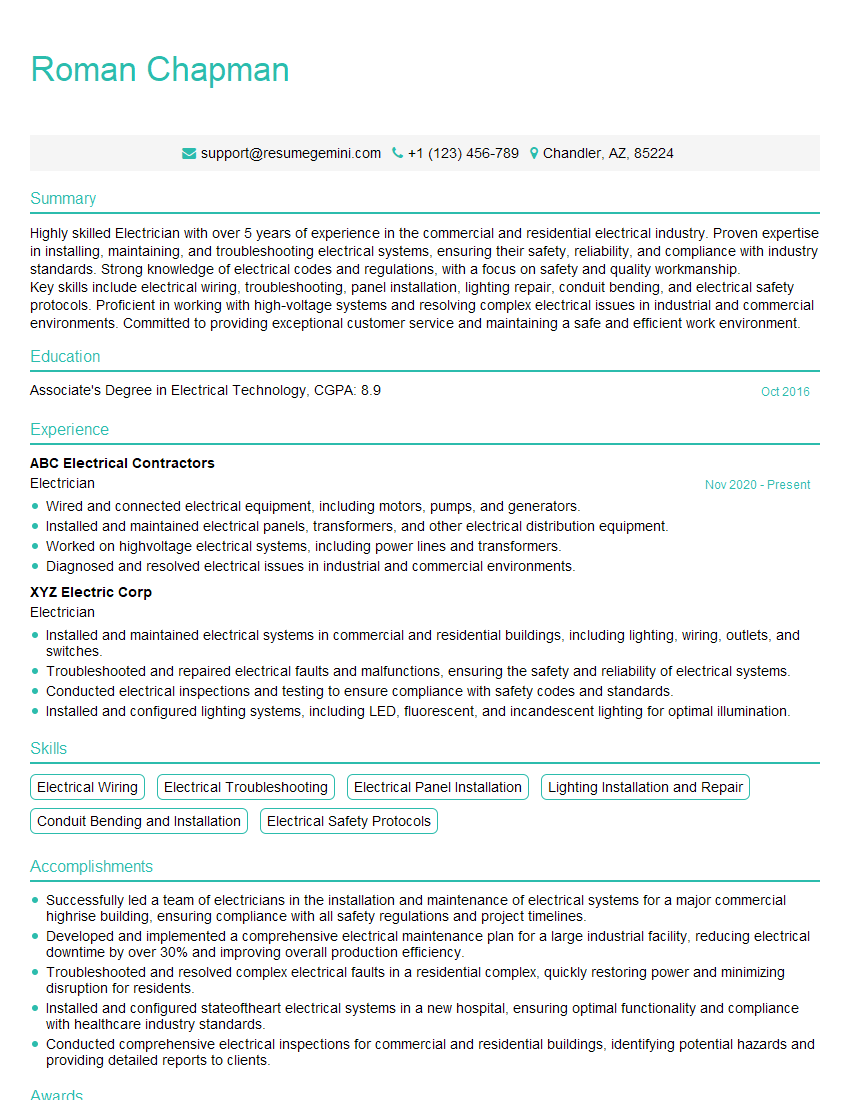
Electrician Resume Sample
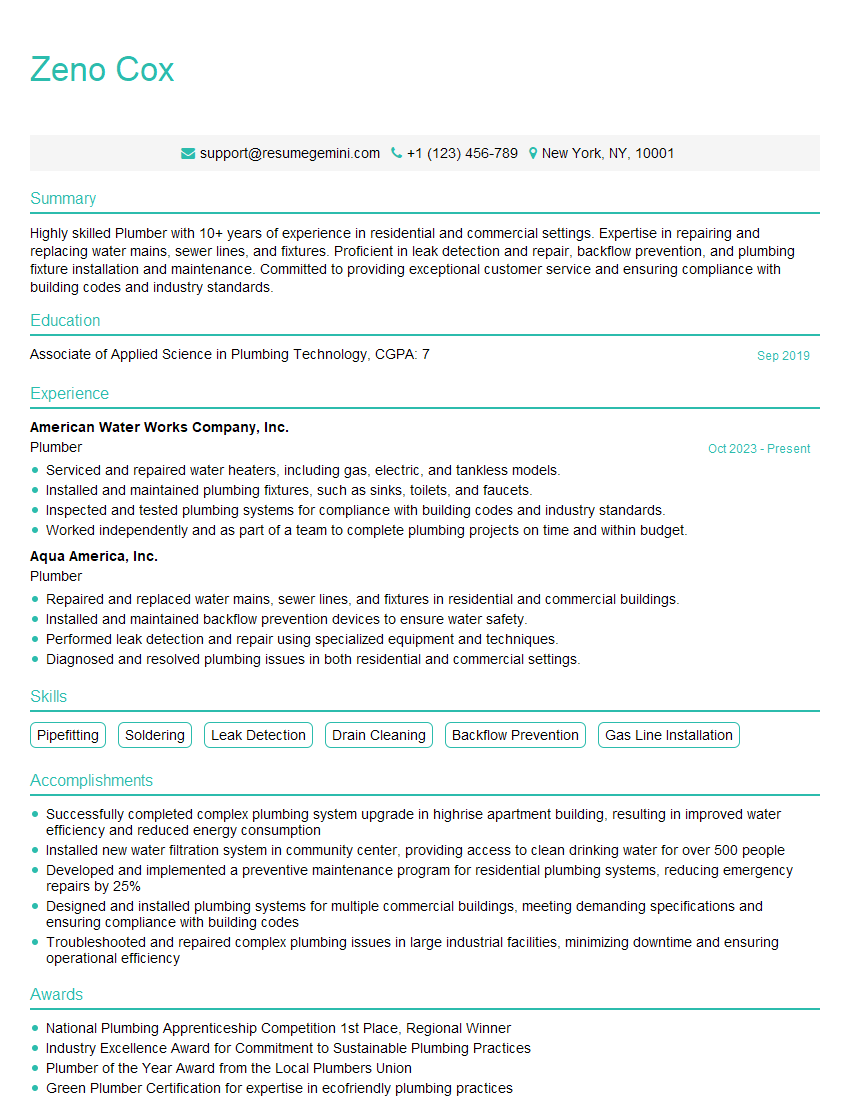
Plumber Resume Sample
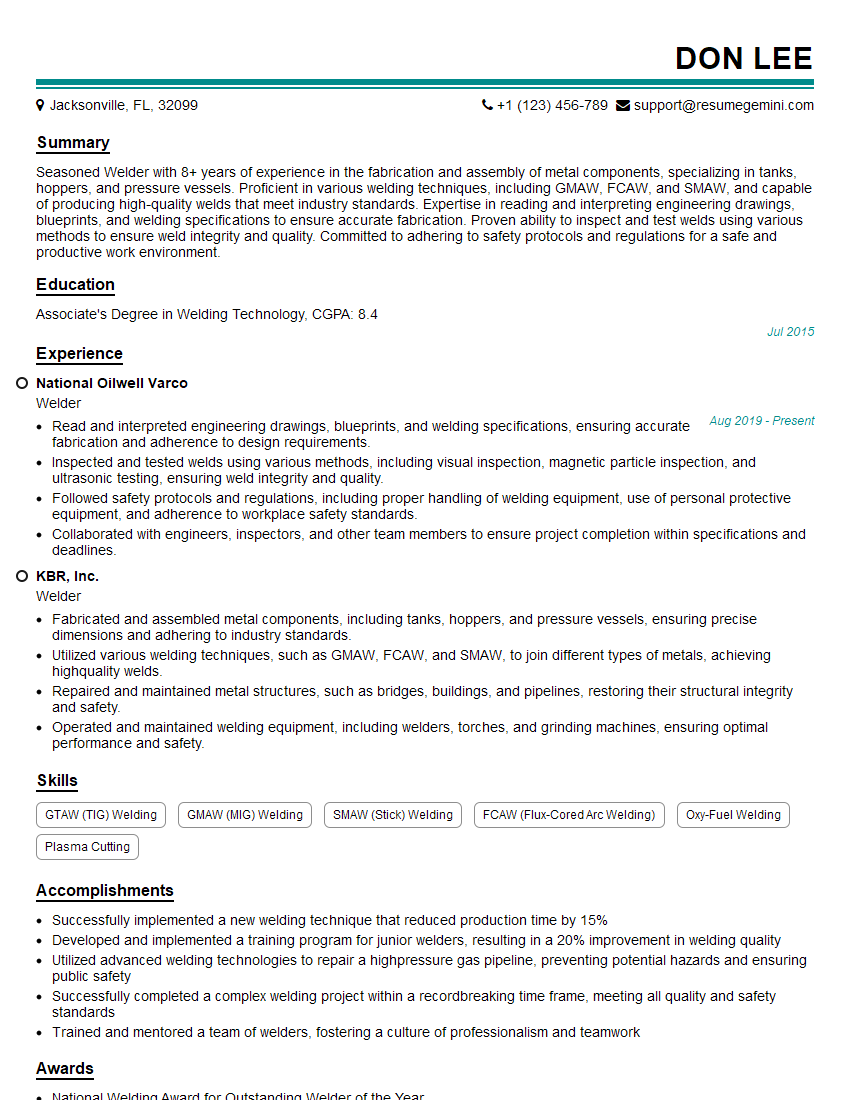
Welder Resume Sample
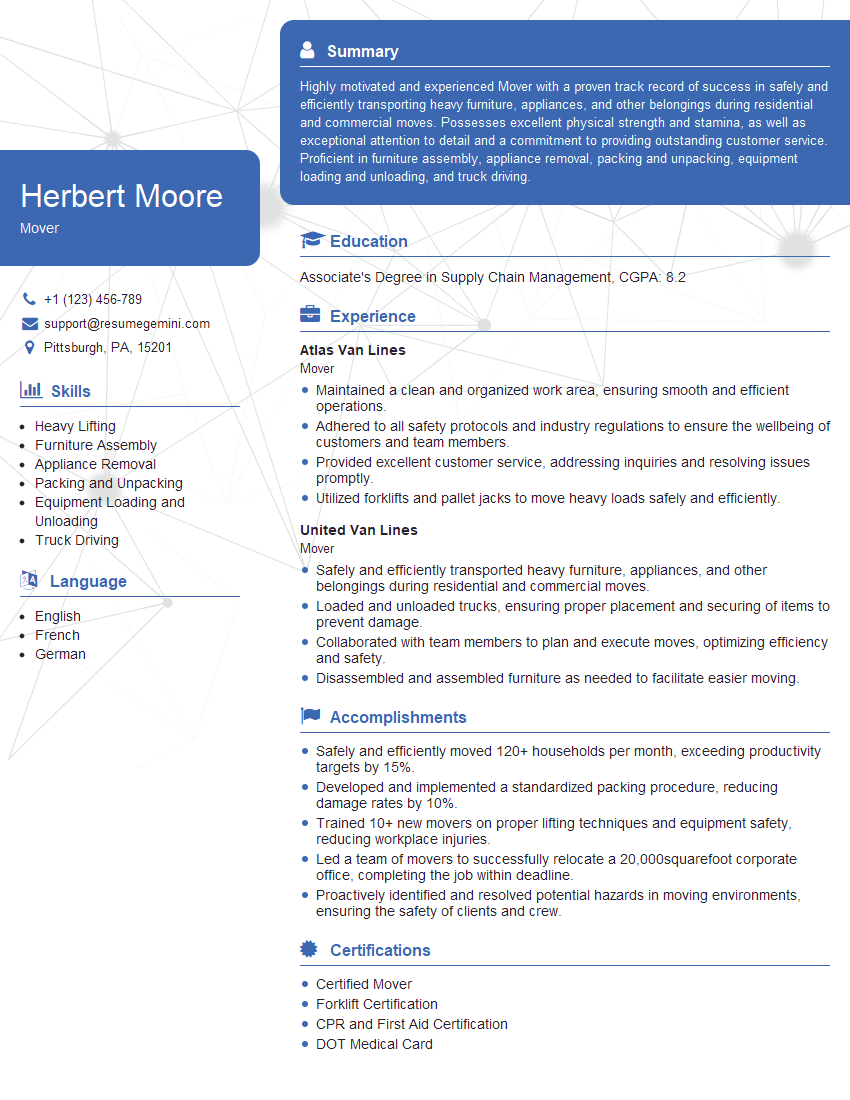
Mover Resume Sample
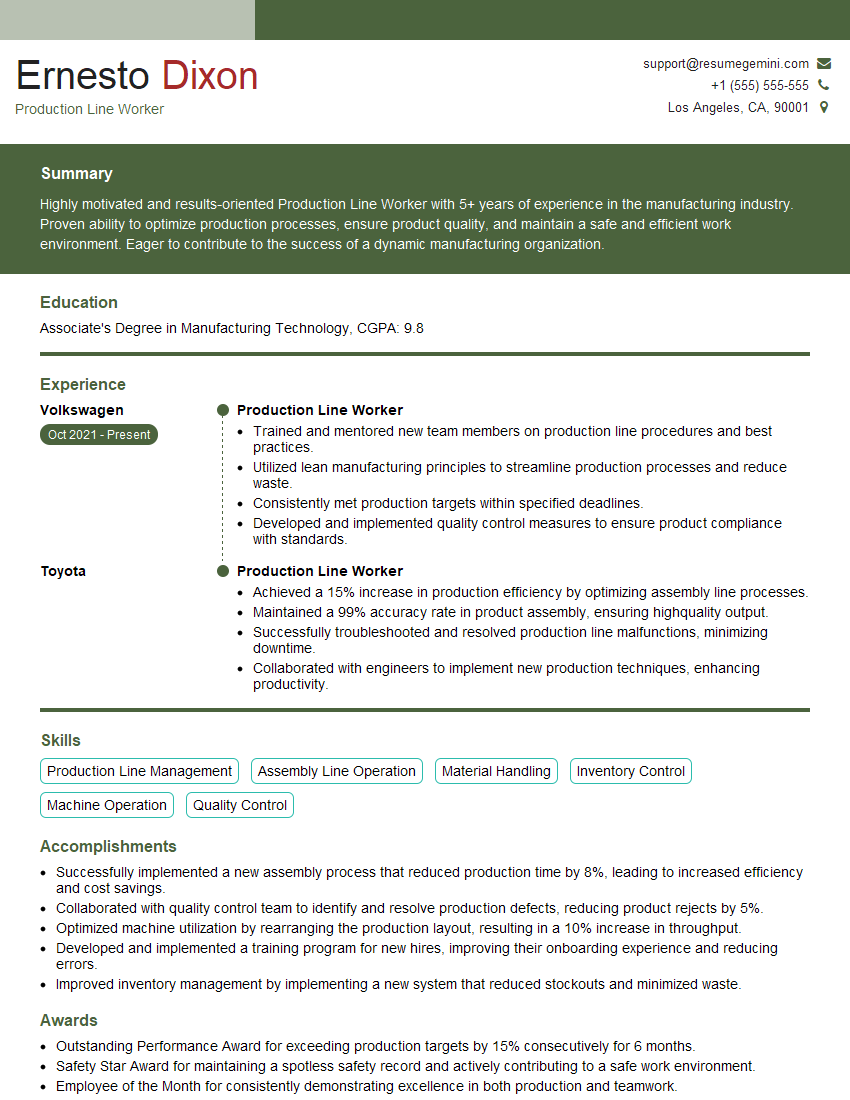
Production Line Worker Resume Sample
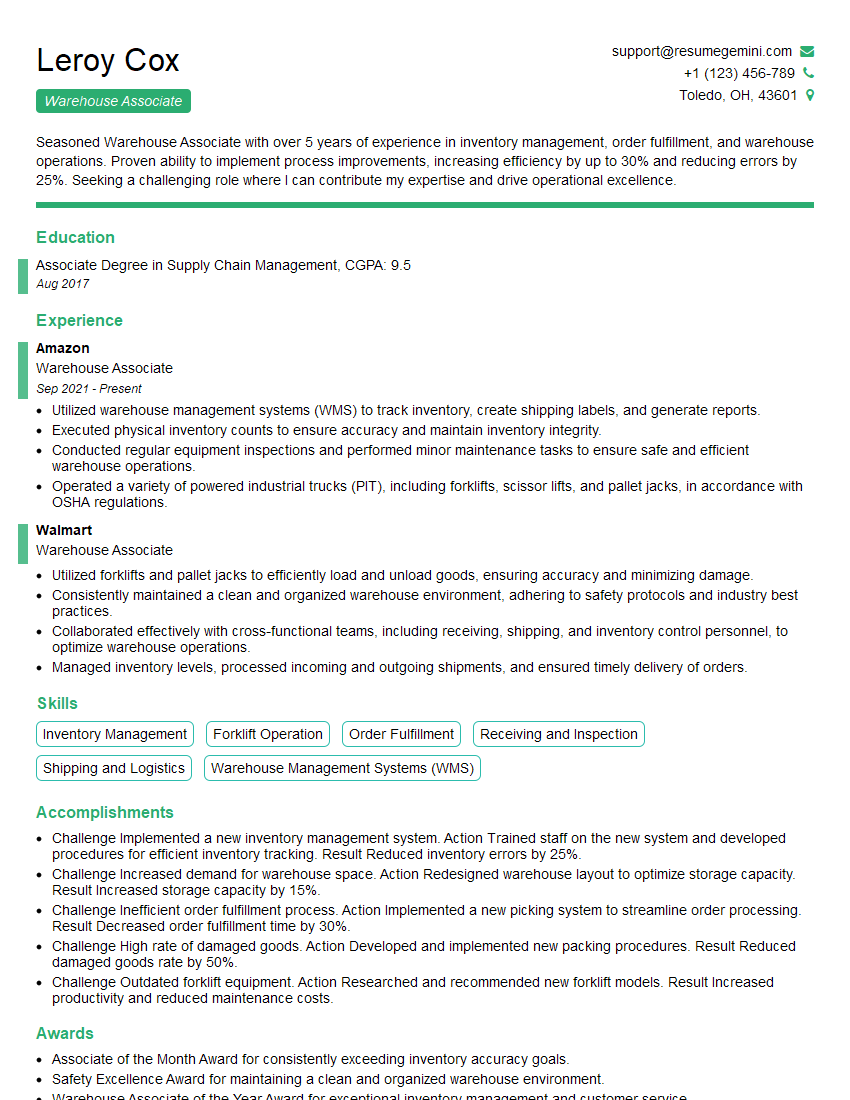
Warehouse Associate Resume Sample
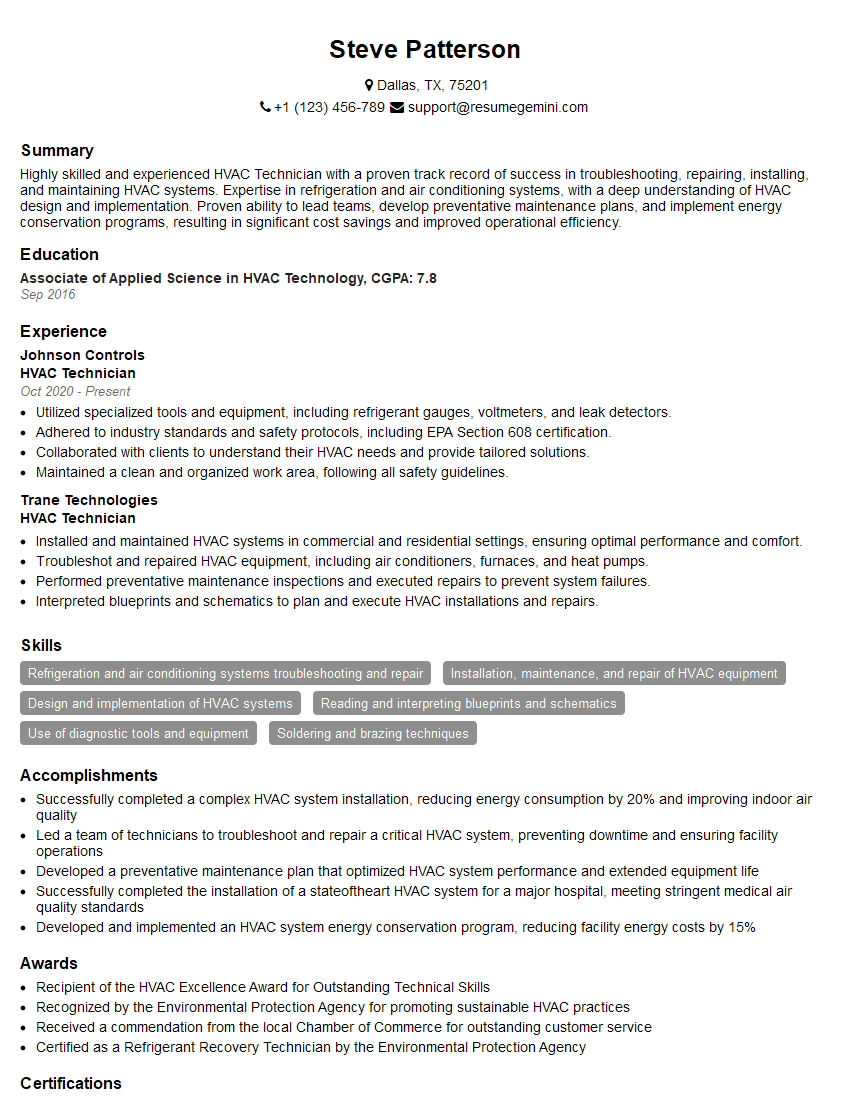
HVAC Technician Resume Sample
- Roofing Contractor
- Maintenance Technician
- Field Technician
- Painter
- Custodian
- Janitor
- Utility Worker
- Delivery Driver
- Shipping and Receiving Clerk
- Material Handler
- Mechanic
- Truck Driver
- Installation Technician
- Construction Worker
- Carpenter
- Heavy Equipment Operator
- Electrician
- Plumber
- Welder
- Mover
- Production Line Worker
- Warehouse Associate
- HVAC Technician
Explore more articles
Users Rating of Our Blogs
Share Your Experience
We value your feedback! Please rate our content and share your thoughts (optional).
What Readers Say About Our Blog
Very informative content, great job.
good