Feeling uncertain about what to expect in your upcoming interview? We’ve got you covered! This blog highlights the most important Physical & Mental Fitness interview questions and provides actionable advice to help you stand out as the ideal candidate. Let’s pave the way for your success.
Questions Asked in Physical & Mental Fitness Interview
Q 1. Explain the principles of training adaptation.
Training adaptation refers to the body’s remarkable ability to adjust and improve its physiological functions in response to consistent physical stress. Think of it like this: you repeatedly challenge your muscles with weightlifting, and they respond by getting stronger. This isn’t magic; it’s a carefully orchestrated biological process.
- Specificity: The body adapts specifically to the type of training it receives. If you run, you’ll primarily improve your cardiovascular fitness; if you lift weights, you’ll build muscle strength and size. Training for a marathon won’t suddenly make you a powerlifter.
- Progressive Overload: To continue seeing improvements, you must progressively increase the demands placed on your body. This could mean lifting heavier weights, running longer distances, or increasing the intensity of your workouts. Your muscles need to be challenged consistently to adapt and grow stronger.
- Individuality: Adaptation varies greatly from person to person. Genetic factors, training history, nutrition, and recovery all play a role in determining how quickly and effectively someone adapts to training. What works for one person may not work for another.
- Reversibility: The gains you make through training are not permanent. If you stop training, your body will gradually return to its previous state. This highlights the importance of consistent effort to maintain fitness levels.
- Overtraining: Pushing your body too hard, too often, without adequate rest can lead to overtraining, hindering adaptation and potentially causing injury. It’s crucial to balance training volume and intensity with adequate rest and recovery.
For example, a beginner starting a weightlifting program might see significant strength gains in the first few months. However, to continue progressing, they must progressively increase the weight lifted, the number of repetitions, or the sets, adhering to the principle of progressive overload.
Q 2. Describe the benefits of interval training.
Interval training, which involves alternating periods of high-intensity exercise with periods of rest or low-intensity exercise, offers a multitude of benefits. It’s a highly efficient way to boost your fitness in a relatively short amount of time.
- Improved Cardiovascular Fitness: High-intensity intervals significantly improve your heart’s ability to pump blood and deliver oxygen to your muscles, enhancing cardiovascular health.
- Increased Fat Burning: The afterburn effect, or excess post-exercise oxygen consumption (EPOC), is higher after interval training compared to steady-state cardio. This means your body continues burning calories at an elevated rate even after your workout is finished.
- Enhanced Muscle Strength and Endurance: Incorporating strength training exercises into your intervals can build muscle and improve muscle endurance.
- Time Efficiency: Interval training is very time-efficient; you can achieve significant results in shorter workout sessions than with traditional steady-state cardio.
- Increased Metabolic Rate: Interval training can boost your metabolism, making it easier to manage your weight in the long run.
Imagine a runner alternating between sprints and jogging. The sprints represent high-intensity periods, pushing the cardiovascular system to its limits, while the jogging provides recovery. This approach is far more effective than simply jogging at a moderate pace for the same duration.
Q 3. How do you assess a client’s fitness level?
Assessing a client’s fitness level involves a multi-faceted approach that goes beyond simply asking about their current activity levels. I utilize a combination of methods for a comprehensive evaluation.
- Health History Questionnaire: This crucial first step helps identify any pre-existing health conditions, injuries, or limitations that might impact the exercise program. It’s essential to have a thorough understanding of their medical history.
- Resting Heart Rate and Blood Pressure: These baseline measurements provide valuable insights into cardiovascular health.
- Fitness Tests: Depending on the client’s goals and fitness level, I might utilize several tests. This could include:
- Cardiorespiratory Fitness Tests: Such as a graded exercise test (GXT) on a treadmill or cycle ergometer to determine VO2 max (maximum oxygen uptake). A simpler alternative might be the step test.
- Muscular Strength and Endurance Tests: This could involve assessing one repetition maximum (1RM) for various exercises or conducting push-up and sit-up tests.
- Flexibility Tests: Such as the sit-and-reach test.
- Body Composition Assessment: Methods such as skinfold calipers, bioelectrical impedance analysis (BIA), or underwater weighing can be used to determine body fat percentage.
The choice of tests depends heavily on the client’s individual needs and goals. The data gathered helps me design a safe and effective program tailored to their specific capabilities and limitations.
Q 4. What are the components of a well-rounded fitness program?
A well-rounded fitness program addresses all major components of fitness to ensure balanced development and optimal health. It shouldn’t just focus on one area like cardio or strength training.
- Cardiovascular Endurance: Activities like running, swimming, cycling, or brisk walking improve heart health, increase lung capacity and improve overall stamina.
- Muscular Strength: Weight training, bodyweight exercises, or resistance band exercises build muscle mass, increase bone density, and boost metabolism.
- Muscular Endurance: The ability to perform repeated muscle contractions over a period of time. Circuit training and higher repetition weight training are good examples.
- Flexibility: Stretching, yoga, or Pilates improve range of motion, reduce muscle tightness, and increase joint flexibility, preventing injuries.
- Balance: Exercises that challenge balance, like yoga poses or tai chi, improve coordination and reduce the risk of falls, particularly important as we age.
- Body Composition: Maintaining a healthy ratio of lean muscle mass to body fat is crucial for overall health and well-being. This is achieved through a combination of diet and exercise.
For instance, a client might combine running three times a week with weight training twice a week, incorporating yoga or stretching on rest days. The program should be adjusted based on individual needs and preferences, keeping safety and enjoyment in mind.
Q 5. Explain the concept of progressive overload.
Progressive overload is a fundamental principle of training that states that in order to continue making progress, you must consistently increase the demands placed on your body. It’s the cornerstone of any successful training program.
This ‘overload’ can be achieved in several ways:
- Increasing the weight or resistance: Lifting heavier weights when strength training.
- Increasing the number of repetitions or sets: Performing more reps or sets of an exercise.
- Increasing the intensity: For cardiovascular training, this could mean increasing the speed or incline.
- Increasing the duration: Running for a longer time or doing more cardio sessions per week.
- Decreasing rest periods: Reducing the amount of rest taken between sets or exercises.
- Changing the exercise: Switching to a more challenging variation of an exercise.
Imagine a person starting a weightlifting program. They begin with a weight they can comfortably lift for 10 repetitions. As they get stronger, they gradually increase the weight, perhaps by 2.5 pounds each week, until they reach a point where they can only manage 8-10 repetitions. This controlled increase in weight is a perfect example of progressive overload. It’s vital to avoid increasing the load too quickly, which can lead to injury. The increase should be gradual and allow for proper recovery.
Q 6. What are the signs of overtraining?
Overtraining is a state of chronic fatigue and reduced performance resulting from excessive training without adequate recovery. It’s not simply being tired after a workout; it’s a more serious condition with lasting consequences. Recognizing the signs is crucial.
- Persistent Fatigue: Feeling unusually tired even after rest.
- Decreased Performance: Noticing a significant drop in strength, speed, or endurance levels.
- Increased Resting Heart Rate: A higher than usual heart rate even when at rest.
- Sleep Disturbances: Difficulty falling asleep, waking up frequently, or not feeling refreshed upon waking.
- Loss of Motivation: Feeling uninterested in training or lacking the enthusiasm for workouts.
- Muscle Soreness: While some muscle soreness is normal, persistent or excessive soreness can be a sign of overtraining.
- Irritability or Mood Swings: Experiencing more irritability, mood swings, or feelings of depression.
- Frequent Illness: A weakened immune system can lead to more frequent colds or infections.
If you notice several of these symptoms, it’s vital to reduce training volume and intensity, prioritize rest and recovery, and potentially consult with a healthcare professional or certified personal trainer. Ignoring overtraining can lead to serious health consequences and burnout.
Q 7. How do you motivate clients to adhere to their fitness plans?
Motivating clients to adhere to their fitness plans requires a multifaceted approach that goes beyond simply providing a workout plan. It’s about building a strong client-trainer relationship and fostering intrinsic motivation.
- Setting Realistic Goals: Start with small, achievable goals that build confidence and momentum. Unrealistic expectations can lead to discouragement and dropout.
- Personalized Programs: Tailor the program to the client’s individual needs, preferences, and lifestyle. If they enjoy the workouts, they’re more likely to stick with them.
- Regular Check-ins: Provide regular feedback and support, addressing any challenges or setbacks they encounter. This helps them stay accountable and motivated.
- Tracking Progress: Help clients monitor their progress using tools like fitness trackers or journals. Seeing tangible results is a powerful motivator.
- Positive Reinforcement: Focus on celebrating successes and acknowledging their efforts. Positive feedback reinforces their commitment.
- Finding Enjoyable Activities: Incorporate activities that they genuinely enjoy. If they find the workouts fun, they’re more likely to persevere.
- Building a Support System: Encourage clients to find workout buddies or join fitness communities for added support and motivation.
- Educate about the benefits: Explain how regular exercise positively impacts various aspects of their health and well-being. Understanding the ‘why’ can strengthen commitment.
For example, I might work with a client to set a goal of walking for 30 minutes three times a week, gradually increasing the duration and intensity as they get fitter. Regular check-ins, progress tracking, and positive feedback help keep them engaged and motivated throughout their journey.
Q 8. Describe different types of resistance training.
Resistance training, also known as strength training, involves working your muscles against a force to build strength, power, and endurance. There are several types, each utilizing different methods:
- Weight Training: Using free weights (dumbbells, barbells) or weight machines to challenge muscles. For example, a barbell bench press targets chest, shoulders, and triceps.
- Bodyweight Training: Utilizing your body weight as resistance. Think push-ups, squats, lunges, and pull-ups. This is accessible and requires minimal equipment.
- Calisthenics: A form of bodyweight training that emphasizes dynamic and rhythmic movements. It often involves using your body weight in advanced movements that enhance coordination and flexibility like handstands and muscle-ups.
- Resistance Band Training: Utilizing elastic bands to provide resistance. These are portable, versatile, and offer variable resistance levels, making them ideal for various fitness levels.
- Plyometrics: Explosive movements that involve a rapid stretch and contraction of muscles. Examples include box jumps and jump squats, focusing on power development.
The choice of resistance training method depends on individual goals, fitness level, and access to equipment. A well-rounded program often incorporates a combination of these methods.
Q 9. What are the benefits of flexibility training?
Flexibility training, encompassing activities like stretching and yoga, offers numerous benefits beyond increased range of motion. It enhances:
- Injury Prevention: Improved flexibility reduces the risk of muscle strains and tears by allowing muscles to move through a wider range of motion safely. Imagine a tight hamstring; it’s more prone to tearing than a flexible one.
- Improved Posture: Tight muscles can lead to poor posture. Flexibility training helps to counteract this, promoting better alignment and reducing back pain. Think about someone who sits at a desk all day; flexibility exercises can alleviate stiffness.
- Increased Performance: Greater flexibility can lead to improved athletic performance. Imagine a sprinter – increased hip flexibility can contribute to a faster stride.
- Stress Reduction: Stretching and yoga techniques can induce relaxation and reduce stress hormones, promoting mental well-being. It’s a great way to unwind after a long day.
- Pain Management: Flexibility exercises can help relieve muscle pain and stiffness, particularly in conditions like back pain.
Regular flexibility training is crucial for overall health and should be incorporated into any well-rounded fitness program.
Q 10. Explain the importance of proper nutrition for fitness goals.
Proper nutrition is fundamental to achieving fitness goals. It fuels your workouts, aids recovery, and supports overall health. Your diet directly impacts:
- Energy Levels: A balanced diet provides the necessary carbohydrates, proteins, and fats for energy production and sustained workouts. Think of carbs as the primary fuel source for exercise.
- Muscle Growth and Repair: Protein is essential for muscle growth and repair after intense training sessions. Insufficient protein intake hinders muscle development.
- Fat Loss: A calorie deficit, combined with a balanced diet, is crucial for fat loss. It’s not about eliminating food groups but rather making informed choices about portion sizes and nutrient density.
- Overall Health: Good nutrition supports immune function, reduces the risk of chronic diseases, and improves recovery time. A healthy diet boosts your body’s ability to cope with stress and intensive training.
A personalized nutritional plan, possibly guided by a registered dietitian, should consider individual goals, activity levels, and dietary preferences. It’s about sustainable, healthy eating habits, not crash diets.
Q 11. How do you address client plateaus?
Client plateaus are common in fitness journeys. They occur when progress stalls despite consistent effort. Addressing them involves a multifaceted approach:
- Assess the Current Program: Analyze the client’s training routine, nutrition, and sleep patterns. Are they overtraining? Are they consuming enough protein? Are they getting sufficient rest?
- Adjust the Training Variables: Introduce variations in the program. This could involve changing the exercise selection, sets, reps, rest periods, or training frequency. For example, if a client is stuck on a certain weight, increase the reps or change the exercise entirely.
- Incorporate Periodization: Periodization involves cycling the intensity and volume of training over time. This prevents burnout and allows for optimal adaptation. It’s like giving the body planned breaks to come back stronger.
- Address Nutrition: Review the client’s nutrition plan. A small adjustment in calorie intake or macronutrient ratio might be necessary. A registered dietitian can help with this.
- Consider External Factors: Stress, lack of sleep, and illness can all contribute to plateaus. Addressing these factors holistically is crucial.
Open communication and collaboration with the client are essential in identifying the root cause of the plateau and implementing effective solutions. It’s often a matter of finding what works for that specific individual.
Q 12. What are the common injuries associated with specific exercises?
Many exercises carry a risk of injury if performed improperly or without proper preparation. Some common examples:
- Squats: Improper form can lead to knee pain, back pain, and hamstring strains.
- Bench Press: Incorrect technique can result in shoulder injuries, rotator cuff tears, and pectoral muscle strains.
- Deadlifts: Poor form can cause back injuries, including herniated discs and muscle strains.
- Overhead Press: Incorrect form can lead to shoulder injuries and rotator cuff tears.
- Running: Overtraining or improper running form can cause knee pain, shin splints, and plantar fasciitis.
Proper warm-up, correct form, gradual progression, and listening to your body are vital to minimizing injury risk. Professional guidance from a certified fitness trainer can significantly reduce the chance of injury.
Q 13. How do you design a program for a client with specific medical conditions?
Designing a program for a client with specific medical conditions requires careful consideration and collaboration with healthcare professionals. The process involves:
- Medical Clearance: Obtain medical clearance from the client’s physician or specialist to ensure the safety of exercise.
- Assessment: Thoroughly assess the client’s physical abilities, limitations, and medical history. This may involve functional movement screens and discussions with the client’s doctor.
- Program Modification: Adapt exercises and intensities based on the client’s condition. For example, a client with arthritis may need to modify exercises to avoid high-impact movements.
- Gradual Progression: Progress gradually, allowing the client’s body to adapt to the new demands of exercise. This is crucial for safety and prevents exacerbating underlying conditions.
- Regular Monitoring: Monitor the client’s progress closely, adjusting the program as needed. Regular communication with the client and healthcare professionals is vital.
It’s crucial to prioritize safety and work within the limitations of the client’s medical condition. Collaboration with healthcare providers is paramount to ensure the program is effective and safe.
Q 14. Explain the principles of cardiovascular training.
Cardiovascular training, also known as cardio or aerobic exercise, improves the health of your heart and lungs. Key principles include:
- FITT Principle: This acronym guides program design:
- Frequency: How often you exercise (e.g., 3-5 times per week).
- Intensity: How hard you exercise (e.g., measured by heart rate or perceived exertion).
- Time: How long you exercise (e.g., 30-60 minutes).
- Type: The type of activity (e.g., running, swimming, cycling).
- Progression: Gradually increasing the frequency, intensity, or duration of your workouts over time to avoid overtraining and promote adaptation. Think of it as a slow, steady increase in the challenge.
- Warm-up and Cool-down: Preparing your body for exercise and allowing for a gradual decrease in intensity after exercise are essential to prevent injury.
- Individualization: Designing a program tailored to individual fitness levels, goals, and preferences. This ensures the program is enjoyable and effective. Consider things like prior experience and access to resources.
- Consistency: Regular participation is key to seeing results and maintaining overall fitness. It’s about building a habit, not perfection.
Cardiovascular training is vital for overall health, improving cardiovascular function, weight management, and mental well-being.
Q 15. What are the different types of stretching techniques?
Stretching is crucial for flexibility, injury prevention, and improved performance. There are several types, each serving a different purpose:
- Static Stretching: Holding a stretch for a sustained period (15-30 seconds). Think of holding your hamstring stretch, feeling the tension, but not pushing past your comfort zone. This is great for improving flexibility after a workout.
- Dynamic Stretching: Moving stretches that increase blood flow and prepare muscles for activity. Examples include arm circles, leg swings, and torso twists. These are ideal as a warm-up before exercise.
- Ballistic Stretching: Involves bouncing or jerking movements to reach a greater range of motion. While it can improve flexibility, it carries a higher risk of injury and is generally not recommended for beginners or those recovering from injury. Think of the old-fashioned ‘toe-touch’ with bouncing.
- Proprioceptive Neuromuscular Facilitation (PNF): Advanced technique involving contracting and relaxing muscles during a stretch to increase flexibility. It requires a partner or specialized equipment and is best performed under the guidance of a professional.
- Isometric Stretching: Holding a stretch by pushing against a resistance, either from a partner or a wall. It improves flexibility while also building strength.
Choosing the right type depends on the context. Dynamic stretches are ideal for warm-ups, while static stretches are better for cool-downs. PNF is best left to experienced individuals under professional supervision.
Career Expert Tips:
- Ace those interviews! Prepare effectively by reviewing the Top 50 Most Common Interview Questions on ResumeGemini.
- Navigate your job search with confidence! Explore a wide range of Career Tips on ResumeGemini. Learn about common challenges and recommendations to overcome them.
- Craft the perfect resume! Master the Art of Resume Writing with ResumeGemini’s guide. Showcase your unique qualifications and achievements effectively.
- Don’t miss out on holiday savings! Build your dream resume with ResumeGemini’s ATS optimized templates.
Q 16. Describe your experience with fitness assessment tools.
My experience with fitness assessment tools is extensive. I regularly use a variety of tools to accurately assess clients’ fitness levels and track progress. This includes:
- Body Composition Analysis: Using methods like skinfold calipers, bioelectrical impedance analysis (BIA), or DEXA scans to measure body fat percentage and lean muscle mass. BIA, for example, uses a small electrical current to estimate body fat, which is convenient but less accurate than DEXA.
- Cardiovascular Fitness Tests: Administering tests like the VO2 max test (measuring oxygen consumption) or simpler tests like the 1-mile run or step test to assess cardiovascular endurance.
- Muscular Strength and Endurance Tests: Using strength tests like 1-rep max (1RM) lifts, and endurance tests such as push-up or sit-up tests to gauge muscular fitness. I always emphasize proper form to prevent injuries.
- Flexibility Tests: Employing various range-of-motion tests, like sit-and-reach and shoulder flexibility tests, to evaluate joint mobility.
- Functional Movement Screen (FMS): A comprehensive system that assesses fundamental movement patterns to identify potential movement limitations and injury risk. It’s invaluable in designing safe and effective programs.
Interpreting these results is crucial, as it enables me to tailor programs to individual needs, ensuring safe and effective progress. I always explain the results clearly to my clients, making them an active part of the process.
Q 17. How do you incorporate technology into your fitness programs?
Technology plays a vital role in my fitness programs, enhancing both client experience and program effectiveness. I utilize various tech tools:
- Wearable Technology: Fitness trackers and smartwatches provide valuable data on activity levels, sleep patterns, heart rate, and more. This data allows for personalized adjustments and objective progress tracking. I often review this data with clients to motivate and provide feedback.
- Fitness Apps: Apps provide convenient workout tracking, nutritional guidance, and communication tools, ensuring clients stay engaged and motivated. I might prescribe specific apps based on client preferences and goals.
- Online Training Platforms: Platforms allow for remote coaching, personalized workout videos, and progress monitoring, making fitness accessible regardless of location. These platforms also allow for easy communication and support between sessions.
- Virtual Reality (VR): VR offers immersive and engaging workout experiences, making exercise more enjoyable and motivating, especially beneficial for clients who find traditional workouts monotonous.
Technology isn’t a replacement for personalized coaching but enhances it by providing objective data, improved communication, and increased motivation.
Q 18. What is your experience with creating customized workout plans?
Creating customized workout plans is fundamental to my approach. I believe a ‘one-size-fits-all’ approach is ineffective and potentially harmful. My process involves:
- Initial Assessment: Thorough assessment using the fitness assessment tools mentioned earlier to establish a baseline fitness level, identify any limitations, and understand client goals.
- Goal Setting: Collaborating with the client to set realistic and measurable goals. These goals should be specific, measurable, attainable, relevant, and time-bound (SMART).
- Program Design: Developing a tailored plan that considers the client’s fitness level, goals, preferences, and any limitations. This includes selecting appropriate exercises, sets, reps, rest periods, and exercise frequency.
- Progressive Overload: Gradually increasing the intensity, duration, or frequency of workouts over time to continuously challenge the body and stimulate progress. This prevents plateaus and keeps the client engaged.
- Regular Monitoring and Adjustment: Tracking progress regularly and adjusting the plan as needed to ensure it remains effective and safe. This might involve adjusting the exercises, weight, reps, or sets based on how well the client is adapting.
For example, a client aiming for weight loss would receive a different plan than one focusing on muscle gain. The plan constantly evolves based on individual responses and progress.
Q 19. How do you handle client resistance to exercise?
Client resistance to exercise is common and needs a sensitive approach. I address it by:
- Understanding the Root Cause: Identifying the reasons behind the resistance, which could include lack of time, motivation, fear of injury, past negative experiences, or lack of confidence. Open communication is key.
- Setting Realistic Goals: Starting with small, achievable goals that build confidence and momentum. It’s better to start slowly and gradually increase intensity to avoid burnout.
- Finding Enjoyable Activities: Incorporating activities the client genuinely enjoys, increasing adherence and making exercise less of a chore. This could involve exploring different activities until a fit is found.
- Building a Support System: Encouraging the client to find a workout buddy or join a group fitness class to foster accountability and motivation.
- Positive Reinforcement: Focusing on the positive aspects of exercise, such as improved mood, energy levels, and overall health, rather than solely focusing on weight or appearance.
- Addressing Concerns: Addressing any fears or concerns about injury or lack of fitness ability directly and reassuring the client with information and support.
It’s a process that requires patience, understanding, and a collaborative approach. Celebrating small wins along the way is crucial to build motivation and confidence.
Q 20. Explain the importance of sleep and recovery in fitness.
Sleep and recovery are not optional extras in a fitness program; they’re fundamental pillars. Adequate sleep allows for muscle repair, hormone regulation, and cognitive function restoration. Insufficient sleep hinders progress and can even be detrimental to health:
- Muscle Repair and Growth: During sleep, the body repairs and rebuilds muscle tissue damaged during exercise. Lack of sleep hampers this process, leading to slower recovery and reduced gains.
- Hormone Regulation: Sleep plays a critical role in regulating hormones like testosterone (important for muscle growth) and cortisol (a stress hormone). Disrupted sleep can lead to hormonal imbalances, negatively affecting training and overall health.
- Cognitive Function: Sleep deprivation impairs cognitive function, including focus, concentration, and decision-making. This is crucial for effective training and adherence to the fitness plan.
- Immune System Function: Sufficient sleep strengthens the immune system, making individuals less susceptible to illness, which can disrupt training schedules.
I emphasize the importance of 7-9 hours of quality sleep per night and incorporate strategies like stress management and mindfulness techniques to improve sleep quality. Recovery also includes proper nutrition and rest days, ensuring the body has the time to adapt and rebuild.
Q 21. How do you address mental health concerns in clients?
Mental health is intrinsically linked to physical health. I address mental health concerns in clients by:
- Creating a Safe and Supportive Environment: Building trust and rapport with clients is paramount. I create a non-judgmental space where clients feel comfortable discussing their concerns.
- Active Listening and Empathy: I actively listen to clients’ concerns and validate their feelings, showing empathy and understanding. This is crucial for building trust and addressing any underlying issues.
- Identifying Potential Issues: Being aware of signs of anxiety, depression, or other mental health conditions. I might ask screening questions, but never make a diagnosis. This assessment is just the first step.
- Referral to Professionals: If I suspect a serious mental health condition, I always refer clients to appropriate mental health professionals, like therapists or counselors. My role is to support fitness and well-being, not to provide medical or psychological treatment.
- Incorporating Stress-Management Techniques: Integrating stress management techniques into the fitness plan, such as mindfulness exercises, deep breathing, or yoga, can help alleviate stress and improve mental well-being.
- Celebrating Non-Scale Victories: Focusing on other positive outcomes besides weight loss, like improved mood, energy levels, sleep, stress management, and increased self-confidence. These often have a greater impact on mental well-being.
It’s important to remember that I am a fitness professional, not a mental health professional. My role is to support clients in achieving their fitness goals while being sensitive to their mental well-being and referring them appropriately when needed.
Q 22. Describe various stress management techniques.
Stress management is crucial for overall well-being. Effective techniques help individuals cope with stressors and prevent negative health consequences. These techniques can be broadly categorized into cognitive, behavioral, and physical methods.
- Cognitive Techniques: These focus on changing how you think about stressful situations. Examples include cognitive restructuring (reframing negative thoughts), positive self-talk, and problem-solving. For instance, instead of thinking “I’ll fail this presentation,” cognitive restructuring might help you reframe it as “I’ve prepared well, and I can handle this.”
- Behavioral Techniques: These involve changing your actions to manage stress. Examples include time management (prioritizing tasks), assertiveness training (expressing needs effectively), and relaxation techniques like progressive muscle relaxation. Effective time management, for example, can significantly reduce the feeling of being overwhelmed.
- Physical Techniques: These involve engaging the body to reduce stress. Examples include regular exercise (cardio, yoga, strength training), deep breathing exercises, and sufficient sleep. Exercise releases endorphins, which have mood-boosting effects.
The best approach often combines several techniques. A personalized plan, tailored to individual needs and preferences, is key to successful stress management.
Q 23. How do you incorporate mindfulness into fitness programs?
Mindfulness, the practice of paying attention to the present moment without judgment, can significantly enhance fitness programs. It helps individuals connect with their bodies and understand their physical and emotional responses to exercise.
- Mindful Movement: Incorporating mindfulness into exercise involves paying close attention to sensations in the body during activity. For example, during a yoga session, focusing on the stretch in a particular muscle or the rhythm of your breath enhances the experience and improves body awareness.
- Body Scan Meditation: Before or after a workout, a body scan meditation can help individuals connect with their physical state. This involves systematically bringing awareness to different parts of the body, noticing any tension or discomfort. This can help manage pain and improve recovery.
- Mindful Breathing: Integrating mindful breathing exercises into workouts (e.g., holding a pose in yoga or resting between sets of strength training) helps regulate the nervous system and reduce stress.
By cultivating mindfulness during exercise, individuals can improve their focus, enhance their body awareness, and increase their enjoyment of physical activity. This leads to greater consistency and better results.
Q 24. Explain the relationship between physical and mental well-being.
Physical and mental well-being are intricately linked; they influence each other significantly. Neglecting one often negatively impacts the other.
- Physical Health Impacts Mental Well-being: Regular physical activity reduces stress, improves sleep, and boosts mood by releasing endorphins. Conversely, physical inactivity can lead to depression, anxiety, and decreased cognitive function.
- Mental Health Impacts Physical Well-being: Chronic stress, anxiety, and depression can weaken the immune system, disrupt sleep patterns, and increase the risk of various physical health problems. Positive mental health, on the other hand, fosters resilience and promotes healthier lifestyle choices.
For example, someone experiencing chronic stress may struggle with sleep, leading to fatigue and reduced physical activity. This, in turn, can worsen their stress levels, creating a vicious cycle. A holistic approach that addresses both physical and mental health is essential for overall well-being.
Q 25. What are the signs of burnout and how do you address it?
Burnout is a state of emotional, physical, and mental exhaustion caused by prolonged or excessive stress. It’s characterized by feelings of cynicism, detachment, and reduced professional effectiveness.
- Signs of Burnout: These can include persistent fatigue, irritability, cynicism, feelings of hopelessness, difficulty concentrating, changes in appetite or sleep patterns, and increased physical complaints (headaches, stomachaches).
- Addressing Burnout: Addressing burnout requires a multi-faceted approach. This could include:
- Prioritizing Self-Care: This includes sufficient sleep, healthy diet, regular exercise, and engaging in activities you enjoy.
- Setting Boundaries: Learning to say no to additional tasks and responsibilities is crucial. This protects your time and energy.
- Seeking Support: Talking to a trusted friend, family member, or therapist can provide emotional support and coping strategies.
- Professional Help: In severe cases, consulting a mental health professional is essential. They can provide therapy and support to manage burnout effectively.
Early recognition and intervention are crucial to preventing burnout from becoming chronic. Proactive self-care and stress management strategies are vital for preventing burnout.
Q 26. How do you build rapport with clients?
Building rapport with clients is fundamental to successful coaching. It fosters trust, enhances communication, and increases client engagement.
- Active Listening: Paying close attention to what the client says, both verbally and nonverbally, is essential. Reflecting back what you hear ensures understanding and demonstrates empathy.
- Empathy and Understanding: Showing genuine interest in the client’s goals, challenges, and concerns fosters trust and connection. This involves understanding their unique perspectives and experiences.
- Clear Communication: Using clear and concise language, avoiding jargon, and checking for understanding are vital. Explaining concepts in simple terms ensures the client is engaged and on board.
- Setting Realistic Goals: Collaboratively setting attainable goals increases motivation and fosters a sense of accomplishment. This ensures a successful and positive experience for both the client and the coach.
- Positive Reinforcement: Acknowledging progress and celebrating successes reinforces positive behaviors and motivates continued effort.
By focusing on these aspects, I aim to create a safe and supportive environment where clients feel comfortable, empowered, and motivated to achieve their fitness goals. I strive to establish a partnership based on mutual trust and respect.
Q 27. Describe your experience with different fitness modalities (e.g., yoga, Pilates).
My experience encompasses various fitness modalities, each offering unique benefits.
- Yoga: I’m proficient in various yoga styles, including Hatha, Vinyasa, and restorative yoga. I understand its benefits for flexibility, strength, balance, and stress reduction. I integrate yoga into programs for clients seeking improved flexibility, stress management, and mindful movement.
- Pilates: My Pilates experience includes both mat and reformer Pilates. I appreciate its focus on core strength, body alignment, and controlled movements. Pilates is invaluable for injury rehabilitation, improving posture, and enhancing body awareness. I often incorporate Pilates exercises to improve core stability in my strength training programs.
Understanding the nuances of these modalities allows me to create diverse and effective training programs tailored to individual needs and preferences. The combination of these techniques provides a holistic approach to fitness.
Q 28. How do you adapt your approach for clients with different fitness levels and goals?
Adapting my approach to clients with diverse fitness levels and goals is paramount. A one-size-fits-all approach is ineffective.
- Assessment: I begin by conducting a thorough assessment of each client’s fitness level, medical history, and goals. This assessment includes physical fitness tests, questionnaires, and discussions about their lifestyle.
- Progressive Overload: I apply the principle of progressive overload, gradually increasing the intensity and duration of workouts as the client progresses. This prevents injury and ensures consistent improvement.
- Individualized Programming: I develop personalized training plans based on the assessment. This involves choosing appropriate exercises, sets, repetitions, and rest periods based on the client’s fitness level and goals.
- Modifications: I offer modifications for exercises to accommodate different fitness levels and physical limitations. This ensures safety and accessibility for all clients.
- Regular Evaluation and Adjustment: I regularly evaluate the client’s progress and adjust the training program accordingly. This ensures that the program remains challenging and effective over time.
By utilizing a personalized and adaptable approach, I help my clients achieve their fitness goals while maintaining safety and motivation. This collaborative approach is essential for long-term success.
Key Topics to Learn for Physical & Mental Fitness Interview
- Understanding Physical Fitness: Explore the components of physical fitness (cardiorespiratory endurance, muscular strength, muscular endurance, flexibility, body composition) and their interconnectedness. Consider how different training methodologies impact each component.
- Practical Application: Discuss the application of fitness principles in various settings (e.g., designing personalized training programs, assessing fitness levels, adapting exercises for different populations, injury prevention strategies).
- Nutrition and Physical Performance: Analyze the role of nutrition in optimizing physical performance, recovery, and overall health. Understand the impact of macronutrients, micronutrients, and hydration.
- Mental Fitness: Examine the components of mental fitness, including stress management, resilience, mindfulness, and emotional intelligence. Discuss how these factors impact physical performance and overall well-being.
- Practical Application: Describe strategies for building mental resilience and managing stress in high-pressure situations. Explore techniques for promoting mental well-being and fostering a positive mindset.
- Integrating Physical and Mental Fitness: Discuss the synergistic relationship between physical and mental fitness. Explore how improvements in one area positively influence the other. Consider the role of sleep, recovery, and mindful movement.
- Assessing Fitness Levels and Goal Setting: Explain different methods for assessing physical fitness (e.g., fitness tests, body composition analysis) and setting realistic and achievable goals.
- Program Design and Implementation: Discuss the principles of designing effective training programs, including exercise selection, progression, periodization, and monitoring progress.
- Ethical Considerations: Explore ethical considerations in the field of physical and mental fitness, such as informed consent, client confidentiality, and professional boundaries.
Next Steps
Mastering both physical and mental fitness demonstrates a well-rounded approach to health and wellness, highly valued in many professional fields. This holistic understanding showcases dedication, discipline, and a commitment to continuous improvement – qualities highly sought after by employers. To significantly boost your job prospects, crafting an ATS-friendly resume is crucial. This ensures your application gets noticed by recruiters and hiring managers. We strongly recommend using ResumeGemini to build a professional and impactful resume that highlights your unique skills and experiences. ResumeGemini provides examples of resumes tailored to Physical & Mental Fitness roles to help guide you in creating your own.
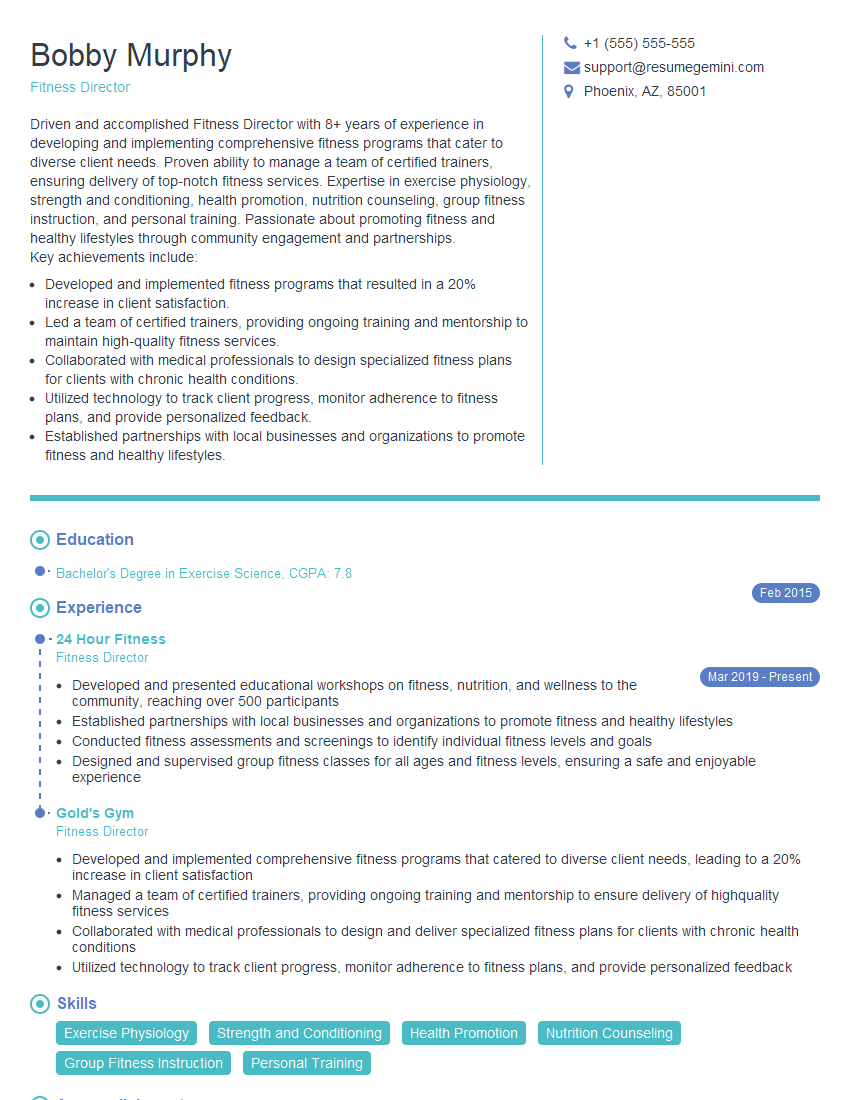
Fitness Director Resume Sample

Wellness Coach Resume Sample
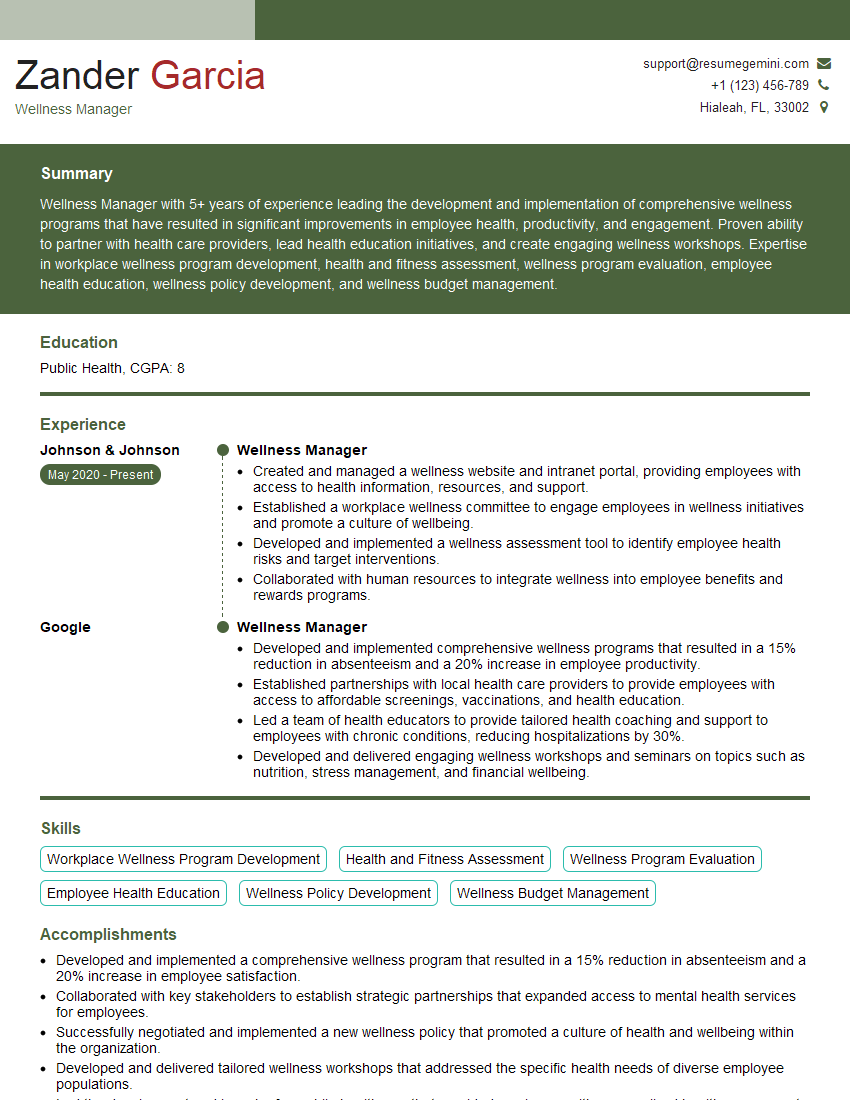
Wellness Manager Resume Sample
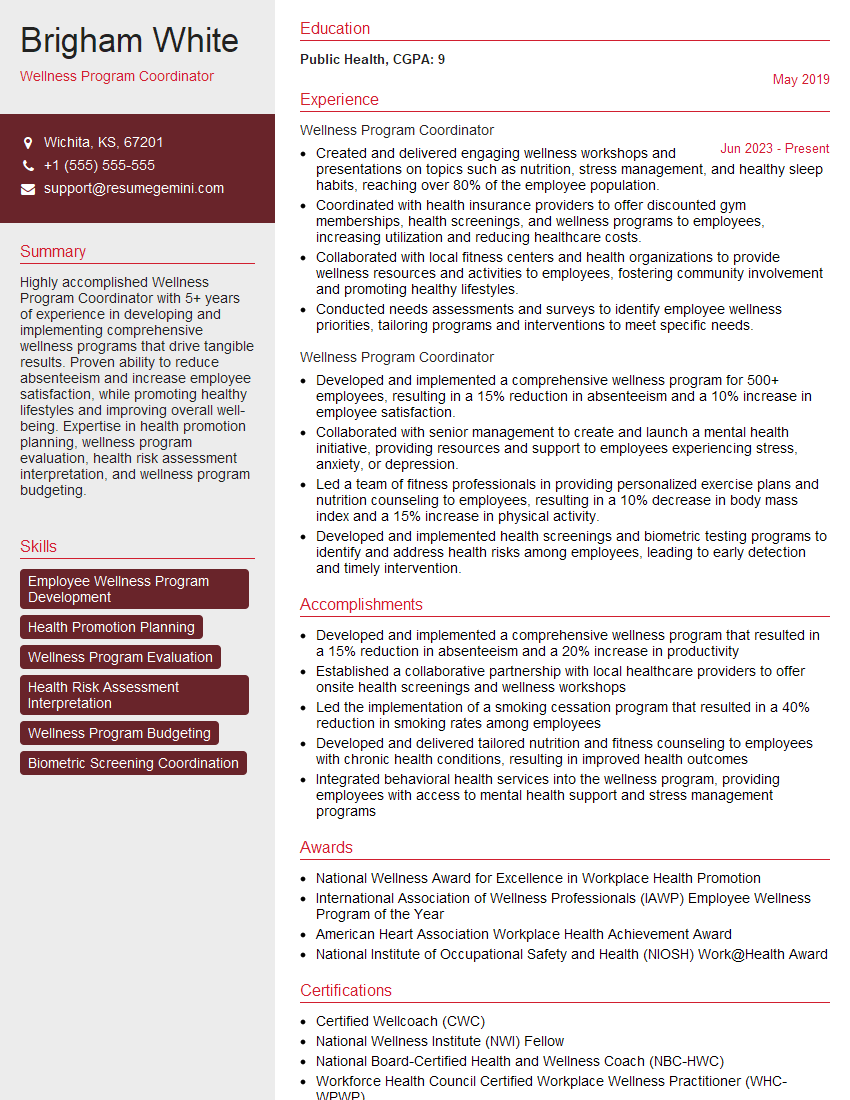
Wellness Program Coordinator Resume Sample
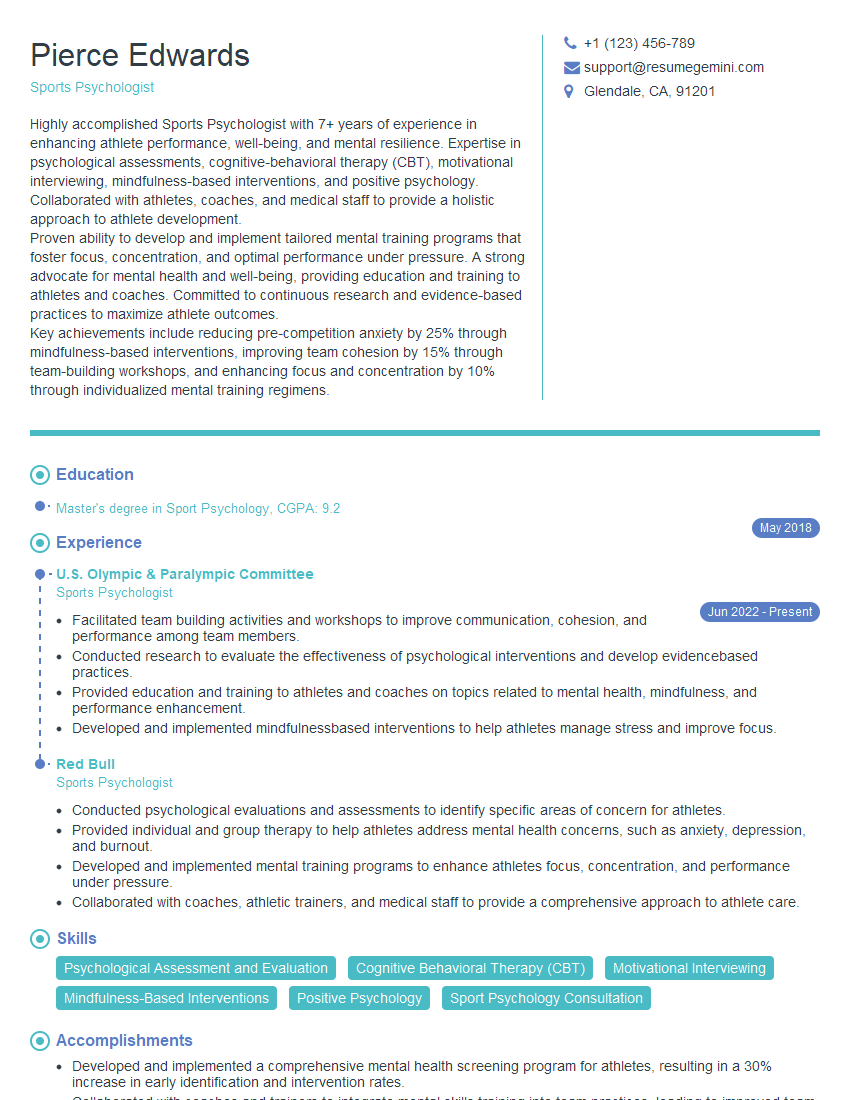
Sports Psychologist Resume Sample

Mental Health Counselor Resume Sample
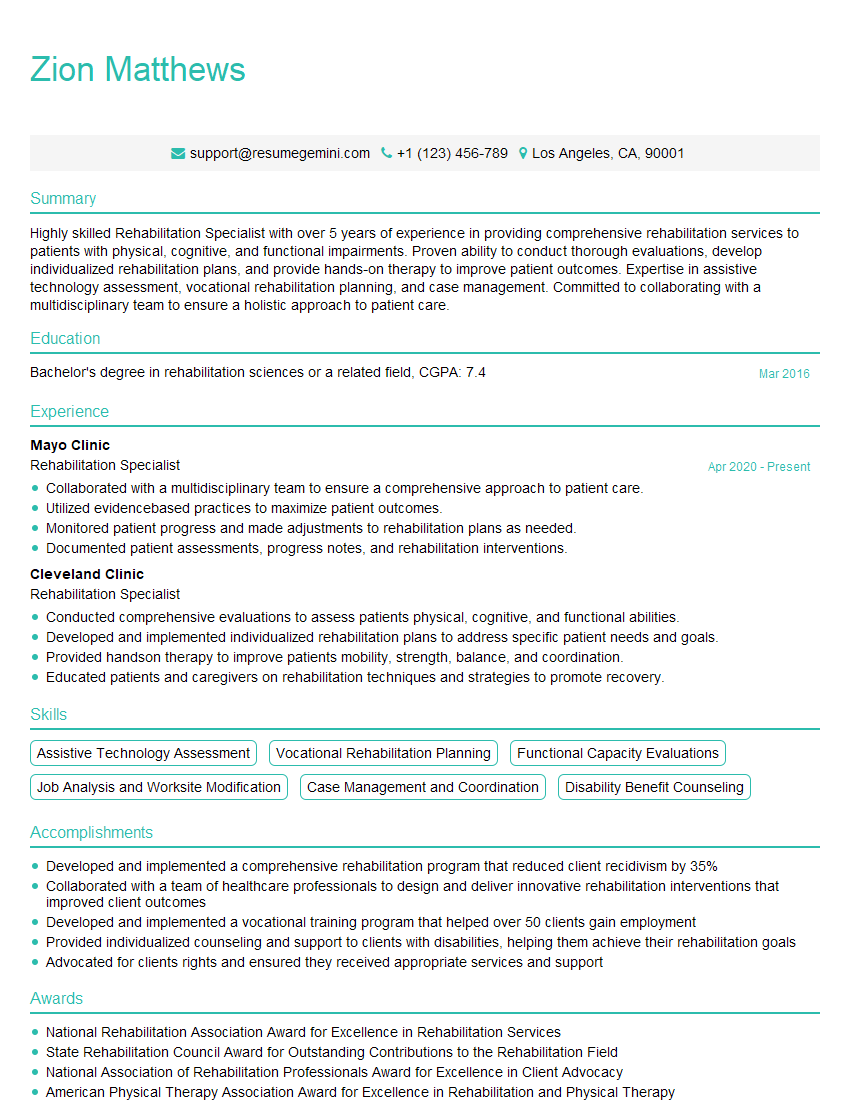
Rehabilitation Specialist Resume Sample
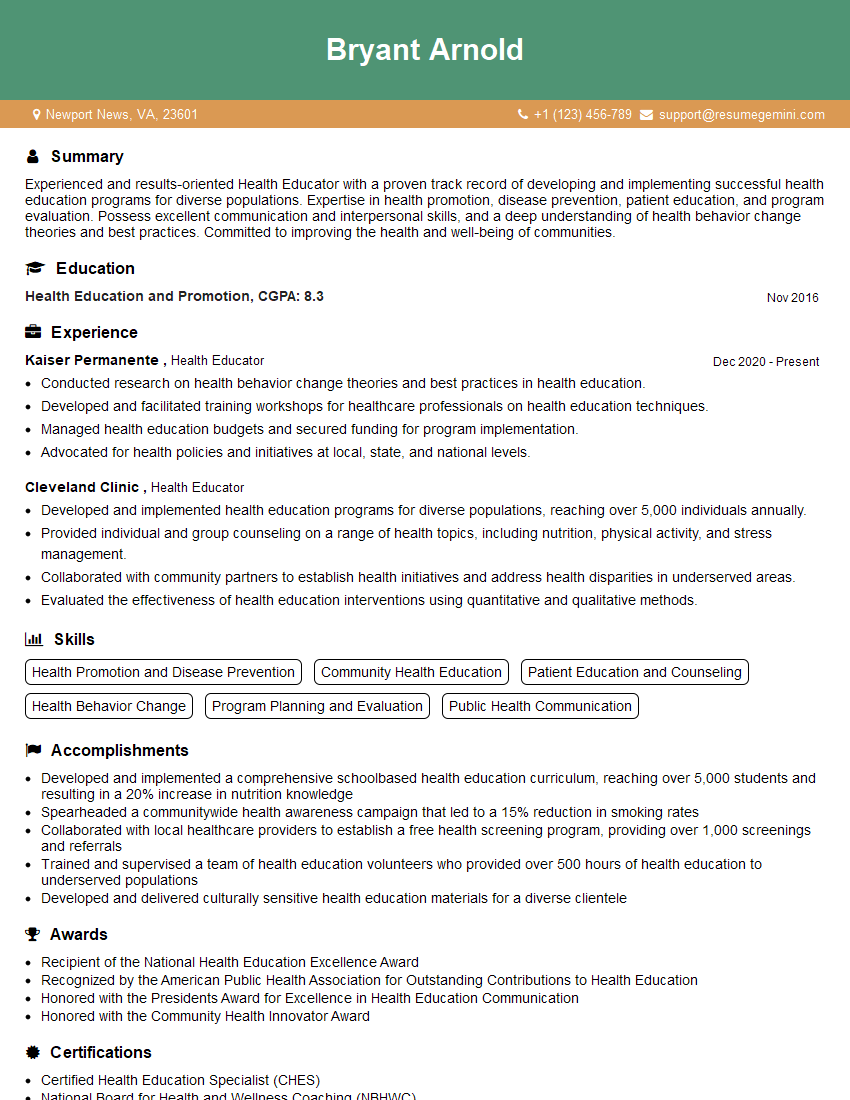
Health Educator Resume Sample
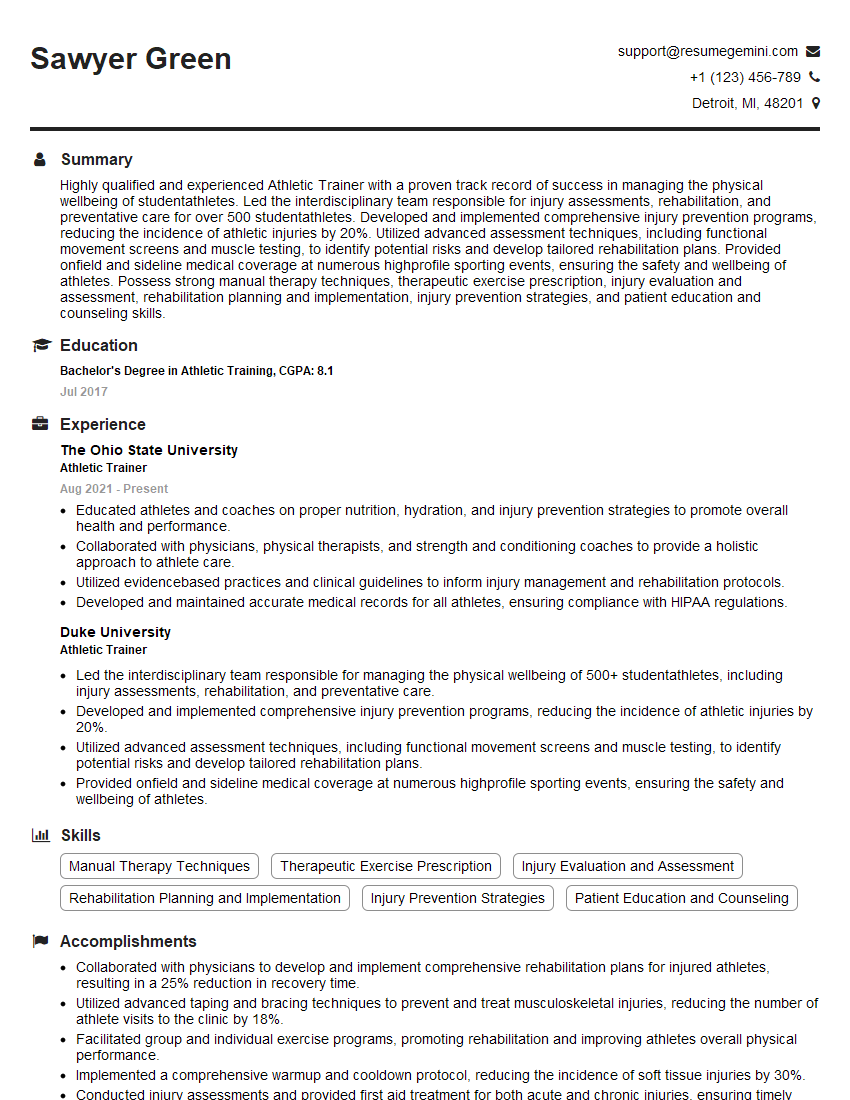
Athletic Trainer Resume Sample
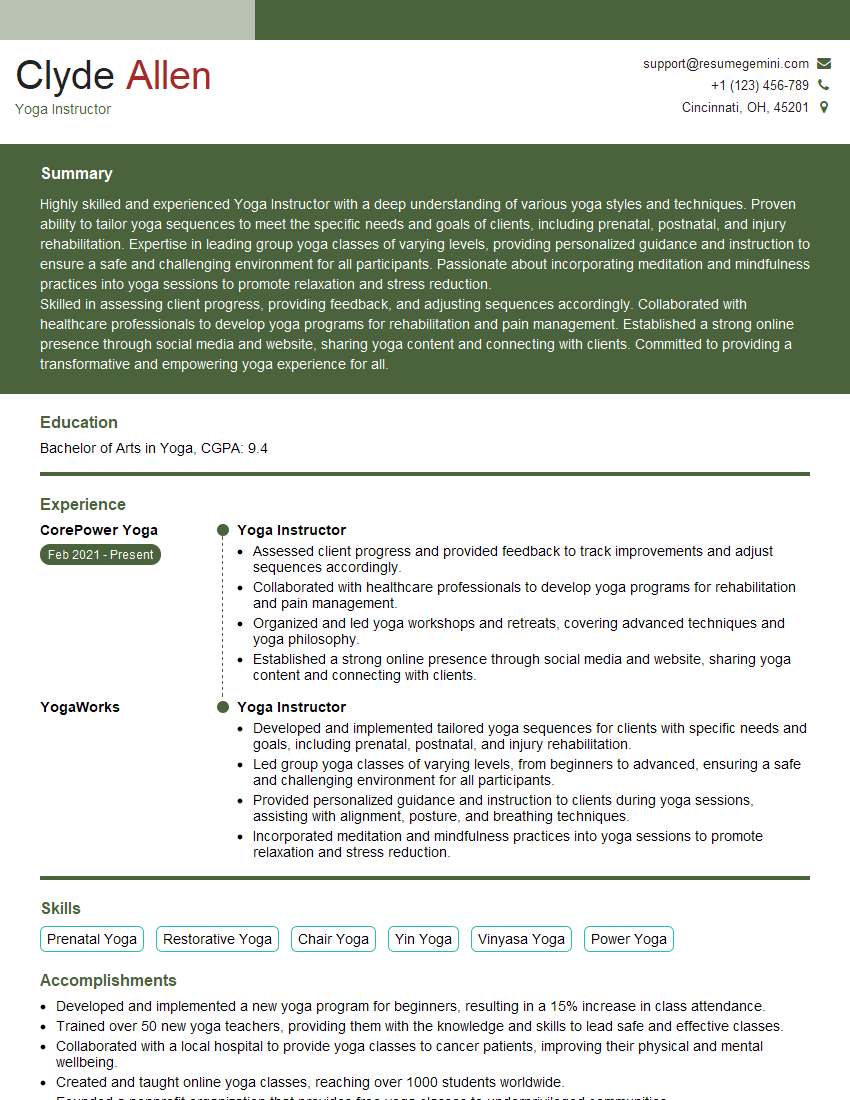
Yoga Instructor Resume Sample
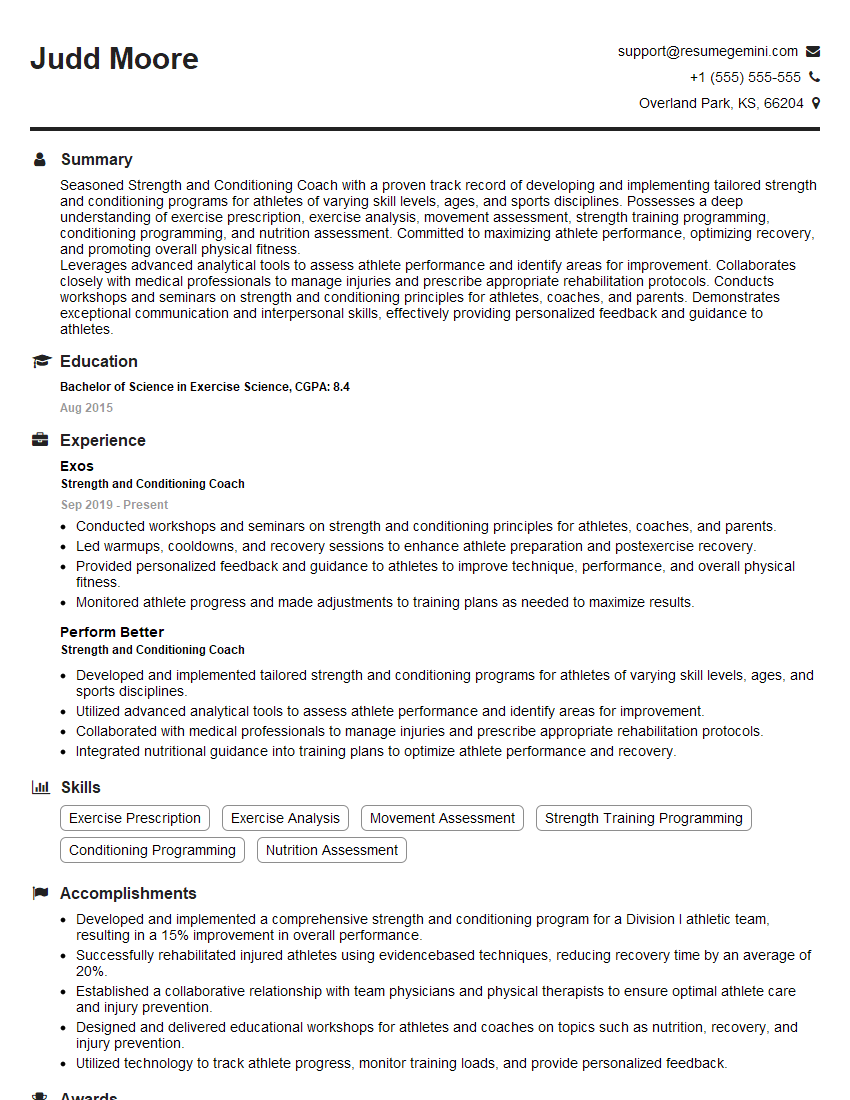
Strength and Conditioning Coach Resume Sample
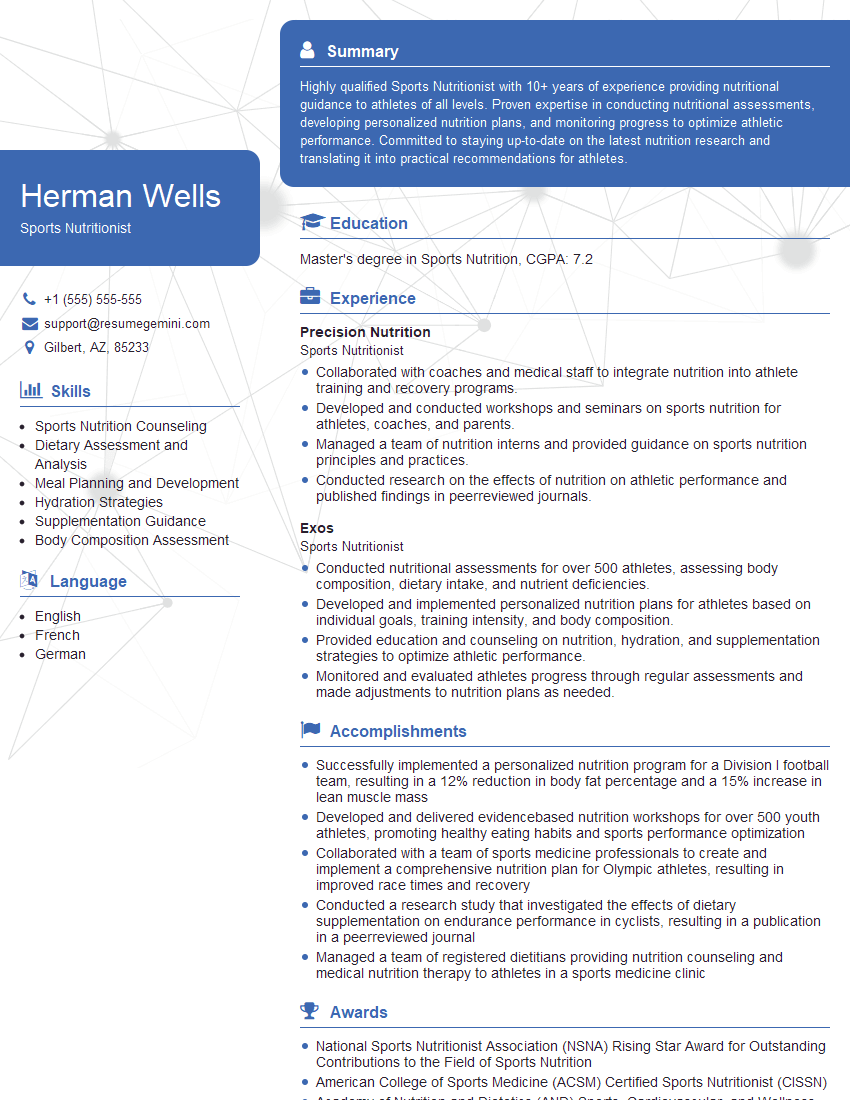
Sports Nutritionist Resume Sample
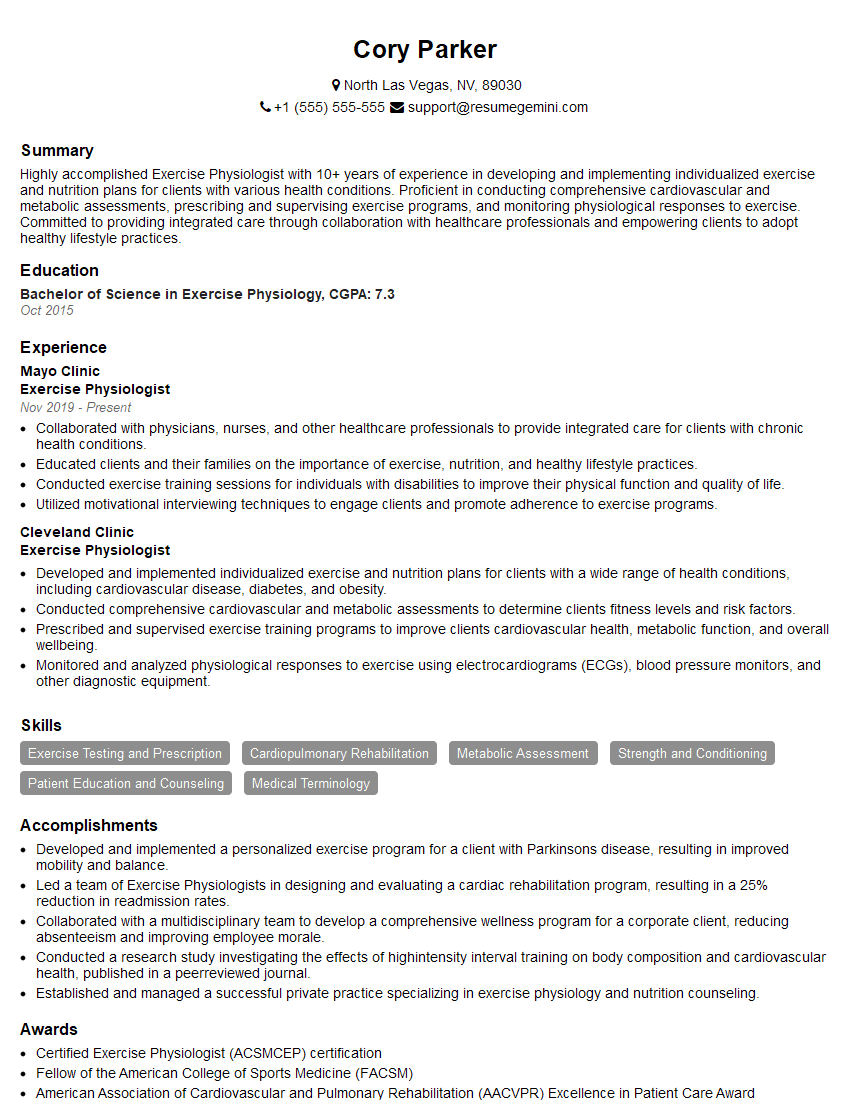
Exercise Physiologist Resume Sample
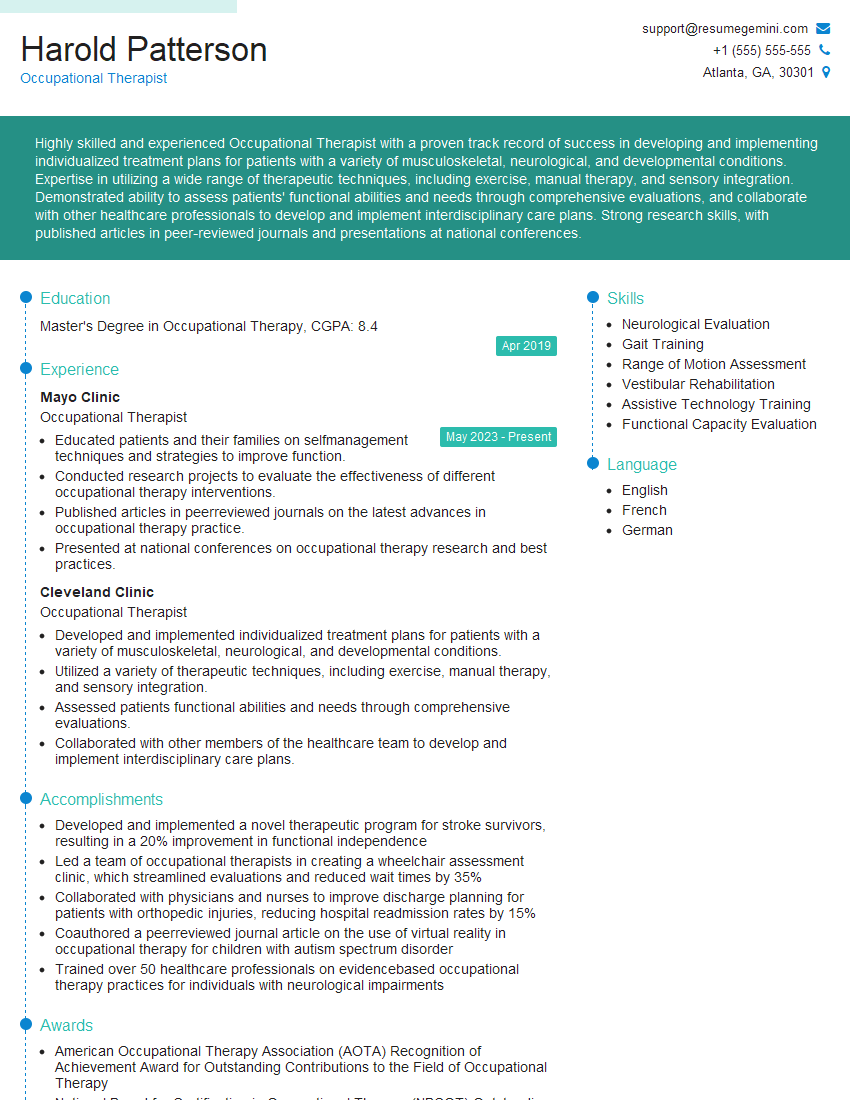
Occupational Therapist Resume Sample
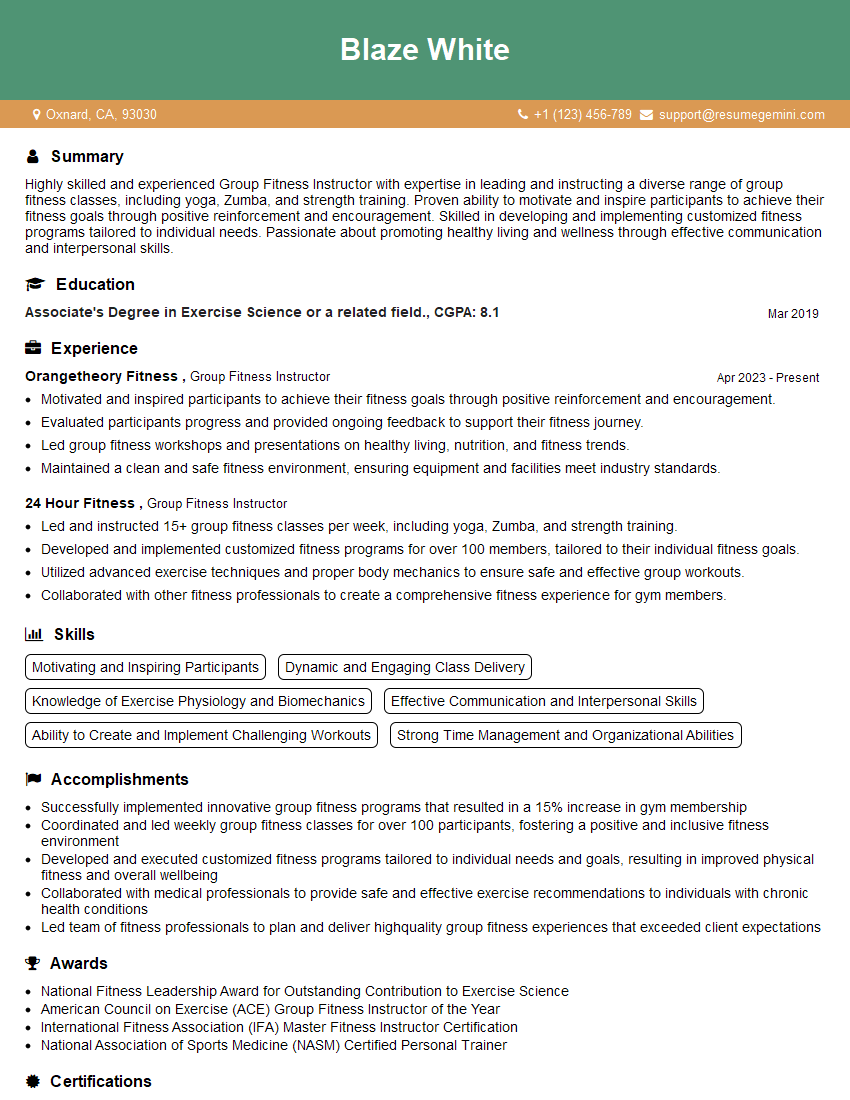
Group Fitness Instructor Resume Sample
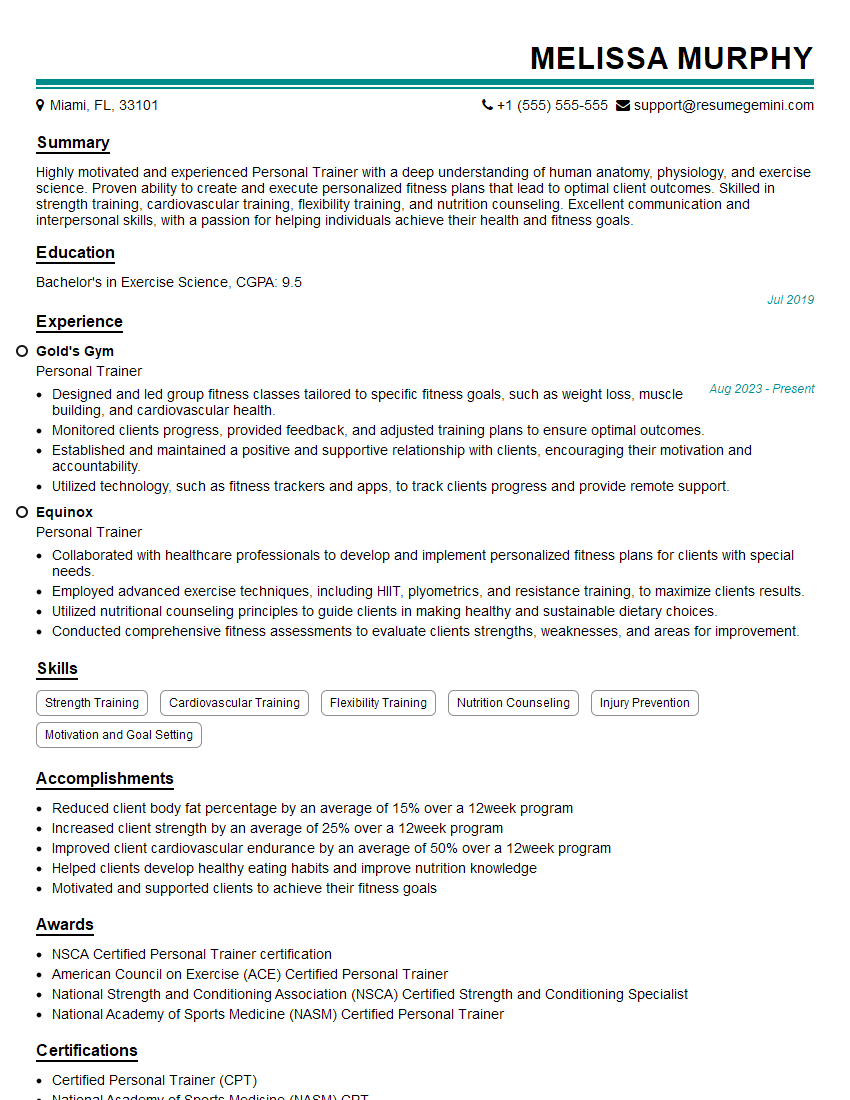
Personal Trainer Resume Sample
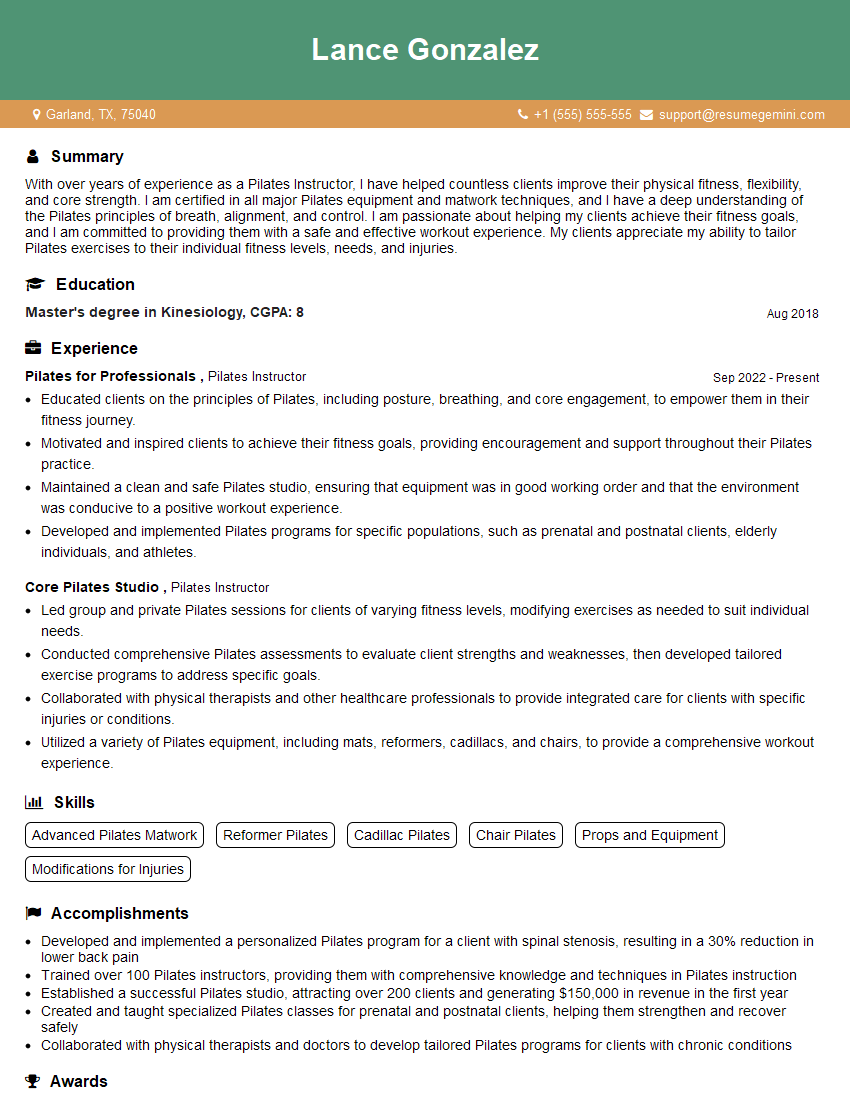
Pilates Instructor Resume Sample
- Fitness Director
- Wellness Coach
- Wellness Manager
- Wellness Program Coordinator
- Sports Psychologist
- Mental Health Counselor
- Rehabilitation Specialist
- Health Educator
- Athletic Trainer
- Yoga Instructor
- Strength and Conditioning Coach
- Sports Nutritionist
- Exercise Physiologist
- Occupational Therapist
- Group Fitness Instructor
- Personal Trainer
- Pilates Instructor
Explore more articles
Users Rating of Our Blogs
Share Your Experience
We value your feedback! Please rate our content and share your thoughts (optional).
What Readers Say About Our Blog
Very informative content, great job.
good