Interviews are more than just a Q&A session—they’re a chance to prove your worth. This blog dives into essential Physical stamina and ability to stand for extended periods interview questions and expert tips to help you align your answers with what hiring managers are looking for. Start preparing to shine!
Questions Asked in Physical stamina and ability to stand for extended periods Interview
Q 1. Describe your experience with prolonged standing. What strategies do you use to maintain comfort and energy?
Prolonged standing is a significant aspect of many professions, and managing comfort and energy levels is crucial. My experience involves years of working in environments requiring extensive periods on my feet. My strategies are multifaceted and focus on proactive measures and immediate adjustments.
Proper Footwear: I prioritize supportive footwear with good arch support and cushioning to minimize impact and fatigue. This includes orthotics in some cases.
Posture Awareness: Maintaining good posture – shoulders relaxed, back straight, and weight evenly distributed – is paramount. I consciously check my posture throughout the day.
Micro-breaks: Regular, short breaks are essential. Even shifting weight, stretching calf muscles, or taking a few steps can make a considerable difference. I schedule these into my day proactively.
Hydration and Nutrition: Dehydration and poor nutrition significantly impact energy levels. I ensure consistent hydration and consume regular, healthy meals and snacks rich in complex carbohydrates for sustained energy.
Movement and Stretching: Incorporating regular movement and stretching exercises, even simple ones, can improve circulation and reduce muscle stiffness. I often use short stretching sequences at my desk or during breaks.
Q 2. How do you manage fatigue after long periods of standing?
Managing fatigue after extended standing involves addressing both physical and mental exhaustion. It’s a holistic approach rather than a single solution.
Rest and Elevation: Elevating my legs when possible improves circulation and reduces swelling, promoting faster recovery.
Light Exercise: Gentle movement, such as a short walk, helps improve circulation and reduce muscle stiffness.
Hydration and Nutrition: Replenishing fluids and electrolytes lost through sweating helps restore energy levels.
Proper Sleep: Adequate sleep is critical for recovery and overall energy levels. Prioritizing good sleep hygiene is essential.
Stress Management: Stress exacerbates fatigue. Techniques like mindfulness or deep breathing can be helpful.
Q 3. Have you ever experienced physical discomfort from standing for extended periods? How did you address it?
Yes, I’ve experienced discomfort, primarily lower back pain, plantar fasciitis (heel pain), and leg cramps. My approach to addressing these issues is multi-pronged:
Immediate Relief: Rest, ice, and gentle stretching helped alleviate immediate pain.
Over-the-counter Medications: Pain relievers like ibuprofen or naproxen can provide temporary relief.
Professional Consultation: For persistent issues, I’ve sought professional help from physical therapists or doctors. This has resulted in tailored exercise programs and in some cases, customized orthotics.
Lifestyle Changes: Adjusting my daily routines to include more frequent breaks, improved posture, and better footwear has helped prevent recurrence.
Q 4. What is your understanding of proper posture and its importance in reducing strain during prolonged standing?
Proper posture is foundational to minimizing strain during prolonged standing. It involves maintaining a neutral spine, keeping the weight evenly distributed on both feet, and avoiding prolonged leaning or twisting. Maintaining this posture distributes the weight effectively, reducing pressure on specific areas and preventing muscle fatigue and back pain.
Neutral Spine: Imagine a straight line from your ears, through your shoulders, hips, and knees. Avoid arching or slumping.
Even Weight Distribution: Keep your feet shoulder-width apart and your weight evenly balanced. Avoid shifting weight consistently to one leg.
Core Engagement: Engage your core muscles to provide support for your spine and maintain posture.
Regular Adjustments: Consciously check and adjust your posture throughout the day to prevent slouching or twisting.
Q 5. How do you prioritize physical health to ensure you can maintain peak performance while standing for long hours?
Prioritizing physical health is not just important; it’s essential for maintaining peak performance during long hours of standing. My approach incorporates several key elements:
Regular Exercise: Strength training, particularly for core and leg muscles, enhances endurance and stability.
Cardiovascular Fitness: Improved cardiovascular fitness boosts stamina and energy levels.
Flexibility and Stretching: Regular stretching improves flexibility and reduces muscle stiffness, preventing injuries.
Nutrition: A balanced diet rich in fruits, vegetables, and lean protein provides sustained energy.
Hydration: Adequate hydration is crucial for maintaining energy levels and preventing muscle cramps.
Rest and Recovery: Sufficient sleep is essential for physical recovery and optimal performance.
Q 6. Describe a time you had to stand for an unexpectedly long period. What was your approach?
During a large-scale event, I was unexpectedly required to stand for over eight hours. My approach involved leveraging all my strategies: I used comfortable, supportive shoes, focused on maintaining good posture, took frequent micro-breaks to stretch and shift my weight, and ensured I stayed hydrated by having water readily available. I also paced myself and minimized unnecessary movements to conserve energy.
This situation highlighted the importance of proactive preparation and the need for adaptability when unforeseen circumstances arise.
Q 7. What are some common physical ailments associated with prolonged standing, and how can they be prevented?
Prolonged standing is associated with various physical ailments. Preventing these conditions is crucial for long-term health.
Varicose Veins: Standing for long periods impairs blood flow, leading to varicose veins. Prevention includes regular movement, elevation of legs, compression stockings, and maintaining a healthy weight.
Plantar Fasciitis: Heel pain resulting from inflammation of the plantar fascia. Supportive footwear, stretching, and ice packs help prevent this.
Lower Back Pain: Poor posture and prolonged strain cause lower back pain. Maintaining good posture, strengthening core muscles, and taking regular breaks are key preventative measures.
Leg Cramps: Muscle cramps are often related to dehydration and electrolyte imbalances. Hydration, stretching, and a balanced diet prevent cramps.
Foot and Ankle Problems: These can develop due to improper footwear or excessive strain. Supportive shoes and regular foot exercises are essential.
Prevention primarily involves proactive measures such as proper footwear, regular breaks, appropriate exercises, and maintaining a healthy weight.
Q 8. Describe your experience with using supportive footwear or other ergonomic aids to mitigate discomfort from standing.
Supportive footwear and ergonomic aids are crucial for mitigating discomfort from prolonged standing. My experience includes using a variety of solutions, carefully chosen to address specific needs. This includes shoes with excellent arch support, cushioned insoles, and appropriate heel height to maintain proper posture and distribute weight evenly. I’ve also utilized anti-fatigue mats, which provide cushioning and improve blood circulation while standing. For example, during a long shift at a trade show, wearing shoes with substantial arch support significantly reduced foot pain at the end of the day compared to wearing less supportive footwear. Similarly, using an anti-fatigue mat minimized leg fatigue and backaches. The key is to find the right combination of support that suits your individual needs and the demands of the work environment.
Q 9. How would you handle a situation where you experience unexpected pain while standing during work?
Unexpected pain while standing requires immediate attention. My first step would be to stop the activity causing the pain and assess the situation. Is it a sharp, localized pain, or a dull ache? This helps determine the potential source. I would then implement a combination of strategies, including immediately changing posture (if possible, sitting or gently shifting weight), applying ice or heat (depending on the type of pain), and gently stretching the affected area. If the pain persists or worsens, I would seek medical attention if needed. If the pain is minor and manageable, I would utilize pain relief strategies like over-the-counter medication and continue my work at a modified pace and ensure that future work is modified to prevent recurrence. Prevention is key, and identifying what triggered the pain will be essential for preventing it from happening again. For example, if the pain originates from poor posture, I would adjust my standing position or take short breaks to re-adjust.
Q 10. Explain your understanding of the importance of hydration and nutrition in maintaining physical stamina.
Hydration and nutrition are fundamental to maintaining physical stamina, particularly during prolonged standing. Dehydration leads to decreased blood volume, reduced circulation, and increased muscle fatigue. Maintaining adequate hydration throughout the day is crucial. I aim for consistent water intake, often aided by keeping a water bottle readily accessible. Nutritionally, a balanced diet rich in complex carbohydrates, lean proteins, and healthy fats provides sustained energy. Foods that provide a slow release of energy, such as oatmeal or whole-grain bread, help prevent energy crashes. Avoiding processed foods, sugary drinks, and excessive caffeine helps maintain stable energy levels and prevent spikes and crashes. Think of it like fueling a car – you wouldn’t try to drive cross-country on an empty tank! Similarly, your body needs the right fuel to endure prolonged standing.
Q 11. What are your preferred methods for managing stress and fatigue related to prolonged standing?
Managing stress and fatigue from prolonged standing involves a multi-faceted approach. I incorporate regular breaks into my routine, aiming for short, frequent breaks rather than one long break. These breaks often involve simple stretching exercises, gentle walking, or mindfulness techniques to alleviate tension and reduce mental fatigue. Maintaining good posture is also essential; slouching adds extra strain. I also find incorporating stress-reducing activities outside of work beneficial. These could include regular exercise, hobbies, or spending time in nature. A balanced lifestyle helps improve resilience and reduce the overall impact of prolonged standing.
Q 12. How do you assess your own physical limits and adjust your work habits accordingly?
Assessing my physical limits is an ongoing process. I pay close attention to my body’s signals. This includes recognizing signs of fatigue, such as muscle soreness, decreased energy levels, or increased pain. I use a combination of self-monitoring and objective measures. For example, I might track my daily activity levels and any pain experienced. This helps identify potential risks or limitations. Based on this self-assessment, I adjust my work habits to mitigate risks. This could involve taking more frequent breaks, modifying tasks, or prioritizing tasks to reduce strain on my body. Regular physical check-ups with a healthcare professional provide further insights into my physical capabilities and limitations. This helps to identify any potential underlying conditions that might affect my ability to stand for extended periods.
Q 13. Can you describe a situation where you had to adapt your work strategy due to physical limitations or fatigue?
During a large-scale event, I experienced significant foot pain after several hours of continuous standing. My initial strategy involved regularly changing my position and using available seating whenever possible. However, this wasn’t enough. I realized I needed a more proactive approach. I adapted my strategy by incorporating more frequent breaks and utilizing readily available anti-fatigue mats wherever possible. This significantly reduced the pain and allowed me to complete the event. This experience highlighted the importance of proactive planning and the willingness to adapt my work strategy based on immediate physical feedback. It also emphasized the importance of having contingency plans in place.
Q 14. How would you explain the importance of physical stamina to a potential employer?
Physical stamina, in a work context, represents the ability to maintain physical performance and endurance over prolonged periods. For a potential employer, it translates to consistent productivity, reduced downtime due to fatigue or injury, and the ability to handle physically demanding tasks without compromising efficiency. In roles requiring prolonged standing, this is paramount, ensuring a reliable and productive workforce. My dedication to maintaining physical fitness, through regular exercise and mindful self-care, directly contributes to my ability to deliver sustained performance and meet the demands of the job. This demonstrates my commitment to efficiency and my ability to perform effectively, even under demanding conditions.
Q 15. What measures would you take to ensure your personal safety while standing for extended hours?
Ensuring personal safety while standing for extended hours requires a multi-faceted approach focusing on posture, footwear, and regular movement. Think of it like building a strong foundation for your body.
Proper Posture: Maintaining good posture is crucial. Imagine a string pulling you up from the crown of your head. This keeps your spine aligned, reducing strain on your back and legs. Regularly checking your posture and making adjustments is key. I’d use a mirror or ask a colleague for feedback if needed.
Supportive Footwear: Wearing comfortable, supportive shoes with good arch support is non-negotiable. Think of your shoes as shock absorbers. I’d avoid high heels or completely flat shoes, opting for shoes with cushioning and good ankle support. Insoles can also significantly improve comfort and support.
Strategic Movement: Standing still for long periods is detrimental. I’d incorporate micro-breaks – shifting weight, stretching, or taking a short walk – every 20-30 minutes. This keeps blood flowing and prevents stiffness. Think of it as proactively preventing a ‘seizure’ of your muscles from inactivity.
Hydration and Nutrition: Staying hydrated and maintaining balanced nutrition also plays a crucial role in preventing fatigue and maintaining energy levels, supporting my body’s ability to withstand prolonged standing.
Career Expert Tips:
- Ace those interviews! Prepare effectively by reviewing the Top 50 Most Common Interview Questions on ResumeGemini.
- Navigate your job search with confidence! Explore a wide range of Career Tips on ResumeGemini. Learn about common challenges and recommendations to overcome them.
- Craft the perfect resume! Master the Art of Resume Writing with ResumeGemini’s guide. Showcase your unique qualifications and achievements effectively.
- Don’t miss out on holiday savings! Build your dream resume with ResumeGemini’s ATS optimized templates.
Q 16. What is your experience with using ergonomic equipment designed to reduce strain from prolonged standing?
My experience with ergonomic equipment for prolonged standing is extensive. I’ve utilized anti-fatigue mats, adjustable height work surfaces, and ergonomic chairs with lumbar support. The anti-fatigue mats, for example, are like having a mini-trampoline under my feet; they provide slight give and encourage subtle movement, reducing pressure points and improving circulation. Adjustable height work surfaces allow me to change my posture from standing to sitting periodically, providing much-needed relief. A well-supported chair, when I do need to sit, helps to maintain proper spinal alignment, preventing muscle imbalances which then impact how I stand.
Q 17. How do you maintain your energy levels throughout a long shift involving extensive standing?
Maintaining energy levels during a long shift involving extensive standing requires a holistic approach that goes beyond simply drinking coffee. It’s about fueling your body and mind effectively.
Hydration: Drinking plenty of water throughout the day is essential. Dehydration leads to fatigue and decreased performance.
Nutritious Snacks: Regularly consuming small, nutrient-rich snacks helps prevent energy crashes. I’d focus on snacks that provide sustained energy, like fruits, nuts, or yogurt, rather than sugary options that cause a rapid spike and then a drop in blood sugar.
Micro-Breaks: Short, regular breaks allow for brief periods of rest and movement, helping to prevent fatigue build-up.
Mindfulness and Breaks: Engaging in brief mindfulness exercises or deep breathing during these breaks can also help to refresh both mind and body.
Q 18. What are some ways you proactively manage your physical health to prevent injuries related to prolonged standing?
Proactively managing my physical health to prevent injuries from prolonged standing involves a commitment to regular exercise, stretching, and maintaining a healthy weight. Think of this as preventative maintenance for your physical machine.
Strength Training: Focusing on leg and core strengthening exercises helps improve stability and reduce strain on joints and muscles. Stronger core muscles are particularly important for posture.
Flexibility and Stretching: Regular stretching, especially targeting hamstrings, calves, and lower back, enhances flexibility and range of motion, reducing the risk of muscle strains and stiffness. I incorporate stretching exercises before and after my work shifts.
Cardiovascular Exercise: Maintaining cardiovascular fitness improves overall stamina and circulation.
Healthy Diet and Weight Management: Maintaining a healthy weight significantly reduces strain on joints and muscles.
Q 19. What is your understanding of workplace safety regulations related to prolonged standing and potential hazards?
My understanding of workplace safety regulations regarding prolonged standing encompasses several key areas. It’s crucial to be aware of and adhere to these regulations to protect oneself and colleagues.
Rest Breaks: Regulations often mandate regular breaks for employees who stand for extended periods. These breaks are not just a perk, but a necessary precaution.
Ergonomic Assessments: Employers have a responsibility to conduct ergonomic assessments to identify potential hazards and implement solutions like anti-fatigue mats or adjustable work surfaces.
Training and Education: Employees should receive training on safe standing practices, including proper posture, footwear, and the importance of regular movement.
Reporting Mechanisms: Clear procedures for reporting injuries or concerns related to prolonged standing are crucial. This allows for early intervention and prevention of further problems.
Q 20. How would you react to a co-worker who is clearly struggling with the physical demands of prolonged standing?
If I noticed a co-worker struggling with the physical demands of prolonged standing, my response would be both empathetic and proactive. I’d approach them with concern and offer support.
Observation and Concern: I’d first discreetly observe their posture and movements to assess the situation. If it seems severe, I’d offer assistance.
Offer Assistance: I would suggest they take a break, offer to help with tasks that could reduce their standing time, or suggest they speak to their supervisor about their concerns.
Encourage Reporting: I’d emphasize the importance of reporting any physical discomfort to their supervisor to ensure appropriate measures are taken to prevent injuries.
Reporting: If their situation seems serious or if they are unwilling/unable to seek help themselves, I would be obligated to report it to the supervisor, while maintaining their confidentiality as much as possible.
Q 21. Explain your experience in using work-related stretching or exercise to mitigate strain from prolonged standing.
I regularly incorporate work-related stretching and exercise to mitigate strain from prolonged standing. This is an integral part of my daily routine to maintain my physical well-being. I’ve found a combination of static and dynamic stretches to be most beneficial.
Static Stretches: These involve holding a stretch for a period of time (e.g., holding a hamstring stretch or calf stretch). I’d perform these during my breaks, focusing on major muscle groups affected by prolonged standing.
Dynamic Stretches: These are active movements, like leg swings or arm circles. I find these energizing and helpful to maintain circulation and mobility.
Micro-Exercises: During breaks, I might incorporate simple exercises such as calf raises, heel raises, or standing torso twists to further engage and loosen my muscles.
These practices have significantly reduced my risk of injury and improved my overall comfort levels throughout the day. It’s akin to regular maintenance on a vehicle – it ensures it runs smoothly and efficiently.
Q 22. How do you balance physical demands of your job with a healthy lifestyle?
Balancing the physical demands of a job requiring extended standing with a healthy lifestyle is crucial for long-term well-being and productivity. It’s not just about surviving the workday; it’s about thriving. My approach is multifaceted and focuses on proactive strategies rather than reactive solutions.
- Strategic Breaks: I prioritize short, frequent breaks throughout the day. Instead of one long lunch break, I might take three 10-minute breaks to stretch, walk around, and change posture. This prevents prolonged strain and promotes better circulation.
- Ergonomic Setup: I ensure my workstation is ergonomically sound. This includes using an anti-fatigue mat to cushion my feet and improve comfort, adjusting my chair height to maintain a neutral spine, and using appropriate support for my lower back.
- Strength Training & Flexibility: Regular strength training, focusing on core and leg muscles, is vital for supporting my body’s weight during prolonged standing. Incorporating flexibility exercises like yoga or Pilates improves range of motion, preventing stiffness and muscle imbalances.
- Hydration and Nutrition: Staying hydrated throughout the day is key. Dehydration can lead to fatigue and muscle cramps. A balanced diet rich in fruits, vegetables, and lean protein provides the necessary fuel and nutrients for optimal physical function.
- Mindfulness and Stress Management: Stress can exacerbate physical discomfort. Practicing mindfulness techniques like deep breathing or meditation can help manage stress levels and promote overall well-being.
For example, during a particularly demanding week, I might add an extra yoga session to my routine or focus on prioritizing my breaks more diligently. It’s about adapting my approach based on the physical demands of the week and listening to my body.
Q 23. What are your thoughts on workplace accommodations for individuals with limitations related to prolonged standing?
Workplace accommodations for individuals with limitations related to prolonged standing are not only ethically sound but also economically beneficial. They lead to increased employee productivity, reduced absenteeism, and a more inclusive work environment.
- Adjustable-height workstations: Allowing employees to alternate between sitting and standing significantly reduces strain.
- Anti-fatigue mats: These provide cushioning and support, minimizing discomfort and fatigue.
- Frequent break schedules: Formalized break times encourage employees to take the necessary respite for their physical health.
- Seating options: Providing comfortable chairs or stools in convenient locations allows for rest and postural changes.
- Job task redesign: If possible, restructuring the job to minimize prolonged standing can drastically improve employee well-being.
Failing to provide such accommodations can lead to increased employee turnover, higher healthcare costs, and potential legal ramifications. A proactive approach focused on employee well-being is a win-win for both the employer and the employee.
Q 24. Describe your experience with maintaining good posture while standing for extended periods.
Maintaining good posture while standing for extended periods requires conscious effort and a combination of techniques. It’s not about rigid posture, but rather a neutral and balanced alignment.
- Feet Shoulder-Width Apart: This provides a stable base of support and helps distribute weight evenly.
- Slight Knee Bend: Avoid locking your knees; a slight bend helps absorb shock and reduces strain on joints.
- Neutral Spine: Engage your core muscles to maintain the natural curvature of your spine. Avoid hunching or arching excessively.
- Relaxed Shoulders: Keep your shoulders relaxed and down, avoiding tension in the neck and upper back.
- Regular Postural Adjustments: Periodically shift your weight from one foot to the other and make subtle adjustments to your posture to prevent muscle fatigue.
I find it helpful to regularly check my posture in a mirror or use a posture correction app to ensure I’m maintaining good alignment throughout the day. It’s a continuous process, requiring awareness and consistent correction.
Q 25. How do you adapt your work techniques to minimize physical strain on your body during long standing periods?
Adapting work techniques to minimize physical strain during prolonged standing periods involves a proactive and holistic approach.
- Micro-movements: Instead of remaining completely still, incorporate subtle movements like shifting weight, gently rocking on your feet, or stretching your legs and arms periodically. These micro-movements help improve circulation and prevent muscle stiffness.
- Task variation: Where possible, incorporate variety into tasks. Alternate between activities that require standing and those that allow for sitting or movement. This prevents monotony and reduces strain on specific muscle groups.
- Tool placement: Keep frequently used items within easy reach to minimize unnecessary stretching and bending.
- Strategic breaks: In addition to standard breaks, I use smaller, more frequent ‘mini-breaks’ where I consciously make small postural adjustments and engage in some light stretching.
- Work surface height: If feasible, adjust the height of work surfaces to accommodate optimal posture.
For example, when working at a high counter, I make a point of changing positions every 15-20 minutes, doing stretches or stepping away briefly. This is a form of active rest that helps mitigate prolonged strain.
Q 26. Have you ever worked in an environment where repetitive movements or standing was a major requirement? Describe your experience.
Yes, I have worked in environments where repetitive movements and prolonged standing were major requirements, such as in a retail setting and during a period of volunteer work in a food bank. In both roles, the physical demands highlighted the importance of proper techniques and preventative measures.
- Retail: The prolonged standing and repetitive movements of assisting customers, stocking shelves, and scanning items led to significant lower back pain. I addressed this by wearing supportive shoes, utilizing the available breaks effectively, and implementing micro-movements as discussed previously.
- Food Bank: The repetitive lifting and carrying, coupled with extended periods of standing, resulted in noticeable muscle fatigue. Here, the emphasis was on proper lifting techniques, seeking help when needed with heavier items, and utilizing break times to engage in stretching exercises and light walking.
These experiences underscore the importance of understanding ergonomic principles and implementing proactive strategies to mitigate the physical risks associated with repetitive movements and prolonged standing. The most effective strategies involved a combination of smart physical techniques, self-care, and effective communication with supervisors regarding workload and available resources.
Q 27. What is your understanding of the risks of prolonged standing and the importance of taking regular breaks?
Prolonged standing carries several risks, many stemming from decreased blood flow and increased strain on the musculoskeletal system. These risks include:
- Varicose veins: Prolonged standing can increase pressure in the leg veins, leading to varicose veins.
- Back pain and musculoskeletal disorders: Poor posture and static positions strain back muscles, leading to pain and potential long-term issues.
- Fatigue and reduced energy levels: The constant strain on the body leads to tiredness and decreased overall energy.
- Foot and ankle problems: Plantar fasciitis, swelling, and other foot problems can develop due to prolonged weight-bearing.
- Increased risk of deep vein thrombosis (DVT): In some cases, prolonged inactivity can contribute to blood clots.
Regular breaks are essential for mitigating these risks. They allow for blood circulation to improve, muscles to relax, and posture to be corrected. Even short, frequent breaks are significantly more effective than one long break. Think of it like recharging a battery; short bursts of rest provide more consistent energy throughout the day.
Q 28. How would you communicate your physical limitations and needs to your supervisor if they were impacting your work performance?
Communicating physical limitations and needs to a supervisor requires a proactive and professional approach. Open and honest communication is key.
- Document observations: Keep a record of any incidents or patterns that indicate the physical demands are impacting your performance. This provides concrete evidence for your concerns.
- Schedule a meeting: Arrange a private meeting with your supervisor to discuss your concerns in a respectful and constructive manner.
- Clearly state your concerns: Explain your physical limitations and how they are affecting your work. Focus on solutions, not complaints.
- Propose solutions: Offer suggestions for accommodations that would enable you to perform your job effectively, drawing from your experience and knowledge. Refer to best practices for ergonomic workspaces.
- Follow up: Follow up on the meeting in writing, summarizing the discussion and agreed-upon actions. Keep a copy for your own records.
For example, I might say, “I’ve noticed that the prolonged standing required for this role is starting to impact my lower back. I’ve been trying to manage it with frequent short breaks and posture adjustments, but I’m concerned it could affect my productivity. I was hoping we could discuss potential solutions, such as using an anti-fatigue mat or exploring options for adjusting my work schedule.” A collaborative approach will likely lead to better outcomes.
Key Topics to Learn for Physical Stamina and Ability to Stand for Extended Periods Interview
- Understanding Ergonomics: Learn about proper posture, body mechanics, and workstation setup to minimize strain and maximize comfort while standing for extended periods. This includes understanding the importance of foot placement, back support, and taking short breaks to change positions.
- Developing Physical Stamina: Explore strategies for building endurance, including regular exercise focusing on cardiovascular health and core strength. Discuss the benefits of strength training to support your body’s ability to withstand prolonged standing.
- Practical Application of Stamina Techniques: Consider how you would manage fatigue during a long shift, incorporating strategies like mindful breathing exercises, stretching, and maintaining hydration. Think about how to anticipate and address potential physical discomfort.
- Communicating Your Capabilities: Practice articulating your understanding of maintaining physical well-being in demanding work environments. Be ready to discuss your approach to managing fatigue and maintaining productivity throughout a long workday.
- Problem-Solving and Adaptability: Explore how you’d adapt to unexpected physical demands or challenges on the job. Be prepared to discuss situations where you had to overcome physical obstacles or maintain your stamina under pressure.
- Health and Safety Considerations: Understand workplace safety regulations related to prolonged standing and the importance of reporting any physical discomfort or concerns to supervisors. Discuss preventative measures and the importance of recognizing the signs of fatigue.
Next Steps
Mastering physical stamina and the ability to stand for extended periods is crucial for success in many physically demanding roles, significantly impacting your career trajectory and overall job satisfaction. A strong, ATS-friendly resume is key to showcasing these capabilities to potential employers. To significantly enhance your resume and increase your chances of landing your dream job, leverage the power of ResumeGemini. ResumeGemini offers a streamlined, professional resume-building experience, helping you craft a compelling narrative that highlights your skills and experience effectively. Examples of resumes tailored to emphasize physical stamina and the ability to stand for extended periods are available within the ResumeGemini platform.
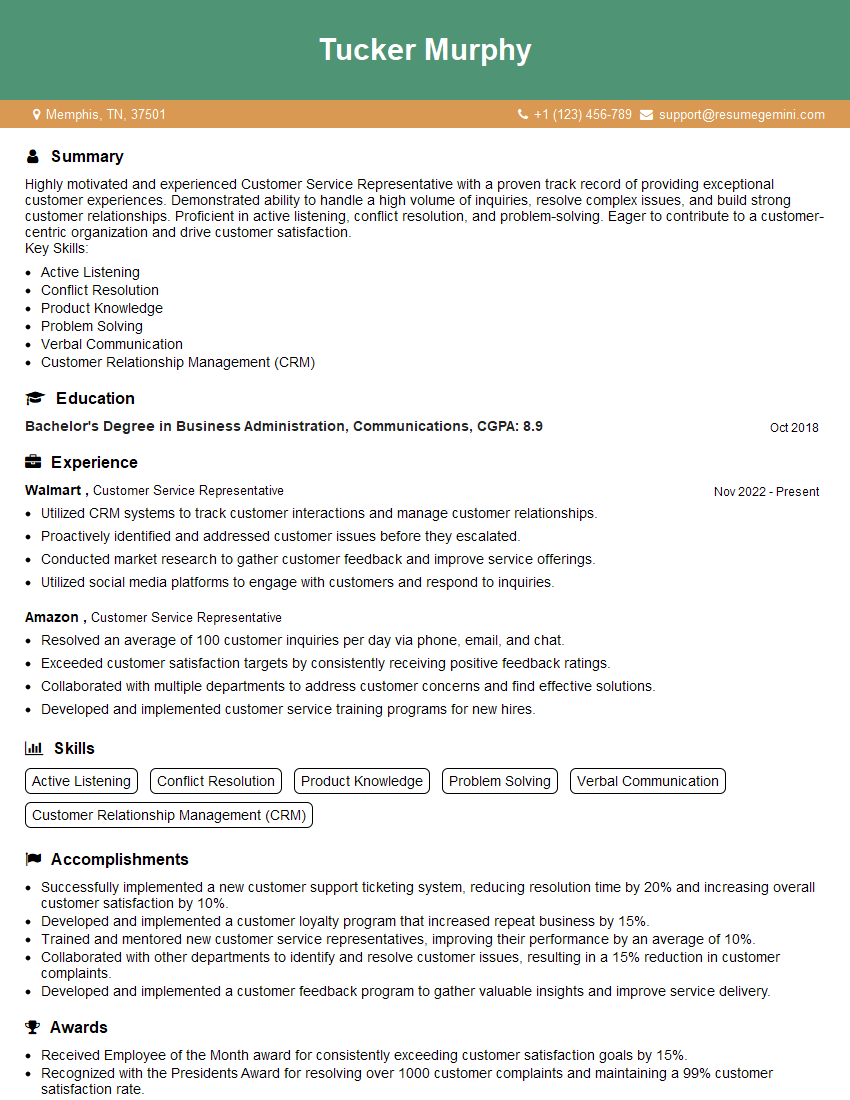
Customer Service Representative Resume Sample
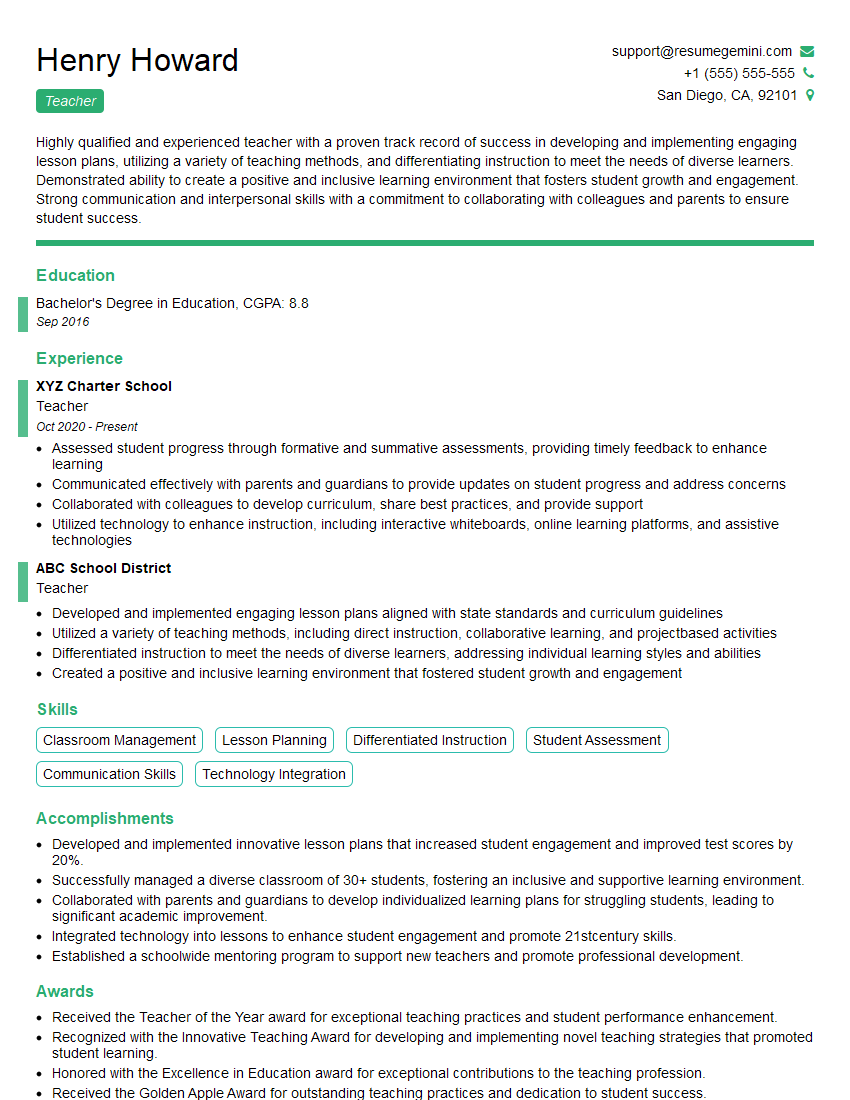
Teacher Resume Sample
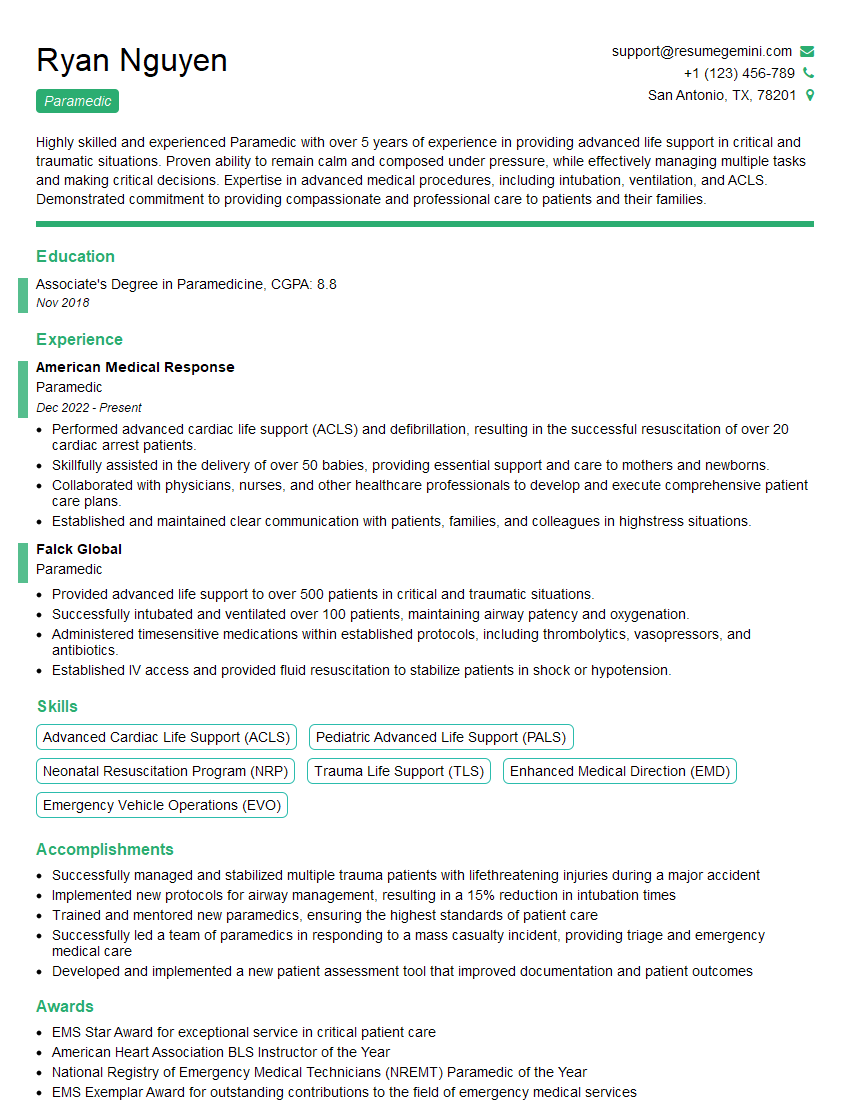
Paramedic Resume Sample
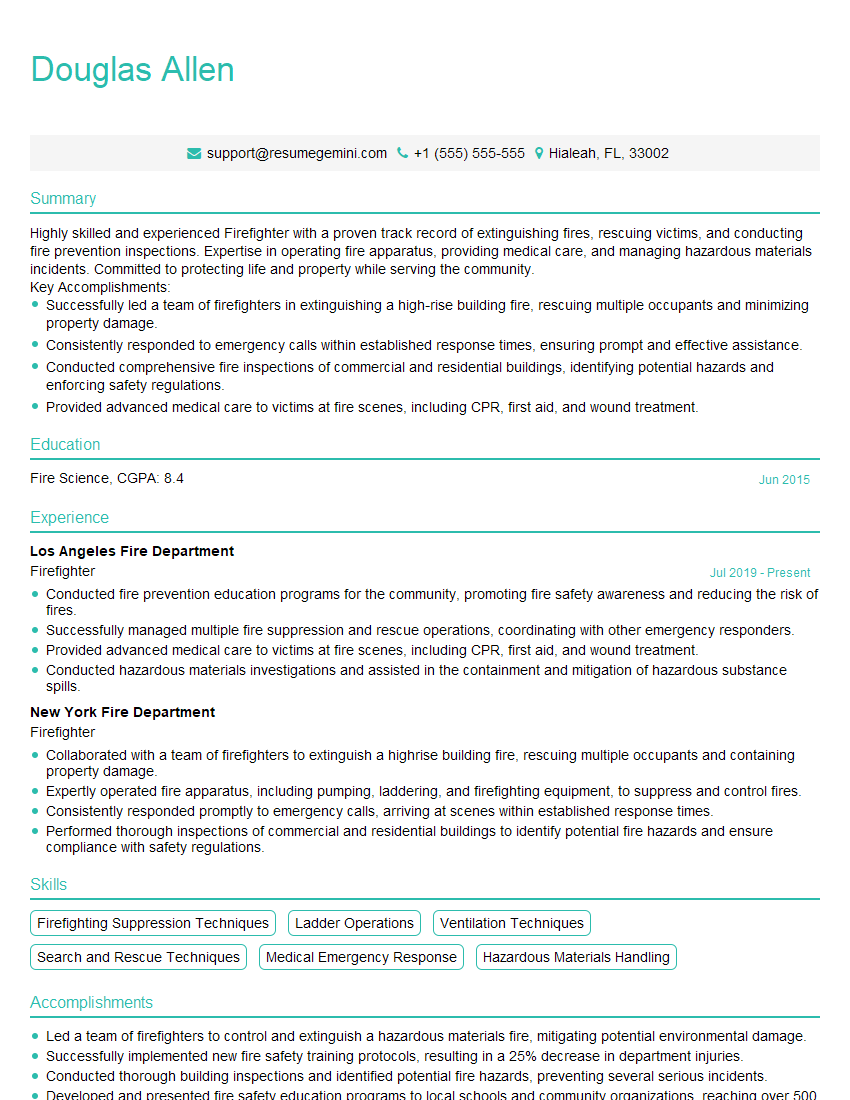
Firefighter Resume Sample
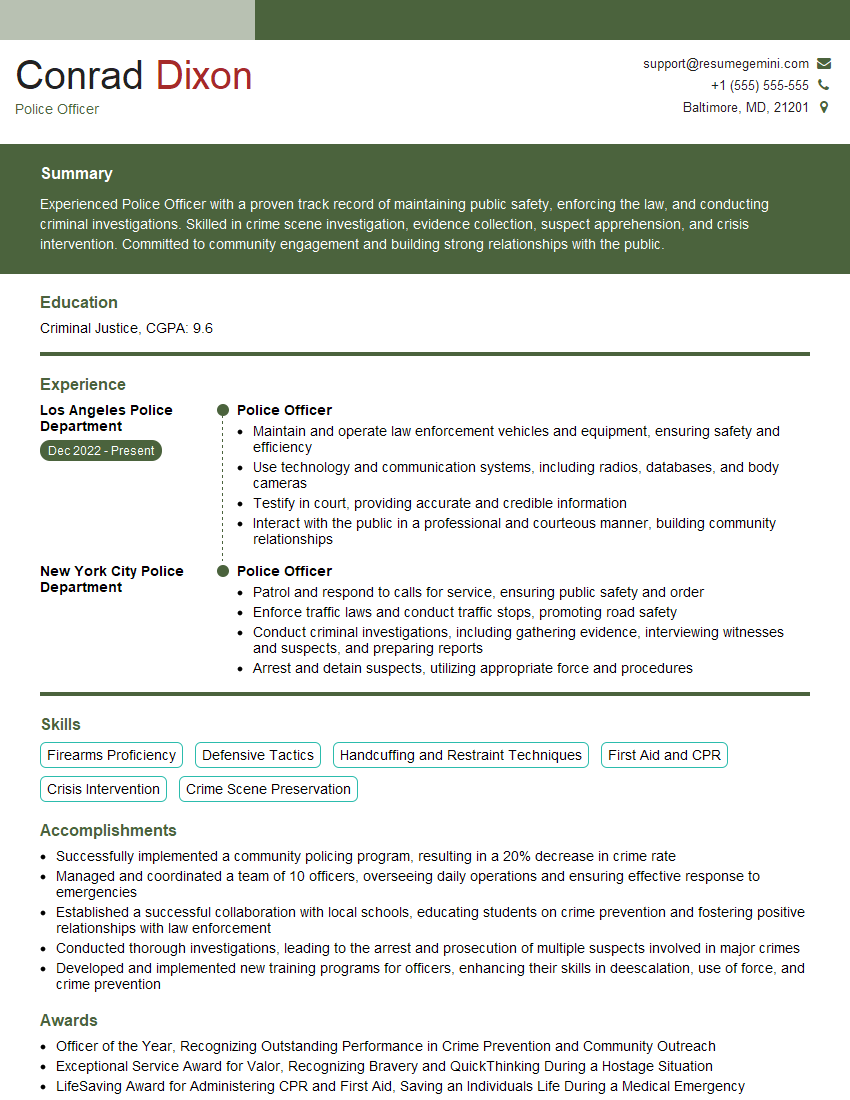
Police Officer Resume Sample
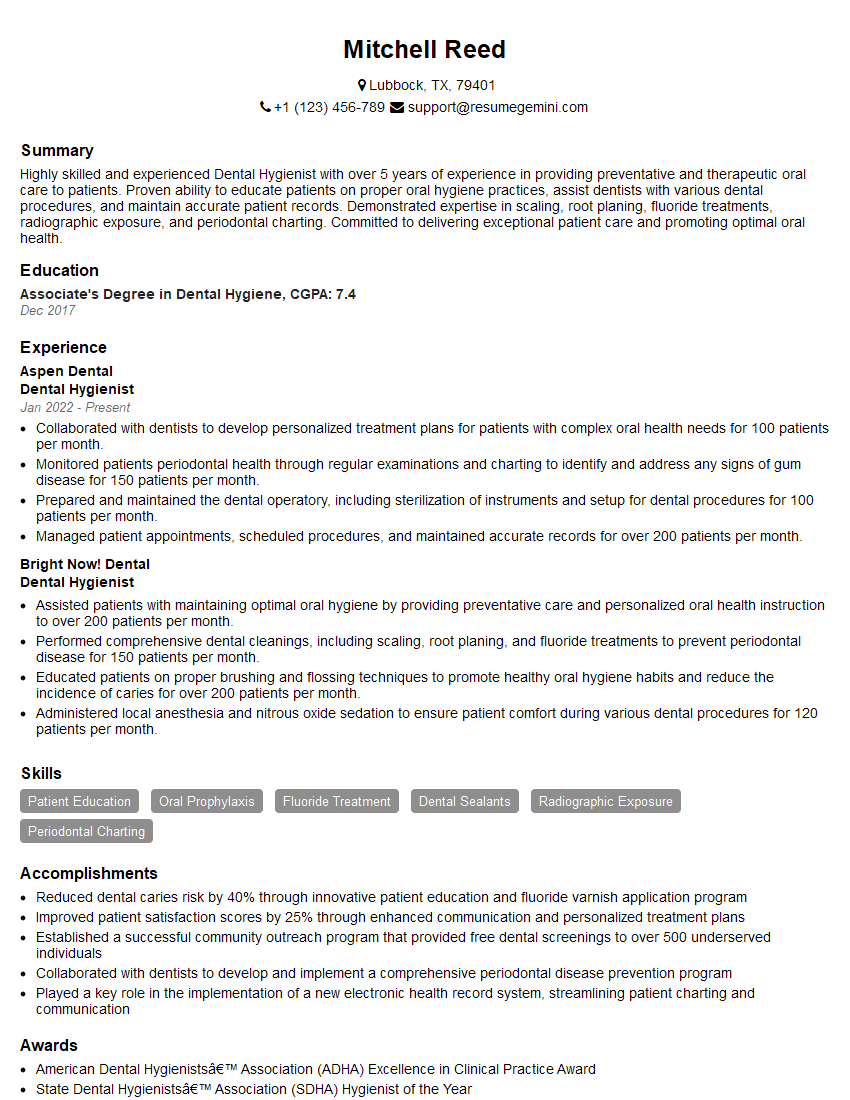
Dental Hygienist Resume Sample
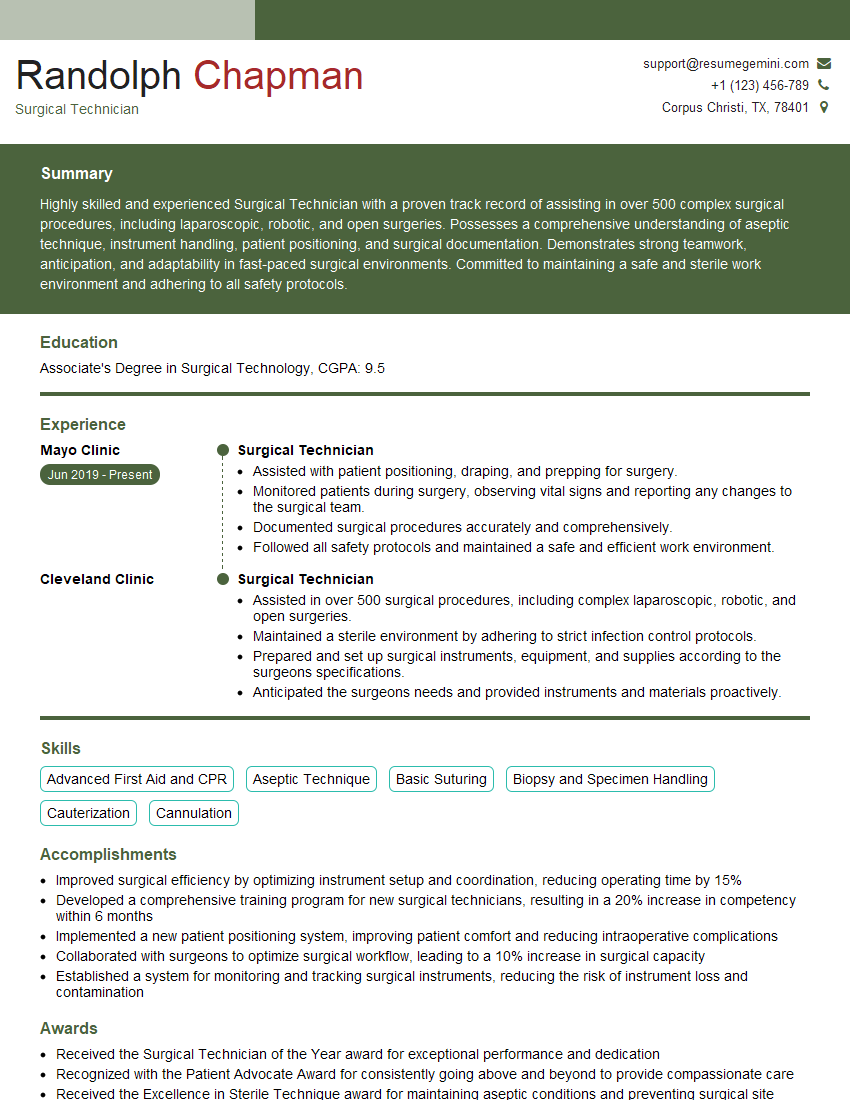
Surgical Technician Resume Sample
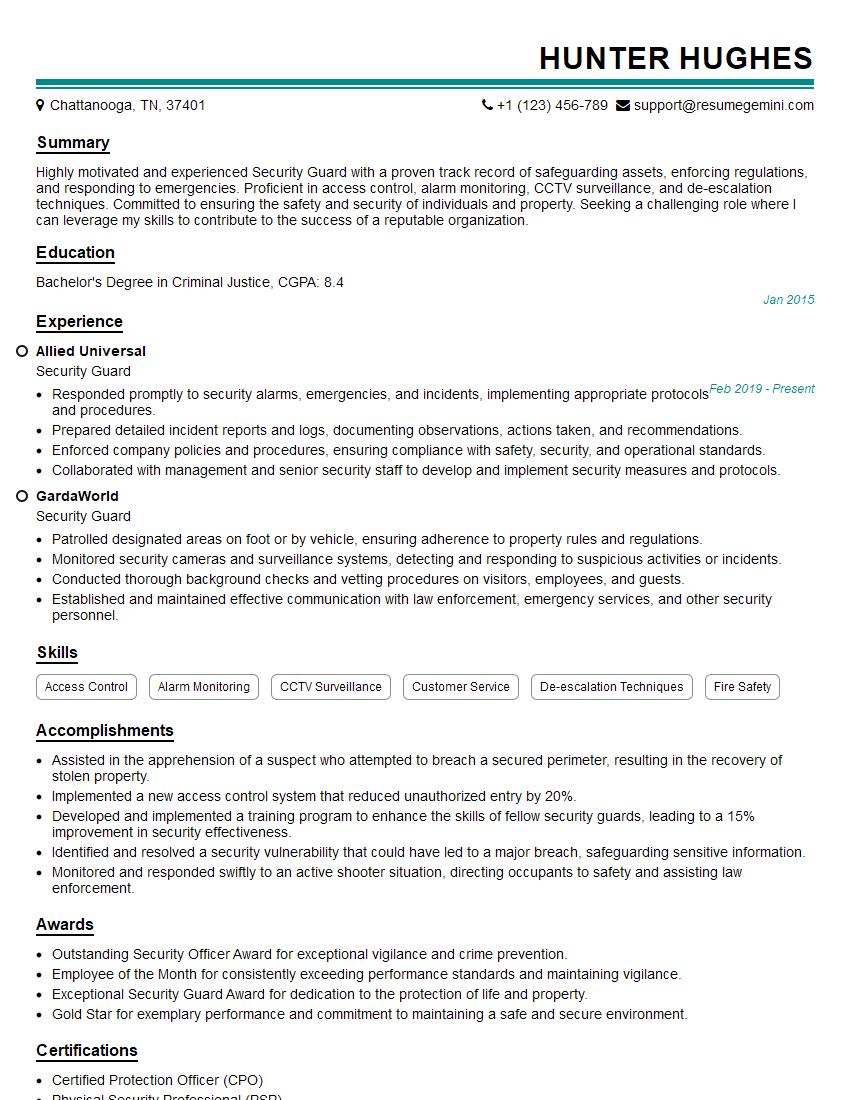
Security Guard Resume Sample
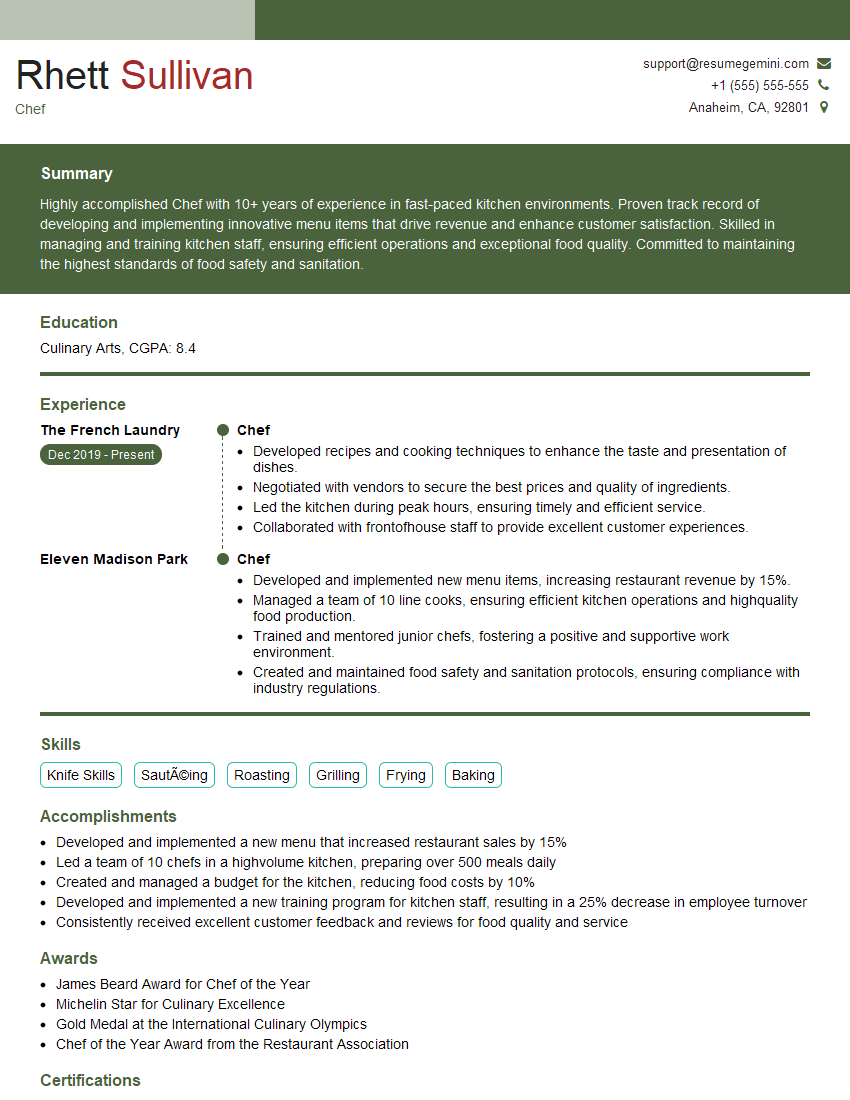
Chef Resume Sample
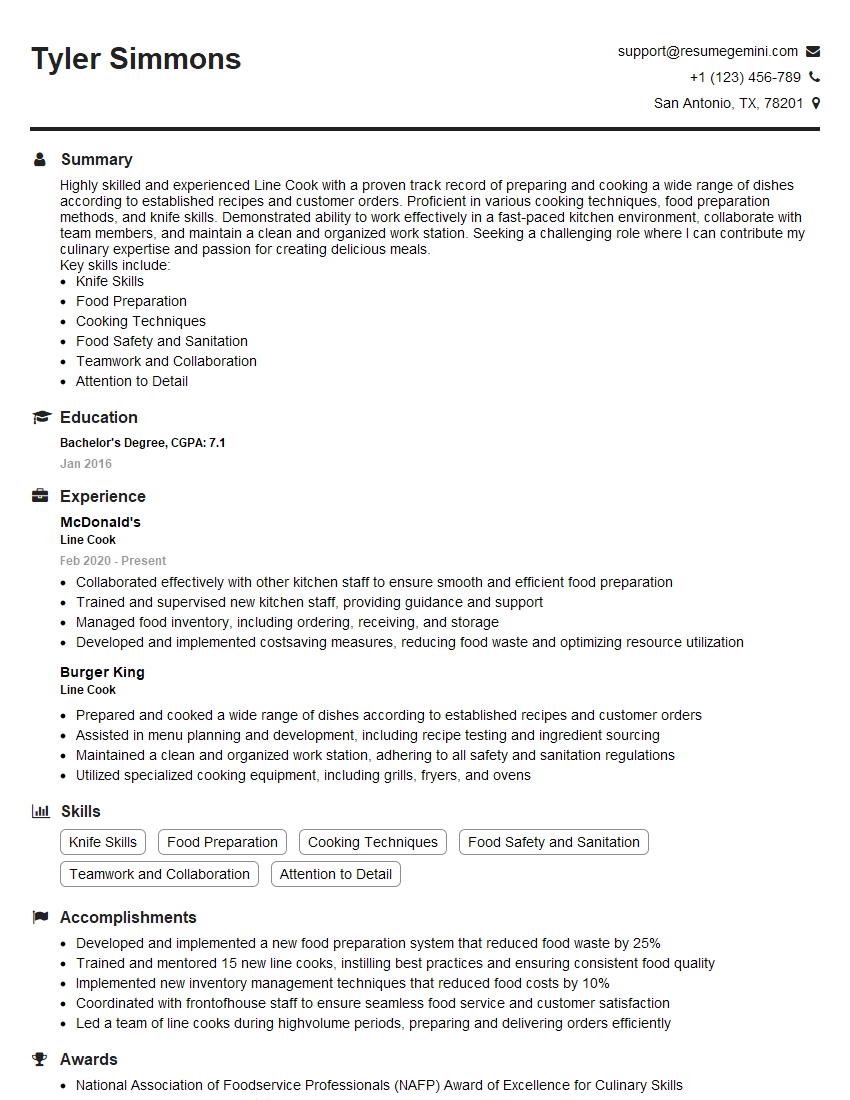
Line Cook Resume Sample
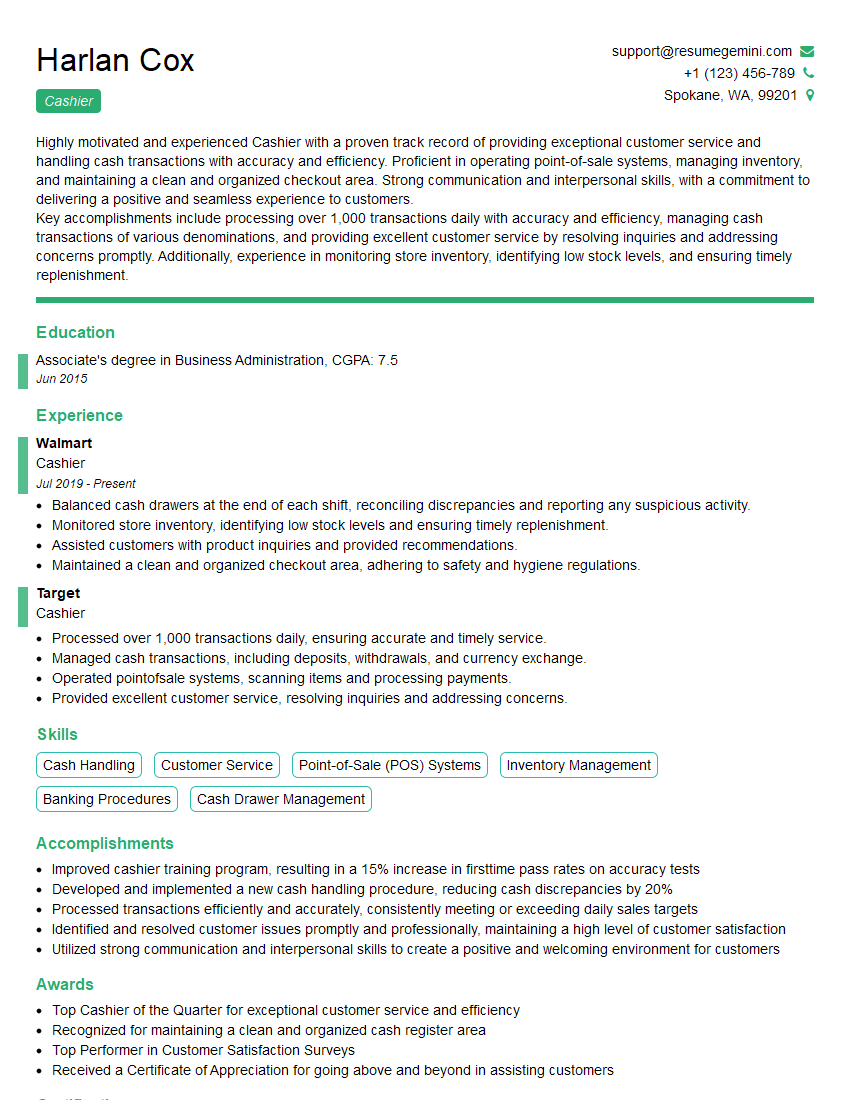
Cashier Resume Sample
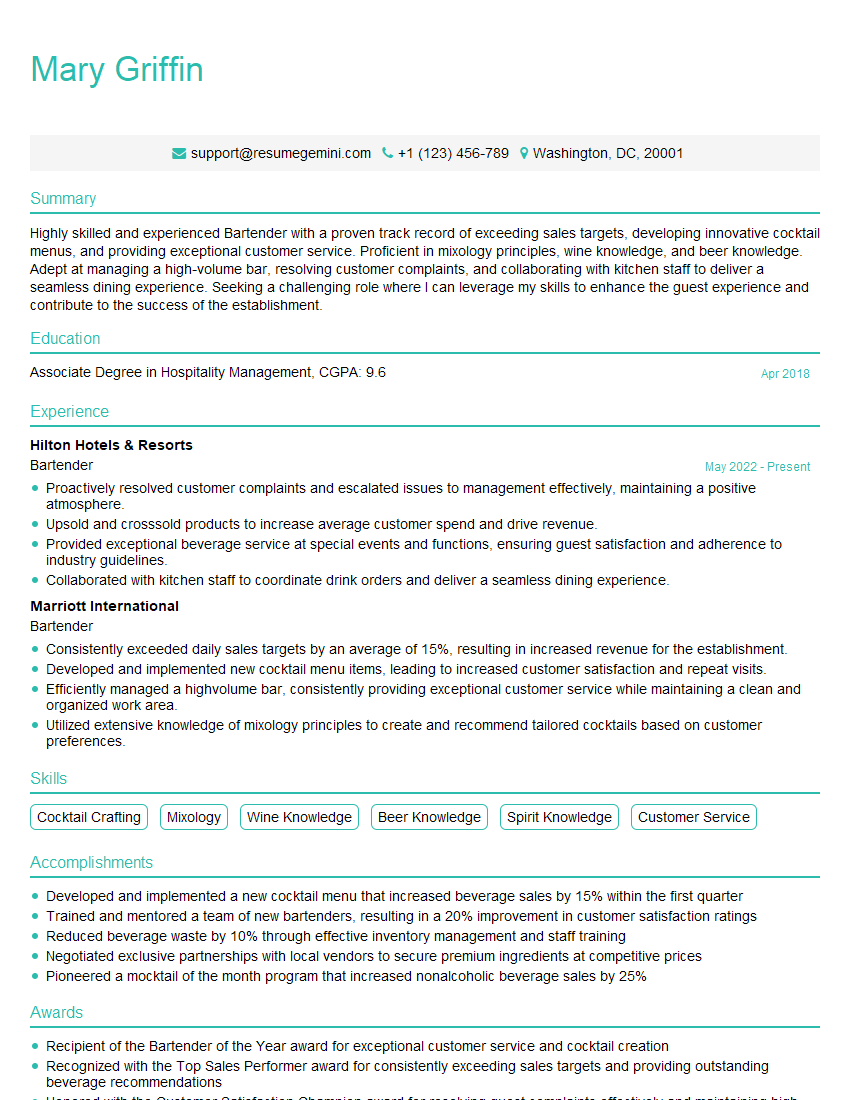
Bartender Resume Sample
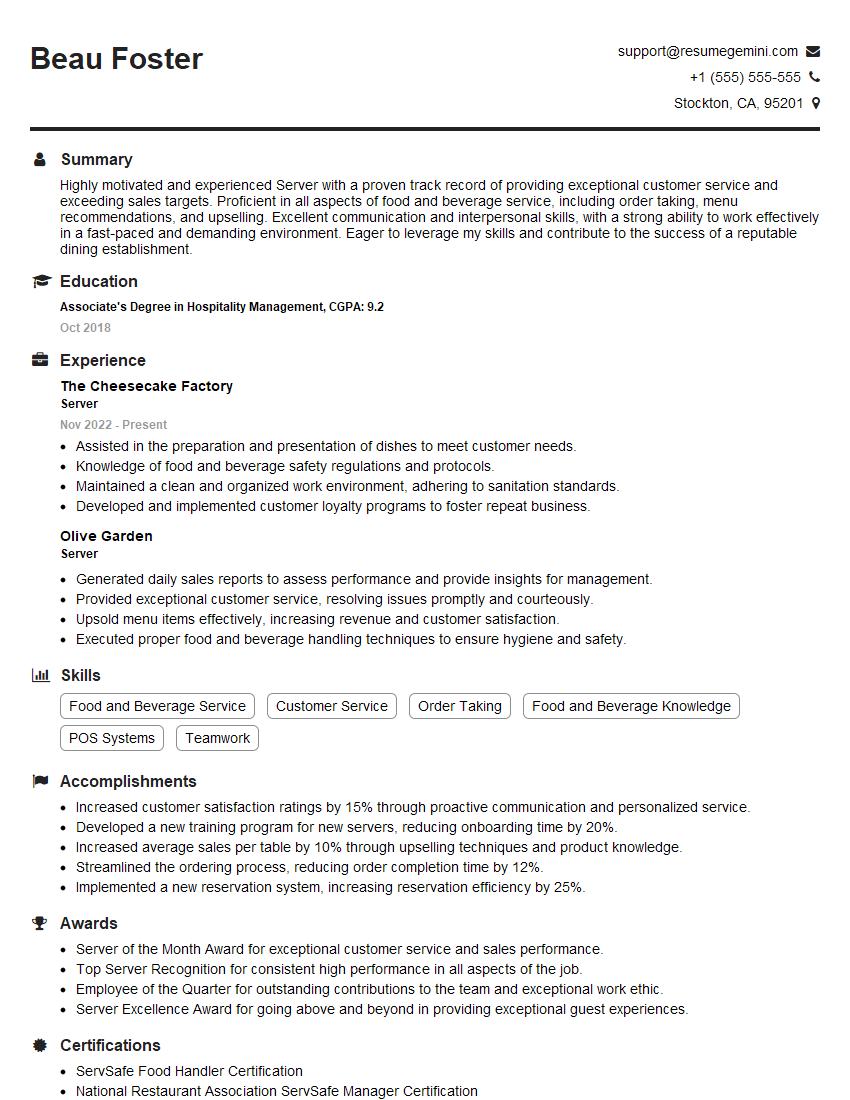
Server Resume Sample
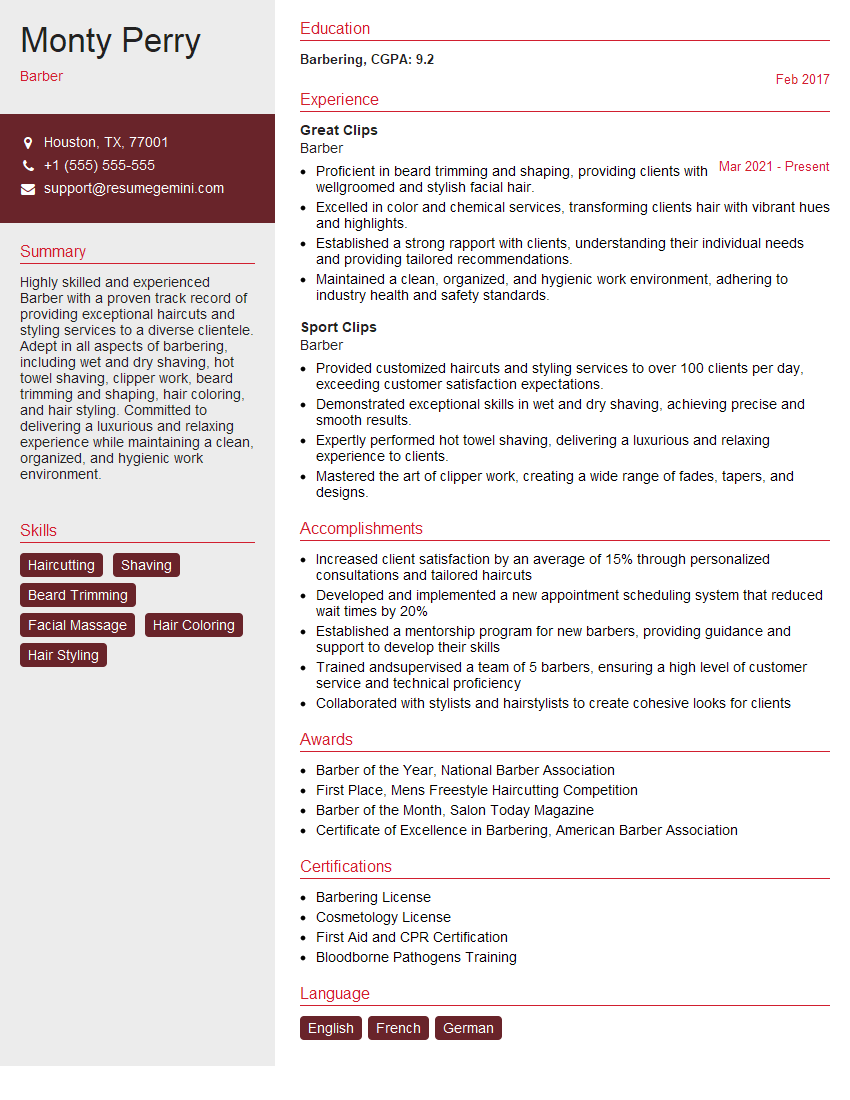
Barber Resume Sample
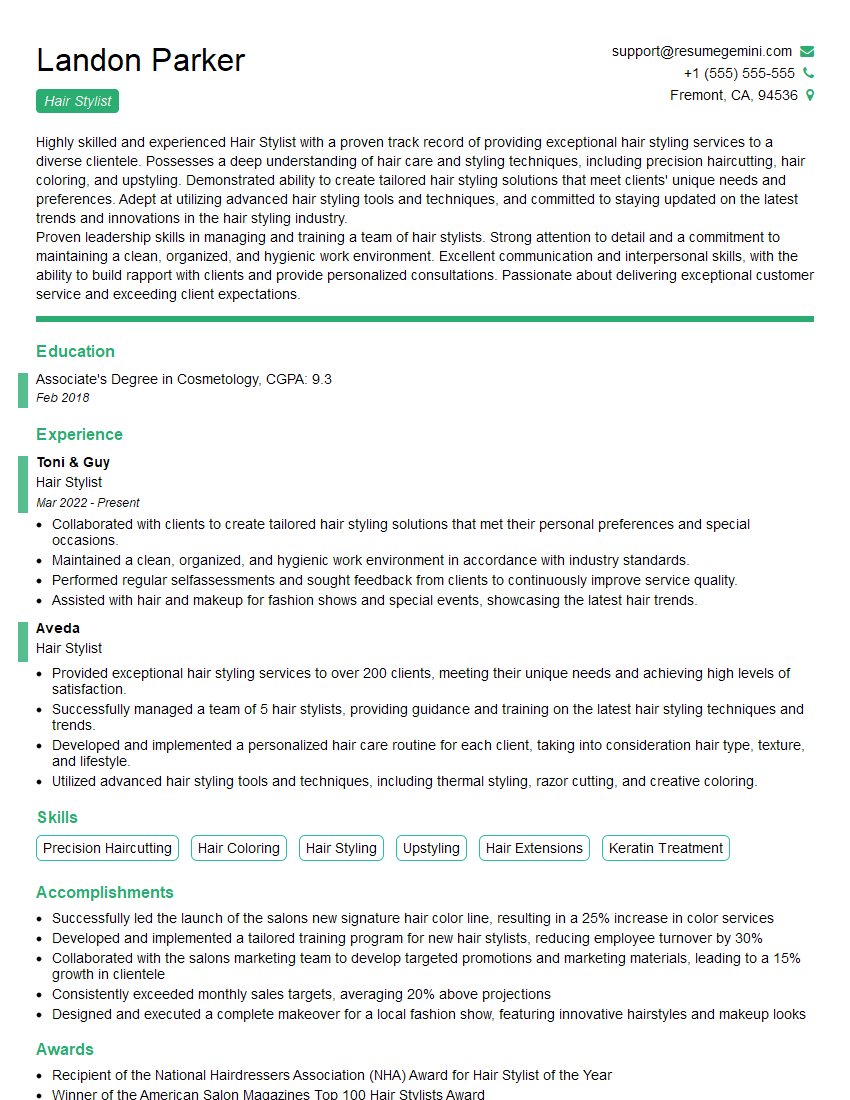
Hair Stylist Resume Sample
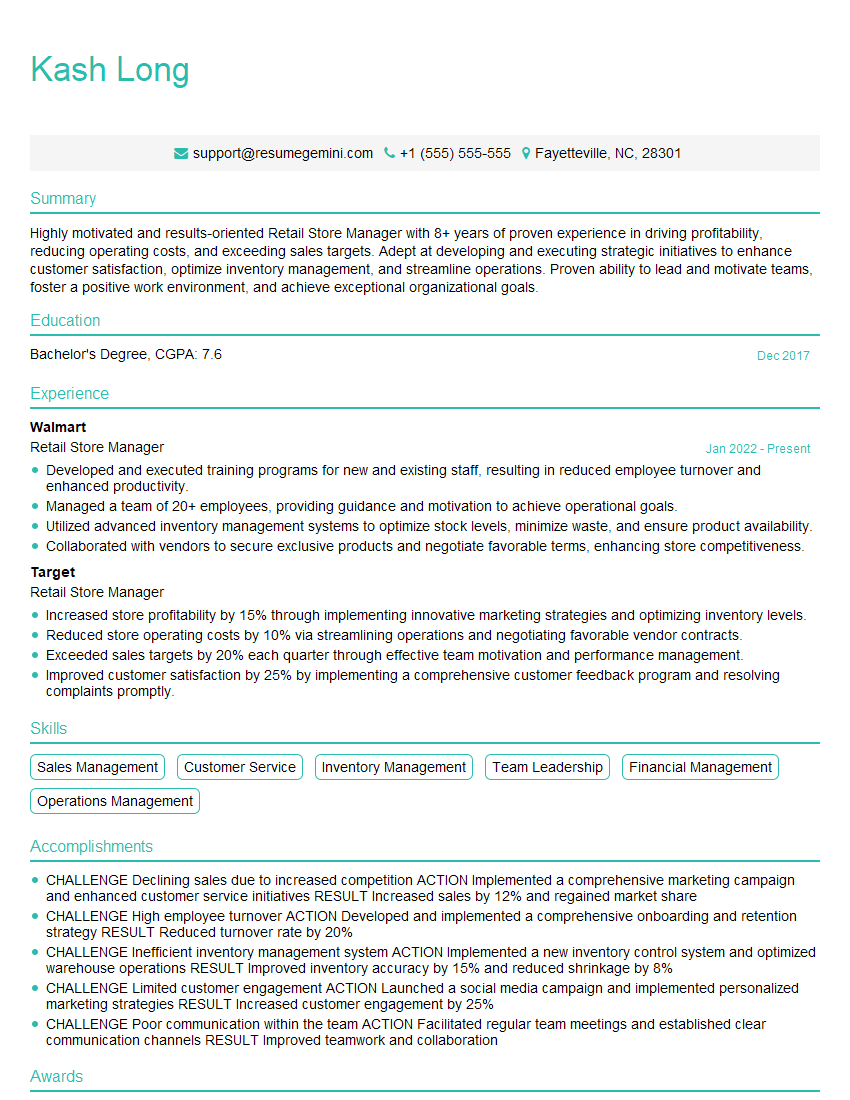
Retail Store Manager Resume Sample
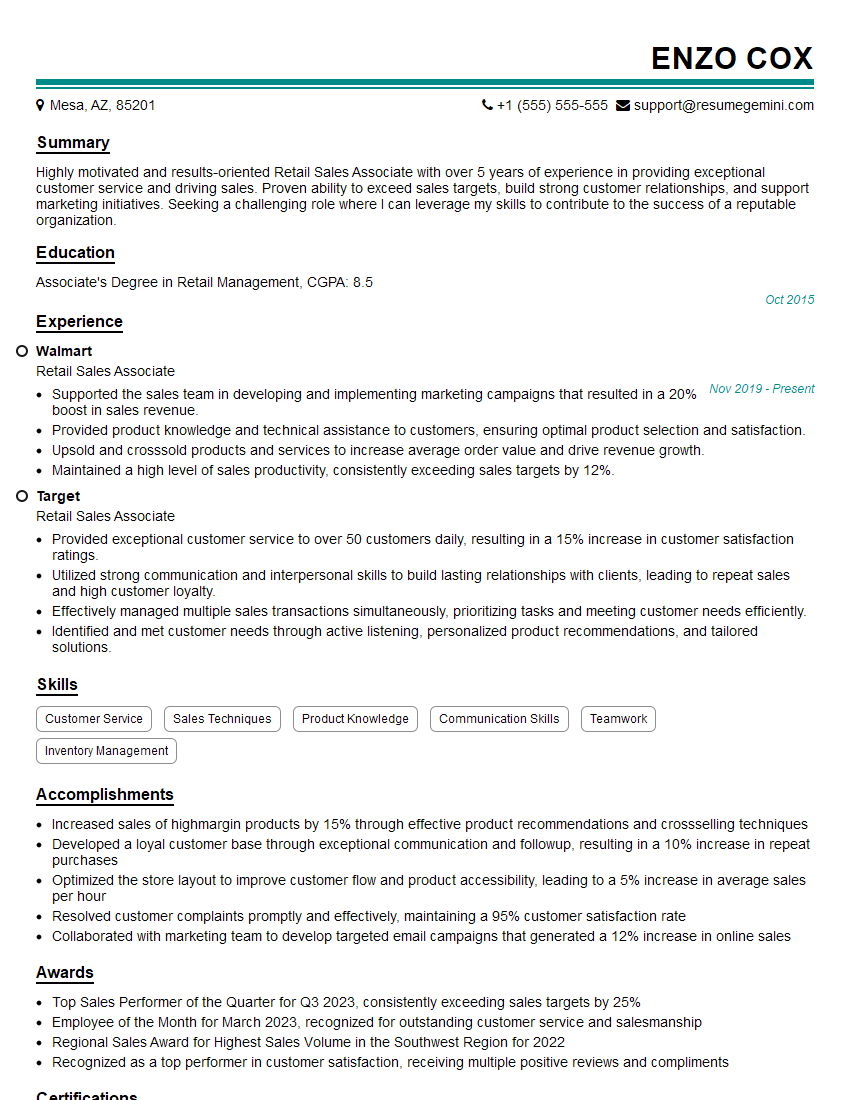
Retail Sales Associate Resume Sample
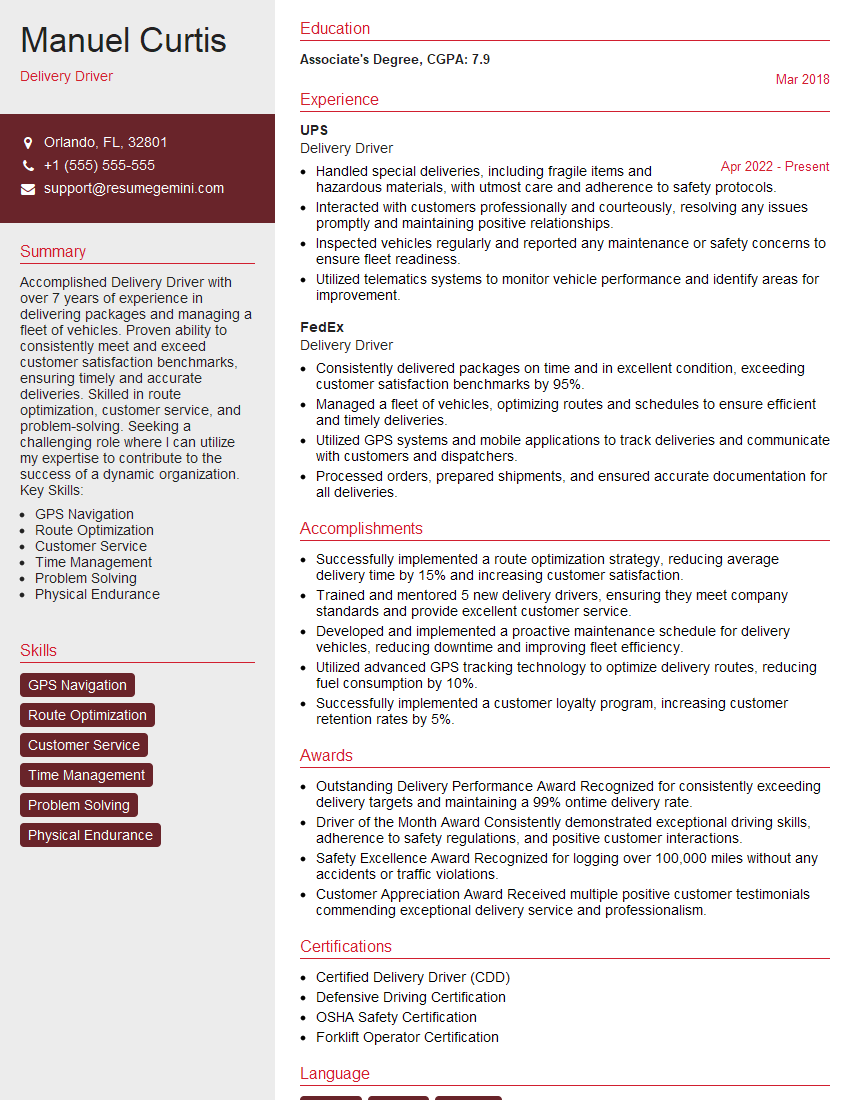
Delivery Driver Resume Sample
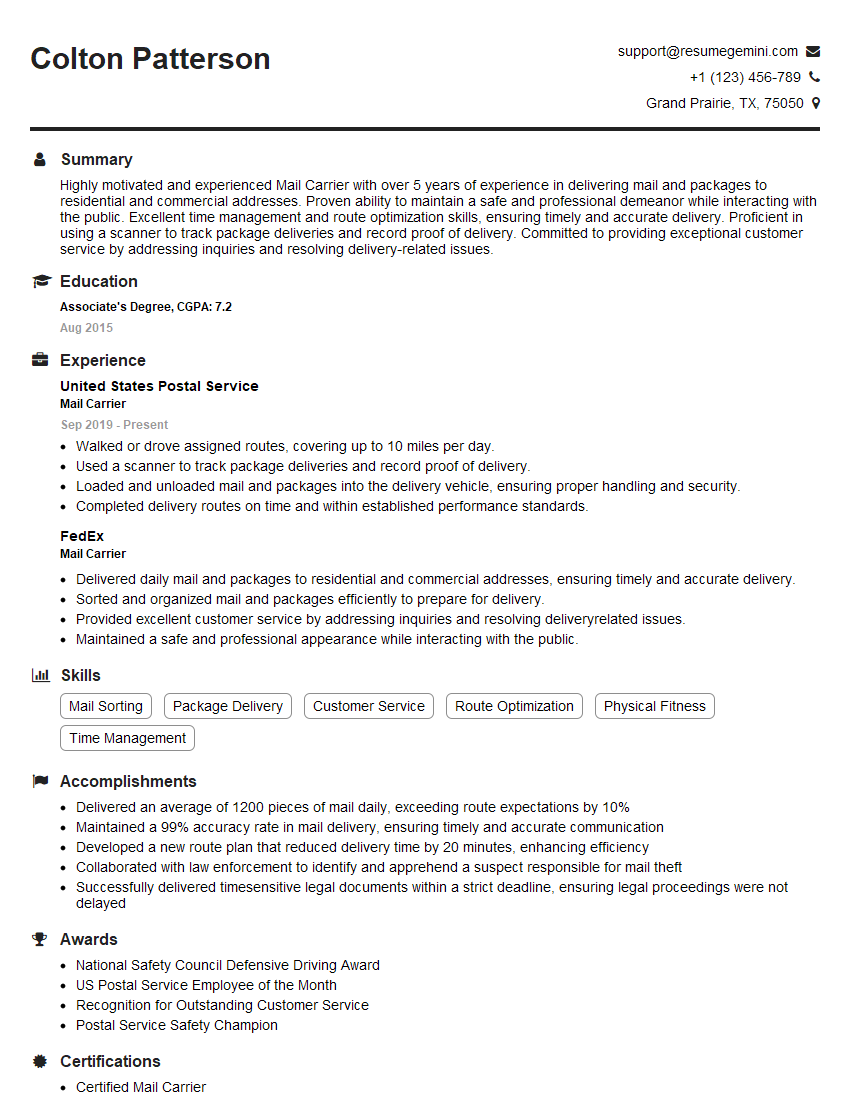
Mail Carrier Resume Sample
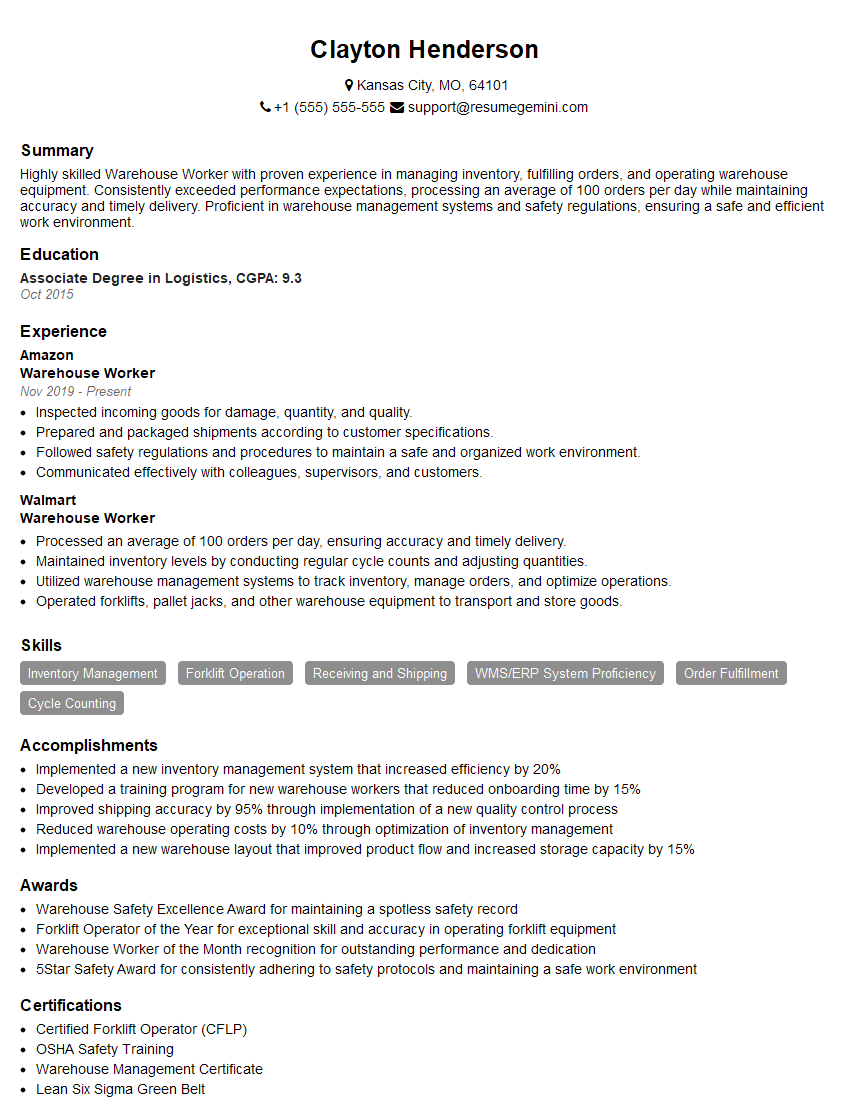
Warehouse Worker Resume Sample
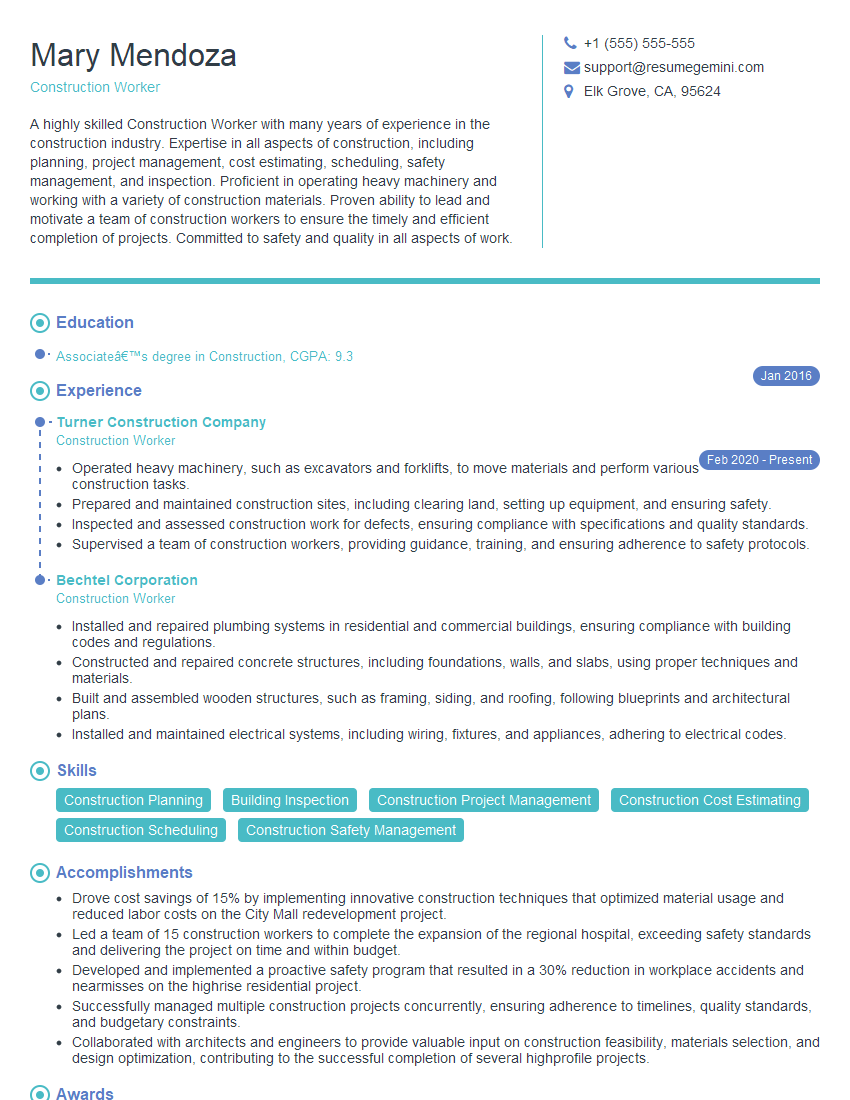
Construction Worker Resume Sample
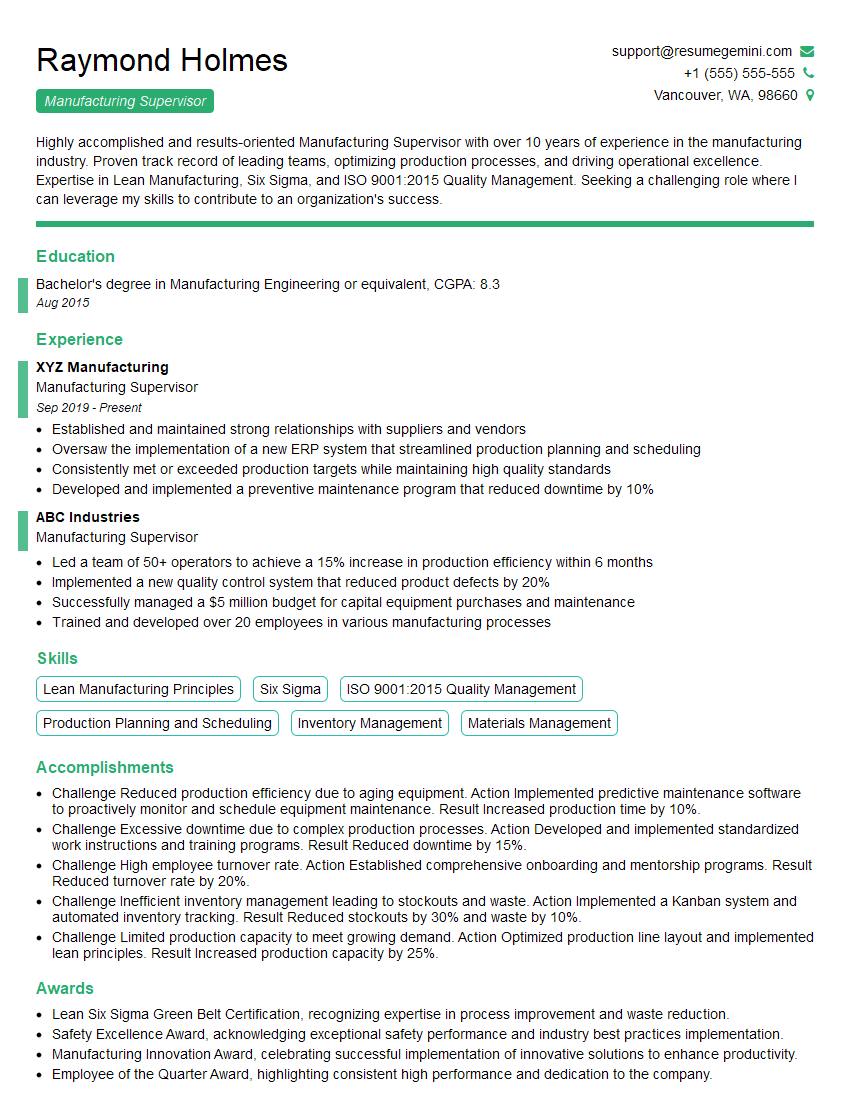
Manufacturing Supervisor Resume Sample
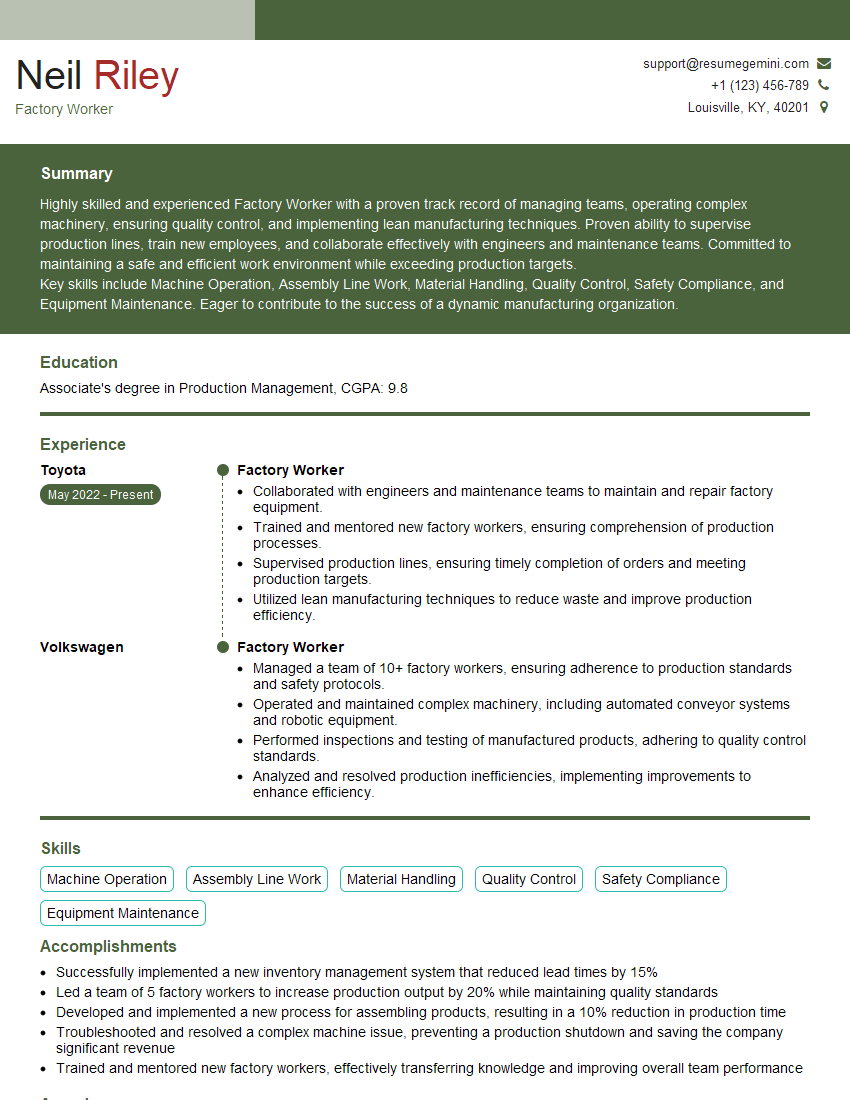
Factory Worker Resume Sample
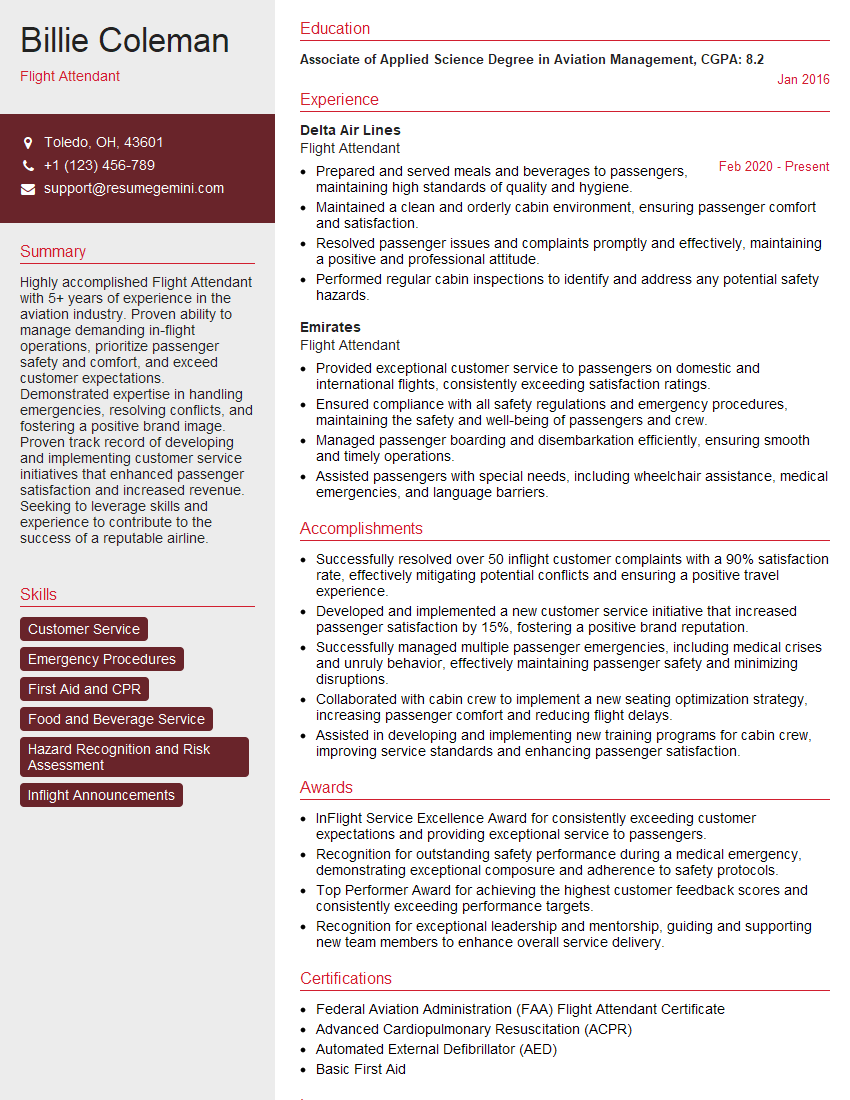
Flight Attendant Resume Sample
- Customer Service Representative
- Teacher
- Paramedic
- Firefighter
- Police Officer
- Dental Hygienist
- Surgical Technician
- Security Guard
- Chef
- Line Cook
- Cashier
- Bartender
- Server
- Barber
- Hair Stylist
- Retail Store Manager
- Retail Sales Associate
- Delivery Driver
- Mail Carrier
- Warehouse Worker
- Construction Worker
- Manufacturing Supervisor
- Factory Worker
- Flight Attendant
Explore more articles
Users Rating of Our Blogs
Share Your Experience
We value your feedback! Please rate our content and share your thoughts (optional).
What Readers Say About Our Blog
Very informative content, great job.
good