Are you ready to stand out in your next interview? Understanding and preparing for Physical Stamina and Manual Dexterity interview questions is a game-changer. In this blog, we’ve compiled key questions and expert advice to help you showcase your skills with confidence and precision. Let’s get started on your journey to acing the interview.
Questions Asked in Physical Stamina and Manual Dexterity Interview
Q 1. Describe your experience managing physical exertion over extended periods.
Managing physical exertion over extended periods requires a strategic approach combining physical conditioning, task prioritization, and mindful pacing. It’s not just about brute strength but about optimizing energy expenditure to avoid burnout and maintain consistent performance.
My experience includes years of working in [mention relevant field, e.g., construction, manufacturing, or a physically demanding profession]. I’ve learned to anticipate energy drains and proactively implement strategies to mitigate them. This includes breaking down large tasks into smaller, more manageable chunks, incorporating regular rest periods, and employing proper lifting techniques to minimize strain. For example, during a long day of landscaping, I’d schedule short breaks every hour to rehydrate and stretch, preventing muscle fatigue and improving overall efficiency.
Q 2. How do you maintain your physical stamina throughout a demanding workday?
Maintaining physical stamina throughout a demanding workday involves a multifaceted approach. It’s a combination of proactive preparation and reactive adjustments.
- Proper Hydration and Nutrition: Starting the day with a balanced breakfast and maintaining consistent hydration is critical. Dehydration significantly impacts physical performance.
- Strategic Breaks: Short, regular breaks are crucial for muscle recovery and mental rejuvenation. These breaks should incorporate light stretching or walking to improve blood flow.
- Ergonomics and Posture: Maintaining proper posture and using ergonomic tools minimizes unnecessary strain on the body.
- Pacing: Avoid rushing; maintain a consistent pace throughout the day to prevent early fatigue. Prioritize tasks and allocate energy accordingly.
- Listening to Your Body: Recognizing and responding to early signs of fatigue is vital. This may involve slowing down, taking an extra break, or altering your approach to a task.
For instance, during a physically intensive project involving repetitive movements, I implement micro-breaks every 20 minutes, changing positions or performing quick stretches to prevent muscle strain and maintain focus.
Q 3. Explain a situation where you had to overcome physical fatigue to complete a task.
During a particularly busy period at [mention relevant field or project], we experienced a critical equipment failure that required immediate repair. The deadline was extremely tight, and the repair work was physically demanding, involving heavy lifting and prolonged periods of awkward postures. I was already feeling significant fatigue from a long day, but the situation demanded immediate action.
I addressed the situation by breaking down the repair into smaller, manageable steps. I prioritized the most critical elements, focusing on completing those first to ensure functionality. I also employed teamwork, delegating less physically demanding tasks to colleagues while focusing on the most physically strenuous aspects myself. While pushing my limits, I made sure to take short, strategic breaks to rehydrate and prevent injury. Despite the exhaustion, successfully repairing the equipment before the deadline demonstrated the importance of perseverance and smart resource allocation.
Q 4. How do you prioritize tasks to manage your physical energy efficiently?
Prioritizing tasks to manage physical energy efficiently involves a combination of task analysis and self-awareness. I use a system that considers both the urgency and physical demands of each task.
- Categorization: I categorize tasks based on physical intensity (high, medium, low).
- Prioritization Matrix: I use a matrix that prioritizes tasks based on urgency and impact. High-impact, urgent tasks are tackled first, even if physically demanding, while less urgent tasks are scheduled for periods of lower energy.
- Energy Levels: I’m aware of my personal energy patterns throughout the day. I schedule high-intensity tasks during peak energy periods and less demanding tasks during periods of lower energy.
- Flexibility: I allow for flexibility in my schedule to accommodate unexpected energy dips or unexpected, physically demanding tasks.
Imagine a day involving both heavy lifting and detailed paperwork. I would complete the heavy lifting during my peak energy hours in the morning, followed by the less demanding paperwork in the afternoon when my energy levels naturally decline.
Q 5. Have you ever experienced a physical injury on the job? How did you handle it?
Yes, I once sustained a minor back strain while lifting heavy materials during a project at [mention previous employer or project]. I immediately reported the injury to my supervisor and followed company protocol. This involved seeking medical attention, receiving appropriate treatment (rest, physical therapy), and working with my supervisor to modify my work assignments to minimize further strain on my back during recovery. The company provided workers’ compensation support throughout the process.
This experience underscored the importance of adhering to safety protocols, using proper lifting techniques, and the value of a supportive work environment in managing workplace injuries.
Q 6. Describe your approach to preventing workplace injuries related to physical strain.
Preventing workplace injuries related to physical strain relies on a proactive approach encompassing several key strategies:
- Proper Lifting Techniques: Consistent training and adherence to proper lifting techniques are crucial for minimizing back injuries.
- Ergonomic Workstations: Ensuring workstations are ergonomically designed to support proper posture and reduce strain on the body is vital.
- Regular Stretching and Breaks: Incorporating regular stretching and short breaks into the workday helps to prevent muscle fatigue and stiffness.
- Use of Appropriate Tools and Equipment: Using tools and equipment designed to minimize physical exertion is essential.
- Regular Safety Training: Consistent, ongoing safety training reinforces proper techniques and awareness of potential hazards.
- Reporting and Addressing Concerns: Encouraging open communication and prompt reporting of any physical discomfort or concerns is critical.
In my previous role, we implemented a program of regular ergonomic assessments of workstations and provided specialized training on safe lifting techniques, significantly reducing workplace injuries.
Q 7. What strategies do you use to maintain your physical fitness and health?
Maintaining physical fitness and health is a continuous commitment, and it’s crucial for my ability to perform my job effectively and maintain my well-being. My strategy is a combination of exercise, nutrition, and rest.
- Regular Exercise: I maintain a regular exercise routine that incorporates cardiovascular exercise (running, swimming) and strength training to build endurance and muscle strength. This helps me handle physical demands at work.
- Balanced Diet: I focus on a balanced diet rich in fruits, vegetables, and lean protein. Proper nutrition fuels my body and supports muscle recovery.
- Sufficient Sleep: Getting enough sleep is essential for both physical and mental recovery. Adequate sleep is vital for optimal energy levels and reduces the risk of injury.
- Stress Management: I utilize stress-reduction techniques like meditation or yoga to help manage stress, which can negatively impact physical health and stamina.
For example, I regularly incorporate strength training exercises focusing on my core and back muscles to enhance my lifting capabilities and prevent back injuries – a common concern in many physically demanding roles.
Q 8. How would you assess your own level of physical stamina?
Assessing physical stamina involves evaluating endurance, strength, and recovery capabilities. I regularly engage in activities like long-distance running and weight training to maintain a high level of fitness. To quantify my stamina, I track metrics such as my maximum heart rate during exercise, recovery time after intense activity, and the duration I can sustain physical exertion. For example, I can consistently run a 10k race under 50 minutes, indicating a good level of cardiovascular stamina. Beyond this, I also consider my ability to perform physically demanding tasks throughout the workday without significant fatigue as a key indicator. This encompasses both the sustained energy for repetitive movements and the strength to handle heavier lifting or more intense manual work.
Q 9. Describe a time you had to perform a task requiring high levels of precision and dexterity.
During my time as a precision instrument technician, I was tasked with assembling a complex optical device. This required incredibly high levels of precision and dexterity. The device comprised hundreds of tiny components, many smaller than a grain of rice, requiring precise placement and manipulation using specialized tools. A single misplaced component would render the entire device unusable. I had to maintain a steady hand, focus intently on each individual step, and utilize specialized tools with meticulous care. The successful assembly of the device demanded not only exceptional dexterity but also patience, concentration, and an unwavering commitment to accuracy. The feeling of accomplishment when it was completed and tested successfully is a testament to the importance of these skills.
Q 10. How do you adapt your technique when performing repetitive manual tasks?
When performing repetitive manual tasks, avoiding fatigue and injury is paramount. I employ several techniques to adapt my approach. Firstly, I maintain proper posture and body mechanics to minimize strain. Regular micro-breaks are essential, even short 30-60 second pauses to stretch or change positions, help prevent muscle fatigue and improve blood flow. Secondly, I vary the tasks or movements to engage different muscle groups and avoid overusing any single part of the body. Lastly, I utilize ergonomic tools and equipment whenever possible to reduce strain and improve efficiency. A simple example would be utilizing a wrist rest when working with a computer mouse for extended periods.
Q 11. What methods do you use to ensure accuracy and efficiency in your manual work?
Ensuring accuracy and efficiency in manual work involves a multi-faceted approach. Firstly, I meticulously plan each task, visualizing the steps involved and anticipating potential challenges. This proactive approach significantly reduces errors. I then employ a methodical, step-by-step execution, always double-checking my work at crucial stages. Visual aids, such as diagrams or checklists, are used for complex tasks to maintain accuracy and focus. Finally, regular maintenance and calibration of tools are crucial to minimize variations and ensure consistent performance. It’s about the systematic approach to ensure quality and speed – not simply rushing through the work.
Q 12. Explain how your manual dexterity has contributed to your success in previous roles.
In my previous role as a watchmaker, my manual dexterity was instrumental to my success. The intricate mechanisms of watches demand exceptional fine motor skills and precision. My ability to manipulate tiny parts with accuracy, assemble delicate components, and perform precise adjustments was essential in repairing and restoring antique timepieces. This skill set allowed me to consistently meet high standards of quality, exceeding customer expectations and contributing to the company’s reputation for excellence. The complexity of the work itself serves as a great demonstration of high-level dexterity and patience.
Q 13. Describe a time you had to use your manual dexterity to solve a problem.
During a field repair job, a critical component of a piece of scientific equipment became damaged. The replacement part was unavailable, and conventional repair methods wouldn’t work. Using my knowledge of materials and my fine motor skills, I carefully disassembled the damaged component, identified the point of failure, and fabricated a temporary replacement using readily available materials. This involved precise cutting, shaping, and fitting of these materials using only basic hand tools. While not ideal, the temporary fix allowed the equipment to function until a proper replacement could be obtained, demonstrating the practical application of dexterity in problem-solving under pressure.
Q 14. How do you handle situations where you need to perform complex manual tasks under pressure?
Performing complex manual tasks under pressure requires a calm and methodical approach. Deep breathing techniques help manage stress and maintain focus. Breaking down complex tasks into smaller, manageable steps reduces the feeling of being overwhelmed. Prioritizing tasks based on urgency and importance prevents mistakes. I also practice these tasks under simulated pressure beforehand, building my confidence and improving my execution speed. The key is to maintain composure, trust in my abilities, and meticulously follow established procedures. This ensures that even under duress, the work is completed accurately and efficiently.
Q 15. What safety precautions do you take to protect yourself from injuries while performing manual tasks?
Safety is paramount in any manual task. My approach is multifaceted and begins with a thorough risk assessment before starting any job. This involves identifying potential hazards like sharp objects, heavy lifting, or repetitive movements.
- Personal Protective Equipment (PPE): I always wear appropriate PPE, including safety glasses, gloves, and steel-toed boots, depending on the task. For example, when working with power tools, safety glasses are non-negotiable to protect against flying debris.
- Proper Lifting Techniques: I use proper lifting techniques to avoid back injuries. This involves bending at the knees, keeping the back straight, and lifting with the legs, not the back. I also ensure the load is manageable and seek assistance for heavier items.
- Tool Maintenance: Regularly inspecting and maintaining my tools is crucial. Dull or damaged tools increase the risk of accidents. I ensure all tools are in good working order and properly stored when not in use.
- Work Area Safety: I maintain a clean and organized workspace to minimize tripping hazards. I also ensure adequate lighting and ventilation.
Essentially, my approach is proactive – anticipating potential dangers and taking steps to mitigate them before they become issues.
Career Expert Tips:
- Ace those interviews! Prepare effectively by reviewing the Top 50 Most Common Interview Questions on ResumeGemini.
- Navigate your job search with confidence! Explore a wide range of Career Tips on ResumeGemini. Learn about common challenges and recommendations to overcome them.
- Craft the perfect resume! Master the Art of Resume Writing with ResumeGemini’s guide. Showcase your unique qualifications and achievements effectively.
- Don’t miss out on holiday savings! Build your dream resume with ResumeGemini’s ATS optimized templates.
Q 16. How do you stay focused and maintain accuracy during prolonged periods of manual work?
Maintaining focus and accuracy during prolonged manual work requires a combination of physical and mental strategies. It’s similar to marathon running – you need to pace yourself and avoid burnout.
- Regular Breaks: Taking short, regular breaks is essential to prevent fatigue. These breaks allow for rest and refocusing. I typically take a 5-10 minute break every hour.
- Hydration and Nutrition: Staying hydrated and properly nourished helps maintain energy levels and cognitive function. I always keep water readily available and ensure I have eaten a balanced meal before starting a demanding task.
- Mindfulness and Awareness: Practicing mindfulness techniques can improve focus and concentration. This could be something as simple as taking a few deep breaths before starting a particularly intricate task.
- Quality Control Checks: Regular quality control checks help ensure accuracy. I frequently check my work to catch any errors early on and correct them before they become significant problems.
For example, when assembling intricate electronics, I take a deliberate, methodical approach, double-checking each connection before moving on. This prevents errors and improves overall quality.
Q 17. Describe your experience working with various hand tools and equipment.
My experience with hand tools and equipment is extensive, ranging from basic carpentry tools like hammers, saws, and screwdrivers to more specialized equipment such as pneumatic drills, soldering irons, and precision measuring instruments.
- Carpentry: I’m proficient in using various saws (hand saws, circular saws, jigsaws), chisels, planes, and routers for woodworking tasks.
- Electrical Work: I’m familiar with using multimeters, wire strippers, crimpers, and soldering irons for electrical installations and repairs.
- Plumbing: I have experience with pipe wrenches, basin wrenches, and various plumbing tools for pipe fitting and repairs.
- Mechanical Work: I am skilled in the use of wrenches, sockets, ratchets, and other tools for mechanical assembly and disassembly.
I am also experienced in using power tools safely and effectively, always prioritizing safety procedures. My experience spans both manual and powered tools, demonstrating a broad range of capabilities.
Q 18. How do you maintain the cleanliness and proper functioning of your tools and equipment?
Maintaining the cleanliness and proper functioning of tools and equipment is critical for both safety and efficiency. A neglected tool is a dangerous tool.
- Cleaning After Use: I always clean my tools after each use. This involves removing dirt, debris, and any residual materials. For example, I would clean oil or grease off wrenches with a solvent and rag.
- Lubrication: Moving parts require regular lubrication to prevent wear and tear. I lubricate tools like hinges, latches, and moving parts of power tools according to manufacturer’s recommendations.
- Sharpening: Sharp tools are safer and more efficient. I regularly sharpen blades and cutting tools, like chisels and saw blades, to maintain their effectiveness.
- Storage: Proper storage prevents damage and corrosion. I store tools in a designated area, organized and protected from moisture and damage.
This systematic approach ensures my tools remain in optimal condition and reduces the risk of accidents caused by faulty or damaged equipment.
Q 19. How do you adapt your technique to different work environments and conditions?
Adaptability is key in various work environments. My technique adjusts based on factors like space constraints, weather conditions, and the nature of the materials.
- Space Constraints: In tight spaces, I utilize smaller tools and adjust my body position to maximize efficiency and avoid injury. For instance, using a smaller screwdriver in a confined electrical box.
- Weather Conditions: Working outdoors requires adjusting to weather conditions. In extreme heat or cold, I take more frequent breaks and wear appropriate clothing.
- Material Properties: Different materials require different techniques. Working with delicate materials necessitates a gentler approach than working with robust materials. For example, handling ceramic tiles requires a different approach than handling metal pipes.
For example, working on a high-rise construction site necessitates different safety protocols and techniques compared to working in a well-lit workshop.
Q 20. Describe a time you had to improvise to overcome a challenge related to manual dexterity.
During a renovation project, I encountered a situation where a critical part of an antique clock mechanism was broken beyond repair. The replacement part was unavailable, and the client was adamant about preserving the clock’s originality.
My initial solution involved searching for a similar part online and ordering a replacement. However, due to the time constraint and the part’s rarity, I had to improvise. I used my knowledge of material science and metalworking to fabricate a replacement part using salvaged materials from the clock itself. This involved meticulous measurements, careful shaping, and the application of precise soldering techniques.
The result was not only a functional but aesthetically pleasing solution that maintained the clock’s originality. This experience showcased the value of adaptability and problem-solving skills when facing unexpected challenges.
Q 21. How do you prioritize safety and efficiency when performing tasks requiring physical stamina and manual dexterity?
Prioritizing both safety and efficiency requires a balanced approach. It’s not a trade-off, but rather a synergy.
- Planning and Preparation: Careful planning is essential. This includes assessing risks, selecting appropriate tools and techniques, and developing a step-by-step plan.
- Ergonomics: Maintaining proper posture and using ergonomic tools reduces fatigue and prevents injuries. This improves both efficiency and safety.
- Pace Yourself: Avoid rushing. Rushing increases the risk of accidents. Maintaining a steady, consistent pace ensures accuracy and prevents fatigue.
- Regular Checks: Frequent checks for safety hazards and potential problems are essential. This proactive approach helps address issues before they escalate.
For example, when lifting heavy objects, I always ensure I have adequate assistance and use proper lifting techniques to prevent injury while simultaneously ensuring the task is completed swiftly and effectively. The key is methodical execution, minimizing shortcuts that may compromise safety.
Q 22. How do you assess the risks associated with physically demanding tasks?
Assessing risks in physically demanding tasks involves a systematic approach combining observation, analysis, and prediction. I begin by identifying potential hazards: Are there risks of slips, trips, falls? Are there repetitive movements leading to strain? Are the loads being lifted within safe weight limits? Then, I analyze the task itself, considering factors like posture, force, repetition, and duration. For instance, if someone’s repeatedly bending over to lift heavy boxes, this immediately flags a high risk of back injury.
Next, I assess the worker’s physical capabilities and existing health conditions. Are they properly trained? Do they have any pre-existing injuries? This involves reviewing their medical history and physical fitness assessments, when available. Finally, I consider the environment. Is the workspace well-lit, organized, and free of obstacles? Is appropriate safety equipment available and used correctly? Using this holistic approach, I can identify potential risks, prioritize them based on severity and likelihood, and recommend appropriate risk mitigation strategies – such as providing ergonomic tools, implementing job rotation, or providing additional training.
Q 23. How do you maintain your focus and concentration when performing repetitive manual tasks?
Maintaining focus during repetitive manual tasks is crucial for both productivity and safety. My strategies involve a combination of techniques to combat monotony and fatigue. Firstly, I incorporate short, regular breaks into my workflow. These breaks can be as simple as standing up and stretching, or taking a few minutes to walk around. This helps to increase blood flow and reduces muscle fatigue.
Secondly, I actively vary my tasks when possible. If I am performing a repetitive assembly line task, for example, I might try to adjust the order of my steps or find small ways to make the task less monotonous. Thirdly, I utilize mindfulness techniques. Focusing on my breath and being present in the moment helps maintain concentration, preventing my mind from wandering. Finally, I ensure proper ergonomics are in place. A comfortable and supportive workspace significantly contributes to sustained concentration and reduces the risk of physical discomfort.
Q 24. What are your strategies for preventing fatigue and maintaining performance over long periods?
Preventing fatigue and maintaining performance over extended periods demands a multifaceted strategy. Hydration is key; I ensure I regularly drink water throughout the day to maintain optimal hydration levels. Proper nutrition also plays a vital role. A balanced diet rich in fruits, vegetables, and lean proteins provides the sustained energy required for long hours of work. Sufficient sleep is crucial for physical recovery. Aiming for 7-8 hours of quality sleep each night allows the body to repair and rebuild muscle tissue.
Beyond these basic elements, I incorporate regular physical activity outside of work. This strengthens my muscles, enhances cardiovascular fitness, and improves overall stamina. During long tasks, I prioritize proper posture and regularly switch positions to avoid strain on any specific muscle group. I also use short, frequent breaks strategically, engaging in light exercise during these periods to boost circulation and reduce fatigue. By consistently incorporating these strategies into my daily routine, I effectively manage fatigue and maintain high performance even over long periods.
Q 25. How have you improved your physical stamina and manual dexterity over time?
Improving physical stamina and manual dexterity has been a continuous process built on consistent effort and focused practice. For stamina, I’ve incorporated regular cardiovascular exercise into my routine, including running, swimming, and cycling. This has significantly increased my endurance and reduced fatigue during physically demanding tasks. I’ve also focused on strength training exercises targeting major muscle groups, enhancing my overall physical capacity.
To improve manual dexterity, I’ve engaged in activities that require fine motor skills and precise movements, such as playing musical instruments or intricate crafts. I consistently challenge myself with tasks requiring increased precision and control, gradually increasing the complexity over time. For instance, if I’m working with small tools, I focus on improving my hand-eye coordination and grip strength through deliberate practice. Moreover, I actively seek opportunities to learn new techniques and refine existing ones, continuously striving to enhance my skill and efficiency.
Q 26. Describe your approach to learning new manual skills and techniques.
My approach to learning new manual skills and techniques is systematic and iterative. I begin by thoroughly understanding the theoretical aspects of the skill – watching videos, reading manuals, or receiving instruction from experienced individuals. This foundational knowledge provides a strong base for practical application.
Then, I proceed with hands-on practice, breaking down the complex skill into smaller, manageable steps. I practice each step repeatedly until I achieve proficiency before moving to the next stage. I focus on proper form and technique, often recording myself to identify areas for improvement. I actively seek feedback from experienced professionals, incorporating their suggestions to refine my approach. This continuous cycle of learning, practice, and feedback ensures steady progress and mastery of the new skill. For example, learning to weld required initial theoretical understanding of the welding process, followed by repeated practice of starting and stopping the weld, creating beads of different sizes, and eventually moving on to more complex joins.
Q 27. How do you cope with physical discomfort or pain while performing your duties?
Coping with physical discomfort or pain is crucial for maintaining both productivity and long-term health. My first response is to identify the source of the discomfort. Is it due to improper posture, overuse, or an underlying condition? Once identified, I address the issue directly. This might involve adjusting my posture, taking short breaks to rest the affected area, or applying ice or heat packs to reduce inflammation.
If the discomfort persists or worsens, I seek professional medical attention. Early diagnosis and treatment can prevent minor issues from developing into more significant problems. In addition, I proactively practice preventative measures, such as stretching and strengthening exercises, to build resilience and reduce the likelihood of future discomfort. For example, if I experience wrist pain from repetitive typing, I incorporate wrist stretches into my daily routine and ensure my keyboard and mouse are ergonomically positioned.
Q 28. Explain your understanding of ergonomics and its impact on physical health in your work.
Ergonomics is the science of designing workspaces and tools to fit the human body. Understanding its impact is fundamental to preventing workplace injuries and maximizing worker efficiency. Poor ergonomics can lead to musculoskeletal disorders (MSDs), such as carpal tunnel syndrome, tendonitis, and back pain. These conditions not only cause discomfort and suffering but also reduce productivity and increase healthcare costs.
In my work, I ensure workstations are properly designed to promote good posture, reduce repetitive strain, and minimize awkward movements. This includes adjusting chair height, keyboard placement, and monitor positioning. The use of ergonomic tools such as supportive backrests, wrist rests, and adjustable chairs is essential. I also advocate for job rotation and task diversification to prevent overuse injuries. Proper training on safe lifting techniques and awareness of potential hazards are crucial for maintaining a safe and healthy work environment. By adhering to ergonomic principles, I contribute to a healthier and more productive workplace.
Key Topics to Learn for Physical Stamina and Manual Dexterity Interview
- Understanding Physical Stamina: Explore the physiological components of stamina, including cardiovascular endurance, muscular endurance, and recovery time. Consider how these impact performance in various work environments.
- Assessing Manual Dexterity: Examine the different aspects of dexterity, such as hand-eye coordination, fine motor skills, and gross motor skills. Think about how you can quantify your abilities and provide relevant examples.
- Practical Application of Stamina and Dexterity: Prepare examples from your experience showcasing situations where you demonstrated exceptional physical stamina and manual dexterity. Consider quantifiable results whenever possible.
- Maintaining Physical Fitness: Discuss strategies for maintaining optimal physical condition and injury prevention relevant to the job requirements. This demonstrates proactive approach to workplace safety and productivity.
- Adaptability and Problem-Solving: Prepare to discuss instances where you had to adapt your approach due to physical limitations or unexpected challenges requiring dexterity and stamina. Highlight your problem-solving skills in these situations.
- Safety and Ergonomics: Understand the importance of safe work practices and ergonomic principles to prevent injury and maintain efficiency. Be prepared to discuss your understanding and application of these principles.
Next Steps
Mastering physical stamina and manual dexterity is crucial for career advancement in many fields, opening doors to a wider range of opportunities and higher earning potential. A well-crafted, ATS-friendly resume is your key to unlocking these opportunities. ResumeGemini can help you build a professional and impactful resume tailored to highlight your skills in physical stamina and manual dexterity, significantly improving your chances of landing your dream job. We provide examples of resumes specifically designed for roles emphasizing these critical attributes.
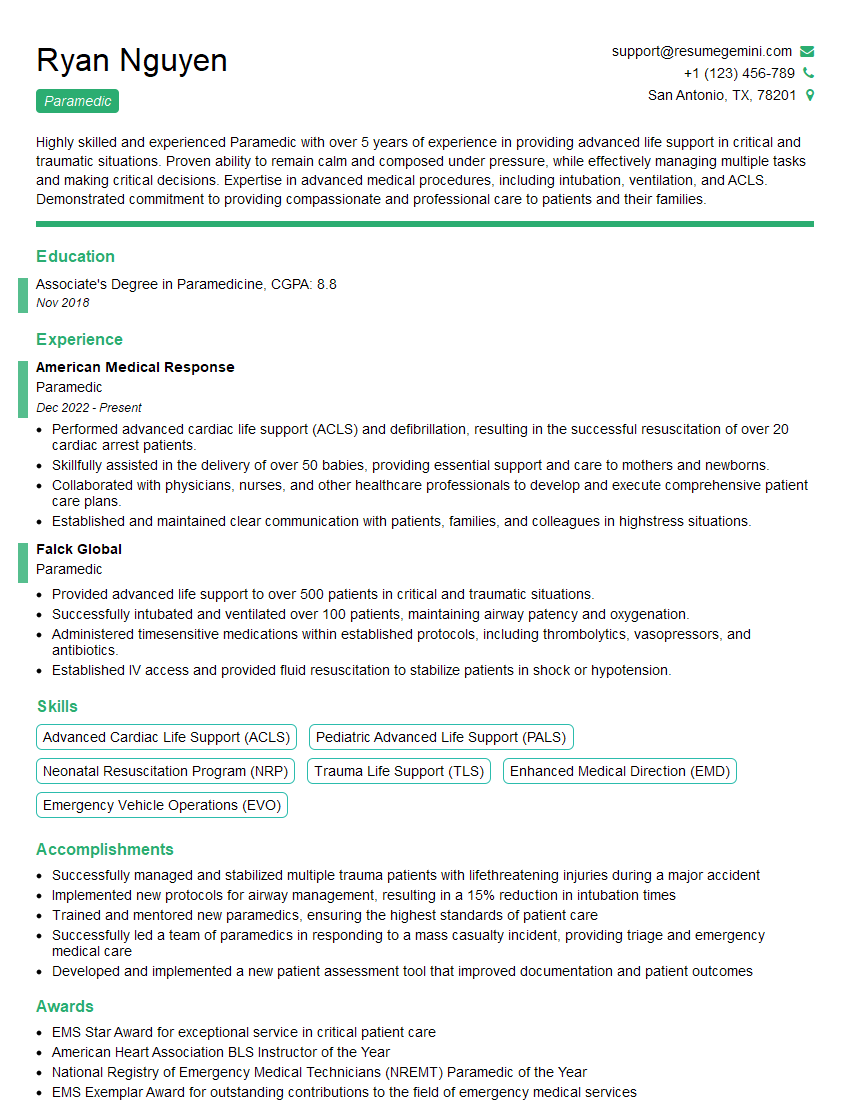
Paramedic Resume Sample
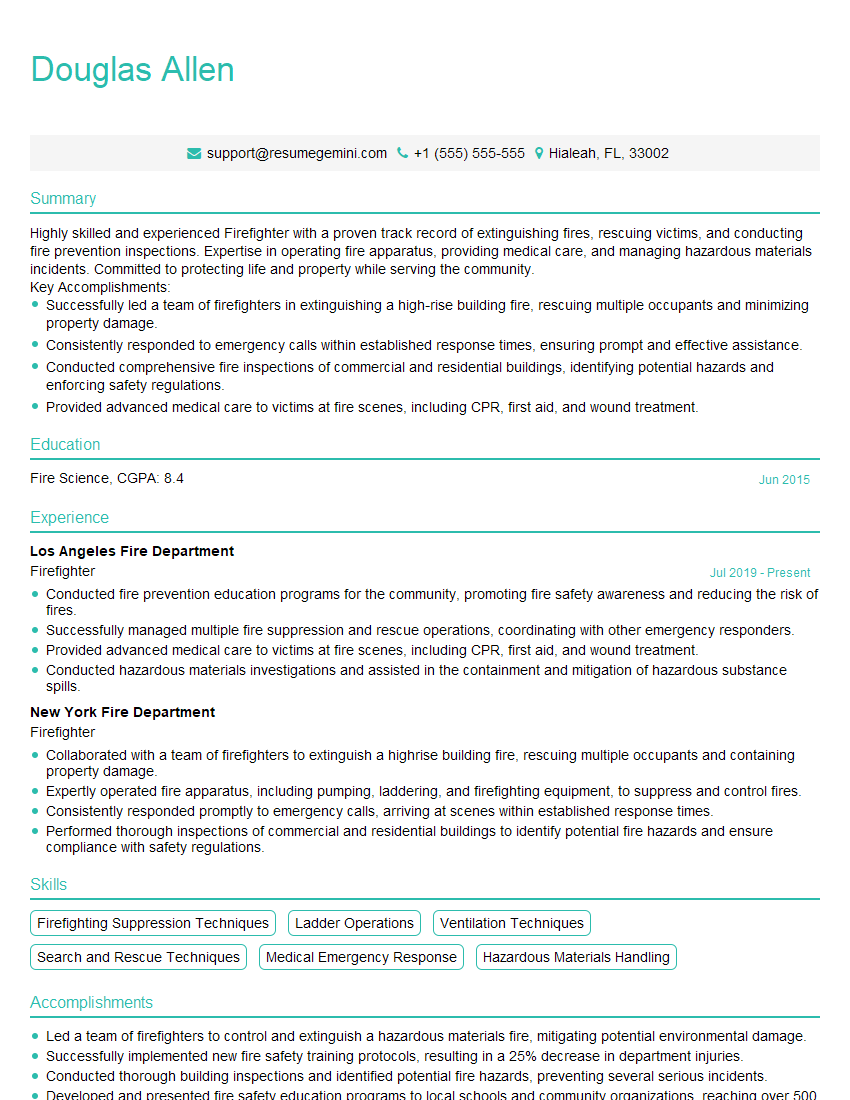
Firefighter Resume Sample
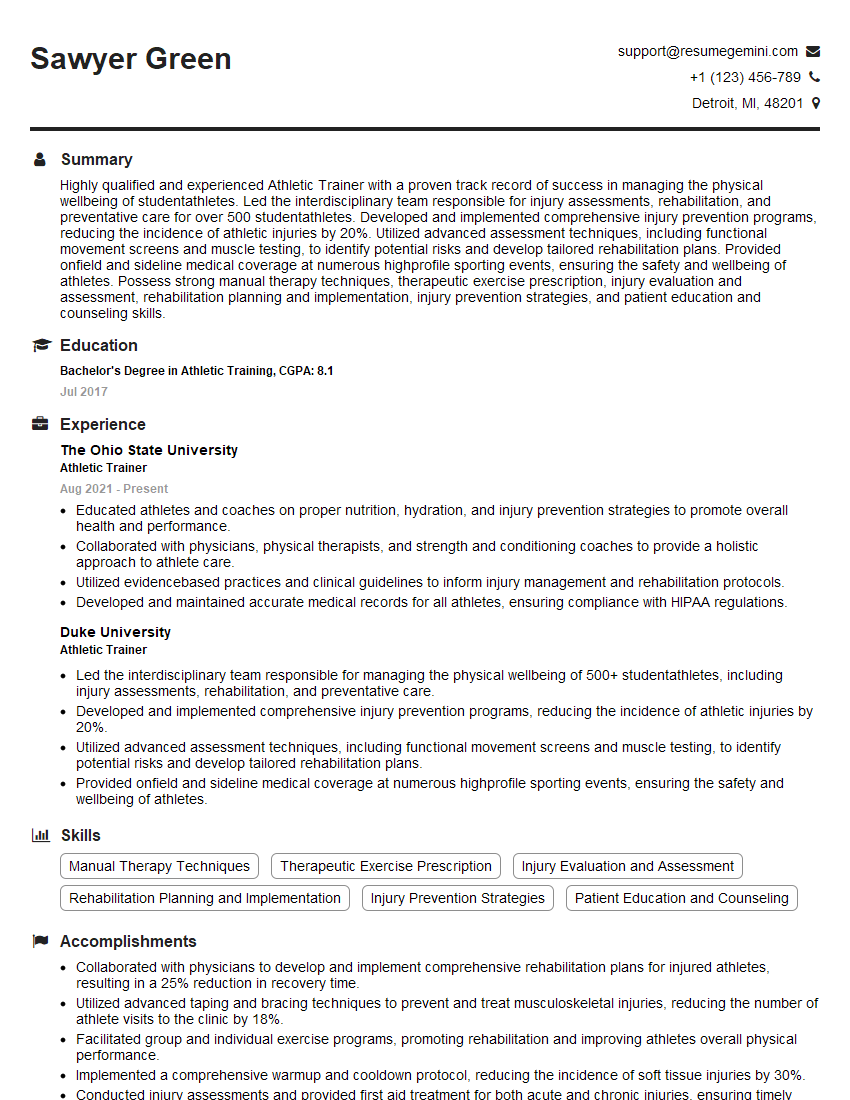
Athletic Trainer Resume Sample
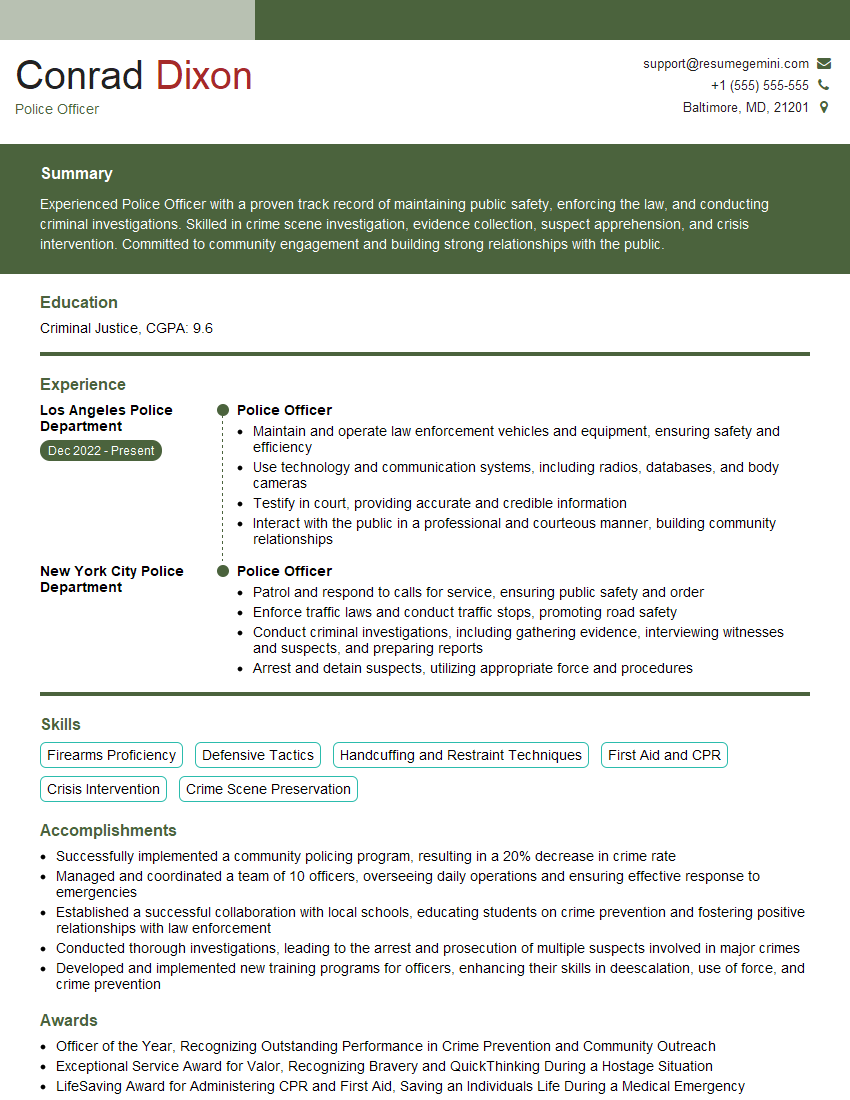
Police Officer Resume Sample
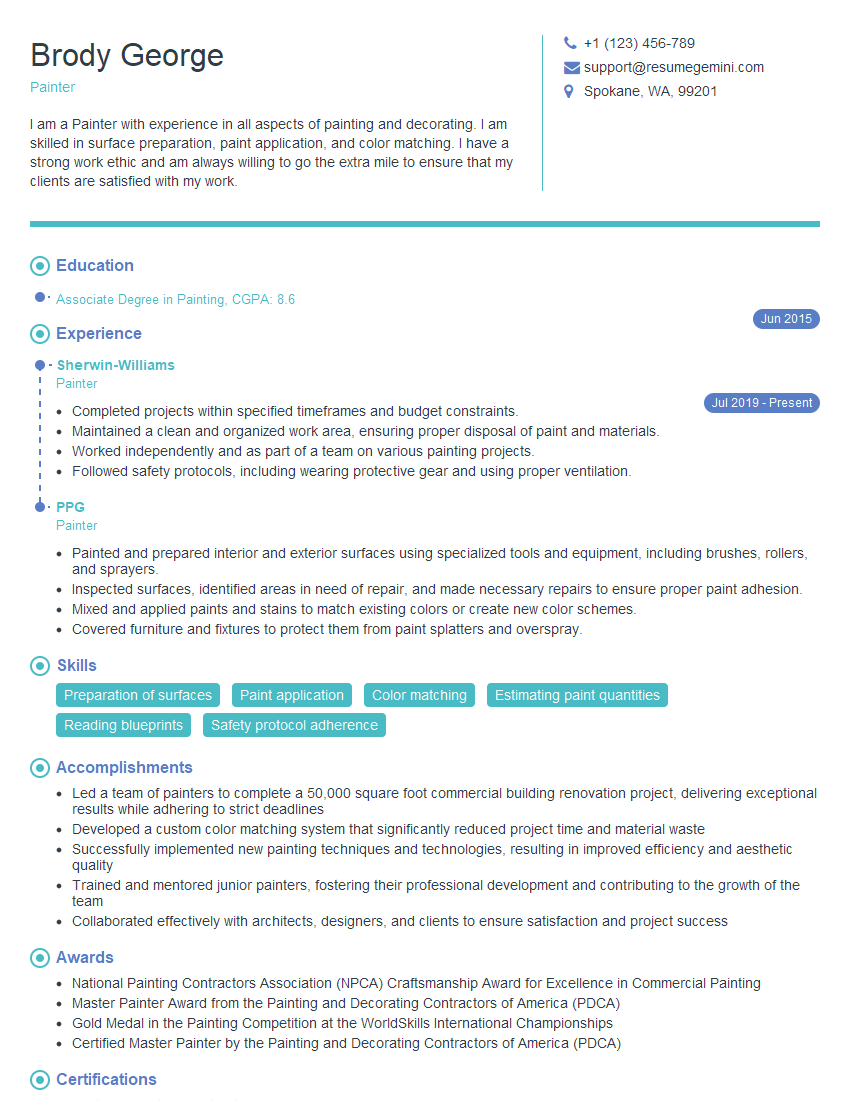
Painter Resume Sample
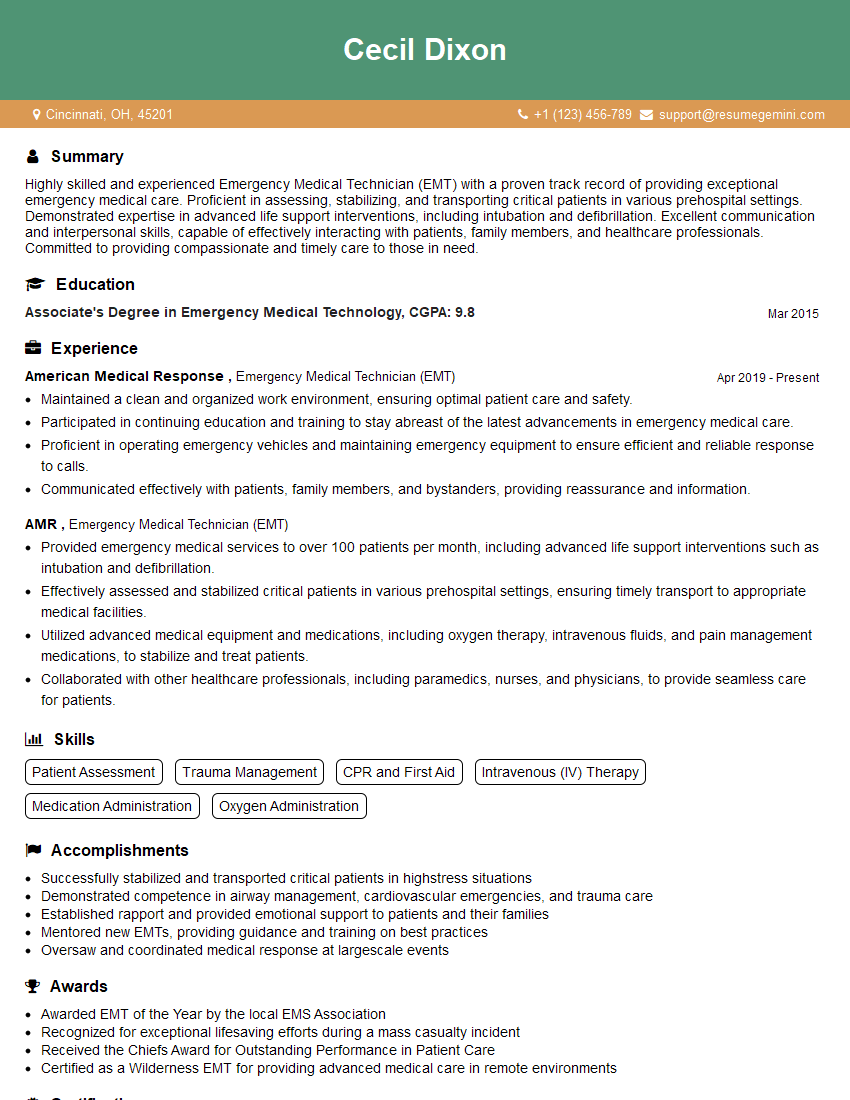
Emergency Medical Technician (EMT) Resume Sample
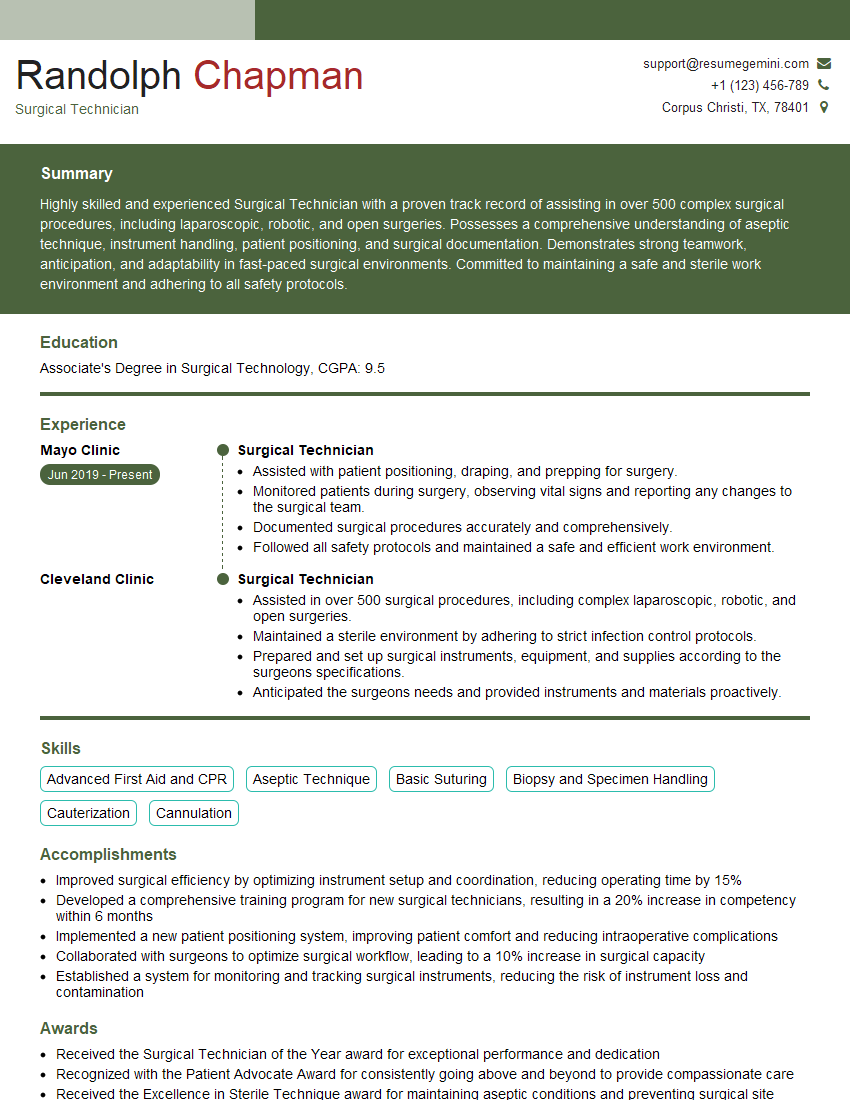
Surgical Technician Resume Sample
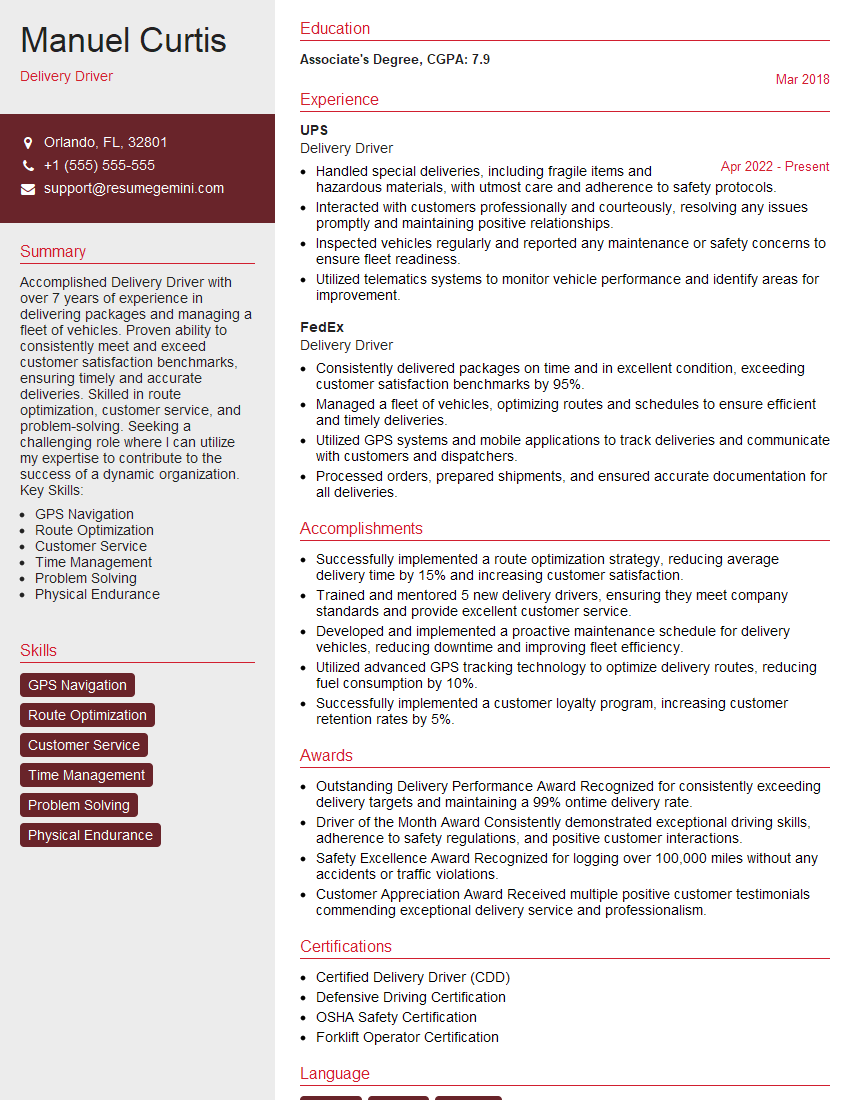
Delivery Driver Resume Sample
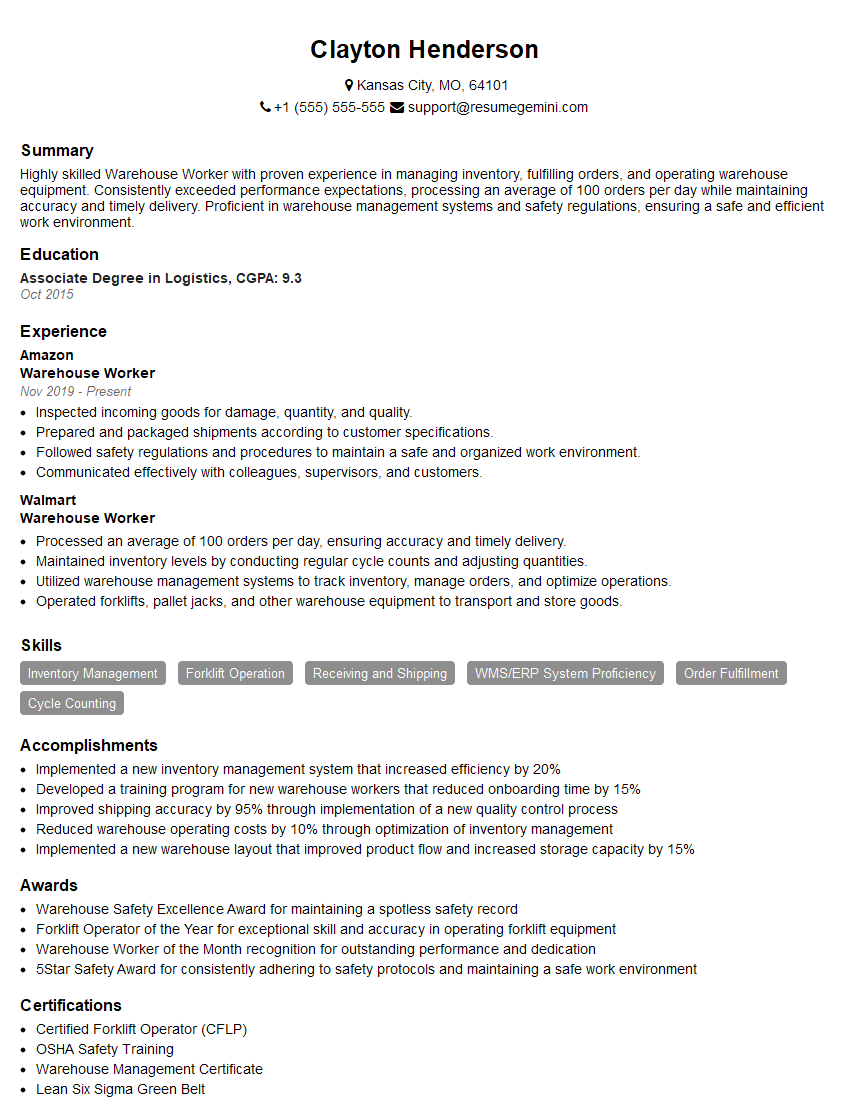
Warehouse Worker Resume Sample
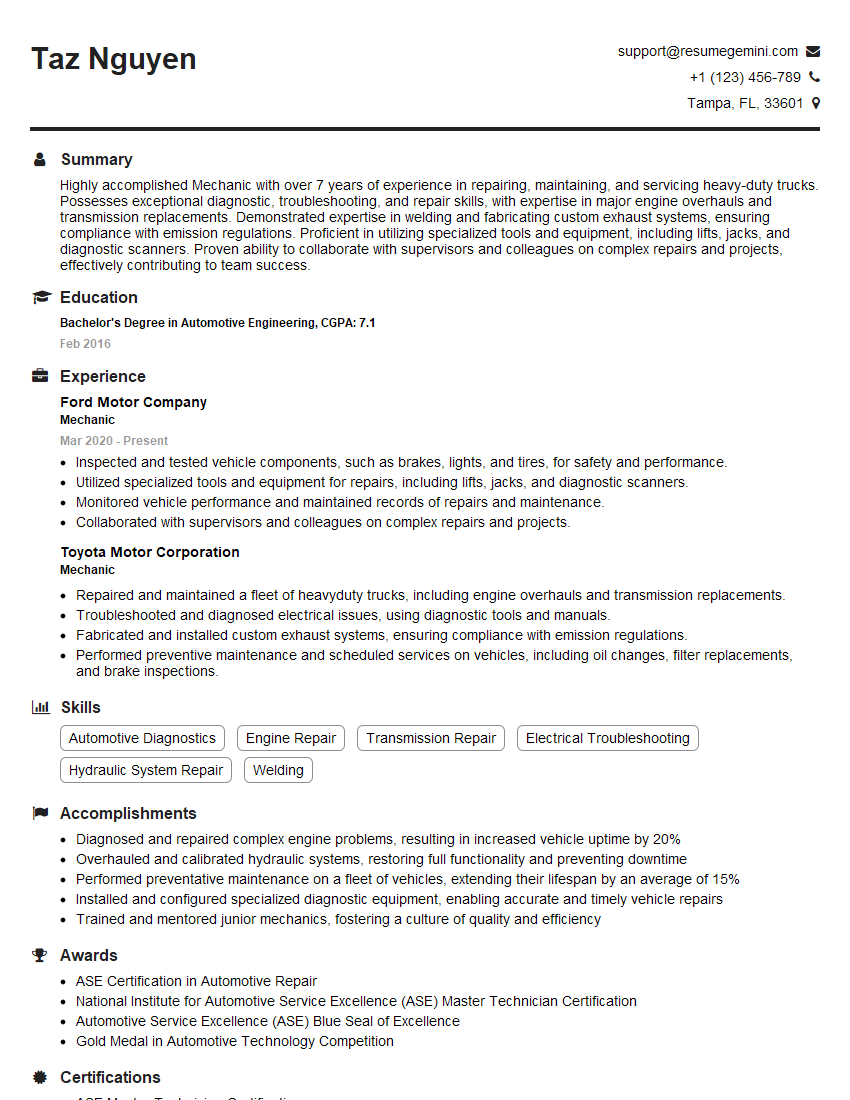
Mechanic Resume Sample
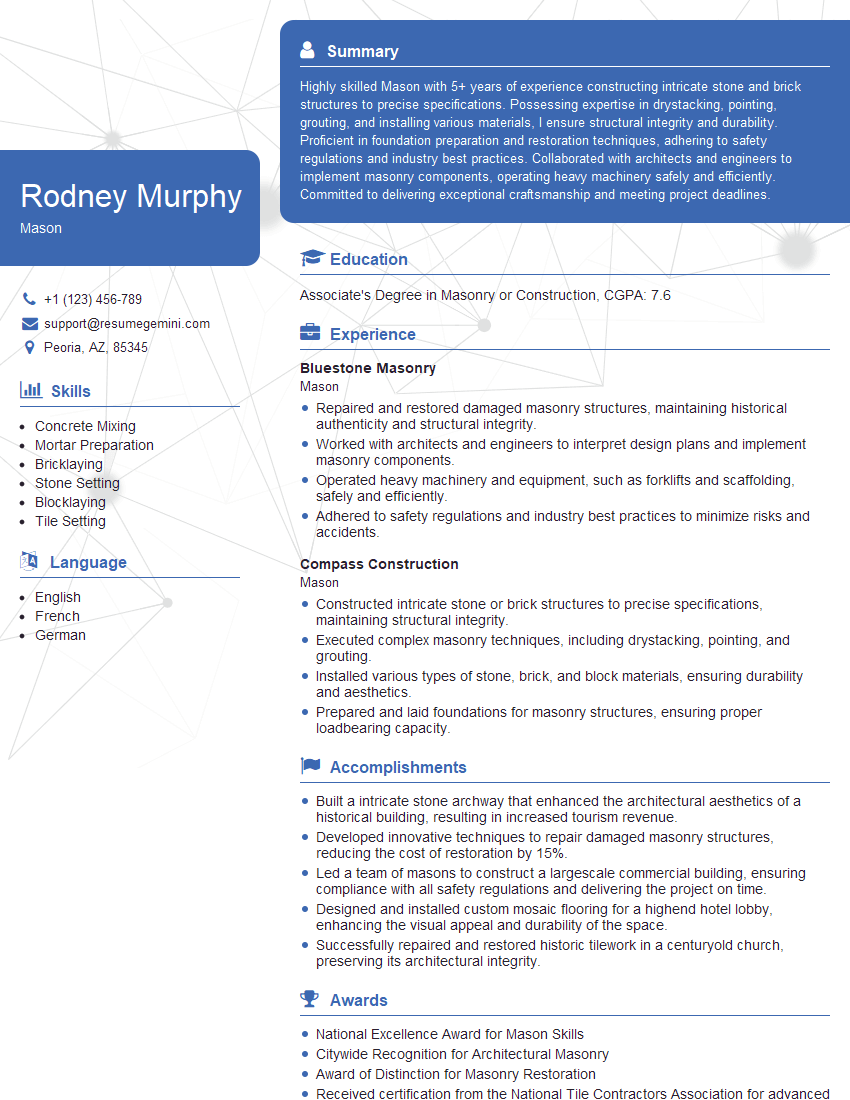
Mason Resume Sample
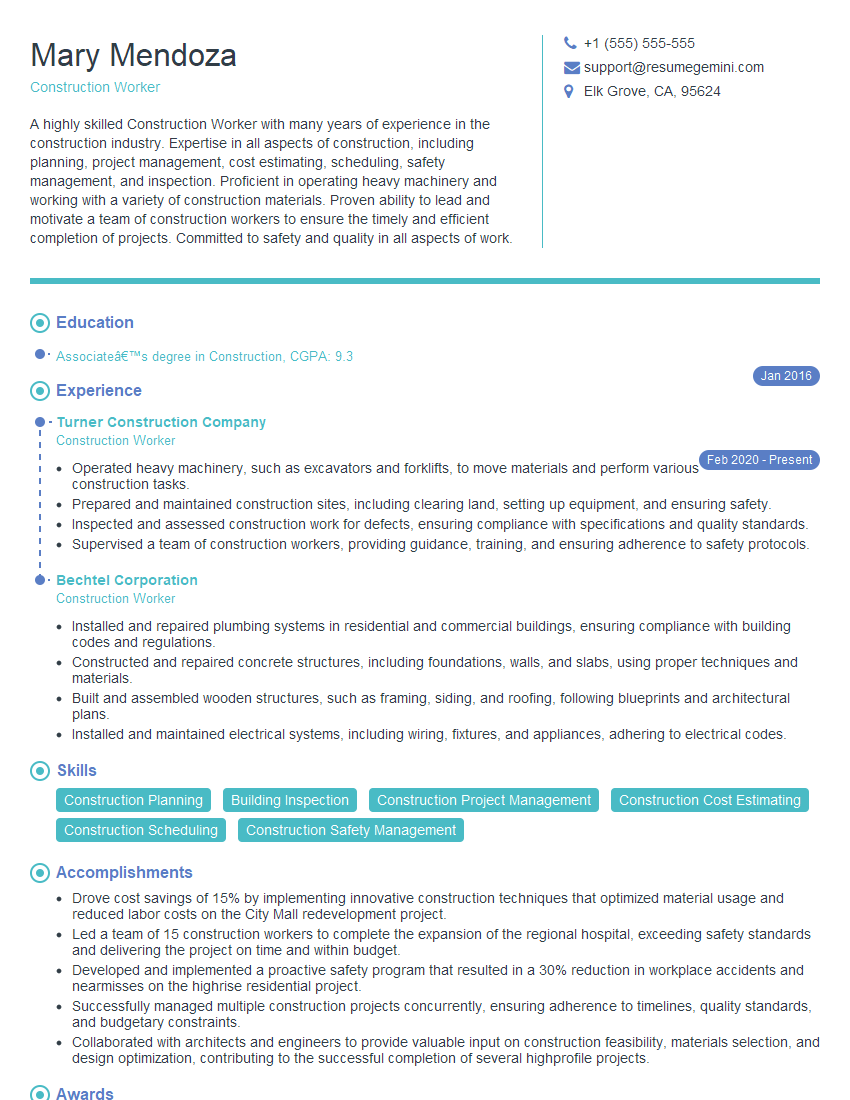
Construction Worker Resume Sample
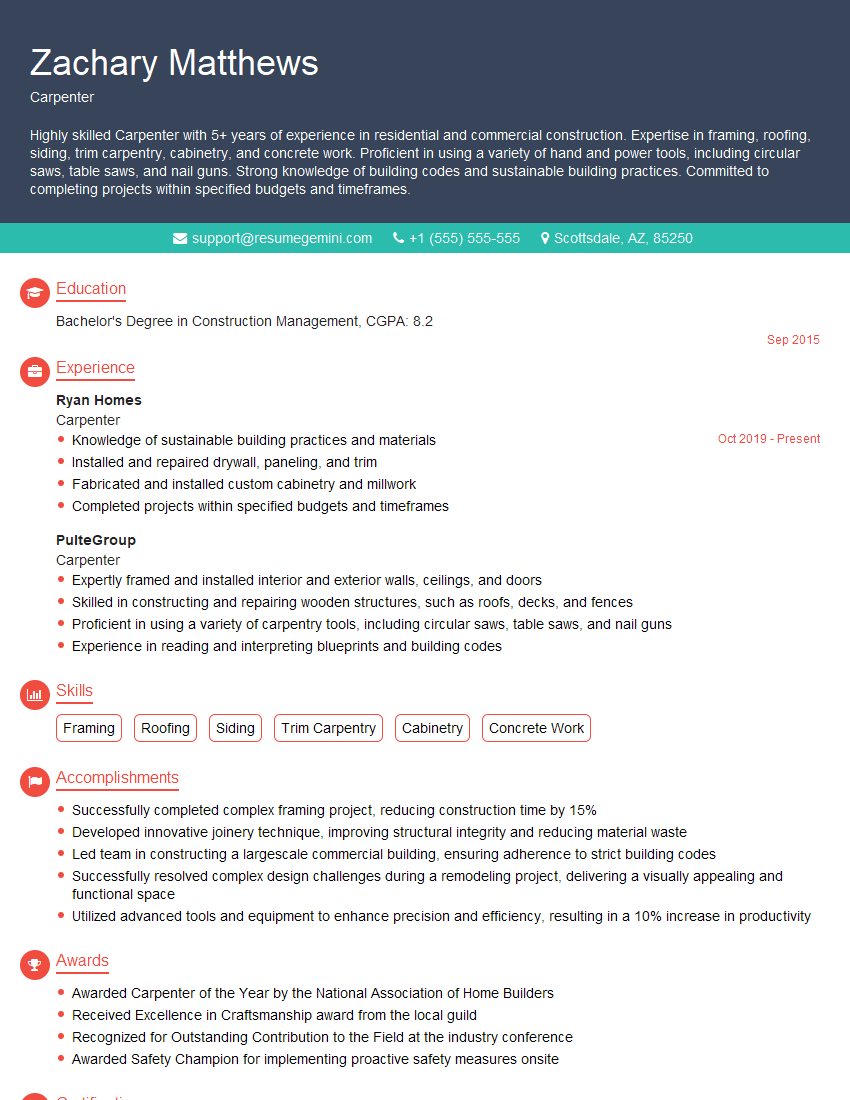
Carpenter Resume Sample
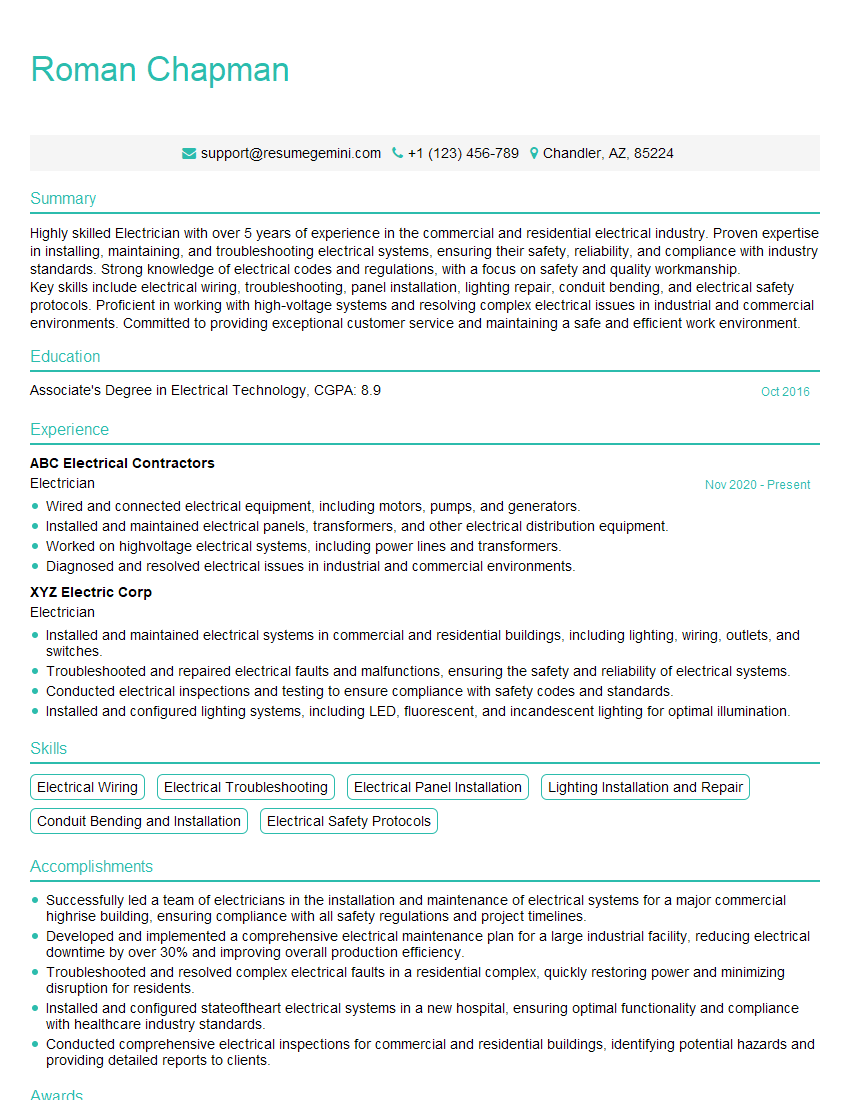
Electrician Resume Sample
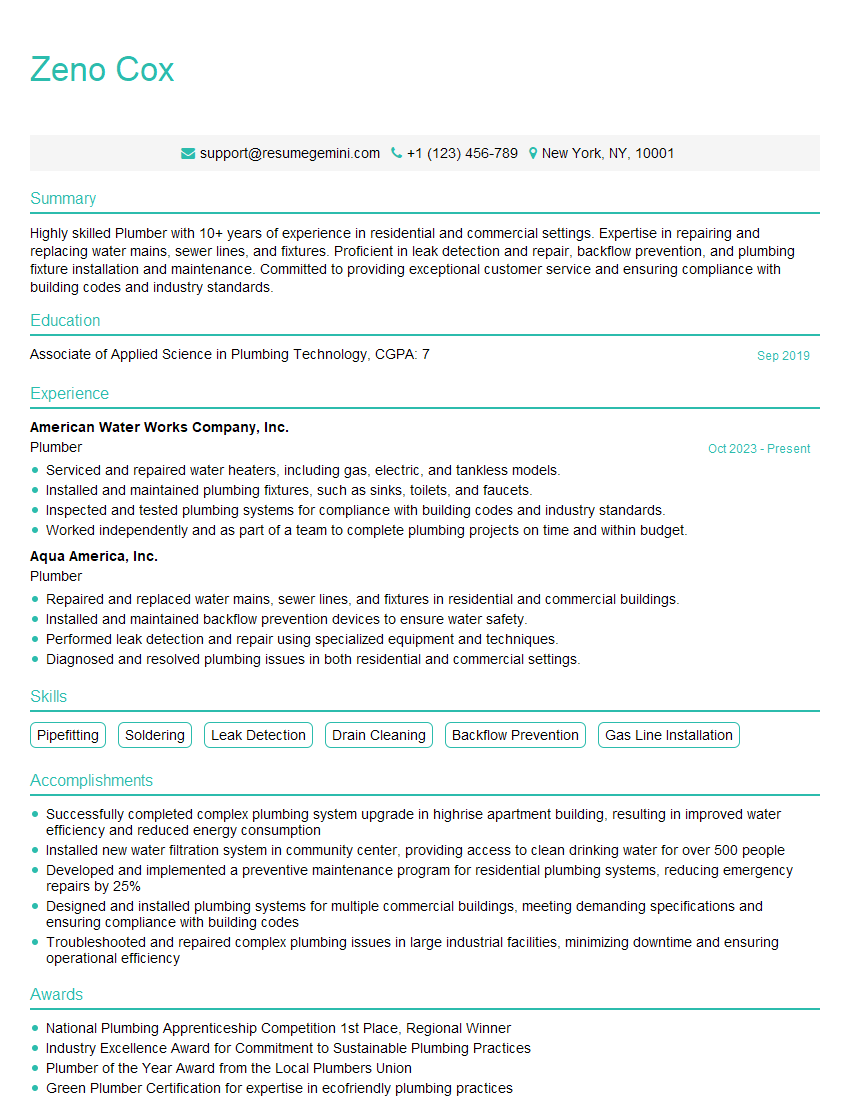
Plumber Resume Sample
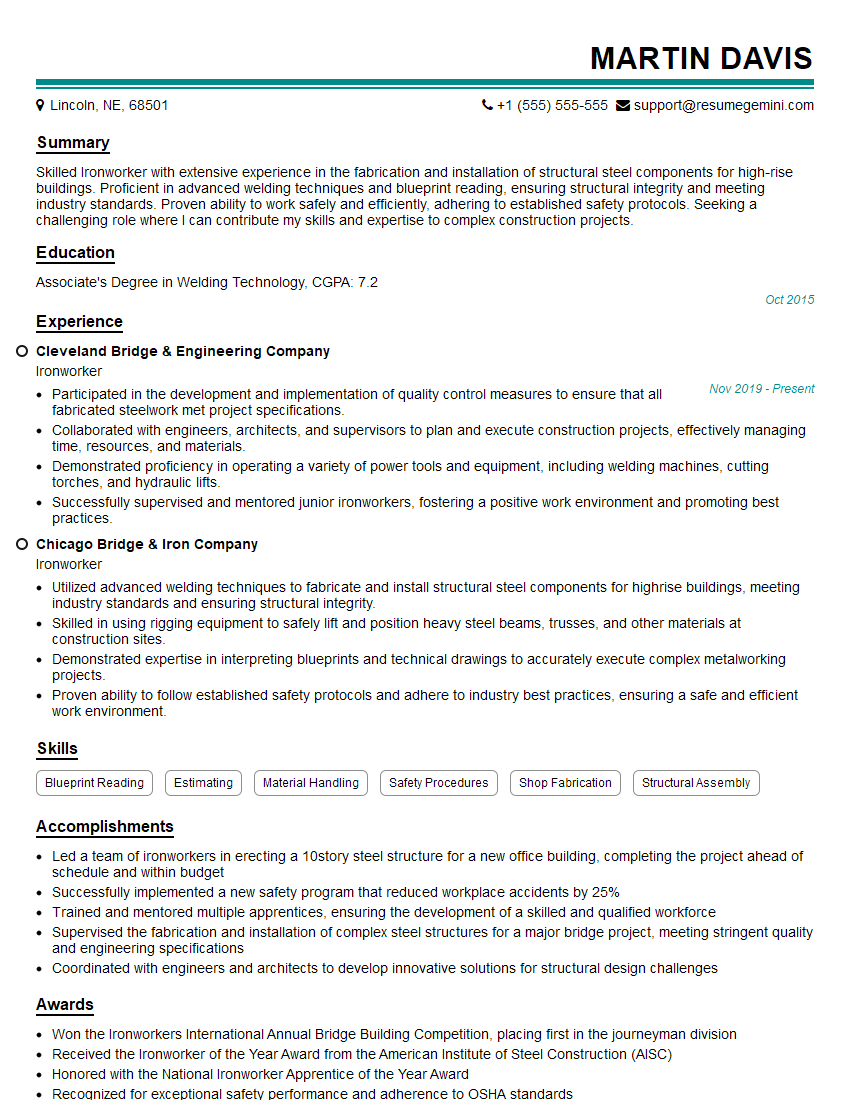
Ironworker Resume Sample
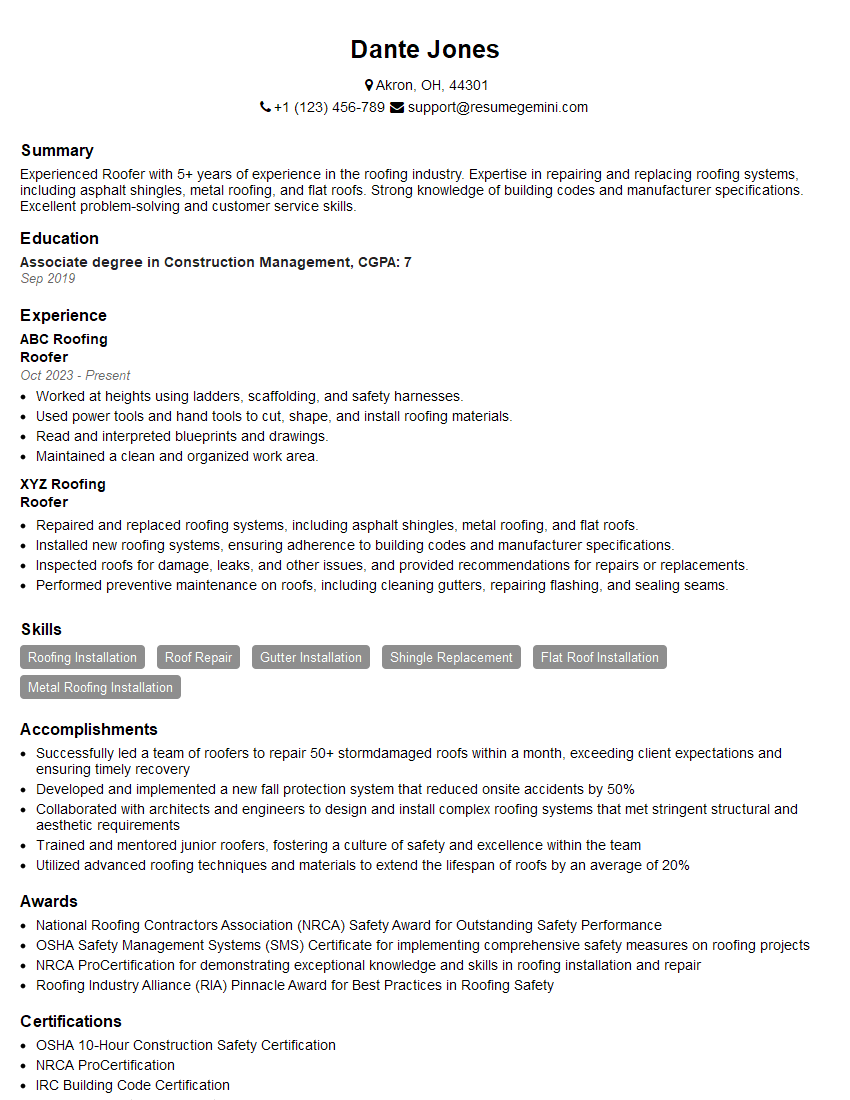
Roofer Resume Sample
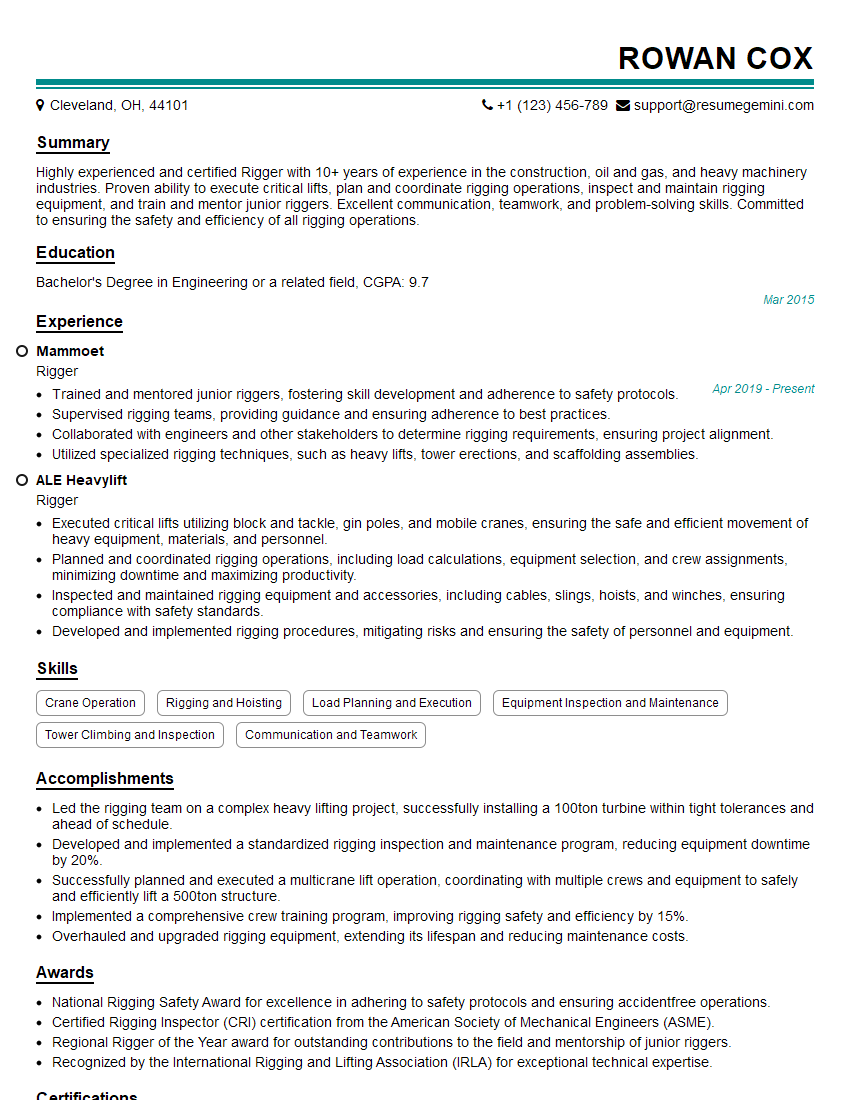
Rigger Resume Sample
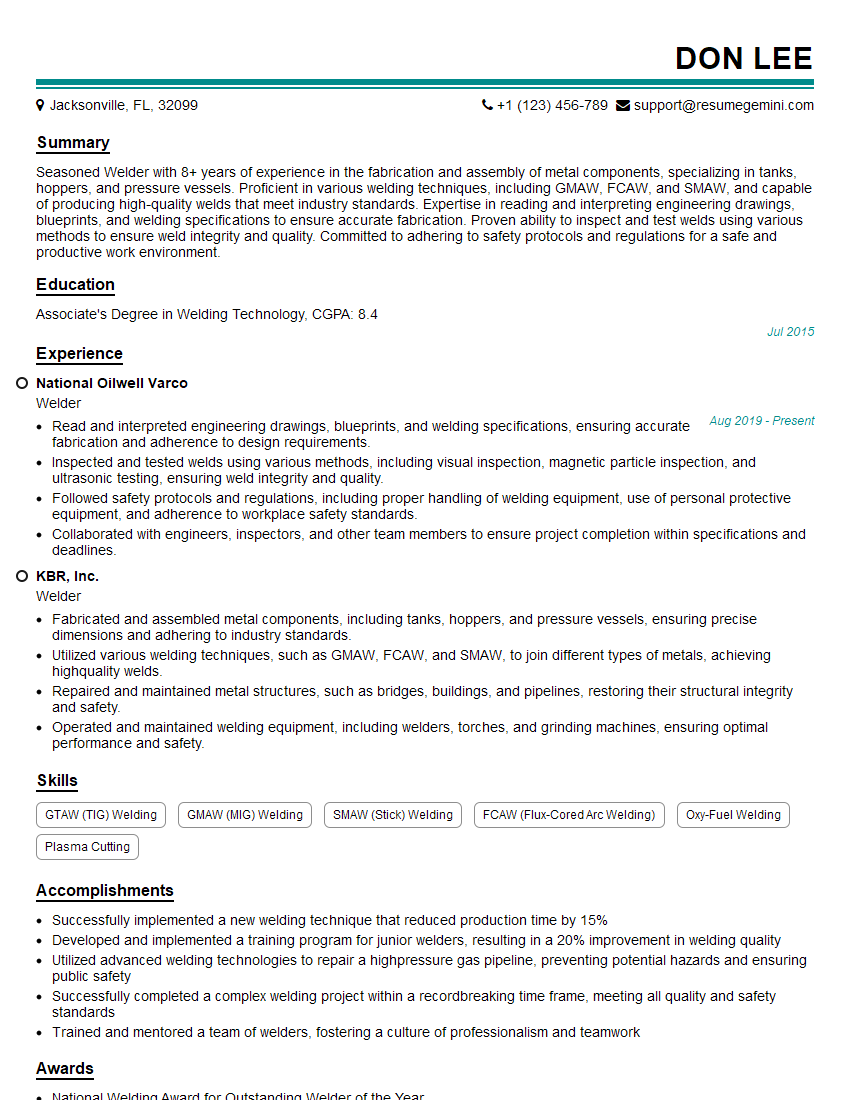
Welder Resume Sample
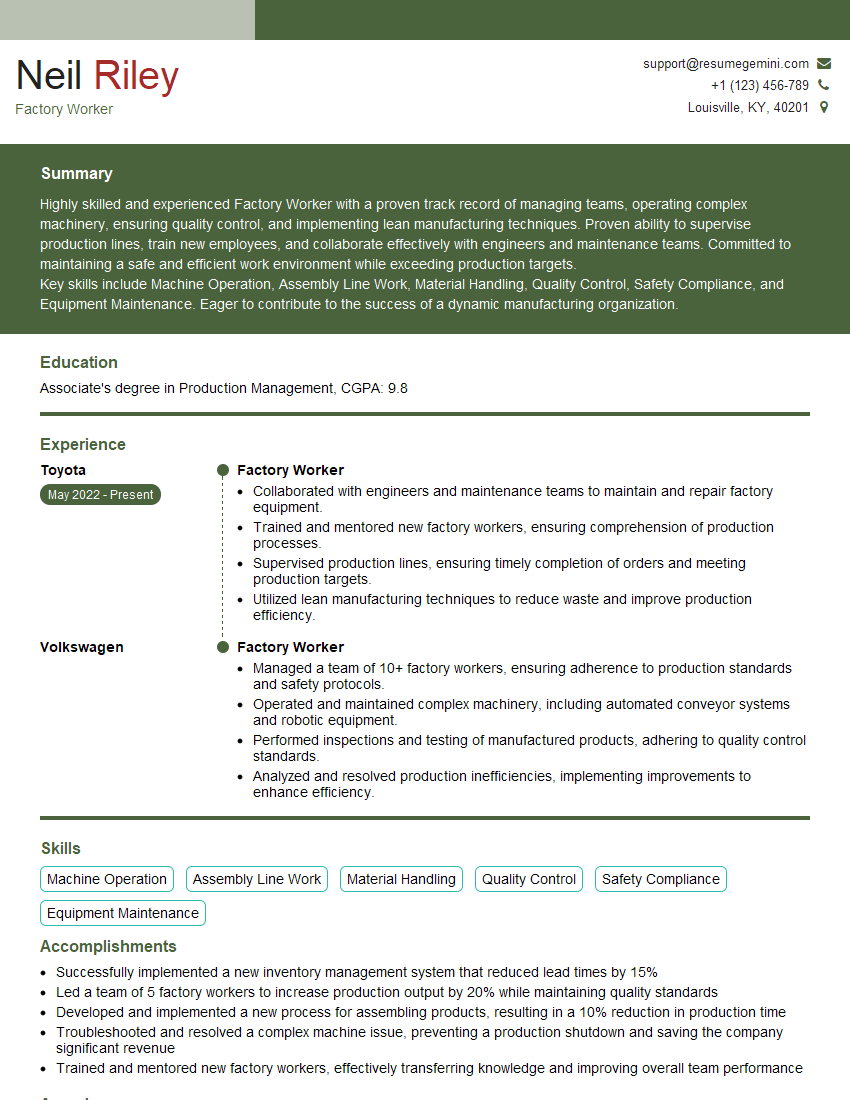
Factory Worker Resume Sample
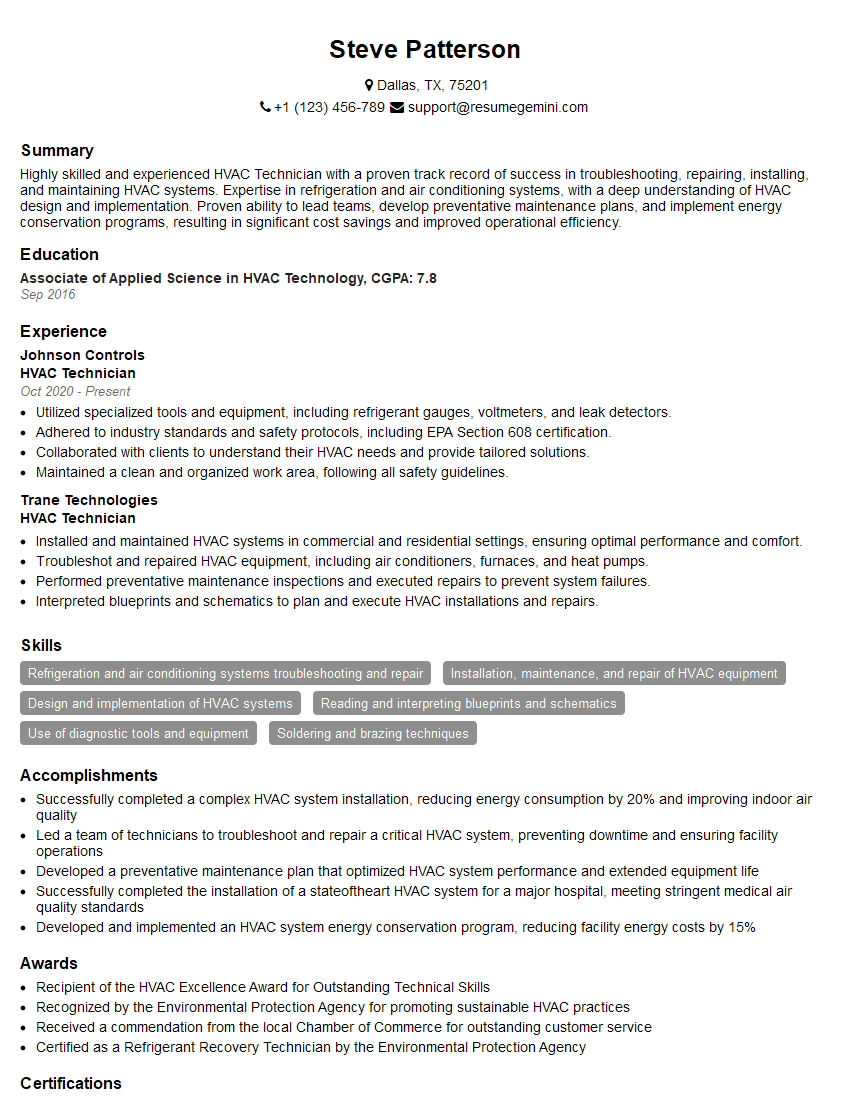
HVAC Technician Resume Sample
Explore more articles
Users Rating of Our Blogs
Share Your Experience
We value your feedback! Please rate our content and share your thoughts (optional).
What Readers Say About Our Blog
Very informative content, great job.
good