Unlock your full potential by mastering the most common Physical Testing and Analysis interview questions. This blog offers a deep dive into the critical topics, ensuring you’re not only prepared to answer but to excel. With these insights, you’ll approach your interview with clarity and confidence.
Questions Asked in Physical Testing and Analysis Interview
Q 1. Explain the difference between tensile strength and yield strength.
Tensile strength and yield strength are both crucial mechanical properties describing a material’s resistance to deformation under tension, but they represent different stages of this process. Tensile strength is the maximum stress a material can withstand before it breaks or fractures. Think of it as the ultimate breaking point. Yield strength, on the other hand, represents the stress at which the material begins to deform permanently. Beyond this point, the material will not return to its original shape once the load is removed. Imagine stretching a rubber band; yield strength is the point where it starts to stretch permanently, and tensile strength is when it finally snaps.
In simpler terms: Tensile strength tells us the maximum load a material can handle before failure, while yield strength indicates the point at which permanent deformation begins. Knowing both is crucial in engineering design to ensure structural integrity and prevent catastrophic failures.
Q 2. Describe the process of conducting a tensile test.
A tensile test is a fundamental materials science experiment that measures a material’s response to a uniaxial tensile load. The process involves clamping a standardized specimen (usually a dogbone shape) into a testing machine. The machine then applies a controlled tensile force, gradually increasing the load. During the test, the machine continuously measures the applied force and the resulting elongation of the specimen. This data is then used to generate a stress-strain curve, a graph that provides critical information about the material’s mechanical properties, including tensile strength, yield strength, elongation, and modulus of elasticity.
The specimen is carefully aligned to ensure uniform stress distribution. The test is typically conducted at a controlled rate of deformation or load. Data acquisition systems automatically record the load and elongation data throughout the test. After the specimen fractures, the ultimate tensile strength and elongation at break are determined from the stress-strain curve. This helps engineers understand the material’s behavior and use it appropriately in applications, such as designing bridges or aircraft components.
Q 3. What are the common methods for determining hardness?
Hardness testing measures a material’s resistance to indentation or scratching. Several methods exist, each using a different indenter and measurement technique:
- Brinell Hardness Test: Uses a hard steel ball or carbide indenter pressed into the material under a known load. Hardness is determined by the size of the resulting indentation.
- Rockwell Hardness Test: Employs a diamond cone or steel ball indenter. Hardness is determined from the depth of penetration under different load conditions (various Rockwell scales exist, e.g., Rockwell A, B, C).
- Vickers Hardness Test: Uses a diamond pyramid indenter. Hardness is calculated from the diagonal length of the resulting square indentation. It provides highly precise measurements across a wide range of materials.
- Shore Durometer: Measures the resistance of rubber-like materials to indentation. A needle is pressed into the material, and the hardness is based on the depth of penetration.
The choice of method depends on the material being tested and the required level of precision. For example, the Rockwell test is often used for metals, while the Shore Durometer is suitable for rubbers and plastics. These tests are vital for quality control and material selection in manufacturing industries.
Q 4. Explain the principles of impact testing.
Impact testing evaluates a material’s ability to absorb energy upon impact. It is particularly important for assessing a material’s toughness and resistance to brittle fracture at high strain rates. The test typically involves striking a notched specimen with a pendulum hammer or other impact device. The energy absorbed during fracture is measured, providing an indication of the material’s impact resistance.
The principles revolve around measuring the energy absorbed by the specimen during fracture. A higher energy absorption indicates greater toughness and resistance to sudden impact. Factors influencing the results include specimen geometry (notch type and size), temperature, and the strain rate of the impact. Impact testing is crucial in applications requiring high impact resistance, such as designing safety components for automobiles or evaluating the performance of structural materials in extreme conditions. A material that is strong in a tensile test may perform poorly under impact loading.
Q 5. How do you interpret a stress-strain curve?
A stress-strain curve is a graphical representation of a material’s response to applied stress. The x-axis represents strain (deformation), and the y-axis represents stress (force per unit area). Interpreting this curve provides valuable information about the material’s mechanical properties:
- Elastic Region: The initial linear portion shows elastic deformation, where the material returns to its original shape after the load is removed. The slope of this region is the Young’s modulus (modulus of elasticity), representing the material’s stiffness.
- Yield Point: The point where the curve deviates from linearity, marking the onset of permanent deformation (plastic deformation).
- Ultimate Tensile Strength: The highest point on the curve, representing the maximum stress the material can withstand before failure.
- Fracture Point: The point where the material breaks.
- Ductility: The ability of a material to deform plastically before fracture, measured by elongation or reduction in area.
By analyzing these features, engineers can determine a material’s suitability for specific applications. For example, a material with high yield strength and ductility is ideal for applications requiring both strength and formability.
Q 6. What are the different types of fatigue testing?
Fatigue testing examines a material’s behavior under cyclic loading conditions. Failure under fatigue loading occurs at stresses significantly lower than the material’s ultimate tensile strength. Several types of fatigue testing exist:
- Rotating Bending Fatigue Test: A specimen is subjected to cyclic bending stress by rotating it while a load is applied.
- Axial Fatigue Test: The specimen experiences cyclic tensile and compressive loads along its longitudinal axis.
- Torsional Fatigue Test: A twisting moment is applied cyclically to the specimen.
- Strain-Controlled Fatigue Test: The strain amplitude is controlled, providing information on fatigue life at various strain levels.
These tests aim to determine the fatigue life (number of cycles to failure) under different loading conditions. This information is critical for designing components that experience repeated loading, such as aircraft wings or bridge components, to prevent fatigue failures.
Q 7. Describe the process of conducting a Charpy impact test.
The Charpy impact test is a standard impact test that measures the energy absorbed by a notched specimen during fracture. A pendulum hammer, with a known initial potential energy, is released, striking the specimen centrally. The energy remaining in the pendulum after impact is measured. The difference between the initial and final energy is the energy absorbed by the specimen during fracture. This energy is reported as the impact toughness of the material.
The specimen, usually a rectangular bar with a standardized notch, is supported on anvils. The pendulum’s swing is measured before and after impact. The test is usually conducted at different temperatures to assess the material’s transition temperature from ductile to brittle behavior. Low energy absorption indicates low toughness and potential for brittle fracture, while high energy absorption signifies good toughness and resistance to impact.
Q 8. Explain the significance of creep testing.
Creep testing is crucial for determining a material’s long-term behavior under sustained stress. Imagine a bridge under constant load – creep testing helps predict how much it might deform or even fail over many years. It measures the time-dependent deformation of a material subjected to a constant load at a constant temperature. This is especially important for materials used in high-temperature applications like power plants or aerospace components where slow, gradual deformation can lead to catastrophic failure.
The test typically involves applying a constant load to a specimen and measuring its elongation (or change in dimensions) over time. A creep curve is then plotted, showing the strain as a function of time. This curve reveals important material properties such as the creep rate (how fast the material deforms), the time to rupture (how long it takes to fail), and the primary, secondary, and tertiary stages of creep. Understanding these stages helps engineers select appropriate materials and design components with sufficient safety margins.
For example, a turbine blade in a jet engine experiences high temperatures and stresses during operation. Creep testing ensures that the blade will not deform excessively or fail prematurely, ensuring safe and reliable engine operation. The data from creep testing informs decisions on material selection, component design, and operational limits.
Q 9. What are the different types of non-destructive testing (NDT) methods?
Non-destructive testing (NDT) encompasses a variety of methods used to evaluate the properties of a material, component, or structure without causing damage. Think of it as a thorough medical check-up for an object! It’s essential for ensuring quality, safety, and preventing costly failures.
- Visual Inspection: The simplest method, involving a careful visual examination for surface defects.
- Liquid Penetrant Testing (LPT): Identifies surface-breaking flaws by using a dye that penetrates the crack and is then revealed using a developer.
- Magnetic Particle Testing (MPT): Detects surface and near-surface flaws in ferromagnetic materials by using magnetic fields and iron particles.
- Ultrasonic Testing (UT): Uses high-frequency sound waves to detect internal flaws and measure thickness.
- Radiographic Testing (RT): Uses X-rays or gamma rays to create images of internal structures and detect flaws.
- Eddy Current Testing (ECT): Uses electromagnetic induction to detect surface and near-surface flaws in conductive materials.
The choice of NDT method depends on the material being tested, the type of flaws expected, and the accessibility of the component.
Q 10. Explain the principles of ultrasonic testing.
Ultrasonic testing relies on the principle of sound wave reflection. Imagine shouting into a cave and listening for the echoes – UT is similar, but uses high-frequency sound waves (ultrasound) that are beyond human hearing. These waves are transmitted into the material being inspected using a transducer. When the waves encounter a flaw or a change in material properties (like a crack or inclusion), some of the sound energy is reflected back to the transducer.
The time it takes for the sound wave to travel to the flaw and back is measured, allowing us to determine the flaw’s depth. The amplitude of the reflected signal indicates the size or severity of the flaw. Different ultrasonic techniques exist, such as pulse-echo (where the same transducer sends and receives the sound waves) and through-transmission (where separate transducers are used for sending and receiving). UT is particularly useful for detecting internal flaws in various materials like metals, composites, and ceramics, making it indispensable in aerospace, automotive, and manufacturing industries.
For instance, in the aerospace industry, ultrasonic testing is used to inspect aircraft components for hidden cracks or delaminations that could compromise structural integrity. The high sensitivity of the technique helps ensure the safety of aircraft.
Q 11. Describe the process of conducting a visual inspection.
Visual inspection is the most basic but often overlooked NDT method. It involves a careful and systematic examination of the component’s surface using the naked eye, sometimes with the aid of magnification tools like magnifying glasses or borescopes. The goal is to identify any visible surface defects such as cracks, scratches, corrosion, dents, or misalignment.
A thorough visual inspection requires good lighting, a clean surface, and a trained inspector. The inspector should follow a predefined checklist to ensure consistent and comprehensive coverage of the component’s surface. Documentation is critical, with photographs or sketches recording any detected defects. Proper lighting and magnification are crucial for detailed examination. For example, a visual inspection of a weld might reveal surface porosity or incomplete fusion. Similarly, checking a finished product for cosmetic flaws is a type of visual inspection.
The process typically includes preparing the surface (cleaning), using appropriate lighting, employing magnification as needed, documenting findings and utilizing standardized reporting procedures.
Q 12. What is the purpose of dimensional inspection?
Dimensional inspection verifies that a component’s physical dimensions conform to the specified design requirements. Think of it as quality control for size and shape. This ensures that the manufactured part will function as intended and will be compatible with other components in an assembly. Inaccurate dimensions can lead to functional failures, poor fit, or even safety hazards.
Various tools and techniques are used in dimensional inspection, including measuring instruments like calipers, micrometers, and dial indicators. More advanced methods involve coordinate measuring machines (CMMs) which provide highly accurate three-dimensional measurements. The process involves comparing the measured dimensions to the design specifications and determining whether the part is within acceptable tolerances. Dimensional inspection is crucial in manufacturing, aerospace, and other industries where precise dimensions are vital for proper function.
For example, the precise dimensions of engine parts are crucial for correct assembly and operation; any deviation can result in problems. The dimensional accuracy of a medical implant needs to be extremely precise for it to function properly. These needs are met through accurate dimensional inspection.
Q 13. Explain the principles of liquid penetrant testing.
Liquid penetrant testing (LPT) is a widely used NDT method for detecting surface-breaking flaws in various materials. Imagine spilling ink on a cracked surface – the ink will seep into the crack, making it visible. LPT works on a similar principle.
The process involves applying a liquid penetrant to the surface of the component. This penetrant is drawn into any surface-breaking cracks or flaws by capillary action. After a dwell time, the excess penetrant is removed, and a developer is applied. The developer draws the penetrant out of the flaws, making them clearly visible. Different types of penetrants and developers are available, depending on the material and the type of flaw being inspected.
LPT is relatively simple, inexpensive, and portable, making it suitable for on-site inspections. It is effective for detecting a wide range of surface flaws in various materials, including metals, plastics, and ceramics. For example, LPT can be used to detect cracks in welds, casting defects in engine blocks, or surface flaws in aircraft components.
Q 14. What are the common types of failure modes in materials?
Materials can fail in various ways, depending on the applied stress, the material’s properties, and the environment. Understanding these failure modes is crucial for designing reliable and safe components.
- Fracture: The separation of a material into two or more pieces under stress. This can be brittle (sudden, without much deformation) or ductile (with significant plastic deformation before fracture).
- Fatigue: Failure under cyclic loading, even if the maximum stress is below the material’s yield strength. Think of a metal spoon bending repeatedly until it breaks.
- Creep: Time-dependent deformation under sustained stress, as discussed earlier.
- Corrosion: Degradation of material properties due to chemical reactions with the environment.
- Wear: Degradation of material due to friction or abrasion.
- Yielding: Permanent deformation of a material under stress beyond its yield strength.
The specific failure mode will influence the choice of materials, design, and testing procedures. A thorough understanding of failure modes is crucial for ensuring product safety and reliability.
Q 15. How do you identify the root cause of material failure?
Identifying the root cause of material failure requires a systematic approach combining visual inspection, material characterization, and failure analysis techniques. It’s like detective work – we need to gather clues to understand the ‘crime scene’.
Visual Inspection: This initial step involves carefully examining the failed component for cracks, deformation, corrosion, or any other visible defects. This often provides important clues about the failure mechanism.
Microscopic Analysis: Techniques like scanning electron microscopy (SEM) and optical microscopy are employed to analyze the fracture surfaces at a micro-level. This helps identify the crack initiation site, crack propagation path, and the fracture mode (ductile, brittle, fatigue).
Mechanical Testing: Testing the remaining material helps determine its mechanical properties (tensile strength, yield strength, hardness, etc.) to see if they meet specifications. Deviations may point to processing errors or material degradation.
Chemical Analysis: Techniques like X-ray diffraction (XRD) and energy-dispersive X-ray spectroscopy (EDS) help determine the material’s composition and identify any impurities or unexpected elements that may have contributed to the failure.
Finite Element Analysis (FEA): For complex components, FEA can simulate loading conditions and predict stress distributions. This can help identify areas of high stress concentration that could have initiated failure.
For example, a brittle fracture in a steel component might point towards a flaw in the material, incorrect heat treatment, or excessive stress during service. A fatigue failure, on the other hand, might suggest cyclic loading beyond the material’s endurance limit. By combining these investigative methods, we can build a comprehensive picture and pinpoint the root cause of failure.
Career Expert Tips:
- Ace those interviews! Prepare effectively by reviewing the Top 50 Most Common Interview Questions on ResumeGemini.
- Navigate your job search with confidence! Explore a wide range of Career Tips on ResumeGemini. Learn about common challenges and recommendations to overcome them.
- Craft the perfect resume! Master the Art of Resume Writing with ResumeGemini’s guide. Showcase your unique qualifications and achievements effectively.
- Don’t miss out on holiday savings! Build your dream resume with ResumeGemini’s ATS optimized templates.
Q 16. What is the difference between static and dynamic testing?
Static and dynamic testing differ primarily in how the load is applied to the material. Imagine a tug-of-war: static testing is like a slow, steady pull, while dynamic testing is like a series of quick, forceful jerks.
Static Testing: Involves applying a load slowly and steadily until failure occurs or a specific deformation is reached. This is used to determine material properties like tensile strength, yield strength, and compressive strength. Examples include tensile tests, compression tests, and hardness tests. The load is applied relatively slowly, allowing for equilibrium conditions.
Dynamic Testing: Involves applying a load rapidly, often in the form of impact or shock. This is used to determine material behavior under high-speed loading, such as impact resistance, fatigue strength, and fracture toughness. Examples include Charpy impact testing, fatigue testing, and drop weight testing. High strain rates and inertial effects are significant factors here.
For instance, a bridge is designed using static tests to ensure it can withstand the weight of vehicles at rest and in motion. However, to ensure it survives an earthquake, we would employ dynamic testing to assess its ability to withstand shock loads.
Q 17. Explain the concept of fracture toughness.
Fracture toughness measures a material’s resistance to crack propagation. Think of it as a material’s ability to ‘absorb’ a crack before it catastrophically fails. A material with high fracture toughness can withstand cracks better than one with low fracture toughness.
It’s quantified as the stress intensity factor (KIc) at which a crack starts to propagate unstably in a material under specific loading conditions. Several factors influence fracture toughness, including material composition, microstructure, temperature, and the presence of defects.
A higher KIc value indicates greater resistance to crack propagation. Materials like some high-strength steels and titanium alloys exhibit high fracture toughness, making them suitable for applications where crack tolerance is crucial, such as aircraft structures or pressure vessels. Conversely, brittle materials like ceramics often have low fracture toughness, rendering them susceptible to catastrophic failure even from small cracks.
Measuring fracture toughness often involves tests like the Compact Tension (CT) test or the three-point bend test on pre-cracked specimens.
Q 18. What are the different types of wear testing?
Wear testing evaluates how materials resist degradation due to friction and surface interactions. Several methods exist, each tailored to specific applications and wear mechanisms:
Pin-on-Disc: A pin specimen is pressed against a rotating disc, simulating sliding wear. It’s simple and widely used but may not always replicate real-world conditions.
Block-on-Ring: Similar to pin-on-disc, but with larger specimens, allowing for more realistic wear simulations.
Reciprocating Wear Tester: The specimens reciprocate back and forth against each other, simulating more complex loading and wear patterns. This mimics conditions like those in engine cylinders.
Four-Ball Wear Tester: Three stationary balls are positioned around a rotating ball, which creates high contact pressure and rolling wear, ideal for lubricant testing.
Taber Abraser: This uses abrasive wheels to simulate wear from contact with particulate matter or abrasive surfaces.
The choice of wear test depends on the specific application. For example, testing engine components might require reciprocating wear testing, while evaluating the wear resistance of a floor covering could use a Taber abraser.
Q 19. Describe the process of conducting a compression test.
A compression test measures a material’s resistance to deformation under compressive loads – essentially, how much it squashes before failing. It’s a fundamental mechanical test, much like stretching a rubber band to see how far it extends before breaking. But instead of stretching, we’re compressing.
Specimen Preparation: A cylindrical or cubical specimen is prepared with precise dimensions, ensuring smooth, parallel surfaces for accurate load application.
Test Setup: The specimen is placed between the platens of a universal testing machine. The platens need to be clean and parallel, to avoid any uneven load distribution.
Load Application: A compressive load is applied gradually at a controlled rate, often measured in mm/min. The machine measures both the applied force and the resulting deformation (reduction in height).
Data Acquisition: The force and deformation data are continuously recorded throughout the test. This data is then used to construct a stress-strain curve, highlighting the material’s yield strength, ultimate compressive strength, and modulus of elasticity under compression.
Failure Analysis: Once the test is completed, the failure mode (e.g., buckling, shearing) is analyzed to help interpret the results and understand the material’s behavior under compression.
This test provides critical data for material selection in many applications, from structural elements to packaging materials.
Q 20. How do you ensure the accuracy and precision of your test results?
Ensuring accuracy and precision in physical testing involves meticulous attention to detail throughout the entire process, from sample preparation to data analysis. It’s like baking a cake – using precise ingredients and following the recipe carefully will result in a consistent product.
Calibration: Regular calibration of testing equipment, such as universal testing machines and hardness testers, is crucial to verify their accuracy against known standards. Think of this like calibrating a weighing scale to ensure accurate measurements.
Proper Sample Preparation: The specimen must be prepared according to standardized procedures to minimize variations and ensure homogeneity. This includes proper dimensions, surface finish, and ensuring the specimen is representative of the whole material.
Controlled Testing Environment: Maintaining a consistent testing environment with controlled temperature and humidity helps to avoid variations in test results. For instance, temperature variations might influence the material’s properties.
Multiple Test Specimens: Conducting tests on multiple specimens and averaging the results helps to improve the precision and statistical reliability of the test. This reduces the impact of minor specimen-to-specimen variations.
Data Analysis: Appropriate statistical methods should be employed to analyze the test data, identifying outliers and evaluating the overall uncertainty of the results. This helps quantify the error associated with the test measurements.
By adhering to these practices, we can build confidence in the accuracy and reliability of the testing data, allowing us to make informed decisions about the material’s suitability for a given application.
Q 21. What are the common sources of error in physical testing?
Several factors can introduce errors into physical testing, affecting the accuracy and reliability of the results. It’s important to be aware of these potential pitfalls to minimize their impact.
Equipment Errors: Malfunctioning equipment, improper calibration, and inadequate maintenance can lead to significant errors. This is why regular calibration and maintenance of equipment are paramount.
Specimen Preparation Errors: Inconsistent specimen preparation, such as variations in dimensions or surface finish, can significantly influence test results.
Environmental Factors: Fluctuations in temperature and humidity can affect material properties and lead to inaccurate measurements. Maintaining a controlled environment is critical.
Operator Errors: Incorrect test setup, improper application of load, or inaccurate data recording can introduce human error into the process.
Test Method Errors: Using an inappropriate test method for a given material or application can lead to inaccurate or misleading conclusions.
Material Variability: Inherent variations in material properties within a batch can also affect test results.
A rigorous quality control program is essential to minimize these sources of error and ensure the validity of the test results.
Q 22. How do you manage and analyze large datasets from physical testing?
Managing and analyzing large datasets from physical testing requires a structured approach. It’s not just about the sheer volume of data, but also ensuring its quality, accuracy, and relevance. My strategy involves several key steps:
- Data Cleaning and Preprocessing: This crucial initial phase involves identifying and handling missing values, outliers, and inconsistencies. For example, if a tensile test yields a negative elongation value, it’s clearly erroneous and needs investigation or removal. I utilize scripting languages like Python with libraries such as Pandas and NumPy to automate this process.
- Data Exploration and Visualization: I employ exploratory data analysis techniques to understand the data’s distribution, identify patterns, and detect anomalies. Histograms, scatter plots, and box plots created using tools like R or specialized statistical software packages are invaluable for this. For instance, visualizing stress-strain curves allows for quick identification of material properties and potential defects.
- Statistical Analysis: Once the data is cleaned and understood, appropriate statistical methods are applied. This might include calculating descriptive statistics (mean, standard deviation, etc.), performing hypothesis testing (e.g., t-tests, ANOVA), or fitting statistical models (e.g., regression analysis) to predict material behavior. Software like Minitab or JMP simplifies these analyses significantly.
- Data Management: Efficient data management is paramount. I use relational databases or specialized software for storing and organizing the data in a way that facilitates easy retrieval and analysis. This often involves creating structured data tables with clear labeling and metadata.
By combining these techniques, I ensure the large datasets are effectively managed, cleaned, and analyzed to yield meaningful insights that directly support decision-making in material selection, product design, and quality control.
Q 23. What software or tools are you familiar with for data analysis in physical testing?
My experience encompasses a wide range of software and tools for data analysis in physical testing. I’m proficient in several statistical packages, including:
- R: A powerful open-source language with extensive libraries for statistical computing, data visualization, and modeling. I’ve used R extensively for complex statistical analyses and custom script development for automating tasks.
- Python (with Pandas, NumPy, SciPy, Matplotlib): Python’s versatility makes it ideal for data manipulation, cleaning, analysis, and visualization. I regularly use these libraries to handle large datasets, perform statistical tests, and generate publication-quality graphs. For instance, I’ve used Python to automate the extraction of data from testing instruments and generate comprehensive reports.
- Minitab/JMP: These commercial statistical software packages provide user-friendly interfaces for conducting various statistical analyses, including DOE (Design of Experiments) and regression analysis. They are excellent for summarizing results and generating comprehensive reports.
- Specialized Testing Software: I have experience using software specific to certain testing equipment, such as those integrated with universal testing machines or dynamic mechanical analyzers. These often have built-in data analysis capabilities.
The choice of software depends on the complexity of the analysis, the size of the dataset, and personal preference. I always strive to choose the most efficient and appropriate tool for the job.
Q 24. Explain your experience with different types of testing equipment.
My experience covers a broad spectrum of testing equipment used in physical testing and analysis. This includes:
- Universal Testing Machines (UTMs): I’m experienced in operating and maintaining various UTMs for tensile, compression, flexure, and shear tests. I’m familiar with both hydraulic and servo-hydraulic systems, and understand the importance of proper calibration and data acquisition techniques. For example, I’ve used UTMs to characterize the mechanical properties of polymers, metals, and composites.
- Dynamic Mechanical Analyzers (DMAs): I have extensive experience using DMAs to measure the viscoelastic properties of materials as a function of temperature and frequency. This involves understanding the principles of dynamic mechanical testing and interpreting the resulting data to determine glass transition temperatures, storage modulus, and loss modulus. I’ve used this to analyze the performance of polymers in various applications.
- Impact Testers: I’m proficient in using various impact testers, such as Izod and Charpy impact testers, to evaluate the impact resistance of materials. This includes understanding the importance of specimen preparation and the interpretation of impact energy values. I’ve used this to assess the fracture toughness of different materials.
- Hardness Testers: I have experience with various hardness testing methods, such as Rockwell, Brinell, and Vickers hardness testing, to determine the material’s resistance to indentation. I understand the differences between these methods and their applications in different materials.
- Other Equipment: My experience also extends to other equipment like thermal analyzers (TGA, DSC), rheometers, and microscopy techniques (SEM, optical microscopy) which provide complementary data for complete material characterization.
I’m adept at troubleshooting equipment malfunctions and ensuring the accurate and reliable operation of each device.
Q 25. Describe your experience with writing detailed test reports.
Writing clear, concise, and comprehensive test reports is a critical aspect of my role. My reports follow a structured format, typically including:
- Introduction: A brief overview of the testing objective, materials tested, and methods employed.
- Test Methodology: A detailed description of the testing procedures, including equipment used, sample preparation, and test parameters. This section may include references to relevant standards.
- Results: Presentation of the test data, often using tables and graphs. Raw data is typically included in an appendix.
- Data Analysis and Interpretation: Interpretation of the test results, including statistical analysis where appropriate. This section highlights key findings and their implications.
- Conclusions and Recommendations: Summary of the key findings and recommendations based on the results. This may include suggestions for further testing or improvements.
- Appendices: Includes raw data, calibration certificates, and other relevant documentation.
I strive to ensure my reports are not only technically accurate but also easily understandable by a broad audience, from engineers to non-technical stakeholders. I use clear language, avoid jargon whenever possible, and focus on presenting the key findings in a visually appealing and informative way.
Q 26. How do you ensure compliance with relevant industry standards and regulations?
Compliance with industry standards and regulations is paramount in physical testing. My approach to ensuring compliance involves:
- Thorough Knowledge of Relevant Standards: I maintain a comprehensive understanding of relevant standards, such as ASTM, ISO, and other industry-specific standards applicable to the materials and testing methods used. This includes regular review of updates and revisions to these standards.
- Proper Calibration and Maintenance of Equipment: I ensure that all testing equipment is properly calibrated and maintained according to manufacturer’s specifications and relevant standards. Calibration certificates are meticulously documented and readily available.
- Adherence to Standard Test Procedures: I strictly adhere to established test procedures, ensuring consistent and repeatable results. Any deviations from standard procedures are documented and justified.
- Data Integrity and Traceability: I maintain meticulous records of all testing data, ensuring complete traceability from sample preparation to final results. This includes proper labeling of samples and detailed logging of all testing parameters.
- Regular Audits and Reviews: I participate in regular internal audits and reviews to ensure continued compliance with standards and procedures. This helps identify areas for improvement and maintain high levels of quality.
Maintaining compliance is an ongoing process requiring diligence and attention to detail. I treat it as a critical aspect of my work, crucial for ensuring the reliability and validity of all test results.
Q 27. Describe a challenging testing situation you faced and how you overcame it.
One challenging situation involved analyzing the fracture behavior of a newly developed composite material. Initial tests yielded inconsistent and erratic results, raising concerns about the material’s reliability. The initial hypothesis was that the inconsistencies were due to variations in the manufacturing process.
To overcome this, I adopted a multi-pronged approach:
- Systematic Investigation: I meticulously reviewed the manufacturing process, material composition, and testing procedures. This involved collaborating with the manufacturing team to understand potential sources of variation.
- Expanded Testing: I designed a more comprehensive testing plan, increasing the number of samples and incorporating different testing methods. This allowed for a better understanding of the material’s behavior under various conditions.
- Statistical Analysis: I employed advanced statistical methods, such as ANOVA and regression analysis, to identify the significant factors contributing to the variability in the results. This helped pinpoint the key variables influencing the material’s fracture behavior.
- Microscopic Analysis: I collaborated with materials scientists to conduct microscopic analysis of the fractured samples. This revealed subtle microstructural variations within the composite, which were directly correlated with the inconsistent fracture behavior.
Ultimately, this systematic investigation led to the identification of a flaw in the manufacturing process. Corrective actions were implemented, resulting in a consistent and reliable product. This experience highlighted the importance of a methodical approach, thorough data analysis, and collaboration across different disciplines in tackling complex testing challenges.
Q 28. How do you stay up-to-date with the latest advancements in physical testing and analysis?
Staying current in the rapidly evolving field of physical testing and analysis is crucial. My strategies include:
- Professional Organizations: Active membership in professional organizations like ASTM International and the Society for Materials Testing and Research (SAMPE) provides access to the latest research, standards, and industry best practices. I regularly attend conferences and workshops.
- Scientific Publications: I regularly read peer-reviewed journals and industry publications to stay abreast of new techniques and technologies. I utilize online databases like Web of Science and Scopus for literature searches.
- Webinars and Online Courses: I participate in webinars and online courses offered by various institutions and companies. These offer convenient and targeted learning opportunities on specific aspects of physical testing.
- Networking: I actively network with colleagues and experts in the field, attending conferences and engaging in online forums to share knowledge and stay informed about advancements.
- Vendor Training: Many equipment manufacturers offer training programs on the proper use and application of their equipment. I actively participate in such training programs to enhance my skills and knowledge.
Continuous learning is an essential part of maintaining my expertise in physical testing and analysis. Staying up-to-date ensures I can effectively address the challenges presented by emerging materials and technologies.
Key Topics to Learn for Physical Testing and Analysis Interview
- Mechanical Testing Fundamentals: Understanding concepts like tensile strength, yield strength, elasticity, and plasticity; their theoretical basis and practical implications in material selection and quality control.
- Material Characterization Techniques: Familiarity with various techniques such as microscopy (optical, SEM, TEM), X-ray diffraction, and thermal analysis (DSC, TGA); knowing their applications in identifying material properties and flaws.
- Data Analysis and Interpretation: Proficiency in statistical analysis of experimental data, error analysis, and the ability to draw meaningful conclusions from test results; experience with relevant software (e.g., Excel, specialized data analysis packages).
- Failure Analysis: Understanding the causes of material failure, employing root-cause analysis techniques, and proposing solutions to prevent future failures; practical experience in investigating failed components.
- Specific Testing Methods: In-depth knowledge of relevant testing standards (ASTM, ISO, etc.) and their practical application; hands-on experience with relevant equipment (e.g., universal testing machines, hardness testers).
- Non-Destructive Testing (NDT): Understanding various NDT methods like ultrasonic testing, radiography, and magnetic particle inspection; their applications in assessing material integrity without causing damage.
- Problem-Solving and Experimental Design: Ability to design and execute experiments effectively, troubleshoot equipment issues, and interpret complex data sets to solve real-world problems in a timely manner.
Next Steps
Mastering Physical Testing and Analysis opens doors to exciting career opportunities in various industries, offering a rewarding path for skilled professionals. A strong understanding of these principles significantly enhances your employability and opens avenues for leadership roles and advanced research. To maximize your job prospects, crafting a compelling and ATS-friendly resume is crucial. ResumeGemini is a trusted resource to help you build a professional resume that effectively showcases your skills and experience. Examples of resumes tailored to Physical Testing and Analysis are available to guide you in creating your own compelling application. Take the next step towards your dream career – invest in your resume today!

Quality Assurance Manager Resume Sample

Quality Control Manager Resume Sample
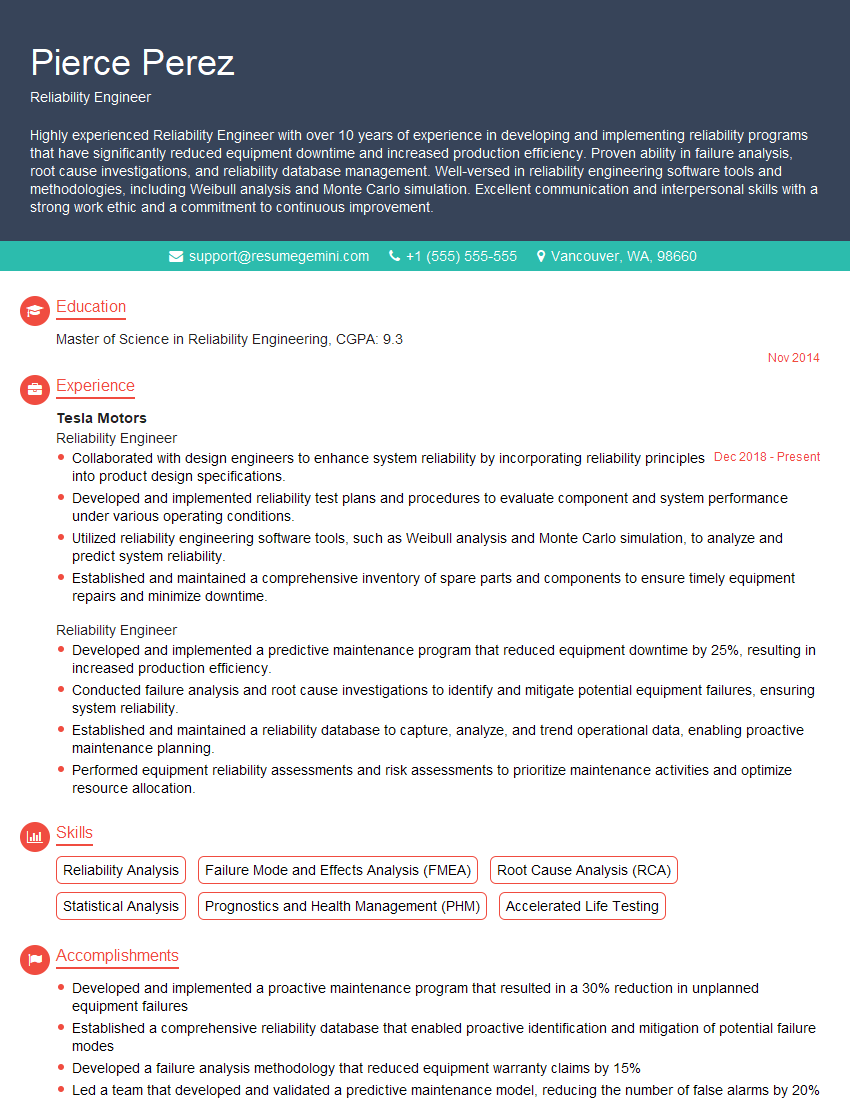
Reliability Engineer Resume Sample
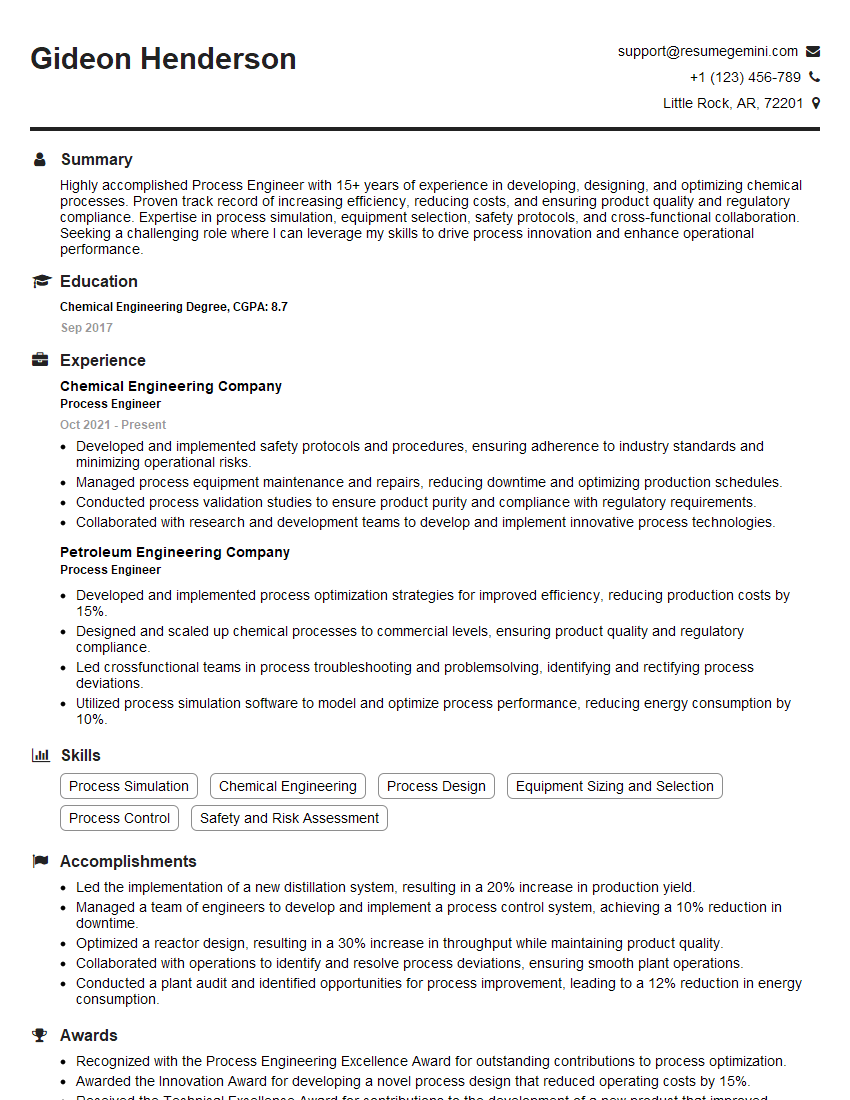
Process Engineer Resume Sample

Research Scientist Resume Sample
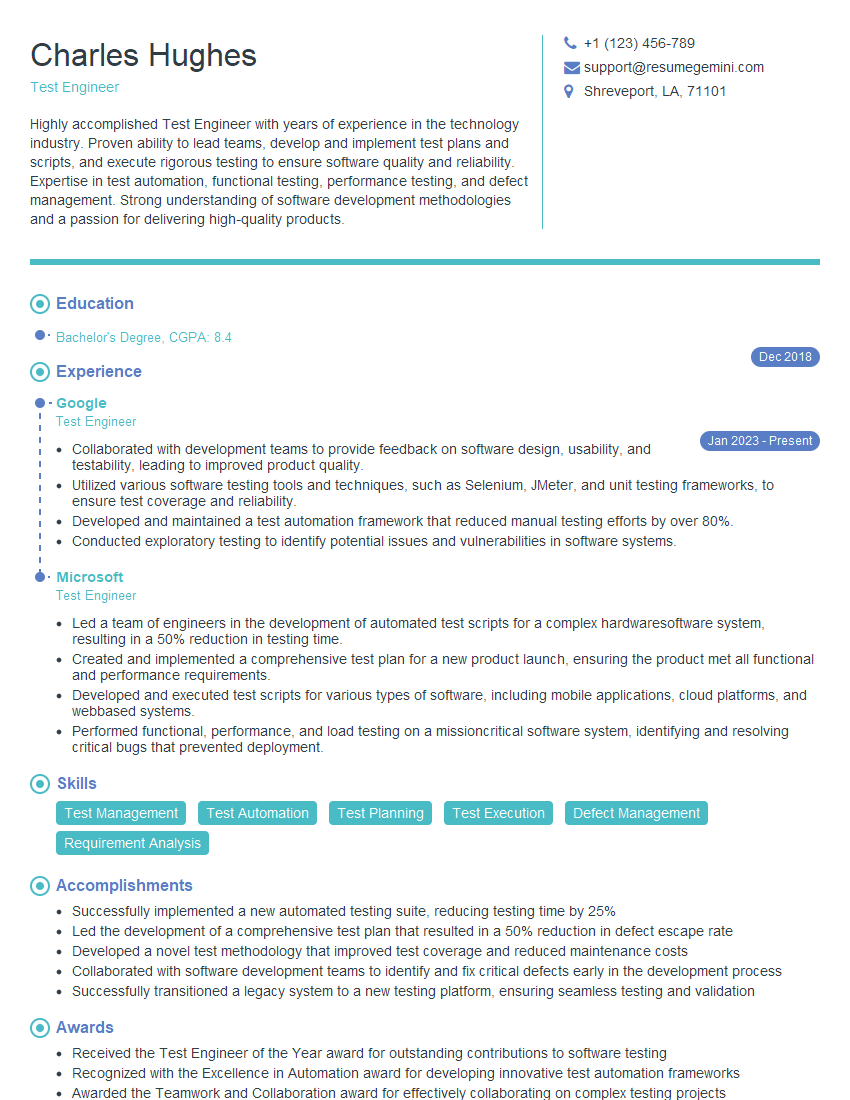
Test Engineer Resume Sample
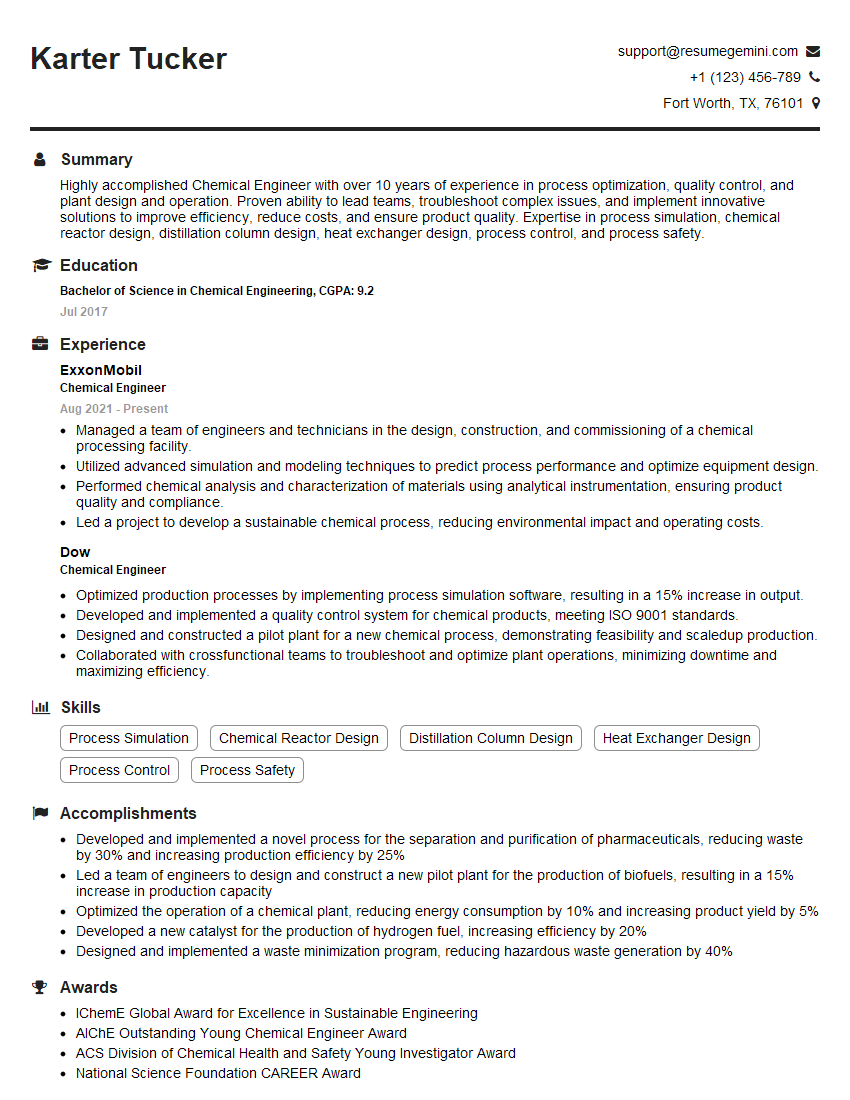
Chemical Engineer Resume Sample
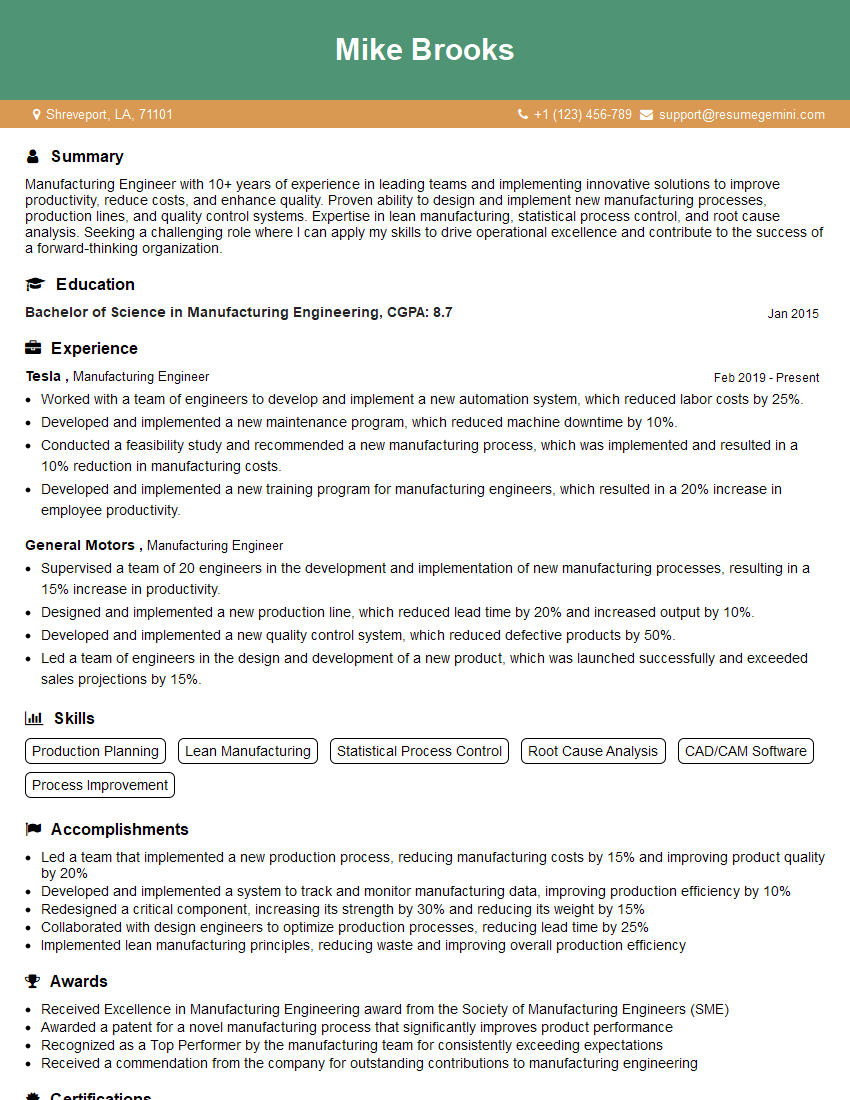
Manufacturing Engineer Resume Sample

Metrologist Resume Sample
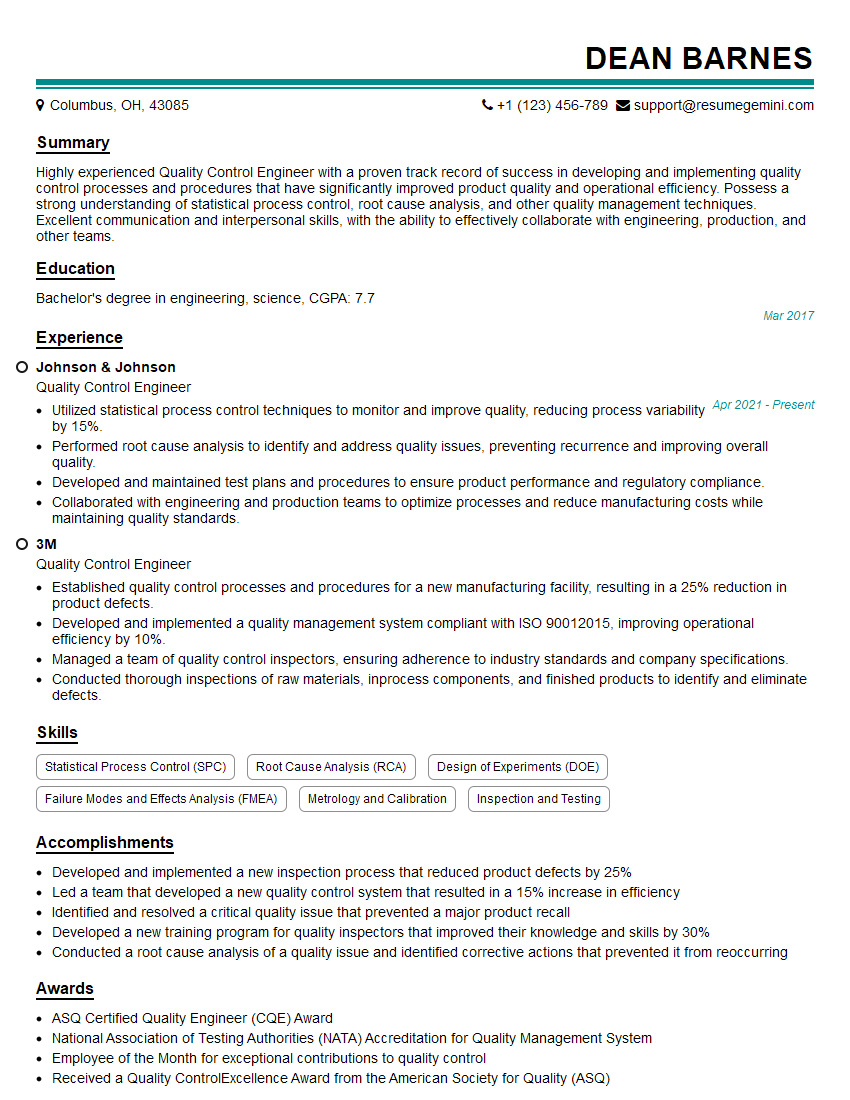
Quality Control Engineer Resume Sample

Materials Engineer Resume Sample
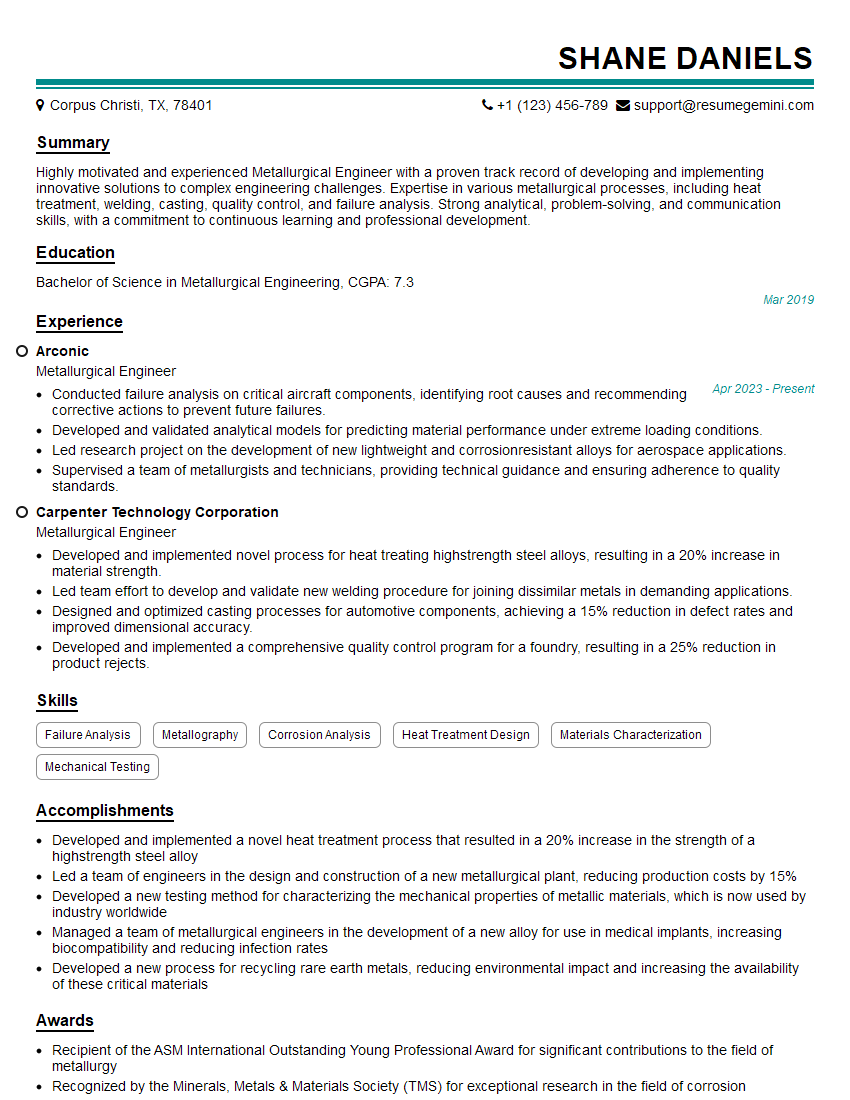
Metallurgical Engineer Resume Sample
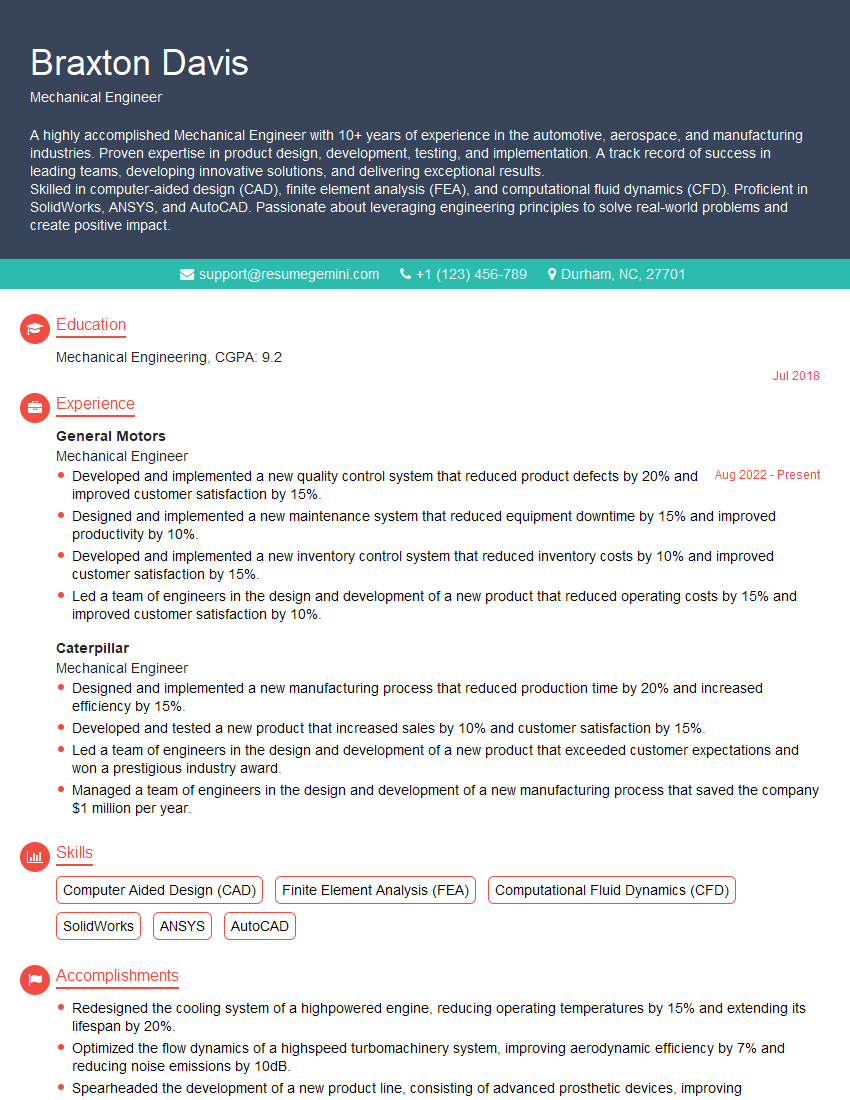
Mechanical Engineer Resume Sample

Quality Assurance Engineer Resume Sample
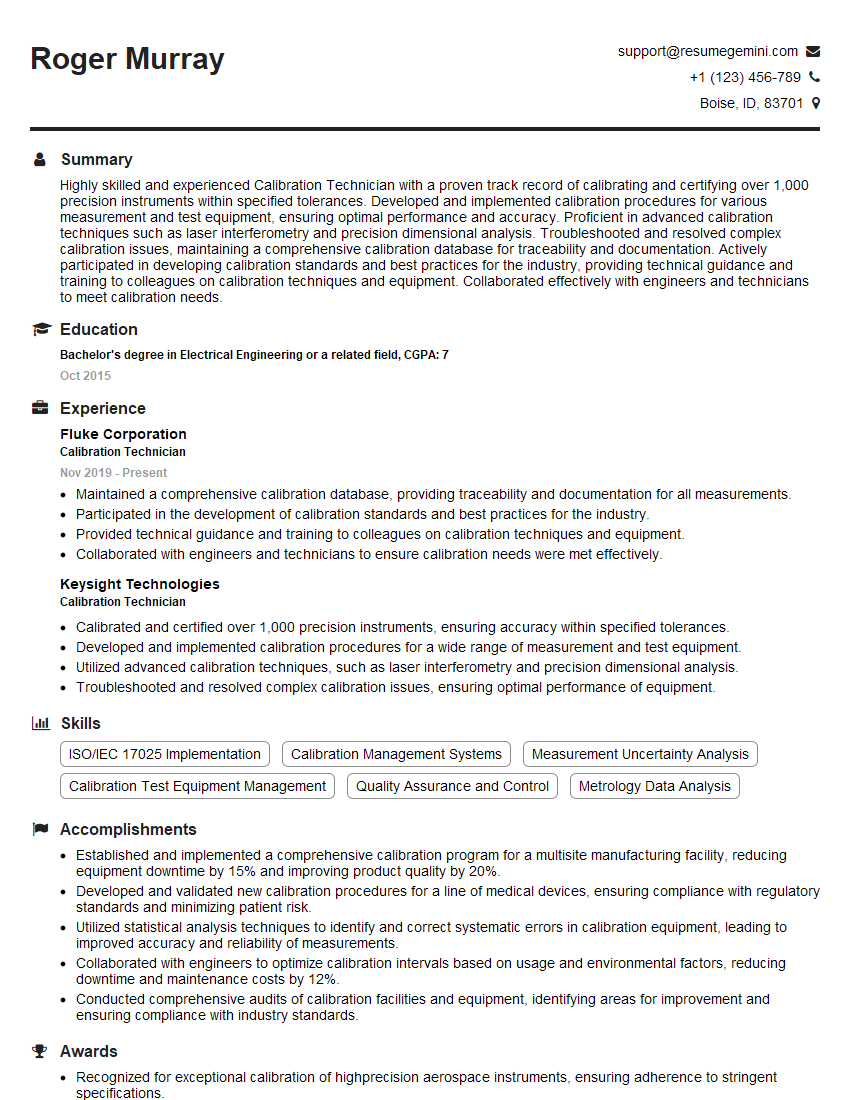
Calibration Technician Resume Sample

Laboratory Technician Resume Sample

Analytical Chemist Resume Sample
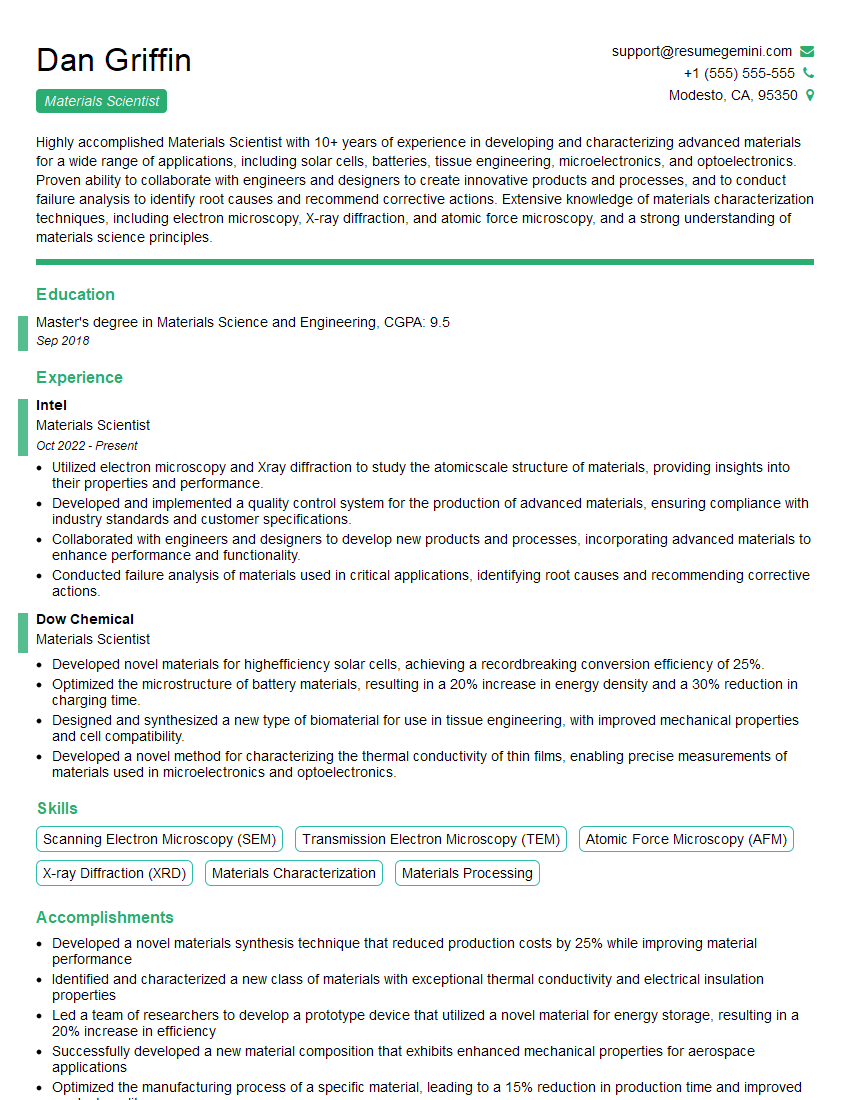
Materials Scientist Resume Sample
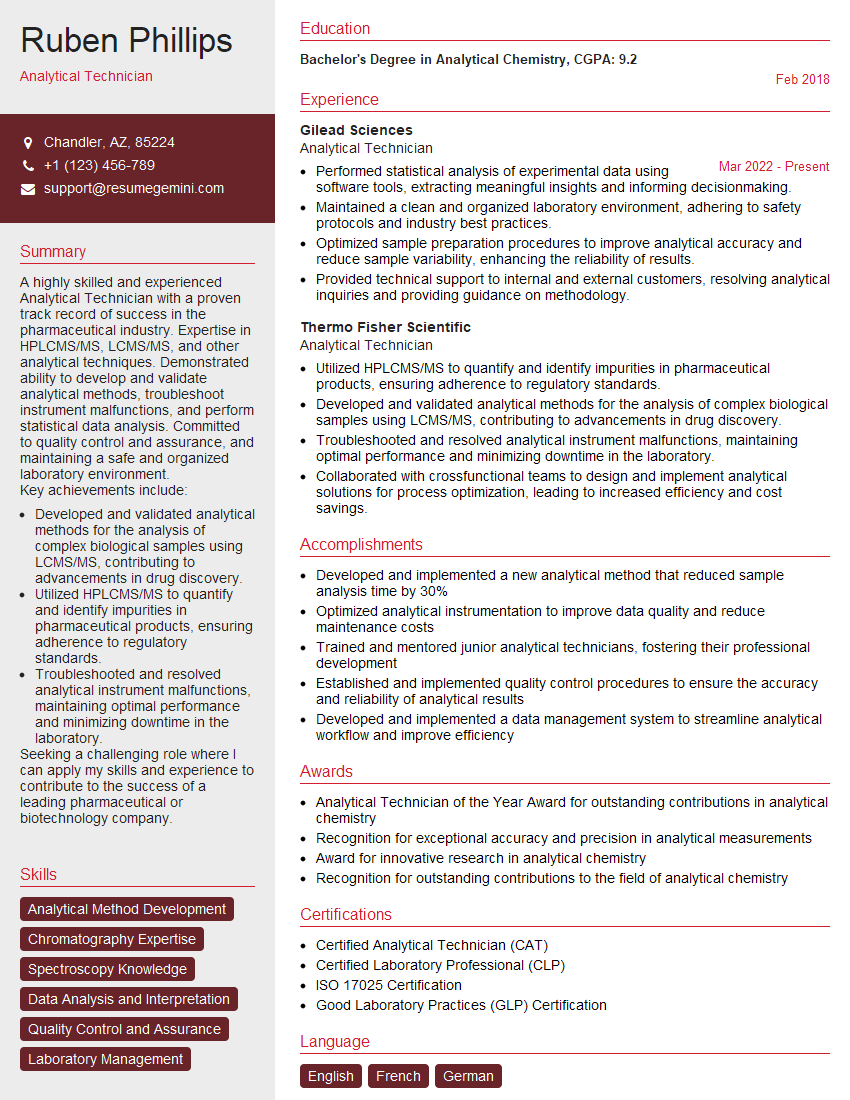
Analytical Technician Resume Sample
- Quality Assurance Manager
- Quality Control Manager
- Reliability Engineer
- Process Engineer
- Research Scientist
- Test Engineer
- Chemical Engineer
- Manufacturing Engineer
- Metrologist
- Quality Control Engineer
- Materials Engineer
- Metallurgical Engineer
- Mechanical Engineer
- Quality Assurance Engineer
- Calibration Technician
- Laboratory Technician
- Analytical Chemist
- Materials Scientist
- Analytical Technician
Explore more articles
Users Rating of Our Blogs
Share Your Experience
We value your feedback! Please rate our content and share your thoughts (optional).
What Readers Say About Our Blog
Very informative content, great job.
good