Cracking a skill-specific interview, like one for PhysicalEndurance, requires understanding the nuances of the role. In this blog, we present the questions you’re most likely to encounter, along with insights into how to answer them effectively. Let’s ensure you’re ready to make a strong impression.
Questions Asked in PhysicalEndurance Interview
Q 1. Define ‘physical endurance’ and its key components.
Physical endurance is the body’s ability to sustain prolonged physical activity. It’s not just about strength or speed, but the capacity to resist fatigue and continue performing over an extended period. Key components include:
- Cardiovascular Endurance: The efficiency of the heart and lungs in delivering oxygen to working muscles. Think of marathon runners – their cardiovascular endurance is exceptionally high.
- Muscular Endurance: The ability of muscles to repeatedly exert force over time without significant fatigue. A cyclist maintaining a steady pace uphill demonstrates excellent muscular endurance.
- Mental Endurance: The psychological capacity to push through discomfort, pain, and fatigue. This is crucial in ultra-endurance events where physical limitations are often surpassed by mental strength.
These components work interdependently. For example, excellent cardiovascular endurance allows for efficient oxygen delivery to muscles, supporting muscular endurance, while mental toughness pushes through fatigue when both systems are challenged.
Q 2. Explain the difference between aerobic and anaerobic endurance.
The distinction between aerobic and anaerobic endurance lies in the body’s energy production system.
- Aerobic endurance relies on oxygen to produce energy (ATP). Activities like long-distance running, swimming, or cycling primarily use this system. It’s characterized by sustained effort over a longer period.
- Anaerobic endurance occurs when the body’s demand for energy exceeds the oxygen supply. This leads to the production of energy through less efficient means, resulting in lactic acid build-up. Think of short, high-intensity activities like sprinting or weightlifting. Anaerobic endurance refers to the ability to sustain high-intensity efforts for a short duration before fatigue sets in.
Essentially, aerobic endurance is about sustaining activity for a long time, while anaerobic endurance is about performing intense activity for a short time.
Q 3. Describe the physiological adaptations to endurance training.
Endurance training induces significant physiological adaptations. Key changes include:
- Increased Mitochondrial Density: More mitochondria (the powerhouses of cells) mean increased capacity for aerobic energy production.
- Enhanced Capillary Density: More capillaries (tiny blood vessels) improve oxygen and nutrient delivery to muscles and the removal of waste products.
- Increased Stroke Volume: The heart pumps more blood per beat, improving blood flow efficiency.
- Increased Blood Volume: More blood carries more oxygen and nutrients.
- Improved Lactate Threshold: The point at which lactic acid production exceeds removal is pushed higher, allowing for longer sustained high-intensity exercise before fatigue.
- Increased Muscle Glycogen Storage: Muscles store more fuel for prolonged activity.
These adaptations work synergistically, leading to improved efficiency and performance in endurance activities.
Q 4. What are the key principles of endurance training programs?
Effective endurance training programs adhere to several key principles:
- Progressive Overload: Gradually increasing training intensity, duration, or frequency over time to challenge the body and stimulate adaptation. This might involve increasing running distance, cycling time, or resistance during strength training.
- Specificity: Training should be specific to the demands of the target activity. A marathon runner should prioritize long, slow distance runs, while a cyclist should focus on cycling-specific training.
- Individualization: Training programs should be tailored to individual needs, goals, and fitness levels. What works for one person might not work for another.
- Rest and Recovery: Adequate rest allows the body to recover and adapt to training stress. Ignoring rest leads to overtraining and potential injury.
- Periodization: Organizing training into cycles with varying intensities and durations to optimize performance and prevent overtraining. A common example involves alternating high-intensity training blocks with lower-intensity periods.
These principles, when applied correctly, maximize the benefits of training and minimize the risk of injury.
Q 5. How do you assess an individual’s aerobic capacity?
Aerobic capacity, often expressed as VO2 max (maximal oxygen consumption), measures the body’s ability to utilize oxygen during intense exercise. Several methods assess it:
- Graded Exercise Test (GXT): A common method involving progressively increasing exercise intensity on a treadmill or cycle ergometer while monitoring oxygen uptake and heart rate. This provides a precise measurement of VO2 max.
- Submaximal Tests: These estimate VO2 max based on heart rate response to submaximal exercise. While less precise than GXTs, they are easier to administer and require less equipment.
- Field Tests: Tests like the Cooper Run (12-minute run) or the 1.5-mile run estimate VO2 max based on performance. These are convenient but less accurate than lab-based assessments.
The choice of method depends on available resources, individual needs, and the desired level of accuracy.
Q 6. What are the common methods for measuring anaerobic threshold?
The anaerobic threshold represents the exercise intensity at which lactic acid production surpasses removal. Measuring it requires monitoring physiological responses during incremental exercise:
- Lactate Threshold Test: Blood lactate levels are measured at different exercise intensities. The threshold is identified as the point where lactate levels begin to increase exponentially.
- Ventilatory Threshold Test: This method observes changes in ventilation (breathing) rate. The threshold is often associated with a disproportionate increase in ventilation relative to exercise intensity.
- Gas Exchange Analysis: This sophisticated method analyzes oxygen uptake and carbon dioxide production to identify the threshold. It’s more accurate than other methods.
Each method has its strengths and limitations, and the choice often depends on the available equipment and expertise.
Q 7. Describe various training methods to improve endurance.
Various training methods improve endurance:
- Continuous Training: Prolonged exercise at a moderate intensity, ideal for building aerobic base.
- Interval Training: Alternating high-intensity bursts with periods of rest or lower-intensity exercise. Improves both aerobic and anaerobic capacity.
- Fartlek Training: Swedish for ‘speed play,’ involves varying intensity and pace throughout a workout, promoting both aerobic and anaerobic fitness.
- Tempo Runs/Cycling: Sustained efforts at a comfortably hard pace, improving lactate threshold.
- Hill Training: Running or cycling uphill challenges muscles and cardiovascular system. Improves power and endurance.
- Cross-Training: Incorporating different activities to promote overall fitness and prevent overuse injuries.
The optimal training method depends on the individual’s goals, current fitness level, and preferences. A well-structured program will often combine different methods for optimal results.
Q 8. Explain the importance of periodization in endurance training.
Periodization in endurance training is like planning a long journey. You wouldn’t sprint the entire distance, would you? Instead, you strategically break it down into manageable phases, each with specific goals. It’s a systematic approach to training that involves varying the intensity, volume, and type of training over time to optimize performance and minimize the risk of injury and burnout.
A typical periodization plan incorporates several phases:
- Macrocycle: The longest phase, often a year, encompassing the entire training plan leading up to a major event.
- Mesocycle: Shorter phases, typically 4-8 weeks, focused on specific training goals like building base endurance or increasing speed.
- Microcycle: The shortest phase, usually a week, detailing the daily or weekly training schedule.
For example, a marathon runner’s macrocycle might be a year. A mesocycle within that year might focus on building aerobic base, involving many hours of easy running. Another mesocycle might focus on speed work and hill training. Finally, a microcycle within that mesocycle might include specific workouts like tempo runs, interval training, and rest days.
Q 9. How do you design a training plan for a beginner?
Designing a training plan for a beginner prioritizes building a solid foundation of fitness and establishing consistent healthy habits. It’s crucial to avoid pushing too hard too soon, which can lead to injury and discouragement.
Here’s a phased approach:
- Phase 1: Building a Base (4-6 weeks): Focus on consistent, low-intensity exercise. Think brisk walking, easy jogging, cycling at a comfortable pace. The goal is to build aerobic capacity and establish a regular training routine. Frequency: 3-4 sessions per week, duration: 30-45 minutes.
- Phase 2: Increasing Volume and Intensity (6-8 weeks): Gradually increase the duration and intensity of workouts. Add some interval training (alternating high and low intensity) or hill work. Frequency: 4-5 sessions per week, duration: 45-60 minutes. Include cross-training (swimming, cycling) to reduce stress on specific muscles.
- Phase 3: Adding Specificity (8+ weeks): Introduce more specific training related to their chosen endurance activity (e.g., longer runs for marathon training). Maintain a balance of high and low-intensity workouts. Consider incorporating strength training to improve power and prevent injuries.
Remember to always listen to your body. Rest is just as important as training. Encourage regular monitoring of progress and adaptation to individual needs.
Q 10. How do you modify a training plan for an athlete with an injury?
Modifying a training plan for an injured athlete requires careful consideration. The primary goal is to facilitate healing while maintaining fitness levels as much as possible.
The first step is proper diagnosis. Working with a medical professional is crucial to understanding the injury’s severity and appropriate treatment. Once a diagnosis is received, modification strategies might include:
- Complete rest: For acute injuries, complete rest is often necessary to allow healing.
- Cross-training: Substitute the injured activity with low-impact cross-training, such as swimming or cycling, to maintain cardiovascular fitness without stressing the injured area.
- Reduced volume and intensity: Once cleared for some activity, gradually increase volume and intensity. Start with very low levels and progressively overload.
- Modified exercises: Adapt workouts to avoid movements that aggravate the injury.
- Strength training modifications: Focus on strengthening muscles surrounding the injury to improve stability and prevent re-injury.
Regular communication with the athlete and healthcare provider is essential for monitoring progress and adjusting the plan as needed. Returning to full training should be a gradual process.
Q 11. What are the signs and symptoms of overtraining?
Overtraining, a state of excessive training without adequate rest and recovery, manifests in several ways. It’s not just about feeling tired; it’s a more significant systemic issue.
Signs and symptoms can include:
- Persistent fatigue: Feeling tired even after a good night’s sleep.
- Decreased performance: Noticeably slower times or reduced power output.
- Loss of motivation: Lack of enjoyment in training or reluctance to participate.
- Increased resting heart rate: The heart pumps faster at rest, indicating the body isn’t recovering effectively.
- Muscle soreness: While some soreness is normal, persistent and excessive soreness is a warning sign.
- Sleep disturbances: Difficulty falling asleep or staying asleep.
- Irritability and mood swings: Increased emotional reactivity.
- Frequent illness: Weakened immune system makes you more susceptible to colds and other illnesses.
It’s important to distinguish between normal fatigue and overtraining. If several of these symptoms persist for an extended period (weeks), it’s a strong indicator of overtraining and warrants immediate action.
Q 12. How do you prevent overtraining in endurance athletes?
Preventing overtraining requires a holistic approach focusing on training, nutrition, and recovery.
Key strategies include:
- Proper periodization: Strategic planning of training cycles prevents excessive load at any one time.
- Adequate rest and recovery: Include sufficient rest days and sleep. Prioritize quality sleep.
- Listen to your body: Pay attention to fatigue and soreness. Don’t ignore warning signs.
- Reduce training volume or intensity if needed: Don’t hesitate to back off if symptoms of overtraining appear.
- Cross-training: Incorporating different activities reduces repetitive stress on muscles and joints.
- Active recovery: Engage in light activity on rest days, such as walking or stretching, to promote blood flow and recovery.
- Stress management: Manage other stressors in your life, as stress can exacerbate overtraining.
- Regular monitoring of key indicators: Track your heart rate, sleep patterns, and performance to detect early warning signs.
Remember, prevention is far easier than treatment. A proactive approach to training and recovery is vital for long-term success.
Q 13. What is the role of nutrition in endurance performance?
Nutrition plays a pivotal role in endurance performance. It provides the fuel for training and competition, supports recovery, and helps maintain optimal health.
Key aspects of endurance nutrition include:
- Carbohydrate intake: Carbohydrates are the primary fuel source for endurance exercise. Consuming sufficient carbohydrates, both before, during, and after exercise, ensures adequate energy stores and prevents ‘hitting the wall’.
- Protein intake: Protein is essential for muscle repair and growth, crucial for recovery after training.
- Hydration: Dehydration significantly impairs performance. Maintaining adequate hydration is critical.
- Electrolytes: Electrolytes (sodium, potassium, magnesium) are lost through sweat. Replenishing these is important, especially during prolonged exercise.
- Micronutrients: Vitamins and minerals support overall health and immune function, critical for consistent training.
- Pre-exercise fueling: A carbohydrate-rich meal or snack 3-4 hours before exercise provides readily available energy.
- During-exercise fueling: For longer events (90+ minutes), consuming carbohydrates and electrolytes can prevent energy depletion.
- Post-exercise nutrition: Replenishing glycogen stores with carbohydrates and protein aids muscle recovery.
Individual needs vary greatly depending on training volume, intensity, and body composition. Consulting a registered dietitian or sports nutritionist can personalize a plan to optimize performance and recovery.
Q 14. How do you educate clients about proper hydration strategies?
Educating clients about proper hydration strategies involves emphasizing the importance of hydration before, during, and after exercise.
Key points to convey:
- Hydrate proactively: Begin hydrating several hours before exercise, not just when thirsty. Thirst is already a sign of mild dehydration.
- Drink regularly during exercise: Sip water or sports drinks consistently throughout activity, especially in hot or humid conditions.
- Monitor urine color: Light yellow urine indicates good hydration; dark yellow or amber indicates dehydration.
- Individual needs vary: Sweat rates and fluid needs vary greatly, influencing hydration requirements.
- Consider electrolyte drinks: For prolonged exercise (90+ minutes), electrolyte drinks help replace lost minerals.
- Avoid sugary drinks: High sugar drinks can cause gastrointestinal upset.
- Hydrate after exercise: Replenish fluids lost through sweat to promote recovery.
Practical examples: Encourage clients to carry water bottles, set reminders to drink regularly, and monitor urine color. A simple chart visualizing urine color correlated to hydration levels can be a powerful visual aid.
Q 15. Explain the importance of sleep in recovery and endurance performance.
Sleep is absolutely crucial for recovery and endurance performance. Think of it as the body’s primary repair and restoration period. During sleep, your body releases hormones like growth hormone, which is essential for muscle repair and growth. It also consolidates learning and adapts to the stresses of training.
Insufficient sleep leads to impaired muscle protein synthesis (meaning your muscles don’t repair as effectively), reduced glycogen replenishment (leaving you with less energy for your next workout), increased cortisol levels (which can break down muscle tissue), and a weakened immune system, making you more susceptible to illness. This translates directly to reduced endurance capacity, slower recovery times, and increased risk of injury.
For example, an endurance athlete training for a marathon who consistently gets less than 7-8 hours of sleep might find their training plateaus, their recovery takes much longer, and they feel constantly fatigued. Prioritizing sleep is just as important as training itself.
Career Expert Tips:
- Ace those interviews! Prepare effectively by reviewing the Top 50 Most Common Interview Questions on ResumeGemini.
- Navigate your job search with confidence! Explore a wide range of Career Tips on ResumeGemini. Learn about common challenges and recommendations to overcome them.
- Craft the perfect resume! Master the Art of Resume Writing with ResumeGemini’s guide. Showcase your unique qualifications and achievements effectively.
- Don’t miss out on holiday savings! Build your dream resume with ResumeGemini’s ATS optimized templates.
Q 16. Describe different types of recovery methods for endurance athletes.
Recovery methods are vital for optimizing endurance performance and preventing overtraining. They fall into several categories:
- Passive Recovery: This includes sleep, rest, and strategies like massage, foam rolling, or compression garments. These methods help reduce muscle soreness and inflammation.
- Active Recovery: This involves light activity, such as walking, swimming at a low intensity, or cycling, to promote blood flow and reduce stiffness without adding significant stress. Think of it as flushing out metabolic byproducts.
- Nutrition: Proper nutrition is key. Replenishing glycogen stores with carbohydrates, consuming enough protein for muscle repair, and staying hydrated are essential.
- Hydration: Dehydration significantly impairs performance. Replenishing fluids lost through sweat is crucial.
- Cold-Water Immersion: Immersing in cold water (e.g., ice bath) can reduce muscle soreness and inflammation. However, it should be used cautiously and appropriately.
- Compression Garments: Wearing compression clothing may help reduce swelling and improve blood flow.
The best recovery strategy is personalized to the individual and the intensity of training. For instance, a runner completing a hard interval session might benefit from active recovery the following day, while a triathlete after a long race might benefit from several days of passive recovery, focusing on nutrition and sleep.
Q 17. What are the common injuries associated with endurance activities?
Endurance activities, while beneficial, can lead to various injuries if proper training protocols aren’t followed. Common injuries include:
- Runner’s Knee (Patellofemoral Pain Syndrome): Pain around the kneecap, often due to overuse or muscle imbalances.
- Plantar Fasciitis: Inflammation of the plantar fascia, the thick tissue on the bottom of the foot.
- Achilles Tendinitis: Inflammation of the Achilles tendon.
- IT Band Syndrome: Pain along the outside of the knee, caused by inflammation of the iliotibial band.
- Stress Fractures: Tiny cracks in bones, often caused by repetitive impact.
- Shin Splints (Medial Tibial Stress Syndrome): Pain along the shin bone.
- Hamstring Strains: Tears in the hamstring muscles.
The risk of these injuries increases with high training volumes, improper form, inadequate warm-ups and cool-downs, and inadequate recovery.
Q 18. How do you prevent common endurance training injuries?
Preventing injuries is paramount. A multi-faceted approach is essential:
- Gradual Increase in Training Load: Gradually increase the duration, intensity, and frequency of your training to allow your body to adapt.
- Proper Warm-up and Cool-down: Always warm up before each workout and cool down afterward to prepare your muscles and reduce the risk of injury.
- Proper Running Form: Maintaining good posture and efficient running form can significantly reduce stress on your joints.
- Strengthening and Conditioning: Incorporate strength training to improve muscle strength, balance, and stability.
- Flexibility and Mobility Exercises: Regularly perform stretching and mobility exercises to maintain flexibility and range of motion.
- Proper Footwear: Choose appropriate running shoes that provide adequate support and cushioning.
- Rest and Recovery: Allow adequate rest and recovery between workouts to prevent overtraining.
- Listen to Your Body: Pay attention to any pain or discomfort and rest when needed.
For example, gradually increasing mileage by no more than 10% per week helps prevent stress fractures. Similarly, regular cross-training helps prevent overuse injuries by engaging different muscle groups.
Q 19. How do you assess and treat common endurance-related injuries?
Assessing and treating endurance-related injuries requires a professional approach. Initial assessment involves a thorough medical history, physical examination, and sometimes imaging (X-rays, MRI). This helps determine the type, severity, and location of the injury.
Treatment strategies are highly individualized and might include:
- RICE Protocol (Rest, Ice, Compression, Elevation): This is often the initial treatment for minor injuries.
- Physical Therapy: A physical therapist can guide rehabilitation exercises to restore strength, flexibility, and range of motion.
- Medication: Pain relievers (like ibuprofen or naproxen) or anti-inflammatory medications may be prescribed to manage pain and inflammation.
- Orthotics: Custom-made orthotics can help correct foot alignment and reduce stress on the joints.
- Surgery: In severe cases, surgery may be necessary to repair damaged tissues.
It’s crucial to seek professional medical advice from a physician or physical therapist to get a proper diagnosis and treatment plan. Self-treating injuries can prolong recovery time and potentially worsen the condition.
Q 20. What is the role of strength training in enhancing endurance performance?
Strength training plays a vital, often underestimated, role in enhancing endurance performance. It doesn’t just build muscle mass; it improves several key aspects of endurance:
- Increased Power Output: Stronger muscles generate more force, leading to improved speed and power during endurance events.
- Improved Running Economy: Strength training can improve running efficiency, allowing athletes to cover the same distance with less effort.
- Enhanced Muscle Endurance: Strength training builds endurance in muscles used in endurance activities.
- Reduced Risk of Injury: Stronger muscles provide better support for joints, reducing the risk of injury.
- Improved Balance and Stability: Strength training, especially core exercises, enhances balance and stability, which is crucial for maintaining form and preventing injuries.
For example, a cyclist who incorporates strength training into their program might see improvements in their power output, leading to faster times on uphill climbs. Likewise, runners can reduce their risk of knee injuries by strengthening their quadriceps and hamstrings.
Q 21. Explain the importance of flexibility and mobility in endurance training.
Flexibility and mobility are often overlooked but are critical components of successful endurance training. They impact performance and injury prevention in several ways:
- Improved Range of Motion: Greater flexibility and mobility allow for a wider range of motion, leading to more efficient movement patterns and better performance.
- Reduced Muscle Imbalances: Flexibility exercises address muscle imbalances, which can cause pain and injury.
- Enhanced Posture: Improved flexibility leads to better posture, reducing strain on the body during endurance activities.
- Reduced Risk of Injury: Good flexibility and mobility help reduce the risk of muscle strains and tears.
- Improved Recovery: Flexible muscles are less prone to stiffness and soreness, aiding faster recovery.
Think of a marathon runner. Limited hip flexibility can restrict their stride length and increase stress on their knees and lower back. Incorporating regular stretching and mobility exercises into their routine helps prevent such issues and improves overall performance. It’s not just about touch-your-toes flexibility; it’s about functional movement and range of motion in the joints relevant to the sport.
Q 22. How do you assess an athlete’s current fitness level?
Assessing an athlete’s current fitness level is a multi-faceted process that goes beyond simply looking at their performance in a single event. It involves a combination of physiological testing, performance analysis, and a thorough health history.
- Submaximal Exercise Tests: These tests, like a graded exercise test (GXT) on a treadmill or cycle ergometer, measure heart rate, blood pressure, and oxygen consumption at progressively increasing workloads. This allows us to estimate VO2 max (maximal oxygen uptake), a crucial indicator of aerobic capacity. For example, a GXT might reveal a lower-than-expected VO2 max, suggesting a need for foundational aerobic training.
- Lactate Threshold Testing: This determines the intensity at which lactate production exceeds clearance, indicating the sustainable pace for prolonged exercise. Knowing this threshold allows for precise training zone prescription. Imagine a marathon runner; understanding their lactate threshold helps structure training to improve their endurance at race pace.
- Performance-Based Assessments: This involves analyzing past race times, training logs, and current performance in relevant activities. A cyclist’s time trial performance can reveal strengths and weaknesses in their endurance.
- Movement Screenings: Analyzing an athlete’s movement patterns helps identify any biomechanical inefficiencies that could impact performance or increase injury risk. For instance, improper running form can lead to overuse injuries, hindering endurance training.
- Health History and Questionnaires: A complete health history, including medical conditions, medications, and previous injuries, is crucial to tailoring a safe and effective program. A questionnaire assessing sleep quality, nutrition, and stress levels can also provide valuable insights into overall health and recovery capacity.
By combining these assessment methods, we get a holistic view of an athlete’s fitness level, allowing for a personalized and effective training plan.
Q 23. Describe your experience with designing and implementing endurance training programs.
My experience in designing and implementing endurance training programs spans over a decade, working with athletes of various levels, from recreational runners to elite triathletes. I utilize a periodization model, systematically varying training volume, intensity, and specificity throughout the year.
For example, a typical plan for a marathon runner might involve:
- Base Phase: Focuses on building a strong aerobic base with high-volume, low-intensity training. Think long, slow runs to improve endurance and establish a solid foundation.
- Strength Phase: Incorporates strength training to build muscle strength and power, improving running economy and injury prevention. Hill repeats and plyometrics are common elements.
- Speed Phase: Emphasizes speed work, including interval training and tempo runs, to improve speed and lactate threshold. This phase is crucial for improving race pace.
- Tapering Phase: Gradually reduces training volume and intensity in the weeks leading up to the race, allowing for optimal recovery and peak performance.
My programs also meticulously incorporate recovery strategies, including adequate sleep, nutrition, and active recovery methods. I utilize technology like GPS tracking and heart rate monitors to monitor training load and provide objective feedback.
Q 24. How do you adapt training programs based on individual needs and goals?
Adapting training programs is paramount. A ‘one-size-fits-all’ approach is ineffective and potentially harmful. I begin by understanding the athlete’s individual needs, goals, and limitations.
- Goal Setting: Clearly defined goals, whether it’s completing a specific race or improving performance in a particular aspect, guide the program’s structure and progression.
- Fitness Level Assessment: As discussed earlier, thorough assessment helps tailor the program to the athlete’s current capabilities, preventing overtraining and injury.
- Time Constraints: Recognizing the athlete’s time commitments allows for a realistic and sustainable training schedule. A busy professional will require a different program than a full-time athlete.
- Injury History and Limitations: Previous injuries and physical limitations must be considered to modify exercises and avoid re-injury. For example, an athlete with a past knee injury might require modifications to running form or alternative exercises to strengthen supporting muscles.
- Preferences and Lifestyle: Incorporating the athlete’s preferred activities and lifestyle helps increase adherence and enjoyment. Someone who enjoys cycling might incorporate more cycling into their plan.
I regularly assess and adjust programs based on athlete feedback and progress, ensuring the plan remains challenging yet achievable.
Q 25. How do you motivate clients to maintain their endurance training programs?
Motivation is crucial for long-term adherence to endurance training. I use a multifaceted approach:
- Goal Setting and Visualization: Setting realistic, attainable goals and helping athletes visualize achieving those goals creates intrinsic motivation. This includes setting both short-term and long-term targets for better tracking progress.
- Positive Reinforcement and Feedback: Regular positive feedback and celebrating milestones reinforces progress and keeps athletes engaged. This could involve praising effort and acknowledging improvement, not just results.
- Accountability: Regular check-ins, progress tracking, and a supportive environment foster accountability and commitment. This could be through regular meetings, email communication, or even using training apps that track progress.
- Social Support: Encouraging participation in group activities or finding training partners fosters a sense of community and shared goals. The social aspect can increase motivation and adherence.
- Education: Educating clients about the benefits of endurance training and the importance of consistency helps them understand the long-term value of their commitment.
Building a strong coach-athlete relationship based on trust and mutual respect is also key to sustaining motivation.
Q 26. What are the ethical considerations when working with endurance athletes?
Ethical considerations are paramount in working with endurance athletes.
- Informed Consent: Athletes must be fully informed about the training program, its risks and benefits, before agreeing to participate. This includes explaining the potential side effects of training and the importance of listening to their body.
- Confidentiality: Maintaining confidentiality regarding an athlete’s personal information, training data, and health status is essential. All information should be handled with the utmost respect for their privacy.
- Avoiding Harmful Practices: I will never promote or condone the use of performance-enhancing drugs or other unethical practices to improve performance. My priority is the athlete’s long-term health and well-being.
- Objectivity and Professionalism: Maintaining a professional relationship, free from bias or conflict of interest, is crucial. This includes refraining from any personal relationships that could compromise the training relationship.
- Safety: Prioritizing the athlete’s safety by designing programs that account for their individual limitations and monitoring their progress to prevent injury is a core ethical responsibility.
Adherence to professional codes of conduct and best practices are central to my ethical approach.
Q 27. How do you monitor and track the progress of your clients?
Monitoring and tracking progress involves a combination of objective and subjective measures.
- Performance Data: Analyzing race times, training paces, and power outputs provides objective data on performance improvements. This could involve using apps or software to track training sessions and race results.
- Physiological Measures: Tracking heart rate variability, resting heart rate, and lactate threshold provides insights into recovery status and training adaptations. Wearable technology is valuable here.
- Subjective Feedback: Regular check-ins with athletes to gather feedback on fatigue levels, perceived exertion, and overall well-being provide valuable subjective data. This can be through questionnaires, conversations, or training logs.
- Training Logs and Diaries: Maintaining detailed training logs helps track training volume, intensity, and recovery. This allows for adjustments to the program based on the athlete’s response to training.
- Body Composition and Strength Testing: Periodically assessing body composition and strength can reveal changes in muscle mass and power, aiding in evaluating the efficacy of the program. These tests can help track progress and make necessary adjustments.
By integrating these methods, I obtain a comprehensive picture of an athlete’s progress, enabling informed adjustments to the training plan.
Q 28. Describe your experience with different types of endurance testing protocols.
My experience encompasses a range of endurance testing protocols, each providing unique insights into an athlete’s capabilities:
- Graded Exercise Test (GXT): As mentioned earlier, this measures VO2 max, lactate threshold, and other cardiovascular parameters, providing a comprehensive overview of aerobic capacity.
- Incremental Shuttle Run Test (ISR): This field test assesses anaerobic capacity and endurance by measuring the distance covered at progressively increasing speeds. It’s a practical and widely used test for various sports.
- Critical Power Test: This cycling-specific test determines the highest sustainable power output for a given duration. This informs training intensities and helps athletes understand their power capabilities.
- Time-Trial Performance: Analyzing performance in time trials (cycling, running, swimming) provides valuable insights into specific strengths and weaknesses in race pacing and endurance.
- Lactate Profile Test: This test involves measuring blood lactate levels at various exercise intensities, providing a detailed understanding of the relationship between intensity and lactate production. This helps in determining precise training zones.
The choice of protocol depends on the athlete’s sport, training goals, and available resources. I often combine several protocols to obtain a comprehensive assessment.
Key Topics to Learn for PhysicalEndurance Interview
- Physiological Responses to Exercise: Understanding how the body adapts to various forms of physical stress, including cardiovascular, respiratory, and muscular responses.
- Training Principles and Methods: Applying principles like progressive overload, specificity, and periodization to design effective training programs for different goals and populations.
- Exercise Prescription and Programming: Developing safe and effective exercise plans considering individual needs, limitations, and goals, including considerations for age, fitness level, and potential health concerns.
- Assessment and Measurement of Physical Fitness: Utilizing various methods to accurately assess physical fitness components like strength, endurance, flexibility, and body composition. This includes understanding the limitations and biases of different assessment tools.
- Nutrition and Recovery: The crucial role of proper nutrition in supporting training adaptations and optimizing recovery, including understanding macro and micronutrient needs for physical performance.
- Injury Prevention and Rehabilitation: Strategies to minimize injury risk during exercise and effective approaches to rehabilitation and recovery from injury.
- Exercise Adherence and Motivation: Understanding factors that influence exercise adherence and strategies to promote long-term commitment to physical activity.
- Ethical Considerations in Physical Endurance Training: Understanding and applying ethical guidelines related to coaching, training, and the use of performance-enhancing substances.
- Data Analysis and Interpretation: Analyzing fitness data to track progress, identify areas for improvement, and adjust training plans accordingly.
Next Steps
Mastering PhysicalEndurance principles is essential for career advancement in fitness, coaching, and related fields. A strong understanding of these concepts showcases your expertise and professionalism to potential employers. To significantly improve your job prospects, create an ATS-friendly resume that effectively highlights your skills and experience. We strongly recommend using ResumeGemini to build a professional and impactful resume. ResumeGemini offers a user-friendly platform and provides examples of resumes tailored to PhysicalEndurance roles, helping you present yourself in the best possible light.

Wellness Coach Resume Sample

Rehabilitation Specialist Resume Sample

Athletic Trainer Resume Sample

Fitness Instructor Resume Sample

Yoga Instructor Resume Sample
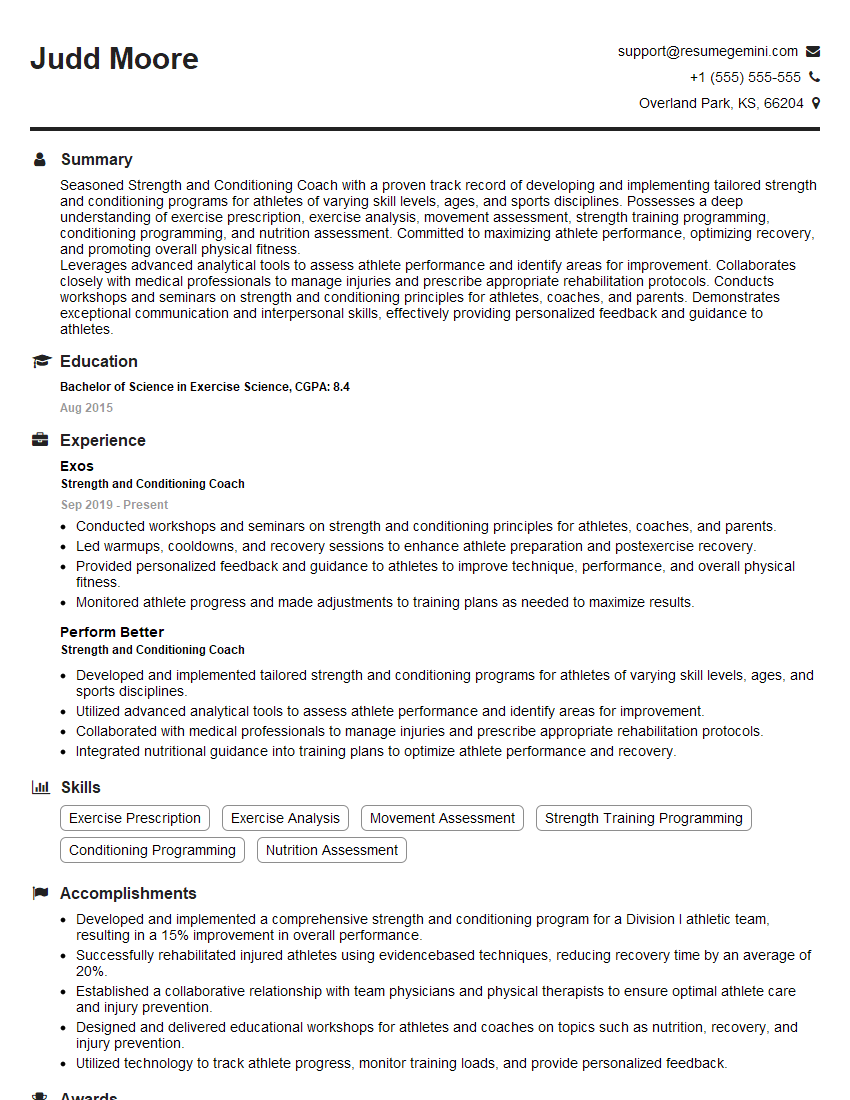
Strength and Conditioning Coach Resume Sample
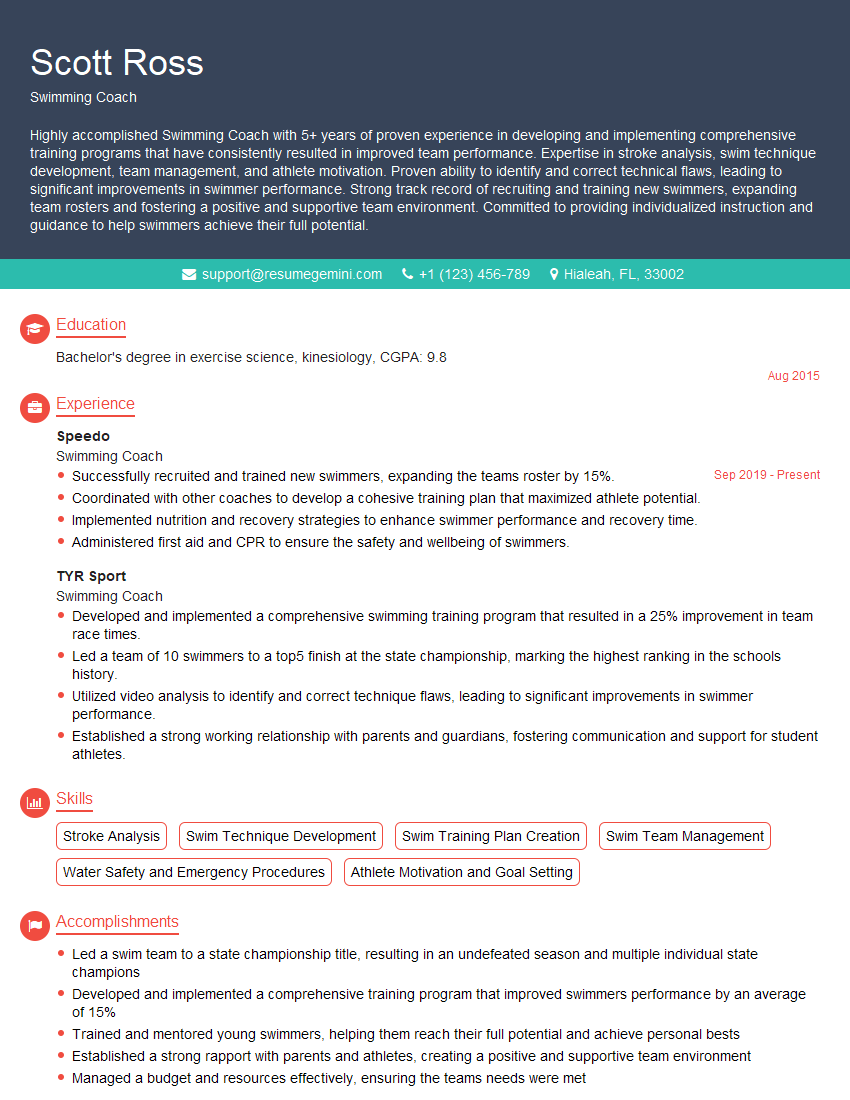
Swimming Coach Resume Sample
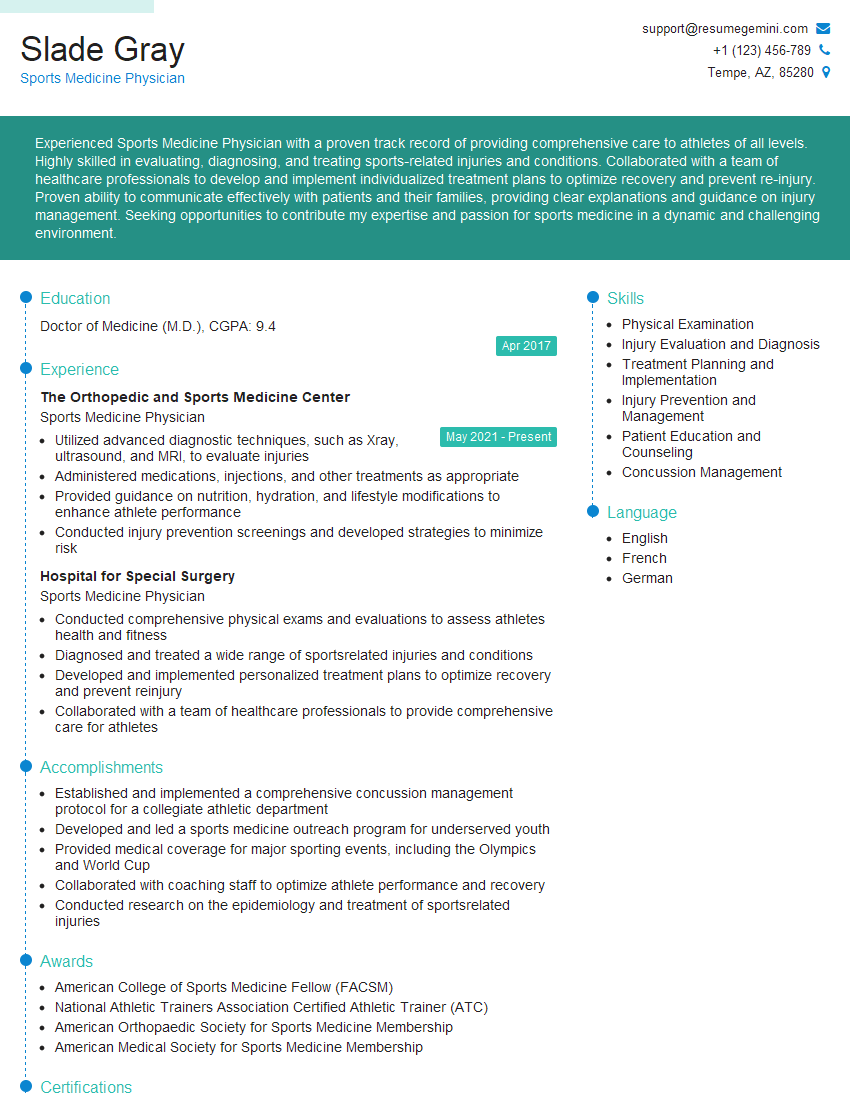
Sports Medicine Physician Resume Sample

Exercise Physiologist Resume Sample

Occupational Therapist Resume Sample
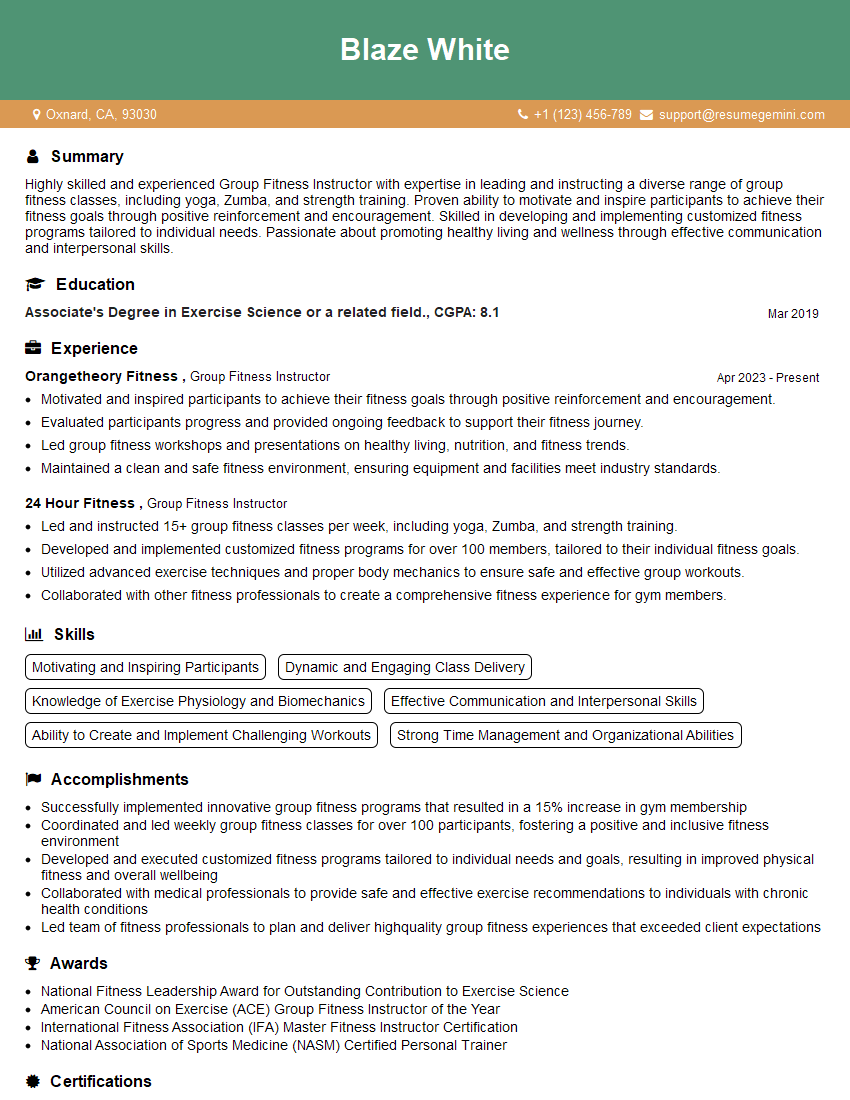
Group Fitness Instructor Resume Sample
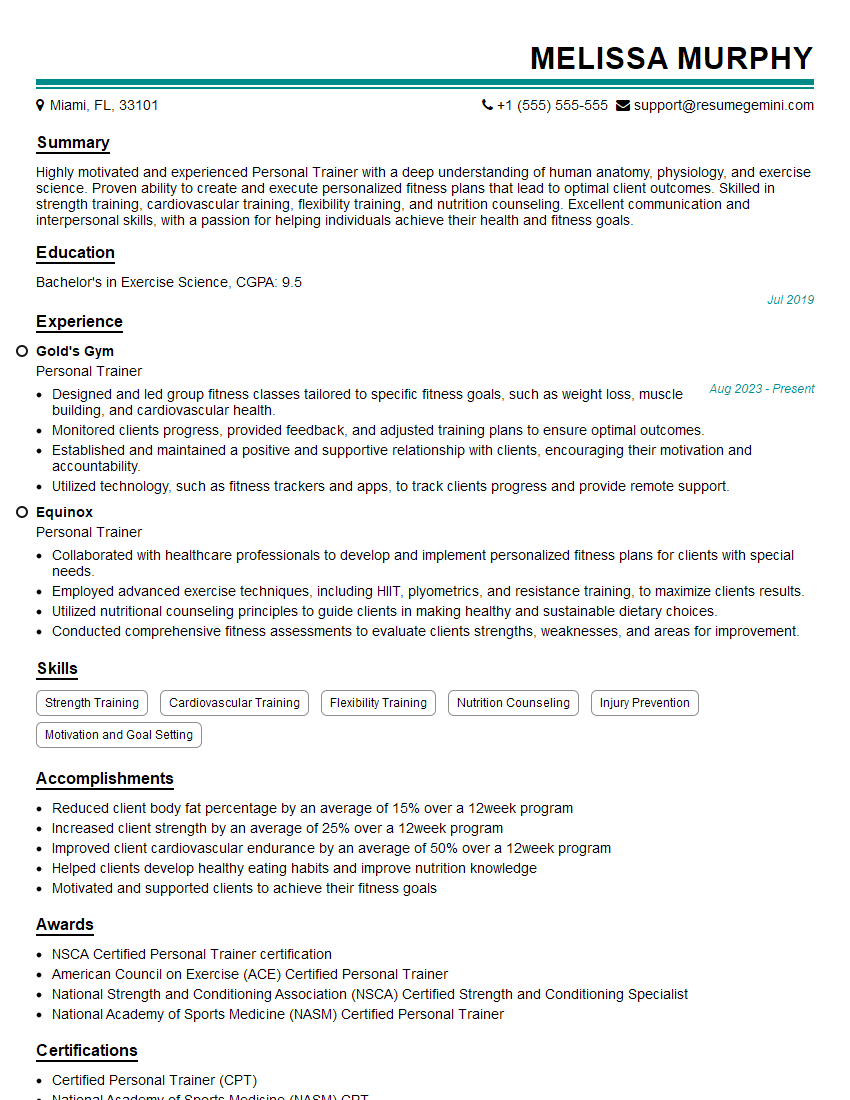
Personal Trainer Resume Sample

Pilates Instructor Resume Sample
Explore more articles
Users Rating of Our Blogs
Share Your Experience
We value your feedback! Please rate our content and share your thoughts (optional).
What Readers Say About Our Blog
Very informative content, great job.
good