Feeling uncertain about what to expect in your upcoming interview? We’ve got you covered! This blog highlights the most important PhysicalFitness interview questions and provides actionable advice to help you stand out as the ideal candidate. Let’s pave the way for your success.
Questions Asked in PhysicalFitness Interview
Q 1. Explain the principles of training: overload, progression, specificity, individualization, and recovery.
The principles of training are fundamental guidelines for designing effective workout programs. They ensure safe and efficient progress towards fitness goals. Let’s break them down:
- Overload: This principle dictates that to improve, you must consistently challenge your body beyond its current capabilities. Think of it like this: if you always lift the same weight, your muscles won’t grow stronger. You need to gradually increase the weight, reps, or sets over time. For example, if you’re squatting 100 lbs for 10 reps, you might increase to 105 lbs next week, or 10 reps with 100lbs and then add a set.
- Progression: This builds upon overload. It’s the systematic and gradual increase in training demands over time. It’s not just about increasing weight; it can also involve increasing the intensity, duration, or frequency of workouts. Imagine training for a marathon – you wouldn’t start by running 26.2 miles immediately. You progressively increase your distance and speed each week.
- Specificity: This principle emphasizes that training should be specific to the desired outcome. If your goal is to improve your cycling performance, you should focus on cycling-specific training, not just general weight training. For example, a swimmer would need to practice swimming techniques, and not just focus on weight training or running.
- Individualization: Training programs should be tailored to individual needs, goals, and limitations. What works for one person might not work for another. Consider factors like age, experience, fitness level, and any pre-existing health conditions. A 70-year-old’s training plan will differ vastly from a 25-year-old’s.
- Recovery: This is often overlooked but crucial. Your body needs time to repair and rebuild after training. Sufficient rest, sleep, and proper nutrition are essential for muscle growth and preventing injury. Without adequate recovery, you risk overtraining and plateaus.
Q 2. Describe different training methods: resistance training, cardio, HIIT, circuit training.
Different training methods cater to diverse fitness goals and preferences. Here are some key methods:
- Resistance Training: Involves using resistance to build strength and muscle mass. This can include weightlifting (using barbells, dumbbells), bodyweight exercises (push-ups, squats), or resistance bands. It improves bone density and metabolism.
- Cardio: Also known as cardiovascular training, focuses on improving heart and lung health. Examples include running, swimming, cycling, and dancing. It enhances endurance and burns calories.
- HIIT (High-Intensity Interval Training): Involves short bursts of intense exercise followed by brief recovery periods. For example, 30 seconds of sprinting followed by 30 seconds of jogging, repeated several times. It’s highly efficient for improving cardiovascular fitness and burning fat.
- Circuit Training: A series of exercises performed one after the other with minimal rest. It combines elements of resistance training and cardio for a full-body workout. For instance, a circuit might include squats, push-ups, rows, and burpees.
Q 3. How would you design a workout program for a beginner?
A beginner’s workout program needs to prioritize building a solid foundation of fitness and establishing proper form. It should be low-impact, focusing on gradually increasing intensity and duration.
Example Program (2-3 times per week):
- Warm-up (5-10 minutes): Light cardio like jogging or jumping jacks, dynamic stretches (arm circles, leg swings).
- Workout (30-45 minutes):
- Bodyweight squats (2 sets of 10-12 reps)
- Push-ups (as many reps as possible, 2 sets)
- Walking lunges (2 sets of 10-12 reps per leg)
- Plank (hold for 30 seconds, 2-3 sets)
- Light cardio, such as brisk walking (15-20 minutes)
- Cool-down (5-10 minutes): Static stretches (holding each stretch for 30 seconds), focusing on major muscle groups worked.
Important Considerations:
- Proper form is crucial to prevent injuries. Consider working with a trainer initially.
- Listen to your body. Rest when needed.
- Gradually increase the intensity and duration of workouts as you get fitter.
Q 4. How would you modify a workout program for a client with a specific injury or condition (e.g., knee pain)?
Modifying a program for a client with an injury or condition requires careful consideration. Safety is paramount. The modifications depend on the specific injury.
Example: Knee Pain
If a client has knee pain, exercises that put excessive stress on the knees need to be avoided or modified. This might include:
- Replacing high-impact exercises: Instead of running, they could do cycling or swimming.
- Modifying exercises: Instead of squats, they could do chair squats or wall sits.
- Adding support: Using a resistance band for support during exercises.
- Focusing on strengthening supporting muscles: Strengthening the muscles surrounding the knee (hamstrings, quads) can improve stability and reduce pain.
- Avoiding deep knee bends: Keeping a slight bend in the knees can reduce pressure.
- Consulting a physical therapist: This is essential for personalized guidance and rehabilitation exercises.
General Considerations:
- Always start with a thorough assessment of the client’s condition and limitations.
- Progress slowly and listen to the client’s feedback.
- Work closely with medical professionals.
Q 5. What are the common signs and symptoms of overtraining?
Overtraining occurs when the body is subjected to excessive stress without adequate recovery. It can manifest in various ways:
- Persistent muscle soreness: Soreness that lasts longer than usual or doesn’t improve with rest.
- Decreased performance: Noticeably slower run times, weaker lifts, or decreased endurance.
- Fatigue: Feeling constantly tired, even after adequate sleep.
- Loss of motivation: Lack of enthusiasm for workouts.
- Increased resting heart rate: Your heart rate is consistently higher than usual when resting.
- Irritability and mood swings: Overtraining can negatively impact mental health.
- Sleep disturbances: Difficulty falling asleep or staying asleep.
- Frequent illnesses: Your immune system becomes compromised.
Important note: If you experience several of these symptoms, it’s crucial to reduce your training volume and intensity and prioritize rest and recovery.
Q 6. How do you assess a client’s fitness level before creating a program?
Assessing a client’s fitness level is the cornerstone of building an effective and safe program. Here’s how I approach it:
- Initial Consultation: Gathering information about their goals, experience, medical history, and current activity levels through a detailed questionnaire or interview. This includes understanding any existing injuries or conditions.
- Fitness Tests: Using standardized fitness assessments to gauge their cardiovascular fitness, muscular strength and endurance, flexibility, and body composition. Examples include:
- Cardiovascular fitness: Resting heart rate, submaximal exercise tests (like a bike ergometer test), or a timed run/walk test.
- Muscular strength and endurance: 1RM (one-repetition maximum) tests for key exercises, push-up tests, sit-up tests.
- Flexibility: Sit-and-reach test.
- Body composition: Body mass index (BMI) calculation or more accurate methods like skinfold calipers or DEXA scan.
- Movement Assessment: Observing their movement patterns during basic exercises to identify any imbalances or limitations. This is crucial to prevent injuries.
- Goal Setting: Collaboratively establishing realistic, measurable, achievable, relevant, and time-bound (SMART) goals.
Combining these assessment methods allows me to paint a holistic picture of the client’s fitness level and tailor the program accordingly.
Q 7. Explain the importance of proper nutrition for fitness goals.
Proper nutrition is absolutely critical for achieving fitness goals. It fuels your workouts, aids recovery, and supports overall health.
- Fueling Workouts: Consuming enough carbohydrates provides the body with the energy needed for exercise. Complex carbohydrates, found in whole grains, fruits, and vegetables, are preferred over simple sugars.
- Muscle Growth and Repair: Adequate protein intake is essential for muscle growth and repair after resistance training. Lean protein sources, like chicken, fish, beans, and lentils, are ideal.
- Recovery: Proper hydration is vital for preventing dehydration and supporting metabolic function. Consuming electrolytes after intense workouts is important.
- Overall Health: A balanced diet rich in fruits, vegetables, and whole grains is crucial for optimal health and immune function. It also helps manage weight.
- Meeting Caloric Needs: The appropriate caloric intake depends on factors like age, activity level, and goals. A calorie deficit is needed for weight loss, while maintaining or increasing caloric intake is needed for muscle growth.
- Macronutrient Balance: Finding the right balance of carbohydrates, proteins, and fats is critical. A registered dietitian or nutritionist can help design a personalized plan.
Ignoring nutrition can hinder progress, leading to fatigue, slower recovery, and a higher risk of injury.
Q 8. How do you motivate clients to adhere to their fitness programs?
Motivating clients to stick with their fitness programs requires a multifaceted approach that goes beyond simply setting goals. It’s about building a strong client-trainer relationship based on trust, understanding, and consistent support.
- Setting Realistic and Achievable Goals: I start by collaborating with clients to establish SMART goals (Specific, Measurable, Achievable, Relevant, Time-bound). This ensures they feel challenged but not overwhelmed. For example, instead of aiming for a drastic weight loss in a month, we might focus on losing 1-2 pounds per week combined with improvements in strength and endurance.
- Positive Reinforcement and Celebration of Successes: Regularly acknowledging and celebrating even small victories keeps clients motivated. This could involve tracking progress visually (charts, photos), highlighting milestones achieved, or simply offering words of encouragement.
- Finding Intrinsic Motivation: I work with clients to identify their personal reasons for wanting to improve their fitness. Understanding their ‘why’ helps them stay committed when facing challenges. Is it improved energy levels? Better sleep? Reduced stress? Connecting their workouts to these deeper motivations is crucial.
- Adaptability and Flexibility: Life happens. Illness, travel, and other unforeseen circumstances can disrupt training schedules. I work with clients to create flexible plans that can be adjusted as needed, preventing frustration and dropout.
- Accountability and Check-ins: Regular check-ins (weekly or bi-weekly) help maintain accountability. We discuss progress, address any obstacles, and make adjustments to the program as necessary. This consistent communication fosters a supportive environment.
For instance, I once worked with a client who struggled with consistency. By focusing on building a routine he enjoyed – incorporating activities like hiking that tapped into his love for nature – and celebrating small victories, he significantly improved his adherence and saw remarkable progress.
Q 9. Describe your experience with different types of fitness equipment.
My experience with fitness equipment is extensive, encompassing a wide range of tools used in strength training, cardiovascular exercise, and flexibility work. I’m proficient in using and instructing clients on the safe and effective use of:
- Resistance Training Equipment: This includes free weights (dumbbells, barbells, kettlebells), weight machines (leg press, chest press, lat pulldown), resistance bands, and cable machines. I understand proper form, weight selection, and progressive overload principles for optimizing results while minimizing risk of injury.
- Cardiovascular Equipment: I’m familiar with treadmills, elliptical trainers, stationary bikes, rowing machines, and stair climbers. I can guide clients on appropriate intensity levels, heart rate monitoring, and workout duration based on their fitness goals and capabilities.
- Functional Training Equipment: I use and incorporate tools like medicine balls, stability balls, BOSU balls, and suspension trainers (TRX) into training programs to enhance balance, coordination, and functional strength.
- Other Equipment: My experience also includes working with foam rollers, yoga mats, and other equipment for stretching, flexibility exercises, and injury prevention.
I emphasize proper equipment maintenance and safety procedures, ensuring all equipment is in good working order and used correctly to prevent accidents.
Q 10. How do you ensure client safety during training sessions?
Client safety is my top priority. I employ several strategies to ensure a safe training environment:
- Thorough Health Screening and Assessment: Before starting any program, I conduct a comprehensive health screening to identify potential risks or limitations. This includes discussing medical history, current health conditions, and any previous injuries.
- Proper Warm-up and Cool-down Routines: Every session begins with a dynamic warm-up to prepare the body for exercise and ends with a cool-down and stretching to promote flexibility and prevent muscle soreness.
- Correct Exercise Technique: I meticulously teach and supervise clients on proper form for all exercises to minimize the risk of injuries. I use demonstrations, mirrors, and verbal cues to ensure correct execution.
- Progressive Overload: I gradually increase the intensity and volume of workouts to challenge clients while avoiding overtraining and injury. This involves increasing weight, repetitions, sets, or exercise difficulty in a controlled manner.
- Appropriate Intensity Levels: I tailor the intensity of workouts to each client’s fitness level, considering their age, experience, and limitations. I encourage clients to listen to their bodies and stop if they experience pain.
- Emergency Preparedness: I’m familiar with basic first aid and CPR, and I have a plan in place to handle emergency situations.
I always create a safe environment by ensuring the workout space is clean and free of obstacles.
Q 11. What are your strategies for creating and maintaining client rapport?
Building and maintaining rapport with clients is essential for their success and my effectiveness as a trainer. I achieve this through:
- Active Listening and Empathy: I listen attentively to my clients’ concerns, goals, and preferences. Understanding their individual needs and motivations allows me to tailor programs that truly resonate with them.
- Open Communication: I maintain open and honest communication with clients throughout the training process. I encourage them to share their feedback and address any questions or concerns they may have.
- Positive and Supportive Attitude: I create a positive and encouraging atmosphere. Positive reinforcement and celebrating achievements build confidence and strengthens our bond.
- Personalization: I get to know my clients on a personal level, creating a friendly and trust-based relationship. This understanding extends beyond fitness and allows for better motivation and accountability.
- Respect and Professionalism: I maintain professional boundaries while fostering a friendly and supportive relationship with clients.
For example, I regularly ask my clients about their lives outside the gym, allowing me to understand their challenges and better support their fitness journey within the context of their daily lives. This builds trust and creates a deeper connection.
Q 12. Describe your experience with creating and running fitness classes.
I have extensive experience designing and running various fitness classes, including:
- Bootcamp Classes: These high-intensity interval training (HIIT) classes incorporate a variety of exercises to improve cardiovascular fitness, strength, and endurance. I design these classes to be adaptable for various fitness levels, modifying exercises as needed.
- Yoga and Pilates Classes: I lead classes focusing on flexibility, core strength, and mindfulness. I emphasize proper form and alignment to prevent injuries.
- Strength Training Classes: These classes focus on building muscle strength and power through weight training. I emphasize proper technique and progressive overload to maximize results.
- Zumba Classes: I lead high energy dance fitness classes that combine Latin rhythms and easy-to-follow moves to improve cardiovascular fitness and coordination.
When designing classes, I consider factors like class size, participant experience, available equipment, and overall class objectives. I ensure that my classes are engaging, challenging, and safe for all participants, adapting exercises to accommodate diverse fitness levels. I also incorporate music and motivational cues to create a fun and energizing atmosphere.
Q 13. Explain your experience working with diverse populations (age, fitness level, abilities).
Working with diverse populations is a cornerstone of my approach. I’ve successfully trained individuals spanning a wide range of ages, fitness levels, and abilities, adapting my methods to meet their specific needs.
- Age: I’ve worked with clients from teenagers to seniors, adjusting program intensity, exercise selection, and rest periods accordingly. For older adults, for instance, I emphasize functional exercises to improve balance and mobility, incorporating modifications to reduce stress on joints.
- Fitness Levels: My training programs cater to both beginners and advanced athletes. Beginners start with foundational exercises and gradually progress, while advanced clients are challenged with more intense workouts and advanced techniques.
- Abilities: I have experience working with clients with various physical limitations, including injuries, chronic conditions (such as arthritis or diabetes), and disabilities. I collaborate closely with clients and, when necessary, their healthcare providers, to develop safe and effective programs that accommodate their individual needs and limitations. This includes modifying exercises, utilizing adaptive equipment, and focusing on functional fitness goals.
For example, I worked with a client recovering from a knee injury. We started with low-impact exercises, gradually increasing intensity as her strength and mobility improved. By carefully monitoring her progress and making adjustments as needed, I helped her regain her fitness level while protecting her knee.
Q 14. How do you handle client complaints or concerns?
Addressing client complaints or concerns is crucial for maintaining a positive and productive relationship. My approach involves:
- Active Listening and Empathetic Response: I listen carefully to the client’s concerns without interruption, demonstrating empathy and understanding. I acknowledge their feelings and validate their experience.
- Seeking Clarification and Understanding: I ask clarifying questions to fully grasp the nature and cause of the complaint. This may involve asking about specific aspects of their training program or their overall experience.
- Finding Solutions Collaboratively: I work with the client to find mutually agreeable solutions. This may involve modifying the training program, adjusting exercise intensity, providing additional support, or offering alternative training options.
- Professional and Respectful Communication: I maintain a professional and respectful demeanor throughout the process, even when addressing difficult or sensitive issues. My goal is to resolve the issue in a manner that fosters trust and strengthens the client-trainer relationship.
- Documentation: I document all complaints and resolutions, maintaining a record for reference and to improve my training methods.
If a complaint is beyond my capacity to resolve, I refer the client to the appropriate professional, such as a physician or physical therapist.
Q 15. Describe your knowledge of different exercise techniques and forms.
My expertise encompasses a wide range of exercise techniques, categorized by their primary focus: strength training, cardiovascular training, and flexibility/mobility training. Within strength training, I’m proficient in various methods including bodyweight exercises (like squats, push-ups, and lunges), free weight training (using barbells and dumbbells for exercises like deadlifts, bench presses, and overhead presses), and resistance machine training. Each method offers unique advantages and is tailored to individual needs and goals. For cardiovascular training, I utilize various modalities such as running, swimming, cycling, and HIIT (High-Intensity Interval Training). HIIT, for example, involves short bursts of intense exercise followed by brief recovery periods, maximizing calorie burn and improving cardiovascular fitness efficiently. Finally, flexibility and mobility training involves techniques like yoga, Pilates, dynamic stretching, and static stretching, each crucial for injury prevention and improved range of motion.
- Example: For a client focusing on muscle hypertrophy (muscle growth), I might prescribe a program emphasizing free weight training with moderate repetitions and sets, incorporating progressive overload (gradually increasing weight or reps over time).
- Example: For a client aiming to improve cardiovascular endurance, I might design a program involving a combination of steady-state cardio and HIIT sessions, progressing the duration and intensity gradually.
Career Expert Tips:
- Ace those interviews! Prepare effectively by reviewing the Top 50 Most Common Interview Questions on ResumeGemini.
- Navigate your job search with confidence! Explore a wide range of Career Tips on ResumeGemini. Learn about common challenges and recommendations to overcome them.
- Craft the perfect resume! Master the Art of Resume Writing with ResumeGemini’s guide. Showcase your unique qualifications and achievements effectively.
- Don’t miss out on holiday savings! Build your dream resume with ResumeGemini’s ATS optimized templates.
Q 16. Explain the importance of proper warm-up and cool-down routines.
Proper warm-up and cool-down routines are crucial for injury prevention, performance enhancement, and overall workout effectiveness. A warm-up prepares your body for exercise by gradually increasing heart rate, blood flow, and muscle temperature. This improves flexibility, reduces the risk of muscle strains and tears, and enhances performance. A typical warm-up includes light cardio (like jogging or jumping jacks) followed by dynamic stretches (controlled movements that take your joints through their full range of motion, like arm circles or leg swings). The cool-down, conversely, helps your body gradually transition back to a resting state. This involves light cardio and static stretches (holding a stretch for a period of time, like holding a hamstring stretch), promoting muscle recovery, reducing muscle soreness, and preventing stiffness.
- Example: A warm-up for a weight training session might include 5 minutes of light cardio followed by dynamic stretches like arm circles, leg swings, and torso twists. The cool-down would involve 5 minutes of light cardio followed by static stretches for major muscle groups worked during the workout.
Q 17. How do you measure progress and adjust training plans accordingly?
Measuring progress and adjusting training plans involves a multi-faceted approach. I utilize various methods to track progress, including: regular assessments of body composition (using methods such as skinfold caliper measurements or bioelectrical impedance analysis), monitoring strength gains (through tracking the amount of weight lifted or reps performed), evaluating cardiovascular fitness improvements (through timed runs or cycling tests), and recording client feedback on perceived exertion and overall well-being. These measurements allow me to identify areas where the client is exceeding expectations or where adjustments are needed. If progress stalls, I adjust the training plan by altering variables such as the intensity, volume (sets and reps), frequency of workouts, exercise selection, or rest periods. I might also introduce new exercises or training techniques to challenge the body in novel ways and break through plateaus.
- Example: If a client isn’t making sufficient strength gains, I might increase the weight lifted, increase the number of sets, or change the exercise to better target the specific muscle group.
Q 18. What are your CPR and first aid certifications?
I hold current certifications in both CPR (Cardiopulmonary Resuscitation) and First Aid, regularly updated to maintain my professional competence and client safety. These certifications are fundamental to my role, ensuring that I can respond appropriately and effectively to medical emergencies that might arise during training sessions.
Q 19. Explain the importance of flexibility and mobility training.
Flexibility and mobility training are integral components of a comprehensive fitness program. Flexibility refers to the range of motion in a joint, while mobility refers to the ability to move efficiently and effectively through that range of motion. Both are crucial for injury prevention, improved performance, and enhanced daily function. Poor flexibility and mobility can lead to muscle imbalances, reduced athletic performance, and increased risk of injury. Incorporating flexibility and mobility training into a fitness plan improves posture, reduces pain, and increases overall quality of life. I incorporate a variety of techniques tailored to each client’s needs and limitations.
- Example: A client with tight hamstrings might benefit from regular static stretching, foam rolling, and targeted mobility exercises to improve their hamstring flexibility and prevent hamstring strains.
Q 20. What are your strategies for addressing plateaus in client progress?
Plateaus are a common occurrence in fitness journeys. When a client hits a plateau, it signifies the need for a strategic adjustment to the training plan. My approach involves first analyzing the client’s current training program and identifying potential limiting factors, including lack of sufficient stimulus, inadequate recovery, nutritional deficiencies, or psychological factors. I then implement changes based on this analysis. This may involve manipulating training variables (increasing training volume, intensity, or frequency), changing the exercise selection to target muscles differently, implementing periodization (systematically varying training variables over time), or incorporating deload weeks to allow for full recovery. Sometimes, addressing non-training factors such as sleep quality, stress management, and nutrition is just as critical.
- Example: If a client has plateaued in their strength gains, I might implement a deload week followed by increasing the weight they lift or the number of sets and reps.
Q 21. What is your experience with designing nutrition plans?
While I am not a registered dietitian or nutritionist, I possess a strong understanding of nutrition’s impact on physical fitness. I collaborate closely with registered dietitians when specific dietary needs or concerns arise, referring clients for personalized nutritional plans where appropriate. However, I can provide clients with guidance on basic nutritional principles relevant to their fitness goals, such as emphasizing whole, unprocessed foods, adequate protein intake, proper hydration, and mindful eating habits. I emphasize the importance of a balanced diet tailored to their individual needs and preferences, always emphasizing the consultation of a registered dietitian for personalized plans.
- Example: I can educate a client on the importance of consuming sufficient protein for muscle growth or the role of carbohydrates in providing energy for workouts.
Q 22. How do you track and analyze client progress data?
Tracking client progress is crucial for effective fitness programming. I utilize a multi-faceted approach combining subjective and objective data. Subjective data includes client feedback on perceived exertion, mood, sleep quality, and adherence to the program. This is gathered through regular check-ins and questionnaires. Objective data involves quantifiable measurements. This includes:
- Weight and Body Composition: Using scales and potentially DEXA scans or bioelectrical impedance analysis (BIA) to monitor changes in body fat percentage, lean muscle mass, and overall weight.
- Strength Assessments: Recording 1-rep max (1RM) lifts, or tracking progress on specific exercises using consistent weight and reps.
- Cardiovascular Fitness: Monitoring improvements in VO2 max (maximal oxygen consumption) through graded exercise tests or tracking performance in activities like running or cycling.
- Functional Movement Assessments: Using standardized tests like the FMS (Functional Movement Screen) to assess movement quality and identify potential weaknesses or imbalances.
- Progress Photos: Though not a precise measurement, photos can visually track changes in body composition and physique.
I analyze this data by charting it over time, looking for trends and patterns. For instance, a plateau in strength gains might indicate the need for program adjustments, while a consistent decrease in body fat percentage shows the effectiveness of the current strategy. Regular review of this data allows for personalized adjustments to training and nutrition plans, ensuring continuous progress and mitigating risk of injury or burnout.
Q 23. Explain the benefits and risks associated with different types of supplements.
Dietary supplements can be beneficial, but also risky if not used responsibly. It’s critical to differentiate between supplements that support overall health and those marketed for performance enhancement.
- Protein Powder: A widely used supplement, especially for those aiming to increase muscle mass. Benefits include increased protein intake, aiding muscle repair and growth. Risks are minimal if used responsibly with a balanced diet; excessive reliance may neglect whole-food nutrition and can strain the kidneys in some individuals.
- Creatine: A naturally occurring compound shown to improve high-intensity exercise performance. Benefits include increased strength and power output. Risks are generally low, but some individuals might experience water retention and gastrointestinal issues.
- Pre-Workout Supplements: Often contain stimulants like caffeine to enhance energy and focus. Benefits can include increased energy and performance during workouts, but risks include potential for anxiety, insomnia, jitters, or heart palpitations if overused or taken by those sensitive to caffeine.
- Omega-3 Fatty Acids: Essential fatty acids with anti-inflammatory properties, beneficial for overall health and potentially aiding muscle recovery. Risks are minimal if sourced from reputable brands, though potential interactions with blood thinners should be noted.
It’s crucial to emphasize that supplements should complement, not replace, a healthy diet. I always recommend consulting a physician or registered dietitian before starting any supplement regimen to ensure safety and assess potential interactions with existing medications or health conditions. I strongly discourage clients from using supplements that make unsubstantiated claims.
Q 24. What is your understanding of biomechanics as it relates to exercise?
Biomechanics is the study of movement. In the context of exercise, understanding biomechanics is essential for designing safe and effective programs, preventing injuries, and optimizing performance. It involves analyzing the forces acting on the body during movement, including forces from muscles, gravity, and external resistance.
For example, understanding the biomechanics of a squat allows me to identify optimal form to engage the correct muscle groups (quadriceps, glutes, hamstrings) and minimize stress on the joints (knees, back). Poor biomechanics during squatting could lead to knee pain or back injuries. I use this knowledge to coach clients, ensuring they use proper form and adapt exercises based on individual joint mobility, muscle imbalances, and potential weaknesses. This could involve modifying exercises or suggesting alternative movements to avoid risky positions.
The principles of biomechanics inform my approach to exercise prescription, helping me design individualized programs that maximize results while minimizing the risk of injury. I consider factors like joint angles, muscle activation, and the coordination of movements when creating or adjusting workout routines.
Q 25. How would you communicate effectively with a client who has limited understanding of fitness concepts?
Effective communication with clients who have limited fitness knowledge involves simplifying concepts and utilizing relatable analogies. I avoid technical jargon and use plain language, explaining concepts in a clear and concise manner. I would start by understanding their current knowledge base and goals.
For instance, instead of saying “increase your concentric contraction phase,” I might say, “Focus on the part of the movement where you’re lifting the weight.” Visual aids like diagrams or videos can significantly improve comprehension. I use real-life examples to illustrate concepts: “Think of your muscles like a car engine – if you don’t fuel them properly, they won’t run efficiently.” Active listening and open-ended questions ensure that the client feels heard and understood. Regular feedback sessions, where the client can voice concerns or ask questions, reinforce learning and demonstrate that I value their input.
Demonstrations and hands-on guidance are essential. I show clients the correct form for an exercise, and provide personalized feedback to ensure proper technique. I’ll make sure they understand the ‘why’ behind each exercise, not just the ‘how’, by connecting the exercise to their goals. This way, clients are more motivated and less likely to misunderstand instructions.
Q 26. Describe your experience with different types of fitness assessments (e.g., body composition analysis, functional movement screens).
My experience with fitness assessments is extensive. I regularly use a combination of methods to provide a comprehensive understanding of a client’s fitness level and potential areas for improvement.
- Body Composition Analysis: I have experience with various methods including skinfold calipers, bioelectrical impedance analysis (BIA), and DEXA scans. Each method has its strengths and limitations; DEXA is the gold standard but more expensive, while skinfolds and BIA are more accessible. I select the method based on client needs, budget, and available resources.
- Functional Movement Screens (FMS): I utilize the FMS to identify movement limitations and asymmetries that may increase injury risk. The FMS provides a holistic assessment of fundamental movement patterns, highlighting areas that require corrective exercises or rehabilitation.
- Cardiovascular Fitness Assessments: I have experience with graded exercise tests (GXT) on treadmills and bikes to assess cardiorespiratory fitness. These tests are often used to determine a client’s training zones and guide exercise prescription.
- Strength Assessments: I assess strength levels through 1-rep max (1RM) tests or by tracking performance across multiple sets and repetitions with specific exercises.
The choice of assessment depends on the client’s goals and health status. A comprehensive assessment provides a baseline, allows for progress tracking, and helps identify specific needs for tailored exercise programming.
Q 27. How would you handle a situation where a client experiences a medical emergency during a training session?
Handling a medical emergency requires immediate action and a calm, decisive approach. My primary focus would be on ensuring the client’s safety and seeking immediate medical help. This involves:
- Assess the situation: Determine the nature of the emergency (e.g., heart attack, stroke, seizure).
- Activate emergency services: Call for emergency medical services (EMS) immediately – dialing 911 (or the local equivalent).
- Provide immediate care: If I’m trained in CPR and/or First Aid, I would initiate appropriate life-saving measures while waiting for EMS.
- Maintain a calm demeanor: A calm and reassuring presence helps to minimize the client’s anxiety and allows me to focus on providing effective assistance.
- Gather relevant information: Collect any pertinent information about the client’s medical history if possible to provide to EMS.
- Follow up: Once the client is stabilized and transferred to medical care, I would contact the client’s emergency contacts and ensure a smooth transition of care.
To prepare for such situations, I maintain updated certifications in CPR and First Aid and participate in regular professional development to stay current on emergency response protocols.
Q 28. Explain your professional development goals in the field of physical fitness.
My professional development goals center on continuous learning and improvement in the field of physical fitness. I aim to expand my expertise in:
- Specialized Certifications: Pursuing advanced certifications in areas such as corrective exercise, sports performance, or functional training to cater to a broader range of client needs.
- Continuing Education: Attending workshops, conferences, and webinars to stay updated on the latest research, best practices, and innovative techniques within the fitness industry.
- Mastering Assessment Techniques: Refining my proficiency in various fitness assessments to accurately evaluate client progress and adjust programs effectively.
- Strengthening Client Communication: Improving my ability to communicate complex concepts in a clear and engaging manner, tailored to the individual’s level of understanding.
- Developing Specialized Skills: Focusing on refining specific skills like injury prevention and rehabilitation, exercise programming for specific populations (e.g., older adults, athletes), or integrating technology in fitness training.
These goals will allow me to provide increasingly effective, safe, and personalized services to my clients, solidifying my position as a highly skilled and knowledgeable fitness professional.
Key Topics to Learn for Physical Fitness Interview
- Exercise Physiology: Understanding the body’s response to exercise, including metabolic processes, cardiovascular adaptations, and muscular changes. Practical application: Explaining how different training methods achieve specific fitness goals.
- Exercise Programming: Designing safe and effective workout programs for various populations and fitness levels. Practical application: Developing a program addressing client needs and considering potential limitations.
- Nutrition for Fitness: The role of nutrition in supporting training, recovery, and overall health. Practical application: Advising on appropriate dietary strategies for different training goals.
- Biomechanics of Movement: Analyzing movement patterns to identify inefficiencies and potential injury risks. Practical application: Correcting faulty form to enhance performance and reduce injury.
- Fitness Assessment and Testing: Utilizing various assessments (e.g., body composition, strength, endurance) to monitor progress and adjust programs accordingly. Practical application: Interpreting assessment results to inform training decisions.
- Client Communication and Motivation: Building rapport with clients, setting realistic goals, and providing effective feedback. Practical application: Developing strategies to maintain client engagement and adherence.
- Injury Prevention and Rehabilitation: Understanding common injuries and implementing strategies to prevent and manage them. Practical application: Recognizing signs of injury and recommending appropriate interventions.
- Health and Wellness Coaching: Guiding clients towards holistic well-being, encompassing physical, mental, and emotional health. Practical application: Integrating lifestyle modifications to promote long-term health.
Next Steps
Mastering the fundamentals of Physical Fitness is crucial for career advancement in this dynamic field. A strong understanding of these concepts will significantly enhance your interview performance and open doors to exciting opportunities. To maximize your chances of landing your dream job, it’s vital to present your skills and experience effectively. Creating an ATS-friendly resume is essential for getting your application noticed by recruiters. We recommend using ResumeGemini, a trusted resource, to build a professional and impactful resume that highlights your qualifications. Examples of resumes tailored to Physical Fitness roles are available to guide you. Take the next step towards your successful career in Physical Fitness!
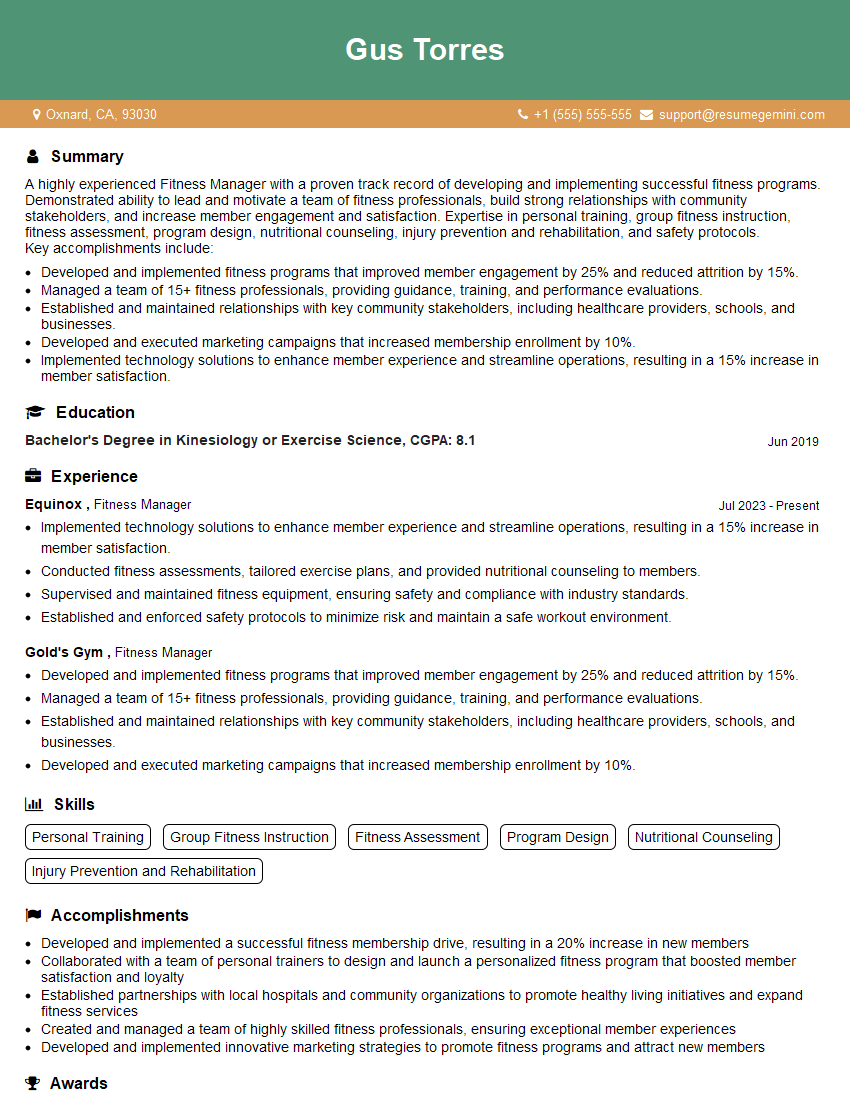
Fitness Manager Resume Sample
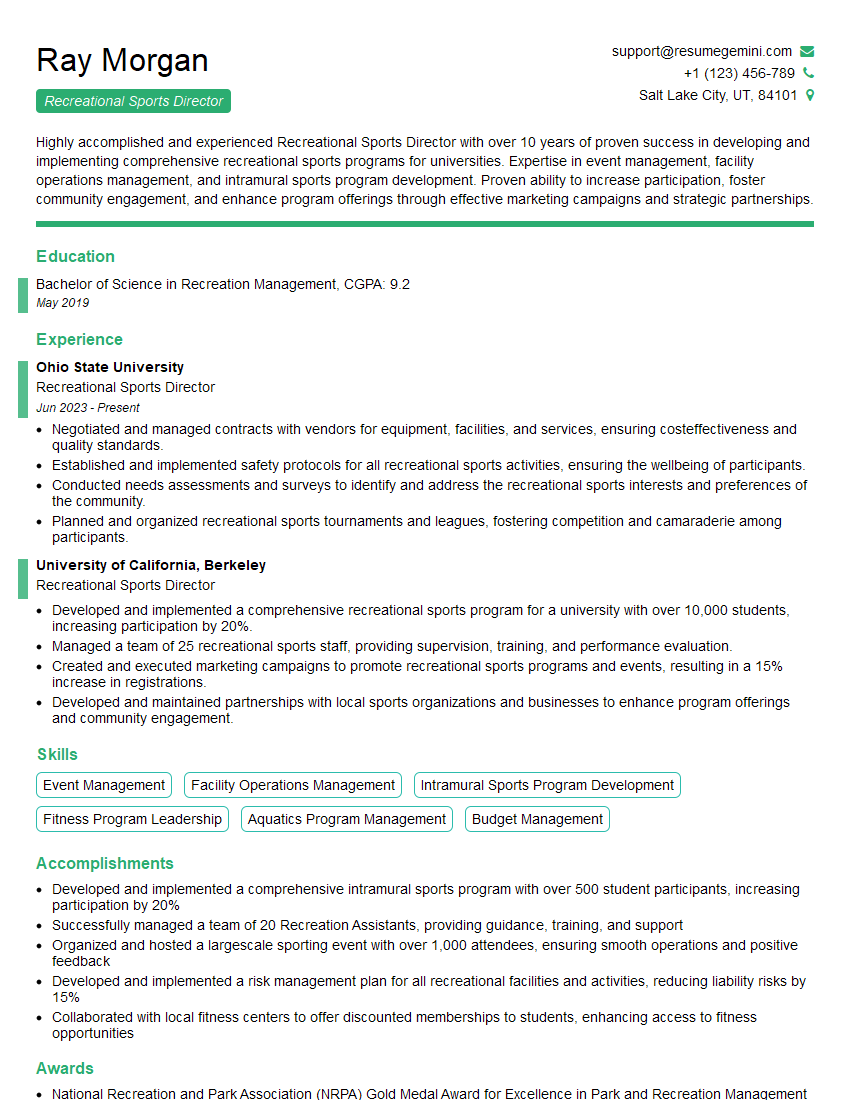
Recreational Sports Director Resume Sample

Wellness Coach Resume Sample
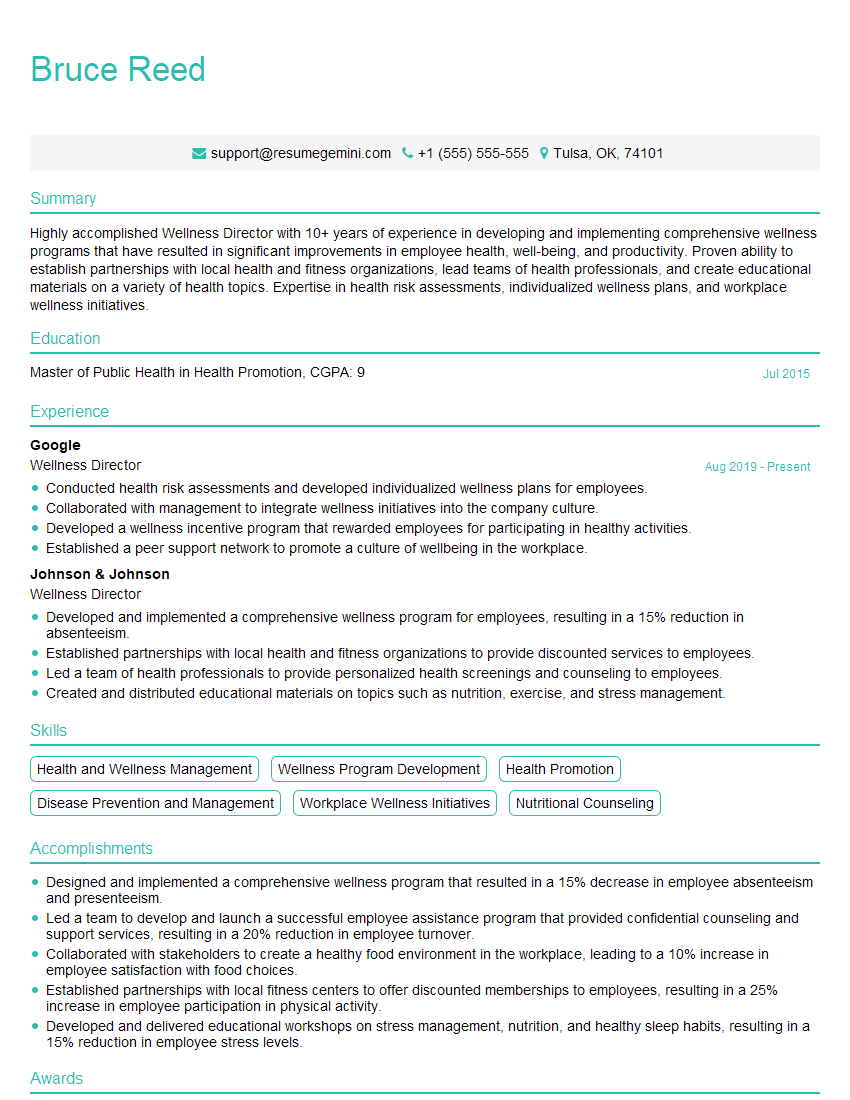
Wellness Director Resume Sample
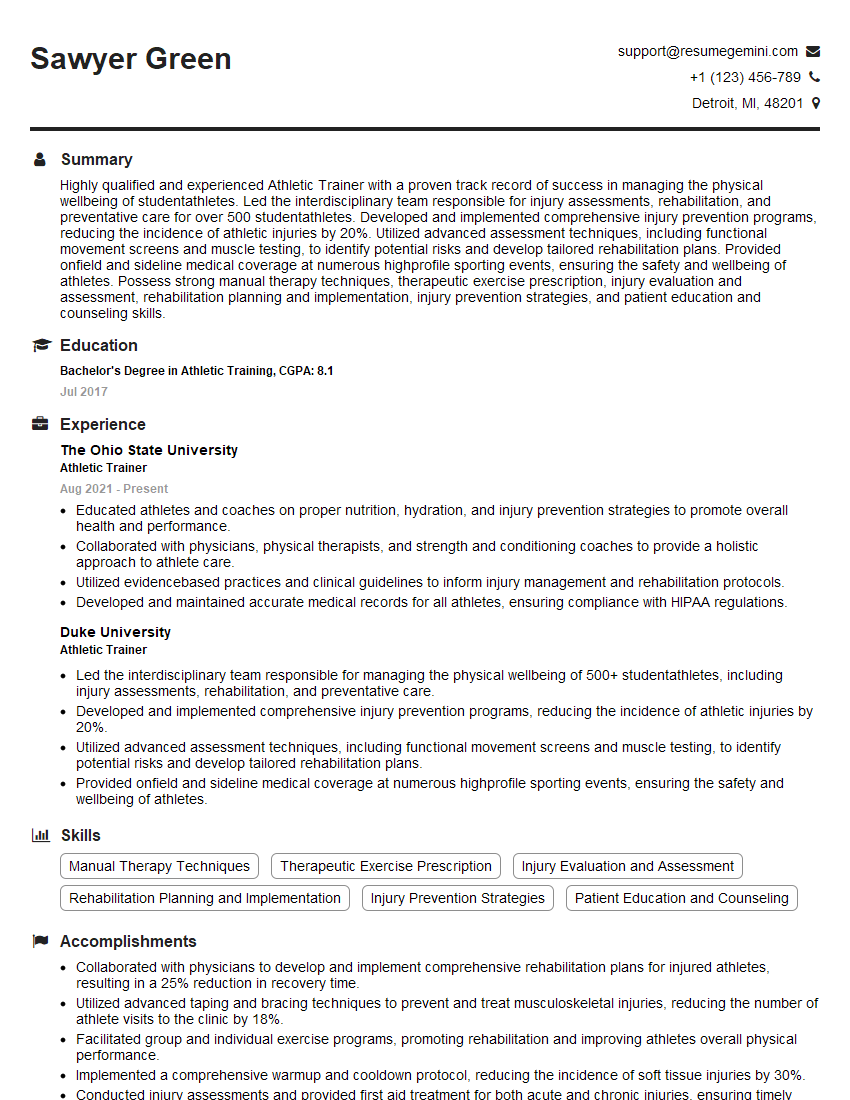
Athletic Trainer Resume Sample
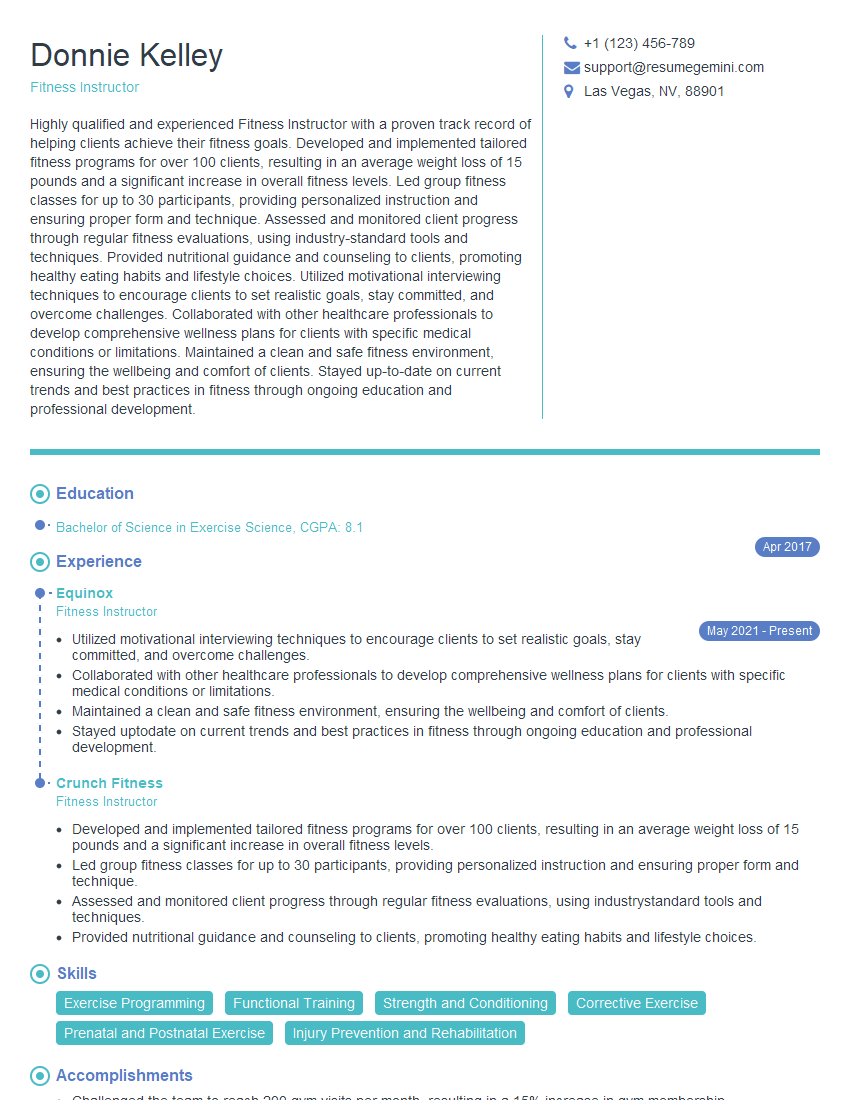
Fitness Instructor Resume Sample
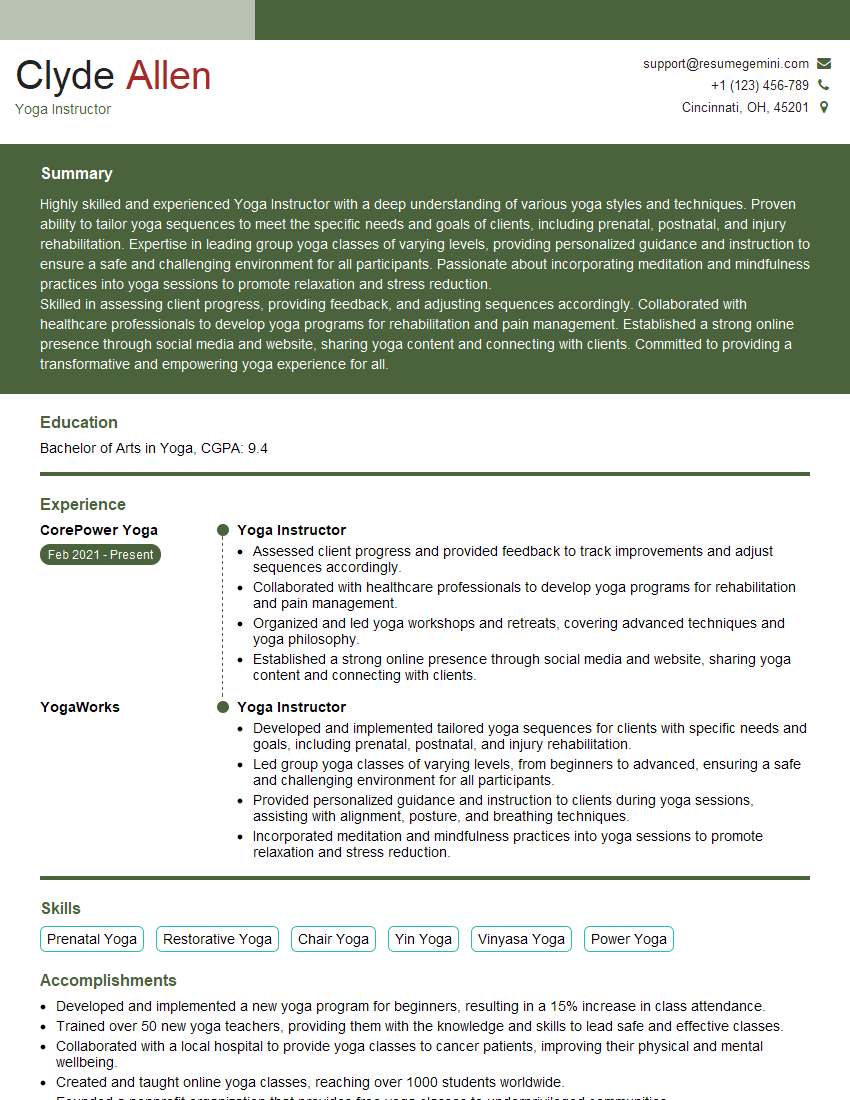
Yoga Instructor Resume Sample
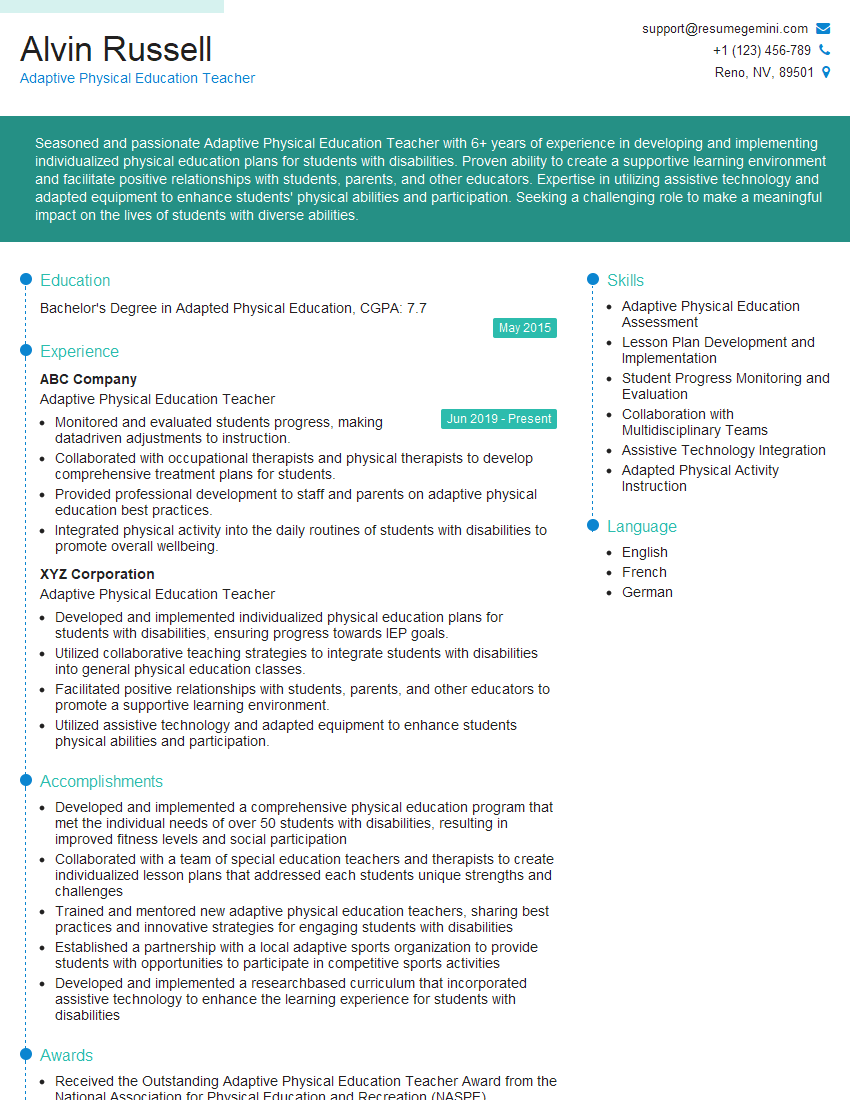
Adaptive Physical Education Teacher Resume Sample
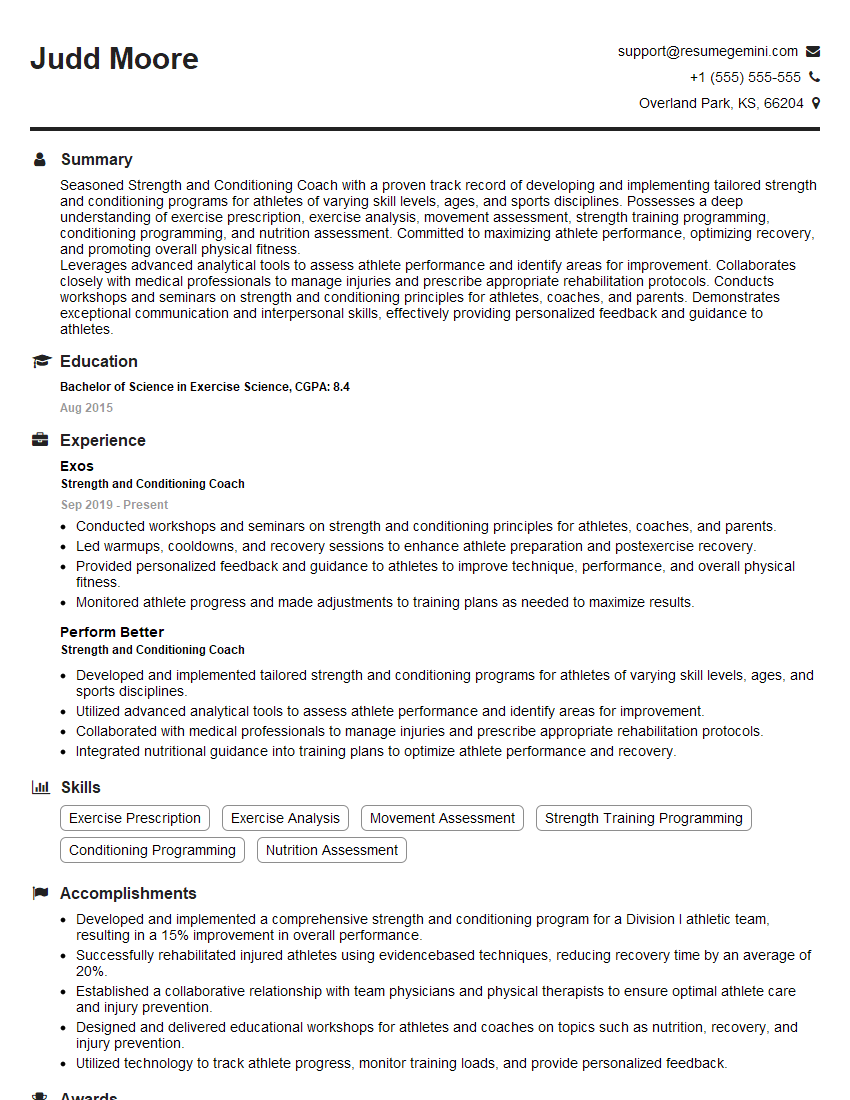
Strength and Conditioning Coach Resume Sample
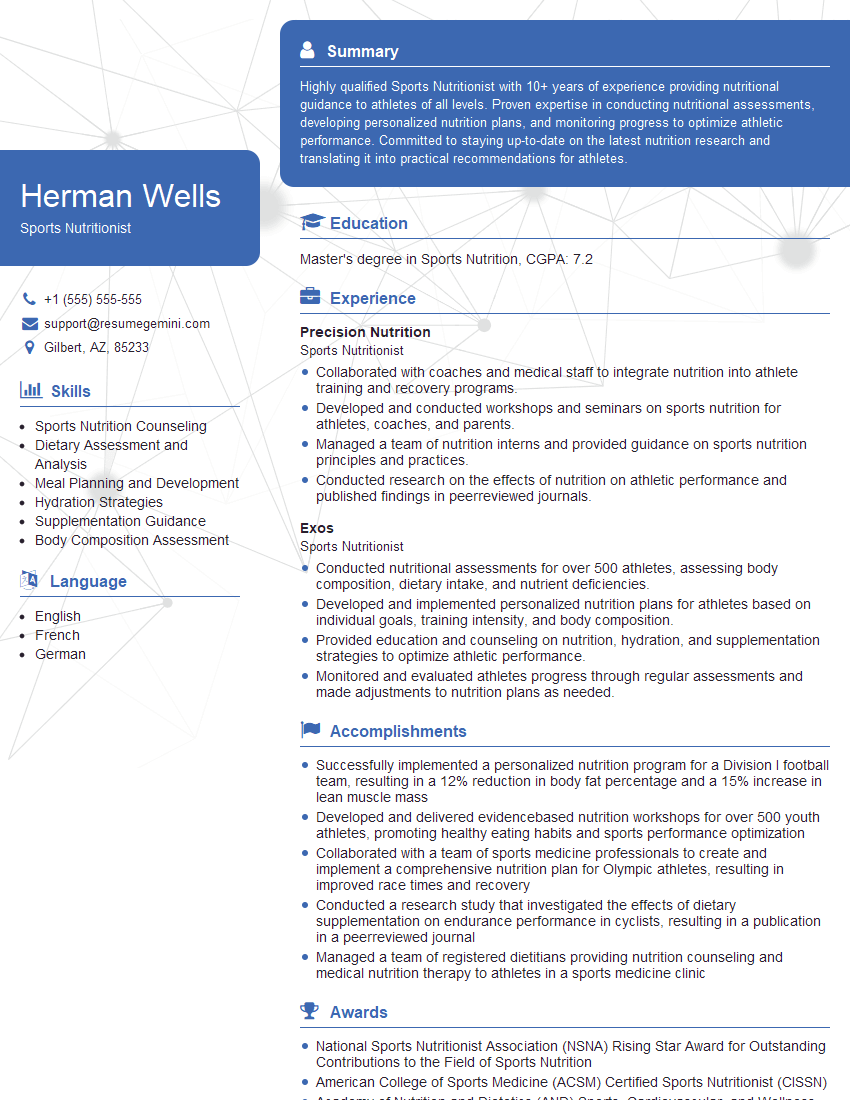
Sports Nutritionist Resume Sample
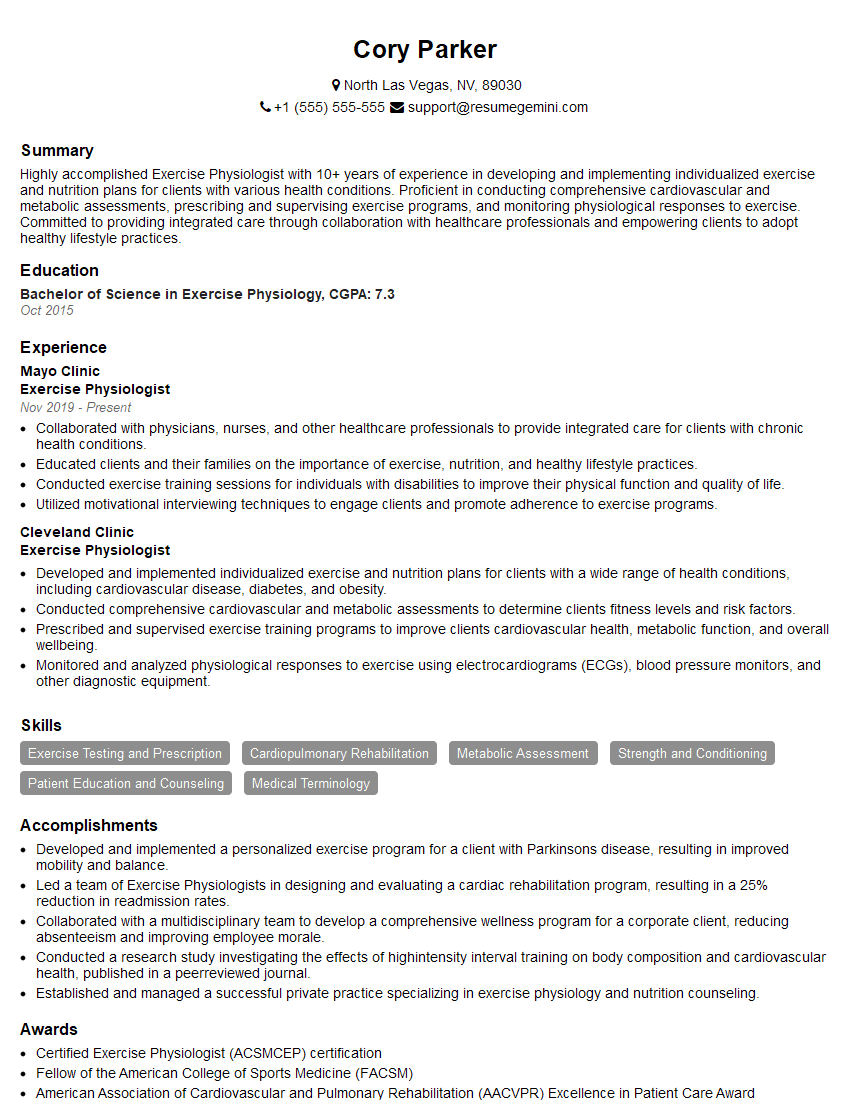
Exercise Physiologist Resume Sample
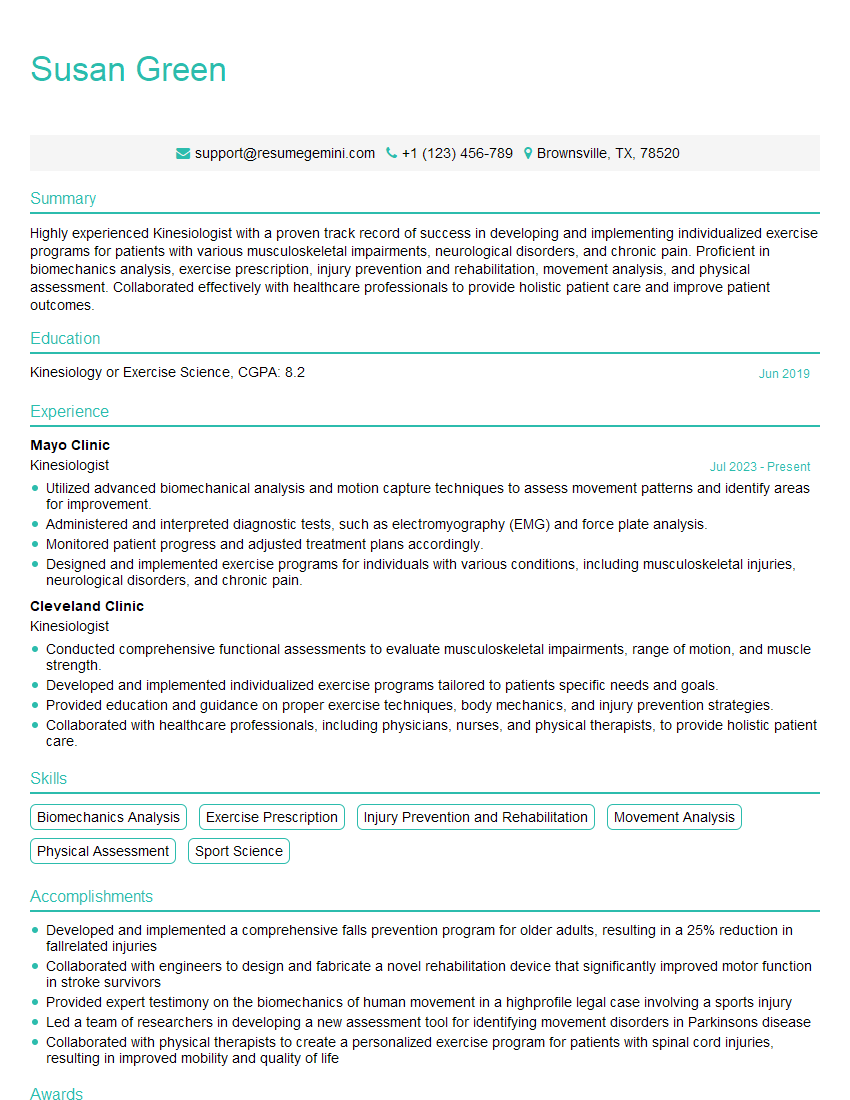
Kinesiologist Resume Sample
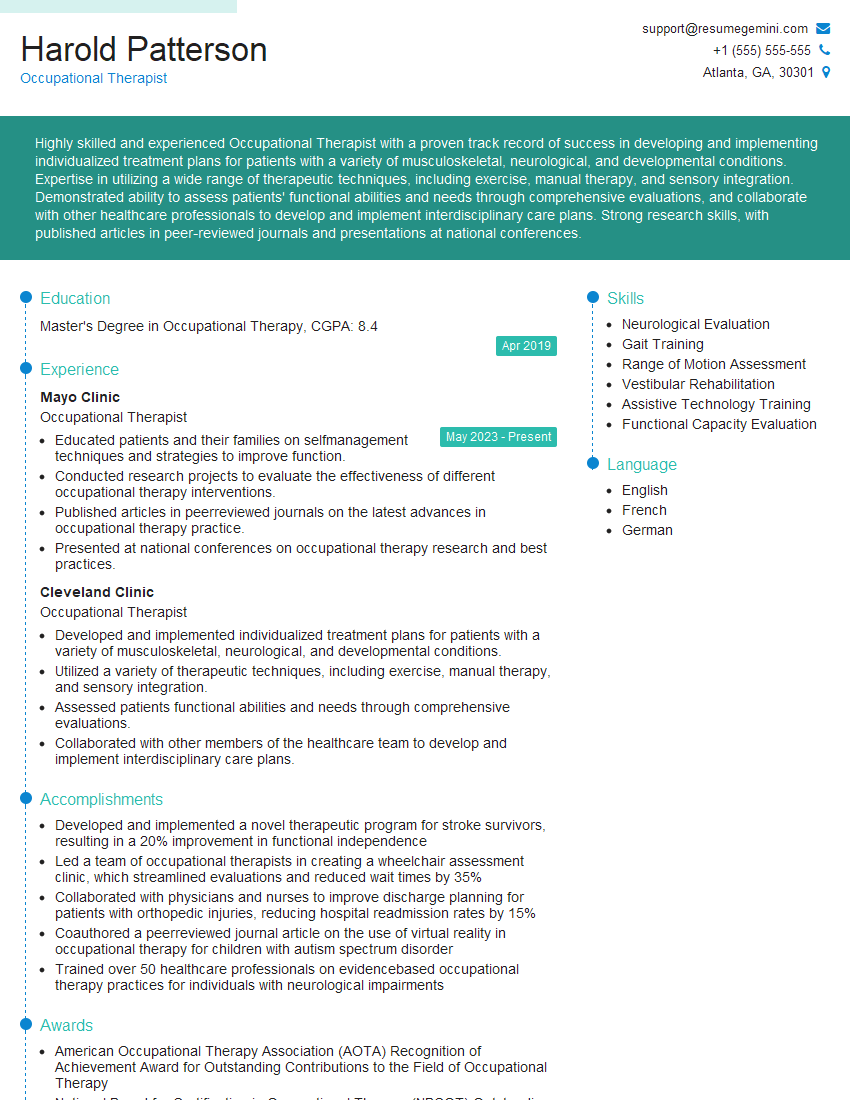
Occupational Therapist Resume Sample
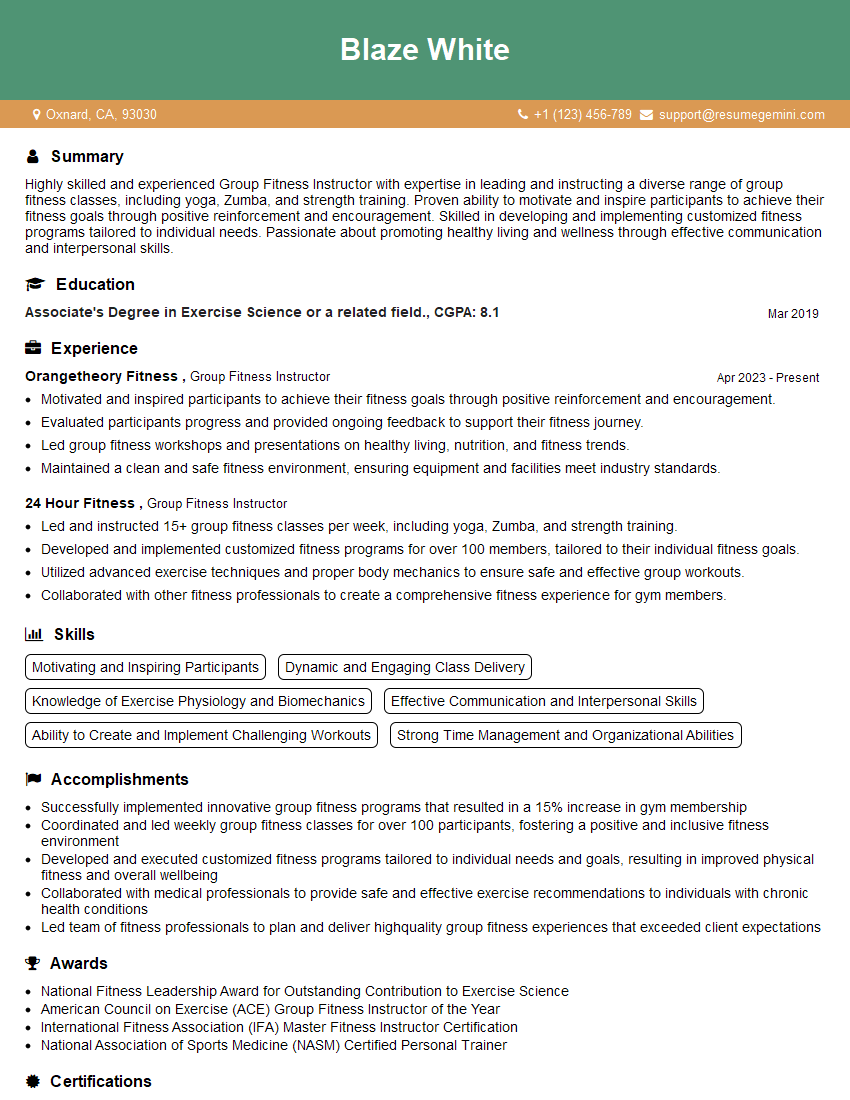
Group Fitness Instructor Resume Sample
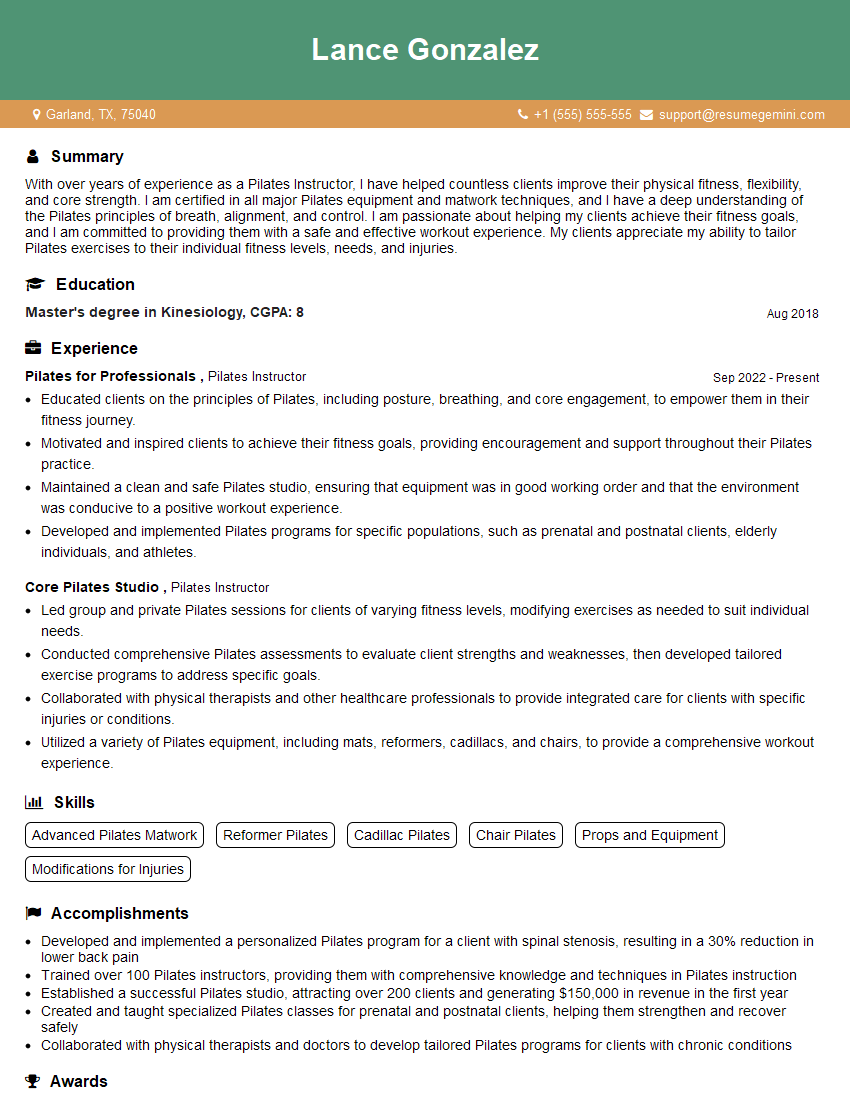
Pilates Instructor Resume Sample
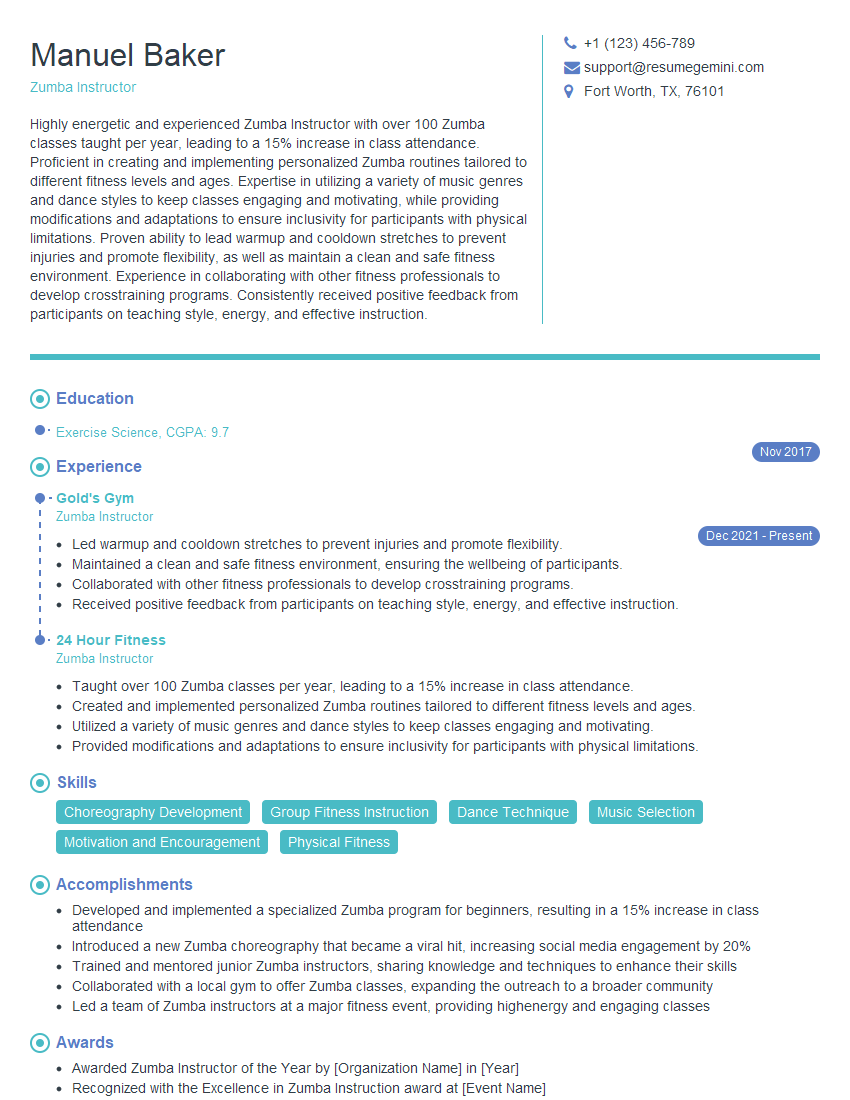
Zumba Instructor Resume Sample
- Fitness Manager
- Recreational Sports Director
- Wellness Coach
- Wellness Director
- Athletic Trainer
- Fitness Instructor
- Yoga Instructor
- Adaptive Physical Education Teacher
- Strength and Conditioning Coach
- Sports Nutritionist
- Exercise Physiologist
- Kinesiologist
- Occupational Therapist
- Group Fitness Instructor
- Pilates Instructor
- Zumba Instructor
Explore more articles
Users Rating of Our Blogs
Share Your Experience
We value your feedback! Please rate our content and share your thoughts (optional).
What Readers Say About Our Blog
Very informative content, great job.
good