Interviews are more than just a Q&A session—they’re a chance to prove your worth. This blog dives into essential Physiological Knowledge interview questions and expert tips to help you align your answers with what hiring managers are looking for. Start preparing to shine!
Questions Asked in Physiological Knowledge Interview
Q 1. Explain the concept of homeostasis and its importance in physiological regulation.
Homeostasis is the body’s ability to maintain a stable internal environment despite external changes. Think of it like a thermostat in your house – it constantly adjusts the temperature to keep it within a comfortable range. In our bodies, this involves numerous physiological processes working together to regulate factors such as temperature, blood pressure, pH, blood glucose levels, and oxygen concentration. The importance of homeostasis cannot be overstated; failure to maintain homeostasis can lead to illness or even death. For example, uncontrolled high blood sugar in diabetes disrupts homeostasis, leading to various complications. Maintaining homeostasis is a dynamic process, constantly adjusting to internal and external stimuli.
Q 2. Describe the different types of membrane transport mechanisms.
Cells use various mechanisms to transport substances across their membranes. These can be broadly categorized into passive and active transport. Passive transport doesn’t require energy and relies on the concentration gradient. This includes:
- Simple diffusion: Movement of small, nonpolar molecules (like oxygen and carbon dioxide) directly across the membrane down their concentration gradient.
- Facilitated diffusion: Movement of molecules across the membrane with the help of membrane proteins, still down their concentration gradient (e.g., glucose transport).
- Osmosis: Movement of water across a selectively permeable membrane from an area of high water concentration (low solute concentration) to an area of low water concentration (high solute concentration).
Active transport requires energy (usually ATP) to move molecules against their concentration gradient, from an area of low concentration to an area of high concentration. Examples include:
- Sodium-potassium pump: Maintains the electrochemical gradient across the cell membrane by pumping sodium ions out and potassium ions in.
- Endocytosis: The cell engulfs substances by forming vesicles around them (e.g., phagocytosis, pinocytosis).
- Exocytosis: Substances are released from the cell by fusing vesicles with the cell membrane.
Understanding these mechanisms is crucial for comprehending various physiological processes, like nutrient absorption, waste removal, and nerve impulse transmission.
Q 3. Explain the action potential and its role in nerve impulse transmission.
An action potential is a rapid, transient change in the electrical potential across a nerve cell membrane. It’s the fundamental signal used by neurons to communicate. It begins with a stimulus that depolarizes the membrane, making it less negative. If the stimulus reaches the threshold potential, voltage-gated sodium channels open, causing a rapid influx of sodium ions and a dramatic rise in membrane potential (depolarization). This is followed by the opening of voltage-gated potassium channels, causing potassium ions to rush out, repolarizing the membrane. A brief period of hyperpolarization often follows before the membrane potential returns to its resting state. This entire process is a chain reaction, propagating the signal down the axon, the long extension of the neuron. Myelin sheath on some axons speeds up this propagation. The action potential is an all-or-none phenomenon: it either occurs fully or not at all. Its role in nerve impulse transmission is paramount, enabling rapid communication throughout the nervous system, underlying functions like sensation, movement, and thought.
Q 4. What are the key components of the cardiovascular system and their functions?
The cardiovascular system comprises the heart, blood vessels, and blood. The heart acts as a pump, propelling blood throughout the body. The blood vessels form a network of tubes: arteries carry oxygenated blood away from the heart, veins return deoxygenated blood to the heart, and capillaries facilitate exchange of nutrients and waste products between blood and tissues. Blood itself is a complex fluid, transporting oxygen, nutrients, hormones, and waste products. Its components include red blood cells (carrying oxygen), white blood cells (fighting infection), platelets (involved in blood clotting), and plasma (the liquid component).
Their functions are intimately linked: the heart pumps blood through the arteries, which branch into smaller arterioles and capillaries. Here, gas exchange and nutrient delivery occur. Deoxygenated blood then travels through venules and veins back to the heart to be re-oxygenated in the lungs. Effective cardiovascular function is essential for delivering oxygen and nutrients to tissues, removing metabolic waste, and maintaining overall homeostasis.
Q 5. Describe the process of gas exchange in the lungs.
Gas exchange in the lungs, also known as respiration, involves the uptake of oxygen and the release of carbon dioxide. It occurs in the alveoli, tiny air sacs within the lungs. Inhaled air, rich in oxygen, reaches the alveoli, where oxygen diffuses across the thin alveolar membrane and into the capillaries surrounding the alveoli. This diffusion is driven by the partial pressure gradient: oxygen’s partial pressure is higher in the alveoli than in the blood, facilitating its movement into the blood. Simultaneously, carbon dioxide, with a higher partial pressure in the blood than in the alveoli, diffuses from the blood into the alveoli to be exhaled. The efficiency of gas exchange depends on several factors, including the surface area of the alveoli, the thickness of the alveolar membrane, and the partial pressure gradients of oxygen and carbon dioxide.
Q 6. Explain the role of the kidneys in maintaining fluid and electrolyte balance.
The kidneys play a crucial role in maintaining fluid and electrolyte balance through several mechanisms. They filter blood, removing waste products and excess water and electrolytes. This filtration happens in the glomerulus, a network of capillaries within the nephron, the functional unit of the kidney. The filtered fluid then passes through the tubules of the nephron, where essential substances like glucose and electrolytes are reabsorbed back into the bloodstream. The kidneys also regulate the excretion of electrolytes, ensuring their levels remain within a narrow, homeostatic range. Hormones like antidiuretic hormone (ADH) and aldosterone influence this process, affecting water and sodium reabsorption, respectively. Failure of the kidneys to regulate fluid and electrolyte balance can lead to serious health consequences, including dehydration, edema, and electrolyte imbalances that disrupt many physiological processes.
Q 7. Describe the physiological mechanisms involved in thermoregulation.
Thermoregulation is the body’s ability to maintain its core temperature within a narrow range, typically around 37°C (98.6°F). This involves a complex interplay of physiological mechanisms. When the body temperature rises, the body responds through mechanisms like sweating (evaporative cooling) and vasodilation (widening of blood vessels in the skin to increase heat loss). When the body temperature drops, mechanisms like shivering (generating heat through muscle contractions) and vasoconstriction (narrowing of blood vessels in the skin to reduce heat loss) are activated. The hypothalamus in the brain acts as the body’s thermostat, integrating sensory information about body temperature and initiating appropriate responses. Other factors, like behavior (e.g., seeking shade or warm clothing), also play a role in thermoregulation. Disruptions in thermoregulation, such as hyperthermia (overheating) or hypothermia (undercooling), can be life-threatening.
Q 8. How does the endocrine system regulate metabolism?
The endocrine system, a network of glands releasing hormones into the bloodstream, plays a crucial role in regulating metabolism – the sum of all chemical processes within the body. It achieves this primarily through the actions of key hormones like insulin, glucagon, thyroid hormones, and cortisol.
Insulin, produced by the pancreas, lowers blood glucose levels by promoting glucose uptake by cells. Think of it as the body’s ‘key’ that unlocks cells to allow glucose (our primary energy source) to enter.
Glucagon, also from the pancreas, works oppositely to insulin, raising blood glucose levels by stimulating the breakdown of glycogen (stored glucose) in the liver. It’s the ’emergency release’ system, providing glucose when levels are low.
Thyroid hormones (T3 and T4) regulate the basal metabolic rate (BMR), influencing how quickly our body burns calories at rest. They affect almost every cell in the body, influencing growth, development, and energy production. An underactive thyroid can lead to fatigue and weight gain, while an overactive thyroid can cause weight loss and increased heart rate.
Cortisol, secreted by the adrenal glands, plays a role in stress response, but also affects metabolism, influencing blood glucose levels and protein breakdown. Long-term elevated cortisol levels, such as in chronic stress, can contribute to metabolic disturbances and weight gain.
These hormones work in concert, maintaining a delicate balance of energy intake, storage, and expenditure. Imbalances in any of these hormones can result in metabolic disorders such as diabetes or hypothyroidism.
Q 9. Explain the role of the nervous system in controlling muscle contraction.
The nervous system orchestrates muscle contraction through a precise sequence of events. It begins in the brain, where voluntary movements are initiated, or the spinal cord, for reflexes. Signals then travel along motor neurons (nerve cells) to the muscle.
At the neuromuscular junction – the point of contact between a motor neuron and a muscle fiber – the motor neuron releases acetylcholine, a neurotransmitter. Acetylcholine binds to receptors on the muscle fiber membrane, triggering a cascade of events leading to muscle contraction.
This process involves the release of calcium ions within the muscle fiber, allowing the interaction of actin and myosin filaments (the contractile proteins). The sliding of these filaments creates the force of muscle contraction. Once the signal ceases, calcium is pumped back, and the muscle relaxes.
Consider a simple action like picking up a pen: Your brain sends a signal down your motor neuron to the muscles in your hand. Acetylcholine is released, triggering the contraction of specific muscle fibers in your fingers and hand, enabling the precise movement to grasp the pen.
Q 10. Describe the process of digestion and absorption of nutrients.
Digestion and absorption are two interconnected processes ensuring that our bodies receive essential nutrients from food. Digestion breaks down food into smaller molecules, while absorption transports these molecules across the gut wall into the bloodstream.
Digestion begins in the mouth with mechanical (chewing) and chemical (enzymes in saliva) breakdown. The food then travels down the esophagus to the stomach, where acids and enzymes further break down proteins. The small intestine is where the majority of digestion and absorption takes place. Enzymes from the pancreas and bile from the liver aid in breaking down fats, carbohydrates, and proteins into absorbable forms.
Absorption primarily occurs in the small intestine, characterized by a huge surface area created by villi and microvilli. These structures greatly increase the area available for nutrient uptake. Different mechanisms, including passive diffusion and active transport, move nutrients like glucose, amino acids, and fatty acids into the bloodstream via capillaries and lacteals (lymphatic vessels). Undigested material moves on to the large intestine where water is absorbed and waste is eliminated.
For example, the complex carbohydrates in bread are broken down into simple sugars (glucose) in the small intestine. These glucose molecules are then absorbed into the bloodstream via facilitated diffusion and transported to cells for energy.
Q 11. What are the key differences between skeletal, smooth, and cardiac muscle?
Skeletal, smooth, and cardiac muscles differ significantly in their structure, function, and control mechanisms.
Skeletal muscle is attached to bones, responsible for voluntary movement. It’s striated (striped) due to the organized arrangement of actin and myosin filaments. Its contractions are powerful and rapid, under conscious control.
Smooth muscle is found in the walls of internal organs (e.g., stomach, intestines, blood vessels). It’s non-striated, with less organized filaments. Contractions are slow, involuntary, and sustained, crucial for functions like digestion and blood pressure regulation.
Cardiac muscle forms the heart wall. It’s striated like skeletal muscle, but its contractions are involuntary, rhythmic, and self-excitable, controlled by the heart’s conduction system. These unique properties ensure the continuous pumping of blood.
Think about running: Your skeletal muscles are consciously controlled to perform the movement. Meanwhile, your heart’s cardiac muscle tirelessly pumps blood, and the smooth muscles in your blood vessels adjust blood flow to meet the demands of exercise, all without your conscious awareness.
Q 12. Explain the role of the immune system in protecting the body from disease.
The immune system is our body’s defense force against pathogens (disease-causing agents) and foreign substances. It comprises various cells and organs working together to identify and eliminate threats.
Innate immunity is the first line of defense, providing a rapid, non-specific response. It involves physical barriers (skin, mucous membranes), chemical defenses (e.g., stomach acid), and cells like macrophages that engulf and destroy pathogens.
Adaptive immunity is a targeted, slower response that develops over time. It involves lymphocytes (B cells and T cells). B cells produce antibodies that bind to specific pathogens, while T cells directly kill infected cells or help activate other immune cells. This system ‘remembers’ previous encounters, leading to faster and stronger responses upon subsequent exposure (immunological memory, the basis of vaccination).
For example, if you get a cut, innate immunity prevents infection by sealing the wound and using cells to eliminate bacteria. If a pathogen manages to invade deeper, adaptive immunity would be activated to specifically target and eliminate that particular pathogen.
Q 13. How does the body respond to stress?
The body responds to stress through a complex neuroendocrine mechanism known as the stress response or ‘fight-or-flight’ response. It involves the hypothalamus, pituitary gland, and adrenal glands.
When faced with a stressor, the hypothalamus activates the sympathetic nervous system, leading to the release of adrenaline and noradrenaline from the adrenal medulla. These hormones trigger a rapid increase in heart rate, blood pressure, and respiration, preparing the body for action. Simultaneously, the hypothalamus releases corticotropin-releasing hormone (CRH), stimulating the pituitary gland to release adrenocorticotropic hormone (ACTH).
ACTH then triggers the release of cortisol from the adrenal cortex. Cortisol has longer-term effects, increasing blood glucose levels, suppressing inflammation, and influencing metabolism. However, prolonged or chronic stress can lead to detrimental health effects due to the sustained elevation of cortisol and other stress hormones.
Imagine being chased by a dog: Your heart races, your breathing becomes faster, and your senses sharpen – the effects of adrenaline. Later, cortisol helps to regulate your blood sugar and helps your body to recover from the exertion, but chronic stress from work or relationship problems can lead to health problems like anxiety, depression, or even cardiovascular disease.
Q 14. Describe the physiological effects of exercise.
Exercise elicits profound physiological changes across multiple organ systems, delivering numerous health benefits. These effects vary based on the type, intensity, and duration of exercise.
Cardiovascular system: Regular exercise strengthens the heart muscle, increasing its efficiency and lowering resting heart rate. It improves blood vessel function, reducing blood pressure and improving blood flow.
Respiratory system: Exercise increases lung capacity and efficiency of gas exchange. It enhances the body’s ability to take in oxygen and expel carbon dioxide.
Musculoskeletal system: Exercise builds muscle mass and strength, increases bone density, and improves joint mobility and flexibility. Regular weight-bearing exercises are particularly important for bone health.
Metabolic system: Exercise enhances insulin sensitivity, improving blood glucose regulation and reducing the risk of type 2 diabetes. It aids in weight management by increasing energy expenditure.
Nervous system: Exercise promotes neurogenesis (growth of new brain cells) and improves cognitive function, mood, and sleep quality. It helps reduce stress and anxiety.
For example, marathon runners develop enhanced cardiovascular fitness, characterized by a lower resting heart rate and improved oxygen uptake. Weight training leads to increased muscle mass and strength, while regular yoga improves flexibility and stress reduction.
Q 15. Explain the mechanisms of action of common drugs on physiological systems.
Many drugs exert their effects by interacting with specific physiological systems. Understanding their mechanisms of action requires knowledge of receptor binding, enzyme inhibition, or ion channel modulation. For example, beta-blockers, like metoprolol, reduce blood pressure by blocking beta-adrenergic receptors in the heart, thereby decreasing heart rate and contractility. This is an example of receptor antagonism.
Another example is aspirin, a non-steroidal anti-inflammatory drug (NSAID). Aspirin inhibits cyclooxygenase (COX) enzymes, which are responsible for producing prostaglandins, inflammatory mediators involved in pain and inflammation. This is an example of enzyme inhibition. Different drugs interact with different receptors and systems to achieve therapeutic effects, demonstrating the importance of understanding specific drug-target interactions for safe and effective treatment.
- Receptor Agonists: Mimic the action of a natural ligand, like morphine acting on opioid receptors.
- Receptor Antagonists: Block the action of a natural ligand, like antihistamines blocking histamine receptors.
- Enzyme Inhibitors: Reduce the activity of an enzyme, like statins inhibiting cholesterol synthesis.
- Ion Channel Blockers: Interfere with the flow of ions across cell membranes, like calcium channel blockers used to treat hypertension.
Understanding these mechanisms is crucial for predicting drug interactions, side effects, and optimizing therapeutic efficacy. A physician needs this knowledge to tailor medication to individual patients considering factors like age, genetics, and co-morbidities.
Career Expert Tips:
- Ace those interviews! Prepare effectively by reviewing the Top 50 Most Common Interview Questions on ResumeGemini.
- Navigate your job search with confidence! Explore a wide range of Career Tips on ResumeGemini. Learn about common challenges and recommendations to overcome them.
- Craft the perfect resume! Master the Art of Resume Writing with ResumeGemini’s guide. Showcase your unique qualifications and achievements effectively.
- Don’t miss out on holiday savings! Build your dream resume with ResumeGemini’s ATS optimized templates.
Q 16. How does aging affect physiological function?
Aging significantly impacts physiological function across multiple systems. Think of it as a gradual decline in the efficiency and effectiveness of various bodily processes. This decline isn’t uniform; some systems are affected more dramatically than others.
- Cardiovascular System: The heart muscle weakens, leading to reduced cardiac output and increased blood pressure. Vascular walls become less elastic, contributing to hypertension.
- Respiratory System: Lung elasticity decreases, leading to reduced lung capacity and increased susceptibility to respiratory infections.
- Nervous System: Neuron loss occurs, impacting cognitive function, memory, and reflexes. Neurotransmitter production may also decrease.
- Musculoskeletal System: Muscle mass and bone density decrease, resulting in weakness, decreased mobility, and increased risk of fractures.
- Immune System: Immune responses become less efficient, increasing vulnerability to infections and diseases.
These changes are largely attributed to cellular senescence (aging of cells), oxidative stress (damage from free radicals), and alterations in hormonal regulation. Understanding these age-related changes is crucial for developing preventative strategies and effective treatments for age-related diseases.
Q 17. Describe the physiological basis of common diseases, such as diabetes or hypertension.
Many common diseases have a physiological basis rooted in the malfunctioning of specific body systems.
- Diabetes Mellitus: This disease is characterized by hyperglycemia (high blood glucose) due to either insufficient insulin production (Type 1) or insulin resistance (Type 2). In Type 1 diabetes, the pancreas fails to produce enough insulin, a hormone necessary for glucose uptake into cells. In Type 2, cells become less responsive to insulin, preventing adequate glucose uptake. This leads to elevated blood glucose levels, damaging blood vessels and organs over time.
- Hypertension (High Blood Pressure): This arises from an imbalance between cardiac output and peripheral resistance. Several factors can contribute, including increased blood volume (due to fluid retention), increased heart rate, and vasoconstriction (narrowing of blood vessels). This sustained high pressure damages the blood vessels and organs, increasing the risk of stroke, heart attack, and kidney failure.
Understanding the physiological mechanisms underlying these diseases is crucial for developing effective treatments. For example, in diabetes, therapies aim to improve insulin production or enhance insulin sensitivity. In hypertension, treatment focuses on reducing blood volume, decreasing heart rate, and vasodilation (widening of blood vessels).
Q 18. How do you interpret physiological data obtained from experiments or clinical tests?
Interpreting physiological data involves a systematic approach. It begins with understanding the experimental design, the methodology used for data collection, and potential sources of error. The data is then analyzed using appropriate statistical methods to identify significant trends and relationships.
For example, interpreting an electrocardiogram (ECG) requires understanding the different waveforms and intervals representing the electrical activity of the heart. Abnormal patterns can indicate various cardiac conditions. Similarly, interpreting blood gas analysis involves assessing partial pressures of oxygen and carbon dioxide, pH, and bicarbonate levels to evaluate respiratory and metabolic function.
Critical thinking is crucial. It’s important to consider whether the data supports the hypothesis, identify potential confounding factors, and acknowledge limitations in the study design or methodology. Context is also essential; individual patient history and clinical findings must be integrated with the physiological data to reach a comprehensive interpretation and formulate an appropriate diagnosis or treatment plan.
Q 19. What are the ethical considerations in physiological research?
Ethical considerations in physiological research are paramount. The welfare of human and animal subjects must always be prioritized. Key ethical principles include:
- Informed Consent: Participants must be fully informed about the study’s purpose, procedures, risks, and benefits before agreeing to participate.
- Minimizing Harm: Researchers must design studies to minimize risks to participants and animals, and provide appropriate care and monitoring.
- Confidentiality: Participant data must be kept confidential and protected from unauthorized access.
- Data Integrity: Data must be collected and analyzed honestly and accurately. Falsification or fabrication of data is unethical.
- Animal Welfare: If using animals, researchers must adhere to strict guidelines to minimize pain, suffering, and distress. Use of animals should be justified and alternatives considered where possible.
Ethical review boards (IRBs) and Institutional Animal Care and Use Committees (IACUCs) play a vital role in overseeing research protocols to ensure adherence to ethical standards. These boards evaluate research proposals to ensure ethical conduct and protect the rights and well-being of research participants.
Q 20. Explain the principles of feedback control systems in physiology.
Feedback control systems are crucial for maintaining homeostasis, the body’s internal stability. They operate on a principle of negative feedback, where a change in a controlled variable triggers a response that counteracts the initial change, bringing the variable back to its set point. Think of a thermostat in your house.
Let’s take body temperature regulation as an example. When body temperature rises above the set point (around 37°C), thermoreceptors detect the change. This information is relayed to the hypothalamus, the body’s thermostat. The hypothalamus then triggers a series of responses, such as sweating and vasodilation (widening of blood vessels), to dissipate heat and lower the body temperature. Conversely, when body temperature falls below the set point, mechanisms like shivering and vasoconstriction (narrowing of blood vessels) are activated to generate and conserve heat.
Other examples include blood glucose regulation (insulin and glucagon), blood pressure regulation (baroreceptors and chemoreceptors), and hormonal control of calcium levels. Understanding these feedback mechanisms is essential for comprehending physiological processes and their dysregulation in disease.
Q 21. Describe the various techniques used to measure physiological parameters.
Measuring physiological parameters employs a wide range of techniques, chosen based on the parameter of interest and the required accuracy and invasiveness. These techniques range from simple and non-invasive to complex and invasive procedures.
- Electrocardiography (ECG): Measures the electrical activity of the heart using electrodes placed on the skin.
- Electroencephalography (EEG): Records the electrical activity of the brain using electrodes placed on the scalp.
- Blood Pressure Measurement: Uses a sphygmomanometer to measure blood pressure in the arteries.
- Blood Gas Analysis: Measures the partial pressures of oxygen and carbon dioxide, pH, and bicarbonate levels in blood.
- Spirometry: Measures lung volumes and airflow to assess respiratory function.
- Imaging Techniques: Include X-rays, CT scans, MRI, and ultrasound, providing visual information about internal organs and tissues.
- Biopsies: Involve obtaining tissue samples for microscopic examination.
The choice of technique depends on many factors including the specific physiological parameter being measured, the invasiveness tolerated by the subject, and the cost and availability of the equipment. Accurate and reliable measurement is crucial for diagnosis, treatment monitoring and scientific investigation.
Q 22. How do you troubleshoot problems encountered during physiological experiments?
Troubleshooting physiological experiments requires a systematic approach. It begins with carefully reviewing the experimental design, ensuring the methodology is sound and aligns with established protocols. This involves checking for potential sources of error at every stage, from equipment calibration and sample preparation to data acquisition and analysis.
- Equipment Malfunction: If unexpected results arise, the first step is to verify the proper functioning of all instruments. This could involve recalibrating equipment, replacing faulty components, or even using a different, known-good instrument to rule out equipment-related issues. For example, if blood pressure readings are inconsistent, I would check the calibration of the sphygmomanometer and ensure proper cuff placement.
- Procedural Errors: Next, the experimental procedures themselves need thorough scrutiny. Were protocols followed precisely? Did any unforeseen variables impact the experiment? Were controls adequate? For example, if a cell culture experiment yielded unexpected results, I’d check for contamination, inconsistencies in temperature control, or issues with media preparation.
- Data Analysis Errors: Incorrect data processing can lead to misleading conclusions. This step involves double-checking calculations, ensuring appropriate statistical analyses were used, and critically examining any assumptions made during the analysis. Reviewing data plots and outliers helps identify potential issues.
- Biological Variation: Remember, biological systems are inherently variable. Unexpected results might be due to the natural heterogeneity of the subjects. Proper randomization and a sufficiently large sample size are crucial to account for this inherent variability.
Ultimately, effective troubleshooting relies on meticulous record-keeping, thorough documentation of procedures, and a willingness to systematically examine all potential contributing factors. A detailed laboratory notebook is crucial for tracking these steps.
Q 23. Discuss the applications of physiological knowledge in clinical practice.
Physiological knowledge is fundamental to clinical practice, informing diagnosis, treatment, and prognosis across many specialties. For instance:
- Cardiology: Understanding cardiac electrophysiology is crucial for interpreting electrocardiograms (ECGs), diagnosing arrhythmias, and guiding treatment strategies. Knowledge of hemodynamics informs the management of heart failure and hypertension.
- Respiratory Medicine: Understanding lung mechanics, gas exchange, and acid-base balance is essential for diagnosing and managing respiratory diseases like asthma, pneumonia, and COPD. This knowledge is applied to interpret arterial blood gas results and titrate ventilator settings.
- Nephrology: Knowledge of renal physiology is central to understanding fluid and electrolyte balance, acid-base regulation, and the pathogenesis of kidney diseases. This is directly used in managing patients with kidney failure, electrolyte imbalances, and hypertension.
- Endocrinology: A thorough understanding of hormonal regulation and metabolic processes is critical for diagnosing and treating endocrine disorders, such as diabetes mellitus, thyroid disorders, and adrenal insufficiency. For example, interpreting blood glucose levels depends directly on knowing the physiological processes of glucose homeostasis.
Essentially, a strong physiological foundation enables clinicians to interpret patient symptoms, understand disease mechanisms, select appropriate investigations, and formulate effective treatment plans, ultimately improving patient care.
Q 24. Explain the significance of physiological research in advancing medical knowledge.
Physiological research is the bedrock of medical advancement. By investigating the mechanisms of life processes at the cellular, tissue, organ, and systemic levels, we gain fundamental insights that translate directly into improved healthcare.
- Drug Development: Understanding the physiological effects of drugs, and the mechanisms through which they act, is crucial for rational drug design. Physiological studies using cell and animal models are essential parts of the drug discovery process.
- Disease Mechanisms: Research in physiology elucidates the underlying causes of disease. This provides targets for therapeutic intervention. For example, research into the pathophysiology of cancer has paved the way for targeted cancer therapies.
- Diagnostics: Advances in physiological understanding lead to new and improved diagnostic tools. For instance, advancements in our understanding of molecular mechanisms have led to new diagnostic biomarkers for various diseases.
- Therapeutic Strategies: Physiological research informs the development of novel therapeutic strategies, including gene therapy, regenerative medicine, and advanced surgical techniques.
In essence, physiological research expands our knowledge of how the body works in both health and disease. This knowledge provides the framework for creating better treatments, diagnostics, and preventative strategies.
Q 25. Describe your experience with data analysis and interpretation in physiological studies.
My experience with data analysis and interpretation in physiological studies is extensive. I am proficient in using statistical software packages like R and GraphPad Prism to analyze various types of physiological data, including:
- Time-series data: Analyzing heart rate variability, blood pressure fluctuations, and other dynamic physiological parameters requires specialized statistical methods, such as autocorrelation analysis and spectral analysis, which I routinely employ.
- Cross-sectional data: This includes comparing physiological parameters across different experimental groups. I apply statistical tests like t-tests, ANOVA, and non-parametric equivalents as appropriate.
- Image analysis: I have experience analyzing images from microscopy, echocardiography, and other imaging modalities to quantify physiological parameters. This involves image segmentation, quantification of fluorescence intensity, and other image processing techniques.
Beyond statistical analysis, I focus on data visualization to effectively communicate findings. I create clear and informative graphs and tables to present complex data in an accessible format. I also have strong experience interpreting the biological significance of statistical results, ensuring that conclusions are supported by the data and are biologically plausible. In one project involving analyzing blood flow data, I used wavelet transformation to isolate and analyze specific frequency components, which yielded valuable insights not visible in a simple time series plot. This allowed a better understanding of the underlying physiological mechanisms.
Q 26. What are your strengths and weaknesses related to physiological knowledge and research?
My strengths lie in my strong foundation in physiological principles, my meticulous approach to experimental design and data analysis, and my collaborative spirit. I am adept at troubleshooting complex problems and am always eager to learn new techniques. My ability to synthesize information from diverse sources and communicate complex concepts clearly is a significant asset.
One area where I am always striving to improve is in mastering advanced bioinformatics techniques to analyze large and complex datasets generated by high-throughput screening methods. While I have a working knowledge, deeper expertise would significantly enhance my research capabilities. I am actively pursuing opportunities to develop my skills in this area through online courses and collaborations.
Q 27. How do you stay current with the latest advancements in the field of physiology?
Staying current in the rapidly evolving field of physiology requires a multi-pronged approach:
- Peer-reviewed journals: I regularly read journals such as The Journal of Physiology, American Journal of Physiology, and Nature Reviews Physiology to stay abreast of the latest research findings.
- Conferences and workshops: Attending conferences allows me to interact with leading researchers, learn about cutting-edge techniques, and network with colleagues. This provides direct access to the most recent advancements and often offers unique opportunities for collaborative projects.
- Online resources: I utilize online databases like PubMed and Google Scholar to search for specific topics and articles. I also follow leading researchers and institutions on social media platforms relevant to the field.
- Continuing education: I actively participate in workshops, webinars, and online courses to learn new skills and update my knowledge in specific areas of interest. This helps me maintain a cutting edge in specific techniques and keep abreast of novel technologies and approaches within the field.
By combining these methods, I ensure I maintain a robust understanding of the latest breakthroughs and innovations within physiological science.
Q 28. Describe your experience collaborating with a team in a physiological research setting.
I have extensive experience collaborating in physiological research settings. In one recent project, we investigated the effects of a novel drug on cardiovascular function. The team comprised physiologists, pharmacologists, and biostatisticians. My role focused on designing and executing in vivo experiments, collecting data, and performing initial data analysis. The pharmacologist synthesized and characterized the drug, while the biostatistician performed advanced statistical modeling.
Effective collaboration in our team required open communication, clear task assignments, regular meetings, and mutual respect for each team member’s expertise. We utilized shared online platforms to track progress, share data, and discuss results. Open dialogue and a shared vision were essential for the successful completion of the project, leading to a publication in a high-impact journal. We learned from each other’s perspectives, leading to a more robust and comprehensive study.
Key Topics to Learn for Physiological Knowledge Interview
- Cellular Physiology: Understanding cell membrane transport, signal transduction, and cellular communication. Practical application: Explaining how these processes relate to disease mechanisms.
- Neurophysiology: Mastering action potentials, synaptic transmission, and the functions of different brain regions. Practical application: Analyzing neurological disorders or interpreting EEG/EMG data.
- Cardiovascular Physiology: Comprehending cardiac cycle, blood pressure regulation, and the role of the autonomic nervous system. Practical application: Evaluating cardiovascular health assessments or explaining the effects of medications.
- Respiratory Physiology: Understanding gas exchange, lung mechanics, and control of breathing. Practical application: Interpreting pulmonary function tests or explaining respiratory pathologies.
- Renal Physiology: Grasping glomerular filtration, tubular reabsorption, and acid-base balance. Practical application: Analyzing kidney function tests or explaining the role of the kidneys in maintaining homeostasis.
- Endocrine Physiology: Knowing hormone synthesis, regulation, and their effects on various bodily systems. Practical application: Understanding hormonal imbalances and their clinical manifestations.
- Muscle Physiology: Understanding muscle contraction, types of muscle fibers, and neuromuscular junctions. Practical application: Analyzing muscle function in different scenarios.
- Problem-solving approaches: Practice applying your physiological knowledge to solve clinical case studies or interpret experimental data. Develop skills in critical thinking and data analysis.
Next Steps
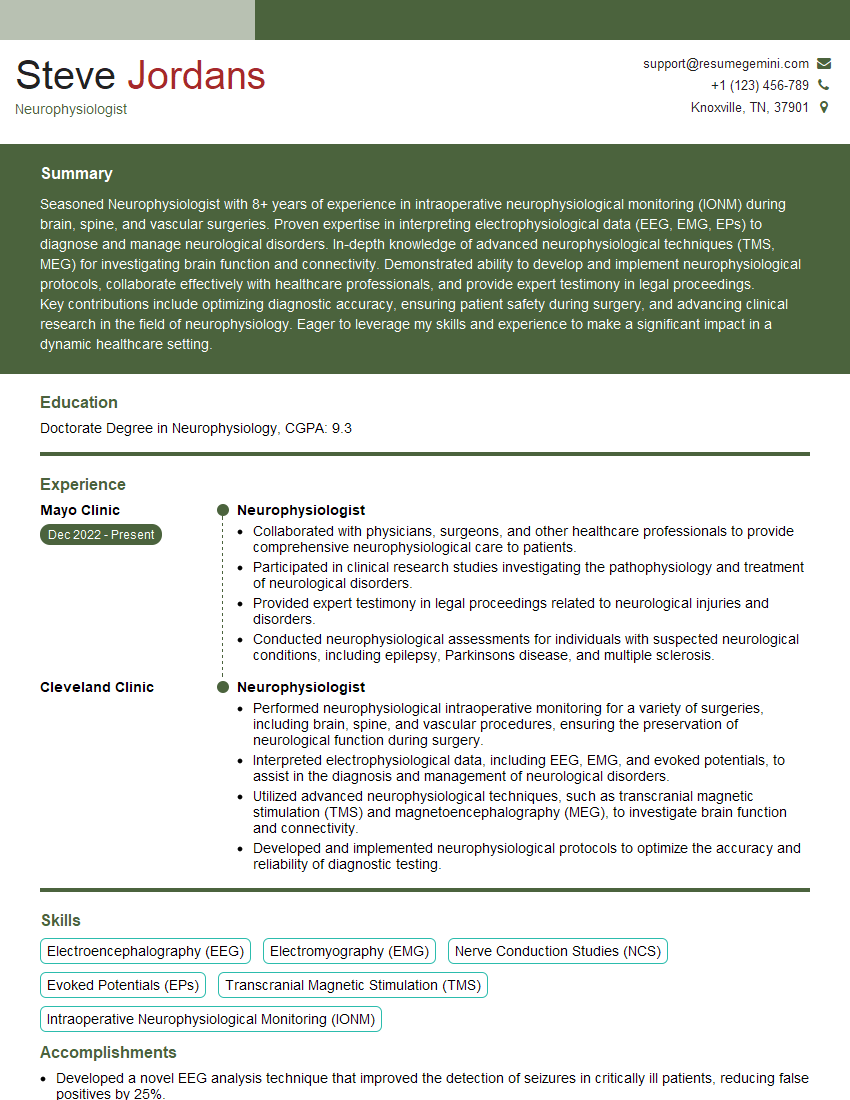
Mastering Physiological Knowledge opens doors to exciting careers in research, healthcare, and academia. A strong understanding of these principles is crucial for success in interviews and long-term career advancement. To maximize your job prospects, creating a professional and ATS-friendly resume is paramount. ResumeGemini is a trusted resource that can help you craft a compelling resume that showcases your skills and experience effectively. ResumeGemini provides examples of resumes tailored to Physiological Knowledge, ensuring your application stands out from the competition.

Explore more articles
Users Rating of Our Blogs
Share Your Experience
We value your feedback! Please rate our content and share your thoughts (optional).
What Readers Say About Our Blog
Very informative content, great job.
good