The right preparation can turn an interview into an opportunity to showcase your expertise. This guide to Pitching Technology and Innovation interview questions is your ultimate resource, providing key insights and tips to help you ace your responses and stand out as a top candidate.
Questions Asked in Pitching Technology and Innovation Interview
Q 1. Describe your experience pitching technological innovations to diverse audiences.
My experience pitching technological innovations spans diverse audiences, from venture capitalists and angel investors to engineering teams and potential customers. I’ve presented at industry conferences, internal company meetings, and one-on-one investor meetings. Each audience requires a different approach, but the core principle remains the same: clearly communicating the value proposition of the technology. For example, while pitching to investors, I focus on market size, revenue projections, and return on investment. With engineers, I delve into the technical details, architecture, and scalability of the solution. And for potential customers, I emphasize the problem the technology solves and the benefits they’ll experience.
I’ve presented on everything from AI-powered medical diagnostics to sustainable energy solutions, adapting my communication style and content to effectively resonate with each group. The key has been to understand the audience’s priorities and speak their language.
Q 2. How do you tailor a technology pitch to a specific audience (e.g., investors, engineers, customers)?
Tailoring a technology pitch involves understanding the audience’s needs, knowledge base, and motivations. Here’s a breakdown:
- Investors: Focus on the financial aspects – market opportunity, revenue model, team, exit strategy. Use strong financial projections and demonstrate a clear path to profitability.
- Engineers: Emphasize the technical architecture, the technology’s innovation, scalability, and robustness. Be prepared to discuss intricate details and answer technical questions. A strong understanding of underlying algorithms and technologies is crucial.
- Customers: Highlight the problem your technology solves, its benefits, and its ease of use. Focus on the value proposition – how it improves their lives or business processes. Use case studies and testimonials.
For example, when pitching an AI-powered image recognition system, I might show investors a detailed financial model predicting market share and revenue streams. To engineers, I’d discuss the convolutional neural network architecture, training data, and accuracy metrics. Finally, for customers, I’d demonstrate the system’s accuracy in identifying defects on a production line, saving them time and money.
Q 3. Explain your approach to crafting a compelling narrative for a technology pitch.
A compelling narrative for a technology pitch goes beyond just listing features; it tells a story. It should answer the following questions:
- What’s the problem? Clearly define the pain point your technology addresses.
- What’s the solution? Explain how your technology solves the problem uniquely.
- Why now? Explain the market opportunity and why your solution is timely.
- What’s the impact? Show the positive results – cost savings, efficiency gains, improved quality, etc.
- What’s the call to action? Clearly state what you want the audience to do – invest, partner, buy, etc.
Think of it like a classic story arc: problem, solution, climax (demonstration of results), resolution (call to action). For instance, a pitch about a new water purification system could start with the global water crisis, then present the system’s innovative filtration technology, demonstrate its efficiency and affordability, and conclude with a call to action for investment or partnership.
Q 4. What metrics do you use to measure the success of a technology pitch?
Measuring the success of a technology pitch depends on the goals. Key metrics include:
- Investor pitches: Secured funding amount, investor interest, follow-up meetings scheduled.
- Customer pitches: Number of qualified leads generated, demos scheduled, sales closed.
- Internal pitches: Project approval, budget allocation, team buy-in.
- Conference presentations: Audience engagement (questions, feedback), media coverage, lead generation.
Beyond these quantitative metrics, qualitative measures like audience engagement (questions asked, feedback received), and post-pitch follow-up are also critical. These give insight into how well the message resonated. For example, a high number of follow-up meetings after an investor pitch strongly indicates a successful presentation.
Q 5. How do you handle challenging questions or objections during a technology pitch?
Handling challenging questions or objections requires preparation and a calm, confident demeanor. My approach involves:
- Listen carefully: Understand the concern before responding.
- Acknowledge the objection: Show empathy and validate the question.
- Provide a clear, concise answer: Use data, evidence, and examples to support your response.
- If you don’t know the answer, admit it: Promise to follow up and provide information later. Don’t guess.
- Turn objections into opportunities: Frame the objection in a positive light, demonstrating that you’ve considered potential issues.
For example, if asked about a competitor’s product, I’d acknowledge the competitor’s strengths but highlight how my technology offers unique advantages, perhaps focusing on a superior feature or a more scalable solution.
Q 6. Describe a time you had to adapt your technology pitch mid-presentation.
During a pitch for a new software platform to a group of healthcare professionals, I noticed a significant portion of the audience seemed confused by a technical detail I was explaining. Mid-presentation, I paused, recognized the lack of understanding, and adapted my approach. Instead of focusing on the intricate technical specifications, I shifted to a simpler analogy relating the software’s functionality to a familiar process they already used in their daily workflow. This improved understanding and allowed the rest of the presentation to flow more smoothly. The shift in approach helped maintain their attention and engagement.
Q 7. How do you incorporate data and visuals effectively into a technology pitch?
Data and visuals are essential for a compelling technology pitch. They should be used to support your claims, not overwhelm the audience. Key principles include:
- Less is more: Use only the most relevant data and visuals.
- Clear and concise: Use simple charts and graphs that are easy to understand.
- Visually appealing: Use high-quality images and graphics.
- Data storytelling: Weave the data into your narrative, showing how it supports your points.
- Interactive elements (when appropriate): Demos, interactive charts, or simulations can boost engagement.
For example, instead of presenting a table of complex financial data, I might use a clear, concise chart showing revenue growth over time. Or, I might use a short video demonstrating the technology in action rather than simply describing its capabilities.
Q 8. What are some common pitfalls to avoid when pitching technology?
Common pitfalls in technology pitching often stem from focusing on features instead of benefits, lacking a clear value proposition, or failing to understand the audience’s needs. For example, detailing the technical specifications of a new algorithm without explaining how it solves a real-world problem for the audience is a major mistake. Another common pitfall is overly complex language or jargon that alienates the audience. Finally, neglecting to address potential objections or skepticism can undermine credibility.
- Feature-centric pitch: Focusing solely on technical details rather than the tangible benefits for the user or business. Example: Instead of saying ‘Our software uses a revolutionary new compression algorithm,’ say, ‘Our software reduces data storage costs by 50%, saving you thousands of dollars annually.’
- Ignoring audience needs: Failing to tailor the pitch to the specific interests and priorities of the audience. A pitch to investors will differ drastically from a pitch to potential customers.
- Lack of compelling narrative: A dry, technical presentation lacks the emotional engagement necessary to capture attention and persuade the audience.
- Insufficient preparation: Not anticipating questions or adequately rehearsing the presentation.
Q 9. How do you ensure your technology pitch is both concise and comprehensive?
Balancing conciseness and comprehensiveness in a technology pitch requires careful planning and prioritization. Think of it like creating a compelling story – you need to grab attention quickly, highlight the key plot points, and leave a lasting impression. The key is to focus on the most critical information, using visuals and strong storytelling to enhance understanding.
For example, you can start with a concise problem statement, followed by a brief overview of your solution. Then, highlight the key benefits and provide concrete evidence supporting your claims. Conclude with a call to action. Throughout the pitch, use visuals like charts and diagrams to supplement your narrative and avoid overwhelming the audience with technical details. Practice delivering the pitch multiple times to refine the timing and flow.
Consider using a structured framework, such as the problem-agitation-solution method, to ensure all essential elements are covered efficiently. This allows for a concise presentation without sacrificing crucial information. Remember, less is often more; prioritize clarity and impact over sheer volume of information.
Q 10. Describe your process for identifying the key value proposition of a technology.
Identifying the key value proposition (KVP) is crucial for any successful technology pitch. It’s the ‘so what?’ – the core reason why anyone should care about your technology. My process involves a three-step approach:
- Understanding the problem: Thoroughly research and understand the problem your technology solves. Conduct market research to validate the problem’s significance and scale. Who experiences this problem, and how severely are they affected?
- Defining the solution: Clearly articulate how your technology addresses the problem. What are the unique features that differentiate your solution from existing alternatives? Quantify the benefits whenever possible (e.g., cost savings, time efficiency, improved performance).
- Highlighting the unique value: Define the specific value proposition that resonates most with your target audience. What makes your solution better, faster, cheaper, or more efficient? This often involves differentiating your technology by focusing on specific benefits rather than generic features.
For example, if developing a new AI-powered medical diagnostic tool, the KVP might not be ‘Our algorithm uses deep learning,’ but rather, ‘Our tool improves diagnostic accuracy by 20%, reducing misdiagnosis rates and improving patient outcomes.’
Q 11. How do you address concerns about the scalability or feasibility of a technology?
Addressing scalability and feasibility concerns proactively is crucial for building investor and customer confidence. I typically address these concerns by:
- Presenting a robust technical plan: Clearly outlining the architecture and infrastructure of the technology, demonstrating its ability to handle increased demand and data volume. This might involve discussing cloud scalability, modular design, or specific architectural choices that facilitate expansion.
- Sharing evidence of progress: Providing concrete evidence of successful pilot programs, beta testing, or initial deployments to demonstrate the technology’s feasibility and reliability in real-world scenarios. This might include performance data, user feedback, or case studies.
- Proactively addressing potential challenges: Identifying and addressing potential scalability or feasibility challenges upfront, showcasing your preparedness and forward-thinking approach. For example, discuss potential bottlenecks and your strategies to overcome them.
- Leveraging third-party validation: If possible, utilize independent testing or expert endorsements to validate the technology’s capabilities and scalability. For example, showcasing successful audits by well-known firms.
A thoughtful and proactive approach to these concerns demonstrates not only technical proficiency but also a realistic understanding of the challenges and opportunities involved.
Q 12. How familiar are you with different pitching frameworks (e.g., elevator pitch, problem-agitation-solution)?
I’m very familiar with several pitching frameworks, including the elevator pitch, problem-agitation-solution, and the storytelling approach. Each framework serves a different purpose and is best suited for various contexts.
- Elevator Pitch: A concise, memorable summary of your technology and its value proposition, ideally delivered within the time it takes to ride an elevator. It’s perfect for initial introductions and networking events. Example: ‘We’ve developed AI-powered software that automates customer service, reducing response times by 75% and improving customer satisfaction.’
- Problem-Agitation-Solution: This framework highlights the problem, amplifies the negative consequences of inaction, and presents your technology as the ideal solution. It’s particularly effective for demonstrating the urgency and value of your offering.
- Storytelling: Weaving a compelling narrative around your technology, making it relatable and memorable. This approach emphasizes the emotional connection with the audience, making it more engaging and persuasive.
The choice of framework depends heavily on the audience, context, and time constraints. Often, I combine elements from multiple frameworks to create a tailored pitch that’s both effective and engaging.
Q 13. What are your preferred tools or resources for creating effective technology pitches?
My preferred tools and resources for creating effective technology pitches are quite diverse, reflecting the multi-faceted nature of this activity. I heavily utilize presentation software such as PowerPoint or Google Slides, incorporating visuals like charts, graphs, and mockups to make the information easily digestible. Storytelling tools, like templates for creating narrative arcs, help me shape the pitch into a compelling story.
Beyond software, I value collaborative platforms like shared documents or project management software for teamwork and feedback during pitch development. Data visualization tools are vital for presenting complex technical information concisely. Finally, I always rely on thorough research and market analysis to ensure my pitch is both data-driven and relevant to the audience.
Q 14. How do you build credibility and trust with your audience during a technology pitch?
Building credibility and trust is paramount in a technology pitch. This is achieved through a combination of:
- Demonstrating expertise: Clearly showcasing your knowledge and understanding of the technology and the market. This can be achieved through references to relevant research, successful pilot programs, and strong command of the subject matter. Using precise and confident language helps.
- Providing evidence: Backing up your claims with data, case studies, testimonials, or independent verification to substantiate the efficacy and value proposition of your technology. Numbers speak volumes.
- Transparency and honesty: Acknowledging limitations and potential challenges upfront, while also highlighting how these are being addressed. Transparency builds trust.
- Authenticity and engagement: Connecting with the audience on a personal level through storytelling, demonstrating passion for the technology, and actively listening to and addressing their concerns. Enthusiasm is infectious.
- Strong visuals: Supplementing your verbal presentation with high-quality visuals, such as graphs, charts, and prototypes, helps to communicate complex information effectively and build confidence.
Ultimately, building credibility is about demonstrating competence, integrity, and a genuine desire to solve a real problem for your audience.
Q 15. Explain your understanding of the competitive landscape for the technology being pitched.
Understanding the competitive landscape is crucial for a successful technology pitch. It involves a thorough analysis of existing solutions, identifying key players, their strengths and weaknesses, and the overall market trends. This isn’t just about listing competitors; it’s about understanding their market share, target audience, pricing strategies, and technological advantages. For example, if pitching a new AI-powered medical diagnostic tool, I’d analyze competitors like IBM Watson Health, analyzing their algorithms’ accuracy, their user base (hospitals, clinics, etc.), and their pricing models to understand where our technology can offer superior value.
My approach involves a three-pronged analysis: market sizing (determining the total addressable market), competitive analysis (direct and indirect competitors), and SWOT analysis (Strengths, Weaknesses, Opportunities, and Threats) for each key player. This detailed understanding allows me to tailor my pitch to highlight the unique value proposition of our technology and address potential objections proactively.
Career Expert Tips:
- Ace those interviews! Prepare effectively by reviewing the Top 50 Most Common Interview Questions on ResumeGemini.
- Navigate your job search with confidence! Explore a wide range of Career Tips on ResumeGemini. Learn about common challenges and recommendations to overcome them.
- Craft the perfect resume! Master the Art of Resume Writing with ResumeGemini’s guide. Showcase your unique qualifications and achievements effectively.
- Don’t miss out on holiday savings! Build your dream resume with ResumeGemini’s ATS optimized templates.
Q 16. How do you differentiate your technology from existing solutions in the market?
Differentiation is key to standing out in a crowded market. It’s not enough to say your technology is ‘better’; you need to articulate how it’s better and demonstrate that superiority with concrete evidence. This might involve superior performance (e.g., faster processing speed, higher accuracy), unique features (e.g., integration with other systems, user-friendly interface), a more cost-effective solution, or a focus on a niche market underserved by existing solutions.
For instance, if our AI diagnostic tool boasts significantly higher accuracy than existing solutions (backed by clinical trials), that becomes a central point of differentiation. Or, if it integrates seamlessly with existing hospital information systems, saving time and reducing errors, that’s another powerful differentiator. We’d use data and case studies to support these claims, showcasing real-world results.
Q 17. How would you address potential ethical concerns related to the technology?
Ethical considerations are paramount, particularly in technology. Addressing them head-on demonstrates responsibility and builds trust. This involves identifying potential biases in algorithms (e.g., racial or gender bias in facial recognition), data privacy concerns (how user data is collected, stored, and used), and the potential for misuse of the technology.
For our medical diagnostic tool, this could involve ensuring data anonymity, transparency in algorithmic decision-making, and establishing clear guidelines for responsible use by medical professionals. We might incorporate mechanisms for human oversight to minimize the risk of errors and ensure ethical decision-making. We would proactively address these concerns in the pitch, demonstrating a commitment to responsible innovation.
Q 18. How do you quantify the potential return on investment for a technology investment?
Quantifying ROI for a technology investment requires a multi-faceted approach. It’s not simply about revenue generated; it encompasses cost savings, efficiency gains, and potential market expansion. We would use a combination of financial modeling and market research to estimate potential returns.
For our medical diagnostic tool, ROI could be calculated by considering factors such as: reduced diagnostic errors leading to fewer mis-treatments and improved patient outcomes; increased efficiency through faster diagnosis, freeing up medical professionals’ time; cost savings from reduced hospital stays and other treatment costs; and potential market expansion by offering the tool to a wider range of healthcare facilities. We would develop a detailed financial model projecting these factors over several years, showcasing a clear and compelling ROI for potential investors.
Q 19. How do you handle negative feedback or criticism after a technology pitch?
Negative feedback, while uncomfortable, is invaluable. It offers crucial insights into areas needing improvement. My approach is to listen attentively, ask clarifying questions to understand the source of the criticism, and thank the individual for their feedback. I avoid becoming defensive and focus on understanding their perspective.
For example, if feedback suggests the technology is too complex to use, I’d analyze the user interface and explore potential design improvements. If cost is a major concern, I’d examine pricing strategies and explore potential cost-reduction measures. This process is iterative, using the feedback to refine the technology and future pitches.
Q 20. How do you incorporate audience feedback to improve future technology pitches?
Audience feedback is gold. I actively solicit it through surveys, Q&A sessions, and informal conversations. This feedback informs several aspects of future pitches: refining the messaging to better resonate with the target audience, adjusting the level of technical detail based on audience expertise, and improving the overall presentation style.
If a particular technical aspect consistently confuses the audience, I’ll simplify the explanation or use a more relatable analogy. If the pitch is perceived as too long or too short, I’ll adjust the pacing and content accordingly. Data analysis of feedback helps identify patterns and inform strategic adjustments for subsequent pitches.
Q 21. Describe your experience with different pitching formats (e.g., in-person, virtual, video).
I have experience with various pitching formats, each demanding a unique approach. In-person pitches allow for immediate engagement and relationship building; virtual pitches require strong online presence and clear communication through technology; and video pitches need to be concise, compelling, and visually engaging.
In-person pitches leverage body language and direct interaction. Virtual pitches rely heavily on clear visuals and interactive elements. Video pitches need to be well-produced and easily shareable. I adapt my style, content, and tools according to the format, ensuring maximum impact regardless of the medium. For example, a video pitch might incorporate animated graphics, while a virtual pitch could incorporate interactive demos. Each format requires careful planning and execution.
Q 22. How do you prepare for Q&A sessions following a technology pitch?
Preparing for a Q&A after a technology pitch is crucial for success. It’s not just about anticipating questions; it’s about demonstrating your command of the subject matter and your ability to think on your feet. My strategy involves three key phases:
- Anticipate potential questions: I brainstorm likely questions based on the audience (investors, potential clients, technical experts), the technology’s features, and common concerns in the industry. For example, with a new AI-powered tool, I might anticipate questions about scalability, data security, or competitive advantages.
- Structure my answers: For each anticipated question, I craft a concise, clear, and compelling answer, focusing on the key takeaways. I practice delivering these answers, ensuring they’re easy to understand and well-supported by data or examples. I use the STAR method (Situation, Task, Action, Result) to structure complex answers, providing context and showcasing results.
- Prepare for the unexpected: I allocate time to consider ‘what if’ scenarios – unexpected or challenging questions. This helps me maintain composure and think critically under pressure. I might even practice answering questions that challenge the technology’s limitations or address potential risks honestly and proactively.
This three-pronged approach ensures I’m prepared for a wide range of questions, allowing me to confidently address any concerns and leave a lasting positive impression.
Q 23. What is your strategy for managing nerves or anxiety during a technology pitch?
Managing nerves during a pitch is essential. While a bit of adrenaline is natural and can even enhance performance, excessive anxiety can be detrimental. My approach is multi-faceted:
- Practice, practice, practice: Rehearsing the pitch multiple times, ideally in front of a friendly audience, builds confidence and familiarity. This reduces the element of surprise and allows me to refine my delivery.
- Mindfulness and breathing techniques: Before the pitch, I utilize deep breathing exercises or mindfulness techniques to center myself and reduce anxiety. This helps calm my nervous system and promotes a sense of composure.
- Positive self-talk: I focus on my strengths and past successes. Replacing negative thoughts with positive affirmations helps build confidence and reduces self-doubt.
- Visualize success: I visualize a successful pitch, picturing the audience engaging with the presentation and asking insightful questions. This mental rehearsal helps build confidence and reduces anxiety.
By combining these techniques, I effectively manage my nerves, allowing me to focus on delivering a compelling and engaging presentation.
Q 24. How do you identify and prioritize key features to highlight in a technology pitch?
Identifying and prioritizing key features is crucial for an effective pitch. The process involves a careful assessment of the audience’s needs and the technology’s capabilities. My approach is:
- Audience analysis: I thoroughly research the audience to understand their interests, challenges, and priorities. This helps me tailor the pitch to their specific needs.
- Value proposition mapping: I create a value proposition canvas to clearly define how the technology solves the audience’s problems and creates value. This helps identify the most compelling features.
- Feature prioritization matrix: I use a matrix to prioritize features based on their importance and feasibility. This ensures I focus on the most impactful aspects of the technology.
- Storytelling framework: I integrate the prioritized features into a compelling narrative that resonates with the audience. This ensures that the key features are seamlessly integrated into the overall message.
For instance, if pitching to investors, I’d prioritize features related to market size, revenue potential, and competitive advantage. If pitching to potential clients, I’d highlight features that address their specific pain points and improve their workflow.
Q 25. How do you demonstrate a deep understanding of the technology being presented?
Demonstrating a deep understanding involves going beyond surface-level explanations. I achieve this by:
- Technical depth: I ensure my understanding extends beyond the user interface. I am familiar with the underlying architecture, algorithms, and key technical components. I can explain the ‘how’ and the ‘why’ behind the technology’s functionality.
- Data-driven insights: I back up my claims with concrete data and results from testing, simulations, or real-world deployments. This strengthens credibility and showcases the technology’s effectiveness.
- Comparative analysis: I compare my technology to existing solutions, highlighting its unique advantages and improvements. This demonstrates an awareness of the competitive landscape and the technology’s position within it.
- Addressing technical challenges proactively: I anticipate potential technical limitations or challenges and address them head-on during the pitch. This shows foresight and a thorough understanding of the technology’s limitations and strengths.
For example, when presenting a new image recognition algorithm, I would not only showcase its accuracy but also explain the underlying convolutional neural network architecture, its training process, and its performance compared to existing state-of-the-art algorithms. This demonstrates a true understanding, not just familiarity, with the technology.
Q 26. How do you effectively use storytelling to connect with your audience during a pitch?
Storytelling makes a technology pitch memorable and engaging. Instead of simply listing features, I weave a narrative that connects with the audience on an emotional level. My approach includes:
- Identifying the hero’s journey: I frame the pitch around a narrative structure, similar to a hero’s journey, with a clear problem (the villain), a solution (the hero), and a triumphant outcome. This creates a compelling and relatable story.
- Emphasizing relatable characters: I focus on the people the technology impacts – the users, the customers, the team. Sharing their stories makes the technology’s impact more tangible and meaningful.
- Using evocative language and imagery: I use vivid language and imagery to paint a picture of the future enabled by the technology. This creates a vision that resonates with the audience.
- Show, don’t just tell: Instead of simply stating the benefits, I use examples and case studies to demonstrate how the technology solves problems and creates value. This allows the audience to experience the impact firsthand.
For example, instead of simply saying ‘our software increases efficiency by 20%’, I might tell the story of a client who used the software to streamline their workflow, saving them hours of work each week and allowing them to focus on higher-value tasks. This makes the impact far more relatable and memorable.
Q 27. Describe your experience using visual aids to enhance a technology pitch.
Visual aids are essential for an effective technology pitch. They shouldn’t be an afterthought; they should be carefully integrated to complement the narrative and enhance understanding. My approach focuses on:
- Clarity and simplicity: I use clear, concise visuals that avoid clutter and confusion. I prioritize impactful imagery and data visualizations over complex charts or diagrams.
- Data visualization: I use charts and graphs to present key data points effectively. I choose the appropriate chart type for the data, ensuring it’s easy to interpret.
- Prototypes and demonstrations: Where possible, I incorporate interactive prototypes or live demonstrations to showcase the technology’s functionality. This allows the audience to experience the technology firsthand.
- High-quality visuals: I ensure all visuals are high-quality, professionally designed, and consistent with the overall brand identity. This projects a sense of professionalism and credibility.
For example, instead of simply explaining the features of a new mobile app, I might show a short video demonstrating its user interface and functionality, followed by charts showcasing user engagement metrics. This provides a compelling and easily digestible visual representation of the technology.
Q 28. How do you tailor your communication style to the technical expertise of the audience?
Tailoring communication to the audience’s technical expertise is crucial for effective communication. My approach involves:
- Audience assessment: Before the pitch, I carefully assess the audience’s technical background. This informs the level of detail and technical jargon used in the presentation.
- Adaptive language: I adjust my language and terminology to match the audience’s understanding. I avoid jargon or technical terms unless I’m sure the audience is familiar with them. If necessary, I provide clear definitions.
- Layered explanation: For complex concepts, I provide layered explanations, starting with a high-level overview and progressively adding more technical detail as needed. This ensures that everyone in the audience can follow along.
- Interactive Q&A: I encourage questions and actively respond to clarify any misunderstandings. This allows me to gauge the audience’s understanding and adjust my communication accordingly.
For example, when pitching to a group of technical experts, I would use more technical terminology and delve into the architecture and algorithms. However, when pitching to a non-technical audience, I would focus on the benefits and applications of the technology, using plain language and avoiding jargon. This ensures that the message is clear and engaging for everyone in the room.
Key Topics to Learn for Pitching Technology and Innovation Interviews
- Understanding Your Audience: Identifying the needs and priorities of potential investors, clients, or stakeholders. This involves market research and tailoring your pitch to resonate with specific audiences.
- Crafting a Compelling Narrative: Structuring your pitch to tell a clear, concise, and engaging story about your technology or innovation. This includes defining the problem, showcasing the solution, and highlighting the value proposition.
- Demonstrating Technical Proficiency: Articulating the technical aspects of your technology or innovation in a way that is understandable to a non-technical audience. This involves using clear and concise language, avoiding jargon, and providing relevant examples.
- Highlighting Market Potential: Presenting a robust market analysis that demonstrates the size, growth potential, and target market for your technology or innovation. This includes identifying key competitors and demonstrating a clear path to market.
- Showcasing the Business Model: Explaining how your technology or innovation will generate revenue and achieve profitability. This involves outlining key revenue streams, cost structures, and potential financial projections.
- Handling Q&A Effectively: Preparing for and confidently answering challenging questions about your technology, innovation, and business plan. This includes anticipating potential questions and practicing your responses.
- Data Visualization and Presentation Skills: Utilizing charts, graphs, and other visual aids to effectively communicate key data points and insights. Practicing clear and concise delivery is vital.
- Understanding Intellectual Property (IP): Knowing how to protect your intellectual property and articulate its value within your pitch.
Next Steps
Mastering the art of pitching technology and innovation is crucial for career advancement in today’s competitive landscape. A strong pitch can open doors to funding, partnerships, and career opportunities. To maximize your job prospects, it’s essential to create an ATS-friendly resume that showcases your skills and experience effectively. ResumeGemini is a trusted resource that can help you build a professional and impactful resume tailored to the specific requirements of the job market. Examples of resumes tailored to Pitching Technology and Innovation are available to help guide you. Invest time in crafting a compelling narrative for your career, highlighting your contributions and potential. Let ResumeGemini help you make a lasting impression.
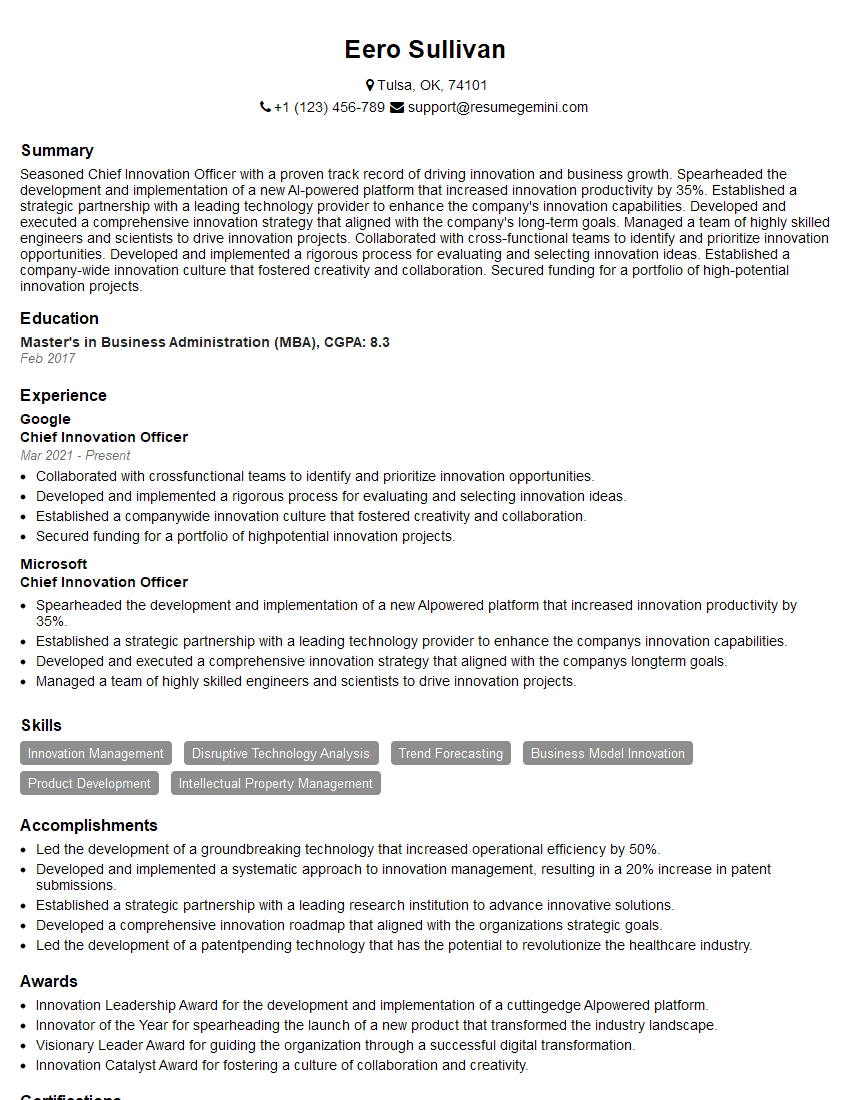
Chief Innovation Officer Resume Sample
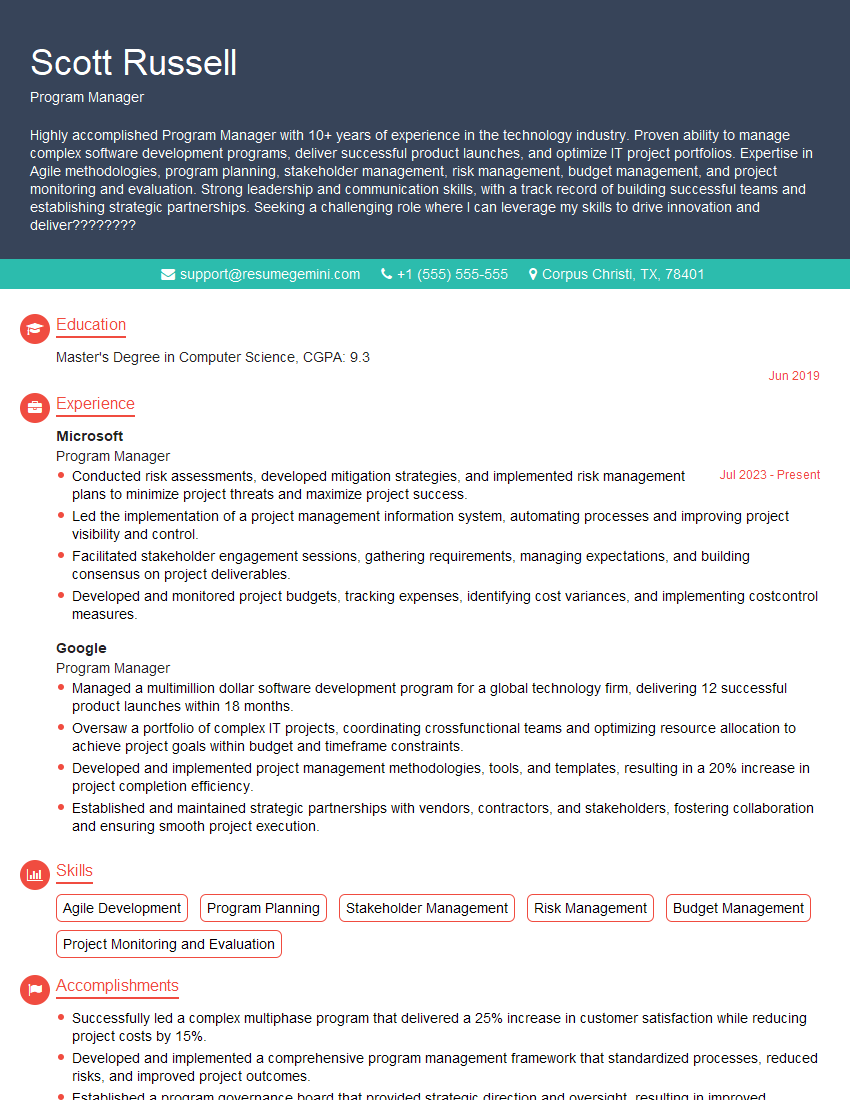
Program Manager Resume Sample
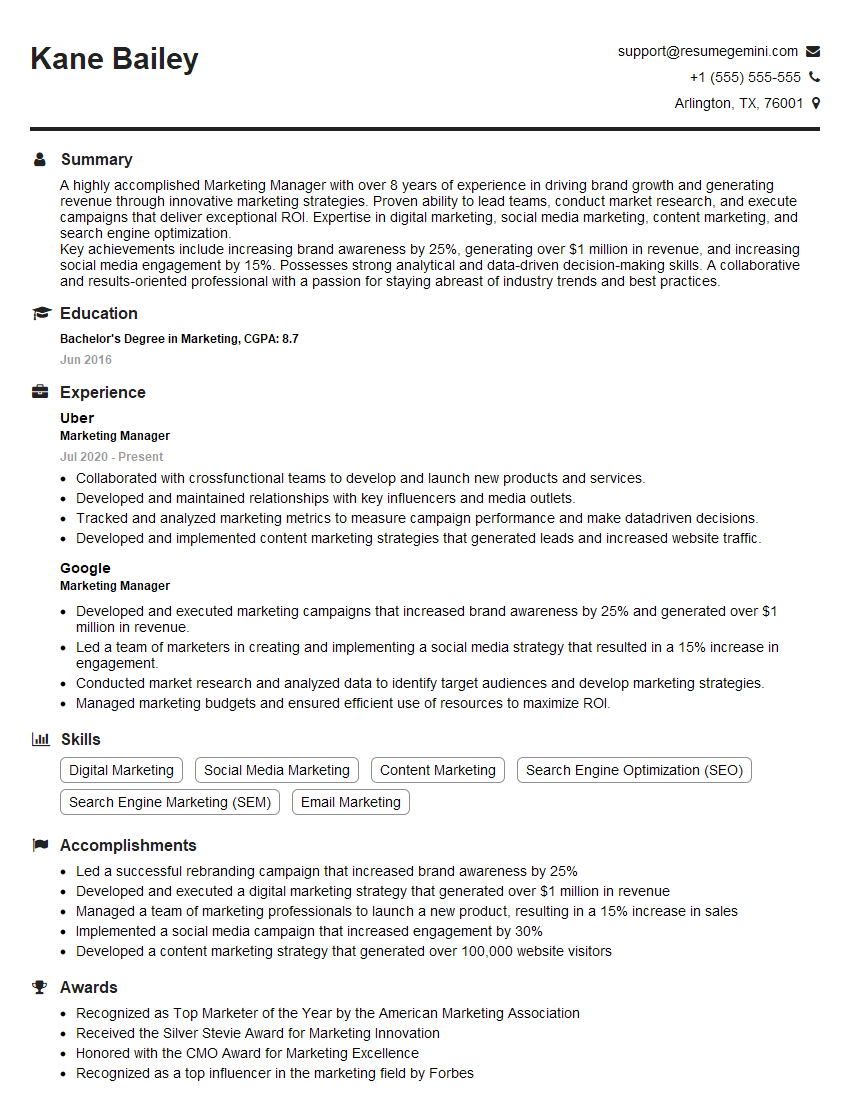
Marketing Manager Resume Sample
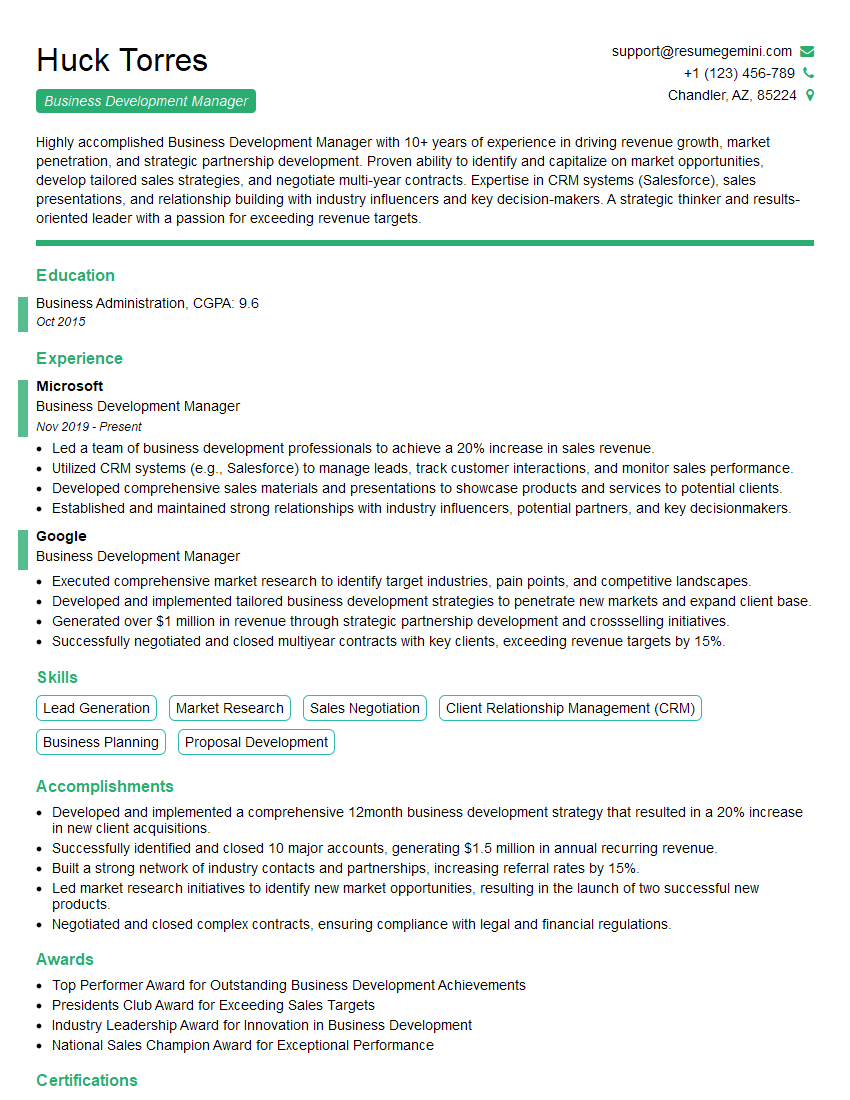
Business Development Manager Resume Sample
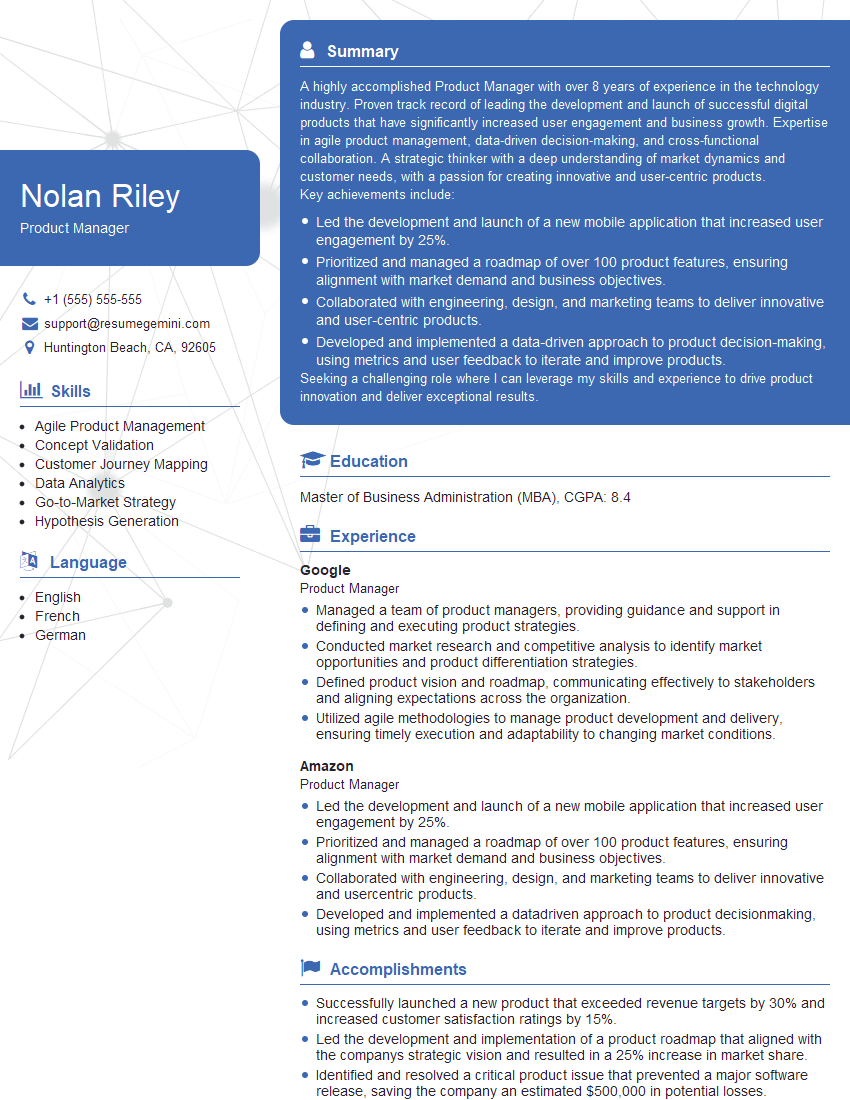
Product Manager Resume Sample
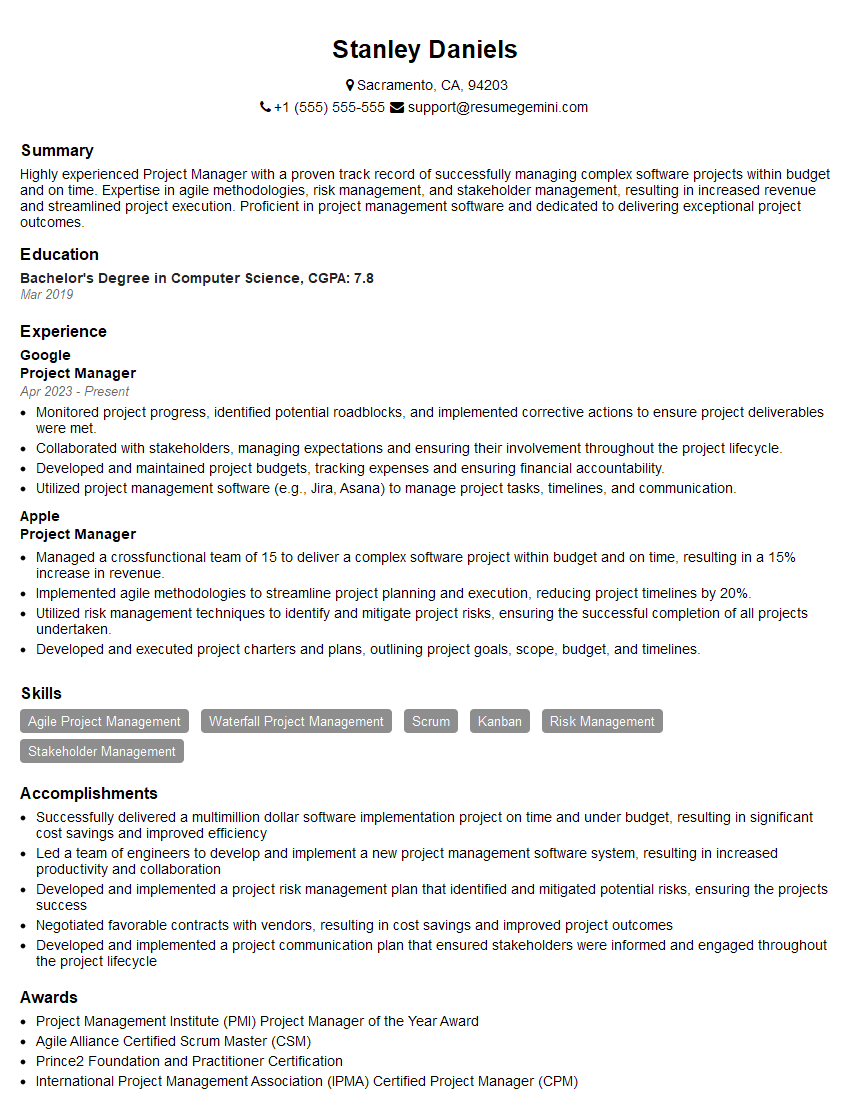
Project Manager Resume Sample
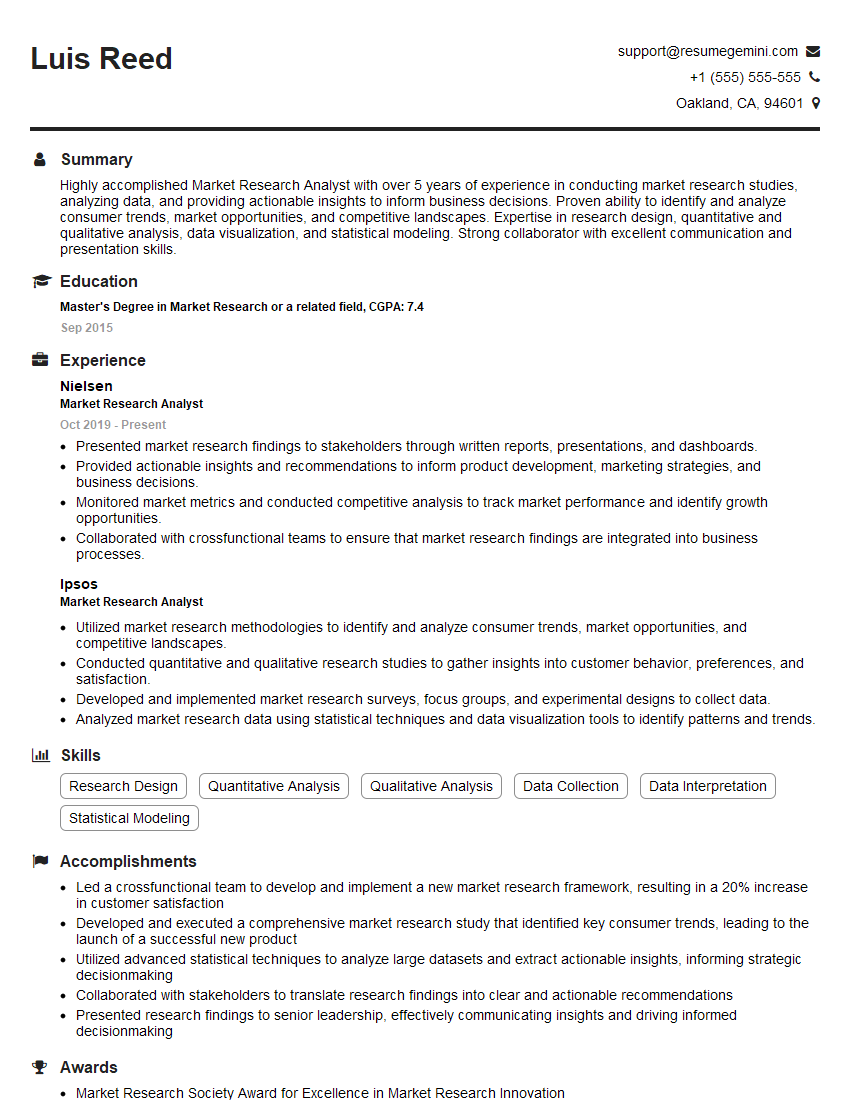
Market Research Analyst Resume Sample
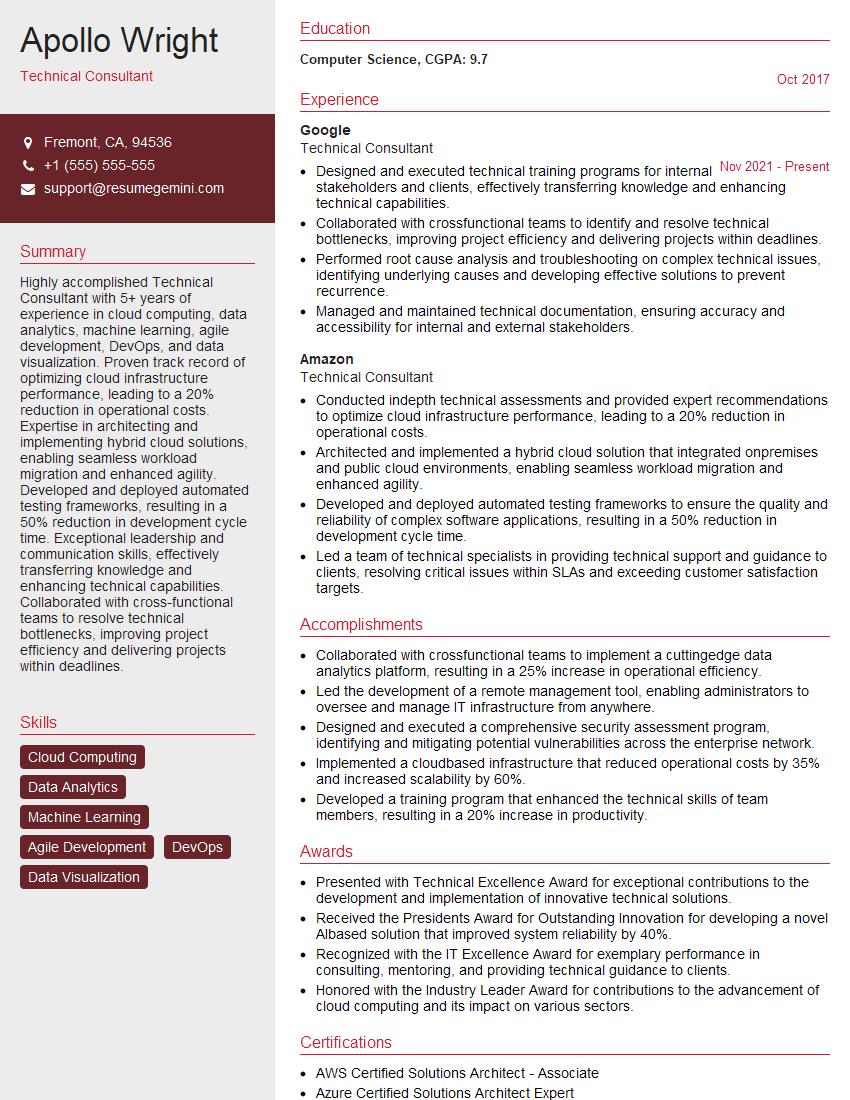
Technical Consultant Resume Sample
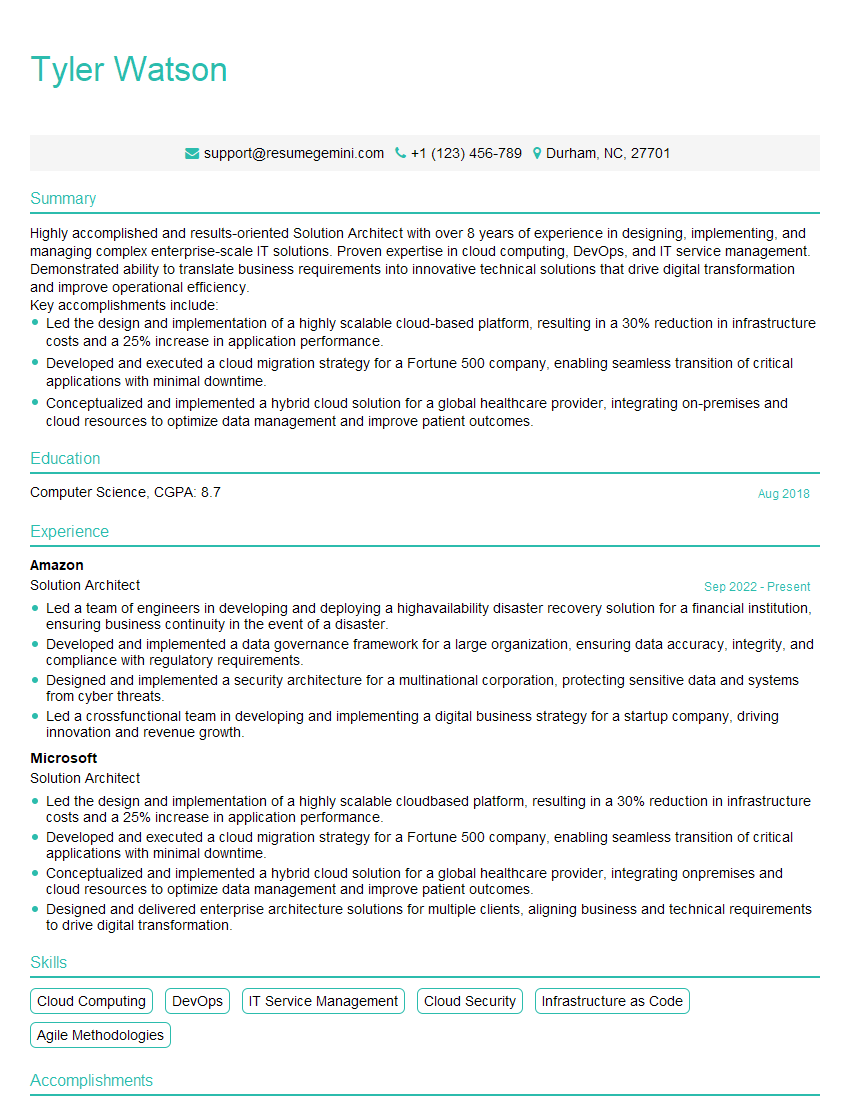
Solution Architect Resume Sample
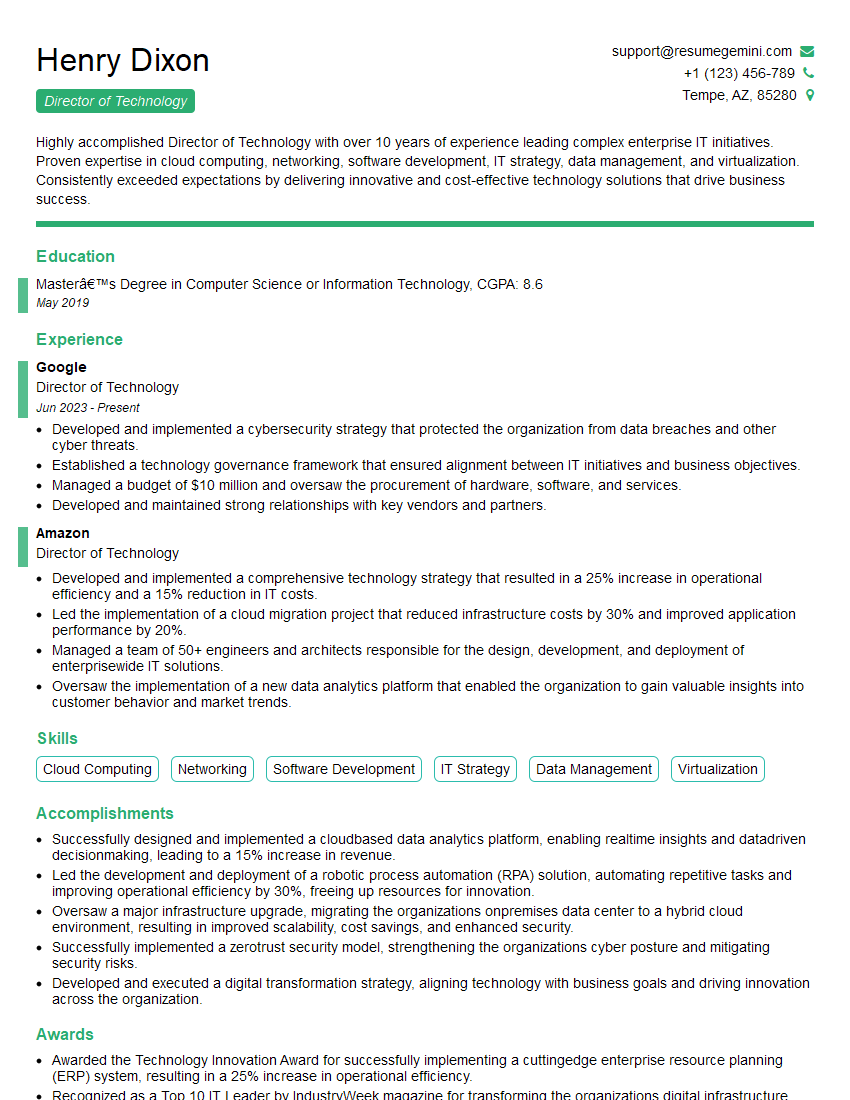
Director of Technology Resume Sample
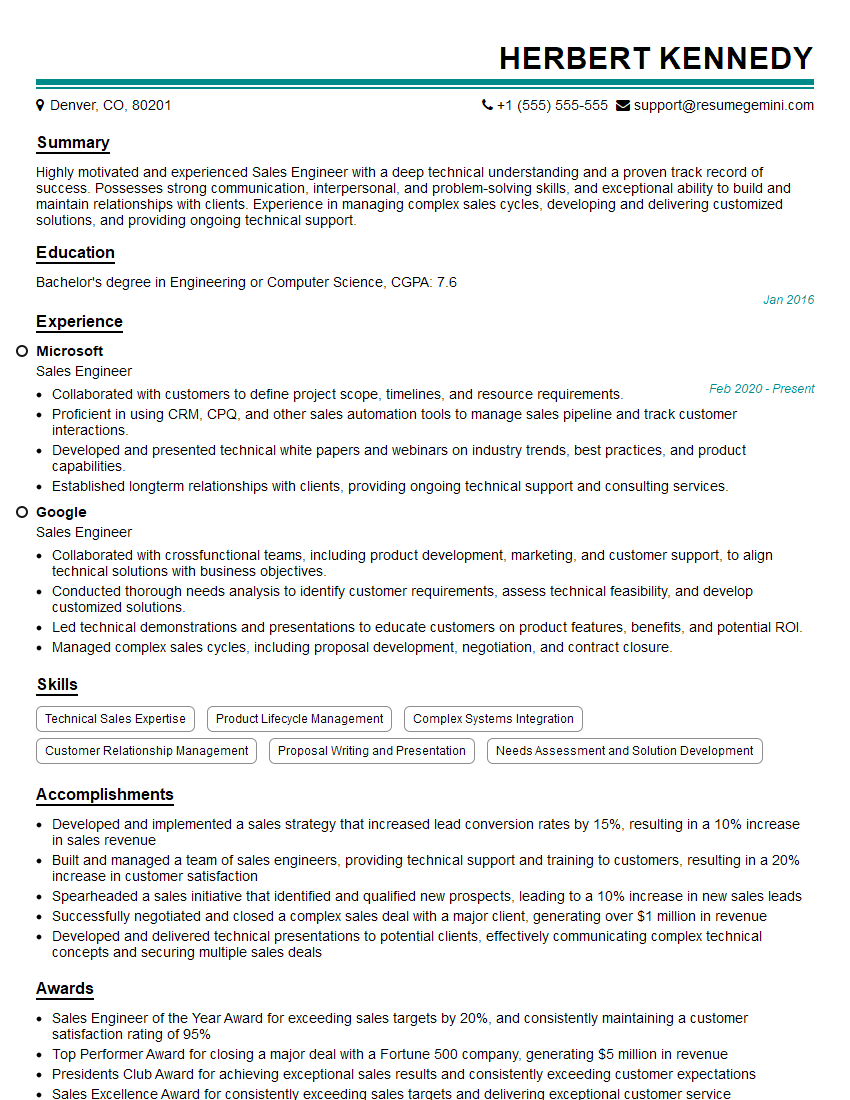
Sales Engineer Resume Sample

Growth Hacker Resume Sample
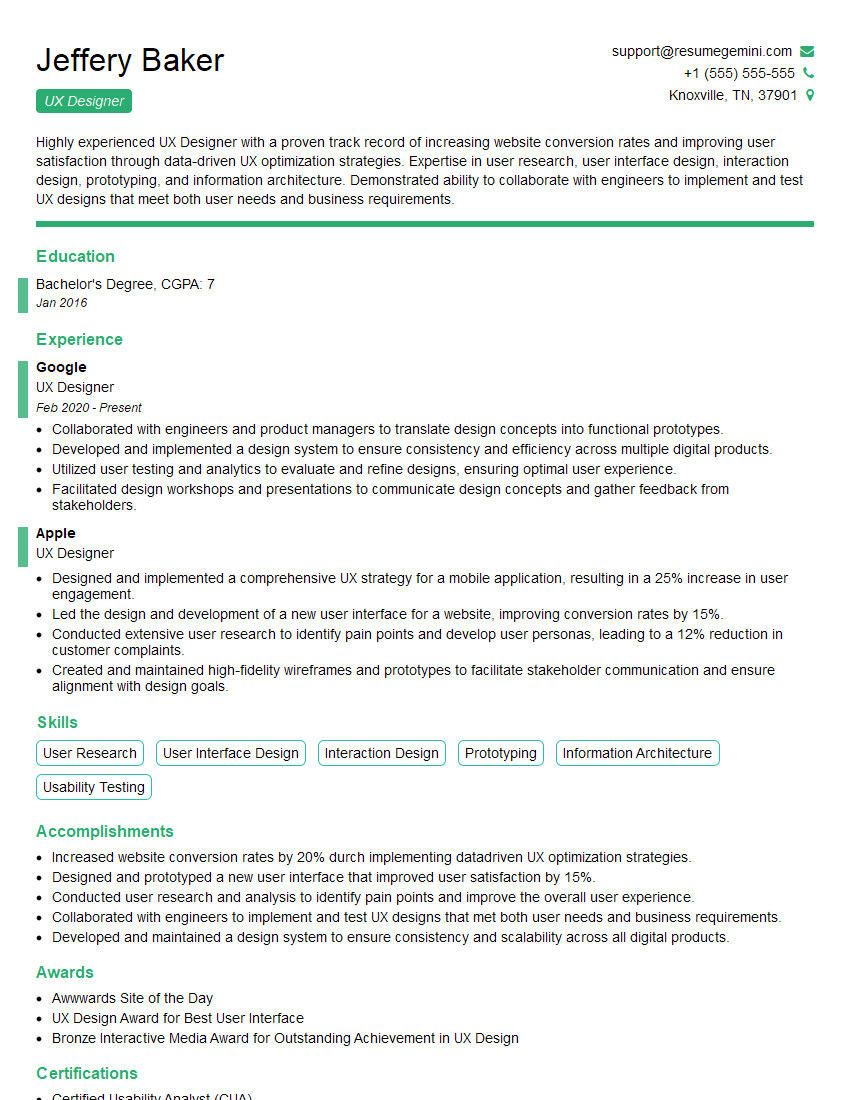
UX Designer Resume Sample
Explore more articles
Users Rating of Our Blogs
Share Your Experience
We value your feedback! Please rate our content and share your thoughts (optional).
What Readers Say About Our Blog
Very informative content, great job.
good