Interviews are opportunities to demonstrate your expertise, and this guide is here to help you shine. Explore the essential Roller Scheduling interview questions that employers frequently ask, paired with strategies for crafting responses that set you apart from the competition.
Questions Asked in Roller Scheduling Interview
Q 1. Explain the concept of Roller Scheduling and its applications.
Roller scheduling, in its simplest form, is a sophisticated approach to resource allocation that prioritizes optimizing the utilization of a shared, limited resource, such as a production line or a computing cluster. Imagine a factory with multiple machines, each capable of performing different tasks. Roller scheduling aims to assign these tasks to machines in a way that minimizes idle time and maximizes throughput, much like a roller coaster efficiently moving carriages through its track. It’s widely used in manufacturing, logistics, and computing environments to streamline operations and improve efficiency. Applications include job scheduling in data centers, optimizing production flows in factories, and managing appointments in a clinic.
Q 2. What are the key advantages of using Roller Scheduling?
The key advantages of Roller Scheduling stem from its focus on efficient resource utilization. These include:
- Increased Throughput: By minimizing idle time and maximizing concurrency, Roller Scheduling significantly boosts the overall output of the system.
- Reduced Lead Times: Tasks are processed faster, leading to shorter lead times and improved customer satisfaction.
- Optimized Resource Utilization: Roller Scheduling aims for optimal allocation of resources, ensuring no machine or processor is left idle unnecessarily.
- Improved Predictability: With a well-designed Roller Scheduling system, one can better predict production timelines and resource requirements.
- Better Resource Balancing: The workload is distributed more evenly across available resources, preventing bottlenecks.
Q 3. Describe different Roller Scheduling algorithms and their suitability for various scenarios.
Several algorithms are employed in Roller Scheduling, each with its strengths and weaknesses. The choice of algorithm depends heavily on the specific context and constraints:
- First-Come, First-Served (FCFS): This simple algorithm processes tasks in the order they arrive. It’s easy to implement but can be inefficient if tasks have widely varying processing times.
- Shortest Job First (SJF): This algorithm prioritizes tasks with the shortest processing time. While more efficient than FCFS, it requires knowing the processing time beforehand, which isn’t always feasible.
- Priority-Based Scheduling: Tasks are assigned priorities, and higher-priority tasks are processed first. This is useful for handling urgent or critical tasks but requires a well-defined priority system.
- Round Robin: Each task is given a small time slice to execute. This approach ensures fair resource allocation, preventing starvation, but the frequent context switching can introduce overhead.
For example, in a manufacturing setting with tasks of varying complexities and due dates, a priority-based algorithm combined with SJF might be optimal. In a data center handling many small jobs, Round Robin could offer better fairness.
Q 4. How do you handle conflicting schedules in Roller Scheduling?
Conflicting schedules are a common challenge in Roller Scheduling. Several strategies can be employed to handle them:
- Prioritization: Assign priorities to tasks based on urgency or importance. Higher-priority tasks get preference, potentially delaying lower-priority ones.
- Preemption: Interrupt a running task to accommodate a higher-priority task. This requires mechanisms to save and restore the state of the interrupted task.
- Queuing: Conflicting tasks are placed in a queue to await resource availability. The order in the queue can be based on priority or other criteria.
- Resource Allocation Adjustment: If feasible, increase the number of resources available to accommodate the conflicting tasks simultaneously.
Consider a scenario where two tasks require the same machine at the same time. Prioritization might choose the task with a tighter deadline, while preemption could interrupt a less urgent task to accommodate the more time-sensitive one.
Q 5. Explain the process of optimizing Roller Scheduling for maximum efficiency.
Optimizing Roller Scheduling for maximum efficiency is an iterative process. Key strategies include:
- Accurate Task Estimation: Accurate estimation of task processing times is crucial for effective scheduling. Techniques like historical data analysis and machine learning can improve accuracy.
- Resource Monitoring: Continuous monitoring of resource utilization allows for proactive adjustments to the schedule based on real-time conditions.
- Algorithm Selection: Choosing the right scheduling algorithm based on the specific characteristics of the tasks and resources is critical.
- Load Balancing: Distributing the workload evenly across resources minimizes bottlenecks and maximizes utilization.
- Simulation and Modeling: Simulating different scheduling scenarios can help identify potential bottlenecks and optimize parameters before implementation.
For instance, by monitoring machine performance and analyzing historical data, one can refine task duration estimations, leading to more accurate schedules and improved efficiency.
Q 6. How do you integrate Roller Scheduling with other enterprise systems?
Integrating Roller Scheduling with other enterprise systems is essential for a holistic approach to operations management. This integration can take various forms:
- Enterprise Resource Planning (ERP) Systems: Roller Scheduling can be integrated with ERP systems to obtain real-time information on inventory, production orders, and resource availability.
- Manufacturing Execution Systems (MES): Integration with MES systems allows for seamless data exchange between the scheduler and the shop floor, enabling real-time monitoring and adjustments.
- Supply Chain Management (SCM) Systems: Integration with SCM systems helps optimize the flow of materials and resources, improving overall supply chain efficiency.
- Customer Relationship Management (CRM) Systems: This integration provides visibility into customer orders, facilitating efficient scheduling based on demand.
For example, integrating with an ERP system allows the scheduler to automatically adjust its plans based on changes in inventory levels or new customer orders.
Q 7. What metrics do you use to measure the performance of a Roller Scheduling system?
Measuring the performance of a Roller Scheduling system requires a set of key metrics:
- Throughput: The total number of tasks completed within a given timeframe. A higher throughput indicates better efficiency.
- Average Turnaround Time: The average time it takes to complete a task from arrival to completion.
- Resource Utilization: The percentage of time a resource is actively used. High utilization indicates efficient resource allocation.
- Waiting Time: The average time tasks spend waiting for resources. Lower waiting time means better scheduling efficiency.
- Job Completion Rate: The percentage of tasks completed successfully within their deadlines.
By tracking these metrics over time, one can identify areas for improvement and fine-tune the scheduling system for optimal performance. For instance, consistently high waiting times might signal a need for additional resources or a better scheduling algorithm.
Q 8. How do you address real-time scheduling changes and disruptions in Roller Scheduling?
Real-time scheduling changes in roller scheduling are inevitable. Think of it like air traffic control – unexpected weather or mechanical issues require immediate adjustments. Addressing these disruptions requires a robust system and a proactive approach.
- Real-time Monitoring: A critical first step is constant monitoring of the roller line’s performance. This involves tracking production rates, machine status, material availability, and any potential bottlenecks in real-time. This data is fed into a central scheduling system.
- Flexible Scheduling Algorithms: The scheduling software should incorporate flexible algorithms capable of dynamically adjusting the schedule based on new information. This might involve rescheduling tasks, prioritizing urgent jobs, or reallocating resources.
- Predictive Maintenance: Proactive maintenance can minimize unplanned downtime. By predicting potential equipment failures through data analysis, we can schedule maintenance during less critical periods, minimizing disruption.
- Human Intervention and Override: While automation is important, human expertise is crucial for handling complex or unusual situations. Experienced schedulers should have the authority to override the automated system when necessary, using their judgment to make the best decisions in unique circumstances.
- Communication and Collaboration: Clear and immediate communication with all stakeholders (operators, maintenance crews, management) is critical to swiftly address disruptions and coordinate corrective actions. Efficient communication channels ensure everyone is on the same page.
For example, if a roller malfunctions, the system might automatically reschedule jobs originally assigned to that roller to other available machines, prioritizing urgent orders based on pre-defined criteria (due dates, customer importance, etc.).
Q 9. Describe your experience with different Roller Scheduling software packages.
My experience encompasses several prominent Roller Scheduling software packages. I’ve worked extensively with ‘SchedulePro’ and ‘OptiRoller,’ both known for their robust features and real-time capabilities. I’ve also utilized ‘PlanIt’, a more streamlined solution suitable for smaller-scale operations. Each system presents unique strengths and weaknesses:
- SchedulePro: Excellent for large-scale operations, known for its advanced algorithms and integration capabilities, but can be complex to learn.
- OptiRoller: Strong focus on optimization and real-time adjustments, its user-friendly interface is a key benefit. It excels at minimizing downtime and maximizing efficiency.
- PlanIt: A more user-friendly option perfect for smaller-scale facilities with less complex scheduling needs. Its simplicity comes at the cost of some advanced features.
My experience includes not only implementing these systems but also customizing them to fit specific operational needs. This often involves configuring rules, parameters, and integrating with other enterprise resource planning (ERP) systems to create a seamless workflow.
Q 10. How do you ensure data accuracy and integrity in Roller Scheduling?
Data accuracy and integrity are paramount in Roller Scheduling. Inaccurate data leads to poor decisions, wasted resources, and ultimately, lost revenue. We ensure accuracy through a multi-pronged approach:
- Data Validation: Implementing rigorous data validation checks at every stage – from data entry to system updates. This involves using automated checks to identify inconsistencies or errors in the data.
- Regular Data Audits: Conducting periodic audits to verify the accuracy and consistency of the data. This involves comparing the system data with physical records and production reports.
- Data Backup and Recovery: Implementing a robust data backup and recovery system to prevent data loss due to system failures or other unforeseen circumstances.
- Version Control: Utilizing version control to track changes made to the schedule and revert to previous versions if necessary.
- Data Standardization: Adopting standardized data formats and naming conventions to ensure consistency across the entire system.
For instance, we might implement checks to ensure that the material quantities match the actual inventory levels or that production times are consistent with historical data and machine capabilities.
Q 11. What are some common challenges faced in Roller Scheduling, and how do you overcome them?
Roller Scheduling presents several common challenges. These include:
- Unpredictable Downtime: Unexpected machine breakdowns or material shortages disrupt schedules, requiring quick adjustments and resource reallocation.
- Order Urgency and Prioritization: Balancing urgent orders with standard production runs requires careful consideration and effective prioritization strategies.
- Resource Constraints: Limited resources (machines, operators, materials) can create bottlenecks, impacting overall throughput. This requires careful capacity planning and efficient resource allocation.
- Data Inconsistency: Inaccurate or incomplete data can lead to poor decisions and scheduling inefficiencies.
- Integration with Other Systems: Seamless integration with ERP, inventory management, and other systems is critical for accurate data flow and efficient workflow.
We overcome these challenges by using a combination of robust scheduling software, proactive maintenance, flexible scheduling algorithms, and a skilled team capable of making real-time adjustments. Effective communication across teams is also vital for rapid problem-solving.
Q 12. Explain your experience with forecasting and demand planning in the context of Roller Scheduling.
Forecasting and demand planning are crucial for effective Roller Scheduling. Accurate forecasts allow for proactive resource allocation and prevent production bottlenecks. My experience involves:
- Historical Data Analysis: Analyzing past production data to identify trends and patterns in demand.
- Statistical Forecasting Techniques: Utilizing statistical models (e.g., exponential smoothing, ARIMA) to predict future demand.
- Seasonality and Trend Analysis: Considering seasonal variations and long-term trends in demand when developing forecasts.
- External Factors: Incorporating external factors (e.g., economic conditions, market trends) into the forecasting process.
- Collaboration with Sales and Marketing: Working closely with sales and marketing teams to obtain insights into future demand based on sales orders and marketing campaigns.
For example, if we anticipate a significant increase in demand during a particular season, we can proactively adjust our resource allocation, schedule overtime, or procure additional materials in advance to avoid any disruptions. This proactive planning ensures we can meet the increased demand without compromising our efficiency or quality.
Q 13. How do you prioritize tasks and allocate resources effectively in Roller Scheduling?
Prioritizing tasks and allocating resources effectively is the heart of Roller Scheduling. It’s a balancing act between meeting deadlines, maximizing resource utilization, and minimizing costs. I use a multi-faceted approach:
- Prioritization Rules: Defining clear prioritization rules based on factors such as due dates, order value, customer priority, and material availability. These rules are often customized based on business needs.
- Resource Capacity Constraints: Considering the capacity constraints of each resource (machine, operator) when assigning tasks.
- Scheduling Algorithms: Utilizing advanced scheduling algorithms (e.g., priority-based, shortest processing time, critical path) to optimize task allocation and resource utilization.
- Simulation and What-If Analysis: Running simulations to evaluate different scheduling scenarios and identify optimal solutions before implementing changes.
- Real-time Monitoring and Adjustment: Continuously monitoring the schedule and making adjustments based on real-time data and unforeseen events.
For instance, a priority rule might assign higher priority to orders with imminent deadlines or those from high-value customers. The system would then allocate resources accordingly, ensuring that these orders are completed on time.
Q 14. Describe your experience with capacity planning and resource allocation in Roller Scheduling.
Capacity planning and resource allocation are intertwined and crucial for efficient Roller Scheduling. This involves understanding the available resources and matching them to the workload. My experience includes:
- Capacity Assessment: Evaluating the capacity of each resource (machines, operators, materials) by analyzing their performance and availability.
- Demand Forecasting: Using demand forecasts to estimate the required capacity for future periods.
- Resource Allocation Strategies: Developing and implementing strategies for allocating resources efficiently, including leveling workloads and minimizing idle time.
- Bottleneck Analysis: Identifying and addressing bottlenecks in the production process to improve overall efficiency.
- Scenario Planning: Developing contingency plans to handle unexpected events such as machine breakdowns or material shortages.
For example, if the demand forecast indicates a surge in production, we might need to invest in additional machinery, hire temporary staff, or optimize existing processes to ensure that we can meet the increased demand. This proactive approach avoids production delays and ensures that we can maintain our production goals.
Q 15. How do you handle bottlenecks and constraints in Roller Scheduling?
Bottlenecks and constraints are inevitable in Roller Scheduling, a process crucial in optimizing production lines, especially in manufacturing or logistics. Think of it like a highway system – if one lane is blocked (a bottleneck), the entire flow slows down. Constraints are like speed limits; they restrict how fast individual rollers (or processes) can operate.
My approach involves a multi-pronged strategy:
- Identification: I first utilize data analysis techniques like Gantt charts and critical path analysis to pinpoint bottlenecks. This often involves analyzing machine downtime, material handling delays, and operator efficiency. For example, if a specific welding station consistently falls behind, it’s a bottleneck.
- Mitigation: Once identified, strategies for mitigation include:
- Re-allocation: Redistributing workload among other rollers with available capacity.
- Process Improvement: Streamlining the workflow at the bottleneck, potentially involving automation or improved operator training. For instance, implementing a lean manufacturing technique to reduce waste at the welding station.
- Resource Acquisition: If re-allocation and process improvement are insufficient, we might need to invest in additional equipment or personnel to increase capacity at the bottleneck.
- Constraint Management: For constraints, I focus on optimization. This might involve adjusting schedules to prioritize tasks based on due dates and dependencies, making effective use of buffer time to absorb unexpected delays, or exploring alternative processes that work within the constraints. For example, if a regulatory constraint limits the number of operators, we schedule around this constraint carefully.
Ultimately, it’s about a continuous cycle of monitoring, identifying issues, implementing solutions, and reassessing the schedule.
Career Expert Tips:
- Ace those interviews! Prepare effectively by reviewing the Top 50 Most Common Interview Questions on ResumeGemini.
- Navigate your job search with confidence! Explore a wide range of Career Tips on ResumeGemini. Learn about common challenges and recommendations to overcome them.
- Craft the perfect resume! Master the Art of Resume Writing with ResumeGemini’s guide. Showcase your unique qualifications and achievements effectively.
- Don’t miss out on holiday savings! Build your dream resume with ResumeGemini’s ATS optimized templates.
Q 16. Explain your approach to risk management in Roller Scheduling.
Risk management in Roller Scheduling is crucial to avoid production delays and financial losses. Think of it as anticipating potential road closures on our highway analogy. My approach is proactive and encompasses several key steps:
- Risk Identification: We identify potential risks like machine breakdowns, material shortages, operator absenteeism, and external factors such as supply chain disruptions. This often involves brainstorming sessions with the team and reviewing historical data.
- Risk Assessment: We assess the likelihood and impact of each identified risk. For instance, a machine breakdown might have a high impact but a low likelihood if the machine is well-maintained. A supply chain disruption might have both high likelihood and impact in the current climate.
- Risk Mitigation: We develop strategies to reduce the likelihood and impact of each risk. This could include preventative maintenance, inventory management, flexible scheduling, and contingency planning. For example, having spare parts on hand minimizes the impact of machine breakdowns, or having backup suppliers mitigates supply chain issues.
- Monitoring and Review: We regularly monitor the identified risks and their mitigation strategies, updating our risk assessment as needed. This keeps our planning dynamic and adaptable.
By systematically addressing risks, we build resilience into the Roller Scheduling process, resulting in more reliable production schedules.
Q 17. How do you communicate scheduling updates to stakeholders?
Effective communication of scheduling updates is paramount. It’s akin to keeping everyone on the highway informed of traffic conditions. I utilize a multi-channel approach:
- Regular Meetings: Team meetings provide opportunities to discuss updates, address concerns, and ensure everyone is on the same page.
- Visual Dashboards: Real-time dashboards, displaying key performance indicators (KPIs) such as roller utilization rates and task completion status, provide stakeholders with a clear overview of the schedule’s progress.
- Email/Instant Messaging: For time-sensitive updates or individual notifications, emails or instant messaging applications are used.
- Formal Reports: Regular reports summarize schedule performance, highlighting deviations from the plan and proposed corrective actions.
- Project Management Software: Tools like MS Project or Jira enable collaborative scheduling, task assignment, and progress tracking, ensuring transparency.
The key is to tailor the communication method to the audience and the nature of the update. For example, executive summaries are usually sufficient for senior management, whereas detailed reports are necessary for the operational team.
Q 18. Describe your experience with reporting and analysis in Roller Scheduling.
Reporting and analysis are integral to continuous improvement in Roller Scheduling. They provide insights into performance, helping identify areas for optimization. This is like analyzing traffic data to identify congestion points and improve highway flow.
My reporting includes:
- Key Performance Indicators (KPIs): Tracking metrics such as on-time delivery, roller utilization, throughput, and cycle time.
- Performance Variance Analysis: Comparing planned versus actual performance, identifying reasons for deviations, and implementing corrective actions.
- Bottleneck Analysis: Identifying and analyzing bottlenecks to find solutions for improved efficiency.
- Cost Analysis: Tracking scheduling-related costs, such as overtime, material waste, and machine downtime.
I utilize various tools for analysis, including data visualization software and statistical methods. This helps to identify trends, patterns, and outliers which provide crucial insights for improvement. For example, identifying a consistent delay on specific days of the week could indicate staffing or material supply issues.
Q 19. How do you ensure compliance with industry regulations in Roller Scheduling?
Compliance with industry regulations is non-negotiable in Roller Scheduling. This could involve adherence to safety standards, environmental regulations, or quality control protocols, all depending on the industry. Think of it as adhering to traffic laws on our highway analogy.
My approach includes:
- Regular Audits: Conducting regular audits to ensure adherence to all relevant regulations and standards.
- Documentation: Maintaining comprehensive documentation of all scheduling activities, including risk assessments, compliance checks, and corrective actions.
- Training: Providing training to all personnel involved in Roller Scheduling to ensure they understand and comply with regulations.
- Continuous Monitoring: Continuously monitoring for updates and changes in regulations, implementing necessary adjustments to our processes.
- Collaboration with Regulatory Bodies: Proactive engagement with regulatory bodies to stay informed and ensure compliance.
By proactively managing compliance, we minimize the risk of penalties, reputational damage, and operational disruptions.
Q 20. What are your strategies for continuous improvement in Roller Scheduling?
Continuous improvement in Roller Scheduling is essential to maintain efficiency and competitiveness. It’s like continuously improving our highway system to increase traffic flow. My strategies include:
- Data-Driven Decisions: Regularly analyzing data to identify areas for improvement and measure the effectiveness of implemented changes.
- Lean Principles: Applying lean manufacturing principles to eliminate waste and streamline processes.
- Automation: Exploring opportunities to automate repetitive tasks to increase efficiency and reduce human error.
- Technology Adoption: Utilizing advanced scheduling software and analytics tools to improve accuracy and efficiency.
- Feedback Loops: Establishing feedback loops with all stakeholders to gather insights and suggestions for improvement.
- Regular Process Reviews: Conducting regular process reviews to identify areas for optimization and refine our methodologies.
Continuous improvement is a journey, not a destination. By fostering a culture of continuous improvement, we continually optimize our processes and remain competitive.
Q 21. How do you utilize data analytics to improve Roller Scheduling efficiency?
Data analytics plays a vital role in enhancing Roller Scheduling efficiency. It provides the insights necessary for informed decision-making. Think of it as using advanced traffic monitoring systems to predict and manage congestion.
My approach involves:
- Predictive Modeling: Using historical data and machine learning algorithms to predict future demands, potential bottlenecks, and resource needs.
- Optimization Algorithms: Employing optimization algorithms to develop schedules that minimize costs and maximize efficiency. For example, linear programming techniques can be used to optimally allocate resources.
- Real-time Monitoring: Using real-time data to track progress, identify deviations from the plan, and adjust the schedule as needed.
- Simulation: Utilizing simulation techniques to test different scheduling scenarios and evaluate their effectiveness before implementation.
- Data Visualization: Employing data visualization tools to communicate insights effectively to stakeholders.
By leveraging data analytics, we move from reactive to proactive scheduling, enabling us to anticipate and address potential challenges before they impact production.
Q 22. Explain your experience with different scheduling methodologies (e.g., Gantt charts, critical path method).
My experience with scheduling methodologies is extensive, encompassing both traditional and modern approaches. Gantt charts, for instance, provide a visual representation of project tasks against a timeline, highlighting dependencies and durations. I’ve used them extensively to manage complex projects, visually tracking progress and identifying potential bottlenecks. The critical path method (CPM) builds upon this by identifying the sequence of tasks that directly impacts the project’s overall completion time. This allows for focused resource allocation and risk mitigation on the most critical tasks. I’ve also leveraged more advanced techniques like Program Evaluation and Review Technique (PERT), which incorporates probabilistic estimates for task durations to account for uncertainty, particularly useful in projects with less predictable timelines.
For example, in a recent large-scale construction project, I used a Gantt chart to visualize the entire project, while simultaneously employing CPM to pinpoint the most critical path, which involved foundation work, structural steel erection, and electrical installations. This allowed us to prioritize resources and closely monitor those critical tasks to maintain the overall project timeline.
Q 23. Describe a situation where you had to solve a complex scheduling problem. What was your approach?
One particularly challenging scheduling problem involved a major software release with numerous interdependent components and a tight deadline. Several teams were involved, each with its own set of dependencies and potential delays. The complexity arose from the dynamic nature of software development; requirements often changed, leading to shifting priorities and dependencies. My approach was multi-faceted. First, I established a robust communication strategy, ensuring all teams understood the overall schedule and their individual roles. Second, I utilized a collaborative project management tool that allowed for real-time tracking of progress and updates. Finally, I implemented a buffer system, incorporating contingency time into the schedule to account for unexpected delays and scope changes. We used a daily scrum-like process to identify roadblocks early on, enabling quick adjustments to the schedule.
This approach allowed us to effectively manage the evolving project requirements while still meeting the initial deadline. The key was proactive communication, continuous monitoring, and a flexible, adaptive strategy to address the inherent uncertainty of software development.
Q 24. How do you manage changes in project scope and timelines in Roller Scheduling?
Managing changes in scope and timelines within a roller scheduling environment requires a systematic and proactive approach. The first step is to formally document all change requests, assessing their impact on the existing schedule. This involves analyzing the affected tasks, dependencies, and resource allocations. Next, I utilize the scheduling software to simulate the impact of the changes, generating updated timelines and resource requirements. This allows for transparent communication with stakeholders regarding potential delays or resource conflicts. Finally, after approvals are obtained, the schedule is updated to reflect the changes, and appropriate communication is disseminated throughout the project team.
For example, if a new feature is added to the software in the example above, we would document the change request, assess the impact on existing tasks (development, testing), and adjust the schedule accordingly, perhaps by adding more resources or adjusting priorities. This transparent process prevents conflicts and ensures everyone is informed.
Q 25. What are your preferred methods for validating and verifying scheduling data?
Validating and verifying scheduling data is crucial for its accuracy and reliability. I employ several methods to ensure data integrity. First, I conduct thorough data audits, comparing schedule data against actual progress reports, resource availability, and other relevant documentation. This process identifies discrepancies early and ensures that the schedule accurately reflects the project’s status. Second, I use various analytical techniques to identify inconsistencies, such as critical path analysis to check for unrealistic task durations, resource leveling to check for resource over-allocation, and simulation to test the schedule’s robustness under different scenarios. Lastly, I regularly engage in peer reviews and independent verification of the schedule data to ensure accuracy and reliability before making decisions.
Q 26. How familiar are you with different types of scheduling constraints (e.g., resource, precedence, time)?
I am highly familiar with various scheduling constraints. Resource constraints limit the availability of resources (personnel, equipment, materials), impacting task scheduling. Precedence constraints dictate the order in which tasks must be performed; for instance, foundation work must be completed before wall construction. Time constraints define deadlines or milestones within the project timeline. Furthermore, I understand and work with other constraints such as budgetary limitations, safety regulations, and contractual obligations, all of which can influence the project schedule.
For example, in a manufacturing project, resource constraints might limit the number of available machines, while precedence constraints dictate the order of assembly operations. We would use resource leveling techniques to allocate the machines optimally and maintain the project timeline.
Q 27. Describe your experience working with cross-functional teams on scheduling projects.
Working with cross-functional teams requires strong communication and collaboration skills. I facilitate regular meetings to ensure transparency, keeping everyone informed of the project’s progress and any potential roadblocks. I utilize collaborative project management tools to enable shared access to scheduling data, allowing each team to track their progress and identify potential conflicts early. Active listening, conflict resolution, and fostering a collaborative environment are critical to successful cross-functional scheduling. Open communication and transparency help maintain consensus and accountability among teams.
For instance, in a previous project, I used a shared online whiteboard to facilitate discussions on resource allocation across different teams, identifying potential resource conflicts in advance and fostering collaborative solutions.
Q 28. How do you stay current with the latest advancements and best practices in Roller Scheduling?
To stay current with advancements and best practices in roller scheduling, I actively participate in professional organizations, attend conferences and workshops, and follow industry publications and online forums. I regularly update my skills through online courses and certifications focused on project management software and scheduling techniques. I also actively seek out mentorship opportunities from experienced professionals in the field. Continuous learning is essential to stay ahead of the curve in this ever-evolving field.
Key Topics to Learn for Roller Scheduling Interview
- Fundamentals of Roller Scheduling: Understand the core principles and terminology. This includes defining roller scheduling, its purpose, and the different types of roller scheduling systems.
- Algorithm Design and Optimization: Explore various algorithms used in roller scheduling, their strengths and weaknesses, and how to optimize them for different scenarios. Consider factors like minimizing idle time and maximizing throughput.
- Data Structures and their Application: Learn how various data structures (e.g., queues, priority queues, graphs) are used to represent and manage tasks and resources within a roller scheduling system.
- Practical Applications and Case Studies: Analyze real-world examples of roller scheduling implementation in various industries. Consider the challenges faced and the solutions employed.
- Performance Evaluation Metrics: Familiarize yourself with key performance indicators (KPIs) used to assess the efficiency and effectiveness of a roller scheduling system (e.g., throughput, latency, resource utilization).
- Troubleshooting and Debugging: Understand common issues that arise in roller scheduling systems and how to effectively troubleshoot and debug them. This includes identifying bottlenecks and optimizing performance.
- Software and Tools: Gain familiarity with common software and tools used for implementing and managing roller scheduling systems. This might include specific programming languages or scheduling software.
Next Steps
Mastering Roller Scheduling opens doors to exciting opportunities in high-demand industries. Demonstrating your expertise through a strong resume is crucial for securing your dream role. To significantly increase your chances of getting noticed by Applicant Tracking Systems (ATS), create an ATS-friendly resume that highlights your skills and experience effectively. ResumeGemini is a trusted resource to help you build a professional and impactful resume. We provide examples of resumes tailored to Roller Scheduling to guide you through the process. Take the next step towards your successful career journey today!
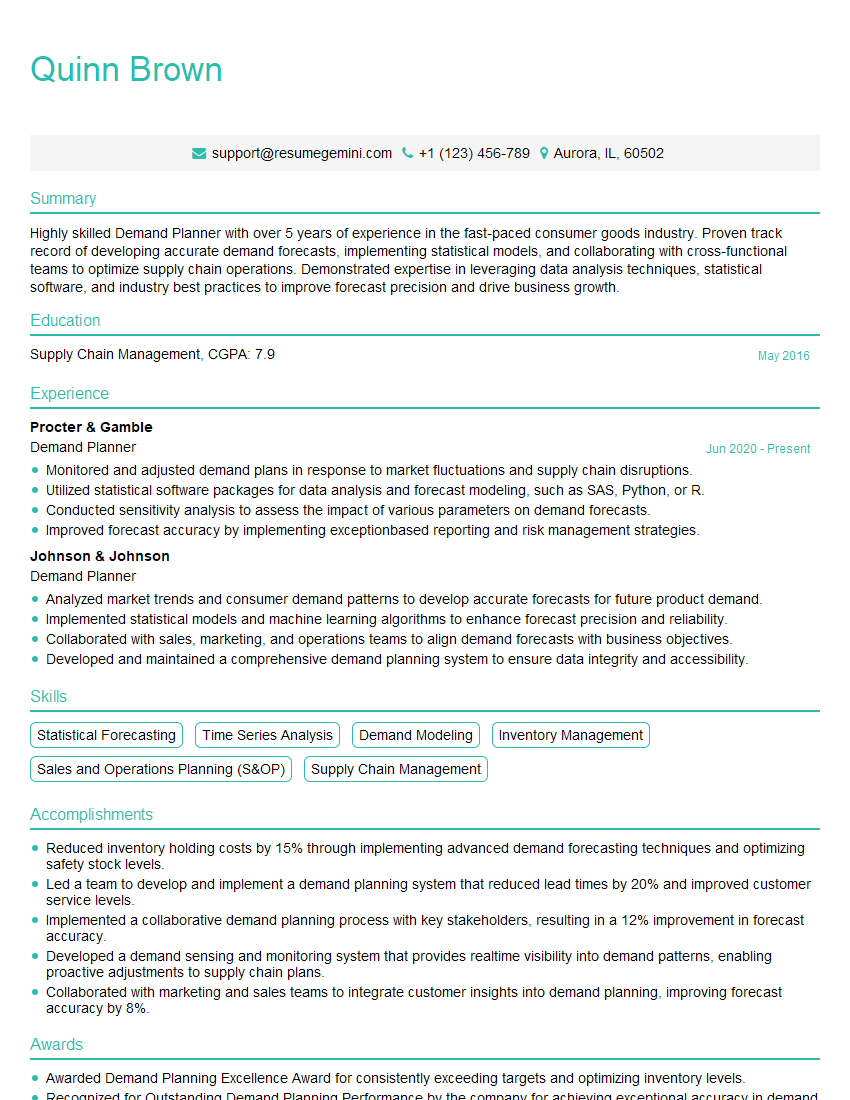
Demand Planner Resume Sample

Manufacturing Planner Resume Sample
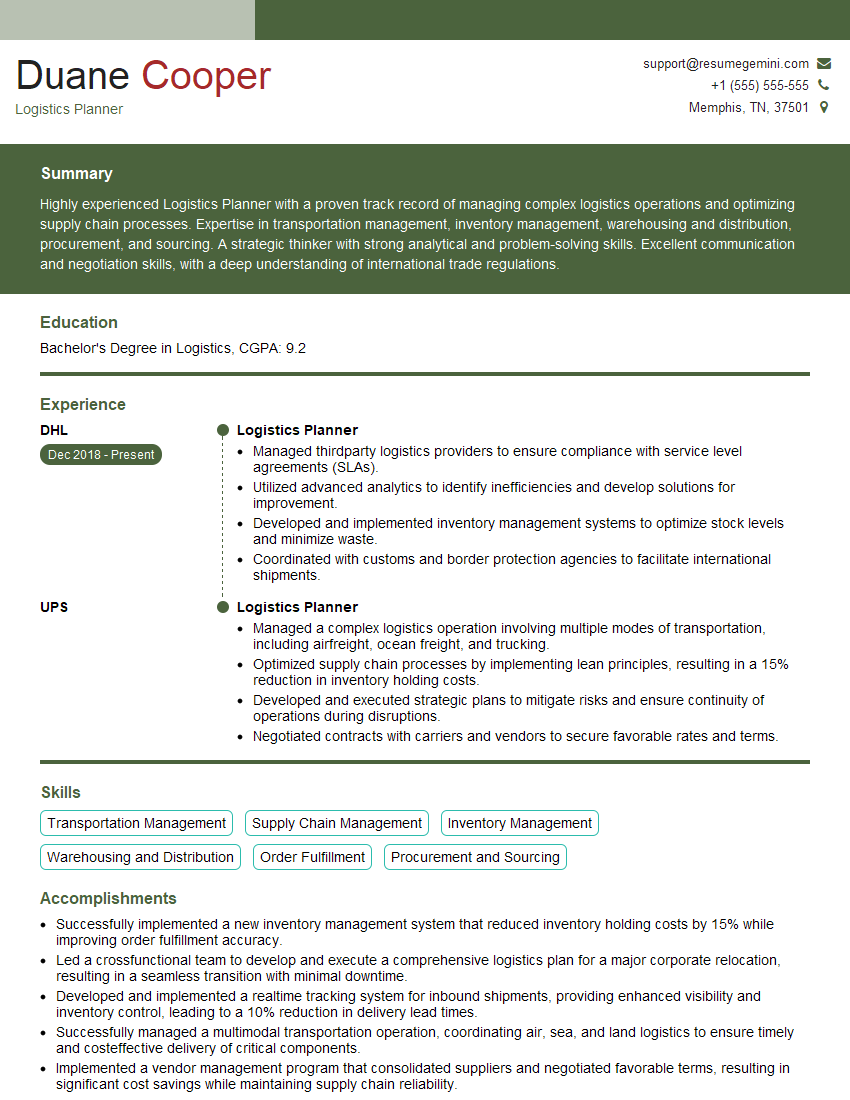
Logistics Planner Resume Sample
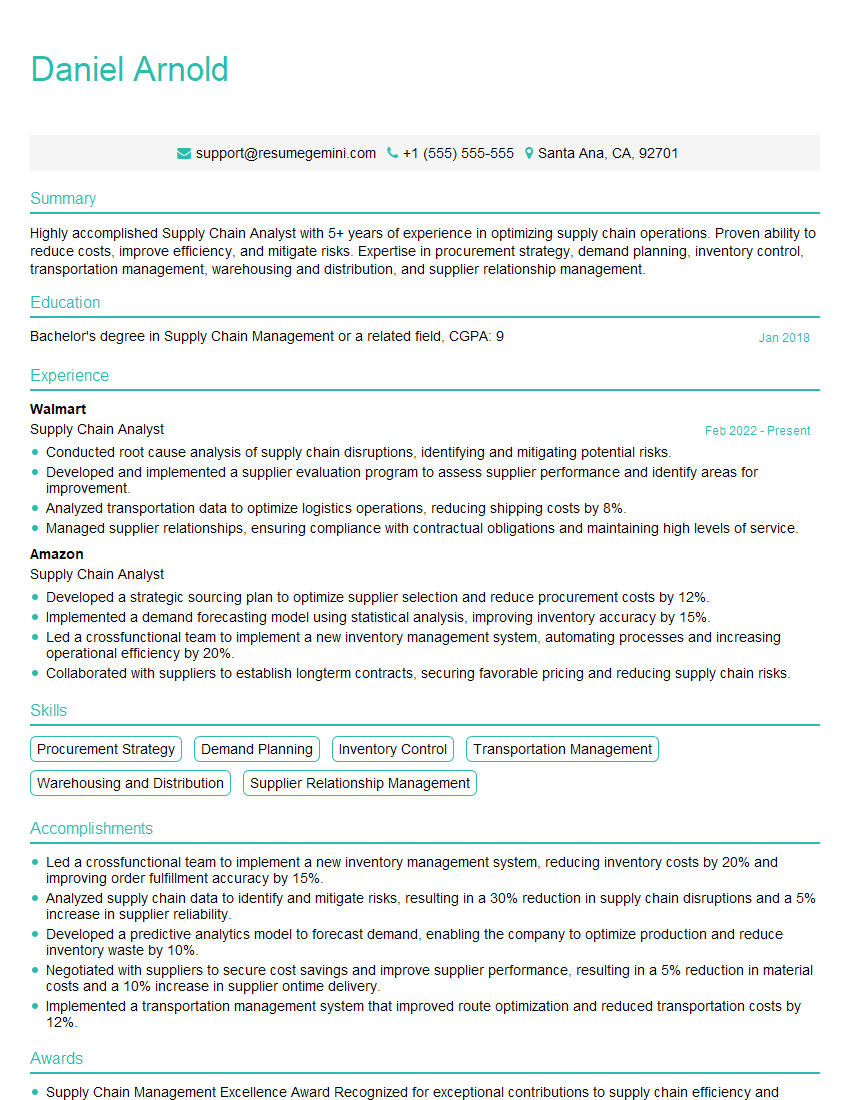
Supply Chain Analyst Resume Sample
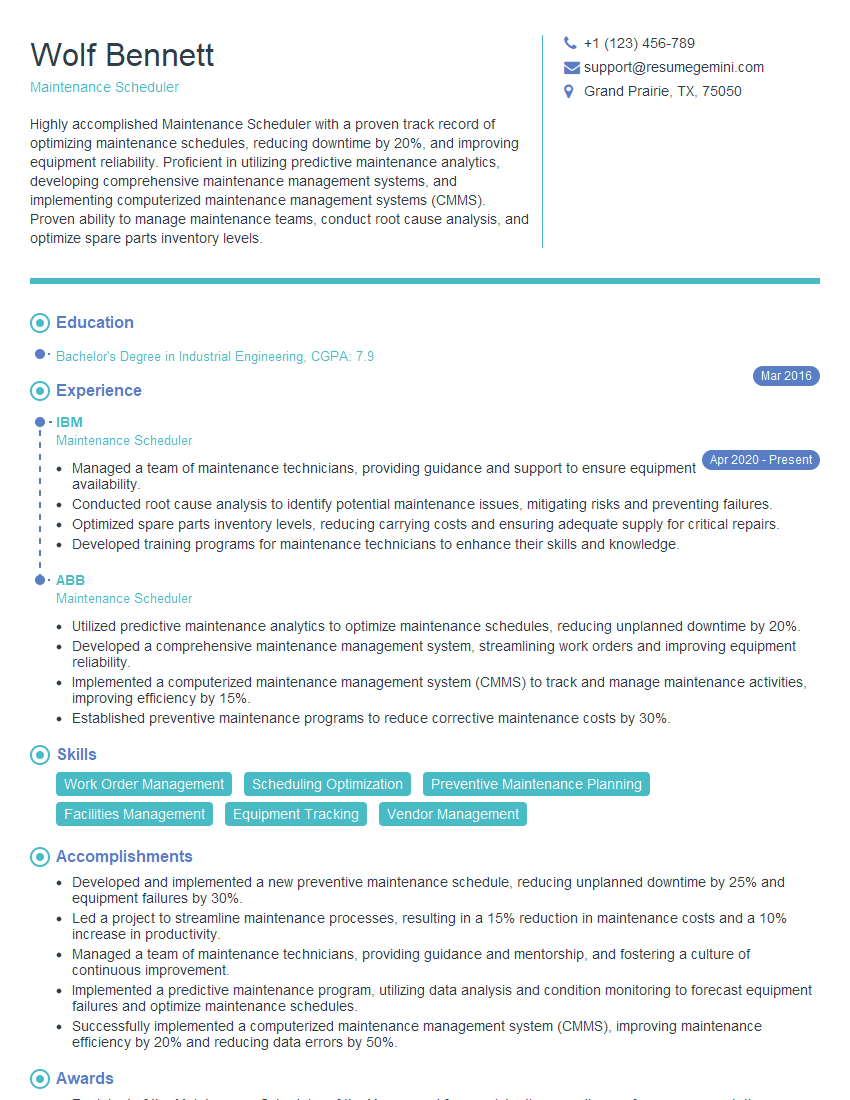
Maintenance Scheduler Resume Sample
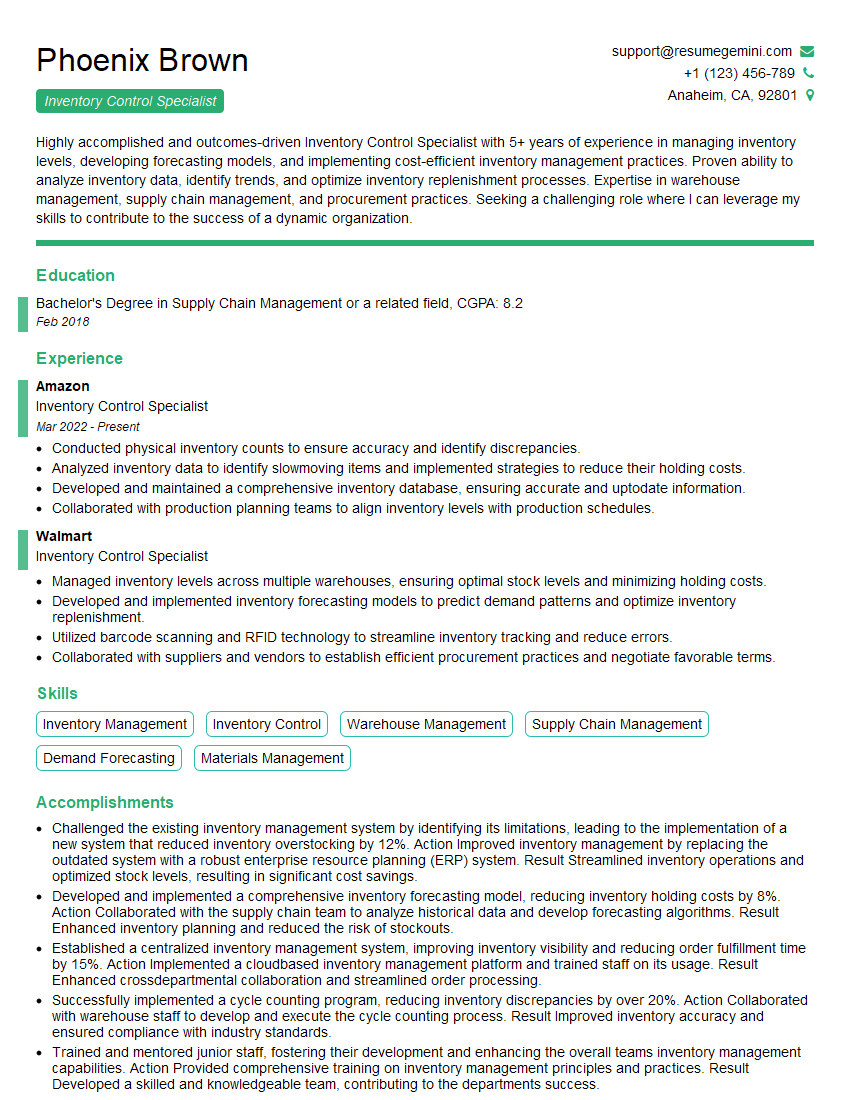
Inventory Control Specialist Resume Sample
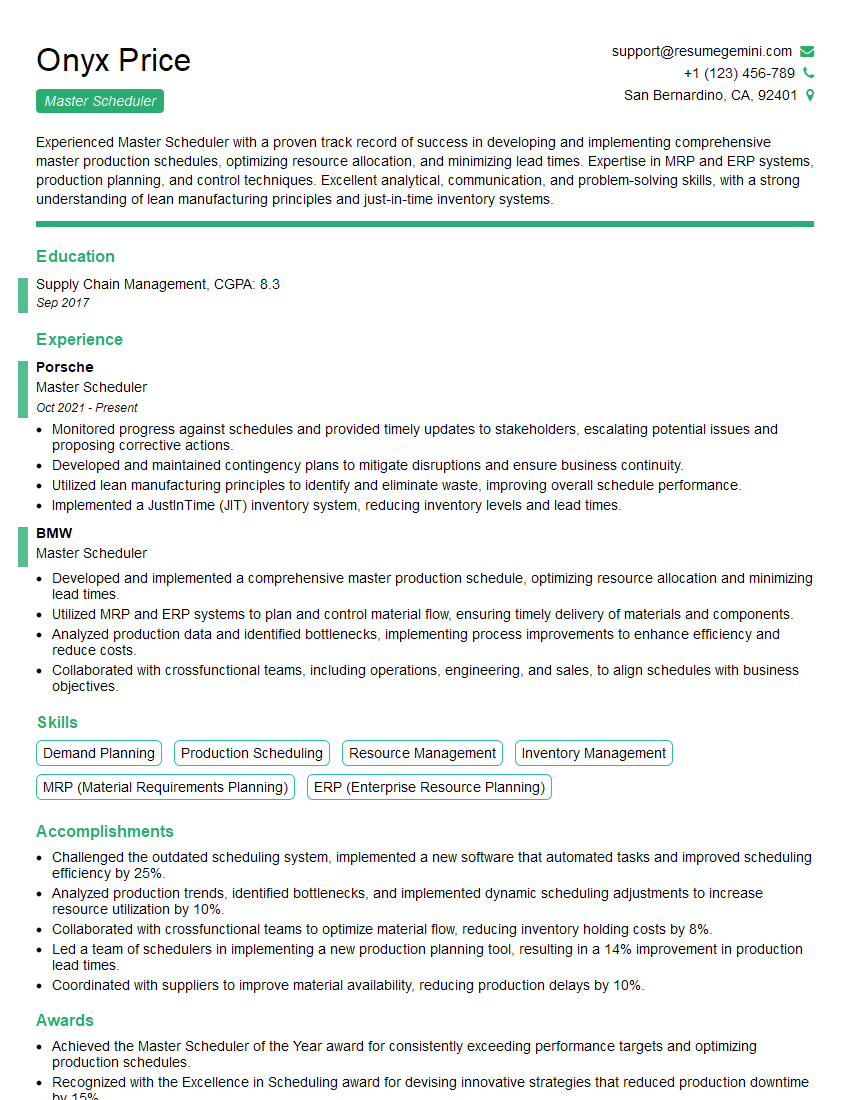
Master Scheduler Resume Sample
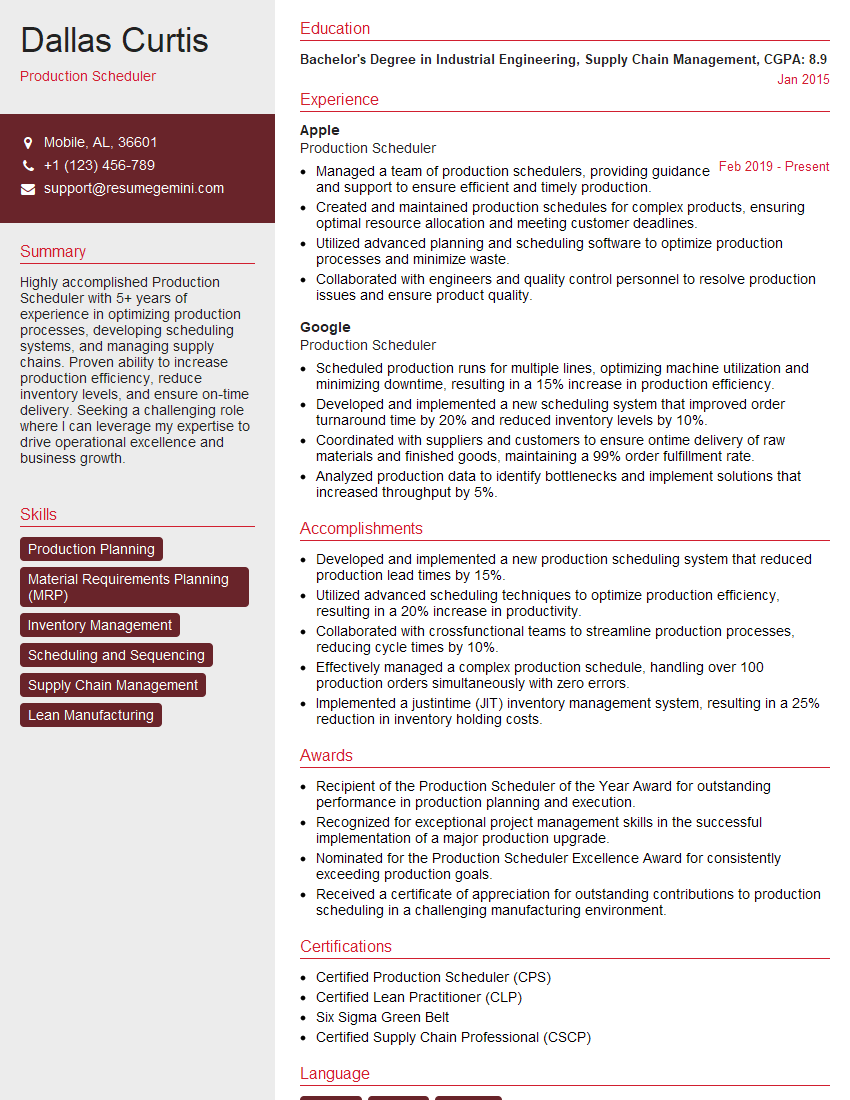
Production Scheduler Resume Sample
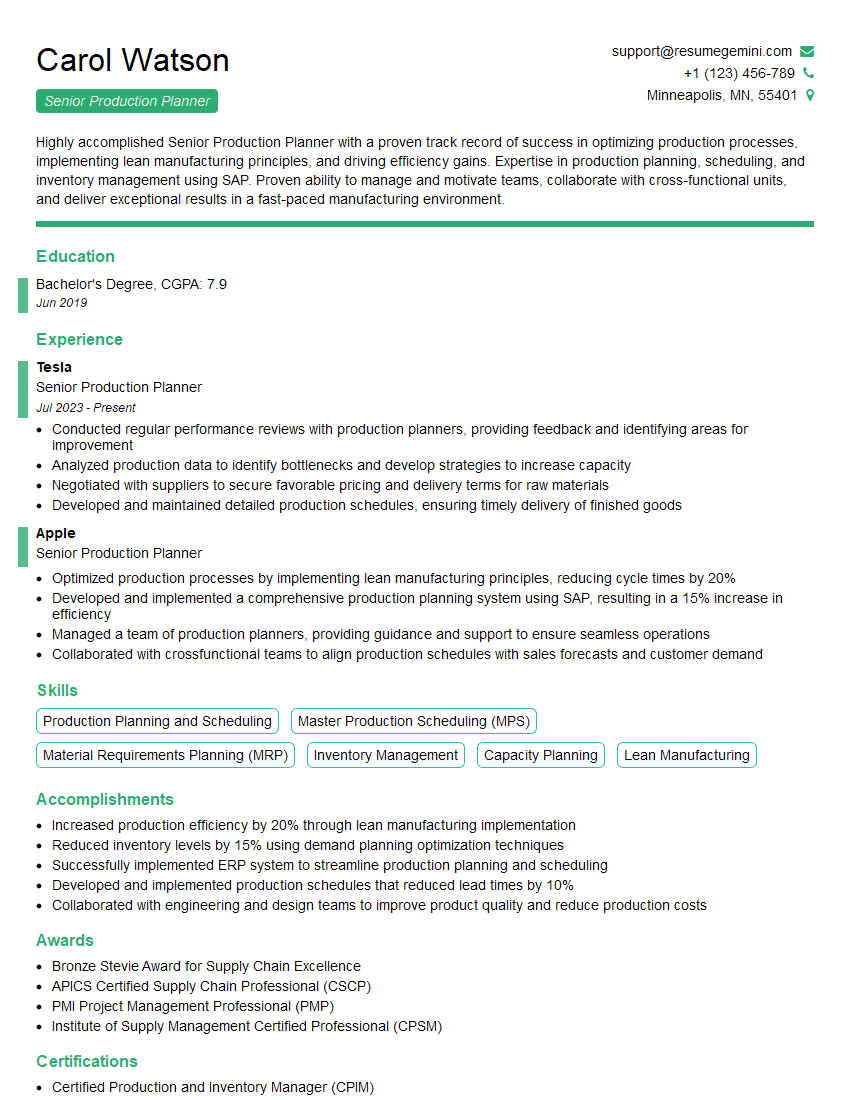
Senior Production Planner Resume Sample
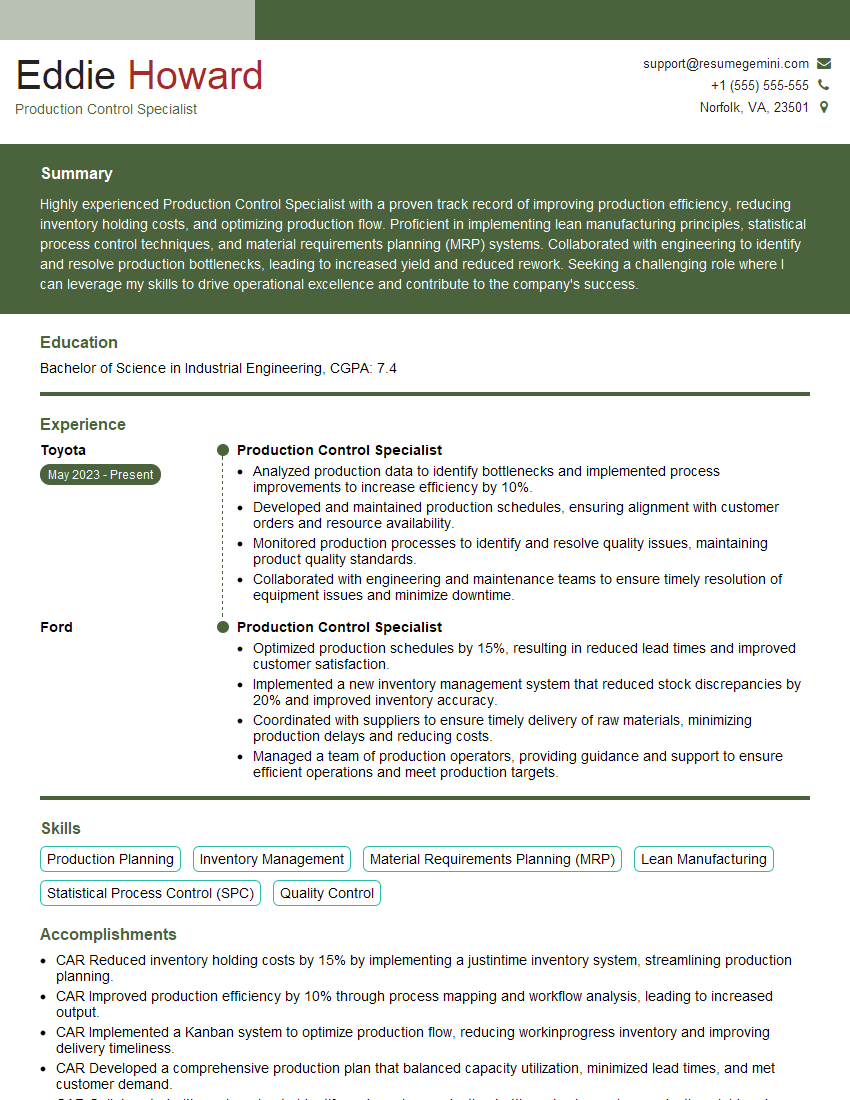
Production Control Specialist Resume Sample
Explore more articles
Users Rating of Our Blogs
Share Your Experience
We value your feedback! Please rate our content and share your thoughts (optional).
What Readers Say About Our Blog
Very informative content, great job.
good