Interviews are opportunities to demonstrate your expertise, and this guide is here to help you shine. Explore the essential Planting Techniques interview questions that employers frequently ask, paired with strategies for crafting responses that set you apart from the competition.
Questions Asked in Planting Techniques Interview
Q 1. Explain the different methods of seed germination.
Seed germination, the process by which a seed sprouts and develops into a seedling, can occur through several methods, each with its own advantages and disadvantages. These methods primarily revolve around providing the optimal conditions for germination: moisture, oxygen, and the right temperature.
- Direct Sowing: Seeds are sown directly into the final growing location. This is simple and cost-effective but can be less efficient if germination rates are low. For example, planting carrots directly into a garden bed.
- Seed Starting Indoors: Seeds are sown in seed trays or pots indoors, providing a controlled environment for germination and early growth before transplanting outdoors. This is ideal for delicate seedlings or those with a long growing season, like tomatoes or peppers. It allows for earlier harvests and increased germination rates.
- Seed Tape/Pellets: Seeds are pre-coated or embedded in a biodegradable tape or pellet, ensuring even spacing and improved germination. This is particularly useful for small seeds like lettuce or spinach, simplifying the sowing process.
- Hydroponics/Aeroponics: These soilless methods involve germinating seeds in nutrient-rich water or misting systems, providing ideal conditions for fast and consistent germination. Often used commercially for high-yield production.
The choice of method depends on factors such as the type of plant, climate, available resources, and the desired level of control.
Q 2. Describe the process of transplanting seedlings.
Transplanting seedlings involves carefully moving young plants from their initial growing location (e.g., seed tray or pot) to their final planting spot. Success depends on minimizing stress to the delicate root system.
- Preparation: Ensure the new planting site is prepared with appropriate soil conditions and spacing. Gently water the seedlings a few hours before transplanting to make them easier to handle.
- Removal: Carefully remove the seedlings from their containers, ensuring you don’t damage the roots. For seedlings in peat pots, you can often plant directly with the pot. For others, gently loosen the roots to encourage outward growth.
- Planting: Dig a hole slightly larger than the root ball. Place the seedling in the hole, ensuring the top of the root ball is level with the soil surface. Gently backfill the hole, firming the soil around the base of the plant.
- Watering: Water thoroughly after transplanting to help settle the soil and reduce transplant shock. A gentle application of mulch can help retain moisture and regulate soil temperature.
- Aftercare: Provide shade for a few days if needed, and continue monitoring moisture levels. Regular watering and fertilization will promote rapid establishment.
Think of it like moving a small child to a new house; gentle handling and a supportive environment are crucial for successful adaptation.
Q 3. What are the key factors to consider when selecting a planting site?
Selecting the right planting site is paramount for plant health and yield. Several key factors influence this decision:
- Sunlight: Most plants require adequate sunlight (6-8 hours daily). Observe the area throughout the day to determine sun exposure.
- Soil Drainage: Poorly drained soil leads to root rot. Test the soil’s drainage capacity by digging a hole and filling it with water; it should drain within a few hours.
- Soil Type: Different plants have varying soil preferences (sandy, loamy, clay). Soil testing (discussed later) helps determine the soil composition.
- Water Availability: Easy access to water is essential, especially during dry periods. Consider proximity to a water source or the feasibility of irrigation.
- Protection from Wind and Frost: Strong winds can damage plants, and frost can kill sensitive species. Choose a location sheltered from these elements.
- Accessibility: Consider ease of access for maintenance, harvesting, and pest control.
For example, a delicate rose bush needs a sunny, well-drained spot sheltered from strong winds, while a shade-tolerant fern can thrive in a more protected, less sunny area.
Q 4. How do you determine the appropriate spacing for plants?
Appropriate plant spacing is crucial for maximizing yield and plant health. Overcrowding leads to competition for resources, while inadequate spacing restricts growth. Spacing requirements depend on several factors:
- Plant Size at Maturity: Larger plants require more space than smaller ones. Check the plant tag or a reliable gardening resource for mature plant size.
- Root System: Plants with extensive root systems need more space to spread.
- Growth Habit: Vining or sprawling plants require different spacing compared to upright ones.
- Crop Type: Spacing recommendations vary based on the type of plant—vegetables, fruits, flowers, etc.
Many plant tags provide recommended spacing, but a general rule of thumb is to allow enough space for plants to reach their full mature size without overlapping significantly.
For instance, tomatoes typically need 2-3 feet apart, while lettuce can be spaced much closer.
Q 5. Explain the importance of soil testing before planting.
Soil testing is a crucial step before planting because it reveals the soil’s composition, pH level, and nutrient content. This information allows for informed decisions regarding soil amendments and fertilizer application, preventing problems later on.
A soil test helps identify deficiencies or excesses of essential nutrients (nitrogen, phosphorus, potassium, etc.), impacting plant growth. It also determines the soil’s pH, which affects nutrient availability. For example, a soil that is too acidic or alkaline might prevent plants from absorbing vital nutrients even if present.
Professional soil testing services are available, providing detailed reports. Home testing kits offer a quicker, less expensive option, though the level of detail is often lower. The results guide the selection of appropriate amendments and fertilizers, ensuring optimal conditions for healthy plant growth.
Q 6. What are the common soil amendments and their uses?
Soil amendments are materials added to the soil to improve its physical properties, nutrient content, and overall growing conditions. Common amendments include:
- Compost: Improves soil structure, drainage, and aeration while adding organic matter and nutrients.
- Manure: Similar to compost, adds nutrients and improves soil structure. Choose well-rotted manure to avoid burning plants.
- Peat Moss: Increases soil water retention and improves aeration in heavy clay soils.
- Perlite/Vermiculite: Improves drainage and aeration in compacted soils.
- Gypsum: Helps improve soil structure in clay soils, making them more workable.
- Lime: Raises the pH of acidic soils.
- Elemental Sulfur: Lowers the pH of alkaline soils.
The choice of amendment depends on the soil’s specific needs, as identified through soil testing. For example, adding compost to sandy soil improves its water retention, while adding perlite to clay soil enhances drainage.
Q 7. Describe different irrigation methods and their suitability for various plants.
Irrigation methods vary significantly, each offering unique advantages and disadvantages depending on the plant type, climate, and available resources.
- Drip Irrigation: Delivers water directly to the roots, minimizing water waste and evaporation. Ideal for vegetables, fruits, and ornamentals; particularly suitable for areas with water restrictions.
- Overhead Sprinklers: Sprinkle water over the entire area. Easy to install but less efficient due to evaporation and potential for fungal diseases. Best for plants tolerant to leaf wetting.
- Soaker Hoses: Deliver water slowly and evenly along their length. Efficient and relatively inexpensive, ideal for rows of vegetables or flower beds.
- Flood Irrigation: Flooding the entire area with water. Suitable for rice paddies or certain types of landscaping but highly inefficient and can lead to nutrient leaching.
- Subsurface Irrigation: Water is applied below the soil surface, reducing evaporation and weed growth. Efficient but more complex to install. Suitable for larger landscapes or commercial settings.
Choosing the right irrigation method is a balance between efficiency, cost, and the specific needs of the plants being grown. For instance, drip irrigation is best for drought-tolerant plants where precise water delivery is crucial, while overhead sprinklers might be suitable for large areas with grasses that need frequent and even wetting.
Q 8. How do you manage pests and diseases in a planting operation?
Pest and disease management is crucial for successful planting operations. It’s a multi-pronged approach focusing on prevention and control. Prevention starts with selecting disease-resistant varieties, practicing crop rotation to disrupt pest life cycles, and maintaining good sanitation – removing infected plants and debris promptly. For control, we employ integrated pest management (IPM), a holistic strategy that combines various methods.
Biological Control: Introducing beneficial insects like ladybugs to prey on aphids or using nematodes to control soilborne pests.
Cultural Control: Adjusting planting times to avoid peak pest activity, using mulch to control weeds, and ensuring proper plant spacing for better air circulation and reduced disease spread. For example, proper spacing prevents fungal diseases that thrive in humid environments.
Chemical Control: Using pesticides only as a last resort and strictly following label instructions. This is done with extreme caution, prioritizing the least toxic options and minimizing environmental impact. We always explore biopesticides – naturally occurring substances that control pests – before resorting to synthetic chemicals.
Regular monitoring is key; early detection allows for timely intervention and prevents widespread damage. This might involve visual inspections, traps, or even soil testing to identify pathogens.
Q 9. Explain the principles of sustainable planting practices.
Sustainable planting practices aim to minimize environmental impact while ensuring long-term productivity. Key principles include:
Soil Health: Maintaining healthy soil through practices like cover cropping (planting crops to improve soil quality), no-till farming (minimizing soil disturbance), and using organic fertilizers to enhance nutrient content and microbial activity. Healthy soil means healthier plants.
Water Conservation: Implementing efficient irrigation systems like drip irrigation to reduce water waste and using drought-tolerant plant varieties. For example, in arid climates, selecting cacti or succulents makes a significant difference.
Biodiversity: Promoting biodiversity by planting a variety of crops and incorporating beneficial insects and pollinators. This creates a more resilient and robust ecosystem, reducing reliance on external inputs.
Pest and Disease Management (as discussed above): Prioritizing integrated pest management to minimize pesticide use and protect beneficial organisms.
Reduced Carbon Footprint: Minimizing transportation distances, using renewable energy sources, and employing techniques that sequester carbon in the soil.
Sustainable planting is not just an environmental responsibility but also an economic one, leading to reduced input costs and increased long-term profitability.
Q 10. What are the benefits of using organic fertilizers?
Organic fertilizers, derived from natural sources like compost, manure, and bone meal, offer several advantages over synthetic fertilizers:
Improved Soil Structure: They enhance soil tilth (the physical condition of the soil), improving water retention and aeration.
Nutrient Availability: They release nutrients gradually, providing a sustained supply to plants. This contrasts with synthetic fertilizers, which can lead to nutrient runoff and potential environmental pollution.
Enhanced Microbial Activity: They support a thriving soil microbial community, vital for nutrient cycling and disease suppression. A healthy soil ecosystem is a stronger ecosystem overall.
Environmental Friendliness: They are less likely to contaminate groundwater and harm beneficial organisms.
Improved Plant Health: Plants grown with organic fertilizers tend to be more robust, disease-resistant, and have a better overall quality.
While often more expensive initially, the long-term benefits of increased soil health and plant resilience often outweigh the higher upfront cost.
Q 11. How do you protect plants from extreme weather conditions?
Protecting plants from extreme weather conditions requires a combination of strategies, depending on the specific threat:
Frost Protection: Using frost cloths, low tunnels, or even irrigation to create a microclimate and prevent frost damage. In some cases, simply relocating frost-sensitive plants to a sheltered area can help.
Heat Protection: Providing shade through shade cloth or strategically planting taller plants to offer protection to more vulnerable species. Watering deeply and regularly during heat waves is crucial to prevent wilting.
Wind Protection: Using windbreaks (rows of trees or shrubs) to reduce wind speed and prevent damage to plants. Staking or supporting tall plants can also prevent them from being blown over.
Hail Protection: Using hail netting to protect plants from damage caused by hail. This is particularly important for high-value crops.
Understanding local weather patterns and selecting appropriate plant varieties that are suited to your region’s climate is a fundamental aspect of proactive weather protection.
Q 12. Describe different pruning techniques and their applications.
Pruning is a vital horticultural technique with various applications, depending on the type of pruning and the plant’s needs. Different pruning techniques aim to achieve different goals.
Heading Back: Cutting back the terminal bud (the tip of a branch) to encourage branching and bushier growth. This is commonly used on hedges and shrubs to maintain shape.
Thinning Out: Removing entire branches back to their point of origin. This improves air circulation, sunlight penetration, and plant structure. It’s useful for removing dead, diseased, or crossing branches.
Renewal Pruning: Cutting back mature plants heavily to stimulate new growth. This is often used to rejuvenate older fruit trees or shrubs.
Pinch Pruning: Removing the terminal buds of young shoots to encourage bushier growth. This is common in vegetable production for example, with tomatoes to encourage more fruiting side shoots.
The timing and severity of pruning vary depending on the plant species and the desired outcome. For example, spring pruning is common for many fruit trees, while summer pruning might be used to control growth or shape.
Q 13. Explain the process of plant propagation through cuttings.
Plant propagation through cuttings involves growing a new plant from a piece of the parent plant. It’s a common and effective method for many species.
Selection of Cuttings: Choose healthy, actively growing stems or leaves. The ideal cuttings are usually semi-hardwood (partially mature) cuttings.
Preparation of Cuttings: Cuttings should be 4-6 inches long, with a clean, angled cut at the base to aid in water uptake. Remove lower leaves to prevent rot.
Hormone Treatment (Optional): Applying rooting hormone powder to the cut end can stimulate root development.
Planting: Plant the cuttings in a suitable rooting medium, such as perlite, vermiculite, or a peat moss and perlite mix. Ensure the medium is moist but well-drained.
Environment: Place cuttings in a warm, humid environment, often under a plastic cover or in a humidity dome, to maintain high humidity levels.
Root Development: It takes several weeks for roots to develop. Once roots are established, the cuttings can be transplanted into individual pots or the garden.
The success rate depends on several factors, including the species, the time of year, and the environmental conditions. Some plants root easily, while others are more challenging.
Q 14. How do you identify plant diseases and implement control measures?
Identifying plant diseases requires careful observation and a systematic approach. Symptoms can vary greatly depending on the pathogen involved (fungus, bacteria, virus, nematode).
Visual Inspection: Look for discoloration, spots, wilting, unusual growths, or other abnormalities on the leaves, stems, or roots.
Symptom Analysis: Consider the pattern of the damage, the affected plant parts, and the environmental conditions. For example, circular leaf spots often indicate fungal diseases, while wilting may indicate root rot or vascular wilt diseases.
Laboratory Testing (If Necessary): For accurate diagnosis, laboratory testing may be necessary, especially for less obvious diseases.
Control measures depend on the identified disease but generally involve:
Cultural Control: Removing and destroying infected plants, improving soil drainage, practicing crop rotation, and adjusting planting density.
Biological Control: Introducing beneficial microorganisms or insects to suppress the pathogen.
Chemical Control (as a last resort): Applying fungicides, bactericides, or other appropriate chemicals, strictly adhering to label instructions.
Prevention is key, always prioritizing healthy planting practices to reduce the risk of disease occurrence.
Q 15. What are the different types of grafting and their uses?
Grafting is a horticultural technique where tissues from two different plants are joined, resulting in a single plant. This allows growers to combine desirable traits from different varieties. There are several types, each with specific applications:
- Whip and Tongue Grafting: This involves creating angled cuts on both the scion (the desired top portion) and the rootstock (the base). A tongue-like projection is made on each cut, interlocking them. It’s commonly used for fruit trees like apples and pears, enabling the growth of specific fruit varieties on a hardy rootstock.
- Cleft Grafting: A vertical split is made in the rootstock, and the scion, shaped like a wedge, is inserted. This method is suitable for larger rootstocks and is often used for stone fruits like cherries and plums.
- Bud Grafting (T-budding): A single bud is inserted into a T-shaped incision on the rootstock. This is efficient and widely used for propagating numerous plants, particularly roses and fruit trees.
- Approach Grafting: Two plants are grown separately but their stems are joined together. After they fuse, the scion’s rootstock is removed. This is useful for joining hard-to-graft plants or combining different species.
The choice of grafting method depends on factors like the size of the rootstock, the type of plant, and the time of year.
Career Expert Tips:
- Ace those interviews! Prepare effectively by reviewing the Top 50 Most Common Interview Questions on ResumeGemini.
- Navigate your job search with confidence! Explore a wide range of Career Tips on ResumeGemini. Learn about common challenges and recommendations to overcome them.
- Craft the perfect resume! Master the Art of Resume Writing with ResumeGemini’s guide. Showcase your unique qualifications and achievements effectively.
- Don’t miss out on holiday savings! Build your dream resume with ResumeGemini’s ATS optimized templates.
Q 16. Explain the concept of crop rotation and its benefits.
Crop rotation involves planting different types of crops in a planned sequence on the same piece of land over several growing seasons. Think of it as giving your soil a diversified diet!
Benefits:
- Improved Soil Health: Different crops have different nutrient requirements. Rotating crops prevents depletion of specific nutrients and helps maintain soil fertility. For example, legumes (like beans and peas) fix nitrogen in the soil, benefiting subsequent crops.
- Weed Management: Certain crops can suppress weeds, making weed control easier in the subsequent season. A heavy cover crop, for instance, can smother many weeds.
- Pest and Disease Control: Rotating crops disrupts the life cycles of many pests and diseases, reducing their impact on future harvests. A specific pest might thrive on one type of crop but not on another.
- Increased Yield: By improving soil health and reducing pest pressure, crop rotation often results in higher yields overall.
Example: A simple rotation could involve planting a legume (nitrogen-fixing), a root crop (like carrots), a leafy green (like spinach), and a cereal grain (like wheat) in successive years. This balances nutrient needs, prevents pest build-up, and maintains soil structure.
Q 17. How do you manage weeds effectively in a planting operation?
Weed management is crucial for successful planting. Effective strategies integrate multiple approaches:
- Preventive Measures: This involves using weed-free seed, mulching to shade out weeds, and ensuring good crop cover to compete with weeds.
- Cultural Controls: These methods rely on good planting practices, such as proper seedbed preparation and timely planting to get the crops established quickly and out-compete weeds. Maintaining appropriate plant spacing also helps.
- Mechanical Controls: This includes hand weeding, hoeing, and using cultivating equipment to physically remove weeds. Choosing appropriate equipment and timing are key. For example, using a cultivator after a rain when the soil is moist is effective.
- Biological Controls: Introducing beneficial insects or other organisms that feed on weeds. This is a long-term, eco-friendly solution that requires careful planning and understanding of the local ecosystem.
- Chemical Controls (Herbicides): Herbicides should be used judiciously and only as a last resort. Always follow label instructions carefully, considering environmental impact and potential harm to non-target plants.
An integrated approach, combining several of these methods, is generally most effective and sustainable. It’s best to consider the specific weed problem, crop type, and environment when deciding on a weed management strategy.
Q 18. What are the key considerations for planting in different climates?
Climate significantly impacts planting success. Key considerations include:
- Temperature: Different plants have specific temperature requirements for germination, growth, and flowering. Cold-hardy crops thrive in cooler climates while heat-loving crops need warmer temperatures. Knowing the average temperature, frost dates, and heat stress periods is crucial.
- Rainfall and Irrigation: Water availability is vital. Some plants tolerate drought conditions better than others. Dry climates require irrigation, while excessive rainfall may lead to waterlogging issues. Understanding water needs and having appropriate irrigation systems in place are important.
- Sunlight: Plants need adequate sunlight for photosynthesis. The duration and intensity of sunlight vary across climates. Choosing plants that suit the sunlight conditions at the planting site is crucial, for example, ensuring that shade-loving plants are placed in appropriate spots.
- Soil Type: Climate influences soil development. Sandy soils drain quickly, while clay soils retain water. Selecting plants appropriate for the soil type is necessary to avoid problems with drainage or waterlogging.
Careful consideration of these climatic factors is essential for successful planting and high yields. Farmers often use weather data and soil analysis to make informed planting decisions.
Q 19. Describe the process of preparing planting beds.
Preparing planting beds is the foundation for successful planting. The process involves several steps:
- Site Selection: Choose a location with appropriate sunlight, drainage, and proximity to water sources.
- Soil Testing: Conduct a soil test to determine pH, nutrient levels, and texture. This informs the necessary soil amendments.
- Clearing and Tilling: Remove weeds, rocks, and debris. Till the soil to a suitable depth, depending on the crop, to improve drainage and aeration. Avoid over-tilling, as it can damage soil structure.
- Amending the Soil: Add compost, manure, or other organic matter to enhance soil fertility and drainage. Adjust pH if necessary using lime or sulfur.
- Creating the Bed: Form raised beds or level the ground as needed for the specific crop. This improves drainage and eases planting.
- Watering: Thoroughly water the prepared bed before planting to settle the soil.
Proper bed preparation creates an optimal environment for plant roots, promoting healthy growth and higher yields. The specific methods will vary depending on the crop and soil conditions.
Q 20. Explain the importance of plant nutrition and fertilization.
Plant nutrition and fertilization are critical for plant health and productivity. Plants require essential nutrients for growth, development, and reproduction. These nutrients are obtained from the soil through their roots.
Essential Nutrients: These are broadly categorized into macronutrients (needed in larger amounts) and micronutrients (needed in smaller amounts). Macronutrients include nitrogen (N), phosphorus (P), and potassium (K), which are often represented on fertilizer labels as NPK ratios (e.g., 10-10-10).
Fertilization: This involves adding nutrients to the soil to compensate for deficiencies. Fertilizers can be organic (e.g., compost, manure) or inorganic (synthetically produced). The type and amount of fertilizer depend on soil test results, the crop being grown, and the desired yield.
Importance: Adequate nutrition ensures vigorous growth, increased yields, improved fruit and flower quality, increased resistance to pests and diseases, and overall plant health. Nutrient deficiencies can lead to stunted growth, chlorosis (yellowing of leaves), reduced yields, and poor quality produce.
Example: Nitrogen is crucial for leaf growth, phosphorus for root development and flowering, and potassium for overall plant strength and disease resistance.
Q 21. How do you select appropriate plant varieties for a specific site?
Selecting appropriate plant varieties for a specific site is crucial for success. Several factors need to be considered:
- Climate: Choose varieties adapted to the local climate, including temperature, rainfall, and sunlight conditions. Look for descriptions like ‘cold-hardy’ or ‘heat-tolerant’.
- Soil Type: Select varieties that thrive in the soil type present at the planting site. Some plants prefer sandy soils, while others prefer clay or loamy soils.
- Pest and Disease Resistance: Choose varieties known for their resistance to common pests and diseases in the area. This reduces the need for pesticides and increases the chances of a healthy crop.
- Maturity Time: Consider the growing season length and select varieties with appropriate maturity times to ensure a harvest before the first frost or other climatic limitations.
- Desired Characteristics: Consider the desired characteristics of the plant, such as fruit size, flavor, color, yield, or disease resistance. Seed catalogs and plant nurseries offer detailed descriptions to help with selection.
By carefully considering these factors, you can select varieties that are well-suited to the site conditions, maximizing the chances of successful planting and a bountiful harvest. Consulting local agricultural extension offices or experienced gardeners can be invaluable for site-specific recommendations.
Q 22. Describe your experience with hydroponic or aeroponic systems.
My experience with hydroponic and aeroponic systems spans over eight years, encompassing both research and commercial applications. Hydroponics, which involves growing plants in nutrient-rich water without soil, allows for precise control over nutrient delivery and water usage, leading to faster growth and higher yields. I’ve worked extensively with deep water culture (DWC) systems, where plant roots are submerged in an oxygenated nutrient solution, and nutrient film technique (NFT) systems, where a thin film of nutrient solution flows continuously over the roots. Aeroponics, a more advanced technique, suspends the plant roots in the air and periodically mists them with a nutrient solution. I’ve successfully implemented aeroponic systems for leafy greens, resulting in a significant increase in yield compared to traditional soil-based methods. For example, in a recent project, we achieved a 30% increase in lettuce yield using an aeroponic system compared to a control group using soil.
A key difference I’ve observed is the need for meticulous monitoring and maintenance in both systems. Hydroponic and aeroponic systems require constant vigilance to prevent nutrient imbalances, pH fluctuations, and disease outbreaks. Regular cleaning and disinfection are crucial to maintain optimal conditions. This also necessitates a robust understanding of plant physiology to adjust nutrient solutions based on plant growth stages and environmental conditions.
Q 23. How do you monitor plant health and growth?
Monitoring plant health and growth is a multi-faceted process that involves a combination of visual observation, data logging, and advanced technologies. Visually, I assess plant color, leaf morphology, and overall vigor for signs of stress or nutrient deficiencies. Yellowing leaves, for example, can indicate nutrient deficiencies, while wilting might suggest inadequate watering or root problems. I also use data loggers to monitor environmental factors like temperature, humidity, and light intensity, which are crucial for optimal plant growth. These data points help in identifying patterns and making informed decisions about irrigation, fertilization, and environmental controls.
Furthermore, I employ non-destructive techniques such as chlorophyll meters to assess plant health objectively. These meters measure the chlorophyll content in leaves, providing an indication of the plant’s photosynthetic activity and overall health. In research settings, I have also utilized advanced imaging techniques such as hyperspectral imaging, which allows for the detection of subtle variations in plant health that might be invisible to the naked eye. This technology aids in early detection of diseases and nutrient deficiencies, allowing for timely intervention and minimizing losses.
Q 24. Explain your understanding of plant physiology.
Plant physiology is the study of how plants function. It’s the foundation of successful planting operations. My understanding encompasses various aspects, including photosynthesis, respiration, nutrient uptake, water transport, and hormone regulation. Photosynthesis, the process by which plants convert light energy into chemical energy, is paramount for growth. I understand the factors that influence photosynthesis, such as light intensity, CO2 concentration, and temperature. Similarly, I am knowledgeable about the role of various nutrients (macro and micronutrients) in plant growth and development. For instance, I know nitrogen is critical for chlorophyll production and overall plant vigor, while phosphorus is essential for root development and flowering. A deficiency in either will lead to stunted growth and reduced yields.
Understanding plant hormones, such as auxins, gibberellins, and cytokinins, is crucial for manipulating growth and development. I’ve applied this knowledge to optimize plant growth through techniques like plant growth regulators. For instance, understanding the role of auxins in root development has enabled me to improve root systems in challenging conditions. This fundamental knowledge allows me to diagnose problems, select appropriate cultivars for specific conditions, and optimize planting strategies for maximum yield.
Q 25. What is your experience with using GIS technology in planting operations?
My experience with GIS (Geographic Information Systems) technology in planting operations is extensive. GIS allows for the spatial analysis of environmental factors and planning of planting operations based on soil type, elevation, sunlight exposure, and proximity to water sources. I’ve used GIS software to create precise maps of fields, identifying areas suitable for specific crops. This includes analyzing soil nutrient levels through soil sampling and overlaying this data onto the GIS map to create a fertilization plan. For example, I once used GIS to optimize irrigation scheduling based on elevation and soil moisture content, resulting in significant water savings and improved crop yields.
Furthermore, I’ve used GIS to track planting progress, monitor crop health using remotely sensed imagery (like multispectral or satellite data), and predict yield. By integrating data from various sources—soil sensors, weather stations, and yield monitors—GIS allows for better decision-making and enhanced efficiency in farming practices. This spatial approach is invaluable in large-scale agricultural operations, facilitating precise management of resources and optimizing production.
Q 26. Describe a time you had to troubleshoot a planting problem.
During a large-scale planting project involving tomato seedlings, we encountered significant wilting and yellowing of leaves just a week after transplanting. Initially, we suspected a nutrient deficiency, but after testing the soil, it revealed adequate levels of nutrients. Upon closer examination, we noticed root damage and signs of root rot. Our initial assumption had been incorrect, as we had not considered the possible effect of inadequate soil drainage after a period of heavy rainfall. We had used land that was not properly prepared to facilitate water run-off.
To troubleshoot, we implemented a multi-pronged approach. First, we improved soil drainage by incorporating organic matter and creating raised beds. Then, we applied a fungicide to combat the root rot. Finally, we adjusted the irrigation schedule to minimize waterlogging. Through this systematic approach, which involved careful observation, thorough testing, and hypothesis-driven problem-solving, we managed to reverse the damage, preventing significant yield loss and ensuring the project’s success.
Q 27. How do you ensure the safety of workers during planting operations?
Ensuring worker safety during planting operations is paramount. This starts with comprehensive safety training covering potential hazards, such as operating machinery, handling pesticides and fertilizers, and working in varying weather conditions. We provide personal protective equipment (PPE) including gloves, eye protection, and appropriate clothing. We also enforce strict rules regarding the use of machinery and the handling of chemicals, emphasizing safe operating procedures and emergency protocols.
Regular safety inspections of equipment and work areas are conducted to identify and rectify potential hazards. We also implement measures to mitigate risks associated with heat stress, including providing access to shade and water and scheduling work during cooler parts of the day. Furthermore, we conduct regular safety briefings, addressing specific concerns and reinforcing safe work practices. This holistic approach creates a safety-conscious culture, minimizing risks and ensuring the well-being of our workforce.
Q 28. Explain your experience with different types of planting equipment.
My experience encompasses a broad range of planting equipment, from simple hand tools to sophisticated mechanized systems. I’m proficient in using various hand tools like shovels, hoes, and rakes for smaller-scale plantings and precision tasks. I have also worked extensively with mechanized equipment such as tractors, planting machines, and irrigation systems. Tractors are essential for large-scale land preparation, tilling, and planting. Planting machines increase the efficiency of planting by automating seed placement and depth control. I have experience with both direct seeding and transplanting machines, adapting their settings based on seed type and soil conditions.
Furthermore, I’m familiar with various irrigation systems, including drip irrigation, sprinkler irrigation, and subsurface irrigation. My experience extends to precision farming technologies, such as GPS-guided tractors and variable-rate fertilizer applicators, which optimize resource use and improve planting accuracy. Selecting the right equipment for a given task requires careful consideration of factors such as scale of operation, terrain, crop type, and budget. My expertise enables me to make informed decisions, maximizing efficiency and minimizing costs.
Key Topics to Learn for Planting Techniques Interview
- Seed Selection and Preparation: Understanding different seed types, germination rates, and pre-planting treatments like stratification or scarification. Practical application includes choosing appropriate seeds for various soil conditions and climates.
- Soil Preparation and Analysis: Importance of soil testing, understanding soil composition, pH levels, and nutrient content. Practical application involves amending soil to optimize growing conditions and selecting appropriate planting methods based on soil type.
- Planting Methods: Direct seeding, transplanting, and other techniques. Understanding the advantages and disadvantages of each method for different crops and situations. Practical application includes selecting the most efficient method for a specific crop and environment, considering factors like scale and resources.
- Spacing and Depth: Optimizing plant spacing for maximizing yield and minimizing competition. Determining appropriate planting depth based on seed type and soil conditions. Practical application involves calculating optimal spacing and depth for various crops and conditions.
- Irrigation and Water Management: Understanding different irrigation techniques (drip, flood, sprinkler) and their impact on plant growth. Practical application includes developing effective irrigation strategies to conserve water and maximize plant health.
- Pest and Disease Management: Identifying common pests and diseases affecting plants and implementing preventative and curative measures. Practical application involves using integrated pest management strategies to minimize environmental impact and maintain plant health.
- Post-Planting Care: Weeding, fertilization, and other post-planting activities critical for plant establishment and growth. Practical application includes developing a comprehensive post-planting care plan tailored to the specific crop and environment.
- Troubleshooting and Problem-Solving: Identifying and addressing common planting challenges such as poor germination, stunted growth, or pest infestations. This involves using problem-solving skills to diagnose issues and implement corrective actions.
Next Steps
Mastering planting techniques is crucial for career advancement in agriculture, horticulture, and related fields. A strong understanding of these principles demonstrates practical skills and problem-solving abilities highly valued by employers. To maximize your job prospects, focus on creating an ATS-friendly resume that effectively highlights your expertise. ResumeGemini is a trusted resource that can help you build a professional and impactful resume. Examples of resumes tailored to Planting Techniques are available to guide you.

Park Superintendent Resume Sample
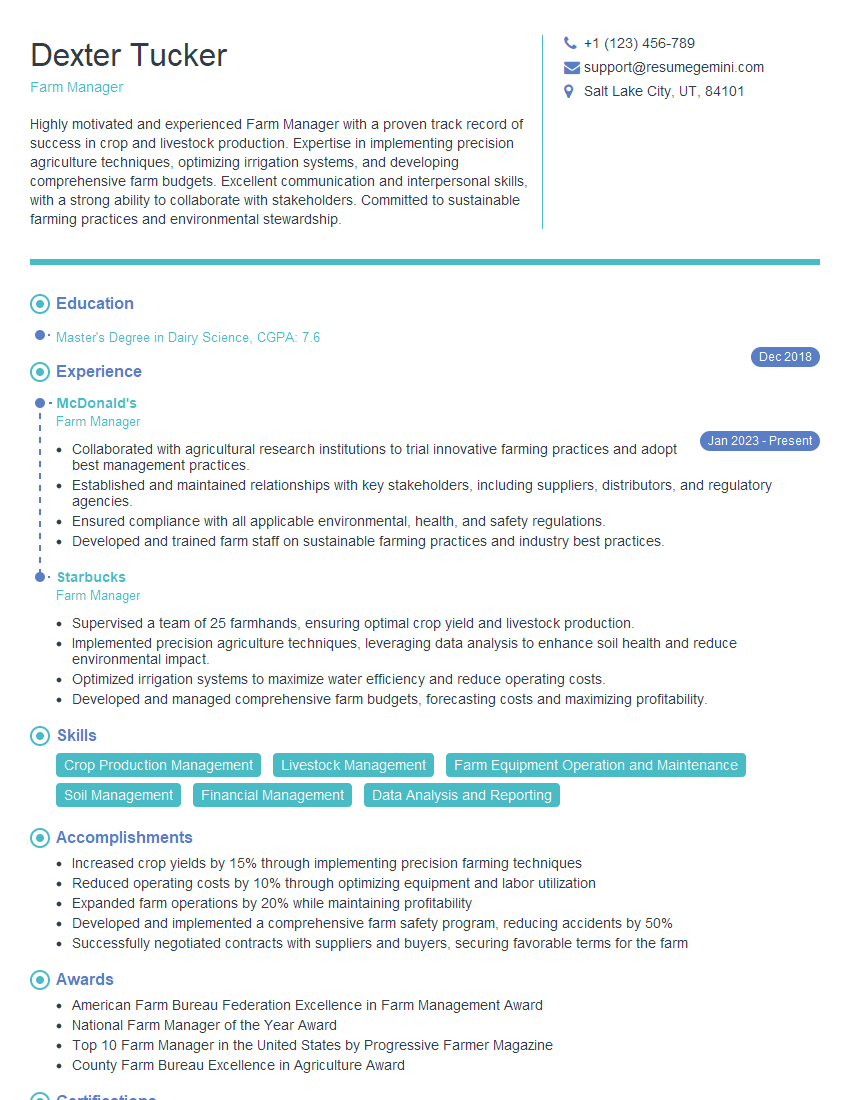
Farm Manager Resume Sample
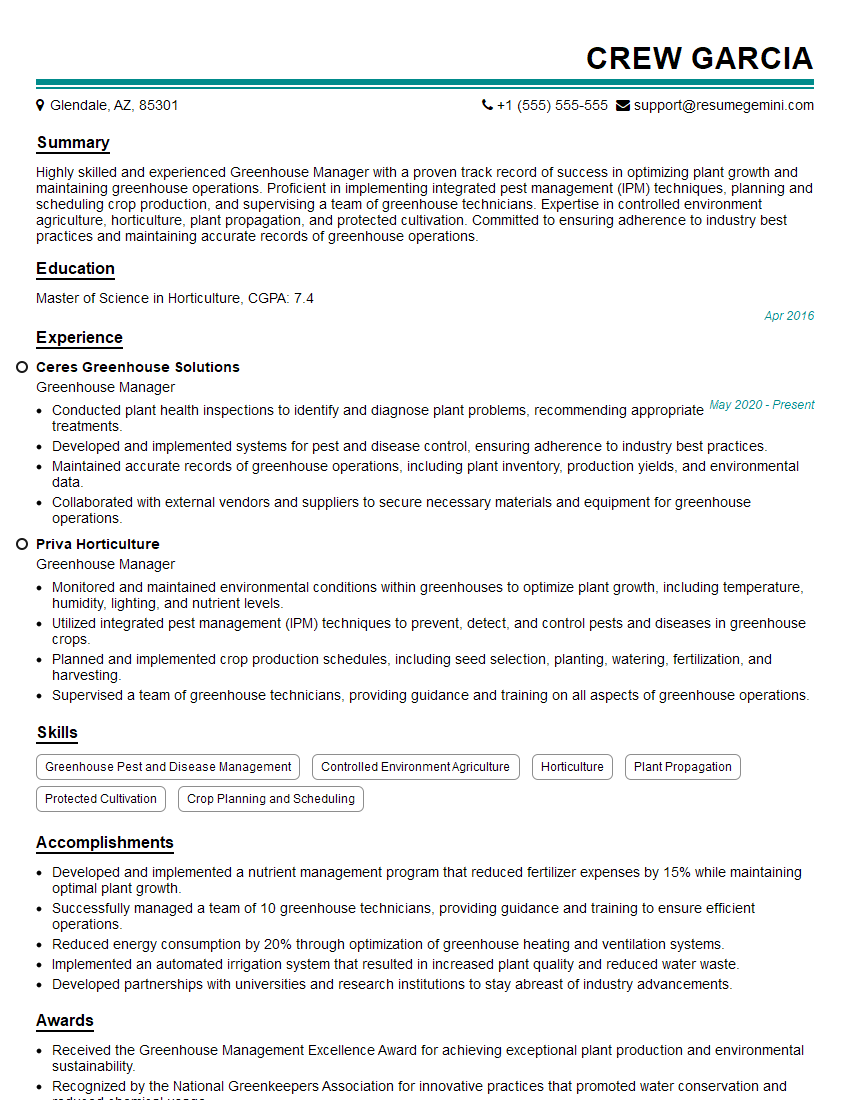
Greenhouse Manager Resume Sample

Nursery Manager Resume Sample

Viticulturist Resume Sample

Landscape Designer Resume Sample
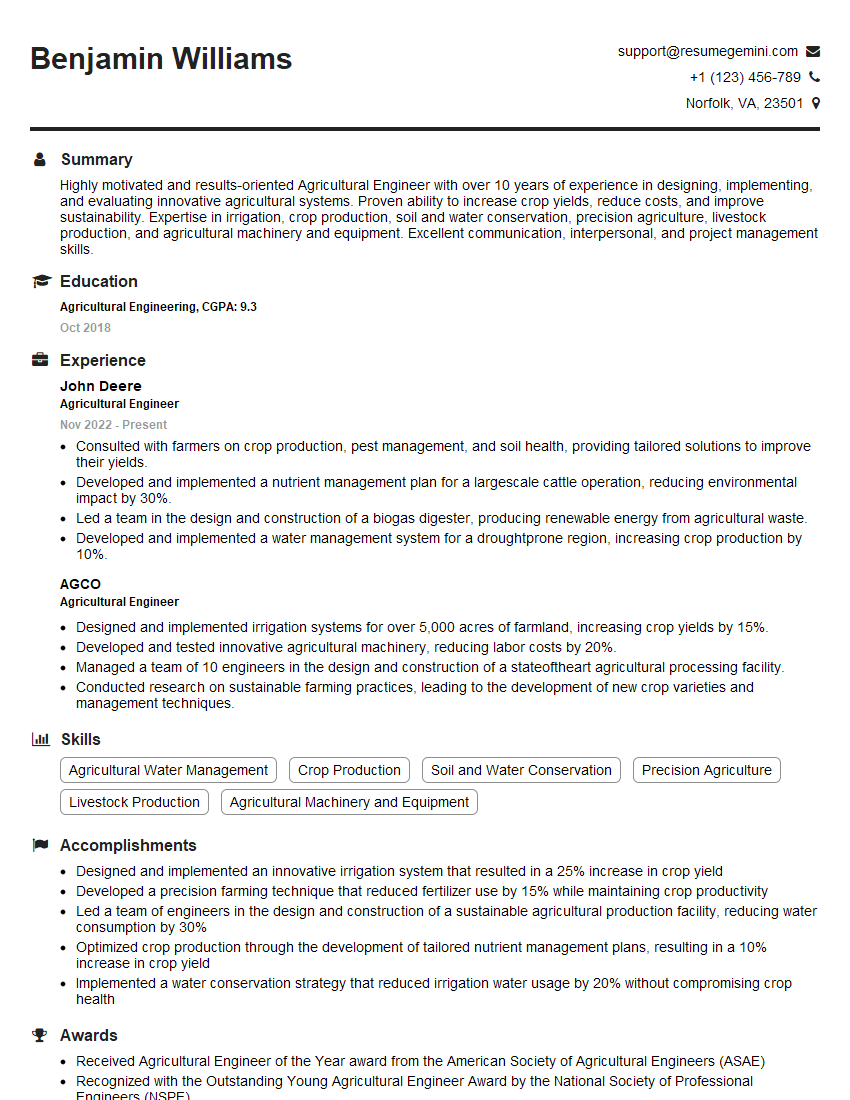
Agricultural Engineer Resume Sample

Arborist Resume Sample

Plant Pathologist Resume Sample

Soil Scientist Resume Sample
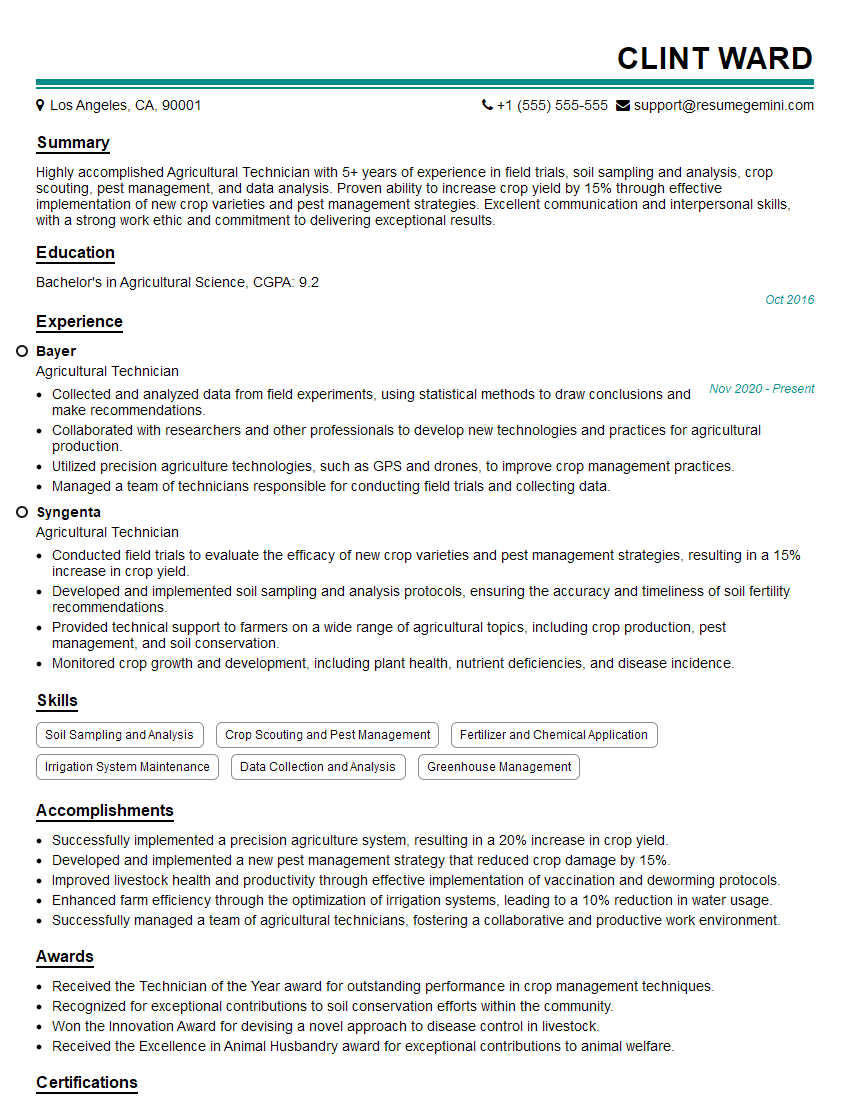
Agricultural Technician Resume Sample
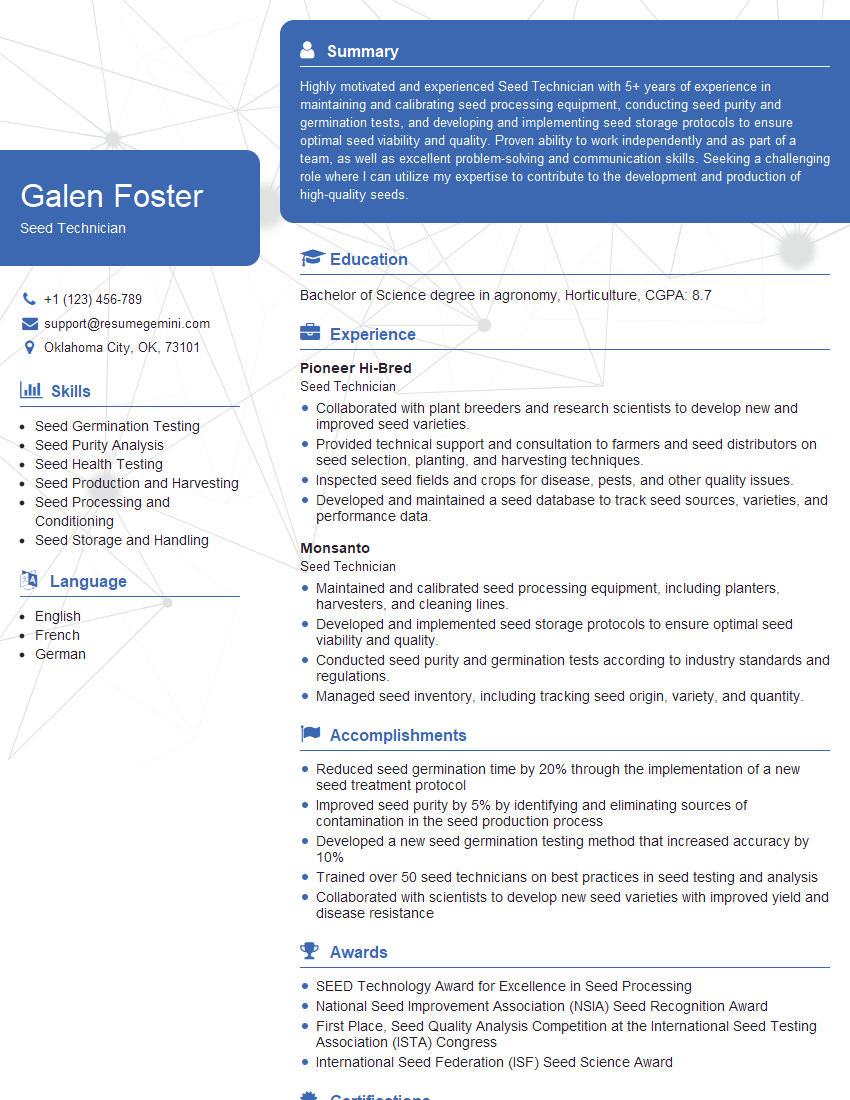
Seed Technician Resume Sample
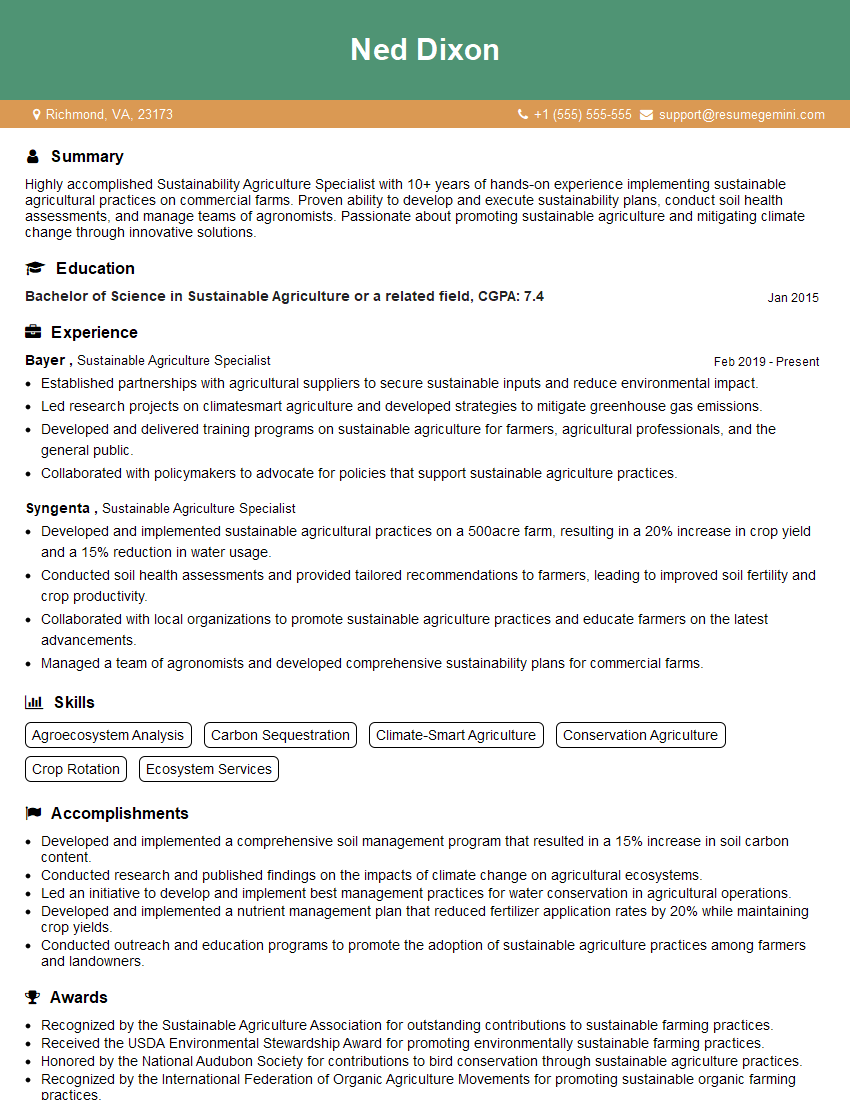
Sustainable Agriculture Specialist Resume Sample

Gardening Supervisor Resume Sample
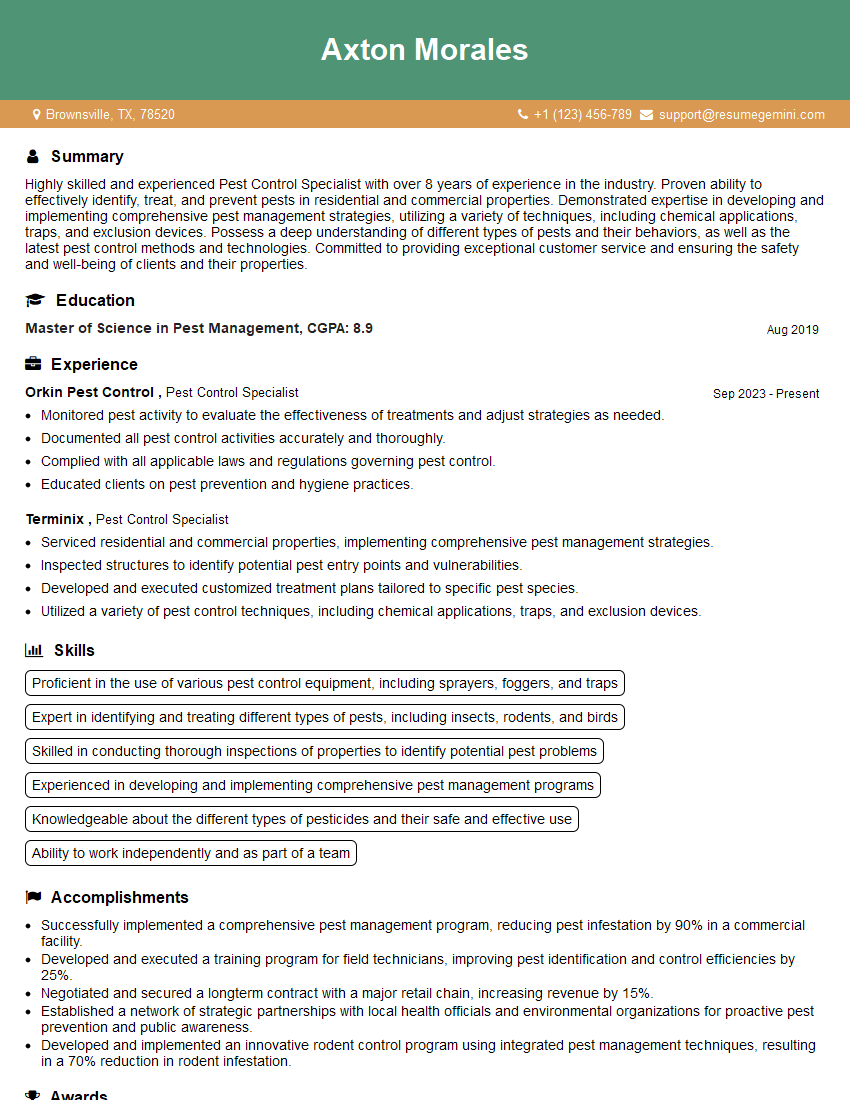
Pest Control Specialist Resume Sample

Groundskeeper Resume Sample

Plant Propagator Resume Sample
- Park Superintendent
- Farm Manager
- Greenhouse Manager
- Nursery Manager
- Viticulturist
- Landscape Designer
- Agricultural Engineer
- Arborist
- Plant Pathologist
- Soil Scientist
- Agricultural Technician
- Seed Technician
- Sustainable Agriculture Specialist
- Gardening Supervisor
- Pest Control Specialist
- Groundskeeper
- Plant Propagator
Explore more articles
Users Rating of Our Blogs
Share Your Experience
We value your feedback! Please rate our content and share your thoughts (optional).
What Readers Say About Our Blog
Very informative content, great job.
good