The thought of an interview can be nerve-wracking, but the right preparation can make all the difference. Explore this comprehensive guide to Plate Changing interview questions and gain the confidence you need to showcase your abilities and secure the role.
Questions Asked in Plate Changing Interview
Q 1. Explain the different types of printing plates used in your experience.
Over my years in the printing industry, I’ve worked with a variety of printing plates, each with its own strengths and weaknesses. The choice depends heavily on the printing process and the desired quality.
- Letterpress Plates: These are typically made of metal, often lead or magnesium, and are deeply etched to hold ink. They’re known for their unique texture and are often used for high-quality, fine art printing. Think of those beautifully embossed invitations.
- Flexographic Plates: These photopolymer plates are very common in flexible packaging and corrugated box printing. They’re known for their durability and ability to print on a wide variety of substrates. I remember a project where we used them to print vibrant designs on snack bags – the result was stunning!
- Offset Lithographic Plates: This is the most common type for commercial printing, using aluminum plates with a photosensitive coating. The image is chemically etched onto the plate, and they’re incredibly versatile, allowing for high-volume, high-quality printing. This is what you usually see used for magazines and newspapers.
- Gravure Plates: These plates have recessed cells etched into their surface, holding the ink. They’re perfect for high-volume, high-quality printing like packaging and magazines, producing incredibly consistent color and detail. Think of the smooth, rich colors in a glossy magazine.
Each plate type has specific handling and processing requirements, and selecting the right one is crucial for a successful print job.
Q 2. Describe the process of preparing a printing plate for installation.
Preparing a printing plate for installation is a meticulous process, and it’s essential to follow the manufacturer’s instructions carefully. The steps generally include:
- Inspection: Carefully inspect the plate for any defects such as scratches or damage. Even a tiny imperfection can affect the print quality.
- Cleaning: Thoroughly clean the plate to remove any dust, debris, or fingerprints that could interfere with proper ink transfer. A specialized plate cleaner is usually employed.
- Mounting: The plate is then mounted onto the printing cylinder or carrier, ensuring a precise and secure fit. Misalignment here can lead to registration problems.
- Conditioning: Some plates require a conditioning process, such as a short run with dampening solution, to prepare the surface for optimum ink acceptance.
- Final Inspection: Before installation, a final inspection verifies the plate’s proper installation and the absence of any defects.
One time, we had a seemingly minor scratch on a plate that went unnoticed until we started printing. It resulted in a noticeable defect across all prints, teaching us the importance of thorough inspection at every stage.
Q 3. What safety precautions do you take when handling printing plates?
Safety is paramount when handling printing plates. These plates often contain chemicals or are made from materials that require specific handling precautions. My safety procedures include:
- Personal Protective Equipment (PPE): Always wear appropriate PPE, including gloves, safety glasses, and sometimes respirators, depending on the plate type and the chemicals involved.
- Proper Ventilation: Ensure adequate ventilation in the platemaking area to minimize exposure to fumes and chemicals.
- Safe Disposal: Dispose of used plates and cleaning solutions according to environmental regulations and manufacturer’s instructions. This is crucial to minimize environmental impact.
- Chemical Handling: Follow all manufacturer’s instructions regarding the safe handling and storage of chemicals used in plate processing.
- Cleanliness: Maintain a clean and organized work area to prevent accidents and injuries.
A clean, well-organized workspace is not just about aesthetics; it directly impacts safety. We had an incident where a spilled chemical caused a minor injury; since then, we’ve emphasized even stricter cleanup procedures.
Q 4. How do you identify and address a misregistered plate?
Misregistered plates, where the colors or elements don’t align correctly, are a common printing problem. Identifying them is usually straightforward – you’ll notice colors slightly offset, blurry images, or incomplete overlaps. To address this:
- Visual Inspection: Carefully examine the printed sheet for misalignment. Use a magnifying glass if necessary.
- Measurement: Use precision measuring tools to quantify the misregistration. Knowing the exact amount of misalignment helps determine adjustments needed.
- Adjustments: Make the necessary adjustments to the plate or the press using the press’s registration controls. This often involves fine-tuning the plate’s position on the cylinder.
- Test Prints: After making adjustments, run a few test prints to verify the correction. Sometimes multiple minor adjustments are necessary.
- Repeat as Necessary: Continue adjusting and testing until the desired registration is achieved.
I once had a case where a hairline misregistration was only noticeable in specific areas. By carefully measuring and making several small adjustments, we corrected it, highlighting the importance of precision and patience.
Q 5. What are the common causes of plate damage or wear?
Printing plates are subject to various types of damage and wear during their lifespan. Common causes include:
- Improper Handling: Scratches, dents, and bending can occur from careless handling. This is why careful handling procedures are so important.
- Chemical Degradation: Exposure to incorrect chemicals or improper cleaning can degrade the plate’s surface, affecting the print quality.
- Wear and Tear: Continuous use inevitably leads to wear, especially in high-volume printing jobs. The ink and dampening solution gradually erode the plate surface.
- Improper Storage: Incorrect storage conditions, such as exposure to extreme temperatures or humidity, can accelerate plate degradation.
- Mechanical Damage: Collisions or impacts during handling or on the press itself can cause significant damage.
We once had a batch of plates damaged due to improper storage in a humid environment. It taught us a valuable lesson about the importance of maintaining appropriate storage conditions for extending plate lifespan.
Q 6. Describe your process for cleaning and maintaining printing plates.
Cleaning and maintaining printing plates is crucial for prolonging their lifespan and maintaining print quality. My process involves:
- Immediate Cleaning: After each print run, the plates are cleaned using appropriate solvents and brushes, removing any residual ink and other contaminants. It’s best to do this immediately as this minimizes the chance of ink drying and becoming harder to remove.
- Thorough Cleaning: Periodically, a more thorough cleaning is performed to remove stubborn ink buildup and other debris. We often use specialized cleaning solutions designed for specific plate types.
- Inspection: During cleaning, the plate is carefully inspected for any damage or signs of wear. Early detection of problems allows for timely intervention.
- Storage: After cleaning, the plates are properly stored in a controlled environment to protect them from dust, moisture, and extreme temperatures.
- Plate Protection: Certain plates may benefit from protective coatings or sleeves to minimize surface abrasion during storage and transport.
Consistent cleaning and proper storage are vital. We had one instance where neglecting to clean a plate properly resulted in significant ink buildup on subsequent jobs, underscoring the importance of this step.
Q 7. How do you ensure accurate plate alignment on the press?
Accurate plate alignment is essential for perfect registration. We use a multi-step approach:
- Pre-press Alignment: Accurate plate mounting begins long before it even hits the press. Pre-press processes verify that the plate is accurately imaged and prepared with proper registration marks.
- Press Registration System: Most modern presses have sophisticated registration systems with indicators and adjustment mechanisms. These systems allow for fine-tuning plate alignment with pinpoint accuracy.
- Registration Marks: The use of registration marks (cross-hairs or similar) on the plates and printed sheets provides a visual reference for precise alignment.
- Test Prints: Test prints are crucial. They allow us to assess alignment and make minor adjustments as needed before a full print run.
- Experienced Operators: A skilled press operator is critical for ensuring accurate plate alignment, based on experience and problem-solving skills.
We use a combination of automated systems and skilled manual adjustments to maintain precise registration. An experienced operator can ‘feel’ the slightest misalignment and make minute corrections – a skill developed over many years of practice.
Q 8. What tools and equipment do you use for plate changing?
Plate changing requires a variety of tools and equipment, depending on the printing press and plate type. For example, with conventional offset printing, you’ll typically use tools like a plate-handling trolley to safely transport plates, a plate gauge to ensure correct dimensions, and plate clamps to secure the plate during installation. For flexographic printing, you might use a plate mounting system with specific tools for aligning and adhering plates to cylinders. Cleaning equipment, such as plate cleaners and solvents, are crucial for ensuring optimal printing results and eliminating defects. Specialized tools like a scraper, a cleaning brush, and a squeegee are necessary for effectively removing residual materials from the plate during cleaning and preparation. In addition to these manual tools, automated plate changing systems have their own specialized equipment for precise and quick plate handling.
- Plate Handling Trolley: For safe transport and handling of plates
- Plate Gauge: To ensure precise plate dimensions and alignment.
- Plate Clamps: Secure plates during mounting and demounting.
- Plate Cleaners and Solvents: To remove ink, dirt, and other residues
- Scraper, Cleaning Brush, Squeegee: For thorough cleaning and preparation
Q 9. How do you troubleshoot common plate changing problems?
Troubleshooting plate changing problems often involves a systematic approach. For instance, if the printed image is blurry or shows registration issues, you might first check plate mounting accuracy – ensuring the plate is securely fastened and properly aligned. If the problem persists, you’d investigate the plate itself; is it damaged, scratched, or improperly processed? Ink issues, such as insufficient ink or incorrect ink distribution, can also lead to printing defects, requiring adjustments to the ink fountain and rollers. A common problem is poor plate-to-blanket contact, which leads to uneven inking. In this situation, the pressure between the plate and the blanket is adjusted, or the blanket itself might need cleaning or replacement. Using a methodical process helps isolate and resolve the issue quickly.
- Check Plate Mounting: Ensure accurate alignment and secure fastening.
- Inspect the Plate: Look for damage, scratches, or processing defects.
- Evaluate Ink Distribution: Adjust ink fountain and rollers as needed.
- Assess Plate-to-Blanket Contact: Adjust pressure or clean/replace the blanket if necessary.
Q 10. What is your experience with different plate mounting systems?
My experience encompasses a wide range of plate mounting systems, including those used in offset, flexographic, and digital printing. In offset printing, I’m proficient with both conventional clamp-based systems and more advanced vacuum systems for faster and more precise plate mounting. Flexographic printing demands expertise in different plate cylinder designs, such as sleeves and solid cylinders, each needing specific handling and mounting techniques. Digital printing often uses less complex systems, but precision remains crucial. For example, I’ve worked with plates requiring precise alignment with registration marks, using specialized tools to ensure accurate placement and consistent color registration. Understanding the unique characteristics of each system is critical for efficiency and quality.
- Offset: Clamp systems, vacuum systems
- Flexographic: Sleeves, solid cylinders
- Digital: Precise alignment with registration marks
Q 11. How do you minimize downtime during plate changes?
Minimizing downtime during plate changes requires a combination of efficient techniques and preventative measures. Having pre-prepared plates ready to go significantly reduces the time spent on setup. Organized storage of plates with clear identification is essential. A well-maintained press reduces the likelihood of unexpected issues during changes. This includes regular inspections and maintenance of all components. Thorough training and skilled operators can execute plate changes quickly and safely. Implementing a streamlined plate changing procedure, with clearly defined steps and responsibilities, also contributes to minimizing downtime.
- Pre-prepared Plates: Reduce setup time
- Organized Storage: Improves efficiency
- Press Maintenance: Prevents unexpected problems
- Operator Training: Ensures fast and safe changes
- Streamlined Procedures: Optimizes workflow
Q 12. Describe your experience with automated plate changing systems.
My experience with automated plate changing systems includes working with various models designed for both offset and flexographic printing. These systems offer significant advantages in terms of speed and precision. For example, I’ve worked with systems that use robotic arms to automatically remove and install plates, minimizing manual intervention and human error. Many automated systems include features for plate verification and alignment, ensuring consistent quality and reducing waste. I’m familiar with the software interfaces involved in controlling these automated systems, including setup parameters and diagnostics. While the initial investment is higher, the long-term benefits in terms of efficiency and reduced labor costs are considerable. I understand the importance of regular maintenance and calibration of these automated systems to ensure optimal performance.
For example, I worked on a project where an automated plate-changing system reduced plate change time from 45 minutes to 10 minutes, significantly improving productivity.
Q 13. How do you handle damaged or defective printing plates?
Handling damaged or defective printing plates requires careful assessment and appropriate action. First, the plate is thoroughly inspected to identify the type and extent of the damage. Scratches or other minor imperfections might be repairable using specialized tools and materials, but severely damaged plates are usually discarded to prevent printing defects. Documentation of the damage is crucial, including the nature of the defect and its potential causes. This information helps in identifying and addressing root causes to prevent future issues. Depending on the printing process, disposal of defective plates may require special handling due to environmental regulations.
- Inspection: Determine type and extent of damage.
- Repair (if possible): Use appropriate tools and materials.
- Disposal: Follow environmental regulations.
- Documentation: Record damage and potential causes.
Q 14. What is your understanding of color management in relation to plate changing?
Color management is intrinsically linked to plate changing because the accuracy of color reproduction directly depends on the quality of the plates. Precise color management involves ensuring that the plate accurately represents the intended colors in the design. This necessitates careful calibration of the entire printing process, from digital design to plate making and printing. Any inconsistencies in the plate-making process, such as errors in exposure or processing, can lead to color discrepancies in the final print. Therefore, regular color checks and adjustments are crucial to maintain consistent color across different print runs. A well-maintained color management system also contributes to minimizing waste caused by faulty plates and re-runs. Understanding color profiles, color spaces, and proofing methods is essential for effective color management in relation to plate changing.
Q 15. Explain the importance of proper plate storage and handling.
Proper plate storage and handling are paramount to maintaining print quality and press uptime. Think of printing plates like delicate photographic negatives; improper care can lead to irreversible damage.
- Storage Environment: Plates should be stored in a cool, dry, and dark place, ideally in protective sleeves or racks to prevent scratches, bending, and static electricity buildup. Fluctuations in temperature and humidity can warp the plates, affecting registration and print quality. Imagine leaving a chocolate bar in the sun – it melts! Similarly, extreme temperatures affect plates.
- Handling Procedures: Always wear clean gloves to avoid fingerprints and contamination. Use designated tools for handling, avoiding direct contact with the plate’s imaging surface. Gentle handling prevents scratches, which can show up as defects in the print. Imagine handling a newborn baby – you wouldn’t be rough, would you? The same delicate care applies to plates.
- Cleaning and Preparation: Before storing, clean plates thoroughly to remove any ink or debris using appropriate cleaning solutions. Residues can attract dust and cause problems later. It’s like cleaning a paintbrush before storing it, ensuring it’s ready for the next use.
Career Expert Tips:
- Ace those interviews! Prepare effectively by reviewing the Top 50 Most Common Interview Questions on ResumeGemini.
- Navigate your job search with confidence! Explore a wide range of Career Tips on ResumeGemini. Learn about common challenges and recommendations to overcome them.
- Craft the perfect resume! Master the Art of Resume Writing with ResumeGemini’s guide. Showcase your unique qualifications and achievements effectively.
- Don’t miss out on holiday savings! Build your dream resume with ResumeGemini’s ATS optimized templates.
Q 16. How do you ensure consistent print quality after a plate change?
Maintaining consistent print quality after a plate change involves a multi-step process encompassing careful preparation and precise execution.
- Pre-press Checks: Verify the plate’s proper alignment and registration on the press using a magnifying glass and registration marks. An improperly aligned plate is akin to a misaligned jigsaw puzzle – it just won’t fit together perfectly.
- Ink and Water Settings: Ensure the ink and water settings on the press are consistent with the previous plate. Incorrect settings can cause variations in color density and dot gain.
- Initial Print Tests: Always run a test print on scrap material after installing a new plate to check for any issues such as slurring, mottle, or incorrect color. Addressing these problems early prevents wasting valuable time and materials.
- Ongoing Monitoring: Regularly monitor the print output to detect any variations throughout the run. Even if the plate is initially set correctly, changes in temperature or humidity can impact quality over time.
Q 17. What are the key performance indicators (KPIs) you monitor during plate changing?
Key Performance Indicators (KPIs) for plate changing focus on speed, efficiency, and quality. I monitor:
- Plate Change Time: This measures the time taken from removing the old plate to producing acceptable prints with the new one. Reducing this time increases press uptime.
- Waste During Plate Change: This assesses the amount of wasted paper and ink during the change process. Minimizing waste is crucial for profitability.
- Plate Change Failure Rate: Tracking the number of instances where the plate change resulted in print quality issues or required further intervention, helps identify areas for process improvement.
- Print Quality Metrics: Post plate change, I analyze color consistency, dot gain, registration accuracy, and overall image quality through densitometer readings and visual inspection. These metrics inform the overall print quality directly linked to plate installation.
Q 18. How do you manage plate inventory and ordering?
Plate inventory and ordering are managed through a combination of careful planning and digital tools. I utilize a sophisticated inventory management system to track plate usage, order history, and predicted future needs.
- Demand Forecasting: Analyzing past print jobs helps predict future plate requirements, preventing stockouts and minimizing storage costs. Imagine a supermarket – they predict demand to keep shelves stocked without excessive waste.
- Supplier Relationships: Maintaining strong relationships with reputable plate suppliers ensures timely delivery and access to high-quality plates.
- Just-in-Time Inventory: Implementing a just-in-time inventory strategy helps optimize storage space and reduce the risk of plate spoilage or obsolescence.
- Regular Audits: Periodic inventory audits verify stock levels, identify obsolete plates, and inform purchasing decisions.
Q 19. What is your experience with different types of printing presses?
My experience encompasses various printing press types, including offset presses (both sheetfed and web), and flexographic presses. I’m proficient in handling different plate sizes and mounting systems associated with each press type. The principles of plate changing remain consistent across different press technologies, however, the specific procedures and tools vary.
- Offset Presses: I’m experienced with both sheetfed and web offset presses, understanding the nuances of plate loading, registration, and blanket washing procedures for each.
- Flexographic Presses: I have worked extensively with flexographic presses, familiar with the unique challenges of handling flexible plates and cylinder mounting procedures.
This broad experience allows me to quickly adapt to different press environments and troubleshoot efficiently.
Q 20. Describe your problem-solving skills in relation to plate changing issues.
My problem-solving approach to plate changing issues is systematic and data-driven. I employ a structured troubleshooting method:
- Identify the Problem: Clearly define the issue – is it registration problems, color inconsistencies, or plate damage?
- Gather Information: Collect data relevant to the problem – press settings, plate history, ink and water settings, operator notes.
- Analyze the Data: Examine the gathered data to identify patterns or potential causes.
- Develop Solutions: Based on the analysis, develop potential solutions. This could range from adjusting press settings to replacing a damaged plate.
- Implement and Test: Test the proposed solution and monitor its effectiveness.
- Document Findings: Record the problem, solution, and results to improve future troubleshooting efficiency.
For example, if I see consistent slurring on prints after a plate change, I would check for plate defects, ink viscosity, and press dampening system functionality.
Q 21. How do you work effectively under pressure during plate changes?
Working effectively under pressure during plate changes requires a combination of preparation, efficient workflows, and a calm demeanor. I prioritize the following:
- Prior Planning: Having a pre-planned procedure reduces on-the-spot decision-making under time constraints. This includes pre-staged materials, clear communication, and well-defined steps.
- Efficient Techniques: I use efficient and well-practiced techniques to minimize wasted time. This includes optimized plate handling, and quick press adjustments.
- Teamwork: In high-pressure situations, teamwork is critical. Clear communication among team members and a collaborative approach facilitate a smoother and faster plate change.
- Stress Management: I utilize stress management techniques such as deep breathing and prioritizing tasks to maintain focus and avoid mistakes under pressure.
By following these practices, I consistently ensure timely and efficient plate changes even in demanding situations.
Q 22. Describe a time you had to quickly resolve a plate changing issue.
During a crucial print run for a major client, we experienced a sudden plate-changing issue – the plate wouldn’t register correctly, leading to misaligned print. The deadline was tight, and the client was on-site. Instead of panicking, I systematically checked every variable. First, I visually inspected the plate for any damage, finding a slight imperfection near the edge. Next, I verified the plate was properly mounted on the cylinder, ensuring it was secure and seated correctly. Finally, I meticulously adjusted the register settings, following a precise step-by-step approach, consulting the machine’s operational manual for specific parameters. Through careful analysis and attention to detail, I isolated the problem to the initial plate imperfection, corrected the alignment, and restarted the print job within 30 minutes, avoiding a major production delay and safeguarding client satisfaction.
Q 23. What are the environmental considerations related to plate changing?
Environmental considerations in plate changing are critical. The chemicals involved in plate processing, such as developers and wash solutions, can be harmful if not handled properly. Proper ventilation is essential to mitigate the risk of inhaling volatile organic compounds (VOCs). Wastewater management is equally important; we must adhere to strict regulations for disposing of used chemicals to prevent environmental contamination. Furthermore, the plates themselves, especially those made from aluminum, require responsible recycling to minimize waste and resource depletion. Implementing a robust environmental management system, including regular monitoring of chemical usage and waste disposal, is a non-negotiable part of a responsible plate-changing process. Sustainable practices, such as using water-based processing solutions where possible, are increasingly important to reduce our environmental footprint.
Q 24. How familiar are you with different plate materials (e.g., aluminum, polymer)?
My experience encompasses a wide range of plate materials. I’m highly proficient with aluminum plates, understanding their various thicknesses and surface treatments, like anodized or chemically etched, and how each impacts print quality and durability. I also have considerable experience with polymer plates, specifically those made from polyester or other photopolymer materials. Polymer plates offer advantages like flexibility and lighter weight but require specific handling to avoid damage during installation. I’m familiar with the differences in imaging techniques, processing requirements, and overall performance characteristics of each type of plate, selecting the material based on factors such as press type, ink system, and the specific job requirements. For example, while aluminum plates might be best for high-volume jobs needing durability, polymer plates are often preferred for shorter runs or special effects.
Q 25. Describe your experience with plate imaging and processing techniques.
My experience with plate imaging and processing is extensive. I’m adept at both Computer-to-Plate (CTP) and traditional methods. In CTP, I’m familiar with various imaging technologies, such as thermal, violet laser, and UV, and have experience troubleshooting issues with plate exposure, resolution, and dot gain. With traditional methods, I understand the entire process from stripping film to platemaking and the crucial aspects of proper chemical handling and timings. My workflow involves rigorous quality control checks at each stage to ensure the plates meet exacting standards for precision and consistency. I’m comfortable working with different RIP software and hardware, optimizing settings for optimal output quality. For instance, adjusting exposure settings in CTP depending on plate type and press speed is vital for consistent results.
Q 26. What is your experience with pre-press workflows and their impact on plate changing?
Pre-press workflows significantly impact the efficiency and success of plate changing. A streamlined pre-press process, with accurate color management, proper file preparation, and efficient proofing, ensures that the plates produced are of high quality and ready for immediate use. Conversely, a poorly managed pre-press process can lead to errors and delays in the plate-making phase, impacting press uptime. I’ve experienced scenarios where incorrect file submissions led to plate remakes, resulting in delays and increased costs. Therefore, I emphasize careful collaboration with the pre-press team, establishing clear communication channels and rigorous quality checks to ensure accurate and timely plate production. Using a standardized workflow with automated processes helps to minimize errors and speeds up plate-changing turnaround times.
Q 27. How do you stay up-to-date with the latest advancements in plate changing technology?
Staying updated in this field is critical. I regularly attend industry conferences and trade shows, like drupa and Graph Expo, to learn about the newest plate technologies and processes. I actively participate in professional organizations, such as those focused on printing and packaging, engaging in networking and knowledge exchange with other professionals. I also subscribe to industry publications and journals, keeping myself abreast of the latest developments in plate materials, imaging technology, and environmental sustainability. Online resources, such as manufacturer websites and technical blogs, are invaluable sources of information. Continuous learning is crucial to ensure I am constantly improving my skills and staying at the forefront of this ever-evolving field.
Q 28. How do you contribute to a safe and efficient work environment in the pressroom?
Safety and efficiency go hand in hand. In the pressroom, I prioritize a clean and organized workspace to prevent accidents. Proper handling and storage of chemicals are paramount; I adhere strictly to safety regulations and always use appropriate personal protective equipment (PPE), like gloves and eye protection. I proactively identify and address potential hazards, promptly reporting any unsafe conditions. Training colleagues on safe work practices and the correct procedures for plate handling is vital. My focus on efficiency involves optimizing plate-changing workflows, implementing lean techniques to minimize downtime and waste, and continuously seeking improvements to streamline processes. A safe and efficient pressroom not only enhances productivity but ensures the well-being of everyone working there.
Key Topics to Learn for Plate Changing Interview
- Safety Procedures: Understanding and adhering to all safety protocols during plate changes, including lockout/tagout procedures and personal protective equipment (PPE) usage.
- Plate Handling Techniques: Proper techniques for lifting, moving, and installing plates, minimizing the risk of damage or injury. This includes understanding weight limitations and using appropriate equipment.
- Plate Alignment and Adjustment: Precise methods for aligning plates to ensure accurate printing and minimize waste. This involves understanding tolerance levels and using various adjustment tools.
- Troubleshooting Common Issues: Identifying and resolving common problems encountered during plate changes, such as misalignment, smudging, or incorrect registration. This requires problem-solving skills and a methodical approach.
- Understanding Printing Press Mechanics: A basic understanding of how the printing press operates and the role of the plate in the overall printing process. This will help you understand the implications of plate changes on the entire workflow.
- Different Plate Types and Materials: Familiarity with various plate types (e.g., flexographic, offset) and their specific handling requirements. This showcases your adaptability and knowledge of diverse printing methods.
- Cleaning and Maintenance: Proper cleaning and maintenance procedures for plates and associated equipment to ensure longevity and consistent performance. This demonstrates attention to detail and preventative maintenance.
- Waste Reduction Strategies: Implementing techniques to minimize plate waste during the changing process, contributing to cost savings and environmental responsibility. This highlights your commitment to efficiency and sustainability.
Next Steps
Mastering plate changing is crucial for career advancement in the printing industry, opening doors to more skilled and higher-paying positions. A strong understanding of these techniques demonstrates your practical skills and attention to detail. To maximize your job prospects, create an ATS-friendly resume that highlights your expertise. We recommend using ResumeGemini, a trusted resource for building professional resumes. Examples of resumes tailored to Plate Changing are available to help you showcase your skills effectively.

Manufacturing Technician Resume Sample
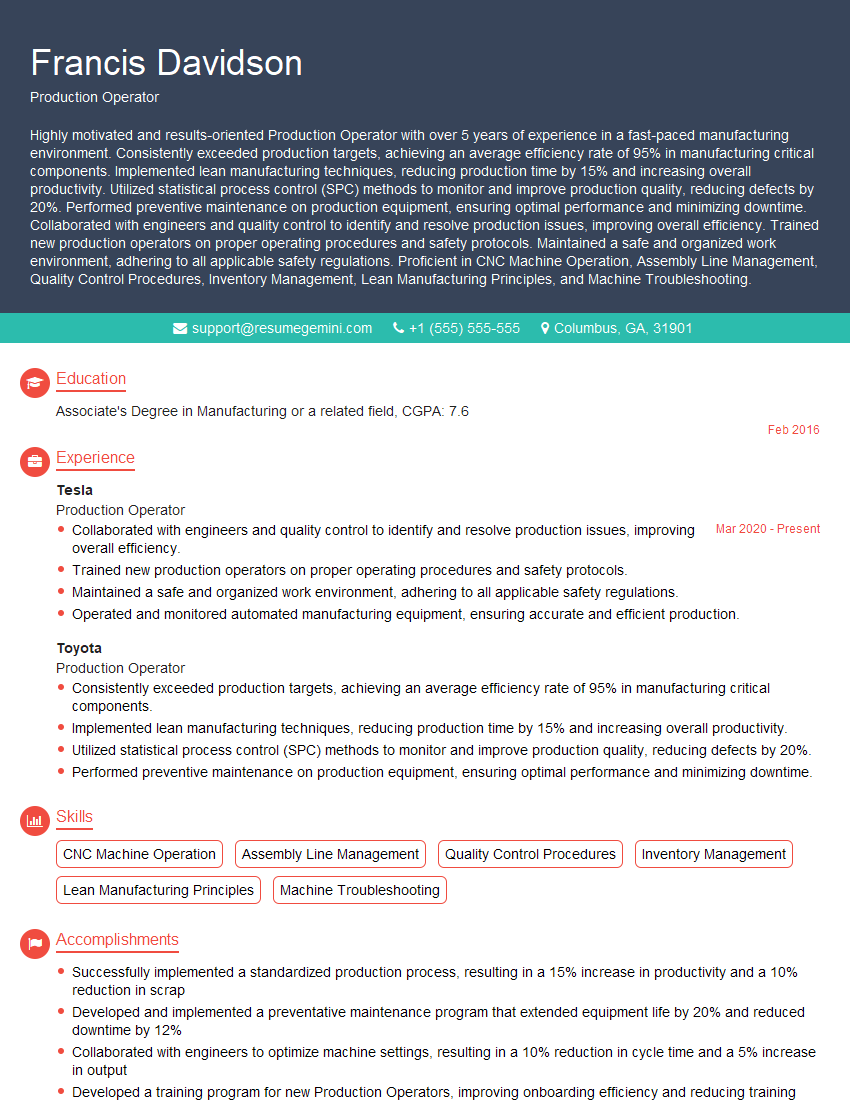
Production Operator Resume Sample

Pressroom Supervisor Resume Sample

Printing Supervisor Resume Sample

Graphic Arts Technician Resume Sample
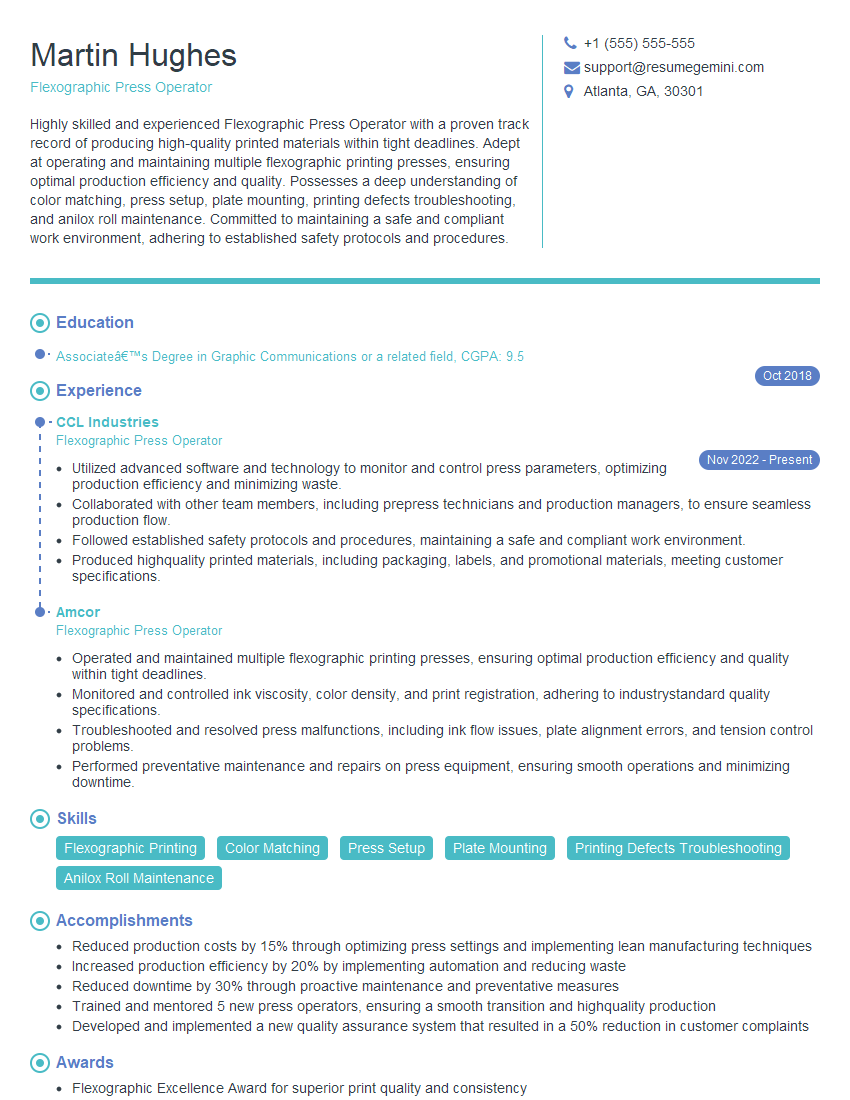
Flexographic Press Operator Resume Sample
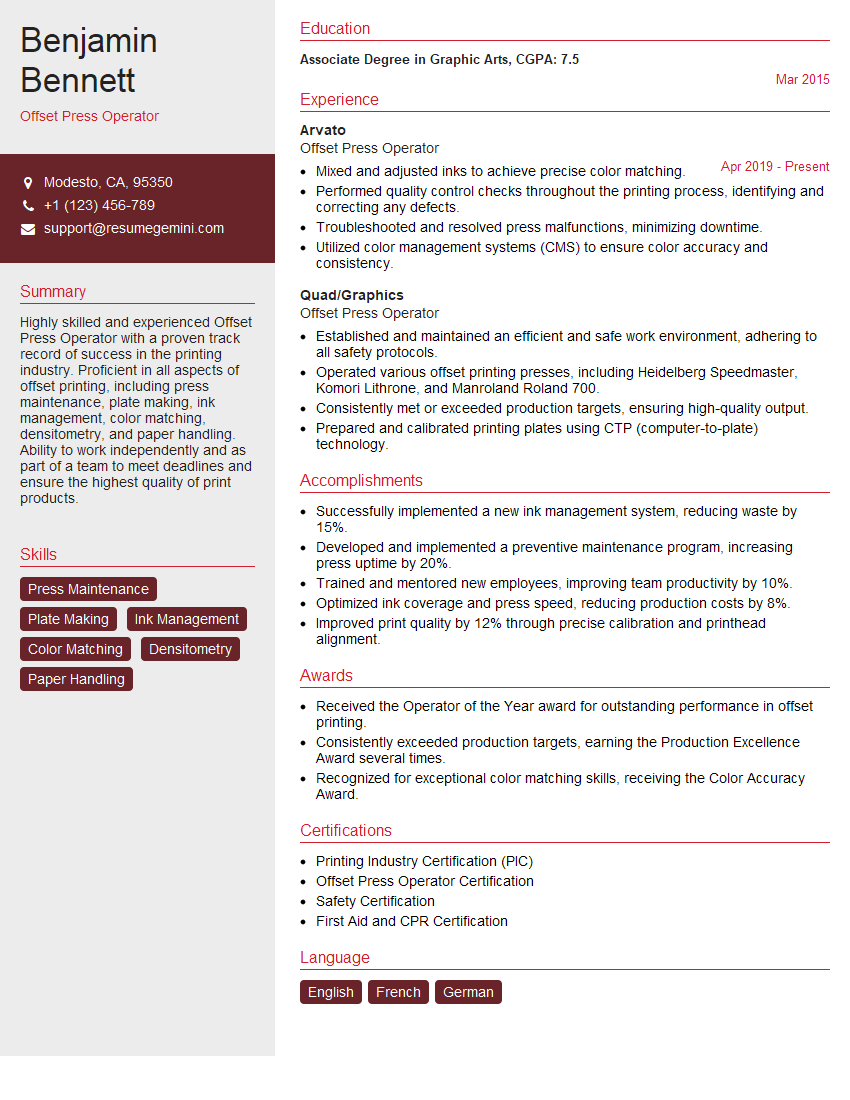
Offset Press Operator Resume Sample
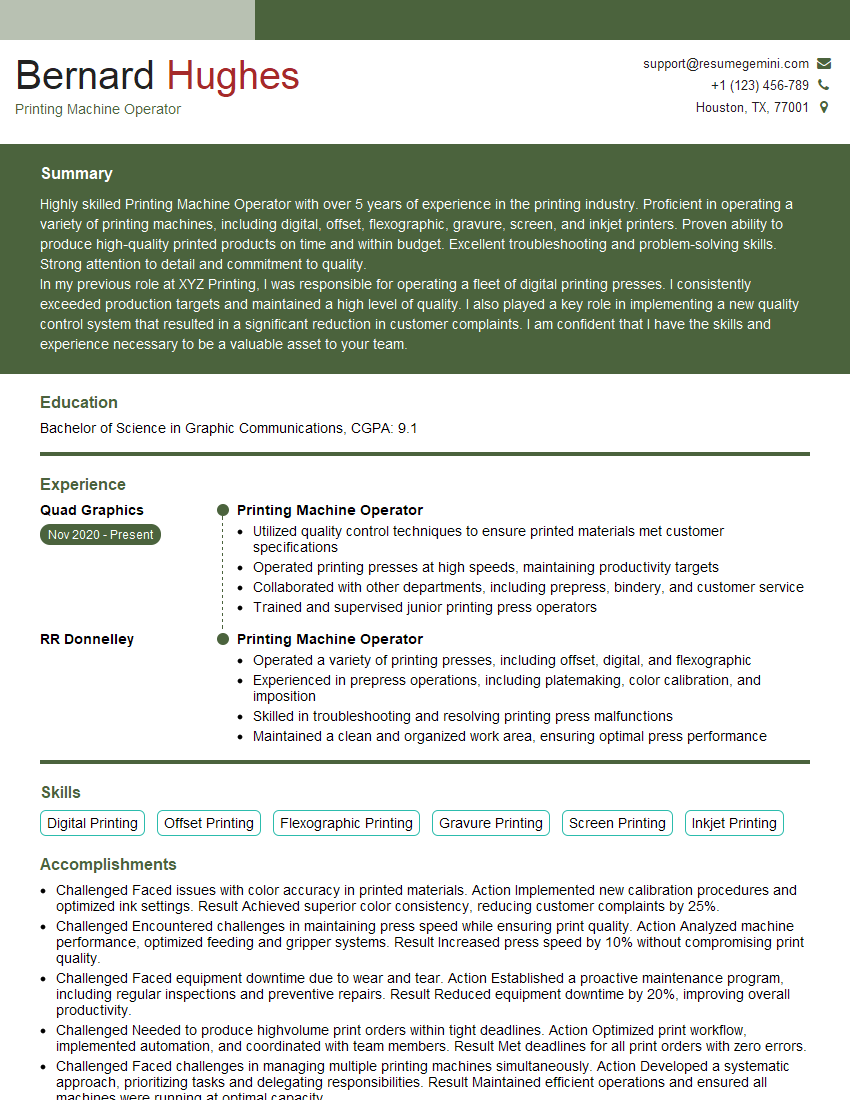
Printing Machine Operator Resume Sample
Explore more articles
Users Rating of Our Blogs
Share Your Experience
We value your feedback! Please rate our content and share your thoughts (optional).
What Readers Say About Our Blog
Very informative content, great job.
good