Interviews are more than just a Q&A session—they’re a chance to prove your worth. This blog dives into essential Player Evaluation and Development interview questions and expert tips to help you align your answers with what hiring managers are looking for. Start preparing to shine!
Questions Asked in Player Evaluation and Development Interview
Q 1. Describe your methodology for evaluating a player’s potential.
Evaluating a player’s potential is a multifaceted process that goes beyond simply looking at current skills. My methodology combines objective data with subjective observation to build a comprehensive profile. It involves a three-stage approach: Assessment, Projection, and Contextualization.
- Assessment: This stage focuses on the player’s current skills and abilities. We use a range of methods, including game film analysis, in-person observation during training and matches, physical testing (e.g., speed, agility, strength), and skill-specific tests. We quantify these observations where possible, for example, using metrics like passing accuracy or shot conversion rate.
- Projection: This involves predicting the player’s future development based on their current trajectory and potential. We consider factors like their age, training history, physical maturity, cognitive abilities, and learning capacity. For example, a young player with exceptional athleticism might show huge potential, even if their technical skills are currently lacking. This projection often involves comparing the player to similar players who have reached a higher level.
- Contextualization: Finally, we consider the player’s environment and opportunities for growth. This includes their coaching staff, training facilities, competitive level, and the overall support system around them. A talented player in a less-developed environment might not reach their full potential without appropriate resources.
For instance, we evaluated a young midfielder with exceptional vision and passing range but average speed. His assessment showed high technical ability. Our projection indicated significant growth potential if he focused on improving his physical conditioning. Contextualizing his situation within his team’s style of play allowed us to design a tailored development plan.
Q 2. How do you identify skill deficiencies in players?
Identifying skill deficiencies requires a systematic approach that combines observation, data analysis, and feedback. We start by establishing clear benchmarks for each position and skill. For example, a central defender needs strong tackling, heading, and spatial awareness. We then compare a player’s performance against these benchmarks. This is done through several methods:
- Game and Training Observation: Watching games and training sessions allows us to see how players perform in real situations. We identify recurring errors, such as consistently losing aerial duels or misplacing passes in specific zones on the field.
- Data Analysis: We track various quantitative metrics, like pass completion percentage, tackle success rate, and shots on target. Significant deviations from the team average or league benchmarks indicate potential areas for improvement.
- Feedback from Coaches and Teammates: Input from coaches, teammates, and even opponents can reveal weaknesses not immediately apparent through observation or data. This provides valuable qualitative insight into the player’s performance.
- Self-Assessment: Players’ own awareness of their strengths and weaknesses is crucial. We encourage self-reflection and discussions to identify personal challenges.
For example, a winger might have a low crossing accuracy rate based on data analysis. Observation might reveal that their technique under pressure needs work. Combined with feedback, we can target specific training drills to improve this aspect of their game.
Q 3. What metrics do you use to track player progress?
Tracking player progress is essential for evaluating the effectiveness of development plans. We use a combination of quantitative and qualitative metrics, tailored to individual players and their specific goals. This might include:
- Quantitative Metrics: These are numerical measures of performance, such as goals scored, assists, pass completion rate, tackles won, sprints completed, and possession retention. We also use advanced metrics like expected goals (xG) and expected assists (xA) to provide a more nuanced view.
- Qualitative Metrics: These are observational assessments, focusing on aspects like decision-making, leadership, work rate, tactical awareness, and communication. We use rating scales, observation notes, and feedback from coaches to capture this information.
- Video Analysis: We use video analysis software to review game footage and highlight specific instances of both strong performance and areas requiring improvement. This allows for detailed evaluation of technique, tactical awareness, and decision-making.
- Physical Testing: Regular fitness tests assess the player’s physical capabilities such as speed, agility, strength, and endurance, to measure progress on physical development goals.
We typically track these metrics over time, creating trendlines that illustrate a player’s improvement or areas where further attention is required. These data points are crucial for adjusting individual development plans based on ongoing performance.
Q 4. Explain your approach to creating individual player development plans.
Creating individual player development plans (IDPs) is a collaborative process involving the player, coaches, analysts, and other relevant stakeholders. The goal is to design a personalized plan that addresses the player’s specific needs and aspirations.
- Needs Assessment: We start by identifying the player’s strengths, weaknesses, and development areas through the methods described previously. This informs the goals of the IDP.
- Goal Setting: We work with the player to set SMART goals (Specific, Measurable, Achievable, Relevant, Time-bound). These goals should align with the player’s overall aspirations and the team’s objectives.
- Action Planning: We outline specific actions to achieve the set goals. This includes tailored training programs, drills, and strategies, along with regular review meetings to track progress.
- Resource Allocation: We determine what resources (e.g., coaching time, specialized equipment, specific training programs) are needed to support the player’s development.
- Monitoring and Evaluation: The IDP is a living document. We regularly monitor the player’s progress, adjusting the plan based on performance and feedback.
For instance, a young striker with great potential but poor finishing might have an IDP focused on improving their shot accuracy and technique. This might involve specific shooting drills, video analysis sessions, and one-on-one coaching.
Q 5. How do you incorporate technology (e.g., video analysis) into your evaluation process?
Technology, particularly video analysis, is a crucial part of my evaluation process. It allows for detailed and objective assessments that enhance the accuracy and effectiveness of our evaluations. We use video analysis software to:
- Detailed Game Analysis: Reviewing game footage frame by frame allows us to pinpoint strengths and weaknesses in a player’s performance. We can analyze their technical skills (e.g., passing, shooting, dribbling), tactical decision-making, and movement patterns.
- Performance Tracking: We can track specific metrics, such as sprint distances, passing accuracy in different zones, and defensive actions. This enables quantitative measurement of progress over time.
- Technical Skill Assessment: We can break down complex movements into smaller components, identifying areas for improvement in technique. For example, we can analyze a player’s shooting mechanics to identify minor adjustments that could significantly improve accuracy.
- Tactical Analysis: Video analysis allows us to study a player’s positioning, spatial awareness, and communication within the team. This enables us to better understand their tactical understanding and decision-making.
Example: We might use software to create heatmaps showing a player's movement patterns, which would then allow us to identify areas of the field where they are most effective, or where they could improve their positioning.
The combination of visual observation and quantitative data derived from video analysis provides a holistic and objective perspective on a player’s performance and developmental needs.
Q 6. How do you handle conflicting assessments of a player’s ability from different sources?
Conflicting assessments of a player’s ability from different sources are common. Resolving these discrepancies requires careful consideration and a multi-faceted approach:
- Data Triangulation: We examine the data from multiple sources (scouts, coaches, statistical analysis, and video review) to identify patterns and common threads. The more consistent the findings across different sources, the more confident we are in our assessment.
- Contextual Understanding: We consider the context in which each assessment was made. Different observers may have different perspectives, biases, or methodological approaches. Understanding these differences helps to interpret the information more objectively.
- Qualitative vs. Quantitative Data: We weigh the importance of both qualitative (e.g., observations, opinions) and quantitative (e.g., statistics, metrics) data. Statistical data can be misleading without contextual information, and observations alone can be subjective. A balanced approach is crucial.
- Open Communication and Discussion: We facilitate open discussion between all parties involved. This allows us to clarify discrepancies, understand underlying assumptions, and reach a more comprehensive understanding of the player’s abilities.
For example, one scout might highlight a player’s exceptional dribbling skills, while a coach might emphasize their lack of defensive work rate. By examining game footage and considering the contexts of the observations, we might reconcile the different viewpoints and develop a balanced assessment.
Q 7. How do you assess a player’s mental fortitude and resilience?
Assessing mental fortitude and resilience is crucial, as these qualities are vital for success at the highest levels. It’s challenging to measure directly, but we employ several strategies:
- Observation during Pressure Situations: We carefully observe the player’s behavior and responses during high-pressure moments in games and training. How do they react to mistakes? Do they maintain composure under pressure? Do they display leadership qualities when the team is struggling?
- Interviews and Questionnaires: We use structured interviews and psychological questionnaires to assess the player’s self-belief, resilience, and ability to cope with setbacks. These provide insight into their mental approach to the game.
- Feedback from Coaches and Teammates: Input from those who regularly interact with the player can offer valuable information about their mental strength and ability to cope with adversity.
- Performance under Pressure: We track their performance in crucial games or competitions, paying close attention to their consistency and ability to maintain focus under pressure. Consistent performance under pressure is a strong indicator of mental fortitude.
For example, a player who consistently performs well in high-stakes matches, displays positive body language even after mistakes, and actively supports teammates, demonstrates significant mental strength. We might use a combination of these methods to create a comprehensive profile of the player’s psychological makeup.
Q 8. How do you prioritize development areas for a player with multiple weaknesses?
Prioritizing development areas for a player with multiple weaknesses requires a strategic approach. It’s not about fixing everything at once, but rather focusing on the most impactful areas first. I use a framework that considers:
- Impact on the Game: Which weaknesses most significantly hinder their performance and the team’s success? For example, a point guard’s poor decision-making under pressure is more impactful than a slightly weak jump shot.
- Teachability/Trainability: Some skills are easier to improve than others. Fundamental techniques are often quicker to address than ingrained habits.
- Player’s Aptitude and Motivation: A player’s natural ability and their commitment to improvement influence prioritization. If a player is highly motivated to improve their dribbling, but struggles with inherent physical limitations in passing, I would focus on dribbling first.
- Time Constraints: Considering the timeframe for improvement (e.g., a short-term tournament vs. a long-term development plan) is crucial.
Example: A young basketball player demonstrates weaknesses in dribbling, shooting, and court awareness. While all three are important, prioritizing court awareness – the foundation for strategic play – might yield more immediate and impactful improvements. We’d then address shooting (a skill high in impact and trainability) and finally focus on dribbling, if time allows.
Q 9. Describe a time you had to make a difficult decision regarding a player’s development path.
One challenging decision involved a talented but erratic young soccer player. He possessed exceptional technical skills but lacked consistency and discipline, often making reckless decisions on the field. His potential was immense, but his behavior was hindering his progress and the team’s performance.
We initially focused on improving his decision-making through drills and tactical training. However, despite showing flashes of brilliance, his inconsistency persisted. The difficult decision was whether to continue investing heavily in his development or shift focus to more reliable players.
We opted for a structured approach with clear expectations, including regular feedback sessions and targeted mentoring that addressed his emotional maturity. We implemented performance-based rewards and consequences. This approach eventually yielded positive results, though it required patience, consistent communication, and a willingness to adapt our strategy based on his response.
Q 10. How do you adapt your evaluation approach for different age groups or skill levels?
My evaluation approach adapts significantly across different age groups and skill levels.
- Younger Players (e.g., U10-U12): The focus is on fundamental skills development, athleticism, and coachability. Evaluations involve observing basic movement skills, coordination, and the ability to follow instructions. Formal testing is limited, prioritizing observation of natural athleticism and enthusiasm.
- Intermediate Players (e.g., U13-U16): Tactical understanding, skill execution under pressure, and physical conditioning become more important. We start incorporating more sophisticated metrics such as shot accuracy percentages in basketball or passing completion rates in soccer. Game analysis and video review become valuable tools.
- Elite Players (e.g., U17 and above): Advanced metrics, detailed game analysis, and psychological evaluations play a crucial role. We also consider game intelligence, leadership qualities, and the ability to adapt to different game situations. Data-driven analysis and comparisons against professional standards become more prominent.
In essence, the evaluation framework evolves from a primarily observational approach to a more quantitative and nuanced assessment as the player matures.
Q 11. Explain the importance of feedback in player development.
Feedback is the cornerstone of player development. It provides players with crucial information about their strengths and weaknesses, enabling them to improve and correct mistakes. Effective feedback needs to be:
- Specific and Actionable: Instead of saying ‘You need to improve your shooting,’ say ‘Focus on following through with your shot and maintaining your elbow position.’
- Regular and Timely: Feedback shouldn’t be infrequent and delayed; it should be provided consistently and soon after the performance.
- Constructive and Encouraging: The goal is to help players improve, not to demoralize them. Frame criticism positively, focusing on the process rather than solely outcomes.
- Personalized and Tailored: The approach to providing feedback needs to be customized to match individual learning styles and personality traits.
Example: After a game, instead of just saying ‘Good job,’ I’d say, ‘Your passing was excellent, especially your through-balls in the second half. However, let’s work on your ball control when under pressure. We’ll practice specific drills next week.’ This approach emphasizes both positive reinforcement and targeted improvement areas.
Q 12. How do you measure the effectiveness of your player development programs?
Measuring the effectiveness of player development programs involves a multi-faceted approach:
- Skill-Based Assessments: Regular testing and evaluation of technical and tactical skills (e.g., speed, agility, shooting percentage, passing accuracy) provides measurable progress.
- Game Performance Metrics: Analyzing in-game statistics (e.g., points scored, assists, rebounds, tackles) reflects improved performance on the field/court.
- Coach and Player Feedback: Qualitative feedback offers insights into areas where players have improved their understanding and execution of skills.
- Player Surveys and Questionnaires: Gathering player perceptions of their improvement and satisfaction with the program.
- Comparative Analysis: Tracking progress against predetermined benchmarks or comparing performance against other players in similar developmental stages.
For instance, we might track the number of successful free throws a basketball player makes over a period of months to assess their shooting improvement. If the success rate improves, we can show that the training program is effective.
Q 13. Describe your experience with talent identification and recruitment.
My experience in talent identification and recruitment involves a combination of:
- Direct Observation: Attending games, practices, and tournaments to observe players in action.
- Data Analysis: Reviewing player statistics, performance data, and scouting reports.
- Networking: Building relationships with coaches, scouts, and agents to gather information and recommendations.
- Psychological Assessment (when appropriate): Evaluating a player’s mental toughness, work ethic, and leadership potential.
- Tryouts and Evaluations: Conducting structured tryouts to assess players’ skills and potential.
I once identified a promising young athlete whose performance didn’t stand out in typical scouting reports. However, during an observational session, I noted his exceptional work ethic, natural aptitude for spatial reasoning, and quick thinking. This led to further testing, which confirmed his potential in a niche role. This experience highlighted the importance of going beyond readily available data and directly observing players’ potential.
Q 14. How do you use data analytics to inform player development decisions?
Data analytics plays a significant role in informing player development decisions. We use data to:
- Identify Strengths and Weaknesses: Tracking performance metrics (e.g., shots attempted/made, passing accuracy, tackles won) across games and training sessions reveals areas needing improvement.
- Measure Progress: Tracking metrics over time shows the effectiveness of training interventions.
- Personalize Training Plans: Tailor training programs based on individual strengths, weaknesses, and learning styles.
- Identify Player Trends and Patterns: Analyze large datasets to detect patterns in player performance, injuries, or other factors impacting progress.
- Optimize Training Strategies: Identify the most effective training methodologies based on data analysis.
Example: In baseball, we might use pitch tracking data to analyze a pitcher’s velocity, spin rate, and movement to identify areas for improvement in their mechanics. We might even use heatmaps to assess a batter’s weaknesses against specific pitch types, allowing us to develop targeted hitting drills.
Q 15. How do you foster a positive and supportive environment for player growth?
Fostering a positive and supportive environment for player growth is paramount. It’s about creating a culture of trust, respect, and open communication where players feel safe to take risks, make mistakes, and learn from them. This involves several key strategies:
- Individualized Approach: Recognizing that each player is unique, with different learning styles, strengths, and weaknesses. Development plans should be tailored to their specific needs, not a one-size-fits-all approach. For instance, a player who thrives on positive reinforcement might respond poorly to harsh criticism, while another might need a more direct and challenging approach.
- Positive Feedback and Constructive Criticism: Focusing on what the player is doing well, while offering specific and actionable suggestions for improvement. The ratio should heavily favor positive feedback. For example, instead of saying “Your passing is terrible,” try “Your passing accuracy could be improved by focusing on your footwork and anticipating your teammate’s run.”
- Open Communication and Collaboration: Creating a two-way dialogue between coaches, players, and support staff. Regularly checking in with players to gauge their progress, address concerns, and adjust strategies as needed. Players should feel comfortable voicing their opinions and concerns.
- Team Building and Camaraderie: Emphasizing teamwork and mutual support. This might involve team-building exercises, celebrating successes together, and fostering a sense of shared purpose. A strong team environment boosts individual confidence and performance.
- Celebrating Effort and Progress: Recognizing and rewarding effort, even when the results aren’t immediately visible. Focusing on improvement, rather than just results, helps build resilience and encourages continued effort.
For example, I once worked with a young goalkeeper who was struggling with confidence. By focusing on his strengths, providing positive reinforcement, and adjusting his training to address his weaknesses in a supportive way, he not only improved technically but also developed a much stronger belief in his abilities.
Career Expert Tips:
- Ace those interviews! Prepare effectively by reviewing the Top 50 Most Common Interview Questions on ResumeGemini.
- Navigate your job search with confidence! Explore a wide range of Career Tips on ResumeGemini. Learn about common challenges and recommendations to overcome them.
- Craft the perfect resume! Master the Art of Resume Writing with ResumeGemini’s guide. Showcase your unique qualifications and achievements effectively.
- Don’t miss out on holiday savings! Build your dream resume with ResumeGemini’s ATS optimized templates.
Q 16. What are some common pitfalls to avoid in player evaluation?
Common pitfalls in player evaluation can significantly hinder a player’s development and even lead to incorrect decisions about their future. Here are some critical ones to avoid:
- Confirmation Bias: This is the tendency to focus on information that confirms pre-existing beliefs and ignore contradictory evidence. For example, if you believe a player lacks potential, you might overlook their recent improvement or exceptional performance in a specific game.
- Recency Bias: Overemphasizing recent performances over a longer-term track record. One bad game shouldn’t overshadow consistent strong performances over several months.
- Halo Effect: Letting one outstanding skill overshadow other weaknesses. A player might be exceptionally skilled in one area but severely lacking in others. A balanced evaluation is crucial.
- Lack of Contextual Understanding: Failing to consider external factors such as injuries, personal issues, or the quality of their teammates when evaluating a player’s performance.
- Insufficient Data Collection: Relying on limited information or anecdotal evidence instead of comprehensive data. Data should include multiple observations across different games and training sessions.
- Subjectivity and Bias: Allowing personal feelings or preferences to influence evaluations. Establishing clear and objective evaluation criteria is crucial.
Using a structured evaluation system with clearly defined criteria and multiple data points helps minimize these biases. Employing multiple evaluators and comparing their assessments helps identify and address potential subjective viewpoints.
Q 17. How do you handle disagreements with coaches regarding player development plans?
Disagreements with coaches regarding player development plans are inevitable, but they can be productive if handled constructively. My approach involves:
- Open and Respectful Dialogue: Scheduling a meeting to discuss the differing perspectives in a calm and professional manner. The focus should be on finding a solution that benefits the player, not winning an argument.
- Presenting Data and Evidence: Backing up my evaluation with concrete data and observations, highlighting specific examples to support my points. Visual aids, like performance charts or video clips, can be particularly effective.
- Understanding Their Perspective: Actively listening to the coach’s concerns and understanding their reasoning. This might reveal valuable insights I hadn’t considered.
- Finding Common Ground: Identifying areas of agreement and building upon them. We can often reach a compromise that incorporates elements from both perspectives.
- Collaborative Problem-Solving: Working together to develop a plan that addresses everyone’s concerns. This might involve adjusting the training regimen or focusing on specific areas of development.
- Documentation and Follow-Up: Documenting the agreed-upon plan and establishing a system for monitoring the player’s progress. Regularly reviewing and adjusting the plan as needed ensures continuous improvement.
For example, if a coach believes a player should focus solely on offense, while my evaluation suggests a need for defensive improvement, we might agree on a training plan that incorporates both, but with a prioritized balance based on evidence and the player’s overall profile.
Q 18. What are your thoughts on the role of technology in scouting and player evaluation?
Technology is revolutionizing scouting and player evaluation, offering unprecedented opportunities to gather, analyze, and interpret data. This includes:
- Video Analysis Software: Allows for detailed breakdown of game footage, identifying strengths, weaknesses, tactical awareness, and decision-making. Advanced tools can even track metrics like sprint speed, passing accuracy, and shot power.
- Wearable Technology: Sensors embedded in player apparel can track physiological data such as heart rate, distance covered, and acceleration, providing insights into player workload and performance.
- Performance Tracking Systems: These systems integrate data from various sources to provide a comprehensive picture of a player’s performance. This data helps identify areas for development and monitor progress over time.
- Data Analytics and Machine Learning: Algorithms can analyze large datasets to identify patterns and predict future performance. This can help in player recruitment, identifying hidden talents, and optimizing player development strategies.
However, it’s important to remember that technology should supplement, not replace, human judgment. The insights gained from technology need to be interpreted within the context of the player’s overall performance and potential. Simply relying on numbers without considering qualitative factors can be misleading.
Q 19. How do you ensure your evaluations are objective and unbiased?
Ensuring objective and unbiased evaluations requires a structured and rigorous approach:
- Standardized Evaluation Criteria: Developing a clear set of criteria and metrics for assessing players, covering technical skills, tactical awareness, physical attributes, and psychological traits. These criteria should be consistent across all players.
- Multiple Data Sources: Gathering information from various sources such as game footage, training observations, performance statistics, and feedback from coaches and teammates.
- Blind Evaluations: When possible, conducting evaluations without knowing the player’s name or background to minimize unconscious biases.
- Multiple Evaluators: Having multiple evaluators assess the same player and compare their findings. This helps identify areas of disagreement and ensure a more comprehensive evaluation.
- Regular Calibration: Periodically reviewing and adjusting the evaluation criteria and processes to ensure consistency and accuracy.
- Self-Reflection and Bias Awareness: Regularly assessing my own biases and actively working to mitigate their influence on my evaluations. This includes seeking feedback from colleagues and supervisors.
For example, I use a scoring system with weighted categories for each criteria, ensuring a balanced evaluation. The use of multiple evaluators and regular calibration ensures minimal individual bias. Regular self-reflection helps identify and correct my own potential biases.
Q 20. How do you communicate your evaluation findings effectively to stakeholders?
Effective communication of evaluation findings is crucial for stakeholders such as coaches, players, management, and scouts. My approach involves:
- Clear and Concise Reporting: Presenting findings in a clear, concise, and easy-to-understand format, avoiding technical jargon whenever possible. Using visual aids such as charts, graphs, and video clips can enhance comprehension.
- Tailored Communication: Adapting the language and level of detail to the audience. For example, a technical report for management would differ from a feedback session with a player.
- Constructive Feedback: Focusing on both strengths and weaknesses, providing specific recommendations for improvement, and highlighting areas for future development. Feedback should always be constructive and supportive.
- Open Dialogue and Q&A: Allowing time for questions and discussion to ensure understanding and address any concerns. This helps build trust and transparency.
- Regular Updates: Providing regular updates on player progress, particularly for longer-term development plans.
- Using Multiple Communication Channels: Employing written reports, presentations, and one-on-one meetings to disseminate information effectively.
I also utilize a standardized reporting template, ensuring consistency and clarity across all evaluations. The use of visual aids and clear, concise language makes complex information easy to understand.
Q 21. How do you stay current with the latest trends and advancements in player development?
Staying current with the latest trends and advancements in player development requires continuous learning and engagement with the field. My strategies include:
- Professional Development: Attending conferences, workshops, and seminars related to sports science, coaching, and player development. This provides exposure to new methodologies and best practices.
- Reading and Research: Regularly reading relevant journals, books, and online articles to stay informed about research findings and emerging trends.
- Networking with Professionals: Engaging with other experts in the field, attending industry events, and participating in online forums to exchange ideas and learn from colleagues’ experiences.
- Mentorship and Collaboration: Seeking mentorship from experienced professionals and collaborating with colleagues to share insights and best practices.
- Observing Best Practices: Studying successful programs and organizations, analyzing their methodologies and adapting successful strategies to my own work.
- Continuous Self-Reflection: Critically evaluating my own methods and seeking feedback to identify areas for improvement and refine my approaches.
For example, I actively participate in online forums discussing advanced analytics in sports. I also follow leading researchers and organizations that publish work on talent identification and player development. This enables me to integrate the latest findings into my own methodologies.
Q 22. Describe your experience working with diverse player populations.
Working with diverse player populations is crucial for effective player development. It requires understanding that players come from varied backgrounds, skill levels, learning styles, and personalities. My experience includes working with athletes from different socioeconomic backgrounds, cultural heritages, and levels of athletic experience, ranging from youth to professional levels. I adapt my coaching style to cater to individual needs, creating a supportive and inclusive environment where every player feels valued and respected. For example, I’ve worked with players who are highly competitive and driven by results, as well as those who are more process-oriented and prioritize personal growth. My approach emphasizes building strong relationships based on trust and open communication, tailoring training plans to maximize individual potential within a team dynamic.
I also consider factors like language barriers, cultural norms, and learning preferences to ensure all players receive the support they need. Understanding these differences allows me to communicate effectively, build trust, and create a truly inclusive and successful team.
Q 23. What are some examples of successful player development strategies you’ve implemented?
Successful player development isn’t a one-size-fits-all approach. It requires a combination of tailored training, mental conditioning, and a supportive environment. One successful strategy I’ve implemented is a personalized training program that combines technical skills development with tactical awareness. For example, with a young basketball player struggling with their jump shot, I broke down the mechanics into smaller, manageable steps, focusing on their footwork, balance, and release point. Through video analysis and repeated drills, we improved consistency and accuracy. This combined technical improvement with game-specific scenarios, allowing them to apply their improved technique in real-game situations.
Another successful strategy involved integrating mindfulness and mental skills training. This included techniques like visualization, positive self-talk, and stress management strategies. This significantly improved their focus, reducing anxiety during crucial moments. A crucial aspect is regular feedback and assessment through ongoing performance reviews and detailed data analysis, adjusting the strategy based on player progress and response.
Q 24. How do you balance short-term goals with long-term development objectives for players?
Balancing short-term goals with long-term development is crucial. Think of it like building a house: you need a strong foundation (long-term development) before you can add the finishing touches (short-term goals). Short-term goals might involve winning a specific game or achieving a personal best in a competition. Long-term objectives, however, focus on developing fundamental skills, improving physical conditioning, and fostering a player’s overall athletic growth. A key aspect is a phased approach. For instance, a short-term goal might be to improve free throw percentage by 10% in a month, while the long-term goal is to cultivate a consistent, high percentage shooting form over the course of their career.
I achieve this balance by creating a holistic player development plan that integrates both short-term and long-term objectives. This involves regular communication with players, setting realistic expectations, and adapting the plan based on individual progress and feedback. It also includes prioritizing the development of fundamental skills so they are well-equipped for future challenges, even if it impacts short term results.
Q 25. How do you assess a player’s coachability?
Assessing a player’s coachability involves observing their attitude, willingness to learn, and responsiveness to feedback. It’s not just about talent; it’s about their ability and willingness to improve. I look for indicators such as their receptiveness to constructive criticism, their engagement in training sessions, and their commitment to self-improvement. Do they actively seek feedback? Do they apply suggestions during practice and games? Are they open to trying new techniques? I also analyze their reactions to setbacks; how do they respond to mistakes and challenges? A player’s behaviour during practice, especially their attitude towards drills and their commitment to improvement, provide significant insight into their level of coachability.
For example, a player who consistently asks questions, actively seeks feedback, and demonstrates a proactive approach to learning is likely to be highly coachable. Conversely, a player who is resistant to coaching, blames others for mistakes, or displays a lack of effort is unlikely to be highly coachable. This assessment is crucial in tailoring development strategies, providing the appropriate level of support and guidance.
Q 26. Describe your understanding of different sports science methodologies relevant to player development.
My understanding of sports science methodologies is comprehensive and integrated into my player development strategies. This includes areas such as biomechanics, strength and conditioning, nutrition, and recovery. Biomechanics involves analyzing movement patterns to identify inefficiencies and develop corrective exercises to prevent injuries and improve performance. Strength and conditioning is crucial for building strength, power, and endurance. Nutritional guidance ensures players receive the optimal fuel for training and competition. Recovery strategies such as sleep hygiene, active recovery, and injury prevention techniques are vital.
For instance, we might use motion capture technology to analyze a pitcher’s throwing motion, identifying areas for improvement in efficiency and injury risk reduction. Similarly, we use GPS tracking systems to monitor training load and adjust training volumes accordingly, preventing overtraining and injury. A holistic approach, integrating all these elements, helps to maximize player performance and minimize risk of injury and burnout.
Q 27. How do you identify and address burnout or injury risks in players?
Identifying and addressing burnout or injury risks involves a multifaceted approach, combining regular monitoring, open communication, and proactive interventions. Regular monitoring includes tracking training load, performance metrics, and subjective feedback from players. This helps us to spot early warning signs of burnout or impending injury, which might include decreased performance, increased fatigue, or changes in mood and behavior. Open communication encourages players to report any physical or mental concerns they might be experiencing.
Proactive interventions include adjusting training schedules, incorporating rest and recovery periods, and providing access to support services like sports psychologists and physiotherapists. For example, if a player shows signs of overtraining, we may reduce their training volume, incorporate more active recovery sessions, and encourage them to prioritize sleep. Early identification and a collaborative approach are vital to prevent issues from escalating into more serious problems.
Q 28. How do you ensure that player development aligns with the overall team strategy?
Aligning player development with overall team strategy is paramount. It ensures that individual player growth contributes to the team’s overall goals. This starts with understanding the team’s strategic objectives; What are the team’s strengths and weaknesses? What style of play are we aiming for? Once this is established, I tailor individual player development plans to complement the team’s needs. For example, if the team needs to improve its defensive performance, I would focus the development of defensive skills in the relevant players.
Communication with the coaching staff is critical to ensuring alignment. This allows for a shared understanding of the team’s goals, player strengths and weaknesses, and the strategic priorities for player development. This ensures that individual player development plans are integrated into the broader team strategy, maximizing individual and collective performance.
Key Topics to Learn for Player Evaluation and Development Interview
- Player Assessment Methodologies: Understanding and applying various assessment tools (e.g., physical testing, game film analysis, psychological evaluations) to accurately gauge player potential and current skill levels.
- Skill Identification and Development: Identifying specific strengths and weaknesses in individual players, and designing personalized training plans to address these areas. This includes practical application of training principles and knowledge of skill acquisition theories.
- Performance Tracking and Analysis: Utilizing data analysis and performance metrics to monitor player progress, identify areas for improvement, and adjust training programs accordingly. This includes understanding statistical analysis relevant to the sport.
- Talent Identification and Scouting: Developing a keen eye for identifying promising talent at various levels, incorporating both objective and subjective assessments to select players.
- Long-Term Player Development Strategies: Creating comprehensive development plans that span multiple years, considering the player’s physical, technical, tactical, and psychological needs at each stage of their career.
- Communication and Collaboration: Effectively communicating assessment results and development plans to players, coaches, and management. This includes working collaboratively within a team environment.
- Ethical Considerations in Player Development: Understanding and adhering to ethical guidelines related to player welfare, fair play, and anti-doping regulations.
- Injury Prevention and Rehabilitation: Understanding the principles of injury prevention and working with medical professionals to manage player injuries and facilitate a safe return to play.
Next Steps
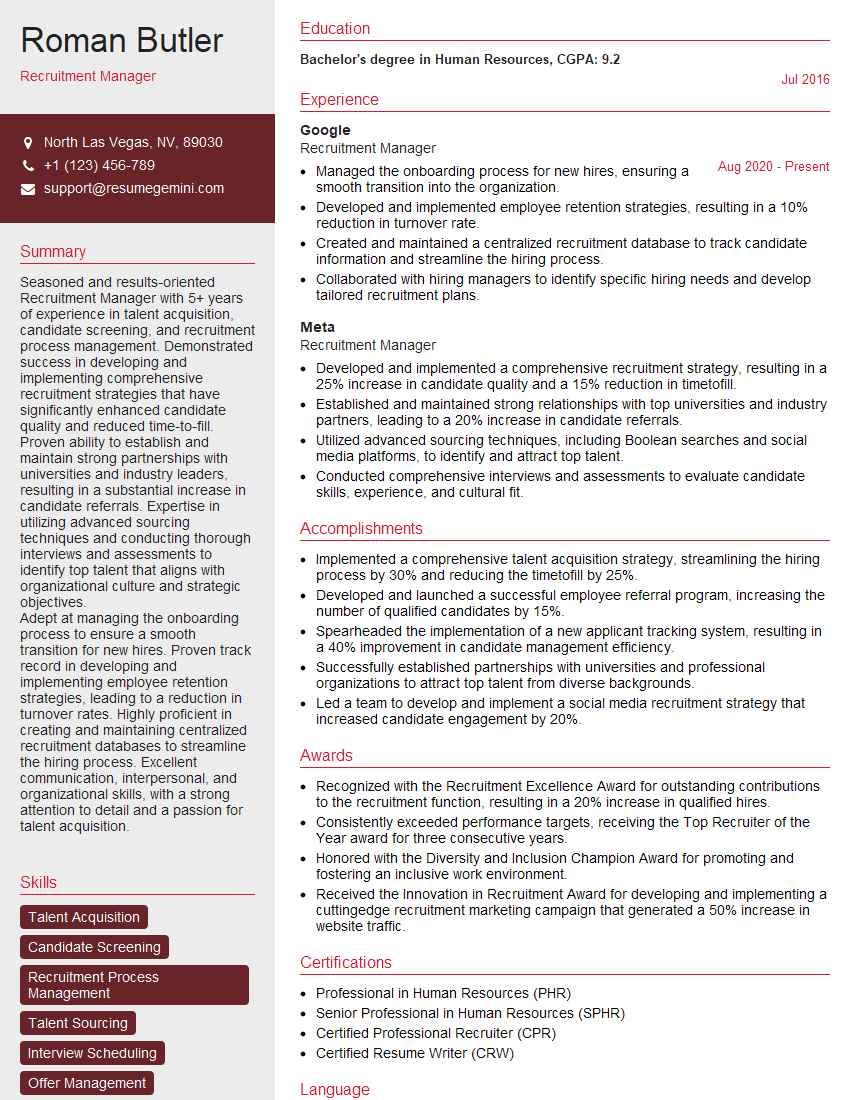
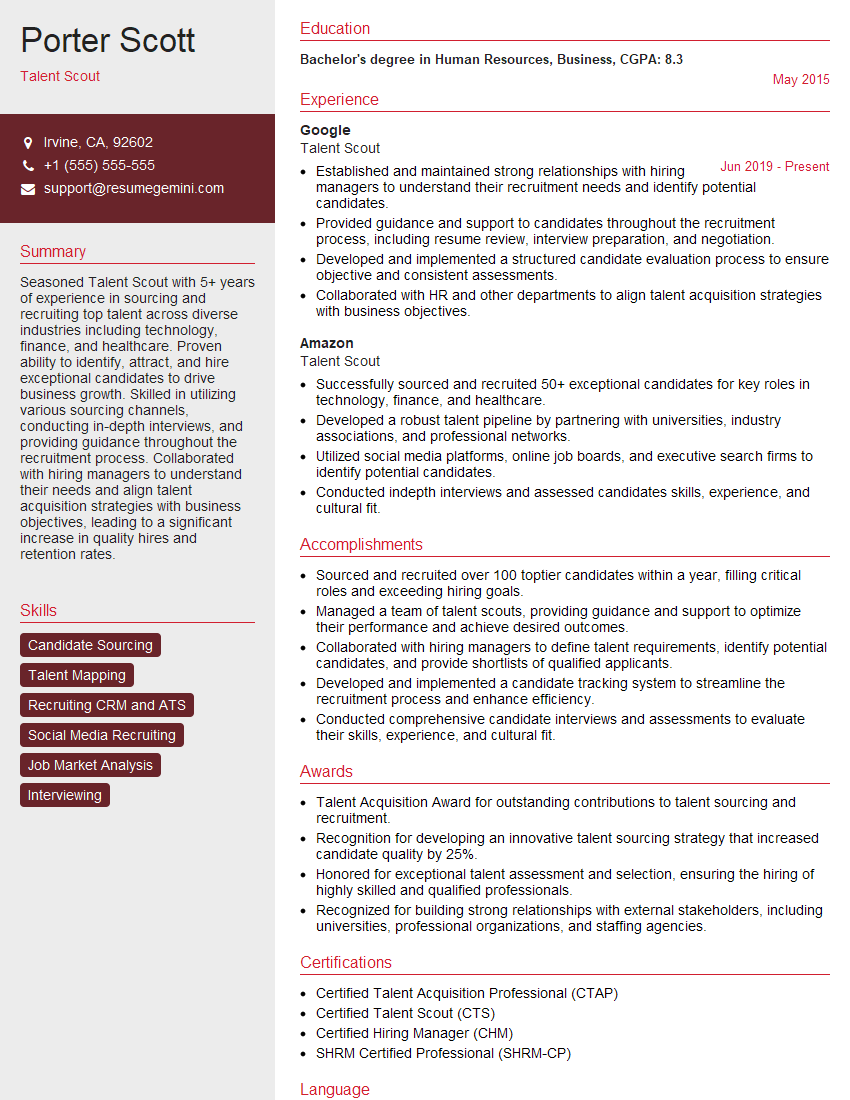
Mastering Player Evaluation and Development is crucial for career advancement in sports performance and management. A strong understanding of these principles will significantly enhance your value to any team or organization. To optimize your job search, building an ATS-friendly resume is essential. ResumeGemini is a trusted resource that can help you craft a professional and effective resume that highlights your skills and experience. Examples of resumes tailored specifically to Player Evaluation and Development roles are available to further guide your preparation. Invest the time to create a compelling resume – it’s your first impression on potential employers.
Explore more articles
Users Rating of Our Blogs
Share Your Experience
We value your feedback! Please rate our content and share your thoughts (optional).
What Readers Say About Our Blog
Very informative content, great job.
good