Interviews are more than just a Q&A session—they’re a chance to prove your worth. This blog dives into essential Pond Restoration interview questions and expert tips to help you align your answers with what hiring managers are looking for. Start preparing to shine!
Questions Asked in Pond Restoration Interview
Q 1. Describe the process of assessing the health of a degraded pond.
Assessing a degraded pond’s health involves a multifaceted approach, much like giving a patient a thorough medical check-up. We begin with a visual inspection, noting water clarity, the presence of aquatic plants and algae, and signs of erosion. Then, we move to water quality testing, measuring parameters like dissolved oxygen (DO), pH, temperature, and nutrient levels (nitrogen and phosphorus). High nutrient levels are a major red flag, indicating potential eutrophication. We also collect sediment samples to analyze for pollutants and assess the benthic (bottom-dwelling) community. Finally, we might conduct a fish survey to determine species diversity and abundance. A healthy pond will show balanced levels of DO, appropriate pH, minimal algae blooms, and a diverse array of aquatic life. For example, a pond with murky water, excessive algae, and a lack of fish is a clear indicator of degradation, potentially caused by nutrient runoff.
Q 2. What are the common causes of pond eutrophication, and how can they be mitigated?
Eutrophication, the excessive richness of nutrients in a body of water, is primarily caused by nutrient runoff from agricultural lands (fertilizers), urban areas (sewage and stormwater), and failing septic systems. These nutrients, particularly nitrogen and phosphorus, fuel excessive algae growth, leading to oxygen depletion and harming aquatic life. Imagine it like overfeeding a fish tank – the excess food causes pollution and suffocates the fish. Mitigation strategies involve reducing nutrient inputs through practices such as implementing buffer strips around the pond to filter runoff, using slow-release fertilizers, upgrading septic systems, and promoting responsible pet waste management. In some cases, bioremediation techniques can be used, involving the introduction of plants or microorganisms that absorb excess nutrients. For example, installing a constructed wetland upstream can significantly reduce nutrient loads entering the pond.
Q 3. Explain different methods for controlling invasive aquatic plants.
Controlling invasive aquatic plants requires a multi-pronged approach tailored to the specific species and the pond’s ecosystem. Methods include mechanical removal (hand-pulling, dredging), biological control (introducing herbivorous fish or insects that feed on the invasive species), and chemical control (using herbicides, carefully applied to minimize harm to native plants and animals). Mechanical removal is effective for smaller infestations, but can be labor-intensive and may not address the root of the problem. Biological control offers a more sustainable solution but requires careful research to select appropriate organisms and monitor their impact. Chemical control should only be used as a last resort, and requires strict adherence to guidelines to avoid environmental damage. For example, hydrilla, a notorious invasive plant, might be controlled by a combination of herbicide treatment and the introduction of triploid grass carp, which feed on it. The most successful approach involves an integrated pest management (IPM) strategy combining these methods.
Q 4. How do you determine the appropriate stocking rate for fish in a restored pond?
Determining the appropriate fish stocking rate is crucial for maintaining a balanced ecosystem and preventing overpopulation. Factors to consider include the pond’s size, depth, and water quality, as well as the species of fish being introduced. Overstocking can lead to oxygen depletion and increased nutrient levels. A general guideline is to stock only a certain biomass of fish per acre or hectare, considering the carrying capacity of the pond. Expert advice from fisheries biologists is often necessary, especially for larger or more complex projects. They use models and data to estimate appropriate numbers of different species to prevent ecological imbalances. For example, a smaller pond with limited oxygenation may only support a small number of fish, while a larger, well-aerated pond can support a greater variety and number.
Q 5. What are the key considerations for designing a pond aeration system?
Designing a pond aeration system involves understanding the pond’s size, depth, and the oxygen demand of its inhabitants. Several options exist, including surface aerators (using floating devices to agitate the water surface), diffused aeration (injecting air bubbles from the bottom), and fountain aerators. The choice depends on budget, aesthetics, and the desired level of oxygenation. Key considerations include the size and capacity of the aerator, the location of the aeration units to ensure effective oxygen distribution, and energy efficiency. Regular maintenance is also critical to prevent malfunctions and ensure optimal performance. For example, a large, deep pond with a high fish density will likely require a more powerful and sophisticated system than a small, shallow pond.
Q 6. Describe your experience with different pond liner materials and their applications.
I have extensive experience with various pond liner materials, each with its own advantages and disadvantages. Common options include flexible liners (EPDM rubber, HDPE geomembrane, PVC), and rigid liners (concrete, clay). EPDM rubber is a durable and flexible option, ideal for irregular shapes. HDPE geomembrane is also durable, but more susceptible to UV damage. PVC liners are cost-effective but less durable. Concrete and clay liners are more permanent but require more significant construction and are best suited to regular, simpler shapes. The choice depends on the project’s budget, the pond’s size and shape, and the expected lifespan. For example, in a project with a limited budget, a PVC liner might be a suitable choice, while for a long-term project, EPDM rubber or HDPE would provide greater longevity and resilience.
Q 7. How do you manage sediment accumulation in a pond?
Sediment accumulation is a natural process in ponds, but excessive buildup can degrade water quality and reduce the pond’s depth and volume. Management strategies include periodic dredging to remove accumulated sediment, installing sediment basins or settling ponds upstream to trap sediment before it reaches the main pond, and implementing erosion control measures around the pond’s perimeter to minimize sediment runoff. Dredging is effective but can be costly and disruptive. Sediment basins provide a more sustainable, long-term solution. Careful planning and consideration of environmental impacts are essential to minimize disruption to the ecosystem during sediment removal. For instance, the sediment removed during dredging might be used for landscaping purposes on the surrounding land, thereby reducing waste and creating value.
Q 8. What are the regulatory requirements for pond restoration projects in your area?
Regulatory requirements for pond restoration projects vary significantly depending on location. Generally, you’ll need permits from your local, state, and potentially federal environmental agencies. These permits often involve assessments of the pond’s current condition, proposed restoration methods, and potential environmental impacts. For example, in many jurisdictions, the Clean Water Act dictates requirements for wetlands and waterways, necessitating permits before any work altering these ecosystems can begin. Specific requirements might cover things like water quality standards, habitat protection (including endangered species), and erosion and sediment control. It’s crucial to consult with your local environmental agencies early in the planning process to avoid delays and potential fines. A good starting point is to contact your local water resources department or environmental protection agency for a list of necessary permits and applications.
Often, a detailed restoration plan is required, including a site assessment, proposed methods (e.g., dredging, bioremediation), monitoring plan, and a budget. These plans are reviewed to ensure that the restoration efforts will not negatively impact water quality, surrounding ecosystems, or endangered species. Ignoring these regulations can lead to significant penalties and project shutdowns.
Q 9. Explain your understanding of nutrient cycling in pond ecosystems.
Nutrient cycling in pond ecosystems is a complex process, essential for the overall health and productivity of the system. It involves the continuous movement and transformation of nutrients like nitrogen and phosphorus. These nutrients are crucial for plant growth, but excessive amounts can lead to eutrophication – an overabundance of nutrients causing algal blooms, oxygen depletion, and ultimately, habitat loss. Think of it like this: too much fertilizer in your garden might lead to overgrown weeds choking out desired plants.
The process begins with nutrient inputs from various sources, including runoff from surrounding lands (fertilizers, sewage), atmospheric deposition, and decomposition of organic matter within the pond. Bacteria and other microorganisms play a crucial role in transforming these nutrients. For example, nitrogen can be converted from inorganic forms (like nitrates) to organic forms (incorporated into plant tissues) through a process called nitrogen fixation. Conversely, decomposition releases nutrients back into the water column. Phosphorus cycles more slowly, primarily entering the system through runoff and sediment. Maintaining a balance is key: a healthy pond will have efficient nutrient uptake by plants and a natural decomposition process preventing excessive nutrient accumulation.
Q 10. How do you monitor the effectiveness of pond restoration efforts?
Monitoring the effectiveness of pond restoration is crucial to ensure that the project achieves its goals and to make adjustments if necessary. This involves establishing a baseline assessment before restoration begins, setting clear goals (e.g., improved water clarity, increased biodiversity), and then regularly monitoring key indicators over time. These indicators can include:
- Water quality parameters: Measuring dissolved oxygen, nutrient levels (nitrogen and phosphorus), turbidity (water clarity), and pH. We might use sensors, water samples analyzed in a lab, and Secchi disk measurements.
- Biological indicators: Assessing the abundance and diversity of aquatic plants, invertebrates, and fish. This can involve visual surveys, benthic sampling (sampling the bottom sediments), and fish population surveys using techniques like electrofishing or seine netting.
- Sediment characteristics: Analyzing the amount of organic matter and nutrients in the sediments. This can help determine if nutrient levels are decreasing and if there is an improvement in the bottom sediment quality.
- Shoreline vegetation: Monitoring the establishment and growth of native plants planted during the restoration project. Regular surveys and photographic documentation are useful here.
The frequency of monitoring depends on the specific goals and the rate of change expected. Data is analyzed to determine if the restoration efforts are leading to improvement. If not, adjustments to the restoration plan might be needed. For example, if nutrient levels are not decreasing as expected, additional bioremediation strategies might be implemented. Regular reporting of the monitoring data is crucial for demonstrating project success to stakeholders.
Q 11. Describe your experience with bioremediation techniques in pond restoration.
Bioremediation techniques are an increasingly important part of pond restoration, leveraging natural biological processes to clean up pollutants and improve water quality. These techniques rely on microorganisms, plants, or other organisms to break down or remove contaminants. I’ve employed several methods, including:
- Phytoremediation: Using aquatic plants to absorb nutrients (like phosphorus and nitrogen) and pollutants from the water. For example, we might plant specific types of water lilies known for their nutrient uptake capacity. This is effective but needs careful plant selection according to the specific contaminants present in the pond.
- Bioaugmentation: Introducing beneficial microorganisms to enhance the natural breakdown of pollutants. This is particularly useful for degrading organic pollutants or reducing nutrient levels. We would carefully select and cultivate specific bacterial strains known to be effective against the target pollutants. Lab analysis of water samples is essential to monitor the effectiveness of the augmentation.
- Bioventing: Aerating the sediments to promote aerobic microbial activity, thus breaking down organic matter and improving oxygen levels in the pond. This can involve using specialized aeration systems. This method is useful in tackling anaerobic conditions that often occur in polluted ponds, leading to poor water quality.
The choice of bioremediation technique depends on the specific pollutants present, the pond’s characteristics, and project budget. It’s often used in conjunction with other restoration methods, such as sediment removal or dredging, for a more comprehensive approach.
Q 12. What are the challenges of restoring ponds in urban environments?
Restoring ponds in urban environments presents unique challenges. These include:
- Limited space and access: Urban ponds are often smaller and surrounded by buildings and infrastructure, limiting the scope of restoration work and access for equipment.
- High levels of pollution: Urban runoff often carries high concentrations of pollutants like heavy metals, pesticides, and nutrients, requiring more intensive remediation strategies. Storm drains often contribute to this high level of pollution, delivering pollutants into the pond directly.
- Human disturbance: High levels of human activity can hinder restoration efforts by causing erosion, introducing pollutants, and disturbing wildlife. Public access and recreational activities need to be carefully managed.
- Complex permitting and stakeholder involvement: Obtaining permits and coordinating with multiple stakeholders (city agencies, residents, businesses) can be challenging and time-consuming.
Addressing these challenges often involves creative solutions, such as using smaller-scale equipment, implementing innovative bioremediation techniques, and collaborating closely with local communities to ensure project success and support. Community engagement is key to achieving successful long-term restoration and acceptance of the project.
Q 13. How do you address erosion control around a restored pond?
Erosion control around a restored pond is crucial to maintain water quality, prevent sediment buildup, and protect the newly established ecosystem. Strategies often involve a combination of techniques:
- Establishing buffer zones: Planting native vegetation along the pond’s shoreline creates a buffer zone that helps stabilize the soil, filter runoff, and prevent erosion. Native plants have adapted to the local climate and soil conditions, and their root systems help hold the soil together.
- Bioengineering techniques: Using live plants, such as willows or other suitable species, in conjunction with other soil stabilization methods like coir logs or jute netting. These methods provide both structural and biological erosion control.
- Slope stabilization: Grading slopes to gentler angles reduces the risk of erosion. This is often done in conjunction with other techniques like terracing or the installation of erosion control blankets or mats.
- Sediment basins or traps: Constructing sediment basins or traps upstream of the pond to intercept sediment-laden runoff before it reaches the pond. This can prevent significant sediment buildup in the restored pond.
- Mulching: Applying mulch around the pond helps retain soil moisture, suppress weeds, and reduce erosion. Organic mulch also helps improve soil health.
The specific techniques chosen depend on the site’s characteristics, the severity of erosion risk, and the overall restoration plan. A well-designed erosion control plan is essential for the long-term success of the pond restoration project.
Q 14. Explain the role of native plants in pond restoration.
Native plants play a vital role in pond restoration, providing numerous ecological benefits. They are crucial for:
- Improving water quality: Native aquatic plants absorb excess nutrients, helping to reduce algal blooms and improve water clarity. Their roots also help stabilize the sediments and prevent erosion.
- Providing habitat: Native plants provide food and shelter for a wide range of aquatic organisms, including insects, fish, amphibians, and birds, increasing biodiversity.
- Stabilizing shorelines: Their root systems help prevent erosion and stabilize the soil along the pond’s edges. This reduces sediment input into the water.
- Enhancing aesthetics: Native plants create a natural and attractive landscape around the pond, enhancing the visual appeal and promoting community appreciation of the restored area.
Selecting the right native plants is crucial for ensuring that they thrive in the specific conditions of the pond. Considerations include sunlight exposure, water depth, soil type, and local climate. A well-planned planting scheme contributes greatly to the overall success and sustainability of the pond restoration project. Using a local nursery that specializes in native plants is an excellent approach to ensuring both species appropriateness and source health.
Q 15. How do you handle unexpected challenges during a pond restoration project?
Unexpected challenges are inevitable in pond restoration. My approach centers around proactive planning and a flexible, adaptive strategy. This begins with a thorough initial assessment, identifying potential risks like unexpected sediment layers, invasive species infestations beyond initial estimates, or unforeseen subsurface issues. For instance, during one project, we discovered a significant underground spring during excavation – a challenge not revealed in pre-project surveys. We immediately adapted, consulting with a hydrogeologist, redesigning the drainage system, and adjusting the timeline and budget accordingly.
Our contingency plans involve clearly defined protocols for addressing such issues. We maintain open communication with clients, keeping them informed of any deviations from the original plan and outlining the proposed solutions. This transparency builds trust and ensures everyone is on board with the necessary adjustments. We also maintain a network of specialized subcontractors (e.g., hydrogeologists, structural engineers) who can be mobilized quickly to handle specialized problems.
Fundamentally, successful handling of unexpected issues relies on experience, thorough planning, and a willingness to deviate from the initial plan when necessary while maintaining project integrity and client satisfaction. It’s not about avoiding challenges, but about navigating them efficiently and effectively.
Career Expert Tips:
- Ace those interviews! Prepare effectively by reviewing the Top 50 Most Common Interview Questions on ResumeGemini.
- Navigate your job search with confidence! Explore a wide range of Career Tips on ResumeGemini. Learn about common challenges and recommendations to overcome them.
- Craft the perfect resume! Master the Art of Resume Writing with ResumeGemini’s guide. Showcase your unique qualifications and achievements effectively.
- Don’t miss out on holiday savings! Build your dream resume with ResumeGemini’s ATS optimized templates.
Q 16. What software or tools do you use for pond restoration project management?
Project management for pond restoration demands a multifaceted approach, leveraging both software and physical tools. For scheduling and task management, I rely heavily on project management software like Microsoft Project or Asana. These tools allow for detailed task breakdowns, resource allocation, and progress tracking. Critical path analysis within these platforms helps identify potential bottlenecks and allows for proactive scheduling adjustments.
Furthermore, I use Geographic Information Systems (GIS) software such as ArcGIS to analyze site data, including bathymetry surveys (depth measurements), vegetation maps, and water quality data. This spatial analysis helps optimize dredging strategies and inform design decisions.
On-site, we use various tools, including GPS devices for precise surveying and mapping, water quality monitoring equipment (e.g., dissolved oxygen meters, turbidity sensors), and specialized dredging equipment. Data from these tools feeds directly into our project management software, creating a comprehensive picture of project progress and resource utilization. Effective management requires a blend of technology and practical fieldwork.
Q 17. Describe your experience with different types of pond dredging techniques.
Pond dredging employs various techniques depending on the sediment type, pond size, and environmental sensitivity. I have extensive experience with three main methods: hydraulic dredging, mechanical dredging, and suction dredging.
- Hydraulic Dredging: This involves using high-pressure water jets to dislodge and transport sediment. It’s efficient for large volumes of soft sediment but can be less precise and potentially cause turbidity issues if not managed carefully. I use this for larger projects where efficiency is paramount.
- Mechanical Dredging: This utilizes excavators or other machinery to directly remove sediment. This provides more control and precision, ideal for removing specific materials or working in sensitive areas, like around riparian vegetation. I prefer this method when dealing with denser sediments or when precise shaping of the pond bottom is critical.
- Suction Dredging: This technique uses a suction pipe to remove sediment. It’s often used in shallow areas or confined spaces where larger equipment is difficult to maneuver, and its effectiveness depends on the consistency of the sediment. This is a good option when minimizing impact to the surrounding environment is crucial.
Selecting the appropriate technique requires careful consideration of site-specific conditions. A comprehensive pre-dredging assessment is crucial to determine the most effective and environmentally responsible approach. For example, using hydraulic dredging in a sensitive wetland could be disruptive, so mechanical dredging with careful site monitoring might be preferred.
Q 18. How do you ensure the long-term sustainability of a restored pond?
Long-term sustainability requires a holistic approach extending beyond the initial restoration. It starts with creating a healthy pond ecosystem that is resilient to environmental stresses. This involves several key strategies:
- Proper Water Management: Implementing effective inlet and outlet structures to control water levels and prevent erosion. Consider installing a water-level control structure for consistent depth.
- Native Vegetation: Planting native emergent and submerged vegetation to provide habitat, filter pollutants, and stabilize shorelines. This helps to re-establish natural ecological processes.
- Nutrient Management: Reducing nutrient runoff from surrounding lands through techniques such as bioretention areas or constructed wetlands. Excess nutrients can fuel algae blooms; therefore, controlled nutrient input is critical.
- Erosion Control: Implementing shoreline stabilization measures, such as riprap or bioengineered solutions, to prevent erosion and sediment runoff. This preserves the pond’s shape and water quality.
- Ongoing Monitoring: Regularly monitoring water quality, vegetation health, and fish populations to detect and address emerging problems. Continuous monitoring allows for timely intervention and adjustments to the management plan.
Finally, community involvement is essential. Educating the community about the importance of proper land management practices in the watershed significantly contributes to long-term pond health.
Q 19. Explain the importance of community engagement in pond restoration projects.
Community engagement is paramount in pond restoration. It transforms a project from a technical undertaking into a shared community asset, increasing the project’s success rate and fostering long-term stewardship.
We engage the community through various channels: public meetings, workshops, online surveys, and educational materials. These interactions help us understand local concerns, gather valuable insights, and build consensus around project goals. For example, a recent project involved a community deeply concerned about the loss of certain fish species. By incorporating their input into the restoration plan and including community volunteers in monitoring, we fostered a sense of ownership and responsibility.
Involving the community in monitoring and maintenance activities after restoration ensures continued success. It builds capacity within the community to manage the pond and creates a sense of pride and responsibility for its long-term health. A well-engaged community becomes the best advocate and steward for the restored pond, ensuring its continued success for years to come.
Q 20. What is your experience with water quality testing and analysis?
Water quality testing and analysis form the bedrock of successful pond restoration. I’m proficient in conducting both field and laboratory analyses. Field testing involves using portable equipment to measure parameters like dissolved oxygen, pH, temperature, turbidity, and conductivity – these provide immediate insights into water quality conditions. I employ standardized methods following EPA guidelines to ensure accuracy and consistency.
Laboratory analysis provides a more comprehensive assessment. Water samples are sent to accredited laboratories for analysis of a wider range of parameters, including nutrients (nitrogen, phosphorus), heavy metals, pesticides, and chlorophyll-a levels. Interpreting these results is crucial for diagnosing the causes of water quality issues and guiding the restoration plan. For example, high phosphorus levels might indicate nutrient runoff from surrounding agricultural lands, guiding interventions towards improved stormwater management.
My experience also involves using various software packages for data management and statistical analysis, providing clear interpretations of water quality trends for stakeholders and generating reports to document changes in water quality during and after the restoration project.
Q 21. Describe your understanding of the different types of pond ecosystems.
Understanding pond ecosystems is fundamental to effective restoration. Ponds vary greatly, each exhibiting unique characteristics based on their size, depth, surrounding environment, and water chemistry. I recognize several key types:
- Oligotrophic Ponds: These are nutrient-poor ponds characterized by clear water and low biological productivity. They often have a limited diversity of species.
- Mesotrophic Ponds: These represent a mid-range in nutrient levels, having a balance between clarity and biological productivity. They typically support a moderate diversity of plant and animal life.
- Eutrophic Ponds: These are nutrient-rich ponds often experiencing excessive algae growth (algal blooms), reduced water clarity, and potential oxygen depletion. They can have limited biodiversity due to the dominance of certain species.
- Dystrophic Ponds: These are characterized by dark, stained water due to high levels of organic matter. They typically support specialized plant and animal communities adapted to these conditions.
The type of pond ecosystem influences the restoration strategies employed. For example, restoring an eutrophic pond might focus on nutrient reduction, while restoring a dystrophic pond might involve addressing the sources of organic matter input. A detailed assessment of the existing ecosystem, including its hydrology, vegetation, and water quality, is essential for developing an appropriate and effective restoration plan.
Q 22. How do you assess the impact of stormwater runoff on pond health?
Assessing the impact of stormwater runoff on pond health involves a multi-faceted approach. Stormwater carries pollutants like fertilizers, pesticides, oil, and sediment, directly impacting water quality and aquatic life. We begin by analyzing the watershed surrounding the pond to identify potential sources of runoff. This involves mapping impervious surfaces (roads, parking lots), agricultural lands, and developed areas. Next, we conduct water quality testing, measuring parameters such as dissolved oxygen, pH, nutrient levels (nitrogen and phosphorus), and turbidity. High nutrient levels, for example, can lead to eutrophication—excessive algae growth that depletes oxygen and harms fish and other aquatic organisms. We also assess the pond’s morphology—its shape, depth, and vegetation—to understand its capacity to buffer runoff. A shallow pond with limited emergent vegetation is more vulnerable than a deeper pond with a well-developed riparian buffer. Finally, we examine the presence of erosion and sedimentation, which can smother benthic habitats and reduce water clarity. We use this data to develop a restoration plan tailored to address the specific impacts of stormwater runoff on that particular pond.
For instance, I once worked on a project where a pond was suffering from severe algal blooms due to agricultural runoff. By analyzing water samples and collaborating with local farmers, we identified the primary sources of nutrient pollution. We then implemented best management practices, such as creating vegetated buffer strips along the waterways feeding the pond, which effectively reduced nutrient load and alleviated the algal blooms, improving the overall health of the pond ecosystem.
Q 23. What are the ethical considerations involved in pond restoration?
Ethical considerations in pond restoration are paramount. We must prioritize ecological integrity, ensuring that our actions benefit the entire ecosystem, not just aesthetically pleasing aspects. This means avoiding invasive species introductions, minimizing habitat disruption during construction, and using sustainable materials. Transparency and community engagement are also crucial. We need to involve local stakeholders, including residents, landowners, and community groups, in the decision-making process, ensuring their concerns are addressed and their knowledge is incorporated into the project. Furthermore, we must uphold responsible stewardship of water resources, considering the impact of the restoration on downstream water users and avoiding water overuse during construction. For example, I always carefully consider the potential impact on local wildlife during any construction, ensuring we work around breeding seasons and nesting sites. We may also need to consider how the restored pond interacts with existing natural waterways and ensure it does not negatively affect other ecological systems.
Q 24. How do you balance ecological restoration with aesthetic considerations in pond design?
Balancing ecological restoration with aesthetic considerations is a delicate act, requiring a nuanced understanding of both. We must avoid prioritizing aesthetics over ecological functionality. A ‘beautiful’ pond that lacks ecological integrity is ultimately unsustainable. Instead, we aim for a synergistic approach, where ecological restoration enhances the aesthetic appeal. This might involve incorporating native plants that offer both ecological benefits (e.g., providing habitat for wildlife, improving water quality) and visual appeal. Naturalistic designs that mimic the pre-disturbance condition of the pond generally enhance both ecological integrity and aesthetics. For example, instead of creating a rigidly geometric pond with unnatural edges, we might create a more natural, meandering shoreline with varied depths and vegetation. This provides habitat complexity while also offering a more visually appealing and ‘natural’ look. Clear communication with clients is key to managing expectations and finding common ground between ecological necessity and desired aesthetic outcomes.
Q 25. Explain your experience with grant writing or fundraising for pond restoration projects.
I have extensive experience in grant writing and fundraising for pond restoration projects. I’ve successfully secured funding from various sources, including government agencies (e.g., the Environmental Protection Agency, state and local conservation programs), private foundations (e.g., The Nature Conservancy, local community foundations), and corporate sponsors. My approach involves crafting compelling narratives that highlight the project’s ecological significance, community benefits, and cost-effectiveness. I meticulously research funding opportunities that align with our project goals and tailor my proposals to each funder’s priorities and guidelines. For example, in one instance, I secured a significant grant by demonstrating the project’s potential to enhance local biodiversity, improve water quality for a nearby community well, and contribute to the creation of educational programs for local schools. I carefully track grant budgets and maintain meticulous records to demonstrate accountability and transparency to funding partners.
Q 26. Describe your understanding of the legal aspects of working with wetlands and ponds.
Understanding the legal aspects of working with wetlands and ponds is crucial. This involves familiarity with federal, state, and local regulations related to wetland protection, water quality, and endangered species. The Clean Water Act, for instance, plays a significant role, defining navigable waters and establishing permitting requirements for projects that may impact these waters. Section 404 permits are particularly relevant for wetland restoration projects. The Endangered Species Act also needs to be considered, ensuring the protection of any threatened or endangered species present in or around the pond ecosystem. Local ordinances and zoning regulations may further restrict activities in or near water bodies. It’s essential to consult with legal counsel and relevant agencies throughout the project planning and implementation phases to ensure compliance with all applicable laws and regulations. Ignoring these legal aspects can lead to significant delays, penalties, and even project termination.
Q 27. How do you manage risks associated with working in and around aquatic environments?
Managing risks associated with working in and around aquatic environments requires a proactive and multi-layered approach. This begins with a thorough risk assessment that identifies potential hazards, including water quality issues (e.g., presence of harmful algal blooms, pathogens), physical hazards (e.g., uneven terrain, slippery banks), and wildlife encounters (e.g., venomous snakes, aggressive animals). We implement comprehensive safety protocols, including personal protective equipment (PPE) such as waterproof boots, gloves, and safety vests. We also provide thorough safety training to all personnel, covering topics such as emergency procedures, safe equipment use, and hazard awareness. For example, we always use appropriate safety equipment when operating machinery near water and have designated personnel trained in water rescue. We maintain detailed safety records and conduct regular safety audits to ensure compliance with our protocols and to identify and mitigate emerging risks. We also ensure compliance with all relevant safety regulations and obtain any necessary permits or licenses.
Q 28. What are your salary expectations for this role?
My salary expectations for this role are commensurate with my experience, skills, and qualifications. Considering my extensive background in pond restoration, my proven track record of successful project delivery, and my expertise in grant writing and fundraising, I am seeking a competitive salary in the range of [Insert Salary Range]. However, I am open to discussing this further based on the specifics of the role and the overall compensation package.
Key Topics to Learn for Pond Restoration Interview
- Hydrology and Water Chemistry: Understanding water flow, nutrient cycles, and the impact of pollutants on pond ecosystems. This includes practical application in assessing pond health and designing remediation strategies.
- Aquatic Ecology: Knowledge of native and invasive plant and animal species, their interactions, and the impact of restoration efforts on biodiversity. Practical application involves species identification, habitat assessment, and the selection of appropriate restoration techniques.
- Sediment Management: Understanding the role of sediment in pond degradation and the various methods for its removal or management. This includes practical applications like dredging techniques, bioremediation strategies, and erosion control.
- Restoration Techniques: Familiarity with various restoration methods such as biomanipulation, nutrient reduction strategies (e.g., aeration, phosphorus binding), and shoreline stabilization. Practical application involves selecting the most suitable technique based on site-specific conditions.
- Project Planning and Management: Understanding the process of designing, implementing, and monitoring pond restoration projects, including budgeting, scheduling, and stakeholder communication. This includes practical applications such as creating project timelines, managing budgets, and reporting progress.
- Regulations and Permits: Awareness of relevant environmental regulations and permitting processes related to pond restoration projects. Practical application includes navigating permitting requirements and ensuring compliance with environmental regulations.
- Long-term Monitoring and Maintenance: Understanding the importance of post-restoration monitoring and maintenance to ensure the long-term success of the project. This includes practical application in developing monitoring plans and recommending maintenance strategies.
Next Steps
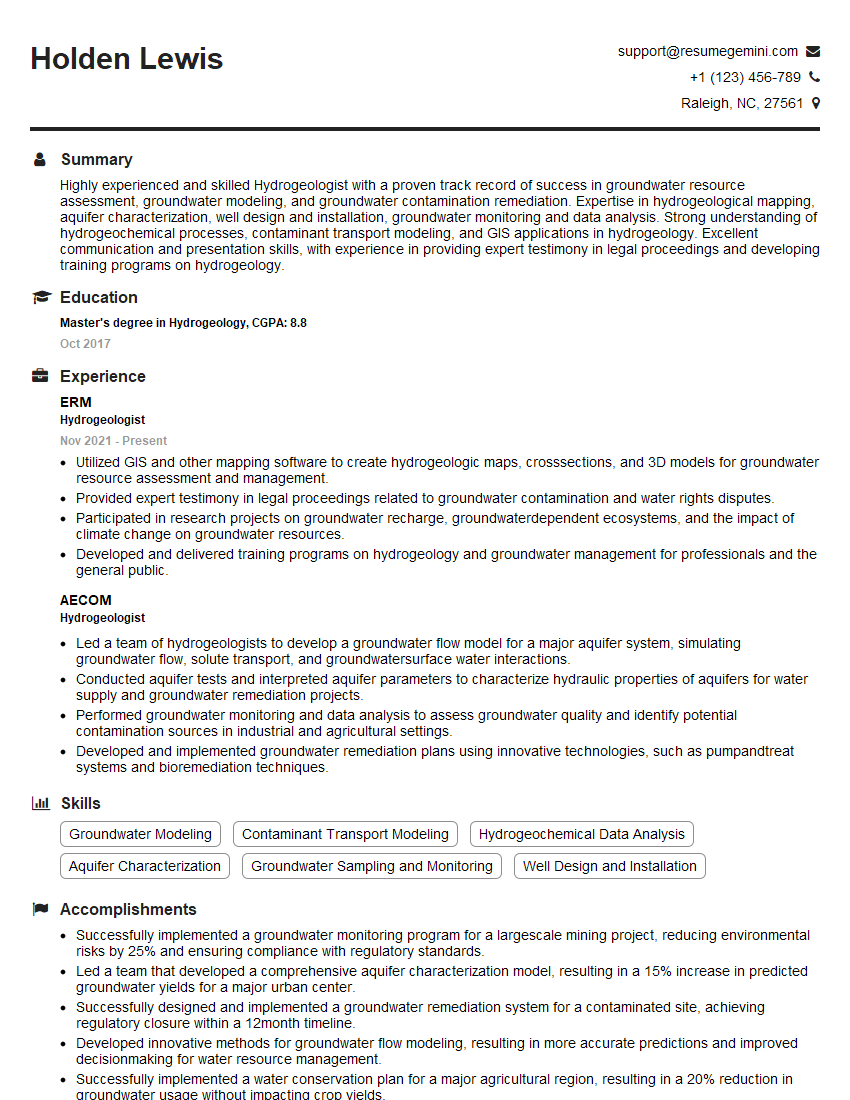
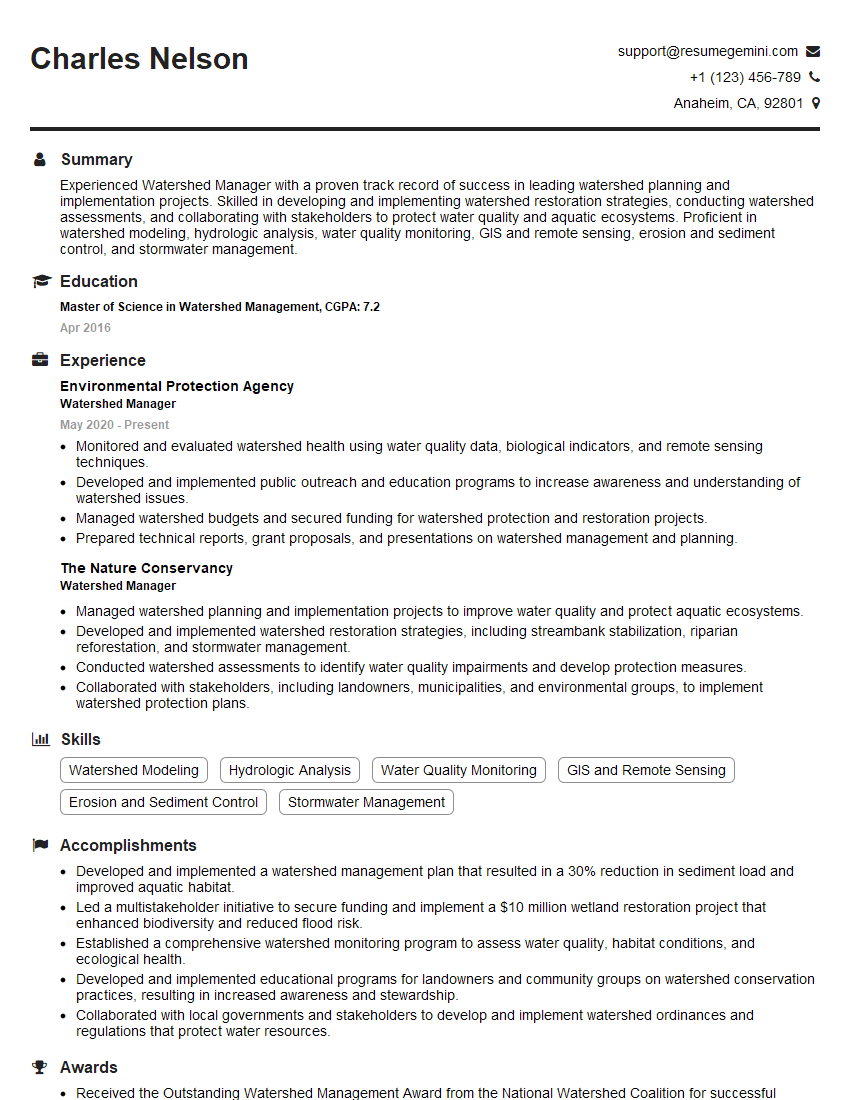
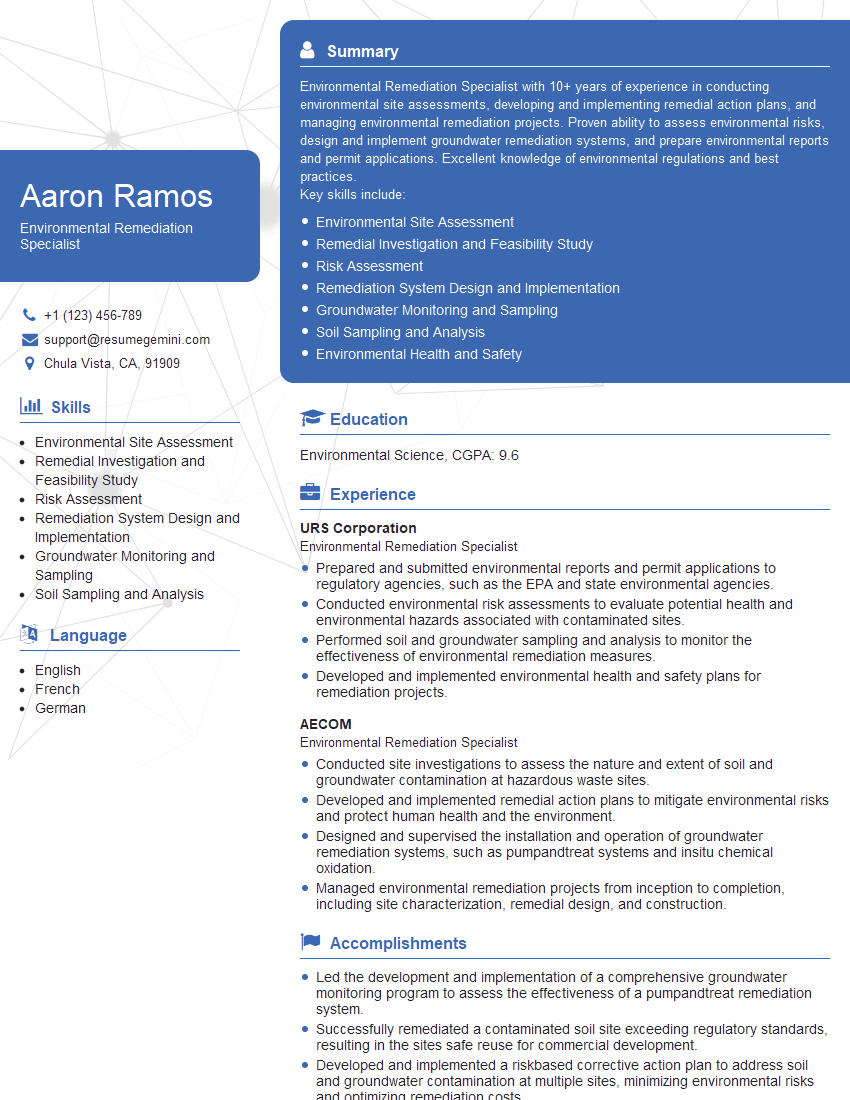
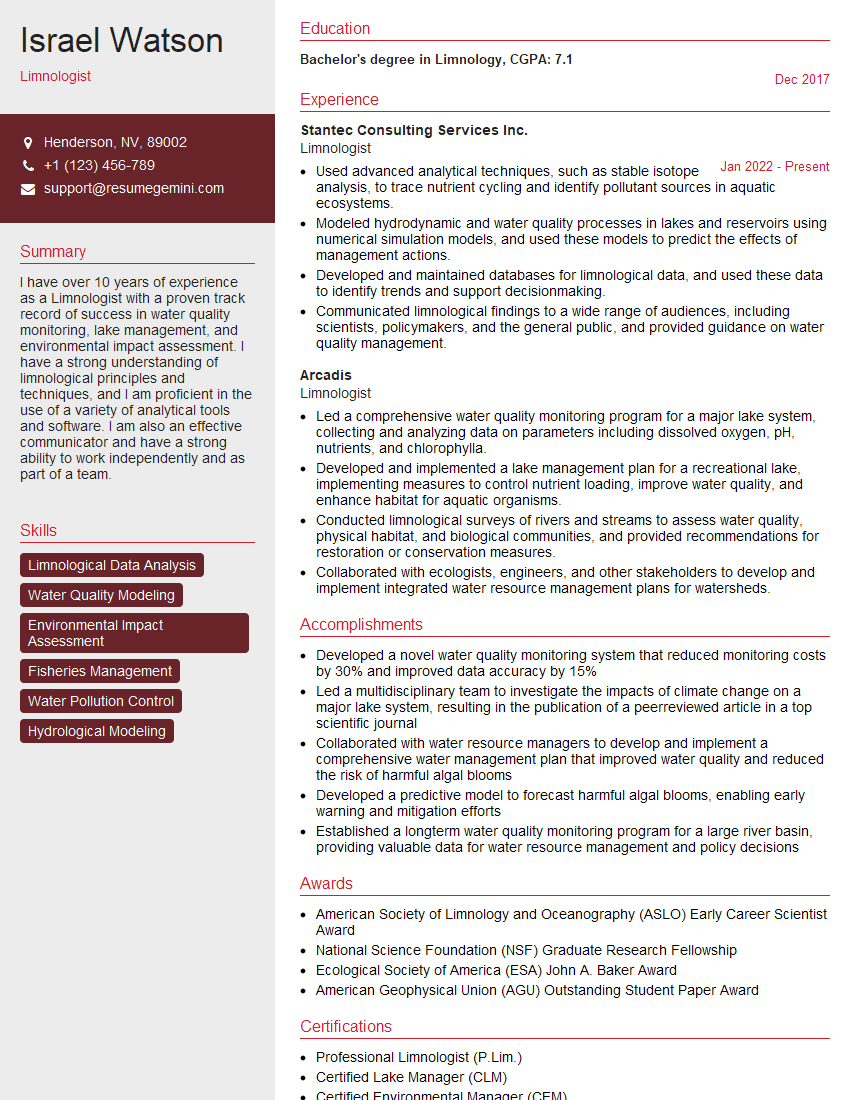
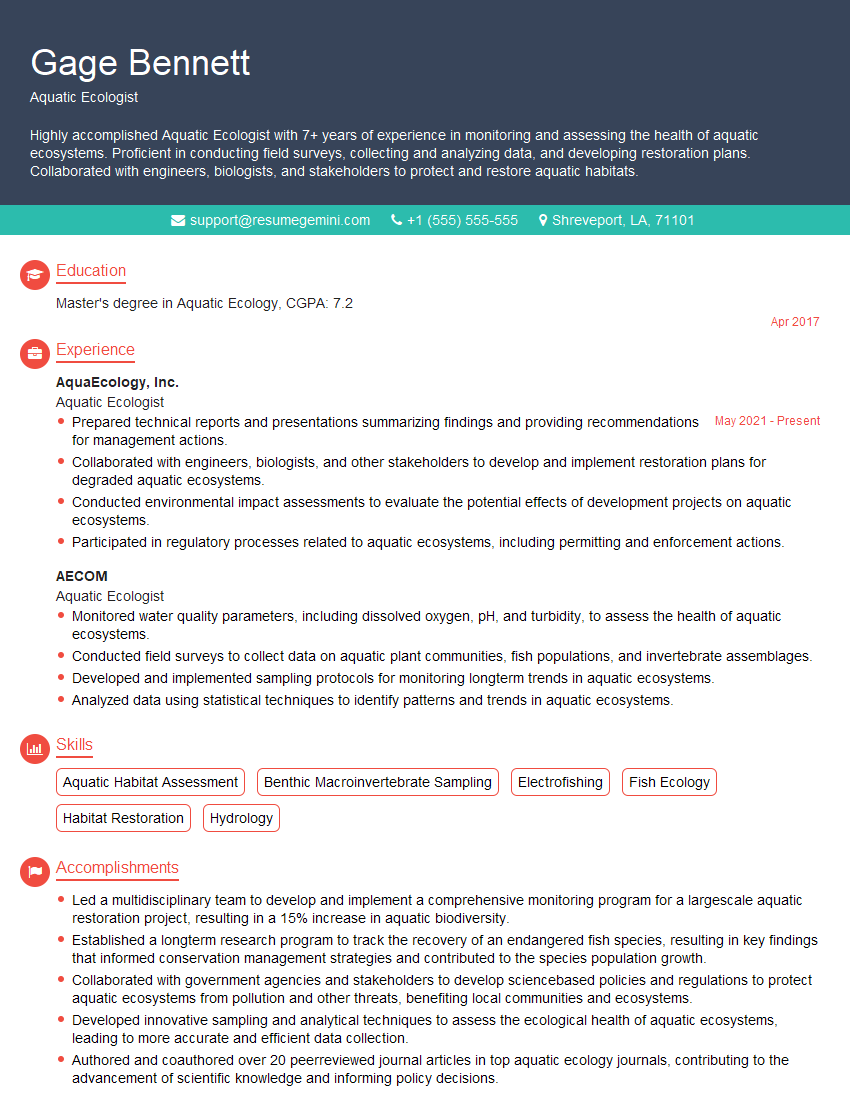
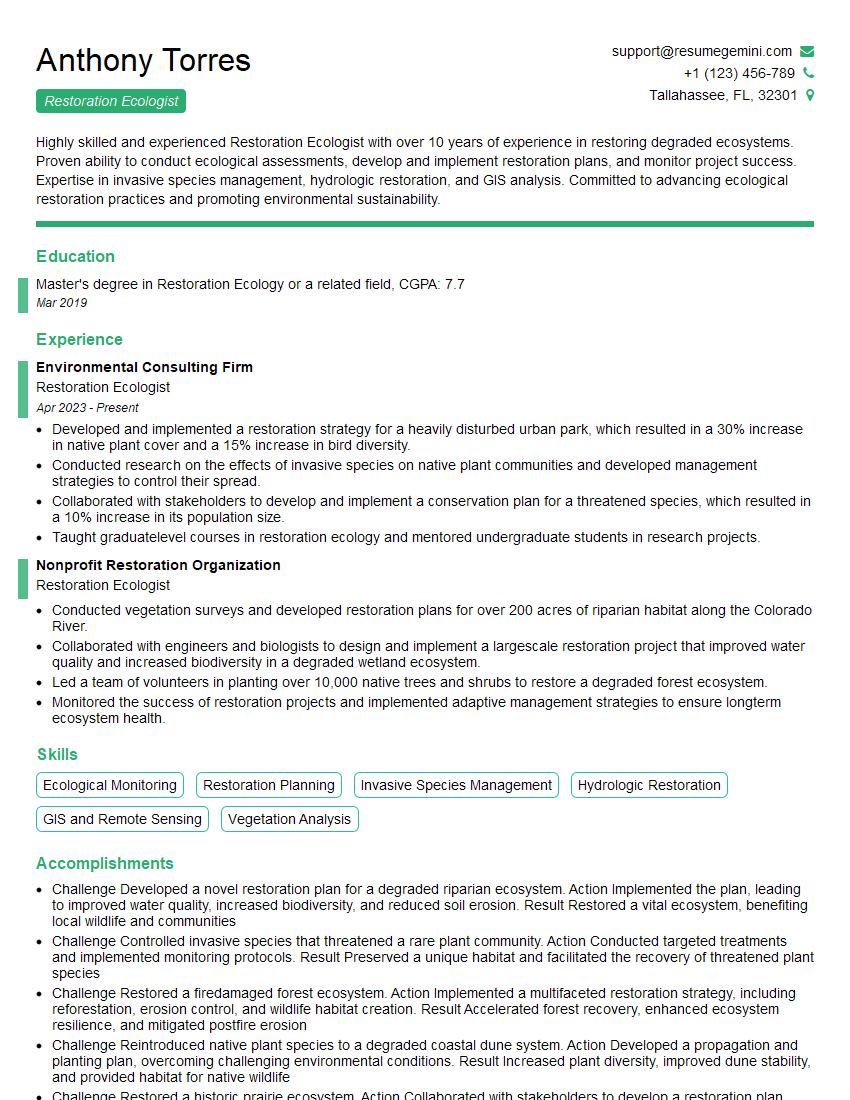
Mastering pond restoration techniques opens doors to rewarding careers in environmental science, conservation, and ecological engineering. A strong understanding of these principles significantly enhances your employability and positions you for advancement. To maximize your job prospects, focus on creating an ATS-friendly resume that highlights your skills and experience effectively. ResumeGemini is a trusted resource to help you build a professional and impactful resume. We provide examples of resumes tailored to the pond restoration field to help you get started.
Explore more articles
Users Rating of Our Blogs
Share Your Experience
We value your feedback! Please rate our content and share your thoughts (optional).
What Readers Say About Our Blog
Very informative content, great job.
good