Unlock your full potential by mastering the most common Paramedical Intervention interview questions. This blog offers a deep dive into the critical topics, ensuring you’re not only prepared to answer but to excel. With these insights, you’ll approach your interview with clarity and confidence.
Questions Asked in Paramedical Intervention Interview
Q 1. Describe your experience with advanced cardiac life support (ACLS).
Advanced Cardiac Life Support (ACLS) is a set of clinical guidelines and protocols for the management of life-threatening cardiac arrhythmias and other cardiac emergencies. My experience encompasses numerous ACLS courses, including participation in simulated and real-world scenarios. I’m proficient in recognizing and interpreting cardiac rhythms, such as ventricular fibrillation (VF) and pulseless ventricular tachycardia (pVT), and initiating appropriate interventions, including defibrillation, cardiopulmonary resuscitation (CPR), and the administration of emergency medications like epinephrine and amiodarone. I have a strong understanding of the ACLS algorithm and can adapt my approach based on patient-specific factors and the available resources. For instance, I recall a scenario where a patient presented with VF in the emergency department. Rapid response, coordinated teamwork, and timely defibrillation were crucial in successfully restoring a normal heart rhythm and saving the patient’s life. This experience reinforced the importance of precise rhythm interpretation, quick decision-making, and effective communication within the resuscitation team.
Q 2. Explain the process of administering oxygen therapy.
Oxygen therapy involves administering supplemental oxygen to patients who are hypoxic (lacking sufficient oxygen) or at risk of hypoxia. The process begins with assessing the patient’s respiratory status, including their breathing rate, oxygen saturation (SpO2) levels measured using pulse oximetry, and the presence of any respiratory distress. Based on this assessment, the appropriate oxygen delivery method is selected. Common methods include nasal cannula (low flow), simple face mask (low to medium flow), non-rebreather mask (high flow), or, in critical cases, high-flow oxygen therapy via a ventilator. The flow rate and method are carefully adjusted to maintain the SpO2 within the target range, typically between 94% and 98%. Regular monitoring of the patient’s respiratory status, vital signs, and SpO2 is crucial throughout oxygen therapy to ensure its effectiveness and to identify potential complications like oxygen toxicity. For example, a patient with pneumonia may require high-flow oxygen via a non-rebreather mask to maintain adequate oxygen levels. The use of pulse oximetry is indispensable in monitoring the effectiveness of this therapy and making necessary adjustments.
Q 3. How do you handle a patient experiencing anaphylactic shock?
Anaphylactic shock is a severe, life-threatening allergic reaction. Management involves a rapid, coordinated response. The first step is securing the airway—if the patient is having difficulty breathing, this might include positioning them to optimize airflow or intubation if necessary. Simultaneously, high-flow oxygen is administered. The cornerstone of treatment is the immediate administration of epinephrine (adrenaline), typically intramuscularly into the outer thigh. This is followed by close monitoring of vital signs, including blood pressure, heart rate, and respiratory rate. Patients often require intravenous fluids to manage hypotension. Other interventions might include administering antihistamines (like diphenhydramine) and corticosteroids (like methylprednisolone) to reduce inflammation and further allergic reactions. Observing the patient closely for any signs of recurring symptoms or delayed reaction is crucial. In a real-world scenario, I once encountered a patient experiencing anaphylactic shock after a bee sting. Prompt administration of epinephrine, along with supportive measures, was crucial in preventing respiratory and circulatory collapse, ultimately saving the patient’s life. This highlights the importance of immediate recognition and treatment in anaphylaxis.
Q 4. What are the key steps in managing a patient with a suspected stroke?
Suspected stroke requires immediate action. The acronym FAST is helpful: Facial drooping, Arm weakness, Speech difficulty, Time to call emergency services. Upon suspecting a stroke, the patient’s airway, breathing, and circulation are assessed. Vital signs are meticulously monitored, including blood pressure, heart rate, and oxygen saturation. The patient’s neurological status is thoroughly evaluated using the National Institutes of Health Stroke Scale (NIHSS). A rapid assessment is crucial to determine whether the patient is a candidate for thrombolytic therapy (clot-busting drugs). This requires adherence to strict time windows and specific inclusion/exclusion criteria. While awaiting further medical intervention, patients are positioned to prevent aspiration, and any potential life-threatening issues (like airway compromise) are addressed. Continuous monitoring and supportive care are vital during transport to the hospital. Following treatment, rehabilitation plays a significant role in patient recovery.
Q 5. Describe your experience with wound care and dressing changes.
My experience with wound care and dressing changes is extensive and covers a wide range of wound types, from simple abrasions to complex chronic wounds. The process begins with a thorough assessment of the wound, including its size, depth, presence of infection, and the surrounding tissue. Appropriate hand hygiene and personal protective equipment (PPE) are crucial before initiating any procedures. Wound cleaning is performed using sterile saline or other prescribed solutions, ensuring gentle removal of debris and necrotic tissue. After cleaning, the appropriate dressing is selected based on the wound type and characteristics. This might include hydrocolloids, alginates, foams, or gauze dressings. The dressing is applied carefully, aiming to maintain a moist wound environment and protect the wound from further trauma and infection. Post-dressing, the wound site is monitored for signs of infection or complications. I have significant experience with various techniques, including negative-pressure wound therapy (NPWT), and I regularly document wound assessment and treatment in patient charts. A recent case involved a patient with a pressure ulcer; appropriate wound care, including regular cleaning and application of specialized dressings, led to significant improvement and faster healing.
Q 6. How do you prioritize multiple patients with varying needs in an emergency situation?
Prioritizing multiple patients with varying needs in an emergency situation requires a systematic approach. I use a triage system, such as the START (Simple Triage and Rapid Treatment) method, to rapidly assess patients based on their immediate threat to life. This involves assessing respiratory rate, perfusion (capillary refill time), and mental status. Patients are categorized into immediate (red), delayed (yellow), minimal (green), and expectant (black) categories based on their urgency. Patients in the immediate category receive priority attention, focusing on life-threatening conditions first. Resources are allocated strategically, ensuring that critical interventions are provided efficiently. This requires effective communication and collaboration with the healthcare team to effectively manage resources and patient care. Clear communication, delegation of tasks, and constant reassessment are key aspects of this process. In a busy emergency room, efficient triage and resource management prevent potentially preventable deaths. I recall a scenario where several patients arrived after a motor vehicle accident, each requiring different levels of intervention, from CPR to wound care; efficient triage allowed us to save lives and limit long-term damage.
Q 7. Explain your understanding of different types of shock.
Shock is a life-threatening condition characterized by inadequate tissue perfusion, leading to cellular hypoxia. Different types of shock result from various underlying causes:
- Hypovolemic shock: Caused by insufficient blood volume, often due to hemorrhage or severe dehydration. Think of it as not having enough fluid to fill the circulatory system.
- Cardiogenic shock: The heart’s inability to pump enough blood to meet the body’s metabolic demands. This is like a pump malfunctioning in the circulatory system.
- Obstructive shock: Results from impaired blood flow due to physical obstruction, such as a pulmonary embolism or pericardial tamponade. This is like having a blockage in the pipes of the circulatory system.
- Distributive shock: Caused by widespread vasodilation (widening of blood vessels), leading to decreased vascular resistance and reduced blood return to the heart. This includes septic shock (infection), anaphylactic shock (allergic reaction), and neurogenic shock (nervous system dysfunction). Think of this as having leaks in the circulatory system’s pipes, causing pressure loss.
Understanding the underlying cause of shock is crucial for effective treatment, as each type requires specific interventions. For example, hypovolemic shock needs fluid resuscitation, while cardiogenic shock may require inotropic medications to improve cardiac contractility. Recognizing the subtle differences between these shock types is essential for appropriate diagnosis and treatment, ultimately impacting patient survival rates.
Q 8. Describe your experience with intravenous (IV) therapy.
Intravenous (IV) therapy is a cornerstone of paramedical intervention, involving the administration of fluids, medications, or nutrients directly into a patient’s vein. My experience encompasses a wide range of IV procedures, from establishing peripheral IV access in various anatomical locations to managing central lines and administering blood products. I’m proficient in selecting appropriate catheters based on patient needs and anticipated infusion volumes, meticulously following aseptic techniques to minimize infection risk. This includes site selection, insertion, securing the IV line, and ongoing monitoring for complications like infiltration, phlebitis, or hematoma formation. For example, during my time working in a busy emergency room, I successfully established IV access in a trauma patient with severely compromised veins, ensuring timely administration of critical medications and fluids.
I’m also experienced in managing complications associated with IV therapy. I can troubleshoot issues such as infiltration by taking immediate corrective action, including discontinuing the infusion, applying warm or cold compresses, and re-establishing access in a different location. Regularly, I assess IV sites for signs of infection, such as redness, swelling, or pain, taking appropriate action to prevent and manage these complications. I am confident in my ability to perform IV therapy safely and effectively in a variety of settings, always prioritizing patient comfort and safety.
Q 9. How do you assess a patient’s respiratory status?
Assessing a patient’s respiratory status is crucial for identifying and managing potential life threats. It involves a systematic approach that includes observation, auscultation, and measurement. I begin by visually assessing the patient’s breathing pattern, noting the rate, depth, rhythm, and effort of respiration. I look for signs of distress like use of accessory muscles, nasal flaring, or retractions. Next, I use a stethoscope to auscultate the lungs, listening for the presence of normal breath sounds, adventitious sounds (like crackles or wheezes) that suggest underlying pathology, and noting any areas of decreased or absent breath sounds. Finally, I measure the patient’s oxygen saturation (SpO2) using a pulse oximeter and respiratory rate.
Interpreting these findings together paints a comprehensive picture of respiratory function. For example, a rapid, shallow respiratory rate coupled with diminished breath sounds and low SpO2 would indicate respiratory distress requiring immediate intervention. In such cases, I’d initiate supplemental oxygen and potentially advanced respiratory support, while simultaneously notifying the appropriate medical professional. Accurate and timely assessment is paramount in managing respiratory issues effectively and preventing complications.
Q 10. What is your experience with electrocardiogram (ECG) interpretation?
ECG interpretation is an essential skill for paramedical professionals. My experience encompasses the identification of normal sinus rhythm and various arrhythmias, including atrial fibrillation, ventricular tachycardia, and heart blocks. I am proficient in recognizing ST-segment changes indicative of myocardial ischemia or infarction. I understand the importance of correlating ECG findings with the patient’s clinical presentation to arrive at an accurate diagnosis and recommend appropriate treatment. I have consistently demonstrated the ability to rapidly interpret ECGs in high-pressure situations, contributing significantly to timely interventions.
For instance, I once identified a patient experiencing a silent myocardial infarction (heart attack) through ECG interpretation despite the patient reporting only mild discomfort. This rapid identification allowed for prompt intervention, leading to improved patient outcomes. My training in ECG interpretation includes extensive practical experience and ongoing continuing education to ensure I am always up to date on the latest interpretation techniques and standards.
Q 11. Describe your experience with patient assessment and documentation.
Patient assessment and documentation are fundamental aspects of my practice. I meticulously collect subjective data, such as the patient’s chief complaint, medical history, and current symptoms, using open-ended questions to obtain a comprehensive understanding. I then perform an objective assessment that includes vital signs (heart rate, blood pressure, respiratory rate, temperature, and oxygen saturation), physical examination, and review of relevant laboratory results. This thorough assessment provides the basis for informed decision-making and treatment plans.
Documentation is equally critical, ensuring clear, concise, and accurate recording of all findings and interventions. I use standardized documentation formats that follow established medical guidelines and regulatory standards, meticulously detailing patient encounters in electronic medical records (EMRs). This ensures proper communication among healthcare providers, facilitates continuity of care, and provides a legal record of the patient’s treatment journey. Accuracy and completeness are prioritized to avoid potential medical errors and ensure legal compliance.
Q 12. How do you maintain patient confidentiality and adhere to HIPAA regulations?
Maintaining patient confidentiality and adhering to HIPAA regulations are paramount to my professional ethics. I strictly comply with all HIPAA guidelines, understanding the importance of protecting patient privacy and safeguarding Protected Health Information (PHI). This includes limiting access to PHI only to authorized personnel, using secure communication channels, and following proper procedures for data storage and disposal. I am acutely aware of the legal and ethical ramifications of violating patient confidentiality.
In practice, I never discuss patient information in public areas or with unauthorized individuals. I use only secure platforms for electronic communication and strictly follow all facility protocols regarding data protection. Any breach of confidentiality, even accidental, is immediately reported following established procedures. This commitment to confidentiality builds trust with patients and contributes to a safe and ethical healthcare environment.
Q 13. Explain your experience with medical equipment, such as ventilators and defibrillators.
I possess extensive experience with various medical devices, including ventilators and defibrillators. My proficiency with ventilators encompasses the setup, operation, and troubleshooting of different ventilator modes, ensuring proper patient ventilation and monitoring. I’m familiar with ventilator settings, alarms, and their clinical implications, and I can effectively adjust settings as needed to optimize ventilation based on patient response and clinical needs. I am well-versed in recognizing and managing complications associated with mechanical ventilation, such as ventilator-associated pneumonia and barotrauma.
Regarding defibrillators, I’m trained in their safe and effective use, including the recognition of shockable rhythms and the proper application of defibrillation paddles or pads. I have hands-on experience in performing defibrillation in emergency situations and am familiar with the latest advancements in defibrillation technology. Regular competency assessments and continuing education ensure my skills remain sharp and my knowledge is current.
Q 14. Describe a situation where you had to make a critical decision under pressure.
During a busy shift in the emergency room, a patient arrived exhibiting signs of severe anaphylaxis after an allergic reaction. The patient’s airway was rapidly closing, and their blood pressure was plummeting. The situation demanded immediate action. Under immense pressure, I swiftly assessed the patient’s condition, initiated advanced life support measures, including administering epinephrine and ensuring a patent airway. Simultaneously, I coordinated with the emergency team to prepare for intubation if necessary.
The quick, decisive action under pressure proved critical. The patient’s condition stabilized, and they were subsequently transferred to the intensive care unit for further monitoring. This experience highlighted the importance of quick thinking, efficient teamwork, and a thorough knowledge base in managing high-stakes medical emergencies. The successful outcome reinforced the value of remaining calm under pressure and focusing on efficient execution of established protocols.
Q 15. How do you handle a difficult or uncooperative patient?
Handling difficult or uncooperative patients requires a calm, empathetic, and patient approach. It’s crucial to remember that their behavior often stems from fear, pain, anxiety, or a lack of understanding. My strategy involves:
- Active Listening: I start by actively listening to their concerns and validating their feelings. Even if I disagree with their approach, acknowledging their perspective fosters trust.
- Clear Communication: I use simple, clear language, avoiding medical jargon. I explain procedures and expectations thoroughly, answering questions patiently and honestly.
- Building Rapport: I try to build a rapport by showing genuine care and concern. A simple touch, a reassuring smile, or making eye contact can go a long way.
- Involving Family/Caregivers: When appropriate, I involve family members or caregivers in the conversation. Their presence can provide support and reassurance.
- Setting Boundaries: If the patient’s behavior becomes abusive or threatens safety, I clearly set boundaries while maintaining respect. If necessary, I’ll seek assistance from colleagues or security personnel.
- De-escalation Techniques: I am trained in de-escalation techniques, using calming language and avoiding confrontational tactics. The goal is to de-escalate the situation and create a safe environment for both the patient and myself.
For example, I once had a patient who was extremely anxious about a procedure. By taking the time to explain the process step-by-step, answering all his questions, and reassuring him throughout, I was able to calm his anxiety and complete the procedure successfully.
Career Expert Tips:
- Ace those interviews! Prepare effectively by reviewing the Top 50 Most Common Interview Questions on ResumeGemini.
- Navigate your job search with confidence! Explore a wide range of Career Tips on ResumeGemini. Learn about common challenges and recommendations to overcome them.
- Craft the perfect resume! Master the Art of Resume Writing with ResumeGemini’s guide. Showcase your unique qualifications and achievements effectively.
- Don’t miss out on holiday savings! Build your dream resume with ResumeGemini’s ATS optimized templates.
Q 16. Explain your understanding of different types of trauma.
Trauma can be categorized in several ways. Broadly, we classify it as:
- Blunt Trauma: This results from a forceful impact without penetration of the skin. Examples include car accidents, falls, and assaults.
- Penetrating Trauma: This involves the penetration of the skin and underlying tissues by an object, such as a gunshot wound or stabbing.
- Thermal Trauma: This encompasses injuries caused by extreme temperatures, such as burns or frostbite.
- Chemical Trauma: This results from exposure to hazardous chemicals, leading to burns, poisoning, or other injuries.
- Electrical Trauma: This is caused by exposure to electric current, leading to burns and potential cardiac arrhythmias.
Further, trauma is often classified by its mechanism (e.g., motor vehicle collision, fall from height) and the affected body region (e.g., head trauma, chest trauma).
Understanding the type of trauma helps guide the initial assessment and management. For example, a patient with penetrating chest trauma requires immediate attention to control bleeding and maintain airway patency, while a patient with blunt trauma may require a more comprehensive evaluation to identify internal injuries.
Q 17. How do you perform basic life support (BLS)?
Basic Life Support (BLS) is a set of emergency procedures to sustain life in a person who has stopped breathing or has a heartbeat too weak to sustain life. It consists of the following steps, always ensuring safety and appropriate protective equipment (PPE):
- Check for Responsiveness: Gently shake the patient and shout, “Are you okay?”
- Activate the Emergency Response System (Call 911/local emergency number): While one person calls for help, the other begins CPR if needed.
- Check for Breathing and Pulse: Look, listen, and feel for breathing and a carotid pulse for no more than 10 seconds. If absent, start chest compressions.
- Chest Compressions: Perform chest compressions at a rate of 100-120 per minute, with a depth of at least 2 inches for adults. Ensure complete chest recoil after each compression.
- Rescue Breaths: After 30 chest compressions, give 2 rescue breaths (each lasting about 1 second) ensuring adequate chest rise.
- Continue CPR Cycles: Repeat cycles of 30 compressions and 2 breaths until help arrives or the patient shows signs of life (spontaneous breathing, pulse return).
- Use of AED (Automated External Defibrillator): If an AED is available, follow the device prompts to analyze the heart rhythm and deliver a shock if necessary.
Proper technique and continuous training are essential for effective BLS. Regular practice maintains proficiency and ensures the best possible outcome in emergency situations.
Q 18. What is your experience with pediatric or geriatric patients?
I have extensive experience with both pediatric and geriatric patients. Working with children requires a different approach than with elderly individuals. Children often require more patience, distraction techniques, and a playful approach to ease anxiety. I understand the importance of communicating with children at their developmental level and involving their parents or guardians.
With geriatric patients, I am mindful of their potential physical limitations, comorbidities (co-existing conditions), and cognitive impairments. I adjust my techniques accordingly, ensuring comfortable positioning and taking extra time to explain procedures. I am particularly attentive to their medications, which can affect my intervention strategy. For instance, I need to be aware of potential drug interactions or the impact of medications on heart rate or blood pressure.
I’ve had many successful interactions, from calming a frightened child during a simple injection to providing comfort to an elderly patient experiencing respiratory distress. The experience has emphasized the need for adaptability and individualized care.
Q 19. Describe your experience with medication administration.
My experience with medication administration is extensive and encompasses various routes, including oral, intramuscular (IM), subcutaneous (SC), and intravenous (IV). Before administering any medication, I always follow the “five rights”:
- Right Patient: Confirming the patient’s identity using two identifiers (name and date of birth).
- Right Medication: Verifying the medication name and dosage against the doctor’s order.
- Right Dose: Ensuring the correct dose is prepared and administered.
- Right Route: Administering the medication via the prescribed route.
- Right Time: Giving the medication at the scheduled time.
I am proficient in calculating medication dosages and am aware of potential adverse effects and interactions. I meticulously document every medication administered, including the time, dose, route, and any observed reactions. My training includes managing emergency situations related to medication errors, like anaphylaxis. I’ve handled several instances requiring prompt action to counteract adverse reactions, reinforcing the importance of precise and careful medication administration.
Q 20. How do you ensure the safety of yourself and your patients?
Ensuring the safety of myself and my patients is paramount. My approach involves:
- Adhering to Standard Precautions: Always practicing hand hygiene, using appropriate personal protective equipment (PPE) like gloves, masks, and eye protection, and following infection control protocols.
- Risk Assessment: Before any interaction, I assess the potential risks, especially for patients with infectious diseases or aggressive behavior. This informs my choice of PPE and safety measures.
- Safe Handling of Equipment and Medications: Properly handling and storing equipment and medications according to established procedures to prevent accidents and errors.
- Body Mechanics: Using proper body mechanics to prevent injuries to myself while providing patient care, particularly during patient transfers or procedures.
- Environmental Safety: Ensuring the environment is safe and free of hazards, preventing falls, and promptly addressing any safety concerns.
- Teamwork: Working collaboratively with colleagues to provide safe and effective care. This includes open communication and seeking assistance when needed.
- Incident Reporting: Accurately reporting any incidents or near misses to improve safety protocols and prevent future occurrences.
For example, during a home visit to a patient with a suspected infectious disease, I would wear appropriate PPE and ensure proper disposal of contaminated materials. Similarly, if I anticipate a patient might be aggressive, I might request a colleague to accompany me for support.
Q 21. What are the signs and symptoms of a heart attack?
The signs and symptoms of a heart attack can vary, but some common indicators include:
- Chest pain or discomfort: This is often described as pressure, squeezing, fullness, or pain in the center of the chest lasting more than a few minutes, or that goes away and comes back.
- Discomfort in other areas of the upper body: Pain or discomfort can radiate to the arms (usually the left), back, neck, jaw, or stomach.
- Shortness of breath: Difficulty breathing may occur with or without chest pain.
- Other symptoms: These can include breaking out in a cold sweat, nausea or lightheadedness.
It is crucial to remember that women may experience different symptoms than men, such as back pain, jaw pain, or extreme fatigue. Some people have a silent heart attack, meaning they experience no chest pain at all. If you suspect a heart attack, immediate medical attention is vital, regardless of symptom presence or absence.
It’s important to emphasize that this is not an exhaustive list, and the severity and combination of symptoms can vary significantly. Always seek immediate medical attention if you suspect a heart attack.
Q 22. How do you recognize and manage a diabetic emergency?
Recognizing and managing a diabetic emergency requires a swift and accurate assessment of the patient’s condition. Diabetic emergencies, such as hypoglycemia (low blood sugar) and hyperglycemia (high blood sugar) with ketoacidosis or hyperosmolar hyperglycemic state (HHS), manifest with distinct symptoms.
- Hypoglycemia: Symptoms typically include shakiness, sweating, palpitations, confusion, dizziness, and even loss of consciousness. This is often caused by insulin overdose, missed meals, or strenuous exercise.
- Hyperglycemia (with ketoacidosis or HHS): Symptoms include excessive thirst, frequent urination, dry mouth, fruity-smelling breath (ketoacidosis), nausea, vomiting, and altered mental status. These conditions are life-threatening and require immediate medical attention.
Management involves administering appropriate treatment depending on the type of emergency. For hypoglycemia, if the patient is conscious and able to swallow, I would administer oral glucose in the form of juice or glucose tablets. If unconscious, I’d administer glucagon intramuscularly or intravenously, contacting emergency medical services immediately. For hyperglycemia, treatment is focused on hydration and insulin administration, which must be done under the supervision of a physician or in a hospital setting. Close monitoring of blood glucose levels is crucial throughout management.
For example, I once encountered a patient who was unconscious due to severe hypoglycemia. Administering glucagon quickly reversed their condition, and they regained consciousness within minutes, highlighting the critical need for prompt and appropriate intervention.
Q 23. Describe your knowledge of infectious disease control protocols.
Infectious disease control is paramount in paramedical intervention. My knowledge encompasses standard precautions, transmission-based precautions, and proper disposal of contaminated materials.
- Standard Precautions: These are applied to all patients regardless of their infection status and include hand hygiene, the use of personal protective equipment (PPE) such as gloves, gowns, masks, and eye protection, and proper handling of sharps.
- Transmission-Based Precautions: These are implemented based on the mode of transmission of the infectious agent and include airborne precautions (e.g., tuberculosis), droplet precautions (e.g., influenza), and contact precautions (e.g., MRSA). Understanding the specific precautions for each type of infection is essential to prevent transmission.
- Waste Disposal: All contaminated materials, including sharps, bandages, and bodily fluids, must be disposed of according to local regulations and guidelines to prevent the spread of infection.
I consistently practice these protocols to protect myself, my colleagues, and my patients. For instance, during a call involving a patient with suspected tuberculosis, I ensured I wore an N95 mask and adhered to all airborne precautions. This proactive approach to infection control is integral to providing safe and effective care.
Q 24. What is your understanding of different types of fractures?
Fractures are categorized based on several factors, including the type of bone break, the location of the fracture, and the presence of complications.
- Closed (Simple) Fracture: The bone breaks but the skin remains intact.
- Open (Compound) Fracture: The bone breaks, and the broken ends of the bone puncture the skin, increasing the risk of infection.
- Comminuted Fracture: The bone breaks into multiple fragments.
- Greenstick Fracture: The bone bends and partially breaks, common in children due to the flexibility of their bones.
- Spiral Fracture: The fracture spirals around the bone, often caused by a twisting injury.
- Transverse Fracture: The fracture occurs across the bone, perpendicular to its long axis.
- Oblique Fracture: The fracture runs diagonally across the bone.
- Stress Fracture: A hairline fracture caused by repetitive stress.
- Pathological Fracture: A fracture that occurs in a weakened bone due to a disease process (e.g., bone cancer or osteoporosis).
Proper diagnosis often involves X-rays, and treatment varies from immobilization with casts or splints to surgical intervention depending on the severity and type of fracture.
Q 25. How do you communicate effectively with patients and their families?
Effective communication is the cornerstone of successful patient care. It involves a combination of verbal and non-verbal cues, active listening, empathy, and clear, concise explanations.
- Active Listening: I pay close attention to what the patient is saying, both verbally and non-verbally, asking clarifying questions and summarizing to ensure understanding.
- Empathy and Compassion: I try to understand the patient’s perspective and concerns, offering comfort and reassurance.
- Clear and Concise Explanations: I use plain language, avoiding medical jargon, to explain medical situations, procedures, and treatment plans.
- Effective Communication with Families: I understand that families play a crucial role in the patient’s care and involve them in decisions as appropriate, keeping them informed and answering their questions.
I remember a case where a child was injured. By communicating calmly and reassuringly with both the child and the parents, I successfully reduced their anxiety and enabled them to cooperate during treatment. This highlights the importance of adapting communication styles to the patient’s and family’s needs.
Q 26. Explain your experience with emergency vehicle operation.
My experience with emergency vehicle operation includes extensive training in safe driving techniques, emergency response driving, and vehicle maintenance. I’m proficient in operating ambulances, navigating safely under stressful conditions, and ensuring the safety of patients and myself during transport. This includes understanding and adhering to all traffic laws and emergency vehicle operation protocols.
This involves regular practice and updates on driving skills to ensure safe and timely transport of patients to hospitals. We also regularly undergo refresher courses on defensive driving, emergency vehicle operation and maintenance, and emergency response protocols to keep our skills sharp and up to date.
Q 27. Describe your experience with spinal immobilization.
Spinal immobilization is a critical procedure to prevent further injury to the spinal cord in patients with suspected spinal trauma. My experience includes proper assessment for indications, utilizing various immobilization techniques and equipment. This includes the use of cervical collars, long backboards, and head blocks.
The process starts with a thorough assessment of the patient’s condition to determine the need for immobilization. It also involves ensuring proper alignment and stabilization of the head and neck using appropriate techniques and equipment. I am trained to recognize the signs and symptoms of spinal injury and to apply spinal immobilization correctly and efficiently. Maintaining proper spinal alignment during transport to the hospital is also key to preventing further damage.
For example, I’ve successfully immobilized numerous patients with suspected spinal injuries, ensuring their safety during transport and contributing to favorable patient outcomes.
Q 28. What continuing education courses have you completed recently?
Continuing education is essential for staying abreast of the latest advancements and best practices in paramedical intervention. Recently, I’ve completed courses on advanced cardiac life support (ACLS), pediatric advanced life support (PALS), and trauma management. These courses have enhanced my ability to provide high-quality, evidence-based care in a variety of emergency situations. I also participate in regular in-service training and continuing medical education to maintain my clinical competence and stay updated on current standards.
Key Topics to Learn for Paramedical Intervention Interview
- Emergency Medical Response: Understanding emergency protocols, triage procedures, and rapid assessment techniques. Practical application includes describing your experience handling various emergency situations and demonstrating knowledge of relevant guidelines.
- Patient Assessment and Monitoring: Mastering vital signs interpretation, recognizing early warning signs of deterioration, and utilizing appropriate monitoring equipment. Consider practical applications like explaining how you would assess a patient with altered mental status or manage a patient with unstable vital signs.
- Pharmacology and Medication Administration: In-depth knowledge of common medications used in pre-hospital and emergency settings, including dosages, routes of administration, and potential side effects. This includes being able to explain the rationale behind specific medication choices in various scenarios.
- Advanced Life Support (ALS) Techniques: Proficiency in advanced airway management, intravenous therapy, and cardiac monitoring. Be prepared to discuss your experience and skills in these areas, emphasizing safety and best practices.
- Trauma Management: Understanding the principles of trauma care, including assessment, stabilization, and transportation of trauma patients. Practical application could involve describing your experience with specific trauma cases and the decision-making process involved.
- Ethical and Legal Considerations: Knowledge of patient confidentiality, informed consent, and legal responsibilities in the field of paramedical intervention. This includes understanding the implications of your actions and decisions within the legal framework.
- Communication and Teamwork: Effective communication with patients, families, and other healthcare professionals. Be prepared to discuss strategies for effective teamwork and conflict resolution in high-pressure situations.
Next Steps
Mastering Paramedical Intervention opens doors to a rewarding career with significant growth potential, offering opportunities for specialization and advancement within the healthcare field. To maximize your job prospects, creating an ATS-friendly resume is crucial. A well-structured resume that highlights your skills and experience effectively is your first step towards securing your dream role. We highly recommend using ResumeGemini, a trusted resource for building professional resumes. ResumeGemini provides examples of resumes tailored to Paramedical Intervention, ensuring your application stands out from the competition.
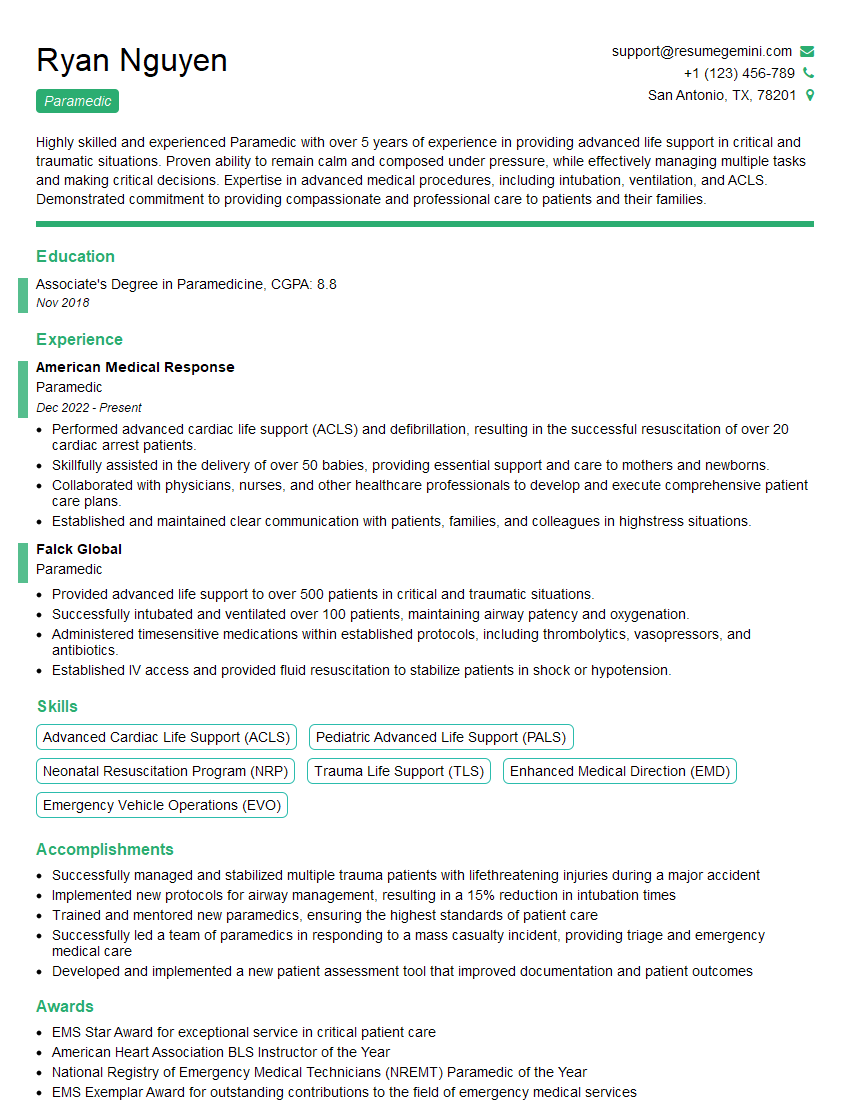
Paramedic Resume Sample
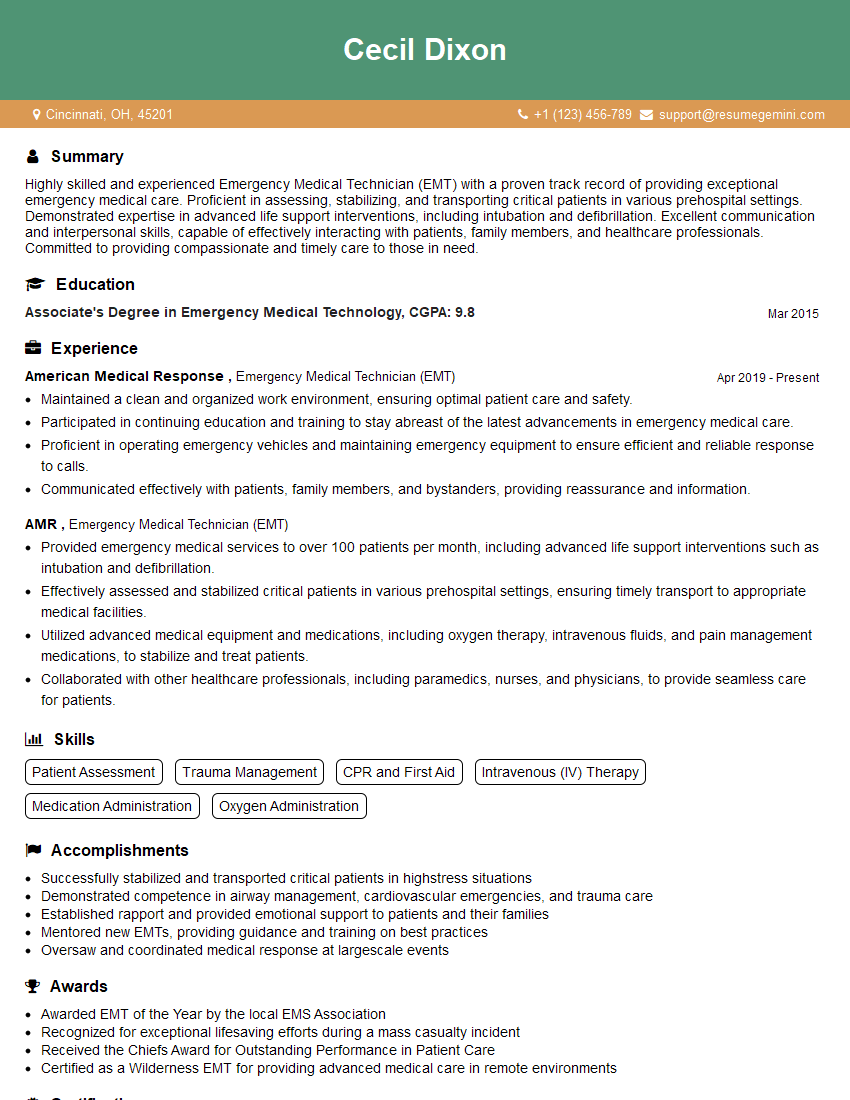
Emergency Medical Technician (EMT) Resume Sample
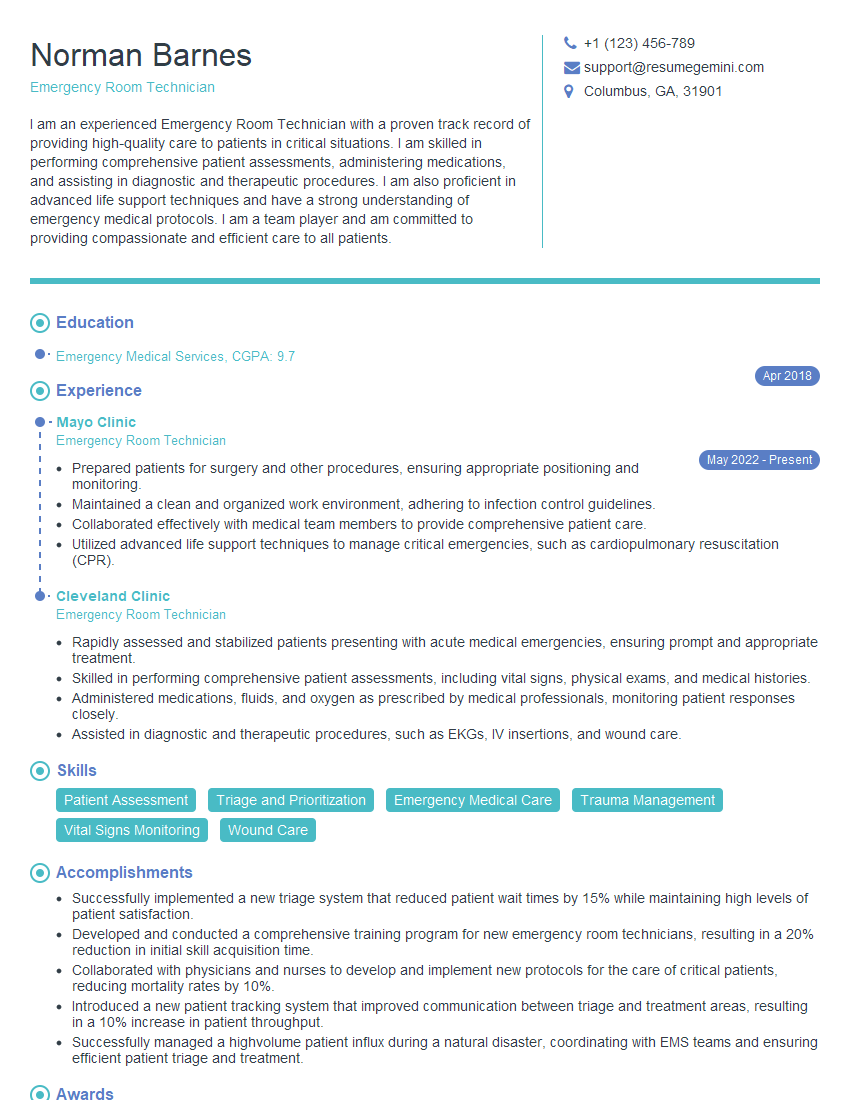
Emergency Room Technician Resume Sample
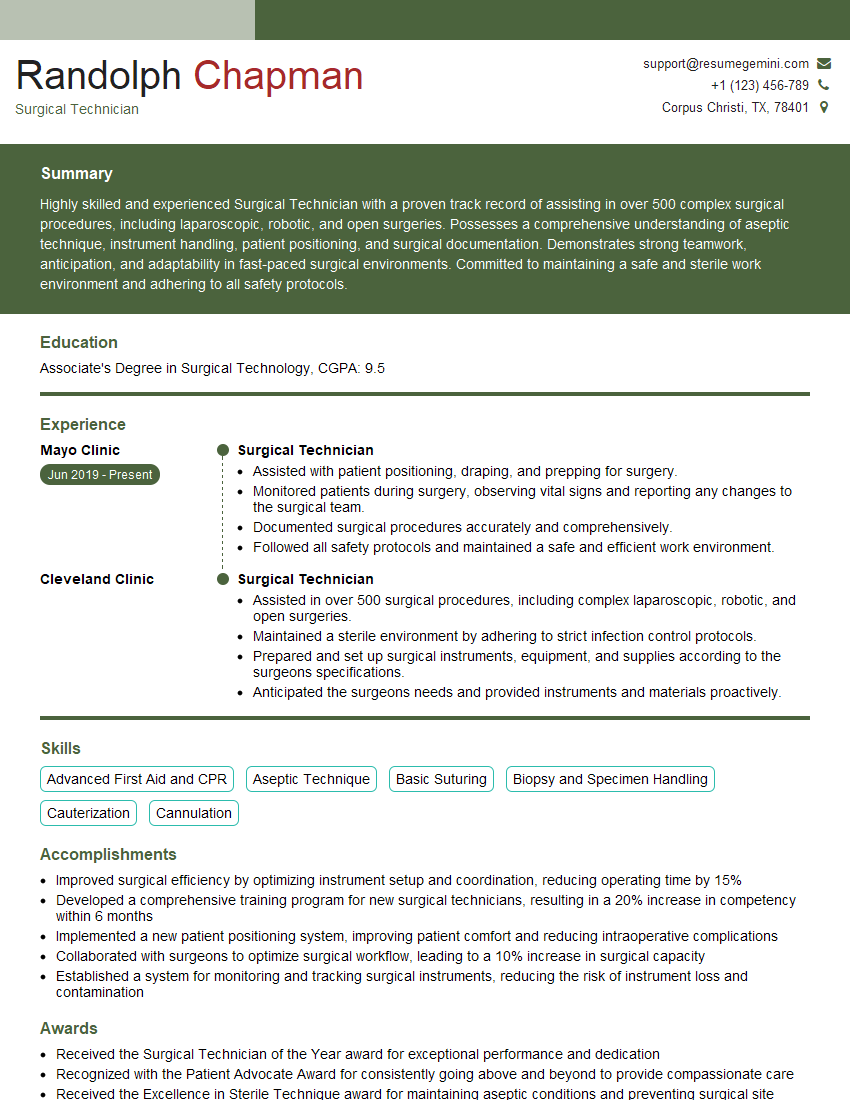
Surgical Technician Resume Sample
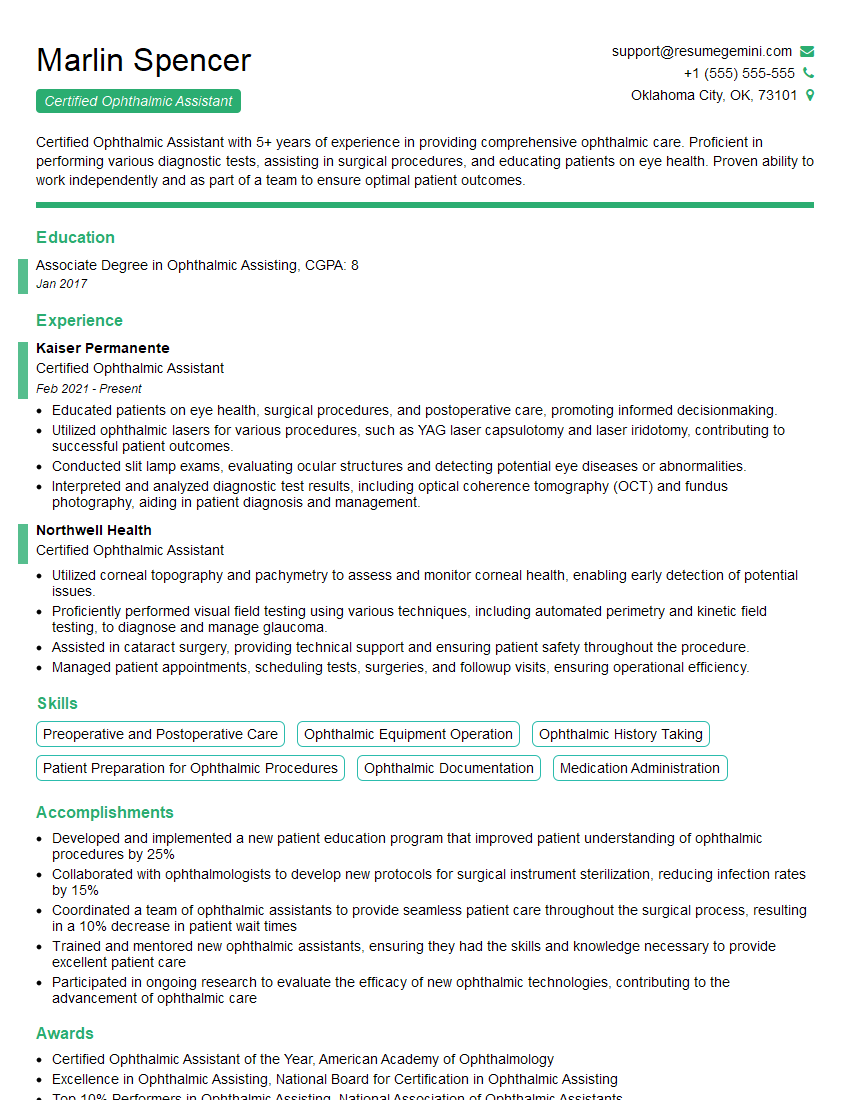
Certified Ophthalmic Assistant Resume Sample
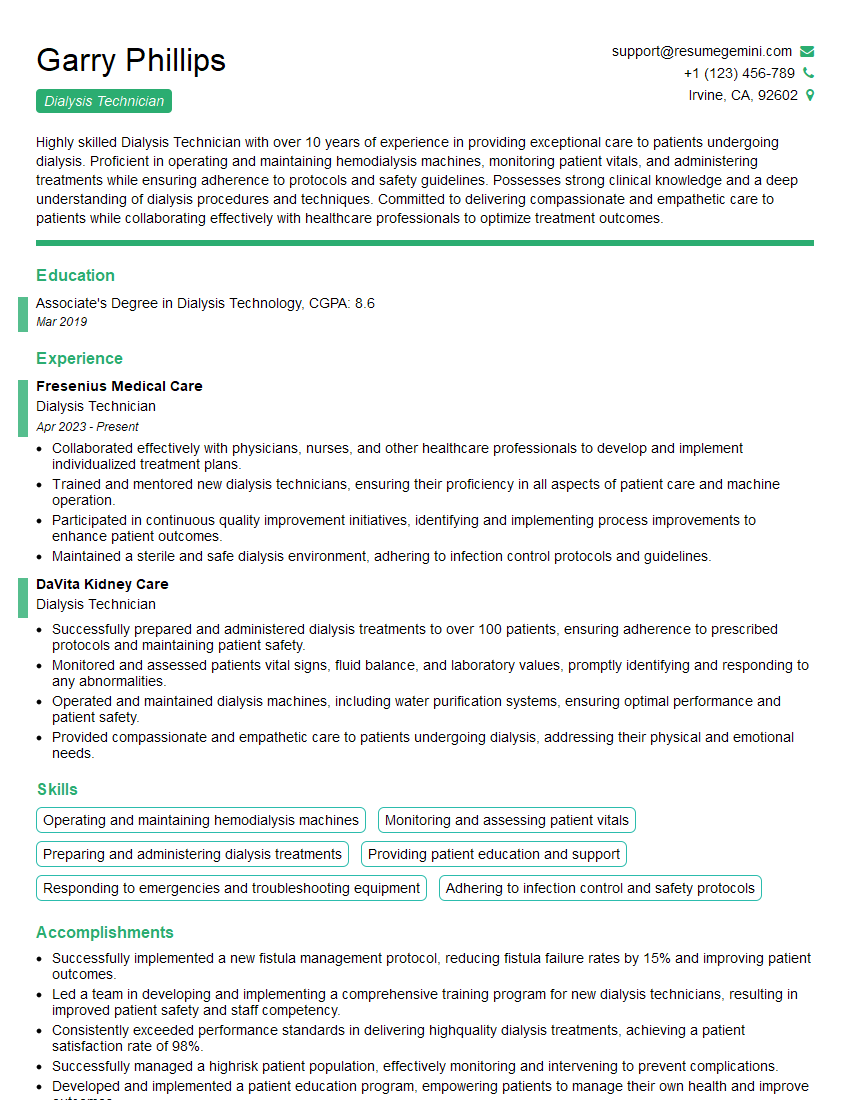
Dialysis Technician Resume Sample
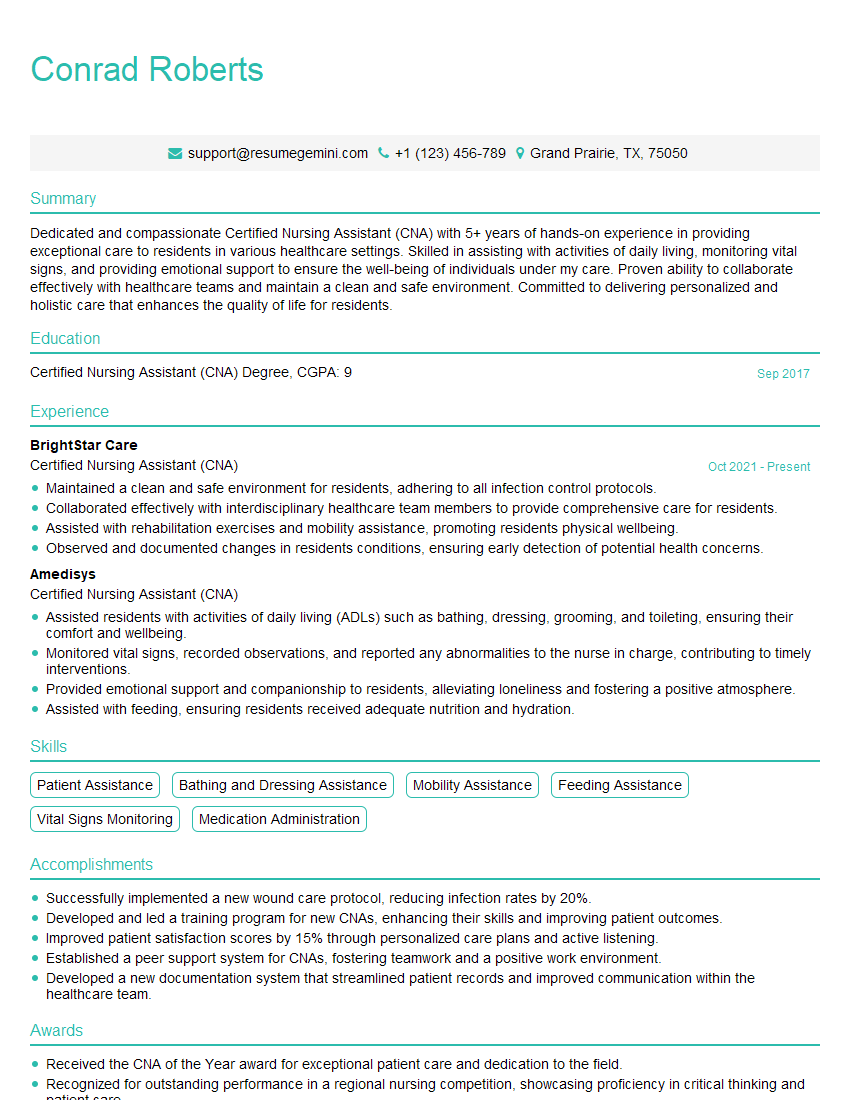
Certified Nursing Assistant (CNA) Resume Sample
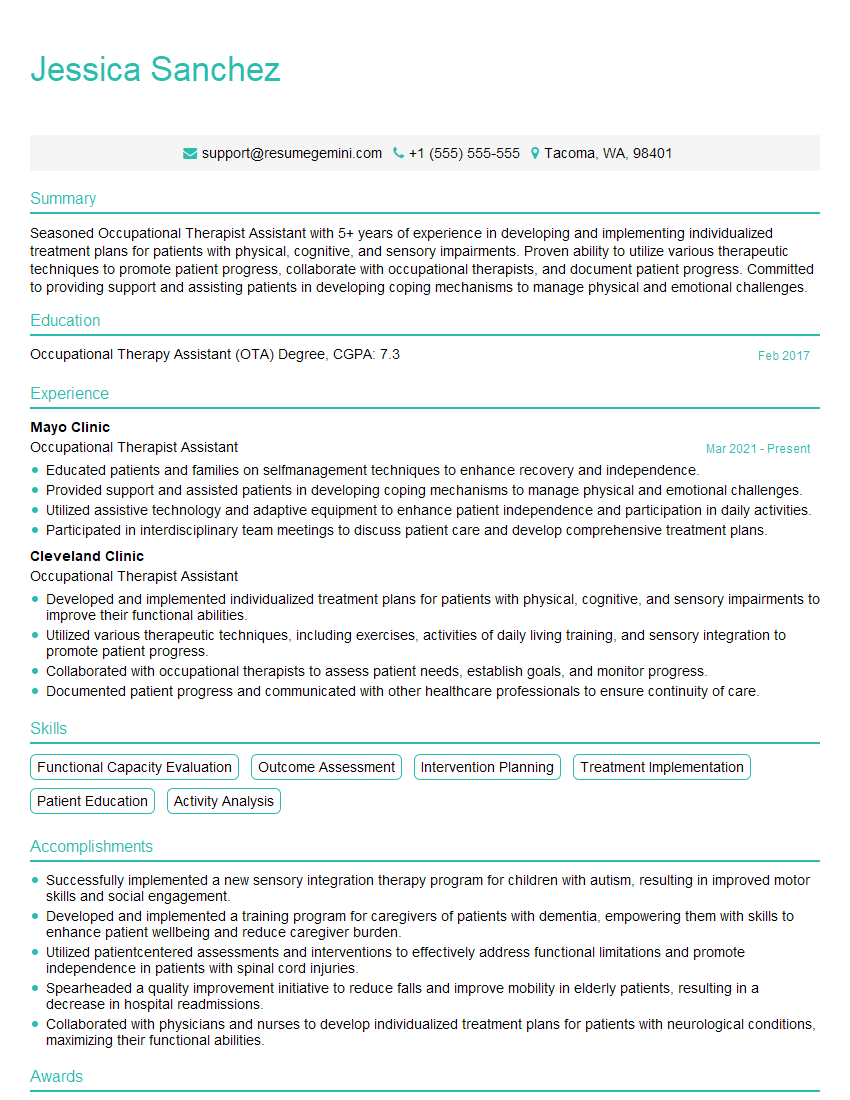
Occupational Therapist Assistant Resume Sample
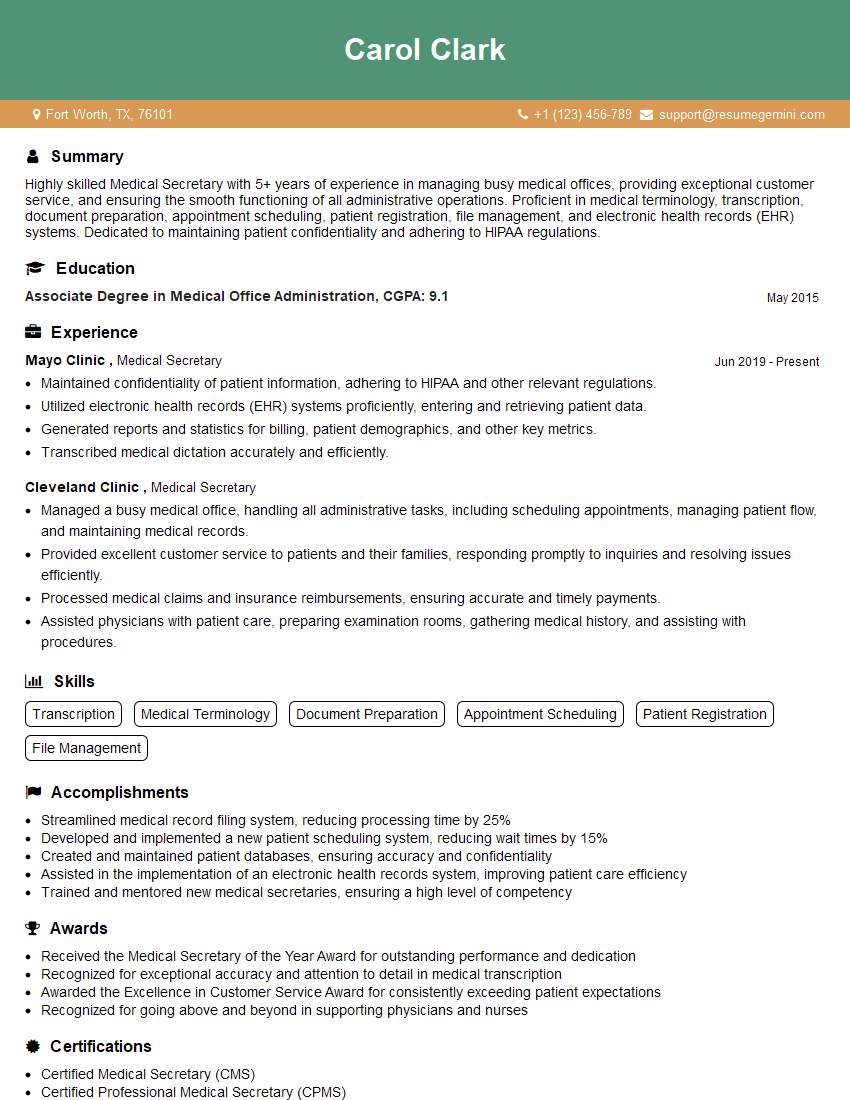
Medical Secretary Resume Sample
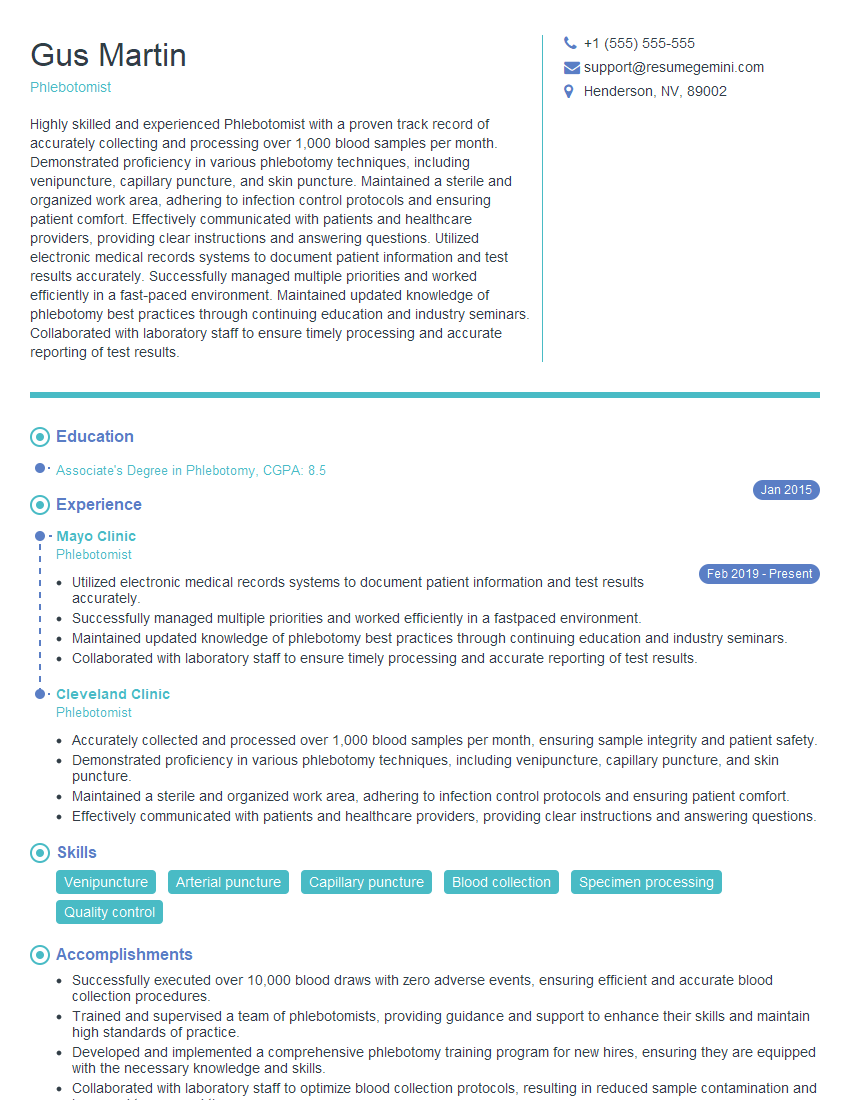
Phlebotomist Resume Sample
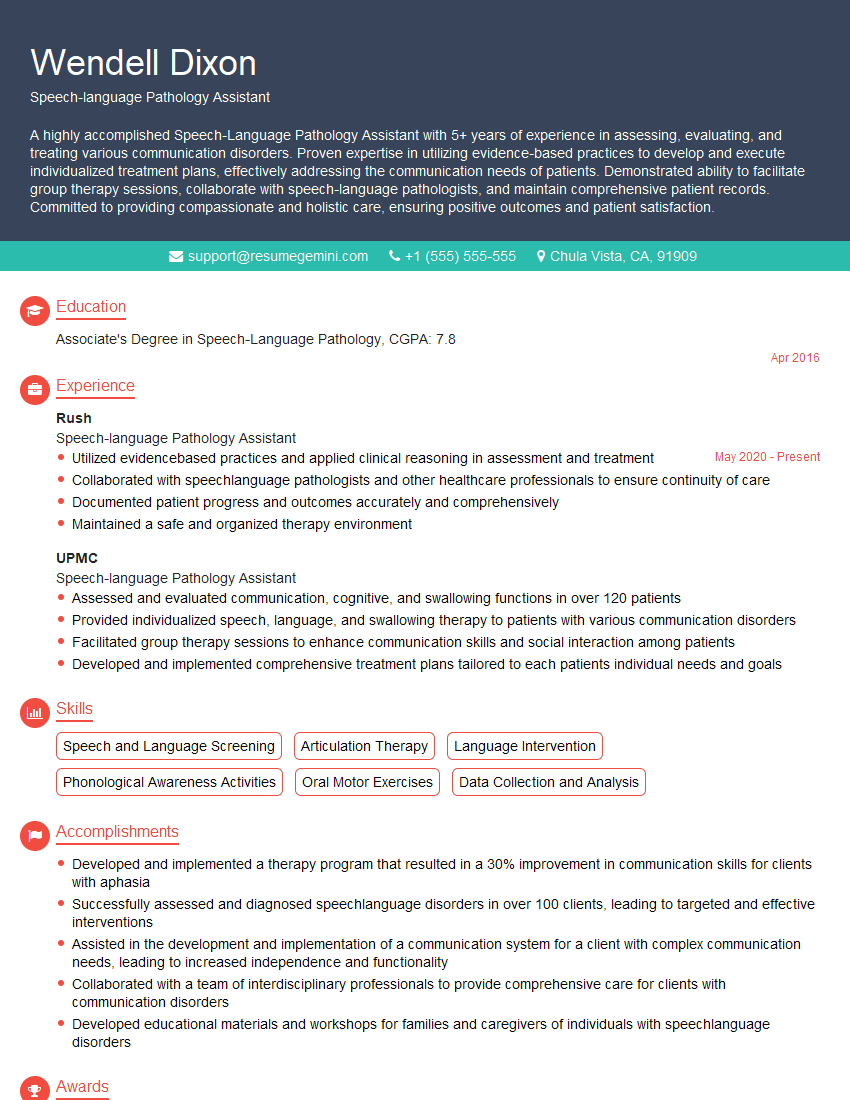
Speech-language Pathology Assistant Resume Sample
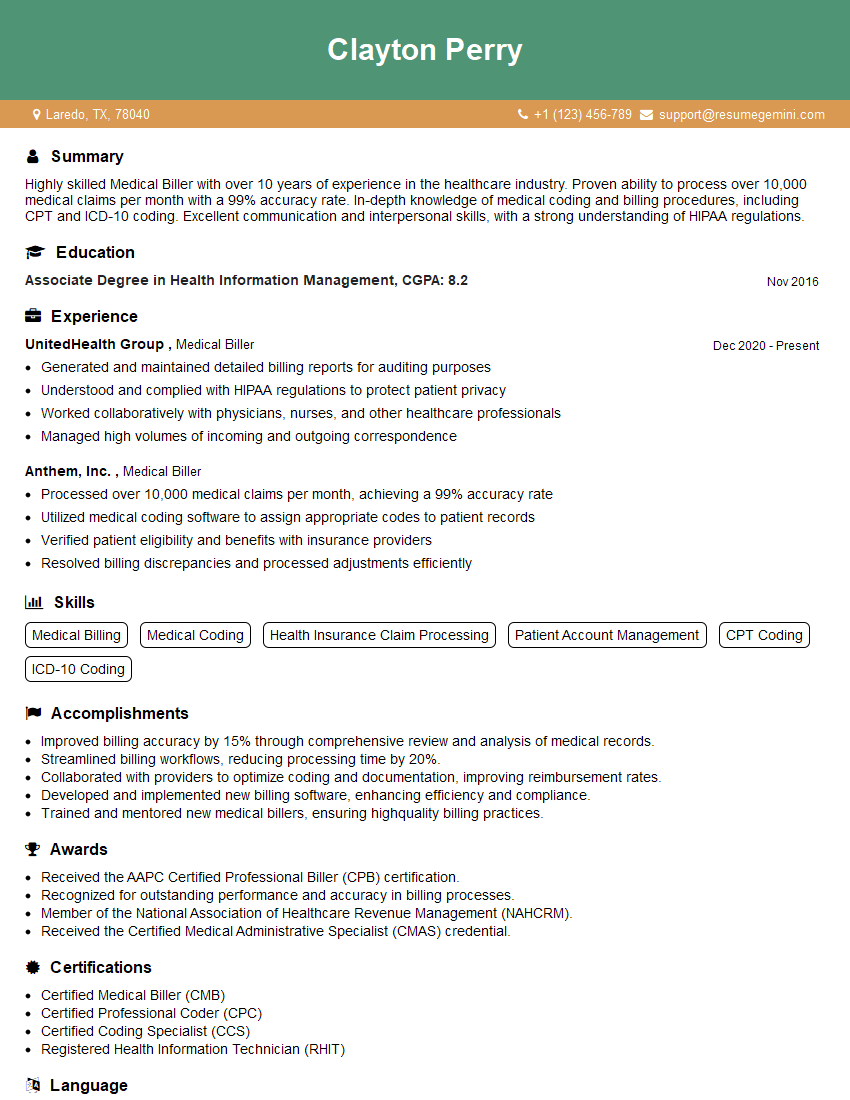
Medical Biller Resume Sample
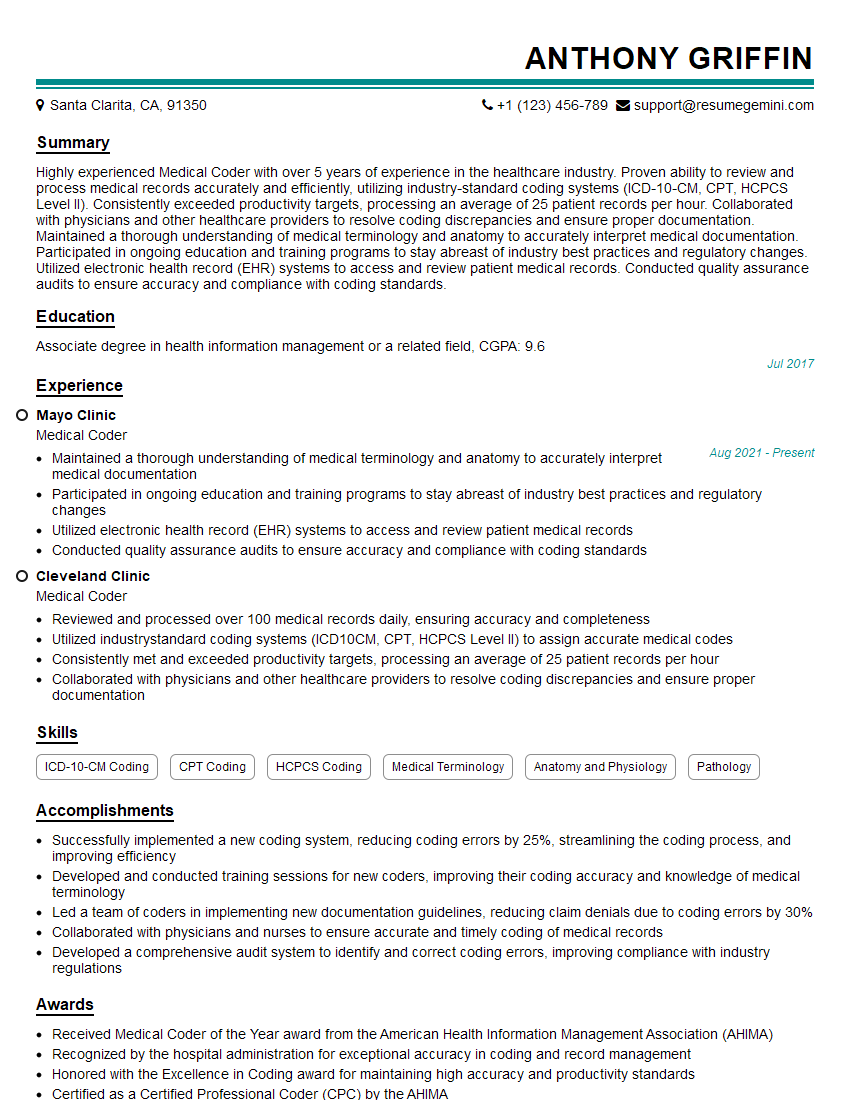
Medical Coder Resume Sample
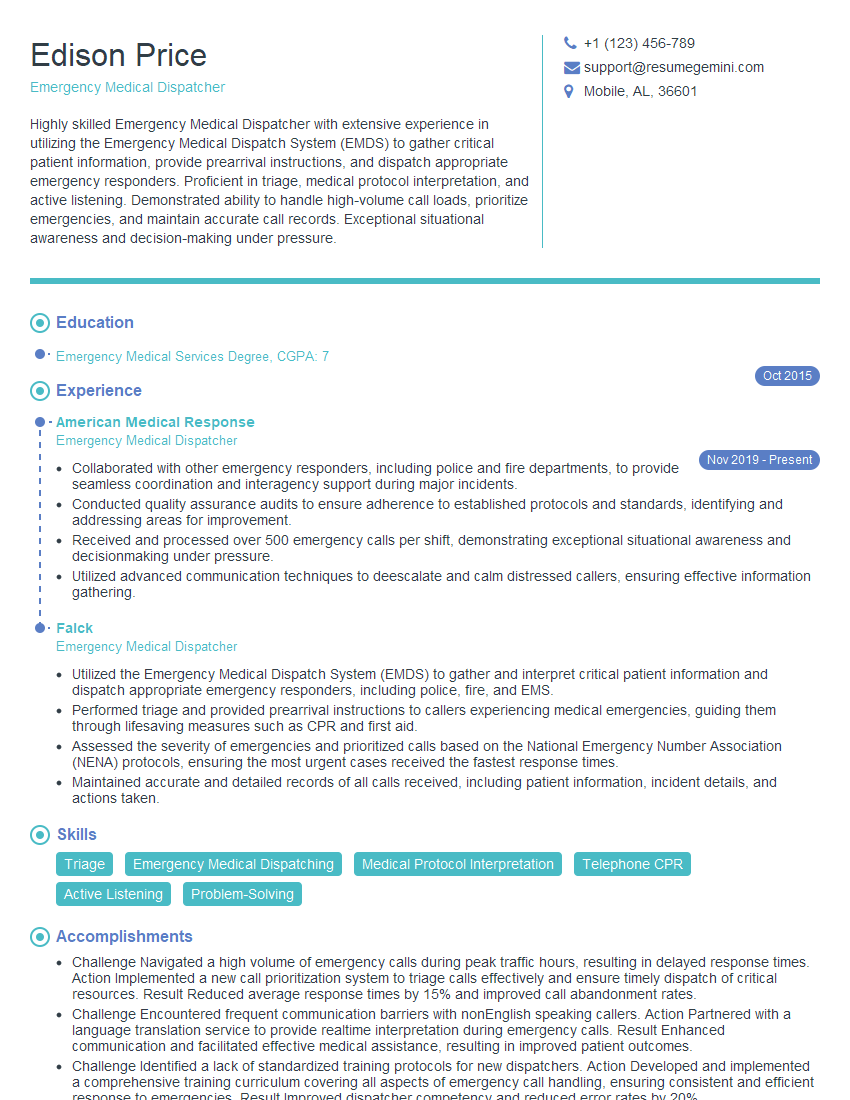
Emergency Medical Dispatcher Resume Sample
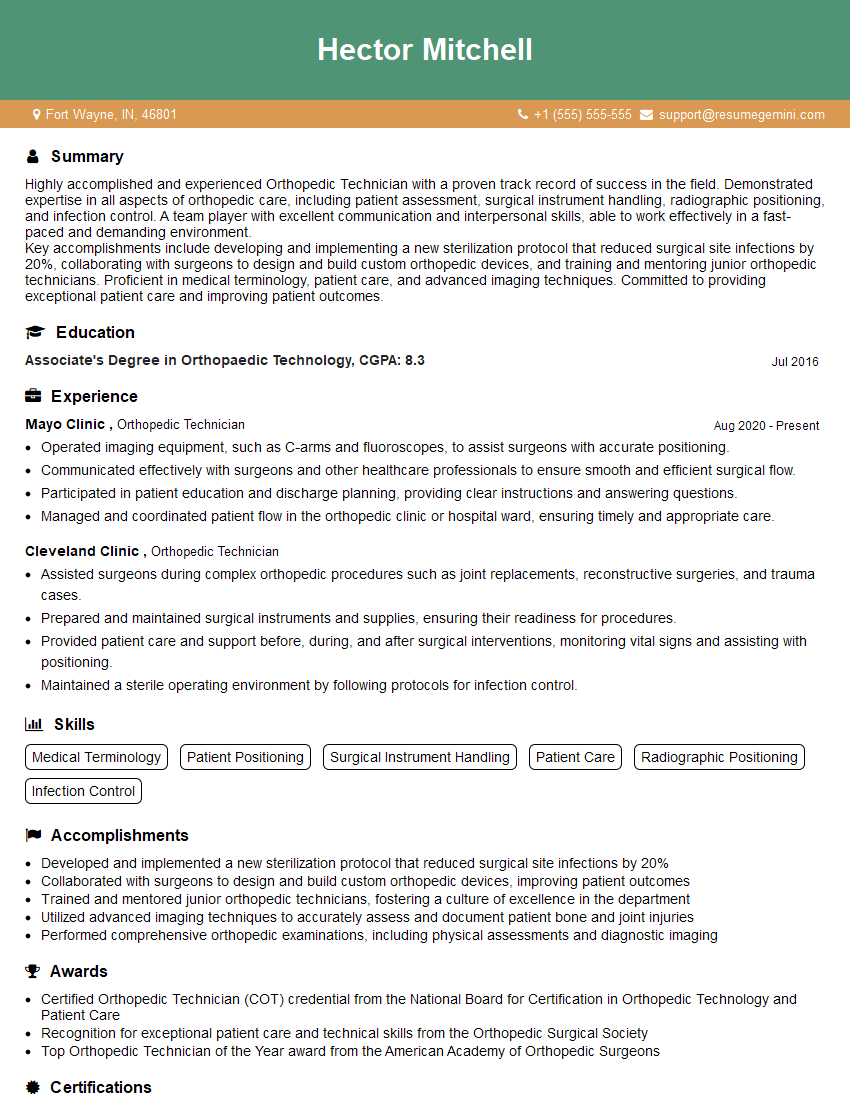
Orthopedic Technician Resume Sample
- Paramedic
- Emergency Medical Technician (EMT)
- Emergency Room Technician
- Surgical Technician
- Certified Ophthalmic Assistant
- Dialysis Technician
- Certified Nursing Assistant (CNA)
- Occupational Therapist Assistant
- Medical Secretary
- Phlebotomist
- Speech-language Pathology Assistant
- Medical Biller
- Medical Coder
- Emergency Medical Dispatcher
- Orthopedic Technician
Explore more articles
Users Rating of Our Blogs
Share Your Experience
We value your feedback! Please rate our content and share your thoughts (optional).
What Readers Say About Our Blog
Very informative content, great job.
good