Unlock your full potential by mastering the most common PostTrip Inspections interview questions. This blog offers a deep dive into the critical topics, ensuring you’re not only prepared to answer but to excel. With these insights, you’ll approach your interview with clarity and confidence.
Questions Asked in PostTrip Inspections Interview
Q 1. Describe the standard procedures for conducting a post-trip inspection.
A standard post-trip inspection is a systematic examination of a vehicle after a trip to identify any potential mechanical issues or damage. Think of it as a vehicle’s post-workout checkup. It’s crucial for safety and prevents larger problems down the line. The procedure typically follows these steps:
- Visual Inspection: Walk around the vehicle, checking for any obvious damage, leaks, or loose components. This includes tires, wheels, lights, mirrors, and the undercarriage.
- Fluid Checks: Inspect engine oil, coolant, brake fluid, power steering fluid, and transmission fluid levels. Look for leaks or unusual coloration indicating potential problems. For example, milky oil could indicate a head gasket leak.
- Brake System Check: Test the brake pedal for firmness and responsiveness. Examine brake lines and drums/rotors for wear or damage. Listen for unusual noises when the brakes are applied.
- Steering System Check: Check for free play in the steering wheel and ensure the steering responds smoothly. Look for leaks in the power steering system.
- Lights and Signals: Verify all lights (headlights, taillights, brake lights, turn signals, hazard lights) are functioning correctly.
- Tires and Wheels: Check tire pressure using a gauge, inspect tread depth, and look for cuts, bulges, or embedded objects. Examine wheels for cracks or damage.
- Wipers and Washers: Ensure wipers and washer fluid are functioning correctly.
- Documentation: Thoroughly document all findings, both positive and negative, in the post-trip inspection report. Photographs are highly recommended for any significant issues.
This entire process should take approximately 15-20 minutes, depending on the vehicle’s complexity.
Q 2. What are the key components of a comprehensive post-trip inspection report?
A comprehensive post-trip inspection report should include the following key components:
- Vehicle Identification Number (VIN): Unique identifier for the vehicle.
- Date and Time of Inspection: Crucial for tracking and record-keeping.
- Driver’s Name and Identification: Links the inspection to the responsible driver.
- Odometer Reading: Tracks mileage for maintenance scheduling.
- Detailed Inspection Findings: This is the core of the report. It should list each system checked (e.g., brakes, tires, lights) and state whether it passed or failed. For failures, detailed descriptions are needed, including location and severity of the defect.
- Photographs or Diagrams: Visual aids are extremely helpful to document defects precisely.
- Signature of the Inspector: Confirms accountability for the inspection.
- Corrective Actions (if any): If repairs were made immediately, this section should detail the work done.
Consider using a standardized format to ensure consistency and completeness. This helps in easily identifying trends and patterns.
Q 3. How do you identify and document significant mechanical defects during a post-trip inspection?
Identifying and documenting significant mechanical defects requires a keen eye for detail and a thorough understanding of vehicle mechanics. For example, a small crack in a brake line is a significant safety hazard, even if it doesn’t yet leak. I would follow these steps:
- Careful Examination: I systematically examine each component, using tools like a flashlight, pressure gauge, and torque wrench as needed. I listen for unusual noises, look for leaks, and feel for vibrations.
- Detailed Description: If I find a defect, I document it precisely, including location, severity (minor, moderate, major), and any potential safety implications. For instance, instead of writing ‘brake problem,’ I’d write ‘Brake pads on front left wheel worn to 2mm, below minimum safety threshold.’
- Photography: I take clear photos of the defect from multiple angles. This provides undeniable evidence and facilitates communication with maintenance personnel.
- Safety Considerations: If a defect poses an immediate safety risk (e.g., major brake failure), I would immediately take the vehicle out of service and notify the appropriate personnel. Safety is the paramount concern.
Think of it like detective work – you need to gather all the clues to build a comprehensive picture of the vehicle’s condition.
Q 4. Explain the importance of proper tire pressure and tread depth in post-trip inspections.
Proper tire pressure and tread depth are crucial for safety and fuel efficiency. Under-inflated tires lead to increased rolling resistance, reduced fuel economy, and premature wear. Insufficient tread depth compromises traction, especially in wet or icy conditions, increasing the risk of accidents. In a post-trip inspection:
- Tire Pressure: I check tire pressure using a calibrated gauge, comparing readings to the manufacturer’s recommendations found usually on a sticker inside the driver’s side door jamb. Significant deviations necessitate inflation or deflation to the correct pressure. This helps prevent uneven tire wear and improves handling.
- Tread Depth: I measure tread depth using a tread depth gauge at multiple points across each tire. If the depth falls below the legal minimum (varies by region), the tires need replacement. This ensures adequate grip on the road surface and prevents accidents.
Imagine driving on bald tires in the rain – it’s a recipe for disaster! Regular checks prevent this.
Q 5. What are the legal and regulatory requirements related to post-trip inspections in your region?
Legal and regulatory requirements regarding post-trip inspections vary by region and often depend on the type of vehicle and its use (commercial vs. private). In many jurisdictions, commercial vehicles are subject to stringent regulations mandated by agencies like the Department of Transportation (DOT). These regulations often stipulate:
- Mandatory Inspections: Post-trip inspections are required after each trip or at specified intervals.
- Documentation Requirements: Detailed records of inspection findings must be maintained, typically using standardized forms or electronic logging devices.
- Minimum Standards: Specific minimum standards are set for tire tread depth, brake performance, lighting, and other critical components.
- Out-of-Service Criteria: If defects exceed certain thresholds, the vehicle may be deemed ‘out of service’ until repairs are made, preventing further operation.
- Penalties for Non-Compliance: Failure to comply with these regulations can result in fines, suspension of operating permits, or other penalties.
It is essential to stay updated on the specific regulations in your operating region. Non-compliance can have serious legal and safety consequences.
Q 6. How do you handle discrepancies between your inspection findings and the driver’s report?
Discrepancies between my inspection findings and the driver’s report require careful investigation. This isn’t about assigning blame, but ensuring accuracy and identifying potential training needs. My approach would be:
- Review the Driver’s Report: Carefully examine the driver’s report, noting areas of agreement and disagreement.
- Re-Inspect the Vehicle: Re-examine the vehicle focusing on the areas of discrepancy. A second opinion is always valuable.
- Gather Additional Evidence: Take additional photos or videos if necessary. If there’s a serious discrepancy, I might consult with a more senior mechanic for a third opinion.
- Communicate with the Driver: Discuss the findings with the driver in a professional and non-confrontational manner. This is an opportunity for clarification and potential training.
- Document Everything: Thoroughly document all findings, including the discrepancies, the re-inspection results, and any corrective actions taken. This creates an audit trail for future reference and helps prevent similar issues.
The goal is not to point fingers, but to ensure accurate reporting and address any training needs to improve the driver’s inspection skills.
Q 7. Describe your experience using inspection software or reporting systems.
I have extensive experience using various inspection software and reporting systems. These systems greatly improve efficiency and accuracy by providing:
- Standardized Reporting Forms: Ensuring consistency in data collection and reducing the chance of missing critical information.
- Automated Checklists: Guiding the inspector through a structured process, minimizing the risk of overlooking critical aspects.
- Digital Image Capture and Storage: Enabling easy documentation and retrieval of visual evidence. For instance, I use a system that automatically geotags pictures, which are crucial for insurance claims.
- Data Analysis and Reporting: Generating reports that identify trends, patterns, and areas needing attention, improving preventative maintenance.
- Integration with Maintenance Systems: Seamlessly transferring inspection data to maintenance systems, streamlining repair scheduling.
For example, I’ve used FleetComplete and Samsara, both of which have helped significantly in reducing paperwork and improving the efficiency of our post-trip inspections. The ability to generate reports and easily identify recurring issues is a game changer.
Q 8. How do you prioritize repairs based on the severity of identified defects?
Prioritizing repairs after a post-trip inspection hinges on a risk assessment. We use a severity scale, often categorized as critical, major, minor, and insignificant. Critical defects, like brake failure or steering issues, immediately ground the vehicle and require immediate attention. Major defects, such as significant tire wear or leaking fluids, necessitate repair before the next trip. Minor defects, such as a small scratch or a minor light malfunction, can often wait for scheduled maintenance. Insignificant defects are cosmetic or have no bearing on safety or functionality.
- Critical: Immediate repair required. Examples include brake system failure, steering problems, significant tire damage, fuel leaks.
- Major: Repair needed before next operation. Examples include significant fluid leaks, substantial tire wear, malfunctioning lights affecting visibility.
- Minor: Repair during scheduled maintenance. Examples include minor dents, small scratches, minor wiper blade wear.
- Insignificant: No immediate action required. Examples include minor cosmetic imperfections, very small fluid drips.
This system ensures that safety-critical issues are addressed promptly, minimizing operational risks and preventing accidents.
Q 9. How familiar are you with DOT regulations regarding vehicle maintenance and inspections?
I’m very familiar with DOT (Department of Transportation) regulations concerning vehicle maintenance and inspections. My knowledge extends to the Federal Motor Carrier Safety Regulations (FMCSRs), specifically parts 393 and 396, which outline detailed requirements for vehicle maintenance and pre- and post-trip inspections. I understand the stipulations on driver responsibilities for reporting and documenting defects, the mandated inspection procedures, and the consequences of operating a vehicle with known safety violations. I also understand the importance of keeping detailed and accurate records to comply with audits.
For example, I’m well-versed in the regulations concerning brake system inspection, including checking for leaks, proper adjustment, and the required minimum lining thickness. I’m also familiar with the requirements for lighting systems, tire condition, and other critical safety components.
Q 10. Explain the process of escalating critical safety concerns discovered during a post-trip inspection.
Escalating critical safety concerns follows a clear chain of command. If I discover a critical safety defect during a post-trip inspection, I immediately report it to my supervisor. This report includes a detailed description of the defect, its location, and the potential safety hazards it poses. I would also take photographs as evidence. The supervisor then determines the appropriate course of action, which might include grounding the vehicle, initiating immediate repairs, or contacting the relevant maintenance team. If the supervisor is unavailable or if the situation requires immediate action, I may need to escalate the report to higher management or even directly to the transportation safety manager, depending on company protocols. The goal is swift action to mitigate any safety risk.
For instance, if I discovered a major brake fluid leak, I would immediately report it to my supervisor, provide photographic evidence, and highlight the immediate threat to safety. The vehicle would likely be grounded until the leak is repaired by a qualified mechanic. The maintenance records would be updated, and a thorough follow-up would be ensured.
Q 11. How do you ensure consistent and accurate documentation throughout the post-trip inspection process?
Consistent and accurate documentation is paramount. We use standardized forms and digital inspection software to ensure uniformity. The software often uses checkboxes and free-form text fields to record findings. Each defect is recorded with its severity level, location, and a description. Photographs or videos are attached to document the issue visually. The software timestamps each entry, creating an audit trail. The completed form is then submitted electronically, often integrating with the maintenance management system. This system not only enhances accuracy but also allows for efficient tracking of repairs and trend analysis, identifying areas for preventative maintenance.
Think of it like a medical chart – comprehensive, detailed, and easily accessible. This level of detail minimizes ambiguity, ensures accountability, and aids in efficient repair scheduling and maintenance planning.
Q 12. Describe a time you identified a significant safety issue during a post-trip inspection. What actions did you take?
During a post-trip inspection, I once discovered a severely cracked steering component. It was a hairline fracture, easily missed with a cursory glance, but I noticed it while carefully examining the steering mechanism. This was a critical safety issue, as a complete steering failure could have resulted in a serious accident. I immediately reported the finding to my supervisor, providing detailed photos of the crack. The vehicle was immediately taken out of service, and a certified mechanic inspected the steering system. The component was replaced, and the vehicle underwent a comprehensive safety inspection before being cleared for operation. This experience reinforced the importance of thorough inspections and proactive safety measures.
Q 13. What are the common causes of brake failures and how are they identified during a post-trip inspection?
Brake failures can stem from various causes, often identifiable during a post-trip inspection. Common causes include:
- Low brake fluid: Checked by visually inspecting the brake fluid reservoir and checking for leaks.
- Worn brake pads or shoes: Assessed by physically inspecting the brake components and measuring the remaining pad/shoe thickness.
- Leaking brake lines or cylinders: Identified by looking for fluid leaks around the brake system components.
- Air in the brake lines: Detected by checking for spongy brake pedals or uneven braking.
- Damaged brake rotors or drums: Checked for scoring, cracks, or excessive wear.
During the inspection, I visually check for leaks, measure brake pad/shoe thickness, check for air in the lines by feeling the pedal, and assess the condition of the rotors or drums. Any issues found are documented and reported immediately.
Q 14. How do you verify the functionality of lights, signals, and wipers during a post-trip inspection?
Verifying the functionality of lights, signals, and wipers involves a systematic approach. I start by checking all exterior lights (headlights, taillights, brake lights, turn signals, reverse lights) both visually and functionally by activating them and observing their operation. I then verify that the wipers are working effectively at both low and high speeds. Testing is done both during the day and at night when necessary. Any malfunctioning component is noted, and its location and type of malfunction are documented. Specific details like burnt-out bulbs or intermittent functioning are recorded to expedite the repair process. This ensures that the vehicle’s visibility and safety systems are fully operational.
This might seem basic, but a thorough check is vital for safe nighttime driving. I always test each component individually to rule out any potential issues, and ensure the safety of all road users.
Q 15. Explain the importance of fluid level checks during post-trip inspections.
Fluid level checks during post-trip inspections are crucial for preventing breakdowns and ensuring the safe operation of commercial vehicles. Low levels of engine oil, coolant, brake fluid, power steering fluid, transmission fluid, and windshield washer fluid can lead to catastrophic failures. Think of it like checking the vital signs of your vehicle – these fluids are essential for its proper functioning.
For instance, low engine oil can cause engine seizure, while low brake fluid compromises braking ability, posing a significant safety risk. Regularly checking these levels allows for proactive maintenance, preventing expensive repairs and accidents. The inspection should not just check for the presence of fluid but also the fluid’s condition – looking for discoloration, excessive foam, or contaminants.
- Engine Oil: Check the level using the dipstick, ensuring it’s within the recommended range.
- Coolant: Inspect the coolant reservoir, making sure it’s filled to the appropriate level and the coolant is clean and not exhibiting signs of leakage.
- Brake Fluid: Check the brake fluid reservoir level. Low fluid could indicate a leak in the brake system.
- Power Steering Fluid: Examine the power steering fluid reservoir, noting the level and condition of the fluid.
- Transmission Fluid: Check the transmission fluid level (if accessible) and look for any unusual color or smell.
- Windshield Washer Fluid: Ensure the washer fluid reservoir is full, especially before long trips.
Career Expert Tips:
- Ace those interviews! Prepare effectively by reviewing the Top 50 Most Common Interview Questions on ResumeGemini.
- Navigate your job search with confidence! Explore a wide range of Career Tips on ResumeGemini. Learn about common challenges and recommendations to overcome them.
- Craft the perfect resume! Master the Art of Resume Writing with ResumeGemini’s guide. Showcase your unique qualifications and achievements effectively.
- Don’t miss out on holiday savings! Build your dream resume with ResumeGemini’s ATS optimized templates.
Q 16. What are the potential consequences of neglecting post-trip inspections?
Neglecting post-trip inspections can have severe consequences, ranging from minor inconveniences to catastrophic failures and legal repercussions. Ignoring a minor leak, for example, could lead to a major breakdown miles from assistance. The consequences can be categorized as follows:
- Safety Hazards: Faulty brakes, worn tires, or malfunctioning lights directly endanger the driver and other road users. This can lead to accidents, injuries, and fatalities.
- Mechanical Failures: Overlooked problems, like low engine oil or coolant, can lead to engine damage or complete failure, resulting in costly repairs and downtime.
- Legal Ramifications: Operating a vehicle with known defects is a violation of regulations, potentially leading to fines, license suspension, or even criminal charges. This is especially true for commercial vehicles operating under strict DOT regulations.
- Increased Operating Costs: Preventable breakdowns result in increased repair costs, lost revenue from downtime, and the potential for damage to cargo.
Imagine a scenario where a driver skips a post-trip inspection and discovers a brake failure the next day – this could lead to a serious accident, significant legal issues, and huge financial implications.
Q 17. How do you handle a situation where a driver refuses to comply with post-trip inspection procedures?
A driver’s refusal to comply with post-trip inspection procedures is a serious issue that needs immediate attention. My approach is based on a combination of education, firm communication, and escalation if necessary:
- Education and Clarification: I would begin by calmly explaining the importance of post-trip inspections for safety, legal compliance, and vehicle maintenance. I’d highlight the potential consequences of non-compliance.
- Documentation and Witnessing: I would document the driver’s refusal, including the time, date, location, and any statements made by the driver. If possible, having a witness present strengthens the documentation.
- Company Policy and Procedure Review: I would reiterate the company’s policies and procedures regarding post-trip inspections, emphasizing that compliance is mandatory. A copy of these policies should be available to the driver.
- Escalation to Supervisor: If the driver continues to refuse, I would immediately report the situation to my supervisor or designated authority. This ensures that the matter is handled according to company protocol and regulations.
- Disciplinary Actions: Depending on company policy and the severity of the refusal, disciplinary actions, such as warnings, suspension, or termination, may be necessary.
Ultimately, safety and compliance must prevail, and I would strive to address the driver’s concerns while ensuring that all necessary procedures are followed.
Q 18. Describe your experience with different types of vehicles and their specific inspection requirements.
Throughout my career, I’ve gained extensive experience with various vehicle types, including:
- Tractor-Trailers: These require thorough checks of the tractor unit and the trailer, including coupling mechanisms, brake systems, tires, lights, and cargo securement.
- Straight Trucks: Inspections are similar to tractor-trailers but simpler, focusing primarily on the single vehicle unit.
- Delivery Vans: Inspections focus on safety features, cargo area security, and the vehicle’s overall condition.
- Buses: Post-trip inspections are particularly critical for buses due to the high number of passengers. Checks include emergency exits, seating, lighting, and air conditioning systems.
Each vehicle type has specific inspection requirements defined by regulations and manufacturer recommendations. For instance, a tractor-trailer will require more attention to the braking system and coupling mechanisms compared to a delivery van. My experience enables me to adapt my inspection procedures to the specific needs of each vehicle type, ensuring thoroughness and efficiency.
Q 19. How do you maintain your knowledge of evolving industry standards and regulations?
Maintaining up-to-date knowledge of evolving industry standards and regulations is paramount. I actively pursue this through several methods:
- Professional Development Courses: I regularly participate in training courses and workshops focused on vehicle maintenance, safety regulations, and post-trip inspection best practices. This ensures that I’m abreast of the latest changes and technologies.
- Industry Publications and Journals: I subscribe to industry-specific publications and journals that keep me informed about regulatory updates, technological advancements, and best practices in the field.
- Online Resources and Webinars: I utilize online resources, webinars, and professional organizations to access the latest information and updates on safety regulations and inspection techniques.
- Networking with Peers: Regular communication and knowledge-sharing with colleagues and professionals in the field help to expand my knowledge and awareness of emerging trends.
- Regulatory Agency Websites: I frequently check the websites of regulatory agencies, such as the Department of Transportation (DOT), for updates on regulations and compliance requirements.
By continuously updating my knowledge, I can ensure that my inspection procedures are in line with current regulations and industry best practices, maximizing safety and efficiency.
Q 20. What is your approach to training drivers on proper post-trip inspection techniques?
Driver training on proper post-trip inspection techniques is vital for ensuring vehicle safety and regulatory compliance. My training approach involves a combination of theoretical and practical elements:
- Classroom Instruction: I begin with classroom sessions covering the importance of post-trip inspections, legal requirements, and the proper procedures for various vehicle systems.
- Hands-on Training: Practical training is crucial. I guide drivers through step-by-step inspections of different vehicle types, emphasizing the importance of detail and accuracy.
- Use of Checklists and Documentation: I emphasize the use of standardized checklists to ensure consistency and thoroughness. Drivers learn to correctly document their findings.
- Interactive Demonstrations: I utilize interactive demonstrations, videos, and real-world examples to enhance understanding and retention.
- Regular Review and Evaluation: Follow-up sessions and evaluations ensure that drivers have retained the information and are performing inspections effectively. This often includes ride-alongs and spot checks.
I emphasize that post-trip inspections are not just a routine task, but a crucial aspect of their responsibilities that directly impacts safety and legal compliance.
Q 21. How do you ensure the accuracy and completeness of your post-trip inspection reports?
Ensuring the accuracy and completeness of post-trip inspection reports is crucial for maintaining safety and legal compliance. My approach focuses on several key areas:
- Use of Standardized Checklists: Employing standardized checklists ensures consistency and helps prevent the omission of critical components during the inspection.
- Detailed Documentation: I emphasize the importance of detailed documentation, including dates, times, specific vehicle identification numbers, and clear descriptions of any defects or deficiencies found.
- Clear and Concise Language: Reports should be written using clear and concise language, free from jargon, ensuring that anyone reading the report can understand the findings.
- Digital Reporting Systems: Utilizing digital reporting systems enhances accuracy and reduces the risk of errors associated with manual paperwork. These systems can also facilitate timely communication of issues to mechanics and management.
- Regular Audits and Reviews: Regular audits and reviews of inspection reports help to identify any patterns of inaccuracies or incompleteness and provide opportunities for corrective actions.
- Verification Procedures: In some cases, I incorporate verification procedures where another inspector or supervisor reviews the report to ensure accuracy.
Accuracy is paramount because these reports serve as crucial legal records and guide maintenance decisions that directly affect vehicle safety and operational readiness.
Q 22. Describe your experience working with maintenance teams to schedule repairs.
Scheduling repairs effectively after a post-trip inspection involves clear communication and collaboration with the maintenance team. I typically begin by creating a detailed report outlining all identified issues, prioritizing them based on severity (critical safety concerns first, then operational issues, and finally cosmetic concerns). This report includes precise descriptions of the problem, location, and any relevant photos or videos. I then directly communicate this report to the maintenance team, whether through a digital system (CMMS software, for example) or a face-to-face discussion. This ensures the team understands the urgency and complexity of each repair needed. We jointly determine a realistic timeline for completing the repairs, considering the availability of parts, technician workload, and operational needs. I follow up regularly to check on progress and adjust the schedule as needed, ensuring transparency and accountability.
For example, if a vehicle has a malfunctioning brake light (critical safety issue), this would be prioritized over a dented fender (cosmetic issue). Prioritization ensures the safest and most efficient allocation of maintenance resources.
Q 23. How do you manage your workload and prioritize multiple inspection tasks?
Managing a heavy workload of post-trip inspections efficiently requires a structured approach. I use a combination of prioritization techniques, time management strategies, and technology. First, I categorize inspections based on urgency and vehicle type. High-priority inspections (e.g., those involving safety-critical components) are tackled first. I utilize scheduling tools and calendars to block out dedicated time for inspections, avoiding scheduling conflicts. I also employ checklists and standardized inspection forms to streamline the process, ensuring consistency and completeness. Finally, I leverage technology wherever possible, using mobile apps to document findings and submit reports digitally, reducing paperwork and improving efficiency.
Imagine juggling multiple inspections: one for a long-haul truck, another for a smaller delivery van, and a third for a specialized piece of heavy machinery. Prioritizing the truck inspection first – given its potential for greater impact on safety and operations – is crucial before addressing the other vehicles. This approach maximizes resource use and mitigates risks.
Q 24. How do you handle a high volume of post-trip inspections efficiently?
Handling a high volume of post-trip inspections efficiently necessitates a process-oriented mindset and the right tools. I utilize standardized checklists and digital inspection forms to significantly reduce the time spent on each vehicle. These forms often include pre-populated fields and prompts that guide the inspector through each step. Moreover, I leverage technology for digital documentation and reporting, eliminating manual paperwork and improving data accuracy. Regularly reviewing and refining the inspection process helps identify areas for improvement and streamline procedures. For example, grouping vehicles based on type or route for sequential inspection can minimize travel time between vehicles. Technology allows for quick uploading of findings, creating real-time data for fleet management and maintenance scheduling.
Think of an assembly line – each inspection step is a station, and the checklist is the instruction manual. By standardizing and optimizing the process, we can dramatically increase throughput without compromising thoroughness or safety.
Q 25. How would you adapt your inspection procedures for different types of vehicles or equipment?
Adapting inspection procedures for different vehicles or equipment requires a deep understanding of the specific operational characteristics and potential failure points of each type. For instance, a post-trip inspection for a passenger vehicle will focus on different aspects compared to a heavy-duty truck or a construction excavator. I ensure that my inspection checklists and procedures are customized to address the unique needs of each type of vehicle. This might involve incorporating specialized checks relevant to specific components or systems. For instance, a truck inspection may require a detailed examination of its braking system and suspension, while an excavator inspection necessitates a thorough check of its hydraulic systems and track components. Using the appropriate technology tailored to each vehicle type can further optimize the process.
Adaptability is key – a generic checklist won’t suffice. Understanding the nuances of different machinery ensures that safety checks are tailored effectively.
Q 26. What are your strengths and weaknesses in conducting post-trip inspections?
My strengths lie in my meticulous attention to detail, my systematic approach to inspections, and my ability to quickly identify and document problems. I am adept at using technology to streamline the inspection process and improve the efficiency of reporting. My proactive communication ensures that maintenance teams are promptly informed of all issues identified.
However, like anyone, I have areas for development. Occasionally, I might become overwhelmed by a large volume of inspections if the system for prioritization falters. To overcome this, I continually refine my time management skills and prioritize tasks according to their risk and importance.
Q 27. How do you ensure the safety of yourself and others during the inspection process?
Ensuring safety during post-trip inspections is paramount. I always adhere to established safety procedures, starting with a visual assessment of the surroundings before beginning the inspection to identify potential hazards. I wear appropriate personal protective equipment (PPE), such as high-visibility vests and safety glasses, and use caution when working around moving parts. I thoroughly check tire pressure and condition while avoiding contact with hot surfaces. During night inspections, I use powerful, well-directed lighting to maintain visibility and avoid accidents. Before working on any vehicle, I make sure it is properly secured, engines are switched off, and the parking brake is engaged. Communication is crucial; I never hesitate to ask for assistance if a situation seems unsafe.
Safety is non-negotiable – a simple precaution like using a flashlight at night can prevent a serious injury. A consistent, methodical approach minimizes risks.
Q 28. Describe a time you had to troubleshoot a problem discovered during a post-trip inspection.
During a post-trip inspection of a delivery van, I discovered a persistent squealing noise emanating from the front brakes. Initially, I suspected worn brake pads, a common issue. However, after a thorough examination, I found that the squealing wasn’t related to the pads themselves. Instead, the noise was due to a small stone lodged between the brake rotor and the caliper. A simple removal of the stone resolved the problem. This experience highlighted the importance of a careful, systematic approach to troubleshooting. While initial assessments might suggest a common cause, a thorough examination often reveals less obvious solutions. In this case, a seemingly significant problem was easily solved with minimal effort once the root cause was identified.
This incident demonstrates that even seemingly minor sounds can signal more serious underlying issues. Thoroughness during inspection is crucial to quickly identify and address even subtle problems before they escalate.
Key Topics to Learn for PostTrip Inspections Interview
- Vehicle Pre-Trip vs. Post-Trip Inspections: Understand the key differences and why post-trip inspections are crucial for safety and maintenance.
- Documentation and Reporting: Learn how to accurately record findings, using standardized forms and reporting systems. Practice clear and concise communication of identified issues.
- Safety Regulations and Compliance: Familiarize yourself with relevant industry regulations and legal requirements related to vehicle maintenance and reporting. Understand the consequences of non-compliance.
- Common Vehicle System Checks: Master the practical application of inspecting brakes, tires, lights, fluids, and other critical vehicle components. Be prepared to describe the process and potential failure points.
- Problem-Solving and Troubleshooting: Practice identifying potential problems based on inspection findings. Develop your ability to explain the likely cause of an issue and suggest appropriate corrective actions.
- Preventive Maintenance: Understand how post-trip inspections contribute to preventative maintenance programs and reduce the likelihood of future breakdowns.
- Technological Advancements: Explore how technology, such as telematics and diagnostic tools, are impacting post-trip inspections and reporting.
Next Steps
Mastering Post-Trip Inspections demonstrates a commitment to safety, efficiency, and preventative maintenance – highly valued skills that significantly boost your career prospects in logistics, transportation, and related fields. To maximize your job search success, crafting an ATS-friendly resume is essential. ResumeGemini can help you create a compelling resume that highlights your skills and experience effectively. We provide examples of resumes tailored to PostTrip Inspections roles to guide you in building a strong application.

Operations Manager Resume Sample
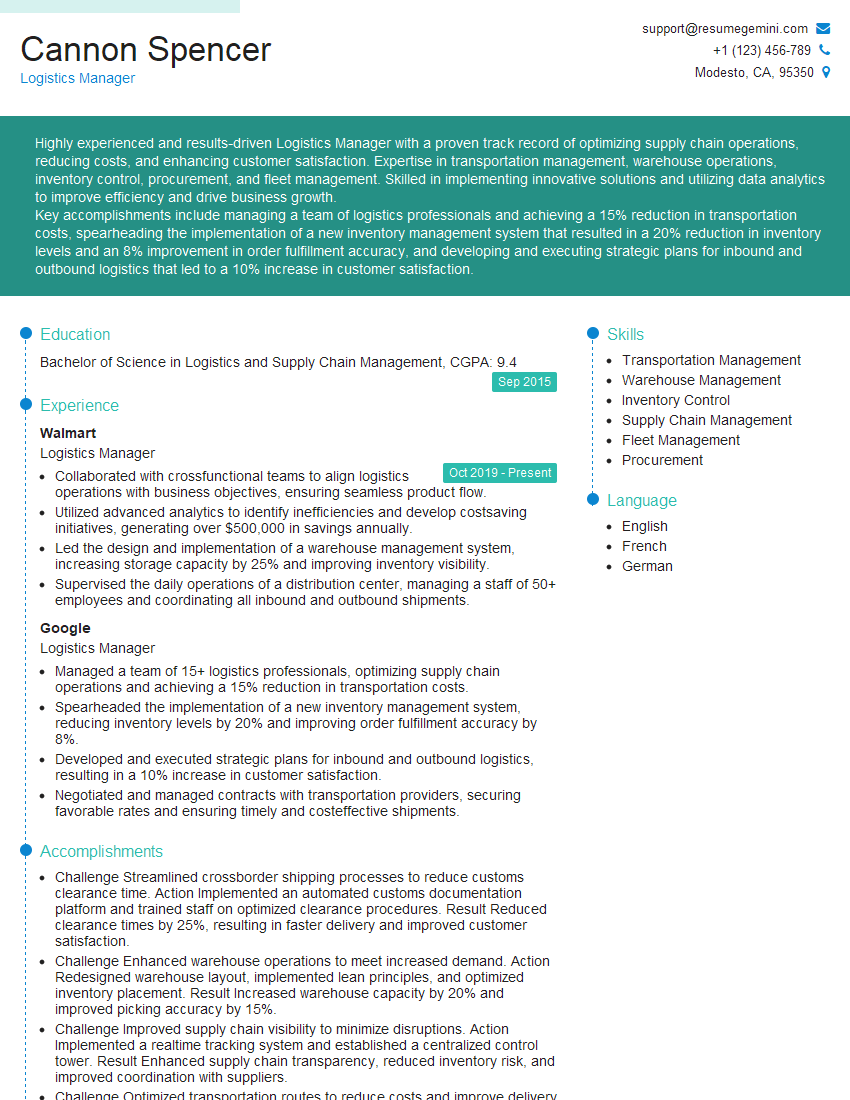
Logistics Manager Resume Sample
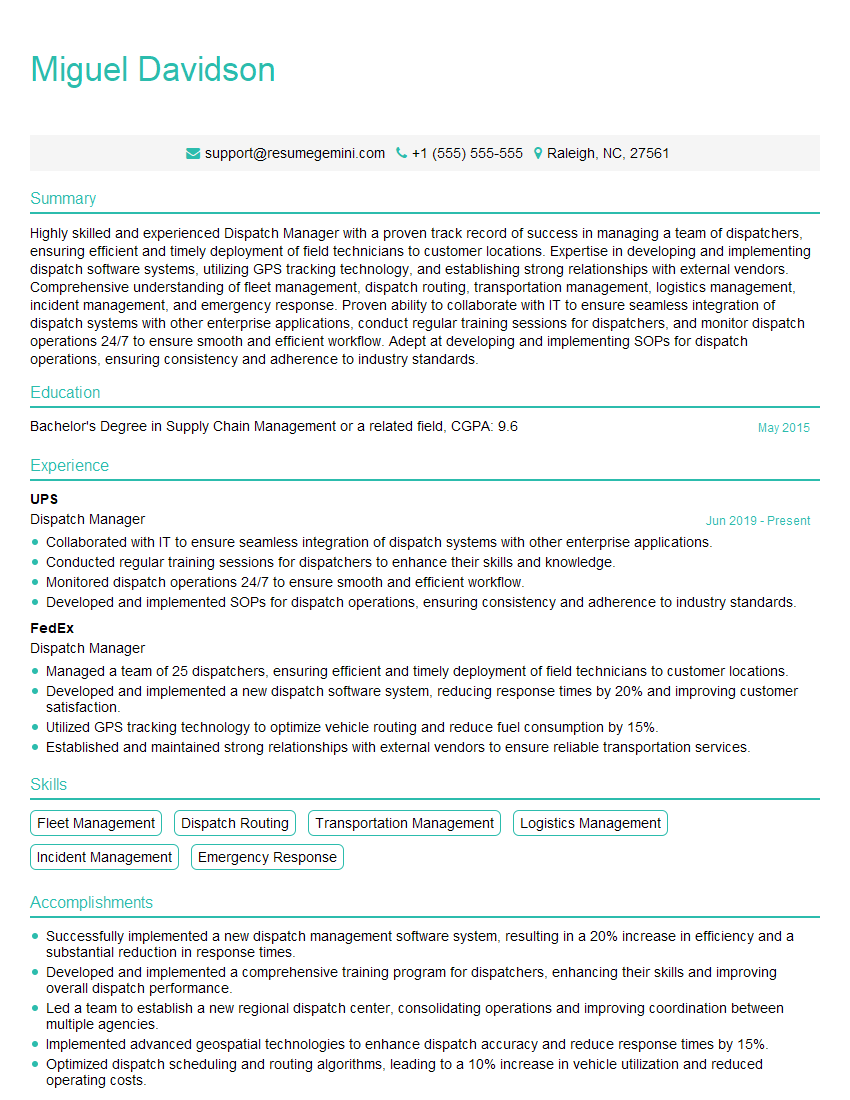
Dispatch Manager Resume Sample
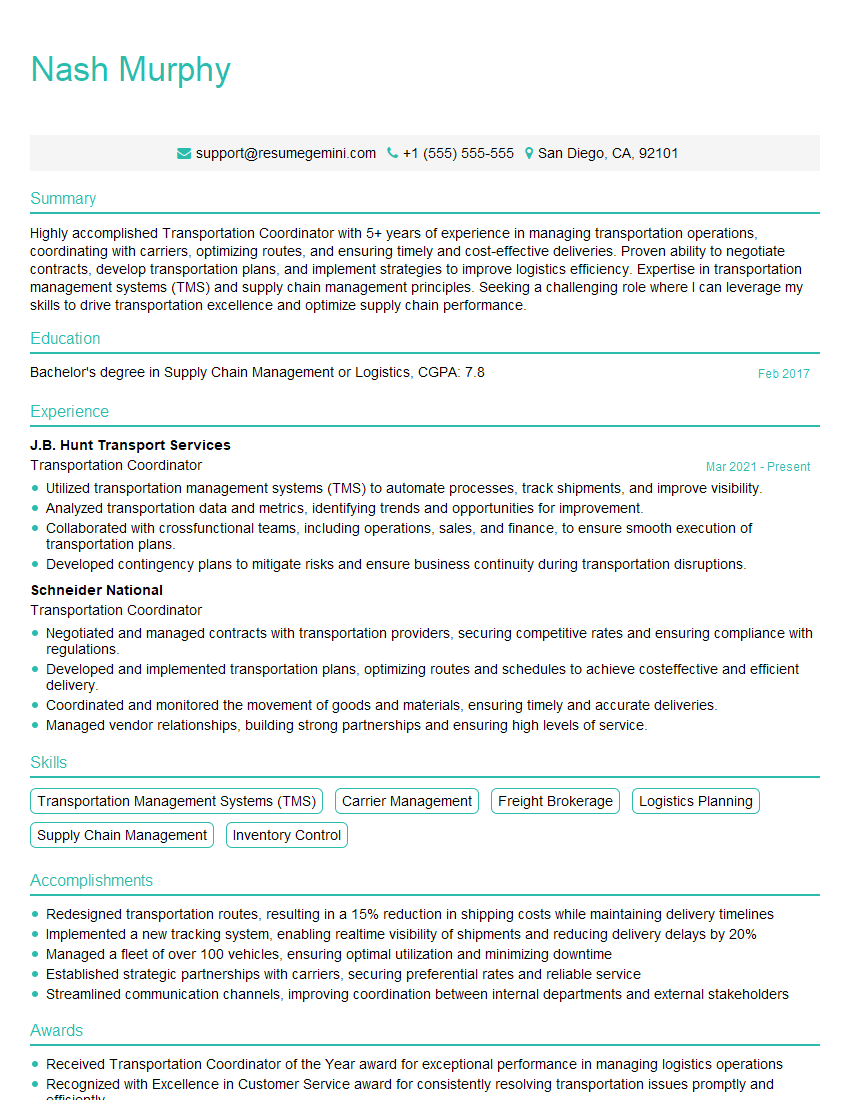
Transportation Coordinator Resume Sample
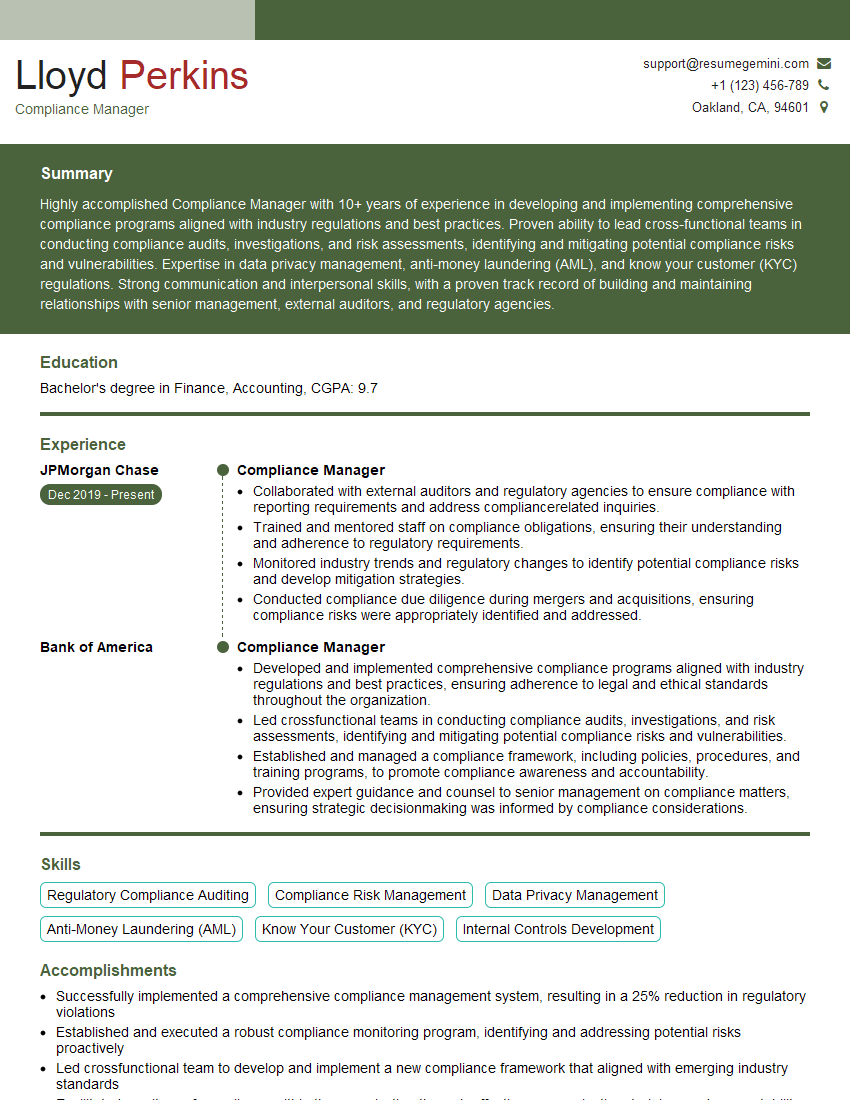
Compliance Manager Resume Sample
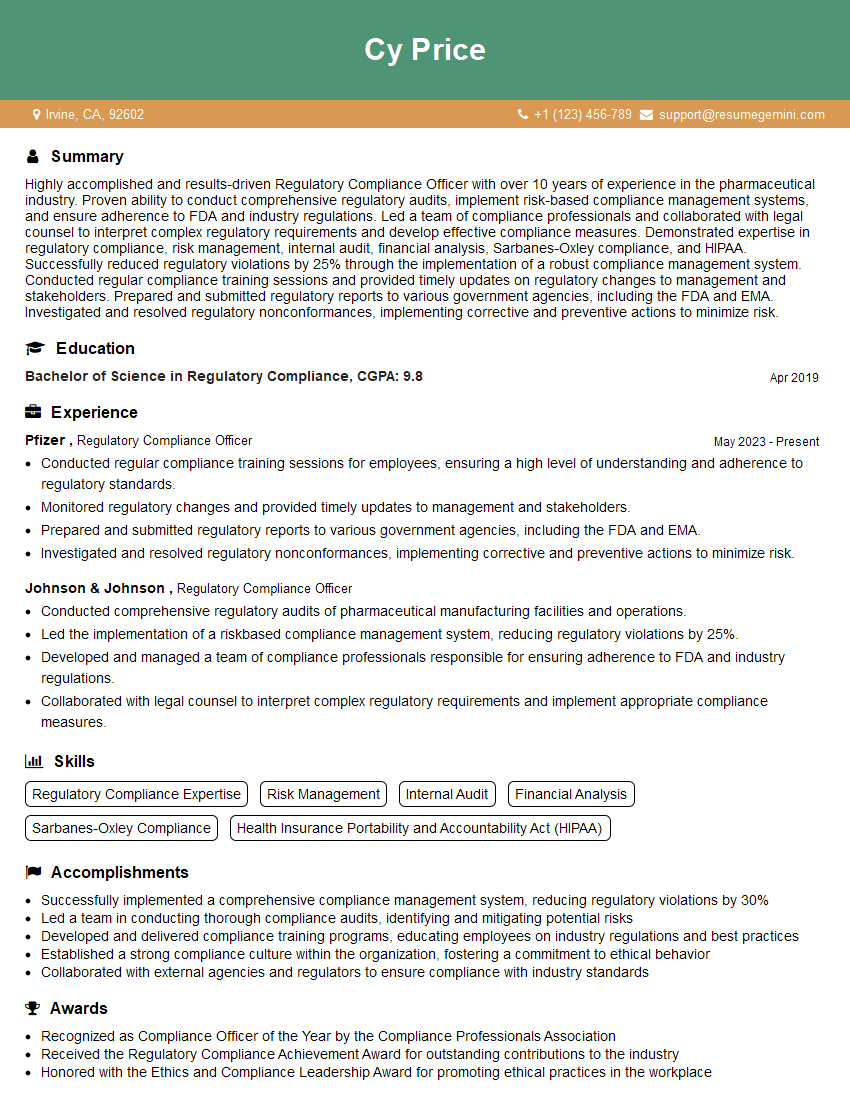
Regulatory Compliance Officer Resume Sample
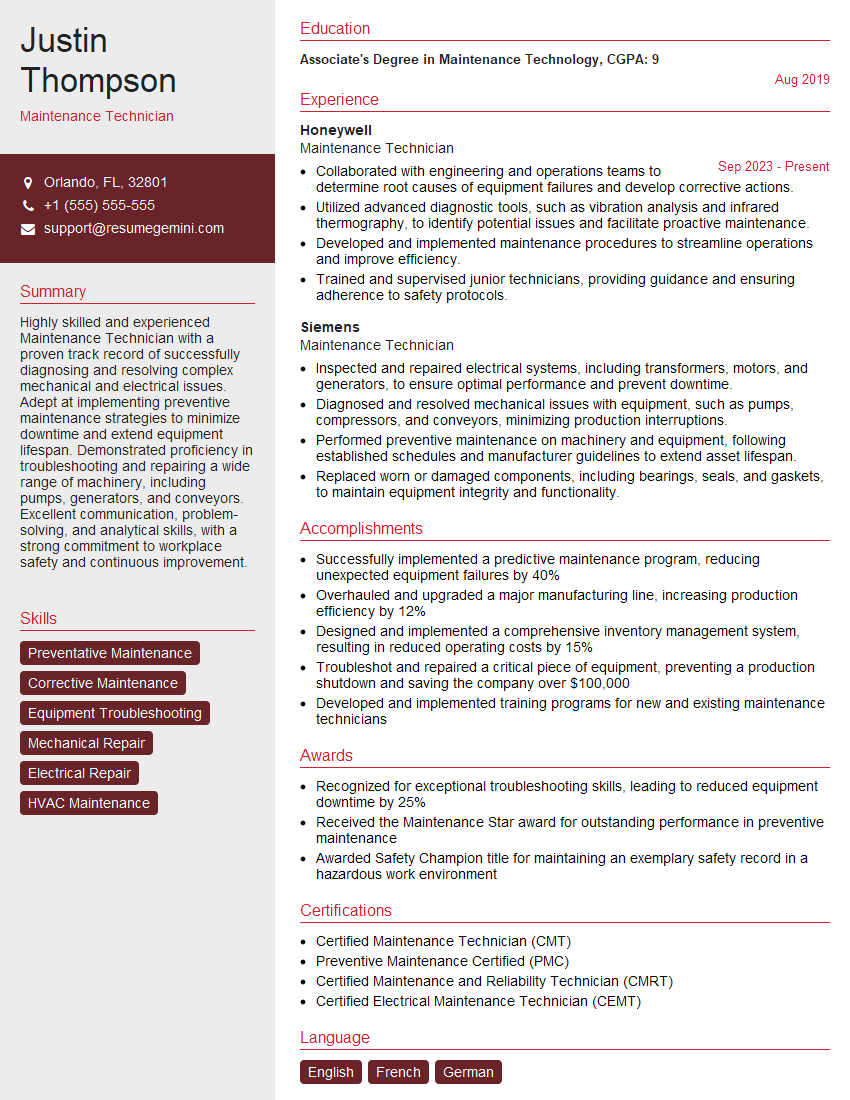
Maintenance Technician Resume Sample
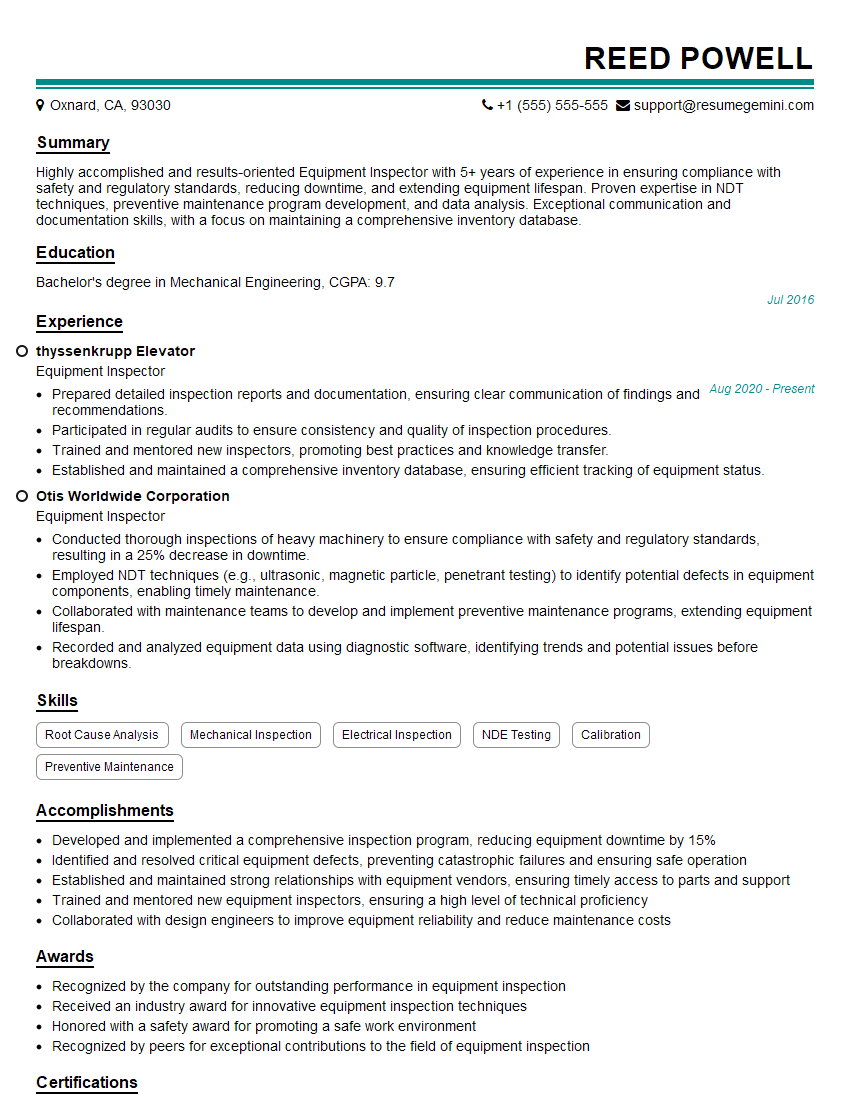
Equipment Inspector Resume Sample
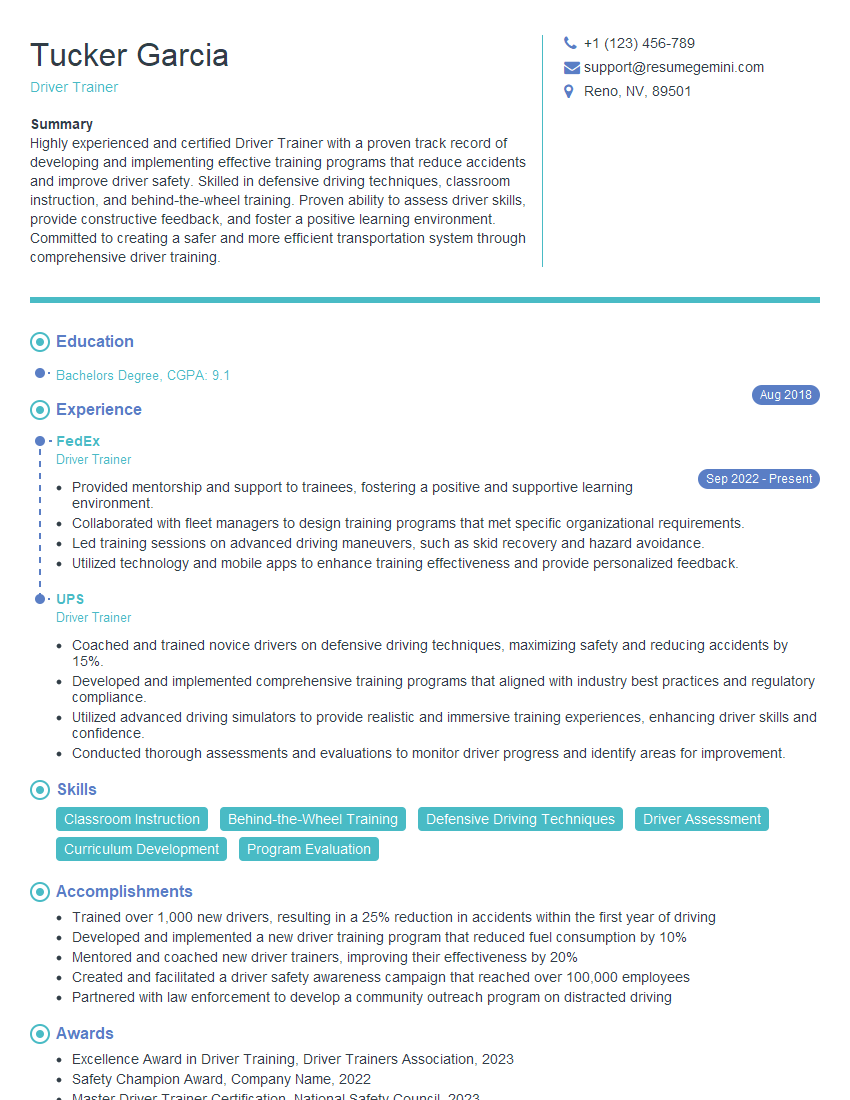
Driver Trainer Resume Sample
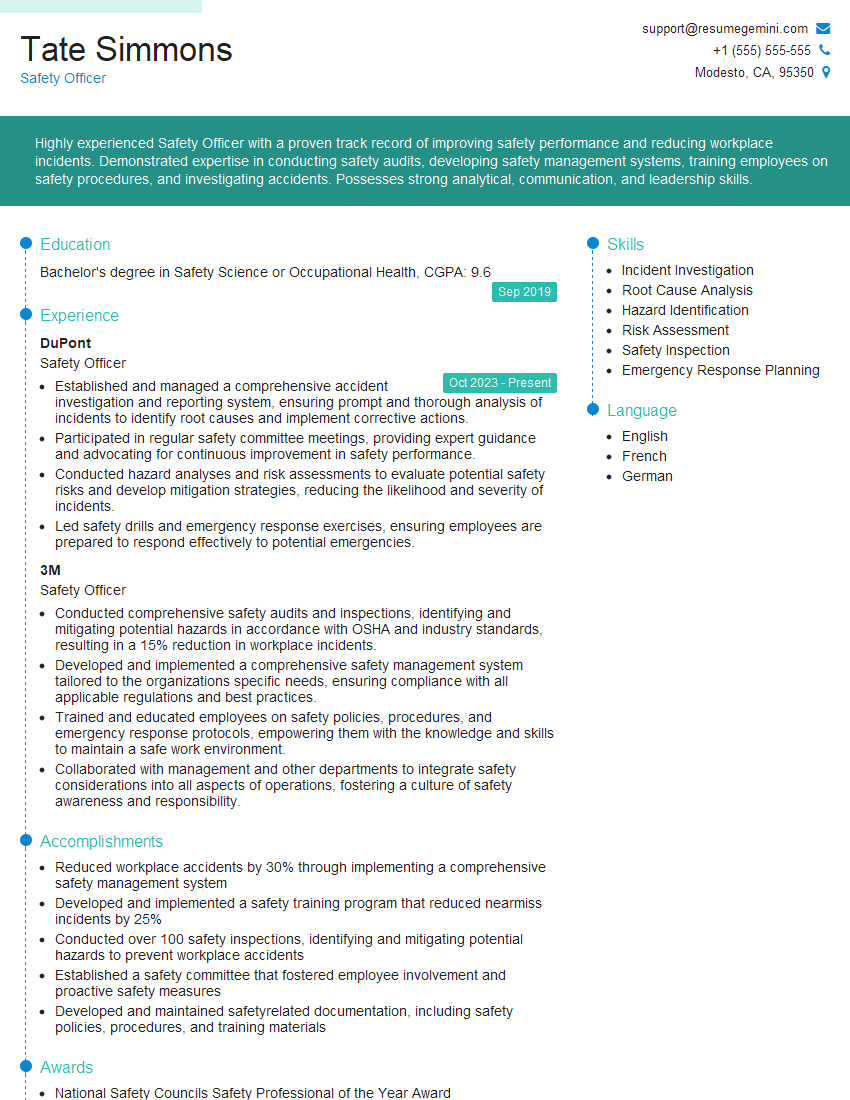
Safety Officer Resume Sample
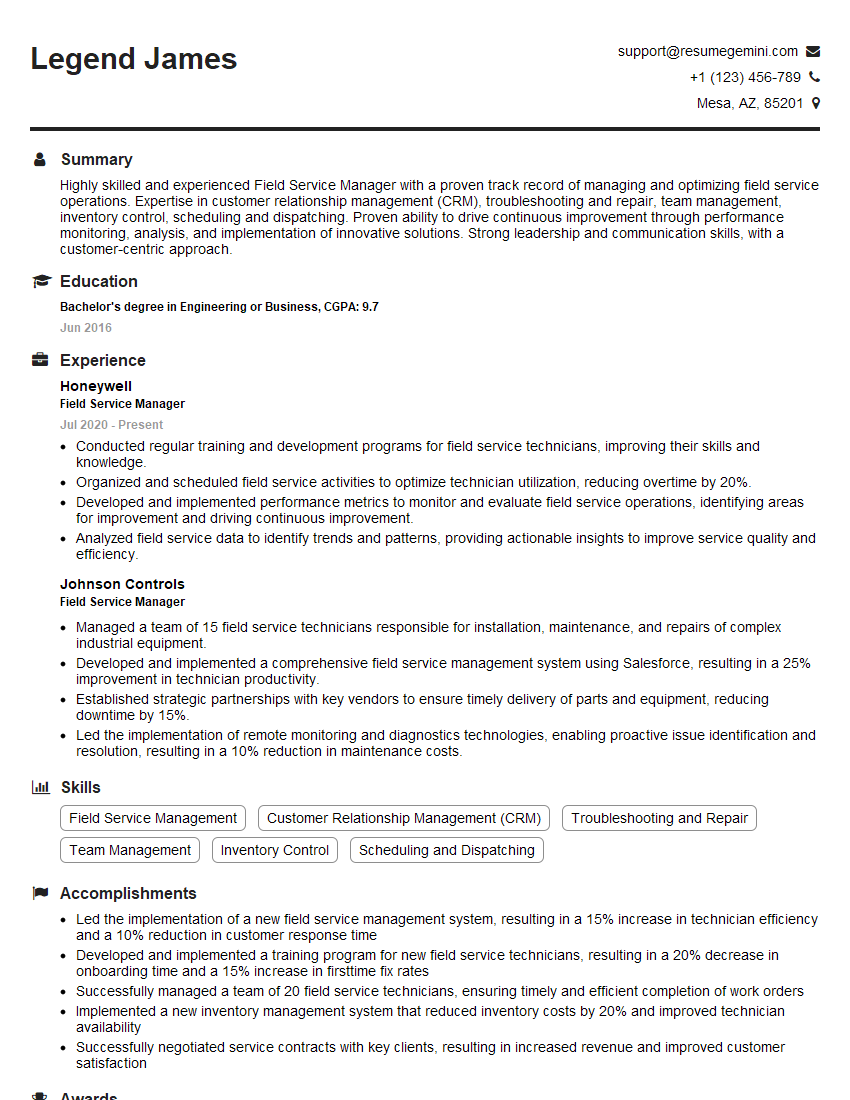
Field Service Manager Resume Sample
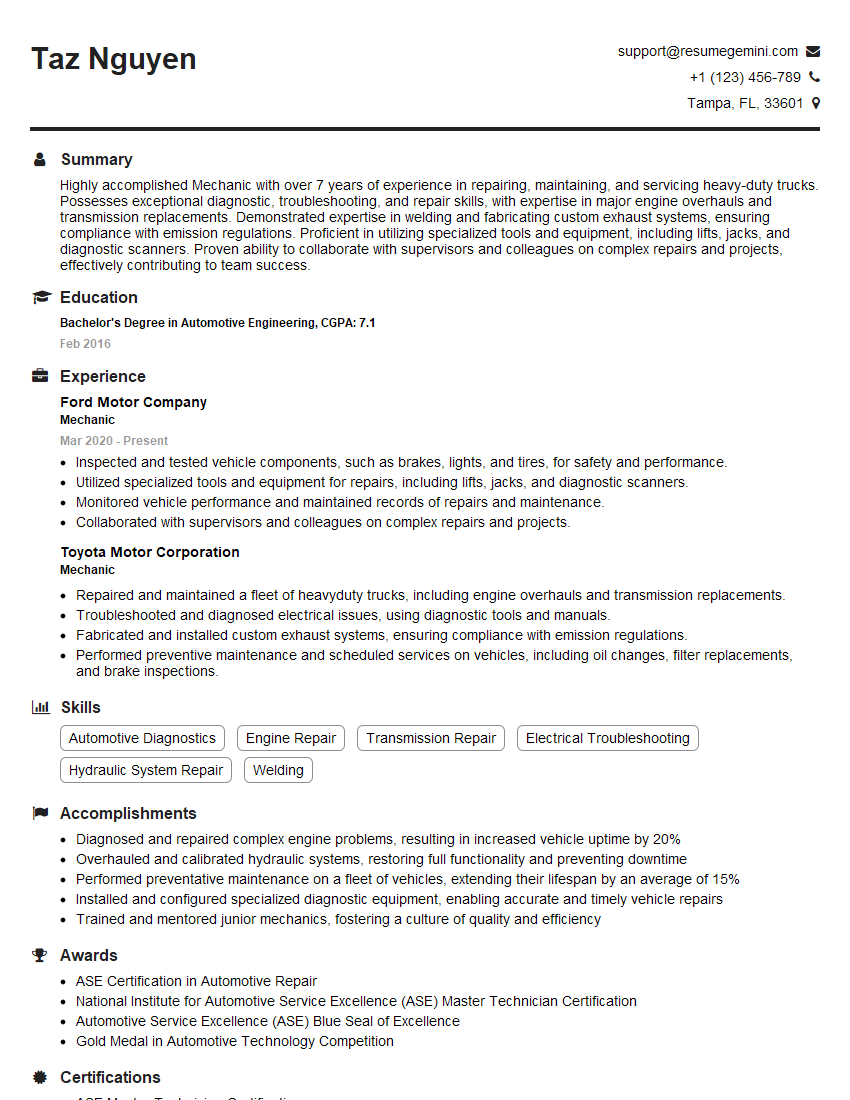
Mechanic Resume Sample
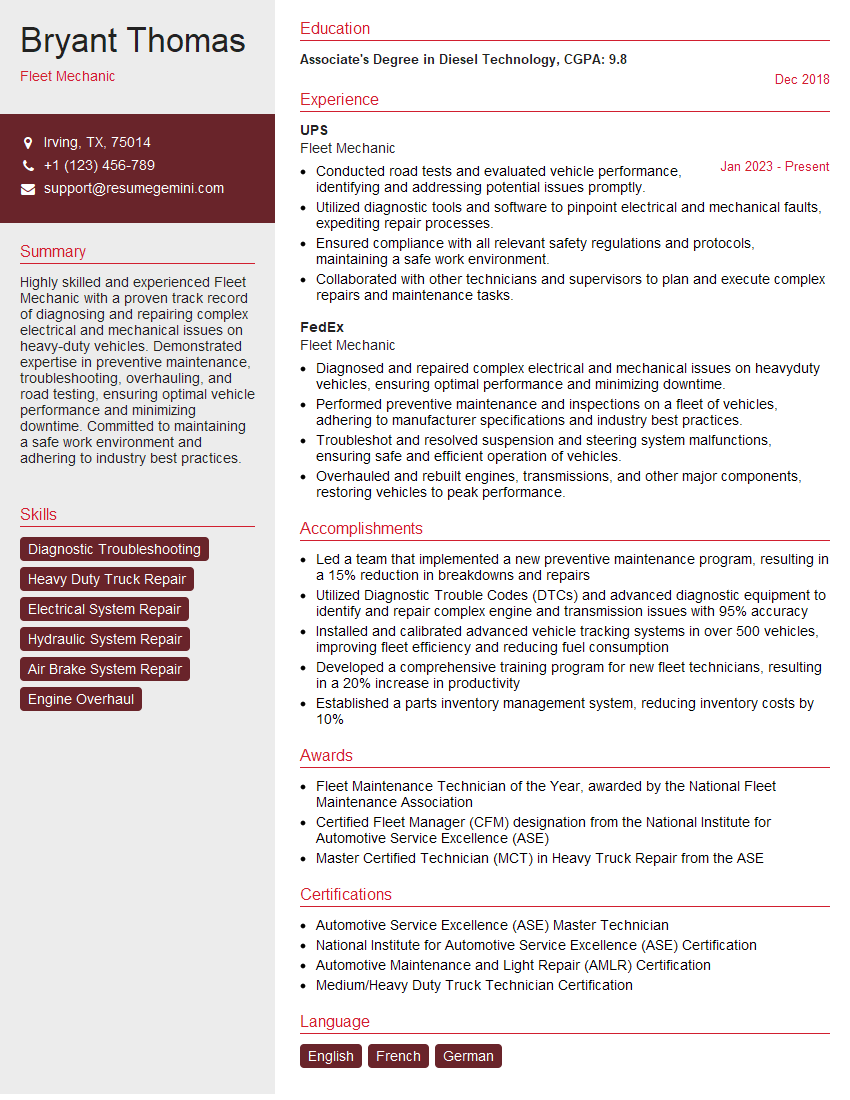
Fleet Mechanic Resume Sample
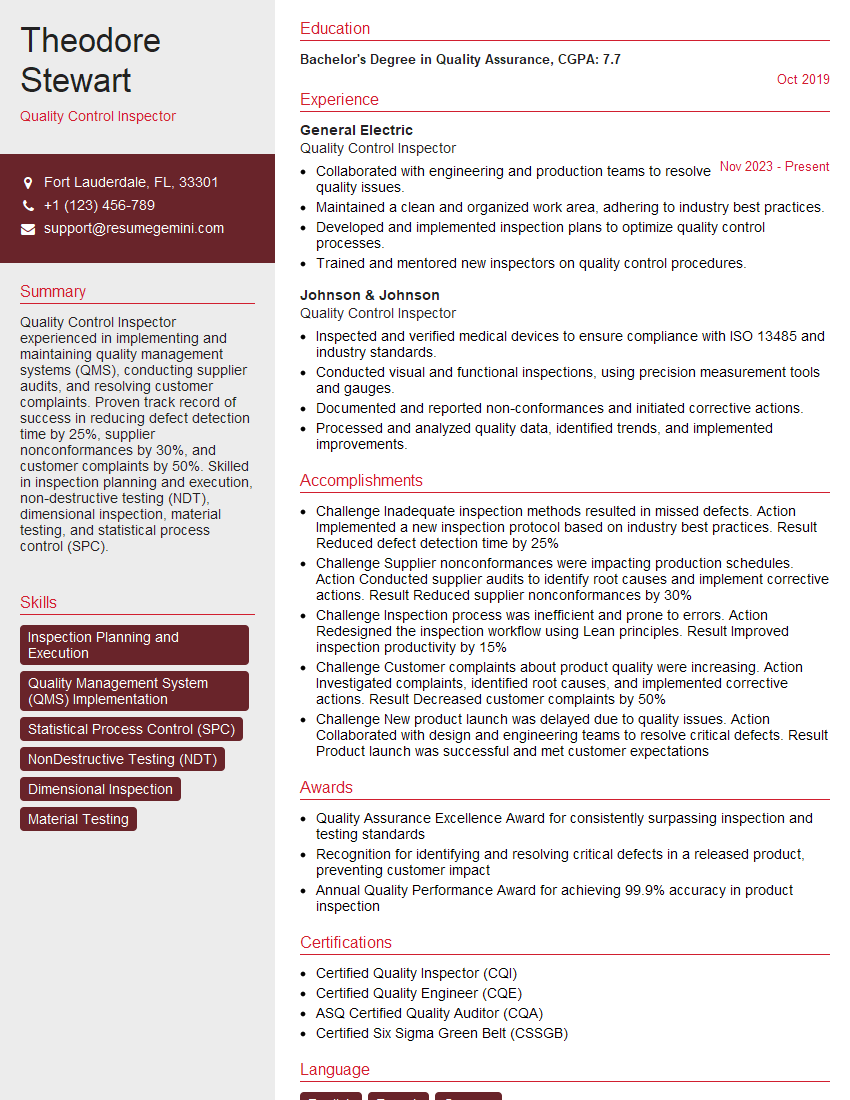
Quality Control Inspector Resume Sample
Explore more articles
Users Rating of Our Blogs
Share Your Experience
We value your feedback! Please rate our content and share your thoughts (optional).
What Readers Say About Our Blog
Very informative content, great job.
good