Interviews are more than just a Q&A session—they’re a chance to prove your worth. This blog dives into essential Poultry Behavior and Handling interview questions and expert tips to help you align your answers with what hiring managers are looking for. Start preparing to shine!
Questions Asked in Poultry Behavior and Handling Interview
Q 1. Describe the key behavioral differences between broiler and layer chickens.
Broiler and layer chickens, while both Gallus gallus domesticus, are bred for vastly different purposes, leading to distinct behavioral characteristics. Broilers, selected for rapid growth and meat production, are generally less active and more docile than layers. They spend most of their time eating and resting, exhibiting less exploration and social interaction. Layers, on the other hand, are bred for egg production and are more active, curious, and exhibit a stronger pecking order within the flock. They are more prone to exploring their environment and engaging in social behaviors like dust bathing and pecking. This difference stems from their genetic selection and physiological needs; broilers prioritize energy conservation for growth, while layers require more energy for egg production and maintaining reproductive fitness.
- Activity Level: Broilers are less active; Layers are more active and curious.
- Social Interaction: Broilers show less interaction; Layers exhibit more complex social hierarchies and interactions.
- Foraging Behavior: Broilers have less pronounced foraging instincts; Layers actively forage for food.
- Feathering: Broilers often show poor feathering due to rapid growth; Layers maintain better plumage unless stressed.
Q 2. Explain the importance of proper ventilation in managing poultry stress.
Proper ventilation is paramount in poultry management as it directly impacts bird health and welfare, significantly reducing stress. Poor ventilation leads to a buildup of ammonia, carbon dioxide, dust, and moisture, creating an unhealthy and stressful environment. Ammonia, in particular, irritates the respiratory tract, causing respiratory infections and eye problems. High carbon dioxide levels can lead to suffocation, while excessive moisture promotes the growth of harmful bacteria and fungi. Conversely, good ventilation ensures a comfortable temperature and humidity, reduces the concentration of harmful gases, and maintains air quality. This minimizes respiratory problems, reduces the incidence of disease, and improves overall bird comfort, leading to better productivity and welfare.
Imagine a stuffy, crowded room – that’s how birds feel with poor ventilation. Good ventilation is like opening a window; it allows fresh air to circulate, keeping the birds healthy and happy.
Q 3. What are the common signs of illness or distress in poultry?
Recognizing signs of illness or distress in poultry is crucial for timely intervention and preventing outbreaks. These signs can be subtle or obvious, and a keen eye is necessary for early detection. Common indicators include:
- Respiratory distress: Gasping, coughing, sneezing, nasal discharge.
- Lethargy and inactivity: Birds appear listless, ruffled, and reluctant to move or eat.
- Changes in droppings: Diarrhoea, changes in color or consistency.
- Loss of appetite: Refusal to eat or drink.
- Abnormal feathering: Ruffled feathers, feather loss, or soiled plumage.
- Limping or lameness: Difficulty walking or standing.
- Dehydration: Sunken eyes, dry mucous membranes.
- Abnormal behavior: Increased aggression, isolation, unusual vocalizations.
For example, a sudden drop in egg production in layers, coupled with increased mortality, could indicate an underlying health problem. Prompt veterinary consultation is essential upon observing these signs.
Q 4. How would you handle a flock exhibiting aggressive pecking behavior?
Aggressive pecking, often stemming from overcrowding, nutritional deficiencies, or boredom, can severely injure birds and reduce productivity. Management strategies focus on identifying and addressing the root cause. This is a multi-pronged approach:
- Increase space allowance: Reducing stocking density gives birds more personal space, lessening competition and stress.
- Dietary adjustments: Ensuring birds receive a balanced diet with sufficient nutrients helps reduce pecking behavior driven by nutritional deficiencies.
- Environmental enrichment: Providing perches, dust baths, and toys encourages natural behaviors and reduces boredom.
- Pecking order management: Carefully observing the flock and identifying the most aggressive birds. In severe cases, these birds may need to be separated or culled.
- Debeaking: A controversial but sometimes necessary method to reduce the severity of pecking; should be done by a trained professional and only as a last resort.
- Lighting adjustments: Dimming lights can reduce visual stimulation and aggression.
For instance, providing perches allows birds to express natural behaviors like roosting, redirecting their energy away from pecking. It’s crucial to address the underlying cause to prevent recurrence.
Q 5. Outline the best practices for catching and restraining poultry.
Catching and restraining poultry requires a gentle yet firm approach to minimize stress and injury to both the birds and handler. The method varies based on bird size and temperament but focuses on minimizing fear and panic:
- Approach calmly and quietly: Avoid sudden movements that could startle the bird.
- Use appropriate equipment: Gloves can protect the handler, while poultry nets or handling devices can safely restrain birds.
- Support the bird’s body: Holding them firmly but gently, supporting their legs and wings, prevents injury and reduces stress.
- Avoid squeezing or applying pressure to the breastbone: This can cause injury to internal organs.
- Minimize handling time: Handle the bird only as long as necessary for the task at hand.
- Handle birds individually: Avoid creating stressful pile-ups.
For example, when catching a broiler chicken, gently scooping it up under its abdomen, supporting its weight, is gentler than trying to grab it by its legs or wings. Practice makes perfect, and learning the correct techniques is key to minimizing stress and injury.
Q 6. What are the ethical considerations involved in poultry housing and handling?
Ethical considerations in poultry housing and handling are paramount. Farmers have a responsibility to ensure the birds’ welfare throughout their lives, adhering to high standards of humane treatment. Key ethical principles include:
- Providing sufficient space and environmental enrichment: Birds need enough room to move freely and express natural behaviors.
- Maintaining good hygiene and biosecurity: Preventing disease and minimizing suffering through cleanliness and preventative measures.
- Minimizing pain and distress: Implementing humane methods for catching, handling, and transportation.
- Ensuring access to fresh water and nutritious feed: Meeting the birds’ basic physiological needs.
- Providing adequate ventilation and climate control: Creating a comfortable environment that reduces stress.
- Implementing appropriate disease prevention and treatment: Preventing suffering through proper veterinary care.
- Using humane methods for culling: Minimizing pain and distress in the euthanasia process.
For instance, the use of beak trimming should only be undertaken when absolutely necessary and under the guidance of a veterinarian, as it is a painful procedure if not done correctly. Ethical poultry farming promotes sustainable and responsible practices that prioritize animal welfare.
Q 7. Describe different methods for reducing stress during poultry transportation.
Reducing stress during poultry transportation is critical for maintaining bird health and welfare. Strategies focus on minimizing environmental stressors and ensuring a smooth journey:
- Proper loading and unloading: Gentle handling to avoid injuries and panic during loading and unloading.
- Adequate ventilation: Maintaining fresh air circulation within the vehicle to prevent overheating and the build-up of harmful gases.
- Appropriate stocking density: Avoiding overcrowding to prevent injury and stress.
- Temperature control: Maintaining a comfortable temperature within the vehicle to prevent heat stress or hypothermia.
- Minimizing journey time: Shortening transportation time reduces overall stress.
- Providing water: Access to water during transport, especially during longer journeys.
- Avoid sudden stops and starts: Smooth driving reduces stress caused by sudden movements.
- Using appropriate vehicles: Vehicles specifically designed for poultry transport provide better climate control and protection.
For example, providing adequate ventilation prevents the build-up of ammonia, reducing respiratory stress. Careful planning and execution of transportation are essential for minimizing stress and improving bird welfare.
Q 8. How do you identify and address cannibalism in a poultry flock?
Cannibalism in poultry flocks is a serious welfare issue and a significant economic threat, resulting in reduced productivity and increased mortality. Identifying it early is crucial. We look for signs like feather pecking, which can progress to more severe injuries such as bleeding, wounds, and even death. Early signs often involve picking at vent feathers or toes. We examine the birds closely for any injuries, focusing on the heads, backs, and wings. The birds exhibiting cannibalistic behavior often have a frenzied look in their eyes and may exhibit intense aggression.
Addressing the problem requires a multi-pronged approach. First, we identify and remove severely injured birds to prevent further attacks. Next, we investigate the root cause. This might involve checking for nutritional deficiencies (particularly protein and trace minerals), overcrowding, poor ventilation leading to stress, or even lighting issues. Improper lighting, such as excessive brightness or an uneven distribution of light, can exacerbate the problem.
Specific management strategies include dimming the lights (reducing overall intensity), providing adequate space for birds, optimizing the flock’s nutrition by supplementing essential minerals and vitamins, and using pecking order-breaking techniques such as beak trimming or the use of pecking inhibitors. Finally, we’ll improve the overall flock environment; this might include enriching the environment (discussed further in question 2). The goal is to address the underlying stressors and create a calmer, less competitive environment.
Q 9. Explain the role of enrichment in improving poultry welfare.
Enrichment in poultry farming is essential for improving welfare and reducing stress, ultimately leading to better productivity and healthier birds. It’s about providing birds with opportunities to express their natural behaviors. Think of it like providing a stimulating environment that mimics their natural habitat as much as possible within the confines of a farm setting. A barren, uninteresting environment can lead to boredom and frustration, which can manifest as pecking orders and other negative behaviors.
- Environmental Enrichment: This includes providing access to substrates like wood shavings or straw for dust bathing, perches at different heights for roosting and social interaction, and foraging materials (like scattered feed or small toys) to encourage natural foraging behaviors.
- Social Enrichment: Providing sufficient space for birds to interact normally and minimize competition over resources is key. Avoiding overly crowded conditions is critical.
- Sensory Enrichment: This can involve introducing novel objects or sounds to stimulate their senses, such as different colored objects or soft music. Always monitor the response of the birds to ensure the enrichment isn’t causing stress or fear.
For example, I once worked on a farm where adding simple perches significantly reduced feather pecking and cannibalism. The birds were able to engage in more natural roosting behavior, reducing their time spent in close proximity and alleviating stress.
Q 10. What are the potential consequences of improper poultry handling?
Improper handling of poultry can have severe consequences, ranging from reduced bird welfare to potential economic losses and even legal ramifications. Rough handling causes stress, fear, and physical injuries, leading to reduced egg production, decreased weight gain, and impaired immune function. Injuries can range from bruises, broken bones, and wing damage to internal organ injuries. Bruising and stress also make the birds more susceptible to disease. This can potentially lead to outbreaks that might need a costly culling procedure and even impact other flocks.
Specific examples of improper handling include grabbing birds by their wings or legs, dropping them, rough shaking, excessive pressure during restraint, and failing to maintain hygiene during handling. Always remember to handle poultry gently and calmly, using appropriate techniques such as holding them securely near the wings and close to the body for minimal stress. Proper training on appropriate handling techniques for all farm workers is paramount.
Q 11. How would you respond to a sudden increase in poultry mortality?
A sudden increase in poultry mortality is a critical situation demanding immediate and thorough investigation. The first step is to quickly identify and isolate any affected birds to prevent further spread of disease. A detailed post-mortem examination should be performed on a sample of the deceased birds by a qualified veterinarian to identify the cause of death. Laboratory testing may be necessary to rule out infectious diseases.
Simultaneously, we assess environmental factors, including temperature, humidity, ventilation, and feed and water quality, looking for any deviations from the norm. It’s also important to review recent changes in the farm’s practices, such as new feed or vaccination programs. Keeping meticulous records is crucial in tracking down the possible causes and preventing future incidents. We might also collect samples of feed, water, and litter for analysis. Once the cause is determined, implementing appropriate control measures, such as medication, biosecurity enhancements, or adjustments to environmental conditions is crucial to curb the mortality rate. Immediate notification to relevant authorities and maintaining transparency regarding the outbreak is also critical.
Q 12. Describe your experience with different poultry housing systems.
My experience encompasses a variety of poultry housing systems, each with its own advantages and disadvantages. I’ve worked extensively with conventional caged systems, floor systems (both deep litter and slatted floors), and aviary systems.
- Conventional Cages: Offer good protection from predation and disease, and allow for efficient feed and waste management. However, these systems limit birds’ natural behaviors and can lead to welfare concerns related to space restriction and lack of environmental enrichment.
- Floor Systems: Provide more space and allow for natural behaviors like dust bathing and foraging. Deep litter systems require more intensive labor for manure removal, while slatted floors are easier to clean but can pose welfare issues related to leg health if not properly managed.
- Aviary Systems: Combine aspects of floor and cage systems. They provide birds with more space and opportunities for natural behaviors than conventional cages while still allowing for reasonable disease control and feed management. However, they can be more complex to manage.
The choice of system depends on several factors, including bird type, production goals, available resources, and ethical considerations regarding bird welfare. The optimal system is one that balances productivity with the ethical treatment of the birds and environmental sustainability.
Q 13. What are the signs of heat stress in poultry and how would you mitigate it?
Heat stress is a serious threat to poultry, significantly impacting their productivity and welfare. The birds exhibit several behavioral and physiological signs including increased respiration rate (panting), decreased feed intake, reduced egg production, and increased water consumption. They may become lethargic and exhibit ruffled feathers, clustering together in an attempt to find relief from the heat.
Mitigating heat stress requires a proactive approach. First, we closely monitor environmental conditions, ensuring proper ventilation and minimizing direct sunlight exposure. This might include using shade cloths over the poultry house or employing evaporative cooling systems. Adjusting the flock density can also be crucial, giving the birds more space for air circulation. Regularly checking and cleaning water lines is equally important. Ensuring adequate water access and ensuring it’s cool and clean is vital. A diet rich in electrolytes can help replenish the electrolytes lost during heat stress. In severe cases, misting or spraying the birds with cool water may be necessary; however, this must be managed carefully to avoid chilling.
Q 14. Explain the impact of lighting on poultry behavior and productivity.
Lighting plays a critical role in regulating poultry behavior and productivity. It significantly influences their activity patterns, reproductive performance, and overall health. Light duration (photoperiod) and intensity are key factors.
Photoperiod: Manipulating the light cycle, or photoperiod, can be used to stimulate egg production. Longer photoperiods, meaning more hours of light per day, can increase egg laying in laying hens. However, very long periods of light can also increase stress. This needs to be balanced.
Light Intensity: The intensity of the light can affect bird activity and feeding behavior. Lower intensity can reduce stress in birds, which might be important during peak heat conditions, while brighter light can stimulate increased feed intake.
Improper lighting can lead to poor health, reduced egg production, feather pecking, and other welfare issues. Therefore, maintaining an optimized light cycle and intensity throughout the production cycle is important. The specifics would depend on the bird’s breed and age, and the production goal. In practice, I use light programs that are carefully calibrated to the age and breed of the birds. It’s a delicate balance between maximizing productivity and ensuring the welfare of the birds.
Q 15. What are the biosecurity measures to prevent disease spread in poultry farms?
Biosecurity in poultry farming is paramount to preventing disease outbreaks. It’s like creating a fortress around your flock to keep out unwanted invaders – diseases and parasites. This involves a multi-layered approach, focusing on preventing the introduction, spread, and establishment of disease agents.
- Isolation and Quarantine: Newly arrived birds should be kept separate from the main flock for at least two weeks to observe for any signs of illness. Think of it as a strict immigration policy for your poultry population.
- Hygiene and Sanitation: Regular cleaning and disinfection of the farm, equipment, and vehicles are crucial. Imagine it as giving your farm a thorough spring cleaning, but on a daily or weekly basis, using appropriate disinfectants.
- Rodent and Pest Control: Rodents and insects can carry diseases. Regular monitoring and control measures are essential, just like protecting your home from unwelcome intruders.
- Traffic Control: Limiting access to the farm to authorized personnel only helps control the spread of pathogens. This is like implementing a strict security check at the entrance to your fortress.
- Personal Protective Equipment (PPE): Farm workers should wear appropriate protective clothing, including overalls, boots, and gloves, preventing contamination from carrying pathogens from one area to another, acting like a protective suit in a hazardous environment.
- Waste Management: Proper disposal of manure and dead birds prevents disease spread. Think of it as correctly disposing of waste to avoid contaminating the environment.
- Vaccination Programs: Implementing a comprehensive vaccination schedule protects the flock against common poultry diseases. This is akin to giving your flock a preventive health shot.
Effective biosecurity practices are not merely procedures; they are a culture of vigilance and cleanliness, vital for the health and profitability of a poultry farm.
Career Expert Tips:
- Ace those interviews! Prepare effectively by reviewing the Top 50 Most Common Interview Questions on ResumeGemini.
- Navigate your job search with confidence! Explore a wide range of Career Tips on ResumeGemini. Learn about common challenges and recommendations to overcome them.
- Craft the perfect resume! Master the Art of Resume Writing with ResumeGemini’s guide. Showcase your unique qualifications and achievements effectively.
- Don’t miss out on holiday savings! Build your dream resume with ResumeGemini’s ATS optimized templates.
Q 16. Describe your experience with different poultry breeds and their specific needs.
My experience spans various poultry breeds, from the prolific egg-laying White Leghorns to the meat-focused Cornish Cross. Each breed presents a unique set of needs and characteristics.
- White Leghorns: These birds are renowned for their high egg production but require specialized diets and housing to maintain peak performance. Their light body weight makes them susceptible to cold weather conditions and requires extra care to avoid stress.
- Cornish Cross: These are fast-growing broiler birds, demanding high-quality feed and appropriate space to prevent overcrowding and leg problems. Their rapid growth rate means close monitoring for health issues is critical.
- Rhode Island Reds: A dual-purpose breed known for both egg-laying and meat production, Rhode Island Reds are relatively hardy but require balanced nutrition and adequate space. They are quite adaptable to various housing conditions.
Understanding the specific requirements of each breed, from their nutritional needs to their environmental sensitivities, is essential for ensuring their optimal health and productivity. For example, the feeding strategy for a layer breed differs greatly from that of a broiler breed. Layers require a calcium-rich diet to support shell formation, while broilers need a protein-rich diet to support muscle growth. Ignoring these breed-specific needs would result in reduced productivity and potential health problems.
Q 17. How do you assess the overall welfare of a poultry flock?
Assessing poultry welfare involves a holistic approach, looking at several key indicators. It’s about ensuring the birds are healthy, comfortable, and free from undue stress and suffering.
- Physical Condition: This includes examining their plumage, body condition, and observing for any signs of injuries, diseases, or parasites. A healthy bird will have bright eyes, smooth feathers, and a good body weight.
- Behavior: Observing bird behavior provides valuable insights. Active, alert birds foraging and interacting normally are a good sign. Lethargy, isolation, or unusual vocalizations can indicate underlying issues.
- Environmental Factors: The environment plays a vital role. I assess factors such as adequate space, appropriate temperature and ventilation, and the cleanliness of housing. Overcrowding, poor ventilation, and extreme temperatures can negatively impact welfare.
- Mortality Rates: Higher-than-normal mortality rates can be a significant indicator of welfare problems.
Regular monitoring and recording of these parameters are crucial for early detection of any potential welfare concerns. A detailed observation protocol, combined with regular veterinary checks, ensures that any issues are identified and addressed promptly, leading to improved poultry health and productivity.
Q 18. What are your strategies for preventing and controlling disease in poultry?
Disease prevention and control in poultry relies on a comprehensive strategy that encompasses biosecurity, vaccination, and prompt treatment of any sick birds. Proactive measures are key to preventing outbreaks.
- Vaccination: A well-planned vaccination program targeting common diseases is crucial. The specific vaccines used will depend on the prevalent diseases in the region and the age of the birds.
- Biosecurity: Stringent biosecurity measures (as described in answer 1) are fundamental to controlling the entry and spread of diseases.
- Early Detection: Regular health monitoring allows for early detection of disease outbreaks. This might involve daily checks for sick or dead birds, observing their behavior and droppings, and performing routine mortality checks. Early identification allows for immediate quarantine and treatment, minimizing the impact on the flock.
- Veterinary Consultation: Seeking professional veterinary advice is crucial when suspected diseases are detected. A veterinarian can accurately diagnose the disease, recommend treatment, and provide guidance on preventing further spread.
- Hygiene: Maintaining high standards of hygiene throughout the farm, from cleaning and disinfecting housing and equipment to proper waste disposal, is vital in minimizing the risk of disease.
- Quarantine: Implementing strict quarantine protocols for newly introduced birds helps prevent the introduction of new diseases to the flock.
My approach is always proactive, emphasizing prevention through good management practices rather than reactive treatment once an outbreak occurs. Early detection is crucial in limiting the economic and welfare impacts of disease outbreaks.
Q 19. How would you handle a situation where a bird is injured?
Handling an injured bird requires a calm and efficient approach prioritizing the bird’s safety and well-being. The first step is assessing the severity of the injury.
- Isolate the bird: Gently separate the injured bird from the rest of the flock to prevent further injury or stress. This is important to avoid pecking from other birds which could exacerbate the situation.
- Assess the injury: Carefully examine the bird to determine the nature and extent of the injury. If it’s a minor injury like a cut, cleaning and bandaging may suffice. More serious injuries necessitate veterinary intervention.
- Provide appropriate care: Based on the assessment, provide immediate care. This might include cleaning wounds, administering pain relief, providing a quiet and comfortable space, or providing special food and water.
- Veterinary Consultation: For serious injuries such as broken bones or severe internal injuries, a veterinarian’s expertise is needed. Prompt veterinary intervention improves the chances of recovery.
- Monitor the bird: Closely monitor the bird’s condition post-treatment or injury. Watch for signs of infection, lack of appetite, or worsening of symptoms. This ongoing monitoring provides essential feedback on the success of the treatment and informs any necessary adjustments.
Documentation is crucial, recording the nature of the injury, the treatment administered, and the bird’s response to care. This record-keeping aids in future management decisions and contributes to overall flock health management.
Q 20. Explain the importance of record-keeping in poultry management.
Record-keeping is the backbone of effective poultry management. It provides a detailed history of the flock, facilitating informed decision-making and improving efficiency. Think of it as the farm’s memory, preserving vital information for future reference.
- Production Records: These records track egg production, feed consumption, mortality rates, and weight gain. They provide valuable data for analyzing productivity and identifying areas for improvement. For example, sudden drops in egg production might highlight a nutritional deficiency or disease outbreak.
- Health Records: Detailed records of disease outbreaks, vaccinations, and treatments are crucial. This information is essential for tracking disease trends, implementing preventative measures, and responding effectively to future outbreaks. It’s like a medical history for the flock.
- Financial Records: Tracking income, expenses, and profits helps in managing the farm’s financial health and making informed business decisions. Detailed financial reporting will highlight profitable areas and areas for cost control.
- Environmental Monitoring: Recording temperature, humidity, and ventilation data provides insights into the environmental conditions within the poultry house. This data can help in optimizing the environment to improve bird welfare and production.
Maintaining accurate and up-to-date records is essential for efficient farm management, disease control, and overall profitability. Regular analysis of this data allows for proactive adjustments and improvements to farm operations.
Q 21. What are the common causes of feather pecking in poultry?
Feather pecking is a serious welfare issue in poultry, often leading to significant damage and even death. It’s a complex problem with multiple contributing factors.
- Nutritional Deficiencies: Diets lacking in essential nutrients, particularly protein and certain vitamins and minerals, can lead to feather pecking. Think of it as a result of the bird’s body trying to compensate for the missing nutrients.
- Genetics: Certain breeds and lines seem more susceptible to feather pecking than others. This indicates a genetic component to the behavior.
- Overcrowding and Stress: Crowded conditions increase competition for resources and can increase stress levels, making birds more prone to pecking each other.
- Boredom and Lack of Enrichment: Birds in monotonous environments with limited opportunities for foraging or exploration may resort to feather pecking out of boredom or frustration.
- Parasites: The presence of parasites like lice can cause birds to peck at their own feathers or those of their flockmates in an attempt to alleviate itching.
- Social Hierarchy and Pecking Order: Feather pecking can be a manifestation of the establishment of social dominance within the flock, with dominant birds pecking subordinate birds. This pecking order can escalate quickly, leading to widespread pecking.
Effective management strategies involve addressing these factors. This includes ensuring balanced nutrition, providing adequate space, environmental enrichment, and prompt parasite control. In some cases, selective breeding for reduced feather pecking behavior may also be considered.
Q 22. Describe your experience with poultry vaccination protocols.
Poultry vaccination protocols are crucial for preventing disease outbreaks and maintaining flock health. My experience encompasses a wide range of vaccines, administered via various routes depending on the specific disease and bird age. For example, we use a spray vaccination for Newcastle disease in chicks, which is highly efficient and reduces stress compared to individual injections. For older birds, we might utilize subcutaneous or intramuscular injections for diseases like Infectious Bursal Disease (IBD) or Avian Influenza, following strict aseptic techniques to minimize contamination and adverse reactions.
I’m proficient in maintaining detailed vaccination records, including batch numbers, expiration dates, and bird identification, ensuring traceability and compliance with regulatory standards. We also track vaccine efficacy through serological testing to monitor herd immunity and adjust our protocols accordingly. For example, if antibody titers are lower than expected, we might adjust the vaccination schedule or consider alternative vaccine brands. Finally, effective vaccination management includes proper vaccine storage and handling to maintain potency. This involves utilizing appropriate refrigeration and ensuring that vaccines are administered within their recommended temperature range.
Q 23. How do you implement a humane slaughter procedure for poultry?
Humane slaughter is paramount in my work. We strictly adhere to guidelines emphasizing minimizing stress and pain for the birds. This starts with proper handling, avoiding overcrowding and rough treatment during transportation and pre-slaughter holding. The process involves controlled stunning using methods approved in our region, such as electrical stunning or controlled atmosphere stunning (CAS), to render the birds insensible to pain before bleeding. This ensures a quick and painless death, reducing suffering and improving meat quality. After stunning, we rapidly bleed the birds using sharp, clean instruments to minimize suffering. Post-mortem inspection ensures the process meets all standards, including proper bleeding and cleanliness.
Regular training for all personnel is crucial to maintain consistently humane practices. We use video demonstrations, hands-on training, and regular audits to ensure everyone understands and complies with our humane slaughter protocols. We constantly look for ways to improve efficiency and minimize stress on the birds, perhaps by making adjustments to the equipment or the flow of the process. The goal is to ensure the entire process adheres to the highest standards of animal welfare.
Q 24. How would you train new employees on proper poultry handling techniques?
Training new employees on proper poultry handling techniques is a multi-stage process. It begins with classroom instruction covering the basics of poultry biology, behavior, and stress recognition. We emphasize the importance of gentle handling, avoiding sudden movements or loud noises. Next, practical hands-on training is provided, supervised by experienced staff. This involves demonstrating correct techniques for catching, restraining, and transporting birds, ensuring they understand how to minimize stress and potential injury to both themselves and the birds.
We utilize videos and demonstrations to show proper techniques for handling birds of different ages and sizes, and stress the importance of maintaining cleanliness and hygiene to prevent the spread of disease. Ongoing mentorship and regular assessments ensure they are competent and comfortable handling poultry safely and humanely. Continuous monitoring and feedback are crucial, ensuring that best practices are consistently maintained.
Q 25. Describe your experience with different poultry feeding systems.
My experience includes various poultry feeding systems, from simple trough feeders to automated systems. Trough feeders are suitable for smaller flocks but require more manual labor for filling and cleaning. Automated systems, like chain feeders or pan feeders, are more efficient for large-scale operations, delivering feed evenly and reducing waste. We’ve also used computer-controlled feeding systems that precisely manage feed distribution based on the birds’ age and needs, optimizing feed efficiency and growth.
Each system has its advantages and disadvantages. For instance, while automated systems are efficient, they can be expensive to install and maintain, and require technical expertise for operation and troubleshooting. Selection of the optimal system depends heavily on factors such as flock size, budget, labor availability, and the specific needs of the birds. We regularly evaluate the efficiency and effectiveness of our chosen system, adjusting as needed to optimize performance and minimize feed waste.
Q 26. What are the legal requirements for poultry welfare in your region?
Poultry welfare legislation in our region is comprehensive, focusing on various aspects of bird health and well-being. Specific regulations vary, but generally cover aspects like stocking density, environmental conditions (temperature, ventilation, lighting), access to feed and water, beak trimming practices (strict regulations and often prohibiting), and humane slaughter procedures. There are penalties for non-compliance, including fines and potential business closure. We maintain meticulous records of all aspects of our poultry operation to ensure complete compliance with all applicable laws and regulations.
Staying updated on legal requirements is vital, requiring regular review of amendments and participation in industry-relevant training and workshops. We work closely with regulatory agencies to ensure we understand and comply with all current laws. Regular audits and inspections by regulatory bodies help to identify and address any potential areas for improvement, preventing potential violations and maintaining high standards of animal welfare.
Q 27. How do you monitor and manage the environmental conditions in a poultry house?
Monitoring and managing environmental conditions in a poultry house is critical for optimal bird health and productivity. We use a range of tools and techniques to ensure the environment remains within optimal parameters. This includes monitoring temperature and humidity levels using sensors and automated climate control systems, which adjust ventilation rates and heating/cooling systems as needed. Proper ventilation is crucial for maintaining air quality, reducing ammonia buildup, and preventing the spread of airborne diseases. We also monitor air quality by testing for ammonia levels and other gases.
Lighting management plays a significant role, influencing bird behavior and production. We use timed lighting systems to regulate the photoperiod (light-dark cycle), optimizing egg production and growth. Regular maintenance of the house, including cleaning and disinfection, is crucial for preventing disease and maintaining a clean, comfortable environment. Finally, biosecurity measures are strictly followed, limiting access to the poultry house and preventing the introduction of pathogens. Regular monitoring and adjustments based on data analysis help ensure that the environment remains optimal for bird health and productivity.
Q 28. What is your experience with implementing and monitoring a poultry health program?
Implementing and monitoring a comprehensive poultry health program is an ongoing process that involves several key components. This starts with biosecurity protocols to prevent disease introduction. These include strict hygiene practices, controlled access to the poultry house, and the use of protective clothing. Regular health checks are carried out to identify any early signs of disease. This includes observing bird behavior, monitoring mortality rates, and conducting post-mortem examinations when necessary. Vaccination programs, as discussed earlier, are essential for preventing common poultry diseases.
We work closely with veterinarians to develop and implement appropriate health management strategies, including disease surveillance and testing. Records are meticulously maintained, documenting health status, vaccination schedules, and treatment records, allowing for effective tracking of disease trends and the evaluation of intervention effectiveness. Data analysis identifies areas for improvement, informing proactive adjustments to our strategies and ensuring we maintain a healthy and productive flock. The goal is to anticipate and mitigate potential issues before they become major problems, ensuring optimal bird health and farm productivity.
Key Topics to Learn for Poultry Behavior and Handling Interview
- Understanding Poultry Biology and Physiology: Explore the impact of avian biology on behavior, including sensory perception, stress responses, and reproductive cycles. Consider how these biological factors influence handling practices.
- Species-Specific Behavior: Learn the distinct behavioral characteristics of different poultry species (e.g., chickens, turkeys, ducks). Understand how these differences dictate appropriate handling techniques and housing requirements.
- Stress Management and Welfare: Examine the causes and consequences of stress in poultry. Discuss practical strategies for minimizing stress during handling, transportation, and processing. This includes understanding vocalizations, body language, and other indicators of stress.
- Effective Handling Techniques: Master safe and humane handling procedures, including proper restraint methods, flock management, and minimizing injury to both birds and handlers. Consider the implications of different handling approaches on bird welfare and productivity.
- Behavioral Enrichment and Environmental Design: Understand how environmental factors impact poultry behavior. Learn about strategies for providing behavioral enrichment to improve welfare and reduce stress. This includes exploring different housing systems and their impact on bird behavior.
- Disease Prevention through Behavior Modification: Explore how understanding poultry behavior can contribute to effective disease prevention and biosecurity. For example, how do behavioral patterns influence disease transmission and how can this knowledge inform management strategies?
- Practical Applications in Different Settings: Consider the specific handling requirements in various settings such as commercial production, research, and backyard farming. How do handling methods vary according to the context?
Next Steps
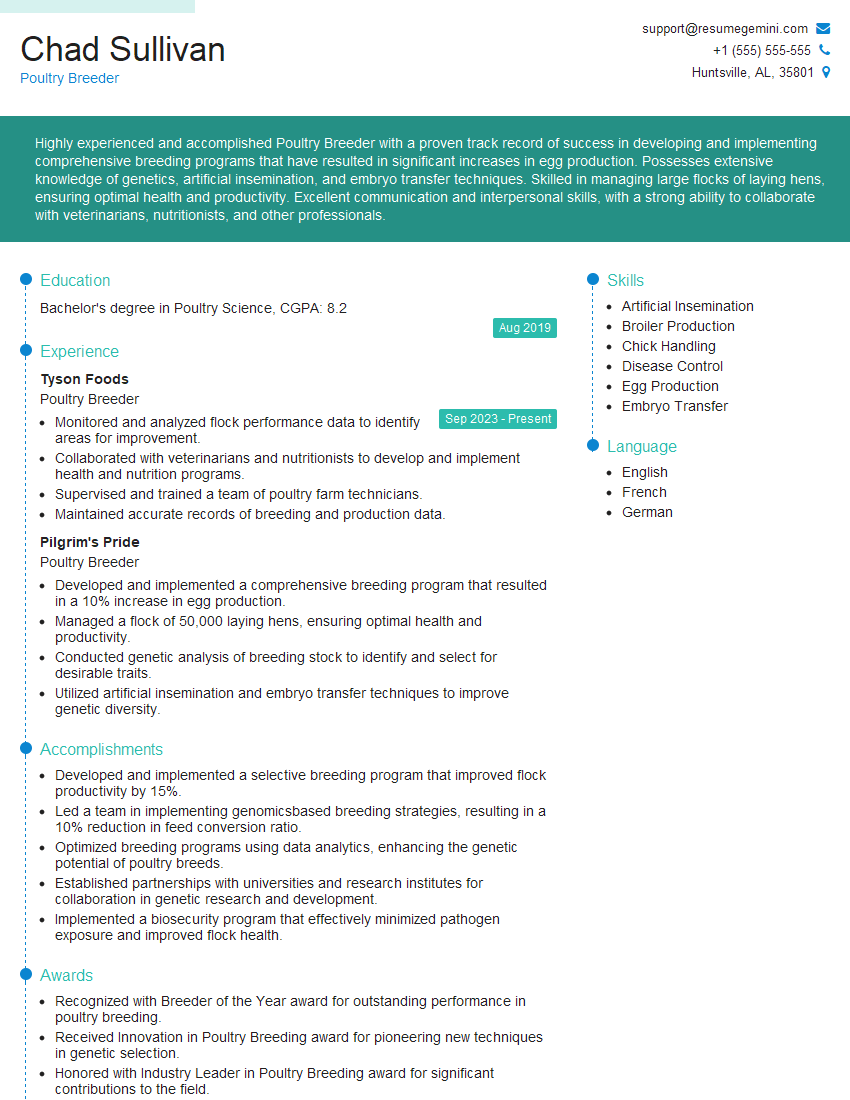
Mastering Poultry Behavior and Handling is crucial for advancing your career in the poultry industry. A strong understanding of these principles demonstrates your commitment to animal welfare and efficient production practices, making you a highly desirable candidate. To maximize your job prospects, create an ATS-friendly resume that highlights your skills and experience. We highly recommend using ResumeGemini to build a professional and impactful resume. ResumeGemini provides a user-friendly platform and offers examples of resumes tailored to the Poultry Behavior and Handling field, ensuring your application stands out.
Explore more articles
Users Rating of Our Blogs
Share Your Experience
We value your feedback! Please rate our content and share your thoughts (optional).
What Readers Say About Our Blog
Very informative content, great job.
good