Interviews are opportunities to demonstrate your expertise, and this guide is here to help you shine. Explore the essential Poultry Health and Nutrition interview questions that employers frequently ask, paired with strategies for crafting responses that set you apart from the competition.
Questions Asked in Poultry Health and Nutrition Interview
Q 1. Explain the role of probiotics in poultry nutrition.
Probiotics are live microorganisms, primarily bacteria, that when administered in adequate amounts, confer a health benefit to the host. In poultry, they play a crucial role in improving gut health and overall well-being. Think of them as beneficial bacteria that help crowd out harmful ones, improving digestion and nutrient absorption.
- Improved Digestion: Probiotics help break down feed components, making nutrients more available to the bird. This leads to better weight gain and feed efficiency. For example, Lactobacillus and Bacillus species are commonly used and improve the digestibility of complex carbohydrates.
- Enhanced Immunity: They stimulate the bird’s immune system, making it more resistant to common diseases. They achieve this by producing antimicrobial substances or by competing with pathogens for resources in the gut. A stronger immune system means fewer health issues and lower mortality rates.
- Reduced Pathogen Colonization: Probiotics occupy space in the gut, preventing harmful bacteria from establishing themselves and causing disease. This is particularly important in young chicks, which are more susceptible to infections. This competitive exclusion is a significant benefit.
- Improved Feed Conversion Ratio (FCR): Because of better digestion and nutrient absorption, birds fed probiotics often exhibit a better FCR, meaning they gain more weight per unit of feed consumed.
In practice, probiotics are often added to poultry feed or drinking water. The choice of probiotic strain depends on the specific needs of the bird, its age, and the prevalent diseases in the region.
Q 2. Describe common poultry diseases and their prevention strategies.
Poultry diseases are a major concern for farmers, impacting productivity and profitability. Common diseases include:
- Newcastle Disease (ND): A highly contagious viral disease affecting respiratory and nervous systems. Prevention includes vaccination, biosecurity, and culling of infected flocks.
- Infectious Bursal Disease (IBD): Viral disease impacting the immune system, leading to immunosuppression. Prevention relies heavily on vaccination programs, particularly in young birds.
- Avian Influenza (AI): Highly contagious viral disease with varying severity, impacting respiratory and digestive systems. Prevention strategies involve strict biosecurity, surveillance, and culling of infected birds.
- Coccidiosis: Parasitic disease affecting the digestive tract, causing diarrhea and reduced growth. Prevention involves medication, improved hygiene, and vaccination in some cases.
- Gumboro Disease: Affects the bursa of Fabricius, a primary lymphoid organ crucial for immune development. Vaccination is the primary prevention strategy.
Prevention strategies generally involve a multi-pronged approach combining vaccination, biosecurity (restricting access to the farm), hygiene (regular cleaning and disinfection), and good management practices (proper nutrition and ventilation).
Q 3. What are the key nutritional requirements for broiler chickens at different growth stages?
Broiler chickens have different nutritional needs throughout their growth stages, which are broadly categorized as starter, grower, and finisher phases.
- Starter (0-3 weeks): Focuses on rapid growth and development. The diet needs high levels of protein (22-24%), energy (3000-3200 kcal/kg ME), and highly digestible nutrients. Vitamins and minerals are crucial for immune development.
- Grower (3-6 weeks): The protein level gradually decreases (20-22%), while energy remains high (3100-3300 kcal/kg ME). The emphasis shifts towards optimal muscle growth and bone development.
- Finisher (6-8 weeks): Protein levels are further reduced (18-20%) to prevent excessive fat deposition, while energy is maintained to support efficient weight gain. The focus here is on efficient weight gain and improved feed conversion.
It’s essential to consider the specific strain of broiler, environmental conditions, and desired market weight when formulating diets. Nutrient deficiencies at any stage can significantly impact growth, health, and overall profitability.
Q 4. How do you assess the health of a poultry flock?
Assessing poultry flock health involves a combination of methods:
- Clinical Examination: Observing birds for signs of illness like lethargy, ruffled feathers, respiratory distress, diarrhea, or abnormal droppings. Checking for mortality rates and morbidity (percentage of sick birds).
- Mortality Monitoring: Regularly recording the number of birds dying, noting any patterns or causes of death. This can help identify potential outbreaks early on.
- Performance Monitoring: Tracking weight gain, feed conversion ratio, and egg production (for layers) to identify deviations from expected norms. Consistent monitoring aids in detecting problems before they escalate.
- Laboratory Testing: This includes collecting samples (blood, droppings, tissue) for pathogen detection, hematology (blood cell counts), and serology (antibody levels) to confirm diagnoses. Testing is especially helpful when dealing with suspected outbreaks.
- Post-mortem Examination (Necropsy): Examining dead birds to determine the cause of death. This involves a thorough internal and external inspection to identify any pathological changes.
A holistic approach combining these methods provides a comprehensive assessment of the flock’s health status, enabling timely interventions and prevention strategies.
Q 5. Discuss the importance of biosecurity in poultry farming.
Biosecurity is paramount in poultry farming, referring to preventative measures taken to minimize the risk of disease introduction and spread within a flock. A lapse in biosecurity can lead to devastating economic losses and animal welfare issues.
- Isolation and Quarantine: New birds should be quarantined for a period before being introduced to the main flock. Vehicles and equipment entering the farm should also be disinfected.
- Hygiene and Sanitation: Regular cleaning and disinfection of poultry houses, equipment, and surrounding areas are crucial. Using appropriate disinfectants and adhering to proper procedures are critical.
- Pest Control: Rodents and insects can carry diseases; controlling their access to the farm is vital. Effective pest control measures are essential.
- Traffic Control: Limiting access to the farm is essential. Visitors should be minimized, and personnel working on the farm should follow strict hygiene protocols.
- Waste Management: Proper disposal of dead birds and manure is crucial to prevent disease spread. Waste should be handled and disposed of according to regulations.
Implementing a robust biosecurity program is an investment that safeguards the flock’s health and the farmer’s economic stability.
Q 6. Explain the different types of poultry feed and their formulations.
Poultry feed types vary based on the bird’s age, production stage (e.g., broiler, layer), and specific nutritional requirements.
- Mash: Finely ground feed, easily consumed by young birds or birds with digestive issues.
- Crumbles: Small pellets, a good compromise between mash and pellets offering digestibility and reduced wastage.
- Pellets: Compressed feed, reducing dust and wastage, improving feed efficiency and reducing selective feeding.
Formulations are tailored to meet specific needs. For example, a broiler starter diet will be high in protein and energy, while a layer diet will emphasize calcium and amino acids for egg production. Formulations often include:
- Grains: Corn, wheat, barley, sorghum provide energy.
- Protein Sources: Soybean meal, fishmeal, meat and bone meal provide protein.
- Vitamins and Minerals: Essential for growth, immunity, and overall health.
- Amino Acids: Methionine and lysine are often added to meet specific requirements.
- Additives: Antioxidants, enzymes, probiotics, and prebiotics can be added to improve feed quality and bird health.
Accurate feed formulation is crucial for maximizing production and profitability. Nutritional expertise is essential to create balanced and effective diets. This ensures that the nutritional needs of the bird at various life stages are properly met.
Q 7. What are the signs and symptoms of Newcastle disease in poultry?
Newcastle disease (ND), caused by the avian paramyxovirus serotype 1, presents a wide range of clinical signs depending on the virulence of the strain and the age of the bird. It’s crucial to identify it quickly as it’s highly contagious and can result in significant economic losses.
- Respiratory signs: Coughing, sneezing, gasping for air, and nasal discharge are common, especially in early stages.
- Nervous signs: These appear later and can include tremors, paralysis (twisting of the neck or legs), and difficulty walking. The affected birds may exhibit torticollis (twisted neck) and paralysis of wings and legs.
- Digestive signs: Diarrhea, green or watery droppings, and reduced feed intake are frequently observed.
- General signs: Lethargy, depression, ruffled feathers, increased mortality rate.
The severity of the signs can vary significantly, ranging from mild respiratory symptoms to severe nervous manifestations resulting in death. Rapid diagnosis through laboratory testing is crucial for implementing appropriate control measures, which usually involve vaccination, biosecurity and sometimes culling of the affected flocks.
Q 8. How do you manage mycotoxin contamination in poultry feed?
Mycotoxin contamination in poultry feed is a significant concern, impacting bird health and productivity. Managing it requires a multi-pronged approach focusing on prevention and mitigation.
- Prevention: This starts with selecting high-quality grains from reputable suppliers who implement good agricultural practices. Regular testing of incoming feed ingredients for mycotoxins (like aflatoxins, ochratoxins, and fumonisins) is crucial. Proper storage conditions – cool, dry, and well-ventilated – are essential to prevent mold growth, the primary source of mycotoxins.
- Mitigation: If contamination is detected, several strategies can be employed. These include physical methods such as cleaning and sorting, which remove visibly moldy materials. Chemical methods, such as using mycotoxin binders in the feed, are effective in reducing the bioavailability of mycotoxins in the bird’s gut. These binders work by adsorbing the mycotoxins, preventing absorption and reducing their toxic effects. Finally, using biotransformation agents, which are naturally occurring substances that can help the bird’s body metabolize and eliminate mycotoxins, can also be beneficial.
For example, I once worked with a farm experiencing reduced egg production and poor bird health. Testing revealed high aflatoxin levels in their feed. By implementing a combination of feed ingredient screening, improved storage, and the addition of a mycotoxin binder, we significantly improved bird health and production within weeks.
Q 9. Describe the process of diagnosing avian influenza.
Diagnosing avian influenza (AI) requires a systematic approach involving clinical examination, laboratory testing, and epidemiological investigation.
- Clinical Signs: Initial suspicion arises from observing clinical symptoms in the flock. These can vary depending on the AI strain, but commonly include respiratory distress (coughing, sneezing, gasping), decreased egg production, sudden death, and neurological signs (tremors, paralysis).
- Laboratory Confirmation: This is crucial for definitive diagnosis. Samples such as cloacal and tracheal swabs, or tissues from dead birds, are collected and sent to a qualified laboratory for testing. Tests include real-time RT-PCR (reverse transcription polymerase chain reaction) for rapid detection of the AI virus RNA and virus isolation for strain identification.
- Epidemiological Investigation: Tracing the source and spread of the virus is vital for controlling the outbreak. This involves interviewing farm personnel, investigating potential sources of infection (wild birds, contaminated equipment), and mapping the movement of birds and feed.
Imagine a scenario where a farm reports increased mortality and respiratory issues. Clinical signs alone wouldn’t suffice. Rapid and accurate laboratory confirmation, coupled with an epidemiological investigation to identify the source of infection (e.g., wild bird droppings near the farm), are essential steps to implement appropriate control measures and prevent further spread.
Q 10. What are the best practices for poultry waste management?
Effective poultry waste management is crucial for environmental protection, disease control, and economic efficiency. Best practices incorporate several key elements:
- Composting: This biological process breaks down organic waste, reducing volume and producing valuable compost for agricultural use. Proper composting requires careful management of moisture content, aeration, and temperature to ensure efficient decomposition and pathogen inactivation.
- Anaerobic Digestion: This process involves breaking down organic matter in the absence of oxygen, producing biogas (a renewable energy source) and digestate (a nutrient-rich fertilizer). It’s particularly effective for larger farms.
- Incineration: This method is suitable for smaller quantities of waste, particularly contaminated materials. It effectively destroys pathogens but requires careful regulation to avoid air pollution.
- Land Application: Poultry litter can be spread on fields as fertilizer. However, careful monitoring of nutrient levels and potential pathogens is essential to prevent environmental contamination.
Properly managed poultry waste isn’t just a disposal problem, it’s a resource. Composting or anaerobic digestion turn waste into valuable products, reducing environmental burden while generating revenue or reducing fertilizer costs.
Q 11. Explain the impact of stress on poultry health and performance.
Stress significantly impacts poultry health and performance. Any deviation from optimal environmental conditions or management practices can trigger stress responses.
- Physiological Effects: Stress weakens the bird’s immune system, making them more susceptible to diseases. It can also affect growth rate, feed efficiency, and egg production. In severe cases, it can lead to mortality.
- Behavioral Changes: Stressed birds may exhibit increased aggression, cannibalism, feather pecking, or reduced activity. These behaviors can negatively impact flock uniformity and welfare.
- Environmental stressors: These include overcrowding, poor ventilation, extreme temperatures, noise, and light fluctuations.
- Management stressors: These include sudden changes in feed or water, rough handling, and inadequate space for movement.
Imagine birds crammed in a poorly ventilated house during a heatwave. The combination of heat stress, overcrowding, and poor air quality severely weakens their immune system, leaving them vulnerable to disease outbreaks and reduced productivity. Careful farm management is essential to minimizing these stressors.
Q 12. How do you calculate the daily feed intake for a poultry flock?
Calculating daily feed intake for a poultry flock requires understanding several factors. A simple approach is to use the following formula:
Daily Feed Intake = (Number of birds) x (Average daily feed intake per bird)
The average daily feed intake per bird varies significantly depending on factors such as:
- Bird age: Chicks require more feed per unit of body weight than older birds.
- Breed: Different breeds have varying metabolic rates and feed requirements.
- Production stage: Layers require more feed during peak egg production.
- Environmental conditions: Hot or cold temperatures can impact feed intake.
- Health status: Sick birds usually eat less.
Detailed feed charts and recommendations are available from feed manufacturers and research institutions, providing specific guidelines based on bird age and breed. These charts serve as a starting point, but adjustments are often needed based on observed feed consumption and bird performance.
Q 13. What are the key indicators of good poultry farm hygiene?
Good poultry farm hygiene is paramount for preventing disease and ensuring bird welfare. Key indicators include:
- Clean and disinfected housing: Regular cleaning and disinfection of the poultry house, equipment, and surrounding areas are essential to eliminate pathogens.
- Rodent and pest control: Rodents and insects can carry diseases and contaminate feed and water.
- Effective waste management: Proper management of poultry manure prevents the buildup of pathogens and attracts pests.
- Biosecurity measures: Restricting access to the farm, implementing footbaths, and using protective clothing are vital to prevent disease introduction.
- Clean water supply: Providing clean, fresh water is crucial for maintaining bird health.
- Proper ventilation: Maintaining good airflow helps to reduce humidity and prevent the buildup of ammonia and other harmful gases.
Think of a farm that maintains a strict biosecurity protocol, disinfects regularly, and employs effective waste management. Such a farm is less prone to disease outbreaks and boasts better bird health and productivity. Conversely, a farm neglecting hygiene will likely face higher disease risk, reduced yields, and increased mortality.
Q 14. Describe different vaccination strategies for poultry.
Vaccination strategies in poultry aim to provide protection against a range of diseases. Several factors influence vaccine choice and administration:
- Type of Vaccine: Vaccines can be live attenuated (weakened virus), inactivated (killed virus), or subunit (specific viral components). Each type has advantages and disadvantages in terms of efficacy, safety, and cost.
- Route of Administration: Vaccines can be delivered through various routes, including intramuscular, subcutaneous, intraocular, and drinking water. The chosen route depends on the vaccine type, age of the birds, and ease of administration.
- Vaccination Schedule: Vaccination schedules are tailored to the specific diseases prevalent in the region and the age of the birds. A well-planned schedule ensures timely protection throughout the bird’s life cycle.
- Vaccination Programs: These typically involve a combination of vaccines administered at various stages of the bird’s life, often in a series of doses.
For example, a broiler farm might employ a program involving vaccination against Newcastle disease, infectious bursal disease, and avian influenza, using a combination of live attenuated and inactivated vaccines administered at different ages via different routes. This strategy helps protect the flock from these major poultry diseases effectively and economically.
Q 15. What are the challenges associated with antibiotic resistance in poultry?
Antibiotic resistance in poultry is a significant challenge, threatening both animal and human health. Overuse and misuse of antibiotics in poultry production have led to the development of resistant bacteria, making infections harder to treat. This resistance can spread to humans through the food chain, potentially causing serious illnesses that are difficult to cure with conventional antibiotics. For example, the widespread use of antibiotics to prevent disease in poultry flocks can select for resistant strains of Salmonella and Campylobacter, which are major causes of foodborne illness in humans.
- Reduced Treatment Efficacy: Infections become harder to treat, leading to increased mortality and economic losses for farmers.
- Increased Production Costs: The need for novel, often more expensive, antibiotics increases overall production costs.
- Public Health Risk: Resistant bacteria can transfer to humans through direct contact or consumption of contaminated poultry products, posing a significant public health threat.
- Regulatory Scrutiny: Increasing regulations on antibiotic use are placing pressure on poultry producers to adopt alternative strategies.
Addressing this requires a multi-pronged approach including responsible antibiotic use, improved biosecurity measures, vaccination programs, and exploring alternative treatment strategies like probiotics and prebiotics.
Career Expert Tips:
- Ace those interviews! Prepare effectively by reviewing the Top 50 Most Common Interview Questions on ResumeGemini.
- Navigate your job search with confidence! Explore a wide range of Career Tips on ResumeGemini. Learn about common challenges and recommendations to overcome them.
- Craft the perfect resume! Master the Art of Resume Writing with ResumeGemini’s guide. Showcase your unique qualifications and achievements effectively.
- Don’t miss out on holiday savings! Build your dream resume with ResumeGemini’s ATS optimized templates.
Q 16. How do you monitor and control coccidiosis in a poultry farm?
Coccidiosis, a parasitic disease caused by Eimeria species, is a major concern in poultry farming. Effective monitoring and control rely on a combination of strategies:
- Regular Monitoring: Closely observe the flock for clinical signs such as bloody droppings, decreased feed intake, and reduced weight gain. Regular fecal examination can detect Eimeria oocysts, allowing early diagnosis.
- Vaccination: Coccidiosis vaccines are highly effective in reducing the severity of the disease. They help establish immunity in birds without causing clinical disease.
- Medication: Anticoccidial drugs, while facing challenges due to resistance, are still used strategically in severe outbreaks. Choosing the right drug and implementing a strict treatment protocol is essential to minimize resistance development.
- Hygiene and Biosecurity: Maintaining a clean and dry environment is crucial. Proper cleaning and disinfection of poultry houses between flocks can significantly reduce oocyst contamination.
- Nutrition: Supplying adequate nutrition, especially protein and vitamins, strengthens the birds’ immune system, improving their resistance to coccidiosis.
Imagine it like this: Controlling coccidiosis is like managing weeds in a garden. You need a combination of prevention (good hygiene and vaccination), early detection (monitoring), and targeted treatment (medication) to keep the infestation under control.
Q 17. Explain the importance of proper ventilation in poultry housing.
Proper ventilation in poultry housing is essential for maintaining optimal bird health and productivity. It ensures a comfortable environment by controlling temperature, humidity, ammonia levels, and air quality. Inadequate ventilation leads to a build-up of harmful gases and moisture, increasing the risk of respiratory diseases, stress, and reduced growth rates.
- Temperature Regulation: Ventilation helps maintain the optimal temperature range for poultry, preventing heat stress during hot weather and cold stress in winter.
- Humidity Control: Proper ventilation removes excess moisture, preventing the growth of molds and harmful bacteria that can cause respiratory problems.
- Ammonia Reduction: Ammonia is a byproduct of poultry manure, and high concentrations can severely irritate the birds’ respiratory system. Ventilation helps to dissipate ammonia, improving air quality.
- Improved Air Quality: Ventilation provides a constant supply of fresh air, reducing the concentration of dust particles and other airborne pollutants.
Think of it as providing a healthy breathing environment for your birds – just like humans need clean air to thrive, so do poultry.
Q 18. Describe different methods for improving poultry egg production.
Improving poultry egg production involves a holistic approach focusing on genetics, nutrition, environment, and health management.
- Genetic Selection: Choosing high-performing breeds known for their egg-laying capacity is a foundational step.
- Nutrition: Providing a balanced diet rich in calcium, protein, and essential amino acids is crucial for egg shell quality and quantity. Specific nutrient requirements vary depending on the bird’s age and stage of production.
- Lighting Management: Strategic lighting programs can stimulate egg production. Light duration and intensity can be manipulated to enhance reproductive cycles.
- Environmental Control: Maintaining optimal temperature, humidity, and ventilation as discussed earlier, minimizes stress and promotes egg production.
- Disease Prevention: Effective vaccination programs and biosecurity protocols are key to preventing diseases that reduce egg output.
- Stress Reduction: Minimizing stressors such as overcrowding, sudden noise, or temperature fluctuations is critical for maintaining healthy laying hens.
For example, a farmer might implement a lighting program to extend daylight hours during the winter months, mimicking longer days and stimulating egg production. Similarly, ensuring access to clean water and adequate space reduces stress and contributes to higher egg yields.
Q 19. What are the effects of heat stress on poultry productivity?
Heat stress significantly impacts poultry productivity. When birds are exposed to excessively high temperatures, they experience physiological changes that affect their performance and health.
- Reduced Feed Intake: Birds consume less feed in hot conditions, leading to decreased growth rates and lower egg production.
- Decreased Egg Production: High temperatures negatively impact reproductive function, reducing egg laying and potentially affecting egg quality.
- Poor Egg Shell Quality: Heat stress can lead to thinner eggshells, making eggs more susceptible to breakage.
- Increased Mortality: In severe cases, heat stress can cause death, particularly in young birds or those with underlying health issues.
- Impaired Immune Response: Heat stress weakens the immune system, making birds more susceptible to diseases.
Imagine a human trying to work in extreme heat; their productivity drops dramatically. Similarly, poultry are less efficient when subjected to heat stress. Implementing strategies like evaporative cooling systems and providing shade can help mitigate the negative effects.
Q 20. How do you manage poultry mortality and disposal?
Managing poultry mortality and disposal is crucial for maintaining flock health and adhering to biosecurity and environmental regulations. It involves several key steps:
- Prompt Identification: Regular monitoring of the flock allows for timely identification of sick or dead birds.
- Cause of Death Investigation: Determining the cause of mortality is important for implementing appropriate preventative measures. This may involve post-mortem examinations.
- Safe Disposal: Dead birds should be disposed of properly to prevent disease transmission and environmental contamination. This might include composting, incineration, or rendering, according to local regulations.
- Record Keeping: Maintaining accurate records of mortality rates, causes of death, and disposal methods is crucial for tracking trends and improving management strategies.
- Biosecurity Measures: Implementing strict biosecurity measures, such as proper disinfection and hygiene protocols, helps prevent the spread of diseases and reduces mortality.
Proper disposal is critical to prevent the spread of disease. Think of it like dealing with hazardous waste; improper handling can have serious consequences.
Q 21. Explain the concept of feed conversion ratio (FCR) and its significance.
The feed conversion ratio (FCR) is a crucial measure of efficiency in poultry production. It represents the amount of feed required to produce a unit of weight gain (e.g., 1 kg of body weight) or a unit of output (e.g., 1 dozen eggs). A lower FCR indicates greater efficiency, meaning less feed is needed to produce the same amount of output.
FCR = Total feed consumed / Total weight gain (or output)
For example, an FCR of 1.8 means that 1.8 kg of feed is needed to produce 1 kg of chicken meat. A lower FCR, such as 1.5, is indicative of improved efficiency and lower production costs. Factors influencing FCR include bird genetics, nutrition, health, and environmental conditions. Monitoring and improving FCR is a key goal for poultry producers to enhance profitability and sustainability.
Q 22. What are some common poultry parasites and their control measures?
Poultry parasites are a significant concern in poultry farming, impacting bird health and productivity. Common internal parasites include coccidia (protozoa causing bloody diarrhea), various species of roundworms (nematodes leading to stunted growth and poor weight gain), and tapeworms (cestodes often causing intestinal blockage). External parasites include lice (causing irritation and feather damage), mites (leading to skin lesions and feather loss), and fleas (transmitting diseases).
- Control measures focus on prevention and treatment. Prevention includes good biosecurity (limiting parasite introduction), maintaining clean and dry housing, proper waste disposal, and regular cleaning and disinfection. Treatment strategies often involve medication, including anticoccidials (for coccidia), anthelmintics (for worms), and insecticides (for external parasites). Choosing the right medication and administering it correctly is crucial, and often involves fecal examination to identify the specific parasite.
- Example: In a farm experiencing reduced egg production and weight loss, a fecal examination reveals a high load of roundworms. Treatment with a suitable anthelmintic, along with improved hygiene practices, usually reverses these symptoms.
Q 23. How do you interpret the results of a poultry blood test?
Interpreting poultry blood tests requires a comprehensive understanding of hematology and clinical chemistry. A complete blood count (CBC) assesses red blood cell count (RBC), white blood cell count (WBC), hemoglobin, hematocrit, and platelet count. These parameters can indicate anemia, infection, inflammation, or other health issues. Clinical chemistry tests analyze levels of various blood components like glucose, proteins, enzymes, and electrolytes, which help identify liver and kidney problems, metabolic disorders, and other diseases.
For instance, a low RBC count suggests anemia, possibly due to nutritional deficiencies or internal parasites. Elevated WBC count might indicate an infectious disease. Elevated liver enzymes point towards liver damage, potentially from mycotoxins or viral infections. Each parameter needs to be considered in the context of other findings and the bird’s clinical symptoms. Experienced veterinarians often use this data in conjunction with a detailed history of the flock and clinical observations to formulate a diagnosis and treatment plan.
Q 24. Describe the role of vitamins and minerals in poultry nutrition.
Vitamins and minerals play vital roles in maintaining optimal poultry health and productivity. Vitamins act as catalysts for various metabolic processes, while minerals are essential components of bones, tissues, and enzymes. Deficiencies can lead to various health problems and reduced productivity.
- Fat-soluble vitamins (A, D, E, and K) are crucial for vision, bone health, immune function, and blood clotting.
- Water-soluble vitamins (B complex and C) are essential for energy metabolism, nerve function, and red blood cell formation.
- Minerals like calcium, phosphorus, sodium, potassium, and trace minerals (iron, zinc, copper, manganese, etc.) are essential for bone development, muscle function, enzyme activity, and immune response.
Example: Vitamin D deficiency can lead to rickets (bone deformities) and reduced shell quality in laying hens. Calcium deficiency leads to fragile bones and egg shell problems. A well-formulated feed must contain the right balance of all these nutrients to ensure optimal growth, reproduction, and disease resistance.
Q 25. Explain the differences between intensive and extensive poultry farming systems.
Intensive and extensive poultry farming systems differ significantly in their management practices, resource utilization, and impact on the environment.
- Intensive systems involve high stocking densities in controlled environments (e.g., poultry houses) with high levels of management intervention, including specialized feeding, lighting, and climate control. These systems prioritize efficiency and high production, but often involve higher risks of disease outbreaks and environmental pollution due to concentrated waste.
- Extensive systems feature lower stocking densities, usually with birds having more access to free-ranging environments. These systems generally require less management intervention, have a lower initial investment, and might be more sustainable in terms of reduced environmental impact, but they usually result in lower productivity compared to intensive systems. Disease control might be more challenging in extensive systems due to harder environmental control.
Example: A large-scale broiler operation using automated feeding systems and climate-controlled houses represents intensive farming. A small-scale backyard flock with birds roaming freely is an example of extensive farming.
Q 26. How do you maintain flock uniformity in a poultry farm?
Maintaining flock uniformity is crucial for efficient production in poultry farming. Uniformity means the birds are all growing at a similar rate and reaching maturity at roughly the same time. This leads to optimized processing and increased profitability.
- Genetic uniformity starts by using high-quality chicks from a reputable hatchery.
- Consistent management includes providing uniform feed and water access, appropriate temperature and ventilation, and a standardized vaccination schedule.
- Regular monitoring through weight checks, mortality monitoring, and observation of clinical signs allows early detection of problems.
- Early intervention addressing any individual bird issues or environmental factors that lead to uneven growth.
- Proper sanitation to prevent infections that can affect a subset of birds disproportionately.
Example: If a section of the flock shows slower growth, checking for feed access, the presence of parasites, or health issues within that section would be crucial. Addressing these early is key.
Q 27. What are your experiences with poultry disease outbreak investigation and control?
Investigating and controlling poultry disease outbreaks requires a systematic approach combining field observations, laboratory diagnostics, and effective biosecurity measures. I have extensive experience in this area. Upon observing an outbreak (e.g., increased mortality, reduced feed intake, respiratory distress), the initial steps involve collecting detailed information on the affected birds, their environment, and the farm’s management practices. This includes analyzing mortality patterns, observing clinical signs, and gathering information on feed, water, and vaccination history.
Laboratory tests (e.g., post-mortem examination, virus isolation, bacterial culture) then help identify the causative agent. Once the diagnosis is confirmed, control measures are implemented, including culling of affected birds, disinfection of the environment, and appropriate vaccination and treatment strategies to minimize the spread and protect the remaining flock. Following strict biosecurity protocols throughout the outbreak and afterward is crucial in preventing future occurrences.
Example: During a suspected Newcastle Disease outbreak, I collected samples for virus isolation, implemented strict biosecurity measures (including quarantine and restriction of movement of people and materials), and coordinated the culling of affected birds. Vaccination of the remaining healthy birds with appropriate vaccines is then performed.
Q 28. Describe your understanding of sustainable poultry farming practices.
Sustainable poultry farming emphasizes environmentally friendly practices that ensure long-term economic viability and animal welfare without compromising the health of the environment. Key aspects include:
- Reduced environmental impact: minimizing waste production through improved manure management (e.g., composting, anaerobic digestion), using renewable energy sources, and reducing water usage.
- Improved animal welfare: Providing adequate space, enrichment, and access to natural light and outdoor areas (where applicable) to reduce stress and improve bird health.
- Responsible antibiotic use: Minimizing the use of antibiotics to combat antimicrobial resistance by focusing on disease prevention, improved hygiene, and effective vaccination.
- Efficient resource utilization: Optimizing feed conversion ratios through improved nutrition management, reducing feed waste, and improving the efficiency of resource use overall.
Example: Implementing a closed-loop manure management system reduces environmental pollution by utilizing manure as fertilizer, reducing reliance on synthetic fertilizers. Implementing precision feeding systems will minimize feed waste and reduce the environmental impact of feed production.
Key Topics to Learn for Poultry Health and Nutrition Interview
- Poultry Anatomy and Physiology: Understanding the bird’s digestive, respiratory, and immune systems is fundamental. This knowledge forms the basis for diagnosing and preventing health issues.
- Nutritional Requirements: Learn the specific nutrient needs of different poultry species (broilers, layers, turkeys) at various life stages. This includes protein, energy, vitamins, and minerals.
- Feed Formulation and Management: Gain expertise in calculating nutrient requirements, selecting appropriate feed ingredients, and managing feed quality to ensure optimal bird performance.
- Common Poultry Diseases: Familiarize yourself with prevalent bacterial, viral, and parasitic diseases, their symptoms, diagnosis, and control methods. Understanding disease prevention strategies is crucial.
- Biosecurity and Hygiene: Master the principles of biosecurity to minimize disease transmission and maintain flock health. This includes sanitation practices, disinfection protocols, and pest control.
- Vaccine Protocols and Management: Understand the importance of vaccination programs in preventing disease outbreaks. Know the different types of vaccines, their administration methods, and the scheduling of vaccination.
- Growth and Development: Comprehend the factors influencing poultry growth and development, including genetics, nutrition, and environmental conditions. Understand how to optimize these factors for efficient production.
- Record Keeping and Data Analysis: Learn how to accurately record and analyze production data, such as mortality rates, feed conversion ratios, and egg production, to identify areas for improvement and make informed management decisions.
- Problem-Solving and Troubleshooting: Practice diagnosing health issues based on clinical signs and laboratory results. Develop your ability to devise and implement effective solutions to address poultry health and nutrition challenges.
- Sustainable Poultry Production: Become familiar with environmentally friendly and sustainable practices in poultry farming. This includes responsible use of resources and minimizing environmental impact.
Next Steps
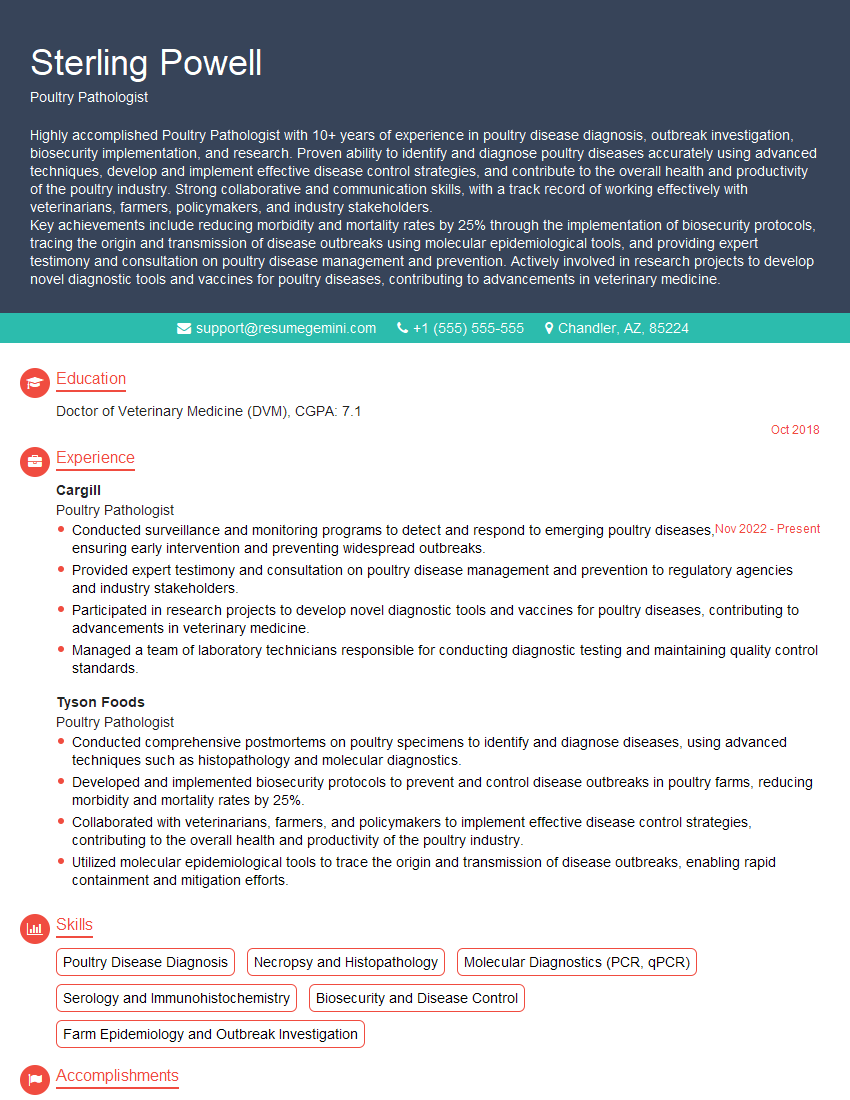
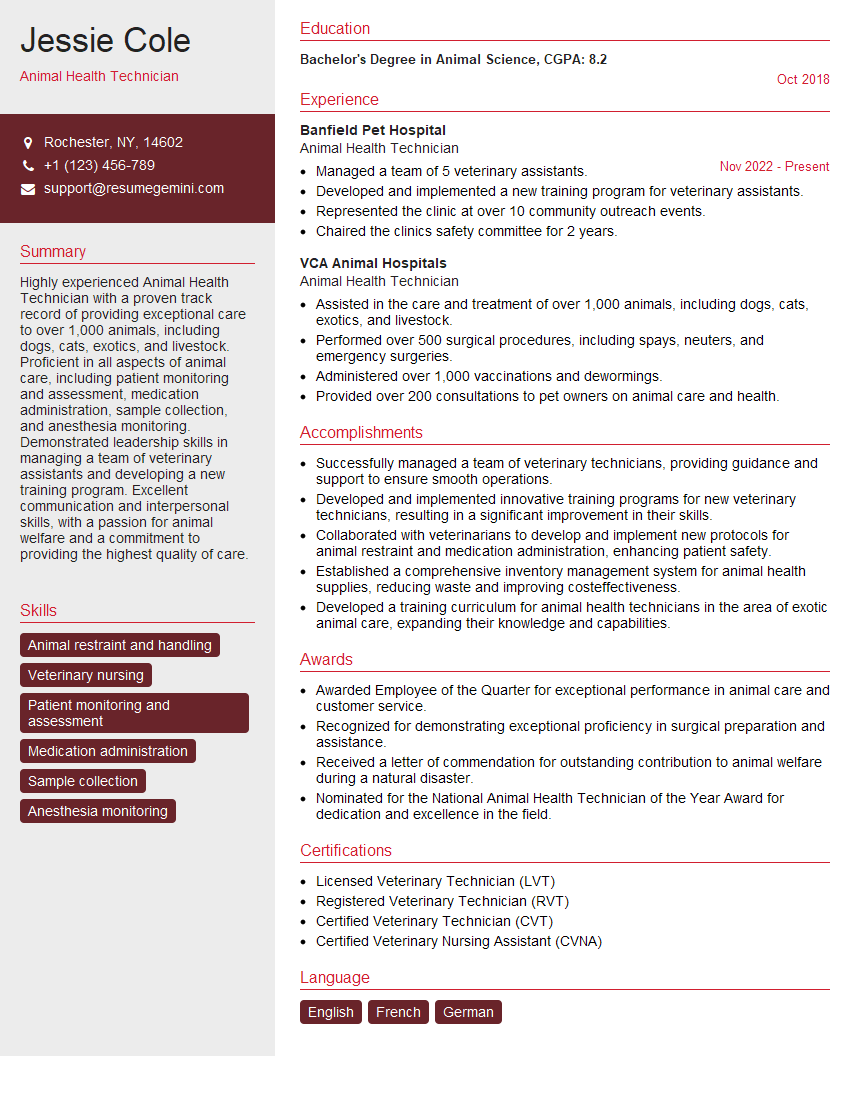
Mastering Poultry Health and Nutrition is essential for a successful and rewarding career in the poultry industry. A strong understanding of these principles will significantly enhance your job prospects and allow you to contribute meaningfully to efficient and sustainable poultry production. To stand out from other candidates, create an ATS-friendly resume that highlights your skills and experience effectively. We highly recommend using ResumeGemini to build a professional and impactful resume tailored to the poultry industry. ResumeGemini provides examples of resumes specifically designed for Poultry Health and Nutrition roles, giving you a head start in your job search.
Explore more articles
Users Rating of Our Blogs
Share Your Experience
We value your feedback! Please rate our content and share your thoughts (optional).
What Readers Say About Our Blog
Very informative content, great job.
good