Feeling uncertain about what to expect in your upcoming interview? We’ve got you covered! This blog highlights the most important Poultry Slaughterhouse Operations interview questions and provides actionable advice to help you stand out as the ideal candidate. Let’s pave the way for your success.
Questions Asked in Poultry Slaughterhouse Operations Interview
Q 1. Describe the steps involved in the humane slaughter of poultry.
Humane poultry slaughter prioritizes minimizing animal stress and pain. The process typically begins with stunning, rendering the birds insensible to pain before slaughter. This is usually achieved through controlled atmosphere stunning (CAS) or electrical stunning. CAS uses a mixture of gases like argon and carbon dioxide to induce unconsciousness. Electrical stunning involves passing a controlled electrical current through the birds’ brain. Following stunning, the birds are then bled by severing the jugular veins and carotid arteries, ensuring rapid exsanguination (blood removal).
Think of it like this: stunning is like a quick, painless sleep, and bleeding is the natural process of removing blood to prepare the bird for processing. The entire process must be swift and efficient to ensure the bird suffers minimal distress.
- Stunning: CAS or electrical stunning to render the bird unconscious.
- Bleeding: Severing major blood vessels for rapid and complete blood removal.
Q 2. Explain the importance of scalding temperature and time in poultry processing.
Scalding is crucial for feather removal. The temperature and time are critical for effective feather removal while minimizing damage to the skin. Too low a temperature and the feathers won’t come off easily, leading to increased processing time and potential skin tears. Too high a temperature, and the skin will become excessively softened, leading to poor carcass appearance and increased bacterial contamination.
Typically, the scalding temperature ranges from 50-56°C (122-133°F), depending on the bird’s age and size, with a scalding time of around 60-120 seconds. This is a delicate balance; slight variations can significantly affect the final product quality.
Imagine boiling an egg: if the water is too cold, the egg won’t cook properly. Similarly, if the scalding water is too cool, the feathers won’t loosen enough for easy removal. But if it’s too hot, you’ll overcook the egg—or in our case, damage the skin of the bird.
Q 3. What are the critical control points (CCPs) in a poultry slaughterhouse, according to HACCP?
Critical Control Points (CCPs) in a poultry slaughterhouse, as defined by HACCP (Hazard Analysis and Critical Control Points), are steps where control can prevent or eliminate a food safety hazard. These vary slightly depending on the specific plant layout and processes but generally include:
- Stunning and Bleeding: Ensuring effective stunning to minimize suffering and rapid bleeding to reduce bacterial growth.
- Scalding and Defeathering: Maintaining optimal scalding temperature and time to remove feathers efficiently and avoid skin damage, thus preventing bacterial contamination.
- Evisceration: Proper removal of viscera (internal organs) to avoid cross-contamination and maintain carcass integrity.
- Chilling: Rapid cooling to inhibit bacterial growth and maintain product quality.
- Sanitation: Maintaining a high level of sanitation throughout the process to minimize microbial loads.
Think of CCPs as checkpoints. Each one is crucial to prevent potential hazards from becoming problems. Failure at any CCP can compromise food safety.
Q 4. How do you ensure proper chilling of poultry carcasses to prevent microbial growth?
Proper chilling is paramount to extending shelf life and preventing microbial growth. Poultry carcasses must be cooled rapidly to below 4°C (39°F) within a specified time. This is usually achieved using a combination of air chilling and/or immersion chilling. Air chilling involves using refrigerated air to cool the carcasses, while immersion chilling involves submerging them in chilled water.
Rapid chilling prevents the growth of bacteria like Salmonella and Campylobacter, which multiply rapidly at higher temperatures. The chilling process must be carefully monitored and controlled to ensure consistent and effective cooling throughout the carcass.
Imagine keeping meat at room temperature; it will spoil quickly. Similarily, with poultry, quick chilling is a fundamental step in preventing spoilage.
Q 5. What are the common sanitation and hygiene protocols in a poultry slaughterhouse?
Sanitation and hygiene are fundamental to preventing foodborne illness. Protocols typically include:
- Regular Cleaning and Disinfection: Equipment and surfaces are regularly cleaned and disinfected with approved sanitizers, using a detailed cleaning schedule. This prevents the buildup of bacteria and other contaminants.
- Personal Hygiene: Workers must adhere to strict hygiene standards, including handwashing, wearing protective clothing (e.g., aprons, gloves, hairnets), and avoiding cross-contamination.
- Pest Control: Measures to prevent insect and rodent infestation are crucial, reducing the risk of contamination and damage to products. This includes regular inspections and the use of traps and other pest-control measures.
- Water Quality: Clean, potable water is essential for all processes, including cleaning and chilling.
Maintaining impeccable hygiene is not just about cleanliness; it’s about ensuring food safety and building consumer trust.
Q 6. Describe your experience with evisceration procedures and quality checks.
Evisceration involves carefully removing the internal organs (viscera) from the poultry carcass. This requires precision to avoid damaging the carcass and preventing contamination. I have extensive experience performing this procedure and conducting thorough quality checks to ensure the integrity of the final product. This includes checking for any abnormalities in the organs and ensuring complete removal of viscera, which can be challenging depending on the bird’s condition.
Quality checks during and after evisceration are critical for detecting defects, contamination, or disease. This helps maintain high-quality standards and prevent substandard products from reaching consumers. In my experience, consistency and attention to detail is essential in this stage, often involving visual inspections and the use of calibrated equipment to assess the weight and measurements of the carcass.
Q 7. How do you handle poultry product recalls and traceability issues?
Handling product recalls and traceability issues requires a robust system. Traceability is achieved using batch numbers and other identification markers at each stage of the process, creating a detailed record of the product’s journey from farm to consumer. This allows for quick identification and isolation of affected products in case of a recall. In the event of a recall, a swift and coordinated response is vital, involving immediate product removal, thorough investigation to identify the root cause of the problem, and clear communication with relevant authorities and consumers.
Imagine a supply chain like a chain; if one link breaks, the entire chain is affected. Traceability ensures that any issues are quickly found and addressed, minimizing impact and building trust.
Q 8. Explain the importance of proper waste disposal in a poultry slaughterhouse.
Proper waste disposal in a poultry slaughterhouse is paramount for environmental protection, public health, and regulatory compliance. Failure to manage waste effectively can lead to serious consequences, including water contamination, air pollution, and the spread of disease.
Our waste management strategy typically involves a multi-pronged approach. First, we segregate waste into different categories:
- Organic waste: Feathers, offal, blood, and other organic materials are often processed into animal feed or rendered for by-products. This reduces landfill burden and creates a valuable resource.
- Inorganic waste: Plastics, packaging, and metal are recycled whenever possible.
- Hazardous waste: Chemicals and cleaning agents are disposed of according to strict regulatory guidelines, ensuring they don’t contaminate the environment or harm workers.
We work closely with licensed waste management companies to ensure all waste is handled responsibly and ethically. Regular audits and inspections are conducted to monitor our performance and identify areas for improvement. For instance, we recently implemented a new system for collecting and processing blood, resulting in a 20% reduction in wastewater treatment costs.
Q 9. What are the different types of poultry processing equipment and their maintenance requirements?
Poultry processing relies on a sophisticated array of equipment, each requiring specific maintenance. Key machinery includes:
- Stunning equipment: Ensures humane slaughter and requires regular calibration and inspection to guarantee consistent effectiveness. Malfunctioning stunners lead to welfare issues and impact carcass quality. We perform daily checks and schedule annual servicing by certified technicians.
- Scalding tanks: Control water temperature for efficient feather removal and necessitate regular cleaning to prevent bacterial growth. We use automated cleaning systems and implement rigorous sanitation protocols to reduce bacterial load.
- Evisceration lines: A series of conveyors and tools for removing internal organs. Regular lubrication, sharpening of blades, and thorough cleaning are crucial for maintaining efficiency and preventing cross-contamination. We implement a scheduled maintenance program based on usage and manufacturer recommendations.
- Chilling systems: Maintain optimal temperature for extending shelf life. Regular filter changes, water quality monitoring, and temperature calibrations are vital for efficient cooling and food safety. We constantly monitor temperature readings and log data for traceability.
A comprehensive Computerized Maintenance Management System (CMMS) helps us track maintenance schedules, manage spare parts, and generate reports, optimizing efficiency and reducing downtime.
Q 10. How do you monitor and control water usage in a poultry processing plant?
Water conservation is a critical aspect of sustainable poultry processing. We employ various strategies to monitor and control water usage:
- Leak detection: Regular inspections and use of smart sensors help identify and repair leaks promptly. We’ve seen significant water savings by implementing a predictive maintenance approach based on sensor data.
- Water recycling: We use closed-loop water systems where feasible, reusing treated water for non-critical processes like cleaning. This drastically reduces our overall water consumption.
- High-efficiency equipment: Investing in newer equipment with optimized water usage significantly contributes to water conservation. For example, our upgraded scalding tanks use 15% less water than our previous model.
- Employee training: Educating employees on water-saving practices is crucial. We conduct regular training sessions emphasizing the importance of water conservation and provide clear guidelines on responsible water usage.
- Water metering and monitoring: We track water usage through dedicated meters and analyze data to identify potential areas for improvement and measure the success of implemented measures.
By combining these strategies, we’ve successfully reduced our water consumption by 25% in the past three years.
Q 11. What are the key indicators of poultry meat quality and how are they assessed?
Key indicators of poultry meat quality encompass:
- Appearance: Color, texture, and overall presentation. We assess color using calibrated colorimeters and visually inspect for blemishes or bruising.
- pH: Measures the acidity of the meat, impacting shelf life and texture. We use pH meters for objective measurement during processing. Faster pH decline means better shelf-life.
- Water-holding capacity (WHC): The ability of the meat to retain moisture, affecting juiciness and yield. WHC is measured using various methods including the drip loss test.
- Microbiological safety: Absence of harmful bacteria like Salmonella and Campylobacter. Regular microbiological testing throughout the processing line is crucial. We implement stringent sanitation protocols and employ rapid pathogen detection methods to ensure product safety.
- Texture: Tenderness, firmness, and chewiness. These are assessed through subjective sensory evaluation and objective instrumental tests.
A combination of objective measurements and sensory evaluation provides a comprehensive assessment of poultry meat quality.
Q 12. Describe your experience with different poultry breeds and their processing requirements.
My experience spans a variety of poultry breeds, each with unique processing characteristics:
- Broilers: Fast-growing breeds raised primarily for meat production. Processing focuses on efficiency, speed, and minimizing damage to the carcass. Our lines are optimized for the size and fragility of broiler chickens.
- Layers: Bred for egg production, these birds are typically smaller and have thinner skin and less muscle mass. Gentle handling and appropriate equipment adjustments are crucial to avoid carcass damage.
- Turkeys: Larger and heavier than broilers, requiring adjustments to equipment settings and handling procedures to prevent injury to both the birds and the workers. Specialized equipment is often used for handling their larger size.
Understanding breed-specific characteristics is vital for optimizing processing efficiency and maintaining carcass quality. For example, we use a different scalding temperature and time for broilers compared to turkeys to achieve optimal feather removal without damaging the skin.
Q 13. How do you manage employee safety and training within a poultry slaughterhouse?
Employee safety and training are top priorities. We implement a comprehensive safety program including:
- Hazard Analysis and Critical Control Points (HACCP): A systematic approach to identifying and controlling food safety hazards throughout the processing line. It forms the basis of our safety protocols and training programs.
- Personal Protective Equipment (PPE): Providing and enforcing the use of appropriate PPE, such as cut-resistant gloves, safety glasses, and protective clothing, is crucial. Regular inspections and replacement schedules are in place.
- Ergonomic design: Optimizing workstation layout and equipment design to minimize physical strain and prevent musculoskeletal injuries. We regularly review workstation designs and implement changes based on feedback and ergonomic assessments.
- Regular training: Comprehensive training programs on safe work practices, equipment operation, hygiene, and emergency procedures are mandatory for all employees. We conduct both theoretical and hands-on training, followed by assessments to ensure understanding and competency.
- Incident reporting and investigation: A robust system for reporting and investigating incidents to identify root causes and prevent recurrence. We maintain detailed records of all safety incidents, analyze the data to identify trends, and implement corrective actions.
Our commitment to employee safety is reflected in our consistently low incident rates and high employee satisfaction.
Q 14. What are the common challenges in maintaining food safety and hygiene in a slaughterhouse?
Maintaining food safety and hygiene in a slaughterhouse presents several significant challenges:
- Cross-contamination: Preventing the spread of pathogens between different stages of processing. Strict sanitation procedures, effective cleaning and disinfection, and proper equipment maintenance are crucial. We use color-coded cutting boards and utensils to prevent cross-contamination.
- Temperature control: Maintaining appropriate temperatures throughout the processing chain to inhibit bacterial growth. We monitor temperatures at critical control points and utilize automated systems to ensure consistent cooling.
- Water quality: Ensuring the water used in processing is free from contaminants. We regularly test water quality and employ effective water treatment systems.
- Employee hygiene: Maintaining high standards of personal hygiene among employees to minimize the risk of contamination. We provide handwashing facilities and training on hygiene protocols.
- Pest control: Preventing infestation by pests that can introduce pathogens. We implement a comprehensive pest control program and conduct regular inspections.
Regular audits, inspections, and adherence to strict protocols are essential for overcoming these challenges and ensuring product safety.
Q 15. How do you ensure compliance with relevant food safety regulations (e.g., USDA, FDA)?
Ensuring compliance with food safety regulations like those from the USDA and FDA is paramount in poultry slaughterhouse operations. It’s not just about avoiding penalties; it’s about protecting public health and maintaining consumer trust. Our approach is multifaceted and proactive.
Comprehensive HACCP Plan: We maintain a meticulously documented Hazard Analysis and Critical Control Point (HACCP) plan. This plan identifies potential hazards at each stage of processing – from receiving live birds to final product packaging – and outlines critical control points (CCPs) where we implement controls to prevent or eliminate those hazards. For example, CCPs might include chilling temperature monitoring, sanitation procedures, and metal detector checks.
Regular Audits and Inspections: We conduct internal audits regularly to verify adherence to our HACCP plan and all relevant regulations. These audits identify areas for improvement and help us maintain a culture of food safety. We also fully cooperate with and welcome all USDA and FDA inspections, utilizing their feedback to refine our processes further. For instance, a recent inspection highlighted a minor deficiency in documentation; we immediately addressed it and updated our procedures to prevent recurrence.
Employee Training: All employees receive comprehensive training on food safety regulations, proper hygiene practices, and their role in maintaining a safe food production environment. This includes regular refresher courses and updates on any changes to regulations. We use a combination of classroom instruction, hands-on training, and interactive modules to ensure knowledge retention.
Traceability Systems: We implement robust traceability systems, allowing us to track products from farm to table. This capability is critical for rapid response in case of a food safety incident, allowing us to quickly identify and isolate affected batches.
Career Expert Tips:
- Ace those interviews! Prepare effectively by reviewing the Top 50 Most Common Interview Questions on ResumeGemini.
- Navigate your job search with confidence! Explore a wide range of Career Tips on ResumeGemini. Learn about common challenges and recommendations to overcome them.
- Craft the perfect resume! Master the Art of Resume Writing with ResumeGemini’s guide. Showcase your unique qualifications and achievements effectively.
- Don’t miss out on holiday savings! Build your dream resume with ResumeGemini’s ATS optimized templates.
Q 16. Explain your experience with yield management and optimization in poultry processing.
Yield management and optimization are crucial for profitability in poultry processing. It’s about maximizing the usable meat from each bird while minimizing waste. My experience includes implementing several key strategies:
Process Optimization: Analyzing each step of the processing line – from stunning and bleeding to evisceration and cutting – to identify bottlenecks and inefficiencies. For example, we implemented a new bleeding technique that reduced processing time by 5%, directly increasing yield and throughput.
Waste Reduction Programs: Implementing programs to minimize waste at every stage. This includes careful carcass trimming, efficient utilization of by-products (e.g., for pet food or stock), and improved equipment maintenance to reduce spoilage. We meticulously track waste data to identify trends and areas for improvement.
Data-Driven Decision Making: Utilizing data analytics to monitor key performance indicators (KPIs) such as yield percentage, processing speed, and waste levels. This data informs decisions on equipment upgrades, process adjustments, and employee training. For instance, analyzing data revealed a correlation between line speed and breast meat yield; adjusting the line speed optimized yield without impacting throughput.
Technological Advancements: Staying abreast of and adopting new technologies designed to improve yield and efficiency. This includes exploring automated cutting systems and advanced weighing and grading technologies.
Q 17. How do you manage and resolve conflicts among employees or different departments?
Conflict resolution is a critical skill in managing a poultry slaughterhouse, given the diverse workforce and fast-paced environment. My approach is centered on open communication, fairness, and finding mutually beneficial solutions.
Open Communication Channels: Establishing clear communication channels between employees and different departments, encouraging open dialogue and feedback. This includes regular team meetings, suggestion boxes, and open-door policies.
Mediation and Facilitation: When conflicts arise, I act as a mediator, actively listening to all parties involved and guiding them towards a resolution. This often involves identifying the root cause of the conflict rather than simply addressing the symptoms. For example, in one instance, a conflict between two departments stemmed from unclear responsibilities; clarifying roles and responsibilities resolved the issue.
Fair and Consistent Policies: Implementing and consistently applying fair and transparent policies regarding employee conduct, performance evaluation, and disciplinary actions. This ensures that all employees are treated equitably.
Training on Conflict Resolution: Providing training to employees on conflict resolution techniques, emphasizing communication skills, empathy, and problem-solving approaches. We have recently incorporated active listening and de-escalation techniques into our employee training program.
Q 18. Describe your experience with inventory management and stock control.
Effective inventory management is essential for smooth operations and cost control in a poultry slaughterhouse. We utilize a combination of strategies:
Real-time Inventory Tracking: Implementing a real-time inventory tracking system that monitors stock levels of all raw materials, packaging supplies, and finished products. This allows us to accurately forecast demand and avoid stockouts or overstocking.
First-In, First-Out (FIFO) System: Strict adherence to the FIFO method ensures that older inventory is used before newer inventory, minimizing spoilage and waste.
Regular Stock Audits: Conducting regular physical stock audits to verify the accuracy of inventory records and identify discrepancies. This helps maintain the integrity of the inventory data.
Supplier Relationship Management: Developing strong relationships with suppliers to ensure timely delivery of materials and negotiate favorable pricing and payment terms. We recently optimized our supply chain by consolidating suppliers for several key materials, reducing costs and streamlining logistics.
Q 19. How do you deal with equipment malfunctions and downtime?
Equipment malfunctions and downtime are inevitable in a poultry slaughterhouse, but their impact can be minimized with a proactive approach.
Preventive Maintenance: Implementing a rigorous preventive maintenance program with scheduled inspections, cleaning, and repairs to prevent major breakdowns. This includes creating a detailed maintenance schedule for all equipment, assigning responsibilities, and tracking maintenance history.
Rapid Response Team: Having a dedicated team trained to quickly diagnose and repair equipment malfunctions to minimize downtime. This team has access to spare parts and specialized tools for efficient repairs.
Redundancy and Backup Systems: Where feasible, implementing redundant systems or backup equipment to ensure continued operation in case of a major equipment failure. For example, we have backup chillers to prevent interruptions in the chilling process.
Supplier Relationships: Maintaining strong relationships with equipment suppliers and service providers for prompt repairs and parts sourcing.
Q 20. What is your experience with implementing and maintaining a pest control program?
A comprehensive pest control program is critical for maintaining food safety and hygiene in a poultry slaughterhouse. Our program adheres to strict guidelines:
Regular Inspections: Conducting regular inspections to identify and address potential pest infestations. These inspections cover all areas of the facility, both inside and outside.
Sanitation and Hygiene: Maintaining a high level of sanitation and hygiene throughout the facility to eliminate potential breeding grounds for pests. This includes regular cleaning, proper waste disposal, and sealing cracks and crevices.
Pest Control Professionals: Utilizing the services of licensed and reputable pest control professionals for regular treatments and monitoring. We choose pest control methods that minimize the use of chemicals while ensuring effectiveness. We have a detailed record of all pest control treatments.
Employee Training: Training employees on proper sanitation practices and pest control procedures to ensure everyone participates in preventing infestations.
Q 21. How do you ensure the accuracy and efficiency of production line operations?
Accuracy and efficiency on the production line are essential for meeting production targets and maintaining product quality. We achieve this through several strategies:
Standardized Operating Procedures (SOPs): Implementing clearly defined SOPs for each stage of the production process. These SOPs outline best practices and ensure consistency in operations. We regularly review and update our SOPs to reflect best practices and technological advancements.
Real-time Monitoring: Utilizing real-time monitoring systems to track key performance indicators (KPIs) such as line speed, yield, and reject rates. This data allows for immediate identification and correction of inefficiencies.
Employee Training and Skill Development: Providing employees with ongoing training on proper operating procedures and techniques to improve their skills and efficiency. We conduct regular line-side coaching and feedback sessions to improve line performance.
Continuous Improvement Initiatives: Implementing continuous improvement initiatives, such as Lean Manufacturing principles, to identify and eliminate waste and optimize workflows. We have recently implemented a Kaizen event to optimize our carcass chilling process.
Q 22. What are your methods for improving employee morale and productivity?
Improving employee morale and productivity in a poultry slaughterhouse requires a multifaceted approach focusing on fair treatment, safe working conditions, and opportunities for growth. It’s not just about numbers; it’s about fostering a positive and respectful work environment.
Fair Wages and Benefits: Competitive salaries and comprehensive benefits packages are fundamental. We ensure our employees receive fair compensation that reflects the demanding nature of the work and includes health insurance, paid time off, and retirement plans.
Safety First: A safe working environment is paramount. We invest heavily in safety training, provide appropriate personal protective equipment (PPE), and rigorously enforce safety protocols. Regular safety audits and employee feedback sessions help identify and address potential hazards proactively. For example, we implemented a color-coded system for identifying potential hazards, making them easier to spot and act upon.
Training and Development: Providing opportunities for professional development significantly boosts morale and skillsets. We offer regular training sessions on various aspects of poultry processing, from improved knife skills to advanced hygiene protocols, enabling employees to enhance their expertise and advance their careers. We also have a mentorship program where experienced workers guide newcomers.
Open Communication and Feedback: Creating an environment where employees feel comfortable expressing concerns and providing feedback is crucial. We hold regular team meetings, encourage open dialogue, and actively solicit feedback through surveys and suggestion boxes. We make a point of acknowledging and addressing employee suggestions whenever possible.
Recognition and Rewards: Acknowledging and rewarding employee contributions significantly boosts morale. We have a system of recognizing outstanding performance through employee-of-the-month awards, bonus programs, and public acknowledgements during team meetings. This helps foster a sense of belonging and appreciation.
Q 23. Describe your experience with performance monitoring and improvement strategies.
Performance monitoring and improvement in a poultry slaughterhouse rely heavily on Key Performance Indicators (KPIs) and data analysis. We use a combination of quantitative and qualitative methods to track performance, identify bottlenecks, and implement corrective actions.
KPIs: We track critical metrics like throughput (birds processed per hour), line speed, yield (percentage of usable meat), waste percentage, and employee injury rates. These KPIs are monitored daily and analyzed weekly to identify trends and areas needing improvement.
Data Analysis: We use specialized software to collect and analyze data from various sources, including production lines, weighing scales, and quality control checks. This data allows us to pinpoint inefficiencies and identify areas for optimization. For instance, if we see a spike in waste, we investigate the cause, which might involve equipment malfunction or a change in the bird’s quality.
Lean methodologies: We employ Lean principles to systematically eliminate waste (muda) in all forms, including overproduction, waiting, transportation, inventory, motion, over-processing, and defects. Tools like value stream mapping help visualize the entire processing flow and identify areas for improvement. For example, streamlining the movement of carcasses along the line reduced processing time and increased throughput.
Continuous Improvement: We adopt a continuous improvement mindset through regular process reviews and employee involvement. We use techniques like Kaizen events, where teams brainstorm solutions to improve specific processes. The goal is to make incremental improvements over time rather than radical changes that may disrupt operations.
Q 24. How do you handle complaints or issues related to product quality?
Handling complaints or issues regarding product quality involves a systematic approach emphasizing prompt action, thorough investigation, and effective communication. Our goal is to address concerns efficiently and maintain customer trust.
Prompt Response: All complaints are acknowledged promptly. The customer service team documents the details, including the nature of the complaint, the batch number (if available), and any supporting evidence (photos). This information is then passed on to the quality control team.
Thorough Investigation: The quality control team investigates thoroughly. This involves examining the specific batch mentioned in the complaint, reviewing processing records, and assessing all potential sources of the problem—from the initial receipt of live birds to the final packaging stage. We trace back the entire chain to pinpoint the root cause.
Corrective Actions: Once the root cause is identified, corrective actions are implemented to prevent similar issues in the future. This may involve retraining employees, adjusting equipment settings, or implementing improved quality control procedures. We document all actions taken to prevent recurrence.
Communication and Resolution: The customer is kept informed of the progress of the investigation and the corrective actions taken. We aim to resolve the issue fairly and offer appropriate compensation if necessary. Transparency and clear communication are key to maintaining customer satisfaction and trust.
Q 25. What are your strategies for reducing waste and improving efficiency in the processing line?
Reducing waste and improving efficiency in a poultry processing line involves implementing strategies at multiple stages of the process. This requires a combination of technological upgrades, process optimization, and employee training.
Improved Equipment and Technology: Investing in advanced equipment can significantly reduce waste and improve efficiency. For example, automated systems for evisceration and cutting can minimize manual handling errors and improve yield. Advanced weighing and sorting systems minimize errors in grading and packaging.
Process Optimization: Analyzing the workflow and identifying bottlenecks is crucial. This often involves utilizing Lean methodologies to streamline processes, reduce unnecessary movements, and minimize waiting times. We might map out the entire line to visualize how things flow and identify areas for improvement.
Employee Training: Well-trained employees are less likely to make mistakes leading to waste. Regular training programs focused on minimizing waste and improving efficiency are essential. This training includes topics like proper knife handling techniques, efficient processing methods, and waste reduction strategies.
Waste Management: Implementing a robust waste management system is crucial. This includes separating different types of waste (e.g., feathers, offal, packaging) for proper disposal or recycling. We track waste generation to identify patterns and pinpoint areas for improvement.
Data-Driven Decisions: Monitoring KPIs related to waste generation (e.g., percentage of unusable parts) and efficiency (e.g., throughput) helps identify areas where improvements can be made. Regular data analysis allows for informed decisions on where to focus improvement efforts.
Q 26. Explain your experience with managing and interpreting data related to production performance.
Managing and interpreting data related to production performance is vital for optimizing operations and ensuring profitability. We use a variety of tools and techniques to collect, analyze, and utilize this data to drive informed decision-making.
Data Collection: We collect data from various sources, including production line sensors, weighing scales, quality control records, and employee timekeeping systems. This data is typically stored in a centralized database.
Data Analysis: We use statistical software and data visualization tools to analyze the collected data. This involves identifying trends, correlations, and outliers to pinpoint areas for improvement. For instance, we might analyze the relationship between line speed and yield to determine the optimal speed for maximizing output without compromising quality.
KPIs and Dashboards: We utilize key performance indicators (KPIs) to track progress against targets. These KPIs are displayed on dashboards to provide a real-time overview of performance across different aspects of the operation. This enables managers to quickly identify areas requiring attention.
Predictive Analytics: In some instances, we employ predictive analytics to forecast future performance based on historical data. This can help anticipate potential problems and proactively implement corrective actions.
Reporting and Communication: Regular reports are generated to communicate key findings and performance metrics to management and relevant personnel. This facilitates data-driven decision-making across the organization.
Q 27. How do you stay updated on the latest industry standards and best practices in poultry processing?
Staying updated on the latest industry standards and best practices in poultry processing is crucial for maintaining competitiveness and ensuring compliance with regulations. We employ various methods to ensure we remain at the forefront of the industry.
Industry Publications and Journals: We subscribe to relevant industry publications and journals to stay informed about new technologies, research findings, and regulatory changes. This keeps us abreast of the latest advancements in poultry processing.
Industry Conferences and Trade Shows: Attending industry conferences and trade shows provides opportunities to network with other professionals, learn about new technologies, and explore best practices from leading companies in the field. These events allow for direct engagement with industry experts.
Professional Organizations: Membership in relevant professional organizations provides access to valuable resources, including industry news, training opportunities, and networking events. This participation ensures we are informed about emerging trends.
Government Regulations and Compliance: We closely monitor government regulations and compliance requirements related to food safety, hygiene, and animal welfare. This ensures we remain compliant and maintain the highest standards.
Continuous Learning Programs: We invest in continuous learning programs for our employees to ensure they stay updated on the latest techniques and best practices. This includes regular training sessions and workshops focused on food safety, hygiene, and efficient processing methods. The training reinforces the importance of standards and best practices.
Key Topics to Learn for Poultry Slaughterhouse Operations Interview
- Poultry Handling and Receiving: Understanding proper techniques for unloading, inspecting, and sorting poultry based on size, weight, and quality. Practical application includes minimizing bird stress and ensuring efficient processing line flow.
- Stunning and Bleeding: Mastering humane stunning methods and efficient bleeding techniques to ensure product quality and meet regulatory compliance. Consider the impact of different stunning methods on carcass yield and meat quality.
- Scalding and Defeathering: Understanding the optimal scalding parameters (temperature and time) for efficient feather removal while maintaining skin integrity. Practical application includes troubleshooting issues with feather slippage and maximizing yield.
- Evisceration and Inspection: Knowledge of proper evisceration techniques, organ identification, and sanitary practices to meet food safety standards. Explore potential issues like organ damage and contamination prevention.
- Chilling and Processing: Understanding different chilling methods (air chilling vs. water chilling) and their impact on meat quality and shelf life. Practical application involves optimizing chilling processes for optimal efficiency and maintaining food safety.
- Hygiene and Sanitation: Deep understanding of sanitation protocols, including cleaning and disinfection procedures, to maintain a hygienic processing environment and comply with food safety regulations. Consider the practical application of different cleaning agents and their effectiveness against specific pathogens.
- Quality Control and Assurance: Knowledge of quality control measures throughout the process, including visual inspections, weight checks, and microbiological testing. Practical application involves identifying and addressing quality issues promptly to minimize waste and maintain product quality.
- Safety and Regulations: Familiarity with occupational safety regulations and procedures within a poultry slaughterhouse environment, including proper use of Personal Protective Equipment (PPE). Explore different safety protocols and their importance in preventing workplace accidents.
- Waste Management: Understanding effective waste management practices, including proper disposal and recycling procedures to minimize environmental impact and meet regulatory requirements. Consider the practical applications of reducing waste within the slaughterhouse.
Next Steps
Mastering Poultry Slaughterhouse Operations is crucial for a successful and rewarding career in the food industry. It demonstrates your commitment to quality, safety, and efficiency. To significantly improve your job prospects, focus on building an ATS-friendly resume that highlights your skills and experience. ResumeGemini is a trusted resource that can help you create a professional and impactful resume. Examples of resumes tailored to Poultry Slaughterhouse Operations are available to further guide you.
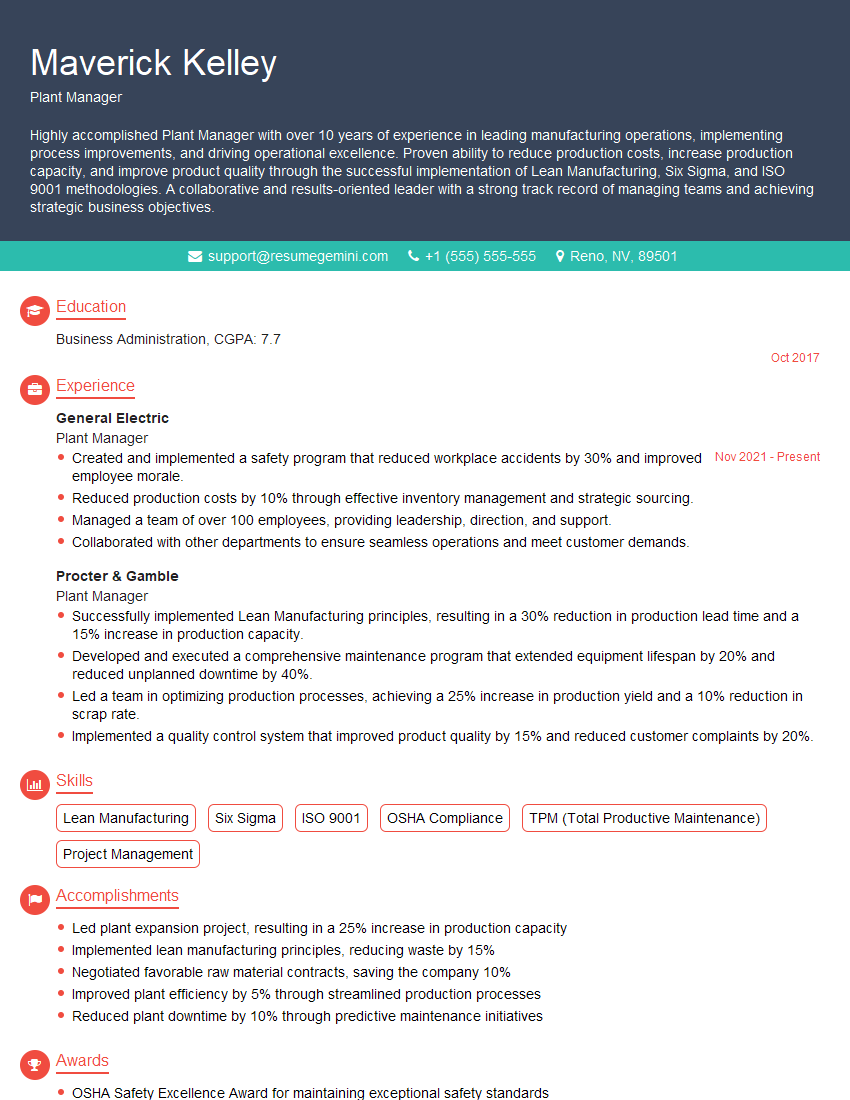
Plant Manager Resume Sample
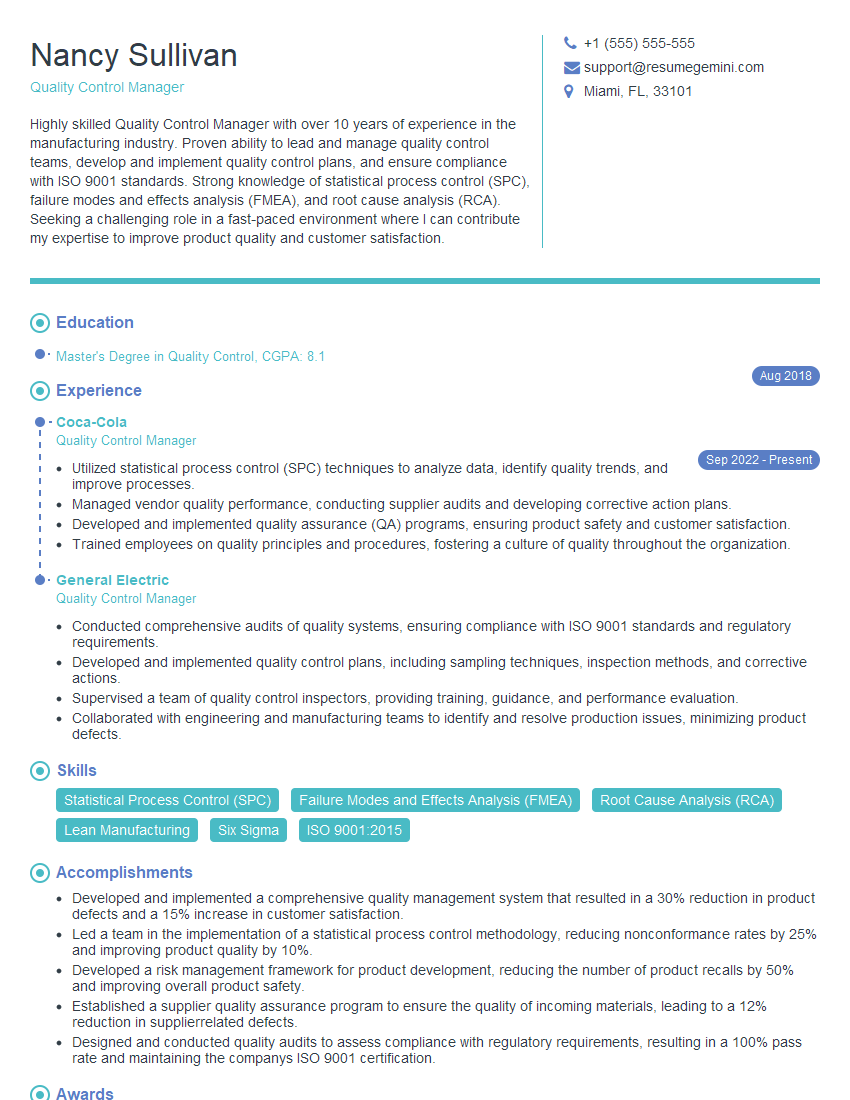
Quality Control Manager Resume Sample
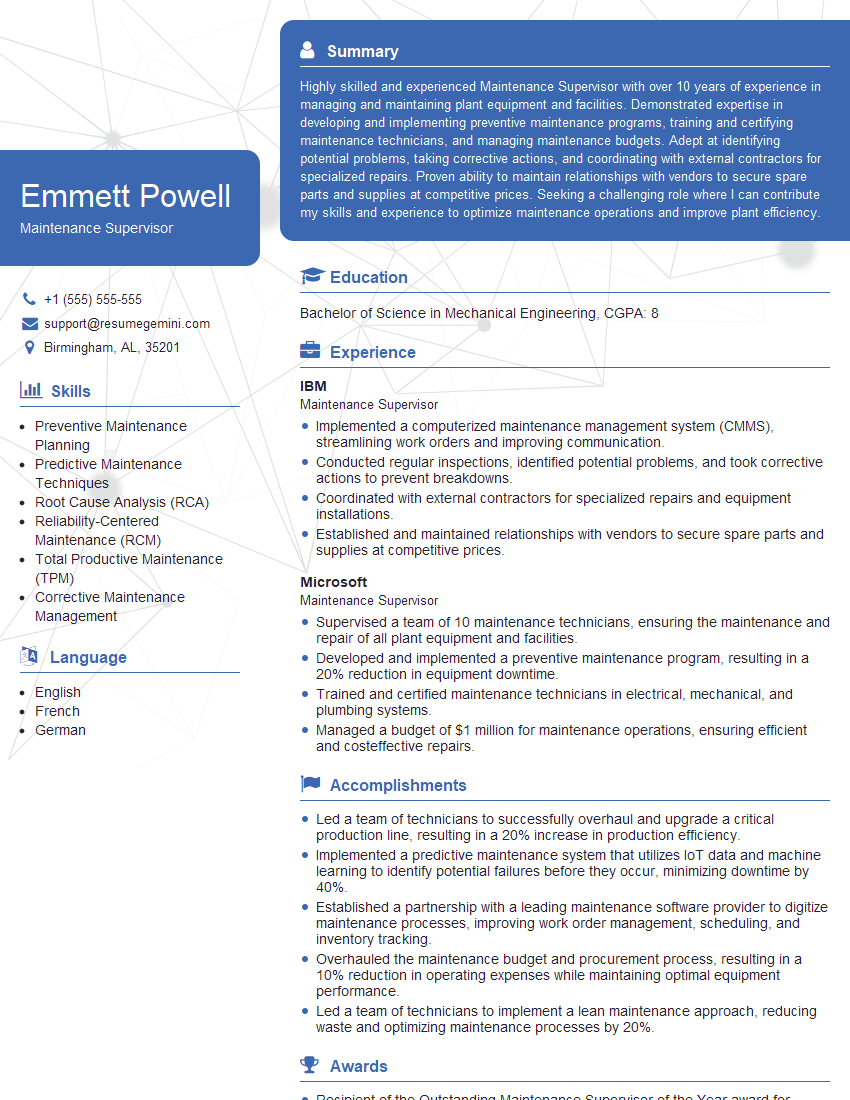
Maintenance Supervisor Resume Sample
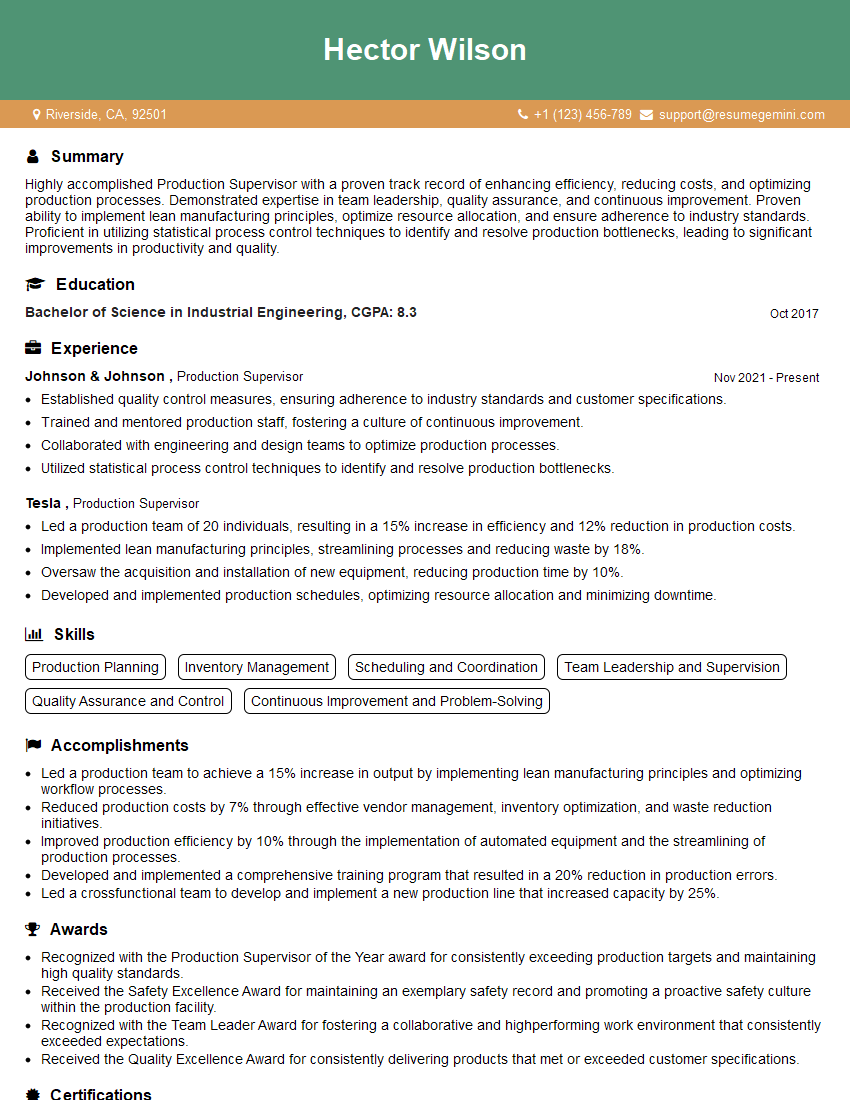
Production Supervisor Resume Sample
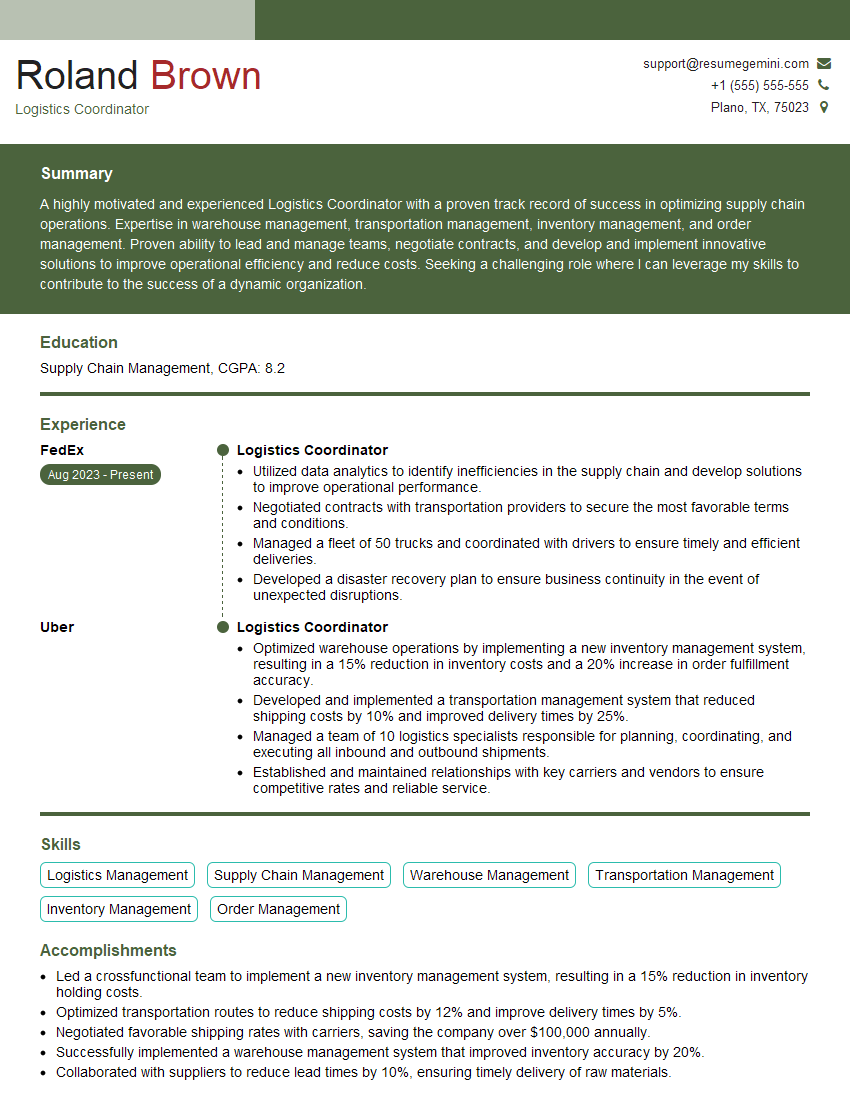
Logistics Coordinator Resume Sample
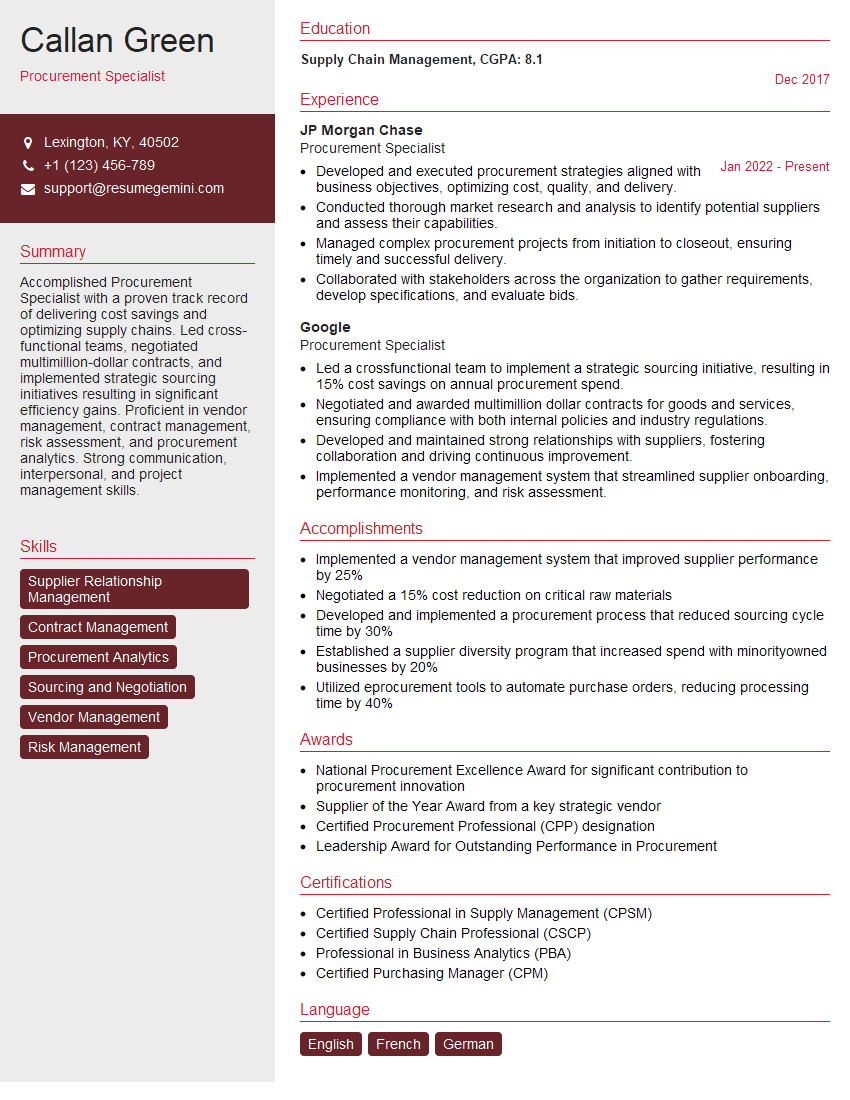
Procurement Specialist Resume Sample

Inventory Manager Resume Sample
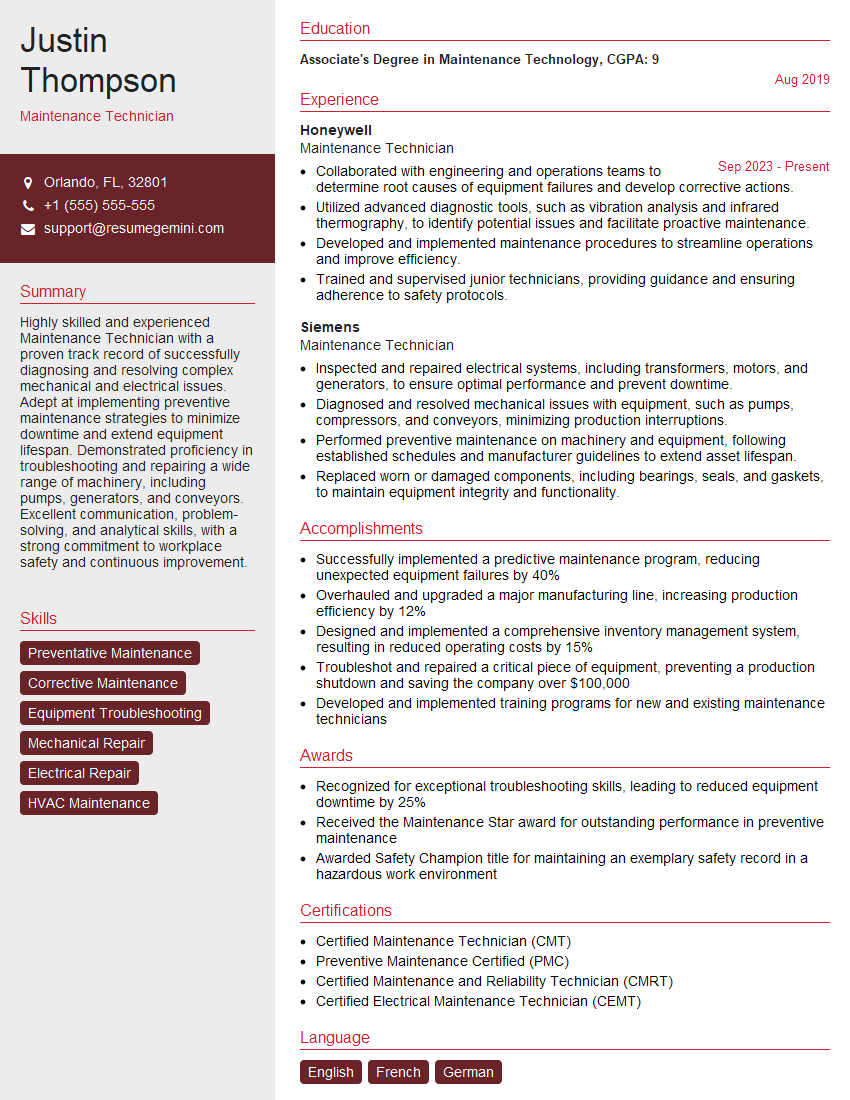
Maintenance Technician Resume Sample
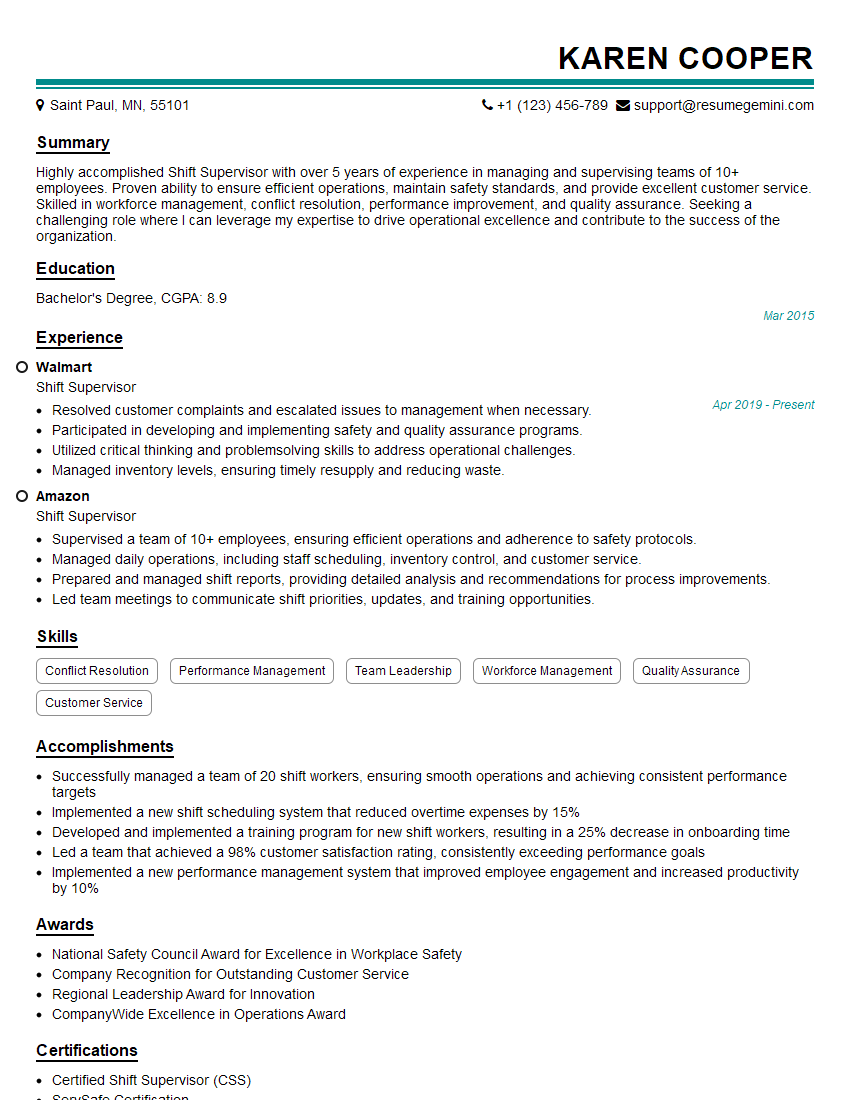
Shift Supervisor Resume Sample
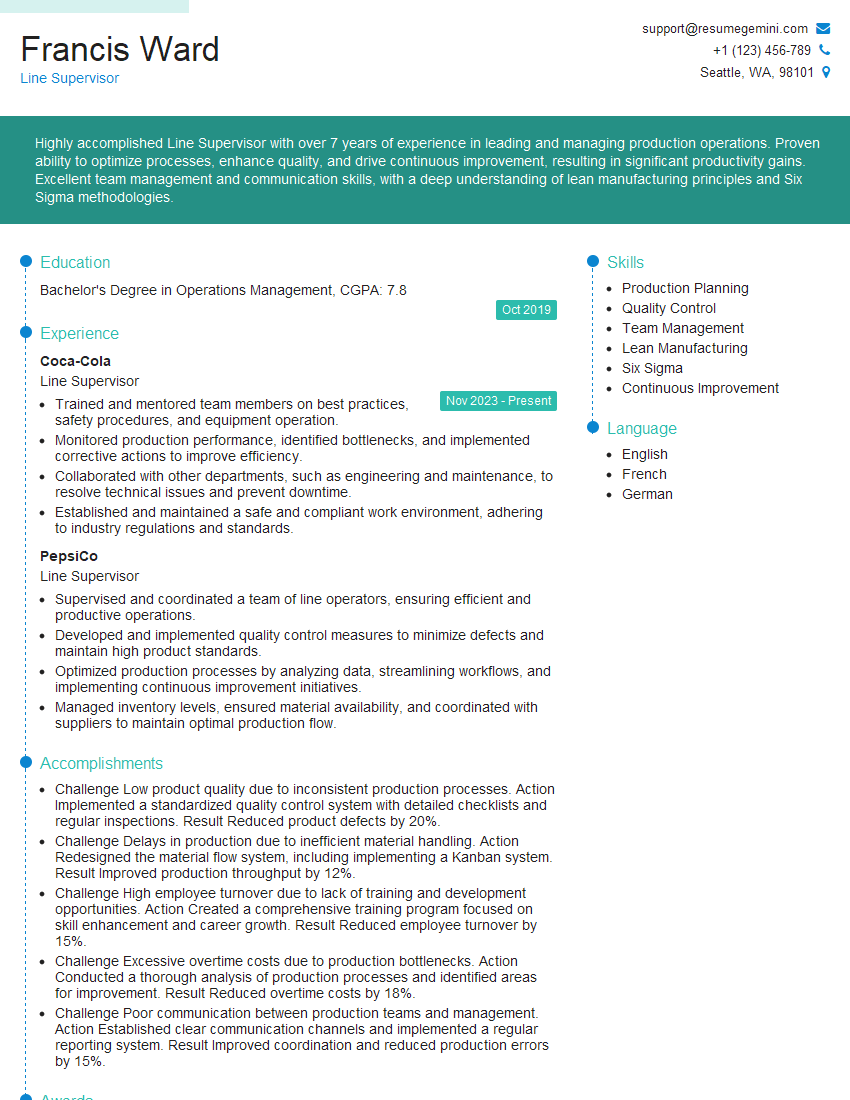
Line Supervisor Resume Sample
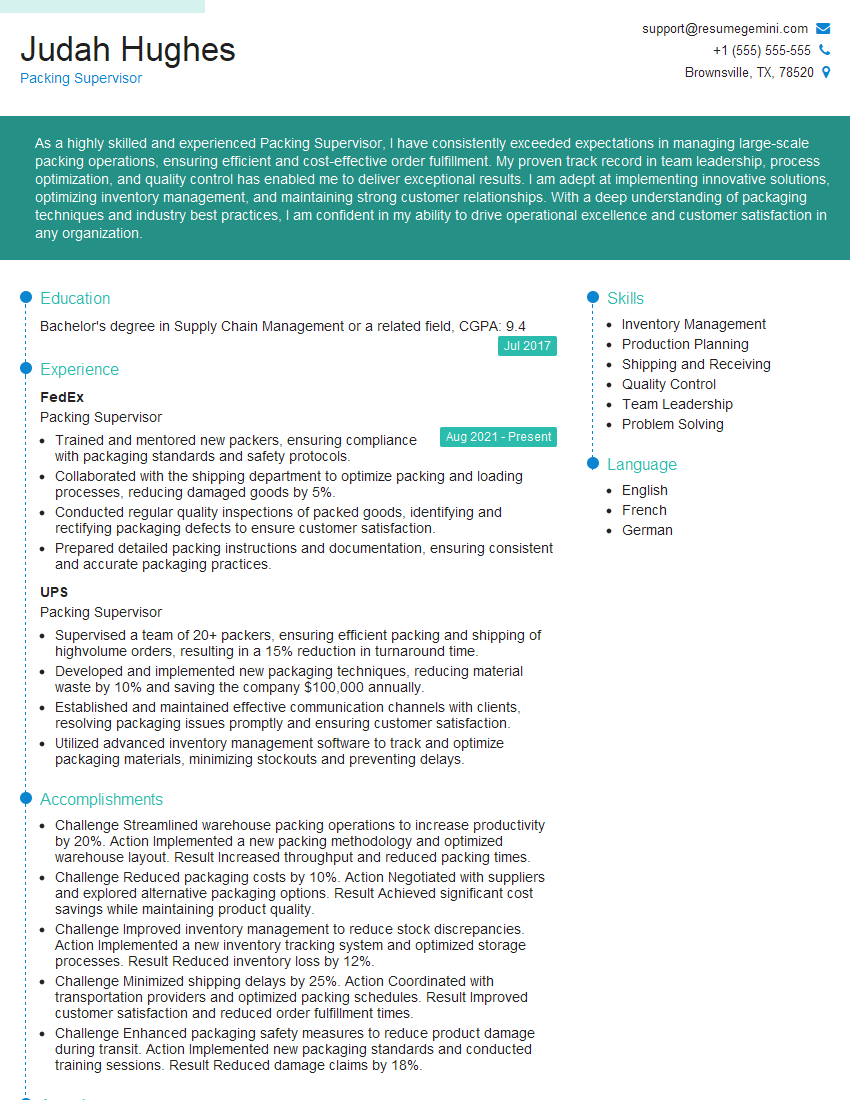
Packing Supervisor Resume Sample

Quality Control Inspector Resume Sample
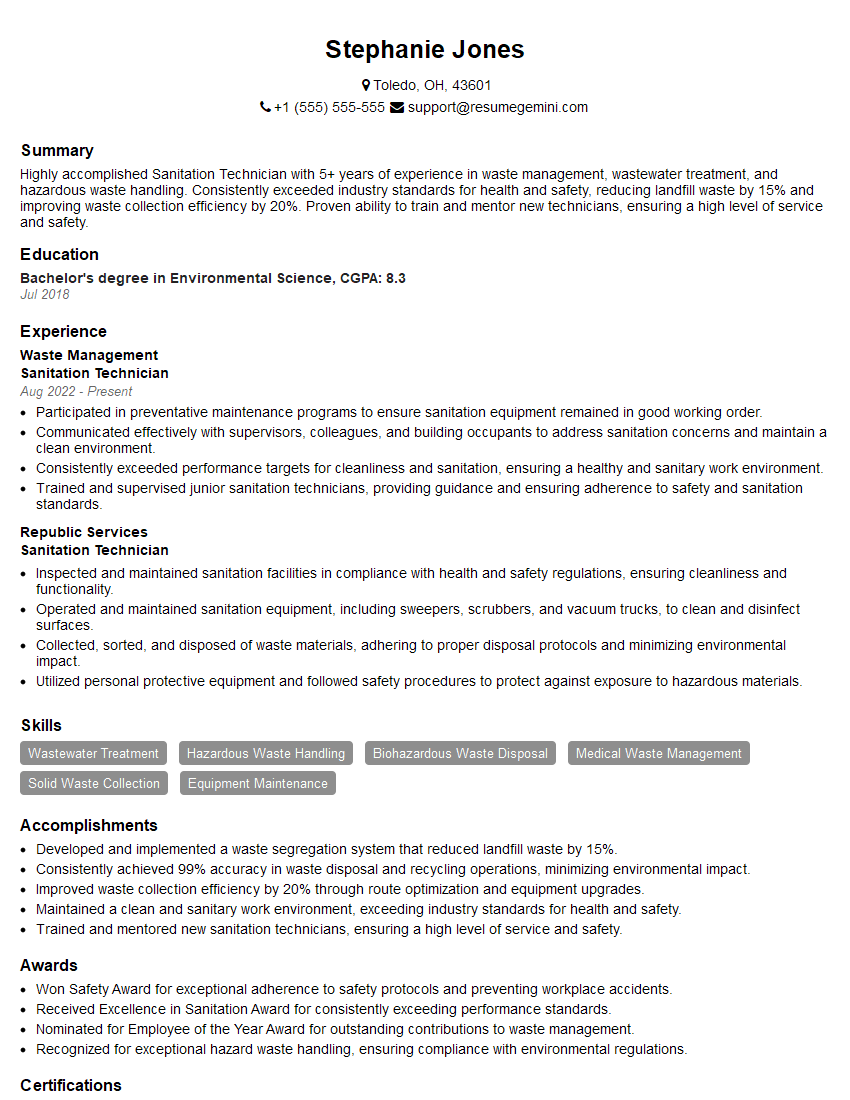
Sanitation Technician Resume Sample
Explore more articles
Users Rating of Our Blogs
Share Your Experience
We value your feedback! Please rate our content and share your thoughts (optional).
What Readers Say About Our Blog
Very informative content, great job.
good