Feeling uncertain about what to expect in your upcoming interview? We’ve got you covered! This blog highlights the most important Repetition and Monotony Tolerance interview questions and provides actionable advice to help you stand out as the ideal candidate. Let’s pave the way for your success.
Questions Asked in Repetition and Monotony Tolerance Interview
Q 1. Describe a situation where you had to perform repetitive tasks for an extended period. How did you manage?
During my time as a data analyst, I spent several weeks cleaning and preparing a large dataset for a crucial analysis. This involved repetitive tasks like data validation, standardization, and outlier detection. To manage this, I broke down the project into smaller, manageable chunks. I used a timer (Pomodoro Technique) to work in focused bursts, followed by short breaks to avoid burnout. I also created a detailed checklist to track my progress and ensure I didn’t miss any steps. This helped maintain a sense of accomplishment as I ticked off each completed segment.
Furthermore, I automated as much of the process as possible using scripting languages like Python. This reduced the manual effort significantly and allowed me to focus on more complex aspects of the data cleaning process.
Q 2. How do you maintain focus and concentration when performing repetitive tasks?
Maintaining focus during repetitive tasks is crucial for both efficiency and accuracy. My approach is multi-faceted. Firstly, I create a structured environment minimizing distractions – a quiet workspace, notifications turned off, etc. Secondly, I utilize techniques like the Pomodoro Technique, working in focused intervals followed by short breaks. This prevents mental fatigue. Thirdly, I actively engage my mind by focusing on the quality of my work rather than simply rushing through the tasks. I mentally check each step, ensuring accuracy. I might even mentally “gamify” the task, setting small goals to complete within the timer, providing a small reward after completing each Pomodoro cycle.
Q 3. What strategies do you employ to avoid boredom or fatigue during monotonous work?
Boredom and fatigue are common enemies when dealing with monotonous work. To combat this, I employ several strategies. I vary my tasks, if possible, interspersing different types of repetitive tasks to prevent mental stagnation. I listen to audiobooks or podcasts (only if it doesn’t interfere with the task’s accuracy) to maintain engagement. Short breaks, including stretching or a quick walk, are essential. Most importantly, I remind myself of the overall purpose and value of the repetitive task in contributing to a larger goal. Knowing the importance of the work keeps me motivated.
Q 4. Have you ever experienced burnout from repetitive tasks? How did you address it?
Yes, I have experienced burnout from repetitive tasks in the past, particularly during a period of intense project deadlines. The symptoms included exhaustion, irritability, and a lack of motivation. To address it, I took a proactive approach. I communicated my situation to my supervisor, who adjusted my workload. I also prioritized self-care: ensuring sufficient sleep, regular exercise, and spending time on activities I enjoy outside of work. Most importantly, I sought feedback on my workflow to identify areas for improvement and automation – which proved helpful in future projects.
Q 5. How do you prioritize tasks when faced with a large volume of repetitive work?
When facing a large volume of repetitive work, prioritization is key. I employ a combination of techniques. Firstly, I assess the urgency and importance of each task using a matrix (e.g., Eisenhower Matrix). Secondly, I group similar tasks together to streamline the workflow. Thirdly, I identify any tasks that can be automated or delegated to reduce the overall workload. Finally, I break down large tasks into smaller, more manageable chunks, making the project less daunting and allowing me to track progress effectively.
Q 6. Describe your approach to maintaining accuracy and efficiency in repetitive tasks.
Maintaining accuracy and efficiency in repetitive tasks requires a structured approach. I use checklists to ensure consistency and avoid errors. Regular breaks prevent fatigue and improve concentration. I also use tools that provide feedback on my performance to identify areas for improvement. For example, while processing data, I might utilize validation checks and cross-referencing to ensure data integrity. If the task involves manual entry, I might use double-entry methods for verification.
Q 7. How do you identify and address errors when performing repetitive tasks?
Error identification and resolution are critical. I employ several strategies. Firstly, I implement quality checks at various stages of the process. This could involve regular reviews of my work, cross-checking with other data sources, or utilizing automated validation tools. Secondly, I maintain detailed records of my work, making it easier to trace the source of any errors. Thirdly, if an error occurs, I carefully analyze it to understand its cause and take steps to prevent similar errors in the future. This often involves refining my processes or improving my understanding of the task.
Q 8. How do you stay motivated when performing monotonous tasks?
Maintaining motivation during monotonous tasks requires a proactive approach. It’s not about avoiding boredom, but about managing it effectively. I employ several strategies: First, I break down large tasks into smaller, more manageable chunks. This creates a sense of accomplishment as I complete each segment. Second, I set realistic goals and reward myself upon reaching them – this could be a short break, a quick walk, or even just a change of activity. Third, I focus on the purpose of the task and its overall contribution to a larger project. This helps me see the bigger picture and understand the value of my work. Finally, I actively seek opportunities for learning or improvement within the task itself; for example, aiming to improve speed and accuracy over time.
For instance, when data entry was a major part of my previous role, I challenged myself to improve my speed each week by a small percentage. This gamified approach significantly improved my motivation and efficiency.
Q 9. What are your techniques for staying alert and focused during long periods of repetitive work?
Staying alert and focused during repetitive work demands a multi-pronged approach. I prioritize sufficient sleep and a healthy diet to ensure optimal cognitive function. Regular breaks are crucial – I use the Pomodoro Technique (25 minutes of focused work followed by a 5-minute break), allowing me to recharge and avoid mental fatigue. I also actively change my posture and position throughout the day to combat physical discomfort. Moreover, I engage in mindfulness exercises or short periods of meditation to improve concentration. Listening to instrumental music or podcasts (avoiding anything lyrically distracting) can also help maintain focus and create a more positive work environment.
In situations requiring high concentration, I find that minimizing distractions through the use of noise-canceling headphones or dedicated focus spaces is extremely beneficial.
Q 10. Have you ever suggested improvements to streamline repetitive processes? Explain.
Yes, I have a strong track record of identifying and suggesting improvements to streamline repetitive processes. In a previous role, our team was manually processing invoices, a time-consuming and error-prone process. I proposed using a combination of optical character recognition (OCR) software and a custom-built database to automate much of the process. This involved analyzing the current workflow, identifying bottlenecks, and proposing a new, more efficient system. My suggestion was implemented, resulting in a significant reduction in processing time and a noticeable decrease in errors.
The implementation involved creating a detailed proposal outlining the benefits, cost-effectiveness, and the step-by-step process of implementation, which I presented to my team lead and management.
Q 11. How do you handle unexpected interruptions during repetitive tasks?
Unexpected interruptions during repetitive tasks can disrupt flow and impact productivity. My approach is to acknowledge the interruption, jot down a quick note about where I left off in the task, and then address the interruption efficiently. Once the interruption is dealt with, I review my notes and deliberately return to the original task using techniques to regain focus like deep breathing or a brief stretching exercise. I also actively communicate my availability to prevent unnecessary interruptions during critical periods of my work.
For instance, if a colleague needs urgent help, I’ll finish my current cycle in the Pomodoro technique before addressing their request; this prevents a cascade of disruptions.
Q 12. Describe a time you had to perform a repetitive task with a tight deadline. How did you manage?
I once had to complete a large data analysis project with a tight deadline. To manage this, I prioritized the tasks based on their criticality and dependencies. I utilized project management tools to track my progress, set realistic daily targets, and maintain a clear understanding of the remaining workload. I also sought collaboration whenever possible, delegating smaller tasks where appropriate and ensuring a smooth workflow. Working extended hours was necessary, but I ensured I took short, regular breaks to avoid burnout. The project was delivered on time and to a high standard because of this structured and disciplined approach.
Timeboxing was a crucial element – allocating specific time slots for particular tasks to keep the project on track.
Q 13. How do you ensure the quality of your work remains consistent despite the repetitive nature of the tasks?
Maintaining consistent quality during repetitive tasks relies on establishing clear quality control measures from the outset. I use checklists and templates to ensure each step of the process is completed consistently. Regular self-audits and cross-checking my work are essential to identify and correct errors. Furthermore, I strive to understand the potential sources of errors and proactively implement measures to prevent them. If necessary, I’ll document the process for others to maintain quality standards across a team. Using standardized templates for documents and maintaining a consistent format across data entry ensures accuracy and consistency.
For instance, I use color-coded spreadsheets to flag potential errors and easily track progress.
Q 14. What are your strengths when it comes to handling repetitive tasks?
My strengths when handling repetitive tasks include meticulous attention to detail, high accuracy, efficiency, and a systematic approach to workflow. I’m also adept at identifying and implementing process improvements, which helps to reduce monotony and improve overall productivity. My ability to remain focused and maintain consistent performance even during extended periods of repetitive work is another key strength. I also possess excellent organizational skills, enabling me to manage multiple tasks and prioritize effectively within tight deadlines.
In essence, I can bring both efficiency and a proactive mindset to even the most repetitive tasks.
Q 15. What are your weaknesses when it comes to handling repetitive tasks, and how do you mitigate them?
My primary weakness when dealing with repetitive tasks is the potential for decreased attention to detail over time. This isn’t a lack of ability, but rather a natural human response to monotony. To mitigate this, I employ several strategies. Firstly, I break down large repetitive tasks into smaller, more manageable chunks. This allows for short breaks and a sense of accomplishment after completing each segment. Secondly, I actively seek ways to vary my approach, even subtly. If I’m data-entry, I might change the order I process information or try different keyboard shortcuts. Finally, I utilize timer-based breaks. The Pomodoro Technique, for example (25 minutes of work followed by a 5-minute break), helps maintain focus and prevents burnout.
Career Expert Tips:
- Ace those interviews! Prepare effectively by reviewing the Top 50 Most Common Interview Questions on ResumeGemini.
- Navigate your job search with confidence! Explore a wide range of Career Tips on ResumeGemini. Learn about common challenges and recommendations to overcome them.
- Craft the perfect resume! Master the Art of Resume Writing with ResumeGemini’s guide. Showcase your unique qualifications and achievements effectively.
- Don’t miss out on holiday savings! Build your dream resume with ResumeGemini’s ATS optimized templates.
Q 16. How do you adapt to changes in repetitive tasks or procedures?
Adapting to changes in repetitive tasks requires flexibility and a proactive mindset. I approach changes by first understanding the rationale behind them – why the procedure is changing and what the desired outcome is. This context helps me adopt the new approach more readily. I then meticulously review the new procedures, asking clarifying questions if necessary. I find it helpful to create a checklist or flowchart of the new process, visualizing it enhances my understanding and retention. During the initial phase of adjustment, I allow for a slightly increased error margin and focus on mastery rather than speed, ensuring quality over rapid adaptation.
Q 17. How do you ensure you don’t make mistakes when performing repetitive tasks?
Preventing mistakes in repetitive tasks involves implementing a multi-layered approach. Firstly, I maintain a high level of self-awareness and monitor my concentration. If I feel my focus waning, I take a short break. Secondly, I employ regular quality checks. This might involve double-checking my work at intervals, using automated verification tools where applicable, or having a colleague review my output. Finally, I use error-prevention techniques like pre-defined templates, automated input validation (where feasible), and structured checklists. This systematic approach minimizes the chance of overlooking details or making careless errors. For example, when working with spreadsheets, I often use data validation features to restrict inputs and prevent data entry mistakes.
Q 18. How do you prevent yourself from becoming complacent when performing repetitive tasks?
Complacency is a significant risk with repetitive work. I combat this by actively seeking opportunities for improvement, even in seemingly small ways. This might involve suggesting process improvements to my team, seeking out new challenges within the existing task, or setting personal goals for efficiency or accuracy. I also make a conscious effort to stay engaged by listening to podcasts, audiobooks or music (depending on the nature of the task). Regularly reviewing my performance metrics and identifying areas for optimization further helps maintain a focus on continuous improvement, preventing me from becoming complacent. It’s about actively reminding myself that even small improvements can have a significant cumulative effect.
Q 19. Describe your experience working in a fast-paced environment with repetitive tasks.
In fast-paced environments with repetitive tasks, efficiency and accuracy are paramount. My experience working in such settings has honed my ability to prioritize tasks, manage my time effectively, and remain calm under pressure. I thrive on the challenge of meeting tight deadlines while maintaining a high level of quality. For example, during a peak period in my previous role, we had to process a significantly higher volume of orders than usual. By streamlining our workflow, implementing a more efficient task allocation system, and collaborating effectively with my team, we managed to meet all deadlines without compromising accuracy. The key is a combination of structured approach, effective communication, and a resilience to handle unexpected pressures.
Q 20. What measures do you take to maintain your physical and mental health when performing repetitive tasks?
Maintaining physical and mental health while performing repetitive tasks is crucial. I prioritize regular breaks to stand up, stretch, and move around. I also focus on maintaining good posture to avoid musculoskeletal problems. Mental well-being is equally important. I incorporate mindfulness exercises, brief meditation sessions, or simply step away from my workstation to clear my head. I also ensure I get adequate sleep, eat nutritious meals, and stay hydrated throughout the day. These seemingly small actions accumulate to make a significant difference in my overall well-being and help prevent burnout, a real risk in repetitive tasks.
Q 21. How do you deal with frustration when faced with repetitive tasks?
Frustration with repetitive tasks is normal. My approach involves acknowledging the feeling without letting it overwhelm me. I often find it helpful to reframe the task. Instead of focusing on the repetitive nature, I concentrate on the value or significance of the work. For example, if data entry supports a crucial project, that awareness can increase motivation. If frustration persists, I take a short break, engaging in a different activity to clear my head. I might also seek support from colleagues, discussing my feelings and finding solutions together. Openly addressing the frustration helps manage it constructively and avoids negative impacts on productivity or morale.
Q 22. Can you provide an example of how you’ve improved efficiency in a repetitive task?
Improving efficiency in repetitive tasks involves streamlining the process and optimizing individual steps. Think of it like assembling a car on an assembly line – each worker performs a specific, repetitive action. To improve efficiency, you need to identify bottlenecks and redundancies.
For instance, in a previous role involving data entry, I noticed I was constantly switching between different software programs. This created unnecessary delays. I developed a macro using a scripting language (AutoHotkey, for example) that automated the data transfer between the programs. This reduced my processing time by approximately 30%, freeing up time for more complex tasks. Another example involved improving my keyboard shortcuts; learning and utilizing them significantly reduced the time spent on repetitive actions.
Q 23. How do you use technology to assist you in performing repetitive tasks?
Technology is invaluable for handling repetitive tasks. It allows for automation, reduces errors, and boosts overall efficiency. I frequently use tools like scripting languages (Python, R, or JavaScript) to automate data processing, cleaning, and analysis. Spreadsheets like Excel and Google Sheets also play a critical role in automating calculations and generating reports. For tasks involving image or document processing, I leverage software with OCR capabilities and automated image editing features. Even simple tools like text expanders can significantly improve the speed of repetitive typing tasks.
Q 24. What are some techniques you use to break up monotony during long periods of repetitive work?
Monotony is a real challenge with repetitive work, and combating it is crucial for maintaining focus and productivity. I employ several techniques. The Pomodoro Technique, where you work in focused bursts (e.g., 25 minutes) followed by short breaks, helps maintain concentration. I also listen to audiobooks or podcasts during less demanding parts of the task to keep my mind engaged. Regular stretching and short walks also aid in combating physical fatigue and mental stagnation. Finally, I make sure to change tasks occasionally, even if it’s just a small shift in focus, to avoid complete mental burnout.
Q 25. How do you approach tasks that require a high level of precision and repetition?
High-precision, repetitive tasks demand meticulous attention to detail and a systematic approach. I use checklists to ensure I follow each step accurately and consistently. Regular self-checks and quality control measures are essential. For instance, if I’m inspecting manufactured parts for defects, I might use a magnifier and standardized measurement tools to ensure accuracy. Taking short breaks between sets of inspections can also prevent errors caused by fatigue. The key is establishing a robust system of checks and balances to maintain a high standard of accuracy.
Q 26. How do you ensure consistency in your work when performing repetitive tasks?
Consistency is paramount in repetitive tasks. I achieve this through standardization. This involves creating and adhering to detailed, step-by-step instructions or workflows. Templates and pre-formatted documents also contribute to consistency, ensuring uniformity across all outputs. Regular calibration of tools and equipment is crucial for maintaining accuracy and preventing variations in the results. Finally, regular self-assessment and peer review can help identify any inconsistencies and allow for timely corrections.
Q 27. Describe your preferred work environment for performing repetitive tasks.
My ideal work environment for repetitive tasks is comfortable, well-organized, and free from distractions. Adequate lighting, a comfortable chair, and a well-organized workspace are crucial for maintaining focus and minimizing fatigue. A quiet environment is generally preferred, although some background noise (like ambient music) can be helpful for some individuals. Access to ergonomic equipment like adjustable chairs and keyboards is also vital for preventing musculoskeletal issues. In short, the environment needs to be conducive to sustained concentration and physical well-being.
Q 28. How do you handle criticism related to your performance of repetitive tasks?
Criticism, when constructive, is valuable for improvement. I approach criticism related to my performance on repetitive tasks by first actively listening and understanding the concerns. I ask clarifying questions if needed to gain a complete understanding of the feedback. Then, I analyze the criticism to identify areas for improvement, whether it’s in my technique, workflow, or the use of tools. I document the feedback and implement corrective actions. If the criticism is unfounded or unfair, I address it professionally, providing data or evidence to support my claims. Ultimately, the goal is to learn from feedback and continuously refine my approach.
Key Topics to Learn for Repetition and Monotony Tolerance Interview
- Understanding Your Work Style: Identify your personal strengths and weaknesses regarding repetitive tasks. Reflect on past experiences where you encountered repetitive work and how you managed it.
- Strategies for Maintaining Focus and Engagement: Explore techniques like time management, task prioritization, and incorporating small breaks to combat monotony. Consider methods for finding intrinsic motivation within repetitive tasks.
- Problem-Solving in Repetitive Environments: Discuss your approach to identifying and resolving issues that may arise from repetitive processes. Highlight your ability to detect patterns, inconsistencies, and areas for improvement within a repetitive workflow.
- Adaptability and Flexibility: Showcase your capacity to adapt to changing routines and handle unexpected interruptions while maintaining efficiency in a repetitive work environment.
- Maintaining Quality and Accuracy: Explain how you ensure high standards of quality and accuracy even when performing repetitive tasks. Describe your methods for self-checking and error prevention.
- Teamwork and Collaboration in Repetitive Settings: Discuss your experience collaborating with others on repetitive tasks and how you maintain positive team dynamics in such environments.
- Continuous Improvement and Innovation: Explore your ability to identify opportunities for streamlining repetitive processes and suggest improvements to increase efficiency and productivity.
Next Steps
Mastering repetition and monotony tolerance is crucial for career advancement. Many roles, even those requiring creativity, involve a degree of repetitive tasks. Demonstrating your ability to handle these effectively showcases valuable work ethic and efficiency. To significantly enhance your job prospects, it’s essential to create an ATS-friendly resume that highlights these skills. ResumeGemini is a trusted resource that can help you build a professional resume tailored to your specific needs. We provide examples of resumes showcasing strong Repetition and Monotony Tolerance, helping you present yourself effectively to potential employers.
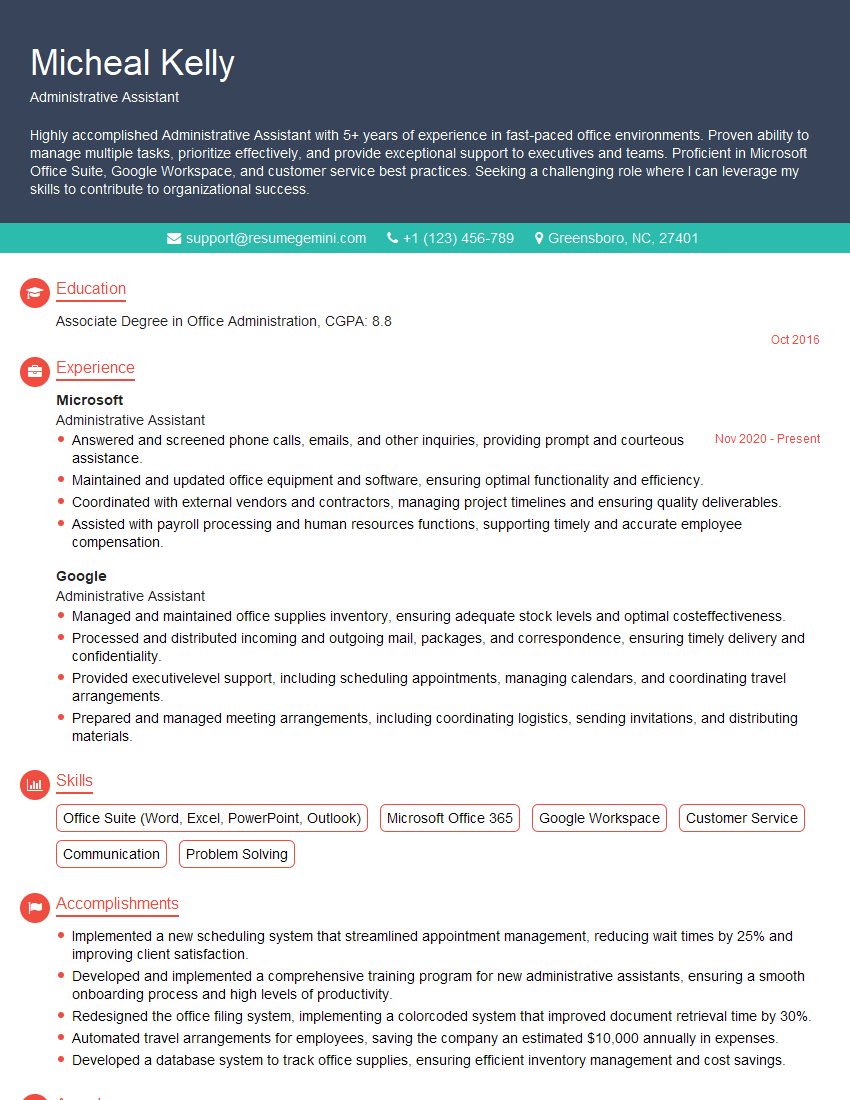
Administrative Assistant Resume Sample
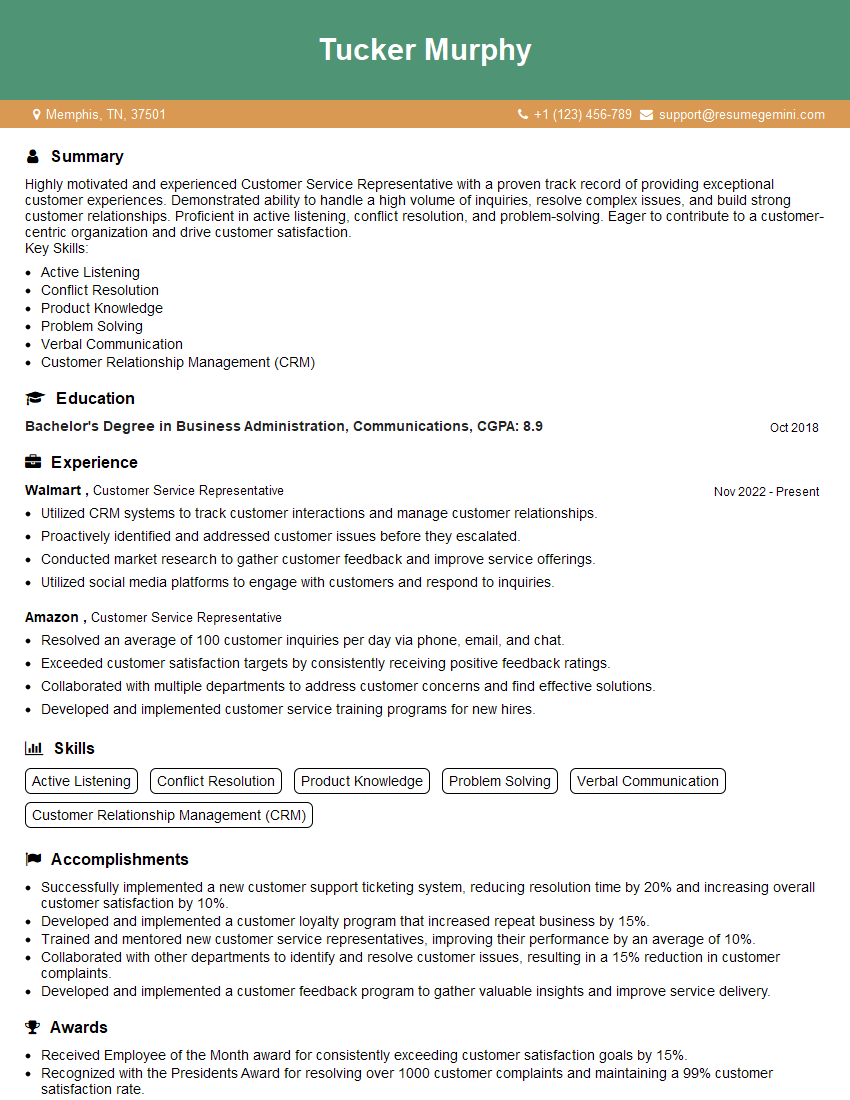
Customer Service Representative Resume Sample
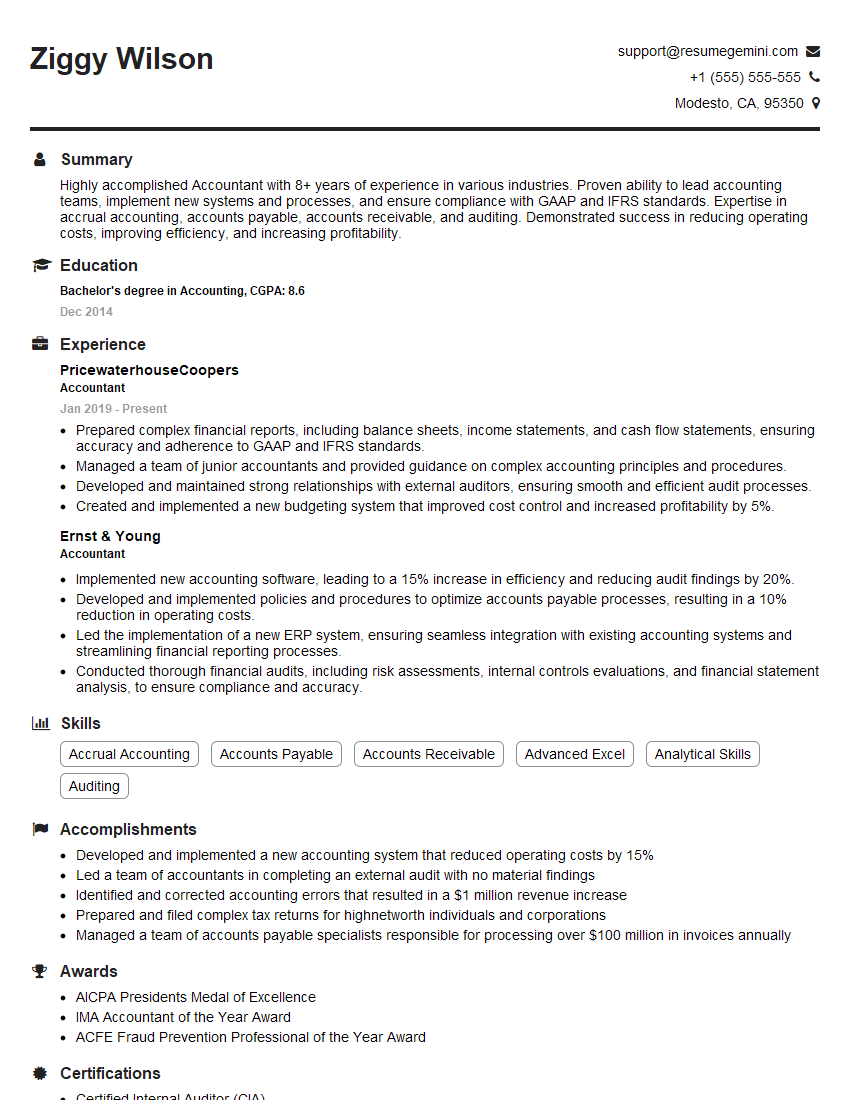
Accountant Resume Sample
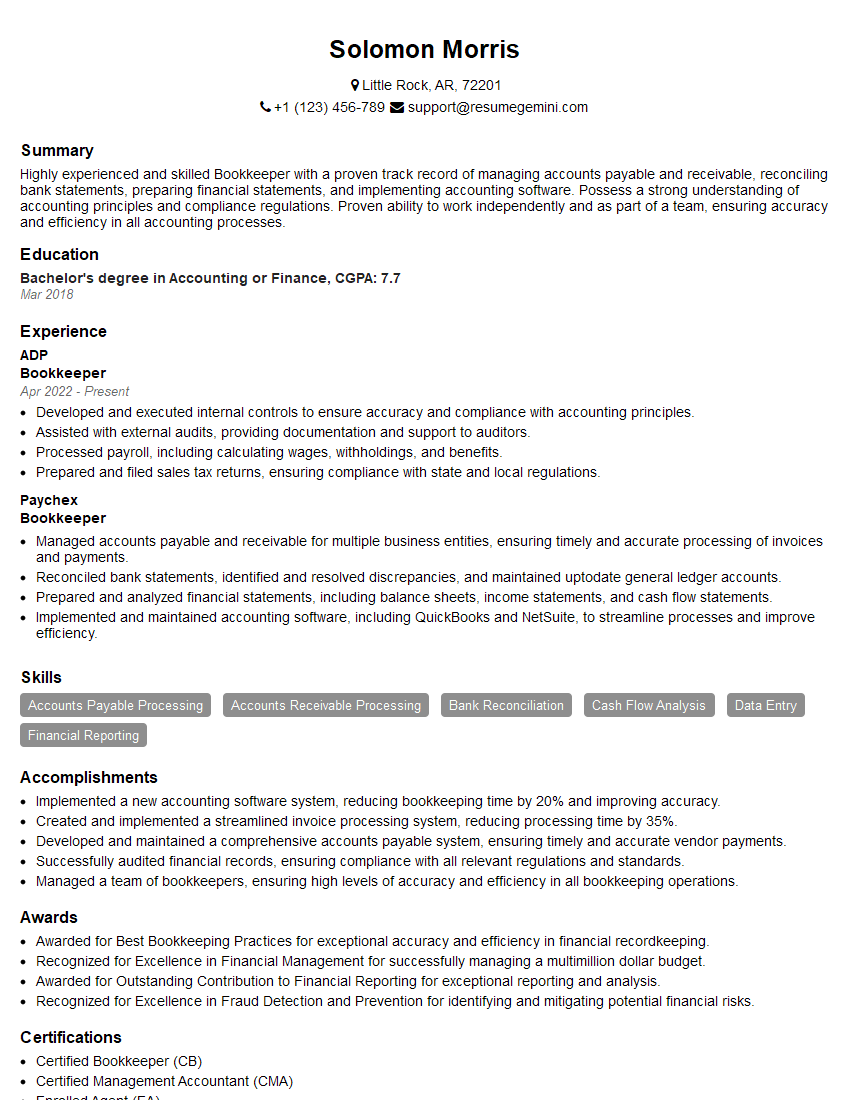
Bookkeeper Resume Sample
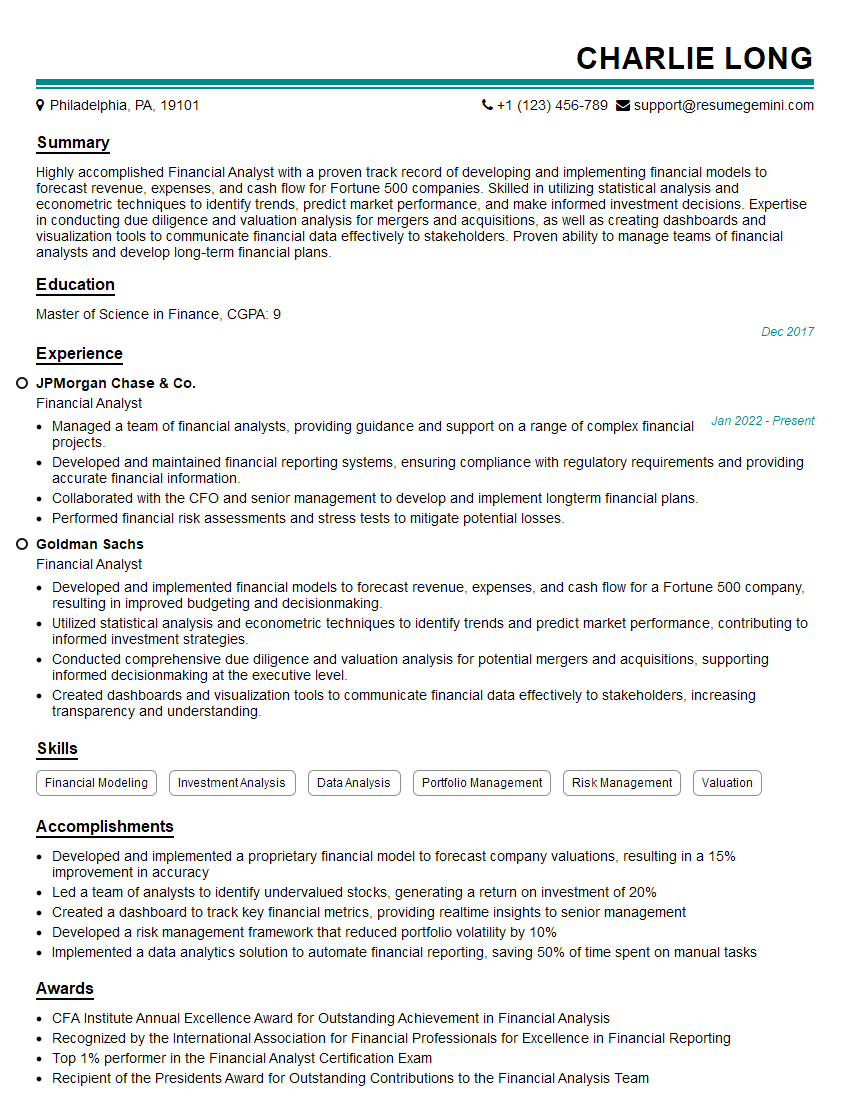
Financial Analyst Resume Sample
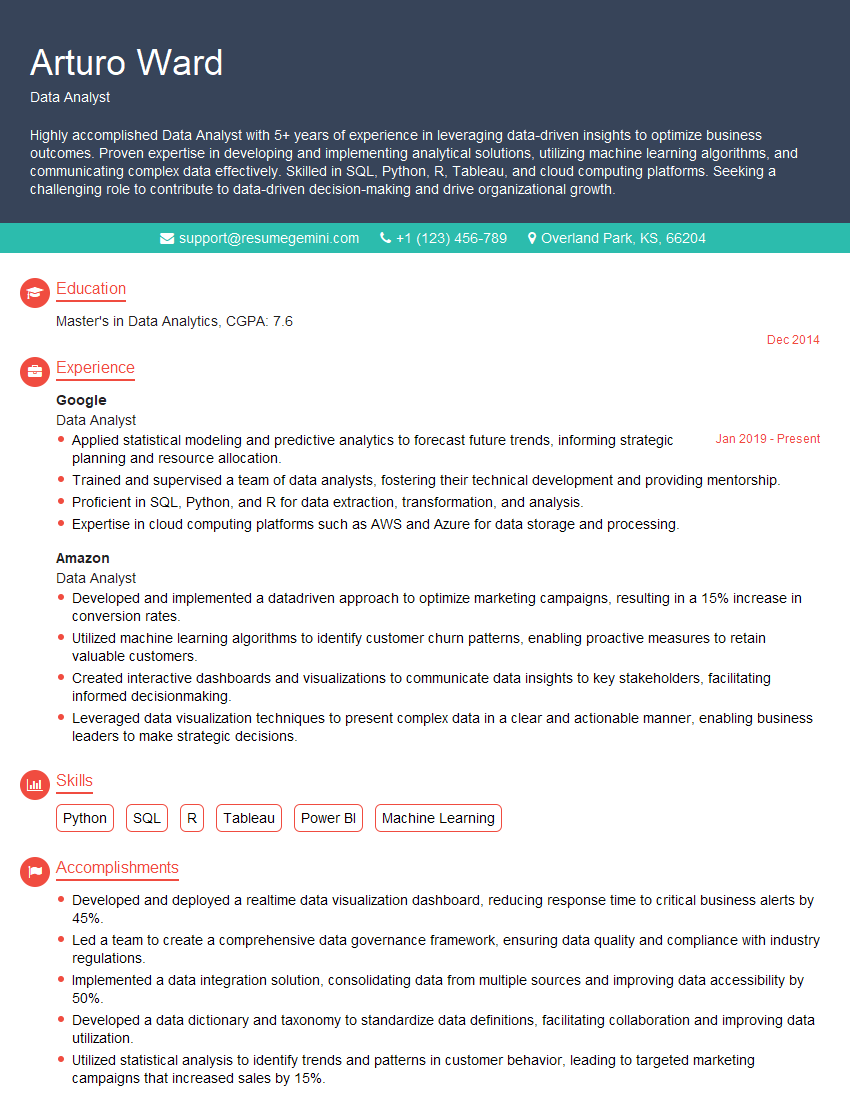
Data Analyst Resume Sample

Software Tester Resume Sample
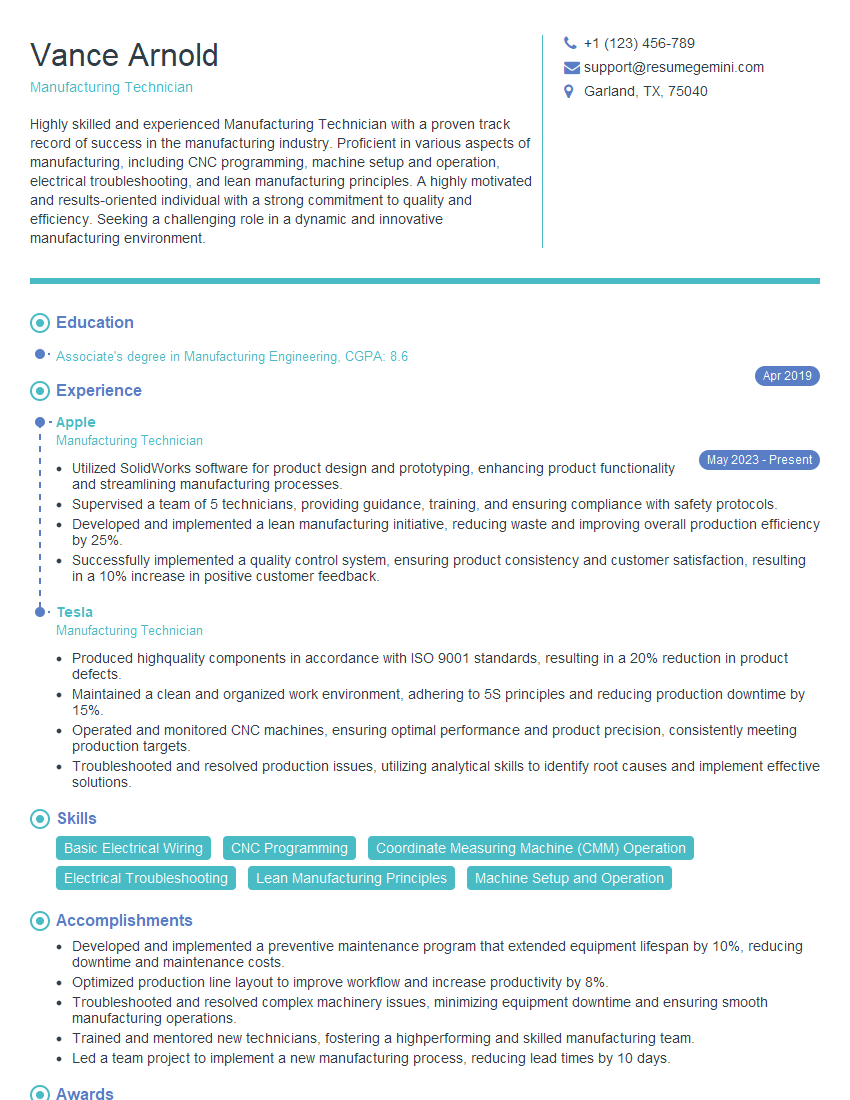
Manufacturing Technician Resume Sample
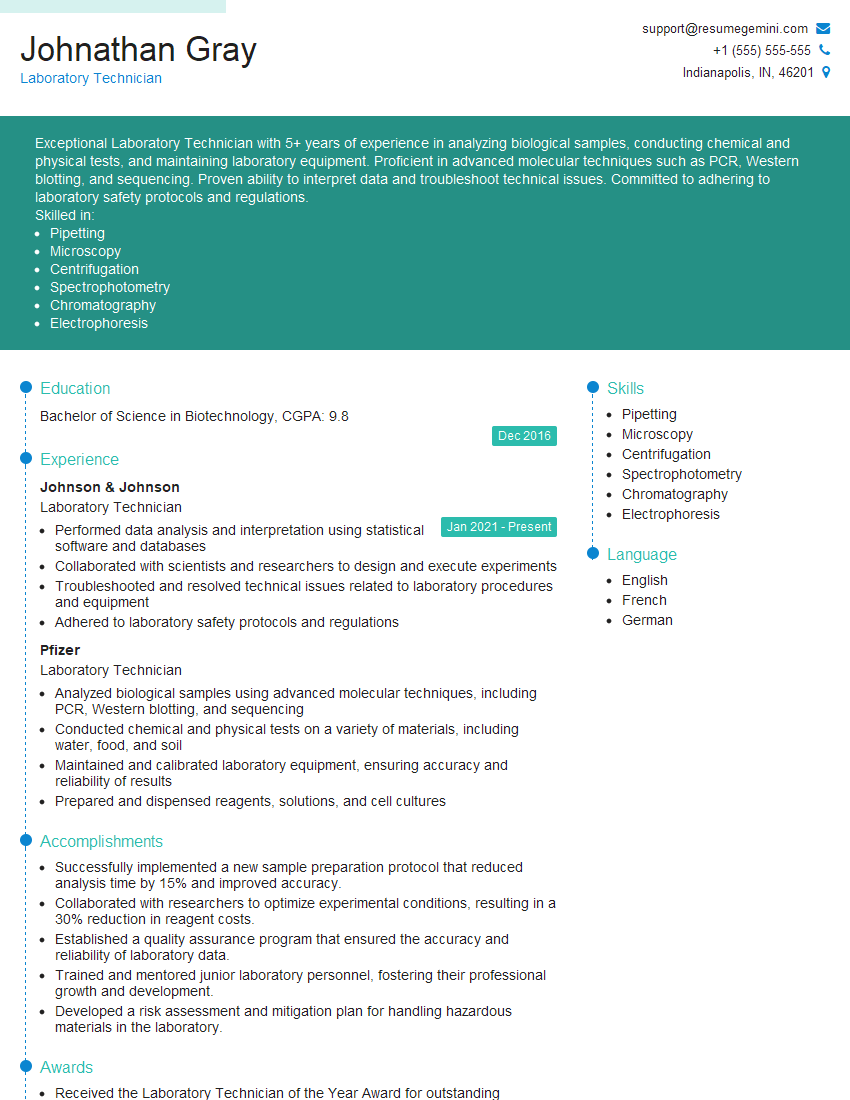
Laboratory Technician Resume Sample
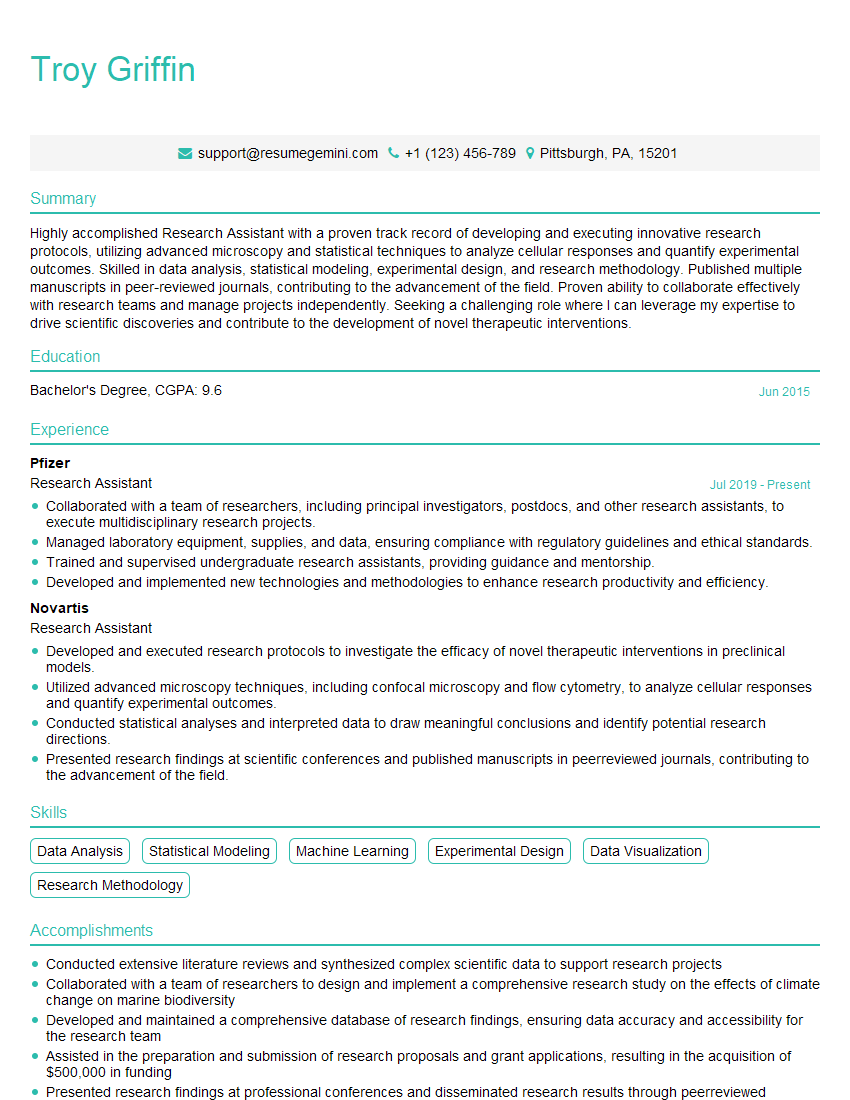
Research Assistant Resume Sample
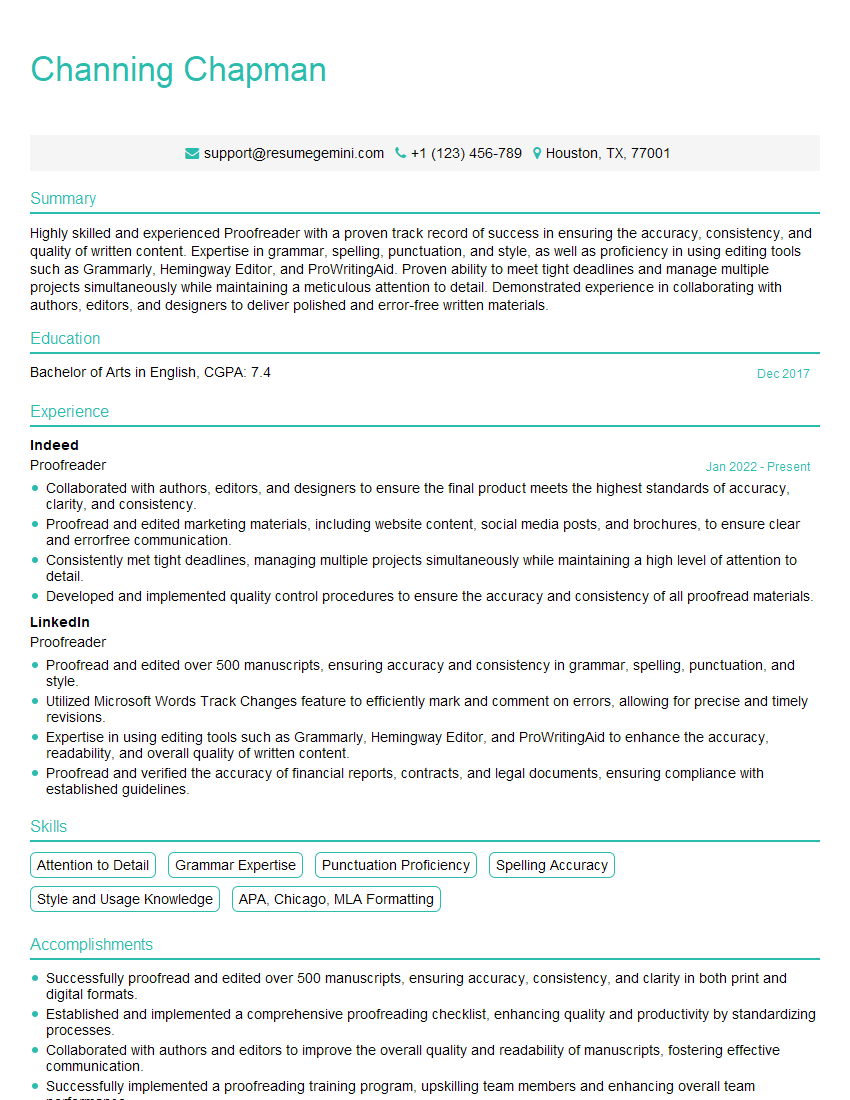
Proofreader Resume Sample
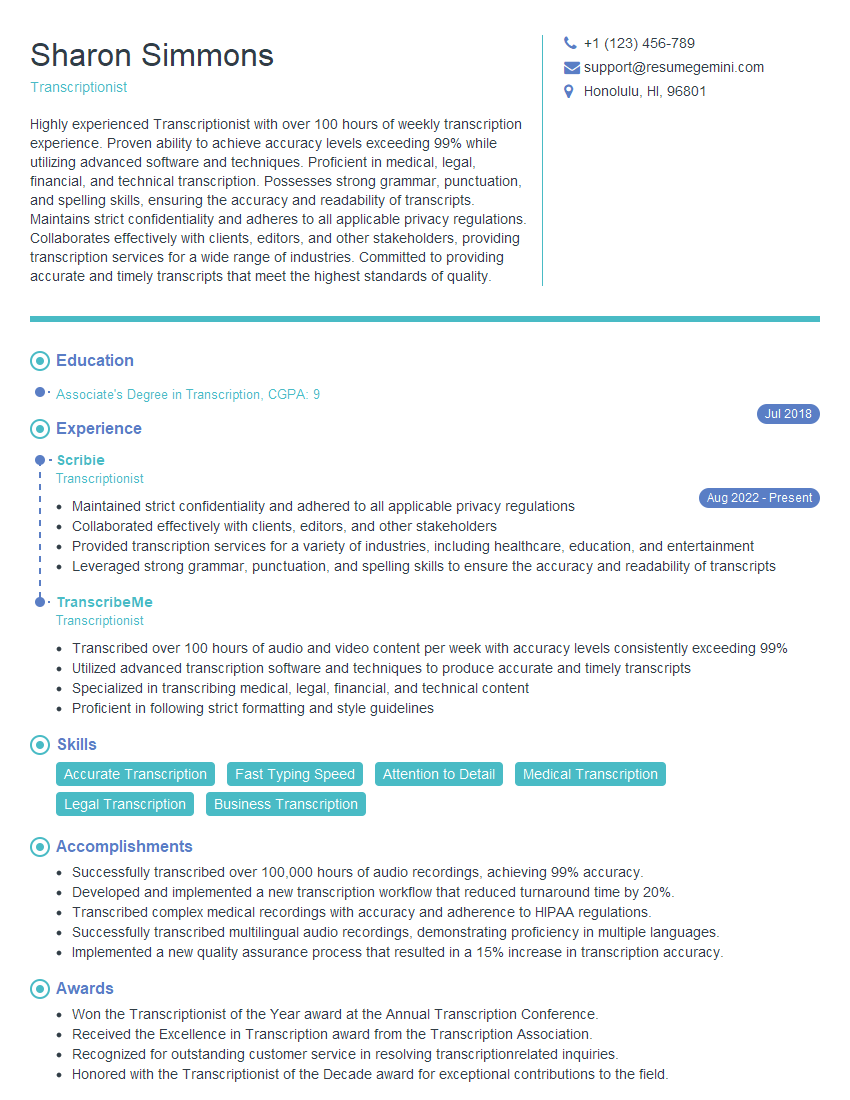
Transcriptionist Resume Sample
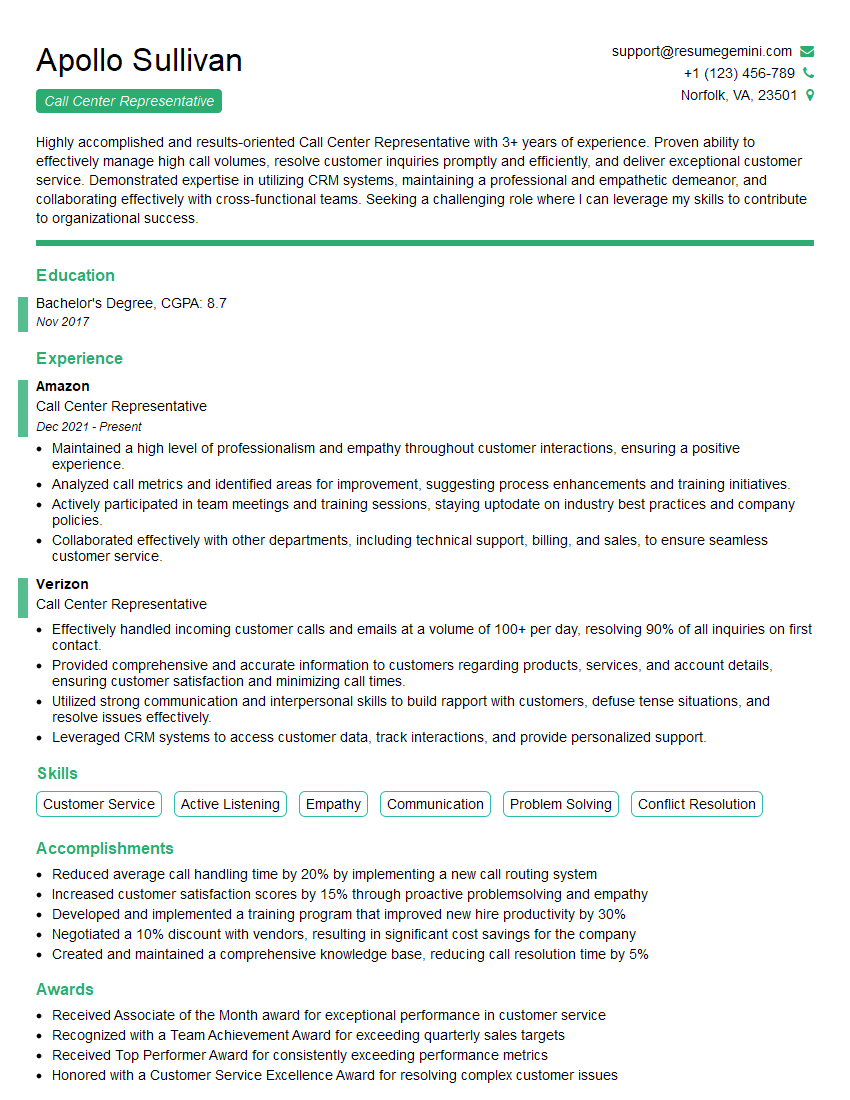
Call Center Representative Resume Sample
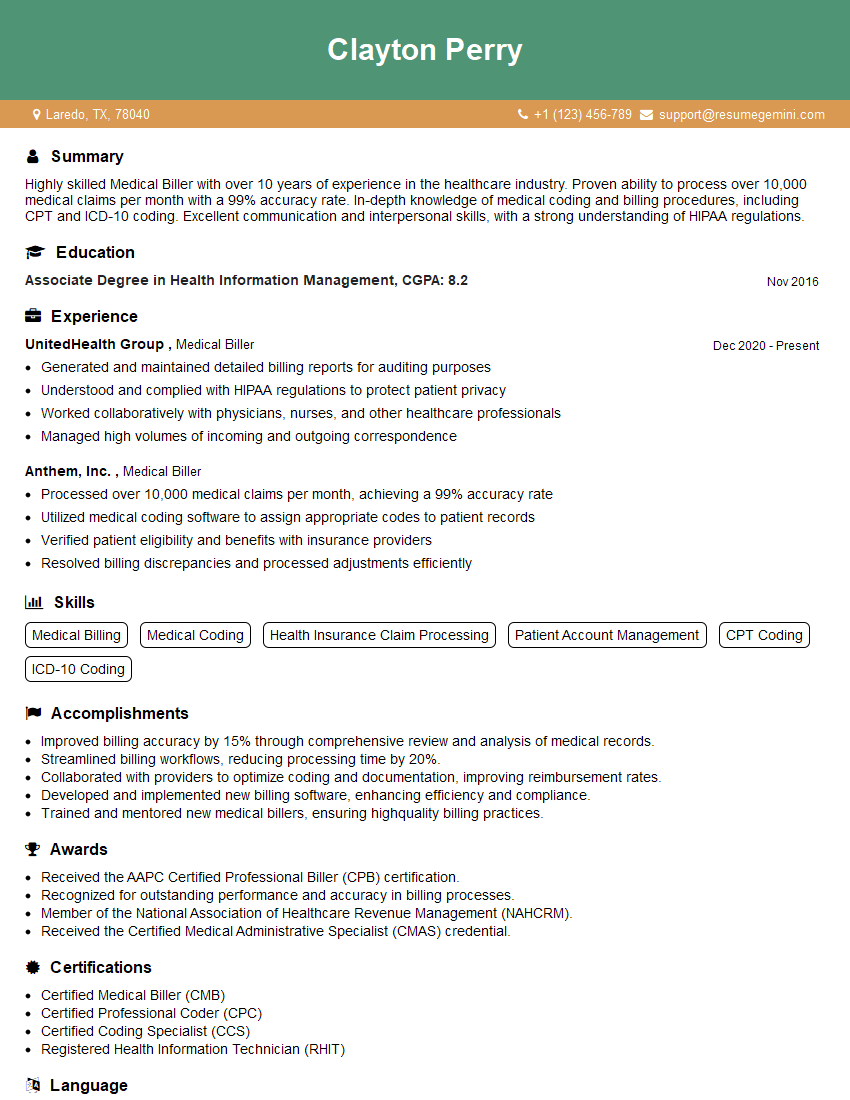
Medical Biller Resume Sample
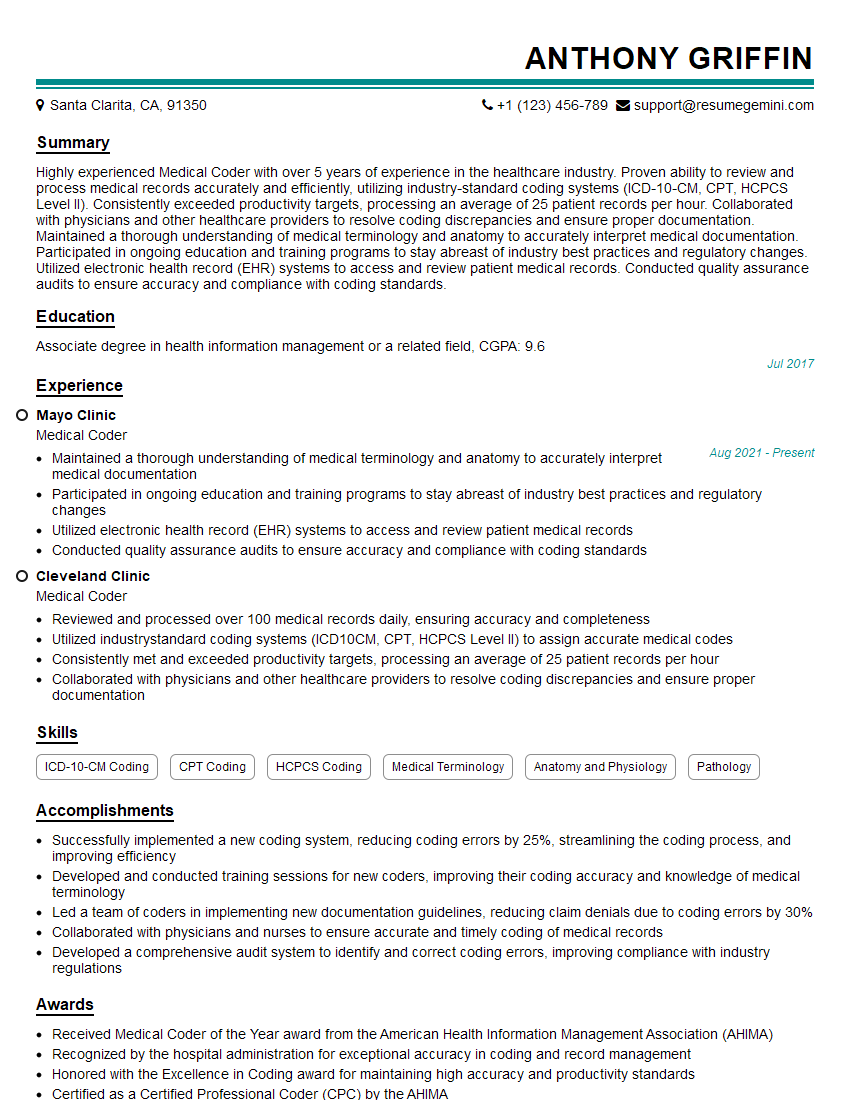
Medical Coder Resume Sample

Shipping and Receiving Clerk Resume Sample
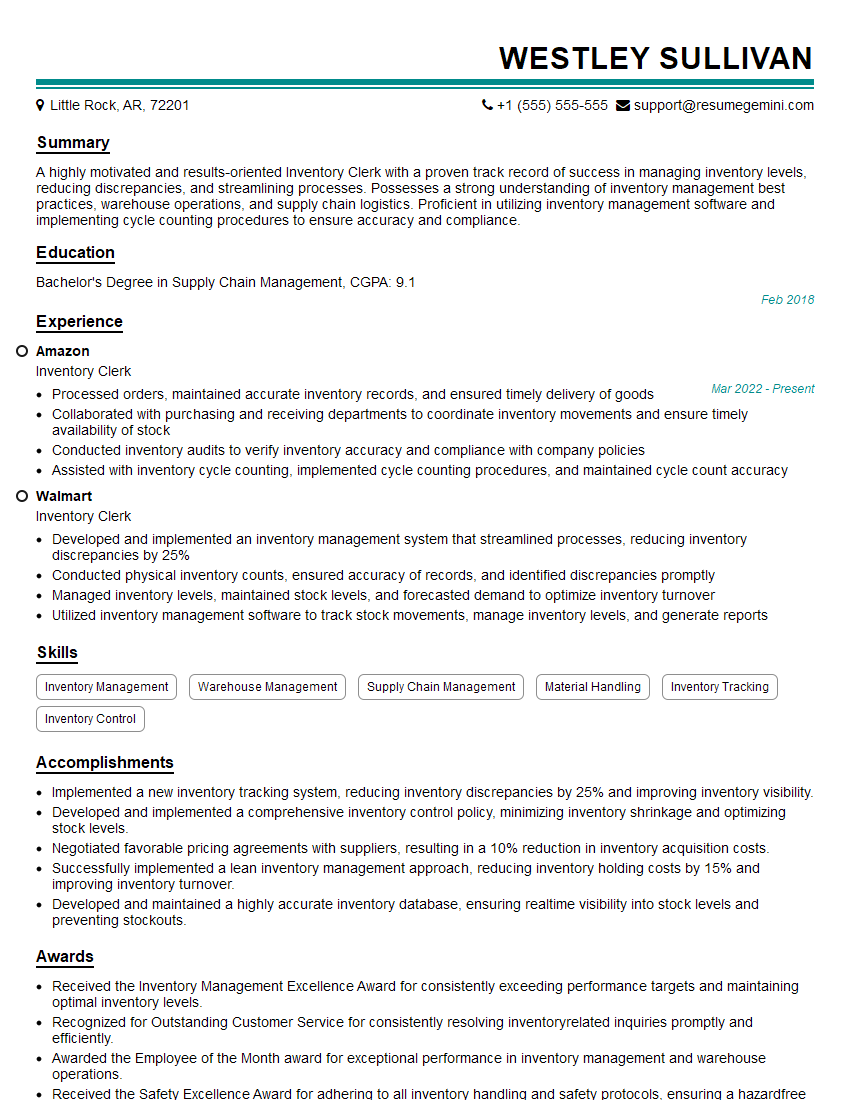
Inventory Clerk Resume Sample
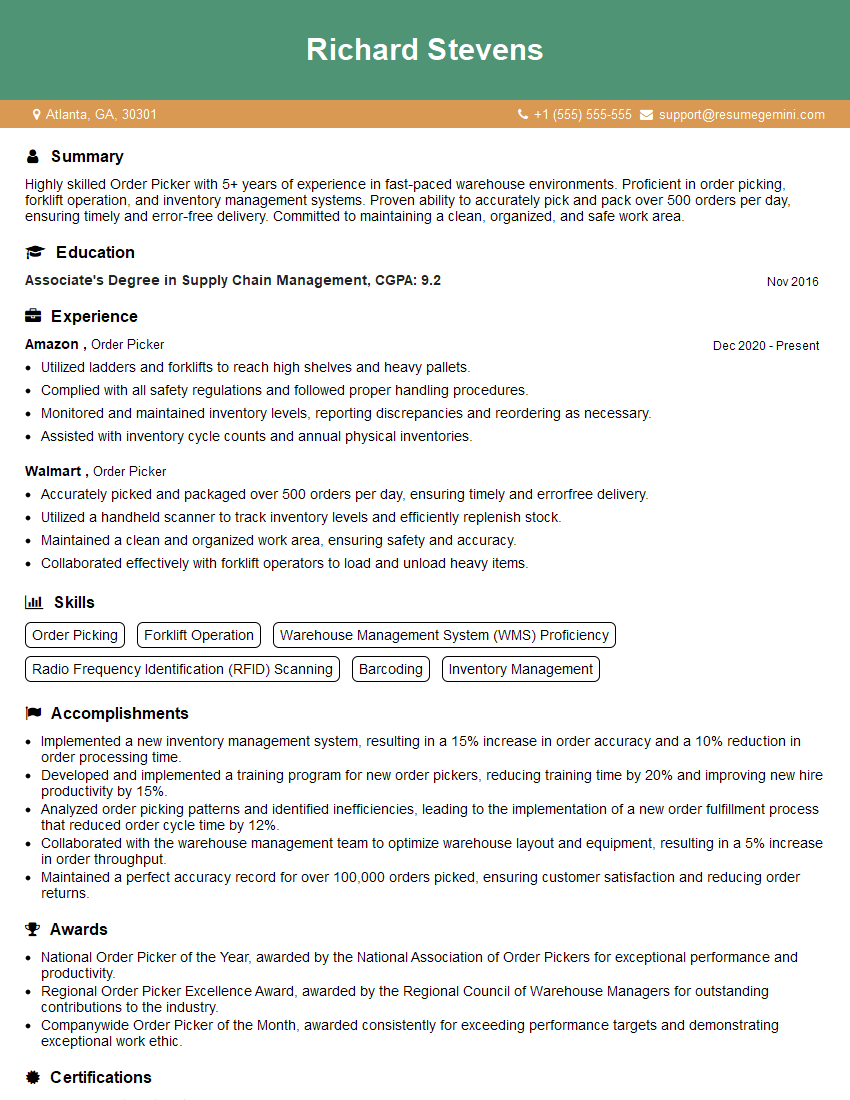
Order Picker Resume Sample
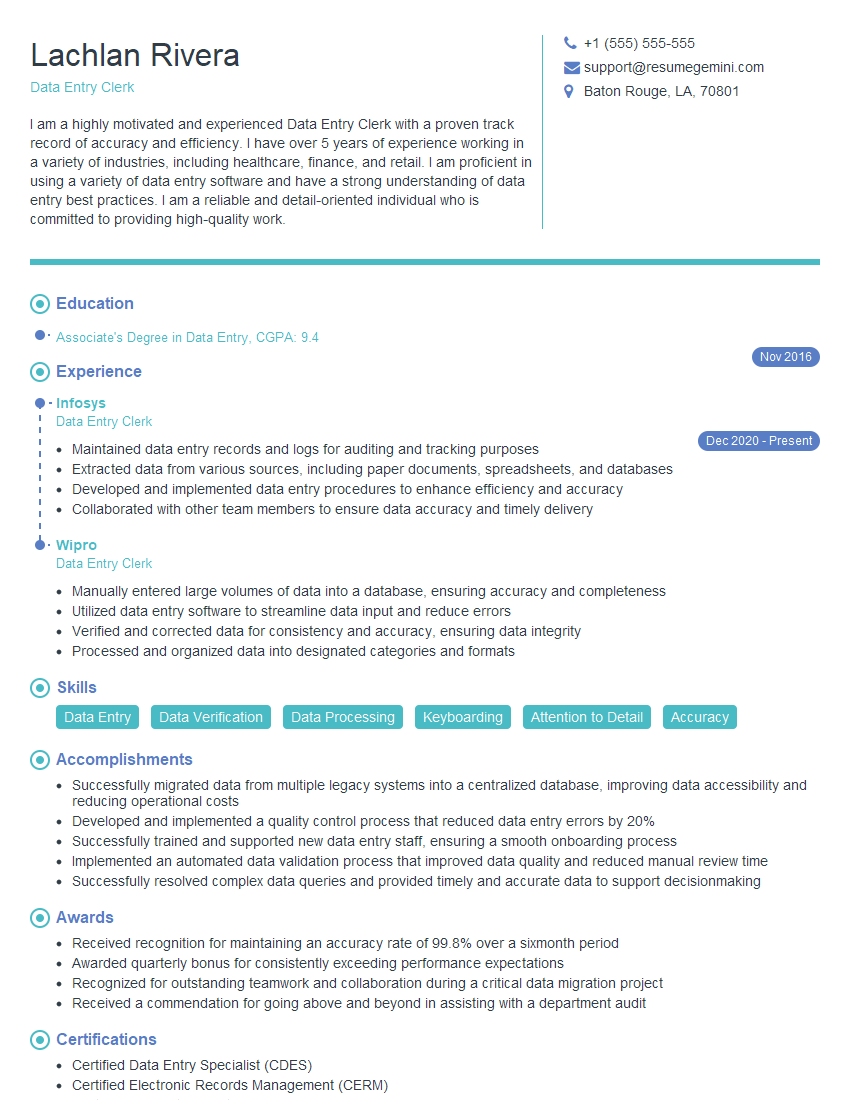
Data Entry Clerk Resume Sample

Claims Processor Resume Sample
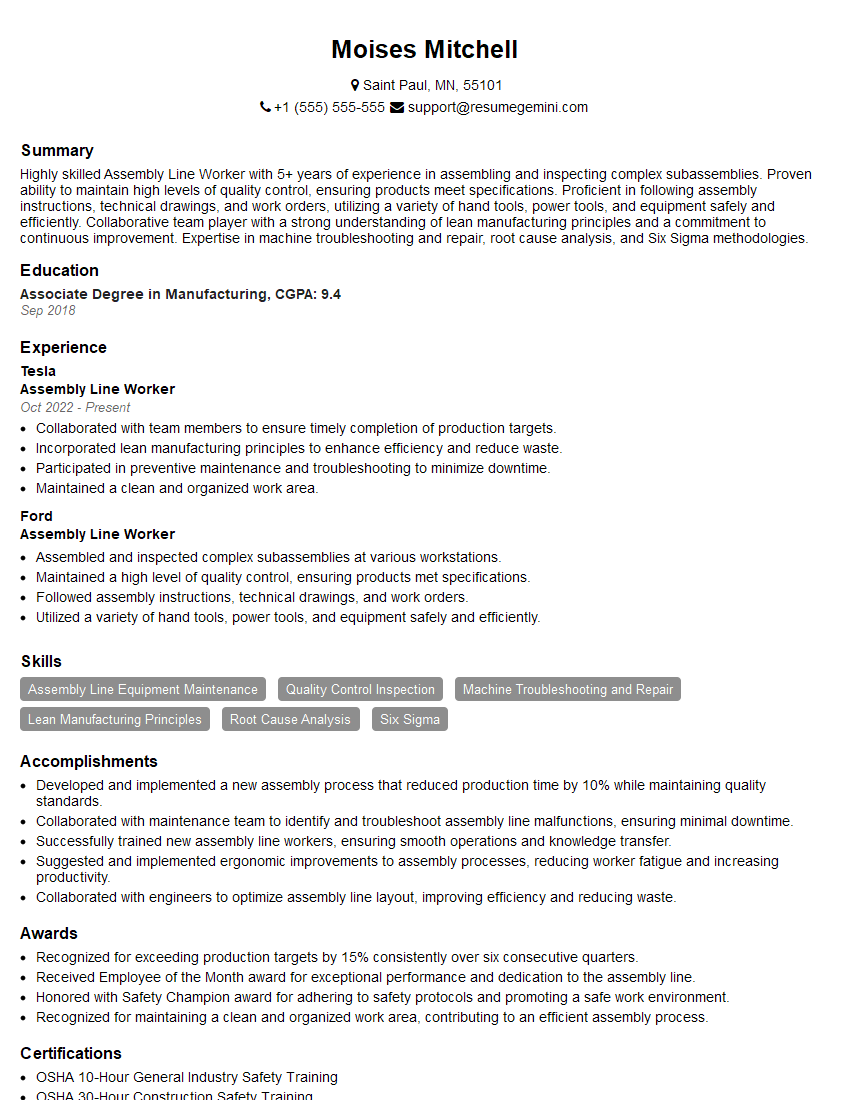
Assembly Line Worker Resume Sample
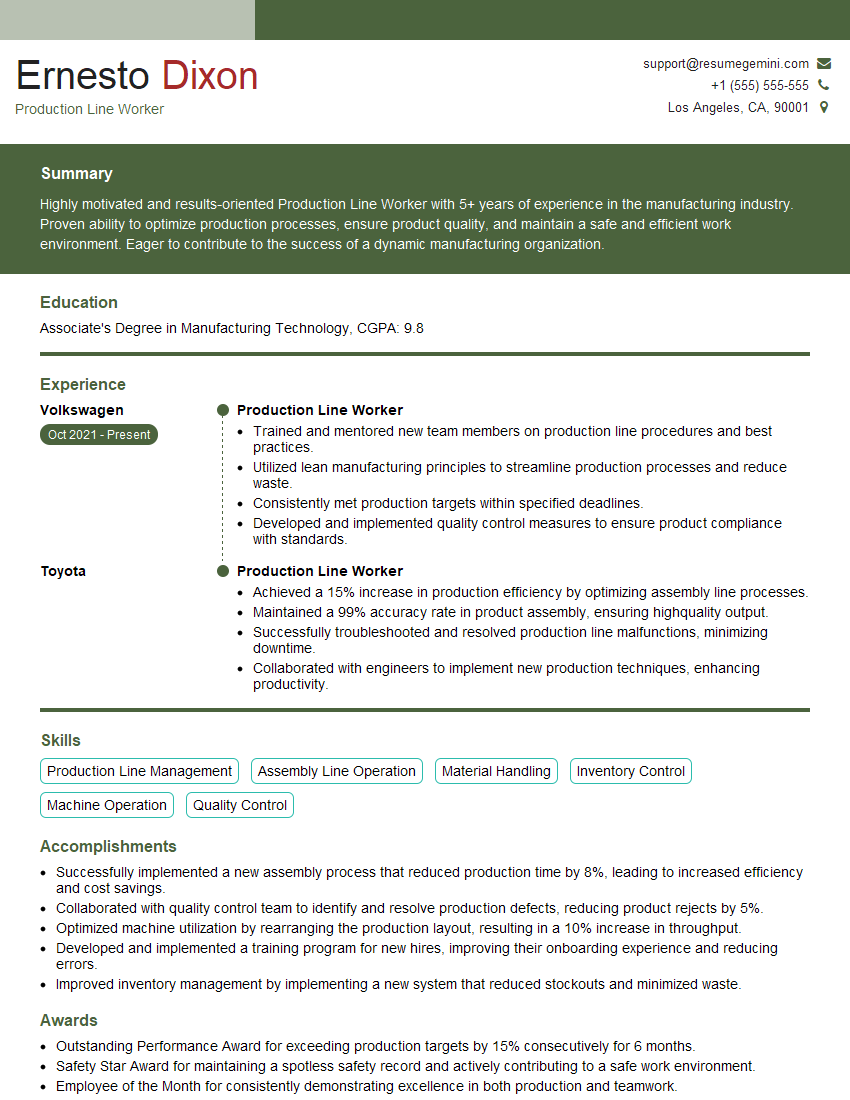
Production Line Worker Resume Sample
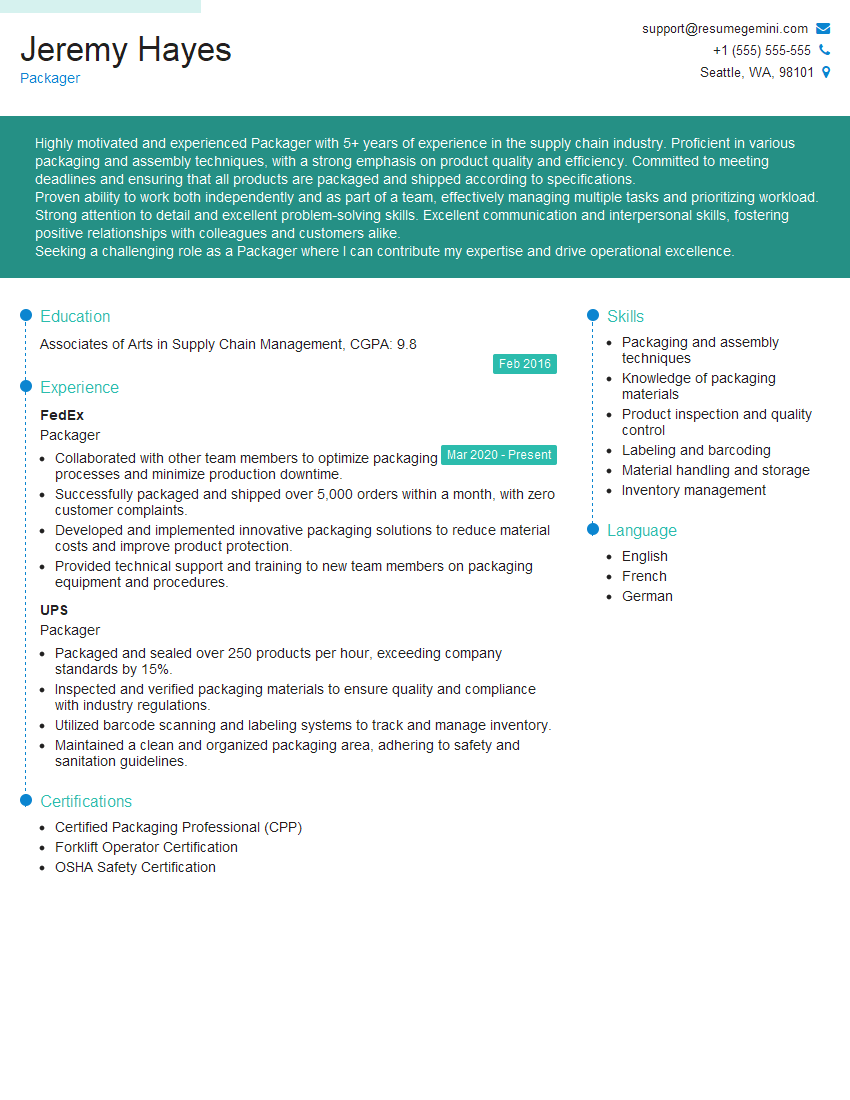
Packager Resume Sample
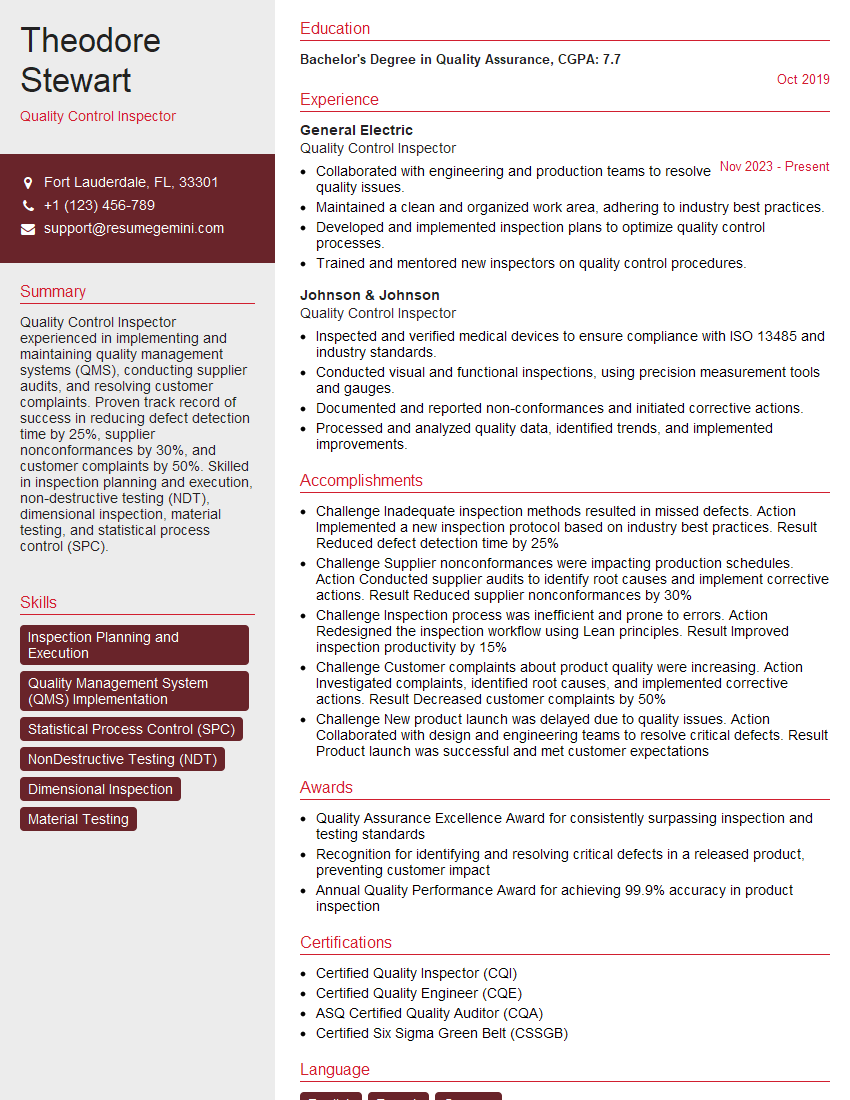
Quality Control Inspector Resume Sample
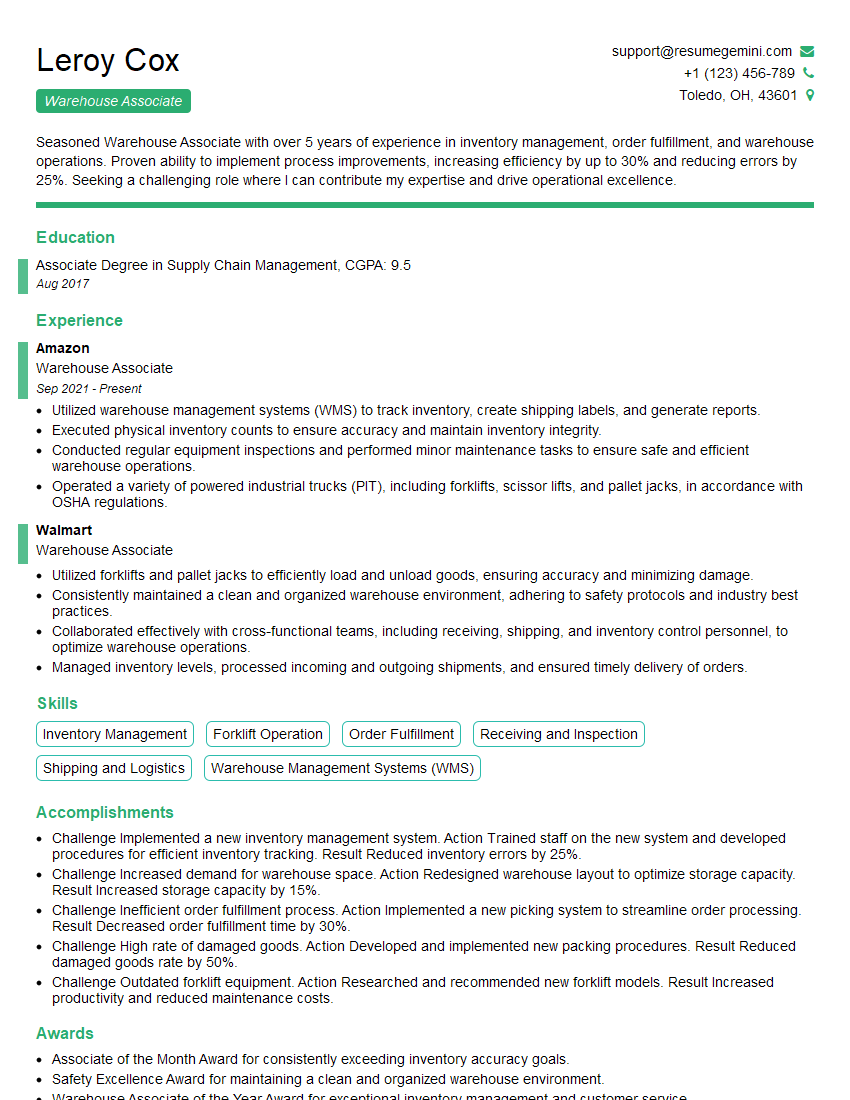
Warehouse Associate Resume Sample
- Administrative Assistant
- Customer Service Representative
- Accountant
- Bookkeeper
- Financial Analyst
- Data Analyst
- Software Tester
- Manufacturing Technician
- Laboratory Technician
- Research Assistant
- Proofreader
- Transcriptionist
- Call Center Representative
- Medical Biller
- Medical Coder
- Shipping and Receiving Clerk
- Inventory Clerk
- Order Picker
- Data Entry Clerk
- Claims Processor
- Assembly Line Worker
- Production Line Worker
- Packager
- Quality Control Inspector
- Warehouse Associate
Explore more articles
Users Rating of Our Blogs
Share Your Experience
We value your feedback! Please rate our content and share your thoughts (optional).
What Readers Say About Our Blog
Very informative content, great job.
good