Preparation is the key to success in any interview. In this post, we’ll explore crucial Poultry Vaccination interview questions and equip you with strategies to craft impactful answers. Whether you’re a beginner or a pro, these tips will elevate your preparation.
Questions Asked in Poultry Vaccination Interview
Q 1. What are the most common poultry diseases requiring vaccination?
The most common poultry diseases requiring vaccination are those with significant economic impact and potential for widespread outbreaks. These include highly contagious diseases like Newcastle Disease (ND), Infectious Bursal Disease (IBD), Infectious Bronchitis (IB), Avian Influenza (AI), and Gumboro disease. The specific vaccines used vary based on the pathogen’s prevalent serotype in a particular region and the age of the birds. For instance, in areas with prevalent virulent ND strains, more robust vaccines are employed. The goal is to prevent significant morbidity and mortality, which can cripple a poultry operation.
- Newcastle Disease (ND): A highly contagious viral disease affecting the respiratory, nervous, and digestive systems.
- Infectious Bursal Disease (IBD): Also known as Gumboro disease, it severely impacts the bird’s immune system.
- Infectious Bronchitis (IB): A highly contagious viral respiratory disease causing significant respiratory distress.
- Avian Influenza (AI): Highly contagious viral disease with varying levels of pathogenicity; some strains cause high mortality.
- Marek’s Disease (MD): A herpesvirus that causes tumors in various organs.
Q 2. Explain the different types of poultry vaccines (live, killed, etc.) and their advantages/disadvantages.
Poultry vaccines are broadly categorized into live and killed (inactivated) vaccines. Each type has its advantages and disadvantages.
- Live Vaccines: These vaccines use weakened (attenuated) forms of the disease-causing organism. They typically provide a stronger and longer-lasting immune response because they replicate in the bird, mimicking a natural infection, but at a much lower level.
Advantages: Strong and long-lasting immunity, usually requiring fewer doses.
Disadvantages: Potential for reversion to virulence (becoming harmful again), require careful storage and handling, possible mild reactions in some birds, not suitable for immunocompromised birds. - Killed Vaccines: These vaccines use inactivated (killed) forms of the pathogen. They are safer than live vaccines as they cannot cause the disease, but they tend to produce a less robust and shorter-lived immune response.
Advantages: Safer than live vaccines, less prone to reversion, suitable for immunocompromised birds.
Disadvantages: Usually require more frequent booster doses to maintain immunity, may induce a weaker immune response compared to live vaccines. - Oiled Vaccines: Some vaccines, both live and inactivated, are oil-based which helps to enhance the immune response and prolong the duration of immunity.
The choice of vaccine type depends on factors like the specific disease, the age and health of the birds, the cost, and the required duration of immunity.
Q 3. Describe the vaccination schedule for broiler chickens.
The vaccination schedule for broiler chickens is crucial for protecting them from disease throughout their relatively short life cycle. The specific schedule varies depending on the region, disease prevalence, and the specific vaccines used, but a typical program might include:
- Day-old chicks: Often receive a combination vaccine against IBD, ND, and possibly other diseases via the drinking water or spray method.
- 10-14 days of age: Another dose of ND and IBD vaccines might be administered, perhaps using a different route or vaccine type to boost the immune response.
- Additional vaccinations: Further vaccinations might target diseases like IB, Avian Influenza, or other regionally relevant pathogens, usually administered through the drinking water or spray methods.
Maintaining accurate records of each vaccination event – including vaccine type, dose, administration route, and date – is paramount. This allows for effective monitoring of the vaccine’s efficacy and enables adjustments to the schedule as needed.
Q 4. What are the common methods of poultry vaccination (e.g., drinking water, spray, injection)?
Several methods are used to vaccinate poultry, each with its own advantages and disadvantages:
- Drinking Water Vaccination: This is a cost-effective method, particularly for large flocks. However, vaccine potency can be reduced by the water’s quality (e.g., chlorine, pH), water temperature, and the birds’ uneven consumption.
- Spray Vaccination: A rapid method for vaccinating large flocks; however, it requires specialized equipment and can be less effective in very hot or windy conditions, resulting in uneven distribution of the vaccine.
- Injection (Subcutaneous or intramuscular): The most accurate method, ensuring each bird receives the correct dose. However, it is labor-intensive, costly, and unsuitable for very large flocks.
- Eye drop/nasal application: Some vaccines are administered directly into the eyes or nose.
The selection of the vaccination method depends on factors such as flock size, vaccine type, cost considerations, available infrastructure, and the technical expertise of the personnel. For example, drinking water vaccination is favored for large-scale commercial farms, whereas injection is more common in smaller scale or specialized breeding farms.
Q 5. How do you ensure proper vaccine storage and handling to maintain potency?
Maintaining vaccine potency is critical for a successful vaccination program. Proper storage and handling are essential to prevent degradation. Vaccines are typically very sensitive to temperature fluctuations. Live vaccines, in particular, are extremely susceptible to heat and light degradation.
- Temperature Control: Vaccines should be stored at the recommended temperature (usually between 2°C and 8°C), preferably in a dedicated refrigerator with a thermometer to continuously monitor the temperature.
- Light Protection: Some vaccines are sensitive to light and should be stored in a dark place.
- First In, First Out (FIFO): Follow FIFO principles to ensure older vaccines are used before newer ones.
- Avoid Freezing: Freezing can damage vaccines and render them ineffective.
- Proper Handling: Always wash hands before and after handling vaccines and use sterile equipment when reconstituting or administering vaccines.
- Vaccine Reconstitution: Follow the manufacturer’s instructions meticulously, ensuring that the correct diluent is used and that the reconstituted vaccine is used within the recommended time frame. Discard any unused portion.
Any deviation from the manufacturer’s instructions can significantly compromise vaccine efficacy. Regular temperature monitoring, proper labeling, and record-keeping are crucial.
Q 6. What are the signs of a successful vaccination program?
A successful vaccination program is evidenced by a significant reduction in the incidence of the targeted diseases within the flock. This is typically reflected in several key indicators:
- Low morbidity and mortality: A reduction in the number of sick and dead birds.
- Improved production performance: Increased egg production (in layers) or weight gain (in broilers), reflecting better overall health.
- Absence of clinical signs: Lack of observable symptoms related to the targeted disease.
- Positive serological responses: Testing a sample of birds for the presence of antibodies against the disease indicates that the vaccination stimulated a successful immune response. This can be performed through antibody ELISA (enzyme-linked immunosorbent assay) or other serological tests.
- Reduced economic losses: A decrease in treatment costs, mortality rates and overall improvement in profitability.
It’s important to note that monitoring disease incidence requires a comprehensive approach that includes both clinical observation and serological testing. These results, when analyzed in conjunction with vaccination records, provide a robust picture of the success of the vaccination program.
Q 7. How do you identify and address vaccination failures?
Vaccination failures can stem from various factors, and prompt identification is crucial to mitigate their impact. Identifying failures involves a multi-pronged approach:
- Clinical Signs: An unexpected increase in morbidity and mortality, with clinical signs indicative of the diseases that the vaccination was intended to prevent.
- Serological Monitoring: A low antibody response in a significant portion of the flock, detected by serological tests, suggests vaccine failure.
- Vaccine Handling and Storage Issues: Review of vaccine storage and handling practices to rule out any errors (improper temperatures, improper reconstitution, etc.).
- Vaccine Quality: Confirming the vaccine batch’s potency from the manufacturer.
- Bird Health Status: Evaluating the overall health of the birds to determine if existing conditions might have compromised their immune response.
- Vaccination Technique: Ensuring the correct vaccination procedure was implemented, addressing potential issues with the administration technique (e.g., incorrect dose, inadequate mixing of the vaccine in drinking water).
Addressing failures requires immediate action. This may involve repeating the vaccination program with a different vaccine, a different administration method, or improving vaccine storage and handling practices. Post-mortem examinations of affected birds can provide valuable insights into the cause of failure. In cases of widespread vaccination failures, consultation with a veterinary poultry specialist is advised.
Q 8. Explain the importance of biosecurity measures in a poultry vaccination program.
Biosecurity is the cornerstone of any successful poultry vaccination program. Think of it as building a strong fortress to protect your flock from disease. Without robust biosecurity, even the most effective vaccine will struggle to provide adequate protection. It’s a multi-layered approach that minimizes the risk of disease introduction and spread.
- Isolation and Quarantine: Newly introduced birds should always be quarantined for a period before integrating them with the main flock. This prevents the introduction of pathogens that could compromise the entire vaccination program. I’ve seen firsthand how a single sick bird can decimate a flock if biosecurity isn’t strictly adhered to.
- Hygiene and Sanitation: Regular cleaning and disinfection of poultry houses, equipment, and vehicles are crucial. We use approved disinfectants, ensuring that we follow the manufacturer’s instructions carefully to maximize effectiveness and minimize environmental impact. Consistent footbaths at entrances are also vital.
- Rodent and Pest Control: Rodents and other pests can carry diseases, undermining vaccine efficacy. Implementing a comprehensive pest control program is essential. In one instance, I had to troubleshoot a vaccination failure in a farm that had significant rat infestation.
- Personnel Hygiene: Farm workers should always practice good hygiene, changing clothing and shoes before entering poultry houses and washing their hands thoroughly. Providing adequate facilities for hand washing and showering is paramount.
- Traffic Control: Limiting access to the farm and controlling the movement of people, vehicles, and equipment helps prevent the spread of disease. Designated routes for vehicles and staff prevent accidental contamination.
A well-implemented biosecurity plan significantly reduces the risk of disease outbreaks, maximizing the benefits of the vaccination program and ensuring the overall health and productivity of the poultry flock.
Q 9. What are the potential adverse effects of poultry vaccination?
While poultry vaccines are generally safe and effective, there’s always a possibility of adverse effects. These can range from mild to severe, depending on factors like the vaccine type, the bird’s age and health, and the vaccination technique.
- Mild Reactions: These are common and usually transient. They include mild swelling at the injection site, slight fever, or temporary lethargy. Such reactions typically resolve within a day or two and don’t usually require treatment.
- Severe Reactions: These are less frequent but can include more significant swelling, severe respiratory distress, or even death. Such severe reactions often necessitate immediate veterinary attention and can indicate issues like an allergic response or improper vaccine handling.
- Vaccine Failure: In some cases, the vaccine may not induce sufficient immunity. This could be due to various reasons, including improper vaccine storage, administration technique, or stress in the birds. Regular monitoring and serological tests help detect such instances.
To minimize adverse effects, careful attention should be paid to vaccine storage, proper administration techniques, and appropriate selection of vaccines tailored to the specific needs of the flock and the prevalent diseases in the region. A well-trained and experienced team is key in reducing these risks. I always emphasize meticulous attention to detail to avoid these complications.
Q 10. How do you monitor the effectiveness of a vaccination program?
Monitoring vaccine effectiveness is critical to ensure the program’s success. It’s not enough to simply administer the vaccine; we need to verify that it’s working as intended.
- Serological Monitoring: Blood samples are collected from a representative sample of the flock at predetermined intervals post-vaccination. These samples are tested to measure antibody levels against the targeted pathogens. High antibody titers indicate successful vaccination and good immunity.
- Mortality and Morbidity Monitoring: Careful record-keeping of mortality rates and disease outbreaks is essential. A significant increase in either after vaccination could indicate vaccine failure or the emergence of a new variant. This allows for early intervention and timely adjustment of the vaccination strategy.
- Challenge Studies (Under Controlled Conditions): In research settings, we might conduct challenge studies, exposing vaccinated birds to a controlled dose of the pathogen. Comparing the response of vaccinated birds to unvaccinated birds provides a clear indication of the vaccine’s effectiveness.
- Farm Audits: Regular audits of the vaccination program, which includes checking vaccine storage, administration techniques, and record-keeping, identify potential issues and areas for improvement. We recently discovered an issue with cold chain maintenance during a routine audit, which could have compromised vaccine effectiveness.
By combining these monitoring strategies, we gain a comprehensive understanding of the vaccine’s performance, allowing us to fine-tune the program for optimal protection.
Q 11. Describe your experience with different vaccine delivery systems.
Throughout my career, I’ve gained extensive experience with various vaccine delivery systems, each with its own advantages and disadvantages.
- In-ovo Vaccination: This involves injecting the vaccine directly into the egg during the incubation period. It’s highly efficient and minimizes stress on the chicks. However, it requires specialized equipment and expertise.
- Subcutaneous Injection: This is a common method involving injection under the skin, usually in the neck region. It’s relatively straightforward and requires minimal equipment but can be labour-intensive for large flocks.
- Intramuscular Injection: This method involves injecting the vaccine into the muscle tissue, typically in the breast or thigh. It offers good absorption rates but requires careful technique to avoid injury to the bird.
- Spray Vaccination: This method involves spraying the vaccine as an aerosol mist over the flock. It’s very efficient for large flocks but requires specific equipment and careful calibration to ensure even coverage.
- Drinking Water Vaccination: This method involves mixing the vaccine in the drinking water, making it a convenient method. However, it relies on the birds’ consistent water consumption. There is also a risk of vaccine degradation depending on the quality of water.
The choice of delivery system depends on factors like the vaccine type, flock size, age of birds, and available resources. I always carefully assess these factors before recommending a delivery system.
Q 12. How do you manage vaccine wastage?
Vaccine wastage is a significant concern, both economically and ethically. Minimizing wastage requires careful planning and execution.
- Accurate Forecasting: Precise estimation of the number of birds to be vaccinated is crucial. We use historical data and current flock sizes to make accurate predictions, minimizing over-ordering.
- Proper Vaccine Storage: Strict adherence to the recommended storage temperature and conditions is non-negotiable. This helps maintain vaccine potency and prevent spoilage. We have a rigorous system of monitoring cold chain temperatures and promptly addressing any deviations.
- First-In, First-Out (FIFO): This principle ensures that older vaccines are used first, preventing expiry and wastage. We use clear labeling and organized storage practices to ensure FIFO is strictly followed.
- Multi-dose Vials: Using multi-dose vials and employing aseptic techniques during administration minimizes wastage from partially used vials.
- Disposal Procedures: We have established safe and environmentally friendly procedures for disposing of expired or unusable vaccines in accordance with regulations.
By implementing these strategies, we significantly reduce vaccine wastage, contributing to both cost-effectiveness and responsible resource management.
Q 13. How do you train other personnel on proper poultry vaccination techniques?
Training personnel on proper poultry vaccination techniques is paramount. I employ a multi-faceted approach to ensure everyone is well-versed in the procedures.
- Classroom Training: I start with classroom sessions that cover the importance of vaccination, vaccine types, biosecurity, and the step-by-step procedures for various delivery methods. Visual aids like videos and diagrams are invaluable.
- Hands-on Training: Practical sessions are essential to build confidence and proficiency. I provide supervised opportunities for personnel to practice vaccine administration on models or, under strict supervision, on a small number of birds.
- Mentorship and Supervision: Experienced vaccinators mentor new personnel during the initial phase, providing real-time guidance and feedback. I regularly supervise vaccination campaigns to ensure consistent adherence to best practices.
- Regular Refresher Courses: I conduct regular refresher courses to update personnel on new vaccination protocols, handling procedures, and emerging disease challenges. This maintains high standards and minimizes errors.
- Documentation and Feedback: I ensure that training is well-documented, and I provide regular feedback to each trainee to identify areas for improvement and address individual learning needs. This continual feedback loop helps maintain high-quality vaccination practices.
Comprehensive and ongoing training is vital for ensuring the quality and success of our poultry vaccination programs.
Q 14. How do you maintain accurate vaccination records?
Maintaining accurate vaccination records is crucial for tracking vaccine effectiveness, managing disease outbreaks, and complying with regulatory requirements.
- Digital Record-Keeping: I strongly advocate for the use of digital record-keeping systems. These systems allow for easy data entry, storage, retrieval, and analysis. We use a software that allows us to track each vaccination event, including the date, vaccine type, batch number, number of birds vaccinated, and personnel involved.
- Data Validation: Implementing data validation checks ensures data accuracy and minimizes errors. This could include automatic checks for inconsistencies or unusual entries.
- Data Backup and Security: Regular backups of the vaccination records are essential to protect against data loss. We store data securely, employing appropriate access controls to protect confidential information.
- Report Generation: The system should provide the ability to generate customized reports for tracking vaccine effectiveness, identifying potential issues, and meeting regulatory reporting requirements.
- Integration with other systems: If possible, integrate the vaccination records with other farm management systems to provide a holistic view of the flock’s health and productivity.
A well-maintained vaccination record system provides valuable insights, supports decision-making, and ensures compliance with regulations. This is indispensable for managing a successful poultry farm.
Q 15. What are the regulations and guidelines related to poultry vaccination in your region?
Poultry vaccination regulations in my region are stringent and primarily focus on disease prevention and biosecurity. These regulations are enforced by the [Insert relevant regional authority, e.g., Department of Agriculture]. They mandate specific vaccines for various diseases based on the poultry type (broilers, layers, turkeys) and geographic location. Key aspects include:
- Mandatory Vaccination Programs: Specific vaccines are legally required for diseases like Newcastle Disease, Infectious Bursal Disease (IBD), and Avian Influenza (AI). The timing and administration routes are clearly defined.
- Vaccine Licensing and Registration: Only licensed vaccines from approved manufacturers can be used. This ensures vaccine quality and efficacy.
- Record Keeping: Detailed records of vaccination campaigns, including batch numbers, dates, flock size, and vaccine administration methods, must be meticulously maintained for traceability and auditing.
- Biosecurity Protocols: Regulations often include strict biosecurity measures to prevent disease introduction and spread, including vaccination planning as a core component.
- Reporting Requirements: Any unusual disease outbreaks or vaccine-related adverse events must be promptly reported to the relevant authorities.
Non-compliance can lead to significant penalties, including fines and quarantine measures. The regulations are regularly updated based on emerging disease threats and scientific advancements. For example, with the changing strains of Avian Influenza, annual updates to the recommended vaccine are common.
Career Expert Tips:
- Ace those interviews! Prepare effectively by reviewing the Top 50 Most Common Interview Questions on ResumeGemini.
- Navigate your job search with confidence! Explore a wide range of Career Tips on ResumeGemini. Learn about common challenges and recommendations to overcome them.
- Craft the perfect resume! Master the Art of Resume Writing with ResumeGemini’s guide. Showcase your unique qualifications and achievements effectively.
- Don’t miss out on holiday savings! Build your dream resume with ResumeGemini’s ATS optimized templates.
Q 16. How do you handle vaccine recalls or supply chain disruptions?
Vaccine recalls and supply chain disruptions are serious challenges that require immediate action. My strategy involves a multi-pronged approach:
- Emergency Contingency Plans: We maintain detailed contingency plans outlining actions to be taken during recalls or shortages. This includes identifying alternative vaccine sources, prioritizing flocks at highest risk, and potentially implementing stricter biosecurity measures.
- Communication and Coordination: Immediate communication with our suppliers, veterinary consultants, and regulatory agencies is crucial to assess the situation and plan accordingly. Transparency with our clients is also essential.
- Prioritization of Vaccination: During shortages, we prioritize vaccinations based on risk assessment, focusing on flocks most susceptible to disease outbreaks, such as those with high bird density or located in high-risk areas.
- Diversification of Suppliers: We work with multiple vaccine suppliers to mitigate the risk of reliance on a single source.
- Inventory Management: We employ robust inventory management systems to track vaccine supplies and predict potential shortages.
For instance, during a recent Avian Influenza vaccine shortage, we successfully navigated the crisis by coordinating with neighboring farms to share limited resources and implementing stricter biosecurity measures to minimize the risk of infection. We also prioritized our breeder flocks, as their protection was vital to maintaining the overall health of the poultry population.
Q 17. Describe your experience troubleshooting vaccination problems.
Troubleshooting vaccination problems requires a systematic approach. I often follow these steps:
- Identify the Problem: This includes assessing the vaccination coverage, the incidence of disease despite vaccination, and any observable adverse reactions in the birds. This involves careful examination of vaccination records, clinical signs in the affected birds, and post-mortem examinations if necessary.
- Review Vaccination Procedures: We meticulously review all aspects of the vaccination process, including vaccine storage, handling, administration technique, equipment used (e.g., needles, syringes), and personnel training. Improper handling or storage can significantly compromise vaccine efficacy.
- Investigate Vaccine Quality: If a problem is suspected to be related to the vaccine itself, we contact the manufacturer to ascertain the batch’s quality and track the distribution history.
- Consider Environmental Factors: Stressful environmental conditions, such as extreme temperatures or poor ventilation, can negatively influence the immune response to the vaccine.
- Implement Corrective Actions: Based on the findings, we implement corrective measures, such as retraining personnel, improving storage conditions, re-vaccinating the affected birds, or switching to a different vaccine if needed.
For example, I once encountered reduced vaccine efficacy in a broiler flock due to improper needle insertion technique, which led to ineffective vaccine distribution. Retraining the vaccinators with a renewed emphasis on the correct technique resolved the issue.
Q 18. What are the key factors influencing vaccine efficacy?
Several factors influence vaccine efficacy in poultry. These can be broadly categorized into vaccine-related factors, bird-related factors, and environmental factors:
- Vaccine-related Factors: Vaccine quality (including potency and stability), proper storage and handling, and the vaccine strain’s match to circulating field strains are crucial. Using an outdated vaccine is a common cause of low efficacy.
- Bird-related Factors: The birds’ age, health status, genetics, and immune competence play a significant role. Birds under stress or suffering from other infections may mount a weaker immune response.
- Environmental Factors: Stressful environmental conditions, such as extreme temperatures, poor ventilation, high humidity, and overcrowding can negatively impact the birds’ immune system and reduce vaccine effectiveness.
Think of it like this: the vaccine is the seed, the bird’s immune system is the soil, and the environment is the climate. If any of these are suboptimal, the ‘crop’ (immune response) will be poor.
Q 19. How do you adapt vaccination strategies based on disease prevalence?
Vaccination strategies are adapted based on disease prevalence using epidemiological data and risk assessment. Factors considered include:
- Disease Incidence: High disease prevalence necessitates frequent vaccination or the use of more potent vaccines.
- Disease Severity: Highly virulent strains might require more robust vaccination schedules.
- Local Conditions: Geographic variations in disease prevalence influence vaccination strategies. Areas with higher risk might need more frequent vaccination or broader vaccination programs.
- Emerging Strains: The emergence of new or variant strains necessitates adapting the vaccine program to match the circulating strains.
- Economic Factors: Cost-effectiveness analysis might influence choices among various vaccination strategies.
For instance, during an outbreak of a particularly virulent strain of Newcastle Disease, we would implement an emergency vaccination program, potentially using a more potent vaccine and adapting the administration schedule to provide quicker protection.
Q 20. Explain the concept of herd immunity in poultry.
Herd immunity in poultry refers to the protection of a population from a disease through the vaccination of a significant portion of the flock. When a high percentage of birds are immune, the disease’s transmission is interrupted, protecting even unvaccinated birds. This phenomenon depends on several factors, including:
- Vaccination Coverage: A high vaccination rate is essential to achieve herd immunity. The target percentage depends on the disease and vaccine efficacy. Some diseases may require vaccination rates of 90% or more.
- Vaccine Efficacy: The vaccine’s ability to generate robust and long-lasting immunity directly impacts herd immunity. A less effective vaccine will require higher coverage rates to achieve the same level of protection.
- Homogenous Population: A flock with a relatively uniform age and health status generally responds better to vaccination, which contributes to better herd immunity.
- Disease Transmission Dynamics: Diseases with high rates of transmission usually require higher vaccination coverage to achieve herd immunity.
Herd immunity is crucial in preventing the widespread spread of disease and reducing the economic losses associated with outbreaks. However, it is important to remember that herd immunity doesn’t provide complete protection to every individual bird.
Q 21. Describe your experience with different types of poultry (broilers, layers, turkeys).
My experience spans various poultry types, each requiring tailored vaccination approaches:
- Broilers: Broilers are typically vaccinated against common diseases like Newcastle Disease, IBD, and Marek’s Disease using various routes (e.g., drinking water, spray, injection) according to a specific age-based schedule. The focus is rapid growth and minimal disease-related losses.
- Layers: Layers require a broader vaccine program focusing on diseases affecting egg production and bird health, including Avian Influenza, Infectious Bronchitis, and Mycoplasma. The timing of vaccination is critical to ensure protection during peak laying periods.
- Turkeys: Turkey vaccination strategies address diseases specific to this species, such as Histomonas meleagridis, and also address diseases common in other poultry species. The approach often considers the different stages of turkey production (e.g., poults, growers, breeders).
In each case, the vaccination strategies are tailored to the specific needs of the bird type, considering factors such as age, housing conditions, risk of exposure, and economic implications. The objective is always to achieve optimal disease control while maintaining high productivity and profitability.
Q 22. How do you ensure vaccination compliance within a poultry operation?
Ensuring vaccination compliance in a poultry operation requires a multi-faceted approach, focusing on meticulous record-keeping, proactive staff training, and robust quality control. It’s like running a well-oiled machine where every part plays a crucial role.
Detailed Vaccination Records: Every bird, batch, and vaccine administered must be meticulously documented. This includes the vaccine type, date of administration, batch number, and the person administering it. This allows us to track vaccination coverage, identify potential issues, and ensure traceability if problems arise.
Comprehensive Staff Training: Training is paramount. Vaccination techniques, vaccine handling procedures, and the importance of accurate record-keeping must be clearly communicated and regularly reinforced. Regular quizzes and practical demonstrations are crucial to ensuring everyone understands their role and can perform their tasks correctly. Think of it as a team sport – everyone needs to be on the same page.
Strict Quality Control: Maintaining the vaccine’s cold chain is absolutely critical. This involves using appropriate storage equipment, regularly monitoring temperatures, and having procedures in place to handle any temperature excursions. A broken cold chain can render a vaccine ineffective, wasting resources and leaving birds vulnerable. We regularly audit our cold chain protocols to ensure optimal vaccine efficacy.
Regular Audits and Monitoring: Periodic audits of vaccination records and practices help identify areas for improvement and ensure compliance with established protocols. This proactive approach allows us to catch and address any issues before they escalate, similar to preventative maintenance on a vehicle.
Q 23. How do you stay updated on the latest advancements in poultry vaccines and disease control?
Staying current in poultry vaccine advancements involves continuous learning and engagement with the scientific community. It’s an ongoing process, not a one-time event.
Professional Journals and Publications: I regularly read peer-reviewed journals like the Avian Diseases and Poultry Science to stay abreast of the latest research findings on vaccine development and disease control.
Industry Conferences and Workshops: Attending conferences and workshops organized by organizations such as the American Association of Avian Pathologists (AAAP) provides opportunities to network with other experts, learn about new vaccines, and discuss best practices.
Online Resources and Databases: Utilizing online databases like PubMed and veterinary pharmaceutical company websites allows me to access the latest research papers, product information, and technical bulletins.
Collaboration with Veterinarians and Researchers: Maintaining a strong network with veterinary professionals and researchers is crucial for staying updated on the latest research and developments. Sharing knowledge and experiences helps us stay at the forefront of best practices.
Q 24. What is your experience with disease surveillance and monitoring in poultry flocks?
Disease surveillance and monitoring are crucial for proactive disease management. It’s like having a comprehensive security system for your poultry flock.
Mortality Monitoring: Daily monitoring of mortality rates helps detect unusual increases, which can signal the onset of a disease outbreak. We analyze the age and location of affected birds to pinpoint the source of the problem.
Clinical Signs Observation: Regular observation of birds for signs of illness such as respiratory distress, decreased feed intake, or abnormal droppings is crucial for early disease detection. It’s like having a trained eye always watching for any unusual behavior.
Laboratory Diagnostics: Submitting samples to diagnostic laboratories for testing helps identify pathogens and confirm disease diagnoses. This precise identification guides treatment and prevention strategies.
Data Analysis and Reporting: Collecting and analyzing data from mortality monitoring, clinical observations, and laboratory tests allows us to create comprehensive reports which track disease trends and inform vaccination strategies. This data-driven approach guides our decisions, ensuring we’re always one step ahead.
Q 25. Describe your knowledge of different vaccine administration routes.
Poultry vaccines are administered through various routes, each with its own advantages and disadvantages.
Intramuscular (IM): Injection into the breast or thigh muscle. This is a common route for many vaccines, offering good absorption and immune response. However, it requires skilled personnel and can cause stress if not done properly.
Subcutaneous (SC): Injection under the skin, typically in the neck region. This method is less stressful than IM injections but might have slower absorption.
Intranasal (IN): Spraying or dropping the vaccine into the nostrils. This method is easy and less stressful for the birds but might have variable absorption rates.
Drinking Water Vaccination: Adding the vaccine to the drinking water. This is a cost-effective method for large flocks but requires careful attention to water quality and uniformity of vaccine distribution.
Spray Vaccination: Fine mist spraying over the birds. This method is suitable for mass vaccination, but requires specialized equipment and appropriate environmental conditions.
Q 26. How do you deal with vaccine-related stress in poultry?
Vaccine-related stress in poultry can negatively impact the immune response and overall bird health. Minimizing stress is therefore crucial.
Proper Handling Techniques: Gentle and efficient handling techniques minimize physical stress during vaccination. Well-trained personnel are key here. Think of it like handling a delicate instrument.
Appropriate Vaccination Equipment: Using appropriate needles and syringes minimizes pain and trauma. Regular maintenance and replacement of equipment is vital to ensure that it functions correctly.
Environmental Control: Maintaining a comfortable environment during vaccination (temperature, ventilation, lighting) helps reduce stress. Stress can suppress the immune response and reduce the effectiveness of the vaccine.
Vaccination Schedule Optimization: Scheduling vaccinations during periods of minimal stress for the birds, such as during calmer times of day, can improve the results. Planning ahead can make a big difference.
Q 27. What are the ethical considerations related to poultry vaccination?
Ethical considerations in poultry vaccination revolve around animal welfare, responsible use of resources, and ensuring the overall health and well-being of the flock. It’s about ensuring ethical and responsible practices.
Minimizing Stress and Pain: Employing humane handling and vaccination techniques are paramount. We always aim to minimize any discomfort or stress the birds might experience.
Vaccine Efficacy and Safety: Using effective and safe vaccines is critical. We only use vaccines that have undergone rigorous testing and are approved for use in poultry.
Waste Management: Proper disposal of used needles and syringes is crucial to prevent environmental contamination and protect human health. We adhere strictly to biohazard waste management protocols.
Transparency and Traceability: Maintaining transparent records of vaccination programs ensures accountability and allows for effective monitoring and assessment of the program’s success.
Q 28. Describe a time you had to solve a challenging problem related to poultry vaccination.
In one instance, we experienced unusually high mortality rates in a flock despite having implemented a rigorous vaccination program. It was a real challenge – like solving a complex puzzle.
Initial Investigation: We started by reviewing the vaccination records and looking for any inconsistencies or potential problems with vaccine storage or administration. We also carefully assessed the mortality data to identify any patterns.
Laboratory Diagnostics: Samples from the affected birds were sent to a diagnostic laboratory for testing to identify the causative agent. This revealed a co-infection that wasn’t expected – it was a surprise twist in our investigation.
Revised Strategy: Once the pathogen was identified, we worked with the veterinary team to develop a revised vaccination strategy addressing the co-infection. This involved adjusting the vaccination schedule and adding a vaccine to target the new pathogen.
Monitoring and Evaluation: We implemented enhanced mortality monitoring and clinical observation to track the effectiveness of the new strategy. Our regular monitoring ensured that the revised strategy was effective.
This experience reinforced the importance of continuous monitoring, thorough diagnostics, and adaptability in poultry vaccination programs. The ability to pivot quickly when unexpected issues arise is crucial for success.
Key Topics to Learn for Poultry Vaccination Interview
- Poultry Immunology: Understanding the avian immune system’s response to vaccines, including active and passive immunity.
- Vaccine Types and Delivery Methods: Familiarity with different vaccine types (live attenuated, inactivated, subunit) and their administration routes (e.g., drinking water, injection, spray).
- Vaccination Schedules and Programs: Designing and implementing effective vaccination programs tailored to specific poultry breeds, ages, and disease prevalence.
- Vaccine Storage and Handling: Proper handling, storage, and maintenance of vaccines to ensure efficacy and prevent spoilage.
- Biosecurity and Hygiene Protocols: Implementing stringent biosecurity measures to prevent vaccine contamination and cross-contamination.
- Disease Surveillance and Monitoring: Tracking disease outbreaks, monitoring vaccine effectiveness, and adjusting vaccination strategies as needed.
- Troubleshooting Vaccination Issues: Diagnosing and resolving common problems encountered during vaccination campaigns, such as poor vaccine uptake or adverse reactions.
- Data Analysis and Record Keeping: Maintaining accurate vaccination records, analyzing data to assess program effectiveness, and reporting findings.
- Regulatory Compliance: Understanding and adhering to relevant regulations and guidelines related to poultry vaccination.
- Practical Application: Be prepared to discuss your experience with specific vaccination techniques, troubleshooting scenarios, and data interpretation from real-world examples.
Next Steps
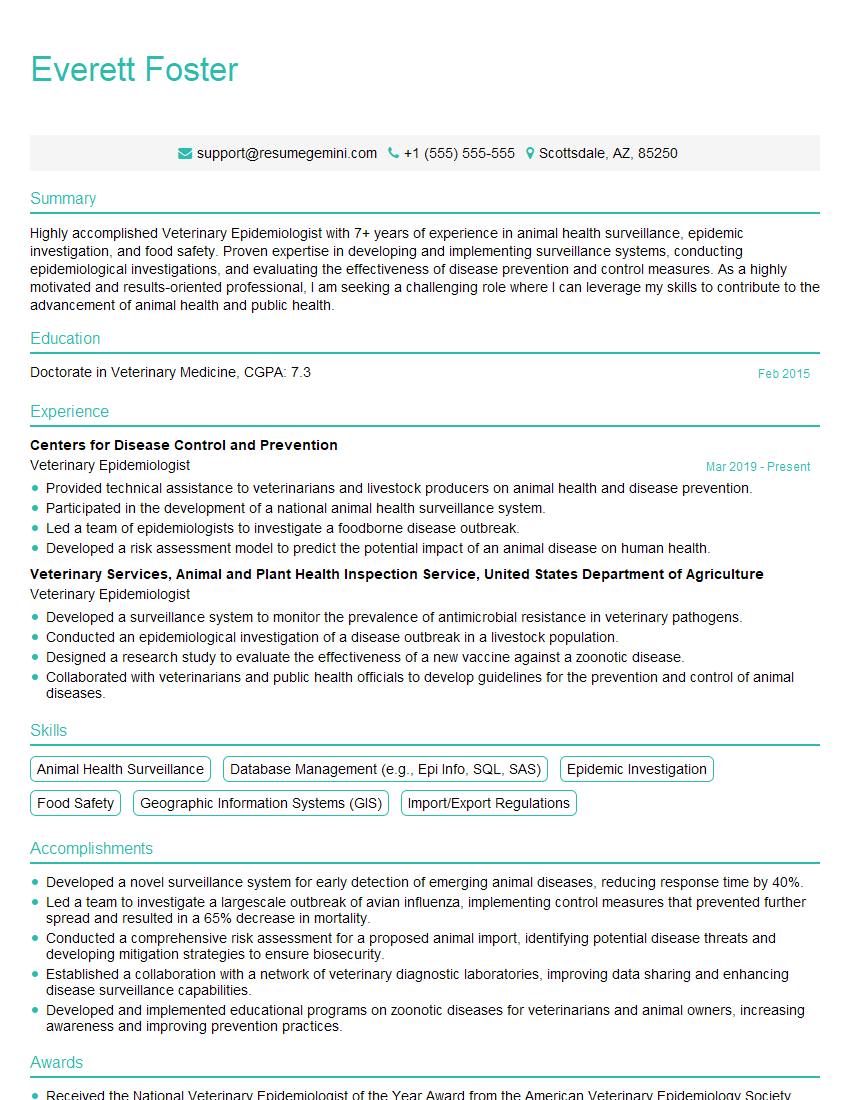
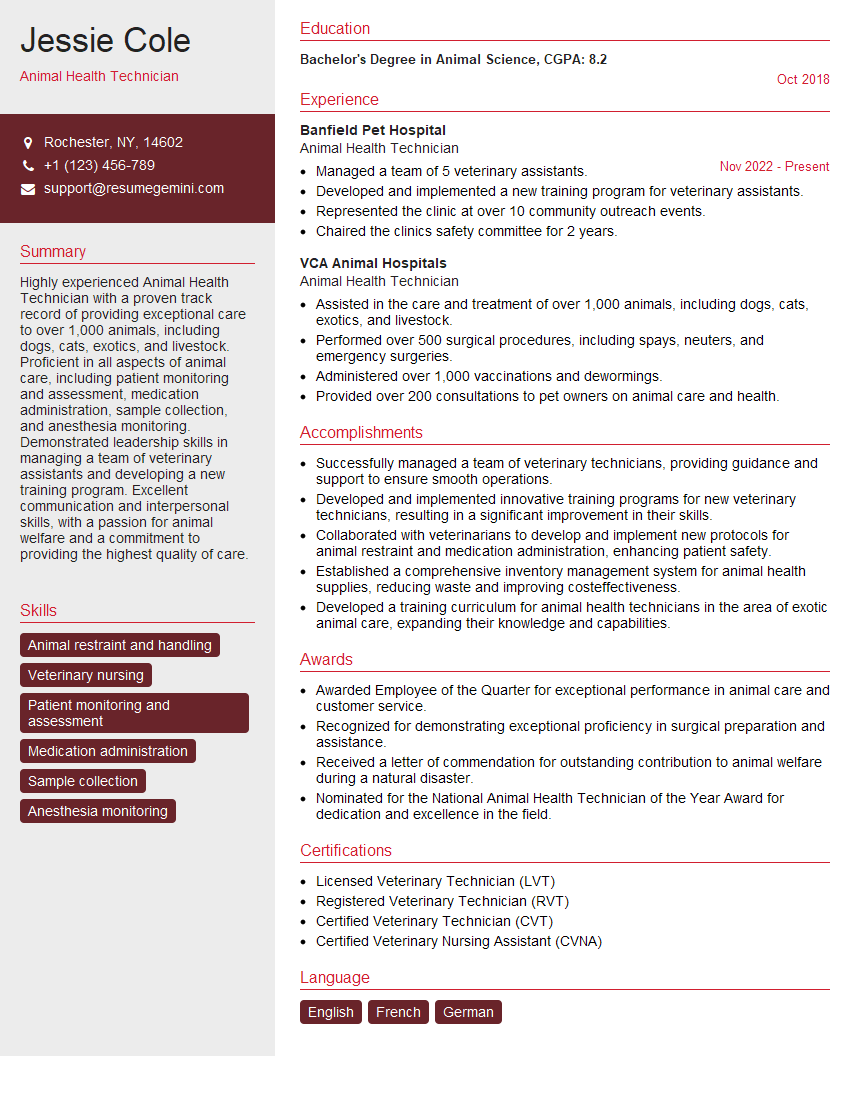
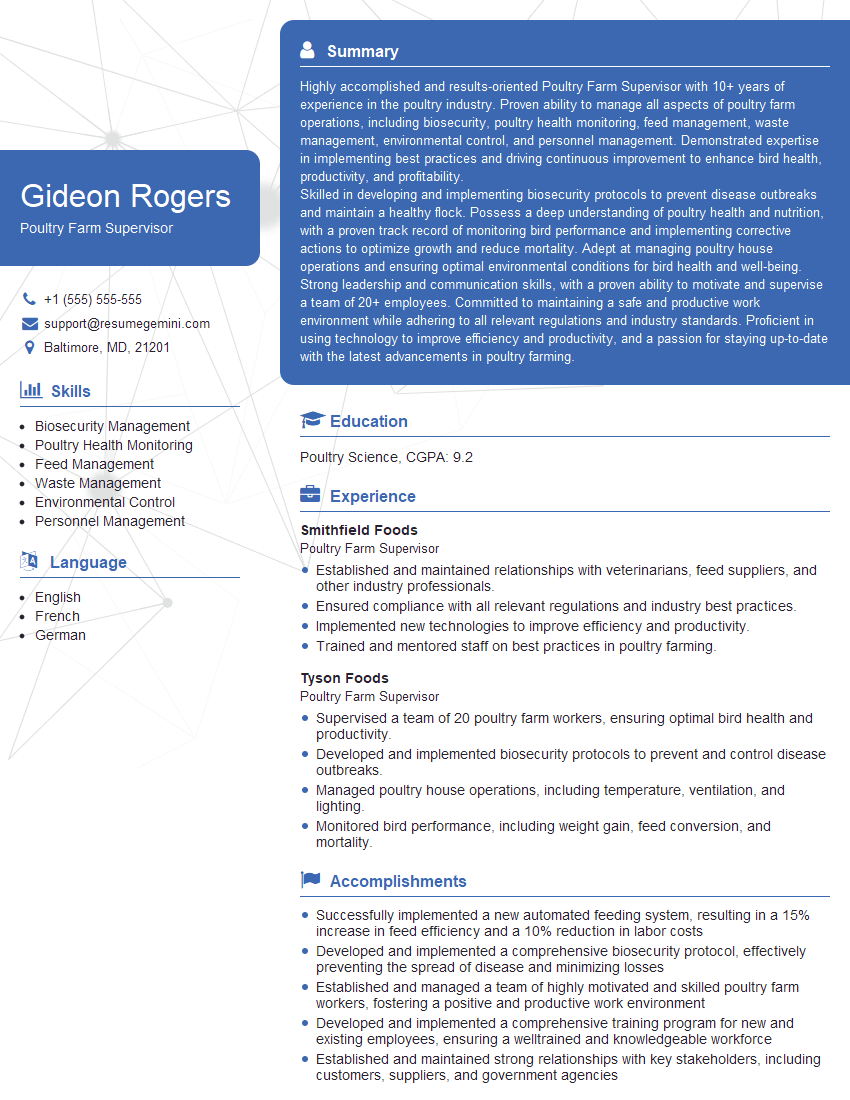
Mastering poultry vaccination opens doors to exciting career opportunities in the rapidly growing poultry industry, offering roles with increasing responsibility and competitive salaries. An ATS-friendly resume is crucial for maximizing your job prospects. It ensures your qualifications are effectively highlighted for applicant tracking systems used by many employers. To build a strong and impactful resume, we recommend using ResumeGemini, a trusted resource for creating professional resumes. Examples of resumes tailored to the Poultry Vaccination field are available to help you craft your perfect application.

Explore more articles
Users Rating of Our Blogs
Share Your Experience
We value your feedback! Please rate our content and share your thoughts (optional).
What Readers Say About Our Blog
Very informative content, great job.
good