Unlock your full potential by mastering the most common Worker Protection Standard (WPS) interview questions. This blog offers a deep dive into the critical topics, ensuring you’re not only prepared to answer but to excel. With these insights, you’ll approach your interview with clarity and confidence.
Questions Asked in Worker Protection Standard (WPS) Interview
Q 1. What are the key components of a comprehensive Worker Protection Standard (WPS) program?
A comprehensive Worker Protection Standard (WPS) program is built on several key pillars, all designed to minimize pesticide exposure risks to agricultural workers. Think of it as a layered safety net. It’s not just about one thing, but a combination of practices working together.
- Training: Workers must receive thorough training on pesticide hazards, safe handling practices, and emergency procedures. This isn’t a one-time event; refresher training is crucial.
- Personal Protective Equipment (PPE): Providing and ensuring the proper use of PPE, like respirators, gloves, and coveralls, is paramount. The type of PPE needed depends on the specific pesticide being used.
- Hazard Communication: Clear and accessible communication about pesticide hazards is vital. This includes labels, safety data sheets (SDS), and worker training materials in a language workers understand.
- Application Restrictions: Strict guidelines around pesticide application, such as restricted-entry intervals (REIs), ensure workers aren’t exposed before it’s safe. This includes designating application methods and ensuring proper decontamination procedures.
- Emergency Response: A well-defined emergency response plan, including first aid measures and access to emergency medical care, is essential to handle accidental exposures quickly and effectively.
- Recordkeeping: Meticulous record-keeping of training, pesticide applications, and PPE usage is necessary for demonstrating compliance and tracking potential issues.
For example, a farm might implement a color-coded system for PPE, ensuring workers easily identify the appropriate gear for each task. This visual aid reinforces training and minimizes mistakes.
Q 2. Explain the requirements for pesticide application and worker protection under WPS.
Pesticide application and worker protection under WPS are tightly interwoven. The core principle is to minimize worker exposure during and after application. This is achieved through several key requirements:
- Restricted-Entry Intervals (REIs): REIs dictate the time period after pesticide application that workers must wait before re-entering the treated area without appropriate PPE. The REI is determined by the pesticide’s toxicity and application method.
- Application Methods: WPS often specifies the allowed methods of application (e.g., aerial vs. ground application) to minimize drift and potential exposure. Closed systems are preferred to reduce worker exposure.
- PPE Requirements: Specific PPE requirements depend on the pesticide and the application method. This could include respirators, gloves, coveralls, eye protection, and even specialized equipment like closed-cab tractors.
- Decontamination Procedures: WPS mandates clear decontamination procedures for equipment and workers after pesticide application, ensuring no residue remains.
- Posting and Notification: Treated areas must be clearly posted with warning signs indicating the applied pesticide, the REI, and any other necessary safety information.
For example, if an orchard is sprayed with a highly toxic pesticide, the REI might be 48 hours. Workers would need to wear appropriate PPE, including respirators, when entering the area during the application and during the REI period.
Q 3. Describe the different types of personal protective equipment (PPE) required under WPS.
The type of PPE required under WPS depends entirely on the specific pesticide being used and the task being performed. It’s not a one-size-fits-all approach. The information provided on the pesticide label is critical.
- Respirators: Used to protect against inhalation of pesticide dusts, mists, or vapors. The type of respirator (e.g., N95, half-mask, full-face) will depend on the pesticide’s toxicity and the application method. Proper fit testing is crucial.
- Gloves: Protect hands from pesticide contact. The type of glove material (e.g., nitrile, neoprene, butyl) depends on the pesticide’s chemical properties. Gloves should be replaced regularly to prevent degradation.
- Coveralls: Provide full-body protection against pesticide spray or dust. Coveralls should be made of a durable, chemically resistant material.
- Eye Protection: Goggles or face shields are essential to protect eyes from pesticide splashes or dust.
- Footwear: Chemical-resistant boots are often required to protect feet from pesticide spills or contact with treated soil.
- Other PPE: Depending on the situation, additional PPE might include head coverings, aprons, and even specialized suits.
Consider a scenario involving aerial application of a highly volatile pesticide: workers involved in the application would likely require full-body suits, respirators with appropriate cartridges, and specialized eye protection.
Q 4. How do you ensure compliance with WPS regulations regarding training and record-keeping?
Ensuring compliance with WPS training and record-keeping regulations requires a proactive and organized approach. Think of it as creating an audit trail for safety.
- Training Records: Maintain detailed records of all worker training sessions, including dates, attendees, topics covered, and trainer qualifications. This documentation must be easily accessible for inspections.
- Training Content: Training should be comprehensive, covering pesticide hazards, safe handling practices, PPE use, emergency procedures, and the specific requirements of WPS. It’s crucial to provide training in a language all workers understand.
- Pesticide Application Records: Keep detailed records of all pesticide applications, including the date, time, location, pesticide used, amount applied, application method, and the REI. These records should be readily available for review.
- PPE Records: Maintain records of PPE provided to workers, including the type, date of issuance, and date of disposal or replacement. Regular inspection and maintenance of PPE should also be documented.
- Regular Audits: Conduct periodic audits of training materials, application records, and PPE inventory to ensure continued compliance.
A practical example would be using a digital system to track training completion, pesticide applications, and PPE usage. This centralizes information and makes compliance easier to monitor.
Q 5. What are the employer’s responsibilities under WPS regarding hazard communication?
Under WPS, employers have a critical role in hazard communication. This is about ensuring workers are fully aware of the risks associated with pesticide exposure.
- Labeling: Employers must ensure that all pesticide containers are clearly labeled with appropriate warnings, precautions, and safety information. Labels should be legible and in a language understood by all workers.
- Safety Data Sheets (SDS): Employers must provide access to SDSs for all pesticides used. SDSs contain comprehensive information on the hazards, handling, storage, and emergency response related to a specific pesticide.
- Training: Providing comprehensive training on the hazards associated with specific pesticides used in the workplace, and ensuring that workers understand the information contained in the SDS and labels is crucial.
- Communication Methods: Employers must communicate pesticide hazards through a variety of methods appropriate for their workers, such as verbal instruction, written materials, visual aids, and training sessions in their native language.
- Language Accessibility: Information regarding pesticide safety should be provided in a language understood by all workers, especially those who may have limited English proficiency.
Imagine a farm using several different pesticides. The employer must ensure that each worker understands the hazards associated with each pesticide used, including appropriate PPE and emergency procedures.
Q 6. Explain the WPS requirements for emergency response planning.
WPS emergency response planning is about being prepared for the unexpected. A well-defined plan can minimize the consequences of accidental exposures.
- Emergency Contact Information: Easily accessible contact information for emergency medical services, poison control centers, and other relevant authorities must be readily available.
- First Aid Procedures: Workers should be trained in basic first aid procedures for pesticide exposure, including immediate actions to take and how to contact emergency services.
- Decontamination Procedures: A detailed plan outlining procedures for decontaminating workers and equipment in the event of an exposure is needed. This may involve washing stations with appropriate cleaning agents.
- Evacuation Procedures: If necessary, an evacuation plan should be in place to quickly remove workers from the contaminated area.
- Communication Protocols: Clear communication protocols for reporting incidents and coordinating emergency responses are crucial.
- Anticipation of Potential Incidents: The plan should identify potential scenarios (e.g., spills, equipment malfunctions) and outline specific responses for each.
For example, a farm might establish designated decontamination areas with showers and eye wash stations. They would also conduct regular drills to ensure workers know the emergency procedures.
Q 7. How do you conduct a WPS-compliant pesticide risk assessment?
A WPS-compliant pesticide risk assessment involves a systematic process to identify and evaluate potential hazards associated with pesticide use. It’s a proactive approach to minimize risks.
- Identify Potential Hazards: Start by identifying all pesticides used, their toxicity levels, routes of exposure (inhalation, dermal, ingestion), and application methods.
- Identify Workers at Risk: Determine which workers are exposed to pesticides and the duration and frequency of exposure. Consider factors like age, health conditions, and language barriers.
- Evaluate the Risks: Assess the likelihood and severity of potential adverse health effects based on the hazard identification and worker exposure. This involves considering factors like pesticide toxicity and worker susceptibility.
- Implement Control Measures: Based on the risk assessment, implement control measures to minimize exposure. This could involve using less toxic pesticides, modifying application methods, using appropriate PPE, implementing REIs, and providing thorough training.
- Monitor and Review: Regularly monitor the effectiveness of the implemented control measures and review the risk assessment periodically to account for changes in pesticide use, work practices, or worker demographics. This ensures the plan stays current.
For instance, a risk assessment might reveal that a particular pesticide poses a high risk of dermal exposure to hand-workers during harvesting. The solution could be to switch to a lower-toxicity pesticide or implement the use of protective gloves.
Q 8. Describe the procedures for handling pesticide spills and incidents.
Handling pesticide spills and incidents requires a swift and methodical approach to minimize environmental impact and protect human health. The first step is always to ensure the safety of everyone involved; evacuate the area and call emergency services if necessary.
- Assessment: Determine the type and quantity of spilled pesticide, the affected area, and any potential pathways of contamination (e.g., water sources, soil).
- Containment: Use appropriate absorbent materials (like spill pads or clay) to contain the spill, preventing further spread. Avoid spreading the pesticide, and never use bare hands.
- Cleanup: Follow the manufacturer’s instructions for cleanup, including personal protective equipment (PPE) requirements. This often involves using specialized equipment and techniques for disposal. Different pesticides may require specific neutralization procedures.
- Documentation: Meticulously document the incident, including the date, time, location, type of pesticide, quantity spilled, cleanup methods, and any injuries or environmental effects. This documentation is crucial for regulatory compliance and future incident prevention.
- Disposal: Dispose of contaminated materials properly according to local, state, and federal regulations. This often involves contacting a licensed hazardous waste disposal company.
Example: Imagine a spill of glyphosate near a stream. Immediate evacuation of the area is crucial. Then, using absorbent booms to prevent the pesticide from entering the stream, followed by careful cleanup using appropriate PPE and documented disposal of contaminated materials, minimizes environmental damage and protects worker safety.
Q 9. What are the limitations of WPS and what are its shortcomings?
While the Worker Protection Standard (WPS) is a significant step toward protecting agricultural workers, it has limitations. One key shortcoming is the reliance on employer compliance. Enforcement can be challenging, and some employers might not prioritize worker safety or fully understand all aspects of the regulations.
- Enforcement Challenges: Inspectors can only cover a limited number of farms, making consistent and thorough monitoring difficult. Penalties for non-compliance might not always be sufficient deterrents.
- Complexity of Regulations: The WPS is quite detailed, and understanding all its nuances can be challenging for both employers and workers. This complexity can lead to unintentional non-compliance.
- Limited Coverage for Specific Groups: The WPS primarily focuses on agricultural workers, but it may not adequately address the needs of all workers exposed to pesticides, including those in related industries like landscaping or pest control.
- Emerging Pesticides and Technologies: The rapid development of new pesticides and application technologies can sometimes outpace the ability of the WPS to keep up with best safety practices and regulatory updates.
Another limitation is the potential for loopholes or grey areas in interpretation of specific regulations. For instance, defining what constitutes adequate training or sufficient PPE can sometimes be subjective, potentially leading to inconsistencies in safety practices across different operations.
Q 10. How do you address non-compliance issues with WPS regulations?
Addressing non-compliance with WPS regulations requires a multi-faceted approach that combines education, enforcement, and collaboration.
- Education and Training: Provide comprehensive training to employers and workers about WPS requirements. This training should be accessible, easy to understand, and regularly updated. This can involve workshops, online modules, and on-site training sessions.
- Inspections and Monitoring: Regular inspections by regulatory agencies are crucial to identify non-compliance issues. These inspections should be thorough and cover all relevant aspects of pesticide handling, worker protection, and record-keeping.
- Enforcement Actions: When non-compliance is identified, appropriate enforcement actions must be taken, ranging from warnings and citations to fines and legal action. The severity of the action should be proportional to the severity of the violation.
- Collaboration and Partnerships: Effective WPS compliance often requires collaboration between regulatory agencies, employer organizations, worker advocacy groups, and pesticide manufacturers. Sharing best practices and developing effective communication strategies are vital.
Example: If an inspection reveals that an employer is failing to provide adequate PPE, initial steps might involve providing educational materials and setting a deadline for compliance. Failure to comply could then result in fines or other penalties, ensuring that the seriousness of the violation is addressed.
Q 11. What are the specific WPS requirements for agricultural workers?
The WPS outlines several specific requirements for agricultural workers, focusing on their protection from pesticide exposure. These include:
- Training: Workers must receive training on pesticide safety, including hazard communication, PPE use, emergency response procedures, and their rights under the WPS.
- Personal Protective Equipment (PPE): Employers must provide appropriate PPE, including respirators, gloves, protective clothing, and eye protection, based on the specific pesticide being handled and the task being performed. Workers must be trained on proper use and maintenance of the PPE.
- Restricted-Entry Intervals (REIs): Workers must not enter treated areas before the REI has expired. The REI is the time period after pesticide application during which entry is restricted. It varies based on the pesticide and the application method.
- Decontamination: Employers must provide adequate facilities for worker decontamination, including wash stations with soap and water, and facilities for changing clothes and showering.
- Emergency Response: Workers must know the emergency response procedures, including how to access medical attention in case of pesticide exposure. Employers need to have a well-defined emergency plan in place.
- Communication: Employers must communicate WPS requirements clearly to workers in a language they understand. This includes providing easily understandable training materials, labels, and safety warnings.
Example: A farm worker applying pesticides must wear appropriate PPE (e.g., respirator, coveralls, gloves) and adhere to the specific REI for the pesticide being used, ensuring they do not re-enter the treated field until it is safe. Following this, they must use the provided decontamination facilities to thoroughly wash and change before leaving the work area.
Q 12. Explain the importance of regular inspections and monitoring in maintaining WPS compliance.
Regular inspections and monitoring are the cornerstone of maintaining WPS compliance. They serve as a proactive approach to identify potential hazards, ensure compliance with regulations, and prevent accidents.
- Proactive Hazard Identification: Regular inspections help identify potential hazards before they lead to accidents. This might involve checking the condition of PPE, ensuring adequate decontamination facilities are available and functioning correctly, and verifying proper pesticide storage and handling procedures.
- Compliance Verification: Inspections confirm that employers are meeting their obligations under the WPS. This includes verifying that training has been provided, that appropriate PPE is being used, and that REIs are being respected.
- Continuous Improvement: The information gathered from inspections can be used to continuously improve safety practices and procedures. Identifying recurring issues, for example, can highlight areas that need additional training or improvement in safety protocols.
- Record-Keeping: Accurate record-keeping of inspections and monitoring activities is essential for demonstrating compliance with WPS regulations. This record-keeping includes details about the inspection date, areas checked, any non-compliance identified, and corrective actions taken.
Example: A regular inspection of a farm might reveal that some workers are not properly using their respirators. This allows for retraining and reinforcement of safe respirator use, preventing potential health problems. The documentation of this finding is vital in demonstrating proactive compliance efforts.
Q 13. How do you incorporate WPS into your overall safety management system?
Integrating WPS into an overall safety management system requires a holistic approach. The WPS should not be viewed as an isolated set of regulations, but rather as an integral component of a broader safety culture.
- Risk Assessment: Conduct regular risk assessments to identify all potential pesticide-related hazards, not just those directly addressed in the WPS. This includes considering environmental factors, worker experience levels, and the specific types of pesticides used.
- Safety Training: Incorporate WPS training into a comprehensive safety training program for all employees. The training should be relevant to their specific job duties and must go beyond just meeting the minimal WPS requirements.
- Emergency Preparedness: Develop and regularly practice emergency response plans that address pesticide-related incidents, including spills, exposures, and medical emergencies.
- Communication and Documentation: Establish clear lines of communication between management, supervisors, and workers regarding safety procedures. Maintain meticulous records of training, inspections, incidents, and corrective actions.
- Continuous Improvement: Regularly review and update the safety management system to reflect changes in the WPS, new pesticide technologies, and lessons learned from incidents or near misses.
Example: A farm’s safety manual should include a dedicated section on WPS compliance, with clear procedures for handling pesticides, managing REIs, and responding to spills or exposures. This section should be integrated with the broader farm safety program, ensuring that WPS requirements are consistently followed.
Q 14. How do you ensure effective communication of WPS requirements to workers?
Effective communication of WPS requirements is critical for ensuring worker safety and compliance. This requires a multi-pronged approach using various communication methods tailored to the worker’s understanding.
- Language Accessibility: Ensure that all WPS-related materials, including training materials, labels, and safety warnings, are available in the language understood by the workers. Use visuals and simple language to enhance understanding.
- Multiple Communication Channels: Utilize a variety of communication methods, such as in-person training sessions, videos, posters, and written instructions. Combine these channels to reach workers in the most effective way.
- Interactive Training: Use interactive training methods, like hands-on exercises, quizzes, and role-playing, to reinforce understanding and engagement. Make it clear that worker questions and concerns are welcome and will be addressed.
- Regular Feedback and Open Communication: Create a culture where workers feel comfortable reporting safety concerns or asking questions without fear of retaliation. Conduct regular feedback sessions to assess the effectiveness of communication efforts and to identify areas for improvement.
- Supervisor Training: Train supervisors to act as key communicators of WPS requirements. Empower supervisors to answer questions and address worker concerns promptly.
Example: A farm might use a combination of videos demonstrating proper PPE use, illustrated posters summarizing key safety rules, and in-person training sessions where workers can practice handling pesticides and ask questions. Regular feedback sessions and open communication channels help refine communication methods and reinforce safety awareness.
Q 15. What are the penalties for non-compliance with WPS regulations?
Penalties for non-compliance with the Worker Protection Standard (WPS) can be severe and vary depending on the severity and nature of the violation, as well as the employer’s history of compliance. The Occupational Safety and Health Administration (OSHA) enforces WPS. Penalties can include:
- Citations and Fines: OSHA can issue citations for violations, ranging from relatively minor fines for paperwork errors to substantial penalties for serious or willful violations that result in worker injury or death. The amount of the fine depends on factors such as the size of the business and the gravity of the infraction. For example, a repeat offender could face significantly higher fines than a first-time offender.
- Corrective Actions: Beyond fines, OSHA may require employers to take immediate corrective actions to address the identified violations. This could involve implementing new safety protocols, providing additional training, or making equipment modifications.
- Criminal Prosecution: In cases involving egregious violations leading to worker fatalities, criminal charges can be filed against responsible parties, leading to even more severe consequences like jail time and substantial legal fees. This is rare but serves as a strong deterrent.
- Loss of Contracts: Some government agencies and private companies require contractors to demonstrate WPS compliance before awarding contracts. Non-compliance can lead to contract termination or exclusion from future bidding opportunities.
- Increased Insurance Premiums: A poor safety record, stemming from WPS violations, can lead to higher workers’ compensation insurance premiums, significantly increasing business expenses.
It’s crucial for employers to understand that proactive compliance is far more cost-effective than facing the repercussions of non-compliance. A robust WPS program is an investment in worker safety and business stability.
Career Expert Tips:
- Ace those interviews! Prepare effectively by reviewing the Top 50 Most Common Interview Questions on ResumeGemini.
- Navigate your job search with confidence! Explore a wide range of Career Tips on ResumeGemini. Learn about common challenges and recommendations to overcome them.
- Craft the perfect resume! Master the Art of Resume Writing with ResumeGemini’s guide. Showcase your unique qualifications and achievements effectively.
- Don’t miss out on holiday savings! Build your dream resume with ResumeGemini’s ATS optimized templates.
Q 16. Describe your experience with WPS training programs.
I’ve been involved in WPS training programs for over 10 years, both developing curriculum and delivering instruction. My experience spans various agricultural settings, from small family farms to large-scale operations. I’ve designed and implemented training for diverse workforces, including seasonal workers, migrant workers, and permanent employees, ensuring the training is culturally sensitive and appropriate to their skill levels. This includes hands-on training sessions focusing on practical application of safety procedures and utilizing various methods like role-playing, interactive simulations, and case studies to enhance learning and retention. I’ve also developed comprehensive training materials, including manuals, videos, and presentations, to support the training.
In addition to my direct involvement in training, I’ve participated in the development and evaluation of training programs, ensuring they meet OSHA standards and are effective in changing worker behavior. This has involved reviewing existing programs, identifying areas for improvement, and incorporating feedback from both trainees and supervisors.
Q 17. Explain how you would develop and implement a WPS training plan for a new employee.
Developing a WPS training plan for a new employee starts with a thorough needs assessment. We need to identify the specific hazards the employee will encounter based on their job tasks. This assessment dictates the content of the training. Here’s a step-by-step approach:
- Needs Assessment: Identify all pesticides handled, tasks performed, and potential exposure routes. This involves a walk-through of the worksite.
- Curriculum Development: Create a training program covering topics such as pesticide safety, proper application techniques, personal protective equipment (PPE) selection and use, emergency response procedures, and the importance of following all label instructions. The training should be tailored to the specific pesticides and tasks involved.
- Training Delivery: The training should be delivered using a variety of methods, including lectures, demonstrations, hands-on practice, and written tests to assess comprehension. I prioritize interactive elements to improve engagement and retention.
- Documentation: Maintain detailed records of training, including attendance sheets, training materials, and test scores. These records demonstrate compliance with WPS regulations.
- Periodic Review and Updates: The training program needs to be reviewed and updated regularly to reflect changes in WPS regulations, new pesticides used, or updated safety procedures. Annual refresher training is vital to ensure continued compliance.
For example, a new employee working with a specific insecticide would receive detailed training on that pesticide’s properties, safe handling procedures, required PPE (like respirators and gloves), and emergency response procedures. The training would also include information on proper disposal and cleanup. The entire process is documented, and the employee must demonstrate competency through a written and practical test before working independently.
Q 18. How do you ensure that all workers have access to the necessary information and resources regarding WPS?
Ensuring all workers have access to necessary WPS information and resources is paramount. This involves a multi-pronged approach:
- Accessible Training Materials: Provide training materials in multiple languages and formats (e.g., written manuals, videos, and pictograms) to cater to varying literacy levels and language preferences.
- On-Site Resources: Make readily available information posters, fact sheets, and quick reference guides concerning specific pesticide use, PPE, and emergency procedures in the work area.
- Centralized Information Hub: Establish a central location (physical and/or digital) where workers can easily access WPS-related documents, including safety data sheets (SDS), training materials, and updated regulations. This could be a shared drive, an intranet portal, or a designated bulletin board.
- Regular Communication: Implement regular communication channels (e.g., safety meetings, email updates, and text messages) to convey critical information, answer questions, and address safety concerns promptly.
- Supervisor Involvement: Train supervisors to act as resources for WPS information and to observe and correct unsafe work practices. They should be able to answer basic WPS questions and refer more complex issues to the safety officer.
Using a combination of these methods ensures that even workers with limited literacy or language skills can access and understand crucial safety information.
Q 19. How do you handle situations where workers refuse to comply with WPS regulations?
Worker refusal to comply with WPS regulations requires a firm but fair approach that prioritizes safety. Here’s a structured approach:
- Education and Dialogue: First, try to understand the reasons behind the refusal. Address concerns, clarify misunderstandings, and reiterate the importance of compliance for their safety and the safety of others. This may involve providing additional training or clarifying specific regulations.
- Progressive Discipline: If education fails, implement a progressive discipline policy, starting with verbal warnings, followed by written warnings, and potentially suspension or termination depending on the severity and frequency of the non-compliance. Document each step of the process.
- Personal Protective Equipment (PPE) Provision: Ensure the worker has access to and is properly trained on the use of appropriate PPE. Refusal to use provided PPE is a serious safety violation.
- Reporting: Maintain thorough documentation of all incidents of non-compliance, including attempts to address the issue and the disciplinary actions taken. This is critical for accountability and demonstrating adherence to OSHA standards.
- Involving Management: Escalate the situation to management if the issue persists. They may need to address more significant concerns or intervene. Always ensure the process is fair, consistent, and documented.
It’s essential to treat every situation individually. While disciplinary action is sometimes necessary, the primary goal is always to ensure worker safety and compliance with WPS regulations.
Q 20. Describe a time you had to troubleshoot a WPS-related issue.
I once encountered a situation where workers were experiencing discomfort while applying a particular pesticide due to the PPE they were wearing. They complained of overheating and reduced visibility, leading to potential shortcuts in safety procedures. This was a WPS-related issue requiring immediate attention.
My troubleshooting involved these steps:
- Investigation: I began by assessing the situation first-hand, observing their work conditions, and speaking with the workers to understand their specific concerns. I also examined the PPE used and the environmental conditions.
- Identifying the Root Cause: After gathering information, I identified that the chosen PPE was indeed unsuitable for the climate, leading to overheating and restricted visibility. The type of respirator was also unsuitable for the pesticide’s vapor pressure.
- Implementing Solutions: I proposed solutions including switching to lighter-weight, breathable PPE and providing additional breaks during pesticide application. We also adjusted the working schedule to avoid peak sun hours and investigated alternative, less restrictive respirators approved for the specific pesticide.
- Retraining: Once the new PPE was implemented, I provided additional training to ensure the workers were comfortable and confident using the new equipment effectively. I emphasized that shortcuts due to discomfort were unacceptable and stressed the importance of using the correct PPE to reduce exposure.
- Follow-up: I regularly checked in with the workers after the changes were implemented to ensure they were comfortable and that the new system was working effectively.
This experience highlighted the importance of continuous monitoring, open communication with workers, and the willingness to adapt safety procedures based on real-world observations and feedback.
Q 21. How do you stay updated on changes and amendments to WPS regulations?
Staying updated on WPS changes and amendments requires a proactive approach involving several strategies:
- OSHA Website Monitoring: Regularly check the OSHA website for updates, new regulations, and guidance documents related to WPS. Subscribe to their email alerts for immediate notification of significant changes.
- Professional Organizations: Join and actively participate in professional organizations and associations related to agricultural safety and pesticide application. These often provide valuable updates, training opportunities, and networking to stay abreast of current best practices.
- Industry Publications: Subscribe to and read relevant trade publications and journals that cover agricultural safety and regulatory changes. This ensures you’re informed about practical implications of new regulations.
- Training and Workshops: Attend relevant training programs and workshops offered by reputable sources to gain deeper insights into new regulations and compliance strategies. Many workshops provide updates on recent OSHA changes and their interpretations.
- Networking: Maintain a professional network with other safety professionals and regulatory experts to share information and discuss emerging issues in agricultural safety. This informal knowledge-sharing can be invaluable.
By employing these methods, I ensure I remain informed on the latest WPS requirements and best practices, allowing me to effectively implement and maintain compliant safety programs.
Q 22. What are the specific WPS requirements for the use of restricted-use pesticides?
The Worker Protection Standard (WPS) has stringent requirements for handling restricted-use pesticides (RUPs), which are pesticides deemed too hazardous for unrestricted sale and use. These requirements are designed to minimize worker exposure and risk.
- Training: All workers handling RUPs must receive training covering pesticide safety, handling, application, and emergency response procedures. This training must be provided by a certified applicator or other qualified individual and documented.
- Personal Protective Equipment (PPE): WPS mandates the use of specific PPE based on the pesticide’s label. This can include respirators, gloves, coveralls, and eye protection. The employer must provide appropriate PPE and ensure its proper use.
- Restricted-Entry Intervals (REIs): After pesticide application, a specific time period, the REI, must elapse before workers can re-enter the treated area without proper PPE. The REI is determined by the pesticide label and environmental conditions.
- Decontamination: WPS requires employers to provide adequate facilities and procedures for workers to decontaminate themselves and their equipment after pesticide exposure. This typically includes designated washing areas with soap, water, and clean clothing.
- Emergency Response Plan: A comprehensive emergency response plan is crucial, detailing procedures for handling pesticide spills, exposures, and medical emergencies. This plan needs to be readily accessible to all workers.
- Record Keeping: Meticulous records of pesticide applications, training sessions, PPE usage, and any incidents must be maintained.
For instance, if a farm uses an RUP for pest control, their WPS program must ensure that all workers involved receive proper training, wear the necessary PPE (as specified on the RUP label), adhere to the REI, and have access to decontamination facilities. Failure to comply results in serious penalties.
Q 23. What are the differences between WPS and other relevant safety regulations?
While WPS focuses specifically on agricultural worker safety concerning pesticides, other regulations address different facets of workplace safety. The key differences lie in their scope and focus.
- OSHA (Occupational Safety and Health Administration): OSHA sets broader workplace safety standards covering various hazards, including physical and chemical hazards beyond pesticides. WPS is more specialized, focusing exclusively on pesticide exposure in agricultural settings.
- State-Specific Regulations: Many states have their own pesticide regulations that may be stricter than federal WPS requirements. These regulations often address local environmental concerns and specific pesticide usage practices.
- FIFRA (Federal Insecticide, Fungicide, and Rodenticide Act): FIFRA regulates the registration and labeling of pesticides, indirectly impacting WPS compliance as pesticide labels dictate many WPS requirements, such as PPE and REI.
Think of it like this: OSHA is the general safety rulebook, WPS is the specialized chapter on pesticide safety in agriculture, and FIFRA provides the product-specific instructions that guide safe usage.
Q 24. How do you measure the effectiveness of your WPS program?
Measuring WPS program effectiveness involves a multi-faceted approach, combining quantitative and qualitative data.
- Incident Rate Tracking: Monitoring the number of pesticide-related incidents (illnesses, injuries, spills) is a primary indicator. A decrease in incident rates suggests improved safety.
- Compliance Audits: Regularly conducting internal and external audits to assess adherence to WPS protocols, including training records, PPE usage, and emergency response plans.
- Worker Surveys: Anonymous surveys can gauge worker understanding of WPS procedures, identify areas needing improvement, and assess their confidence in the safety measures.
- Training Effectiveness Assessments: Evaluating worker comprehension of WPS training through written tests or practical demonstrations ensures effective knowledge transfer.
- Data Analysis: Analyzing data from all the above methods helps identify trends and problem areas for targeted improvements in the WPS program. For example, recurring incidents related to a specific pesticide or task suggest a need for improved training or procedures for that particular aspect.
Imagine a farm that tracks pesticide incidents, conducts regular audits, and surveys its workers. By analyzing the data, they can identify a pattern of REI violations and address the issue through additional training and clearer communication of the procedures.
Q 25. Describe your understanding of the role of the EPA in WPS enforcement.
The Environmental Protection Agency (EPA) plays a crucial role in WPS enforcement through several mechanisms.
- Rulemaking and Enforcement: The EPA develops and enforces the WPS regulations, setting the standards and inspecting facilities to ensure compliance.
- Pesticide Registration: The EPA’s registration process for pesticides directly impacts WPS, as pesticide labels contain critical information about PPE, REIs, and handling procedures which are central to WPS compliance.
- Investigations and Penalties: The EPA investigates complaints of WPS violations and imposes penalties on employers who fail to comply with the regulations, ranging from warnings to significant fines and legal actions.
- Collaboration with Other Agencies: The EPA collaborates with state agencies and OSHA to ensure consistent enforcement of WPS across jurisdictions.
For example, if a farm is found to have violated WPS by not providing adequate PPE or neglecting worker training, the EPA can issue warnings, fines, or even shut down the operation until compliance is achieved.
Q 26. How do you incorporate WPS into the design of new work processes or procedures?
Incorporating WPS into new work processes requires a proactive and integrated approach.
- Hazard Identification: Before implementing any new procedure involving pesticides, a thorough hazard analysis is conducted to identify potential exposures and risks.
- Engineering Controls: Designing the new process to minimize worker exposure through engineering controls is prioritized, such as enclosed mixing or application systems.
- Administrative Controls: Establishing clear procedures and work instructions that emphasize WPS compliance, including training requirements, PPE use, and REI protocols.
- PPE Selection: Choosing the appropriate PPE based on the identified hazards and the pesticide label’s recommendations.
- Training Integration: Including WPS training as an integral part of new worker onboarding and ongoing training programs.
- Emergency Planning: Developing or adapting emergency response plans to accommodate the new work processes.
For example, when designing a new automated pesticide application system, we’d ensure the design incorporates enclosed mixing and application features, reducing worker exposure. The procedures would then include detailed instructions on maintenance, cleaning, and emergency shutdowns, along with appropriate training for workers operating and maintaining the system.
Q 27. What is your experience with WPS audits and inspections?
My experience with WPS audits and inspections includes both participating in and conducting them.
- Internal Audits: I’ve been involved in numerous internal audits, reviewing training records, PPE inventories, emergency response plans, and pesticide application records. This allows for proactive identification and correction of potential compliance gaps.
- External Audits: I’ve also collaborated with external auditors from regulatory agencies (EPA or state equivalents) during their inspections. This experience provided valuable insight into the regulatory perspective and allowed for a deeper understanding of compliance requirements.
- Corrective Actions: A key aspect of audits is developing and implementing corrective action plans to address any identified deficiencies, ensuring that future inspections are successful.
- Documentation: Thorough documentation is crucial throughout the audit process, as it serves as evidence of compliance and supports corrective actions.
During one audit, we discovered a gap in our training records. By promptly rectifying this and implementing a more robust record-keeping system, we avoided potential penalties and demonstrated our commitment to WPS compliance.
Q 28. How do you balance worker safety with productivity requirements while adhering to WPS?
Balancing worker safety and productivity requires a strategic approach that prioritizes safety without compromising operational efficiency.
- Efficient Work Practices: Optimizing work methods to minimize pesticide exposure while maintaining productivity. This can include using time-saving techniques without sacrificing safety.
- Investing in Technology: Implementing technologies that reduce manual handling of pesticides, such as automated application equipment or enclosed mixing systems. These reduce worker exposure and improve efficiency.
- Proper Training and Communication: Equipping workers with the knowledge and skills to perform tasks safely and efficiently, coupled with clear communication to ensure everyone understands the procedures and importance of safety.
- Incentivizing Safe Practices: Recognizing and rewarding workers who consistently demonstrate safe work habits boosts adherence to WPS guidelines and contributes to a positive safety culture.
- Regular Monitoring and Evaluation: Continuously monitoring key performance indicators (KPIs) related to both safety and productivity, allowing for timely adjustments to procedures if needed.
For example, a farm might invest in GPS-guided sprayers, reducing pesticide drift and improving application efficiency, while simultaneously lessening worker exposure. This enhances productivity while reinforcing worker safety.
Key Topics to Learn for Worker Protection Standard (WPS) Interview
- Understanding WPS Regulations: Thoroughly grasp the core principles and regulations of the Worker Protection Standard, including its purpose and scope.
- Hazard Identification and Risk Assessment: Learn how to effectively identify pesticide hazards in various work environments and conduct thorough risk assessments to mitigate potential dangers. Practice applying different assessment methodologies.
- Personal Protective Equipment (PPE): Master the selection, use, and maintenance of appropriate PPE, understanding the different types available and their specific applications for various pesticide exposure scenarios.
- Emergency Response and First Aid: Familiarize yourself with emergency procedures, including first aid protocols for pesticide exposure, and understand how to react effectively in different emergency situations.
- Worker Training and Communication: Understand the importance of effective worker training programs and communication strategies in ensuring compliance with WPS regulations and maintaining worker safety.
- Record Keeping and Documentation: Learn about the necessary documentation and record-keeping requirements under WPS, including the proper maintenance of training records and incident reports.
- Compliance and Enforcement: Understand the potential consequences of non-compliance and the enforcement procedures related to WPS regulations.
- Practical Application of WPS in Different Settings: Consider how WPS applies in various agricultural settings (e.g., orchards, vineyards, field crops) and in different pesticide application methods.
- Problem-Solving Scenarios: Prepare to discuss how you would address common WPS-related challenges, such as handling equipment malfunctions or addressing worker concerns about safety protocols.
Next Steps
Mastering the Worker Protection Standard is crucial for career advancement in agriculture and related fields, demonstrating your commitment to safety and compliance. A strong understanding of WPS will significantly improve your interview performance and open doors to exciting opportunities. To maximize your job prospects, create an ATS-friendly resume that highlights your WPS knowledge and experience. We strongly recommend using ResumeGemini to build a professional and effective resume. ResumeGemini offers valuable tools and resources, including examples of resumes tailored to the Worker Protection Standard (WPS), to help you create a compelling application that stands out from the competition.
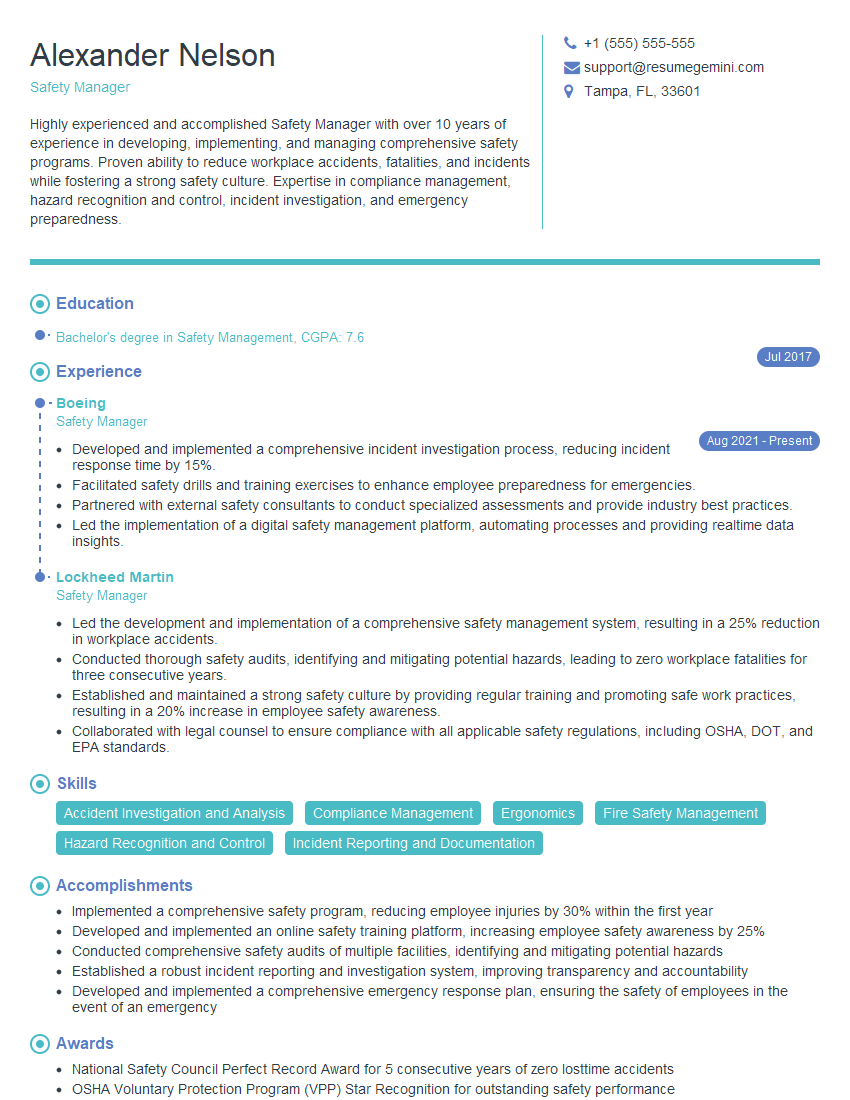
Safety Manager Resume Sample
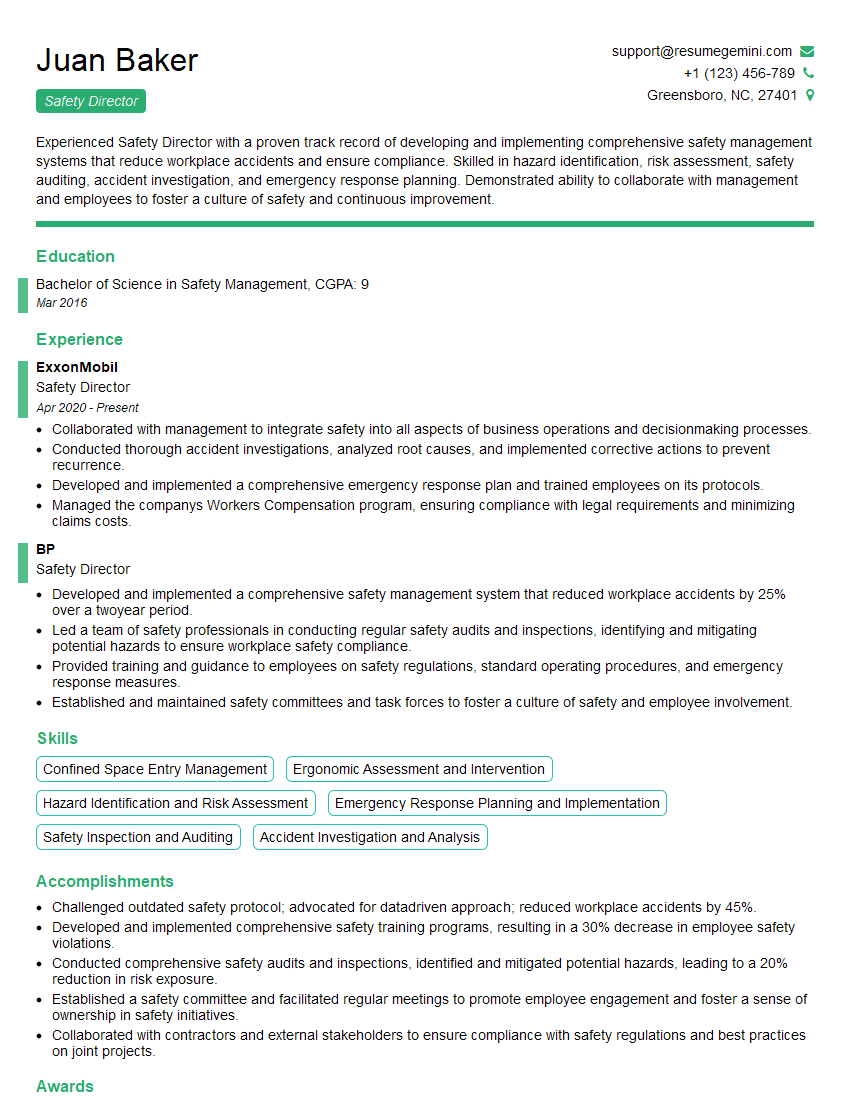
Safety Director Resume Sample
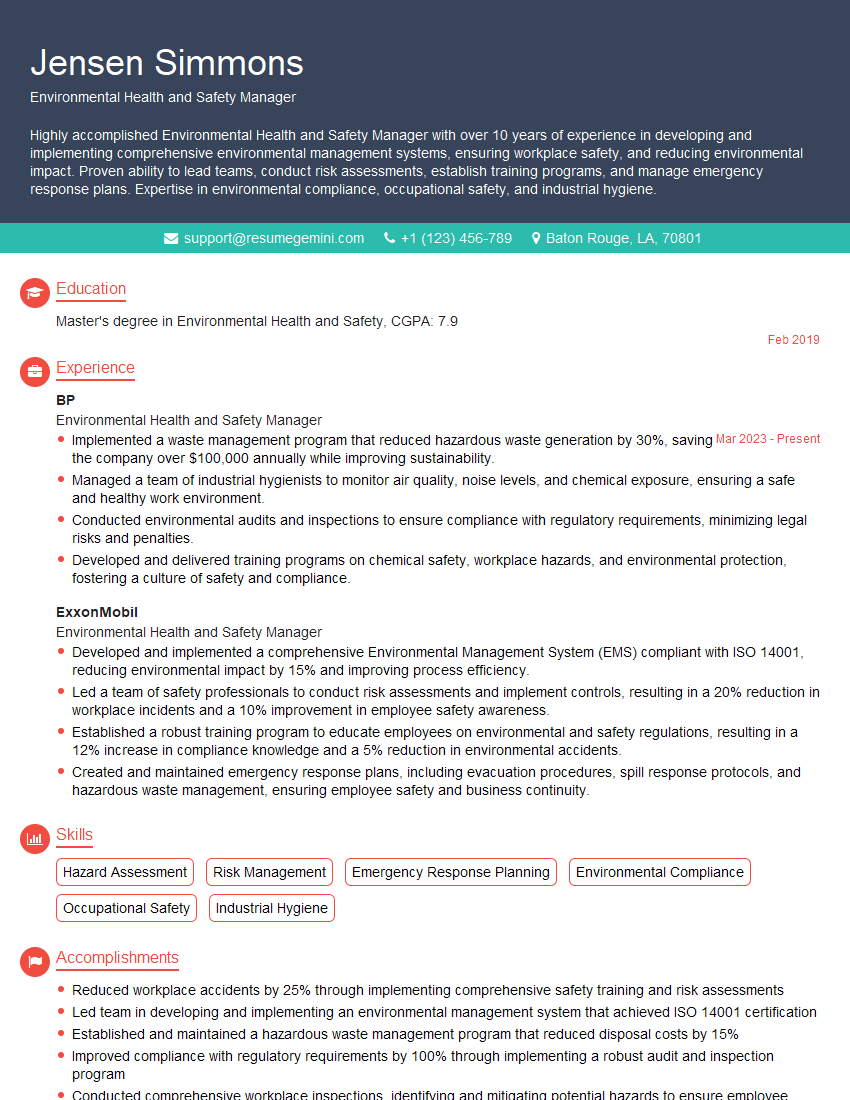
Environmental Health and Safety Manager Resume Sample
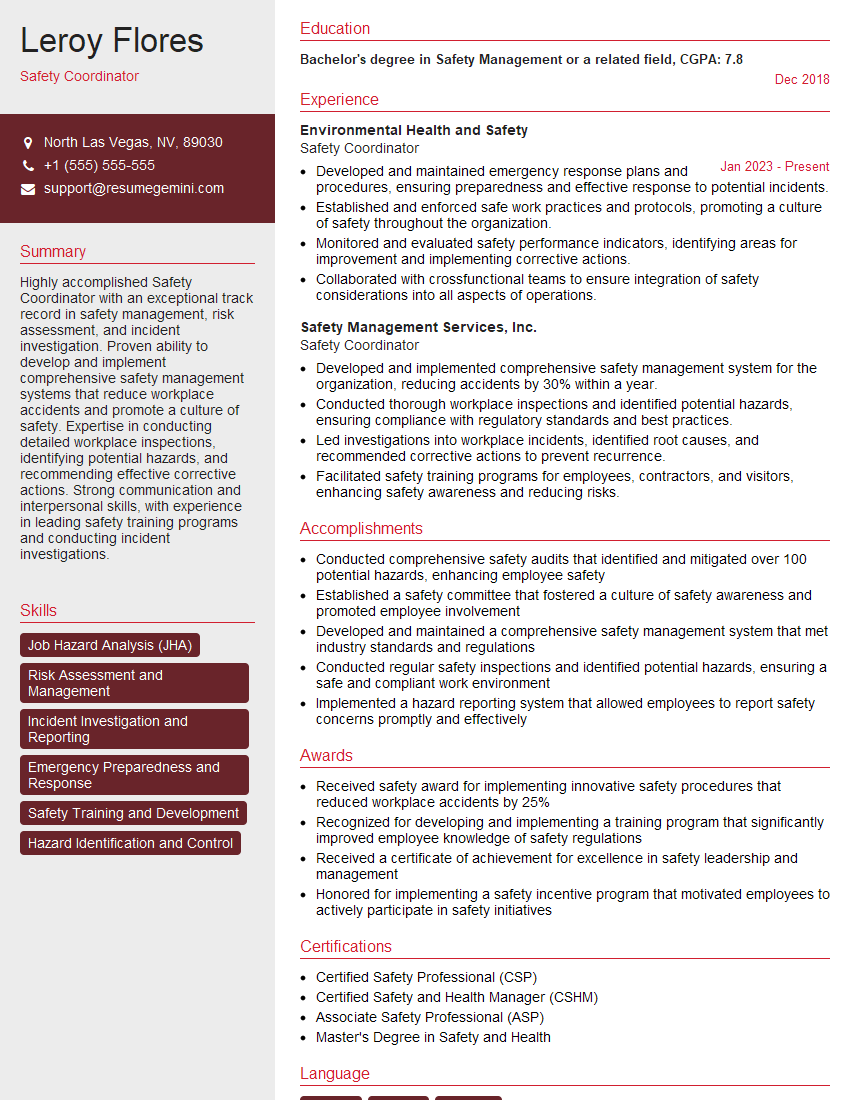
Safety Coordinator Resume Sample

Compliance Officer Resume Sample
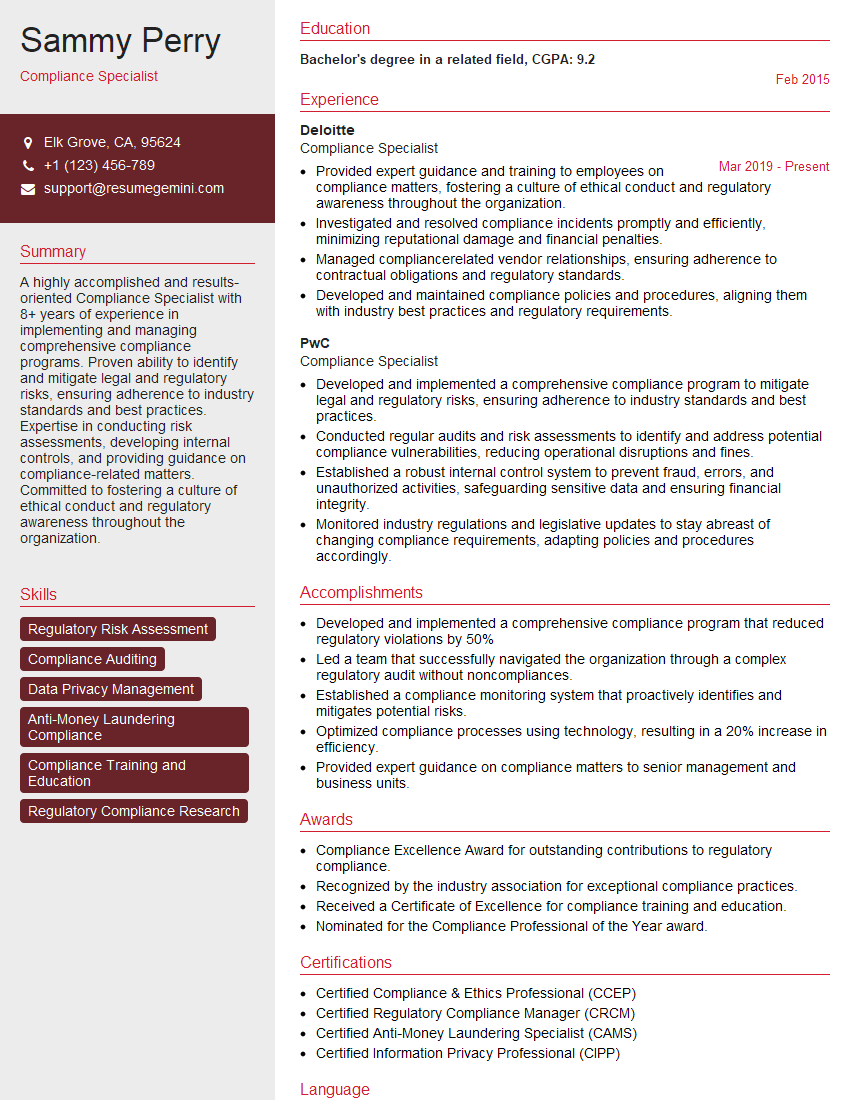
Compliance Specialist Resume Sample

Risk Manager Resume Sample
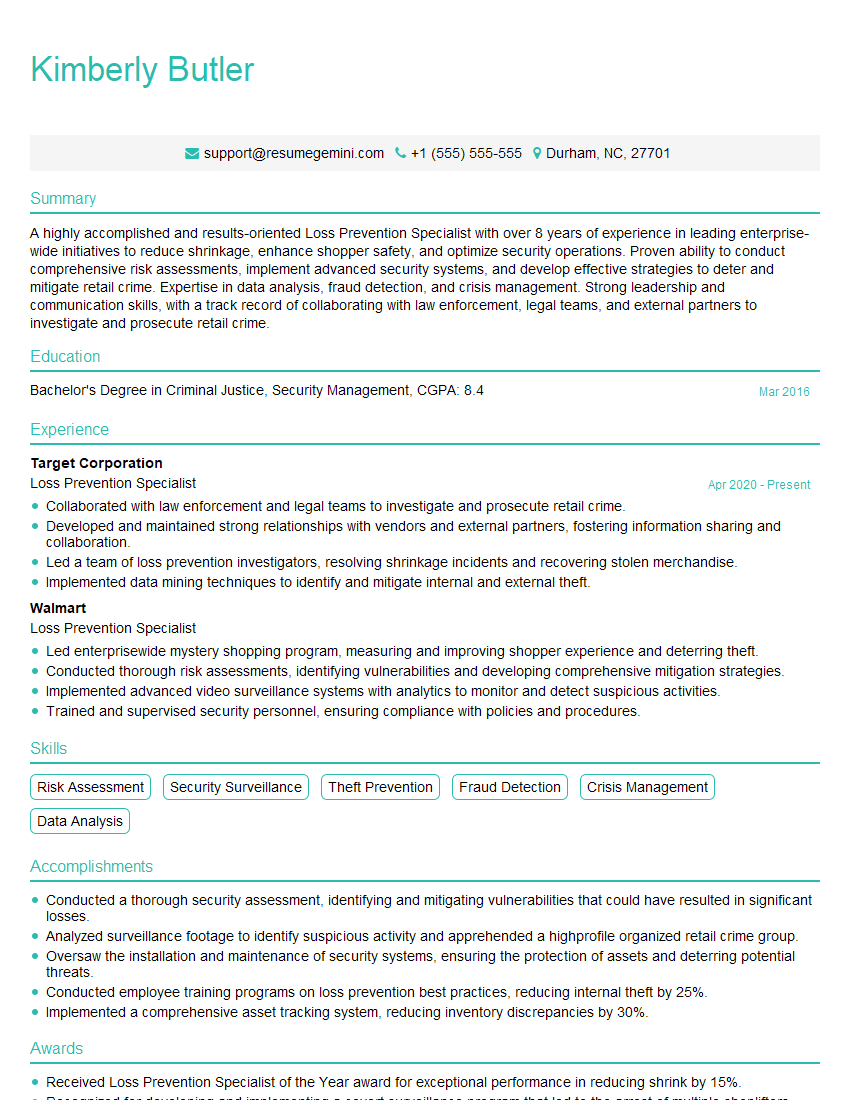
Loss Prevention Specialist Resume Sample
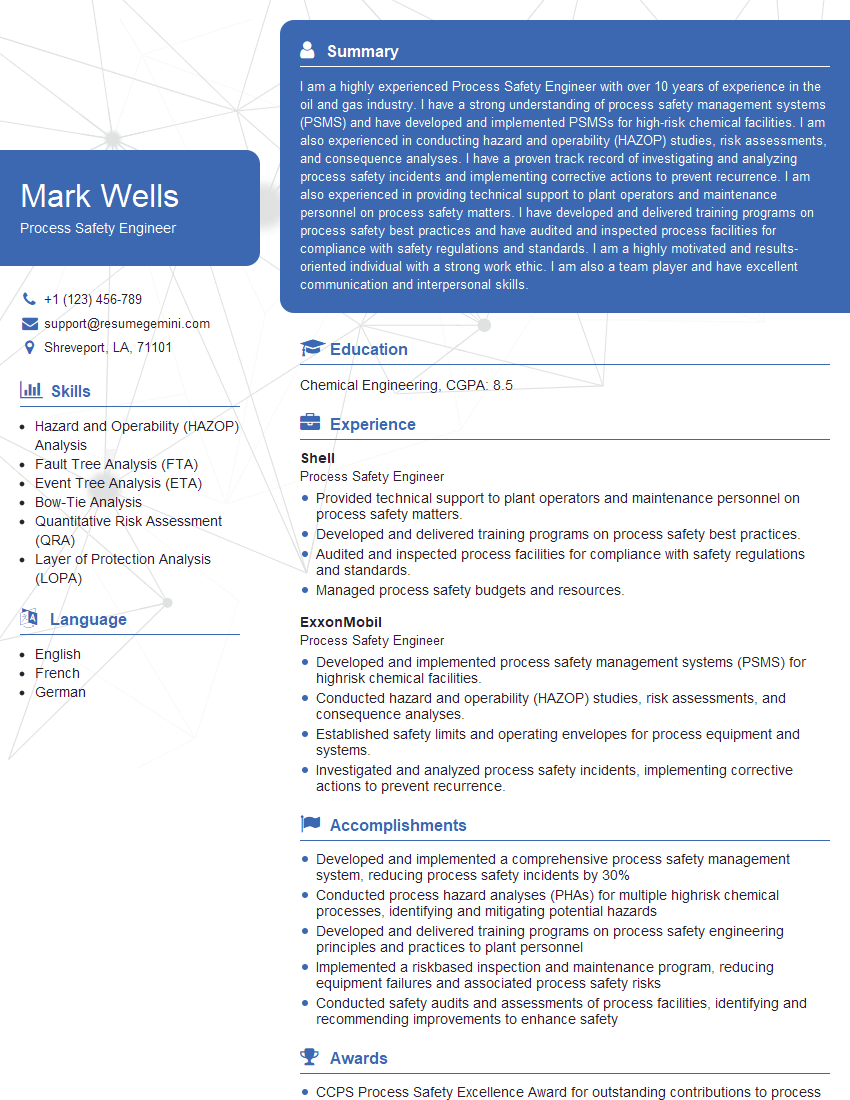
Process Safety Engineer Resume Sample
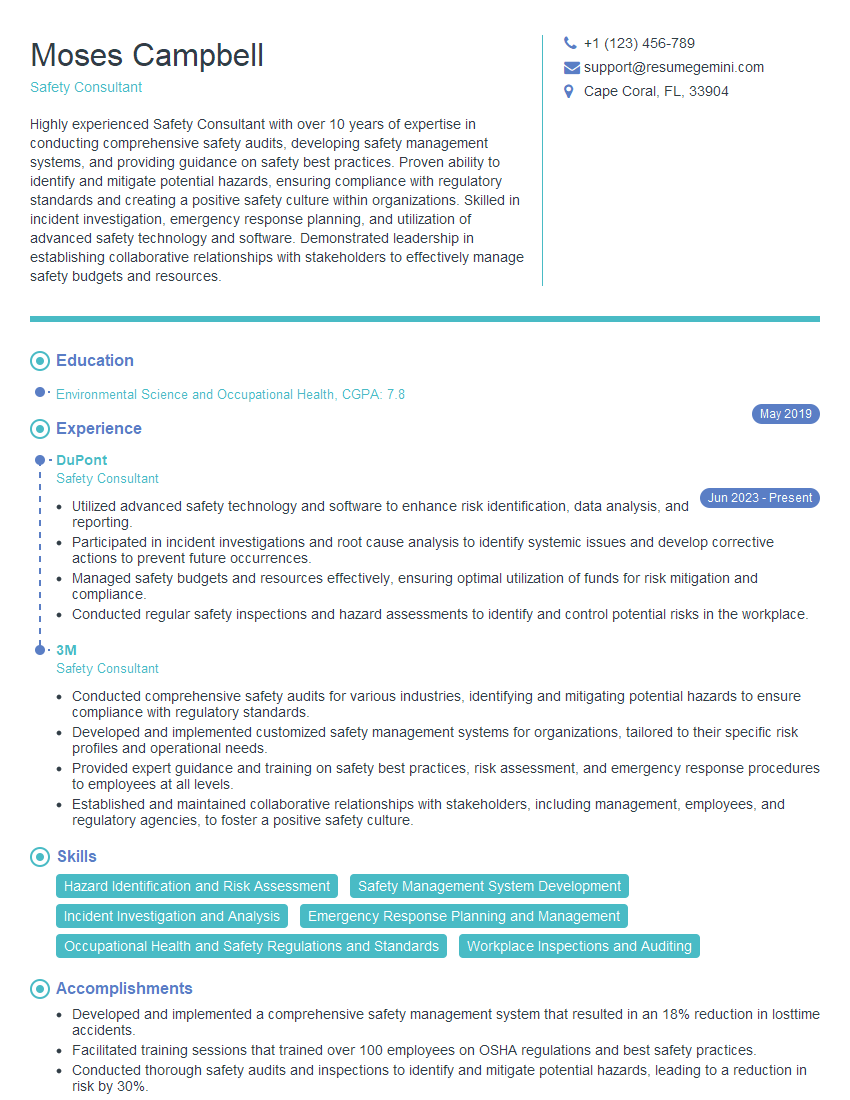
Safety Consultant Resume Sample
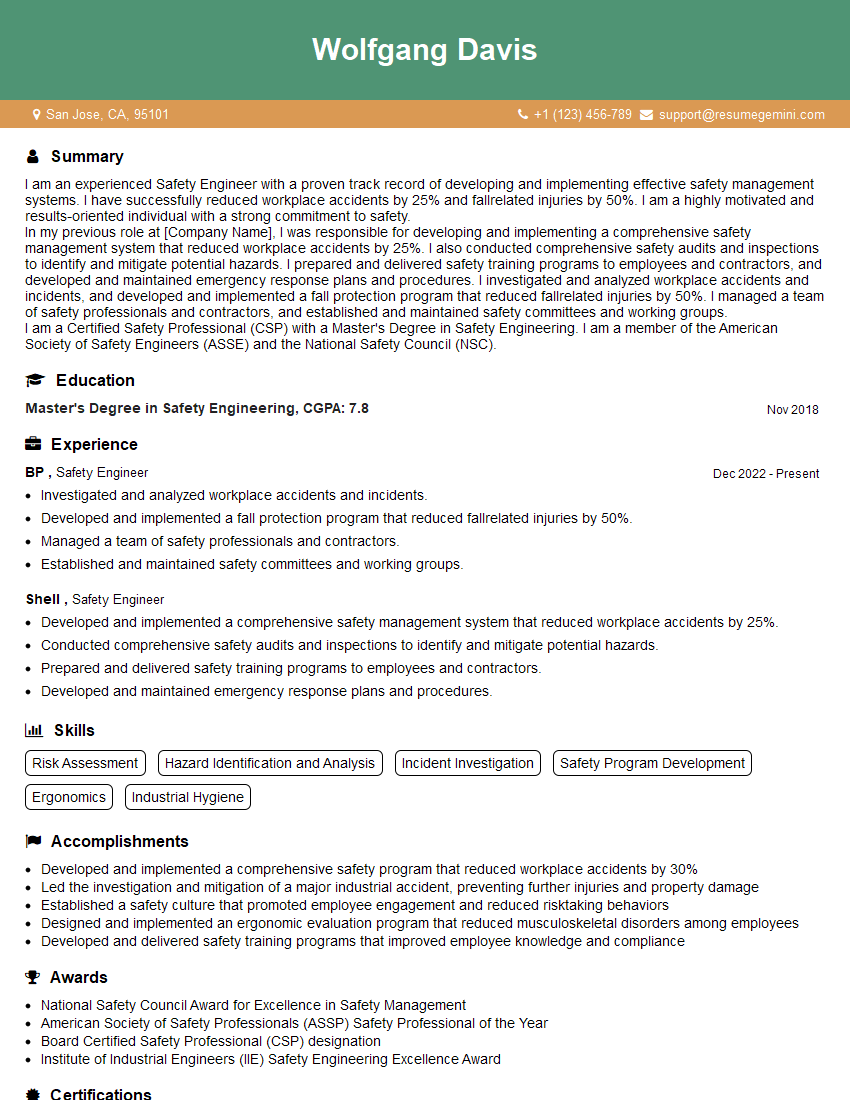
Safety Engineer Resume Sample
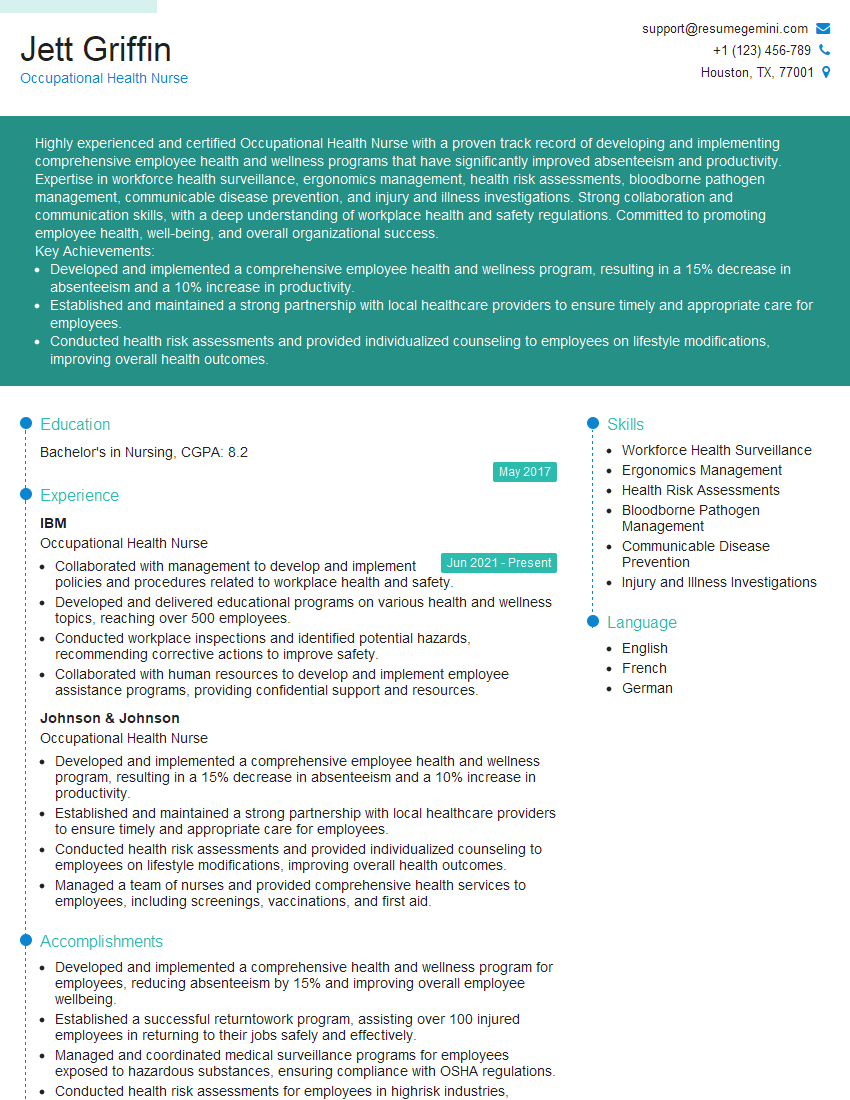
Occupational Health Nurse Resume Sample
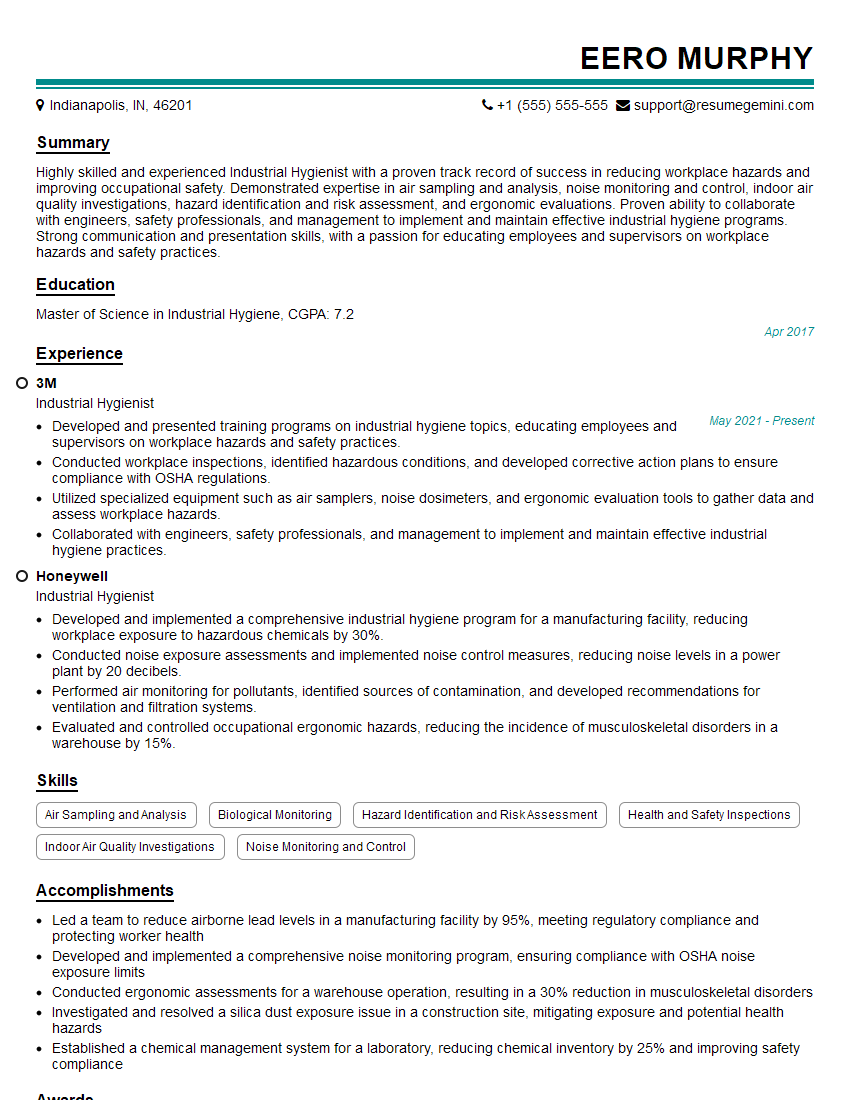
Industrial Hygienist Resume Sample
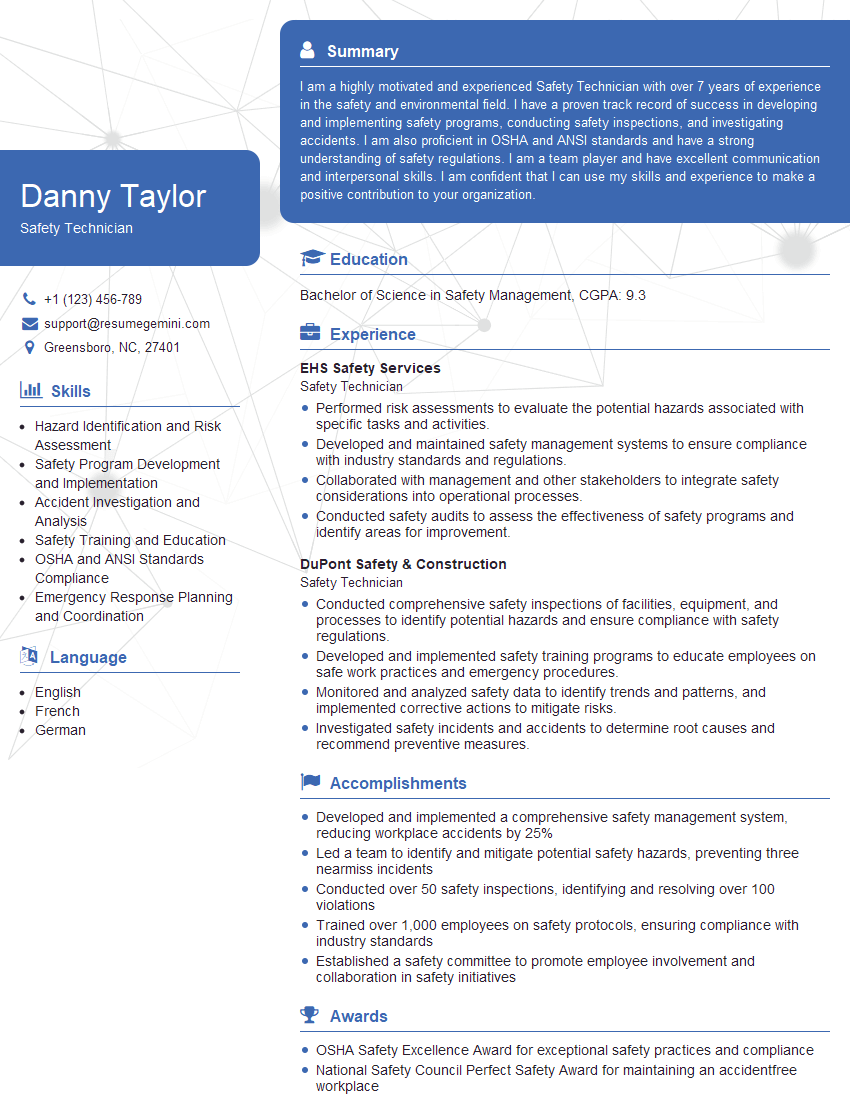
Safety Technician Resume Sample
Explore more articles
Users Rating of Our Blogs
Share Your Experience
We value your feedback! Please rate our content and share your thoughts (optional).
What Readers Say About Our Blog
Very informative content, great job.
good