Are you ready to stand out in your next interview? Understanding and preparing for Presentation and Client Communication Skills interview questions is a game-changer. In this blog, we’ve compiled key questions and expert advice to help you showcase your skills with confidence and precision. Let’s get started on your journey to acing the interview.
Questions Asked in Presentation and Client Communication Skills Interview
Q 1. Describe your experience delivering impactful presentations to diverse audiences.
Delivering impactful presentations requires understanding your audience and crafting a message that resonates with them. My experience spans diverse audiences – from executive boards and technical teams to large-scale conferences and smaller, intimate workshops. I’ve presented on topics ranging from complex data analysis to strategic business plans, always tailoring my approach to maximize understanding and engagement.
For example, when presenting financial data to an executive board, I focused on high-level summaries, key performance indicators (KPIs), and impactful visuals. With a technical team, I delved deeper into the methodology and data specifics, using more technical jargon and interactive demonstrations. This adaptability ensures the information is relevant, understandable, and persuasive for every audience.
- I always start by researching my audience: their background, their level of expertise, and their interests.
- I use a variety of presentation techniques, including storytelling, humor, and interactive elements, to keep the audience engaged.
- I consistently seek feedback after each presentation to refine my approach and improve my delivery.
Q 2. How do you tailor your communication style to different client personalities?
Tailoring communication to different client personalities is crucial for building rapport and achieving desired outcomes. I assess each client’s communication style – whether they are direct, detail-oriented, collaborative, or reserved – during initial interactions and adjust my approach accordingly.
For instance, with a detail-oriented client, I provide comprehensive data and thoroughly address any questions. With a more direct client, I present information concisely and focus on key takeaways. A collaborative client might benefit from interactive sessions and brainstorming, while a reserved client might prefer a more formal and structured presentation. Active listening and observation are key to adapting my style in real-time.
I use techniques such as mirroring (subtly matching their communication style), active listening (carefully attending to their verbal and nonverbal cues), and using their preferred communication channels (email, phone, video conferencing) to build trust and understanding.
Q 3. Explain your process for creating a compelling presentation.
Creating a compelling presentation is a systematic process. I follow a structured approach encompassing:
- Understanding the objective: Clearly defining the desired outcome – whether it’s to inform, persuade, or inspire – sets the foundation for the entire presentation.
- Audience analysis: Researching the audience’s knowledge, interests, and expectations is critical to tailoring the content.
- Storyboarding: Developing a narrative structure – with a clear beginning, middle, and end – helps organize the information logically and engagingly. This includes defining key messages and supporting evidence.
- Content creation: Crafting concise and impactful content using visuals, data, and storytelling to support the key messages. I leverage data visualization techniques to make complex information easily digestible.
- Design and delivery: Choosing appropriate visuals, ensuring consistent branding, and rehearsing the delivery to ensure a smooth and confident presentation.
- Post-presentation review: Analyzing the effectiveness of the presentation based on feedback and adjusting the approach for future presentations.
Q 4. What strategies do you use to manage challenging client interactions?
Managing challenging client interactions requires patience, empathy, and effective communication strategies. I employ several approaches:
- Active listening: Carefully listening to the client’s concerns without interrupting, showing empathy and understanding.
- Empathetic response: Acknowledging and validating their feelings, showing I understand their perspective.
- Problem-solving collaboratively: Working together to identify solutions, involving the client in the process to foster buy-in.
- Setting clear expectations: Establishing realistic timelines and deliverables upfront to manage expectations and avoid misunderstandings.
- Seeking clarification: Asking clarifying questions to ensure a complete understanding of the client’s concerns before responding.
- Escalation protocol: Knowing when to involve senior management or other stakeholders for support if necessary.
For example, if a client is expressing frustration about a delay, I acknowledge their frustration, explain the reasons for the delay, propose solutions, and outline a revised timeline to regain their trust.
Q 5. How do you handle objections or negative feedback during a presentation?
Handling objections and negative feedback requires professionalism and tact. I address objections directly and respectfully, acknowledging the validity of the concern. My approach involves:
- Acknowledging the objection: Restating the objection to ensure understanding.
- Addressing the concern: Providing evidence, data, or additional information to address the objection.
- Reframing the perspective: Offering a different viewpoint to help them see the situation in a more positive light.
- Finding common ground: Identifying shared goals and values to build consensus.
- Offering alternative solutions: Exploring options that address the concerns and meet the client’s needs.
If the feedback is negative, I listen attentively, take notes, and ask clarifying questions to understand their perspective. I thank them for their feedback, and commit to reviewing their points and incorporating them where appropriate.
Q 6. Describe a time you had to adapt your presentation based on audience feedback.
During a presentation on a new software implementation to a large IT department, I noticed a significant portion of the audience seemed confused by a section on the data migration process. The initial feedback I received during a mid-presentation Q&A session highlighted the lack of clarity around technical jargon.
I immediately adapted by simplifying the language, providing a more visual explanation using flowcharts and diagrams, and providing real-world analogies to illustrate the complex process. I also slowed down the pace of my delivery, allowing more time for questions and ensuring everyone followed along. The subsequent feedback was overwhelmingly positive, highlighting the improved clarity and understandability.
Q 7. How do you ensure your presentations are clear, concise, and engaging?
Ensuring presentations are clear, concise, and engaging involves careful planning and execution. I utilize several key techniques:
- Concise language: Using clear and simple language, avoiding jargon or technical terms unless absolutely necessary and then defining them.
- Visual aids: Employing charts, graphs, images, and videos to enhance understanding and engagement.
- Storytelling: Structuring the presentation as a compelling narrative to keep the audience captivated.
- Interactive elements: Incorporating quizzes, polls, or Q&A sessions to encourage participation and maintain interest.
- Practice and rehearsal: Rehearsing the presentation multiple times to refine the delivery and ensure a smooth flow.
- Time management: Sticking to the allotted time, respecting the audience’s schedule.
By focusing on these aspects, I create presentations that are both informative and enjoyable for the audience, leaving a lasting positive impression.
Q 8. What tools or technologies do you use to enhance your presentations?
To create impactful presentations, I leverage a variety of tools and technologies. My approach is highly adaptable depending on the audience and the message. For visual aids, I utilize tools like Microsoft PowerPoint or Google Slides for creating dynamic presentations. I often incorporate data visualization tools such as Tableau or Power BI to present complex information clearly and concisely. For more creative presentations, I’ve explored tools like Canva for graphic design elements. To enhance engagement, I sometimes use interactive elements through platforms like Mentimeter or Slido for polls and Q&A sessions. Finally, for recording and sharing presentations, I rely on tools like Panopto or Zoom.
For example, in a recent presentation to a group of engineers, I used Power BI to display key performance indicators in an interactive dashboard. This allowed the audience to explore the data at their own pace and facilitated a more engaging discussion. In another instance, I used Canva to create visually appealing infographics for a less technical audience, improving comprehension and memorability.
Q 9. How do you build rapport and trust with clients?
Building rapport and trust with clients is paramount. I begin by actively listening to understand their needs and concerns. This involves not just hearing their words, but also observing their body language and tone to get a holistic understanding. I then demonstrate empathy by acknowledging their perspective and validating their feelings. Transparency is also crucial; I clearly communicate my approach, timeline, and potential challenges. I actively seek feedback throughout the process, showing that I value their input and am committed to a collaborative relationship. Finally, I consistently deliver on my promises, building credibility and fostering long-term trust.
For instance, in a project with a particularly anxious client, I took the time to explain each step of the process in detail, answering all their questions patiently. This proactive communication built trust, and the client felt more comfortable throughout the project. Following through on my commitments, even minor ones, reinforced that trust and ultimately resulted in a successful and positive working relationship.
Q 10. Describe your experience in negotiating with clients.
Negotiating with clients requires a delicate balance of assertiveness and collaboration. I approach negotiations with a win-win mentality, aiming for solutions that satisfy both parties. Before entering negotiations, I thoroughly research the client’s needs and priorities, as well as market rates and industry standards. I clearly outline my proposals, highlighting the value proposition and justifying my pricing structure. I am prepared to compromise, but I also know when to hold firm on essential points. Active listening and clear communication are key throughout the process. I focus on building a consensus rather than forcing an agreement.
In one project, the client’s initial budget was significantly lower than the proposed cost. Through negotiation, we identified areas where we could adjust the scope of work to meet their budget without sacrificing the quality of the deliverables. This resulted in a mutually agreeable outcome, maintaining a positive relationship and securing the project.
Q 11. How do you handle confidential client information?
Confidentiality is paramount in my work. I adhere to strict protocols to protect client information. This starts with only accessing information on a need-to-know basis. I utilize secure systems for storing and transmitting sensitive data, employing strong passwords and encryption as needed. I also ensure that all digital documents are appropriately secured and only shared with authorized personnel. Furthermore, I maintain strict confidentiality in all verbal communications, avoiding casual discussions about client projects in public spaces. I also ensure that any team members working on client projects are also briefed on confidentiality procedures and expectations.
For example, I never discuss client projects in public areas. I always utilize secure file-sharing systems and ensure that all electronic documents are password protected. I also require any external vendors to sign non-disclosure agreements before sharing any sensitive information.
Q 12. How do you measure the effectiveness of your client communications?
Measuring the effectiveness of client communications involves both qualitative and quantitative methods. Quantitatively, I track metrics like response rates to emails or surveys, the number of questions answered during a presentation, and client satisfaction scores through post-project feedback forms. Qualitatively, I analyze the client’s verbal and non-verbal cues during presentations or meetings to gauge their understanding and engagement. Feedback sessions, both formal and informal, provide crucial insight into how effectively I’ve communicated. I also monitor whether the communications resulted in the desired outcomes, such as completed projects or successful campaigns.
For instance, if a presentation results in a low response rate to a call to action, I might review the content for clarity and engagement. Similarly, negative feedback on a survey informs me of areas needing improvement in future communications.
Q 13. What is your preferred method for delivering presentations (e.g., in-person, virtual)?
My preferred method for delivering presentations depends largely on the context. In-person presentations are ideal for building rapport and facilitating immediate interaction with the audience. The non-verbal cues are invaluable. However, virtual presentations offer scalability and cost-effectiveness, particularly for geographically dispersed audiences. I use tools like Zoom or Microsoft Teams to ensure a seamless virtual experience, incorporating interactive elements to maintain engagement. Ultimately, my goal is to choose the method that best suits the client’s needs and achieves the desired outcome.
For example, a small, high-value client might benefit from an in-person presentation, whereas a large, geographically dispersed team would be better served with a well-structured virtual presentation.
Q 14. How do you overcome stage fright or nervousness during presentations?
Overcoming stage fright is a common challenge, but manageable with preparation and practice. Thorough preparation, including rehearsing the presentation multiple times, significantly reduces anxiety. I also focus on positive self-talk, visualizing a successful presentation. Deep breathing exercises before the presentation help manage physical symptoms of nervousness. Engaging with the audience early on, perhaps by posing a question or sharing a relevant anecdote, helps create a connection and ease tension. Finally, remembering that the audience wants me to succeed also helps alleviate anxiety.
For example, I always rehearse my presentations several times, and I incorporate storytelling to build a connection with the audience. I’ve also found that focusing on the value I’m providing to the audience helps me relax and feel more confident.
Q 15. How do you handle difficult questions from clients or during Q&A?
Handling difficult questions requires a calm, confident demeanor and a structured approach. My strategy involves three key steps: Listen actively, Acknowledge the question, and Provide a thoughtful response. Active listening means truly understanding the client’s concern before formulating a response. Acknowledging the question, even if you don’t have an immediate answer, shows respect and builds trust. For example, if a client challenges a proposed solution, I might say, “That’s a very insightful point, and I appreciate you bringing that to my attention.” This buys me time to think and formulate a response. Then, I provide a clear, concise, and well-reasoned answer, using examples or data to support my points. If I don’t know the answer, I admit it honestly and commit to finding the information for them. This approach builds trust and shows that I value their input, even when the questions are challenging.
If the question is particularly complex or requires further investigation, I might say something like: “That’s a great question, and to ensure I give you the most accurate and complete answer, I’d like to investigate this further. Could I get back to you by [timeframe]?” This shows professionalism and ensures the client receives a thorough answer.
Career Expert Tips:
- Ace those interviews! Prepare effectively by reviewing the Top 50 Most Common Interview Questions on ResumeGemini.
- Navigate your job search with confidence! Explore a wide range of Career Tips on ResumeGemini. Learn about common challenges and recommendations to overcome them.
- Craft the perfect resume! Master the Art of Resume Writing with ResumeGemini’s guide. Showcase your unique qualifications and achievements effectively.
- Don’t miss out on holiday savings! Build your dream resume with ResumeGemini’s ATS optimized templates.
Q 16. Describe a time you had to deliver bad news to a client. How did you handle it?
Delivering bad news is never easy, but it’s crucial to do it with empathy, transparency, and professionalism. I recall a project where, due to unforeseen circumstances, we had to slightly delay the launch date. I scheduled a call with the client and began by acknowledging their investment in the project and expressing my understanding that the delay might be frustrating. I then clearly explained the reason for the delay, providing specific details without making excuses. It was essential to remain calm and focus on solutions. I outlined the revised timeline, highlighting the steps we’re taking to minimize further delays. Crucially, I proactively offered alternative solutions to mitigate any negative impact. In this instance, we offered a discounted rate for the additional time, and it showed our commitment to the client and the project’s success. The key is to maintain open communication, be proactive in addressing concerns, and focus on how you will resolve the issue. Honesty and transparency are crucial; clients appreciate knowing what’s happening, even if the news isn’t positive.
Q 17. How do you prioritize competing client demands?
Prioritizing competing client demands requires a systematic approach. I use a combination of techniques, including a project management system (like Asana or Trello) to track deadlines, milestones, and individual tasks. This allows me to visualize the workload and identify potential conflicts. I use a prioritization matrix that considers factors such as urgency, importance, and client impact. For instance, a client with an imminent deadline for a critical deliverable would take precedence over a project with a less urgent deadline, even if the latter project is equally important in the long term. This matrix is regularly updated and communicated clearly to all clients so that everyone remains informed about expectations and timelines.
Open communication with clients is key. Proactively informing clients of potential delays and seeking their input on adjusting priorities builds trust and ensures that expectations are managed effectively. It’s also important to set realistic expectations from the start with clients by detailing project scopes and timelines clearly.
Q 18. What is your experience with different presentation software (e.g., PowerPoint, Keynote)?
I’m proficient in various presentation software, including PowerPoint, Keynote, and Google Slides. My expertise goes beyond simply creating slides; I understand how to leverage each platform’s strengths to create effective presentations. PowerPoint offers robust functionality for complex data visualizations and animations, while Keynote’s user interface is intuitive and great for visually rich storytelling. Google Slides is excellent for collaborative work and easy sharing. My choice of software depends on the project’s specific needs, client preferences, and the level of interactivity required. Beyond the specific features of each program, I am highly skilled in creating visually engaging and informative presentations that align with the communication goals and target audience.
Q 19. How do you incorporate visual aids effectively into your presentations?
Effective use of visual aids isn’t about simply adding images; it’s about enhancing the message and making it more memorable. I follow a few key principles: First, the visuals must directly support the content and not distract from it. Second, they should be visually appealing and easy to understand at a glance. I avoid cluttered slides with excessive text. Instead, I use high-quality images, charts, graphs, and infographics that present information concisely. Third, I consider the audience and tailor the visual style to their needs. For example, using simplistic charts for a non-technical audience compared to detailed graphs for technical experts. I also ensure the visuals are consistent in style and branding throughout the presentation, creating a professional and cohesive look. Finally, I ensure visuals are large enough to be easily visible from a distance.
Q 20. Describe your experience with active listening and clarifying client needs.
Active listening and clarifying client needs are fundamental to successful client communication. Active listening isn’t just hearing; it’s about truly understanding the client’s perspective. This involves paying close attention to both their verbal and non-verbal cues. I use techniques like paraphrasing and summarizing to ensure I understand their needs correctly. For example, if a client expresses concern about a particular feature, I might say, “So, if I understand correctly, your primary concern is the functionality of [feature], and you’re worried about [specific impact]. Is that accurate?” This shows that I’m actively listening and validates their concerns. Clarifying needs often involves asking probing questions to delve deeper into their requirements and expectations. By asking open-ended questions like “Tell me more about…” or “How will this solution impact your business?”, I gather a comprehensive understanding, helping to prevent misunderstandings and ensure I’m delivering a tailored solution.
Q 21. How do you stay organized and manage multiple client projects simultaneously?
Managing multiple client projects simultaneously demands exceptional organizational skills. I rely heavily on a robust project management system, prioritizing tasks based on deadlines and urgency. I break down large projects into smaller, manageable tasks with clear deadlines. Regularly reviewing my project schedule and updating my task lists keeps me on track. Time blocking is another crucial tool in my arsenal; I allocate specific time slots for dedicated work on each project, minimizing context switching and maximizing productivity. Clear communication is crucial; I maintain regular communication with clients regarding progress, potential roadblocks, and any necessary adjustments to expectations. This ensures transparency and fosters strong client relationships. Finally, I build in buffer time to account for unexpected issues or delays, safeguarding the project’s timeline.
Q 22. What is your approach to conflict resolution with clients?
My approach to conflict resolution with clients is built on empathy, active listening, and collaborative problem-solving. I believe that every conflict presents an opportunity to strengthen the client relationship. My first step is to actively listen to the client’s concerns, ensuring I understand their perspective completely. I paraphrase their points to confirm understanding and create a safe space for open communication. Then, I work collaboratively to identify the root cause of the conflict. This involves asking clarifying questions and jointly brainstorming potential solutions. We evaluate each solution’s feasibility and impact, aiming for a mutually beneficial outcome. Finally, I document the agreed-upon solution and follow up to ensure satisfaction and prevent future similar issues. Think of it like mediating a friendly debate; the goal isn’t to win, but to find common ground and a resolution that works for everyone involved.
Q 23. How do you handle client expectations that are unrealistic or unattainable?
Handling unrealistic client expectations requires a delicate balance of managing their hopes and delivering practical results. I begin by validating their vision, acknowledging their enthusiasm and understanding their desired outcome. Then, I transparently and respectfully explain the limitations based on factors like budget, timeline, or technical feasibility. I present alternative solutions or adjusted expectations that align with realistic outcomes, offering options rather than imposing limitations. For instance, if a client wants a full website redesign within a week with a limited budget, I might propose a phased approach, focusing on the most critical elements first. Visual aids like timelines and project roadmaps can be invaluable in demonstrating the scope of work and associated time commitments. The key is clear communication and proactive management of expectations from the very beginning of the project to prevent disappointment later.
Q 24. How do you maintain professional relationships with clients over the long term?
Maintaining long-term professional relationships with clients is about building trust and providing consistent value. This involves more than just delivering projects; it’s about nurturing the relationship through regular communication and demonstrating ongoing commitment. I actively listen to their evolving needs, offering proactive advice and support beyond the initial project scope. This could include sharing relevant industry insights, offering helpful resources, or even simply checking in periodically to see how things are going. I also actively solicit feedback, viewing it as an opportunity for continuous improvement and strengthening our partnership. Regular follow-up communication, personalized notes, or even a simple phone call can make a significant difference in fostering those long-term connections. Think of it as cultivating a garden; consistent attention and care are vital for growth and prosperity.
Q 25. Describe a time you had to persuade a client to adopt a particular course of action.
In a previous project, a client was hesitant to adopt a new marketing strategy that involved a significant shift from their traditional methods. They were comfortable with the status quo, despite declining results. I presented a detailed analysis of their current performance, highlighting areas for improvement. Then, I used case studies of similar businesses that had successfully implemented the new strategy, showing tangible results. I also addressed their specific concerns by tailoring the strategy to minimize disruptions and incorporate elements of their existing approach. By focusing on the potential benefits – increased engagement, higher conversion rates – and presenting a well-structured, phased implementation plan, I was able to build their confidence and secure their buy-in. It was a testament to the power of data-driven persuasion and clear communication.
Q 26. How do you utilize storytelling techniques in your client communications?
Storytelling is a powerful tool in client communication because it connects with people on an emotional level. Instead of simply presenting data points, I weave narratives around the client’s challenges and goals. For instance, I might frame a project’s success in terms of overcoming obstacles and achieving a desired outcome. This makes the information more engaging and memorable. I might use metaphors and analogies to explain complex concepts simply, making them more relatable and understandable. A successful project becomes a story of collaboration, ingenuity, and triumph, fostering a stronger connection with the client and solidifying the value of our partnership. For instance, instead of saying “Our SEO strategy increased your website traffic by 30%,” I might say, “Remember when your website traffic was stagnant? We embarked on a journey to boost your online visibility, implementing a multi-faceted SEO approach, and the result was a 30% surge in traffic – a testament to the power of strategic planning and execution.”
Q 27. What are your strengths and weaknesses in client communication?
One of my greatest strengths in client communication is my ability to actively listen and tailor my communication style to suit individual needs. I excel at building rapport and creating a trusting environment where clients feel comfortable expressing their ideas and concerns. However, I am always striving to improve my ability to handle highly demanding or emotionally charged situations with even greater grace and composure. I am actively working on enhancing my skills in conflict management and de-escalation techniques to manage potentially stressful interactions more effectively. This continuous improvement is integral to my professional growth.
Key Topics to Learn for Presentation and Client Communication Skills Interview
- Structuring Compelling Presentations: Learn how to craft narratives that engage audiences, incorporating storytelling techniques and visual aids effectively. Consider different presentation styles and adapt your approach based on the audience and context.
- Active Listening & Empathetic Communication: Practice techniques for actively listening to client needs, understanding their perspectives, and responding thoughtfully. Explore strategies for building rapport and managing challenging conversations.
- Nonverbal Communication: Understand the impact of body language, tone of voice, and eye contact on communication effectiveness. Practice projecting confidence and professionalism through your nonverbal cues.
- Handling Difficult Questions & Objections: Develop strategies for addressing client concerns and objections calmly and professionally. Practice responding thoughtfully, demonstrating problem-solving skills, and maintaining composure under pressure.
- Adapting Communication Styles: Learn to tailor your communication approach based on the audience (e.g., technical vs. non-technical clients) and the communication channel (e.g., in-person, email, video conferencing).
- Clear and Concise Communication: Practice conveying complex information in a clear, concise, and easily understandable manner. This includes choosing appropriate language, avoiding jargon, and structuring your message logically.
- Feedback and Iteration: Understand the value of seeking feedback on your communication skills and iterating on your approach to continuously improve. This involves actively soliciting feedback and reflecting on your performance.
Next Steps
Mastering Presentation and Client Communication Skills is crucial for career advancement. Strong communication skills directly translate to increased influence, better client relationships, and greater success in achieving your professional goals. To maximize your job prospects, focus on creating an ATS-friendly resume that showcases your abilities effectively. ResumeGemini is a trusted resource that can help you build a professional resume highlighting your strengths. We provide examples of resumes tailored to showcase expertise in Presentation and Client Communication Skills to help you get started.
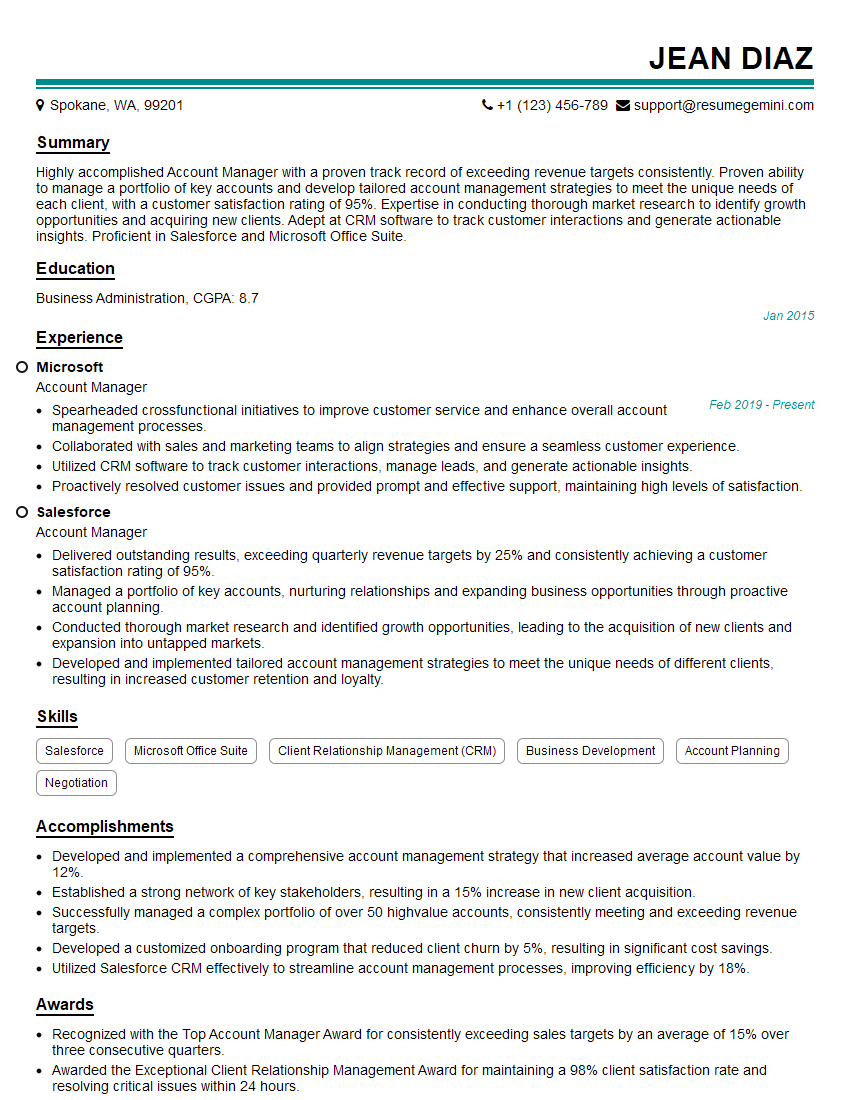
Account Manager Resume Sample
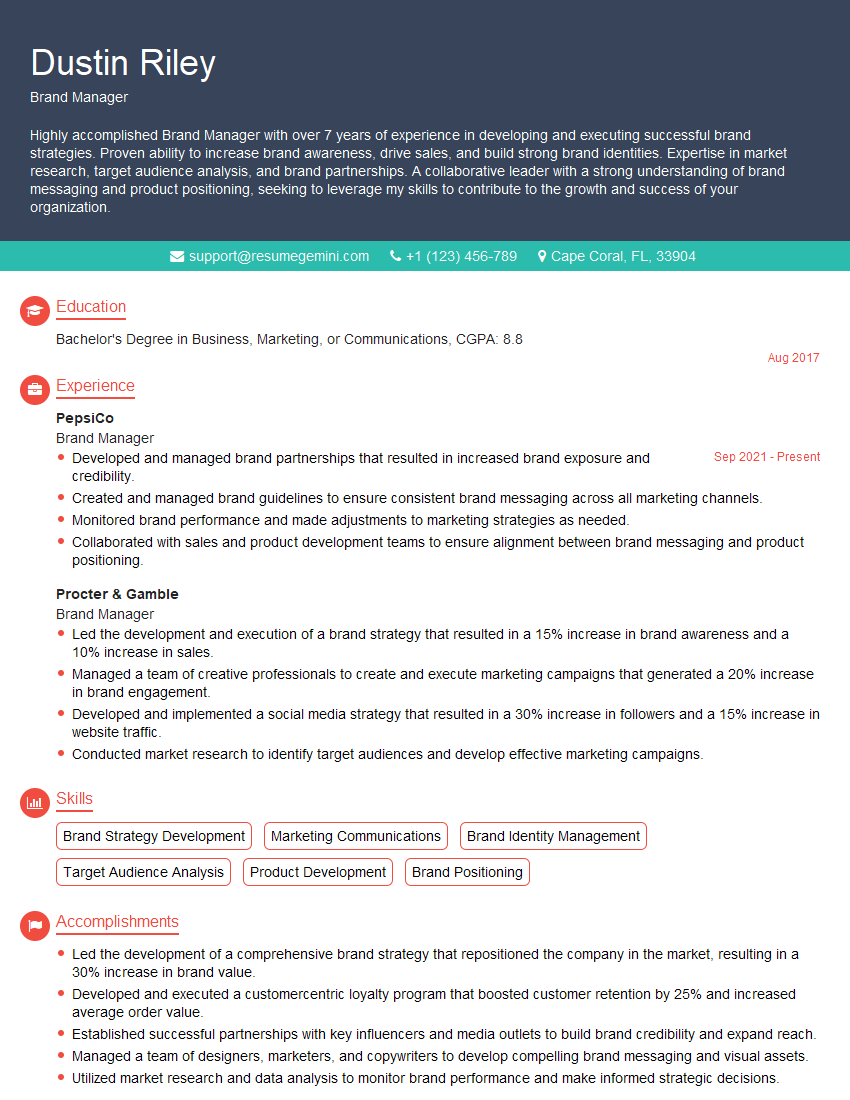
Brand Manager Resume Sample
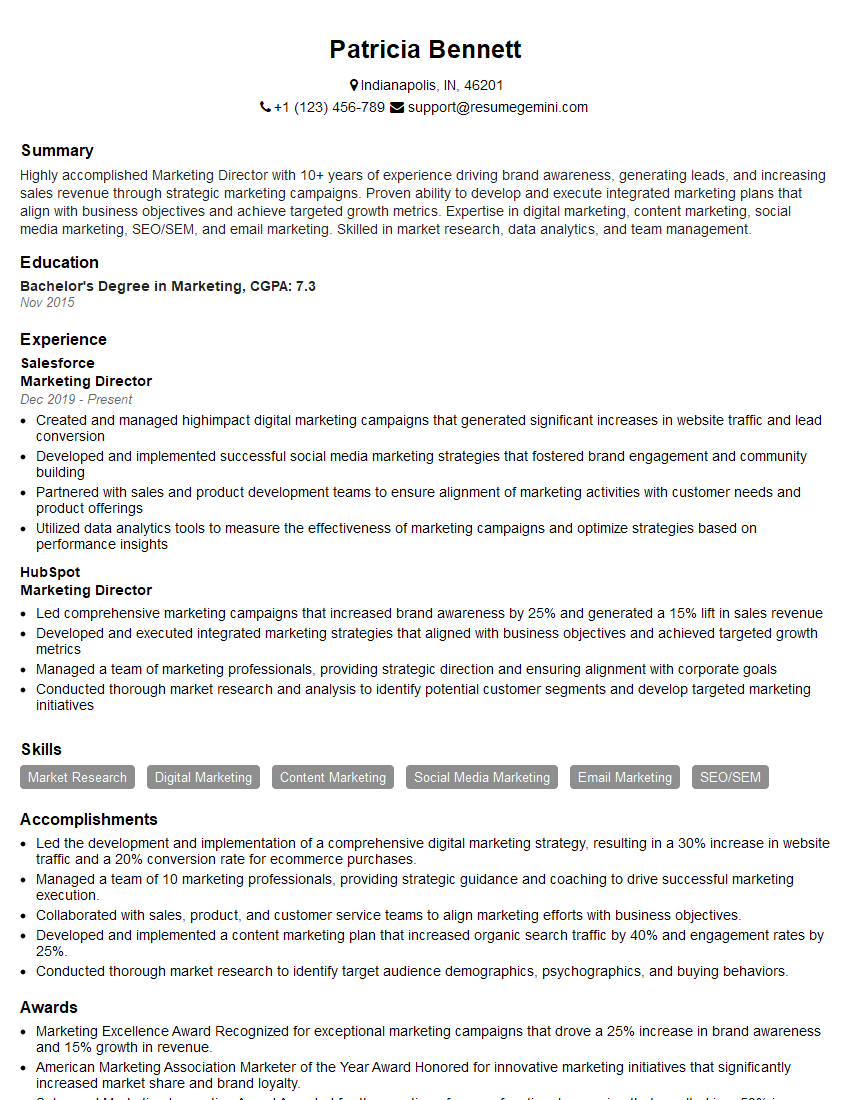
Marketing Director Resume Sample
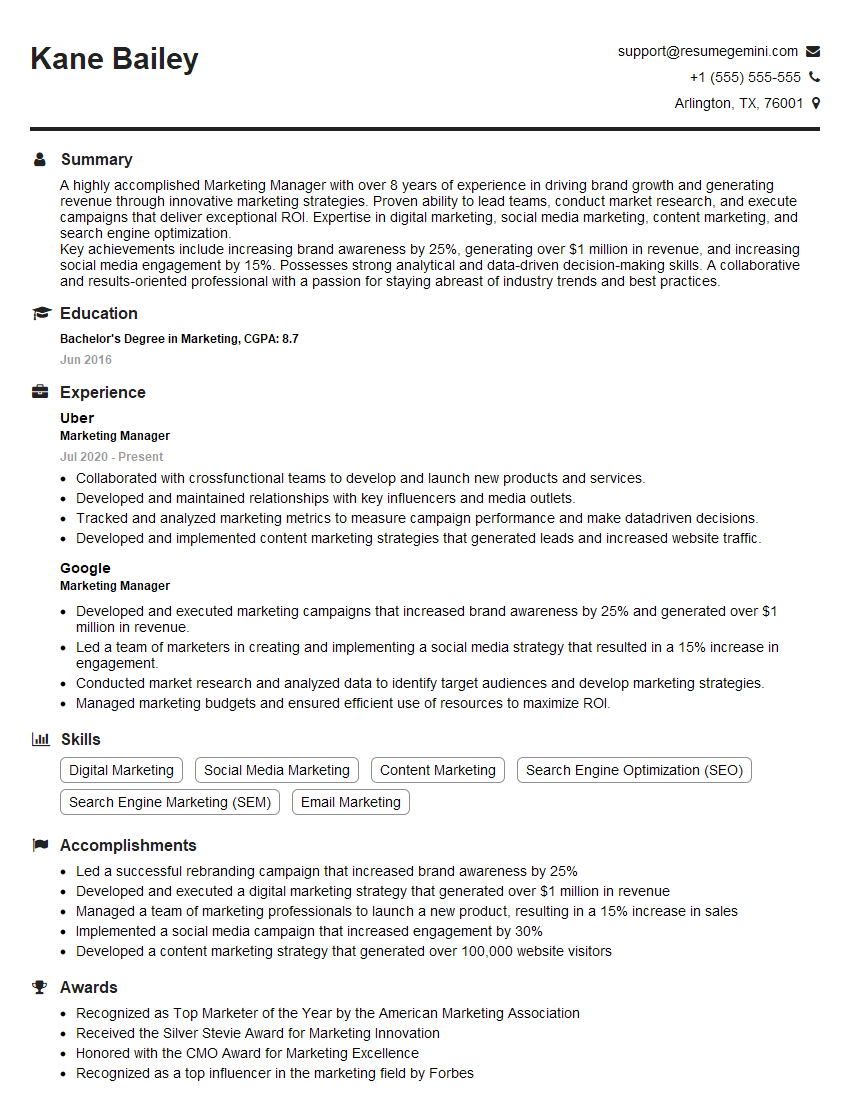
Marketing Manager Resume Sample
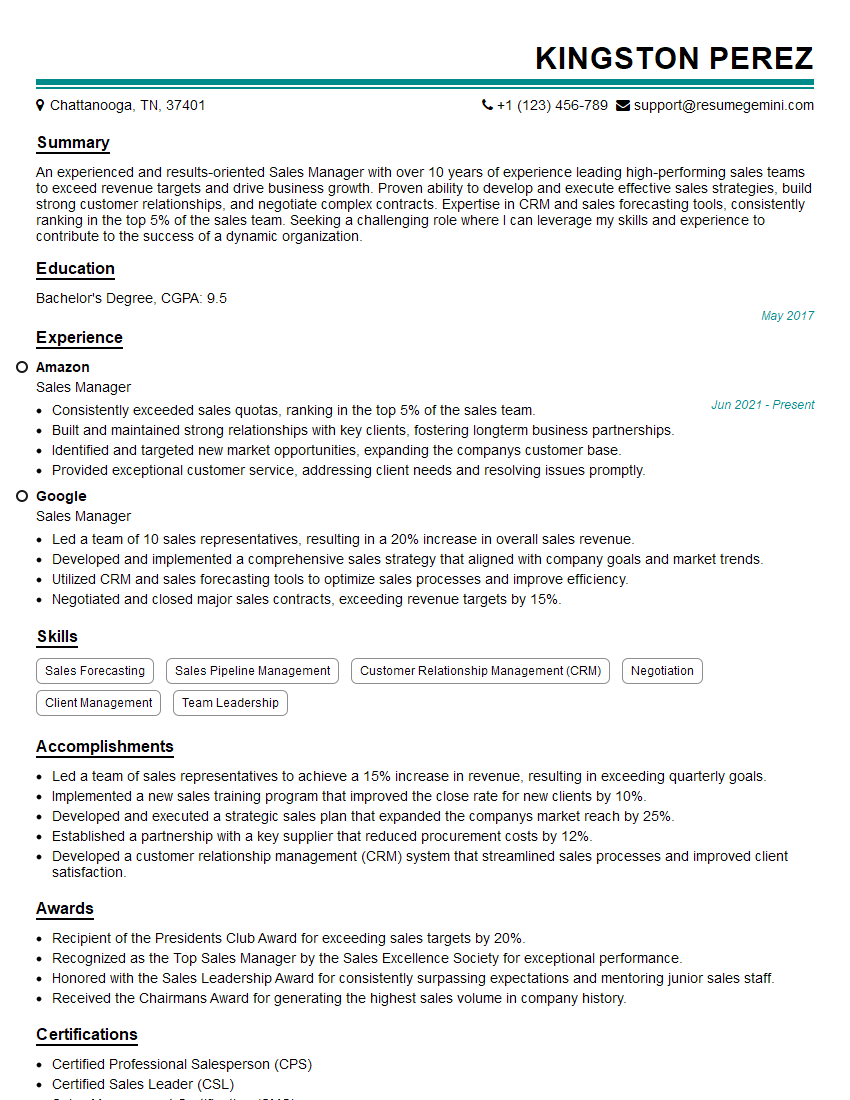
Sales Manager Resume Sample
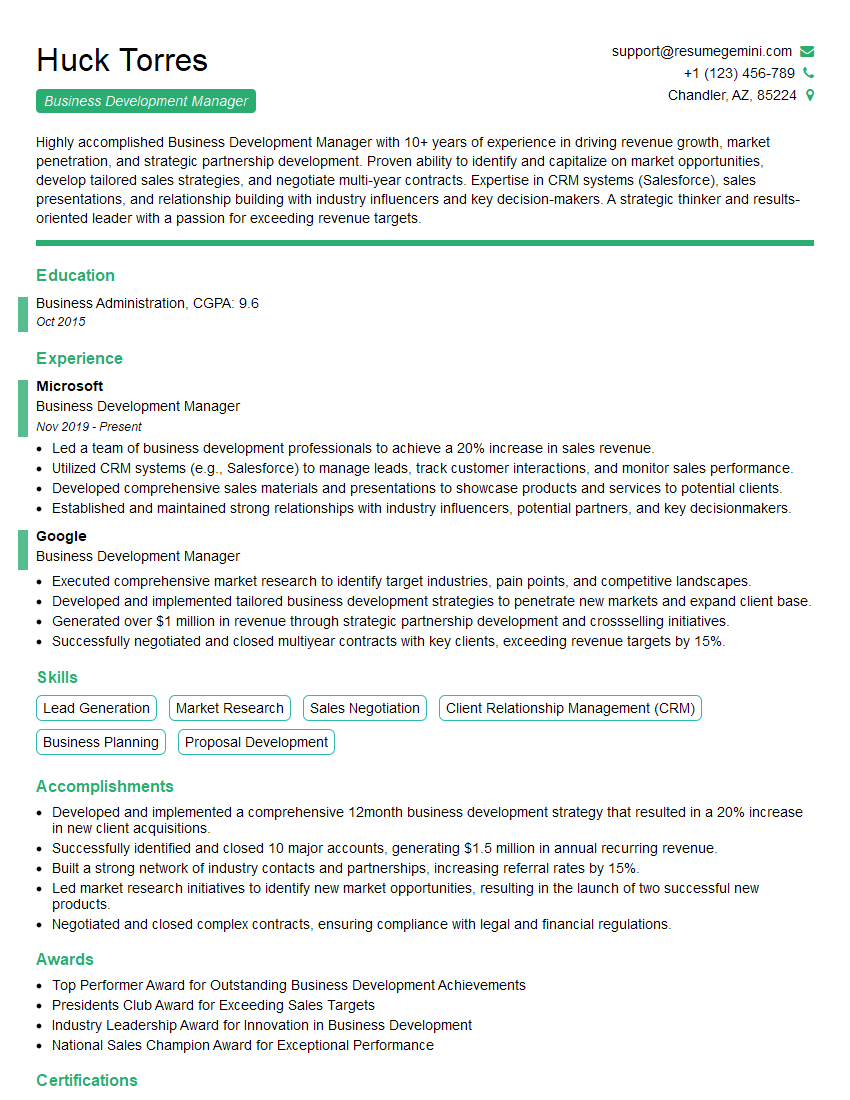
Business Development Manager Resume Sample
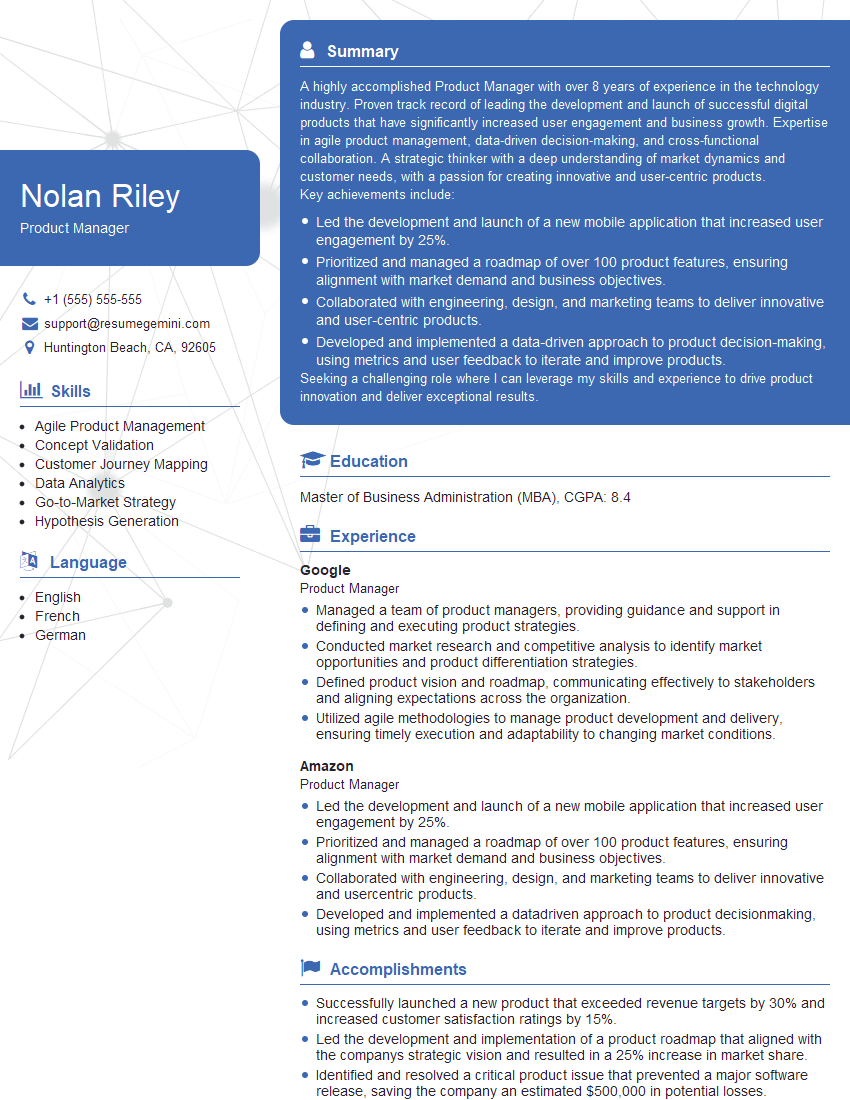
Product Manager Resume Sample
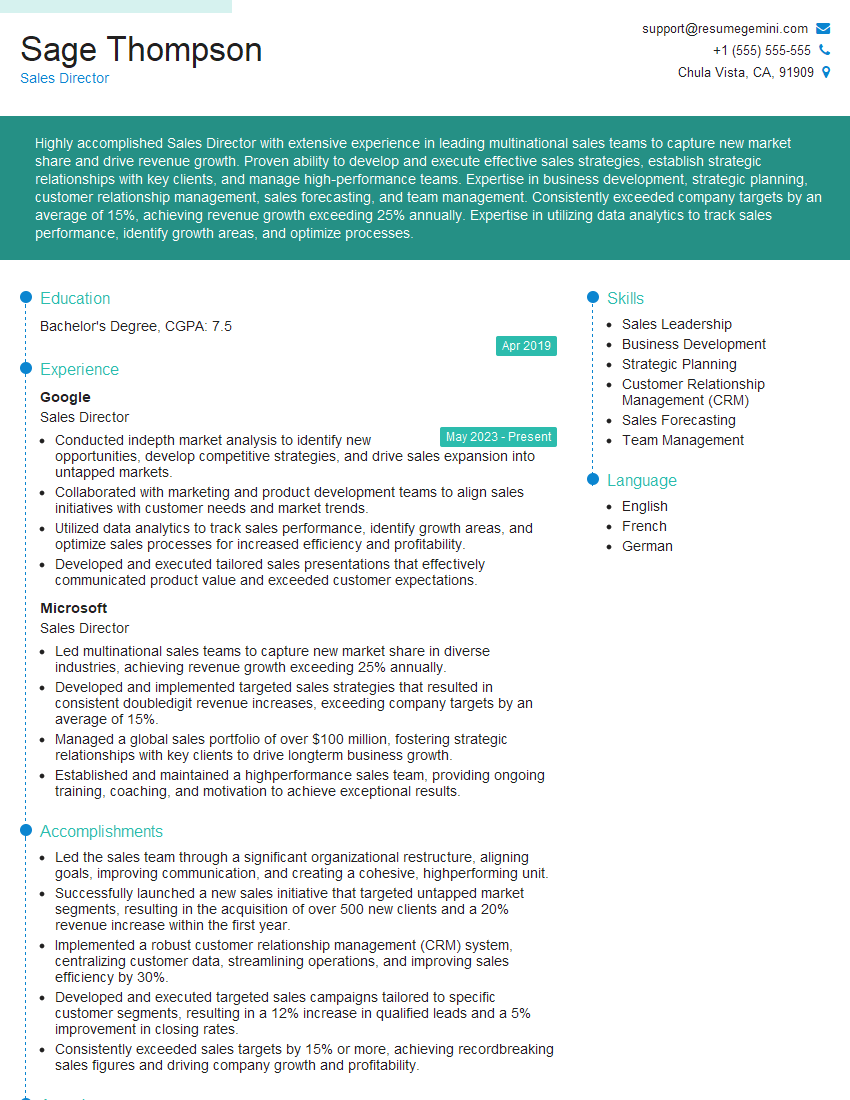
Sales Director Resume Sample

Communications Director Resume Sample

Communications Manager Resume Sample
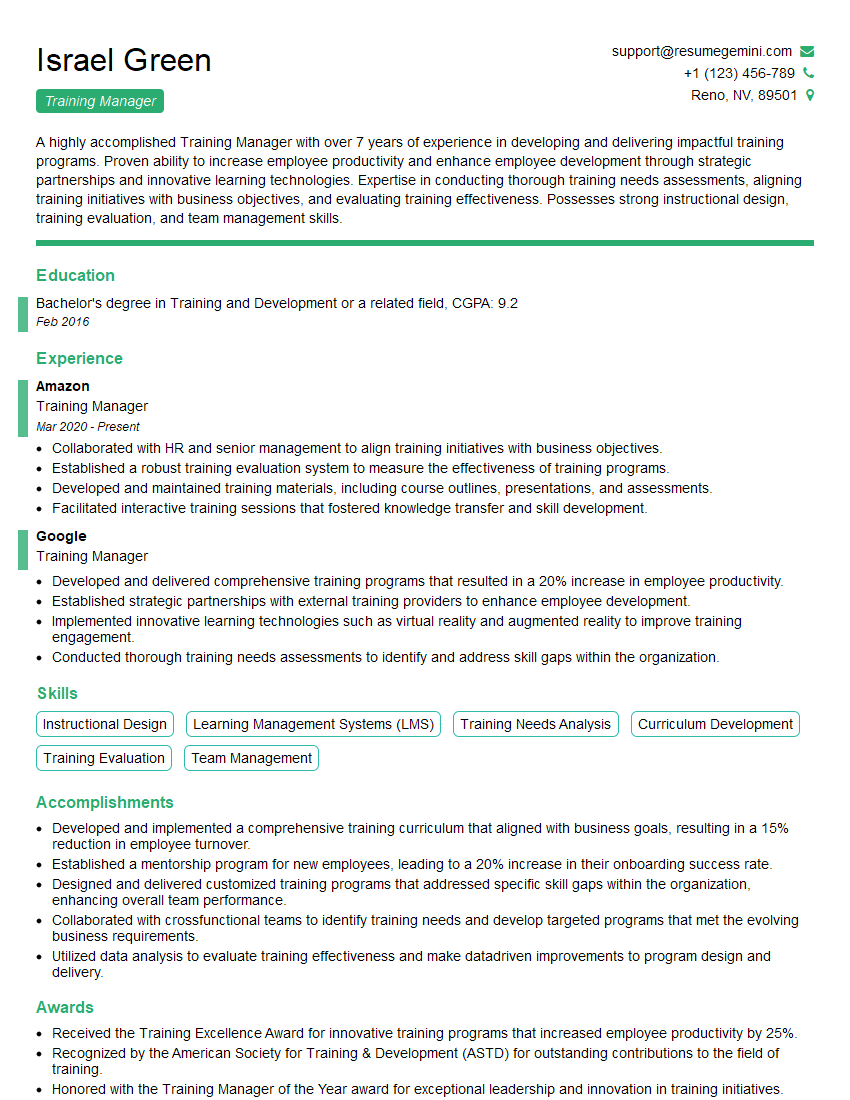
Training Manager Resume Sample

Project Manager Resume Sample
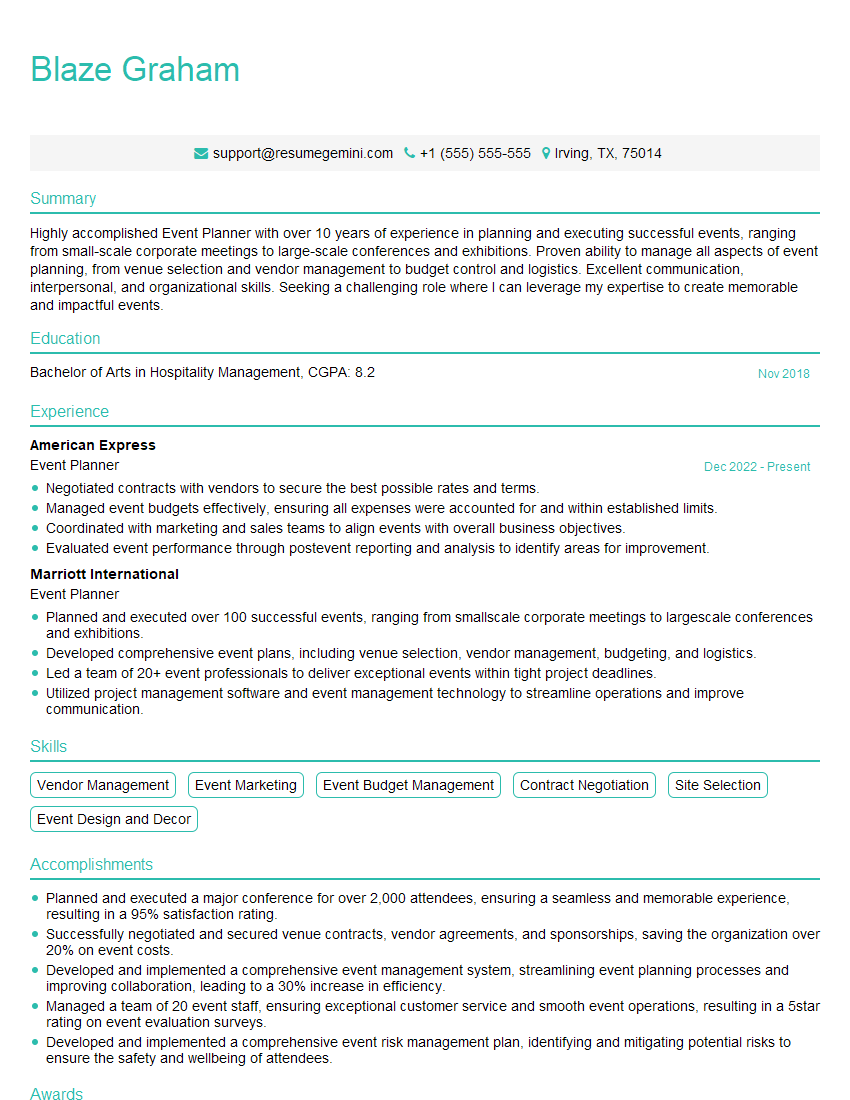
Event Planner Resume Sample

Social Media Manager Resume Sample
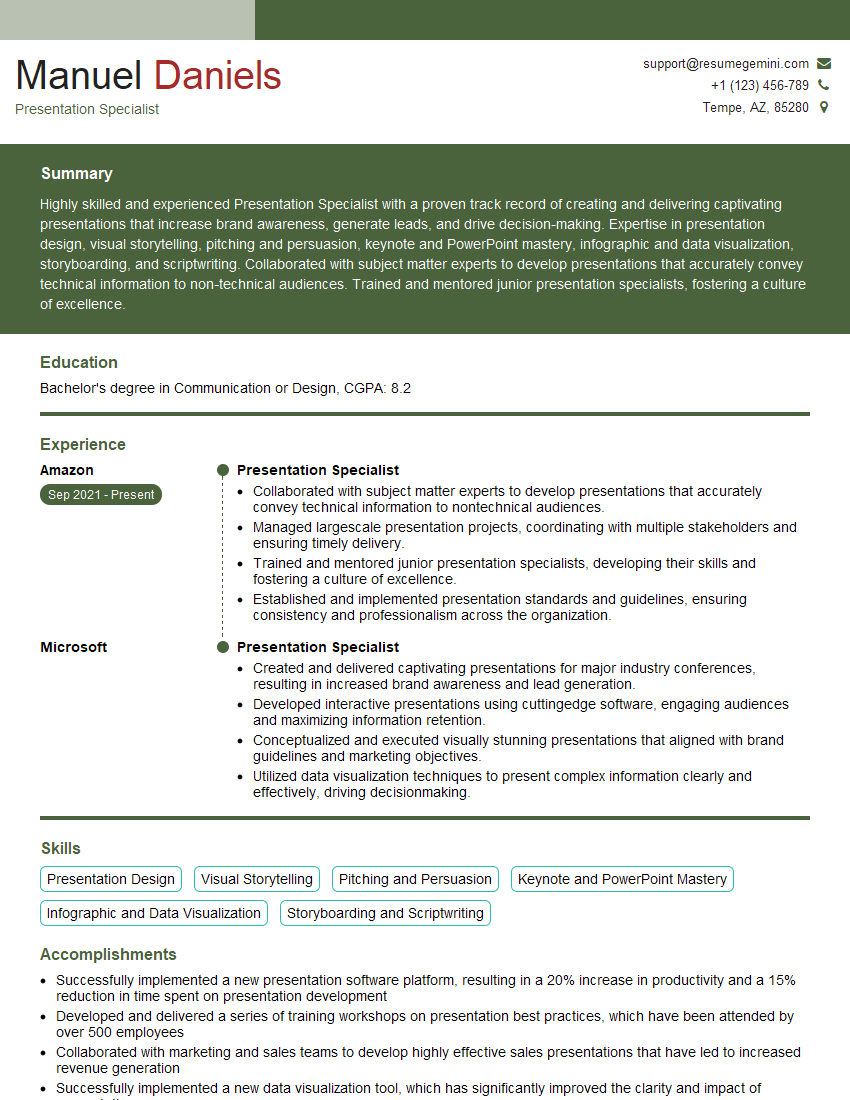
Presentation Specialist Resume Sample
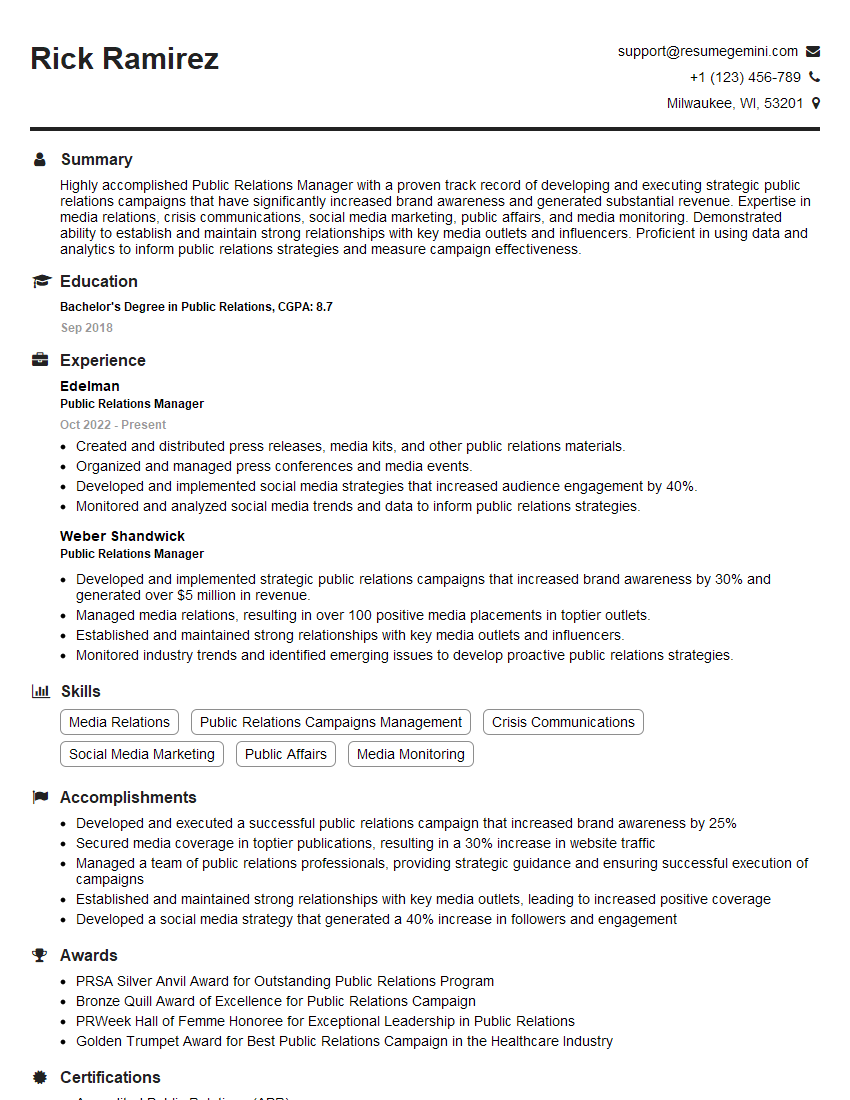
Public Relations Manager Resume Sample

Technical Writer Resume Sample
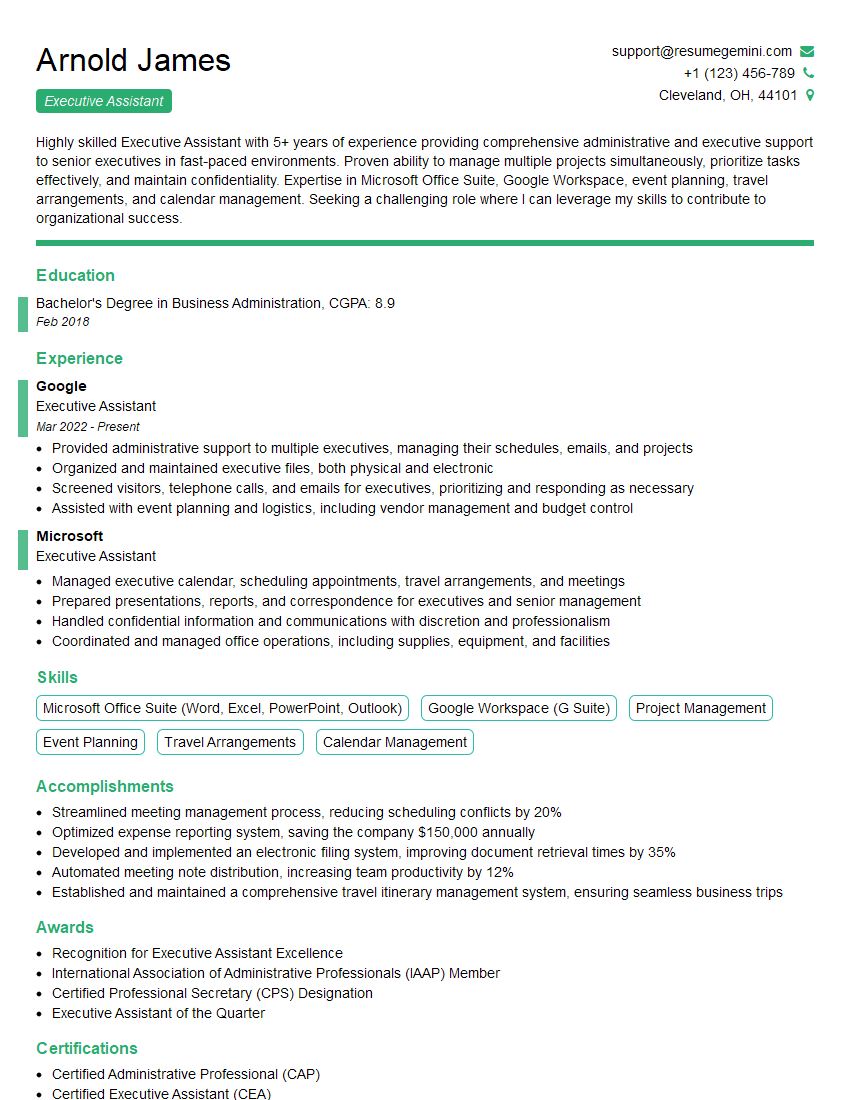
Executive Assistant Resume Sample

Content Creator Resume Sample
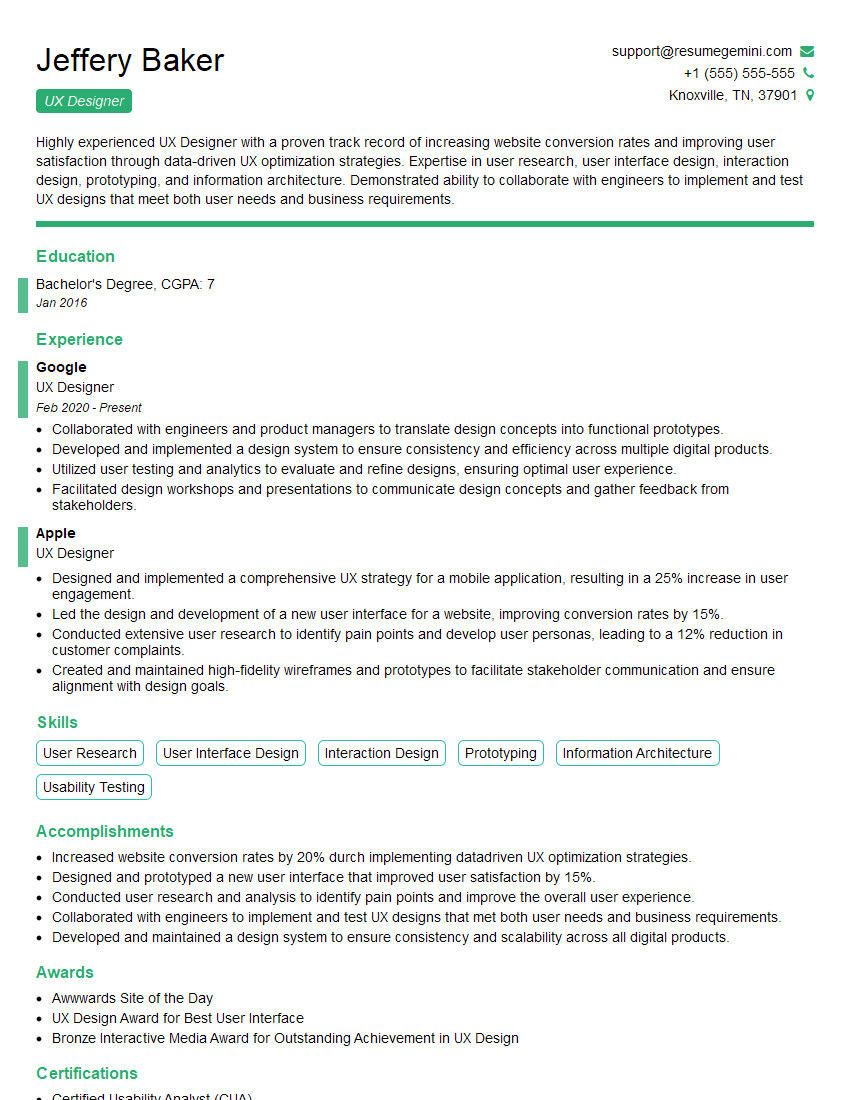
UX Designer Resume Sample
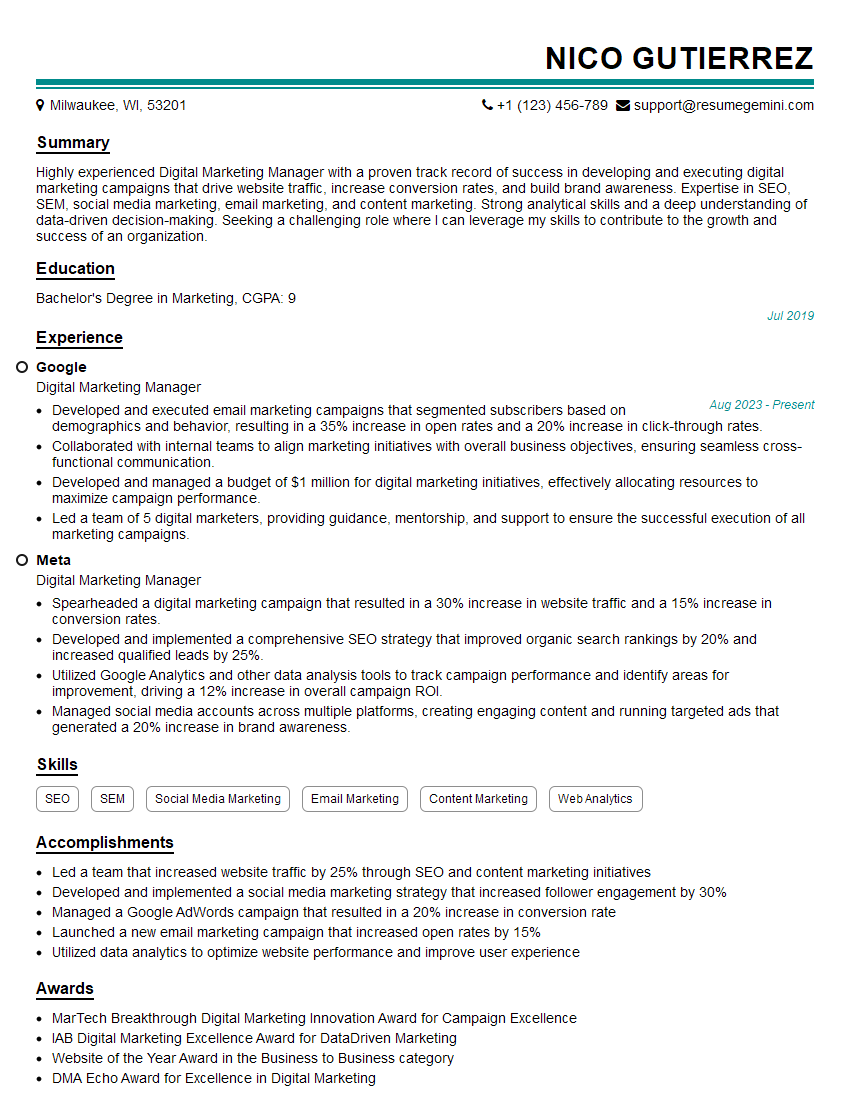
Digital Marketing Manager Resume Sample
- Account Manager
- Brand Manager
- Marketing Director
- Marketing Manager
- Sales Manager
- Business Development Manager
- Product Manager
- Sales Director
- Communications Director
- Communications Manager
- Training Manager
- Project Manager
- Event Planner
- Social Media Manager
- Presentation Specialist
- Public Relations Manager
- Technical Writer
- Executive Assistant
- Content Creator
- UX Designer
- Digital Marketing Manager
Explore more articles
Users Rating of Our Blogs
Share Your Experience
We value your feedback! Please rate our content and share your thoughts (optional).
What Readers Say About Our Blog
Very informative content, great job.
good