Cracking a skill-specific interview, like one for Security and Penetration Testing, requires understanding the nuances of the role. In this blog, we present the questions you’re most likely to encounter, along with insights into how to answer them effectively. Let’s ensure you’re ready to make a strong impression.
Questions Asked in Security and Penetration Testing Interview
Q 1. Explain the difference between black-box, white-box, and grey-box penetration testing.
Penetration testing methodologies are categorized by the level of knowledge the tester has about the target system. Think of it like trying to unlock a door:
- Black-box testing: You have no prior knowledge of the system. It’s like trying to pick the lock blindfolded – you rely entirely on publicly available information and your skills to find vulnerabilities. This simulates a real-world attack scenario where attackers have limited information.
- White-box testing: You have complete access to the system’s source code, architecture, and internal workings. It’s like having the blueprints to the lock – you can understand its mechanisms and identify weaknesses directly. This approach helps find deeper, more subtle flaws.
- Grey-box testing: You have partial knowledge of the system, such as network diagrams or limited access to certain parts. It’s like having a partially obscured view of the lock – you have some information, but not the full picture. This approach is common and reflects scenarios where testers may have some internal knowledge but not full access.
Each approach has its advantages and disadvantages, and the choice depends on the specific goals and scope of the penetration test.
Q 2. Describe the OWASP Top 10 vulnerabilities and how to mitigate them.
The OWASP Top 10 lists the most critical web application security risks. Mitigating them requires a multi-layered approach. Here are some examples:
- Injection (SQL, NoSQL, etc.): Use parameterized queries or prepared statements to prevent attackers from injecting malicious code into database queries. Input validation is crucial.
- Broken Authentication: Implement strong password policies, multi-factor authentication (MFA), and robust session management. Regularly audit user accounts and privileges.
- Sensitive Data Exposure: Encrypt sensitive data both in transit (HTTPS) and at rest. Implement access control mechanisms to restrict data access only to authorized personnel.
- XML External Entities (XXE): Disable the processing of external entities in XML parsers. Use well-vetted XML libraries.
- Broken Access Control: Implement robust authorization mechanisms to verify that users have only the necessary permissions. Regularly audit access controls to ensure they remain effective.
- Security Misconfiguration: Follow security best practices during setup and configuration of all software and frameworks. Keep software updated and patched regularly.
- Cross-Site Scripting (XSS): Implement robust input validation and output encoding (escaping) to prevent attackers from injecting malicious scripts into web pages.
- Insecure Deserialization: Avoid using insecure deserialization methods. Validate and sanitize all inputs before deserialization. If possible, use secure alternatives.
- Using Components with Known Vulnerabilities: Use a vulnerability management system to track component updates and ensure all dependencies are patched promptly.
- Insufficient Logging & Monitoring: Implement comprehensive logging and monitoring to detect and respond to security incidents promptly. Regularly review logs for suspicious activity.
Remember, a strong security posture requires a combination of technical controls, security policies, and employee training.
Q 3. What are the different types of SQL injection attacks?
SQL injection attacks exploit vulnerabilities in how applications handle user-supplied data within SQL queries. Different types exist, each with its own approach:
- In-band SQL injection: The attacker’s malicious code is executed within the original application’s response, often directly displayed to the user. For example, an attacker might inject code to display the database’s contents.
- Blind SQL injection: The attacker cannot directly see the results of the injected code, but they can deduce information based on changes in the application’s behavior (e.g., timing differences or error messages). Techniques like boolean-based blind SQL injection and time-based blind SQL injection are used.
- Error-based SQL injection: The attacker leverages error messages returned by the database to gain information. These errors often reveal details about the database structure or the application’s code.
- Union-based SQL injection: The attacker uses the SQL
UNIONoperator to combine the results of multiple queries, allowing them to retrieve data from different tables. This often requires knowing the database structure. - Out-of-band SQL injection: The injected code sends data to a server controlled by the attacker, usually using network requests. This allows the attacker to exfiltrate data without directly interacting with the application’s output.
Preventing SQL injection requires careful input validation, parameterized queries, and using an ORM (Object-Relational Mapper) that protects against these attacks.
Q 4. How do you perform a reconnaissance phase in a penetration test?
Reconnaissance is the initial phase of a penetration test, where the tester gathers information about the target system. Think of it as a detective gathering clues before solving a case. The process typically involves these steps:
- Passive reconnaissance: This involves gathering information without directly interacting with the target system. Techniques include using search engines (e.g., Google, Shodan), looking up DNS records, analyzing WHOIS information, and reviewing social media profiles.
- Active reconnaissance: This involves directly interacting with the target system to gather information. This might include port scanning, vulnerability scanning, and using tools like Nmap to identify open ports and services. This part requires more care to avoid detection and triggering alerts.
The goal is to create a comprehensive profile of the target, including its network infrastructure, software versions, and potential vulnerabilities. This information guides the subsequent phases of the penetration test. It’s important to respect legal and ethical boundaries during reconnaissance, and only target systems for which you have explicit permission.
Q 5. Explain the concept of cross-site scripting (XSS) and its prevention.
Cross-site scripting (XSS) is a web vulnerability that allows attackers to inject malicious scripts into websites viewed by other users. Imagine a website that displays user comments without proper sanitization – an attacker could inject a script that steals cookies or redirects users to a malicious site. There are three main types:
- Reflected XSS: The malicious script is reflected back to the user’s browser from the server. Often this is done via crafted URLs or form submissions.
- Stored XSS (Persistent XSS): The malicious script is stored on the server, for example in a database, and is executed whenever a user views the affected page.
- DOM-Based XSS: The attack targets the Document Object Model (DOM) of the client-side browser, without necessarily involving the server.
Preventing XSS involves input validation, output encoding (escaping), and using a web application firewall (WAF). Content Security Policy (CSP) headers can also help prevent unauthorized script execution.
Q 6. What is a buffer overflow vulnerability and how can it be exploited?
A buffer overflow occurs when a program attempts to write data beyond the allocated buffer size in memory. It’s like trying to pour more water into a cup than it can hold – the excess spills over into neighboring areas. This can overwrite crucial data, leading to unpredictable behavior or even allowing attackers to execute malicious code.
Exploiting a buffer overflow often involves carefully crafting input data to overwrite the return address on the stack. This directs the program’s execution to the attacker’s malicious code, potentially granting them control of the system. This is a classic exploit that relies on memory management flaws.
Mitigation strategies include using safe programming practices (such as bounds checking), using secure libraries, and enabling compiler protections such as stack canaries.
Q 7. Describe the process of vulnerability scanning and penetration testing.
Vulnerability scanning and penetration testing are both crucial for assessing the security posture of a system, but they differ significantly in their approach and scope:
- Vulnerability Scanning: This is an automated process that uses tools to identify known vulnerabilities in a system. Think of it as a health check – it looks for known symptoms of disease. It’s fast and efficient, but may produce false positives. Popular tools include Nessus and OpenVAS.
- Penetration Testing: This is a more hands-on, manual process that simulates real-world attacks to assess the system’s security in a more realistic way. It aims to exploit vulnerabilities to demonstrate their impact, going beyond just identification. It’s more time-consuming but yields more actionable intelligence.
The typical penetration testing process might include reconnaissance, scanning, exploitation, post-exploitation, and reporting phases. The output of a vulnerability scan can inform and accelerate the reconnaissance phase of a penetration test, making the entire process more efficient. Together they provide a comprehensive view of a system’s security.
Q 8. How do you handle a denial-of-service (DoS) attack?
Handling a Denial-of-Service (DoS) attack requires a multi-faceted approach. It’s not just about reacting; it’s about prevention, mitigation, and recovery. Think of it like a fire – you need to prevent it, have systems in place to control it if it starts, and then have a plan to put it out and rebuild afterwards.
Prevention involves strengthening your network’s infrastructure. This includes implementing robust firewalls, using intrusion detection/prevention systems (IDS/IPS), and regularly updating your software and firmware. Rate limiting – restricting the number of requests from a single IP address – is crucial. A well-configured Content Delivery Network (CDN) can also distribute traffic and absorb some of the impact.
Mitigation kicks in when an attack is underway. This involves techniques like traffic filtering, blackholing malicious IPs (temporarily blocking traffic from identified attackers), and using scrubbing centers (external services that filter out malicious traffic before it reaches your network). The goal here is to minimize the impact on legitimate users.
Recovery focuses on getting your systems back online and analyzing the attack. This includes restoring backups, investigating the root cause, and implementing any necessary security patches or improvements to prevent future attacks. Analyzing logs and network traffic is vital in identifying the attack vector and the attackers themselves.
For example, during a volumetric DoS attack (flooding your servers with traffic), immediate action would involve engaging your CDN to absorb the excess traffic and implementing rate limiting on your firewalls. After the attack, a thorough analysis of logs would help determine the attack source, type, and duration, enabling you to strengthen your defenses against similar future attacks.
Q 9. What are the key components of a security information and event management (SIEM) system?
A Security Information and Event Management (SIEM) system is like a central nervous system for your organization’s security. It collects, analyzes, and correlates security data from various sources to provide a comprehensive view of your security posture and detect threats. Imagine it as a sophisticated security dashboard.
Key Components:
- Log Management: This is the core function, collecting logs from various sources like firewalls, servers, databases, and applications. Think of these logs as a detailed record of every event happening on your systems.
- Security Event Correlation: This is where the magic happens. The SIEM analyzes the collected logs to identify patterns and relationships between events that might indicate a security threat. It connects the dots to paint a complete picture.
- Real-time Monitoring and Alerting: The system monitors for suspicious activities and generates alerts when potential threats are detected. This allows security teams to respond quickly to incidents.
- Reporting and Dashboards: SIEM systems provide dashboards and reports to visualize security data, track key metrics, and demonstrate compliance. These help in gaining insights and understanding trends.
- Threat Intelligence Integration: Many modern SIEMs integrate with threat intelligence feeds to enrich the security data and identify known malicious activities. This adds an external layer of expertise.
- Security Orchestration, Automation, and Response (SOAR): Advanced SIEM systems integrate SOAR capabilities, automating incident response workflows to improve efficiency and speed.
For instance, a SIEM might detect a login attempt from an unusual location followed by a large data transfer – it correlates these events to flag a potential data breach.
Q 10. Explain the difference between vulnerability scanning and penetration testing.
Vulnerability scanning and penetration testing are both crucial for identifying security weaknesses, but they differ significantly in their approach and depth. Think of vulnerability scanning as a medical check-up, identifying potential problems, while penetration testing is a more thorough physical examination, actively trying to exploit those vulnerabilities.
Vulnerability Scanning: This is an automated process that uses tools to identify known vulnerabilities in systems and applications. It essentially checks for known weaknesses against a database of known exploits. It’s like a checklist of potential problems.
Penetration Testing: This is a more active and hands-on approach where security experts simulate real-world attacks to identify exploitable vulnerabilities. It goes beyond simply identifying weaknesses; it tests how easily those weaknesses can be exploited. It’s like actively trying to break into a system.
Key Differences:
- Scope: Vulnerability scans are typically broader but less in-depth, while penetration testing is narrower but more detailed.
- Methodology: Vulnerability scanning is automated, while penetration testing involves manual techniques and creativity.
- Impact: Vulnerability scanning identifies potential weaknesses, whereas penetration testing assesses the actual impact of exploiting those weaknesses.
- Cost: Vulnerability scanning is generally less expensive than penetration testing.
Example: A vulnerability scan might identify a missing security patch on a web server. A penetration test would then attempt to exploit that vulnerability, perhaps to gain unauthorized access to the server.
Q 11. What is a rootkit and how can you detect one?
A rootkit is a type of malware designed to hide its presence on a compromised system. It’s like a stealthy intruder that works to avoid detection. It gains administrator-level access, allowing it to control the system covertly. The rootkit often installs itself deep within the operating system, making it difficult to remove.
Detection: Detecting a rootkit is challenging, as it actively tries to mask its presence. Methods include:
- Regular System Monitoring: Closely monitoring system logs for unusual activity, such as unauthorized access attempts, unexpected changes in file system permissions, or unusual processes running.
- Integrity Checking: Regularly comparing the integrity of critical system files against known good copies to detect any modifications made by a rootkit.
- Anti-rootkit Software: Utilizing specialized anti-rootkit tools that are designed to detect and remove rootkits.
- Memory Analysis: Examining system memory for evidence of malicious processes that are hiding from normal system scans.
- Network Monitoring: Observing network traffic for unusual patterns that might indicate communication from a compromised machine.
Often, detecting a rootkit requires using multiple techniques because rootkits employ various evasion methods.
An example of a detection method is comparing checksums of critical system files against known good checksums. Any discrepancy would immediately indicate potential tampering.
Q 12. What are the different types of malware?
Malware is a broad term encompassing various types of malicious software designed to harm or disrupt computer systems. Think of it as a general category with many different species.
Types of Malware:
- Viruses: These require a host program to replicate and spread, often attaching themselves to other files.
- Worms: These are self-replicating programs that spread across networks without needing a host program.
- Trojans: These disguise themselves as legitimate software but perform malicious actions once executed.
- Ransomware: This encrypts files and demands a ransom for their release.
- Spyware: This secretly monitors user activity and collects personal information.
- Adware: This displays unwanted advertisements.
- Rootkits (as discussed previously): These hide their presence on a system.
- Boot Sector Viruses: These infect the master boot record, preventing the operating system from loading.
- Fileless Malware: This operates entirely within the system’s memory, leaving no trace on the hard drive.
Each type has its own methods of infection and impact, requiring different detection and removal techniques.
Q 13. Describe your experience with using Burp Suite or similar tools.
Burp Suite is a powerful and versatile tool for performing web application security testing. I’ve extensively used it throughout my career, leveraging its various features to identify and exploit vulnerabilities. It’s like a Swiss Army knife for web application security professionals.
My experience includes using the Proxy, Scanner, Repeater, Intruder, and Sequencer tools. The Proxy intercepts and modifies HTTP traffic, allowing me to inspect and manipulate requests and responses. The Scanner automatically identifies common vulnerabilities. The Repeater lets me modify and resend individual requests, testing different attack vectors. The Intruder is used for automated attacks, such as brute-forcing login credentials or SQL injection testing, while the Sequencer assesses the randomness of session tokens to identify potential weaknesses.
For example, I recently used Burp Suite to identify a cross-site scripting (XSS) vulnerability in a web application. The Scanner highlighted the potential vulnerability, and then I used the Repeater to craft malicious payloads to confirm the exploit and assess its impact. This highlighted how easily a malicious actor could inject malicious scripts and compromise user sessions.
Q 14. How do you perform social engineering attacks (ethically)?
Ethical social engineering attacks are crucial in penetration testing to assess the human element of security. It involves using psychological manipulation techniques to gain unauthorized access or information. Think of it as a controlled experiment to identify vulnerabilities in human behavior within the context of security.
Ethical Considerations: It is imperative to obtain explicit written consent from all involved parties before conducting any social engineering tests. This consent outlines the scope, boundaries, and methods of the testing, ensuring legality and ethical compliance.
Methods (Ethically Conducted):
- Phishing Simulations: Sending simulated phishing emails to test employee awareness and response to such attacks.
- Pretexting: Creating a believable scenario to gain information from unsuspecting individuals. (Example: posing as a tech support agent to obtain sensitive information.)
- Baiting: Offering something desirable (e.g., a free software download) containing malware to assess curiosity and susceptibility.
- Tailgating: Attempting to enter restricted areas by following someone who has authorized access.
After each test, a thorough debriefing is essential. This helps educate participants on the techniques used and the vulnerabilities exposed. The goal is not to trick people, but to raise awareness and improve security practices.
For instance, I’ve conducted ethical phishing simulations where employees received a fake email mimicking a system update request. Analyzing the click-through rates and responses provided valuable data on the organization’s security awareness level.
Q 15. What are your preferred methods for reporting vulnerabilities?
My preferred method for reporting vulnerabilities involves a structured, multi-stage approach. I believe in clear, concise, and actionable reports. First, I categorize vulnerabilities by severity (critical, high, medium, low) using a standardized scoring system like CVSS (Common Vulnerability Scoring System). This immediately highlights the most critical risks. Then, for each vulnerability, I provide detailed information, including:
- Description: A clear, unambiguous explanation of the vulnerability, avoiding technical jargon where possible.
- Impact: A description of the potential consequences if exploited (e.g., data breach, system compromise, denial of service).
- Reproducibility Steps: A precise, step-by-step guide on how to reproduce the vulnerability, allowing the client to verify the findings.
- Evidence: Screenshots, network captures, or other relevant evidence to support the findings.
- Recommendations: Specific, actionable remediation steps to mitigate the vulnerability. This often includes references to relevant security best practices or specific patches.
- Severity Score (CVSS): The calculated CVSS score for the vulnerability, providing a quantitative measure of its risk.
Finally, I present the findings in a well-organized report, often using a standardized template, ensuring ease of understanding and efficient remediation. I prefer to deliver the report in a format easily digestible by both technical and non-technical stakeholders, often including an executive summary.
Career Expert Tips:
- Ace those interviews! Prepare effectively by reviewing the Top 50 Most Common Interview Questions on ResumeGemini.
- Navigate your job search with confidence! Explore a wide range of Career Tips on ResumeGemini. Learn about common challenges and recommendations to overcome them.
- Craft the perfect resume! Master the Art of Resume Writing with ResumeGemini’s guide. Showcase your unique qualifications and achievements effectively.
- Don’t miss out on holiday savings! Build your dream resume with ResumeGemini’s ATS optimized templates.
Q 16. How do you prioritize vulnerabilities found during a penetration test?
Prioritizing vulnerabilities is crucial to ensure efficient remediation. I use a risk-based approach, combining severity and exploitability to create a priority order. I consider the following factors:
- Severity: The potential impact of the vulnerability, as described in the CVSS scoring. Critical vulnerabilities, like remote code execution, are always prioritized.
- Exploitability: How easily the vulnerability can be exploited. A vulnerability requiring significant technical expertise is less urgent than one easily exploited by automated tools.
- Likelihood: The probability of the vulnerability being exploited. This considers factors like the attacker’s motivation and the vulnerability’s exposure.
- Business Impact: The effect of the vulnerability on the organization’s critical business functions. A vulnerability affecting a customer database has higher priority than one affecting a less critical system.
I often use a matrix or scoring system to combine these factors to create a clear priority list. For instance, I might assign weights to each factor and calculate a weighted score. The vulnerabilities with the highest scores are addressed first. A clear communication strategy is crucial; I ensure all stakeholders understand the prioritization and the rationale behind it.
Q 17. What is the difference between authentication and authorization?
Authentication verifies who you are, while authorization determines what you are allowed to do. Think of it like this: authentication is getting into the building, and authorization is getting access to specific rooms or resources inside.
Authentication confirms your identity. Common methods include passwords, multi-factor authentication (MFA), biometrics, and smart cards. It confirms that you are who you claim to be. For example, logging into your online banking account requires authentication (username and password).
Authorization controls what actions you can perform after successful authentication. This is often managed through access control lists (ACLs), roles, and permissions. For instance, a bank teller might be authenticated but only authorized to access specific accounts or functions, not the entire banking system.
A common example is a website login. Authentication confirms your username and password match the database. Authorization then determines what parts of the website you can access based on your user role (e.g., administrator, customer).
Q 18. Explain the concept of zero-day exploits.
A zero-day exploit is an attack that exploits a previously unknown vulnerability in a software or hardware system. ‘Zero-day’ refers to the fact that the software vendor has zero days (or less) to address the vulnerability after it is discovered. These vulnerabilities are particularly dangerous because there is no patch or fix available, leaving systems completely exposed. Attackers often utilize zero-day exploits for targeted attacks, gaining unauthorized access and often going undetected for extended periods.
The discovery of these exploits is often clandestine, with the details kept secret until the vulnerability is sold on the black market or used for offensive purposes. Ethical security researchers sometimes discover zero-day vulnerabilities and report them responsibly to vendors, allowing for prompt mitigation, but these cases remain quite rare. An example might be a newly discovered flaw in a widely used operating system that permits remote code execution, providing attackers with complete control of vulnerable devices before any patch is released.
Q 19. Describe your experience with different penetration testing methodologies (e.g., NIST, PTES).
I have extensive experience with various penetration testing methodologies. My preferred approach usually involves a combination of techniques depending on the client’s needs and the scope of the test.
NIST (National Institute of Standards and Technology) Special Publication 800-115: This framework provides a structured approach to penetration testing, covering planning, scoping, testing, reporting, and post-test activities. I leverage the guidance provided within to ensure comprehensive testing and detailed reporting.
PTES (Penetration Testing Execution Standard): PTES is another valuable methodology offering a well-defined framework. It emphasizes a more iterative process, allowing for greater flexibility and adaptability throughout the test. This is particularly useful when dealing with complex systems or evolving test objectives.
In practice, I often blend elements of both NIST and PTES to create a customized approach tailored to each specific engagement. This often includes phases like reconnaissance, vulnerability scanning, exploitation, and post-exploitation, carefully documented and communicated throughout.
Q 20. How do you handle unexpected findings during a penetration test?
Unexpected findings during a penetration test require careful handling. My approach involves:
- Documentation: Meticulously documenting all unexpected findings, including screenshots, logs, and detailed steps to reproduce them. This ensures the findings can be accurately verified and analyzed.
- Scope Verification: Checking if the unexpected findings fall within the agreed-upon scope of the penetration test. If they are outside the scope, I will immediately report them to the client for clarification and agreement on whether further investigation is required.
- Escalation: If the unexpected finding represents a significant risk and falls within scope, it might require immediate escalation. This involves communicating the finding to the appropriate client stakeholders as soon as possible, potentially disrupting the original testing timeline to address the urgent risk.
- Risk Assessment: Assessing the risk associated with the unexpected finding, considering its potential impact and exploitability. This informs decisions about further investigation and prioritization.
- Responsible Disclosure: If the unexpected finding reveals a severe vulnerability that impacts systems outside the immediate scope (e.g., a critical zero-day), I adhere to responsible disclosure principles, reporting the finding to the affected vendor while ensuring client confidentiality.
In essence, proactive communication, thorough documentation, and risk-based decision-making are essential when handling unexpected findings. The ultimate goal is to ensure the client’s security is protected while respecting the original testing objectives and contractual agreements.
Q 21. What security frameworks are you familiar with (e.g., ISO 27001, NIST Cybersecurity Framework)?
I’m familiar with a range of security frameworks, each offering a unique perspective and approach to managing security risks. My experience includes:
- ISO 27001: This international standard provides a framework for establishing, implementing, maintaining, and continually improving an information security management system (ISMS). It’s a comprehensive standard addressing a broad range of security controls.
- NIST Cybersecurity Framework (CSF): The NIST CSF provides a voluntary framework for organizations to manage and reduce their cybersecurity risks. Its five functions (Identify, Protect, Detect, Respond, Recover) offer a structured approach to cybersecurity management.
- COBIT: COBIT (Control Objectives for Information and related Technologies) framework helps organizations govern and manage their IT. It aligns IT with business goals and provides guidance on managing risks and resources effectively.
- CIS Controls: The CIS (Center for Internet Security) Controls provide a prioritized set of safeguards designed to improve an organization’s overall cybersecurity posture. They focus on practical, actionable steps organizations can take to improve their security.
My understanding of these frameworks allows me to tailor penetration testing strategies to align with an organization’s existing security posture and compliance requirements, ensuring the test is relevant, effective, and contributes to a stronger overall security program.
Q 22. Describe your experience with scripting languages (e.g., Python, PowerShell) in penetration testing.
Scripting languages are absolutely crucial in penetration testing. They allow for automation, increased efficiency, and the ability to perform tasks that would be incredibly time-consuming manually. My experience primarily revolves around Python and PowerShell. Python’s versatility shines in tasks such as network scanning, vulnerability analysis, and exploiting vulnerabilities. For example, I’ve used the requests library in Python to automate web application testing, sending custom HTTP requests and analyzing the responses. I’ve also leveraged libraries like Scapy for crafting and sending custom network packets, enabling me to explore network protocols and identify weaknesses.
PowerShell, on the other hand, is invaluable for operating system-level penetration testing, especially on Windows environments. Its ability to interact directly with the Windows API allows for powerful tasks like privilege escalation and active directory exploitation. I’ve used PowerShell to create scripts that enumerate system information, identify misconfigured services, and even test for common vulnerabilities like weak passwords.
Beyond these specific libraries, I am proficient in crafting custom scripts to address unique challenges within specific penetration testing engagements. My approach emphasizes clean, well-documented code that is reusable and easily maintainable, key factors in the collaborative nature of penetration testing.
Q 23. How do you stay updated on the latest security threats and vulnerabilities?
Staying updated in the ever-evolving landscape of cybersecurity threats and vulnerabilities requires a multi-pronged approach. I actively follow several key resources to maintain my knowledge base. This includes subscribing to reputable security newsletters like those from SANS Institute and KrebsOnSecurity, which provide in-depth analysis of emerging threats.
Furthermore, I regularly participate in online security communities and forums, such as those on Reddit or dedicated security mailing lists. These platforms provide a valuable opportunity to learn from the experiences of other professionals, discuss new attack vectors, and engage in open-source intelligence gathering. Attending industry conferences and webinars—both in-person and virtual—is equally important, enabling me to network with experts and hear first-hand accounts of the latest research and discoveries.
Finally, I dedicate time to hands-on practice. This involves regularly testing my skills on controlled environments using Capture The Flag (CTF) challenges and vulnerable virtual machines, ensuring my knowledge remains current and applicable.
Q 24. Explain your understanding of network security protocols (e.g., TCP/IP, HTTPS).
My understanding of network security protocols is fundamental to my penetration testing work. TCP/IP forms the backbone of the internet, defining how data is transmitted between devices. TCP (Transmission Control Protocol) provides a reliable, ordered, and error-checked stream of data, often used for applications requiring guaranteed delivery, such as web browsing. UDP (User Datagram Protocol), on the other hand, is a connectionless protocol offering speed and efficiency but sacrificing reliability—useful for applications like streaming where some packet loss is acceptable.
HTTPS (Hypertext Transfer Protocol Secure) is a critical protocol for secure web communication. It builds upon HTTP by adding a layer of encryption using TLS/SSL, protecting the confidentiality and integrity of data exchanged between a client (like a web browser) and a server. Understanding the nuances of certificate management, cipher suites, and potential vulnerabilities within HTTPS implementations is critical to assessing the security posture of web applications. For example, I regularly check for weak ciphers or outdated SSL versions during penetration tests. A thorough understanding of these protocols allows me to effectively identify and exploit weaknesses in network configurations and applications.
Q 25. What are your ethical considerations when conducting penetration testing?
Ethical considerations are paramount in penetration testing. My ethical framework is built around a few core principles. First, I strictly adhere to the terms of engagement—clearly defined in scope, objectives, and permitted actions. Unauthorized access or actions beyond the agreed-upon scope are strictly forbidden. Transparency and communication with the client are crucial. Regular updates and incident reporting are essential to maintain open communication throughout the testing process.
Secondly, I prioritize minimizing disruption and potential damage to the target system. This involves carefully planning each test, utilizing non-destructive techniques whenever possible, and swiftly reporting any unexpected findings or potential damage to the client. Finally, I am committed to using my skills responsibly and adhering to all relevant laws and regulations. This includes obtaining proper authorizations and ensuring the legal compliance of all testing activities.
Q 26. Describe a challenging penetration testing scenario you faced and how you overcame it.
One challenging scenario involved a penetration test for a large financial institution. Their network was heavily secured with multiple layers of firewalls, intrusion detection systems (IDS), and advanced endpoint protection. My initial attempts to penetrate the perimeter were unsuccessful, as expected with a well-defended network. The challenge wasn’t in finding a vulnerability, but rather in exploiting it without triggering alarms or being detected.
My strategy involved a multi-phased approach. I started with extensive reconnaissance, meticulously mapping the network’s architecture and identifying potential entry points. This involved using passive techniques, such as analyzing publicly available information and network scans to identify exposed services. I then leveraged social engineering techniques to obtain credentials, using various methods that exploited human error, like phishing or weak password policies. I used this information to gain access to an internal network and begin more specific penetration tests.
Once inside, I used several different tools and methods to maintain persistence on the network and avoid detection. This required careful monitoring of the network, as well as identifying and exploiting further vulnerabilities that would allow for greater access. By understanding and adapting to the security measures, I managed to successfully access sensitive information without triggering the many security systems in place, ultimately highlighting the specific vulnerabilities that needed to be addressed by the client.
Q 27. What are your salary expectations for this role?
My salary expectations for this role are in the range of [Insert Salary Range] annually. This figure is based on my experience, skillset, and the responsibilities associated with this position. I am open to discussing this further based on the specific details of the compensation package and benefits offered.
Key Topics to Learn for Security and Penetration Testing Interview
- Network Security Fundamentals: Understanding TCP/IP, subnetting, routing protocols, and common network vulnerabilities is crucial. Practical application includes analyzing network traffic and identifying potential attack vectors.
- Vulnerability Assessment & Exploitation: Learn about common web application vulnerabilities (SQL injection, XSS, CSRF), operating system vulnerabilities, and network vulnerabilities. Practical application involves using tools like Nmap and Metasploit to identify and exploit these weaknesses.
- Ethical Hacking Methodologies: Mastering the stages of penetration testing (reconnaissance, scanning, exploitation, post-exploitation, reporting) is essential. Practical application includes designing and executing penetration tests within a controlled environment.
- Security Hardening and Remediation: Understand how to secure systems and applications against common threats. Practical application includes configuring firewalls, implementing intrusion detection systems, and patching vulnerabilities.
- Wireless Security: Gain expertise in Wi-Fi security protocols (WPA2/3), common attacks against wireless networks, and mitigation strategies. Practical application involves performing wireless security assessments and identifying vulnerabilities.
- Cloud Security: Familiarize yourself with cloud security concepts, common cloud vulnerabilities, and security best practices for major cloud providers (AWS, Azure, GCP). Practical application includes performing security assessments of cloud-based infrastructure.
- Security Auditing and Compliance: Understanding security standards (e.g., ISO 27001, NIST Cybersecurity Framework) and compliance requirements is vital. Practical application includes conducting security audits and ensuring compliance with relevant regulations.
- Scripting and Automation: Proficiency in scripting languages (Python, PowerShell) is essential for automating tasks and developing custom security tools. Practical application includes creating scripts for vulnerability scanning, reporting, and post-exploitation analysis.
- Incident Response: Learn about incident handling methodologies, including containment, eradication, recovery, and post-incident activity. Practical application involves participating in simulated incident response exercises.
Next Steps
Mastering Security and Penetration Testing opens doors to a rewarding and high-demand career, offering diverse opportunities for growth and specialization. To significantly increase your job prospects, focus on building a compelling and ATS-friendly resume that highlights your skills and experience effectively. ResumeGemini is a trusted resource that can help you create a professional and impactful resume tailored to the specific demands of the Security and Penetration Testing field. Examples of resumes specifically designed for this sector are available to guide you through the process.
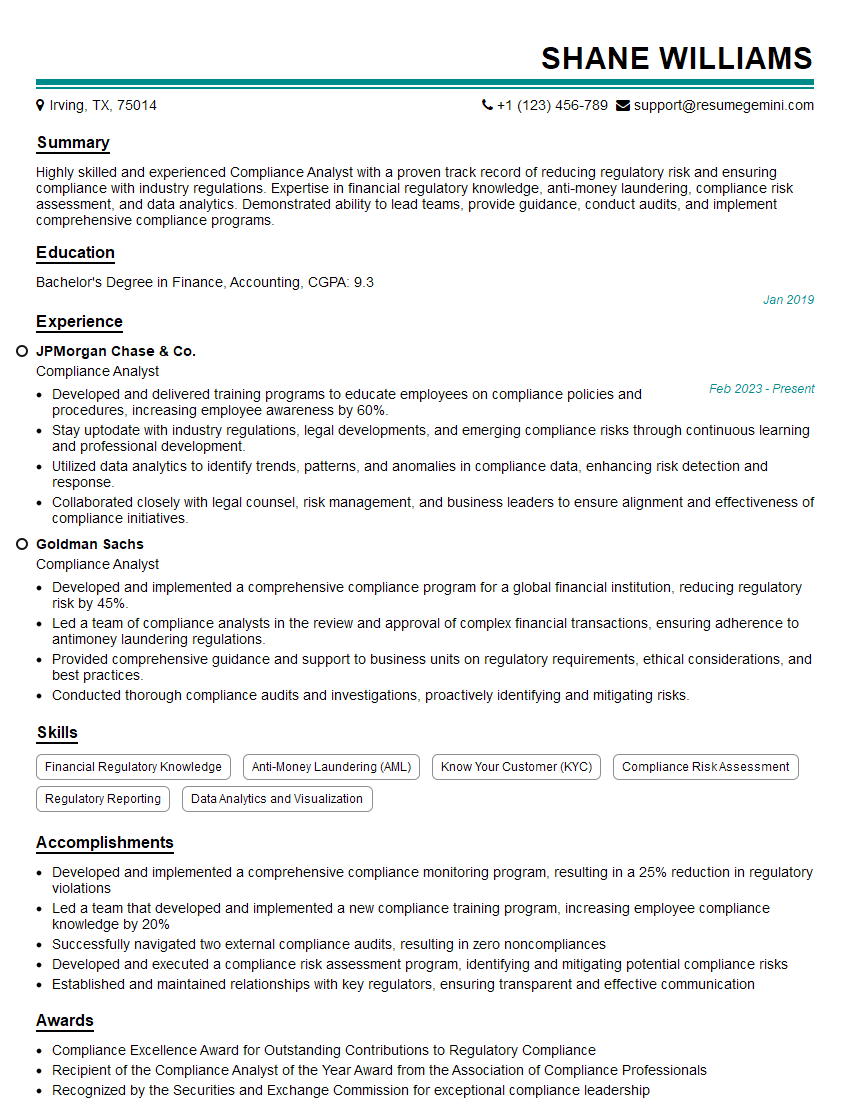
Compliance Analyst Resume Sample
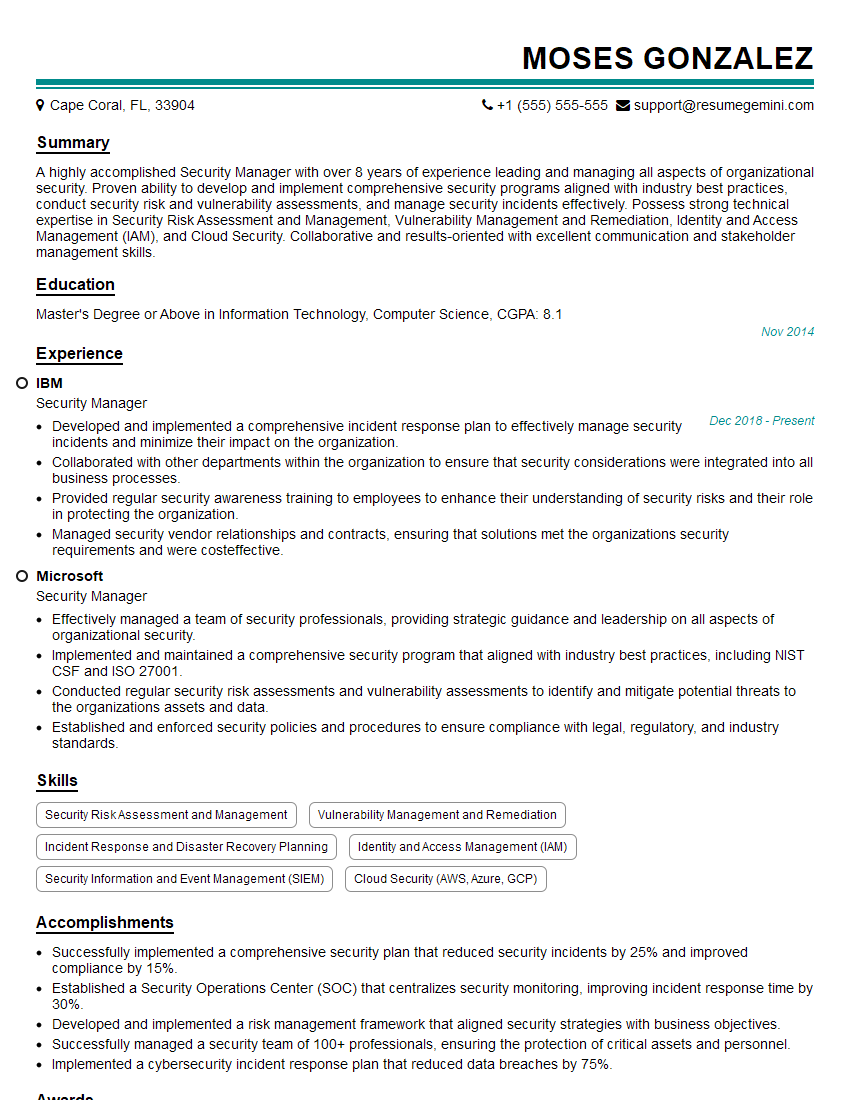
Security Manager Resume Sample
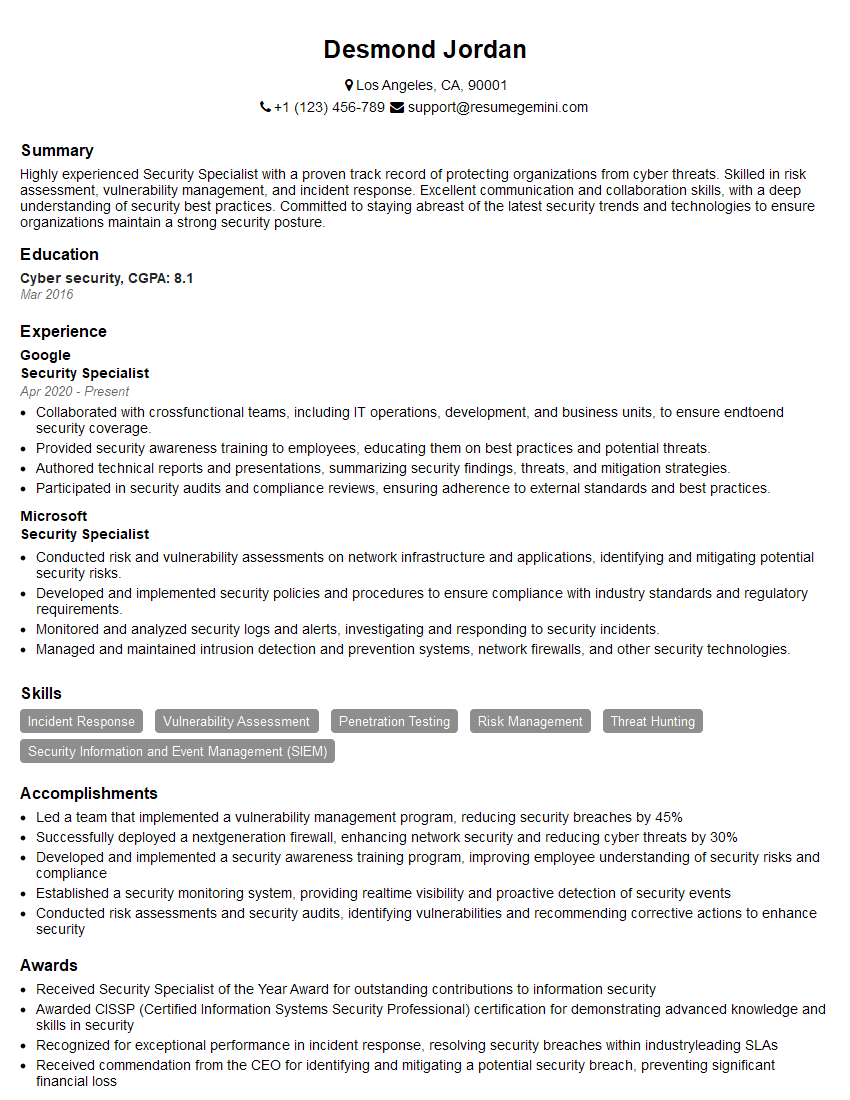
Security Specialist Resume Sample
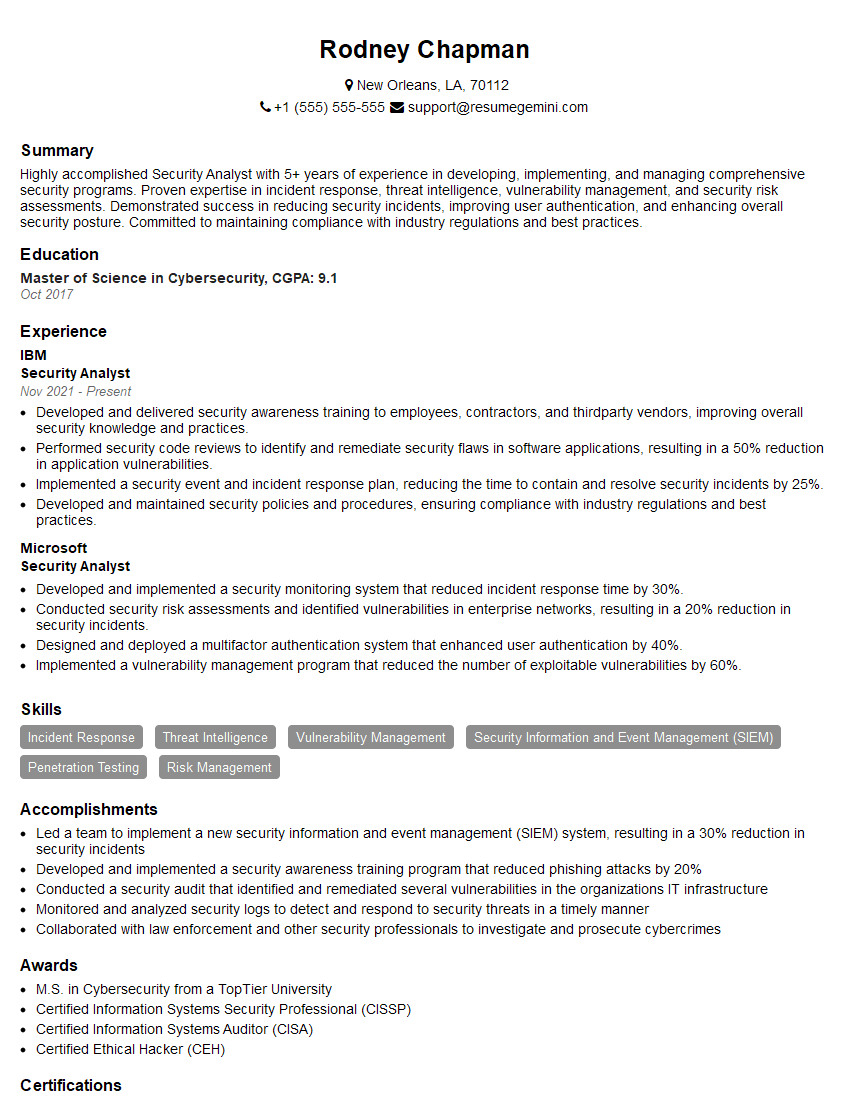
Security Analyst Resume Sample
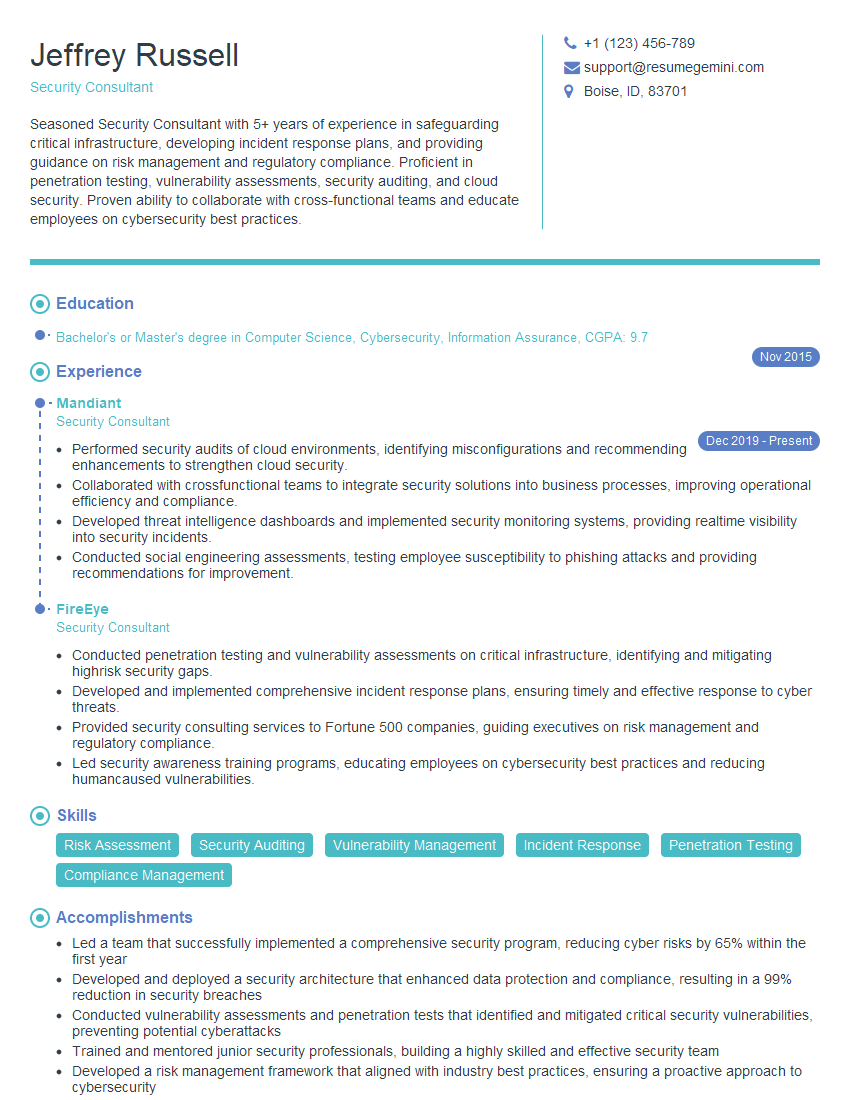
Security Consultant Resume Sample
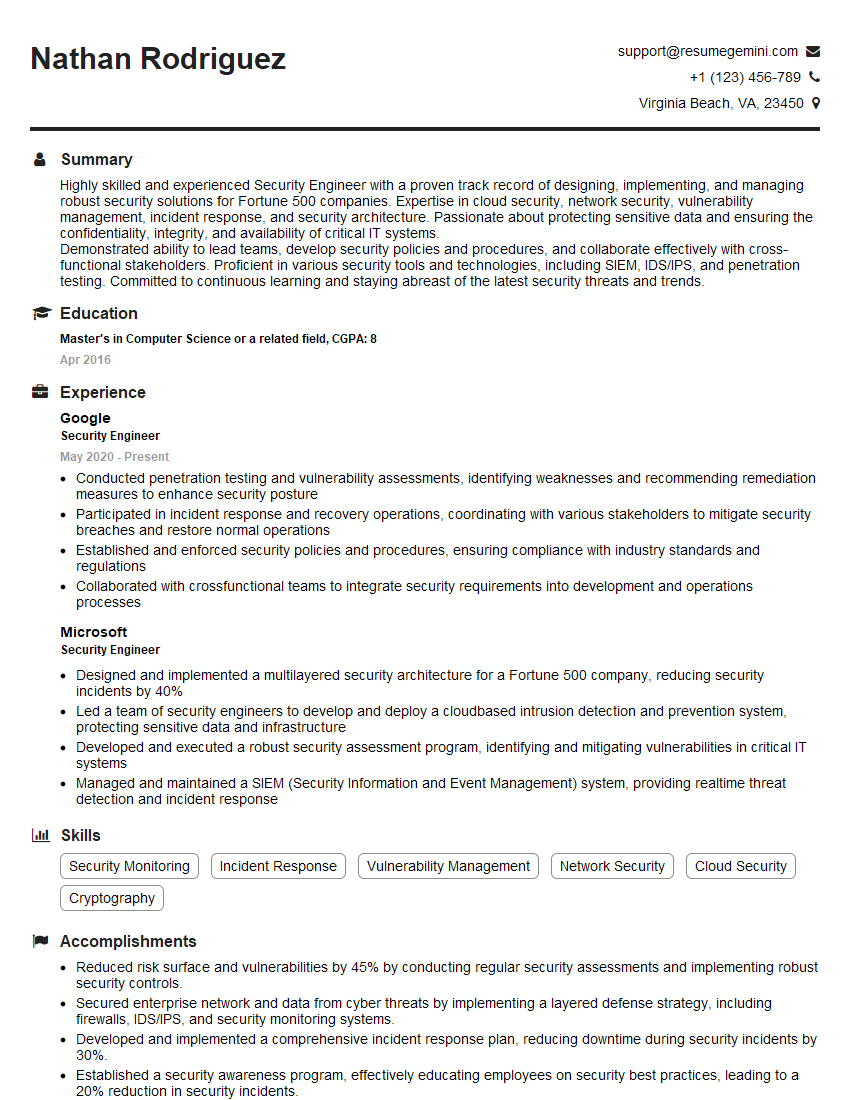
Security Engineer Resume Sample
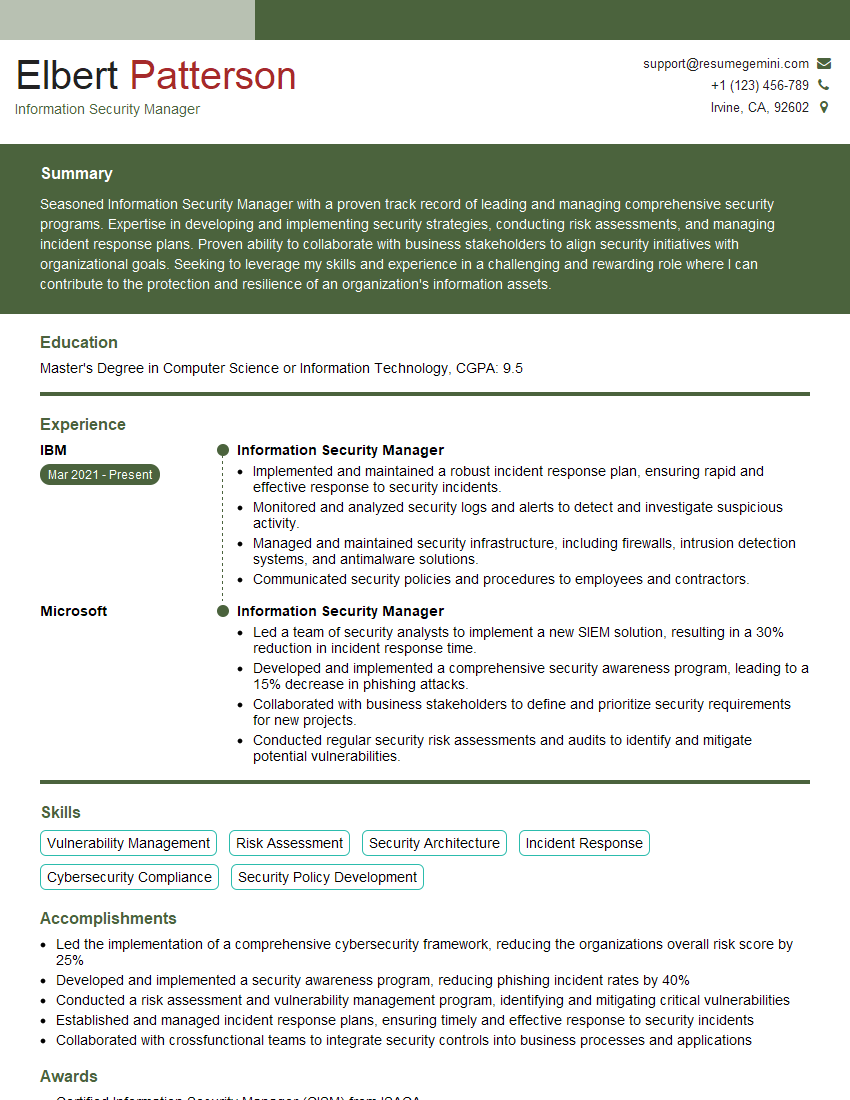
Information Security Manager Resume Sample
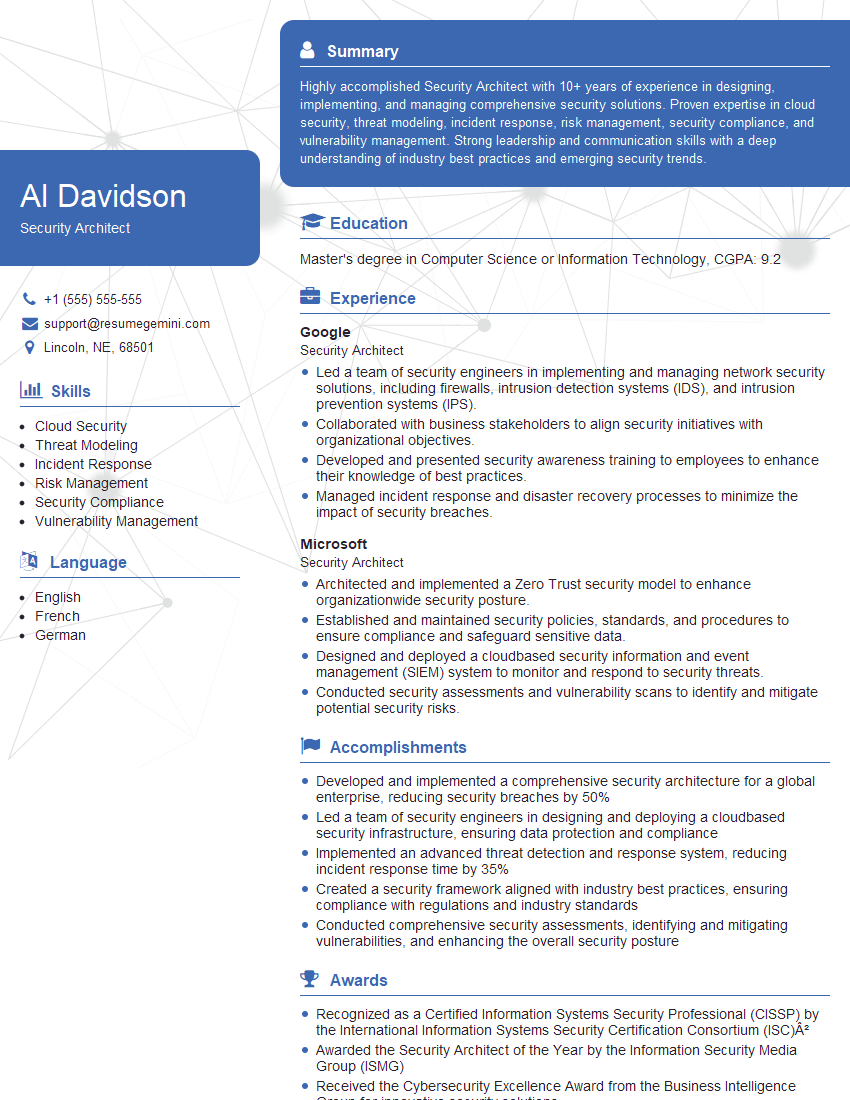
Security Architect Resume Sample
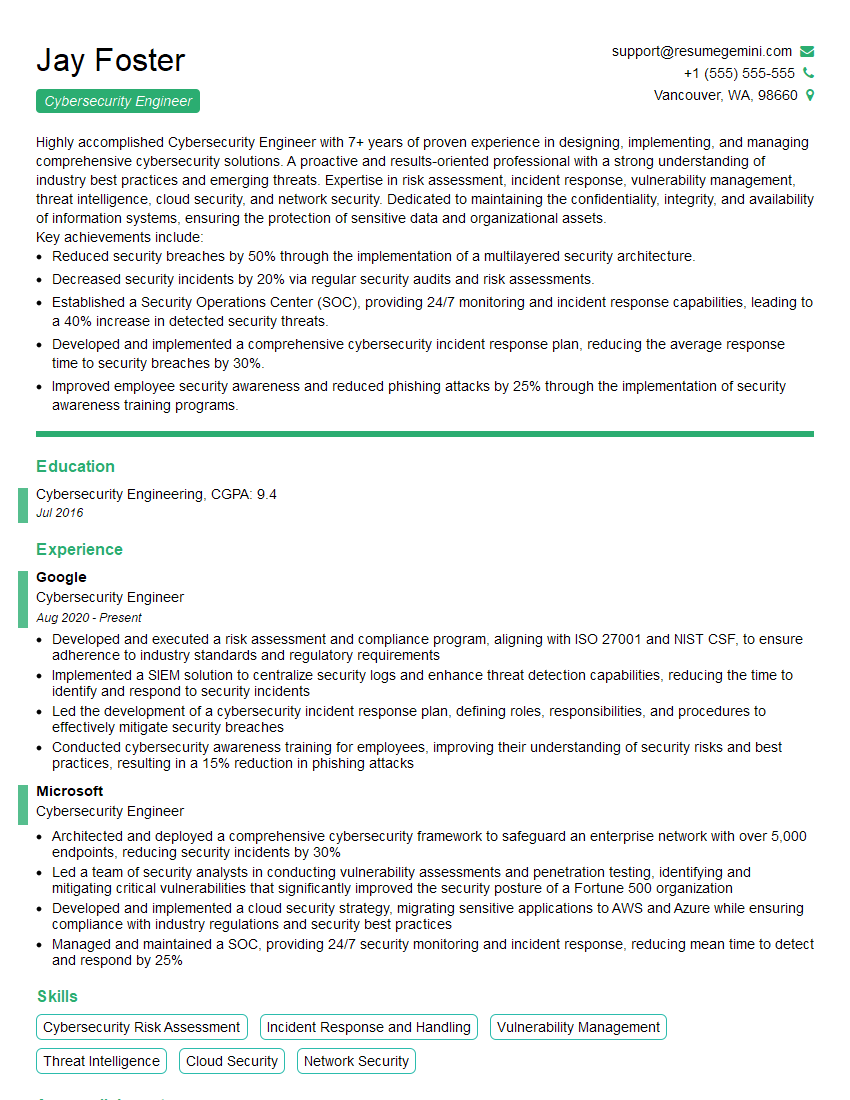
Cybersecurity Engineer Resume Sample
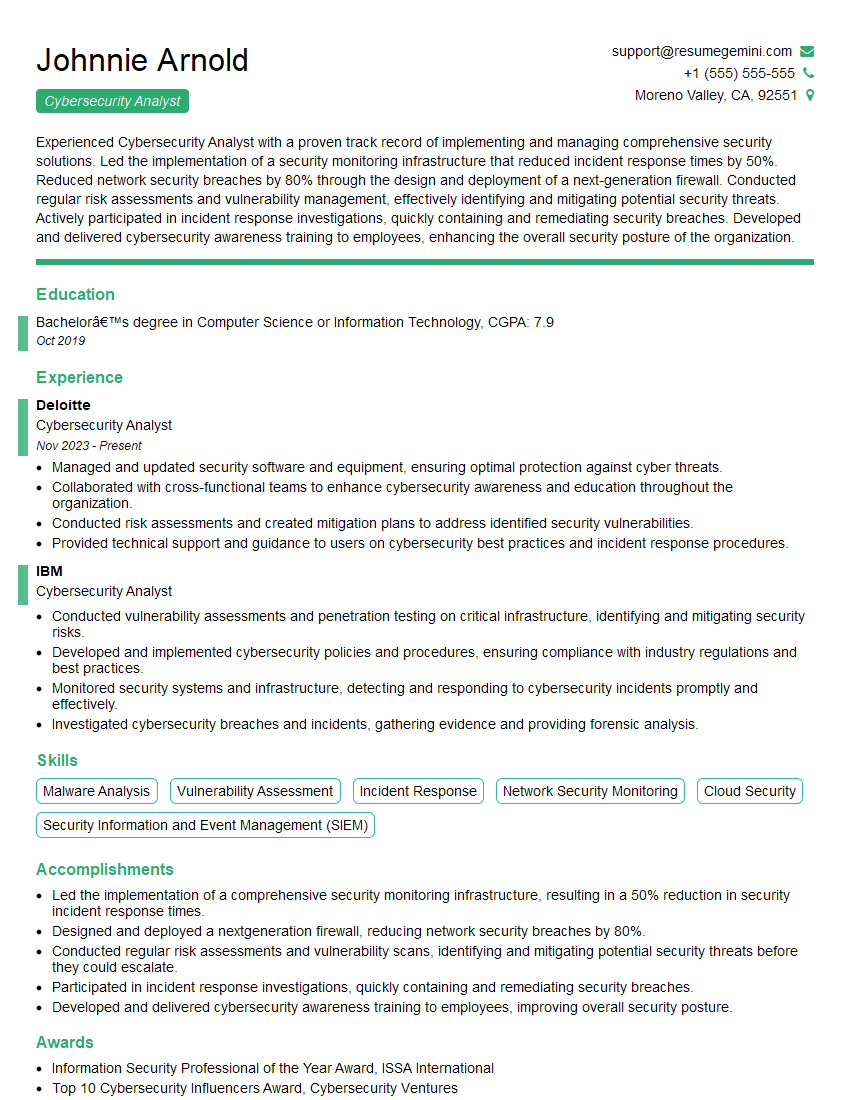
Cybersecurity Analyst Resume Sample
Explore more articles
Users Rating of Our Blogs
Share Your Experience
We value your feedback! Please rate our content and share your thoughts (optional).
What Readers Say About Our Blog
Very informative content, great job.
good