Are you ready to stand out in your next interview? Understanding and preparing for Preventive Maintenance and Reliability interview questions is a game-changer. In this blog, we’ve compiled key questions and expert advice to help you showcase your skills with confidence and precision. Let’s get started on your journey to acing the interview.
Questions Asked in Preventive Maintenance and Reliability Interview
Q 1. Explain the difference between preventive and predictive maintenance.
Preventive maintenance (PM) and predictive maintenance (PdM) are both proactive approaches to equipment maintenance, aiming to minimize downtime and extend asset lifespan, but they differ significantly in their approach.
Preventive Maintenance (PM) involves performing scheduled maintenance tasks at predetermined intervals, regardless of the equipment’s actual condition. Think of it like changing your car’s oil every 3,000 miles – you do it routinely, even if the oil still looks clean. This approach prevents potential failures by addressing issues before they arise. Examples include lubrication, inspections, and filter replacements.
Predictive Maintenance (PdM), on the other hand, uses data and analytics to predict when maintenance is actually needed. Instead of relying on fixed schedules, PdM utilizes sensors, vibration analysis, oil analysis, and other technologies to monitor the equipment’s condition in real-time. Maintenance is only performed when the data indicates a potential problem is developing. It’s like checking your car’s oil level frequently and only changing it when it’s actually low or dirty. This allows for more efficient resource allocation and minimizes unnecessary maintenance.
In short, PM is time-based, while PdM is condition-based. PdM is generally more efficient and cost-effective, but it requires more advanced technology and expertise.
Q 2. Describe your experience with CMMS software (e.g., SAP PM, Maximo).
I have extensive experience with CMMS software, primarily using SAP PM and IBM Maximo. In my previous role at a large manufacturing plant, I was responsible for implementing and managing SAP PM, including configuration, data migration, and user training. This involved setting up maintenance plans, work orders, and preventive maintenance schedules for hundreds of pieces of equipment across multiple production lines. We tracked key metrics such as MTTR (Mean Time To Repair), MTBF (Mean Time Between Failures), and overall equipment effectiveness (OEE). I also used Maximo in a previous project to manage the maintenance of a large fleet of vehicles, utilizing its mobile capabilities for efficient work order management in the field. My experience encompasses not just using the software but also optimizing its configuration to meet specific business needs and improve maintenance efficiency.
For example, in SAP PM, I developed custom reports to track key performance indicators and identify areas for improvement in our preventive maintenance program. This included creating alerts for overdue tasks and analyzing equipment downtime trends. My experience in both systems provides me with a strong understanding of how CMMS can streamline operations, enhance data analysis, and boost overall maintenance effectiveness.
Q 3. How do you determine the optimal maintenance interval for a specific piece of equipment?
Determining the optimal maintenance interval requires a balanced approach considering several factors. It’s not a one-size-fits-all solution.
- Equipment Criticality: Critical equipment with significant impact on production should have more frequent maintenance intervals than less critical equipment.
- Manufacturer Recommendations: Manufacturer’s guidelines provide a starting point, but they may need adjustment based on real-world operating conditions.
- Operating Conditions: Harsh operating environments (high temperature, vibration, dust) will necessitate more frequent maintenance than milder conditions.
- Failure History: Analyzing historical failure data helps identify trends and potential failure points, informing the optimal interval. This might involve using Weibull analysis or other statistical techniques.
- Cost Analysis: Balancing the cost of maintenance against the cost of potential failures is crucial. This involves considering both the direct costs (labor, parts) and the indirect costs (production downtime, lost revenue).
A common approach involves starting with the manufacturer’s recommendation, then adjusting based on historical data and operational factors. Regular review and refinement of the maintenance interval are necessary to optimize its effectiveness. For instance, if a specific component consistently fails before the scheduled maintenance interval, the interval should be shortened.
Q 4. What are the key performance indicators (KPIs) you use to measure the effectiveness of a preventive maintenance program?
Effective preventive maintenance programs are measured using several key performance indicators (KPIs). These KPIs provide insights into the program’s efficiency and effectiveness.
- Mean Time Between Failures (MTBF): The average time between equipment failures. A higher MTBF indicates improved reliability.
- Mean Time To Repair (MTTR): The average time taken to repair a failed piece of equipment. A lower MTTR reflects faster response times and efficient repair processes.
- Overall Equipment Effectiveness (OEE): A comprehensive metric that considers availability, performance, and quality. It reflects the overall efficiency of the equipment.
- Maintenance Cost per Unit Produced: Tracking maintenance costs relative to production output helps identify areas for cost optimization.
- Preventive Maintenance Compliance Rate: This shows the percentage of scheduled PM tasks completed on time. A high rate indicates good adherence to the maintenance schedule.
- Number of Unplanned Downtimes: A lower number indicates the effectiveness of the PM in preventing unexpected failures.
By consistently monitoring these KPIs, we can identify areas for improvement and adjust our PM strategies accordingly. For example, a low MTBF for a particular machine might indicate a need for more frequent or modified preventive maintenance tasks for that specific equipment.
Q 5. Explain your understanding of Reliability Centered Maintenance (RCM).
Reliability Centered Maintenance (RCM) is a systematic approach to maintenance that focuses on maintaining the functionality of equipment rather than simply following a predetermined schedule. Instead of reactive or preventive maintenance, RCM analyzes each piece of equipment to determine the most effective maintenance strategies to ensure its continued operation.
The RCM process typically involves:
- Functional Failure Analysis: Identifying all possible failure modes and their effects on the equipment’s functionality.
- Failure Mode, Effects, and Criticality Analysis (FMECA): Assessing the severity, probability, and detectability of each failure mode.
- Maintenance Task Selection: Determining the appropriate maintenance tasks based on the criticality of each failure mode. This could involve preventive tasks, predictive tasks, or simply leaving it to run-to-failure if the risk is low.
- Maintenance Task Optimization: Optimizing the timing and frequency of maintenance tasks to balance cost and risk.
RCM helps to eliminate unnecessary maintenance tasks, focusing resources on those that truly add value. It improves reliability, reduces maintenance costs, and increases overall equipment efficiency. For example, if an RCM analysis reveals that a particular component rarely fails and has minimal impact on overall system functionality, a run-to-failure strategy may be adopted, saving on unnecessary PM tasks.
Q 6. How do you identify and prioritize critical equipment for preventive maintenance?
Identifying and prioritizing critical equipment for preventive maintenance is crucial for maximizing the effectiveness of the program. Several techniques can be used:
- Criticality Analysis: This involves assessing the impact of equipment failure on production, safety, and cost. A simple scoring system can be used, assigning weights to factors such as production downtime cost, safety risks, and repair costs. Higher scores indicate higher criticality.
- Failure Mode and Effects Analysis (FMEA): A systematic approach to identifying potential failure modes, their effects, and their severity. This helps prioritize equipment based on the potential consequences of failure.
- Pareto Analysis (80/20 rule): Identifying the 20% of equipment that accounts for 80% of the maintenance problems. This highlights the most problematic equipment that deserves priority attention.
- OEE (Overall Equipment Effectiveness): Equipment with low OEE values usually indicates frequent downtime and requires closer attention.
By using a combination of these techniques, we can create a prioritized list of equipment for preventive maintenance, focusing resources on the most critical assets. This ensures that the most impactful maintenance is performed first, minimizing risks and maximizing productivity.
Q 7. Describe your experience with root cause analysis techniques (e.g., 5 Whys, Fishbone diagram).
Root cause analysis (RCA) is essential for understanding the underlying causes of equipment failures and implementing effective corrective actions to prevent recurrence. I have extensive experience with several RCA techniques.
5 Whys: A simple yet effective technique that involves repeatedly asking ‘Why?’ to uncover the root cause. It’s iterative, each answer leading to another ‘Why?’ until the underlying issue is identified. For example, if a pump fails, the 5 Whys might proceed as follows:
- Why did the pump fail? Because the bearings seized.
- Why did the bearings seize? Because of insufficient lubrication.
- Why was there insufficient lubrication? Because the lubrication system malfunctioned.
- Why did the lubrication system malfunction? Because of a faulty sensor.
- Why was the sensor faulty? Because it wasn’t properly calibrated during installation.
Fishbone Diagram (Ishikawa Diagram): A visual tool that helps brainstorm potential causes of a problem, categorized by factors such as materials, methods, manpower, machinery, environment, and measurement. It’s excellent for collaborative problem-solving. By visually mapping potential causes, it helps to identify the root cause more systematically.
I choose the appropriate technique based on the complexity of the situation and the information available. Sometimes I even combine techniques for a more comprehensive analysis. The goal is always to identify the root cause, not just treat the symptoms, to prevent future occurrences.
Q 8. How do you handle unexpected equipment failures during planned maintenance downtime?
Unexpected equipment failures during planned downtime are unfortunately common, but a well-prepared team can minimize disruption. The first step is a rapid assessment: What failed? What’s the impact on production? Is it a safety hazard? We immediately prioritize safety and containment, preventing further damage or injury. Next, we analyze the failure. Was this a known weakness? Did our preventive maintenance miss something? This informs future maintenance schedules and training. Finally, we implement a temporary fix if possible, minimizing downtime, and then plan the proper repair, perhaps involving expedited parts procurement or outside specialists. For example, imagine a planned shutdown for a pump replacement. If, during that shutdown, a different pump’s bearing fails, the priority shifts to that immediate critical failure. We’d triage the situation—quickly assessing damage and potential impact, perhaps using a backup pump temporarily to avoid major production delays while addressing the critical bearing failure. A post-mortem analysis would later determine why the bearing failed and whether our preventive maintenance program needs adjustment.
Q 9. What are some common challenges in implementing a preventive maintenance program, and how would you address them?
Implementing a successful preventive maintenance (PM) program faces several challenges. Lack of buy-in from management or operators is common; they may view PM as an unnecessary cost or disruption. Another hurdle is inadequate resources—a lack of skilled personnel, proper tools, or sufficient budget can severely limit effectiveness. Inaccurate or incomplete records hinder accurate scheduling and analysis, leading to missed opportunities for optimization. Finally, resistance to change is a significant barrier; people may be hesitant to adapt to new procedures or technologies. To address these, I’d start with a strong cost-benefit analysis to demonstrate the ROI of a robust PM program. We’d engage all stakeholders early to build consensus and address concerns proactively. This includes training sessions and clear communication of the program’s goals and benefits. Investing in the right tools and training personnel is crucial. Implementing a computerized maintenance management system (CMMS) greatly improves record-keeping and scheduling. Finally, I’d use a phased approach, implementing changes incrementally, allowing for adjustments and feedback along the way. Continuous improvement is key – regular review and optimization are needed for long-term success.
Q 10. How do you balance the cost of preventive maintenance with the risk of equipment failure?
Balancing preventive maintenance costs and the risk of equipment failure requires a risk-based approach. It’s not about minimizing cost at all costs, but about optimizing resource allocation to mitigate the greatest risks. We start by identifying critical equipment – those whose failure would significantly impact production or safety. For these, we invest in more frequent and thorough PM, even if it costs more. For less critical equipment, we might adopt a more time-based or condition-based maintenance approach. This means using condition monitoring techniques such as vibration analysis or oil analysis to identify potential issues before they cause a failure. This allows for targeted interventions instead of routine overhauls. Cost-benefit analysis plays a key role. We calculate the cost of a failure (lost production, repairs, safety issues) and compare it to the cost of preventive maintenance. A tool like a failure modes and effects analysis (FMEA) can be invaluable here, helping systematically identify potential failure points and prioritize maintenance efforts. This approach leads to a more cost-effective and safer operation.
Q 11. Explain your experience with developing and implementing a preventive maintenance schedule.
In a previous role, I led the development and implementation of a preventive maintenance schedule for a large manufacturing plant. We started by thoroughly analyzing historical maintenance data, identifying recurring failures and their root causes. We then used this data to create a prioritized list of equipment needing PM, based on criticality and failure history. We utilized a CMMS to schedule maintenance tasks, ensuring proper work orders were generated, parts were ordered in advance, and technician schedules were optimized. The CMMS allowed us to track work performed, and monitor the effectiveness of our PM program. The result was a 25% reduction in unplanned downtime within the first year, a measurable improvement achieved by focusing on the most critical equipment and implementing consistent, data-driven procedures. We also implemented a feedback loop; technicians provided input on the maintenance tasks and we reviewed the program quarterly to adjust schedules based on actual performance. This iterative process ensured our schedule remained relevant and effective.
Q 12. Describe your experience with different types of maintenance tasks (e.g., lubrication, inspection, repair).
My experience encompasses a wide range of maintenance tasks. Lubrication is a fundamental aspect, ensuring proper lubrication of bearings and other moving parts to reduce friction and extend component life. Regular lubrication procedures are documented and meticulously followed using appropriate lubricants and application methods. Inspection tasks involve visual checks, using specialized tools such as infrared cameras to identify potential problems early. These inspections can cover everything from simple visual checks for leaks to more complex assessments using diagnostic tools. Repair tasks range from simple fixes to major overhauls, requiring specialized knowledge and skills in areas like welding, electrical repairs, and hydraulic system maintenance. For instance, I’ve been involved in the complete overhaul of a large industrial motor, requiring precision alignment and thorough testing after repairs were completed. Throughout all tasks, safety protocols are paramount. Proper lockout/tagout procedures are always followed, ensuring technician and equipment safety.
Q 13. How do you ensure the accuracy and completeness of maintenance records?
Accuracy and completeness of maintenance records are critical for effective PM. A CMMS is essential; it provides a centralized database for all maintenance activities. Every task, including inspections, repairs, and parts used, should be meticulously documented within the CMMS. This includes digital photographs and detailed descriptions of the work performed. Regular audits of the records are crucial to ensure data integrity. We can use data analysis to identify trends and patterns in equipment failures; this can lead to improvements in our PM schedule and procedures. For instance, if we see a pattern of bearing failures on a particular type of equipment, it might indicate a need to revise lubrication schedules or explore alternative bearing types. This data-driven approach is essential for continuous improvement and for demonstrating the effectiveness of our PM program to management.
Q 14. How do you train and supervise maintenance personnel?
Training and supervision of maintenance personnel are vital for a successful PM program. Training should cover both theoretical knowledge and practical skills. We should provide ongoing training on new technologies, safety procedures, and best practices. This could include classroom instruction, hands-on training with experienced technicians, and online modules. Regular supervision involves on-site observation, feedback sessions, and performance reviews. It’s important to foster a culture of continuous learning and improvement. Technicians should be encouraged to identify and report potential problems, and their suggestions for process improvements should be welcomed. Performance metrics can include things like task completion rates, adherence to safety procedures, and the quality of work. A well-trained and supervised team will be more efficient, safer, and ultimately contribute to a more reliable and cost-effective maintenance program.
Q 15. What is your experience with spare parts management?
Spare parts management is crucial for minimizing downtime and maintaining operational efficiency. It involves strategically planning, acquiring, storing, and managing all the components needed for repairs and replacements. My experience encompasses the entire lifecycle, from forecasting demand based on historical data and equipment criticality, to establishing optimal inventory levels using techniques like ABC analysis (categorizing parts based on their value and usage), to implementing robust tracking systems to ensure accountability and prevent stockouts.
For example, in a previous role managing maintenance for a large manufacturing facility, I implemented a computerized maintenance management system (CMMS) that integrated with our procurement system. This allowed us to automatically generate purchase orders for parts based on predicted needs and real-time usage data. This improved our order accuracy and significantly reduced lead times.
I also have experience negotiating contracts with vendors to ensure cost-effective procurement and implementing a robust system for managing obsolete parts and their disposal.
Career Expert Tips:
- Ace those interviews! Prepare effectively by reviewing the Top 50 Most Common Interview Questions on ResumeGemini.
- Navigate your job search with confidence! Explore a wide range of Career Tips on ResumeGemini. Learn about common challenges and recommendations to overcome them.
- Craft the perfect resume! Master the Art of Resume Writing with ResumeGemini’s guide. Showcase your unique qualifications and achievements effectively.
- Don’t miss out on holiday savings! Build your dream resume with ResumeGemini’s ATS optimized templates.
Q 16. Describe your experience with developing and using work orders.
Developing and using work orders is the backbone of any effective maintenance program. A well-structured work order clearly outlines the task, required resources, assigned personnel, and expected completion time. My experience includes designing work order templates that capture all necessary information, ensuring clear communication across maintenance teams, and using them for tracking and reporting purposes.
In my previous role, we transitioned from a paper-based system to a CMMS, which significantly improved our work order management. This allowed us to schedule work efficiently, track progress in real-time, automatically generate reports, and manage labor costs effectively. We also integrated the CMMS with our inventory system for seamless spare parts ordering and tracking against work orders. A typical work order in our system included fields such as: equipment ID, task description, priority level, assigned technician, start/end dates, parts required, labor hours, and a completion status. This provided complete traceability and accountability for all maintenance activities.
We also utilized preventative maintenance work orders scheduled based on equipment life cycles, manufacturer’s recommendations and past failure analysis to proactively prevent equipment failures.
Q 17. What is your experience with failure modes and effects analysis (FMEA)?
Failure Modes and Effects Analysis (FMEA) is a systematic approach to identifying potential failures in a system and assessing their impact. My experience involves facilitating FMEA workshops, identifying potential failure modes, assessing their severity, occurrence, and detection, and developing risk reduction strategies. This helps prioritize maintenance efforts and allocate resources effectively.
For instance, in a project involving a critical piece of machinery, we conducted an FMEA that revealed a potential failure mode related to bearing wear. By analyzing the severity, occurrence, and detection probability, we prioritized this potential failure and implemented preventative maintenance measures such as regular lubrication and vibration monitoring. This proactive approach avoided a costly and disruptive failure.
The output of an FMEA is typically a table documenting each potential failure mode, its severity, occurrence, detection, risk priority number (RPN), and recommended actions. A high RPN indicates a high-risk failure that requires immediate attention. The process is iterative, and we regularly update the FMEA as new information becomes available.
Q 18. How do you communicate maintenance needs and priorities to other departments?
Effective communication is vital in maintenance. I use various methods to communicate maintenance needs and priorities to other departments, depending on the context and audience. These methods include regular meetings, formal reports, email updates, and dashboards that visualize key performance indicators (KPIs).
For example, I regularly attend production meetings to discuss potential maintenance impacts on production schedules and collaborate on solutions. I also present monthly reports to upper management detailing maintenance costs, downtime, and planned projects. These reports often include charts and graphs highlighting key trends and performance metrics to create a clear understanding of our activities and their impact on the overall business.
In urgent situations, I utilize email and phone calls to rapidly communicate critical information. Visual aids such as photos and diagrams are often used to explain complex issues clearly. By tailoring the method of communication to the audience and ensuring the message is concise and action-oriented, I effectively ensure maintenance needs are prioritized and addressed collaboratively.
Q 19. How familiar are you with various maintenance strategies (e.g., run-to-failure, preventative, predictive)?
I’m very familiar with various maintenance strategies.
- Run-to-failure: This is a reactive approach where equipment is run until it fails, often leading to high repair costs and unplanned downtime. It’s generally not recommended except for low-cost, easily replaceable components.
- Preventative Maintenance (PM): This proactive strategy involves performing scheduled maintenance tasks at predefined intervals, regardless of the equipment’s condition. It’s effective in preventing failures but can lead to over-maintenance of certain equipment.
- Predictive Maintenance (PdM): This data-driven approach uses condition monitoring techniques (vibration analysis, oil analysis, infrared thermography) to predict potential failures and schedule maintenance accordingly. It optimizes maintenance schedules and minimizes downtime.
The optimal maintenance strategy is often a blend of these approaches. For example, a facility might use preventative maintenance for routine tasks like lubrication and inspections, while employing predictive maintenance for critical equipment to pinpoint potential failures before they occur. A risk assessment will dictate which approach is most appropriate and cost effective for individual pieces of equipment.
Q 20. Describe a situation where you had to troubleshoot a complex maintenance issue. What was the outcome?
In one instance, a critical compressor in our facility experienced repeated shutdowns due to an unknown cause. Initial troubleshooting by the maintenance team was unsuccessful. I led a cross-functional team which involved mechanical, electrical, and instrumentation experts to systematically investigate the problem.
We first reviewed historical maintenance logs and operational data. This revealed a correlation between high ambient temperature and compressor failures. We then conducted detailed inspections of the compressor, including vibration analysis and thermal imaging. This identified a problem in the cooling system, specifically a failing fan motor that was not adequately cooling the compressor during peak temperature periods.
Replacing the fan motor resolved the issue, preventing further production disruptions. This case highlighted the importance of methodical investigation, collaboration, and the use of diagnostic tools in resolving complex maintenance challenges.
Q 21. How do you stay current with new maintenance technologies and best practices?
Staying current with maintenance technologies and best practices is essential in this dynamic field. I actively engage in several strategies to maintain my knowledge.
- Professional development courses and certifications: I regularly attend industry conferences, workshops and training sessions offered by organizations such as (mention relevant organizations here).
- Industry publications and journals: I subscribe to relevant industry journals and regularly read articles and case studies to keep informed about new technologies and best practices.
- Networking with peers: I actively participate in online forums and professional groups to exchange knowledge and learn from colleagues’ experiences.
- CMMS software and technology updates: I ensure proficiency with up-to-date CMMS software and actively explore new features to enhance our maintenance processes.
Continuous learning enables me to adapt to changes, improve efficiency and effectiveness, and implement innovative solutions.
Q 22. What is your experience with vibration analysis or other predictive maintenance technologies?
My experience with predictive maintenance technologies, particularly vibration analysis, is extensive. I’ve utilized vibration analysis techniques for over 10 years, employing both handheld devices and permanently mounted sensors on rotating equipment like pumps, motors, and compressors. This has allowed me to identify developing faults such as imbalance, misalignment, and bearing wear, often before they lead to catastrophic failures. For example, in a previous role, we used vibration analysis to detect an impending bearing failure in a critical chiller unit. The early detection allowed for a planned shutdown and component replacement, preventing an expensive and disruptive emergency repair. Beyond vibration analysis, I’m also proficient in other predictive technologies including oil analysis (lubricant condition monitoring), infrared thermography (detecting overheating components), and ultrasonic testing (detecting leaks and partial discharges).
Furthermore, I have experience integrating these diverse data sources into a centralized system for comprehensive equipment health monitoring, leveraging software platforms to provide insightful data visualizations and predictive models. This has significantly improved our ability to anticipate and prevent equipment failures, resulting in increased uptime and reduced maintenance costs.
Q 23. How do you prioritize maintenance tasks when faced with competing demands?
Prioritizing maintenance tasks requires a strategic approach. I typically employ a risk-based prioritization system, considering factors such as the criticality of the equipment, the potential consequences of failure, and the probability of failure. I use a combination of methods including Failure Mode and Effects Analysis (FMEA) and Criticality Analysis to assess risk. This helps to quantify the impact of each potential failure on the overall business operation.
For instance, a critical piece of equipment with a high probability of failure would automatically get top priority, even if other tasks are seemingly more urgent. I use a CMMS (Computerized Maintenance Management System) to track these priorities, ensuring that the most critical tasks are addressed first. This system also helps visualize work order backlogs and resource allocation, enabling effective task management.
Q 24. Describe your experience with managing a maintenance budget.
Managing a maintenance budget effectively requires a multifaceted approach. My experience includes developing and managing budgets ranging from $500,000 to over $2 million annually. This involved forecasting maintenance expenses, justifying capital expenditure requests for new equipment or upgrades, and allocating resources efficiently.
I regularly track actual spending against the budget, identifying variances and implementing corrective actions. For example, I’ve successfully negotiated favorable contracts with vendors to reduce maintenance costs and implemented preventive maintenance programs to proactively address potential problems and avoid costly emergency repairs. Data analysis plays a key role, enabling me to identify cost drivers and areas for improvement.
Q 25. What is your experience with safety procedures and regulations in a maintenance environment?
Safety is paramount in any maintenance environment. Throughout my career, I’ve strictly adhered to all relevant safety procedures and regulations, including OSHA (Occupational Safety and Health Administration) guidelines and industry-specific standards. I’ve implemented and enforced lockout/tagout procedures, ensuring the safe isolation of equipment before maintenance work begins.
Furthermore, I’ve conducted regular safety training for maintenance personnel, emphasizing safe work practices and the use of personal protective equipment (PPE). I actively participate in safety audits and incident investigations, implementing corrective actions to prevent future occurrences. A strong safety culture is crucial, and I prioritize it in every aspect of maintenance operations.
Q 26. How would you handle a situation where a maintenance task is running over budget or schedule?
When a maintenance task runs over budget or schedule, immediate action is critical. My first step is to thoroughly analyze the reasons for the delay. This might involve examining the initial work order, reviewing the actual work performed, and checking for unforeseen complications or design flaws. Common reasons include inaccurate estimates, unexpected equipment conditions, or lack of necessary resources.
Once the root cause is identified, I develop a recovery plan, which may include adjusting the scope of the work, reallocating resources, or negotiating with contractors or suppliers. Open and honest communication with stakeholders, keeping them informed about the situation and the recovery plan, is vital. Transparency and proactive communication help minimize disruption and maintain trust.
Q 27. How do you measure the overall effectiveness of the maintenance program you manage?
Measuring the effectiveness of a maintenance program requires a comprehensive approach. Key performance indicators (KPIs) are essential for tracking progress and identifying areas for improvement. I typically use a range of metrics, including:
- Mean Time Between Failures (MTBF): This indicates the reliability of equipment.
- Mean Time To Repair (MTTR): This measures the efficiency of the repair process.
- Overall Equipment Effectiveness (OEE): This provides a holistic measure of equipment performance, encompassing availability, performance, and quality.
- Maintenance Cost per Unit of Production: This helps to gauge the cost-effectiveness of the maintenance program.
- Safety Incident Rate: This reflects the effectiveness of safety initiatives.
By regularly monitoring these KPIs and comparing them against targets or industry benchmarks, I can assess the program’s overall effectiveness and make data-driven improvements.
Q 28. What are your salary expectations for this role?
My salary expectations for this role are commensurate with my experience and qualifications in the field of Preventive Maintenance and Reliability. Considering my extensive experience, proven track record of cost savings and efficiency improvements, and mastery of predictive maintenance technologies, I am seeking a salary within the range of [Insert Salary Range]. However, I am open to discussing this further based on the specific details of the position and the overall compensation package.
Key Topics to Learn for Preventive Maintenance and Reliability Interview
- Preventive Maintenance Strategies: Understanding different PM strategies (e.g., time-based, condition-based, predictive) and their applications in various industrial settings. Consider the pros and cons of each approach.
- Reliability Centered Maintenance (RCM): Learn the principles of RCM, including failure modes, effects, and criticality analysis (FMECA). Be prepared to discuss how RCM improves equipment reliability and reduces downtime.
- Predictive Maintenance Techniques: Familiarize yourself with various predictive maintenance technologies (vibration analysis, oil analysis, thermography) and how they are used to detect potential failures before they occur. Discuss data interpretation and decision-making based on predictive insights.
- Root Cause Analysis (RCA): Master various RCA methodologies (e.g., 5 Whys, Fishbone diagram) to effectively investigate equipment failures and implement corrective actions to prevent recurrence.
- Maintenance Management Systems (CMMS): Understand how CMMS software supports planning, scheduling, and tracking of maintenance activities. Discuss the benefits of using a CMMS for improved efficiency and data analysis.
- Metrics and KPIs: Be prepared to discuss key performance indicators (KPIs) used in preventive maintenance and reliability, such as Mean Time Between Failures (MTBF), Mean Time To Repair (MTTR), and Overall Equipment Effectiveness (OEE). Understand how these metrics are used to track performance and identify areas for improvement.
- Safety and Compliance: Highlight your understanding of safety regulations and procedures relevant to preventive maintenance activities. Demonstrate knowledge of lockout/tagout procedures and other safety protocols.
- Cost Optimization and Budgeting: Discuss strategies for optimizing maintenance costs while maintaining high levels of equipment reliability. Understand how to develop and manage maintenance budgets effectively.
Next Steps
Mastering Preventive Maintenance and Reliability is crucial for career advancement in many industries. Proficiency in these areas demonstrates valuable skills in problem-solving, technical expertise, and cost management. To maximize your job prospects, creating an ATS-friendly resume is essential. ResumeGemini can help you build a compelling and effective resume that highlights your skills and experience in this competitive field. They offer examples of resumes tailored to Preventive Maintenance and Reliability roles, helping you present your qualifications in the best possible light. Invest time in crafting a strong resume – it’s your first impression to potential employers.
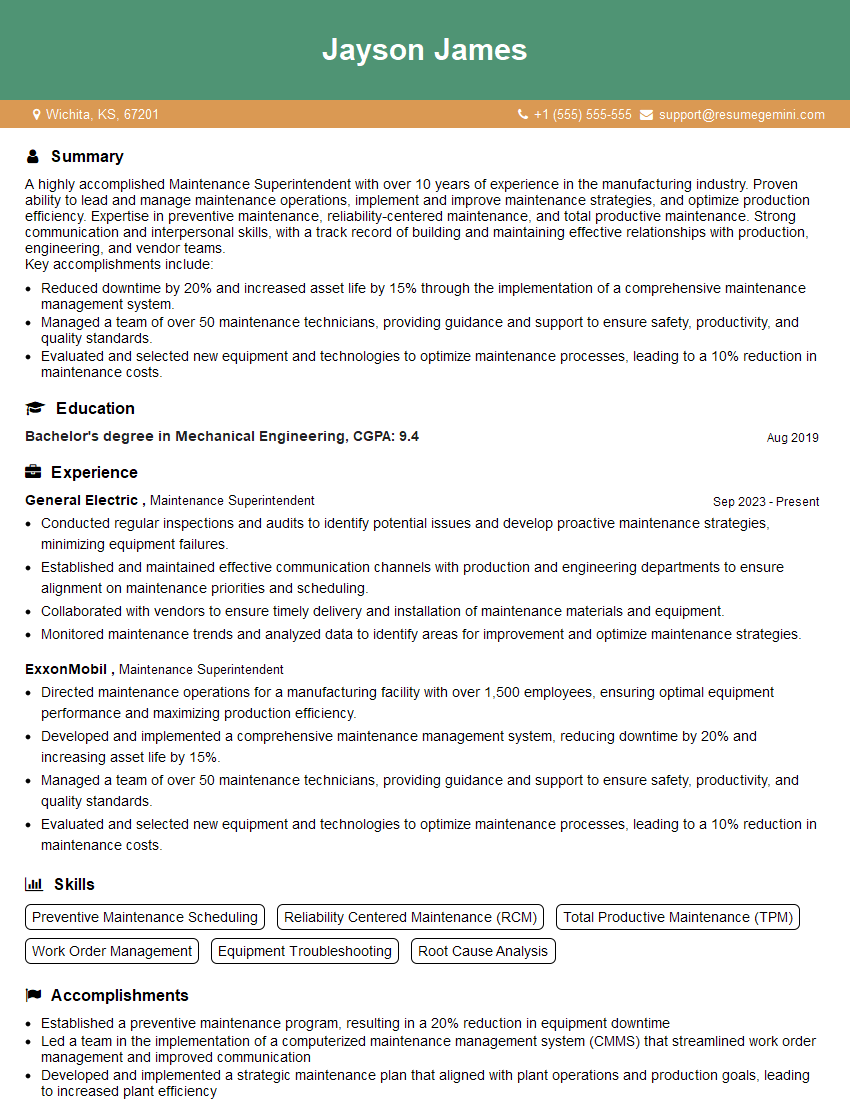
Maintenance Superintendent Resume Sample
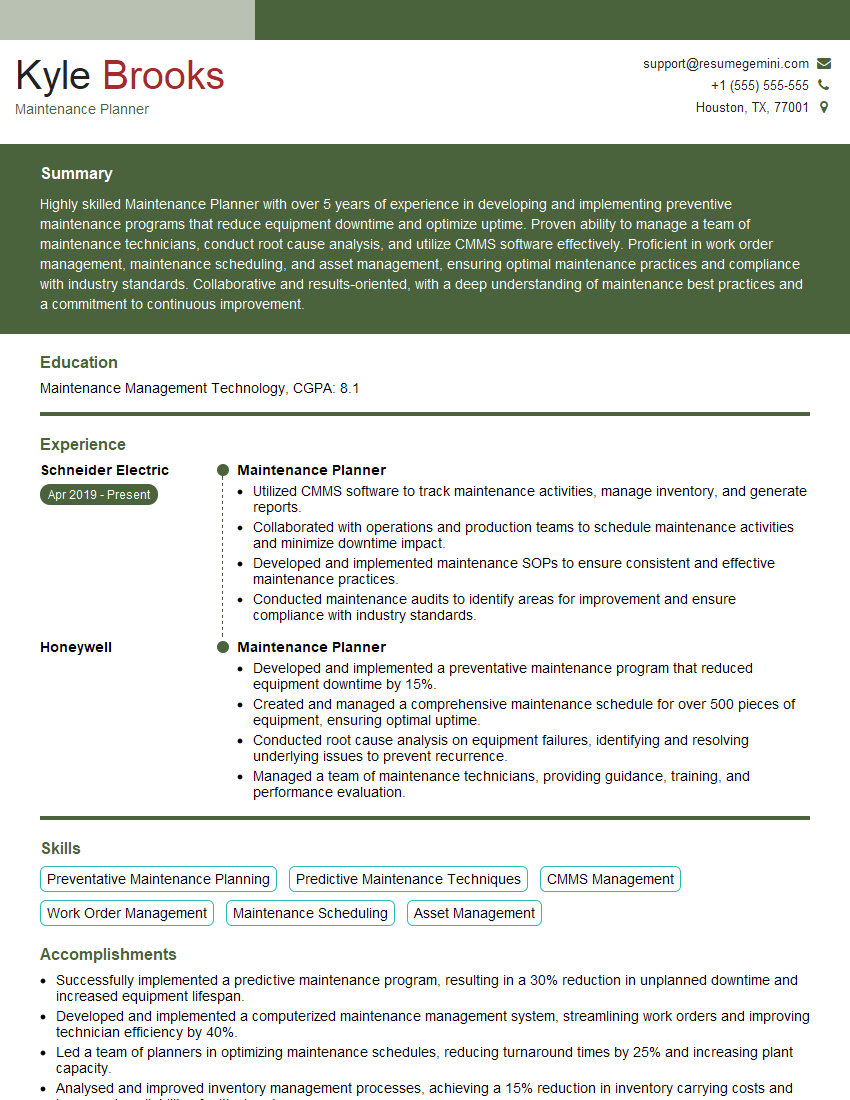
Maintenance Planner Resume Sample
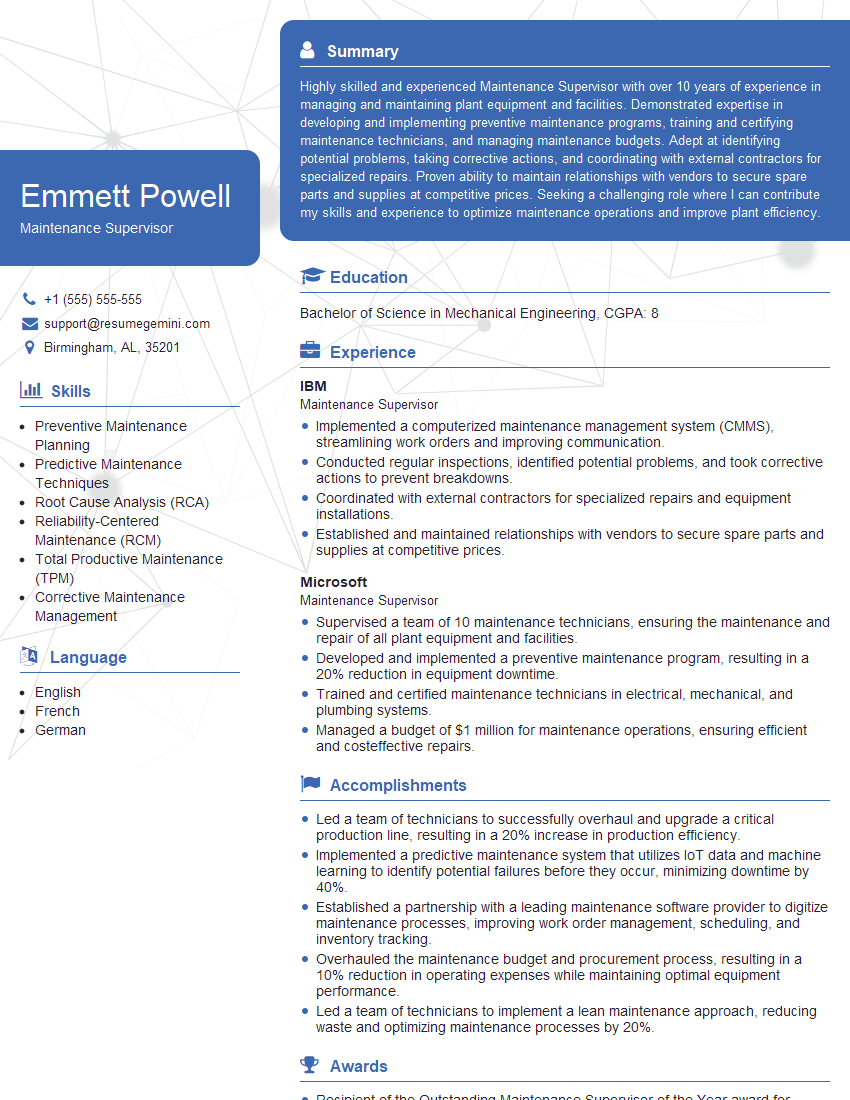
Maintenance Supervisor Resume Sample
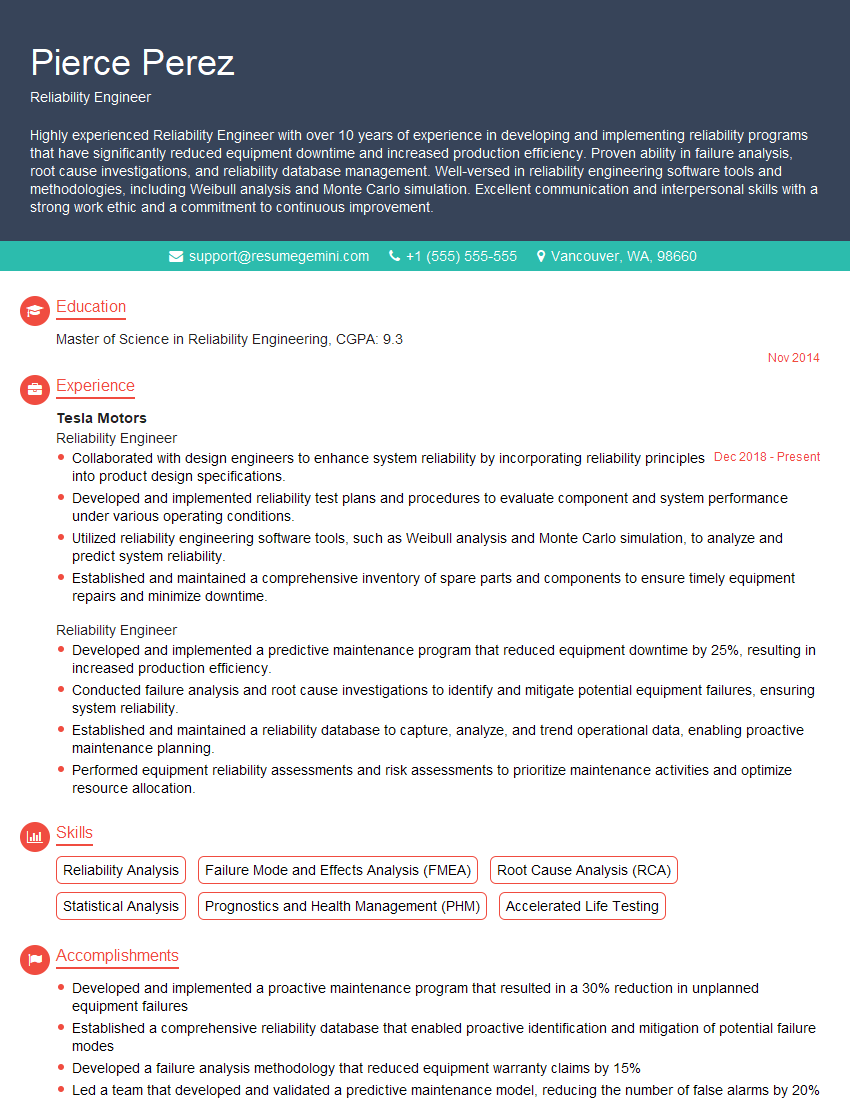
Reliability Engineer Resume Sample
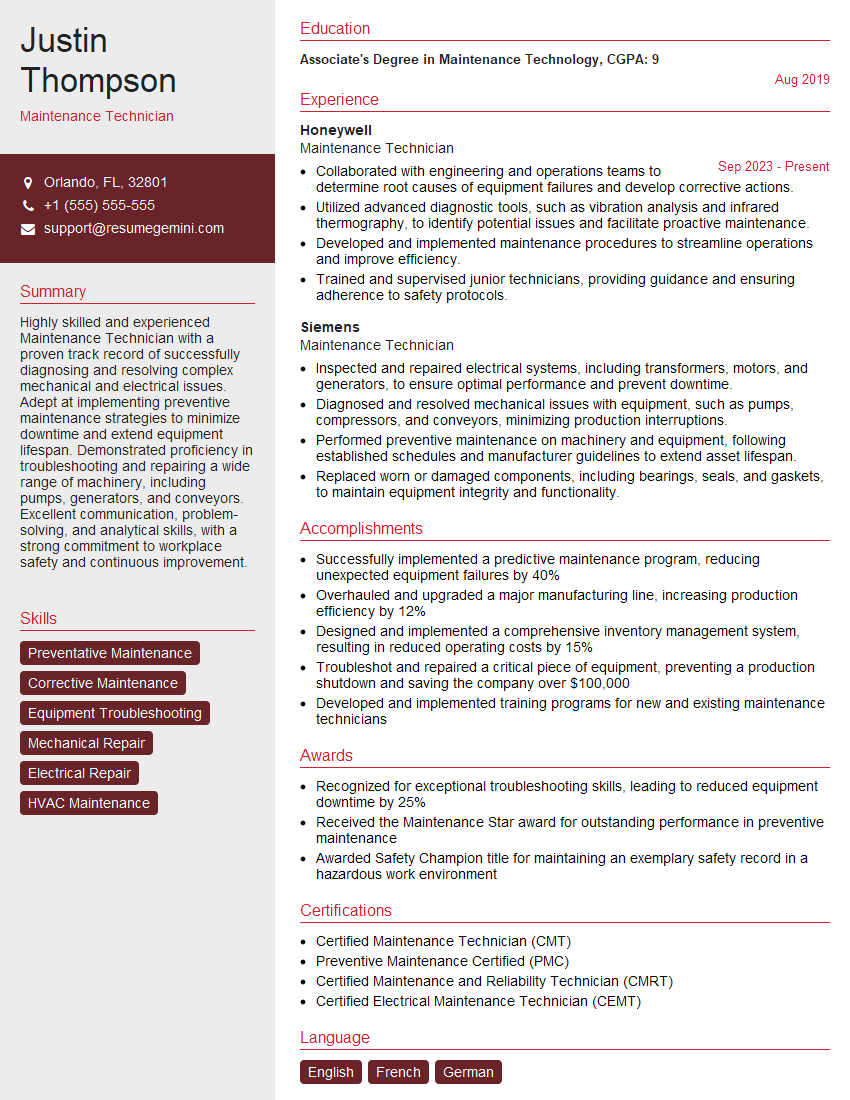
Maintenance Technician Resume Sample
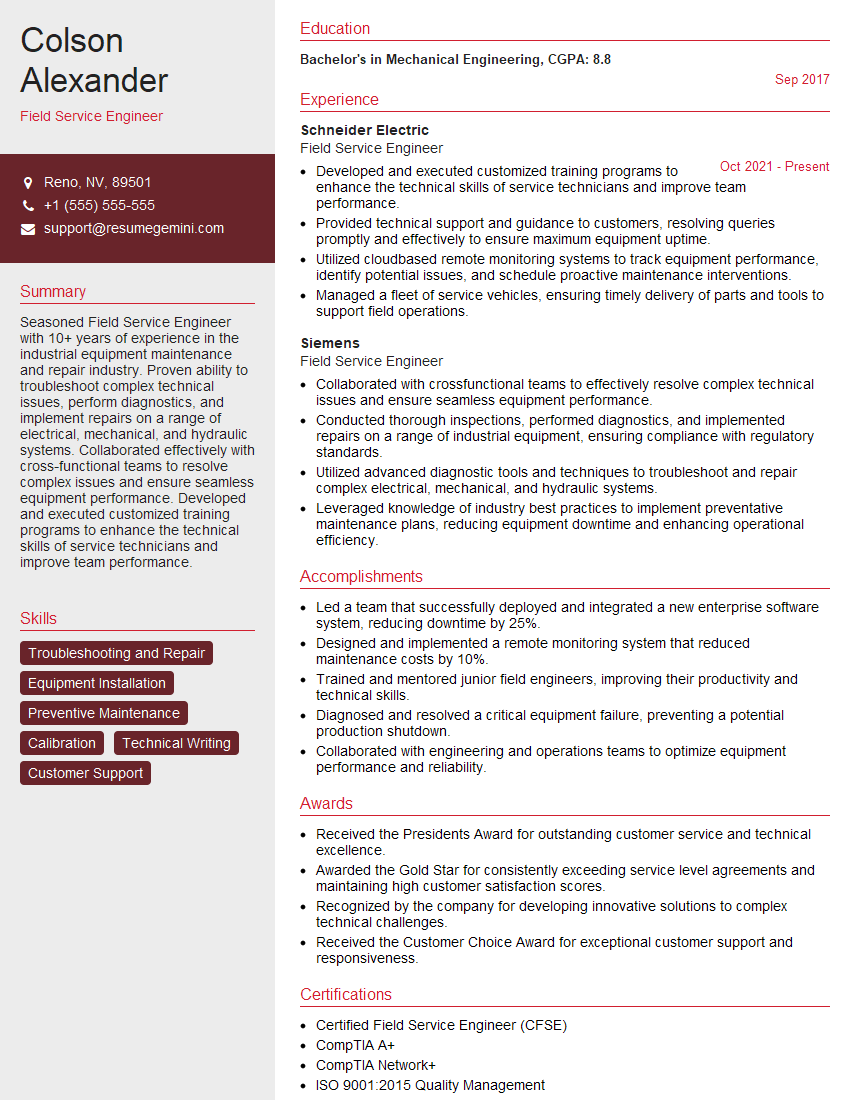
Field Service Engineer Resume Sample
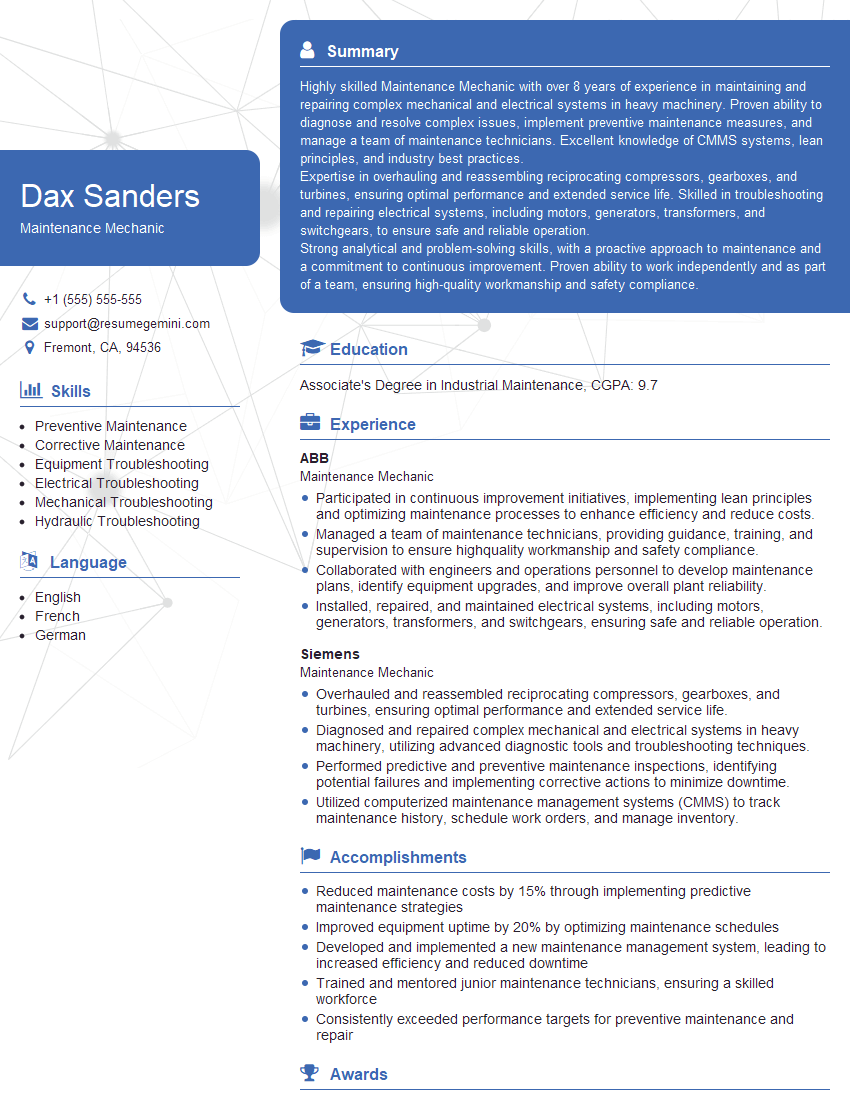
Maintenance Mechanic Resume Sample
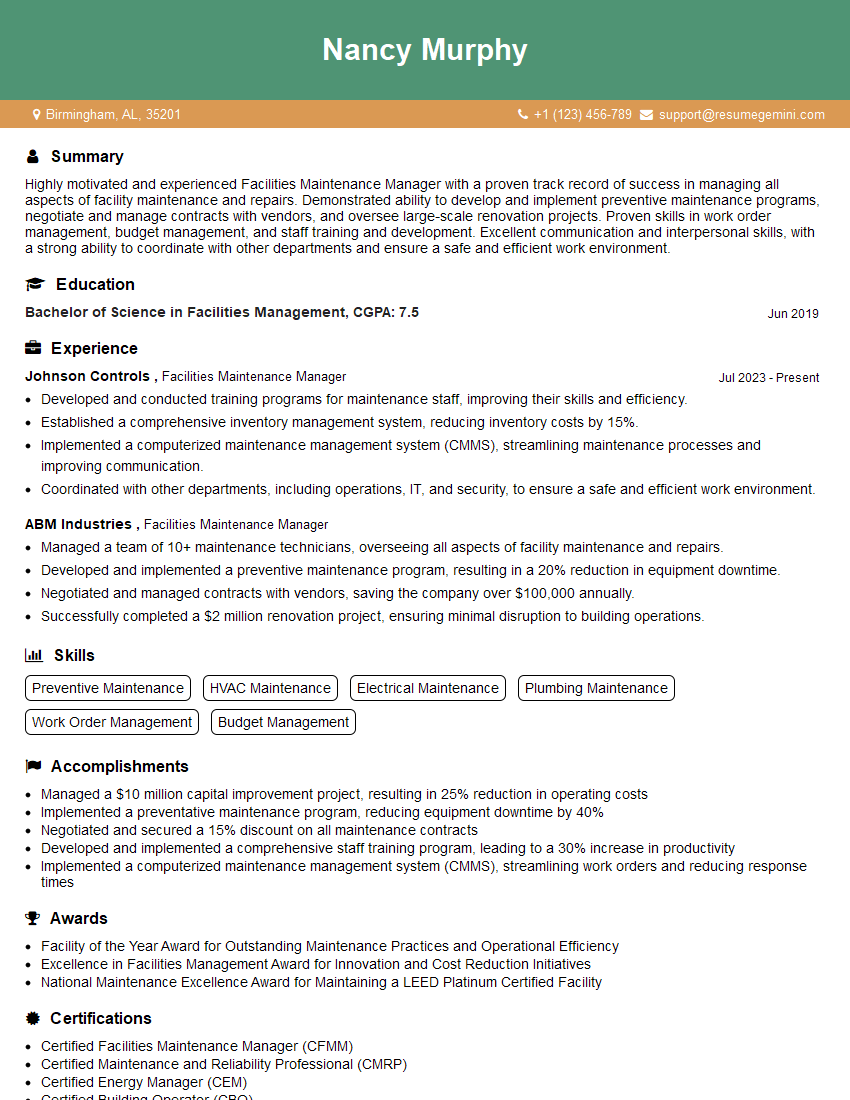
Facilities Maintenance Manager Resume Sample
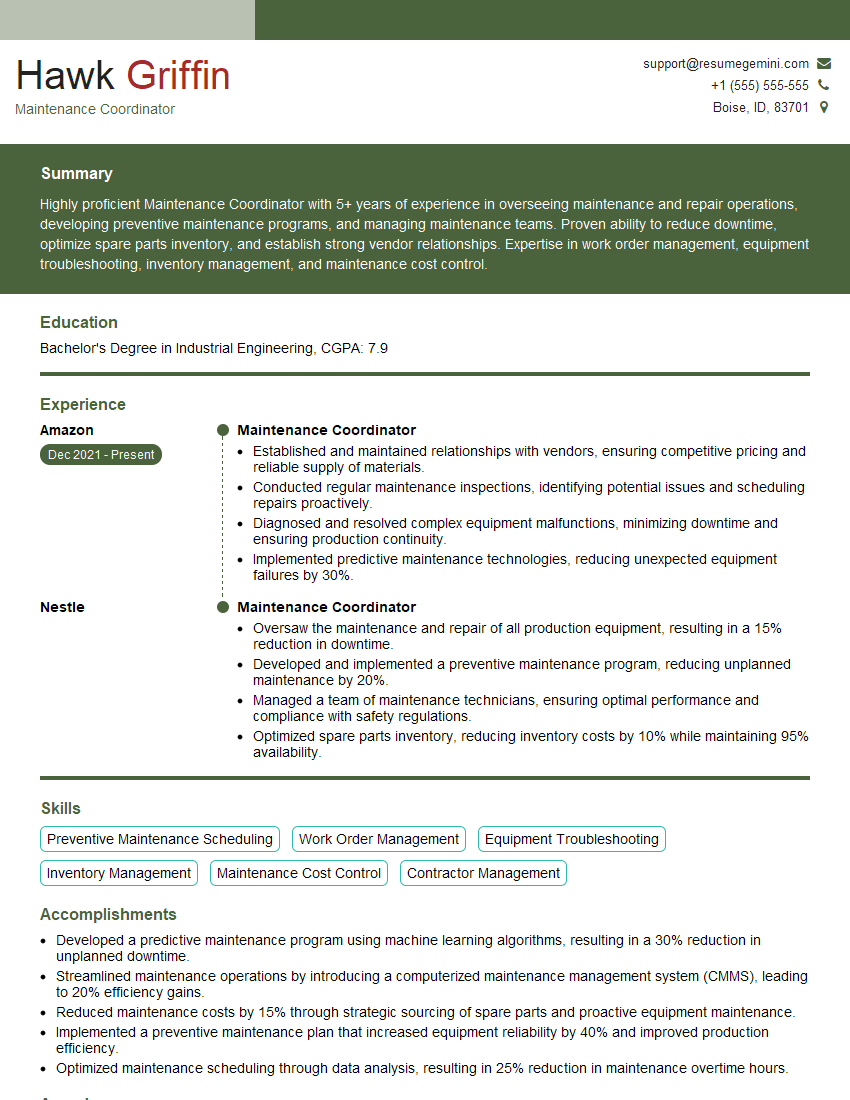
Maintenance Coordinator Resume Sample
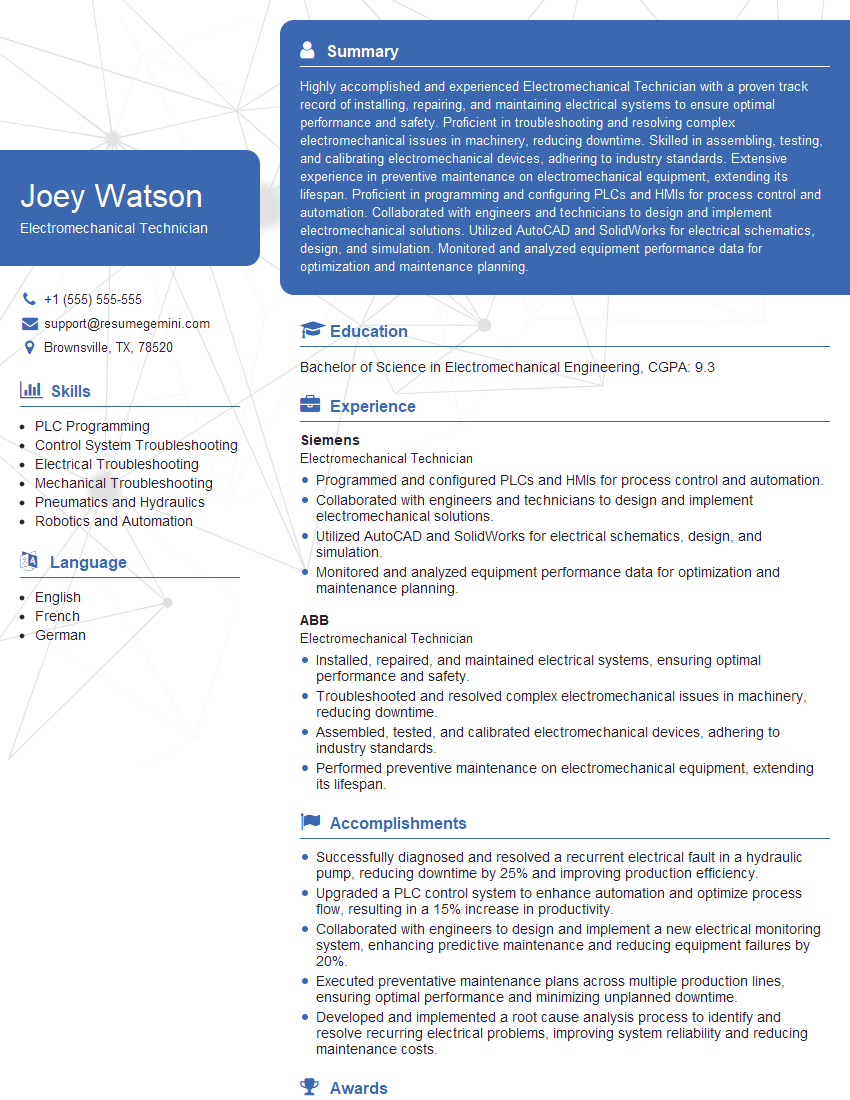
Electromechanical Technician Resume Sample
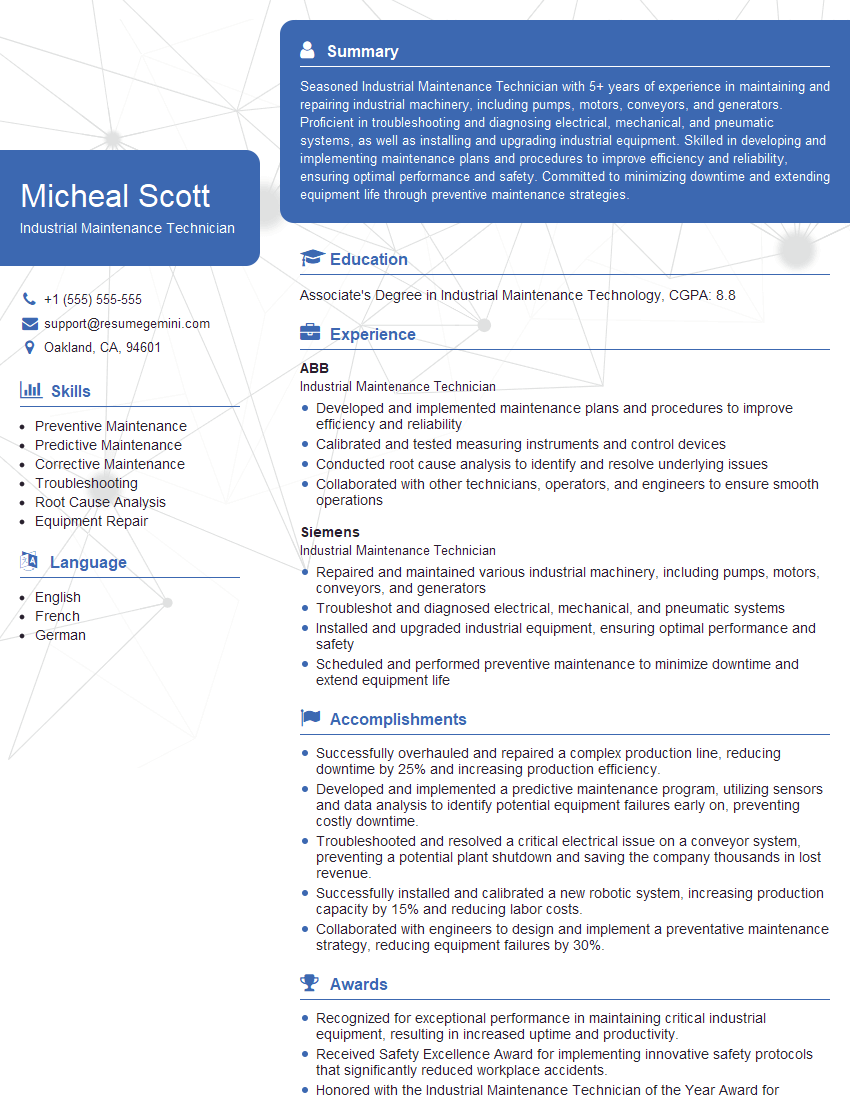
Industrial Maintenance Technician Resume Sample
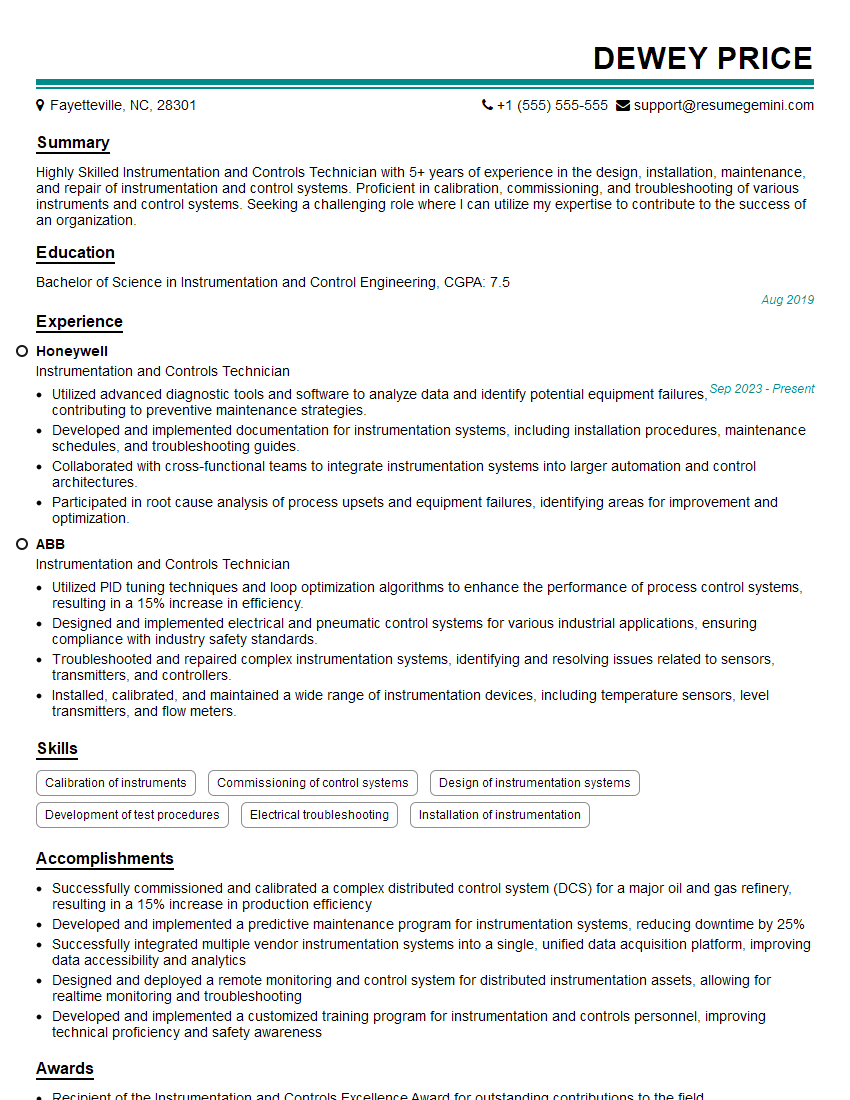
Instrumentation and Controls Technician Resume Sample
- Maintenance Superintendent
- Maintenance Planner
- Maintenance Supervisor
- Reliability Engineer
- Maintenance Technician
- Field Service Engineer
- Maintenance Mechanic
- Facilities Maintenance Manager
- Maintenance Coordinator
- Electromechanical Technician
- Industrial Maintenance Technician
- Instrumentation and Controls Technician
Explore more articles
Users Rating of Our Blogs
Share Your Experience
We value your feedback! Please rate our content and share your thoughts (optional).
What Readers Say About Our Blog
Very informative content, great job.
good