The thought of an interview can be nerve-wracking, but the right preparation can make all the difference. Explore this comprehensive guide to Printed Circuit Board (PCB) Analysis interview questions and gain the confidence you need to showcase your abilities and secure the role.
Questions Asked in Printed Circuit Board (PCB) Analysis Interview
Q 1. Explain the difference between a single-layer and multi-layer PCB.
The core difference between single-layer and multi-layer PCBs lies in the number of conductive layers. A single-layer PCB has only one layer of copper circuitry on a single substrate. Think of it like a simple, one-sided street – all the connections are on one side. This is suitable for simple circuits with low component density, like a basic LED circuit. A multi-layer PCB, on the other hand, uses multiple layers of copper circuitry separated by insulating layers, offering significantly increased design complexity and density. Imagine a multi-lane highway system – multiple signal paths can be routed without interference. This is essential for complex electronics like smartphones or high-performance computers, where space is a premium and numerous components need to be interconnected.
Multi-layer PCBs allow for more sophisticated routing and higher component density, enabling the creation of compact and complex electronic devices. The additional layers also provide better signal integrity and reduce electromagnetic interference (EMI). The choice depends entirely on the complexity of the design and the performance requirements.
Q 2. Describe different PCB material types and their applications.
PCB materials are crucial for the board’s performance and reliability. The most common substrate material is FR-4 (Flame Retardant 4), a fiberglass-epoxy composite known for its cost-effectiveness and good mechanical properties. It’s a workhorse material used in a wide range of applications. However, for high-frequency applications, high-frequency laminates like Rogers RO4000 series are preferred due to their low dielectric loss and controlled dielectric constant, leading to better signal integrity.
Polyimide-based substrates, like Kapton, offer high temperature resistance and flexibility, making them suitable for applications in harsh environments or flexible electronics. Ceramic substrates are often chosen for high-power applications due to their excellent thermal conductivity, allowing for better heat dissipation. The selection of the material depends on factors such as operating frequency, thermal requirements, cost constraints, and mechanical needs. Choosing the right substrate is key to the PCB’s success.
Q 3. What are the key considerations for high-speed PCB design?
High-speed PCB design presents unique challenges due to the increased signal frequencies. Key considerations include:
- Controlled Impedance: Maintaining a consistent impedance along the signal trace is critical to prevent signal reflections and distortions. This is typically achieved through careful trace width and spacing calculations.
- Signal Integrity: Minimizing signal degradation through noise, crosstalk, and reflections is paramount. This requires careful routing techniques, such as differential pair routing and controlled impedance.
- Layout Optimization: Strategic placement of components and traces helps minimize signal path lengths and reduce interference.
- EMI/EMC Considerations: High-speed signals can generate significant electromagnetic interference, requiring proper shielding and grounding techniques to meet regulatory standards.
- Material Selection: Choosing low-loss dielectric materials for the substrate is crucial to minimize signal attenuation and dispersion.
Ignoring these considerations can lead to signal degradation, timing errors, and overall system malfunction.
Q 4. How do you manage signal integrity challenges in PCB design?
Signal integrity challenges in PCB design are often tackled through a multifaceted approach. Effective strategies include:
- Proper Grounding and Power Plane Design: A well-designed ground plane provides a low-impedance return path for signals, minimizing noise and reducing crosstalk. Similarly, properly designed power planes help maintain stable power delivery.
- Controlled Impedance Routing: Maintaining consistent impedance along signal traces through precise trace width and spacing is essential. Simulation tools are often used to verify impedance.
- Differential Pair Routing: Routing signals in pairs, with equal and opposite signals, helps cancel out common-mode noise.
- Decoupling Capacitors: These capacitors placed close to integrated circuits (ICs) help filter out high-frequency noise on the power supply lines.
- Shielding: Enclosing sensitive circuitry within a metal shield can significantly reduce EMI and crosstalk.
- Simulation and Analysis: Utilizing simulation software like Ansys HFSS or CST Microwave Studio allows engineers to analyze and predict signal integrity issues before the PCB is manufactured.
A proactive approach to signal integrity is crucial for the reliability and performance of high-speed systems.
Q 5. Explain the concept of impedance matching and its importance.
Impedance matching ensures that the impedance of a signal transmission line (like a trace on a PCB) is matched to the impedance of the source and load. This prevents signal reflections at the junctions, ensuring maximum power transfer and minimal signal distortion. Imagine sending a wave down a rope – if the rope’s properties suddenly change, part of the wave will be reflected back. Impedance mismatch is like that sudden change in the rope’s properties.
It is especially crucial in high-frequency applications where signal reflections can severely impair data transmission. For example, in high-speed digital systems, impedance mismatch can lead to signal distortion, timing errors, and data corruption. Matching impedance is achieved through careful design of trace widths, lengths, and the use of matching networks, ensuring that the signal energy is efficiently transferred to its destination.
Q 6. What are the common causes of EMI/EMC issues in PCBs?
EMI/EMC (Electromagnetic Interference/Electromagnetic Compatibility) issues arise from unwanted electromagnetic radiation emitted by PCBs. Common causes include:
- Poor Grounding: Inadequate grounding can create loops that radiate EMI. Think of it like an antenna – any current loop will radiate.
- Uncontrolled Impedance: Mismatched impedance can lead to signal reflections that radiate EMI.
- Long Signal Traces: Long traces can act as antennas, radiating EMI.
- High-Speed Switching Circuits: Fast switching speeds generate significant EMI.
- Improper Shielding: Lack of shielding allows EMI to escape from the PCB.
- Poorly Placed Components: Poor component placement can exacerbate EMI problems.
Addressing these issues requires careful PCB layout, proper grounding techniques, and effective shielding strategies.
Q 7. How do you mitigate thermal issues in PCB design?
Thermal management is vital for the reliability and longevity of PCBs. Overheating can damage components and lead to system failure. Effective thermal mitigation strategies include:
- Heat Sinks: Attaching heat sinks to heat-generating components, like power transistors, helps dissipate heat into the ambient air.
- Thermal Vias: Copper vias connecting the top and bottom layers of a PCB can help spread heat evenly across the board.
- Copper Pouring: Adding large copper areas (pours) on the PCB acts as a heat spreader, distributing heat more uniformly.
- Thermal Pads: Providing large copper pads under heat-generating components provides a better thermal connection.
- Airflow: Ensuring adequate airflow around the PCB helps dissipate heat.
- Material Selection: Choosing materials with high thermal conductivity, such as aluminum or ceramic substrates, can improve heat dissipation.
Proper thermal management is a critical aspect of reliable PCB design.
Q 8. Describe your experience with PCB design software (e.g., Altium, Eagle, KiCad).
My PCB design experience spans over a decade, encompassing proficiency in several industry-leading software packages. I’m highly adept at Altium Designer, utilizing its advanced features for schematic capture, PCB layout, and library management. I’ve used it extensively for high-speed digital designs, incorporating complex routing and signal integrity analysis. I also possess considerable experience with Eagle, particularly for smaller projects and rapid prototyping due to its user-friendly interface and ease of learning. Finally, I’m familiar with KiCad, an open-source option that’s excellent for collaborative projects and offers a robust set of features, although it has a slightly steeper learning curve compared to Altium and Eagle.
For instance, on a recent project involving a high-frequency communication system, Altium’s advanced routing tools were crucial in minimizing signal reflections and maintaining impedance control. In contrast, I used Eagle for a quick proof-of-concept project for a low-power sensor, leveraging its simplicity to rapidly iterate through design modifications.
Q 9. What are your preferred methods for PCB design verification and validation?
My PCB design verification and validation process is meticulous and follows industry best practices. It typically involves a multi-stage approach:
- Design Rule Checks (DRC): I rigorously utilize automated DRC tools within my chosen software to identify clearance violations, trace width issues, and other design rule infringements early in the process. This prevents costly errors later on.
- Electrical Rule Checks (ERC): I employ ERC to detect potential electrical issues such as shorts, open circuits, and incorrect component connections. This helps catch potential functional problems before manufacturing.
- Simulation: For high-speed designs or those with critical timing requirements, I leverage simulation tools to verify signal integrity, analyze power distribution, and ensure timing constraints are met. This usually involves using tools like SPICE or specialized signal integrity analysis software.
- Thermal Analysis: Depending on the power dissipation of the components, I conduct thermal analysis to ensure components remain within their operating temperature range, preventing overheating and potential failures.
- Prototyping and Testing: Finally, I believe in building and testing prototypes to validate the design. This allows for identifying and correcting any unexpected issues that might not be caught through simulations alone.
This layered approach minimizes risks and helps deliver a robust and reliable PCB design.
Q 10. Explain the importance of design for manufacturing (DFM) in PCB design.
Design for Manufacturing (DFM) is paramount in PCB design. It’s about optimizing the design to ensure smooth and cost-effective manufacturing. Ignoring DFM can lead to manufacturing delays, higher costs, and potentially a non-functional product. Key aspects of DFM include:
- Component Selection: Choosing readily available and cost-effective components that are easily placed and soldered.
- Trace Width and Spacing: Ensuring adequate spacing to prevent shorts and using appropriate trace widths to manage current flow and signal integrity.
- Copper Pouring and Ground Planes: Optimizing copper pours for manufacturability and thermal management, considering factors like minimum annulus and thermal relief.
- Manufacturing Processes: Understanding the capabilities and limitations of the chosen manufacturing process (e.g., surface mount technology (SMT), through-hole technology (THT), or a combination thereof).
- Assembly Considerations: Considering the ease of assembly, including component placement, accessibility for soldering, and avoidance of component shadows.
For instance, specifying a component with a lead spacing that’s too close for the chosen assembly technique can lead to rejects, necessitating revisions and added expenses. DFM helps prevent these situations through proactive planning.
Q 11. How do you handle design changes during the PCB development process?
Design changes are inevitable during the PCB development process. A well-structured approach is critical to manage them effectively. My strategy typically involves:
- Change Control Process: Implementing a formal change control process where all design modifications are documented, reviewed, and approved. This prevents accidental oversights and maintains design integrity.
- Version Control: Utilizing version control systems to track all design iterations. This allows for easy rollback to previous versions if needed and facilitates collaboration among team members.
- Impact Analysis: Carefully assessing the impact of any design change on other aspects of the design. This prevents unintended consequences and ensures compatibility with other components and systems.
- Redesign and Verification: After implementing a change, I thoroughly re-verify the design using DRC, ERC, and simulations to ensure the change didn’t introduce any new issues.
- Communication: Maintaining clear and open communication with stakeholders throughout the change process to keep them informed of the progress and any potential impacts.
For example, if a component needs to be replaced, I meticulously check its datasheet to ensure compatibility with the existing design and then perform a complete re-verification of the affected areas. Transparency and organized documentation are key.
Q 12. Describe your experience with different PCB manufacturing processes.
My experience encompasses various PCB manufacturing processes, including:
- Surface Mount Technology (SMT): This is the most prevalent method for modern PCBs, using surface-mounted components that are soldered onto the surface of the board. I’m familiar with the different SMT assembly techniques, including reflow soldering and selective soldering.
- Through-Hole Technology (THT): This older method uses components with leads that are inserted through holes in the board and soldered on the other side. While less common now, it’s still relevant for certain applications.
- Mixed Technology (SMT & THT): Many PCBs use a combination of SMT and THT components. I’m experienced in designing for both simultaneously, considering the different assembly requirements.
- High-Density Interconnect (HDI): I’ve worked with HDI PCBs, which allow for higher component density and smaller trace widths, leading to miniaturized designs. This requires a careful understanding of the limitations of the manufacturing process.
Understanding these manufacturing processes enables me to design PCBs that are both functional and manufacturable, minimizing potential assembly problems and cost overruns. For example, I would avoid using very small components on a low-cost, high-volume manufacturing run as they would increase the risk of assembly failure.
Q 13. How do you troubleshoot PCB assembly issues?
Troubleshooting PCB assembly issues requires a systematic approach. My method typically involves:
- Visual Inspection: Carefully examining the PCB for any obvious issues such as missing components, shorts, solder bridges, or damaged components.
- Continuity Testing: Using a multimeter to check for continuity between components and traces to identify open circuits or shorts.
- Component Testing: Testing individual components to ensure they are functioning correctly. This might involve using specialized testing equipment depending on the component.
- Signal Tracing: Using an oscilloscope or logic analyzer to trace signals and identify any unexpected behavior or signal integrity issues.
- Root Cause Analysis: Once the issue is identified, a thorough root cause analysis is performed to determine the underlying cause and prevent similar issues in the future.
For example, if a section of the board isn’t functioning, I might start by visually inspecting the area, followed by continuity tests to check if there are any shorts or open circuits. If the problem is more subtle, then signal tracing might be needed to pinpoint the fault.
Q 14. Explain the concept of controlled impedance and how it’s achieved.
Controlled impedance is crucial for high-speed digital circuits to ensure signal integrity. It refers to maintaining a consistent characteristic impedance along a transmission line (typically a trace on a PCB). Variations in impedance can lead to signal reflections, signal distortion, and ultimately, malfunction.
Controlled impedance is achieved through precise control of:
- Trace Width: The width of the trace directly impacts impedance.
- Trace Thickness: The thickness of the copper layer also influences impedance.
- Dielectric Constant (Dk): The material between the trace and the reference plane (usually the ground plane) affects the impedance.
- Trace-to-Plane Distance: The distance between the trace and the reference plane significantly impacts impedance.
These parameters are carefully calculated and controlled during the PCB design process, often using specialized PCB design software that incorporates impedance calculation tools. Achieving controlled impedance might involve adjusting trace width and spacing or selecting specific PCB materials. For example, in high-speed designs, special materials with a controlled dielectric constant might be required to ensure consistent impedance, and the design may need to incorporate controlled impedance planes.
Q 15. What are the different types of connectors used in PCB design?
PCBs utilize a wide array of connectors, each chosen based on factors like signal type, speed, density, and environmental conditions. Think of them as the ‘ports’ of your electronic device, allowing communication and power transfer. They range from simple through-hole types to complex high-speed interfaces.
- Through-Hole Connectors: These are soldered directly through the PCB, ideal for simple connections and applications with lower density. Examples include screw terminals, commonly used in power supplies, and DIP (Dual In-line Package) connectors, often seen in older electronics.
- Surface Mount Connectors: These connectors are soldered onto the surface of the PCB, allowing for higher density and smaller form factors. Common examples include various types of edge connectors, often found in laptops and smartphones, and smaller, high-density connectors like QSFP (Quad Small Form-factor Pluggable) for high-speed data transmission.
- Board-to-Board Connectors: These facilitate communication between two PCBs, useful in multi-board systems. These can be through-hole or surface mount. Examples include stacked connectors and right-angle connectors, optimizing space and connection.
- Specialized Connectors: This category encompasses connectors tailored for specific applications, such as USB, HDMI, Ethernet, and various RF connectors. The choice depends entirely on the device’s interface requirements.
For instance, when designing a high-speed data acquisition system, I would carefully select high-speed surface mount connectors to minimize signal interference and ensure data integrity. In contrast, a low-cost, low-power device might use simple through-hole connectors to reduce manufacturing complexity.
Career Expert Tips:
- Ace those interviews! Prepare effectively by reviewing the Top 50 Most Common Interview Questions on ResumeGemini.
- Navigate your job search with confidence! Explore a wide range of Career Tips on ResumeGemini. Learn about common challenges and recommendations to overcome them.
- Craft the perfect resume! Master the Art of Resume Writing with ResumeGemini’s guide. Showcase your unique qualifications and achievements effectively.
- Don’t miss out on holiday savings! Build your dream resume with ResumeGemini’s ATS optimized templates.
Q 16. How do you choose the appropriate PCB trace width for a given application?
Choosing the correct PCB trace width is crucial for signal integrity and power delivery. Too thin, and you risk high resistance leading to signal attenuation or excessive voltage drop; too wide, and you waste space and potentially increase EMI. The selection depends on several factors including current carrying capacity, signal frequency, and impedance requirements.
The process typically involves using a trace width calculator or PCB design software that considers material properties (copper weight, dielectric constant) and desired impedance. For high-frequency signals, controlled impedance is essential. Think of it like choosing the right size pipe for water flow – too narrow, and you get low flow rate; too wide, and you waste material.
For example, a high-current power trace might need a width of 10 mils or more, while a low-speed signal trace might only require 5 mils or less. Furthermore, at higher frequencies, trace width becomes even more critical for maintaining signal integrity. A high-speed differential pair, for instance, might require specific widths and spacing to control impedance, which is often around 50 ohms.
Example: A 10A trace in a 1oz copper PCB might need a width of approximately 10 mils, considering appropriate safety factors and derating.Q 17. What are the different types of PCB routing techniques?
PCB routing techniques are the methods used to connect the various components on a board. Selecting the right technique impacts signal integrity, EMI, and overall board performance. It’s like planning the roads in a city – you need efficient routes with minimal congestion.
- Auto-Routing: Software automatically routes traces based on specified constraints. It’s fast but might not be optimal for complex boards, especially high-speed designs.
- Manual Routing: An engineer manually places and routes traces. This provides better control over signal integrity but is time-consuming and requires expert knowledge.
- Constraint-Based Routing: A mix of auto and manual. The designer sets constraints (length matching, impedance control, layer assignments), and the software routes within these limits. This balances speed and control.
- Layer Stack Routing: Careful consideration of signal layer assignment for optimal performance. High-speed signals should be routed on inner layers to reduce EMI.
In a high-speed design, I’d use constraint-based routing to meticulously control impedance and trace length. For a simpler board, auto-routing with manual adjustments might suffice. The layer stack is crucial – keeping high-speed signals on inner layers shielded from noise is fundamental for optimal performance.
Q 18. Explain the concept of power plane design and its importance.
Power plane design is the creation of continuous copper planes (typically on inner layers) to distribute power efficiently and minimize noise. Think of it as the electrical ‘highway’ for your device. It’s crucial for stability and performance, especially in high-power or high-speed applications.
Poor power plane design can lead to voltage fluctuations, signal integrity issues, and increased EMI. Key aspects include:
- Plane Size and Shape: Sufficient area for current distribution and minimizing current density.
- Decoupling Capacitors: Placed strategically between power and ground planes to filter out noise and stabilize voltage. They act like tiny reservoirs, smoothing out current fluctuations.
- Plane Segmentation: Breaking large planes into smaller sections can reduce loop areas and improve impedance.
- Via Placement: Carefully placed vias create connections between planes and components, ensuring proper power delivery.
For instance, a high-power application like a switching power supply requires extensive planning to handle large currents, employing thick copper planes and strategically placed vias to minimize voltage drop and heat generation.
Q 19. How do you ensure proper grounding in a PCB design?
Proper grounding is paramount for signal integrity, noise reduction, and overall system reliability. It’s the foundation upon which the entire electrical system operates, like the ground wire in your house’s electrical system.
Effective grounding strategies include:
- Single-Point Grounding: Connecting all ground points to a single, central point. This minimizes ground loops and reduces noise. It’s the preferred method for most designs.
- Ground Planes: Solid copper planes (frequently on inner layers) provide a low-impedance path for ground currents.
- Grounding Vias: Connecting ground planes to component pins and other ground points. Carefully placed vias ensure effective grounding.
- Avoid Ground Loops: Multiple ground paths can create loops which act as antennas, picking up noise. Careful design minimizes these loops.
In a sensitive analog circuit, for example, I would employ a large ground plane on an inner layer with numerous vias to component pins. High-speed digital circuitry benefits from careful placement of vias and meticulous management of ground loops to avoid interference.
Q 20. What are your experiences with different PCB simulation tools?
I have extensive experience with various PCB simulation tools, each offering unique strengths and weaknesses. The choice depends on the project’s complexity and specific needs.
- Altium Designer: A comprehensive suite with powerful simulation capabilities for signal integrity, power integrity, and thermal analysis. I use this frequently for complex, high-speed designs.
- Cadence Allegro: Another industry-standard tool with similar capabilities to Altium. I’ve used this for large, complex projects.
- Mentor Graphics PADS: A robust and versatile tool, particularly useful for mixed-signal designs. I’ve employed it for various projects requiring both analog and digital simulations.
- ANSYS HFSS: A powerful electromagnetic simulation tool, particularly useful for high-frequency applications, like antenna design, where accurate modelling of electromagnetic fields is crucial.
My workflow typically involves using these tools to perform simulations at various stages of the design process – from initial feasibility studies to detailed signal integrity analysis. This iterative approach helps identify and resolve potential problems early in the design cycle, avoiding costly revisions later.
Q 21. Describe your understanding of PCB stackup design.
PCB stackup design refers to the arrangement of layers in a multi-layer PCB. This is a crucial aspect of high-speed and complex designs. It’s like planning the structure of a building – the foundation (ground planes) and the arrangement of floors (signal layers) are essential.
Key considerations include:
- Layer Count: Depends on the complexity of the design and the need for signal layer separation. More layers allow for better routing and signal integrity.
- Material Selection: Dielectric materials (e.g., FR4, Rogers) impact impedance and signal propagation. The choice depends on signal speed and frequency.
- Layer Assignment: Strategic placement of power planes, ground planes, and signal layers to minimize EMI, crosstalk, and impedance mismatch. High-speed signals are usually kept on inner layers.
- Prepreg Thickness: The thickness of the material between the layers impacts impedance and affects overall board thickness.
A poorly designed stackup can lead to significant signal integrity issues, especially in high-speed designs. For example, a high-speed differential pair requires careful layer selection and controlled impedance to ensure signal quality. Proper stackup design, coupled with simulation, is crucial for preventing costly design revisions.
Q 22. Explain the significance of using design rules in PCB layout.
Design rules in PCB layout are the cornerstone of a successful and reliable design. They’re essentially a set of constraints that dictate the minimum and maximum clearances, widths, and other physical parameters for various components and traces on the board. Think of them as the traffic laws of your PCB, ensuring everything runs smoothly and avoids collisions. Without them, you risk short circuits, signal interference, and manufacturing problems.
- Trace Widths: Determined by the current carrying capacity and signal integrity requirements. Too thin, and the trace might overheat; too wide, and it wastes space and adds cost.
- Clearances: Define the minimum distance between traces, components, and other board features. Insufficient clearance can lead to shorts or undesired capacitive coupling.
- Drill Sizes: Specify the diameter of holes for mounting components and vias (connections between layers). Improper drill sizes can result in weak connections or damage to the board.
- Pad Sizes: Determine the size of the contact areas for components. Too small, and you risk solder bridging; too large, and you waste space.
For example, a high-speed digital design would have stricter rules for trace widths and clearances to minimize signal reflections and crosstalk, compared to a low-frequency analog design.
Q 23. How do you perform signal integrity analysis?
Signal integrity analysis is crucial for ensuring that signals reach their destinations without significant distortion or degradation. It involves analyzing several key parameters like reflections, crosstalk, and impedance matching. Imagine a highway – we want our data ‘cars’ to travel smoothly and reach their destination on time, without collisions or delays.
My approach involves using simulation tools like Altium Designer’s HyperLynx or Keysight ADS. These tools allow me to model the PCB layout, and apply simulations to analyze the signals’ behavior at different frequencies. Key steps include:
- Defining the signal characteristics: This includes rise and fall times, frequency, and amplitude.
- Modeling the PCB: This involves creating a detailed 3D model of the board, including traces, components, and dielectric layers.
- Running simulations: Various simulations are run, including time-domain and frequency-domain analysis to identify potential issues.
- Analyzing results: The simulation results help to identify areas of potential signal degradation, such as reflections, crosstalk, and impedance mismatches.
- Iterative design refinement: Based on the analysis, I make necessary modifications to the PCB layout, such as adjusting trace widths, adding termination resistors, or using controlled impedance techniques.
For instance, a recent project involved analyzing high-speed serial links. Simulation revealed significant reflections due to impedance mismatches. By adjusting the trace widths and adding termination resistors, I successfully improved signal integrity and ensured reliable data transmission.
Q 24. What are the common challenges in high-frequency PCB design?
High-frequency PCB design presents unique challenges due to the shorter wavelengths involved. These shorter wavelengths lead to increased susceptibility to signal reflections, crosstalk, and electromagnetic interference (EMI).
- Signal Reflections: Impedance mismatches along the signal path cause reflections, which can distort or delay the signal. Controlling impedance through careful trace design and controlled impedance structures is crucial.
- Crosstalk: Unwanted coupling between adjacent signals can lead to data corruption. This is mitigated through proper spacing and shielding techniques.
- EMI/EMC: High-frequency signals can radiate electromagnetic energy, causing interference with other circuits. Shielding, grounding, and proper layout techniques are vital to minimize EMI.
- Manufacturing tolerances: At high frequencies, even small manufacturing variations can significantly impact signal integrity. Therefore, stringent design rules and careful component selection are essential.
One example is designing a PCB for a 5G cellular base station. The high frequencies used require very precise control of impedance and careful management of signal paths to prevent unwanted reflections and crosstalk, which can lead to signal degradation and connection failures.
Q 25. Describe your experience with thermal analysis of PCBs.
Thermal analysis is critical for ensuring the reliable operation and longevity of PCBs, especially those with high-power components. Overheating can lead to component failures, reduced performance, and even fires. I typically use thermal simulation software, such as ANSYS Icepak or FloTHERM.
My process begins with creating a 3D model of the PCB and its surrounding environment, including components, heat sinks, and airflow. I then define material properties and power dissipation for each component. The software then solves the heat transfer equations to predict the temperature distribution on the board. I analyze the results to identify potential hotspots and areas of concern.
For example, in a project involving a power supply design, thermal analysis revealed a potential hotspot on a power MOSFET. By adding a heatsink and improving airflow, I was able to reduce the temperature and ensure reliable operation. This iterative process of simulation and design refinement allows for proactive mitigation of thermal risks.
Q 26. How do you ensure the reliability of a PCB design?
Ensuring PCB reliability requires a multifaceted approach, starting from the initial design phase and extending through manufacturing and testing. It’s about building a robust system that can withstand the stresses of operation and environmental factors.
- Robust Design: Using appropriate design rules and simulations (signal integrity, thermal, and power integrity) to minimize risks.
- Component Selection: Choosing high-quality, reliable components with appropriate temperature ratings and operating ranges.
- Manufacturing Considerations: Collaborating closely with manufacturers to ensure the PCB is built to specifications and incorporates appropriate quality controls.
- Environmental Testing: Subjected the design to environmental stress tests like temperature cycling, vibration, and humidity to simulate real-world conditions and identify weaknesses.
- Derating Components: Components are operated well below their maximum ratings to provide additional safety margin.
For instance, in a medical device application, reliability is paramount. We implemented rigorous design rules, utilized stringent component screening, and conducted extensive environmental testing to ensure the PCB could operate safely and reliably in demanding clinical settings.
Q 27. What are your methods for documenting PCB design specifications?
Thorough documentation is essential for effective communication, collaboration, and future maintenance. My approach to documenting PCB design specifications involves a combination of written documentation and schematic capture.
- Schematic Diagrams: Detailed schematics capturing all components, their connections, and design parameters.
- PCB Layout Files: The PCB layout files (e.g., Gerber files) are the blueprint for manufacturing. These files must be accurately documented and version-controlled.
- Bill of Materials (BOM): A comprehensive list of all components, their specifications, and part numbers.
- Design Specifications Document: A document outlining the design requirements, such as performance specifications, environmental conditions, and regulatory compliance information.
- Test Procedures and Results: A record of all tests conducted during the design and verification process, including results and analysis.
Using a version control system like Git is crucial for tracking changes and maintaining a history of the design. This collaborative approach helps ensure that everyone involved is working with the most up-to-date information.
Q 28. Explain your experience with PCB testing and debug techniques.
PCB testing and debugging are iterative processes that often involve multiple techniques. I use a combination of in-circuit testing (ICT), functional testing, and signal analysis techniques to identify and resolve issues.
- In-Circuit Testing (ICT): This automated test verifies the connectivity between components on the PCB. It’s useful for detecting shorts, opens, and incorrect component placements.
- Functional Testing: This involves applying inputs and measuring outputs to verify that the PCB functions as intended. This may include using oscilloscopes, logic analyzers, and other test equipment.
- Signal Analysis: Using tools like oscilloscopes and spectrum analyzers to examine signal waveforms and identify issues such as noise, reflections, and crosstalk.
- Debugging Tools: Logic probes, multimeters, and current probes assist in isolating faulty components or connections.
A recent project involved a faulty sensor reading. Through systematic functional testing and signal analysis using an oscilloscope, I traced the problem to a faulty solder joint on the sensor connection. Re-soldering resolved the issue, highlighting the importance of meticulous testing and debugging techniques.
Key Topics to Learn for Printed Circuit Board (PCB) Analysis Interview
- Signal Integrity Analysis: Understanding signal propagation, reflections, crosstalk, and impedance matching. Practical application: Troubleshooting signal integrity issues in high-speed designs.
- Power Integrity Analysis: Analyzing power distribution networks (PDNs) for voltage drops, noise, and stability. Practical application: Designing robust and efficient power delivery systems.
- Thermal Analysis: Assessing heat generation and dissipation in PCBs to prevent overheating and component failure. Practical application: Optimizing PCB layout for thermal management.
- EMI/EMC Compliance: Understanding electromagnetic interference and electromagnetic compatibility standards and techniques for mitigation. Practical application: Designing PCBs that meet regulatory requirements.
- PCB Design Rules and Constraints: Familiarity with design rules checking (DRC) and design for manufacturing (DFM) best practices. Practical application: Ensuring manufacturability and reliability of the PCB design.
- Simulation and Modeling Techniques: Proficiency in using simulation software (e.g., SPICE, HFSS) to analyze PCB performance. Practical application: Predicting and optimizing PCB behavior before manufacturing.
- Failure Analysis Techniques: Understanding root cause analysis methods for identifying and resolving PCB failures. Practical application: Troubleshooting and debugging PCB issues in production environments.
Next Steps
Mastering Printed Circuit Board (PCB) Analysis is crucial for career advancement in electronics engineering, opening doors to specialized roles and higher earning potential. A strong resume is your key to unlocking these opportunities. Crafting an ATS-friendly resume is essential for getting your application noticed. ResumeGemini can help you build a professional and impactful resume tailored to the PCB Analysis field. Take advantage of their resume examples specifically designed for PCB Analysis professionals to showcase your skills and experience effectively.
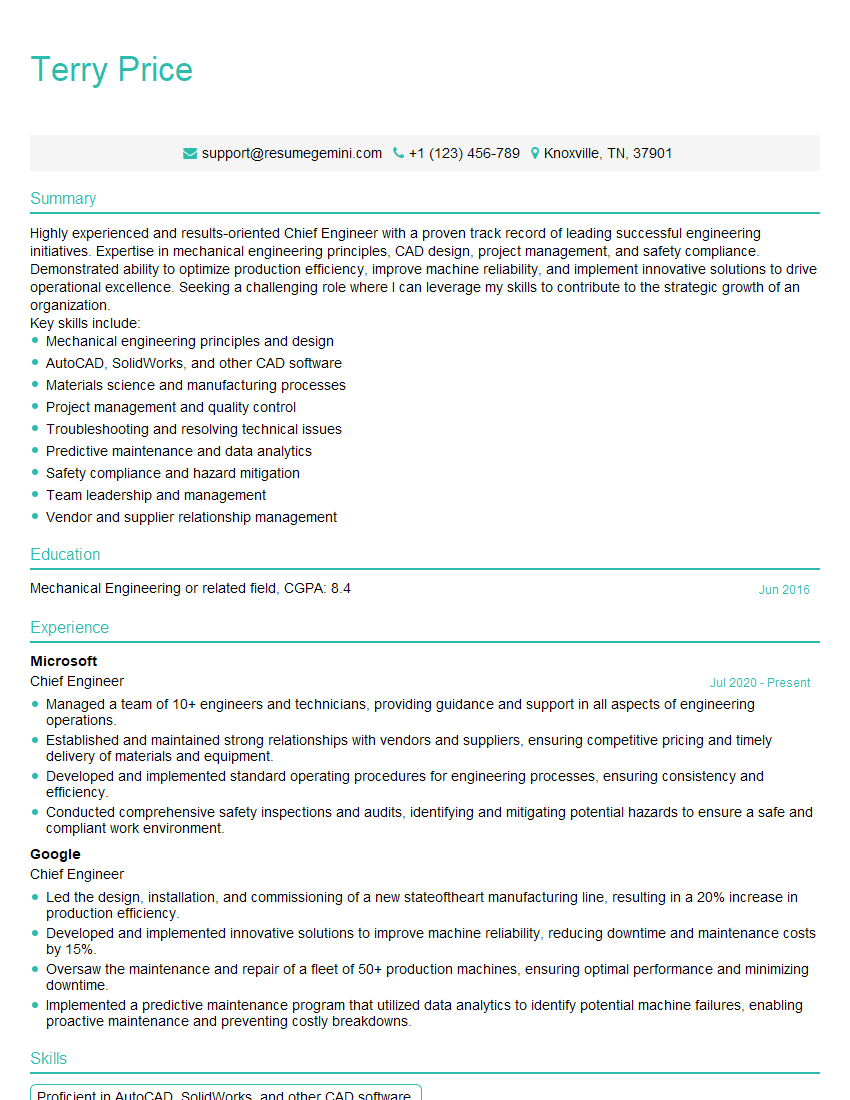
Chief Engineer Resume Sample
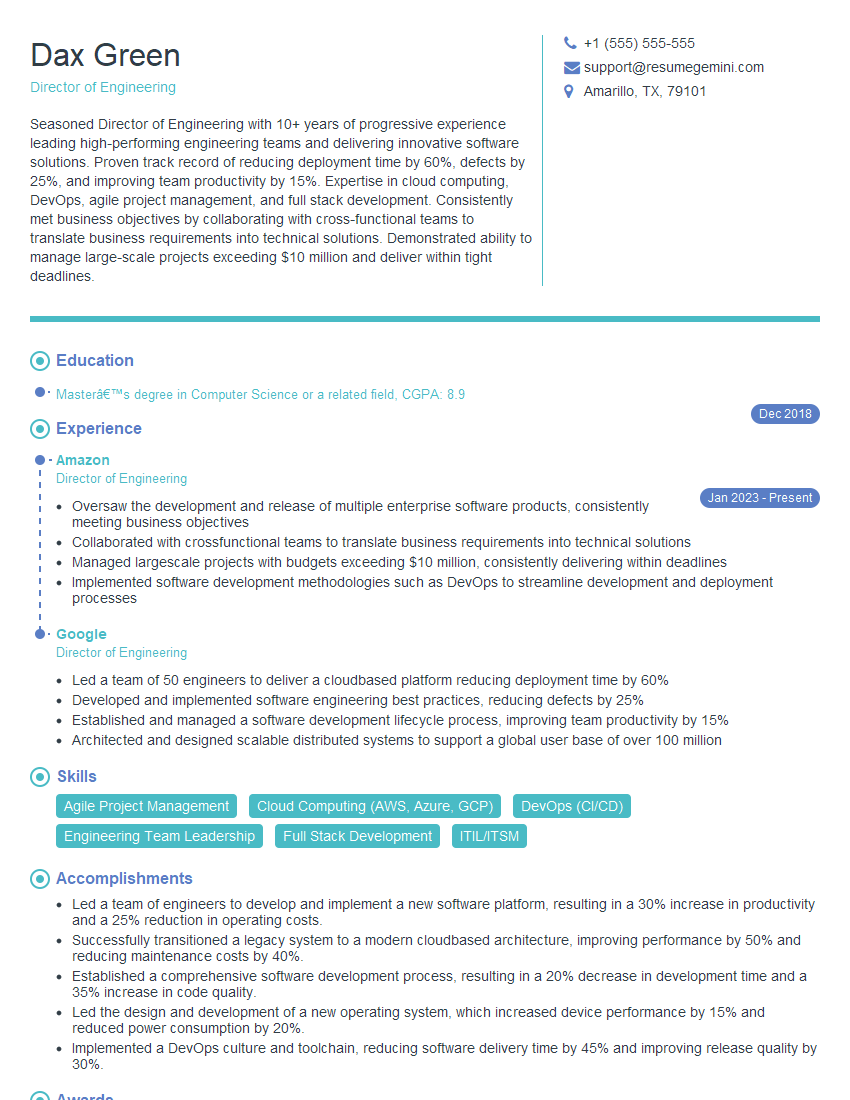
Director of Engineering Resume Sample
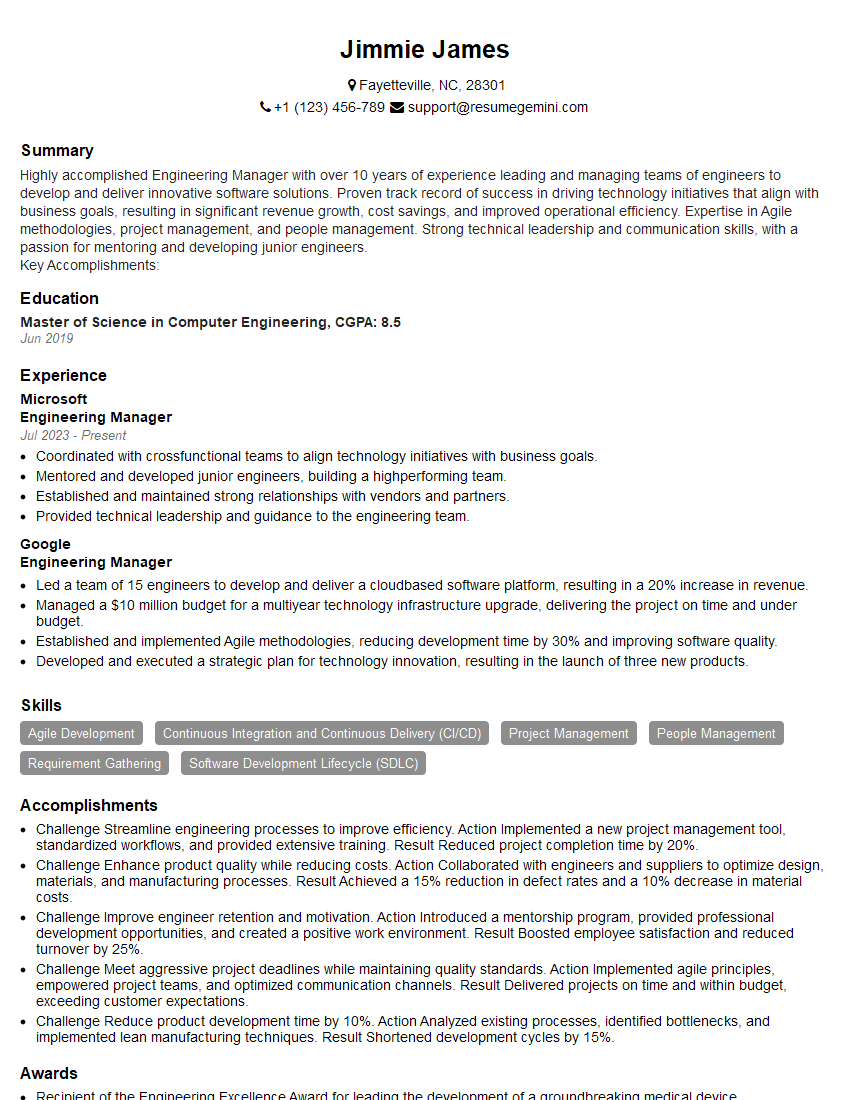
Engineering Manager Resume Sample
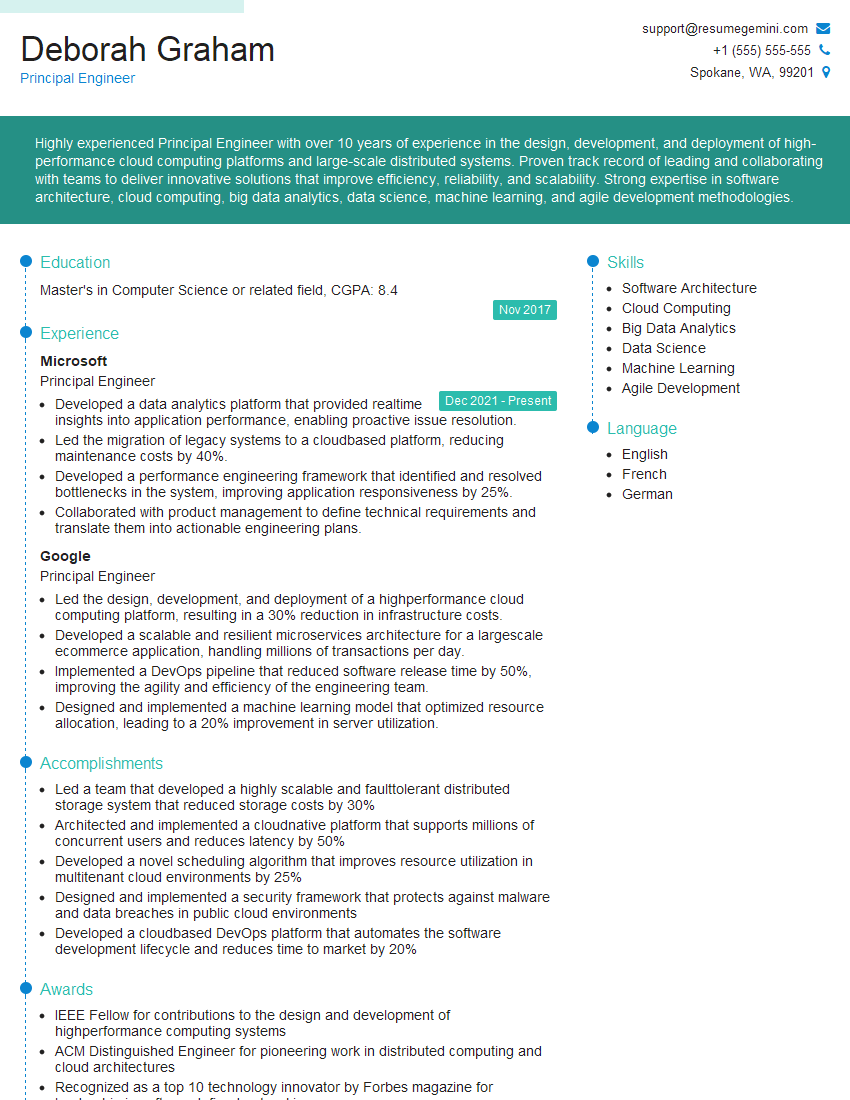
Principal Engineer Resume Sample
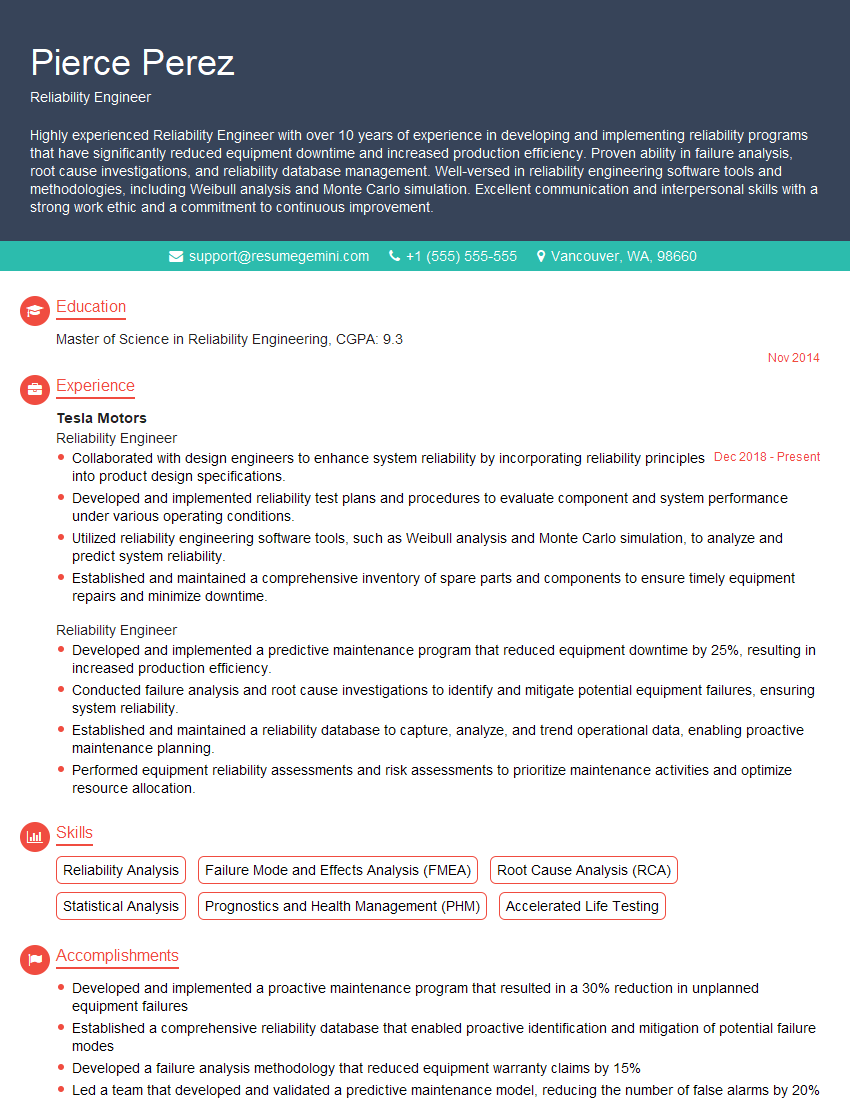
Reliability Engineer Resume Sample
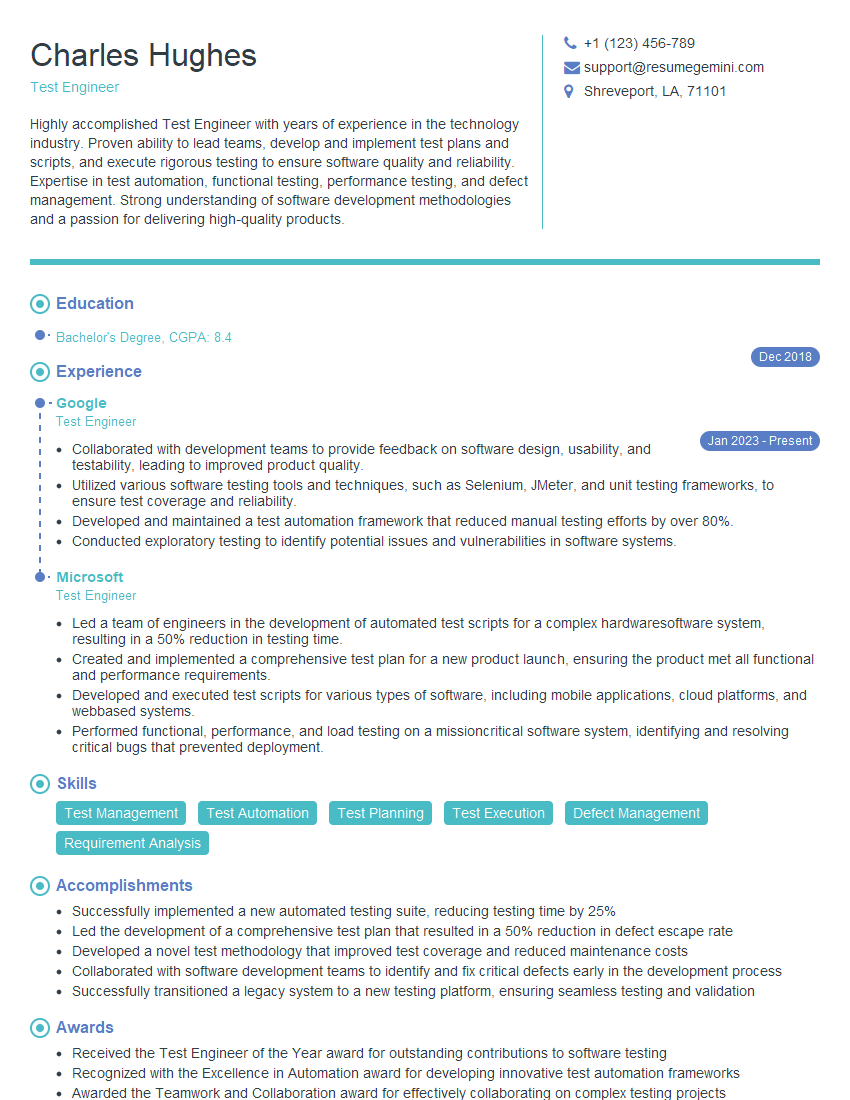
Test Engineer Resume Sample
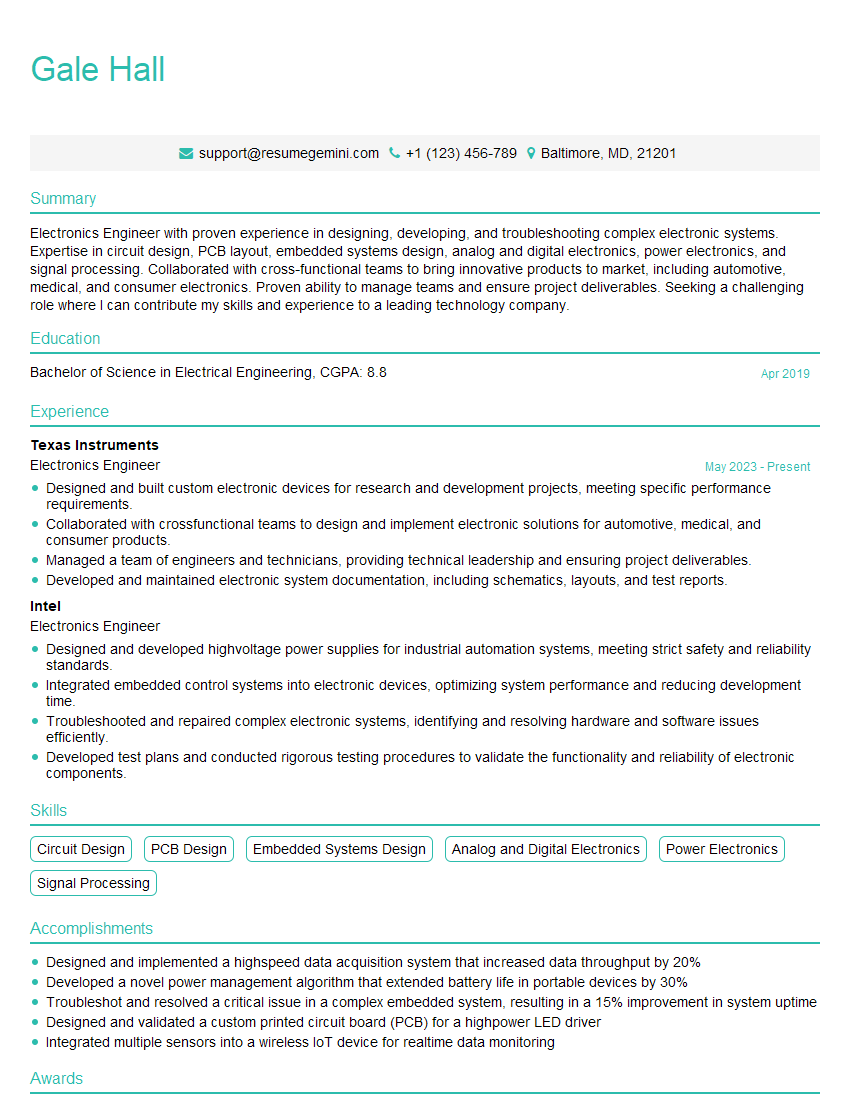
Electronics Engineer Resume Sample

Hardware Engineer Resume Sample
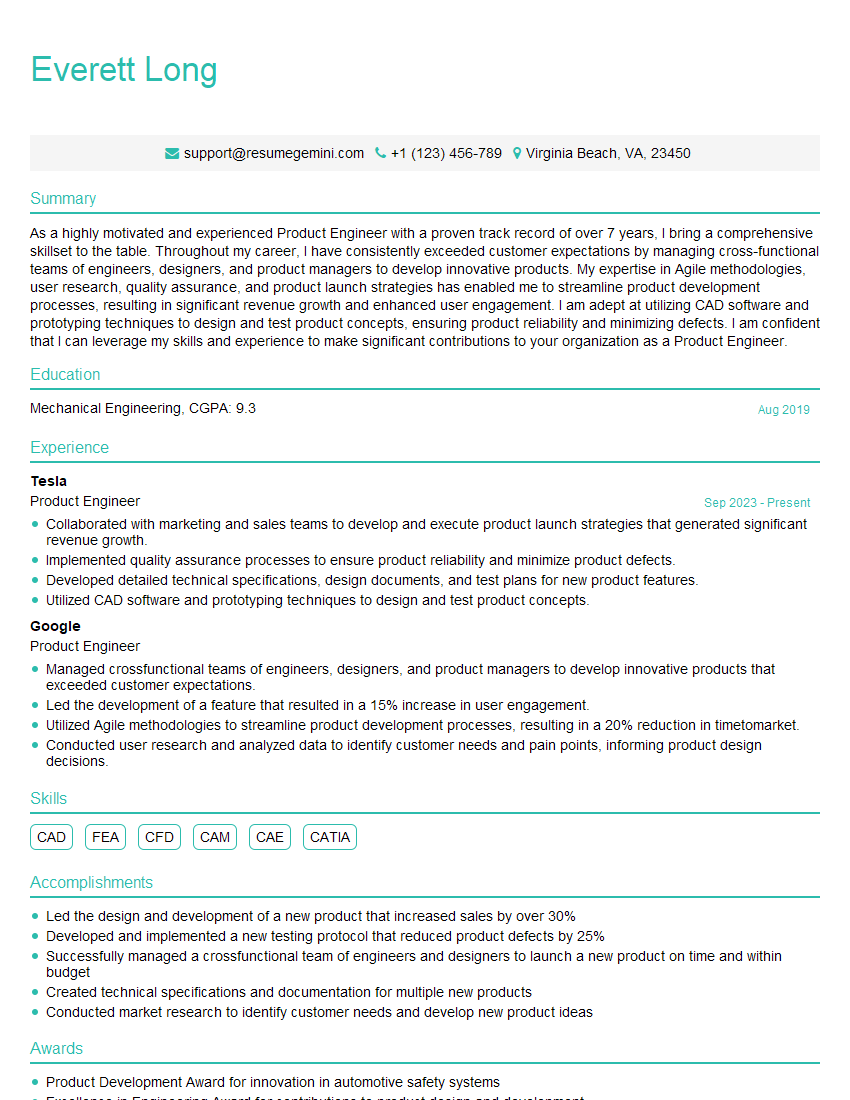
Product Engineer Resume Sample
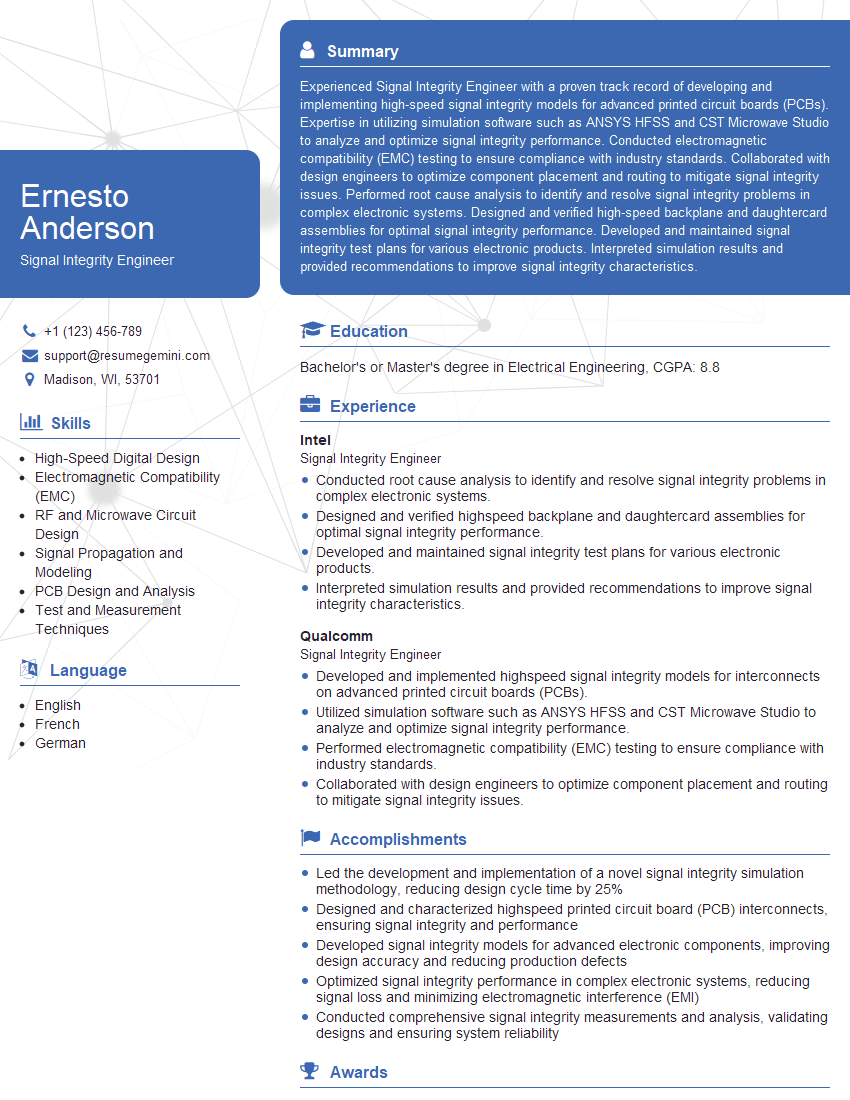
Signal Integrity Engineer Resume Sample
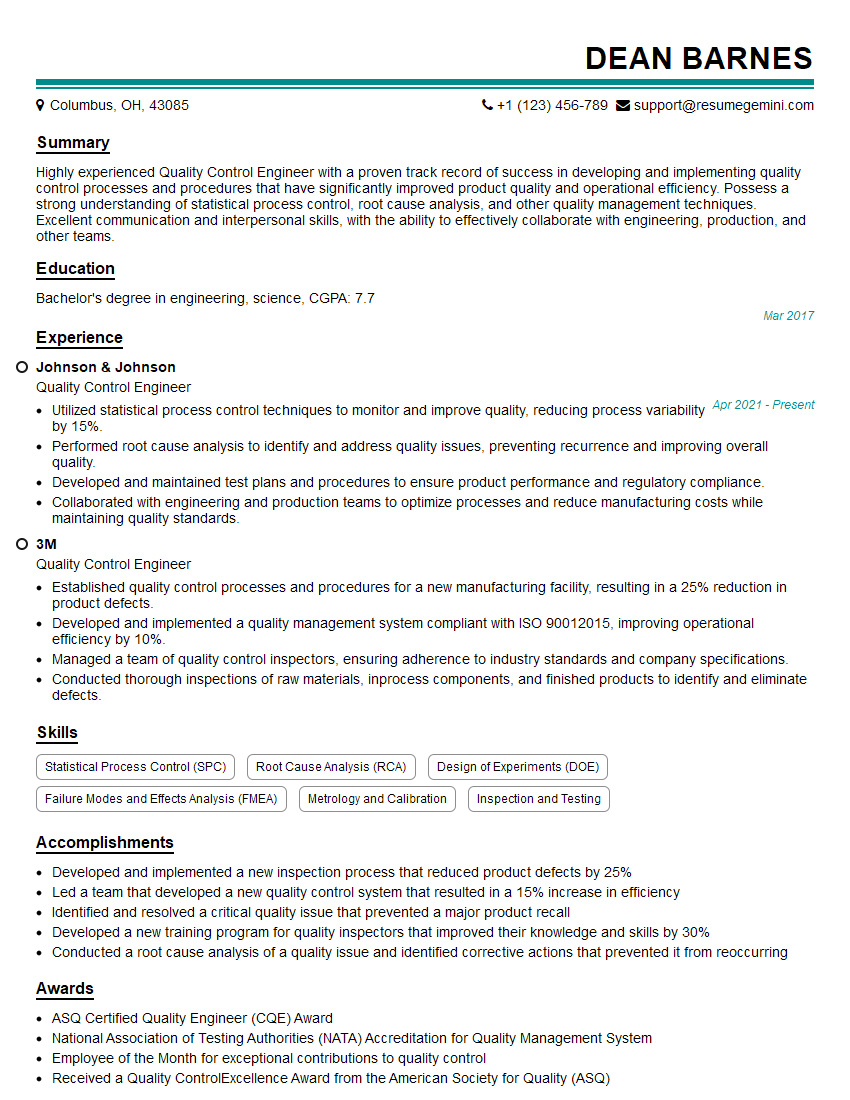
Quality Control Engineer Resume Sample
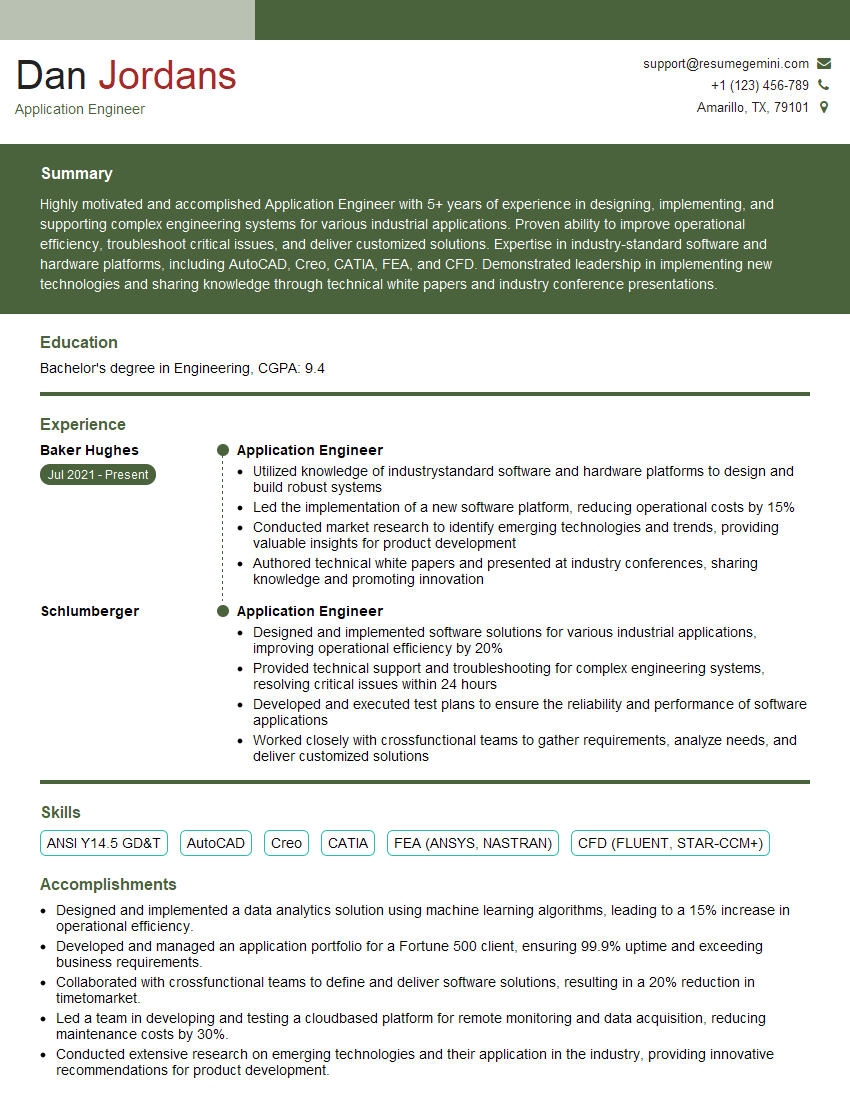
Application Engineer Resume Sample
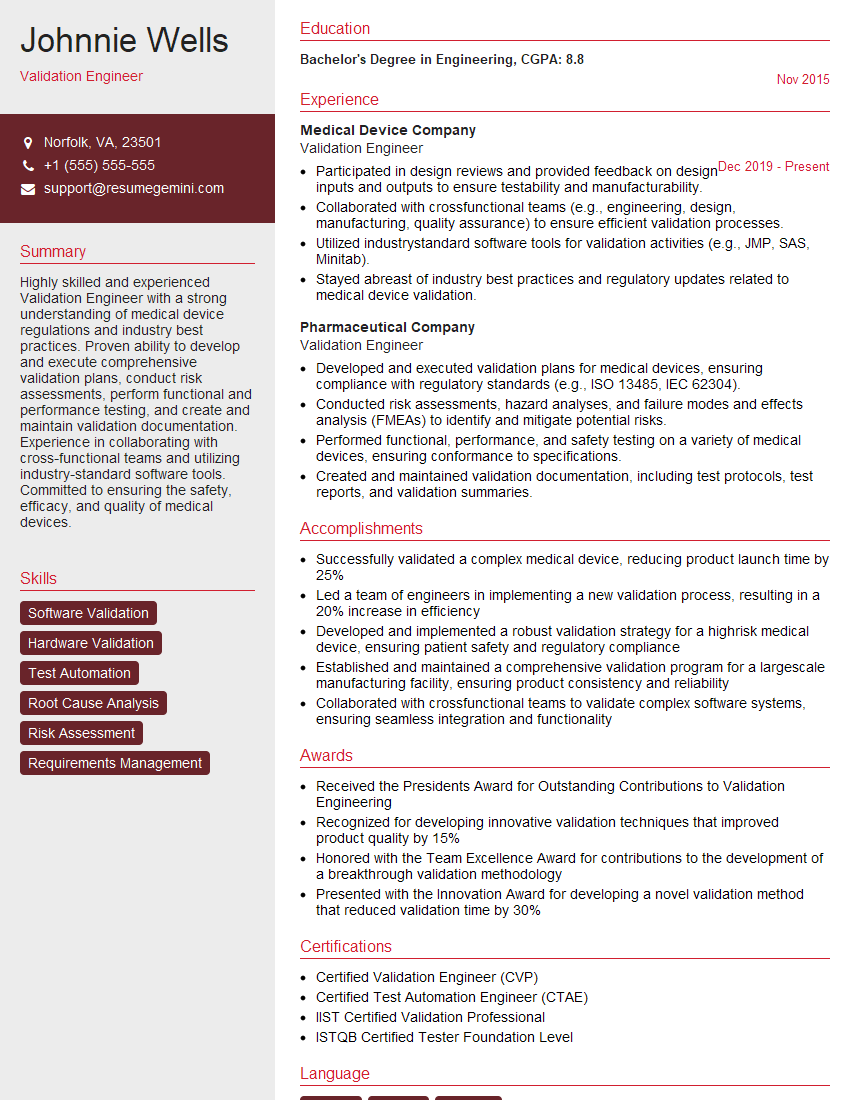
Validation Engineer Resume Sample
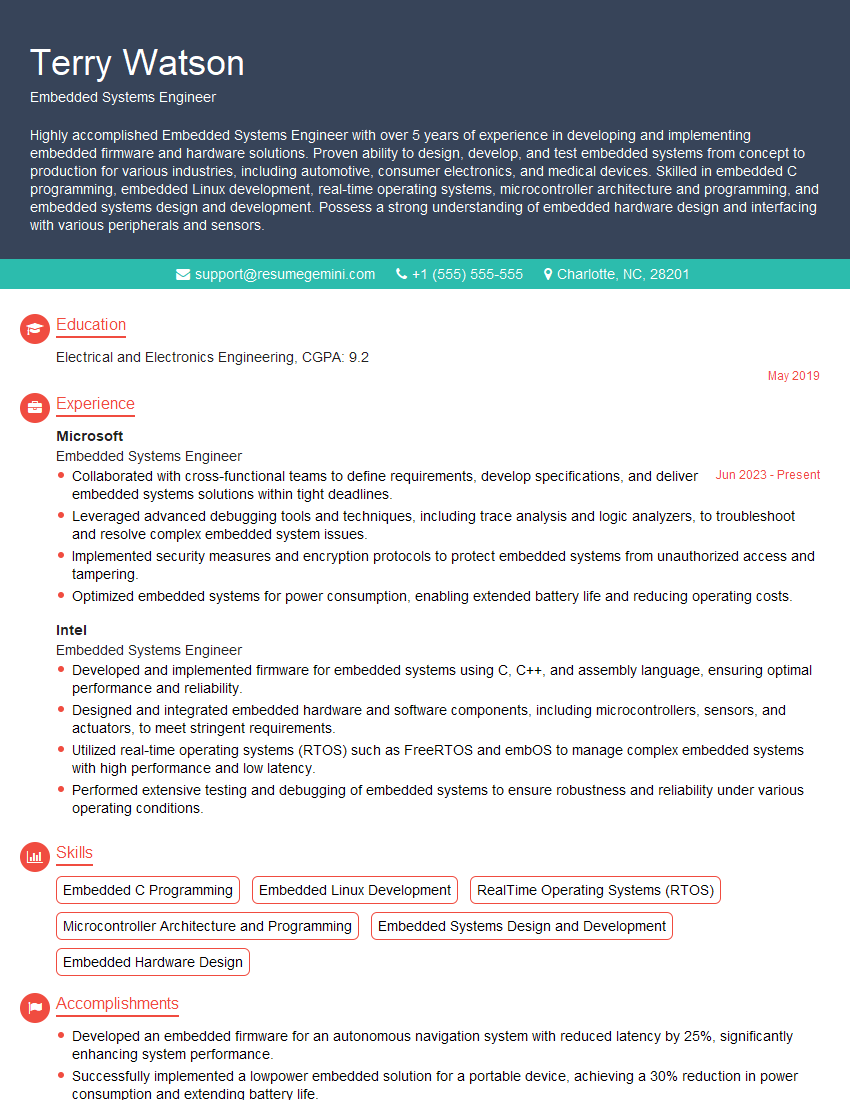
Embedded Systems Engineer Resume Sample
Explore more articles
Users Rating of Our Blogs
Share Your Experience
We value your feedback! Please rate our content and share your thoughts (optional).
What Readers Say About Our Blog
Very informative content, great job.
good