Interviews are more than just a Q&A session—they’re a chance to prove your worth. This blog dives into essential Process and Quality Control interview questions and expert tips to help you align your answers with what hiring managers are looking for. Start preparing to shine!
Questions Asked in Process and Quality Control Interview
Q 1. Explain your experience with statistical process control (SPC).
Statistical Process Control (SPC) is a powerful methodology for monitoring and controlling processes to ensure consistent quality. It uses statistical techniques to analyze data from a process and identify trends, variations, and potential issues. My experience with SPC spans several years and encompasses various industries, including manufacturing and pharmaceuticals. I’ve been involved in designing and implementing SPC charts, analyzing control chart data to detect assignable causes of variation, and training teams on SPC principles. For example, in a previous role, we implemented X-bar and R charts to monitor the diameter of manufactured parts. By tracking the process mean and range, we were able to quickly identify a machine malfunction that was causing excessive variation, allowing for prompt corrective action and preventing the production of defective parts. This saved the company significant costs and improved customer satisfaction.
Another significant project involved the use of control charts to monitor the fill levels of pharmaceutical vials. Here, precise control was critical for ensuring patient safety and regulatory compliance. We successfully used c-charts (for count data) to monitor the number of defects per vial, enabling us to quickly identify and correct issues in the filling process. My experience extends to the interpretation and application of various control chart types, including p-charts, u-charts and CUSUM charts based on the type of data and specific quality characteristic being monitored.
Q 2. Describe your experience implementing ISO 9001 or other quality management systems.
I have extensive experience implementing and maintaining ISO 9001:2015 Quality Management Systems (QMS). This involves all stages from initial gap analysis and documentation to internal audits and management review. My approach is always to ensure that the QMS is not just a set of documents, but a living, breathing system that integrates seamlessly into the organization’s culture. In a previous role, I led the implementation of ISO 9001 within a small manufacturing company. This involved a comprehensive review of existing processes, the development of detailed standard operating procedures (SOPs), and the establishment of a robust internal auditing program. We addressed nonconformances promptly and effectively, using corrective and preventive actions (CAPA) to improve our processes and prevent recurrence of problems. This certification not only enhanced our credibility with clients but also streamlined our operations and reduced waste.
Beyond ISO 9001, I’ve also worked with other quality management frameworks, including IATF 16949 (automotive) and GMP (good manufacturing practices) for pharmaceuticals. This experience provided me with a deep understanding of the principles underlying effective quality management and the need for adaptability and tailoring the system to the specific needs of the organization.
Q 3. How do you identify and analyze root causes of quality issues?
Identifying and analyzing root causes of quality issues requires a structured and systematic approach. My preferred method is the ‘5 Whys’ technique, combined with tools like fishbone diagrams (Ishikawa diagrams). The 5 Whys involves repeatedly asking ‘why’ to drill down to the fundamental cause of a problem. For example, if a product is failing a certain test, we might ask:
- Why did the product fail the test? (Because a component was defective)
- Why was the component defective? (Because the supplier sent a faulty batch)
- Why did the supplier send a faulty batch? (Because their testing equipment was malfunctioning)
- Why was the testing equipment malfunctioning? (Because it hadn’t been properly calibrated)
- Why hadn’t the equipment been calibrated? (Because there was no scheduled maintenance program)
The fishbone diagram helps visualize the potential causes, categorized by factors like materials, methods, manpower, machinery, environment, and management. This combined approach helps to ensure that we don’t simply treat the symptoms but address the underlying root causes, which prevents recurrence. In addition to these tools, data analysis plays a crucial role. Statistical methods can often reveal hidden patterns and correlations that point to underlying problems, which we can investigate further using root cause analysis techniques.
Q 4. What are your preferred methods for data analysis in quality control?
My preferred methods for data analysis in quality control are multifaceted and depend on the specific data and the problem at hand. However, some core techniques I frequently use include:
- Descriptive Statistics: Calculating means, medians, standard deviations, and ranges to understand the central tendency and variability of the data. This provides a basic overview of the process performance.
- Control Charts: As previously discussed, these are essential for monitoring process stability and identifying out-of-control points.
- Histograms: These visual representations of the data distribution help identify patterns and potential issues in the process. For instance, a skewed distribution might indicate a problem with the process parameters.
- Regression Analysis: This technique is useful in determining relationships between different variables, aiding in the identification of key factors affecting quality.
- Statistical Software: I am proficient in using statistical software packages like Minitab and JMP, which provide powerful tools for data analysis and visualization. These are essential for managing larger datasets and performing more complex statistical analyses.
The choice of specific statistical methods always depends on the data type (continuous, discrete, attribute) and the nature of the quality characteristic being studied. The goal is always to extract meaningful insights that inform improvement initiatives.
Q 5. Explain your understanding of different types of quality control charts (e.g., control charts, Pareto charts).
Several types of quality control charts are used to monitor process performance and identify potential issues.
- Control Charts: These are the core of SPC. They visually display data over time, with control limits set to indicate when a process is operating outside of its usual variability. Different types of control charts exist, including X-bar and R charts (for continuous data), p-charts (for proportions), c-charts (for counts of defects), and u-charts (for defects per unit). The choice of chart depends on the nature of the data being collected.
- Pareto Charts: These are bar charts that rank causes of defects or problems in descending order of frequency. They are incredibly useful for focusing improvement efforts on the most significant contributors to quality issues. The Pareto principle (80/20 rule) often applies, where a small number of causes account for a large percentage of the problems. For example, a Pareto chart might show that 80% of customer complaints stem from only 20% of the potential causes.
Understanding the different types of charts and their applications is crucial for selecting the appropriate tools to monitor and improve a process. Choosing the wrong type of chart can lead to inaccurate interpretations and ineffective actions.
Q 6. How do you develop and implement a quality control plan?
Developing and implementing a quality control plan involves a structured approach.
- Define the Scope: Clearly identify the products, processes, and characteristics that will be monitored. What aspects of quality are most critical?
- Identify Key Metrics: Determine the specific metrics that will be used to track quality performance (e.g., defect rate, cycle time, customer satisfaction). These metrics should be measurable and relevant to the goals of the organization.
- Establish Control Limits: Based on historical data or industry standards, set upper and lower control limits for the chosen metrics. These limits define acceptable levels of variation.
- Select Appropriate Charts: Choose the appropriate control charts to monitor the selected metrics, as described previously.
- Data Collection and Analysis: Implement a system for collecting data regularly and analyze the data using the chosen charts. Look for trends, patterns, and out-of-control points.
- Corrective and Preventive Actions: When out-of-control points or trends are identified, conduct root cause analysis to determine the underlying causes and implement corrective actions to address the issue and prevent recurrence.
- Process Improvement: Use data analysis to identify opportunities for process improvement and implement changes to enhance quality and reduce variation.
- Review and Update: Regularly review and update the quality control plan to ensure it remains relevant and effective.
A well-designed quality control plan is a dynamic tool, constantly adapting to new information and the evolution of processes. It is a critical component of any effective quality management system.
Q 7. Describe your experience with process capability analysis (Cpk, Pp).
Process capability analysis is a statistical method used to determine whether a process is capable of meeting the specifications or requirements set for it. Cpk (Process Capability Index) and Ppk (Process Performance Index) are common metrics used in this analysis.
- Cpk (Process Capability Index): Measures the capability of a process when it is in a state of statistical control. It indicates how well the process is centered within the specification limits and how much variation it exhibits. A Cpk value greater than 1.33 is generally considered acceptable for most applications, indicating that the process is capable of meeting the specifications.
- Ppk (Process Performance Index): Similar to Cpk, but it measures the capability of a process over a period of time, regardless of whether the process is in control. It accounts for both the short-term and long-term variation in the process.
For example, in the manufacturing of ball bearings, a Cpk analysis might reveal that the process is capable of producing bearings with the required diameter, while a low Ppk value might suggest that the process needs improvement because of inconsistencies over time. This analysis enables informed decision-making regarding process improvement, changes to equipment, or other adjustments necessary to achieve desired quality levels. I have used these tools extensively in manufacturing settings to assess process capability and identify areas for improvement. Understanding the difference between Cpk and Ppk is crucial, as using the incorrect metric can lead to misleading conclusions about process capability.
Q 8. How do you measure and improve process efficiency?
Measuring and improving process efficiency involves a multifaceted approach focusing on identifying bottlenecks, optimizing workflows, and leveraging data-driven insights. We begin by defining clear Key Performance Indicators (KPIs) that directly reflect process efficiency. These could include cycle time, throughput, defect rate, and resource utilization.
For example, in a manufacturing setting, cycle time – the time it takes to complete one unit of production – is a critical KPI. We would then use techniques like process mapping (e.g., value stream mapping) to visually represent the process steps, identifying areas of waste (muda) such as unnecessary delays, transportation, inventory, motion, over-processing, overproduction, and defects.
Once bottlenecks are identified, we can implement improvement strategies. This could involve automation (e.g., using robotic process automation), streamlining workflows (e.g., eliminating redundant steps), or improving employee training. After implementing changes, we monitor the KPIs to measure the impact of the improvements. We use tools like statistical process control (SPC) charts to track variations and ensure the improvements are sustained. Regular review meetings and data analysis are crucial to continuously refine the process and maintain efficiency gains.
Q 9. How would you handle a situation where a product fails to meet quality standards?
When a product fails to meet quality standards, a systematic approach is essential, prioritizing immediate containment and root cause analysis. The first step is to isolate the non-conforming product to prevent further distribution or use. A thorough investigation, involving a cross-functional team, is conducted to pinpoint the root cause. Tools like the 5 Whys, fishbone diagrams (Ishikawa diagrams), and fault tree analysis can help.
For instance, if a batch of manufactured parts shows excessive wear, we wouldn’t simply scrap the batch. We’d analyze the manufacturing process, examining factors such as material quality, machine settings, and operator skill. Suppose the root cause is identified as faulty machine calibration. Corrective actions, like recalibrating the machine and establishing a preventative maintenance schedule, would be implemented.
Once the root cause is addressed and corrective actions are verified, we establish preventative measures to avoid recurrence. This might include improved training, new quality checks, or updated standard operating procedures (SOPs). Finally, the non-conforming products would be handled according to established procedures, possibly through rework, repair, or scrapping. Documentation of the entire process – from initial failure to corrective and preventive actions – is vital for continuous improvement.
Q 10. Describe your experience with risk assessment and mitigation in quality control.
Risk assessment and mitigation are integral to proactive quality control. My experience involves using a structured approach, often following a framework like Failure Mode and Effects Analysis (FMEA). FMEA systematically identifies potential failure modes in a process, assesses their severity, occurrence, and detectability, and then prioritizes mitigation strategies.
For example, in a software development project, we might use FMEA to identify potential risks associated with a specific module. We’d list possible failures (e.g., database connection error, incorrect data validation), assign severity levels (e.g., critical, major, minor), assess the likelihood of occurrence, and determine how easily the failure would be detected. Based on the risk priority number (RPN), calculated by multiplying severity, occurrence, and detectability, we would prioritize the implementation of mitigation strategies. These could include robust error handling, enhanced testing, or additional quality checks.
Beyond FMEA, I’ve used other risk assessment methodologies like HAZOP (Hazard and Operability Study) and fault tree analysis, tailoring the approach to the specific context of the project and industry regulations.
Q 11. What are your experiences using quality management software?
I have extensive experience using various quality management software (QMS) solutions, including both cloud-based and on-premise systems. My experience spans various platforms, including solutions like ISOTools, MasterControl, and TrackWise. These systems enable streamlined processes for document control, audit management, CAPA (Corrective and Preventive Action) management, and non-conformance tracking.
For instance, in a previous role, we used a QMS to manage our entire audit program. The software facilitated scheduling, conducting audits, documenting findings, and tracking corrective actions. This not only improved efficiency but also provided a centralized repository for audit records, improving traceability and compliance. I’m proficient in using these systems to generate reports, analyze data, and identify trends, ultimately supporting continuous improvement initiatives.
Q 12. How familiar are you with different auditing techniques?
I’m familiar with a range of auditing techniques, encompassing both internal and external audits. This includes ISO 9001 audits, internal audits following a company’s specific procedures, and regulatory compliance audits. My experience covers various audit methodologies such as:
- Compliance Audits: Verifying adherence to regulations, standards, and procedures.
- System Audits: Evaluating the effectiveness and efficiency of the overall quality management system.
- Process Audits: Focusing on specific processes to identify areas for improvement.
- Product Audits: Inspecting finished products to ensure they meet specifications.
I’m proficient in conducting audits using a risk-based approach, prioritizing areas with higher potential for non-compliance or process failures. I’m also adept at preparing audit plans, conducting on-site inspections, interviewing personnel, reviewing documentation, and issuing comprehensive audit reports with clear findings and recommendations.
Q 13. Explain your approach to continuous improvement in quality control processes.
My approach to continuous improvement in quality control is grounded in the principles of the Deming cycle (Plan-Do-Check-Act or PDCA) and Lean methodologies. It’s an iterative process focused on constant refinement and optimization.
We begin by clearly defining goals and objectives, identifying areas requiring improvement based on data analysis and feedback. This could involve examining KPI trends, customer feedback, or audit findings. Next, we plan and implement changes – these could include new processes, training programs, or technological upgrades. Following implementation, we thoroughly monitor the effectiveness of the changes, collecting data to assess the impact. This data-driven evaluation helps us to confirm that the changes have achieved the desired results or identify areas needing further adjustments. Finally, we act on the findings, standardizing successful changes and iterating on those that haven’t yielded the expected improvements. This cycle continues, ensuring continuous enhancement of quality control processes.
Q 14. How do you communicate quality control data and findings to different stakeholders?
Effective communication of quality control data and findings is crucial to ensure alignment and action across different stakeholders. My approach involves tailoring communication to the audience and context, using clear, concise language, and visualizing data to enhance understanding.
For example, when communicating with senior management, I’d provide a high-level summary highlighting key performance indicators, risks, and cost implications. I would use dashboards and charts to visually represent the data. With operational teams, I’d focus on specific actions and recommendations, perhaps using training materials or updated procedures to enhance understanding.
For external stakeholders, such as customers, I’d focus on demonstrating compliance and addressing any concerns they might have about product quality or reliability. Regular reporting, clear documentation, and open communication channels are vital to fostering trust and transparency across all stakeholder groups.
Q 15. Describe a time you had to deal with a conflict regarding quality standards.
During a project involving the manufacturing of precision medical instruments, a conflict arose between the production team, prioritizing speed and output, and the quality control team, focused on adhering to stringent tolerance levels. The production team argued that the tighter quality standards were slowing down production and impacting profitability. My approach involved first actively listening to both sides, understanding their respective concerns and the pressures they faced. Then, I facilitated a collaborative meeting to analyze the root causes of the conflict. We used a Pareto chart to visualize the most frequent defects and their impact on production time and cost. This data-driven approach helped objectively highlight the areas requiring immediate attention and those which could be addressed with minor adjustments without compromising quality. We established a tiered system prioritizing critical defects first, followed by less critical ones, allowing the production team to streamline their process while still adhering to essential quality standards. This approach led to increased production efficiency with a negligible impact on the overall quality of the instruments.
Career Expert Tips:
- Ace those interviews! Prepare effectively by reviewing the Top 50 Most Common Interview Questions on ResumeGemini.
- Navigate your job search with confidence! Explore a wide range of Career Tips on ResumeGemini. Learn about common challenges and recommendations to overcome them.
- Craft the perfect resume! Master the Art of Resume Writing with ResumeGemini’s guide. Showcase your unique qualifications and achievements effectively.
- Don’t miss out on holiday savings! Build your dream resume with ResumeGemini’s ATS optimized templates.
Q 16. Explain your understanding of the DMAIC methodology.
DMAIC, which stands for Define, Measure, Analyze, Improve, and Control, is a structured problem-solving methodology, particularly effective in Six Sigma projects. It’s a data-driven approach used to improve existing processes.
- Define: Clearly define the problem, including its scope, goals, and critical parameters. This often involves creating a project charter and defining critical to quality (CTQ) characteristics.
- Measure: Collect data to quantify the current process performance and identify key metrics. This stage involves selecting appropriate measurement methods and tools.
- Analyze: Analyze the collected data to identify the root causes of the problem. This often involves using tools like fishbone diagrams (Ishikawa diagrams), Pareto charts, and process mapping.
- Improve: Develop and implement solutions to address the identified root causes. This stage involves brainstorming potential solutions and testing them through experiments.
- Control: Implement controls to maintain the improved process performance and prevent regressions. This involves establishing monitoring systems and standard operating procedures (SOPs).
For instance, in a customer service context, DMAIC could be used to reduce customer wait times. The ‘Define’ phase would define acceptable wait times. ‘Measure’ would track current wait times. ‘Analyze’ would uncover bottlenecks. ‘Improve’ would involve changes to staff scheduling or phone system. ‘Control’ would involve ongoing monitoring and adjustments to maintain the improved wait times.
Q 17. What metrics do you find most important in evaluating quality control effectiveness?
Several key metrics are crucial for evaluating quality control effectiveness. These metrics often work in concert to give a holistic view.
- Defect Rate: The percentage of defective products or services produced, a direct measure of quality. A lower rate is desirable.
- Defect per Million Opportunities (DPMO): This metric helps standardize defect rates across processes with varying complexities, allowing better comparison.
- Process Capability (Cp, Cpk): These indices show how well a process can meet specified tolerances. A Cp/Cpk of 1.33 or higher generally indicates robust process capability.
- Customer Satisfaction (CSAT) scores: Reflect customer perception of product/service quality.
- Return Merchandise Authorization (RMA) rate: Indicates the percentage of products returned due to defects. A lower rate reflects better quality.
- Yield: The percentage of usable output compared to total input.
Choosing the right metrics depends on the specific context. A manufacturing plant might focus heavily on DPMO and yield, while a software company would prioritize CSAT and RMA rates.
Q 18. How do you balance cost and quality considerations?
Balancing cost and quality is a fundamental challenge in any organization. It’s not about sacrificing one for the other; it’s about finding an optimal balance that maximizes value. This involves considering the long-term implications of quality compromises.
Strategies include:
- Value Engineering: Identifying and eliminating unnecessary costs without compromising quality. This might involve using less expensive materials without sacrificing performance or functionality.
- Preventive Quality Control: Investing in preventive measures, such as robust design and training, reduces defects and associated costs in the long run. A small investment in preventing defects is far more cost-effective than dealing with large-scale recalls or warranty claims.
- Statistical Process Control (SPC): Using statistical tools to monitor processes and detect potential problems early, before they escalate into significant cost issues. This allows for timely corrective action.
- Risk Assessment: Identifying potential risks related to quality and their associated costs. This helps prioritize resources to mitigate the most significant risks. This includes potential lost revenue from customer dissatisfaction or legal action.
Ultimately, the goal is to achieve the highest possible quality at the lowest possible cost. This requires careful planning, data analysis, and a commitment to continuous improvement.
Q 19. How do you ensure the accuracy and reliability of your quality control measurements?
Ensuring the accuracy and reliability of quality control measurements is paramount. This involves several key strategies:
- Calibration and Validation: Regularly calibrating measurement equipment against traceable standards. Ensuring measurement methods are validated to demonstrate their accuracy and reliability.
- Control Charts: Using control charts to monitor process variability and detect any shifts or trends that might indicate measurement inaccuracies or process problems.
- Measurement System Analysis (MSA): Conducting MSA to evaluate the accuracy, precision, bias, and linearity of the measurement system. This identifies sources of error in the measurement process itself.
- Operator Training: Properly training personnel on the correct usage of measuring instruments and the adherence to established procedures to minimize human error.
- Traceability: Maintaining a detailed record of all measurements, including the equipment used, the operator, and the date and time. This ensures complete traceability in case of discrepancies. A robust chain of custody is crucial.
- Redundancy: Employing multiple independent measurements where possible to improve confidence in the results and to detect anomalous data points.
For example, in a pharmaceutical setting, using multiple analytical instruments to verify the purity of a drug product would be a vital step to ensure the accuracy and reliability of quality control.
Q 20. Explain your understanding of different types of sampling techniques.
Sampling techniques are crucial when inspecting a large population of items because inspecting every item is often impractical. Several techniques exist, each with its strengths and weaknesses.
- Simple Random Sampling: Each item in the population has an equal chance of being selected. It is easy to implement but can be inefficient if the population is not homogenous.
- Stratified Sampling: The population is divided into strata (subgroups) based on relevant characteristics, and a random sample is drawn from each stratum. This ensures representation from all subgroups.
- Systematic Sampling: Items are selected at a fixed interval (e.g., every 10th item). Simple to implement but can be biased if the population has a pattern that coincides with the sampling interval.
- Cluster Sampling: The population is divided into clusters, and a random sample of clusters is selected. All items within the selected clusters are then inspected. Useful for geographically dispersed populations but may not be as precise as other methods.
- Acceptance Sampling: A subset of items is inspected to determine whether an entire batch meets quality standards. Commonly used in manufacturing. Examples include single, double, and multiple sampling plans.
The choice of sampling technique depends heavily on the nature of the population, the objectives of the sampling, and the available resources.
Q 21. What is your experience with preventative quality control measures?
Preventive quality control focuses on preventing defects rather than simply detecting them after they occur. It’s a proactive approach that yields significant long-term benefits.
My experience involves implementing several preventative measures:
- Robust Design: Designing products and processes that are inherently less susceptible to defects, minimizing variability and tolerance issues.
- Process Mapping and Analysis: Identifying potential failure points within a process by visualizing its steps and flows. This allows for preventative actions before problems arise.
- Standard Operating Procedures (SOPs): Developing and enforcing clear, documented procedures for all aspects of the process. This ensures consistency and reduces variability.
- Employee Training and Empowerment: Providing employees with thorough training on quality procedures and empowering them to identify and resolve quality issues proactively. This promotes a culture of quality throughout the organization.
- Regular Equipment Maintenance: Scheduling routine maintenance of equipment to prevent breakdowns and ensure consistent performance.
- Supplier Management: Establishing robust relationships with reliable suppliers who provide high-quality materials and components.
In a previous role, implementing a preventative maintenance program for critical manufacturing equipment reduced equipment downtime by 40%, directly resulting in significant cost savings and improved product quality.
Q 22. Describe your experience working with cross-functional teams on quality improvement initiatives.
My experience with cross-functional teams on quality improvement initiatives is extensive. I’ve consistently found that successful quality improvement hinges on effective collaboration and communication. In one project, we tackled a significant issue with late product deliveries. Our team, comprising members from engineering, manufacturing, supply chain, and sales, initially struggled due to conflicting priorities and communication silos. To overcome this, we implemented a structured approach. First, we established clear, shared goals, utilizing a visual representation like a Kanban board to track progress. Second, we employed regular cross-functional meetings, fostering open dialogue and mutual understanding. We utilized tools like root cause analysis (RCA) – specifically the 5 Whys technique – to identify the underlying causes of the delays, leading to actionable improvements. Finally, we created a shared responsibility matrix, clearly defining roles and accountabilities for each team member to ensure collective ownership of the solution. The result was a significant improvement in delivery times and a stronger sense of collaboration across departments. The key takeaway is that active listening, empathy, and structured communication are crucial for bridging departmental divides and achieving collective success in quality improvement.
Q 23. Explain your understanding of the relationship between process control and quality control.
Process control and quality control are intrinsically linked; they are two sides of the same coin. Process control focuses on preventing defects by ensuring the process itself operates consistently and efficiently. It’s like setting the stage for a successful play. Think of it as proactively managing the inputs and parameters of a process to achieve consistent outputs within predetermined specifications. Quality control, on the other hand, is reactive. It verifies that the output meets the required quality standards. It’s like reviewing the final play to ensure it met expectations. It involves inspection, testing, and monitoring the end product or service to identify any deviations from these standards. Imagine a manufacturing line producing widgets: Process control ensures the machinery is calibrated correctly, the raw materials are of consistent quality, and the operators follow procedures meticulously. Quality control then inspects the finished widgets to ensure they meet size, weight, and functionality specifications. Effective quality control relies on a well-controlled process; poor process control inevitably leads to quality issues, resulting in increased costs and customer dissatisfaction. A robust system integrates both, leveraging predictive analysis from process control data to continuously refine and improve quality control strategies.
Q 24. How do you prioritize quality control tasks and projects?
Prioritizing quality control tasks and projects requires a structured approach that considers risk, impact, and urgency. I typically employ a risk-based prioritization matrix. This matrix plots each task based on its potential impact on the business and the likelihood of failure. High-impact, high-likelihood tasks receive the highest priority. For instance, a manufacturing defect with the potential for widespread customer returns would naturally rank higher than a minor cosmetic issue. I also consider urgency, factoring in deadlines and potential consequences of delays. Using a system such as this ensures that resources are allocated effectively and that critical issues are addressed promptly. Regular review and adjustment of the matrix are essential as new information emerges or priorities shift. Additionally, I utilize Lean principles, focusing on eliminating waste and streamlining processes to reduce the overall volume of quality control tasks. This proactive approach helps prevent problems before they occur, freeing up resources for other activities.
Q 25. What is your experience in using quality control tools such as FMEA or control plans?
I have extensive experience utilizing various quality control tools. Failure Mode and Effects Analysis (FMEA) is a crucial tool I frequently employ to identify potential failure modes in a process, assess their severity, and determine the appropriate preventative actions. For example, during the development of a new product, we conducted an FMEA to identify potential failures in the assembly process. This helped us implement preventative measures to reduce the likelihood of defects and improve product quality. Control plans, closely linked to FMEA, detail the specific actions and controls to be implemented to prevent or mitigate identified failure modes. These plans define inspection points, measurement methods, and responsible parties. They serve as a living document, continuously updated as needed, ensuring consistent adherence to quality standards. Beyond FMEA and control plans, I’m proficient in other tools such as Statistical Process Control (SPC) charts, Pareto charts for identifying the vital few causes of defects, and process mapping for visualizing and improving workflow efficiency. My experience shows that combining these tools enables a holistic and comprehensive approach to quality control.
Q 26. How do you stay current with new quality control techniques and technologies?
Staying current with new quality control techniques and technologies is a continuous process. I actively participate in professional organizations such as ASQ (American Society for Quality), attending conferences and webinars to learn about the latest advancements. I also regularly read industry publications and journals to stay informed about emerging trends. Furthermore, I leverage online resources and participate in online forums to engage with other quality professionals and share best practices. The adoption of new technologies, like AI-powered predictive analytics, is particularly important. These technologies can significantly enhance the effectiveness of quality control by providing early warnings of potential problems and enabling proactive interventions. Continuous learning is essential in this rapidly evolving field, ensuring I remain at the forefront of quality control methodologies and technologies.
Q 27. Describe your experience with implementing and maintaining quality management systems.
I have extensive experience implementing and maintaining quality management systems (QMS), primarily based on ISO 9001 standards. My approach is always holistic, involving a thorough understanding of the organization’s processes, identification of key quality objectives, and the development of appropriate procedures and documentation. This includes the creation of documented procedures for various processes, the establishment of a robust internal audit program, and the implementation of corrective and preventative actions (CAPA) processes. I have successfully guided multiple organizations through ISO 9001 certification audits, demonstrating my ability to ensure conformity to the standard and continuous improvement. Maintaining a QMS is an ongoing endeavor that requires regular review and update. Key aspects include ongoing monitoring of key performance indicators (KPIs), conducting periodic management reviews, and ensuring that the system remains relevant and effective in addressing evolving business needs. Successful implementation and maintenance hinge on effective leadership, training, and commitment from all levels within the organization.
Key Topics to Learn for Process and Quality Control Interview
- Statistical Process Control (SPC): Understanding control charts (e.g., X-bar and R charts, p-charts, c-charts), process capability analysis (Cp, Cpk), and their application in monitoring and improving processes. Practical application: Analyzing production data to identify sources of variation and implement corrective actions.
- Quality Management Systems (QMS): Familiarity with ISO 9001 or other relevant standards, including documentation control, internal audits, and continuous improvement methodologies (e.g., Kaizen, Lean). Practical application: Describing your experience with implementing or improving a QMS within a previous role.
- Root Cause Analysis (RCA): Mastering techniques like the 5 Whys, fishbone diagrams (Ishikawa diagrams), and fault tree analysis to identify the underlying causes of defects and implement effective solutions. Practical application: Explaining how you’ve used RCA to solve a process-related problem.
- Process Improvement Methodologies: Knowledge of Lean manufacturing principles, Six Sigma methodologies (DMAIC, DMADV), and their application in optimizing processes and reducing waste. Practical application: Discussing your experience with implementing Lean or Six Sigma projects and their impact on efficiency and quality.
- Quality Tools and Techniques: Proficiency in using various quality tools such as Pareto charts, histograms, scatter diagrams, and flowcharts for data analysis and process visualization. Practical application: Illustrating how you’ve used these tools to analyze data and make informed decisions.
- Auditing and Compliance: Understanding the principles of internal and external audits, regulatory compliance (e.g., FDA, GMP), and the importance of maintaining accurate records and documentation. Practical application: Describing your experience with conducting audits or ensuring regulatory compliance.
Next Steps
Mastering Process and Quality Control principles is crucial for career advancement in many industries. A strong understanding of these concepts will open doors to leadership roles and higher earning potential. To maximize your job prospects, creating an ATS-friendly resume is essential. ResumeGemini is a trusted resource to help you build a professional resume that highlights your skills and experience effectively. We provide examples of resumes tailored to Process and Quality Control to help you get started. Take the next step towards your dream career today!
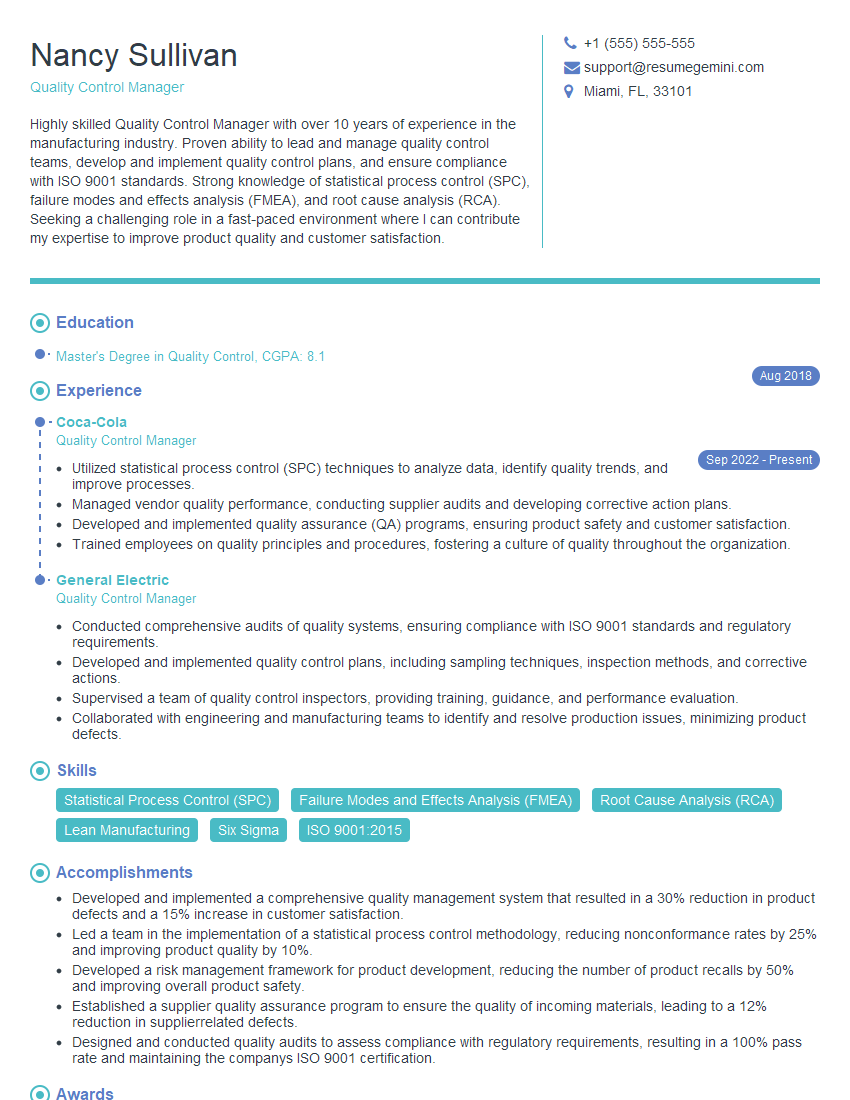
Quality Control Manager Resume Sample

Compliance Officer Resume Sample
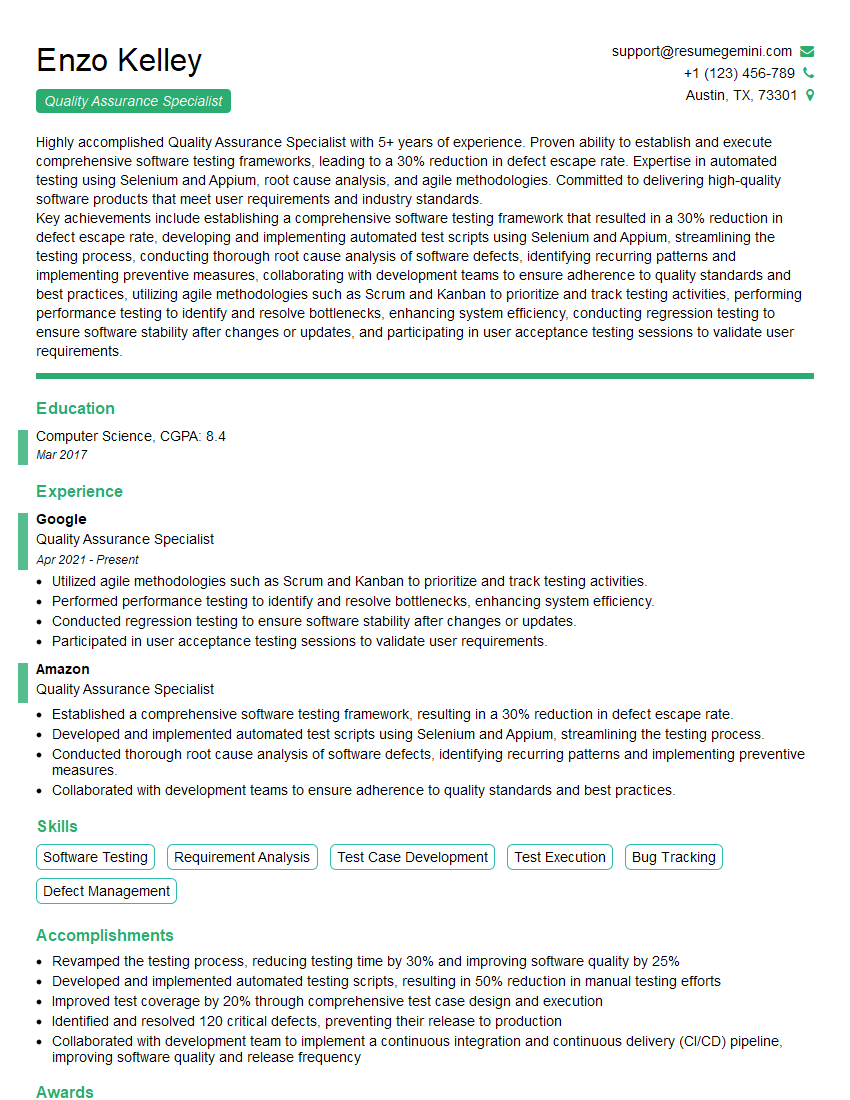
Quality Assurance Specialist Resume Sample
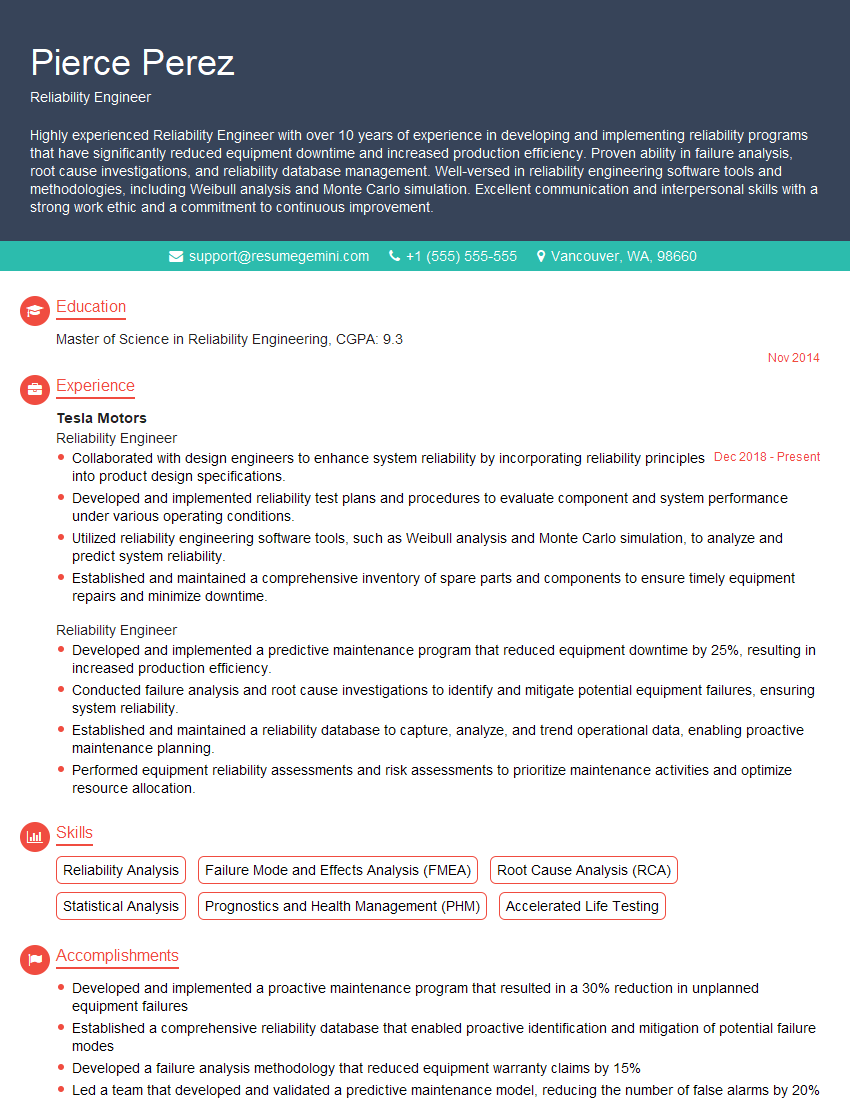
Reliability Engineer Resume Sample
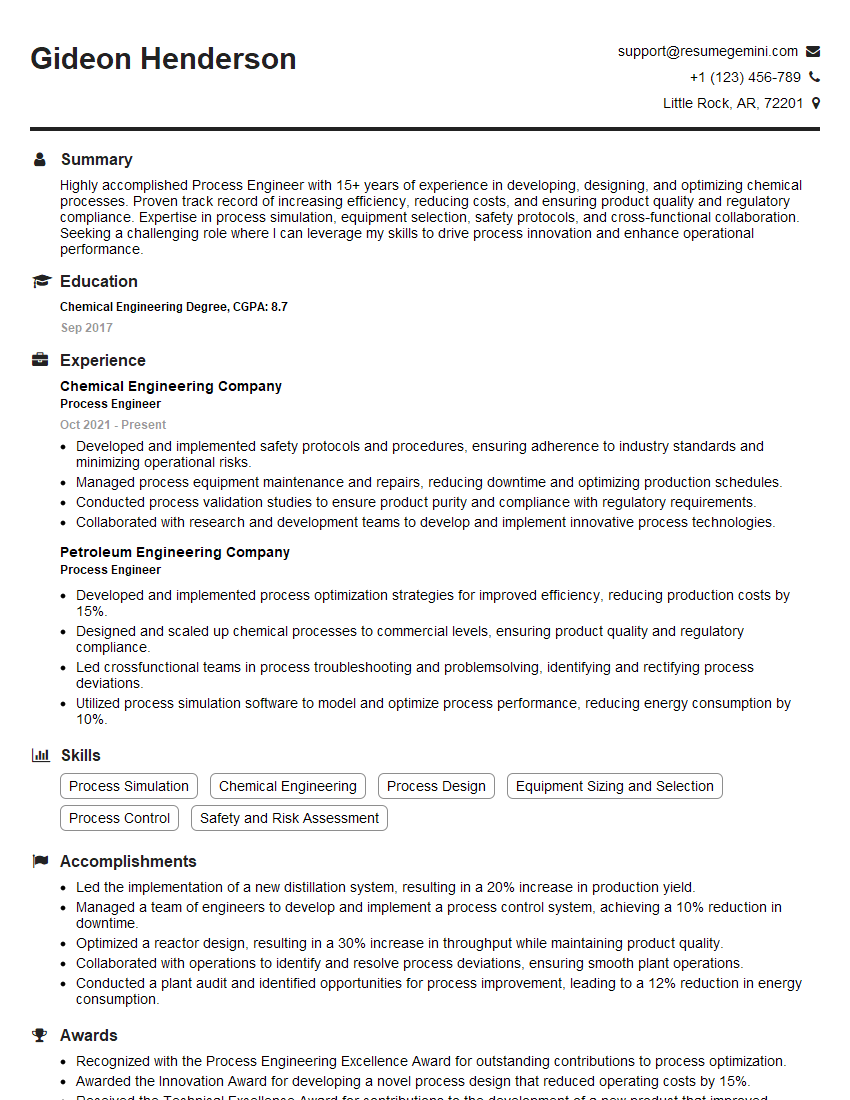
Process Engineer Resume Sample
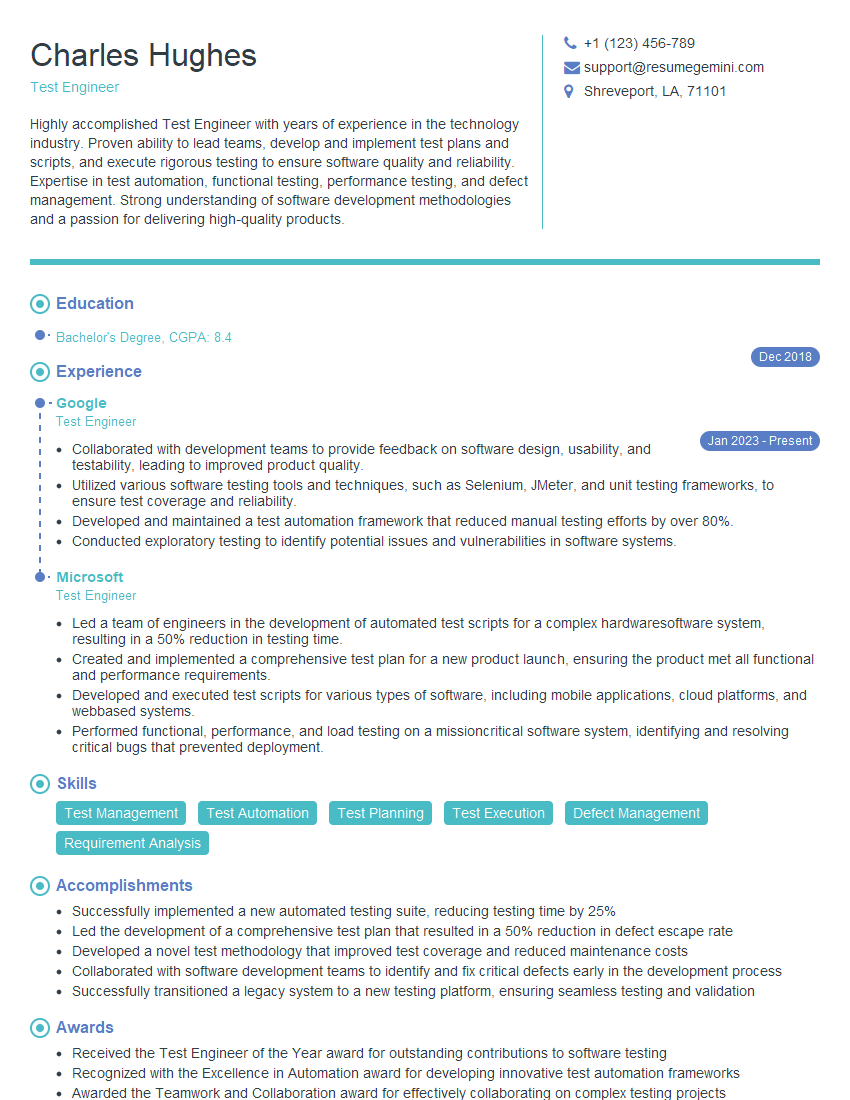
Test Engineer Resume Sample
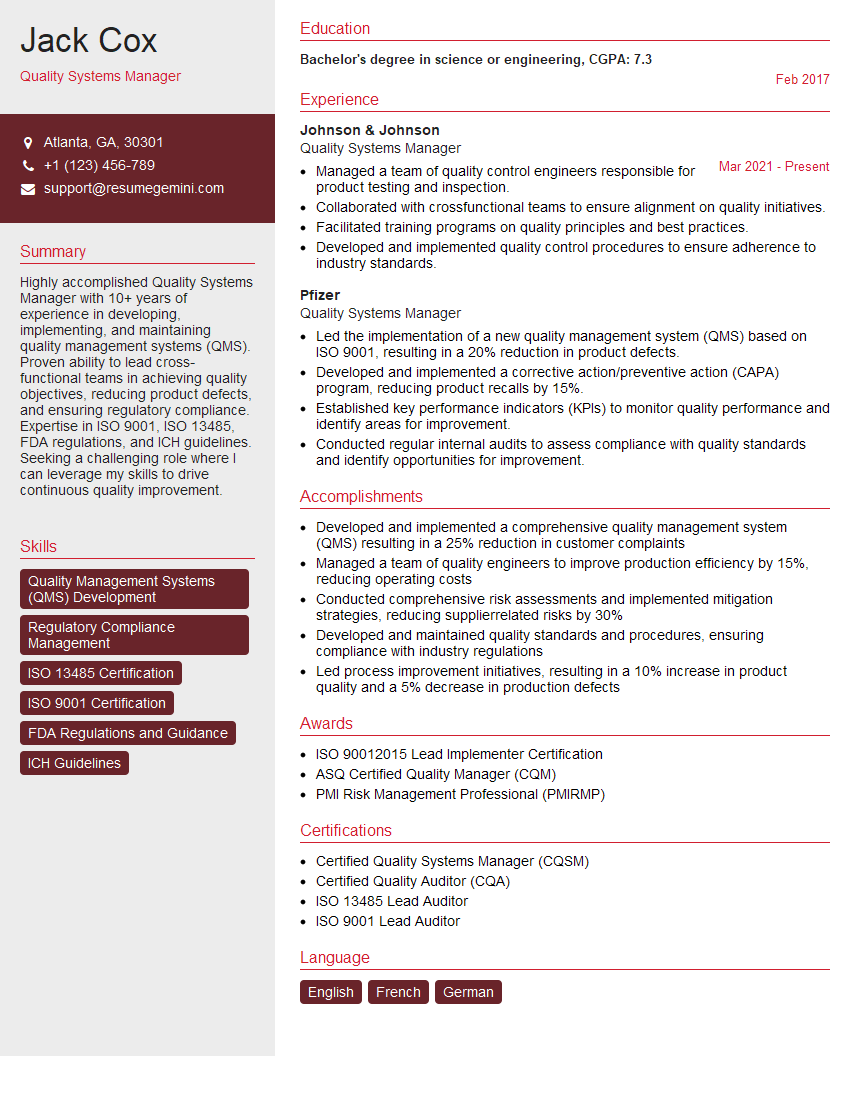
Quality Systems Manager Resume Sample
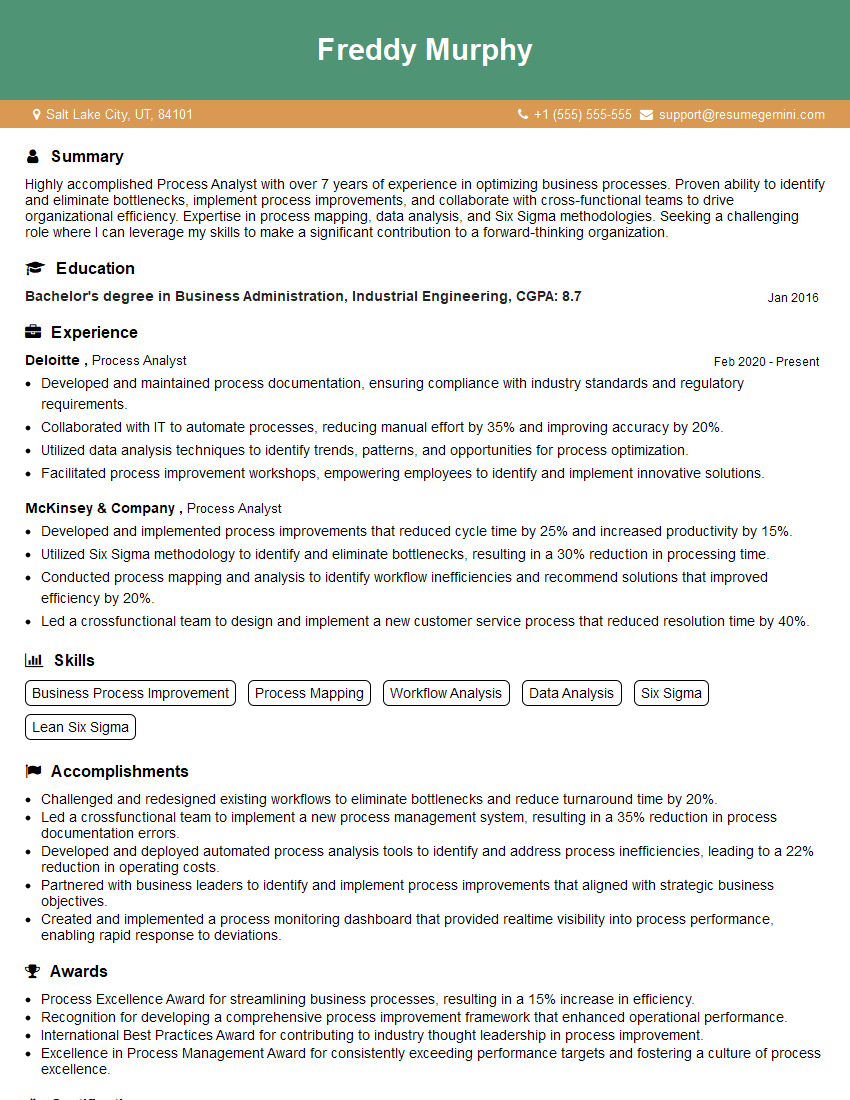
Process Analyst Resume Sample
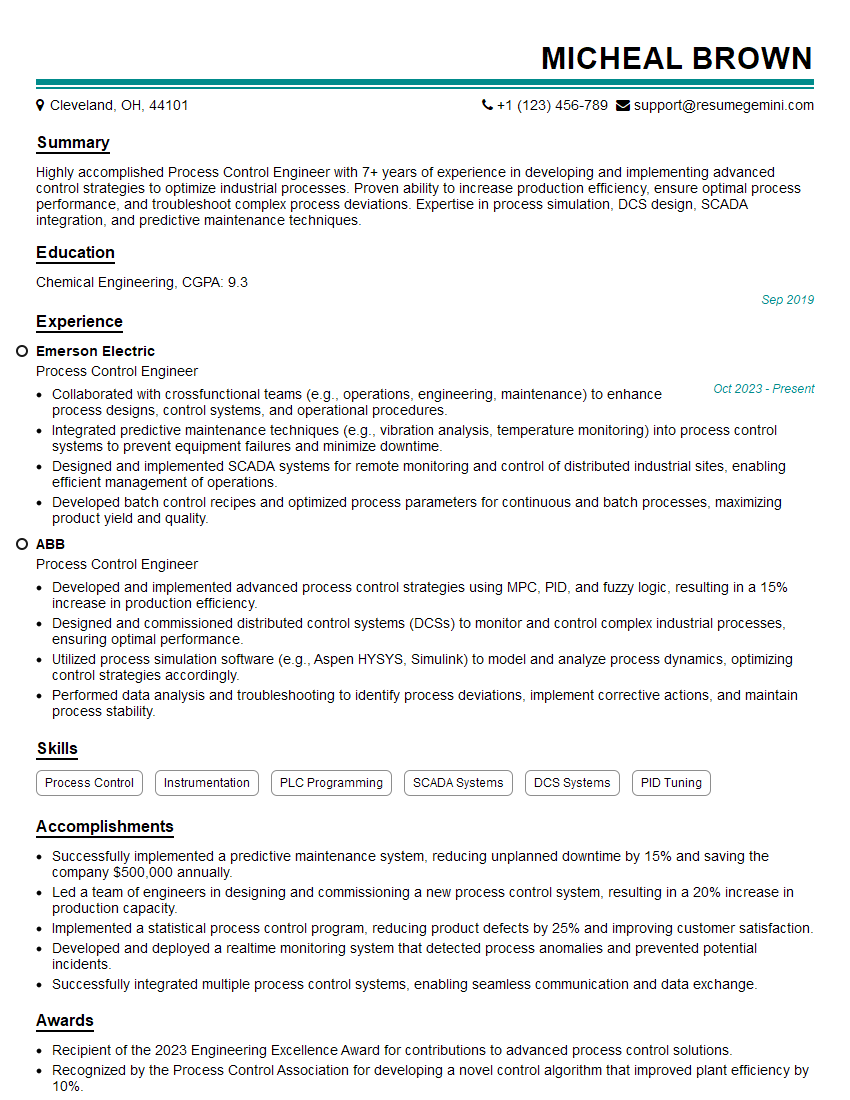
Process Control Engineer Resume Sample
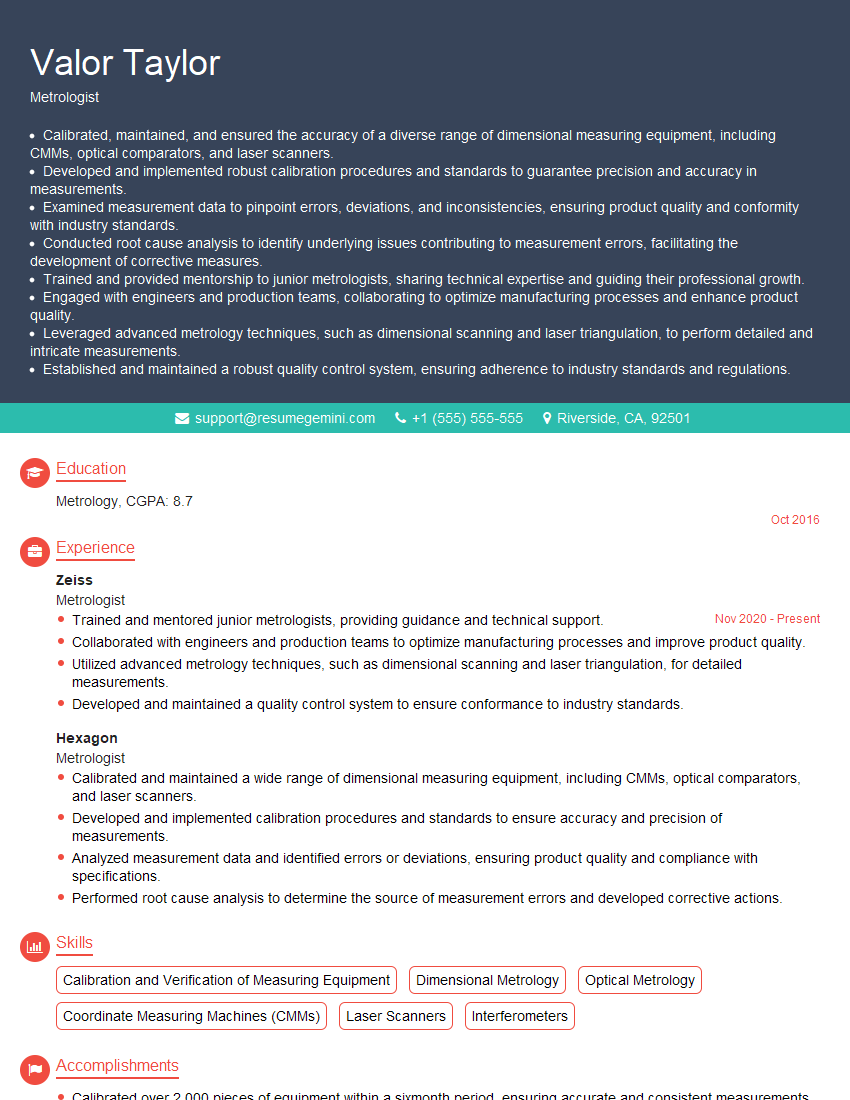
Metrologist Resume Sample
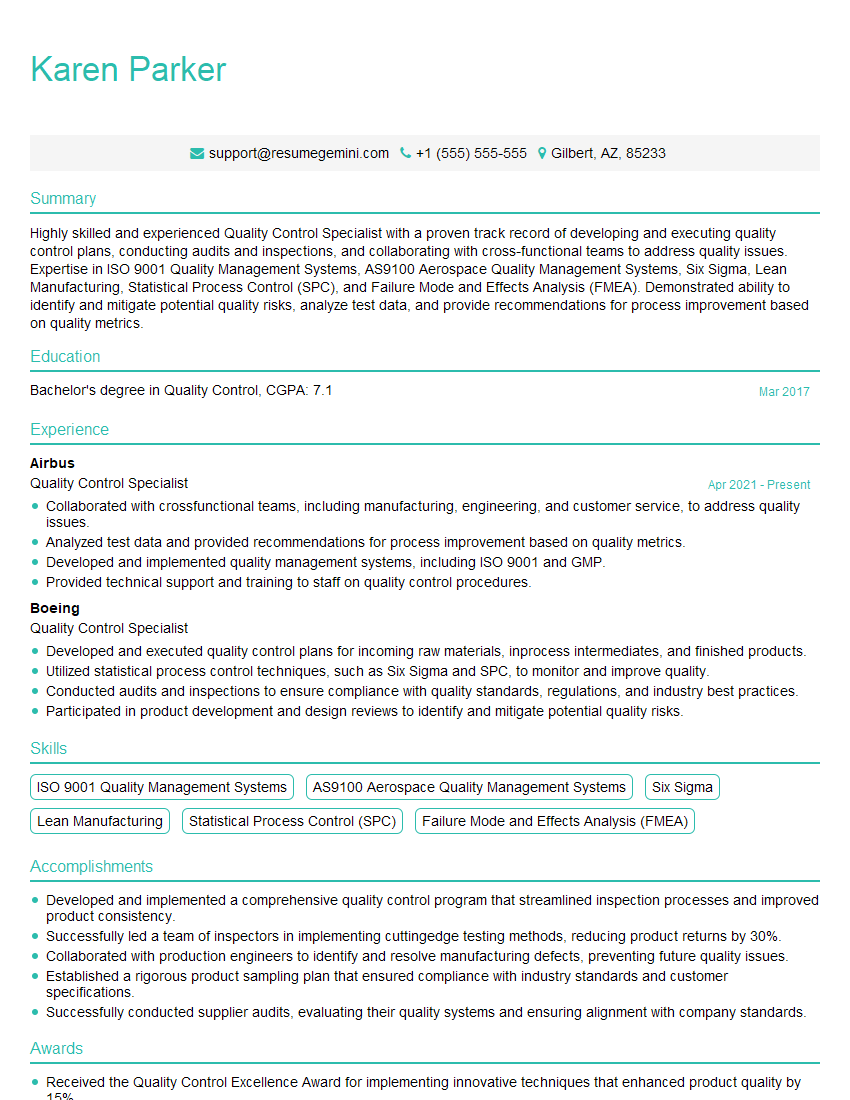
Quality Control Specialist Resume Sample
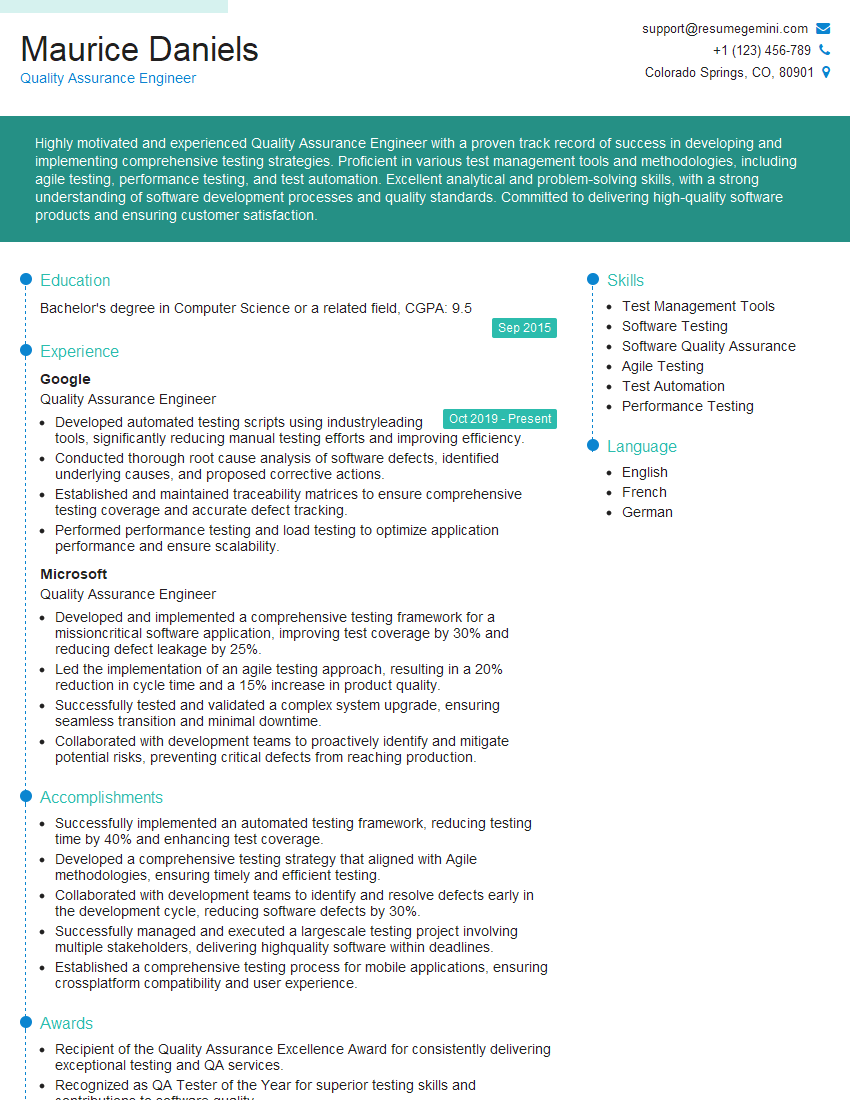
Quality Assurance Engineer Resume Sample
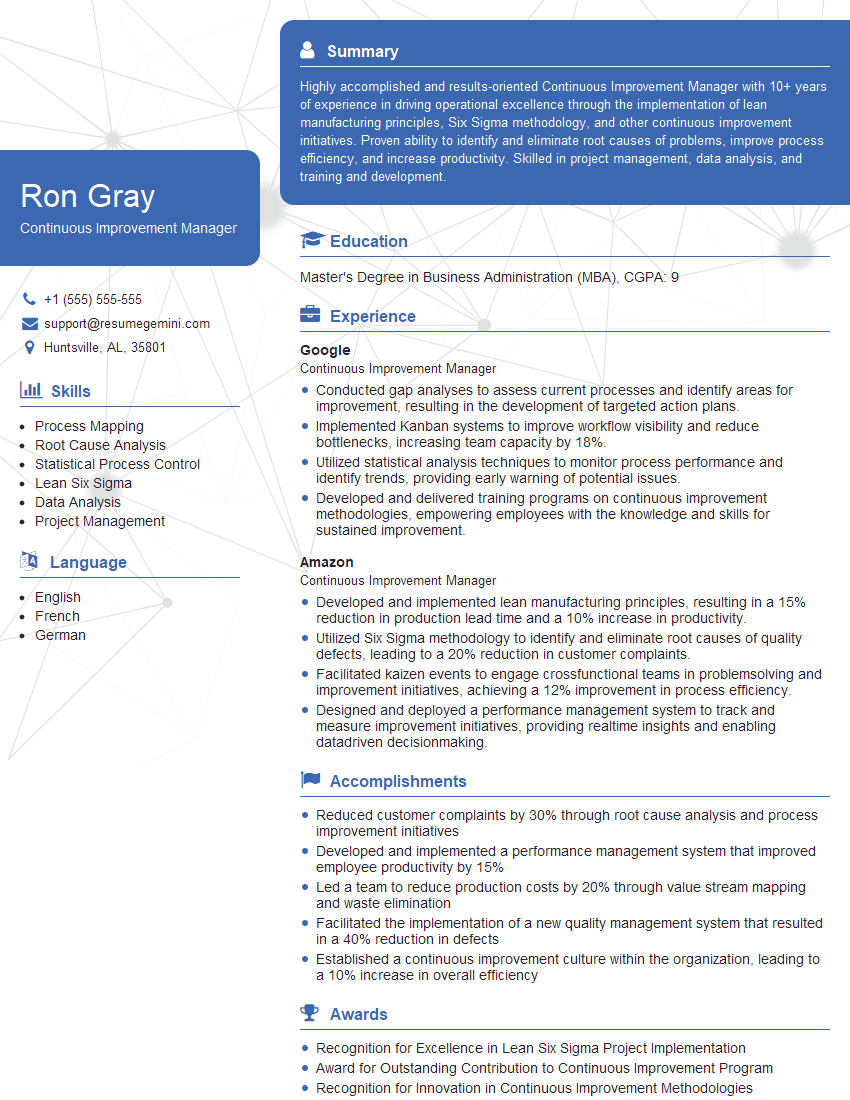
Continuous Improvement Manager Resume Sample
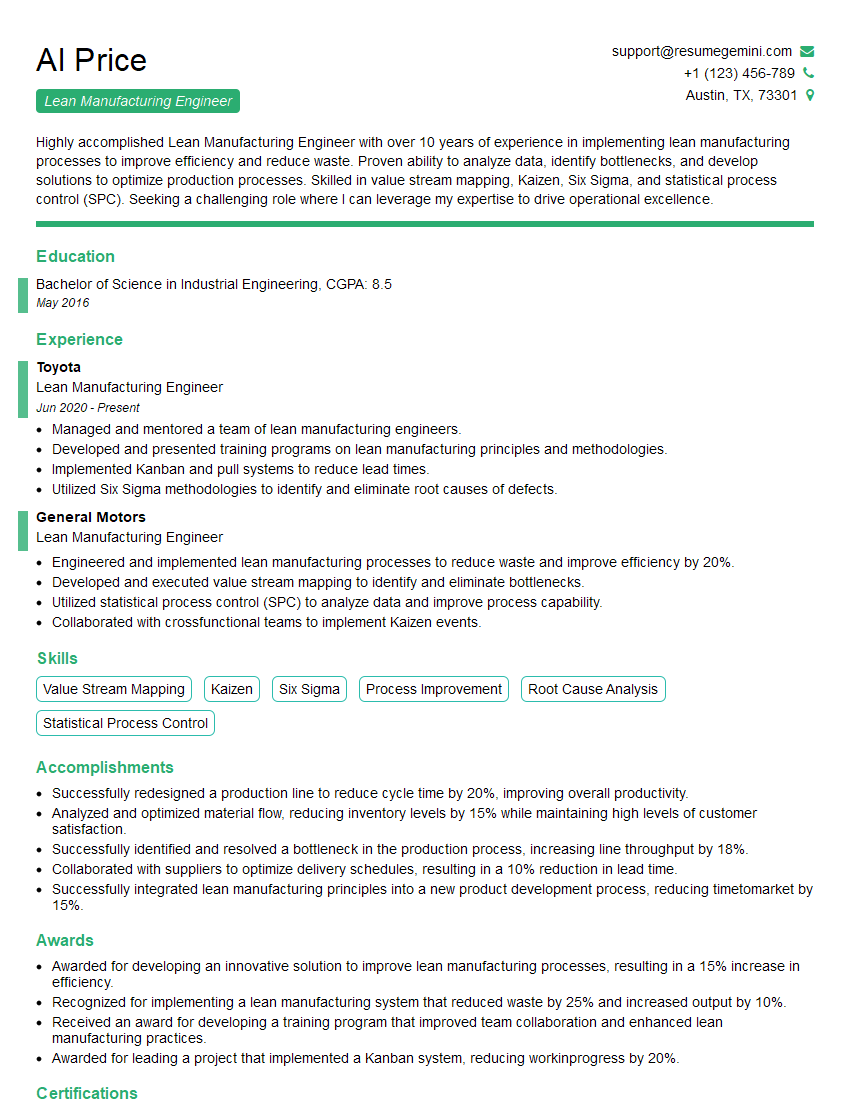
Lean Manufacturing Engineer Resume Sample
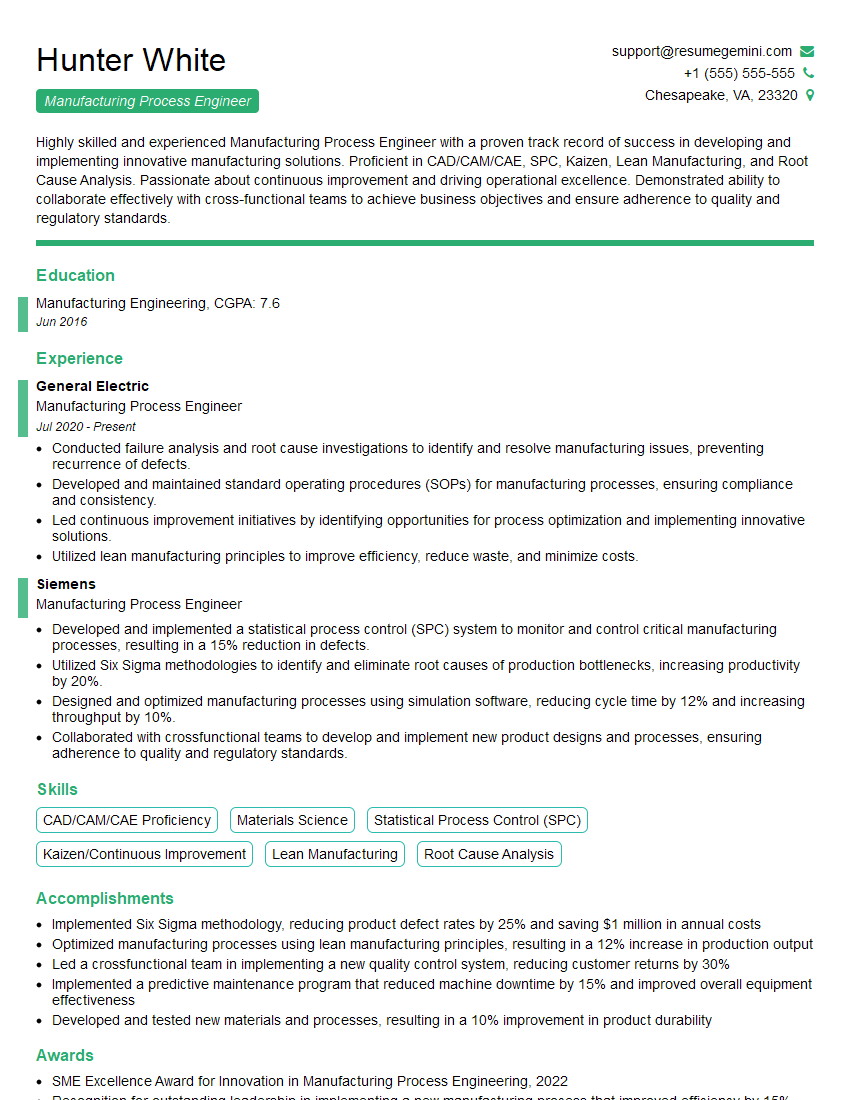
Manufacturing Process Engineer Resume Sample
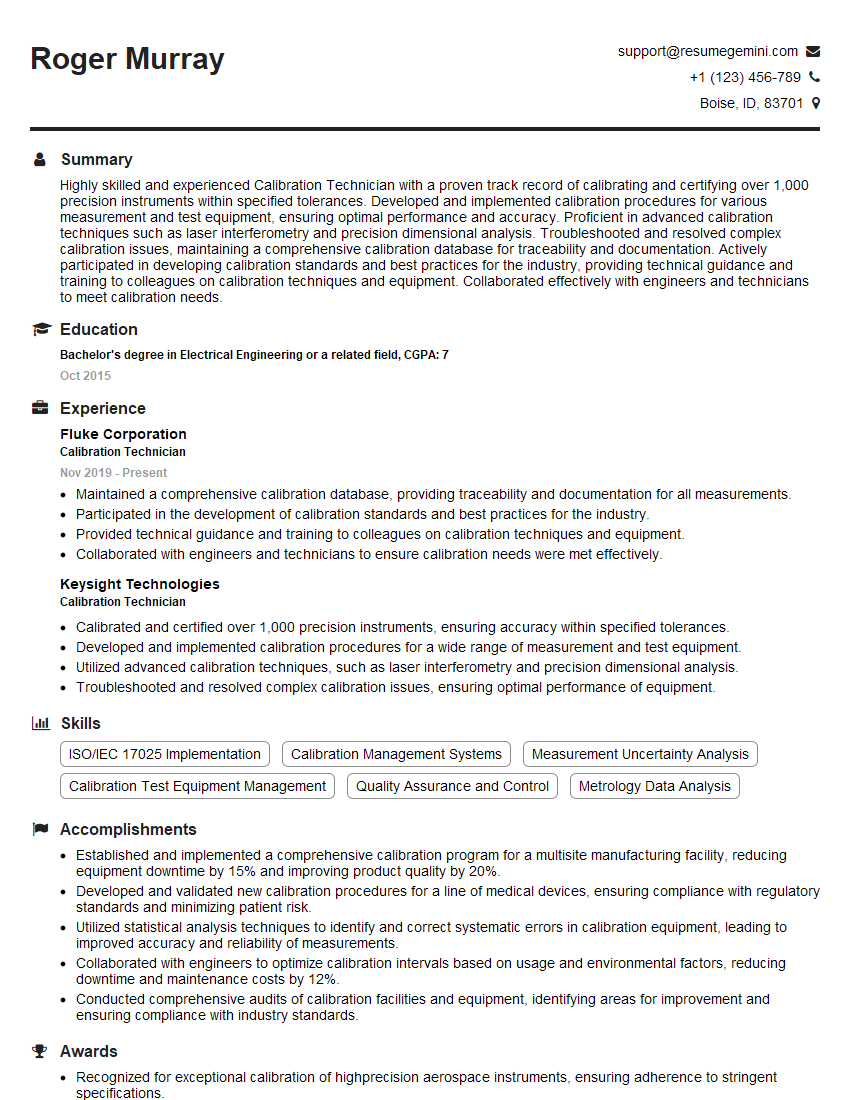
Calibration Technician Resume Sample
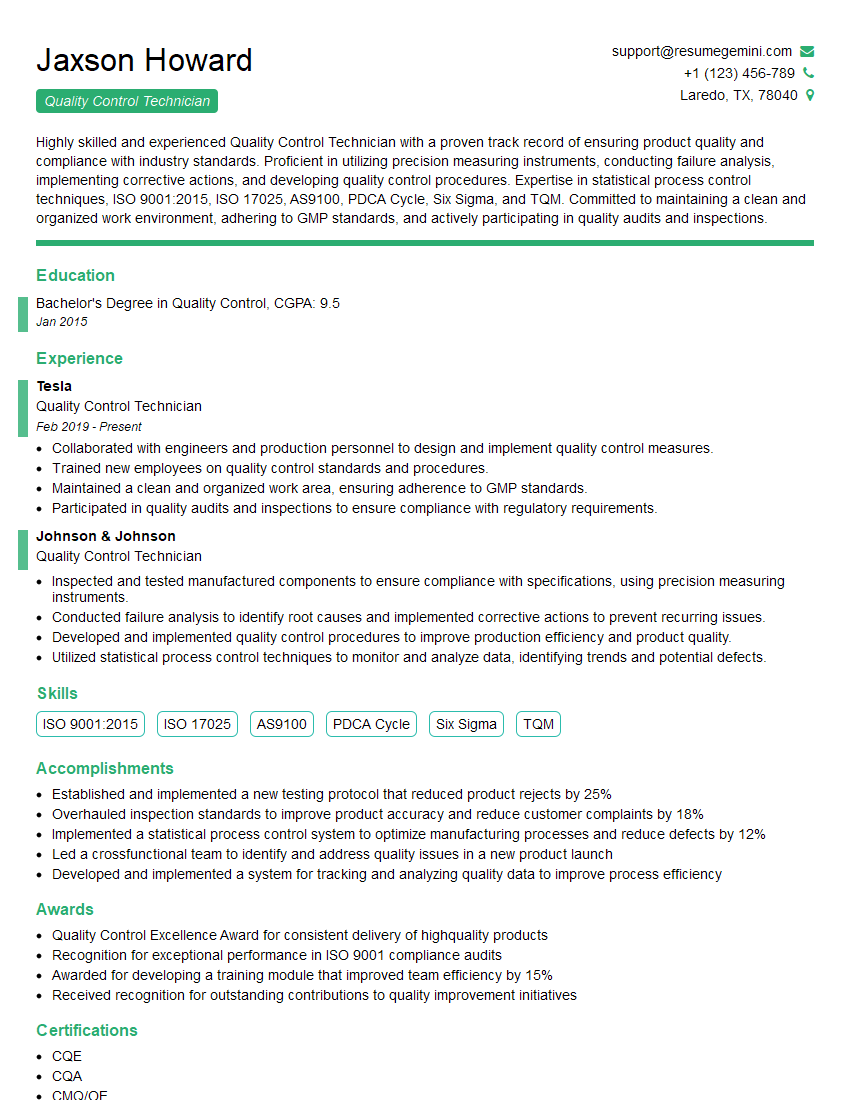
Quality Control Technician Resume Sample
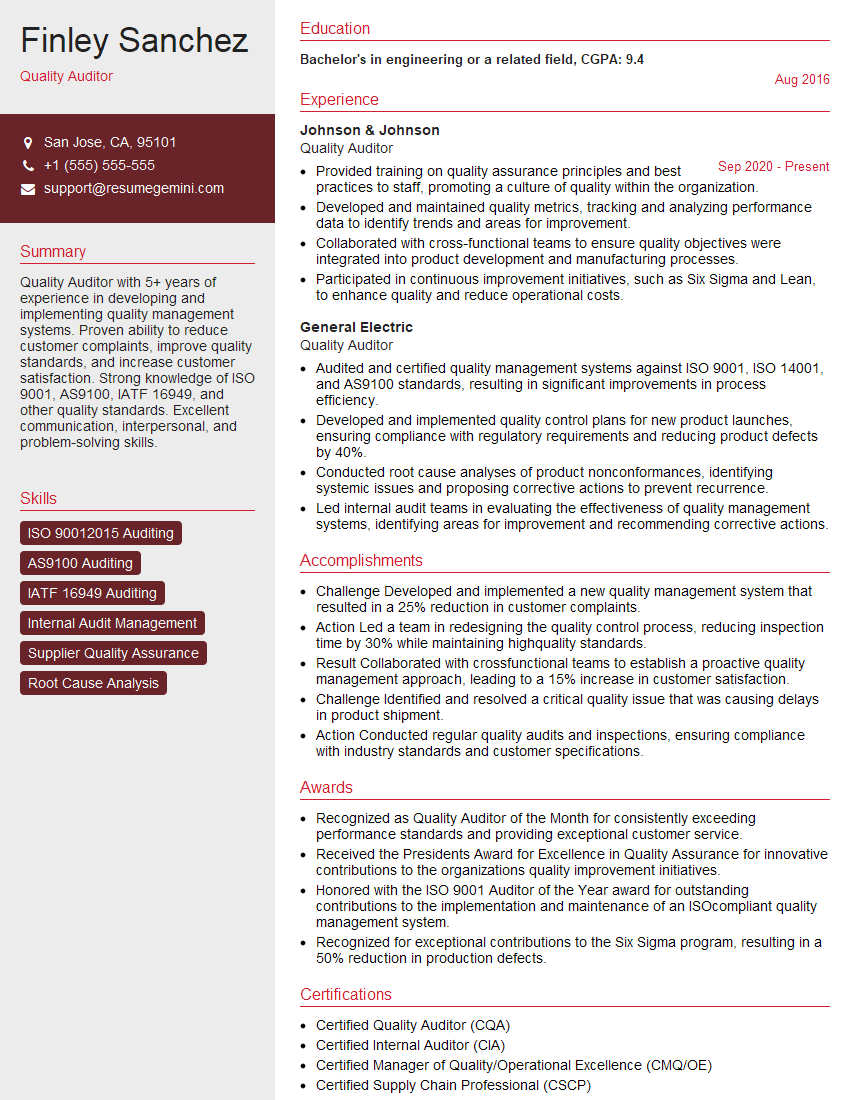
Quality Auditor Resume Sample
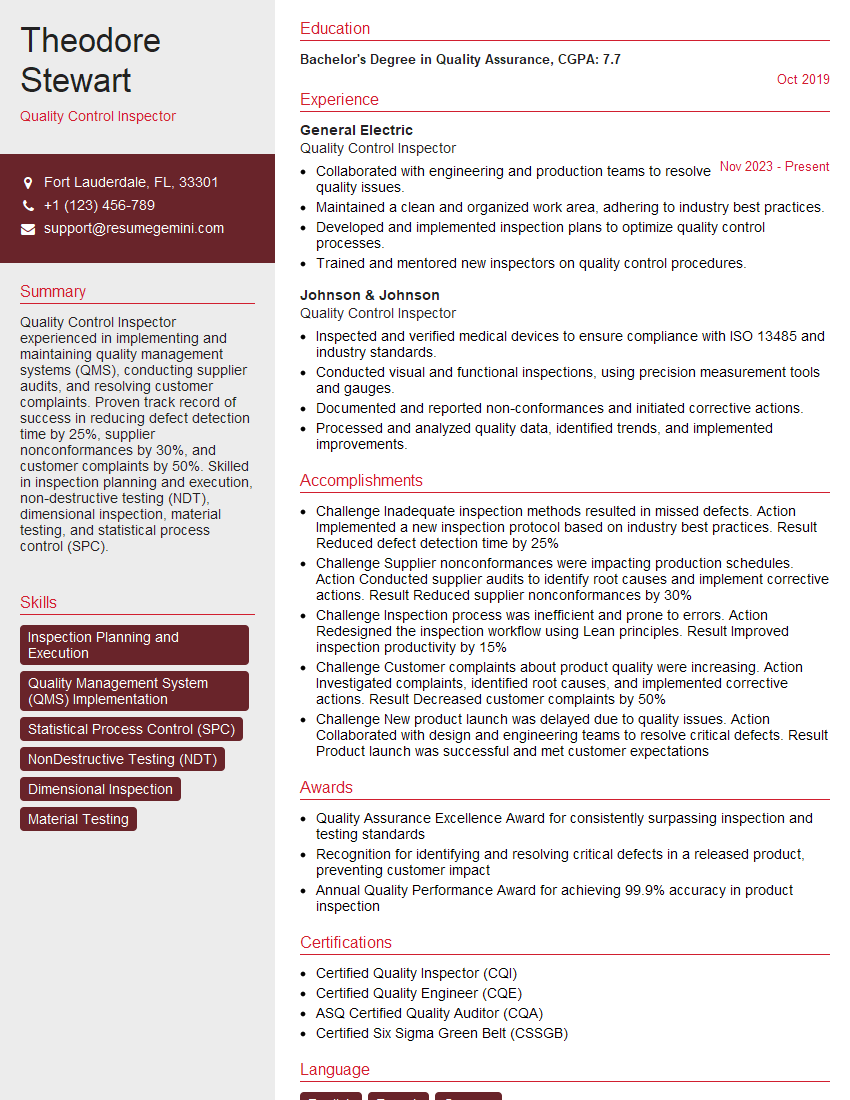
Quality Control Inspector Resume Sample
- Quality Control Manager
- Compliance Officer
- Quality Assurance Specialist
- Reliability Engineer
- Process Engineer
- Test Engineer
- Quality Systems Manager
- Process Analyst
- Process Control Engineer
- Metrologist
- Quality Control Specialist
- Quality Assurance Engineer
- Continuous Improvement Manager
- Lean Manufacturing Engineer
- Manufacturing Process Engineer
- Calibration Technician
- Quality Control Technician
- Quality Auditor
- Quality Control Inspector
Explore more articles
Users Rating of Our Blogs
Share Your Experience
We value your feedback! Please rate our content and share your thoughts (optional).
What Readers Say About Our Blog
Very informative content, great job.
good